
Article

Spatial Dynamics and Drivers of Carbon–Pollution Synergy in the Middle Reaches of the Yangtze River Urban Agglomeration

1
Department of Environmental Science and Engineering, Fudan University, Shanghai 200438, China
2
Fudan Tyndall Centre, Fudan University, Shanghai 200433, China
3
Institute for Global Public Policy, Fudan University, Shanghai 200433, China
*
Author to whom correspondence should be addressed.
Earth 2026, 7(3), 86; https://doi.org/10.3390/earth7030086
Submission received: 15 April 2026 / Revised: 20 May 2026 / Accepted: 20 May 2026 / Published: 23 May 2026

Abstract

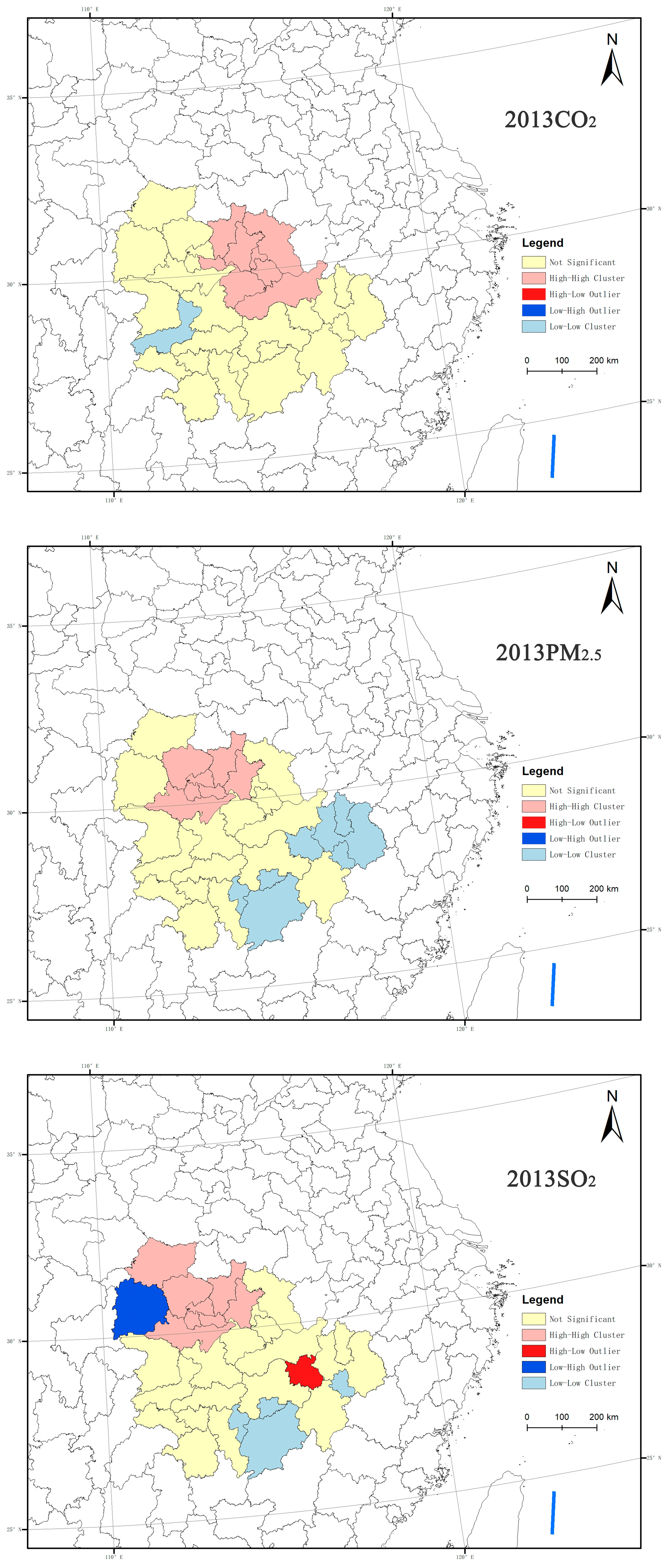
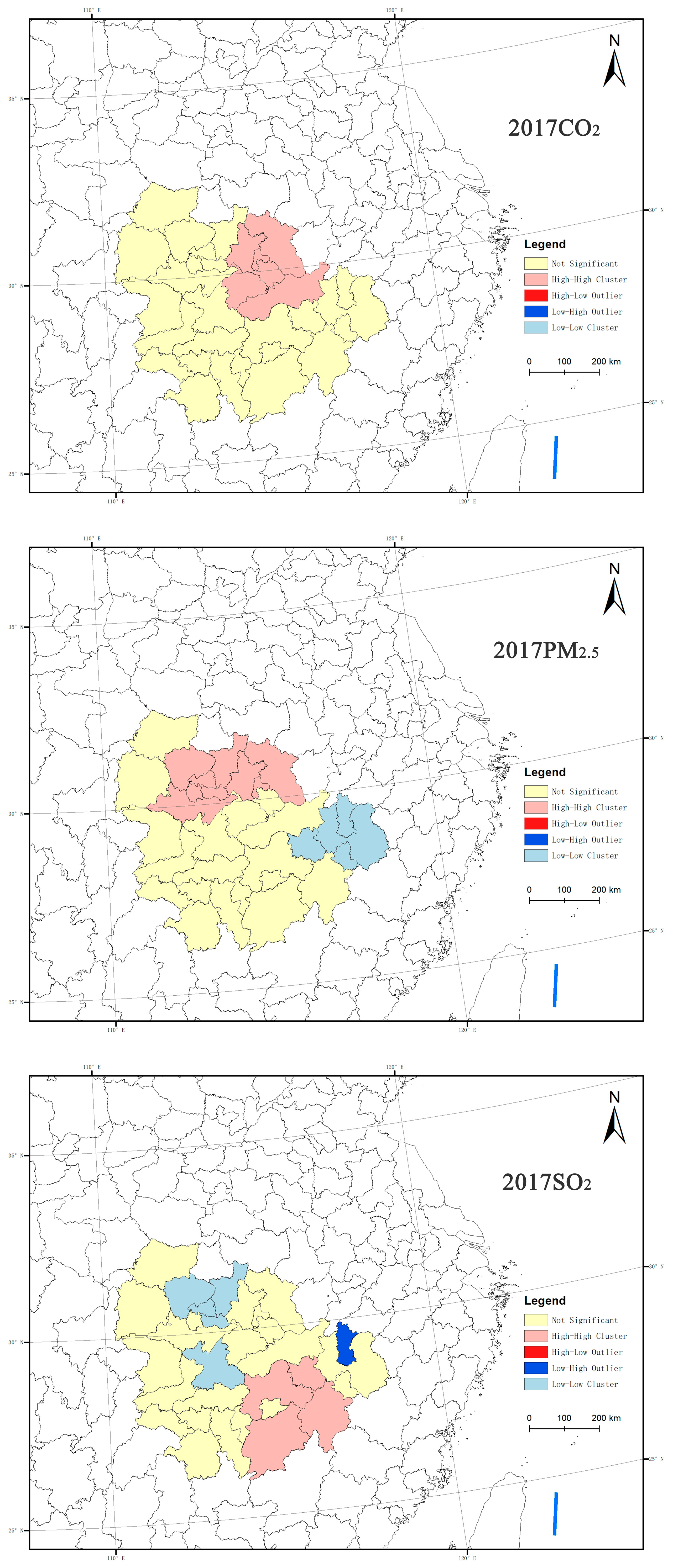
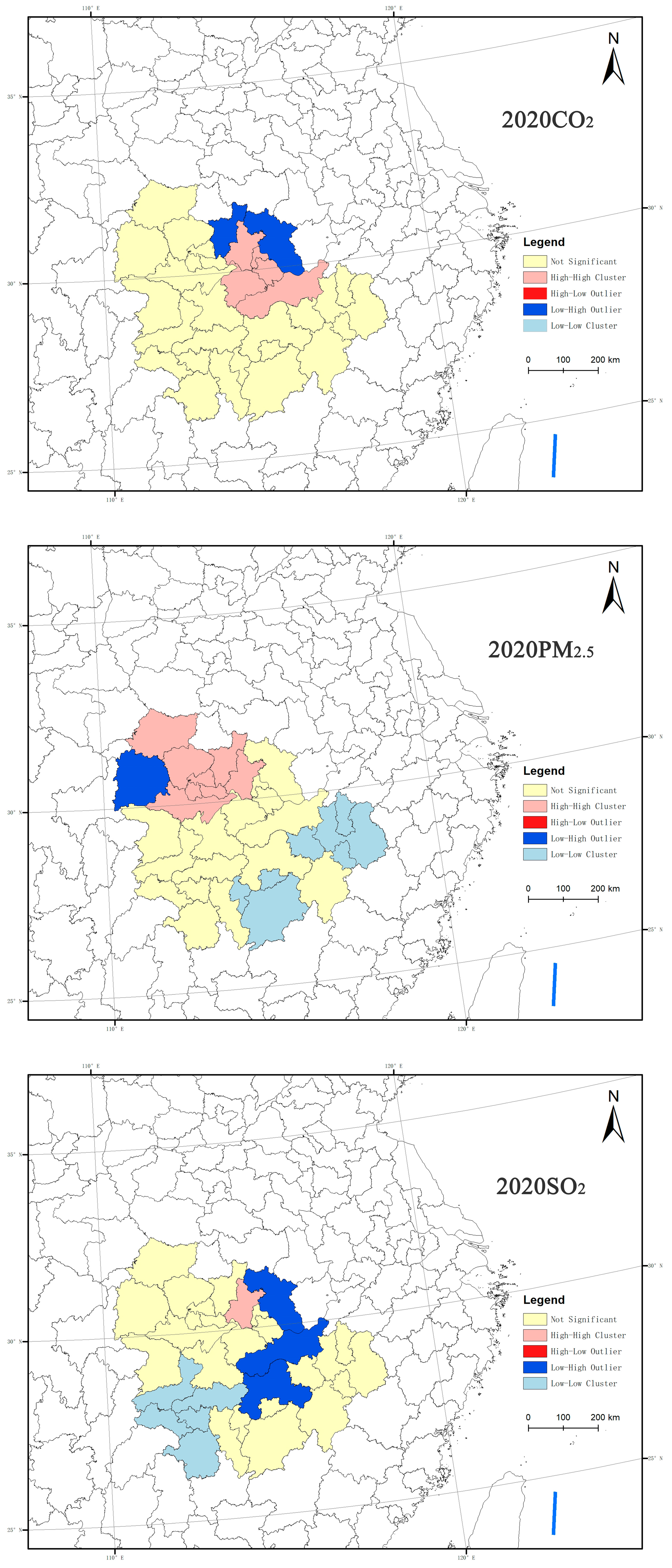
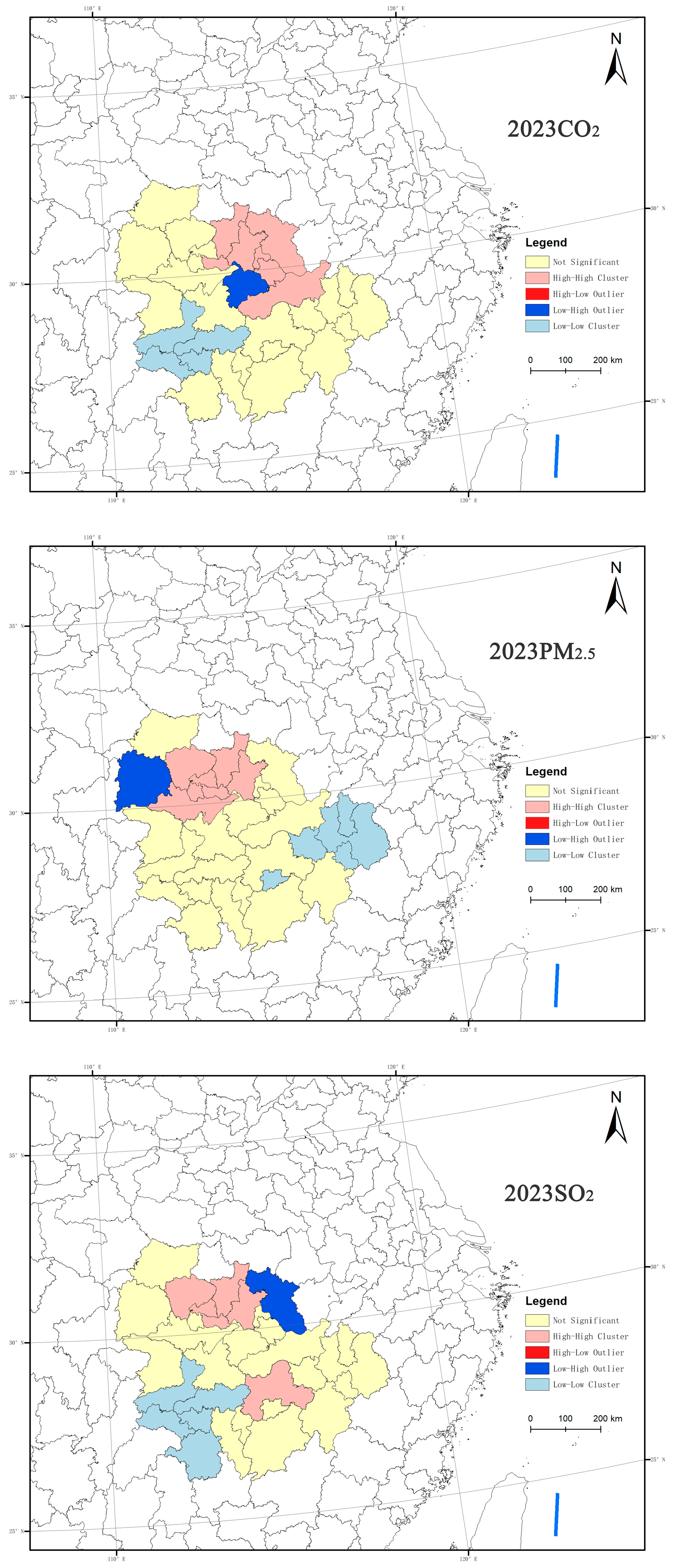
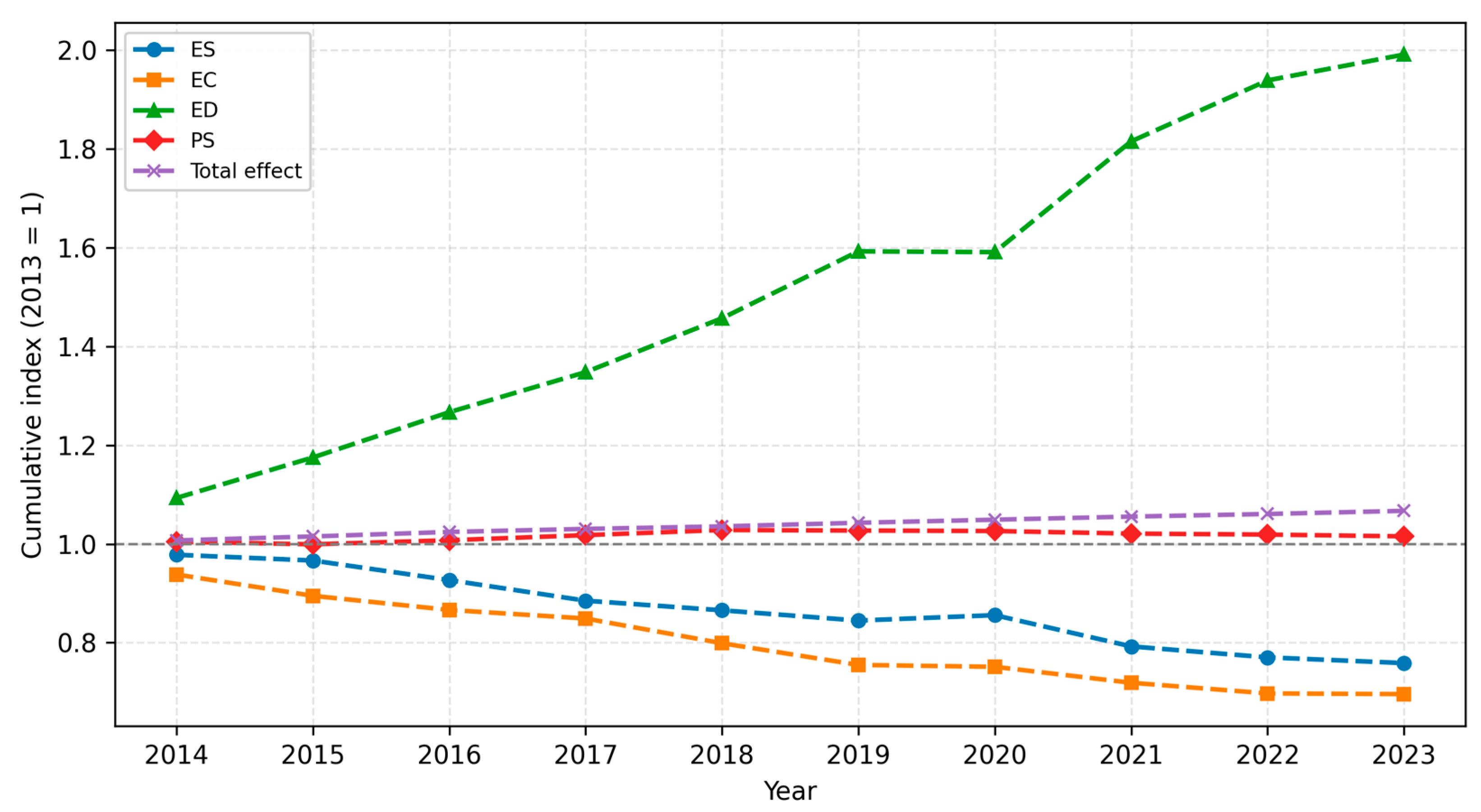
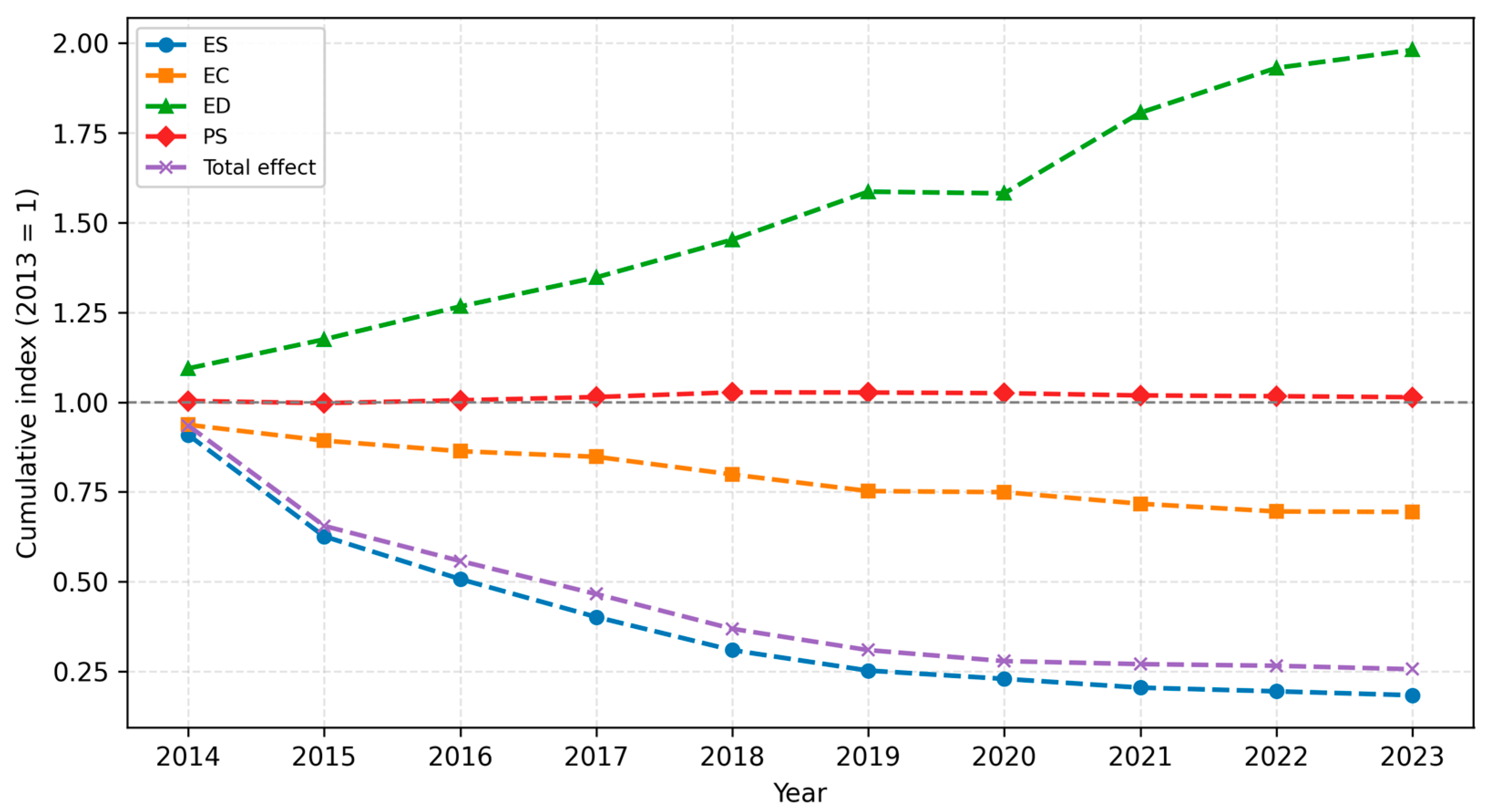
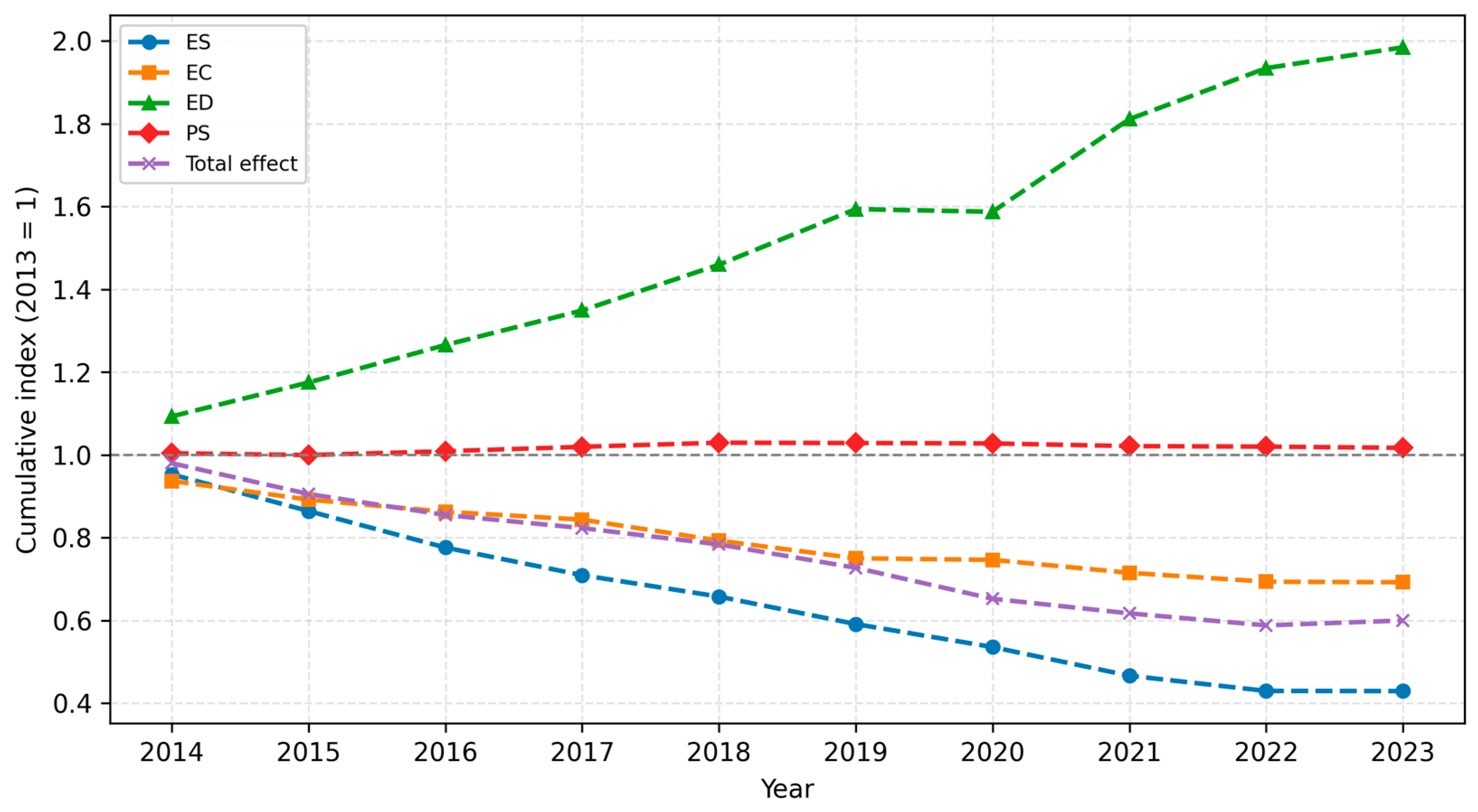
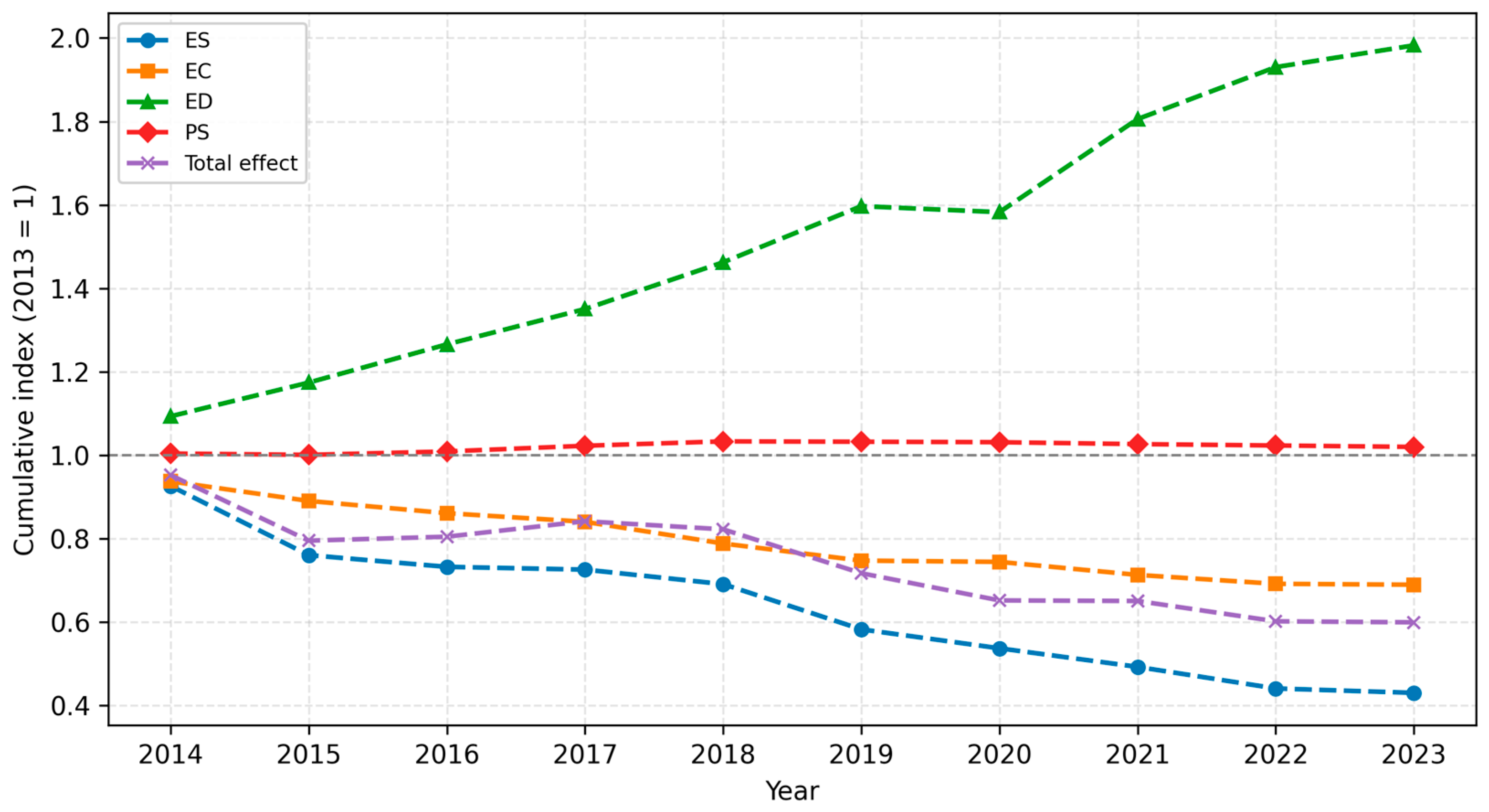
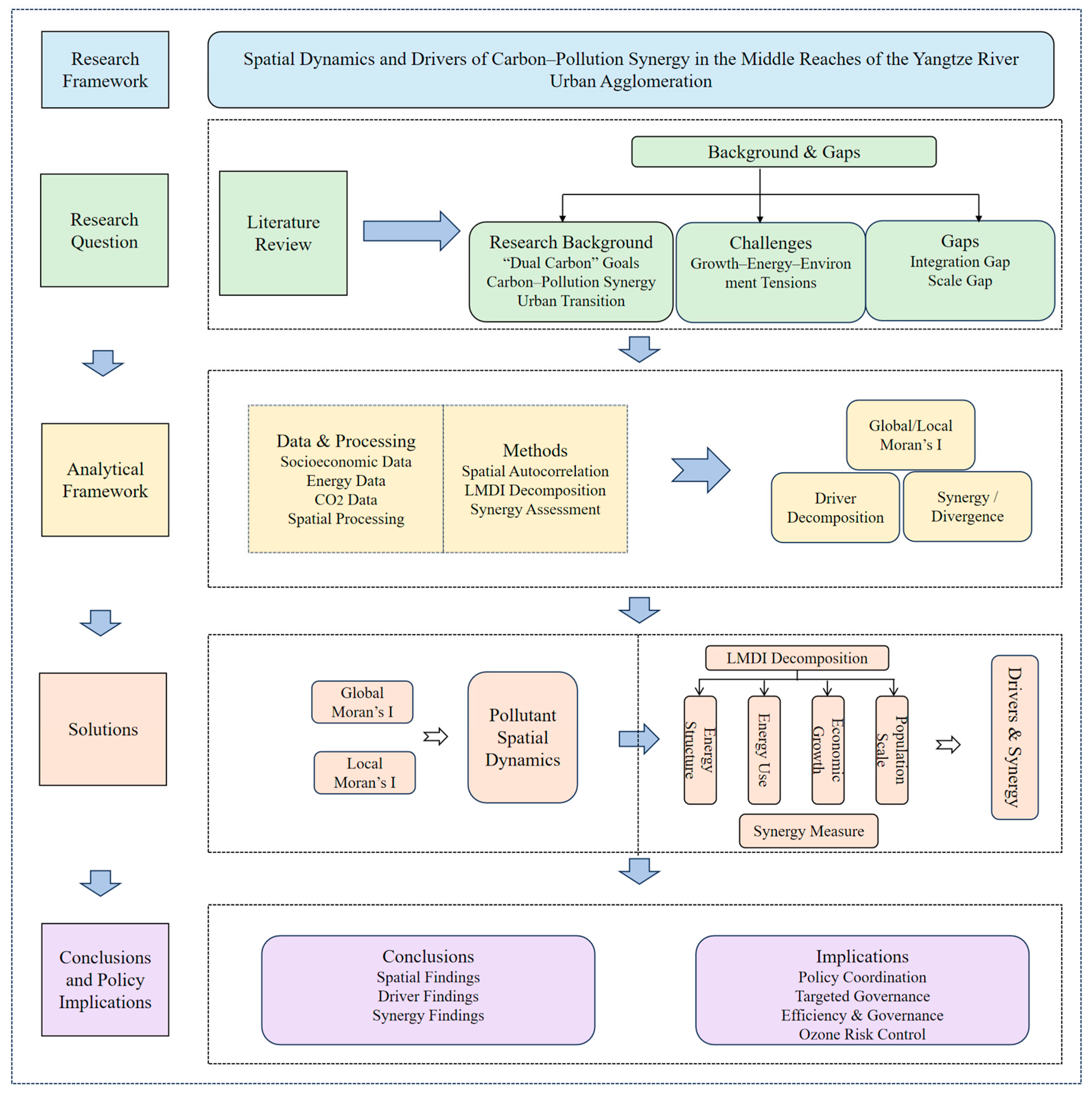
Reducing carbon emissions while improving air quality is a central challenge for rapidly urbanizing regions. Focusing on 31 prefecture-level cities in the Middle Reaches of the Yangtze River Urban Agglomeration, this study examines carbon–pollution synergy (CPS), spatial dynamics, and the driving factors of CO2 and representative air pollutants from 2013 to 2023. Spatial autocorrelation analysis, a revised four-factor Logarithmic Mean Divisia Index (LMDI) decomposition, and a factor-based CPS assessment were used to identify spatial clustering, compare driver heterogeneity, and evaluate coordination between CO2 and primary pollutants. To improve methodological consistency, the LMDI decomposition and CPS assessment focus on the primary pollutants SO2, CO, and NO2, whereas PM2.5 and O3 are retained in the spatial analysis and discussion because they are strongly affected by secondary formation, atmospheric transport, and meteorological conditions. The results show that CO2 and the selected pollutants exhibit significant but pollutant-specific spatial clustering. High CO2 values remain concentrated in the core cities of Wuhan, Changsha, and Nanchang, PM2.5 shows a persistent north–south gradient, and SO2 hotspots shift from traditional industrial cores toward peripheral areas receiving industrial relocation. The revised LMDI results show that economic development is the most stable positive driver of CO2 and the primary pollutants, whereas the energy-consumption factor generally suppresses emissions. The recalculated population-scale factor fluctuates around 1, indicating a comparatively limited and stage-dependent contribution once the other factors are controlled for. CPS analysis further indicates that coordinated reduction is most robust under the energy-consumption factor and, for conventional combustion-related pollutants, also under the energy-structure factor. Overall, the region has a clear basis for CPS governance, but effective implementation requires pollutant-specific and region-specific control strategies rather than a uniform co-mitigation pathway.
Keywords: carbon emissions; air pollutants; carbon–pollution synergy; urban agglomeration; spatial autocorrelation; LMDI decomposition carbon emissions; air pollutants; carbon–pollution synergy; urban agglomeration; spatial autocorrelation; LMDI decomposition