Article

A Physics-Guided Framework for Photovoltaic Fault Detection and Diagnosis-Dependent Maximum Power Point Tracking


1
School of Technology and Innovations, Electrical Engineering, University of Vaasa, 65200 Vaasa, Finland
2
Research Services, University Services, Lappeenranta-Lahti University of Technology LUT, 15210 Lahti, Finland
3
Department of Computer Science, Faculty of Information Technology & Computer Science, University of Central Punjab, Lahore 54000, Pakistan
4
Stanford International College of Business & Technology, Toronto, ON M3B 2R2, Canada
*
Author to whom correspondence should be addressed.
Electricity 2026, 7(3), 104; https://doi.org/10.3390/electricity7030104

Submission received: 8 August 2026 / Revised: 7 September 2026 / Accepted: 9 September 2026 / Published: 12 September 2026

Abstract

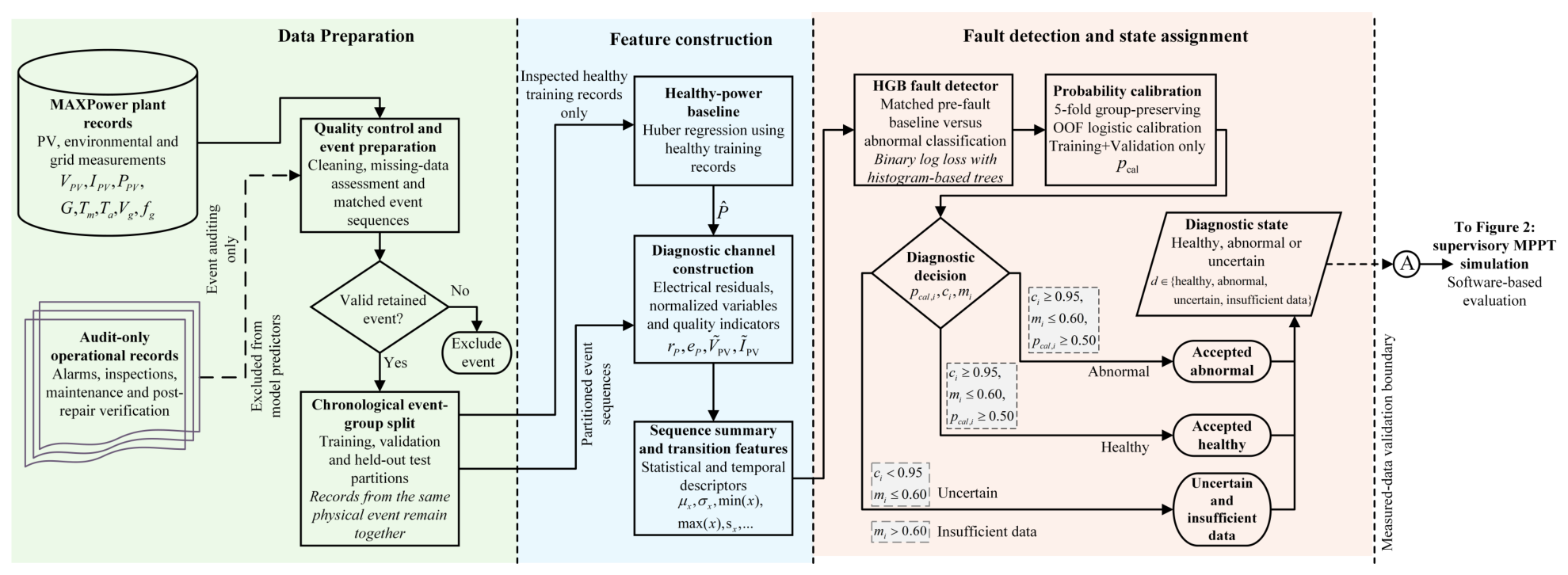
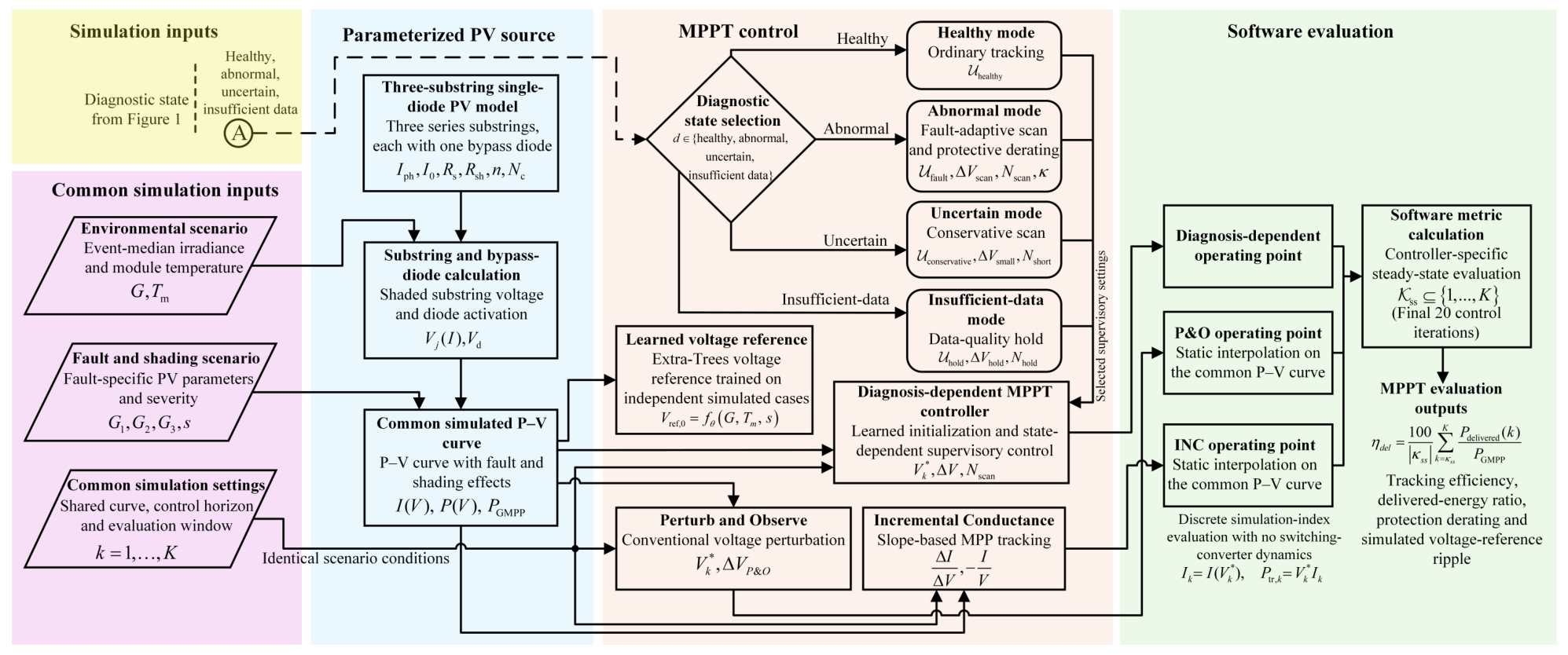
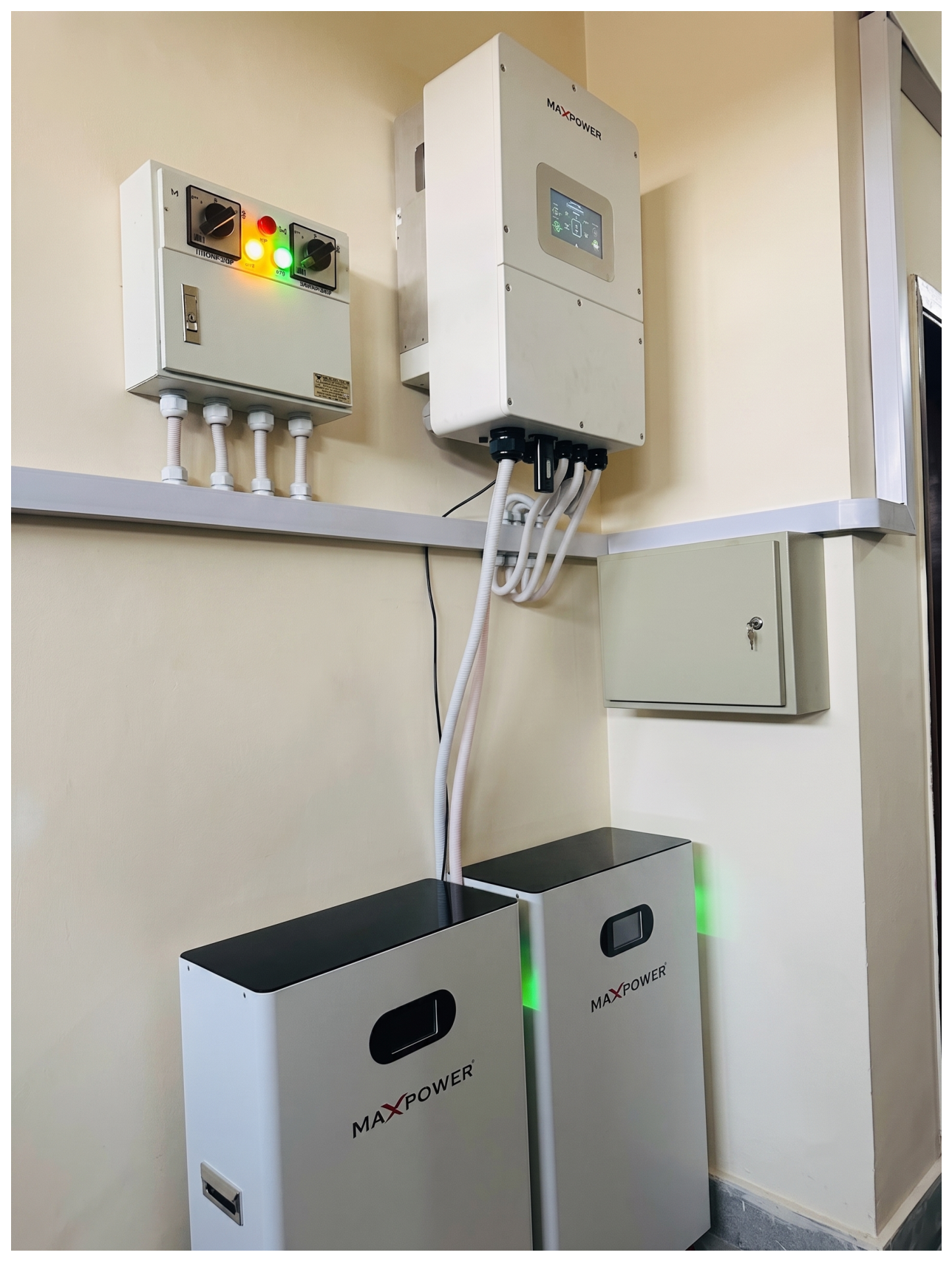
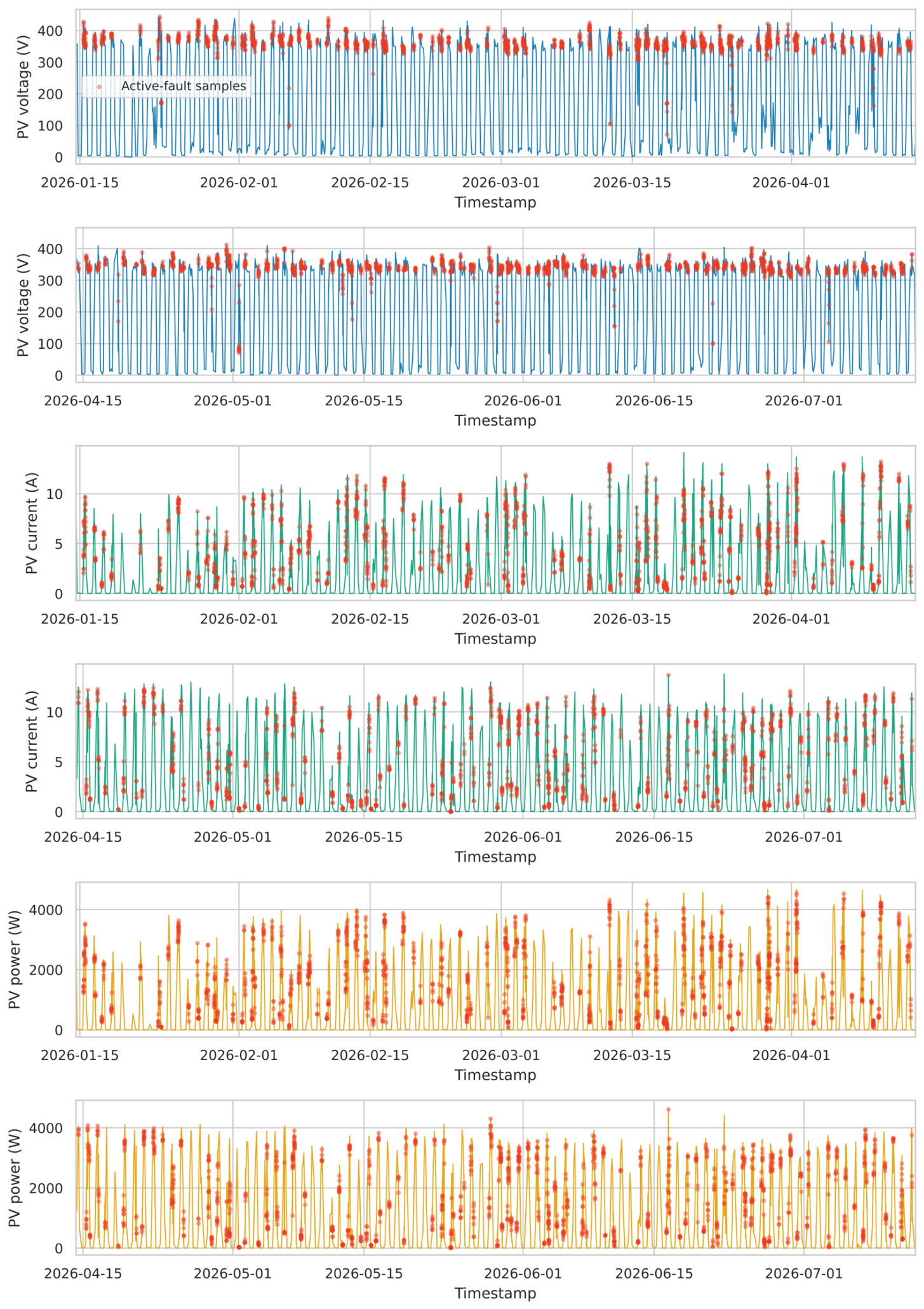
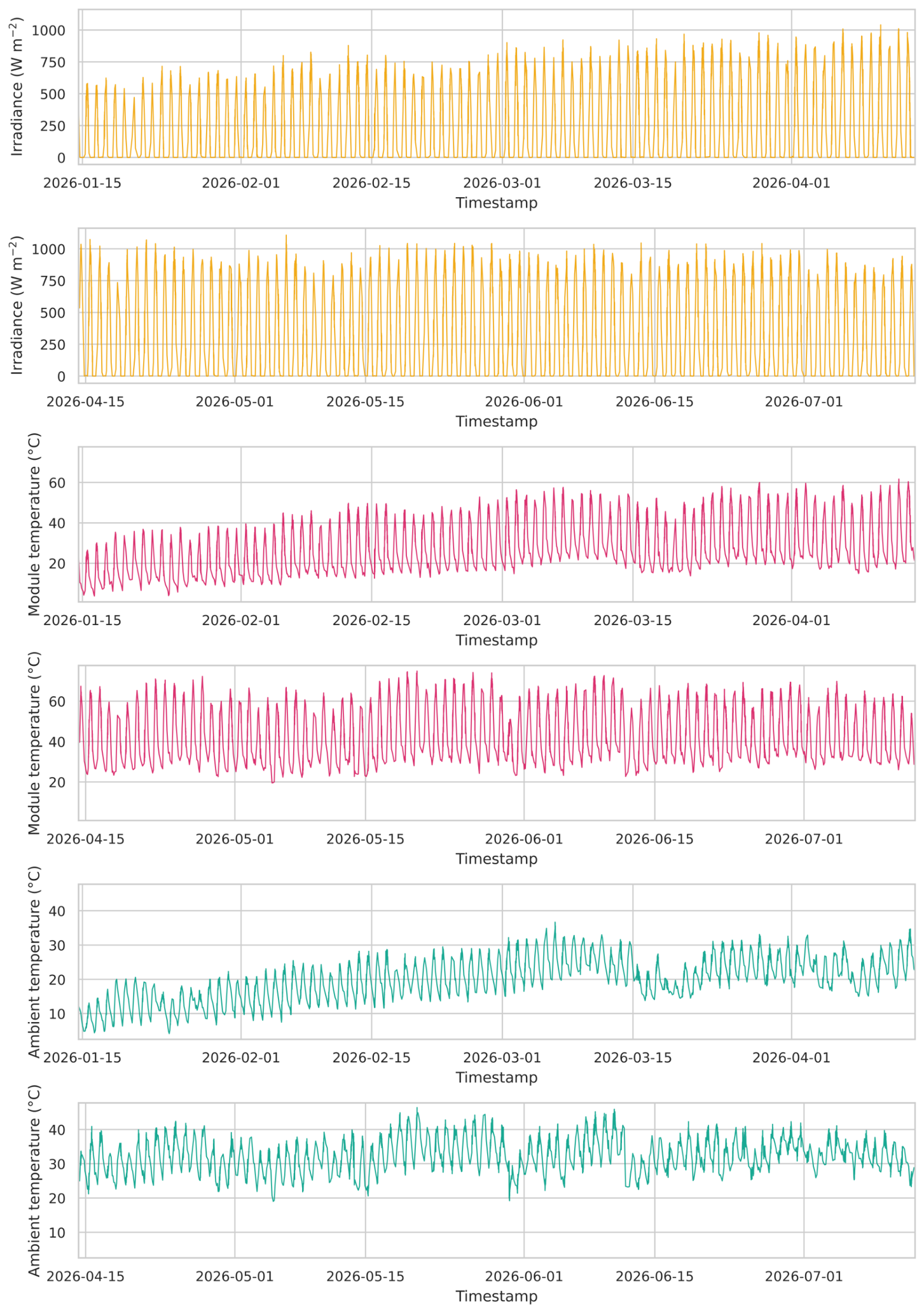
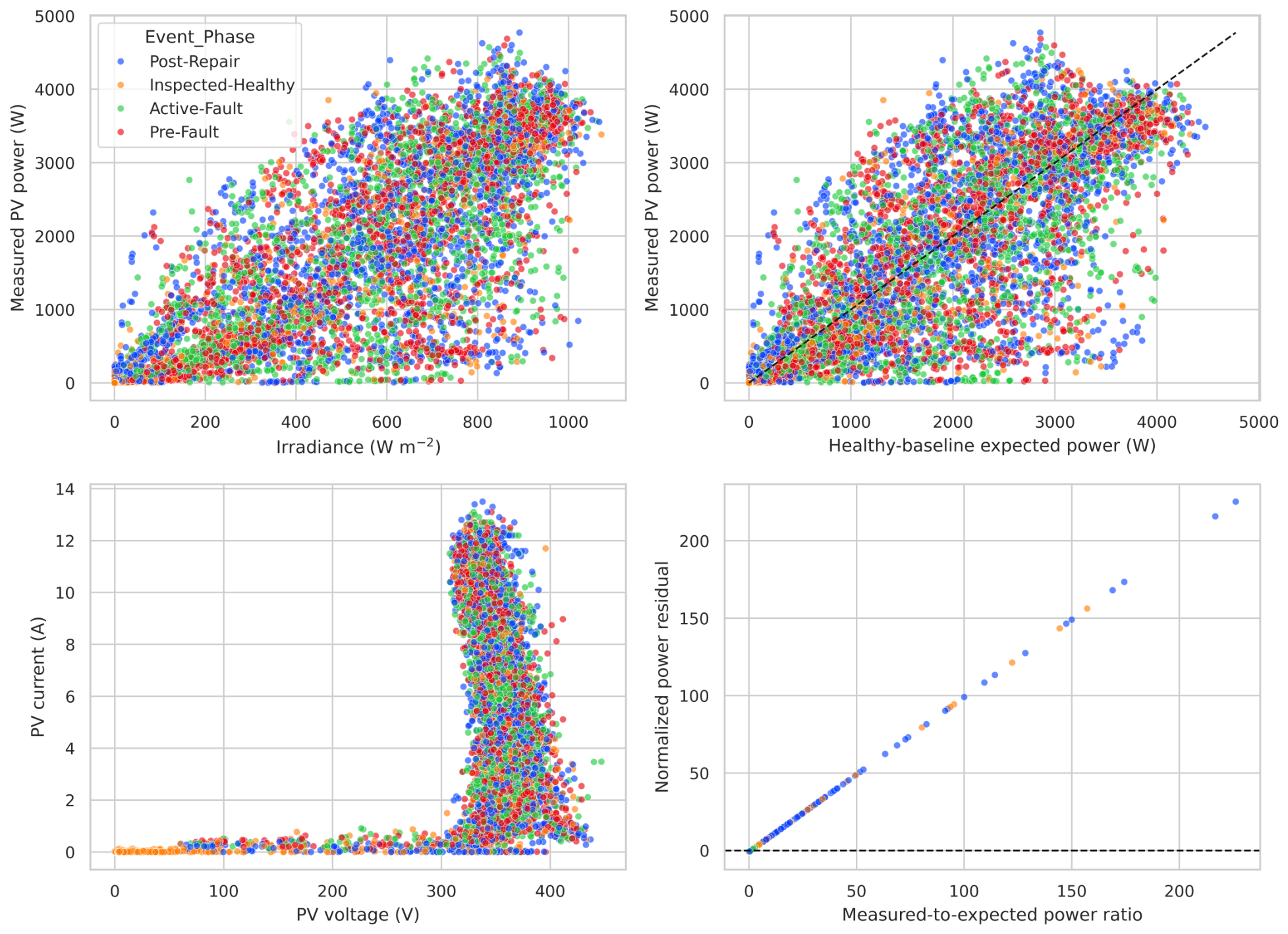
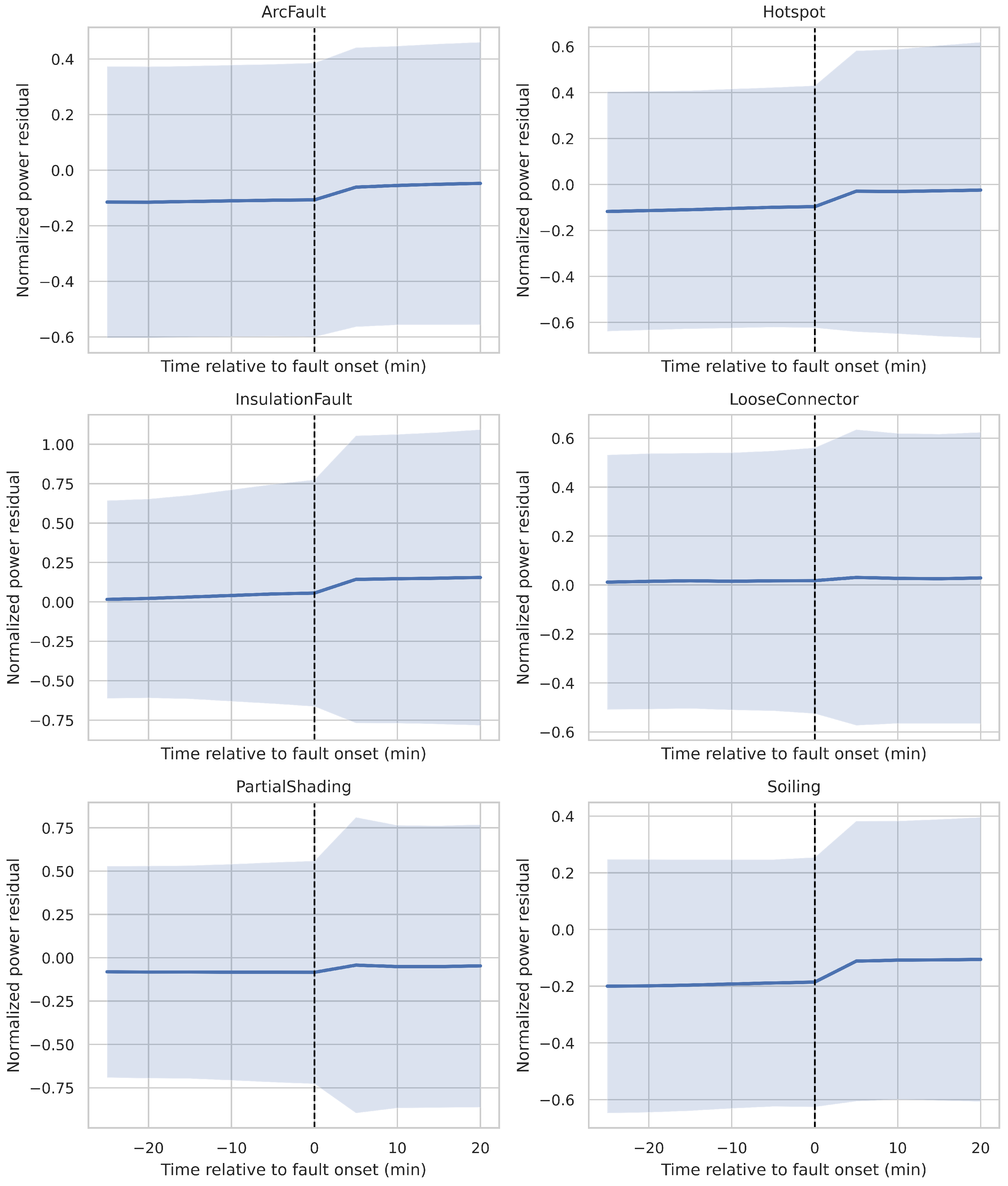
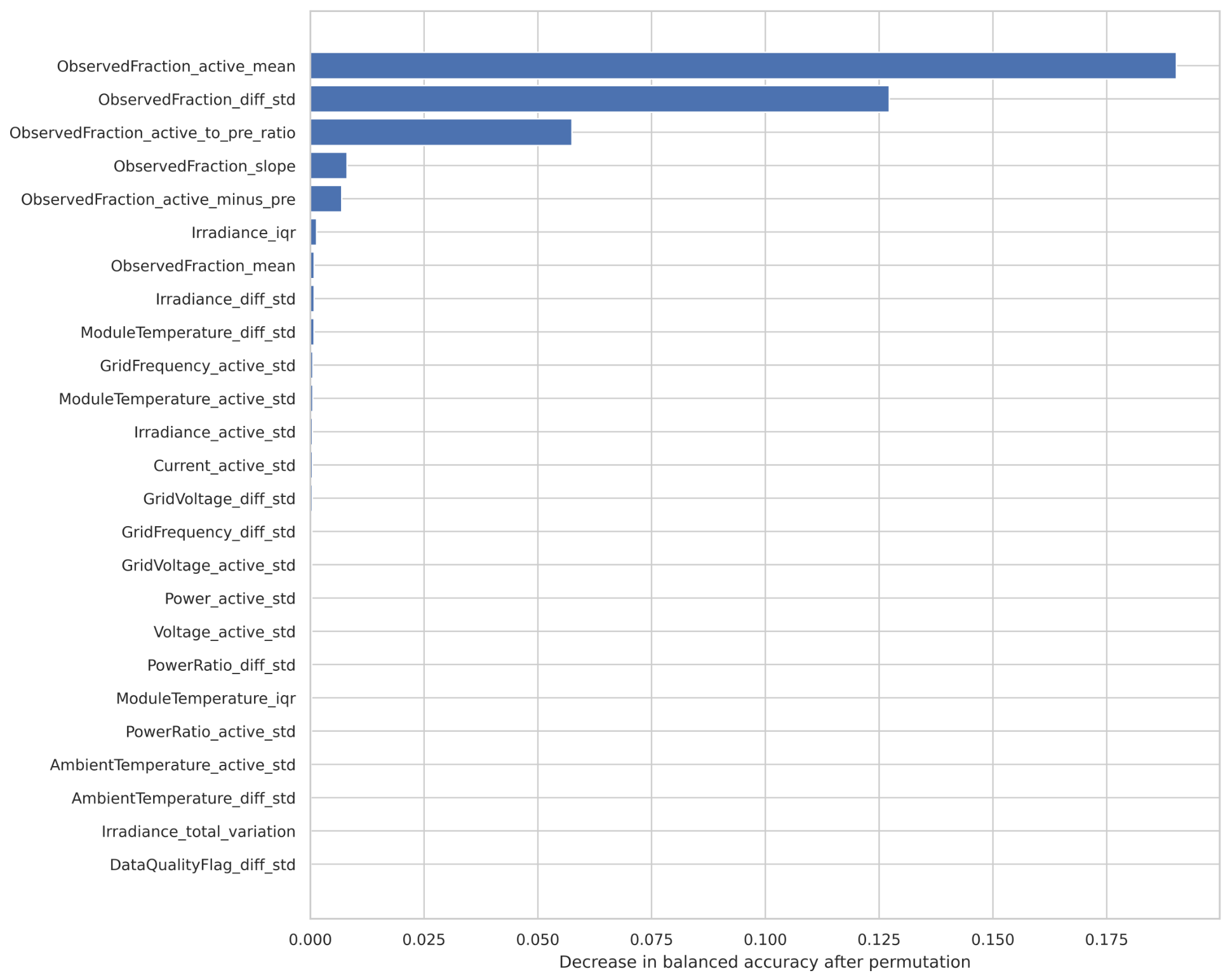
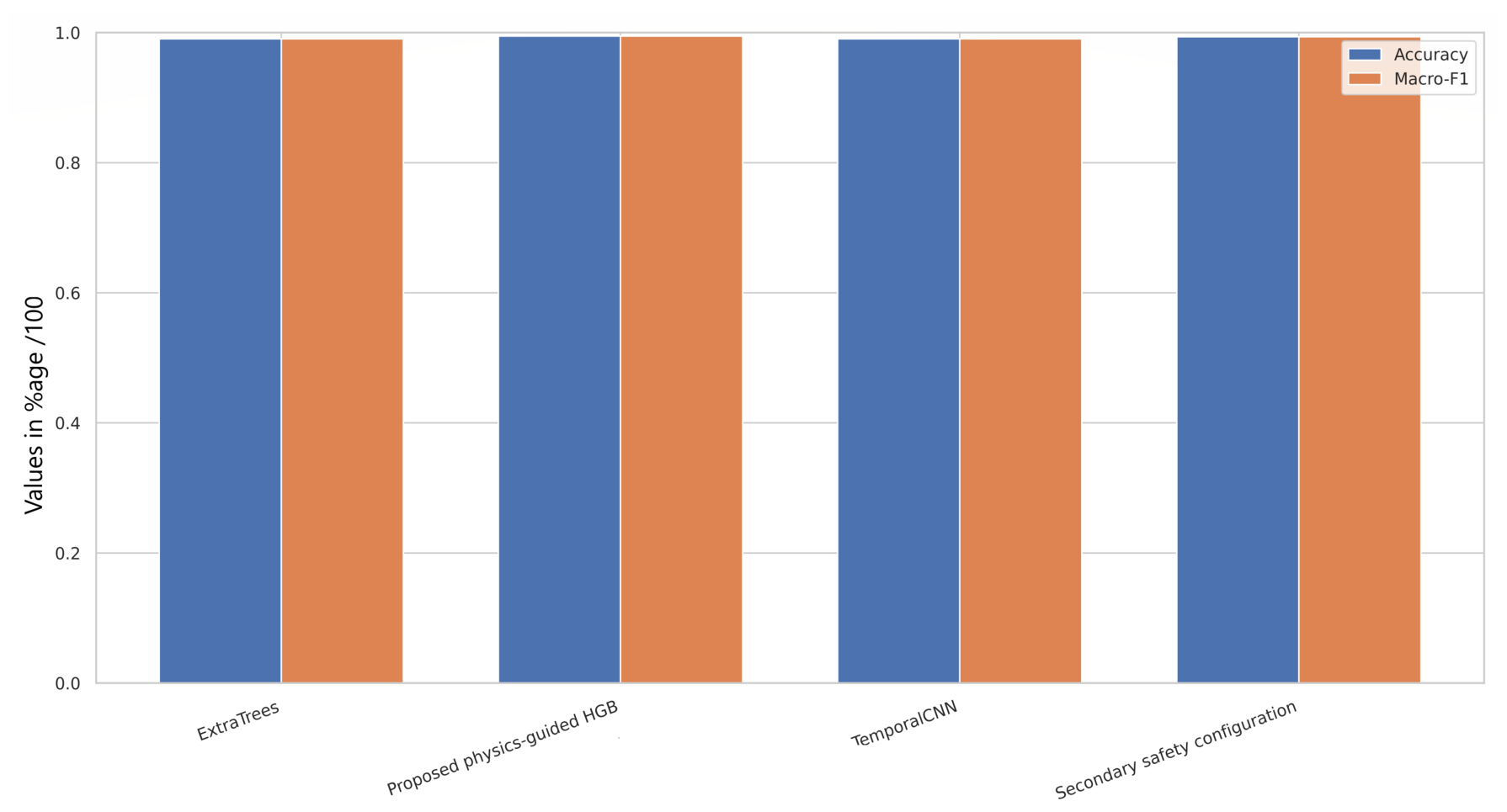
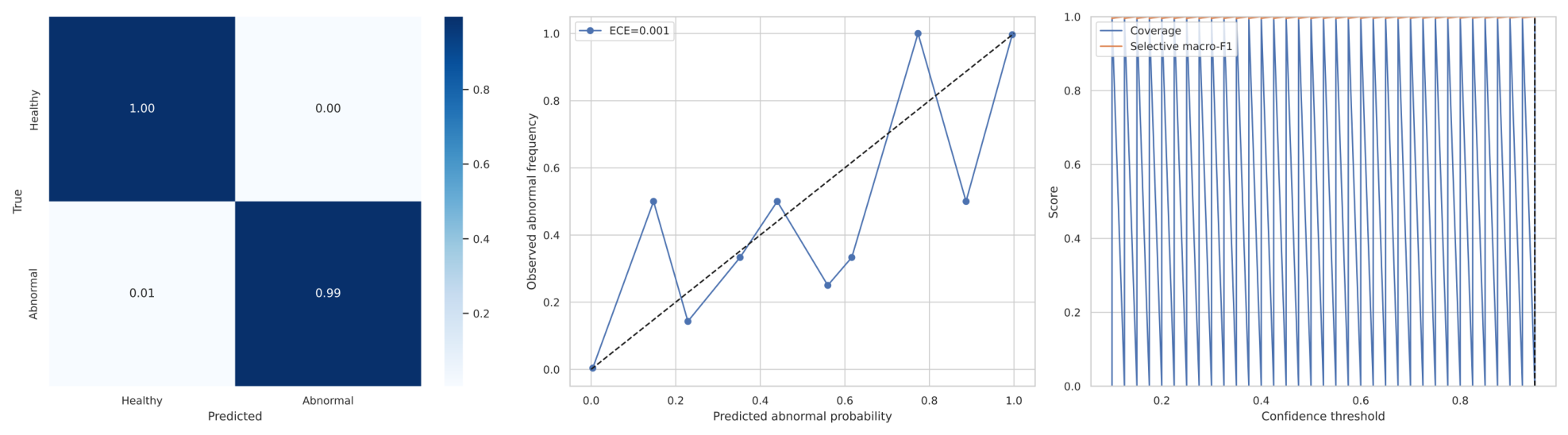
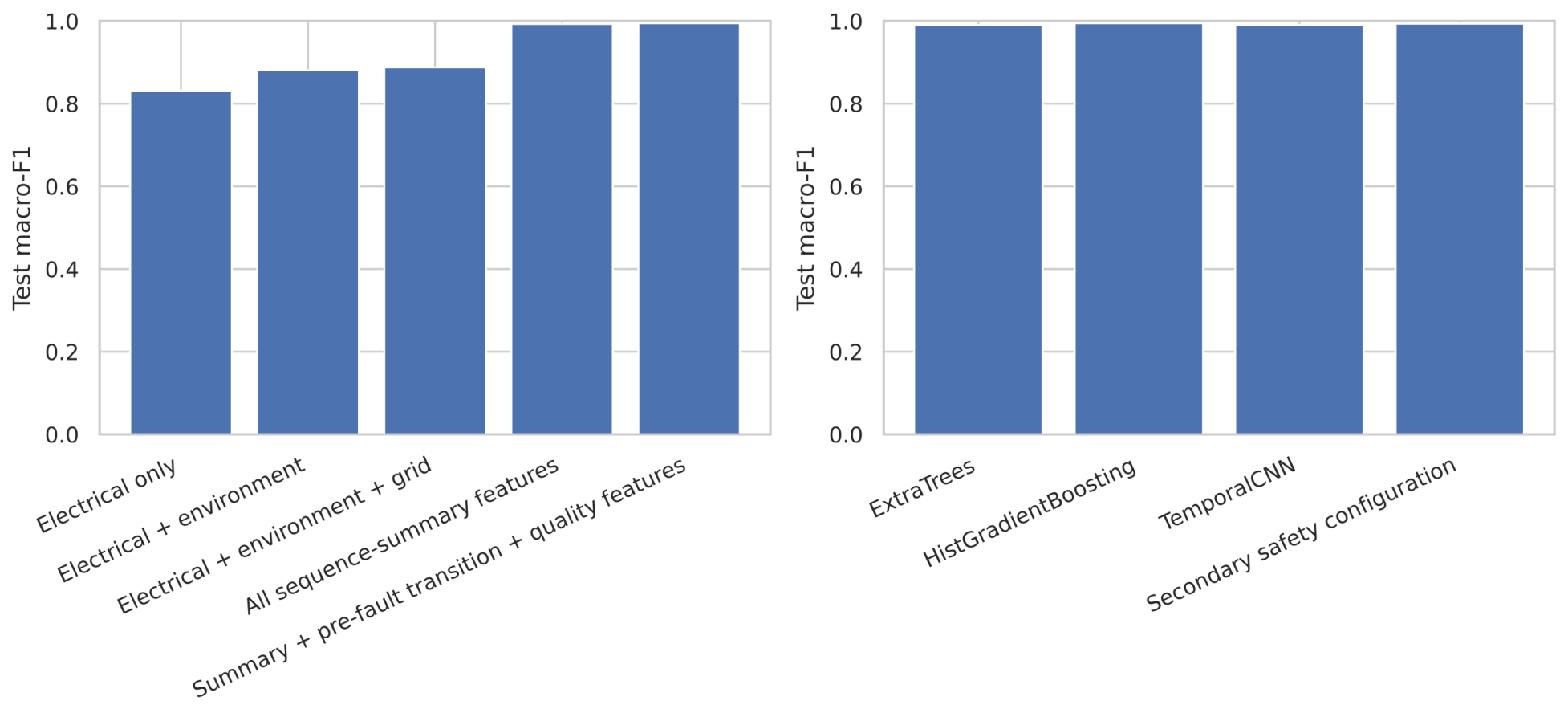
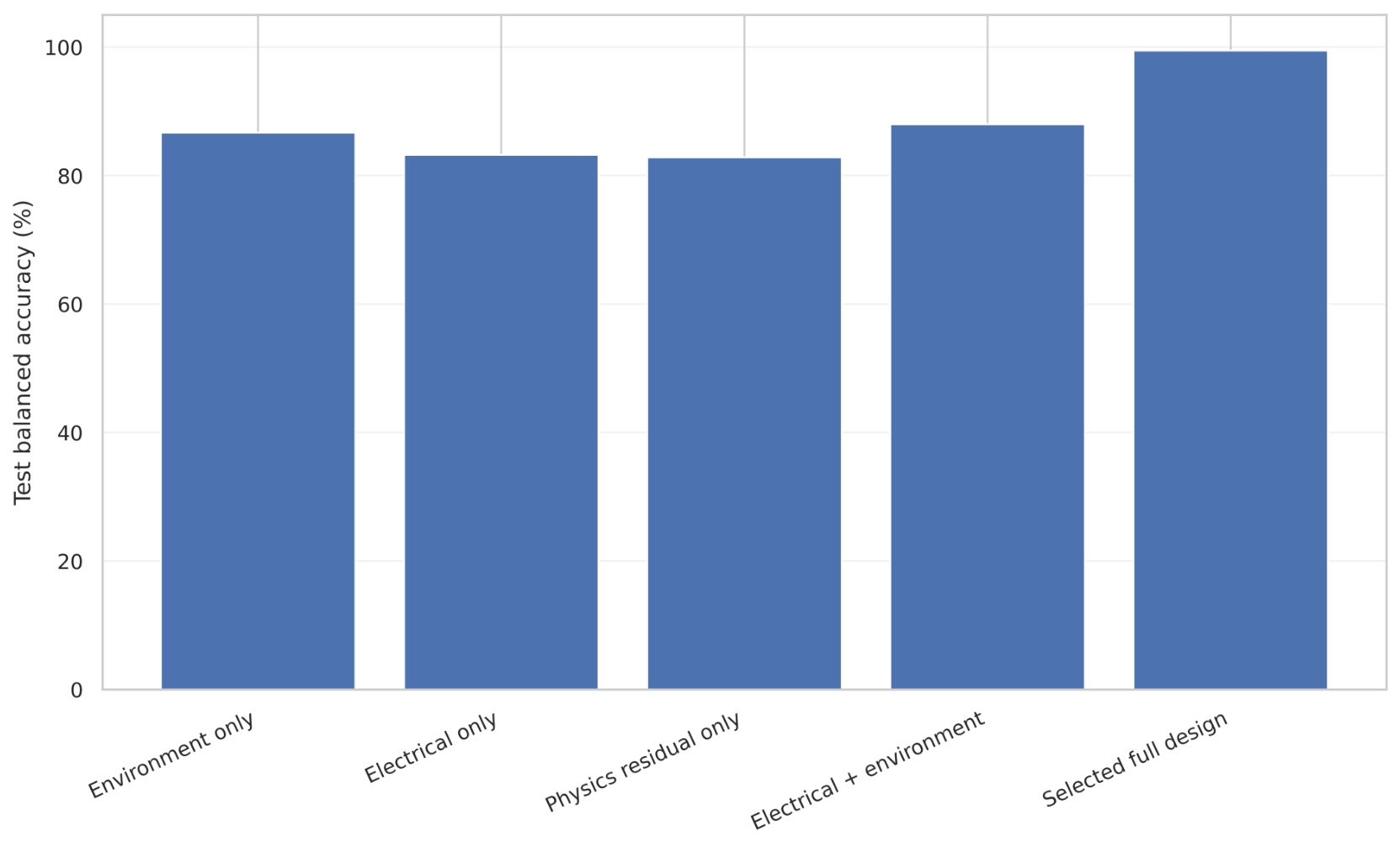
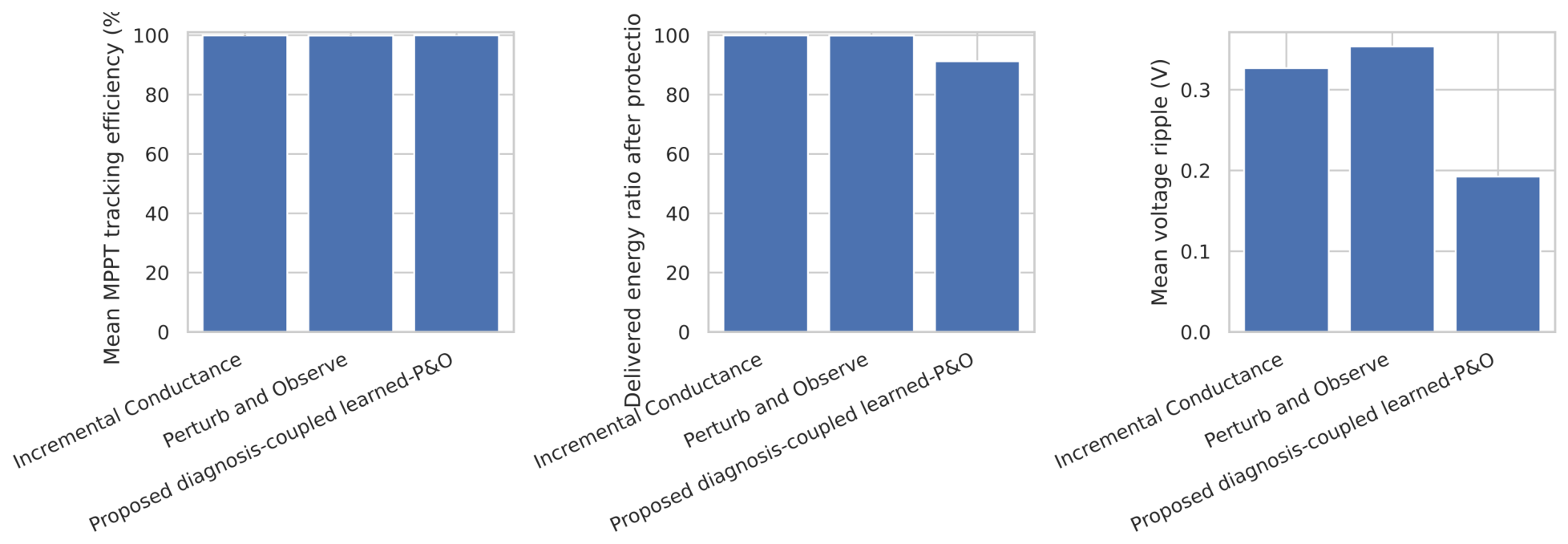
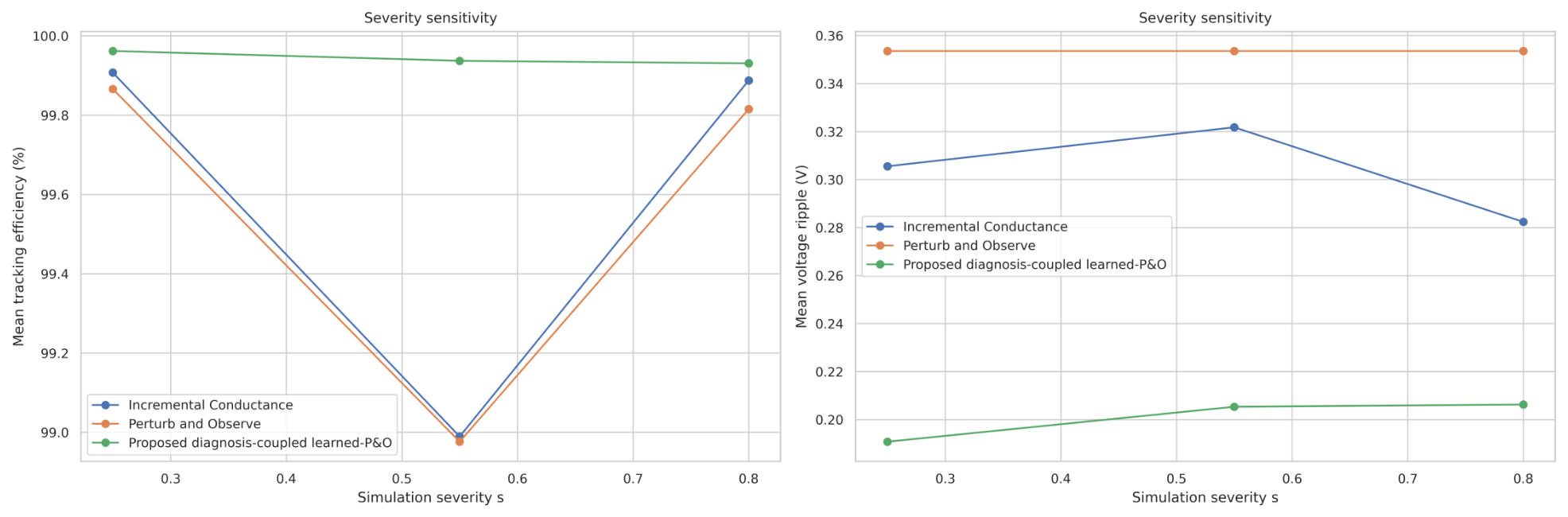
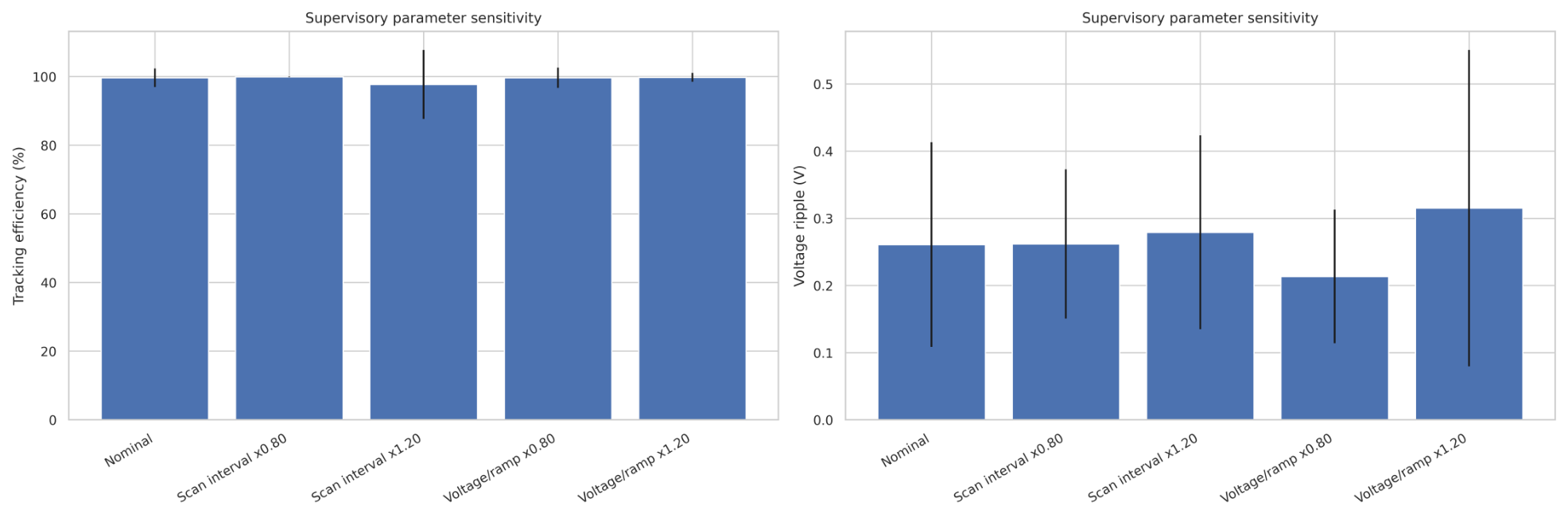
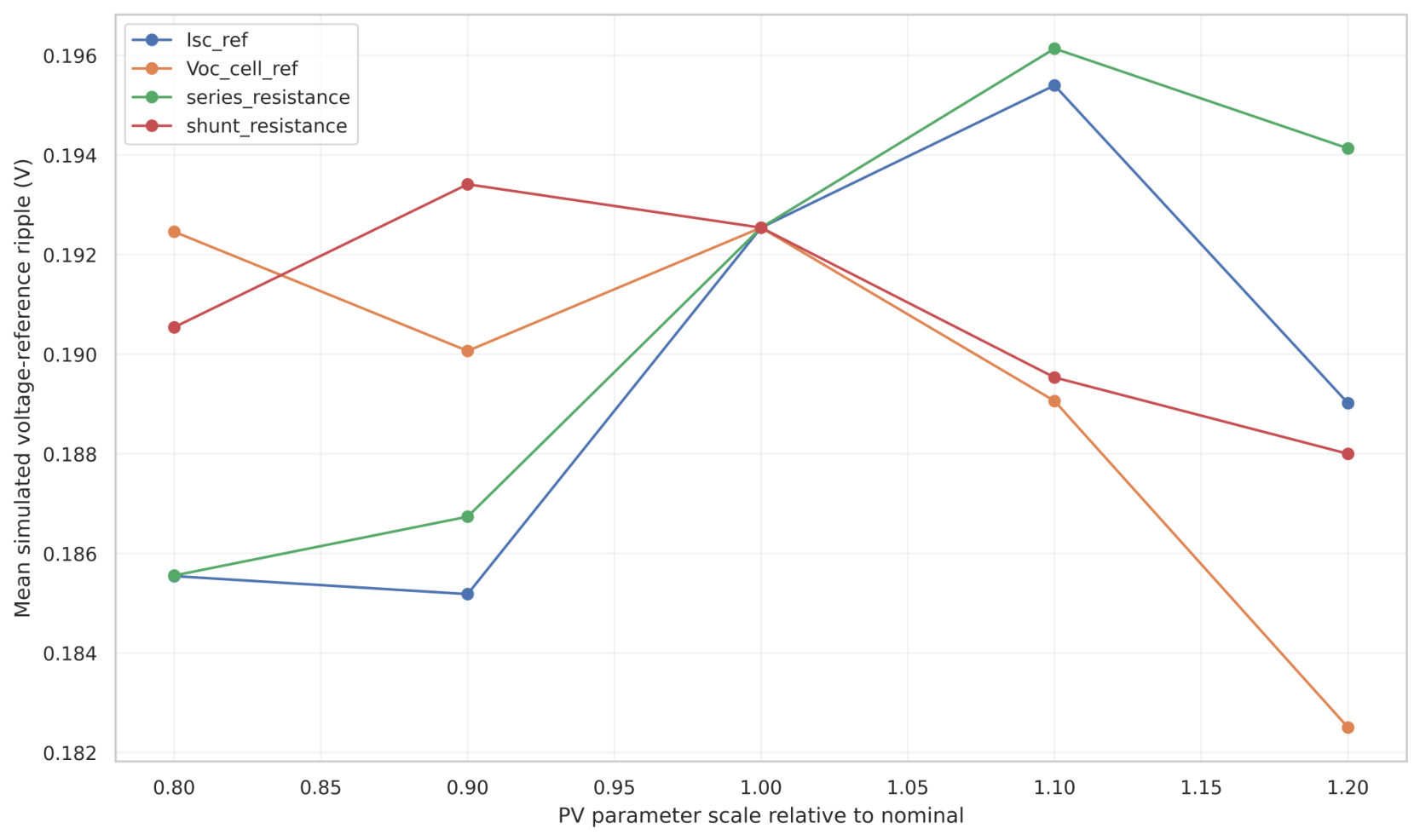
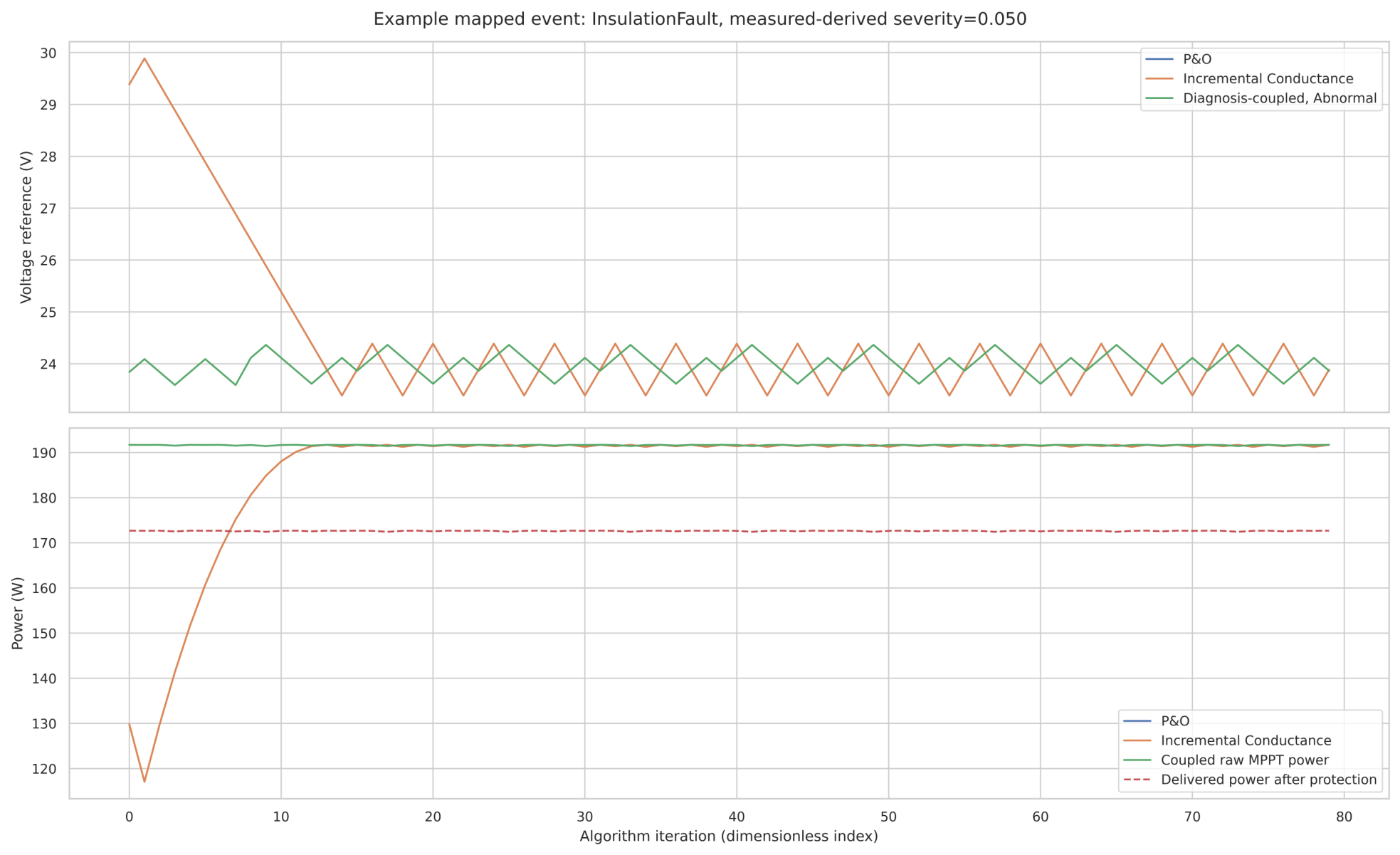
Photovoltaic fault detection and maximum power point tracking are commonly treated as separate functions, although both depend on irradiance, temperature, electrical state and data quality. This study develops a physics-guided framework that links measured fault detection to diagnosis-dependent supervisory MPPT while keeping measured diagnostic evidence separate from control-software evidence. The Lahore dataset contains 217,196 timestamped records and 19,452 unique physical fault-event groups from one grid-tied inverter with two monitored MPPT channels. Fault events are separated chronologically at the physical-event level, and calibration and threshold selection use Training + Validation data only. The HGB detector using the complete operational representation achieved 99.46% Test accuracy and macro-F1, with MCC 0.9892 and AUROC 0.9998. Permutation importance showed strong dependence on sequence-availability descriptors; a residual-free and quality-free design using only logged electrical, environmental and grid channels achieved 88.79% Test accuracy. In a separate static P–V software benchmark, the diagnosis-dependent supervisory P&O controller achieved 99.96% mean tracking efficiency and 0.193 V mean simulated voltage-reference oscillation on a restricted 240-event subset. The control experiment contains no converter dynamics or physical time base and the measured diagnosis evidence is limited to one PV installation. External plant validation and converter-level testing are therefore required before broader operational transfer.
Keywords: photovoltaic fault detection; Histogram Gradient Boosting; physics-guided machine learning; event-grouped validation; uncertainty rejection; maximum power point tracking; partial shading; bypass diode photovoltaic fault detection; Histogram Gradient Boosting; physics-guided machine learning; event-grouped validation; uncertainty rejection; maximum power point tracking; partial shading; bypass diode