Review

Microplastics in the Rural Environment: Sources, Transport, and Impacts

1
Department of Engineering and Computer Science, Colorado Technical University, 1575 Garden of the Gods Rd, Colorado Springs, CO 80907, USA
2
Department of Mathematics, University of Dhaka, Dhaka 1000, Bangladesh
3
Miyan Research Institute, International University of Business Agriculture and Technology, Dhaka 1230, Bangladesh
*
Author to whom correspondence should be addressed.
Pollutants 2026, 6(1), 3; https://doi.org/10.3390/pollutants6010003
Submission received: 6 September 2025 / Revised: 13 November 2025 / Accepted: 2 December 2025 / Published: 4 January 2026
(This article belongs to the Section Plastic Pollution)

Abstract

Microplastics (MPs)—synthetic polymer particles less than 5 mm in size—have emerged as ubiquitous contaminants in terrestrial and aquatic environments worldwide, raising concerns about their ecological and human health impacts. While research has predominantly focused on urban and marine settings, evidence shows that rural ecosystems are also affected, challenging assumptions of pristine conditions outside cities and coasts. This review synthesizes current knowledge on the presence, pathways, and impacts of MPs in rural environments, highlighting complex contamination dynamics driven by both local sources (agricultural plastics, domestic waste, rural wastewater, and road runoff) and regional processes (atmospheric deposition, hydrological transport, and sediment transfer). Key findings highlight that rural lakes, streams, soils, and groundwater systems are active sinks and secondary sources of diverse MPs, predominantly polyethylene (PE), polypropylene (PP), and polyethylene terephthalate (PET) in fibrous and fragmented forms. These particles vary in size, density, and color, influencing their transport, persistence, and bioavailability. Ecological effects include bioaccumulation in freshwater species, soil degradation, and potential food chain transfer, while human exposure risks stem from contaminated groundwater, air, and locally produced food. Despite these growing threats, rural systems remain underrepresented in monitoring and policy frameworks. The article calls for context-specific mitigation strategies, enhanced wastewater treatment, rural waste management reforms, and integrated microplastics surveillance across environmental compartments.

1. Introduction

The global proliferation of microplastics (MPs), defined as synthetic polymer particles smaller than 5 mm, has raised significant environmental and public health concerns due to their ubiquitous presence and potential ecological impacts [1]. MPs originate from various anthropogenic sources, including plastic waste degradation, synthetic fibers from textiles, and agricultural activities, and have been identified in diverse environmental compartments ranging from marine and freshwater ecosystems to terrestrial soils and groundwater [2,3,4].
Although considerable attention has been dedicated to MPs in urban and marine settings, rural areas have been historically overlooked under the assumption of minimal contamination. Yet rural environments are vital to global food and water security. A significant portion of the global population relies on rural groundwater and surface water bodies for drinking, irrigation, and aquaculture, making contamination risks especially critical. Recent studies, however, contradict this notion, demonstrating significant MP contamination across rural environments, such as estuaries [5], rivers [6,7], lakes [2,8], groundwater [4], roadside dust [9], and wastewater treatment systems [10,11,12]. These findings indicate that rural regions are not isolated from microplastics pollution but are rather active sinks and potential sources of MPs in larger ecological networks.
For instance, Islam et al. [2] reported notable MP pollution in a subtropical rural recreational lake, driven mainly by recreational activities and local runoff. Similarly, Welsh et al. [8] emphasized atmospheric deposition as a major contributor of MPs to rural catchments, highlighting that even remote rural lakes could significantly accumulate MPs. Studies by Gao et al. [10], Wei et al. [11], and Long et al. [12] have further elucidated the critical role of rural wastewater treatment facilities in managing microplastics pollution, underscoring both their potential as major sources and their effectiveness in reducing MPs through appropriate technologies.
Moreover, rural streams and groundwater have also exhibited MP contamination, influenced by both local activities such as agriculture and domestic waste disposal [13,14]. Crayfish populations in semi-rural streams have been found to accumulate MPs, indicating potential bioaccumulation and ecological risks within rural ecosystems [15]. Groundwater contamination with MPs, as documented by Jeong et al. [4], further emphasizes the broader implications for rural drinking water quality and human health. Recent reviews underscore that even rural drinking water sources—including aquifers and shallow wells—are increasingly contaminated with MPs, especially PET and textile-derived fibers [4,16]. This suggests that rural biota and water resources—often assumed to be pristine—are already experiencing hidden pollutant pressures, with potential implications for food safety and human exposure.
Recent studies have shown that microplastics are now being found in environments where they were once thought not to be present. In particular, microplastics have been detected in Arctic snow, remote mountain peaks, and the deep-sea floor, raising concerns among researchers and environmentalists [17]. Moreover, microplastics have been discovered in human lungs, blood, tissues, and various other parts of the body, posing potential health risks and prompting concern among medical professionals [18]. Geologists have also identified microplastics embedded in sediment layers and bound to mineral matrices, highlighting their long-term persistence in the environment [19].
This review provides a comprehensive synthesis dedicated exclusively to the presence, transport mechanisms, and ecological impacts of microplastics in rural environments, a context often overlooked in existing literature, which predominantly focuses on urban and marine settings. By systematically categorizing rural-specific sources—such as agricultural plastic mulching, decentralized wastewater systems, and low-scale industrial activities—the review highlights unique contributors to microplastics pollution that are underrepresented in current discussions. Furthermore, it explores less-studied transport pathways, including surface runoff, groundwater leaching, and wind dispersion, that are particularly relevant in rural topographies. This research also integrates evidence of microplastics accumulation in rural soils, freshwater bodies, and groundwater, offering insights into spatial heterogeneity and potential bioaccumulation risks in agrarian food chains. By bridging environmental science, rural policy, and public health, this review lays the groundwork for targeted mitigation strategies and emphasizes the urgent need for rural-specific regulatory frameworks and awareness programs.

2. Sources of Microplastics in Rural Environments

Microplastics in rural environments arise from a wide range of diffuse and often unregulated anthropogenic and environmental pathways. Although rural areas may generate less plastic waste than urban centers, the diversity of MP sources—spanning agricultural practices, domestic activities, infrastructural limitations, and atmospheric and hydrological processes—contributes significantly to environmental loading. Traditionally perceived as ecologically pristine, rural systems are increasingly recognized as both recipients and contributors to microplastics pollution. This section outlines the principal pathways through which MPs are introduced into rural landscapes, supported by emerging empirical evidence.
Microplastic pollution in rural areas can be traced to three main categories of sources, such as rural-specific sources, indirect sources and general/non-specific sources. Details are presented below:

2.1. Rural-Specific Sources

Rural-specific sources are those that are primarily tied to rural activities, like agriculture, domestic practices, and rural water bodies.

2.1.1. Anthropogenic Sources of Microplastics in Rural Areas

Atmospheric fallout is a significant contributor to microplastics loading in rural environments. Microplastics, especially synthetic fibers and fine fragments, are capable of long-range atmospheric transport [20]. These airborne particles originate from urban emissions, synthetic textile abrasion, road dust, and industrial discharges. Upon atmospheric transport, they are deposited via wet or dry deposition even in remote rural catchments [21]. Welsh et al. [8] demonstrated the deposition of microplastics in rural lake catchments, identifying polyester and polypropylene fibers as dominant atmospheric residues. These findings suggest that rural environments, though far from primary emission zones, are nonetheless vulnerable to regional and global MP fluxes.

2.1.2. Agricultural Activities and Plastic Mulching

Agricultural land management is a direct source of microplastics in rural soils, primarily through the extensive use of plastic mulch films, greenhouse covers, and irrigation infrastructure [22]. Additionally, synthetic inputs such as seed coatings and controlled-release fertilizers contribute to plastic contamination, especially in intensively managed agricultural systems [23]. These materials are susceptible to photodegradation, mechanical abrasion, and chemical weathering, producing microplastics fragments that persist in soil and sediment [24]. Corradini et al. [25] found elevated concentrations of polyethylene and polypropylene in farmlands amended with biosolids, a common agricultural practice. Similarly, Liu et al. [26] documented microplastics accumulation in Shanghai’s peri-urban farmland, raising concerns about long-term soil contamination and food chain transfer.

2.1.3. Domestic Waste and Improper Disposal

In many rural regions, formal waste collection systems are absent or poorly implemented. As a result, plastics are often disposed of through open dumping, river discharge, or combustion [27]. These practices lead to environmental fragmentation and widespread dissemination of secondary microplastics into soils, waterways, and adjacent ecosystems [28]. Grillo et al. [14] examined a rural Venezuelan village and found that improper waste handling practices contributed significantly to MP levels in nearby riverine and coastal ecosystems. This highlights the compounded impact of decentralized plastic disposal on regional water quality and biodiversity.

2.1.4. Rural Wastewater and Septic Systems

In rural communities, wastewater treatment infrastructure is often basic or entirely lacking. Where treatment plants exist, they may lack the technological capacity to filter microplastics. In other areas, wastewater is discharged directly into surrounding land or water bodies via septic tanks, pit latrines, or open drains. Studies by Gao et al. [10] and Wei et al. [11] revealed that rural wastewater treatment plants in China were significant point sources of microplastics emissions, particularly synthetic fibers. Jeong et al. [4] reported MP contamination in groundwater near rural settlements, likely due to leaching from sanitation systems or unlined wastewater channels.

2.1.5. Microplastics in Rural Lakes and Ponds

Rural lakes and ponds, often integral to agriculture, recreation, and local water supply, serve as major sinks for microplastics transported via atmospheric deposition, surface runoff, and recreational activity. Due to their relatively static hydrodynamics, these water bodies allow suspended MPs to settle into sediments or become incorporated into benthic ecosystems [29]. Islam et al. [2] analyzed a subtropical rural lake and found high concentrations of microplastics—particularly fibers and fragments—linked to tourism, agricultural runoff, and catchment erosion. Notably, deposition was spatially heterogeneous, with concentrations peaking near inflow points and recreation zones.

2.1.6. Microplastics in Soils and Agricultural Fields

Agricultural soil is among the most heavily impacted terrestrial compartments in rural regions [30]. The repeated use of plastic mulch, sludge application, and atmospheric fallout leads to the accumulation of microplastics in the topsoil. Particles are often retained near the surface but can migrate vertically via leaching or bioturbation [25]. Corradini et al. [25] reported significant microplastics accumulation in soils amended with biosolids, with polyethylene and polypropylene being the most abundant polymers. Liu et al. [26] similarly found microplastics and mesoplastics contamination in croplands near Shanghai, highlighting the persistence and heterogeneity of plastic residues across farming plots.

2.1.7. Microplastics in Rural Groundwater

Although groundwater systems are often considered isolated from surface contaminants, evidence is mounting that microplastics can percolate into aquifers via unlined landfills, leaking septic tanks, and vertical migration from contaminated soils [31]. The permeability of rural soils and inadequate wastewater infrastructure in these regions exacerbate the risk of groundwater infiltration [32]. Jeong et al. [4] detected microplastics in groundwater from rural Korea, particularly fibers and fragments. Their findings emphasize that groundwater contamination may be more widespread than previously assumed and could have implications for drinking water safety in rural populations reliant on shallow wells.

2.1.8. Microplastics in Rural Sediments

Sediments in lakes, rivers, and agricultural ditches serve as long-term repositories for microplastics. These particles are deposited through sedimentation or adsorbed onto organic material and mineral particles [33]. The physical and chemical conditions in sediment matrices—such as organic content, mineral composition, anoxia, and hydrodynamic regime—significantly influence microplastics preservation, degradation, or remobilization. In particular, Wazne et al. [34] showed how microplastics can alter bioturbation processes in sediment, affecting both microbial activity and sediment stability. Matjašič et al. [7] examined sediment samples along rural–urban river gradients and found that rural sites contained substantial MP loads, albeit with different composition and polymer types compared to urban zones. The findings highlight that sediments not only archive MP pollution history but also act as secondary sources under changing flow conditions.

2.2. Indirect Sources

Indirect sources are those that can occur in both rural and urban contexts or are mechanisms that move microplastics around (transport pathways, runoff, wind, rivers, industrial emissions, tourism).

2.2.1. Road Runoff and Tire Wear

Rural roads contribute to microplastics pollution through tire wear particles, brake pad residues, and degraded road paint [35]. These particles accumulate in roadside dust and can be transported to surrounding ecosystems through wind dispersal or surface runoff [36]. Su et al. [9] demonstrated that microplastics were prevalent in roadside dust samples from rural Victoria, Australia, composed primarily of rubber and polymer-based materials. Although rural traffic volumes are lower, the lack of storm water treatment infrastructure increases the likelihood of environmental contamination.

2.2.2. Industrial and Small-Scale Manufacturing Sources

Though rural regions are less industrialized, small-scale manufacturing units—such as plastic molding workshops, textile dyeing facilities, and informal recycling plants—can contribute to environmental microplastics pollution through direct releases of synthetic fragments and fibers during production and handling processes [37]. These facilities often lack effluent treatment systems and may dispose of plastic waste into adjacent water bodies or unlined landfills. While specific studies on rural artisanal industries remain limited, similar dynamics have been observed in semi-rural zones where informal production occurs without environmental regulation [38]. Research in this area is urgently needed to quantify the contribution of rural micro-industrial activity to localized MP contamination.

2.2.3. Recreational Activities and Tourism

Recreational use of rural lakes, rivers, and parks contributes to plastic deposition through the loss or abandonment of fishing lines, food wrappers, beverage bottles, and other single-use plastics [39]. These plastics undergo fragmentation and contribute to local MP loads. Islam et al. [2] investigated a subtropical rural lake in Bangladesh and identified recreational activities as a dominant contributor to microplastics concentrations. Fiber- and film-like MPs were particularly abundant in zones frequented by visitors, indicating a direct human–environment interface.

2.2.4. Hydrological and Atmospheric Transport Mechanisms in Rural Systems

Once microplastics (MPs) are introduced into rural environments, they are transported through various physical processes, most notably via hydrological and atmospheric pathways. These mechanisms govern the movement of MPs across environmental compartments—soils, surface water, groundwater, and air—affecting their distribution, fate, and ecological impact [28]. This section explores the dominant transport processes in rural settings, highlighting the influence of local topography, climate, land use, and infrastructure on microplastics mobility.

2.2.5. Surface Runoff and Soil Erosion

Surface runoff plays a central role in transporting microplastics from terrestrial to aquatic systems, particularly in agricultural and unpaved rural landscapes [40]. Rainfall events mobilize MPs from soil surfaces, plastic-covered farmlands, and improperly disposed waste, leading to their accumulation in ditches, streams, and catchment basins [28]. Long et al. [12] found that rural constructed wetlands in China collected significant quantities of MPs during storm events, suggesting runoff as a major vector for plastic redistribution. Soil erosion exacerbates this process by detaching and relocating both macro- and microplastics-contaminated soil particles into receiving waters. The combination of tillage, deforestation, and slope gradient intensifies erosion-driven MP transport in many rural catchments.

2.2.6. Stream and River Transport

Microplastics introduced into rural waterways are transported downstream through fluvial processes. In-stream hydrodynamics, sediment interactions, and channel morphology influence the extent and rate of microplastics (MP) movement [41]. Small rural streams can act as both transient conduits and depositional zones for microplastics, especially during high-flow events such as seasonal storms or irrigation surges [42]. These dynamic conditions determine whether MPs remain suspended in the water column, settle into streambed sediments, or become remobilized during discharge peaks, ultimately shaping their environmental fate and bioavailability. Eibes and Gabel [6] observed floating microplastics in a rural German river, noting seasonal variations in abundance and the role of vegetation and channel complexity in mediating transport. MPs are often retained temporarily in sediments or biofilms but can be remobilized during flood pulses or altered flow regimes, enabling their continued downstream journey toward larger river systems and, ultimately, marine environments.

2.2.7. Groundwater Infiltration and Leaching

While surface waters have historically been the primary focus of microplastics (MP) research, emerging evidence indicates that MPs can infiltrate deeper subsurface environments through leaching and vertical migration [43,44]. In rural contexts, this process is facilitated by permeable soils, unlined waste disposal sites, pit latrines, and leaky septic tanks, which act as conduits for MPs to percolate into the vadose zone and potentially contaminate groundwater resources [45,46]. Jeong et al. [4] documented the presence of MPs in rural groundwater sources in Korea, with dominant particle types including fibers and fragments from household sources. The study emphasized that MPs may be transported through soil pores and fractures, especially when aided by colloidal binding and downward percolation from contaminated surface waters or sludge applications.

2.2.8. Wind and Airborne Microplastics

Airborne microplastics are transported across rural landscapes via wind erosion and atmospheric dispersion. Fine particles, particularly fibers from synthetic textiles and tires, are light enough to remain suspended in the air and travel over long distances [47,48]. These particles are subsequently deposited onto rural surfaces through dry settling or rainfall, contributing to soil and water contamination even in remote agricultural zones [49,50]. In addition to environmental deposition, atmospheric microplastics may also reach human airways. Atmospheric transport of MPs extends to respiratory deposition, where particle size, shape, and aerodynamic behavior govern inhalation pathways and retention efficiency in the lungs [47,51]. Welsh et al. [8] identified atmospheric deposition as a key contributor to MPs loading in rural headwater lakes, reinforcing that windborne plastics can reach even remote or “pristine” locations. Agricultural tillage, bare soils, and wind corridors further enhance the likelihood of airborne MPs being mobilized and re-deposited across rural catchments.

2.2.9. Microplastics in Rivers and Streams

Rural streams and rivers are both conduits and reservoirs of microplastics. These systems receive MPs from upstream sources, agricultural drainage, and wastewater discharges. Sediment–water interactions, vegetation cover, and flow regime influence the retention and redistribution of particles [52]. Eibes and Gabel [6] documented floating MPs in a rural German river, with densities fluctuating seasonally. The authors found that MP abundance was higher downstream of agricultural zones, suggesting strong land use linkages. Additionally, in-stream vegetation and sedimentation zones provided temporary retention for microplastics before remobilization during high-flow events.

2.3. General/Non-Specific Sources

General/non-specific sources include the physical and chemical characteristics of microplastics (polymer type, size, shape, distribution) or sources ubiquitous across environments.

2.3.1. Environmental Distribution of Microplastics

Once introduced and mobilized through atmospheric and hydrological pathways, MPs are deposited and accumulated in various environmental compartments within rural landscapes. The distribution of MPs across aquatic, terrestrial, and subsurface systems depends on local land use, hydrological connectivity, physical barriers, and biological interactions. This section reviews the environmental occurrence of MPs in key rural matrices, providing empirical insight into their compartmentalization and spatial variability.

2.3.2. Characteristics and Types of Microplastics Found

Sediments in lakes, rivers, and agricultural ditches serve as long-term repositories for microplastics. These particles are deposited through sedimentation or adsorbed onto organic material and mineral particles [53]. The physical and chemical conditions in sediment matrices—including organic content, mineral composition, redox conditions, and hydrodynamic regime—can significantly influence microplastics preservation, degradation, or remobilization through bioturbation [34]. This section synthesizes current research on the major attributes of microplastics reported in rural settings.

2.3.3. Polymer Composition

Microplastics in rural settings exhibit a broad range of polymer compositions, largely reflecting their origin from agricultural plastics, consumer products, and synthetic fibers. The most frequently detected polymers include polyethylene (PE), polypropylene (PP), polyethylene terephthalate (PET), and polystyrene (PS) [53,54].
Corradini et al. [25] reported that PE and PP accounted for the majority of MPs in biosolid-treated soils in Chile, likely derived from mulch films, packaging, and household waste. Similarly, Jeong et al. [4] found PET and PP fibers dominating microplastics profiles in rural groundwater, pointing to textile and wastewater origins. The persistence and weathering resistance of these polymers contribute to their prevalence in environmental samples. In a recent study of the Raquette River system in upstate New York, Haque et al. [55] reported that sediment samples were dominated by PET (56%), while water column samples contained higher proportions of PE and PP. These polymer profiles were spatially linked to areas near wastewater treatment discharges and downstream confluences, illustrating the role of human infrastructure and hydrological connectivity in shaping polymer distribution across the watershed. Polymer composition directly influences the environmental fate and transport of MPs. For example, polyethylene (PE) and polypropylene (PP), due to their low density, tend to remain suspended or float in water, increasing their transport potential [56]. Conversely, denser polymers such as polyethylene terephthalate (PET) and polystyrene (PS) are more prone to settling in sediment, where they may persist for extended periods due to interactions with organic matter and limited hydrodynamic disturbance [33]. Understanding these material-specific behaviors is essential for predicting ecological exposure in rural freshwater and terrestrial systems. Details are presented in Figure 1.

2.3.4. Physical Forms: Fibers, Fragments, Films, and Beads

Microplastics in rural environments occur in a range of physical forms, each associated with specific environmental processes and anthropogenic sources. The main categories include:
  • Fibers: Elongated, thread-like particles primarily derived from synthetic textiles and fishing gear. These are particularly dominant in samples from atmospheric fallout and wastewater effluents [8].
  • Fragments: Irregularly shaped particles resulting from the weathering and mechanical breakdown of larger plastic items such as containers, mulch films, and packaging. These are common in soils and river sediments [7].
  • Films: Thin, flexible plastic sheets from degraded mulch films or plastic bags [57].
  • Beads: Spherical particles, often associated with cosmetic exfoliants and industrial abrasives, though less common in rural areas unless influenced by urban runoff or direct industrial sources [57].
  • Foams: Lightweight, porous plastics originating from insulation or polystyrene packaging materials [57].
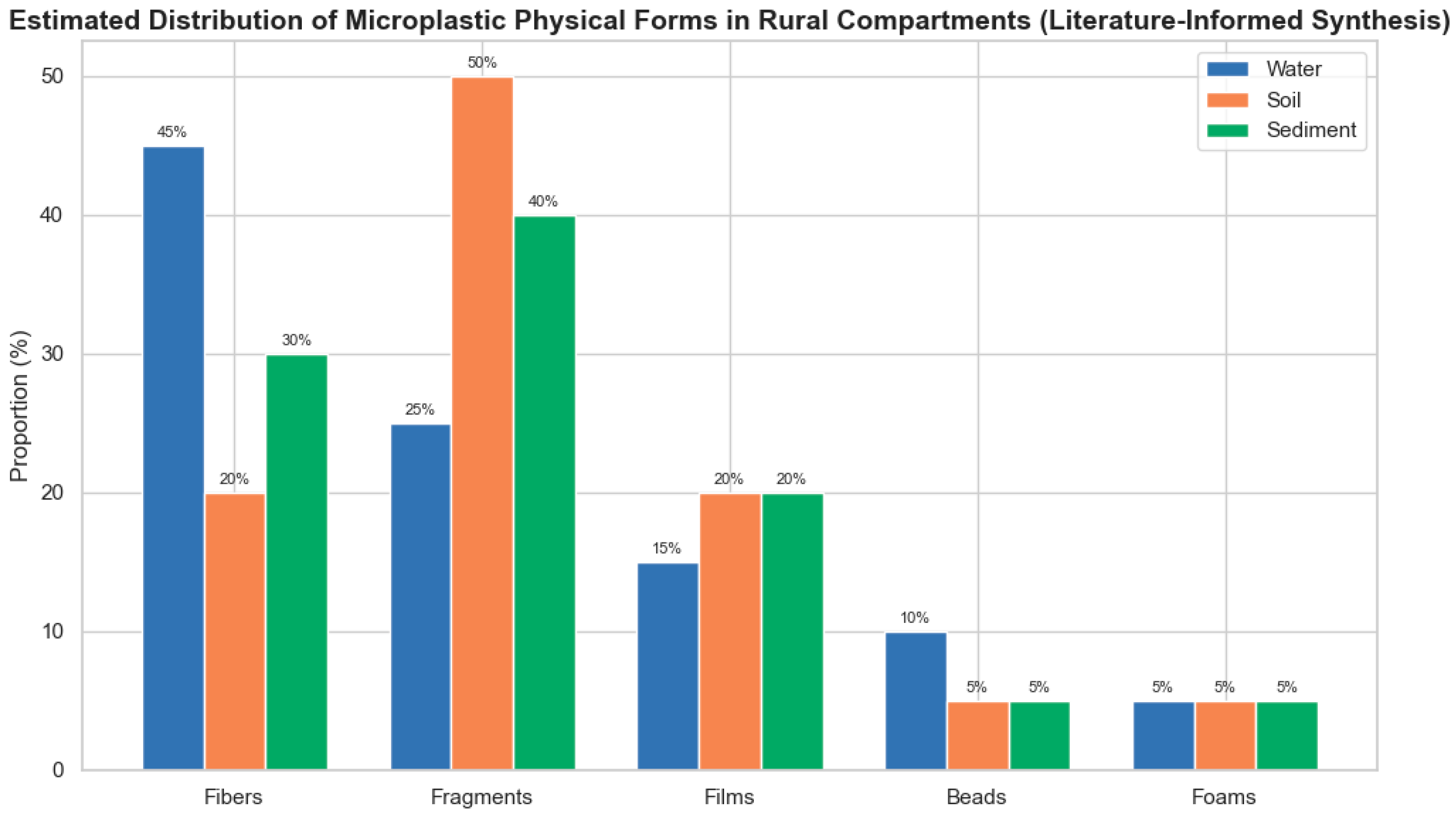
Figure 2 visualizes the estimated distribution of microplastics physical forms across three rural environmental compartments—water, soil, and sediment—based on observed trends in recent studies [2,7,8]. These morphological distinctions shape transport behavior, environmental persistence, and bioavailability to organisms.
In many rural freshwater systems, fragments dominate sediment samples, while fibers are more prevalent in water columns and wastewater [7,8]. These morphological differences affect both transport behavior and biological uptake potential.

2.3.5. Size Distribution and Color Variations

Sediments in lakes, rivers, and agricultural ditches act as long-term repositories for microplastics, which accumulate through sedimentation and adsorption onto organic matter and mineral surfaces [33]. The fate of these particles is influenced by a range of sediment matrix conditions, including redox gradients, organic carbon content, and bioturbation activity, all of which determine whether microplastics are preserved, degraded, or remobilized into the water column [34]. One of the key factors governing this behavior is the size distribution of microplastics, which directly affects transport dynamics, bioavailability, and sediment retention. In rural systems, microplastics typically range from 50 µm to 5 mm in size. Smaller particles (<100 µm) are more likely to infiltrate soils and sediments, becoming bioavailable to invertebrates and soil microbes via pore-water transport and ingestion [58]. In contrast, larger microplastics tend to remain on the soil surface or settle into depositional zones, particularly in low-energy environments such as agricultural ditches and floodplains, where physical remobilization is limited [33,58].
Color diversity among microplastics is high and often source-dependent:
  • Transparent and White: Typically, from packaging films and agricultural sheeting [59].
  • Black and Gray: Associated with tire wear, road runoff, and industrial fragments [60].
  • Blue and Green: Common from textiles, ropes, and fishing gear [60].
  • Red and Orange: Indicative of consumer products and colored packaging [60].
Islam et al. [2] documented a predominance of blue, clear, and white particles in a subtropical rural lake in Bangladesh. Similarly, Matjašič et al. [7] found high color heterogeneity in Slovenian rural streams, with colored MPs comprising the majority of total counts. Visual appearance may influence ingestion rates by fauna, making color an ecologically relevant trait [61]. Details are presented in Table 1.

3. Transport and Distribution

Microplastics (MPs) in rural environments are transported across landscape compartments through a complex interplay of hydrological, atmospheric, and sedimentary processes. These mechanisms not only facilitate the redistribution of MPs from source points to broader catchment areas but also influence their long-term environmental fate and ecological exposure pathways.
The mobility of MPs is strongly modulated by intrinsic particle characteristics, including size, shape, density, and polymer type. Low-density polymers such as PE and PP are readily entrained in surface waters and remain buoyant for long periods, whereas denser polymers like PET and PS tend to associate with sediments or settle in low-energy zones [25,33,56]. Fibers, due to their high aspect ratio, often remain airborne for extended durations or become easily trapped in vegetation and biofilms, contributing to both aerial deposition and fluvial retention. Particle size also plays a decisive role: smaller particles (<100 µm) exhibit higher potential for percolation into soil pores and vadose zones [58], increasing both bioavailability and groundwater contamination risks.
Surface runoff is a primary vector in agricultural and unpaved rural settings, mobilizing MPs from soil surfaces, roads, and improperly managed waste sites during rainfall events. Studies such as Lwanga et al. [28] and Corradini [40] illustrate how rainfall and slope gradient intensify MP movement into ditches, streams, and wetland catchments. Erosion-driven transport is particularly acute in tilled or deforested regions, where MPs embedded in soil aggregates are readily detached and conveyed.
Transport processes are highly season-dependent. Heavy monsoons, spring melt periods, and episodic flood events increase runoff velocities and sediment detachment, resulting in abrupt pulses of MP mobilization into receiving waters [12,42]. Conversely, drought conditions promote surface accumulation of MPs and enhance wind-driven dispersal across agricultural fields and unpaved roads [48,49]. Such hydrological extremes—intensified under climate-induced variability—contribute to irregular but ecologically significant redistribution events.
Once in-stream and river systems, MPs experience fluvial redistribution. Depending on flow velocity, turbulence, and sediment interaction, MPs can remain suspended, settle temporarily in sediments, or be remobilized during discharge peaks. Research by Eibes and Gabel [6] and Kiss et al. [42] confirms that rural streams act both as transport corridors and retention zones, with in-stream vegetation and morphology influencing microplastics capture and release cycles.
Groundwater infiltration is increasingly recognized as a concerning pathway. MPs may enter the subsurface through leaching from contaminated soils, unlined landfills, and septic systems. Jeong et al. [4] documented synthetic fibers and fragments in Korean rural aquifers, while Schefer et al. [43] and Calero et al. [62] highlighted the potential for MPs to persist in vadose and saturated zones, especially in permeable soils under high loading.
Soil texture and structure strongly affect vertical and lateral MP transport. Sandy, highly permeable soils accelerate downward migration through larger pore spaces, whereas clay-rich or compacted soils retain MPs in upper horizons by limiting hydraulic conductivity [45]. Organic-rich soils can promote aggregation of MPs with humic substances, resulting in localized retention, though bioturbation may later redistribute these particles [34]. Such heterogeneity complicates predictions of subsurface transport and underscores the need for soil-specific assessments in rural landscapes.
Atmospheric transport adds an additional layer of complexity. Windborne MPs, including synthetic fibers and tire wear particles, can travel long distances before being deposited in remote rural zones. Welsh et al. [8] and Allen et al. [47] observed atmospheric MP accumulation even in headwater lakes, revealing the global reach of airborne plastic particles. Dry deposition and rainfall scavenging contribute to vertical fluxes of MPs into soil and water bodies, especially in open agricultural landscapes or areas with bare soil exposure.
As particles traverse between environmental compartments, they undergo continuous weathering through UV radiation, mechanical abrasion, freeze–thaw cycles, and microbial activity [24]. These processes fragment larger plastics into smaller size classes, alter surface chemistry, increase roughness, and may change density, thereby modifying transport behavior and sorption capacity for co-occurring pollutants. Such degradation enhances mobility in some cases—e.g., producing smaller particles that infiltrate soils more readily—while also increasing ecological risk due to greater bioavailability.
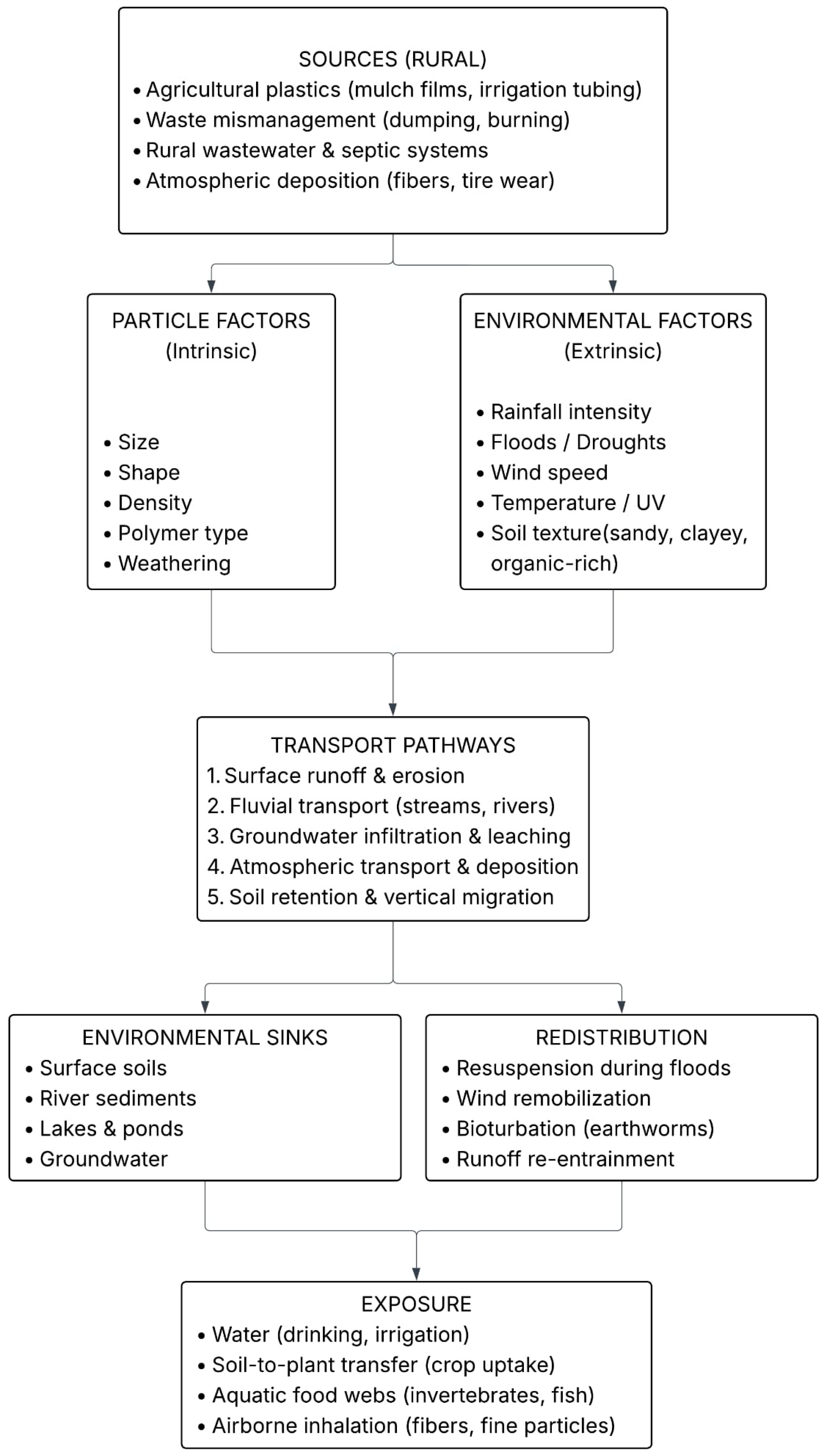
Together, these processes form a dynamic transport network in rural regions, connecting point sources like farmland, roads, and settlements with recipient environments such as lakes, groundwater, and riparian corridors. This distributional fluidity complicates both monitoring and mitigation, emphasizing the need for integrated catchment-level management approaches. All these details are presented in Figure 3.
These interconnected transport pathways also shape exposure profiles for rural biota. MPs redistributed into headwater streams, ponds, or agricultural drainage systems become accessible to macroinvertebrates, larvae, and small fish, potentially impairing growth, feeding efficiency, and reproductive success [15,63,64]. In soils, transported MPs interact with microbial communities, plant roots, and soil fauna—affecting nutrient dynamics, enzyme activity, and plant performance [26,65]. Thus, understanding transport dynamics is essential not only for predicting spatial contamination patterns but also for evaluating ecological impacts across multiple trophic levels.

4. Microplastic Occurrence and Characteristics

Microplastics in rural environments exhibit considerable heterogeneity in their chemical composition and environmental distribution, shaped by diverse input pathways and landscape-level dynamics.

4.1. Polymer Characteristics

Microplastics across rural compartments are predominantly composed of low-density polymers such as polyethylene (PE) and polypropylene (PP), commonly associated with agricultural mulch, irrigation tubing, and consumer packaging. Polyethylene terephthalate (PET)—a denser polymer—frequently appears in rural water bodies and groundwater, likely originating from textile fibers and urban runoff. As Corradini et al. [25] and Jeong et al. [4] have shown, PE and PP dominate in surface soils and sediments, while PET is increasingly detected in aquifers, indicating vertical mobility through soil layers. Additional polymers such as polystyrene (PS) and polyvinyl chloride (PVC) appear in lower concentrations, often linked to insulation materials and degraded industrial waste [55].
Polymer-specific density and surface chemistry influence environmental behavior. Less dense polymers tend to remain suspended in water or migrate through surface runoff, while denser polymers are more likely to be sequestered in sediments or soils, particularly under low-energy conditions.

4.2. Spatial Heterogeneity Across Compartments

Spatial distribution of MPs across rural matrices is uneven and compartment-specific:
  • Surface soils adjacent to plastic mulch use, livestock pens, and informal dumpsites exhibit high fragment concentrations.
  • River sediments act as long-term sinks for denser polymers and larger particles, with deposition patterns influenced by hydrology and land use [7].
  • Groundwater systems, although less frequently monitored, have shown increasing PET and polyamide contamination, especially in areas relying on untreated wastewater discharge or sludge application [4].
  • Atmospheric deposition introduces fibers and smaller particles even in remote agricultural fields, carried by wind and precipitation [8].
This spatial variability underscores the importance of multi-compartment monitoring strategies that account for polymer behavior, land use practices, and environmental media.

4.3. Ecological and Environmental Impacts

The presence of microplastics (MPs) in rural environments poses a range of ecological and environmental threats that are only now becoming systematically examined [18,66,67]. Although rural ecosystems have traditionally been considered relatively pristine compared to urban or industrial zones, mounting evidence demonstrates that MPs are both ubiquitous and ecologically impactful in these regions [66]. Key areas of concern include aquatic ecosystems, soil health, bioaccumulation across trophic levels, and potential risks to human health.

4.4. Effects on Aquatic Organisms

Microplastics pose both physical and chemical threats to aquatic organisms in rural freshwater systems [63,64]. Ingestion can lead to intestinal blockage, reduced feeding efficiency, and altered metabolic or immune functions [63,64]. Fibrous and fragmented MPs are particularly bioavailable to macroinvertebrates and small fish—for example, mayfly and caddis-fly larvae incorporate and transport plastic fibers into their cases, while juvenile fish ingest fragments resembling natural prey [63,68]. Gray et al. [15] documented MP accumulation in both native and non-native crayfish species in semi-rural streams in Virginia, USA. The study found higher MP burdens in crayfish located near suburban inflows, highlighting the role of land use in shaping exposure. These findings align with prior work on gastrointestinal disruption and immunological stress in aquatic species exposed to MPs, including crayfish and small fish [15,69]. In addition to physical impacts, MPs can adsorb and transport toxic hydrophobic pollutants such as pesticides or heavy metals, potentially introducing these into the food web.

4.5. Soil Health and Plant Interactions

Microplastics in soil can alter physical structure, water retention, and microbial dynamics [65]. Agricultural soils, particularly those exposed to plastic mulch, biosolids, or irrigation with contaminated water, can accumulate microplastics that persist for decades [70]. Liu et al. [26] found that MPs in suburban Shanghai soils were correlated with changes in soil porosity and root development in crops. Microplastic presence can disrupt soil enzyme activity, affect nutrient cycling, and lead to lower microbial diversity. These effects may influence agricultural productivity in the long term, particularly in intensively cultivated rural landscapes.
Recent findings also highlight the influential role of soil fauna, particularly earthworms, in mediating plant responses to microplastics-contaminated soils. Earthworms can ingest, fragment, and redistribute microplastics while creating burrows that modify soil structure, aeration, and water retention. These bioturbation processes have been shown to alleviate microplastics-induced physiological stress in plants by improving root-zone conditions and enhancing nutrient cycling. For instance, Wang et al. [71] demonstrated that earthworm activity reduced polypropylene-microplastics growth suppression in Astragalus sinicus by modulating the soil microenvironment and altering plant gene expression. Public-facing ecological reports also emphasize similar trends, noting that earthworms may help plants recover in plastic-polluted soils by improving porosity and supporting rhizosphere functioning [72]. These combined observations underscore the dual role of soil fauna in both buffering the negative impacts of microplastics and increasing their vertical mobility within soil profiles, with implications for long-term soil health and plant productivity.

4.6. Bioaccumulation and Food Chain Concerns

The potential for bioaccumulation of microplastics and associated pollutants across trophic levels is a growing concern in rural food webs. Microplastics ingested by invertebrates or small fish can be transferred to larger predators—including humans—through dietary exposure [73]. Keisling et al. [5] reported microplastics presence in oysters from a rural estuary in Georgia, USA, albeit at lower concentrations than urban analogs. The presence of MPs in consumable species raises questions about food safety in aquaculture and small-scale rural fisheries. Microplastics can also physically interfere with organisms’ feeding behavior and nutrient uptake, potentially reducing growth and overall fitness. Although acute toxicity from microplastics alone is rare, their role as vectors for persistent organic pollutants and pathogens increases ecological risk.

4.7. Human Health Risks from Rural Exposure

Rural populations may be exposed to microplastics through ingestion of contaminated water, produce grown in plastic-laden soils, or local animal products [74]. Additionally, airborne microplastics from roadside dust or agricultural fields may contribute to respiratory exposure [75].
Airborne microplastics, especially fine synthetic fibers, may penetrate deep into respiratory tissues, posing inflammatory and metabolic risks, as supported by recent computational and biomedical models [75,76]. Jeong et al. [4] documented microplastics contamination in rural groundwater in eastern Korea, raising concerns about drinking water safety for populations reliant on private wells. While the direct health effects of ingested or inhaled MPs remain under investigation, there is increasing evidence that they can elicit inflammatory responses and oxidative stress and act as carriers of endocrine-disrupting chemicals. In addition to ingestion and inhalation risks, recent reviews emphasize the broader toxicological implications of MPs as vectors for persistent pollutants in both marine and terrestrial food chains [74,76]. Details are presented in Table 2.

5. Management and Policy Recommendations

Effective mitigation of MP contamination in rural environments requires integrated management approaches spanning policy reform, infrastructure investment, best agricultural practices, and public engagement. Rural areas present unique challenges—including diffuse sources, limited regulatory enforcement, and infrastructure gaps—which must be addressed through context-sensitive strategies.

5.1. Rural Waste Management and Plastic Reduction

A significant proportion of microplastics in rural areas arises from improper solid waste disposal, open dumping, and informal burning [27]. Strengthening rural waste management systems through decentralized waste segregation, plastic recycling hubs, and community-level collection systems can reduce environmental leakage [77]. Grillo et al. [14] documented that unregulated waste practices in a Venezuelan rural village directly contributed to MP loads in both rivers and coastal ecosystems. Their findings emphasize the urgency of implementing waste handling guidelines and local enforcement mechanisms in rural areas where municipal systems are weak or absent.

5.2. Agricultural Best Practices

Plastic use in agriculture—including mulch films, irrigation tubing, and fertilizer coatings—is a major contributor to microplastics contamination in rural soils [78,79]. Transitioning to biodegradable mulch films, improving sludge treatment standards, and limiting the use of plastic-encapsulated products are promising interventions [80]. Corradini et al. [25] advocate for stricter regulation of biosolids applications in agricultural lands, given the significant MP load associated with sewage sludge. In addition, field-level guidelines for plastic use, retrieval, and post-season disposal are needed to prevent long-term accumulation in farmland.

5.3. Wastewater Treatment Solutions in Rural Contexts

Rural wastewater systems are often under-resourced and technologically limited. Upgrading treatment capacity to include microplastics filtration—through fine screening, advanced sedimentation, or constructed wetlands—can substantially reduce microplastics discharge [10,81]. Gao et al. [10] found that rural wastewater treatment plants in southwestern China achieved significant MP removal through enhanced settling systems and operational upgrades. However, widespread adoption requires targeted investment and training for rural utilities.

5.4. Public Awareness and Education Initiatives

Addressing microplastics pollution also depends on community-level awareness, particularly in rural areas where scientific literacy and access to environmental information may be limited [82]. Educational outreach through schools, farming cooperatives, and women’s groups can foster behavioral change in waste handling and plastic use [83]. These efforts can be further strengthened through interdisciplinary strategies that incorporate the arts, civic engagement, and participatory education to increase public involvement and long-term behavioral commitment [84]. Su et al. [9] emphasize the importance of localized education campaigns, citing their success in reducing litter and improving roadside cleanliness in rural Victoria, Australia. Community involvement in waste audits, clean-up drives, and sustainable farming workshops can build local ownership of the issue.

5.5. Regulatory Gaps and Future Policy Directions

Current environmental regulations in many countries do not adequately address microplastics pollution, especially in rural contexts. National standards often focus on urban wastewater and industrial discharges, leaving agricultural plastics and rural waste largely unregulated. Lee et al. [72] advocate for plastic stewardship policies that include mandatory take-back schemes for agricultural plastics, extended producer responsibility, and integration of rural data into national plastic budgets. Harmonizing definitions and detection methods for MPs is also critical for improving cross-jurisdictional monitoring and compliance. Details are presented in Table 3.
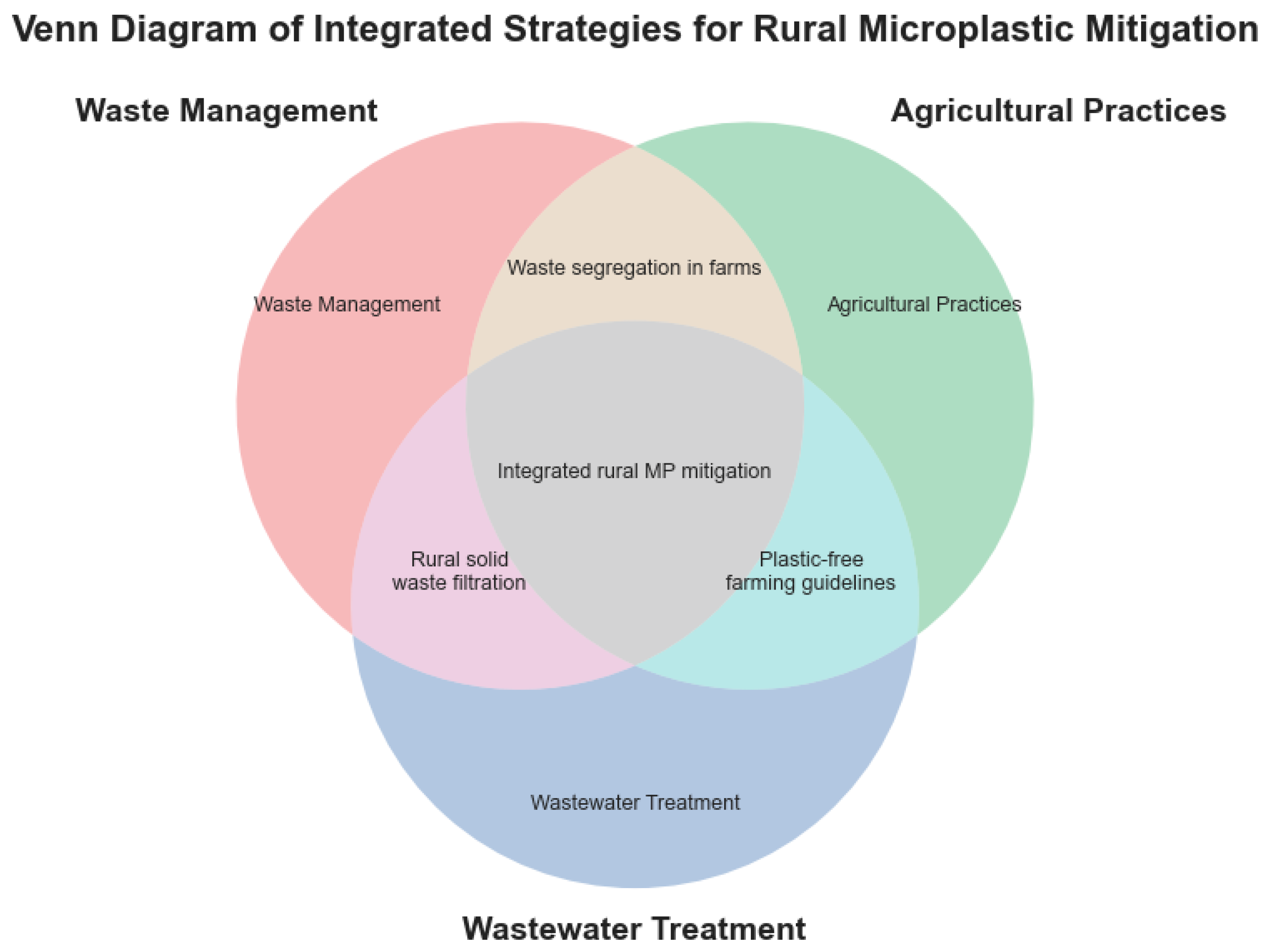
To illustrate how rural microplastics mitigation strategies intersect across sectors, Figure 4 presents a conceptual Venn diagram summarizing the shared responsibilities and collaborative potential of waste management, agriculture, and wastewater systems.
Finally, reducing microplastics pollution in rural environments requires strong coordination among farmers, local authorities, and waste management agencies. Efforts should focus on reducing the use of plastic products, raising awareness by engaging rural communities, promoting safe waste disposal practices, and encouraging farmers to adopt modern and sustainable agricultural techniques. New and affordable technologies, such as natural material filters, plant-based treatment systems, and biodegradable farm plastics, can further support these efforts. Introducing financial rewards for good waste management practices and applying fines for illegal dumping or open burning could also motivate people to act responsibly. It is also important to ensure that these plans benefit all groups fairly, especially poorer or smaller communities that may have limited resources or access to technology. Regular and open communication among these groups will make their work more effective and help move rural areas toward a cleaner, safer, and more sustainable environment.

6. Conclusions

This study demonstrates that microplastics are prevalent in rural environments, contrary to the assumption that such areas are relatively uncontaminated. The highest concentrations were observed in soils and freshwater systems, reflecting the influence of agricultural runoff, wastewater, and atmospheric deposition. The most common polymers detected were polyethylene (PE), polypropylene (PP), and polyethylene terephthalate (PET), typically occurring as fibers, fragments, and films. These microplastics persist in the environment and can accumulate in soil and water, potentially entering local food chains and affecting product quality. The findings highlight that rural systems are significant reservoirs of microplastics, with implications for ecological health, soil fertility, and food safety. Also, addressing microplastics in rural environments requires urgent collaboration among researchers, policymakers, and local stakeholders, alongside continued research to clarify long-term human health impacts and guide effective interventions.
To address existing gaps, future work should prioritize:
  • Standardized rural microplastics monitoring protocols for air, water, soil, and food.
  • Contextualized mitigation strategies targeting biosolids use, mulching films, and decentralized sanitation.
  • Investment in rural infrastructure, including plastic waste collection and wastewater upgrades.
  • Integration of rural microplastics data into national plastic reduction policies.
  • Research to address knowledge gaps on the long-term human health impacts of microplastics exposure.

Author Contributions

A.B.: Methodology, Software, Data Curation, Writing—Original Draft Preparation, Visualization, Investigation. G.S.: Conceptualization, Supervision, Investigation, Writing—Original Draft Preparation, Writing—Reviewing and Editing. All authors have read and agreed to the published version of the manuscript.

Funding

This research received no external funding.

Institutional Review Board Statement

Not applicable.

Informed Consent Statement

Not applicable.

Data Availability Statement

Not applicable.

Acknowledgments

The authors used AI-assisted technology (ChatGPT 3.5) for language editing and grammar checking.

Conflicts of Interest

All authors declared that there are no conflicts of interest.

References

  1. Lee, J.-Y.; Chia, R.W.; Veerasingam, S.; Uddin, S.; Jeon, W.-H.; Moon, H.S.; Cha, J.; Lee, J. A comprehensive review of urban microplastics pollution sources, environment and human health impacts, and regulatory efforts. Sci. Total Environ. 2024, 946, 174297. [Google Scholar] [CrossRef] [PubMed]
  2. Islam, A.R.M.T.; Hasan, M.; Sadia, M.R.; Mubin, A.N.; Ali, M.M.; Senapathi, V.; Malafaia, G. Unveiling microplastics pollution in a subtropical rural recreational lake: A novel insight. Environ. Res. 2024, 250, 118543. [Google Scholar] [CrossRef] [PubMed]
  3. Yin, L.; Wen, X.; Du, C.; Jiang, J.; Wu, L.; Zhang, Y.; Gu, Q. Comparison of the abundance of microplastics between rural and urban areas. Chemosphere 2020, 244, 125486. [Google Scholar] [CrossRef] [PubMed]
  4. Jeong, E.; Kim, Y.I.; Lee, J.Y.; Raza, M. Microplastics contamination in groundwater of rural area, eastern part of Korea. Sci. Total Environ. 2023, 895, 165006. [Google Scholar] [CrossRef]
  5. Keisling, C.; Harris, R.D.; Blaze, J.; Coffin, J.; Byers, J.E. Low concentrations and low spatial variability of marine microplastics in oysters (Crassostrea virginica) in a rural Georgia estuary. Mar. Pollut. Bull. 2020, 150, 110672. [Google Scholar] [CrossRef]
  6. Eibes, P.M.; Gabel, F. Floating microplastics debris in a rural river in Germany: Distribution, types and potential sources and sinks. Sci. Total Environ. 2022, 816, 151641. [Google Scholar] [CrossRef]
  7. Matjašič, T.; Mori, N.; Hostnik, I.; Bajt, O.; Viršek, M.K. Microplastics pollution in small rivers along rural–urban gradients. Sci. Total Environ. 2023, 858, 160043. [Google Scholar] [CrossRef]
  8. Welsh, B.; Paterson, A.M.; Yao, H.; McConnell, C.; Aherne, J. The fate of microplastics in rural headwater lake catchments. Environ. Sci. Technol. 2024, 58, 16570–16577. [Google Scholar] [CrossRef]
  9. Su, L.; Nan, B.; Craig, N.J.; Pettigrove, V. Temporal and spatial variations of microplastics in roadside dust from rural and urban Victoria, Australia. Chemosphere 2020, 252, 126567. [Google Scholar] [CrossRef]
  10. Gao, S.; Wu, Q.; Zhang, B.; Peng, M.; Zeng, J.; Zhu, L. Significant effects of rural wastewater treatment plants in reducing microplastics pollution: A perspective from China’s southwest area. J. Hazard. Mater. 2024, 480, 136488. [Google Scholar] [CrossRef]
  11. Wei, S.; Luo, H.; Zou, J.; Chen, J.; Pan, X.; Rousseau, D.P.; Li, J. Characteristics and removal of microplastics in rural domestic wastewater treatment facilities of China. Sci. Total Environ. 2020, 739, 139935. [Google Scholar] [CrossRef] [PubMed]
  12. Long, Y.; Zhou, Z.; Yin, L.; Wen, X.; Xiao, R.; Du, L.; Yan, S. Microplastics removal and characteristics of constructed wetlands WWTPs in rural area of Changsha, China. Sci. Total Environ. 2022, 811, 152352. [Google Scholar] [CrossRef] [PubMed]
  13. Patidar, K.; Ambade, B.; Verma, S.K.; Mohammad, F. Microplastics contamination in water and sediments of Mahanadi River, India. J. Environ. Manag. 2023, 348, 119363. [Google Scholar] [CrossRef] [PubMed]
  14. Grillo, J.F.; López-Ordaz, A.; Hernández, A.J.; Gómez, F.B.; Sabino, M.A.; Ramos, R. Rural village as a source of microplastics pollution in a riverine and marine ecosystem of the southern Venezuelan Caribbean. J. Contam. Hydrol. 2025, 269, 104511. [Google Scholar] [CrossRef]
  15. Gray, A.; Mayer, K.; Gore, B.; Gaesser, M.; Ferguson, N. Microplastic burden in native (Cambarus appalachiensis) and non-native (Faxonius cristavarius) crayfish along semi-rural and urban streams in southwest Virginia, USA. Environ. Res. 2024, 258, 119494. [Google Scholar] [CrossRef]
  16. Bhowmik, A.; Saha, G. Microplastics in our waters: Insights from a configurative systematic review of water bodies and drinking water sources. Microplastics 2025, 4, 24. [Google Scholar] [CrossRef]
  17. Wilke, C. Plastics Are Showing Up in the World’s Most Remote Places, Including Mount Everest. Science News. 20 November 2020. Available online: https://www.sciencenews.org/article/plastics-remote-places-microplastics-earth-mount-everest (accessed on 11 November 2025).
  18. Saha, G.; Saha, S.C. Tiny particles, big problems: The threat of microplastics to marine life and human health. Processes 2024, 12, 1401. [Google Scholar] [CrossRef]
  19. Nield, D. Microplastics Invade Ancient Rock, and that’s a Big Problem for Age Markers. Environment, Science Alert. 2024. Available online: https://www.sciencealert.com/microplastics-invade-ancient-rock-and-thats-a-big-problem-for-age-markers (accessed on 11 November 2025).
  20. Dris, R.; Gasperi, J.; Mirande, C.; Mandin, C.; Guerrouache, M.; Langlois, V.; Tassin, B. Synthetic fibers in atmospheric fallout: A source of microplastics in the environment. Mar. Pollut. Bull. 2016, 104, 290–298. [Google Scholar] [CrossRef]
  21. Evangeliou, N.; Grythe, H.; Klimont, Z.; Heyes, C.; Eckhardt, S.; Lopez-Aparicio, S.; Jakobs, H.; Stohl, A. Atmospheric transport is a major pathway of microplastics to remote regions. Nat. Commun. 2020, 11, 3381. [Google Scholar] [CrossRef]
  22. Mongil-Manso, J.; Jiménez-Ballesta, R.; Trujillo-González, J.M.; San José Wery, A.; Díez Méndez, A. A comprehensive review of plastics in agricultural soils: A case study of Castilla y León (Spain) farmlands. Land 2023, 12, 1888. [Google Scholar] [CrossRef]
  23. Liu, E.K.; He, W.Q.; Yan, C.R. ‘White revolution’ to ‘white pollution’—Agricultural plastic film mulch in China. Environ. Res. Lett. 2014, 9, 091001. [Google Scholar] [CrossRef]
  24. Corcoran, P.L. Degradation of microplastics in the environment. In Handbook of Microplastics in the Environment; Rocha-Santos, T., Costa, M., Mouneyrac, C., Eds.; Springer: Berlin/Heidelberg, Germany, 2021; pp. 1–12. [Google Scholar] [CrossRef]
  25. Corradini, F.; Meza, P.; Eguiluz, R.; Casado, F.; Huerta-Lwanga, E.; Geissen, V. Evidence of microplastics accumulation in agricultural soils from sewage sludge disposal. Sci. Total Environ. 2019, 671, 411–420. [Google Scholar] [CrossRef] [PubMed]
  26. Liu, M.; Lu, S.; Song, Y.; Lei, L.; Hu, J.; Lv, W.; Zhou, W.; Cao, C.; Shi, H.; Yang, X.; et al. Microplastics and mesoplastic pollution in farmland soils in suburbs of Shanghai, China. Environ. Pollut. 2018, 242, 855–862. [Google Scholar] [CrossRef] [PubMed]
  27. Hess, K.Z.; Forsythe, K.R.; Wang, X.; Arredondo-Navarro, A.; Tipling, G.; Jones, J.; Mata, M.; Hughes, V.; Martin, C.; Doyle, J.; et al. Emerging investigator series: Open dumping and burning: An overlooked source of terrestrial microplastics in underserved communities. Environ. Sci. Process. Impacts 2025, 27, 52–62. [Google Scholar] [CrossRef] [PubMed]
  28. Lwanga, E.H.; Beriot, N.; Corradini, F.; Silva, V.; Yang, X.; Baartman, J.; Rezaei, M.; van Schaik, L.; Riksen, M.; Geissen, V. Review of microplastics sources, transport pathways and correlations with other soil stressors: A journey from agricultural sites into the environment. Chem. Biol. Technol. Agric. 2022, 9, 20. [Google Scholar] [CrossRef]
  29. Bellasi, A.; Binda, G.; Pozzi, A.; Galafassi, S.; Volta, P.; Bettinetti, R. Microplastics contamination in freshwater environments: A review, focusing on interactions with sediments and benthic organisms. Environments 2020, 7, 30. [Google Scholar] [CrossRef]
  30. van den Berg, P.; Huerta-Lwanga, E.; Corradini, F.; Geissen, V. Sewage sludge application as a vehicle for microplastics in eastern Spanish agricultural soils. Environ. Pollut. 2020, 261, 114198. [Google Scholar] [CrossRef]
  31. Chia, R.R.W.; Lee, J.-Y.; Kim, H.; Jang, J. Microplastics pollution in soil and groundwater: A review. Environ. Chem. Lett. 2021, 19, 485–504. [Google Scholar] [CrossRef]
  32. Hoang, V.-H.; Nguyen, M.-K.; Hoang, T.-D.; Rangel-Buitrago, N.; Lin, C.; Pham, M.-T.; Ha, M.-C.; Nguyen, T.-P.; Shaaban, M.; Chang, S.W.; et al. Microplastics characteristics, transport, risks, and remediation in groundwater: A review. Environ. Chem. Lett. 2025, 23, 961–982. [Google Scholar] [CrossRef]
  33. Berezina, A.; Yakushev, E.; Savchuk, O.; Vogelsang, C.; Staalstrom, A. Modelling the influence from biota and organic matter on the transport dynamics of microplastics in the water column and bottom sediments in the Oslo Fjord. Water 2021, 13, 2690. [Google Scholar] [CrossRef]
  34. Wazne, M.; Mermillod-Blondin, F.; Vallier, M.; Hervant, F.; Dumet, A.; Nel, H.A.; Kukkola, A.; Krause, S.; Simon, L. Microplastics in freshwater sediments impact the role of a main bioturbator in ecosystem functioning. Environ. Sci. Technol. 2023, 57, 3042–3052. [Google Scholar] [CrossRef] [PubMed]
  35. Baensch-Baltruschat, B.; Kocher, B.; Stock, F.; Reifferscheid, G. Tyre and road wear particles (TRWP): A review of generation, properties, emissions, human health risk, ecotoxicity, and fate in the environment. Sci. Total Environ. 2020, 733, 137823. [Google Scholar] [CrossRef] [PubMed]
  36. Kabir, S.M.A.; Bhuiyan, M.A.; Zhang, G.; Pramanik, B.K. Microplastics distribution and ecological risks: Investigating road dust and stormwater runoff across land uses. Environ. Sci. Adv. 2024, 3, 62–75. [Google Scholar] [CrossRef]
  37. NCBC: The Nature Conservancy & Bain & Company. Toward Eliminating Pre-Consumer Emissions of Microplastics from the Textile Industry [White Paper]. The Nature Conservancy. Available online: https://www.nature.org/content/dam/tnc/nature/en/documents/210322TNCBain_Pre-ConsumerMicrofiberEmissionsv6.pdf (accessed on 12 November 2025).
  38. Browne, M.A.; Crump, P.; Niven, S.J.; Teuten, E.; Tonkin, A.; Galloway, T.; Thompson, R. Accumulation of microplastics on shorelines worldwide: Sources and sinks. Environ. Sci. Technol. 2011, 45, 9175–9179. [Google Scholar] [CrossRef]
  39. Blettler, M.C.M.; Ulla, M.A.; Rabuffetti, A.P.; Garello, N. Plastic pollution in freshwater ecosystems: Macro-, meso-, and microplastics debris in a floodplain lake. Environ. Monit. Assess. 2017, 189, 581. [Google Scholar] [CrossRef]
  40. Corradini, F. Microplastics Transport by Overland Flow: Effects of Soil Texture and Slope Gradient under Simulated Semi-Arid Conditions. Soil Syst. 2025, 9, 40. [Google Scholar] [CrossRef]
  41. Owowenu, E.K.; Nnadozie, C.F.; Akamagwuna, F.; Noundou, X.S.; Uku, J.E.; Odume, O.N. A critical review of environmental factors influencing the transport dynamics of microplastics in riverine systems: Implications for ecological studies. Aquat. Ecol. 2023, 57, 557–570. [Google Scholar] [CrossRef]
  42. Kiss, T.; Gönczy, S.; Nagy, T.; Mesaroš, M.; Balla, A. Deposition and Mobilization of Microplastics in a Low-Energy Fluvial Environment from a Geomorphological Perspective. Appl. Sci. 2022, 12, 4367. [Google Scholar] [CrossRef]
  43. Schefer, R.B.; Koestel, J.; Mitrano, D.M. Minimal vertical transport of microplastics in soil over two years with little impact of plastics on soil macropore networks. Commun. Earth Environ. 2025, 6, 278. [Google Scholar] [CrossRef]
  44. O’Connor, D.; Pan, S.; Shen, Z.; Song, Y.; Jin, Y.; Wu, W.-M.; Hou, D. Microplastics undergo accelerated vertical migration in sand soil due to small size and wet–dry cycles. Environ. Pollut. 2019, 249, 527–534. [Google Scholar] [CrossRef]
  45. Li, H.; Lu, X.; Wang, S.; Zheng, B.; Xu, Y. Vertical migration of microplastics along soil profile under different crop root systems. Environ. Pollut. 2021, 278, 116833. [Google Scholar] [CrossRef] [PubMed]
  46. Jeon, C.; Kim, H. Microplastics and nanoplastics in groundwater: Occurrence, analysis, and identification. Trends Environ. Anal. Chem. 2024, 44, e00246. [Google Scholar] [CrossRef]
  47. Allen, S.; Allen, D.; Baladima, F.; Phoenix, V.R.; Thomas, J.L.; Le Roux, G.; Sonke, J.E. Evidence of free-tropospheric and long-range transport of microplastics at Pic du Midi Observatory. Nat. Commun. 2021, 12, 7242. [Google Scholar] [CrossRef] [PubMed]
  48. Long, X.; Zhang, S.; Huang, D.; Chang, C.; Peng, C.; Liu, K.; Fu, T.M.; Han, Y.; Liu, X.; Fu, T.-M.; et al. Atmospheric microplastics emission source potentials and deposition patterns in semi-arid croplands of northern China. J. Geophys. Res. Atmos. 2024, 129, e2024JD041546. [Google Scholar] [CrossRef]
  49. Li, J.; Zhang, J.; Ren, S.; Huang, D.; Liu, F.; Li, Z.; Zhang, H.; Zhao, M.; Cao, Y.; Mofolo, S.; et al. Atmospheric deposition of microplastics in a rural region of the North China Plain. Sci. Total Environ. 2023, 877, 162947. [Google Scholar] [CrossRef]
  50. Rednikin, A.R.; Frank, Y.A.; Rozhin, A.O.; Vorobiev, D.S.; Fakhrullin, R.F. Airborne microplastics: Challenges, prospects, and experimental approaches. Atmosphere 2024, 15, 1380. [Google Scholar] [CrossRef]
  51. Huang, X.; Saha, S.C.; Saha, G.; Francis, I.; Luo, Z. Transport and deposition of microplastics and nanoplastics in the human respiratory tract. Environ. Adv. 2024, 16, 100525. [Google Scholar] [CrossRef]
  52. Boos, J.-P.; Dichgans, F.; Fleckenstein, J.H.; Gilfedder, B.S.; Frei, S. Assessing the behavior of microplastics in fluvial systems: Infiltration and retention dynamics in streambed sediments. Water Resour. Res. 2024, 60, e2023WR035532. [Google Scholar] [CrossRef]
  53. Saad, D.; Ndlovu, M.; Ramaremisa, G.; Tutu, H.; Sillanpää, M. Characteristics of microplastics in sediment of the Vaal River, South Africa: Implications on bioavailability and toxicity. Int. J. Environ. Sci. Technol. 2024, 21, 43–50. [Google Scholar] [CrossRef]
  54. Tian, L.; Cheng, J.; Ji, R.; Ma, Y.; Yu, X. Microplastics in agricultural soils: Sources, effects, and their fate. Curr. Opin. Environ. Sci. Health 2022, 25, 100311. [Google Scholar] [CrossRef]
  55. Haque, A.; Holsen, T.M.; Baki, A.B.M. Distribution and risk assessment of microplastics pollution in a rural river system near a wastewater treatment plant, hydro-dam, and river confluence. Sci. Rep. 2024, 14, 6006. [Google Scholar] [CrossRef] [PubMed]
  56. Stride, B.; Abolfathi, S.; Bending, G.D.; Pearson, J. Quantifying microplastics dispersion due to density effects. J. Hazard. Mater. 2024, 466, 133440. [Google Scholar] [CrossRef] [PubMed]
  57. An, L.; Liu, Q.; Deng, Y.; Wu, W.; Gao, Y.; Ling, W. Sources of microplastics in the environment. In Microplastics in Terrestrial Environments—Emerging Contaminants and Major Challenges; He, D., Luo, Y., Eds.; Springer Nature: Cham, Switzerland, 2020; pp. 143–159. [Google Scholar] [CrossRef]
  58. Weber, C.J.; Opp, C.; Prume, J.A.; Koch, M.; Chifflard, P. Meso- and microplastics distribution and spatial connections to metal contaminations in highly cultivated and urbanised floodplain soilscapes—A case study from the Nidda River (Germany). Microplast. Nanoplast. 2022, 2, 25. [Google Scholar] [CrossRef]
  59. Wang, H.; Zhao, C.; Huo, T. The distribution of microplastics pollution and ecological risk assessment of Jingpo Lake—The world’s second largest high-mountain barrier lake. Biology 2025, 14, 201. [Google Scholar] [CrossRef]
  60. Yu, J.T.; Diamond, M.L.; Helm, P.A. A fit-for-purpose categorization scheme for microplastics morphologies. Integr. Environ. Assess. Manag. 2023, 19, 422–435. [Google Scholar] [CrossRef]
  61. Horie, Y.; Mitsunaga, K.; Yamaji, K.; Hirokawa, S.; Uaciquete, D.; Ríos, J.M.; Yap, C.K.; Okamura, H. Variability in microplastics color preference and intake among selected marine and freshwater fish and crustaceans. Discov. Ocean. 2024, 1, 5. [Google Scholar] [CrossRef]
  62. Calero, E.C.; Viršek, M.K.; Mali, N. Microplastics in groundwater: Pathways, occurrence, and monitoring challenges. Water 2024, 16, 1228. [Google Scholar] [CrossRef]
  63. Ronda, A.C.; Blasina, G.; Renaud, L.C.; Menéndez, M.C.; Tomba, J.P.; Silva, L.I.; Arias, A.H. Effects of microplastic ingestion on feeding activity in a widespread fish on the southwestern Atlantic coast: Ramnogaster arcuata (Clupeidae). Sci. Total Environ. 2023, 892, 164715. [Google Scholar] [CrossRef]
  64. Zhang, H.-Y.; Shu, Y.-Q.; Li, Y.; Hu, Y.-L.; Wu, Z.-H.; Li, Z.-P.; Deng, Y.; Zheng, Z.-J.; Zhang, X.-J.; Gong, L.-F.; et al. Metabolic disruption exacerbates intestinal damage during sleep deprivation by abolishing HIF1α-mediated repair. Cell Rep. 2024, 43, 114915. [Google Scholar] [CrossRef]
  65. de Souza Machado, A.A.; Lau, C.W.; Till, J.; Kloas, W.; Lehmann, A.; Becker, R.; Rillig, M.C. Impacts of microplastics on the soil biophysical environment. Environ. Sci. Technol. 2018, 52, 9656–9665. [Google Scholar] [CrossRef]
  66. Chae, Y.; An, Y.J. Current research trends on plastic pollution and ecological impacts on the soil ecosystem: A review. Environ. Pollut. 2018, 240, 387–395. [Google Scholar] [CrossRef] [PubMed]
  67. Mbachu, O.; Jenkins, G.; Kaparaju, P.; Pratt, C. The rise of artificial soil carbon inputs: Reviewing microplastic pollution effects in the soil environment. Sci. Total Environ. 2021, 780, 146569. [Google Scholar] [CrossRef] [PubMed]
  68. Ehlers, S.; Manz, W.; Koop, J. Microplastics of different characteristics are incorporated into the larval cases of the freshwater caddisfly Lepidostoma basale. Aquat. Biol. 2019, 28, 67–77. [Google Scholar] [CrossRef]
  69. Bhowmik, A.; Saha, G.; Saha, S.C. Microplastics in animals: The silent invasion. Pollutants 2024, 4, 490–497. [Google Scholar] [CrossRef]
  70. Crossman, J.; Hurley, R.R.; Futter, M.; Nizzetto, L. Transfer and transport of microplastics from biosolids to agricultural soils and the wider environment. Sci. Total Environ. 2020, 724, 138334. [Google Scholar] [CrossRef]
  71. Wang, H.; Muhammad, M.; Chen, X.; Lu, C.; Wang, X.; Dong, H.; Zhang, J.; Yang, Y.; Li, W.; Liang, L.; et al. Modulation of soil microenvironment and plant gene expression by earthworms reduces polypropylene microplastic-induced growth stress in Chinese milk vetch (Astragalus sinicus L.). Environ. Chem. Ecotoxicol. 2025, 7, 2080–2093. [Google Scholar] [CrossRef]
  72. Joseph, J. Earthworms Help Revive Plants in Plastic-Polluted Soil. Earth.com. Available online: https://www.earth.com/news/earthworms-help-revive-plants-in-plastic-polluted-soil/ (accessed on 7 November 2025).
  73. Lusher, A.L.; Welden, N.A.; Sobral, P.; Cole, M. Sampling, isolating and identifying microplastics ingested by fish and invertebrates. Anal. Methods 2017, 9, 1346–1360. [Google Scholar] [CrossRef]
  74. Prata, J.C.; da Costa, J.P.; Lopes, I.; Duarte, A.C.; Rocha-Santos, T. Environmental exposure to microplastics: An overview on possible human health effects. Sci. Total Environ. 2020, 702, 134455. [Google Scholar] [CrossRef]
  75. Gou, Z.; Wu, H.; Li, S.; Liu, Z.; Zhang, Y.; Zhang, Y. Airborne micro- and nanoplastics: Emerging causes of respiratory diseases. Part. Fibre Toxicol. 2024, 21, 50. [Google Scholar] [CrossRef]
  76. Saha, S.C.; Saha, G. Effect of microplastics deposition on human lung airways: A review with computational benefits and challenges. Heliyon 2024, 10, e24355. [Google Scholar] [CrossRef]
  77. Pathak, G.; Nichter, M.; Hardon, A.; Moyer, E.; Latkar, A.; Simbaya, J.; Pakasi, D.; Taqueban, E.; Love, J. Plastic pollution and the open burning of plastic wastes: Ethnographic perspectives from underserved communities. Glob. Environ. Change 2023, 80, 102648. [Google Scholar] [CrossRef]
  78. Rillig, M.C.; Ingraffia, R.; de Souza Machado, A.A. Microplastics incorporation into soil in agro-ecosystems. Front. Plant Sci. 2017, 8, 1805. [Google Scholar] [CrossRef]
  79. Zhang, B.; Yang, X.; Chen, L.; Chao, J.; Teng, J.; Wang, Q. Microplastics in soils: A review of possible sources, analytical methods and ecological impacts. J. Chem. Technol. Biotechnol. 2020, 95, 2052–2068. [Google Scholar] [CrossRef]
  80. Campanale, C.; Galafassi, S.; Di Pippo, F.; Pojar, I.; Massarelli, C.; Uricchio, V.F. A critical review of biodegradable plastic mulch films in agriculture: Definitions, scientific background and potential impacts. Trends Anal. Chem. 2023, 170, 117391. [Google Scholar] [CrossRef]
  81. Zhang, S.; Shen, C.; Zhang, F.; Wei, K.; Shan, S.; Zhao, Y.; Man, Y.B.; Wong, M.H.; Zhang, J. Microplastics removal mechanisms in constructed wetlands and their impacts on nutrient (nitrogen, phosphorus and carbon) removal: A critical review. Sci. Total Environ. 2024, 907, 170654. [Google Scholar] [CrossRef]
  82. Premarathna, K.; Abeysundara, S.P.; Gunaratne, A.M.T.A.; Madawala, H.M.S.P. Community awareness and perceptions on microplastics: A case study from Sri Lanka. Ceylon J. Sci. 2023, 52, 425–432. [Google Scholar] [CrossRef]
  83. Seifi, Z.; Zarei, F.; Ahmadi, F. The effect of an educational intervention based on a mobile application on women’s knowledge, attitudes, and practices with respect to microplastics and health: A randomized controlled trial. BMC Public Health 2025, 25, 1762. [Google Scholar] [CrossRef]
  84. Belontz, S.L.; Corcoran, P.L.; Davis, H.; Hill, K.A.; Jazvac, K.; Robertson, K.; Wood, K. Embracing an interdisciplinary approach to plastics pollution awareness and action. Ambio 2019, 48, 855–866. [Google Scholar] [CrossRef]
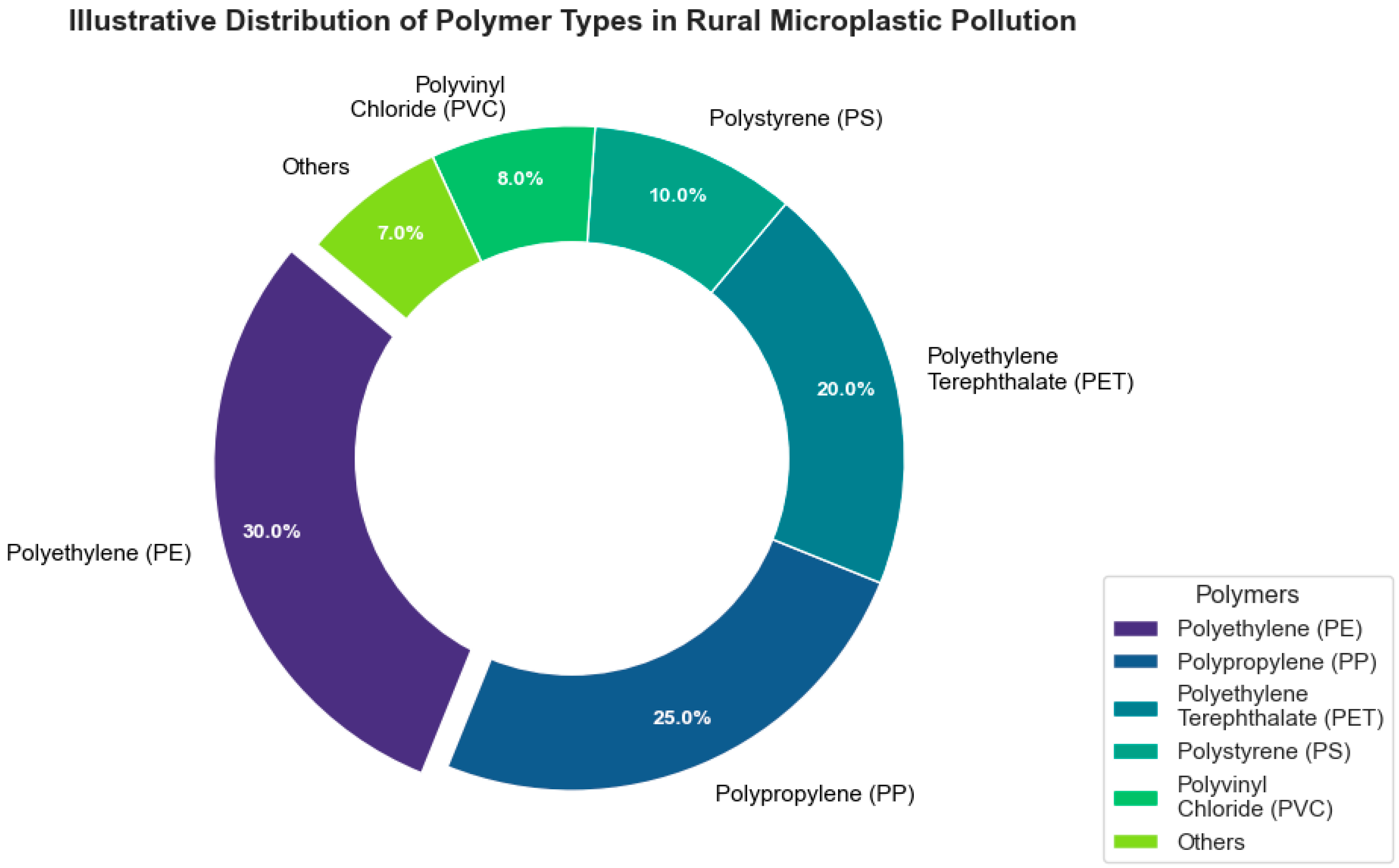
Figure 1. Estimated proportions of common microplastics polymers found in rural environments, based on aggregated trends.
Pollutants 06 00003 g001
Figure 2. Estimated proportions of microplastics physical forms (fibers, fragments, films, beads, foams) across rural water, soil, and sediment systems.
Pollutants 06 00003 g002
Figure 3. Conceptual flow diagram of microplastics pathways in rural environments showing major sources, intrinsic particle factors (size, shape, density, polymer type, weathering), extrinsic environmental factors (rainfall intensity, floods, droughts, wind, UV exposure, soil texture), transport pathways (surface runoff, fluvial processes, groundwater infiltration, atmospheric deposition, soil vertical migration), environmental sinks, redistribution mechanisms, and exposure routes.
Pollutants 06 00003 g003
Figure 4. Strategic overlaps among waste management, agricultural practices, and wastewater treatment in mitigating microplastics pollution in rural environments.
Pollutants 06 00003 g004
Table 1. Summary of Microplastic Characteristics in Rural Environments.
CharacteristicCommon Forms/TypesDominant SourcesRepresentative Studies
PolymersPE, PP, PET, PS, PVCAgricultural mulch, textiles, packaging, wastewater[4,25,55]
Physical FormsFragments, Fibers, Films, Beads, FoamsDegraded waste, textiles, fishing gear, mulch films[7,8]
Size Distribution<100 µm to 5 mmPlastic breakdown, atmospheric fallout, wastewater[2,4]
Color VariabilityClear, Blue, Black, White, RedRopes, packaging, tire wear, textiles[2,7]
Table 2. Ecological and Health Impacts of Microplastics in Rural Settings.
Impact AreaObserved EffectKey Study
Aquatic FaunaGastrointestinal blockage, pollutant exposure[15]
Soil HealthAltered porosity, microbial disruption, enzyme inhibition[26]
Food Chain TransferMP ingestion in shellfish and transfer up trophic levels[5]
Human HealthContamination in drinking water, inflammatory potential[4]
Table 3. Management Strategies for Rural MP Mitigation.
Focus AreaInterventionKey Study
Waste ManagementDecentralized recycling, enforcement of open dumping bans[14]
AgricultureBiodegradable mulches, sludge standards, collection systems[25]
Wastewater TreatmentConstructed wetlands, sedimentation tanks, filtration[10]
Public AwarenessLocal education, community waste audits, school outreach[9]
Policy and RegulationTake-back programs, rural MP monitoring[72]
Disclaimer/Publisher’s Note: The statements, opinions and data contained in all publications are solely those of the individual author(s) and contributor(s) and not of MDPI and/or the editor(s). MDPI and/or the editor(s) disclaim responsibility for any injury to people or property resulting from any ideas, methods, instructions or products referred to in the content.