
Article

Effectiveness of the National Pollutant Release Inventory as a Policy Tool to Curb Atmospheric Industrial Emissions in Canada


School for Resource and Environmental Studies, Dalhousie University, Halifax, NS B3H 4R2, Canada
Pollutants 2022, 2(3), 289-305; https://doi.org/10.3390/pollutants2030019

Submission received: 24 May 2022 / Accepted: 15 June 2022 / Published: 1 July 2022

Abstract

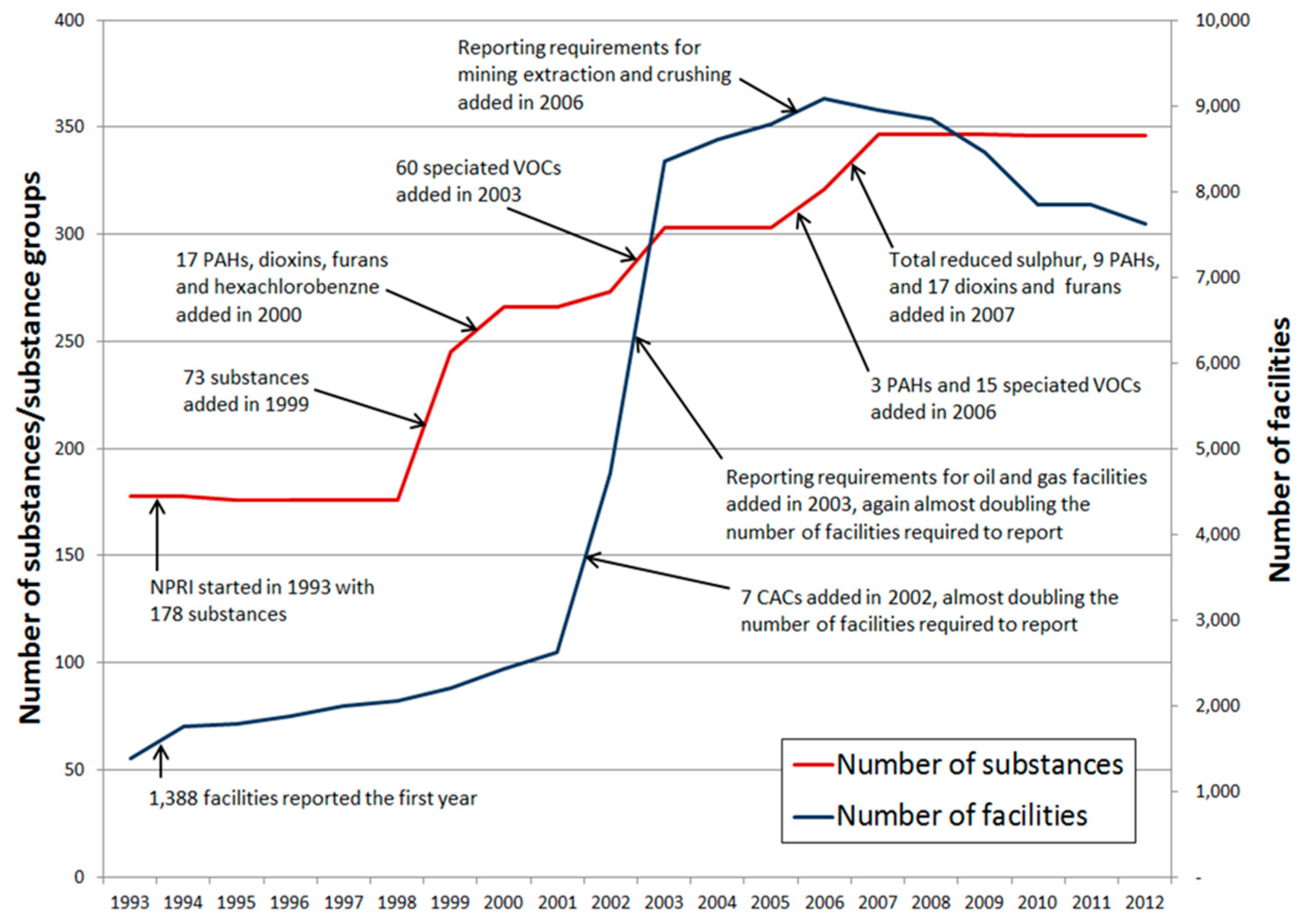
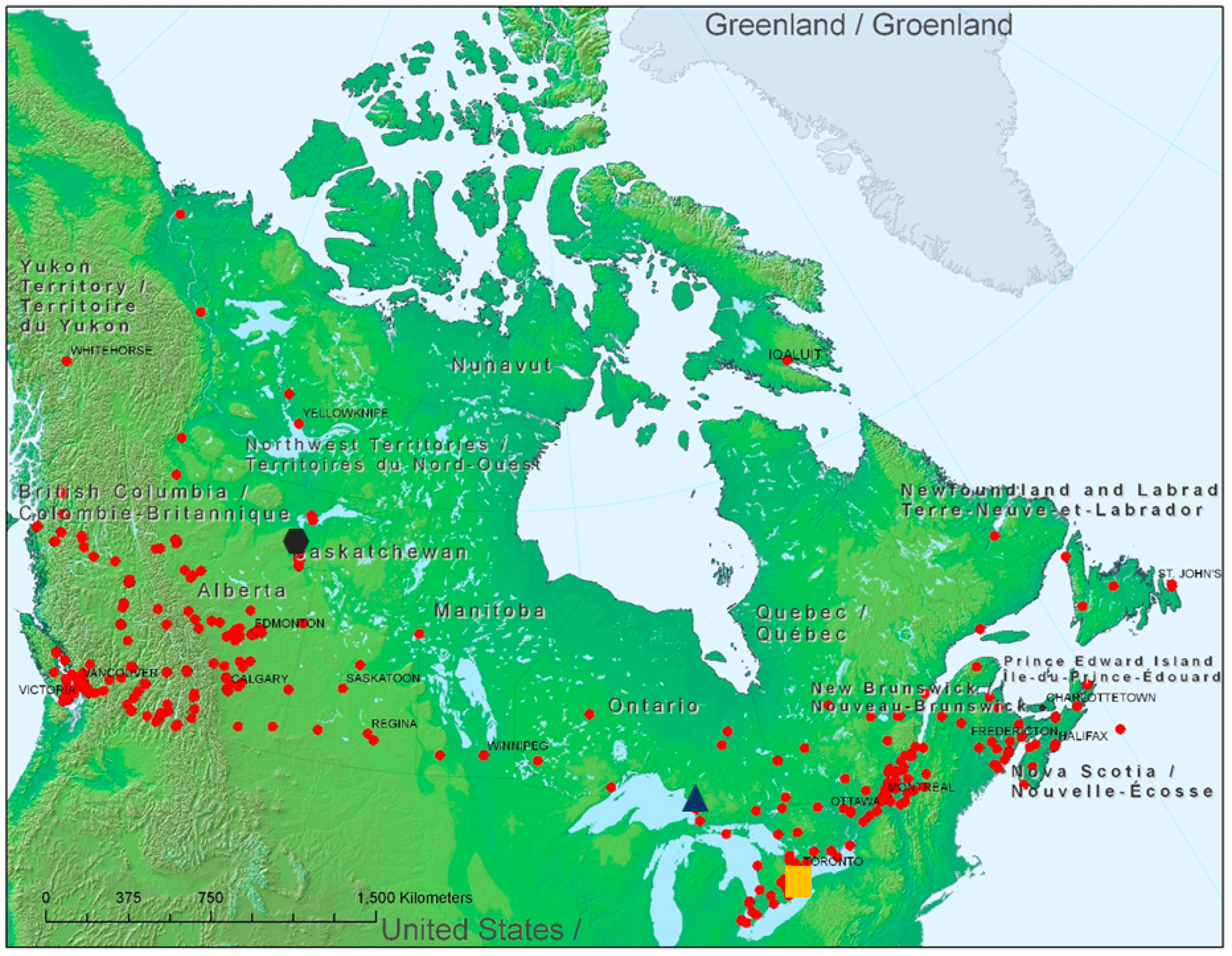
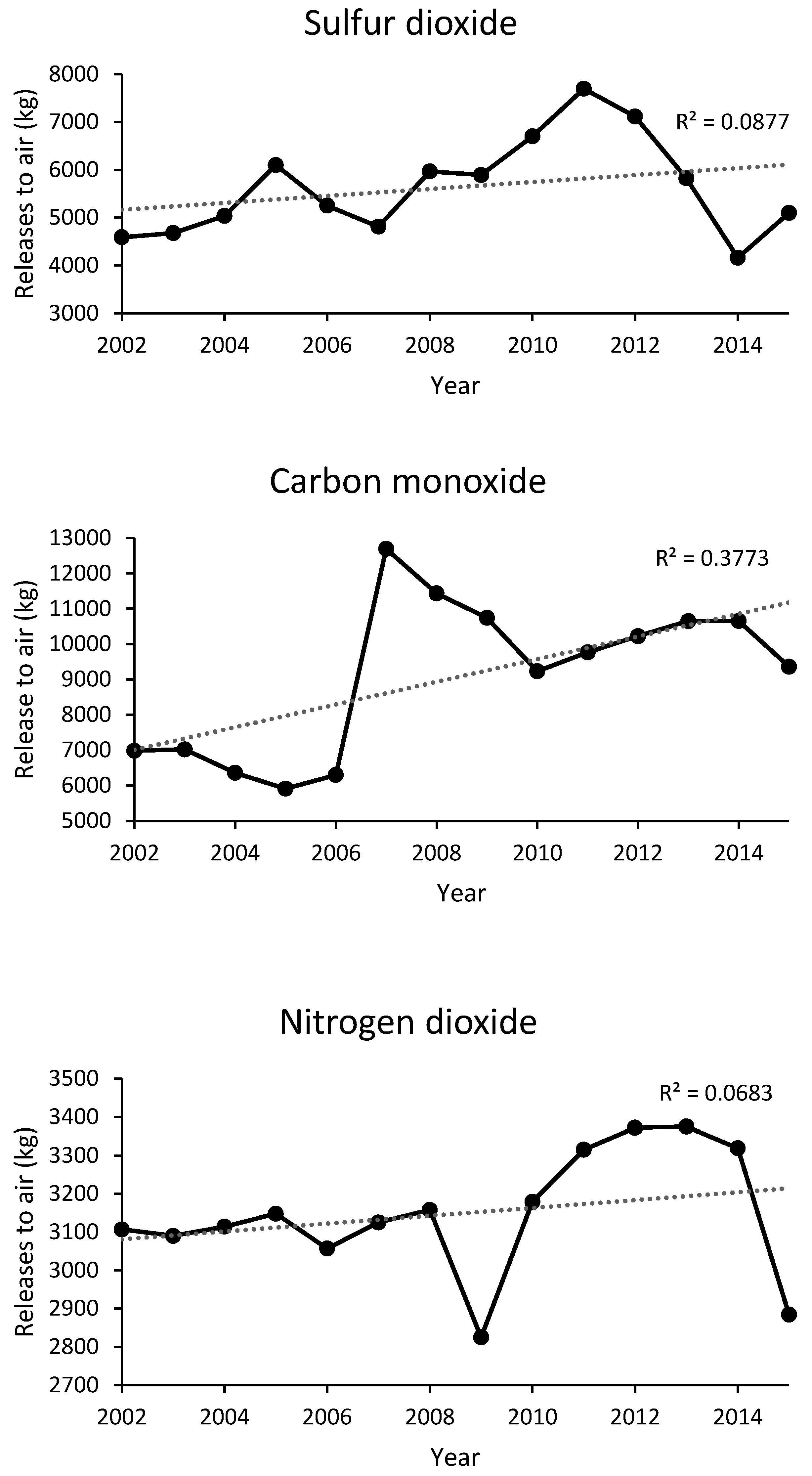
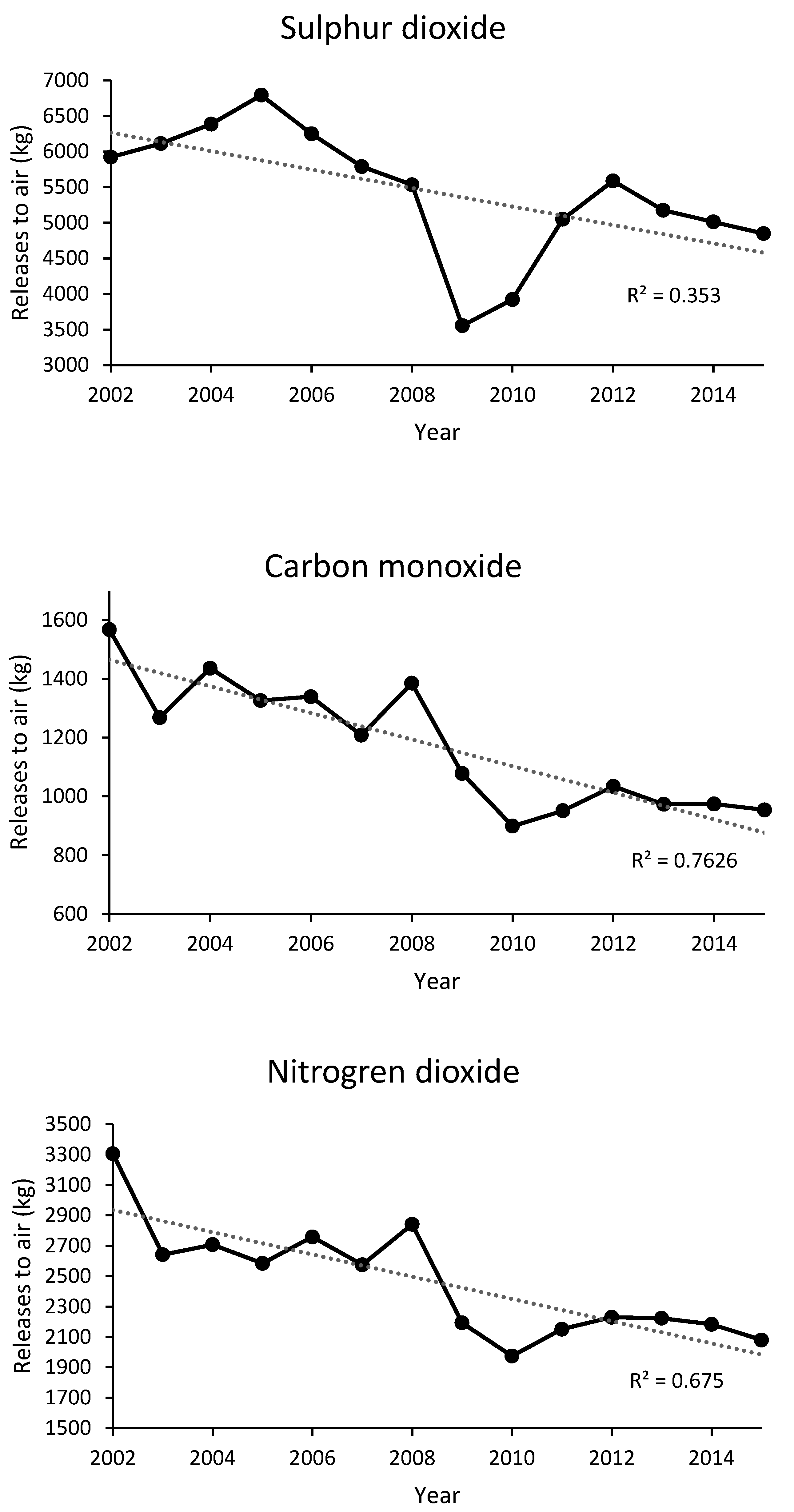
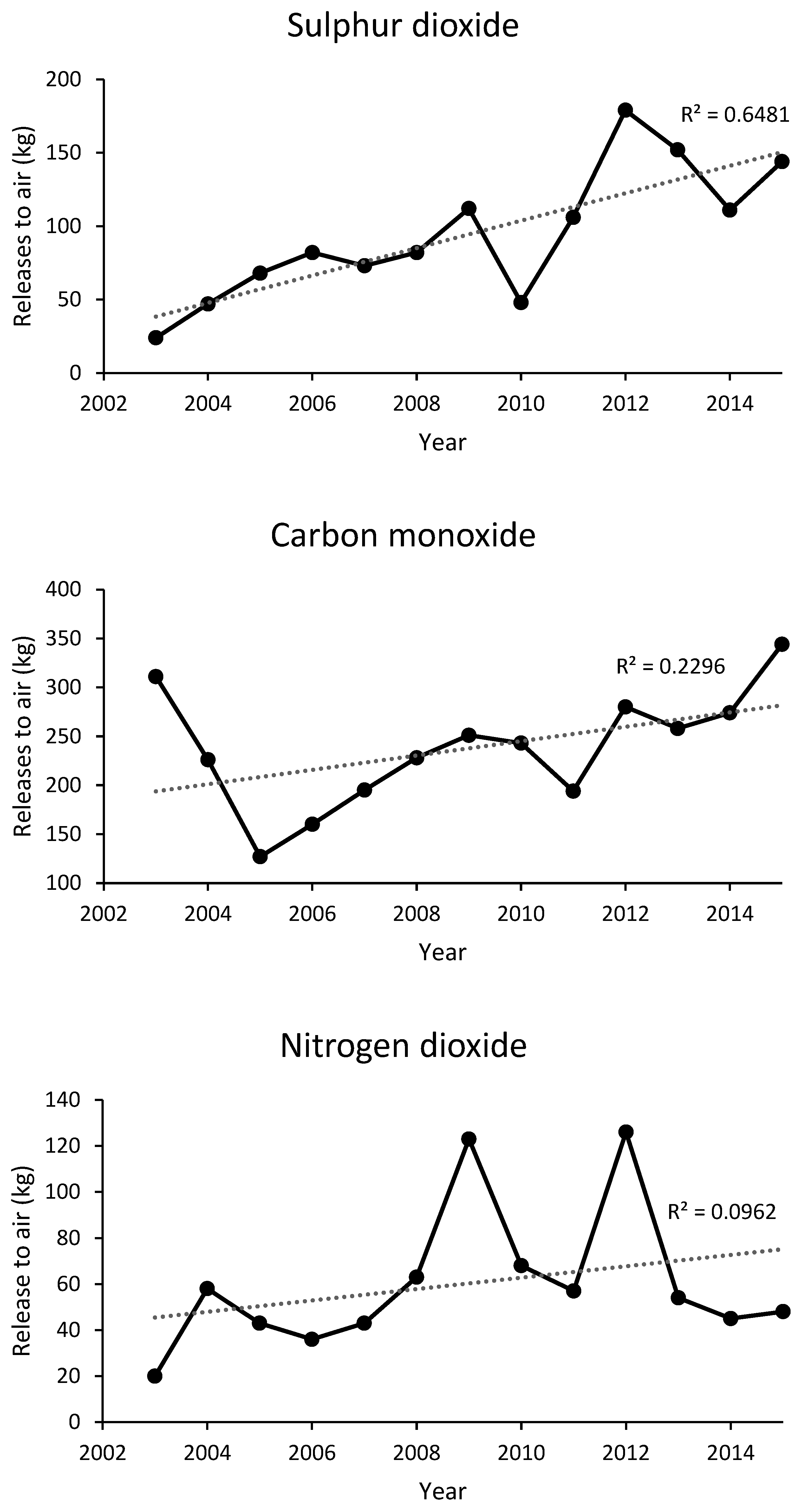
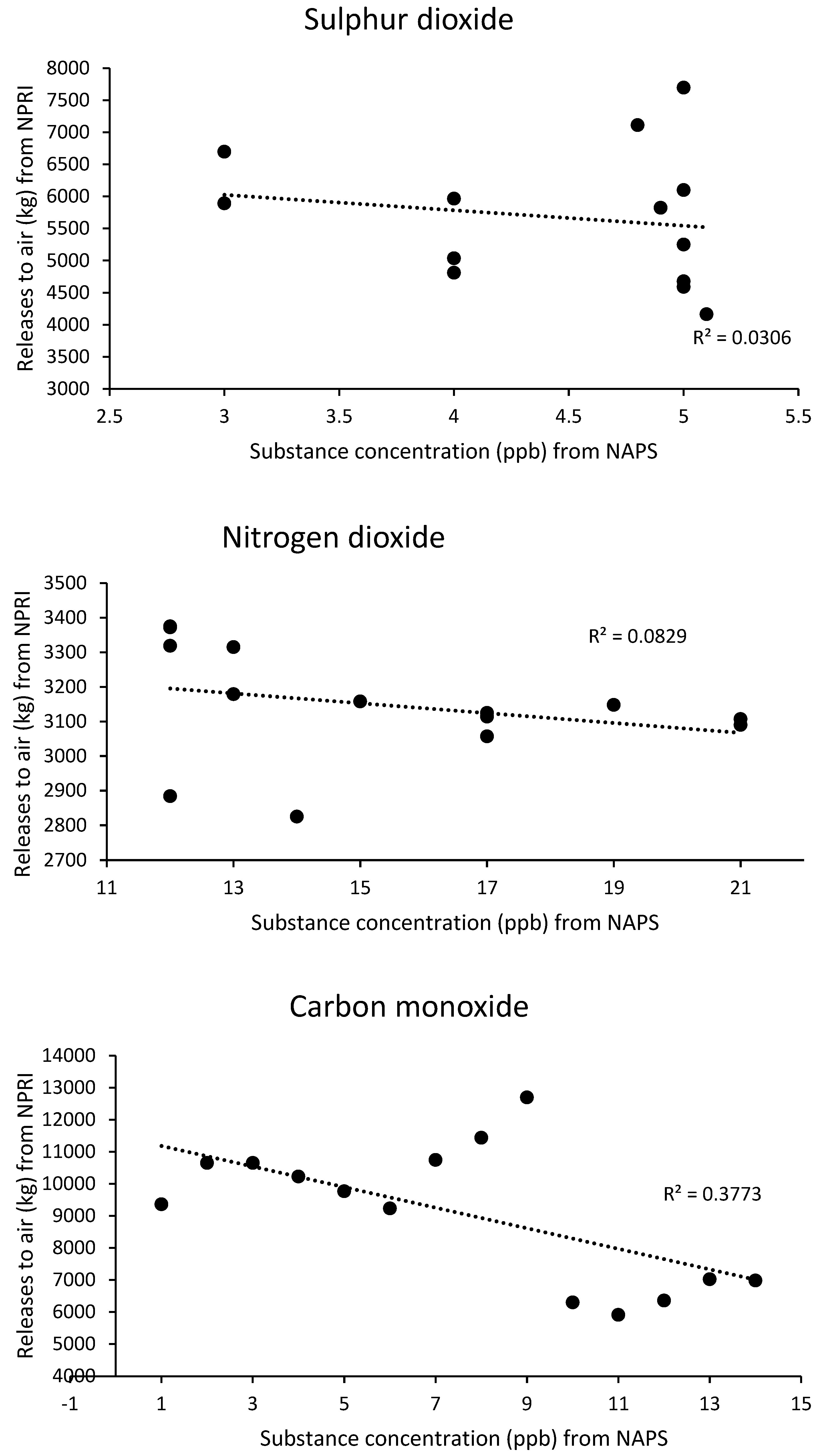
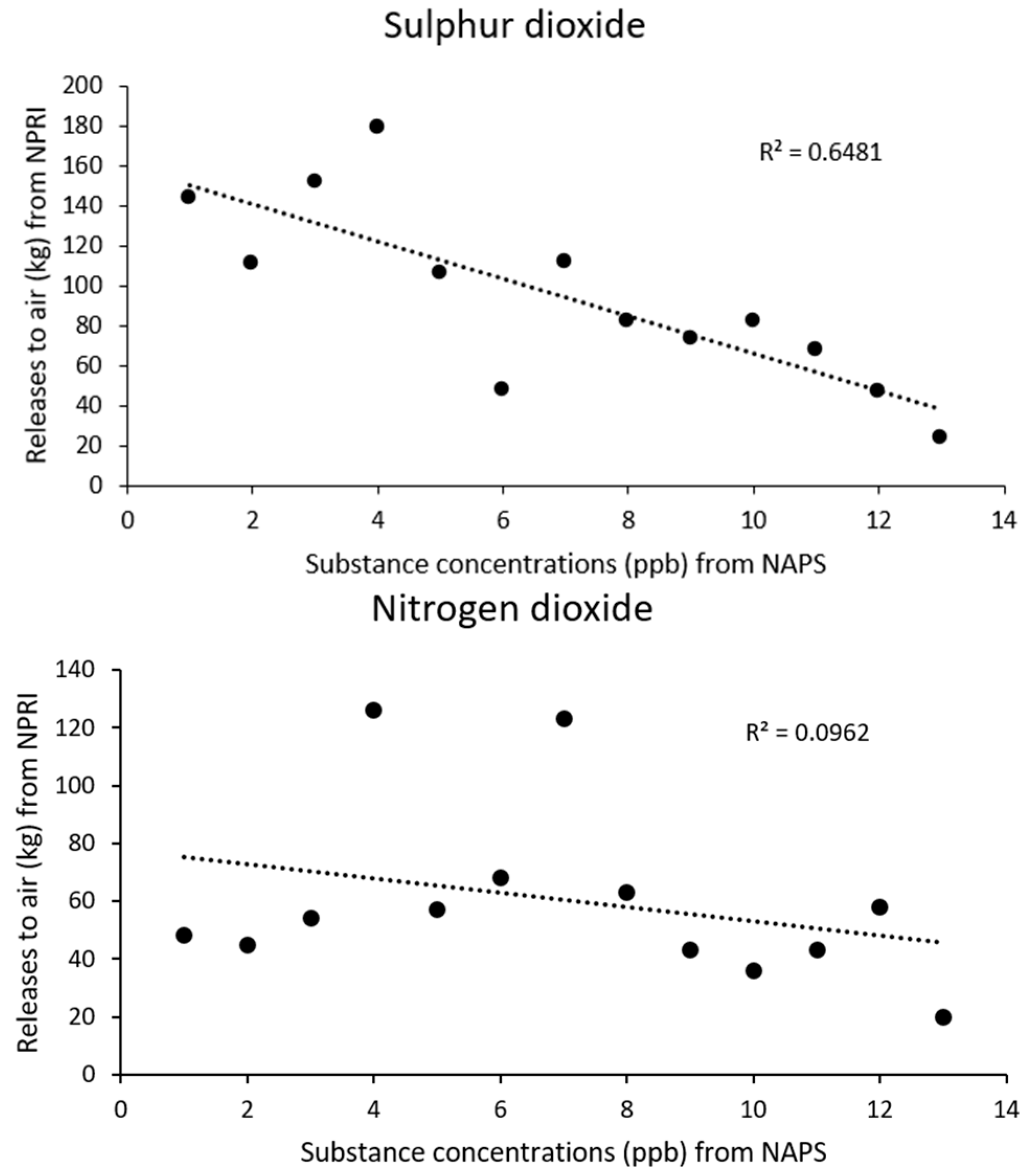
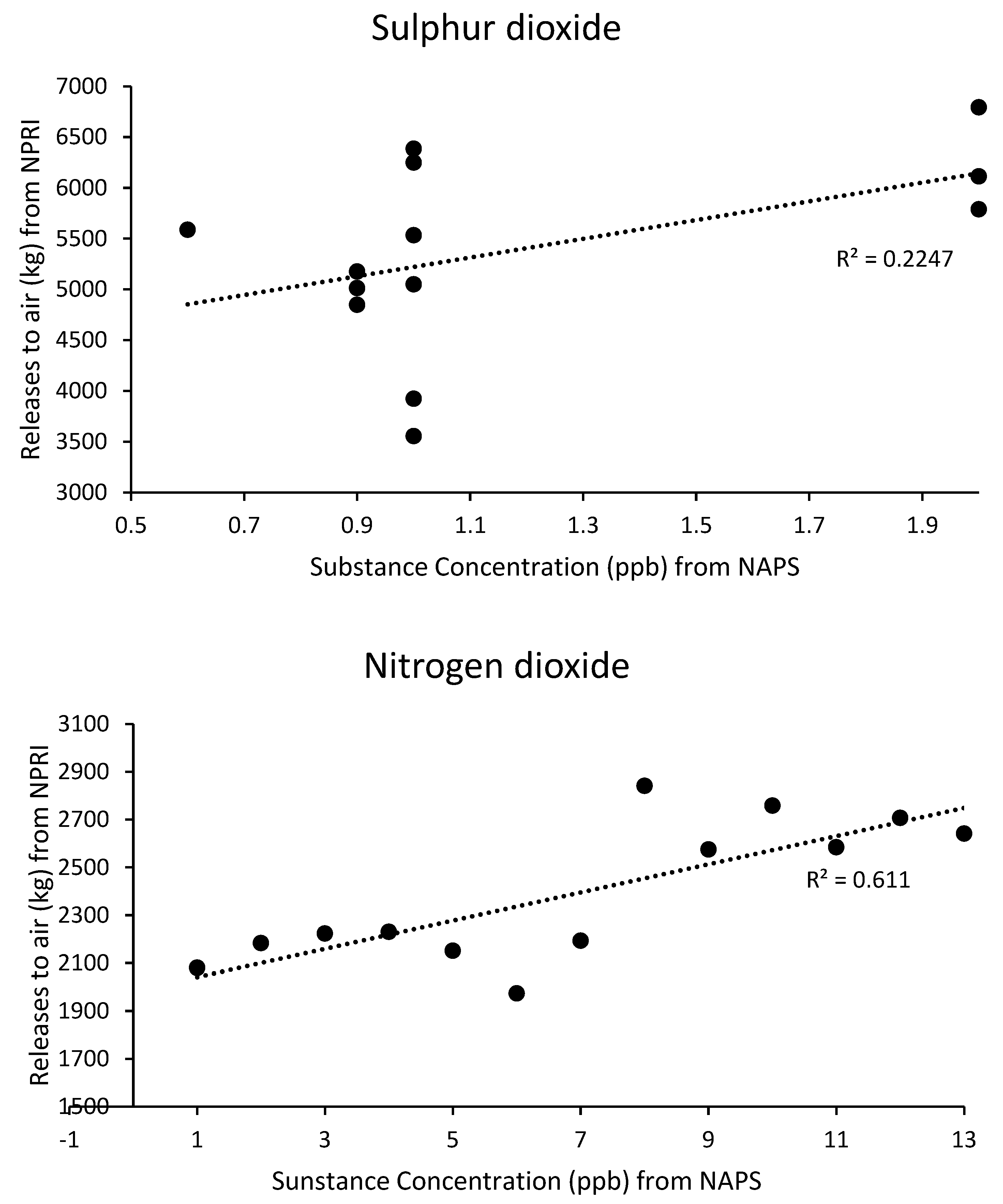
To curb greenhouse gas emissions and reduce atmospheric pollutants in Canada, many pieces of environment legislation are targeted at reducing industrial emissions. Traditional regulation prescribes penalties through fines to discourage industries from polluting, but, in the past two decades, alternative forms of environmental regulation, such as the National Pollutant Release Inventory (NPRI), have been introduced. NPRI is an information management tool which requires industries to self-report emissions data based on a set of guidelines determined by Environment and Climate Change Canada, a federal agency. The tool works to inform the public regarding industry emissions and provides a database that can be analyzed by researchers and regulators to inform emissions trends in Canada. These tools have been successful in other jurisdictions (e.g., United States and Australia). However, research assessing the U.S. Toxic Release Inventory suggests there are fundamental weaknesses in the self-reported nature of the data and incidences of under-reporting. This preliminary study aimed to explore NPRI in Canada and test its effectiveness against the National Air Pollutant Surveillance Network (NAPS), an air quality monitoring program administered by the federal government. While instances of under-reporting were undetected, this study identified areas of weakness in the NPRI tool and instances of increasing emissions across various industrial sectors in Canada.
Keywords: air pollution; National Pollution Release Inventory; National Air Pollutant Surveillance Network; industrial emissions; self-reporting; environmental regulation air pollution; National Pollution Release Inventory; National Air Pollutant Surveillance Network; industrial emissions; self-reporting; environmental regulation