Proceeding Paper

Investigating the Effect of Performing Secondary Tasks on Reaction Time While Driving by Computer Analysis †
1
Graduate School of Design, National Yunlin University of Science & Technology, Douliu City 640301, Taiwan
2
Department of Industrial Design, National Taipei University of Technology, Taipei City,10608, Taiwan
*
Author to whom correspondence should be addressed.
Presented at the 2024 IEEE 7th International Conference on Knowledge Innovation and Invention, Nagoya, Japan, 16–18 August 2024.
Eng. Proc. 2025, 89(1), 24; https://doi.org/10.3390/engproc2025089024

Published: 27 February 2025

Abstract

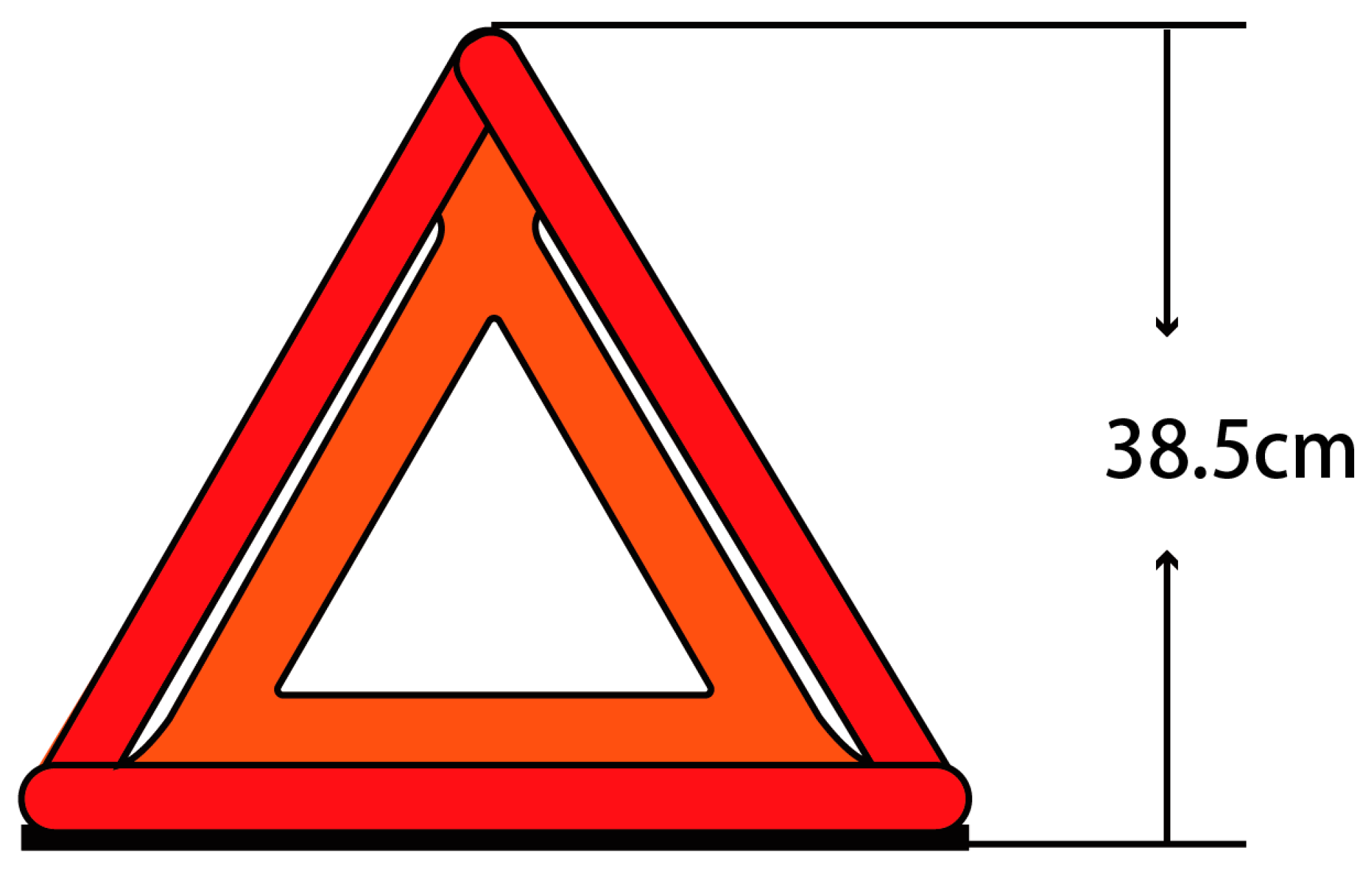
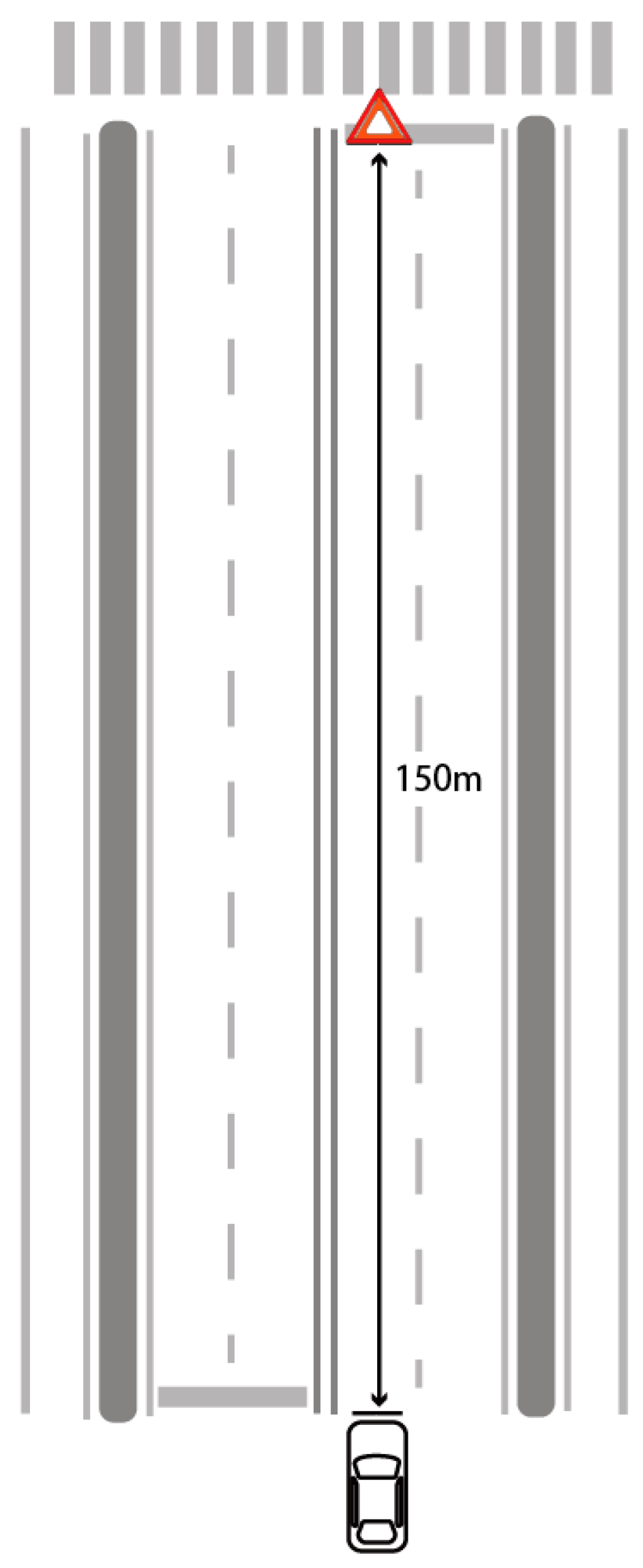
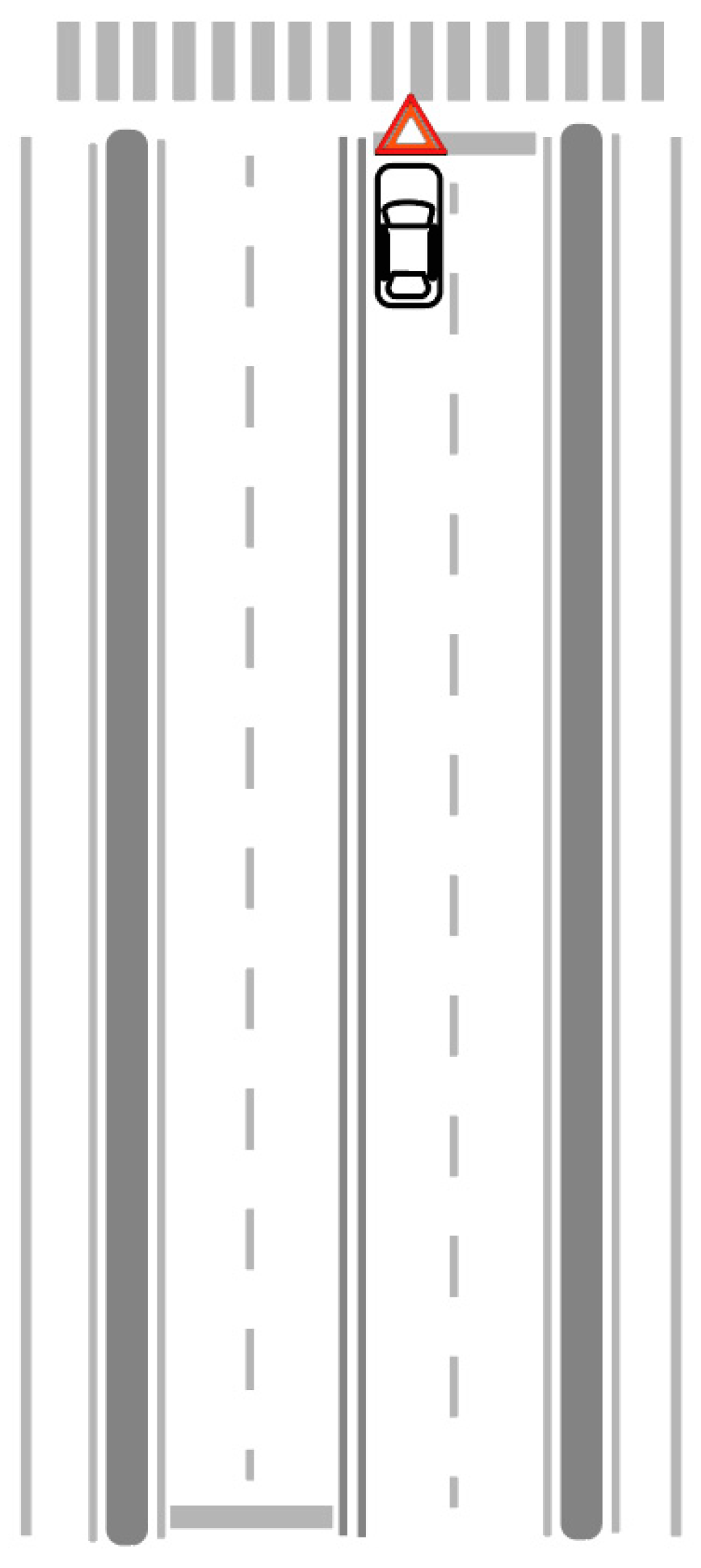
Performing secondary tasks affects the performance of primary tasks. Engaging in secondary tasks while driving often leads to accidents. Therefore, this study aimed to investigate the impact on reaction time when drivers perform secondary tasks while driving. The participants of this study were 30 participants, including 11 males and 19 females. During driving, participants watched a driving video. When a warning triangle appeared in the center of the road, participants immediately pressed the Enter button. When the participant pressed the Enter button, the computer automatically recorded the time of the button press. In a within-subjects design, all participants took part in secondary tasks during the primary driving task, and outcomes were compared between secondary tasks (no task, conversation with the passenger, and listening to the radio). The results show that the reaction time during conversation with the passenger in the primary task was significantly longer than that during listening to the radio or having no task. However, there was no significant difference in reaction time between having no task and listening to the radio. The average reaction time with no task was longer than while listening to the radio. Fatigue increased the reaction time for no task. Having a conversation with the passenger did not affect the average reaction time for both tests due to the conversation with the passenger mitigating the effects of fatigue. The results of this study provide a reference for further research on driving behavior.
Keywords: task performance; reaction time; driving behavior; cognitive load task performance; reaction time; driving behavior; cognitive load