1. Introduction
The last two decades have seen a significant global movement toward decarbonized energy networks due to steep cost drops in wind and solar technologies, supporting policy targets and rising corporate and consumer demand for clean power [
1]. As wind energy progressively increases its proportion within contemporary power systems, the design and evaluation of wind farms—frequently regarded as Power Parks—have grown increasingly sophisticated [
2]. Power parks combine several generation units, electrical components, and protective systems into a single model to evaluate the overall performance under a variety of operating situations. This comprehensive approach enables engineers to more properly analyze electrical behavior, power quality, availability, and system reliability, rather than analyzing individual turbines separately [
3].
However, one of the most significant challenges in wind farm analysis is managing the intrinsic uncertainty associated with wind speed, component failures, wake effects, and grid interactions [
4]. Conventional deterministic approaches, although valuable, frequently underestimate these uncertainties, which may result in less than optimal design choices. In contrast, MCS provides an effective probabilistic approach for modeling the stochastic characteristics of wind resources and system performance [
5]. Through iterative sampling from realistic probability distributions, MCS facilitates comprehensive risk assessment, reliability analysis, and performance forecasting across numerous potential scenarios.
2. Wind Farm
Wind energy remains a crucial component of worldwide energy transitions, particularly in wind-rich regions [
6]. As wind farms grow in capacity, their behavior as aggregated power plants becomes critical to grid stability and operational planning [
7]. Wind power is inherently variable and uncertain, both concerning resource parameters (such as wind speed and direction) and regarding turbine availability or potential malfunctions [
8]. Traditional deterministic design approaches (assuming constant wind speeds, fixed turbine outputs, and static layout configurations) frequently neglect these uncertainties, potentially resulting in overestimations or underestimations of performance and economic feasibility [
9]. Consequently, probabilistic and stochastic approaches, particularly MCS, have become increasingly prominent in wind farm planning and design, as they enable the modeling of random variables such as the wind speed, direction, and turbine reliability and produce probability distributions rather than single “point” estimates [
5,
10].
A recent review has examined the applicability of MCS in renewable energy (RE) planning, emphasizing its capacity to address uncertainties in resource availability, technical performance, and demand across both single-source and hybrid energy systems [
5,
11]. An early application of MCS for wind-park layout optimization is found in the study [
12]. Within the scope of the study, a square area was partitioned into 100 potential turbine-location cells. An MCS was employed to assess multiple layout alternatives, considering the criteria of maximizing energy generation and minimizing installation expenses. The implemented procedure yielded an optimal configuration given these stochastic parameters. Furthermore, a comprehensive methodological overview, “A Review of Methodological Approaches for the Design and Optimization of Wind Farms”, examines how MCS can be integrated into layout optimization, such as by establishing probabilistic input distributions (wind speed, direction, turbine availability) instead of fixed values. This enables the objective function, such as the net present value (NPV), energy output, to accurately account for real-world uncertainties [
13].
South Africa (SA) possesses considerable potential for renewable energy development owing to its diverse climate, topography, and natural resources. A comprehensive overview of the primary renewable energy sources and their potential within the country is provided in [
14].
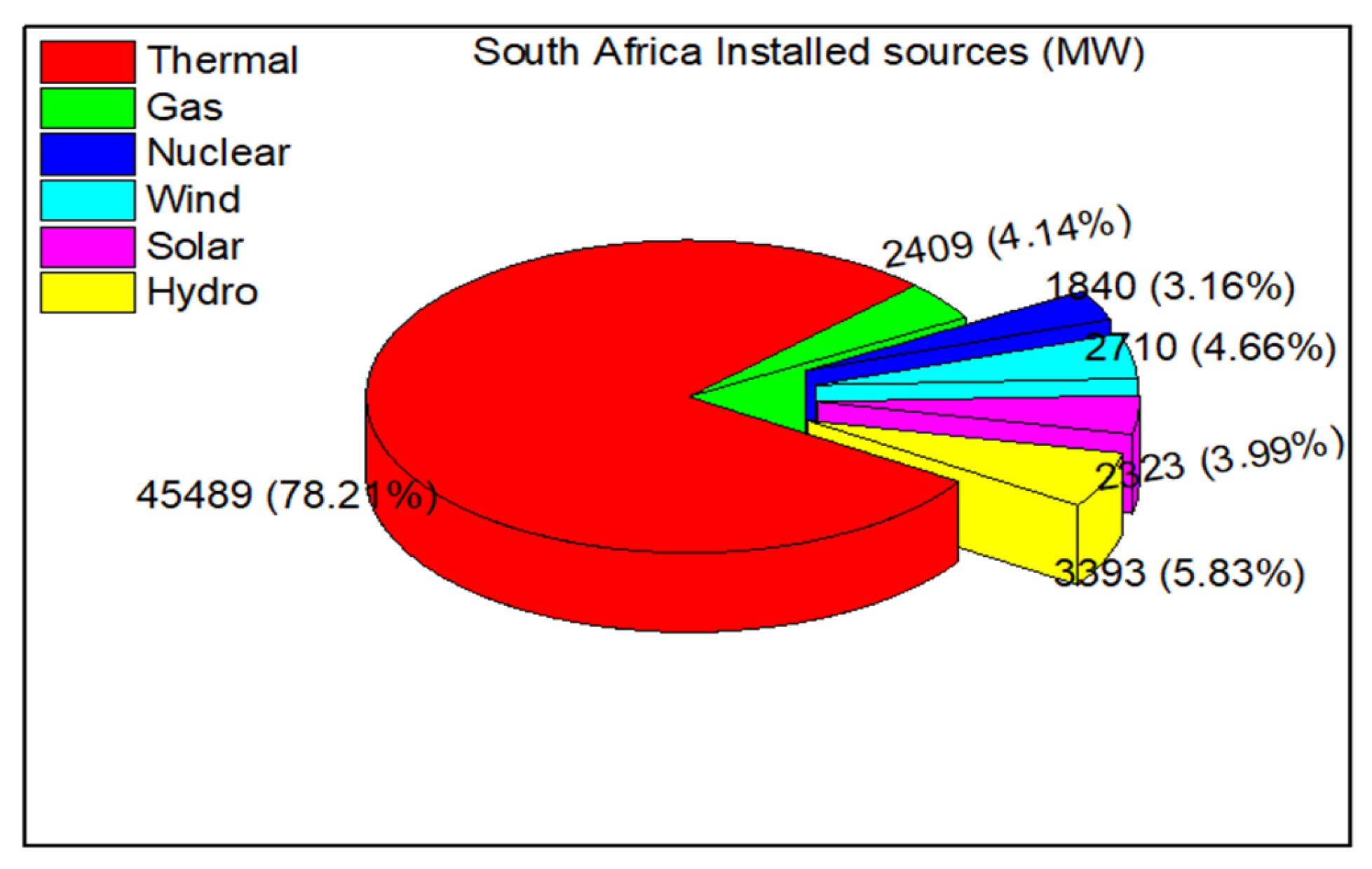
Figure 1 demonstrates that coal remains the dominant energy source in SA owing to its substantial coal reserves; nonetheless, the advancement of RE is imperative and must be prioritized until coal resources are depleted, and there is a need to focus on the transitions to RES [
15,
16]. These data are up to 2025.
The present research utilizes the Metro Wind Van Stadens Wind Farm located in the Eastern Cape, which has a total capacity installed of 27 MW and comprises 11 turbines, each with a capacity of 3 MW.
2.1. Uncertainty of the Wind Farm
Wind power uncertainty pertains to the unpredictable fluctuations in wind energy generation ensuing from the irregularity and constraints that control wind resources. This unpredictability poses significant challenges for the design, strategy, and reliability of power systems, particularly given the growing adoption of wind energy. The wind speed adheres to a Weibull distribution, with the probability density function (PDF) describing wind fluctuations.
The grading index c is calculated from the normal wind speed at a precise place, as demonstrated in
Consider the wind velocity, shape factor, and scale factor, denoted as v, K, and c, subsequently, whereby,
, and
. So, the wind power output is specified as
, and are identified as the cut-in speed of the wind, measured wind speed, and cut-out wind speed, individually. is the rated power of a wind unit.
The likelihood in every condition is given with the subsequent equation:
Then,
where
and
represent the velocity restrictions in state w.
2.2. Boundary Tool and Available Transfer Capability (ATC) of the Wind Farm
The Boundary Tool is used in this study to manage and analyze interconnections between different elements of a power system, particularly when dealing with vast networks, external grid counterparts, or planning studies involving multiple jurisdictions. This is done so that when this wind farm is connected to the network, the boundary will be utilized to separate it from the rest of the network. ATC is utilized in this study to determine how much additional power may be transferred between two sites (areas or buses) while remaining within the system restrictions. PowerFactory calculates ATC through load-flow, contingency analysis, and transfer scenario simulations. This is done so that we can trace the output power, as it constantly changes.
The total transfer capability (TTC) is constrained by the transmission reliability margin (TRM), which is, in turn, less than the capacity benefit margin (CBM) and is also less than the overall amount of existing transmission commitments (ETC). This study did not investigate TRM or CBM. Therefore, the ATC can be determined by subtracting the TTC from the ETC.
Whereas,
where B represents the set of all buses,
below is the active power at the generator I,
is the active power demand at the bus i,
is the phase angle voltage among the buses i and
is the scalar constraint.
This methodology is intended to determine the ATC by using MCS combined with a sensitivity analysis.
3. Methodology and Power Park Design
This section details the execution of the wind power park. It frames the design of wind turbines, encompassing the speed of the wind, wind power curve, wind power capacity, distribution, and wind correlation.
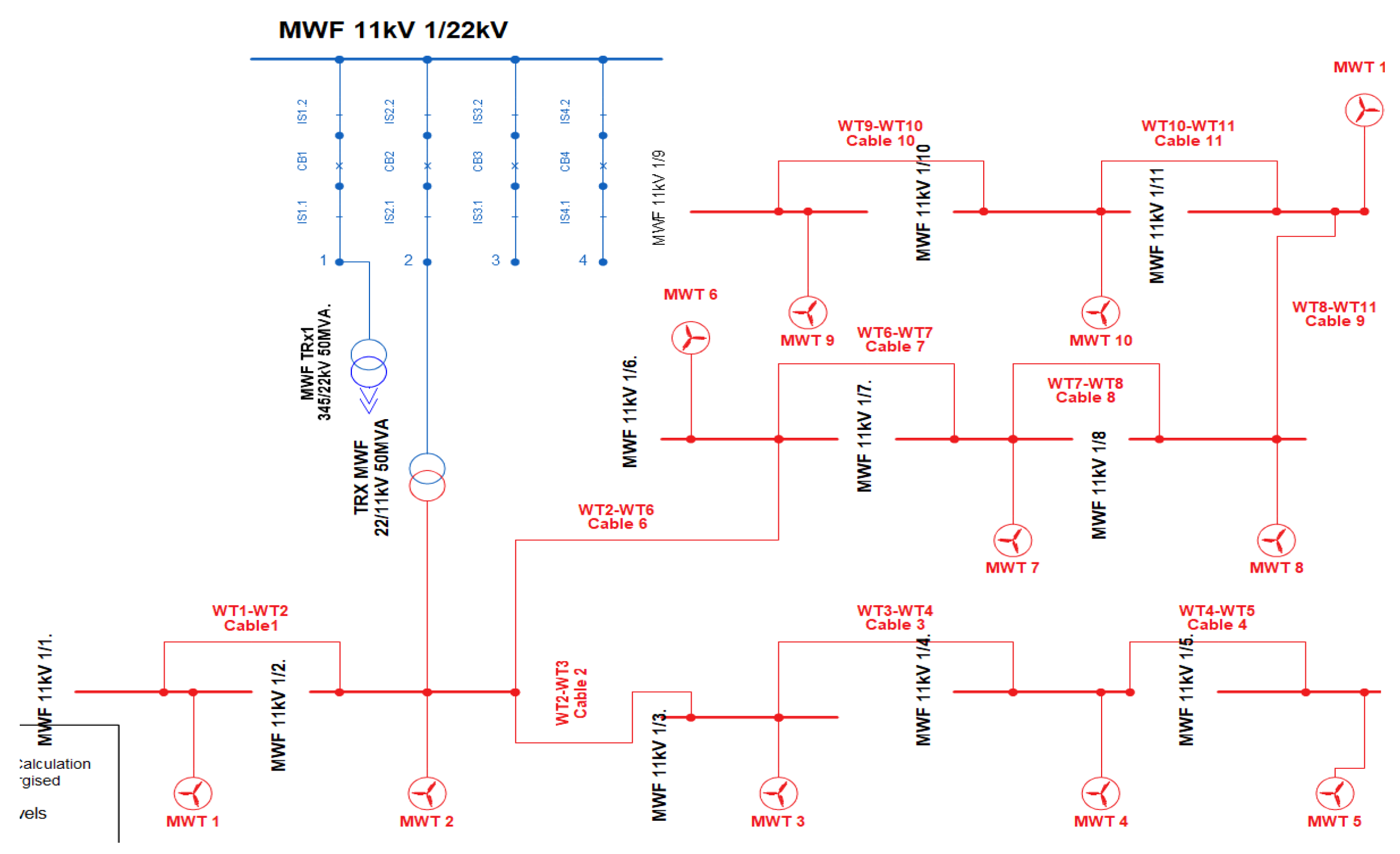
Figure 2 shows the wind farm’s complete structure, which includes 11 wind turbines valued at 2.78 MVA using a power factor of 0.9. The wind turbines are connected by an 11 kV busbar with a 1 km cable.
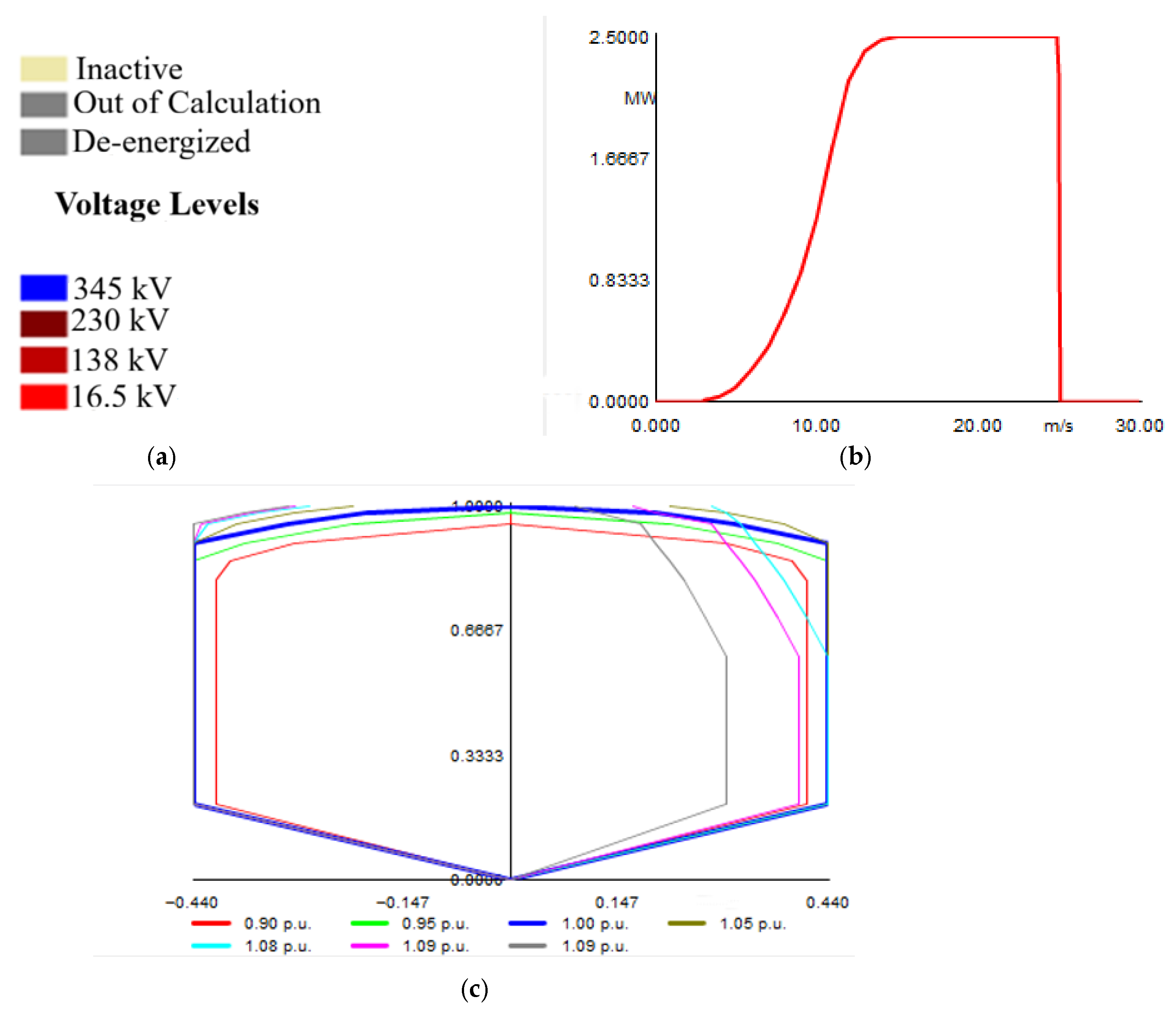
Figure 3a presents a clearer representation of the voltage levels, specifically ranging from 16.5 kV to 345 kV.
Figure 3b represents the power curve of the wind for each of the wind turbines used in this paper. It is clear from this figure that all the turbines attain the maximum power production with a 16 m/s wind speed. The wind power capability curve, which is similar to an electrical generator’s capability curve, defines the restrictions of the active and reactive power that the generator can deliver. As illustrated in
Figure 3c, the curve defines the limit of all operational points.
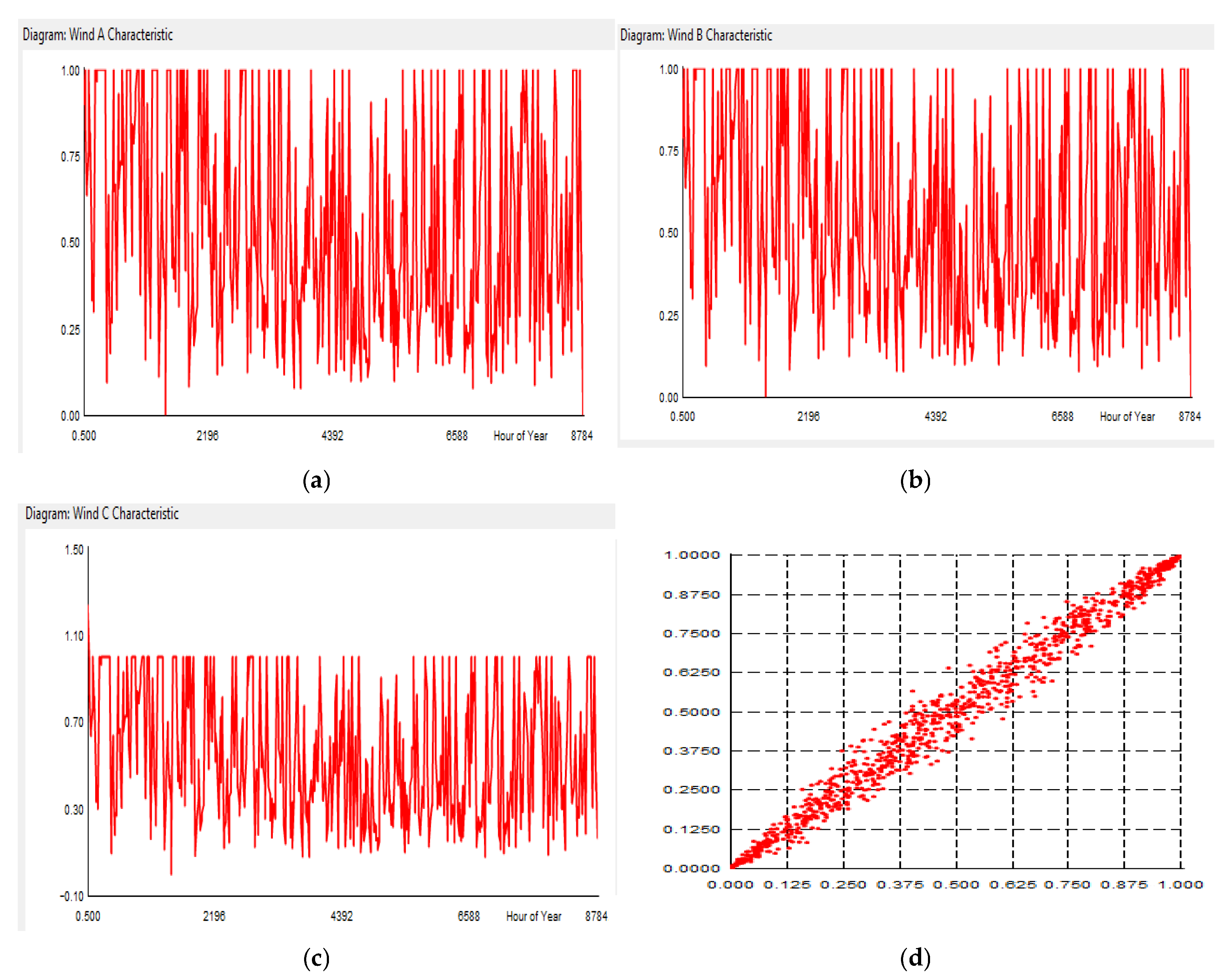
The aspects of wind turbines determine the amount of wind generated, which varies every half-hour throughout the year. Winds 1, 2, 5, 6 and 8 have the same temporal properties as seen in
Figure 4a–c, as do winds 3, 9, and 10.
Figure 4d shows the correlation of the distribution used to determine a connection between the 11 wind turbines in the power park, using 0.99 as the correlation coefficient.
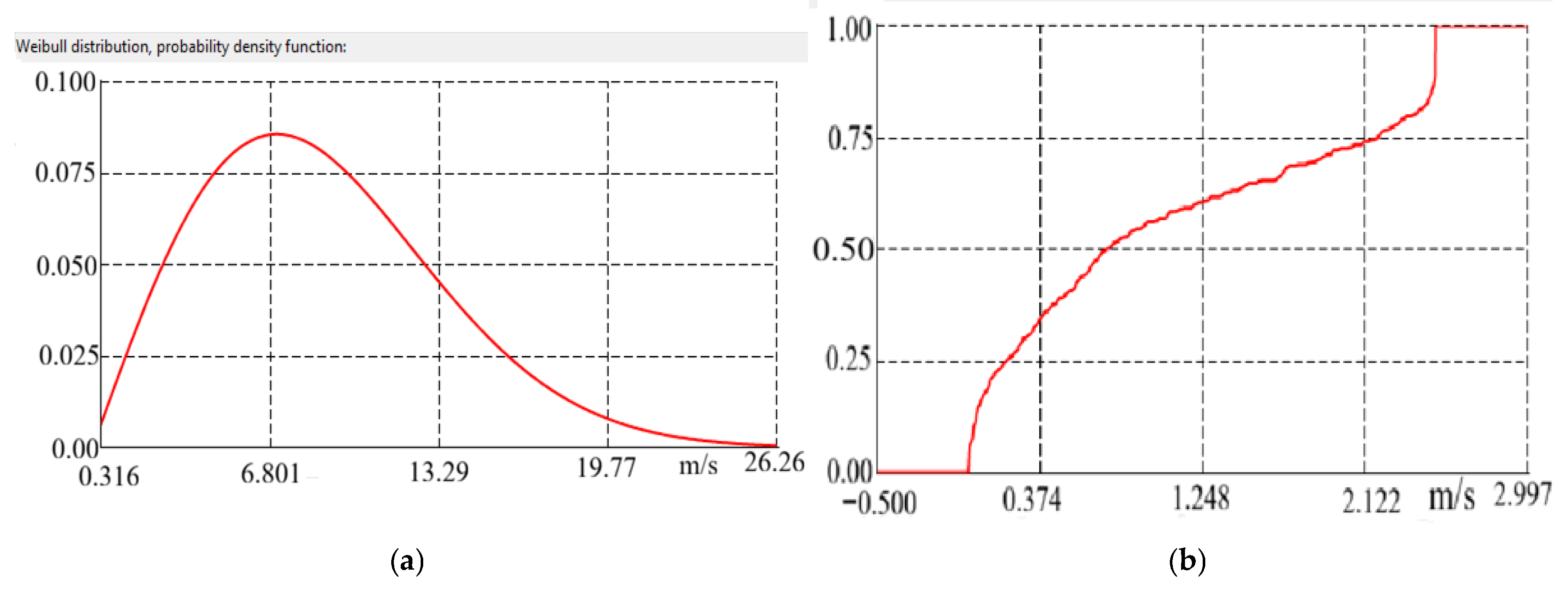
Table 1 displays the data for a single Weibull curve for the wind farm’s distribution function, which gives the Weibull distribution in the form depicted in
Figure 5a as the wind speed.
Figure 5a shows how to apply the Weibull distribution to the wind speed using the shape and scale factors supplied in
Table 1.
Figure 5b. represents the transformed distribution, which is a combination of the wind power curve shown in
Figure 3b and the Weibull distribution displayed in
Figure 5a.
A larger coefficient specifies a stronger link, whereas a value of 1 indicates an accurate correlation. Moreover,
Table 2 shows the data of the tariff employed in this study.
4. Simulation Results
This study uses DIgSILENT PowerFactory 2024 software to illustrate the importance of being able to analyze the wind farm before it is integrated into the grid and to ensure that the wind farm is reliable, produces minimal losses, and has a profit, and that the energy output over a period of time as the wind output changes due to the wind speed.
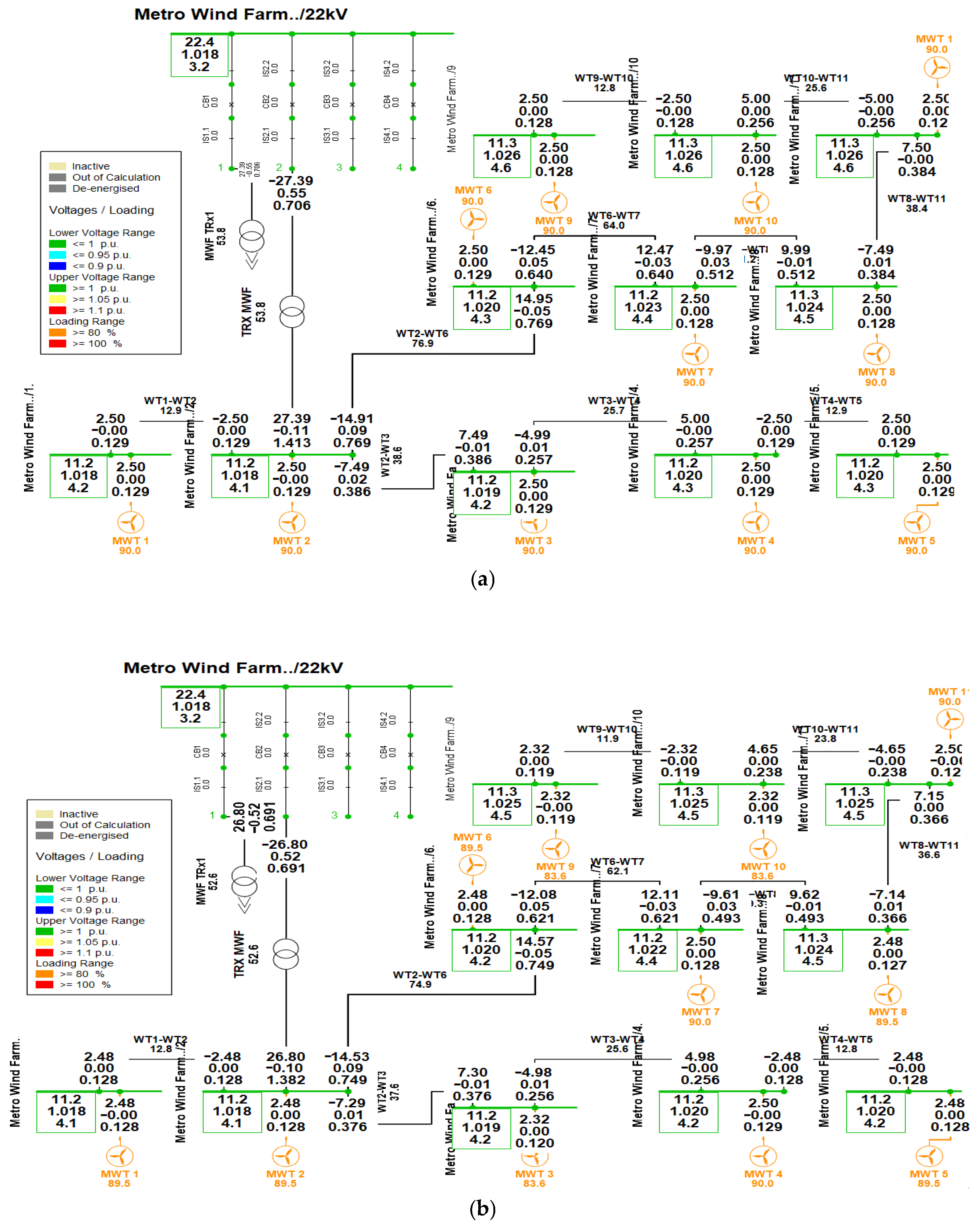
Figure 6a demonstrates the modeled Metro power park wind farm, which has 11 matching wind turbines, all producing 2.5 MW, or 90% of its full capacity, with 16 m/s wind speed. The total amount of electricity produced is 27.39 MW, including relatively low cable losses. This system shows that the plant is operating normally, as evidenced by the small box.
Figure 6b represents the metro wind farm in the process of quasi-dynamic modeling. As shown in
Figure 4 each wind turbine has unique characteristics that cause fluctuations every thirty minutes throughout the year.
Figure 6b also shows that WT1 has different active power levels than WT2 and WT3.
This paper offers an extensive design and analytical evaluation of a wind farm employing the Power Park Model (PPM) methodology, which is employed to conduct a comprehensive analysis of the network prior to its connection to the system.
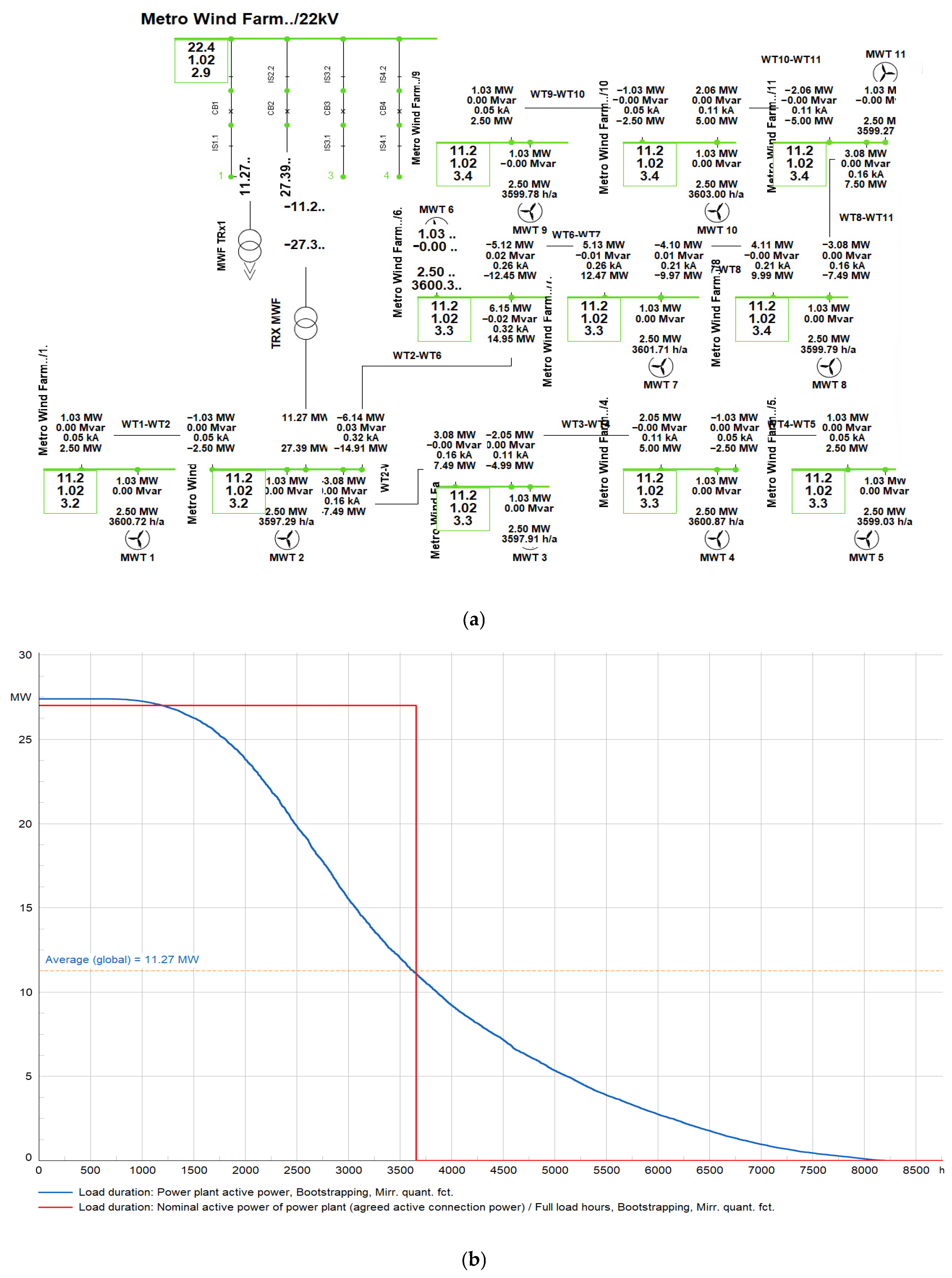
Figure 7a shows the wind farm subjected to MCS probabilistic assessment, displaying the average power output for every single turbine. MWT 7 possesses an average power end product of 1.030 MW and an annual full load hours (FLH) totaling 3601.71 h. This research investigates the handling of uncertainty related to RE through quasi-dynamic simulation, which is capable of projecting power probabilities over prolonged durations. It also exemplifies the grid’s dependability and stability, supporting efficient planning for the integration of renewable energy into the network.
This research is of paramount importance, as the global focus progressively shifts toward RE and the reduction in coal consumption due to its adverse impacts. The second section conducts a probabilistic evaluation employing the QMCS methodology, assessing the tariff across one year. This approach assesses probabilistic data inputs and produces stochastic results, from which statistical quantities like standard deviations and mean values can be obtained.
Figure 7b represents the wind farm subjected to a probabilistic study, displaying the average power output for each wind turbine. MWT 7 possesses an average power output of 1.03 MW and a yearly full load hours (FLH) of 3601.71 h.
Table 3 describes the techniques used for analyzing the wind farm, known as probabilistic assessment, in determining the losses, profitability, and energy production. A technology known as the Boundary Tool was originally employed to separate the power park from the broader network, facilitating an assessment of the potential power transmission from the wind farm to the whole system. The tables show that the average power across the year is nearly comparable. Furthermore, the probabilistic evaluation demonstrates that the average power production of each turbine maintains network reliability and electrical capability.