Proceeding Paper

Numerical Assessment of the Tailplane Structure for a Civil Aircraft: Static, Modal, and Buckling Analysis in APDL †
Italian Aerospace Research Centre (CIRA), via Maiorise, 81043 Capua, Italy
*
Author to whom correspondence should be addressed.
Presented at the 15th EASN International Conference, Madrid, Spain, 14–17 October 2025.
Eng. Proc. 2026, 133(1), 36; https://doi.org/10.3390/engproc2026133036
Published: 22 April 2026

Abstract

This work presents the numerical assessment of a civil aircraft horizontal tailplane (HTP) using a fully parametric structural model developed through the Ansys Parametric Design Language (APDL). The objective is to evaluate the structural integrity, efficiency, and dynamic behavior of the HTP under realistic operational conditions within the HERFUSE Clean Aviation framework. The study includes linear static analyses for load distribution and critical stress regions, modal analysis for dynamic response characterization, and linear buckling analyses to determine stability assessment. Safety margins are computed for representative load cases across spars, skins, and ribs. The workflow will be integrated and connected to Multidisciplinary Optimization (MDO) loops for higher-level design trade-offs.

1. Introduction

This research has been developed within the HERFUSE [1] project (Hybrid Electric Regional Fuselage & Empennages), part of the Clean Aviation program [2] and aligned with the SRIA and Destination 2050 objectives. The HERFUSE project focuses on the conceptual design and optimization of three key airframe components for future hybrid electric regional aircraft: the fuselage, the vertical tailplane (VTP), and the horizontal tailplane (HTP).
The present work concentrates on the HTP, for which a preliminary structural design [3,4,5] has been developed and weight-optimized using a parametric modeling framework. The primary goal is to support the early assessment of lightweight, efficient, and integrated tail structures suitable for future sustainable aircraft configurations.
The design is based on an advanced reference configuration named Use Case B (UCB), that represents the most mature integration platform within HERFUSE. UCB was conceived to host and evaluate innovative technologies such as hybrid electric propulsion systems, next-generation electrical architectures, and hydrogen-based energy storage systems. This configuration serves as a testbed for novel structural concept for the integration of electrical, thermal, and control subsystems critical for future zero-emission aircraft.

2. UCB Configuration and Structural Concept

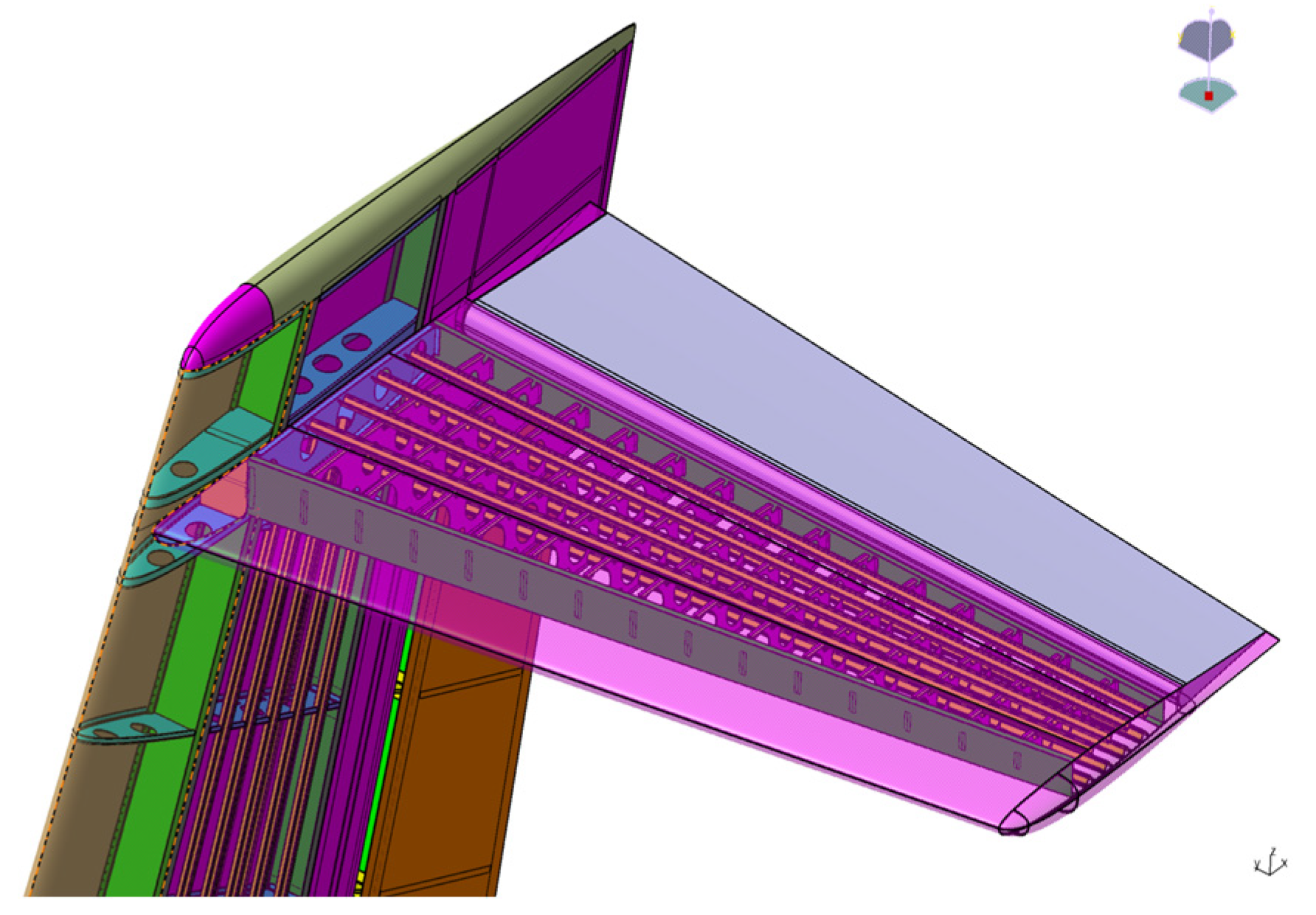
The structural analysis presented in this paper is based on the Use Case B (UCB) configuration, an advanced concept for a next-generation hybrid electric regional aircraft. UCB is designed to carry up to 80 passengers, operate with a maximum payload of approximately 8800 kg, and meet the stringent structural and performance requirements of CS-25 certification [6]. A defining feature of this architecture is the distributed propulsion system, which employs three power units per wing: a central hybrid electric engine supported by two fully electric wingtip motors. The aircraft adopts a T-tail empennage configuration, selected to mitigate aerodynamic interference by reducing the interaction between propulsion wakes, the main wing wake, and hot gas emissions, effects that are particularly critical during low-speed maneuvers. This choice aligns with conventional airframe structural design practices concerning load paths and empennage integration [4,5,6]. The horizontal tailplane (HTP) is conceived as a lightweight cantilever structure optimized for a high stiffness-to-weight ratio.
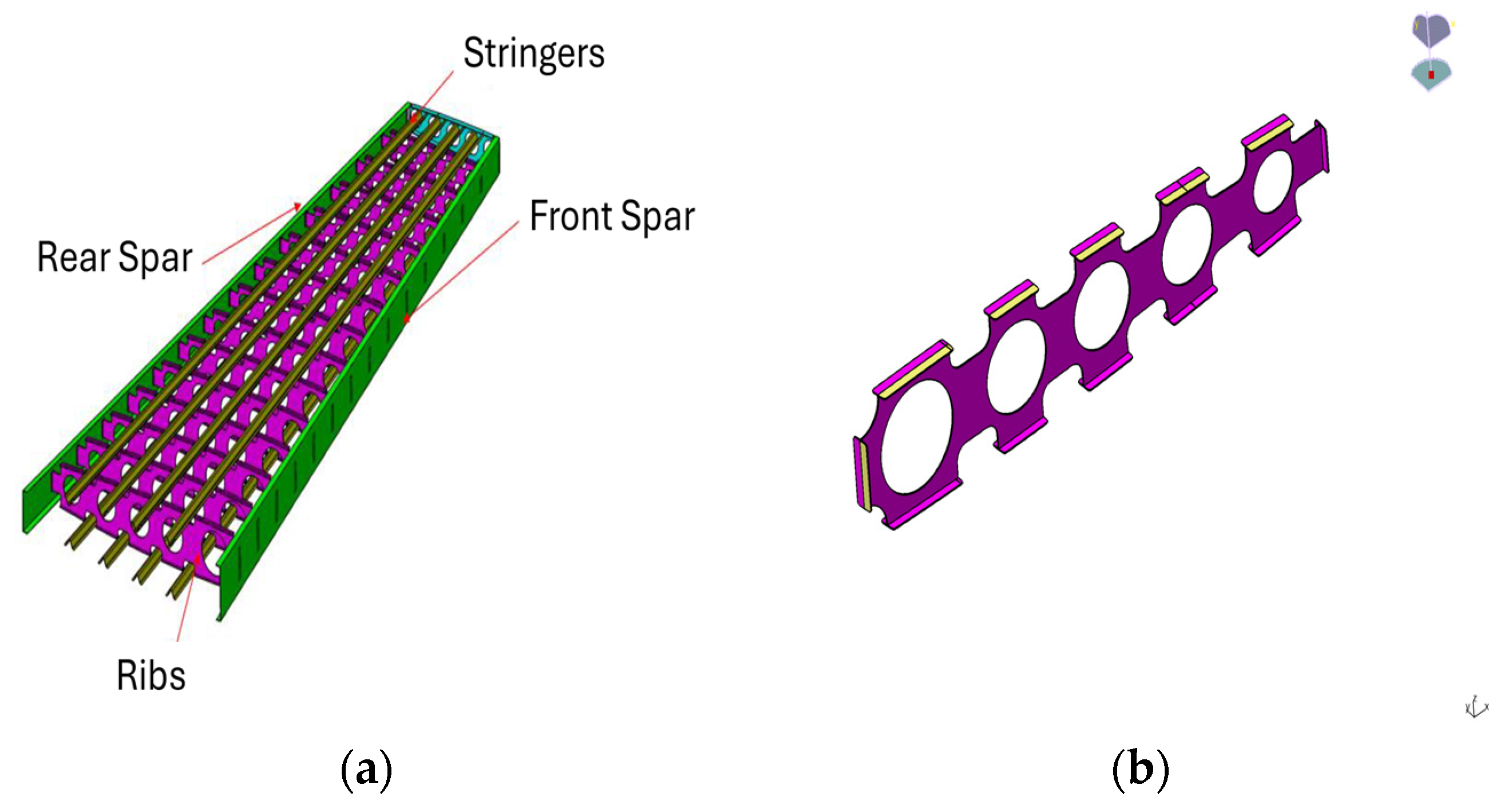
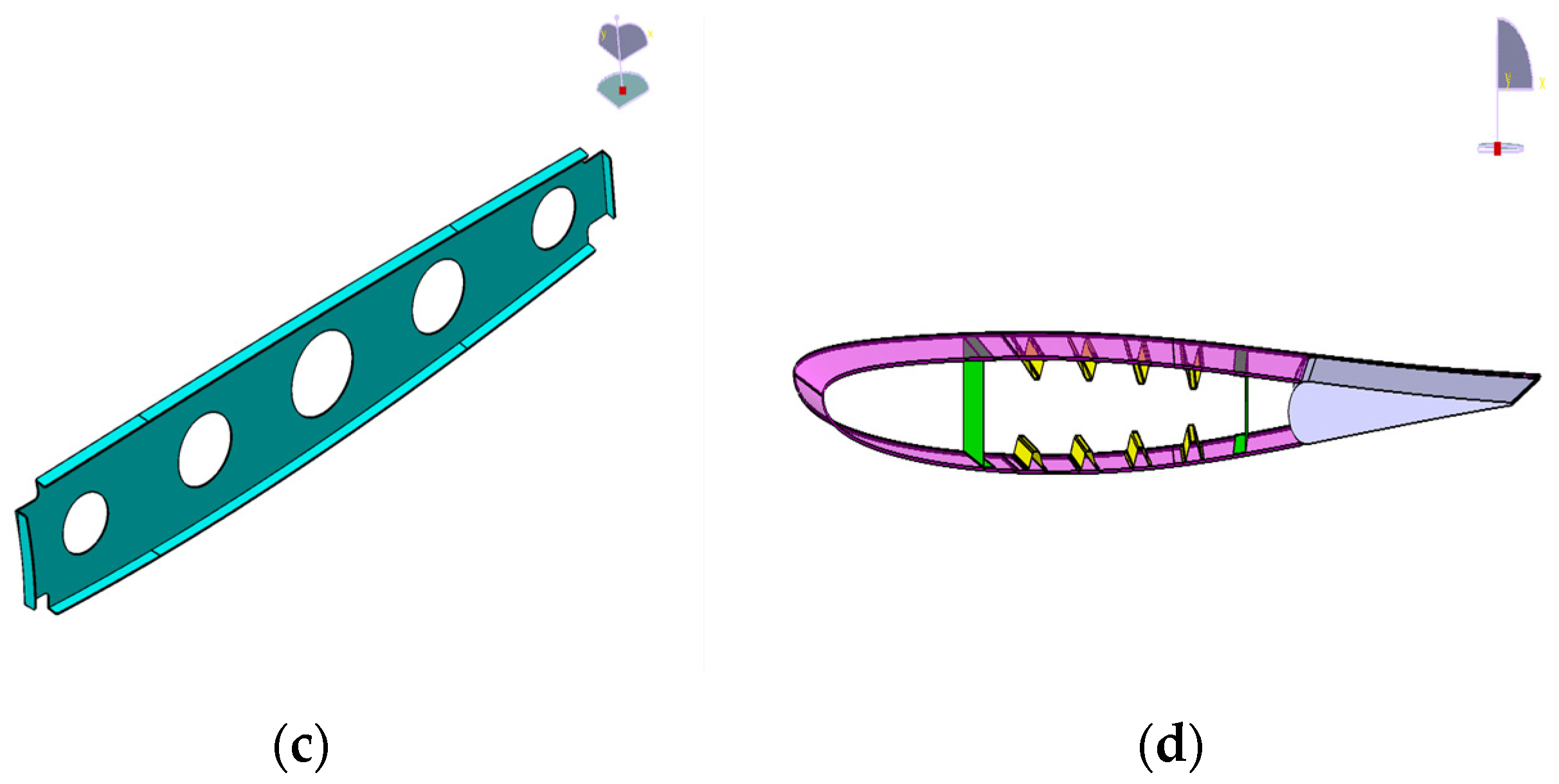
Its internal layout employs advanced composite materials for all primary elements, including the skins, spars, ribs, and stringers, to achieve high strength with minimal mass (Figure 1 and Figure 2). Furthermore, the design incorporates advanced manufacturing methods such as co-curing and ultrasonic welding to improve joint efficiency and further reduce structural weight. In addition to its primary load-bearing role, the HTP integrates emerging technologies such as morphing concepts for adaptive elevator surfaces, enabling optimized aerodynamic performance across different flight conditions.

3. Methodology: Development of the Parametric APDL FE Model

The structural assessment of a complex aeronautical component such as the horizontal tailplane (HTP) requires a methodological approach that balances analytical accuracy with the computational efficiency needed during the preliminary design and optimization. To support the iterative nature of the Multidisciplinary Optimization (MDO) process within the HERFUSE project, a dedicated finite element (FE) model was developed using Ansys Parametric Design Language (APDL) [7,8,9]. The core of the methodology is a variable-controlled structural model that can be rapidly reconfigured, re-meshed, and re-analyzed, ensuring the responsiveness required for iterative MDO-driven design cycles. This automated capability is essential for enabling fast design iteration aimed at weight optimization and early-stage structural verification. The model is specifically tailored to ensure structural integrity across diverse operational profiles, with particular emphasis on consistent static response, accurate load-path distribution, and expected dynamic behavior [7,8,9].

3.1. Parametric Modeling Framework and Input Variables

The APDL scripting environment was employed to fully automate the FE model generation process, including geometry definition, mesh generation, material assignment, and execution of the analysis procedures. This procedural approach significantly reduces manual intervention, accelerates the design–analysis loop and minimizes the risk of human error typically associated with repetitive modeling operations.
The strength of the framework lies in its use of parameterized input variables, which operate directly as design variables during the structural optimization phase [7,8,9]. These parameters govern the entire structural configuration and include the following:
  • The aerodynamic profile;
  • The number and spanwise placement of ribs;
  • The number and spanwise placement of stringers;
  • The thickness of the skin, ribs, and spars;
  • The geometric dimensions of the primary spar sections.
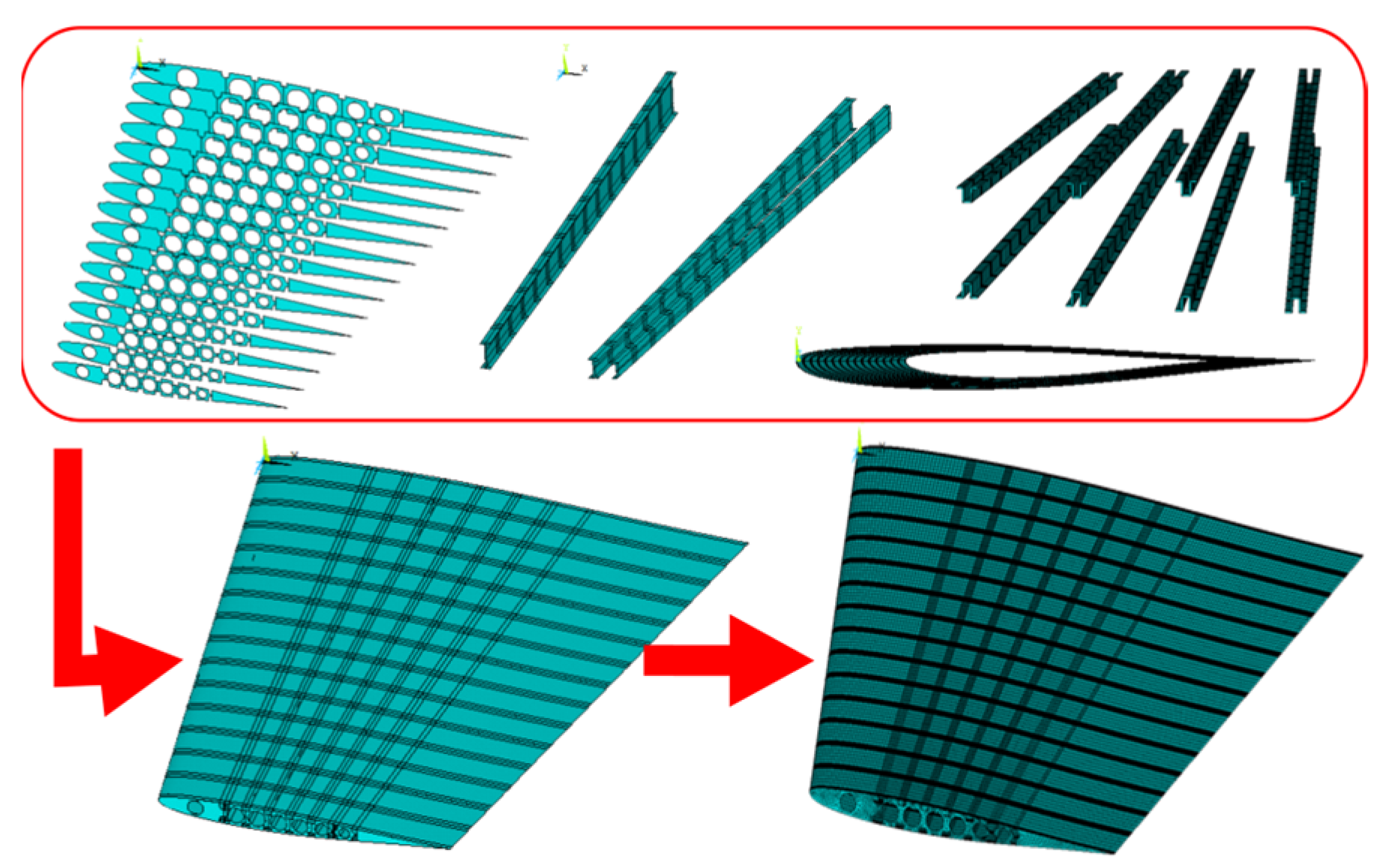
Geometry construction is handled through loops and conditional blocks that automatically generate structural features, such as spars, skins, and rib lightening holes, ensuring geometric consistency and clean mesh topology even under significant parameter variations (Figure 3). While the current model employs initial baseline properties (e.g., aluminum) for preliminary checks, the framework is designed for seamless integration of multi-material definition, including advanced composite laminates, in future weight-optimized configurations.
During the modeling process, different types of finite elements were selected based on their specific capabilities and structural applications:
  • Two-Dimensional Elements (Tria and Quad): These were used to model the rudder, front and rear spars, ribs, skin panels, and longitudinal stringers, providing an accurate representation of the primary structural surfaces;
  • RBE2 Elements: These were used to connect the vertical tailplane to the fuselage via the SPC constraint, ensuring a rigid attachment that effectively transfers loads without local deformations.
This strategic combination of element types allows for a comprehensive and efficient representation of structural behavior, balancing accuracy and computational efficiency in the finite element analysis.
The Table 1 shows the mesh properties:

3.2. Model and Analysis Checks

The structural behavior and numerical consistency of the model were verified through a set of preliminary analyses:
  • Rigid Body Mode Check: Free–free modal analysis to confirm the presence of the six rigid body modes and the correct activation of the flexible modes that follow;
  • Model Continuity Check: Unit-displacement and unit-rotation tests applied at a reference node to ensure correct stiffness matrix assembly and load-path consistency;
  • Model Mass and Reaction Check: involving 1 g gravity-load simulations on the cantilevered HTP to validate mass properties and the equilibrium between applied loads and reaction forces.
These checks demonstrate that the parametric FE model provides a robust and reusable framework for rapid structural evaluation, enabling efficient integration with Multidisciplinary Optimization (MDO) workflows and supporting early-stage design assessment in the HERFUSE project.

4. Structural Optimization Process

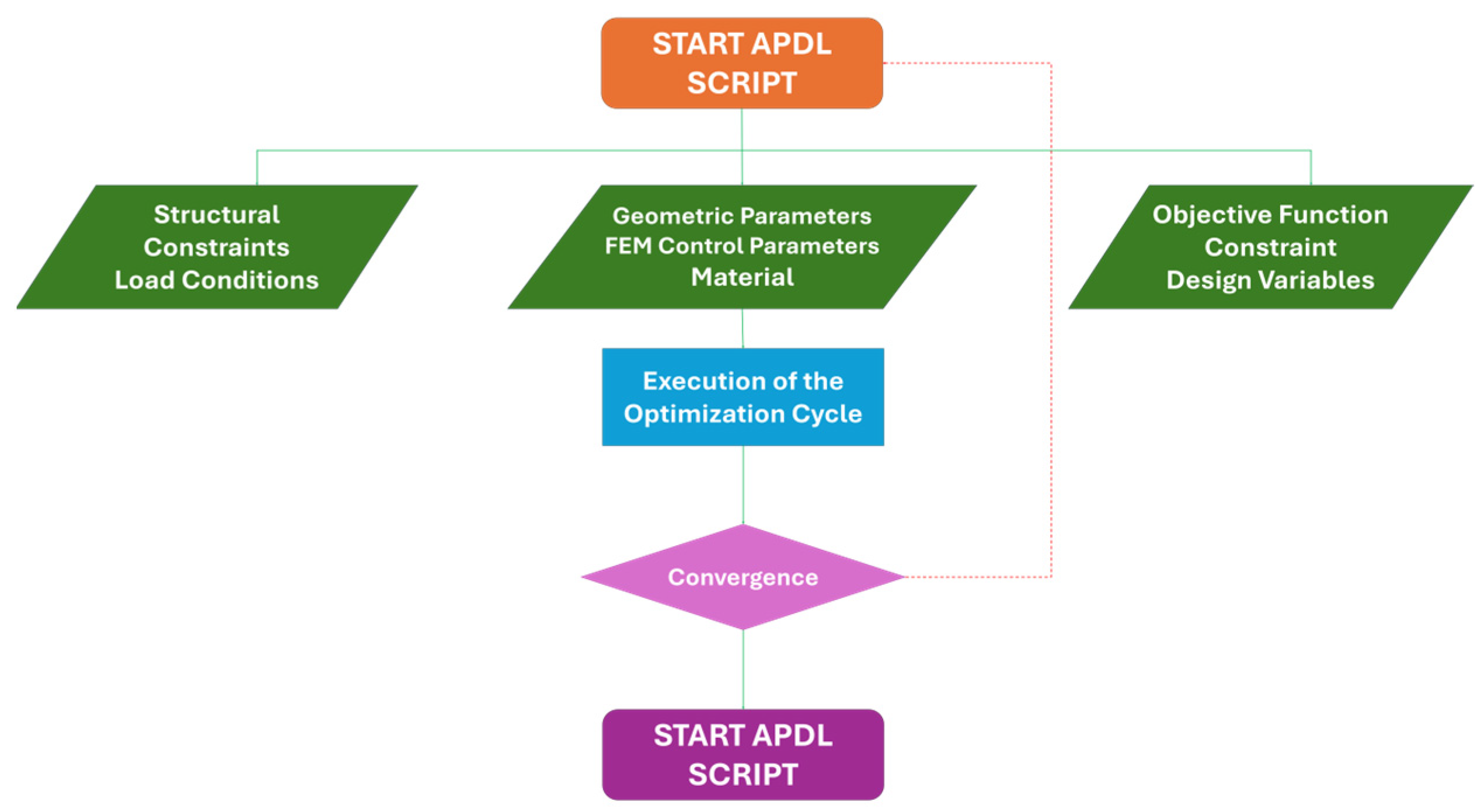
The optimization process aims to minimize the mass of the horizontal tailplane while ensuring adequate resistance to both static and dynamic loads. The methodology follows a structured iterative workflow composed of the following steps.

4.1. Generation of the Parametric Model

The geometry and FEM model are automatically generated through APDL scripts, enabling controlled modification of key geometric and structural design variables (e.g., thicknesses, number of ribs, hole radii). This automated configuration ensures consistent re-meshing and rapid evaluation of alternative layouts.

4.2. Definition of Constraints and Load Conditions

Boundary conditions, static load cases, and modal constraints are applied to ensure adequate structural strength and dynamic performance. Static loads are derived from load envelopes estimated from analogous aeronautical configurations.
A stiffness constraint is imposed requiring the first torsional frequency to be at least 2.5 times the first bending frequency ( F 1 t o r > 2.5 F 1 b e n d ) . This ratio avoids the coupling excitation of bending and torsional modes, reducing the risk of vibration amplification and dynamic instability. This criterion aligns with established Multidisciplinary Optimization and aero-structural design guidelines [10].

4.3. Setup of Optimization

  • Objective function: Minimization of structural mass;
  • Constraints: Structural integrity under static loads and compliance with modal frequency requirements;
  • Design variables: Component thicknesses, number of ribs, radii of lightening holes in ribs, stringers, and spars.
This formulation is consistent with typical aero-structural optimization strategies used in composite redesign, blended-wing–body studies, and aeroelastic wing optimization [11,12,13,14].

4.4. Execution of the Optimization Cycle

Following standard optimization workflows [10,11,12,14], the process proceeds iteratively and includes the following:
  • Evaluation of the objective function and verification of constraints;
  • Update of design parameters and continuation of cycles when constraints are not satisfied.

4.5. Convergence

The optimization loop terminates once an acceptable trade-off between mass reduction and constraint fulfillment is achieved, yielding the optimal HTP configuration (Figure 4). If convergence criteria are not met, the current configuration is used as the starting point for the next iteration [10,11,12,14].

5. Results and Criticality Analysis

5.1. Optimization Outcome

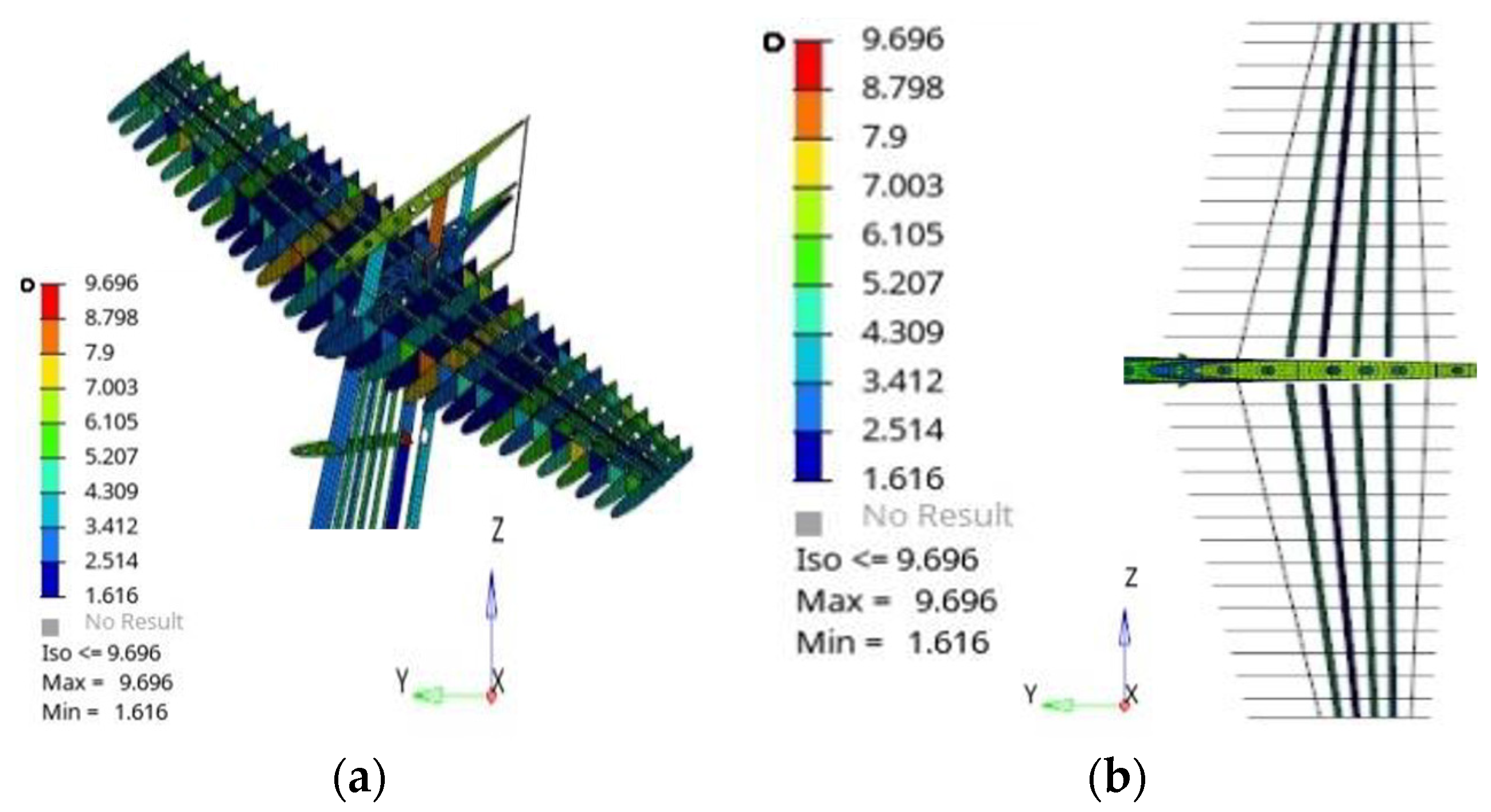
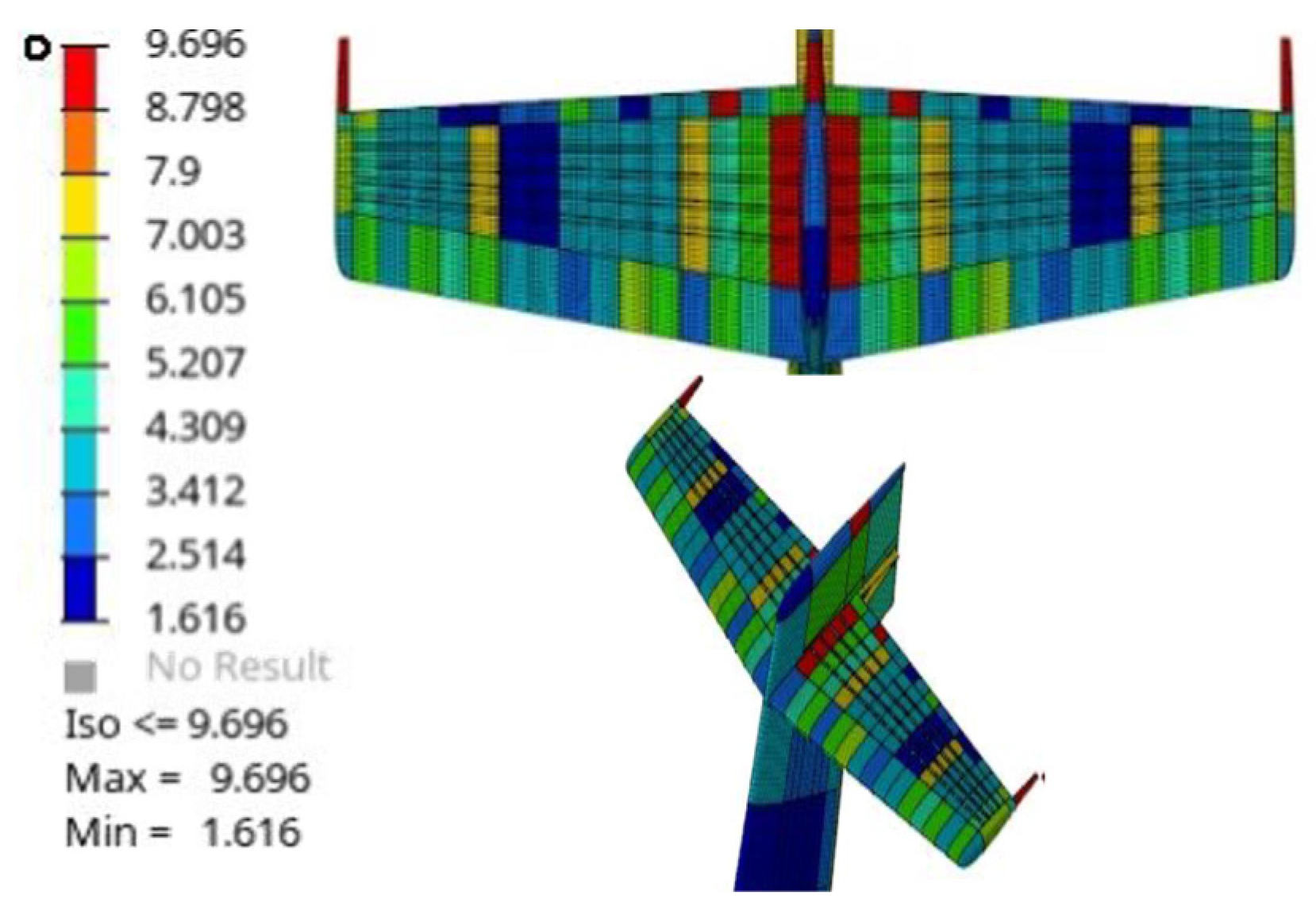
The structural optimization achieved a significant mass reduction while preserving the required resistance to both static and dynamic loads. Optimal thickness distributions were obtained by tailoring the skin, spar, and rib dimensions to local stress levels: material was removed in low-stress regions and reinforced in critical load-path zones (Figure 5 and Figure 6). This approach improved structural efficiency without compromising safety margins [11,12,13,14]. It is important to note that movable surfaces, such as the rudder and elevators, were not included in this analysis, as they are typically assessed separately due to their specific functional and structural characteristics.

5.2. Localized Criticalities

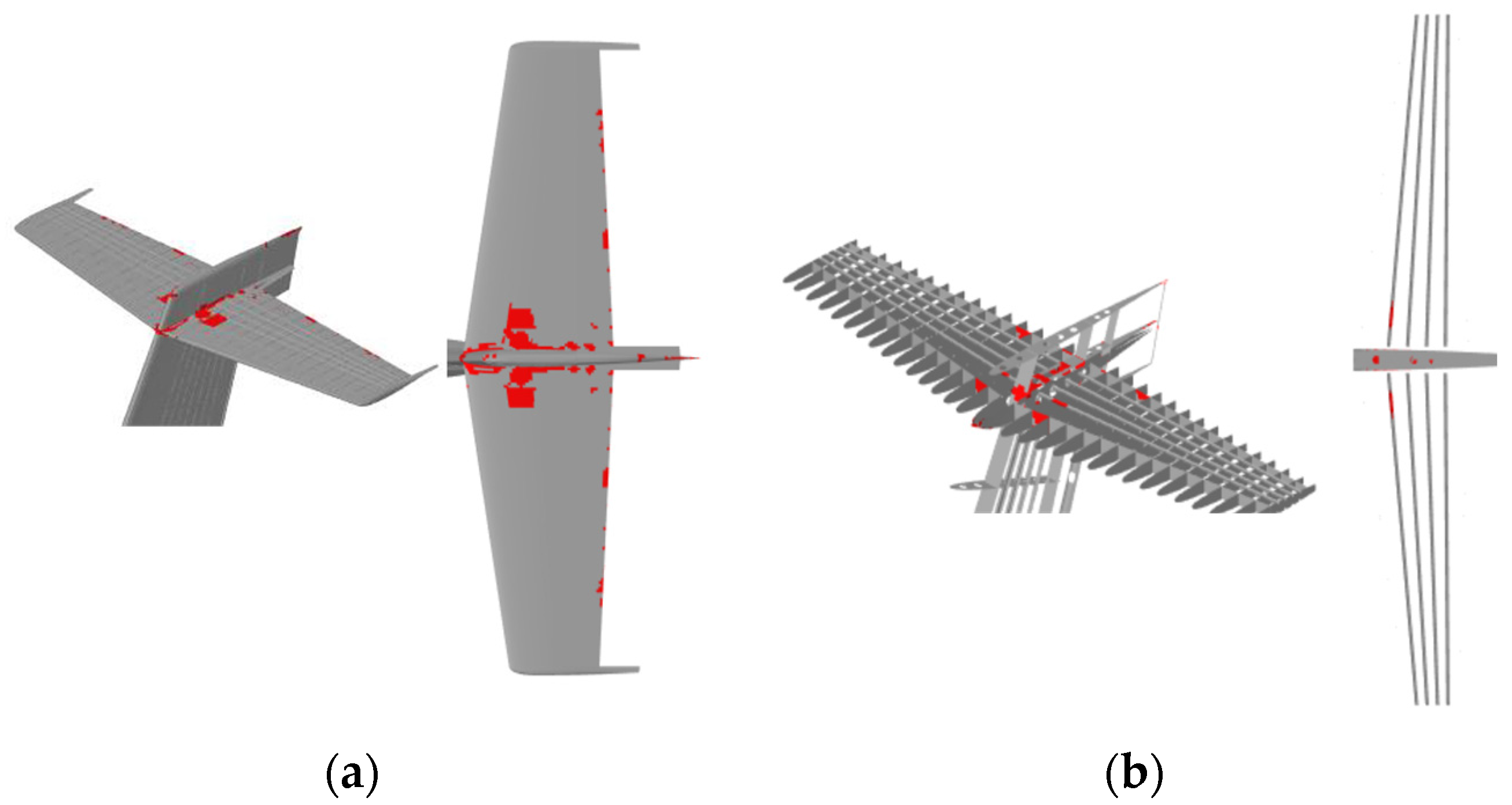
Despite the overall efficiency gains achieved through mass reduction, the FEM analysis revealed localized criticalities in specific high-load regions. In particular, elevated stress concentrations were observed at the structural interface between the vertical and horizontal stabilizers, where bending, shear, and torsional loads converge (Figure 7).
These hotspots indicate the need for targeted reinforcement or the adoption of refined optimization strategies capable of better capturing the complexity of load paths at structural junctions. Such considerations are consistent with established computational optimization practices in advanced structural engineering applications [15,16,17].

6. Conclusions

The structural optimization successfully reduced the empennage mass while meeting static and dynamic constraints. Using total mass as the objective function, the process iteratively refined the sizing of primary load-bearing components. Starting from an initial HTP mass of 268 kg, material was effectively redistributed across ribs, spars, skin, and stringers. Constrained modal analysis ensured that the first bending and torsional frequency relationships satisfied aero-structural criteria [18,19]. Despite the mass reduction, FEM analysis identified localized stress concentrations at the VTP-HTP interfaces due to combined bending, shear, and torsional effects. Future work will involve higher-fidelity CAD/FEM models and refined internal layouts, such as optimized rib spacing, to further reduce weight without compromising load-bearing capability [19].

Author Contributions

Conceptualization, G.P.; methodology, G.P. and C.P.; software, A.S. and D.C.; validation, G.P., C.P. and A.C.; formal analysis, G.P.; investigation, G.P.; resources, M.B.; data curation, A.C.; writing—original draft preparation, G.P.; writing—review and editing, A.C. and M.B.; visualization, A.S.; supervision, C.P.; project administration, A.C.; funding acquisition, M.B. All authors have read and agreed to the published version of the manuscript.

Funding

This research was funded by the Clean Aviation Joint Undertaking under the European Union’s Horizon Europe research and innovation program, Project HERFUSE—Hybrid-Electric Regional Fuselage & Empennages, Grant Agreement No. 101140567. The APC was funded by the Clean Aviation Joint Undertaking.

Data Availability Statement

Data supporting the findings of this study are available from the corresponding author upon reasonable request. Some data may not be publicly available due to industrial confidentiality constraints.

Acknowledgments

This work has been carried out in the framework of the HERFUSE project, supported by the Clean Aviation Joint Undertaking and its members under the European Union Horizon Europe program.

Conflicts of Interest

The authors declare no conflicts of interest.

Abbreviations

The following abbreviations are used in this manuscript:
APDLAnsys Parametric Design Language
CADComputer-Aided Design
HTPHorizontal Tailplane
FEMFinite Element Model
MDOMultidisciplinary Optimization
UCBUse Case B
VTPVertical Tailplane

References

  1. HERFUSE Project Consortium. Hybrid Electric Regional Fuselage & Empennages (HERFUSE). Available online: https://herfuse.eu/ (accessed on 1 October 2025).
  2. Clean Aviation Joint Undertaking. Strategic Research and Innovation Agenda (SRIA). Available online: https://www.clean-aviation.eu/sites/default/files/2022-01/CAJU-GB-2021-12-16-SRIA_en.pdf (accessed on 1 October 2025).
  3. European Union Aviation Safety Agency (EASA). Certification Specifications for Large Aeroplanes CS-25. Available online: https://www.easa.europa.eu/sites/default/files/dfu/CS-25_Amdt%203_19.09.07_Consolidated%20version.pdf (accessed on 1 October 2025).
  4. Niu, M.C.Y. Airframe Structural Design: Practical Design Information and Data on Aircraft Structures; Conmilit Press Ltd.: Hong Kong, China, 1999. [Google Scholar]
  5. Megson, T.H.G. Aircraft Structures for Engineering Students, 6th ed.; Butterworth-Heinemann: Oxford, UK, 2017. [Google Scholar]
  6. Torenbeek, E. Synthesis of Subsonic Airplane Design; Delft University Press: Delft, The Netherlands, 1982. [Google Scholar]
  7. Cook, R.D.; Malkus, D.S.; Plesha, M.E.; Witt, R.J. Concepts and Applications of Finite Element Analysis, 4th ed.; Wiley: New York, NY, USA, 2002. [Google Scholar]
  8. ANSYS Inc. ANSYS Mechanical APDL Documentation. Available online: https://ansyshelp.ansys.com (accessed on 20 November 2025).
  9. Barbero, E.J. Finite Element Analysis of Composite Materials Using ANSYS, 2nd ed.; CRC Press: Boca Raton, FL, USA, 2013. [Google Scholar]
  10. Behdinan, K.; Perez, R.E.; Liu, H.T. Multidisciplinary Design Optimization of Aerospace Systems. In Proceedings of the Canadian Engineering Education Association (CEEA), Kaninaskis, AB, Canada, 18–20 July 2005. [Google Scholar]
  11. Ardila-Parra, S.A.; Pappalardo, C.M.; González Estrada, O.A.; Guida, D. Finite Element based Redesign and Optimization of Aircraft Structural Components using Composite Materials. IAENG Int. J. Appl. Math. 2020, 50, 860. [Google Scholar]
  12. Zhang, Y.; Zhou, J.; Shi, L.; Cui, B. Design optimization for the entire aircraft structure of civil aircraft with blended-wing-body layout. Struct. Multidiscip. Optim. 2024, 67, 106. [Google Scholar] [CrossRef]
  13. Pan, Y.; Alam, M.; Spinelli, A.; Bragado Aldana, E. Structural and aeroelastic optimization of a large aircraft wing with a passive twist wingtip. In Proceedings of the ICAS 2024, Florence, Italy, 9–13 September 2024. [Google Scholar]
  14. Ramesh, B.; Mohammed Iqbal, S.; Logesh, K. Aero-Structural Optimization of Aircraft Wing by Finite Element Method. Int. J. Mech. Prod. Eng. Res. Dev. 2017, 7, 409–416. [Google Scholar] [CrossRef]
  15. Li, P.; Shen, X.; Dong, S.; Fang, Y. Topology optimization methods and its applications in aerospace: A review. Struct. Multidiscip. Optim. 2025, 68, 105. [Google Scholar] [CrossRef]
  16. van den Brink, W.; Koenis, T.; Osinga, T.; Montero-Sistiaga, M. Topology Optimization for Aircraft Applications Using Hybrid and Multi-Material Methods for Different Component Scales. Eng. Proc. 2025, 90, 67. [Google Scholar]
  17. Mengesha Azanaw, G. Design Optimization in Structural Engineering: A Systematic Review of Computational Techniques and Real-World Applications. Am. J. Mech. Mater. Eng. 2025, 9, 1–19. [Google Scholar] [CrossRef]
  18. Hosseini, S.; Vaziry-Zanjany, M.A.; Ovesy, H.R. A Framework for Aircraft Conceptual Design and Multidisciplinary Optimization. Aerospace 2024, 11, 273. [Google Scholar] [CrossRef]
  19. Leng, J.; Wang, Z.; Huang, W.; Shen, Y.; An, K. Multidisciplinary Design Optimization Processes for Efficiency Improvement of Aircraft: State-of-the-Art Review. Int. J. Aeronaut. Space Sci. 2024, 26, 2020–2042. [Google Scholar] [CrossRef]
Figure 1. UCB Horizontal Tailplane CAD Model.
Engproc 133 00036 g001
Figure 2. Internal part of HTP for UCB configuration: (a) central box; (b) particular of ribs; (c) root rib; (d) skin, stringer and spar.
Engproc 133 00036 g002aEngproc 133 00036 g002b
Figure 3. Parametric FE model.
Engproc 133 00036 g003
Figure 4. Optimization Procedure Flowchart.
Engproc 133 00036 g004
Figure 5. Thickness map of HTP internal structure: (a) thickness map of ribs; (b) thickness map of stringer and spar.
Engproc 133 00036 g005
Figure 6. Thickness map of HTP.
Engproc 133 00036 g006
Figure 7. Failure region of HTP: (a) external region; (b) internal structure.
Engproc 133 00036 g007
Table 1. Mesh Quality Metrics and Parameters.
Mesh SPECSThreshold
Mean Size50 mm
Warpage<10
Aspect Ratio<5
Number of Tria<2%
Skew<60
Min. Length>10 mm
Disclaimer/Publisher’s Note: The statements, opinions and data contained in all publications are solely those of the individual author(s) and contributor(s) and not of MDPI and/or the editor(s). MDPI and/or the editor(s) disclaim responsibility for any injury to people or property resulting from any ideas, methods, instructions or products referred to in the content.