Proceeding Paper

Cutting Performance and Damage Metrics in Abrasive Waterjet Machining of Delrin–Ramie Fiber Composites †

by
Natarajan Senthilkumar
1,
Subramanian Thirumalvalavan
2,*,
Saminathan Selvarasu
2 and
Ganapathy Perumal
3
1
Department of Mechanical Engineering, Saveetha School of Engineering, Saveetha Institute of Medical and Technical Sciences (SIMATS), Chennai 602105, India
2
Department of Mechanical Engineering, Arunai Engineering College, Tiruvannamalai 606603, India
3
Department of Mechanical Engineering, V.R.S. College of Engineering and Technology, Villupuram 607107, India
*
Author to whom correspondence should be addressed.
Presented at the 19th Global Congress on Manufacturing and Management (GCMM 2025), Vellore, India, 10–12 December 2025.
Eng. Proc. 2026, 130(1), 8; https://doi.org/10.3390/engproc2026130008

Published: 17 April 2026
(This article belongs to the Proceedings of The 19th Global Congress on Manufacturing and Management (GCMM 2025))

Abstract

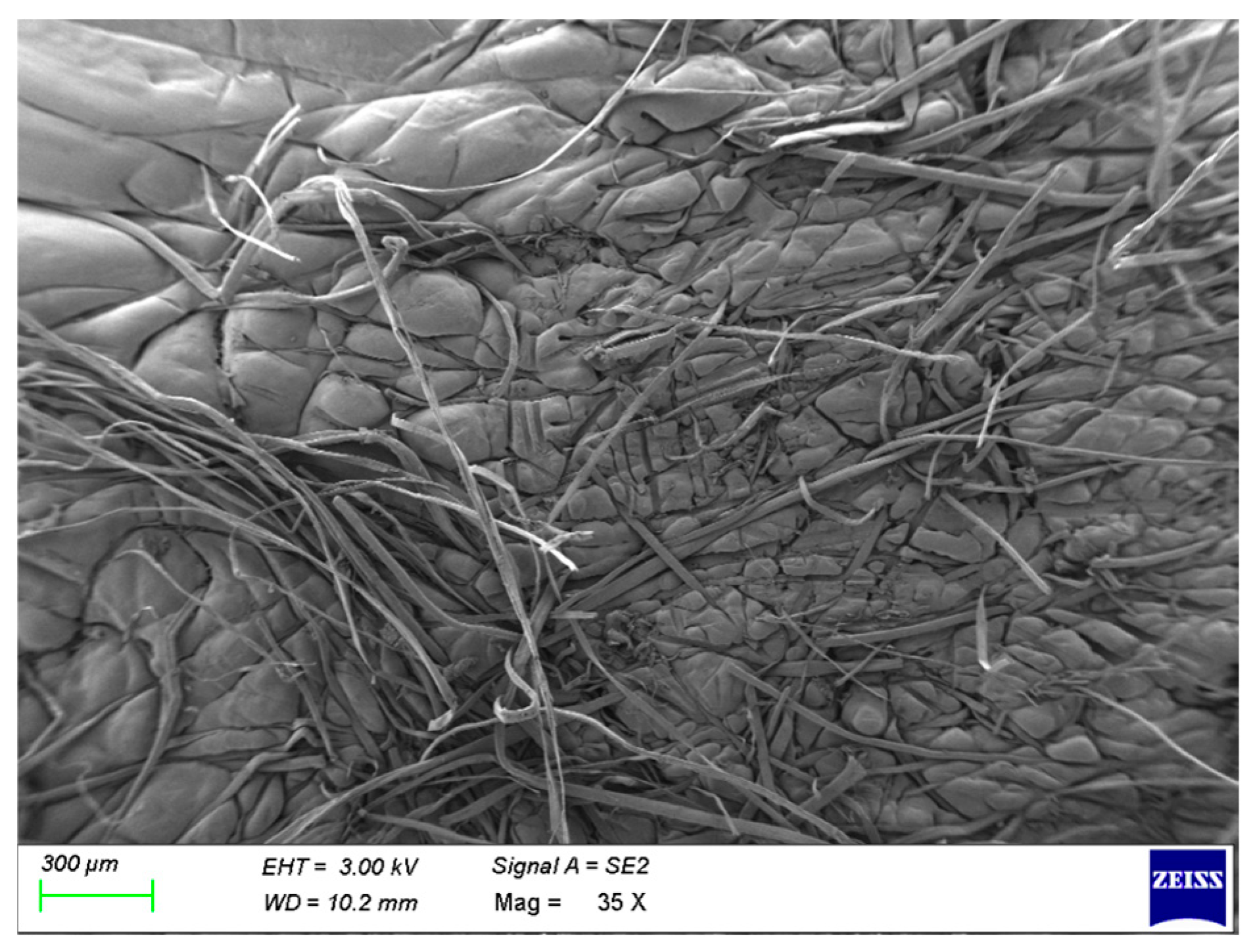
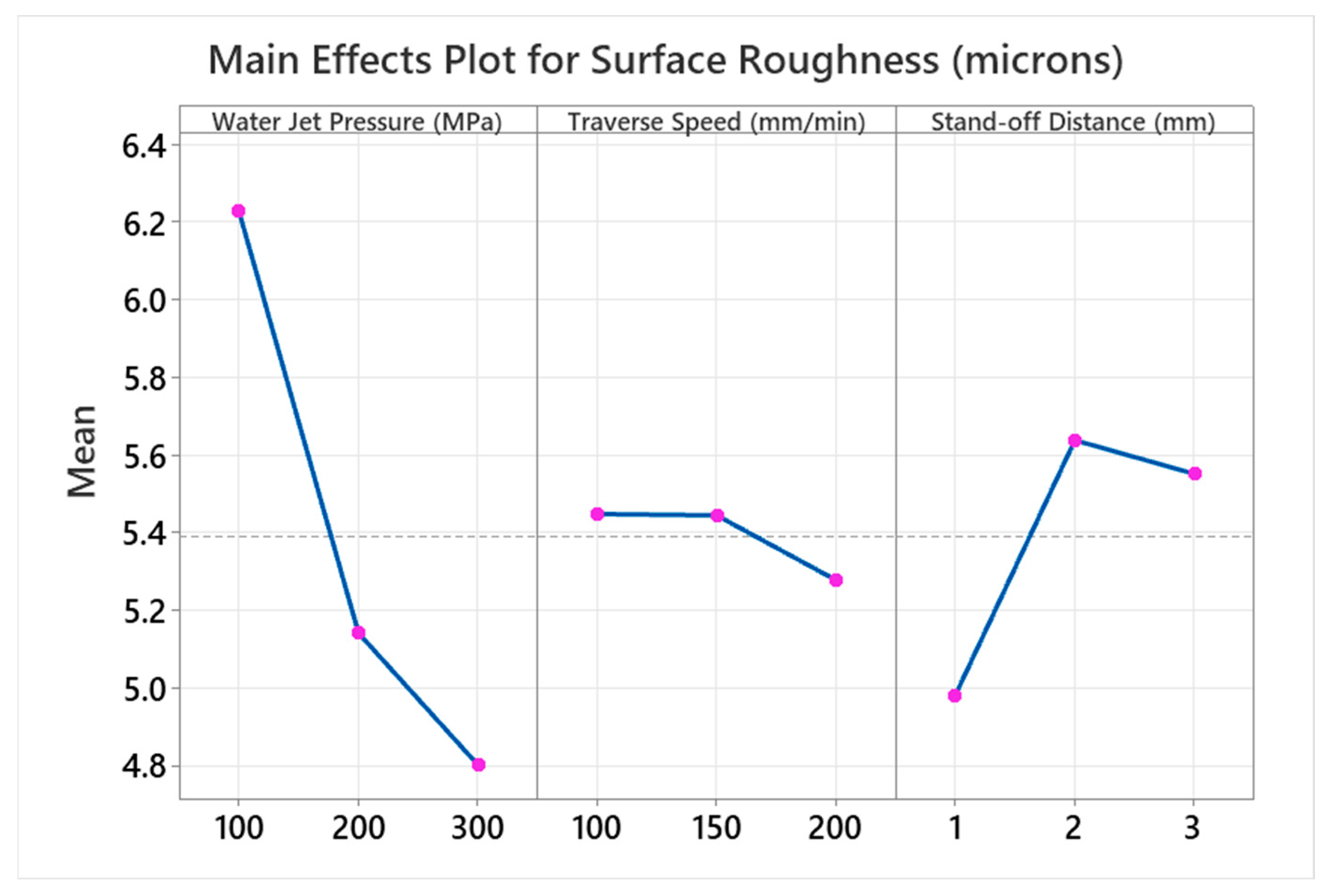
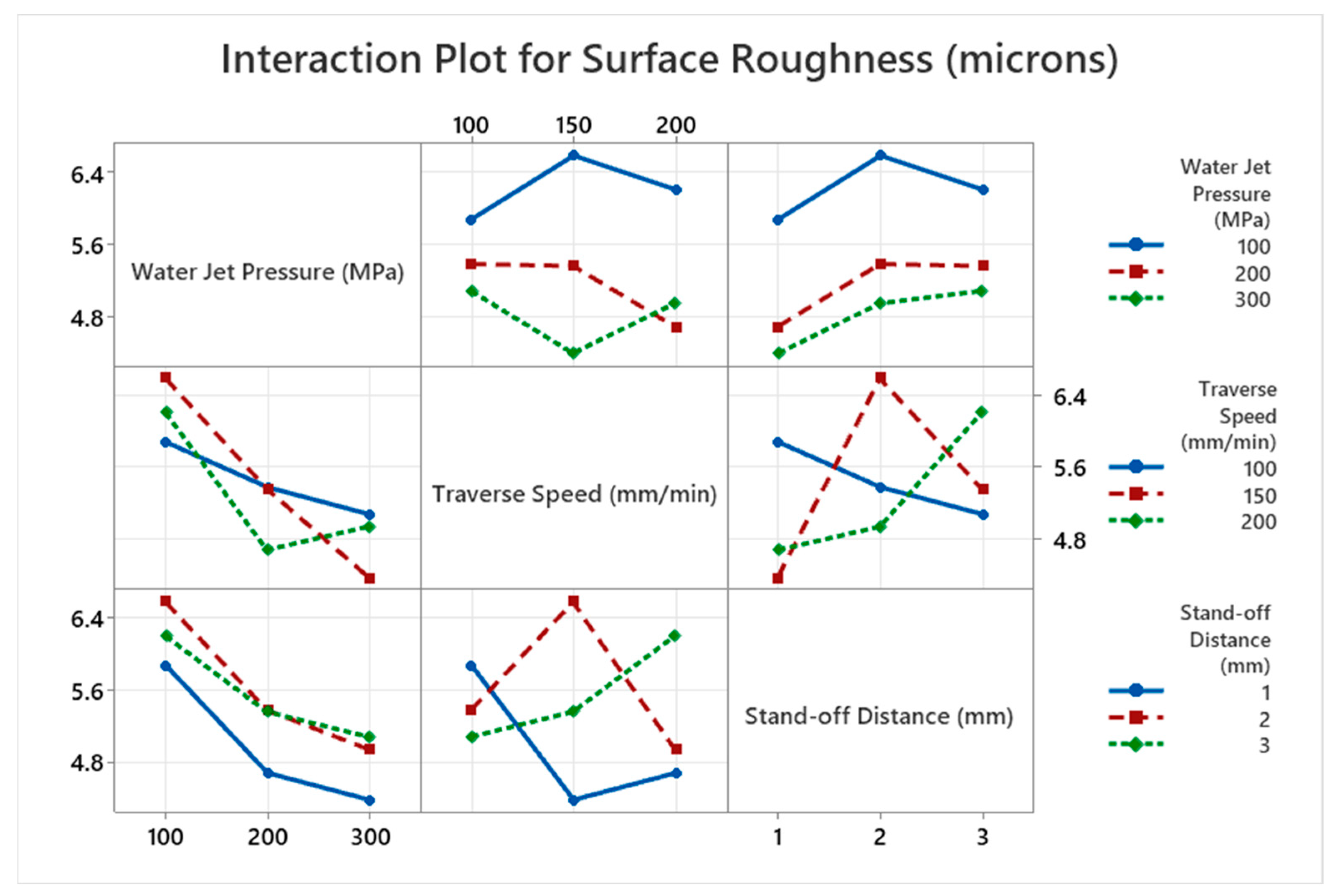
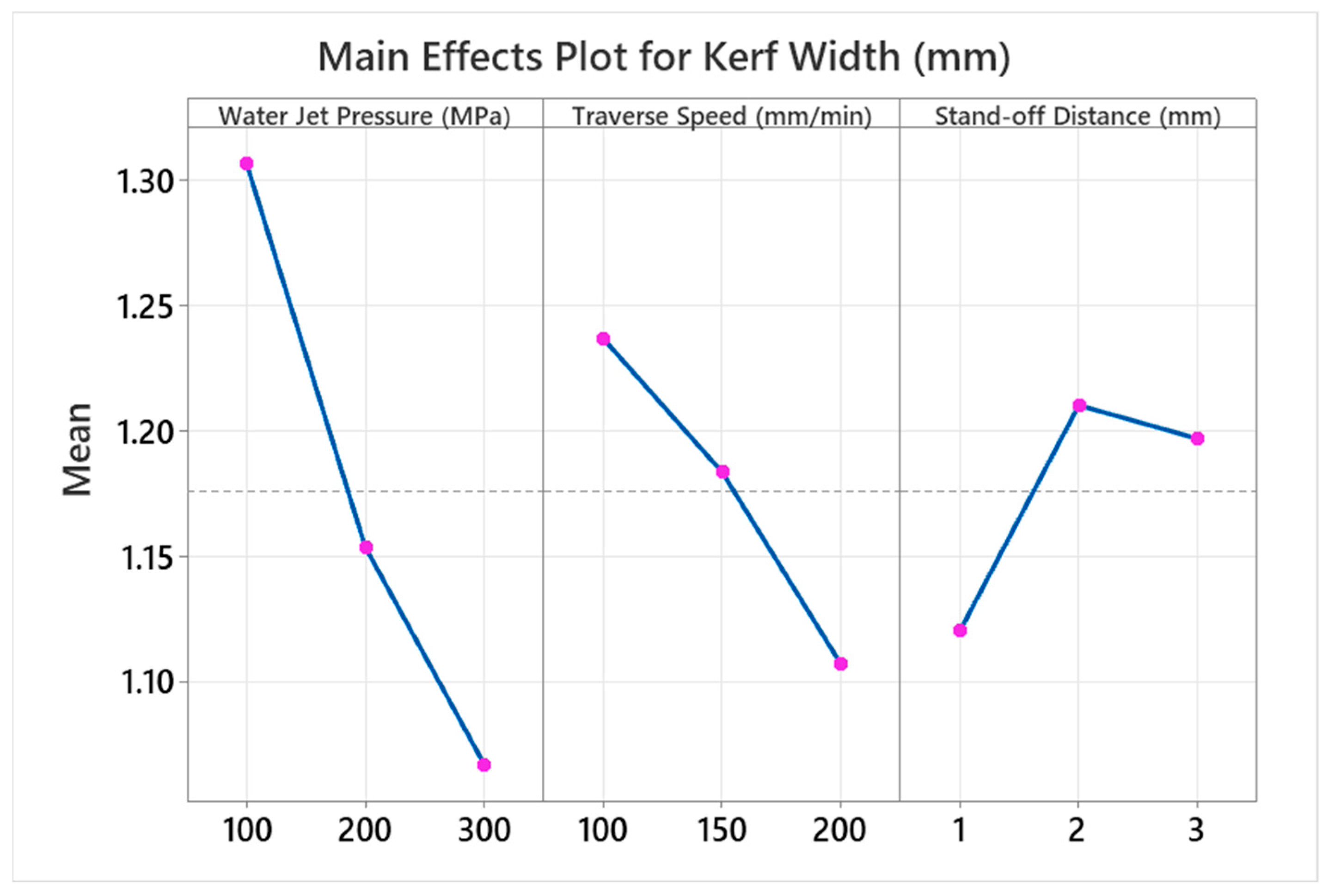
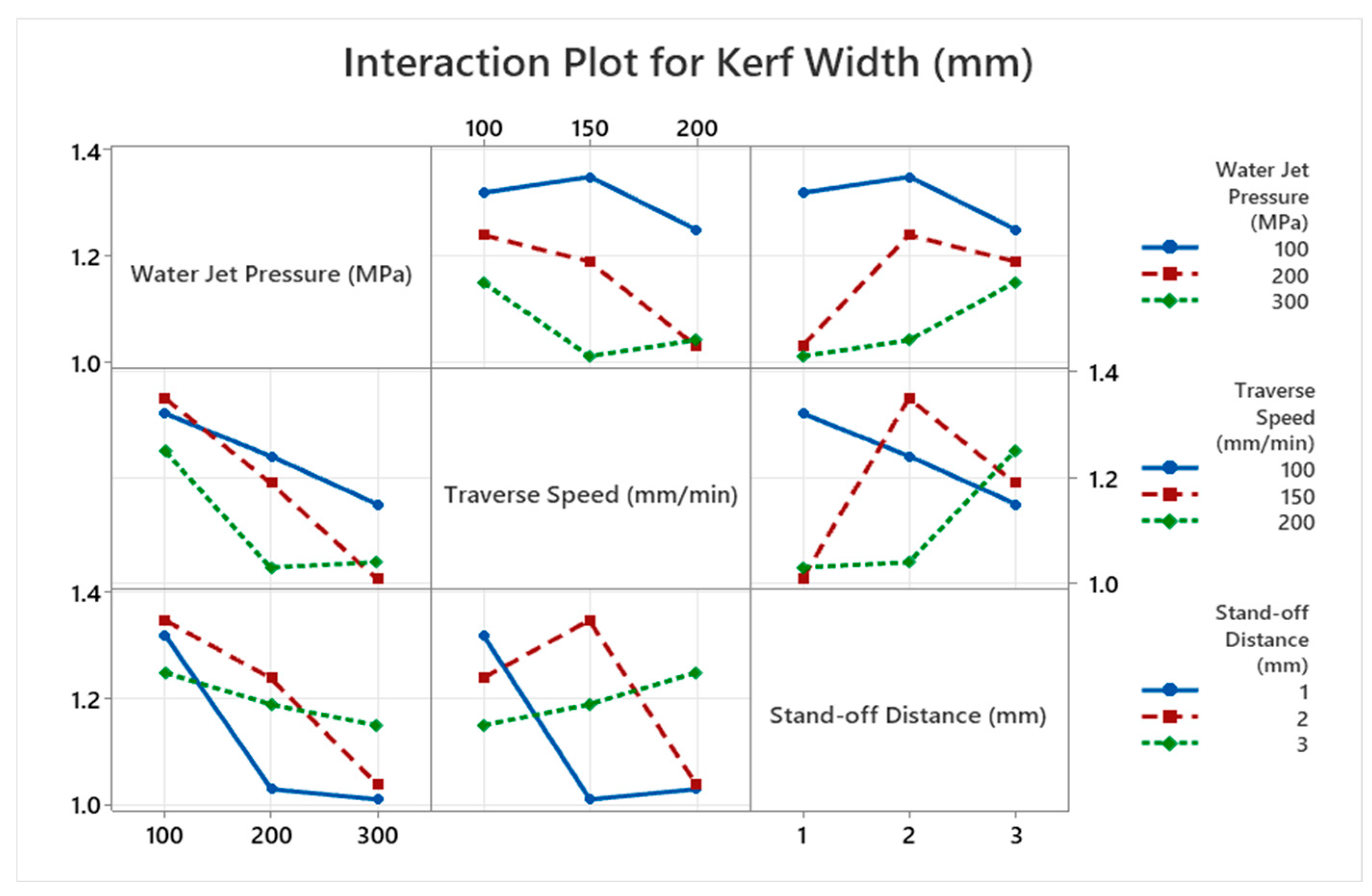
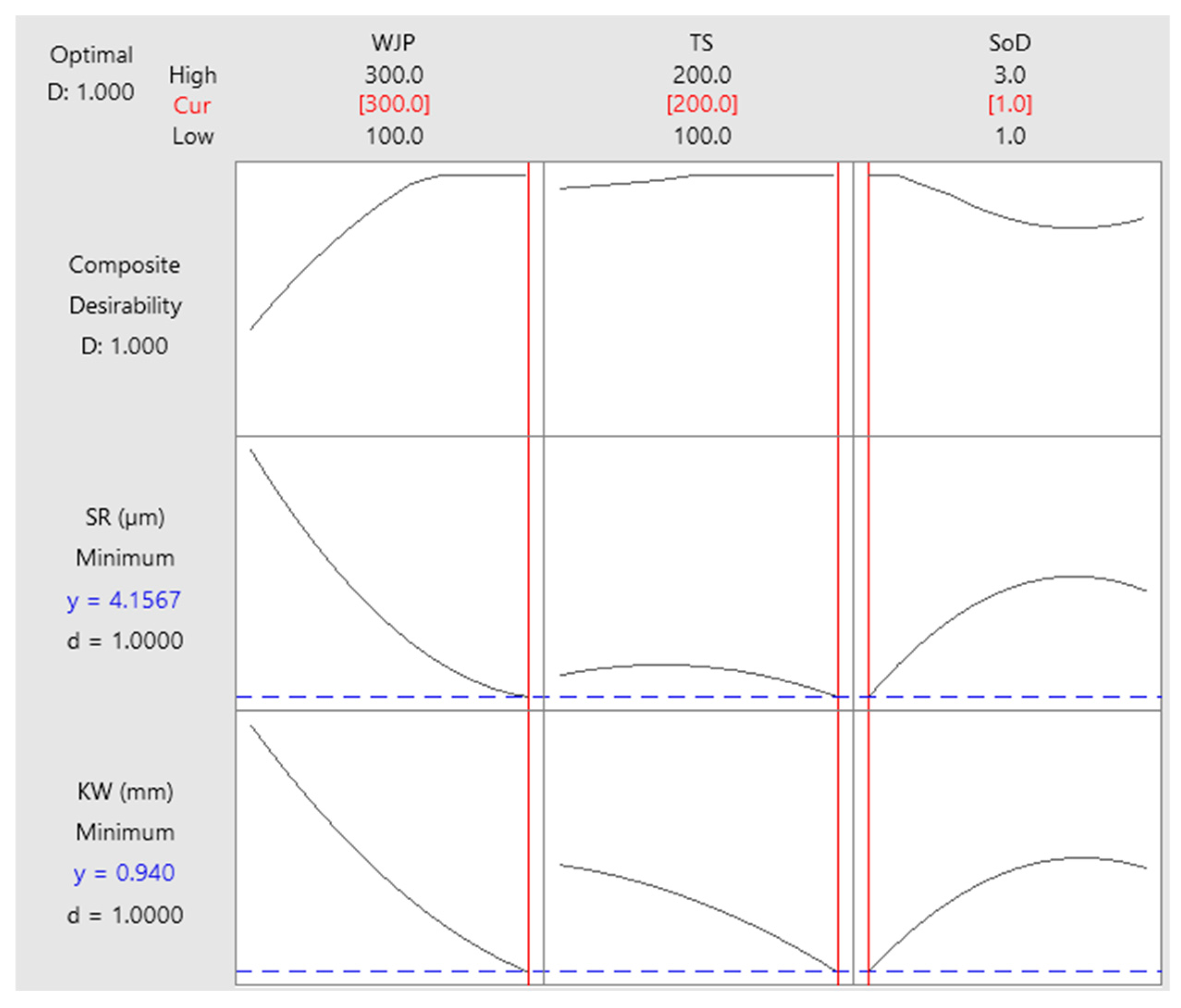
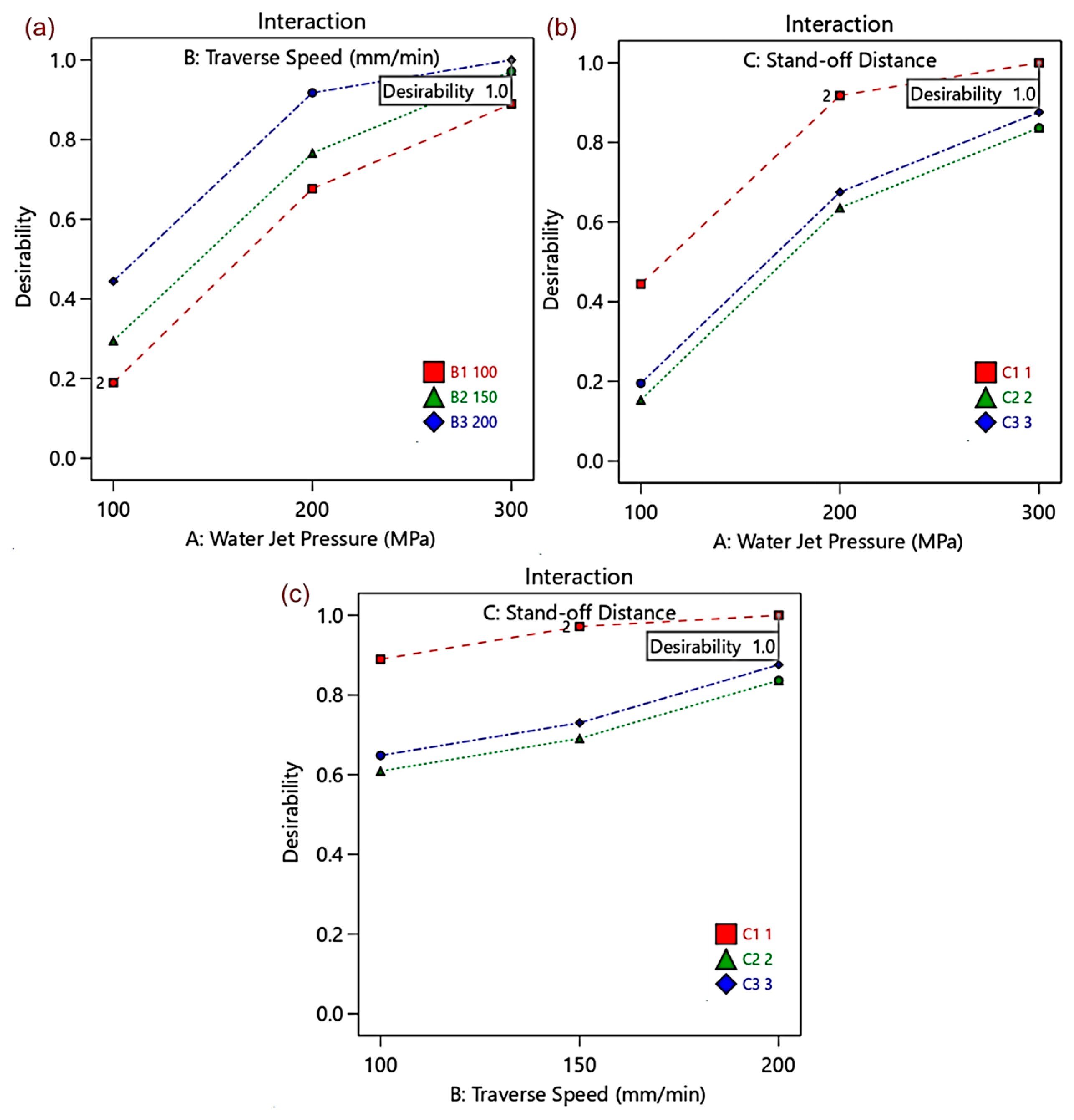
In this study, Delrin® (POM) polymer was reinforced with 15 wt.% chopped ramie fiber (RF) to develop a sustainable composite, which was injection-molded and machined using abrasive waterjet machining (AWJM). SEM revealed a skin-core morphology with flow-induced RF alignment and small voids at bundle crossovers, indicating interfacial adhesion. A Taguchi L9 (33) design evaluated waterjet pressure (WJP: 100–300 MPa), traverse speed (TS: 100–200 mm/min), and stand-off distance (SoD: 1–3 mm) on kerf width (KW) and surface roughness (SR). Increasing WJP from 100 to 300 MPa lowered mean SR from 6.23 to 4.80 µm (23% reduction) and KW from 1.31 to 1.07 mm (reduction of 18%); enlarging SoD from 1 to 3 mm raised SR from 4.98 to 5.55 µm (an 11% increase) and KW from 1.12 to 1.20 mm (a of 7% increase); and raising TS from 100 to 200 mm/min narrowed KW from 1.24 to 1.11 mm (a 10.5% reduction) with a modest SR decrease from 5.45 to 5.28 µm. ANOVA confirmed WJP as the dominant factor for SR (79.8%), as well as a significant SoD (18.3%). For KW, the influence of WJP (68.8%) was substantial, followed by TS (19.9%) and SoD (11%). Linear models captured the trends well (SR: R2 = 88.29%; KW: R2 = 93.36%). A desirability-based multi-response optimizer yielded ideal conditions for TS (200 mm/min), WJP (300 MPa), and SoD (1 mm), predicting a KW of 0.94 mm and an SR of 4.1567 µm. Confirmation tests produced a KW (0.970 ± 0.01 mm) and SR (4.27 ± 0.05 µm), which are within 3.19% and 2.73% of the predicted values, validating the DoE regression approach.
Keywords: sustainable composite; ramie fiber; Taguchi’s design; desirability function; kerf width; surface integrity sustainable composite; ramie fiber; Taguchi’s design; desirability function; kerf width; surface integrity