This volume represents the proceedings of the 2025 IEEE International Conference on Computation, Big-Data and Engineering (IEEE ICCBE 2025). The conference was jointly organized by Tunku Abdul Rahman University of Management and Technology (TAR UMT), the Institute of Electrical and Electronics Engineers (IEEE), and National Penghu University of Science and Technology to create an interdisciplinary forum for researchers and technologists in science and engineering.
The IEEE ICCBE 2025 provided a platform for academic and industrial professionals to share research and innovations in computation, big data, and engineering. With Asia’s rapid economic growth, particularly in industries such as automobiles, machinery, computing, big data, communications, consumer products, flat panel displays, semiconductors, and nanotechnology, the conference attracted significant interest from universities, research institutes, and corporations.
The conference emphasized emerging technologies, and its submissions featuring innovative ideas and research across these fields were strongly encouraged. The IEEE ICCBE 2025 fostered active interaction and knowledge exchange among participants, promoting high-quality scientific contributions. Its program included substantial time for presentations and discussions, enabling participants to engage in diverse activities that brought engineers and technologists together across disciplines. The program facilitated the generation of new ideas, collaboration opportunities, and potential business partnerships. IEEE ICCBE 2025 was held in a hybrid format, combining on-site and online participation.
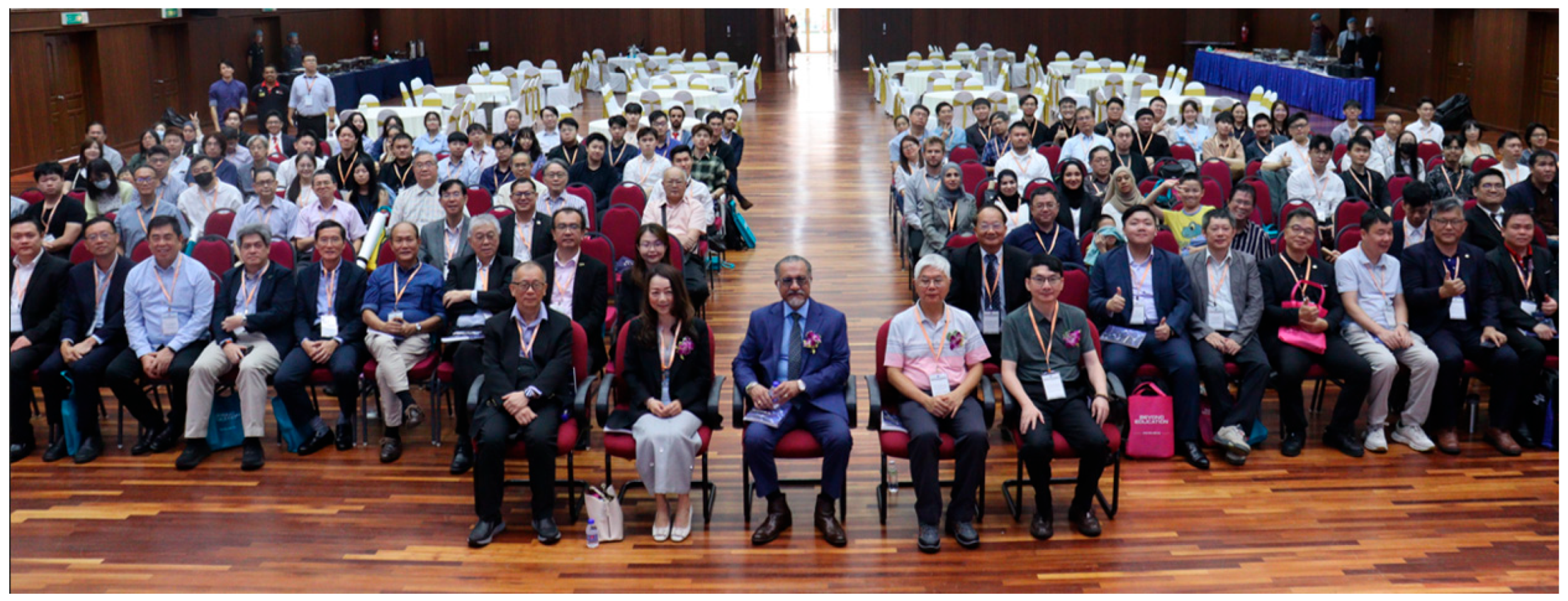
Figure 1 shows the group photo taken during the conference opening.
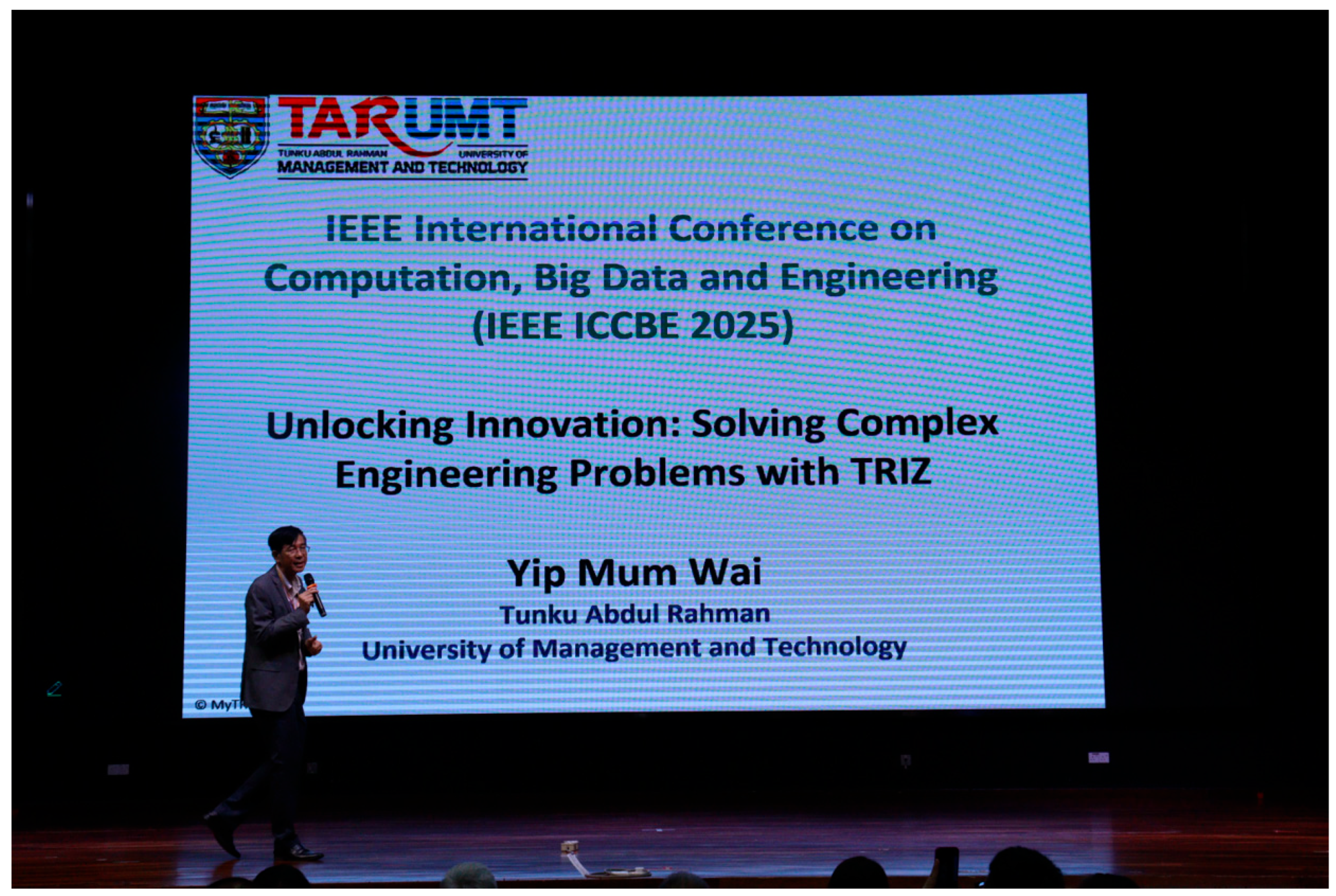
Two keynote speeches were delivered by distinguished scholars. The first keynote, entitled “Unlocking Innovation: Solving Complex Engineering Problems with TRIZ”, was presented by Professor Dr. Yip Mum Wai from the Department of Mechanical Engineering, Tunku Abdul Rahman University of Management and Technology, Kuala Lumpur, Malaysia (
Figure 2).
In today’s fast-paced, knowledge-driven economy, effective problem-solving is not a luxury but a necessity for maintaining competitiveness. One of the most powerful and systematic approaches to problem-solving is TRIZ, the Theory of Inventive Problem Solving. TRIZ is a Russian methodology developed more than six decades ago, yet still underutilized in many industries. TRIZ is used to address the concept of contradictions. In TRIZ, improving one aspect of a system often leads to the deterioration of another. By identifying these engineering contradictions and applying TRIZ’s contradiction matrix along with its 40 Inventive Principles, individuals and organizations can uncover innovative solutions with both precision and creativity.
Dr. Yip introduced the fundamentals of TRIZ, explained how engineering contradictions can be resolved using TRIZ, and showcased real-world case studies from manufacturing. These examples demonstrated how TRIZ can be applied effectively to overcome complex engineering challenges, highlighting its relevance and potential impact in modern industrial practice.
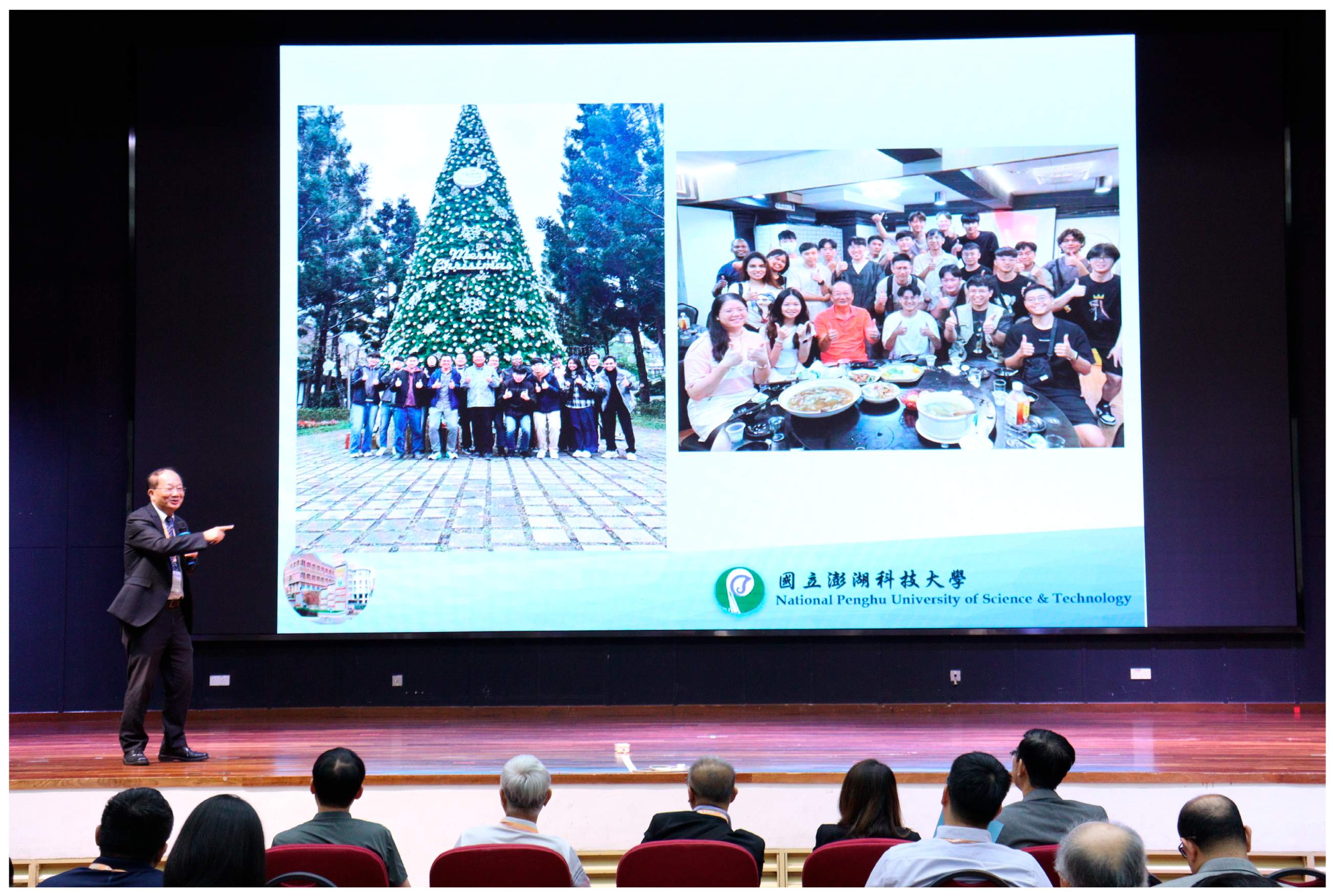
The second keynote speech, entitled “AIoT in Industrial Applications”, was delivered by President and Professor Dr. Yo-Ping Huang from the Department of Electrical Engineering, National Penghu University of Science and Technology, Taiwan (
Figure 3).
Over the past decades, AI has experienced continual waves of development and transformation, evolving into an indispensable technology across diverse domains. With the advent of powerful graphics processing units, AI-related research and applications have proliferated globally. At the same time, IoT has advanced from simple network connectivity to a sophisticated framework capable of collecting vast amounts of data from physical devices, daily activities, images, and videos. As a result, enterprises are generating enormous volumes of data daily, creating opportunities to integrate AI, IoT, big data, and cloud or edge computing to enhance industrial production and medical services.
Owing to technological advancements, the applications of AI algorithms, fuzzy modeling, and intelligent systems are increasingly widespread. For example, in industry, they are used for detecting scratches or defects on product surfaces and improving printed circuit board manufacturing. In healthcare, they support patient rehabilitation monitoring for conditions such as Parkinson’s disease or stroke, enable autonomous navigation and planning for service robots, and provide short- and long-term air quality predictions. Furthermore, AI can be combined with IoT, fuzzy modeling, and edge computing to create powerful tools that address challenges in both industrial and medical domains.
Dr. Huang addressed these developments from the perspective of AIoT and system engineering, highlighting practical applications and future directions for integrating AI and IoT in industry.
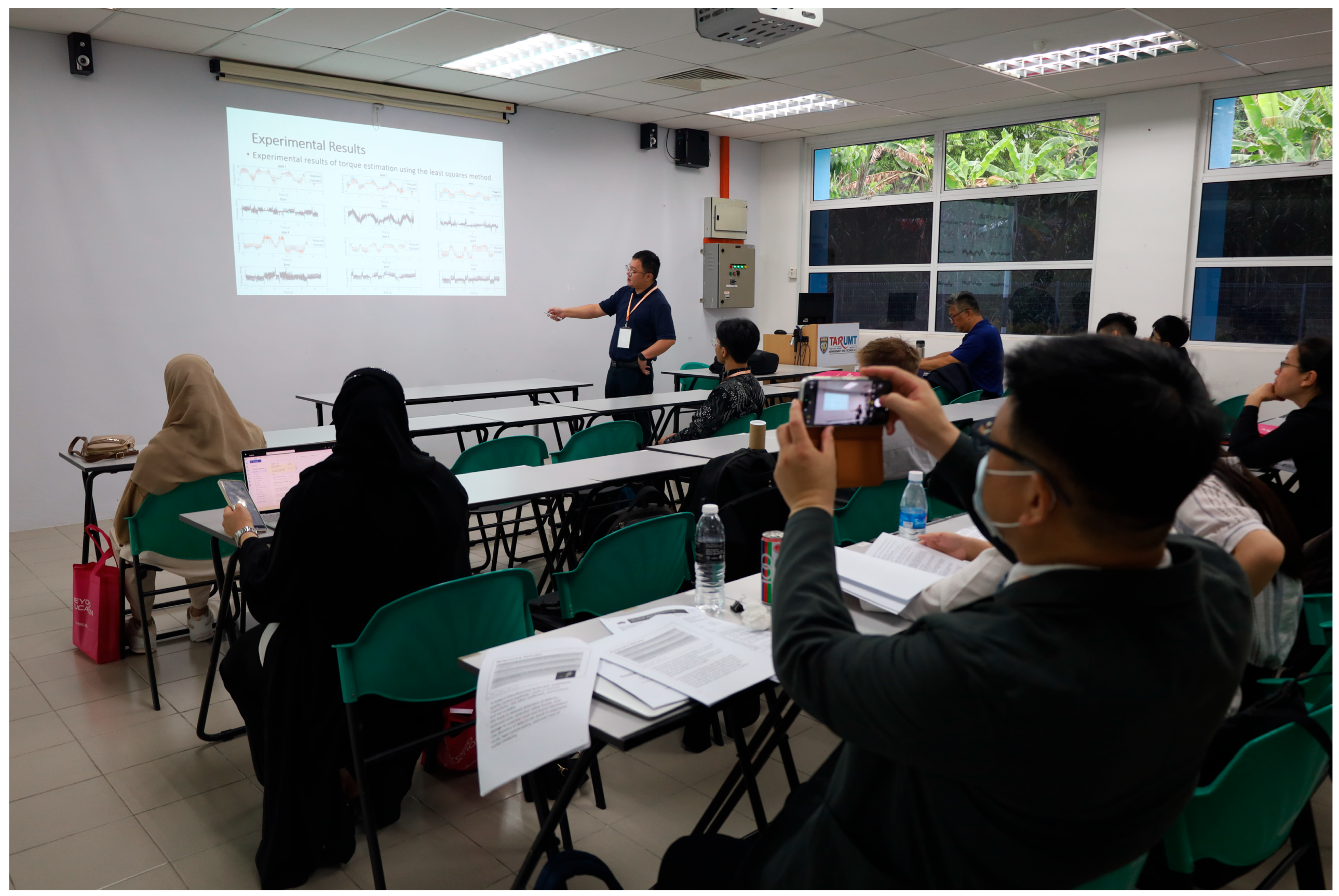
The IEEE ICCBE 2025 received a total of 228 submissions, of which 145 papers were accepted and registered for presentation. Participants represented 20 countries and regions, including Australia, China, India, Indonesia, Iraq, Ireland, Japan, South Korea, Macau, Malaysia, Oman, Poland, Slovenia, Switzerland, Taiwan, Thailand, the Philippines, the United States, the United Kingdom, and Vietnam. The accepted papers were organized into 12 Regular Sessions and 6 Invited Sessions, covering a broad spectrum of topics such as Internet and IoT technology, Communication Science and Engineering, Computer Science and Information Technology, Computational Science and Engineering, Big Data applications, Robotics and Automation, Additive Manufacturing Technology, and Applied Mathematics and Programming.
Figure 4 and
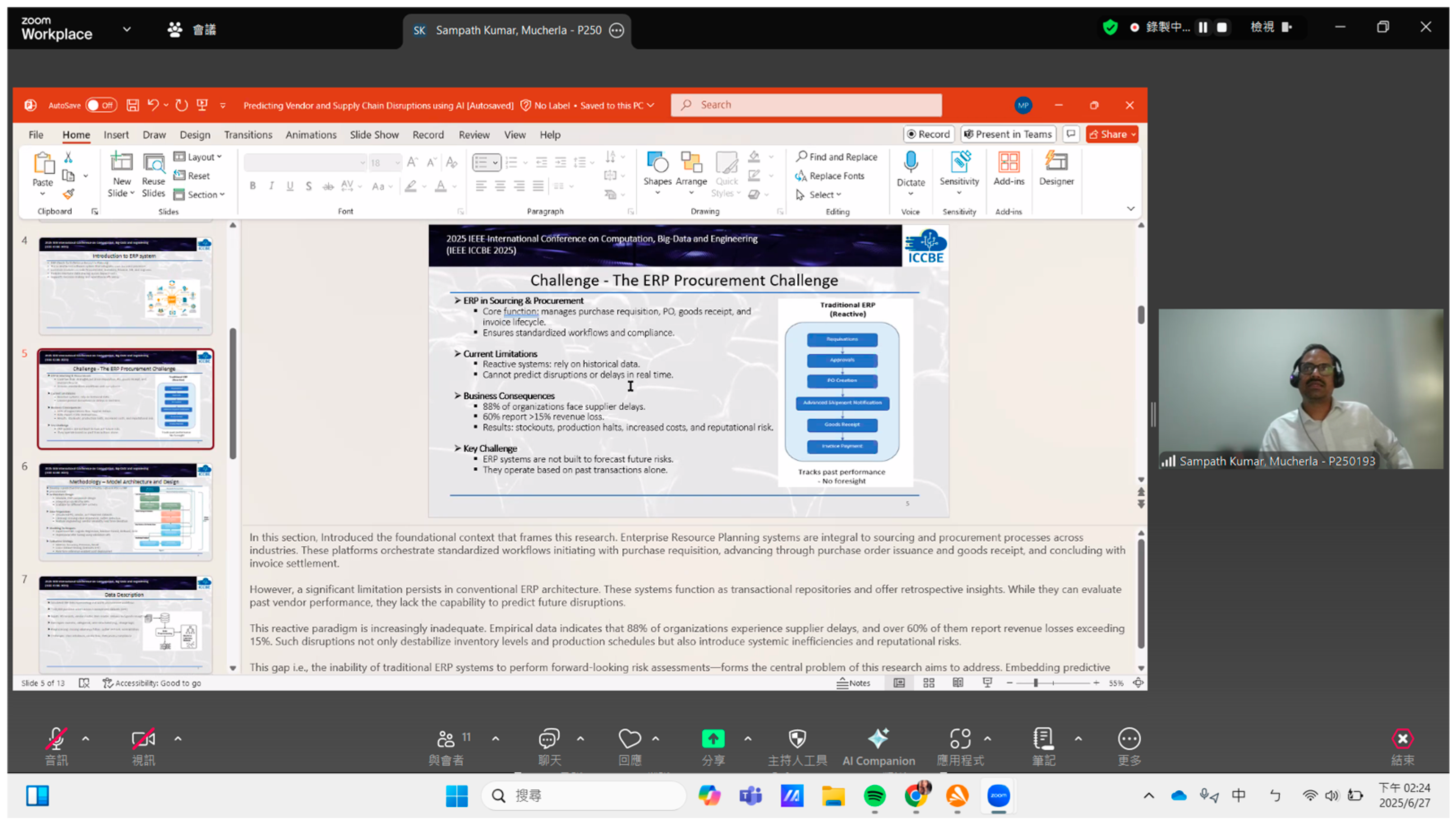
Figure 5 show the on-site and online oral presentation sessions held during the conference.
IEEE ICCBE 2025 showcased substantial research results presented by enthusiastic participants. Among these, 50 outstanding papers were selected through rigorous peer review for publication in Engineering Proceedings (ISSN: 2673-4591, indexed by Scopus). The proceedings of IEEE ICCBE 2025 are expected to accelerate interdisciplinary collaboration among scientists and engineers in academia and industry, also strengthening global networking and cooperation.