Proceeding Paper

Simulation of Hydrogen Production from Crude Glycerol Using Steam Reforming †

by
Dorcas Museme Mabulay
,
Shonisani Salvation Muthubi
and
Pascal Kilunji Mwenge
*
Department of Chemical and Metallurgical Engineering, Vaal University of Technology, Private Bag X021, Vanderbijlpark 1900, South Africa
*
Author to whom correspondence should be addressed.
Presented at the 6th International Electronic Conference on Applied Sciences, 9–11 December 2025, Available online: https://sciforum.net/event/ASEC2025.
Eng. Proc. 2026, 124(1), 34; https://doi.org/10.3390/engproc2026124034
Published: 15 February 2026
(This article belongs to the Proceedings of The 6th International Electronic Conference on Applied Sciences)

Abstract

The rising global production of biodiesel has led to a surplus of crude glycerol, a byproduct accounting for about 10% of biodiesel’s weight. Crude glycerol contains various impurities, including unreacted alcohol, soap, free fatty acids, water, and leftover reagents, which are often considered waste. Several methods have been explored to utilise this surplus, such as combustion for energy recovery, composting, animal feed, and purification. However, purification can be expensive and is often not economically viable. While there is growing interest in hydrogen production via the steam reforming of glycerol, there is a significant lack of detailed information and research on simulating this process using ChemCAD 8.1.0 software. This study aimed to simulate glycerol steam reforming (GSR) using ChemCAD, a process that converts crude glycerol from biodiesel into hydrogen. The process operates on a Gibbs free energy reactor, simulating GSR using the UNIFAC thermodynamic model under various conditions: temperatures ranging from 200 °C to 1000 °C, steam-to-glycerol mass ratios from 2:1 to 12:1, and a nickel catalyst maintained at 1 wt.%. The results demonstrate maximum glycerol consumption at temperatures above 600 °C and at a steam-to-glycerol mass ratio of 6:1. The optimum conditions for achieving a hydrogen yield of 65.23% occur at 800 °C and a ratio of 8:1 while minimising the formation of byproducts such as CO2, CO, and CH4. These findings provide valuable insights for optimising GSR processes and promoting the sustainable utilisation of renewable energy sources, thereby contributing to the circular economy and supporting the United Nations Sustainable Development Goal 7 (Affordable and Clean Energy).

1. Introduction

The growing demand for clean, sustainable energy has sparked renewed interest in hydrogen (H2) as a future energy source. Hydrogen is attractive because it is efficient and emits only water when used as a fuel. However, most commercial hydrogen is still produced from fossil fuels, primarily through steam reforming of natural gas, which emits significant amounts of carbon dioxide. This has created a need for H2 production routes based on renewable and waste-derived feedstocks [1,2]. Renewable and sustainable energy, such as biodiesel, has been used to mitigate greenhouse gas emissions from fossil fuels [3,4,5,6]. This has led to the rapid expansion of the biodiesel industry, resulting in an oversupply of crude glycerol [7,8]. Crude glycerol is a byproduct of biodiesel production, accounting for around 10% of biodiesel output [6,9,10]. Impurities in crude glycerol, including methanol, water, soaps, salts, and free fatty acids, limit its direct use in high-value industries [5]. Purifying crude glycerol is costly and often unprofitable, particularly for small manufacturers, making disposal an environmental and economic burden [11]. Various conversion methods have been studied to address excess crude glycerol, including chemical, biological, thermal, catalytic, electrocatalytic oxidation, thermochemical processes, anaerobic fermentation, and other techniques to convert crude glycerol into valuable products [6,12].
Chemical conversion processes include oxidation, hydrogenolysis, dehydration, esterification, etherification, carbonylation, and reforming, which yield molecules including 1,2-propanediol, 1,3-propanediol, glyceric acid, and dihydroxyacetone [11]. Electrochemical conversion has also gained popularity due to its low operating temperatures and the ability to use renewable electricity to produce molecules such as glyceraldehyde, lactic acid, glycolic acid, and glyceric acid [13]. Biological conversion converts glycerol into value-added products using microorganisms such as bacteria, fungus, microalgae, and yeast [11]. Anaerobic and aerobic digestion have been extensively investigated for processing crude glycerol and converting its organic matter into volatile fatty acids, alcohols, biogas, and hydrogen by microbial fermentation [14]. Sanitary sewage is frequently utilised as a dilution medium in fermentation to boost biohydrogen production [14]. Thermochemical conversion methods include gasification, pyrolysis, liquefaction, supercritical water reforming, and steam reforming [15]. Steam reforming is the most common method for producing hydrogen, operating at temperatures between 400 and 900 °C and using catalysts to produce hydrogen-rich gas [15]. Hydrogen has been seen as a clean energy carrier, although most current production relies on fossil fuels via steam reforming, partial oxidation, and autothermal reforming. This results in large CO2 emissions, prompting research into renewable feedstocks such as biomass and crude glycerol [1,2].
Steam reforming is the most common method for hydrogen production, operating at temperatures between 400 and 900 °C and using catalysts to produce a hydrogen-rich gas. When used with glycerol, it provides an effective way to valorise biodiesel byproduct and generate sustainable hydrogen [15]. The process involves converting glycerol, a key byproduct of biodiesel synthesis, into hydrogen-rich gas via steam and a suitable catalyst. Several processes take place simultaneously during glycerol steam reforming [7]. The whole reaction can be represented as follows [15]:
C3H8O3 + 3H2O → 3CO2 + 7H2
In addition to the overall reaction, glycerol first decomposes into carbon monoxide and hydrogen:
C3H8O3 → 3CO + 4H2
This is followed by the water–gas shift reaction (WGS), where carbon monoxide reacts with steam to form more hydrogen:
CO + H2O → CO2 + H2
Side reactions such as methanation may also occur, in which carbon monoxide reacts with hydrogen to form methane:
CO + 3H2 → CH4 + H2O
These reactions set the final composition of the resultant gas. Their extent is highly dependent on operational variables such as temperature, steam-to-glycerol ratio, and catalyst type. Understanding these reactions is critical for maximising hydrogen generation while minimising undesirable byproducts like CO and CH4 [15].
Process simulation has become a widely adopted tool for investigating glycerol steam reforming (GSR) due to its ability to evaluate reaction performance, material and energy balances, and overall process feasibility prior to experimental implementation [16]. Among the available simulators, Aspen Plus has been the most frequently employed for modelling glycerol reforming systems. Hunpinyo and Nataruska [16] modelled glycerol steam reforming with Aspen Plus, including material, energy balances, and economic analysis of a small biodiesel plant. Results showed hydrogen output increased with higher temperatures and glycerol conversion, reaching 1275 kmol/h at 658 °C and atmospheric pressure, especially with carbon capture. Ismaila [17] employed ChemCAD version 6.5 to simulate pure glycerol steam reforming using an isothermal Gibbs free energy reactor. The study reported complete glycerol conversion at atmospheric pressure, with hydrogen selectivity improving at higher reforming temperatures and increased steam-to-glycerol ratios. Conversely, elevated pressures above atmospheric pressure were found to reduce hydrogen yield while favouring methane formation.
Despite extensive research on glycerol steam reforming for hydrogen production, most simulation studies have focused on refined glycerol and have predominantly employed Aspen Plus as the modelling platform [1,8,16]. In contrast, the application of ChemCAD remains limited, with only a few studies, such as Ismaila [17], addressing pure glycerol under idealised conditions. Furthermore, the simulation of crude glycerol, a feedstock containing impurities that can significantly influence reforming behaviour, has received minimal attention. This represents a critical research gap, particularly given the industrial relevance of crude glycerol valorisation in integrated biorefinery systems. Therefore, the aim of this study is to evaluate hydrogen production from crude glycerol via steam reforming using ChemCAD under equilibrium conditions. The novelty of this work lies in the application of ChemCAD to crude glycerol steam reforming and in the identification of operating conditions that maximise hydrogen production while minimising undesirable products such as CO and CH4. By promoting waste valorisation and clean hydrogen generation, this study directly supports Sustainable Development Goals (SDGs) 7: Affordable and Clean Energy and 12: Responsible Consumption and Production, contributing to more sustainable biodiesel-based energy systems.

2. Methodology

This section outlines the method used to mimic hydrogen synthesis from crude glycerol via steam reforming.

2.1. Process Description and Simulation Setup

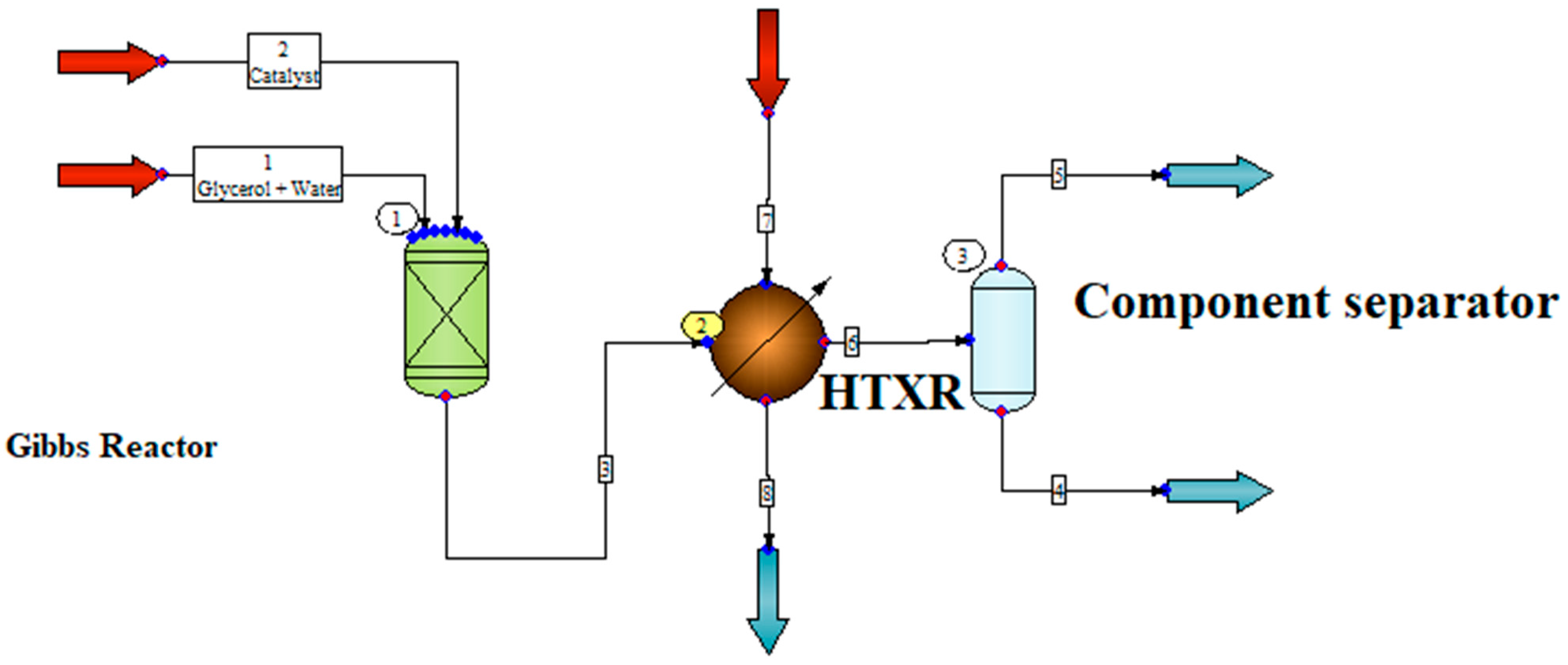
The process involved feeding glycerol and steam (from stream 1) into a Gibbs free energy reactor containing a 1% nickel catalyst. Inside the reactor, glycerol was converted via steam reforming over a temperature range of 200–1000 °C and steam-to-glycerol ratios of 2–12, producing mainly H2, CO2, CO, and CH4. Excess steam was used to enhance hydrogen formation and suppress unwanted byproducts. The hot product gas leaving the reactor was cooled in a heat exchanger, after which a component separator was used to separate hydrogen from the remaining gases, allowing purified hydrogen to be collected while other products were removed separately. This study did not consider the effect of impurities on the conversion of crude glycerol. It assumes that crude glycerol can be completely converted; this assumption is based on the study by Dang et al. [18], who achieved up to 99.6% under their best conditions, and on the assumption that the crude glycerol used was well separated to remove most of the remaining product and catalyst.
The simulation process flowsheet comprises three primary units: a Gibbs reactor, a heat exchanger, and a component separator. The Gibbs reactor simulates equilibrium reactions, the heat exchanger regulates the outlet temperature, and the separator separates hydrogen from the other gases.
Figure 1 shows the steam reforming process used in this work, with input streams of crude glycerol, steam, and catalyst entering the Gibbs reactor, where the reaction occurs. This arrangement enables the assessment of response behaviour, energy control, and hydrogen recovery under various operating conditions. A Gibbs equilibrium reactor estimated the maximum hydrogen production from glycerol steam reforming by minimising Gibbs free energy at fixed temperature and pressure. This approach assumes complete equilibrium and may overestimate yields compared to industrial reactors. However, it is useful for initial process screening and optimising conditions when detailed kinetic data are unavailable [19,20].
Table 1 presents the operating conditions used in this study, including temperature, pressure, and the steam-to-glycerol mass ratio. To establish realistic process conditions, these values were carefully determined based on typical ranges reported in the literature for glycerol steam reforming [8,21,22]. Choosing these numbers enables meaningful comparisons of hydrogen production trends across different simulated scenarios while capturing the impacts of temperature and S/G ratio on glycerol conversion, hydrogen output, and the formation of byproducts such as CO and CH4.

2.2. Performance Evaluation

The following equations were used to determine hydrogen yield and glycerol conversion for each simulation run based on reactor outflow composition:
% H 2   Y i e l d = M o l e s   o f   H 2 T o t a l   m o l e s   o f   g a s × 100
% G l y c e r o l   C o n v e r s i o n = M o l e s   o f   g l y c e r o l   f e d M o l e s   o f   g l y c e r o l   i n   o u t l e t M o l e s   o f   g l y c e r o l   f e d × 100
These performance indicators were used to compare various operating settings and determine the optimal temperature and steam-to-glycerol ratio for maximum hydrogen generation while minimising the development of undesirable byproducts.

3. Results and Discussion

The effects of temperature and steam-to-glycerol mass ratio (S/G) on hydrogen production were investigated through simulation of the steam reforming process while keeping the nickel catalyst constant. Each parameter varied individually while keeping the others constant to determine optimal conditions for hydrogen production and byproduct minimisation.

3.1. Effect of Temperature

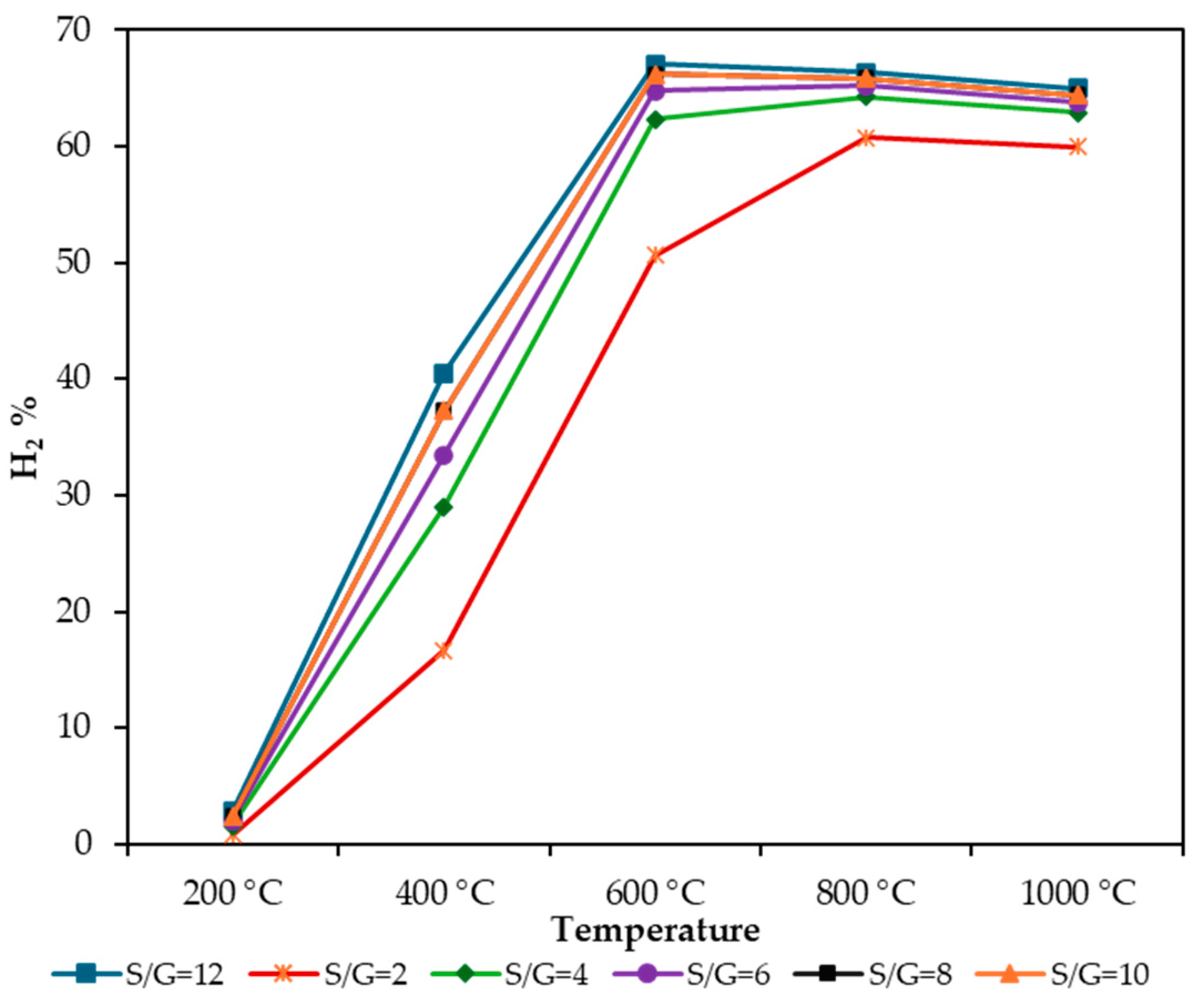
Figure 2 shows the effect of temperature on hydrogen yield at varying steam-to-glycerol mass ratios. This graph illustrates how increasing temperature affects reaction performance and hydrogen production efficiency. The hydrogen yield increased significantly with temperature. Hydrogen production was extremely low at low temperatures (200–400 °C) due to delayed reaction kinetics. As the temperature rose to 600–800 °C, hydrogen output surpassed 60%, suggesting efficient reforming. The greatest hydrogen output of approximately 65% was reached near 800 °C, with a minor drop noted at 1000 °C. Higher temperatures enhance secondary reactions, leading to increased CO and CH4 production and an increased risk of catalyst degradation. As a result, the ideal temperature range was determined to be 600–800 °C [1]. The slight decrease in hydrogen yield at 1000 °C is attributed to the increased favourability of the reverse water–gas shift reaction at very high temperatures. This reaction consumes hydrogen while producing additional carbon monoxide, as reflected by the increase in CO concentration from 18.81% at 800 °C to 23.67% at 1000 °C [23], as shown in Table 2.

3.2. Effect of Steam-to-Glycerol Ratio

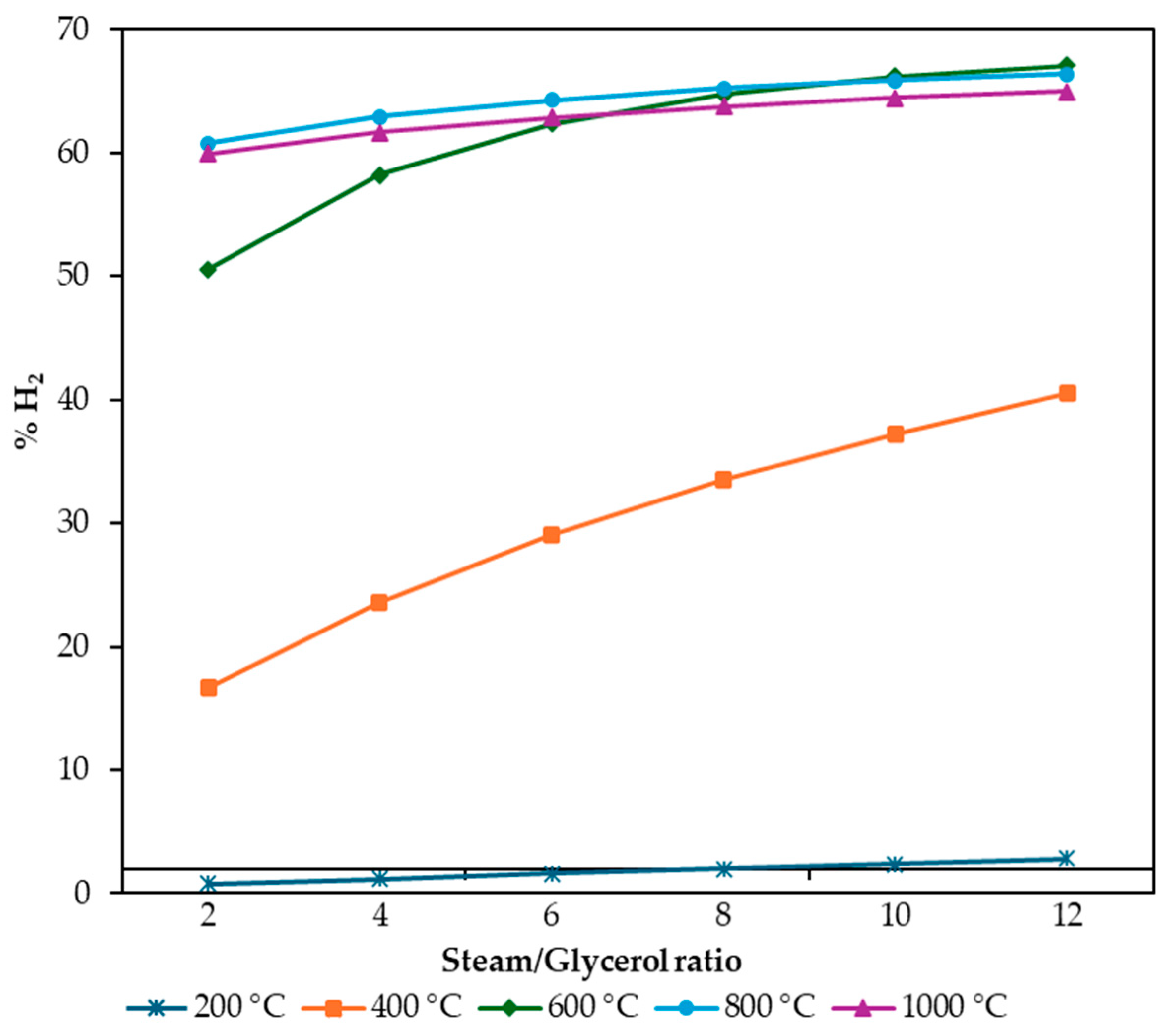
Figure 3 illustrates the effect of changing the steam-to-glycerol mass ratio on hydrogen yield at various temperatures. This graph determines the best ratio that maximises hydrogen generation while reducing byproduct formation.
The hydrogen yield demonstrated a positive correlation with the steam-to-glycerol (S/G) mass ratio. Insufficient steam supply resulted in suboptimal hydrogen production at lower S/G mass ratios, such as 2:1. When the S/G mass ratio was increased to 6:1–12:1, hydrogen yield consistently exceeded 60%. Higher steam inputs facilitated the water–gas shift reaction, effectively reducing carbon byproduct formation. However, excessively high S/G mass ratios could lead to increased energy costs [21], indicating that an optimal S/G range lies between 6:1 and 12:1. The use of a nickel catalyst significantly enhanced hydrogen generation efficiency. Under catalytic conditions, hydrogen production increased markedly with rising temperature, especially above 600 °C, while methane formation decreased. Although carbon monoxide levels rose at very high temperatures, the presence of nickel improved glycerol-degradation pathways, thereby favouring hydrogen yield. The peak catalytic performance was observed within the temperature range of 600 °C to 800 °C, balancing reaction efficiency and energy consumption without excessive byproduct formation [21].

3.3. Product Distribution at Optimum Condition

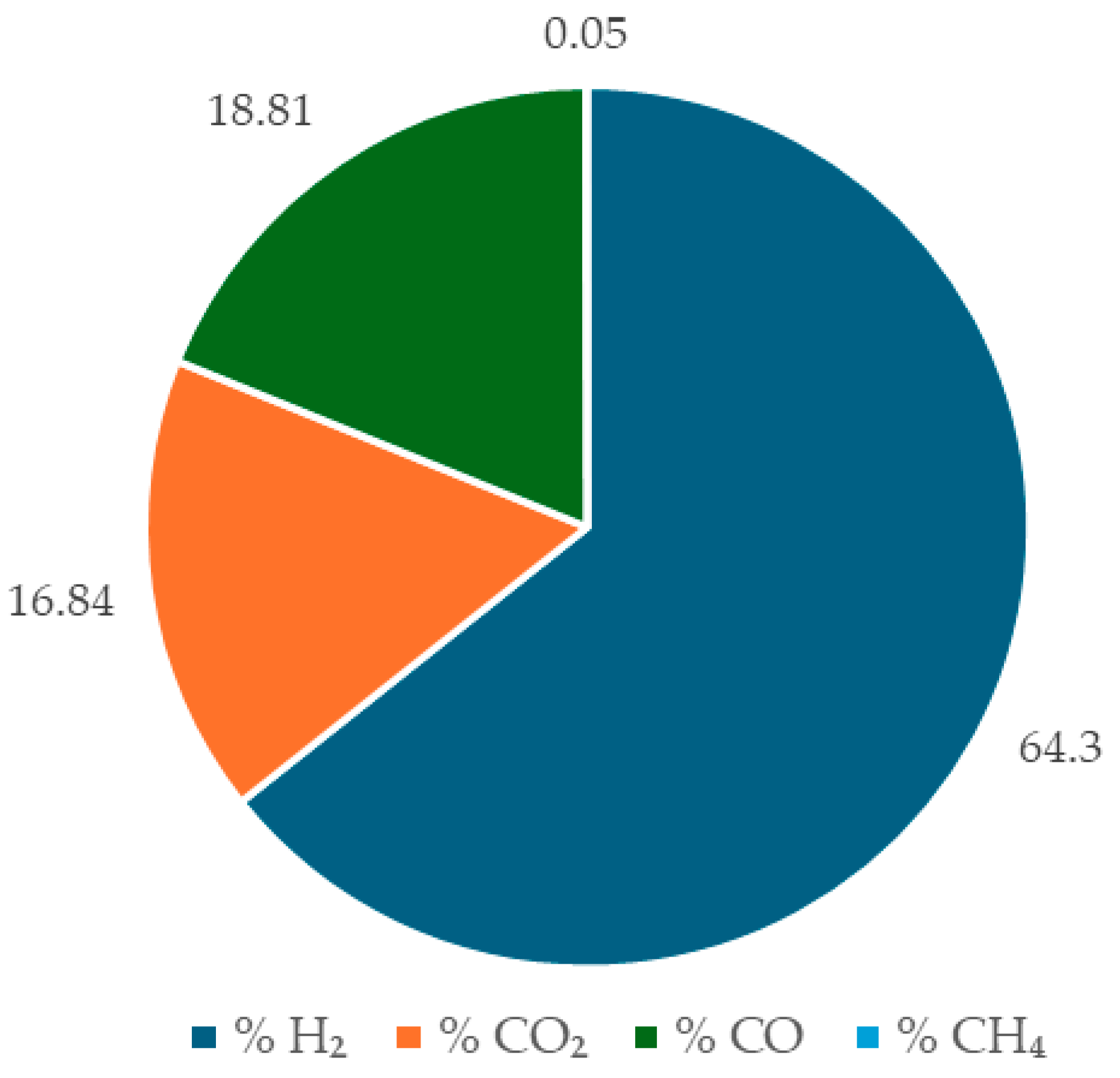
Figure 4 illustrates the product distribution during glycerol steam reforming, providing detailed insights into hydrogen production and various byproducts at optimal temperature and maximum glycerol conversion. The data indicate that a hydrogen yield of 64.3% was achieved at 800 °C, where the maximum hydrogen production was observed, highlighting this temperature as the most efficient for hydrogen generation. These findings underscore the importance of temperature control in optimising the reforming process for improved hydrogen output and process efficiency.
The effect of temperature on product gas composition is presented in Table 2. At low temperatures (200–400 °C), H2 production was limited (H2 < 30%), with CH4 and CO2 dominating, suggesting incomplete reforming. As the temperature rose to 600–800 °C, the H2 concentration exceeded 60%, accompanied by a significant decrease in CH4 due to enhanced steam reforming and CH4 cracking. CO2 declined significantly with increasing temperature, whereas CO increased, reaching 18.81% at 800 °C as the reverse water–gas shift process became more favourable. At 1000 °C, H2 decreased slightly, while CO increased significantly, suggesting that excessively high temperatures promote secondary processes without substantial H2 gain. Overall, the best H2 generation with minimal byproducts occurred between 600 and 800 °C.

4. Conclusions

This comprehensive study underscores the potential of glycerol steam reforming (GSR) as a viable method for hydrogen production, leveraging ChemCAD simulations to identify optimal operating conditions. Results indicate that increasing temperature significantly boosts hydrogen yields, with temperatures above 600 °C, particularly around 800 °C, producing the highest efficiency of approximately 65.23% while also minimising undesirable byproducts such as CO2, CO, and CH4. The process demonstrated near-complete glycerol conversion across all tested parameters, confirming its thermodynamic feasibility within the investigated range. The S/G mass ratio notably influenced outcomes, with ratios of 6:1 and 12:1 yielding the best results, whereas lower ratios led to reduced hydrogen output and increased CO and CH4 formation. The incorporation of a nickel catalyst proved crucial, enhancing hydrogen production while suppressing byproduct formation, thereby affirming its practical applicability in industrial settings. These findings highlight the importance of precise control over temperature and catalyst application in optimising GSR processes for sustainable energy production. The insights gained provide a foundation for future research, which should explore different reactor configurations and kinetic models to further improve efficiency and scalability. Future work will incorporate major impurity species into the simulation to evaluate their impact on hydrogen yield and glycerol conversion. Additionally, conducting energy integration studies, life cycle assessments (LCA), and techno-economic analyses (TEAs) will be essential for evaluating the environmental impacts and economic viability of large-scale implementation. Overall, this research demonstrates that glycerol, a byproduct of biodiesel production, can be effectively converted into clean hydrogen, supporting renewable energy initiatives and advancing the goals of the circular economy. Continued development and optimisation of this technology hold promise in significantly contributing to global energy sustainability and the realisation of United Nations Sustainable Development Goal 7, which aims to ensure access to affordable, reliable, sustainable, and modern energy for all.

Author Contributions

Conceptualisation, D.M.M. and P.K.M.; methodology, P.K.M. and S.S.M.; software, D.M.M. and P.K.M.; validation, D.M.M., P.K.M. and S.S.M.; formal analysis, D.M.M., S.S.M. and P.K.M.; investigation, P.K.M., S.S.M. and D.M.M.; resources, P.K.M. and S.S.M.; data curation, P.K.M.; writing—original draft preparation, P.K.M. and D.M.M.; writing—review and editing, S.S.M.; visualisation, P.K.M., S.S.M. and D.M.M.; project administration, P.K.M. All authors have read and agreed to the published version of the manuscript.

Funding

This research received no external funding.

Institutional Review Board Statement

Not applicable.

Informed Consent Statement

Not applicable.

Data Availability Statement

The data supporting the findings of this study are available upon request from the corresponding author.

Acknowledgments

The authors thank the Department of Chemical and Metallurgical Engineering of the Vaal University of Technology for providing research facilities.

Conflicts of Interest

The authors declare no conflicts of interest.

Abbreviations

The following abbreviations are used in this manuscript:
GSRGlycerol Steam Reforming
S/GSteam-to-Glycerol Ratio
NiNickel
WGSWater Gas Shift Reaction
UNIFACUniversal Functional Activity Coefficient
RGibbsGibbs Free Energy Reactor

References

  1. Unlu, D.; Hilmioglu, N.D. Application of Aspen plus to Renewable Hydrogen Production from Glycerol by Steam Reforming. Int. J. Hydrogen Energy 2020, 45, 3509–3515. [Google Scholar] [CrossRef]
  2. Yang, X.; Wang, S.; Li, Z.; Zhang, K.; Li, B. Enhancement of Membrane Hydrogen Separation on Glycerol Steam Reforming in a Fluidized Bed Reactor. Int. J. Hydrogen Energy 2018, 43, 18863–18872. [Google Scholar] [CrossRef]
  3. Mwenge, P.; Bulanga, D.; Rutto, H.; Seodigeng, T. Optimization and Predictive Modelling of Biodiesel Production from Waste Cooking Oil Catalyzed by Blast Furnace Slag Geopolymer Using RSM and Machine Learning. Can. J. Chem. Eng. 2026, 104, 6–30. [Google Scholar] [CrossRef]
  4. Mwenge, P.; Rutto, H.; Seodigeng, T. Application of Machine Learning for Methanolysis of Waste Cooking Oil Using Kaolinite Geopolymer Heterogeneous Catalyst. In Proceedings of the 3rd International Electronic Conference on Processes, Online, 29–31 May 2024; p. 23. [Google Scholar]
  5. Awogbemi, O.; Desai, D.A. Progress in the Conversion of Biodiesel-Derived Crude Glycerol into Biofuels and Other Bioproducts. Bioresour. Technol. Rep. 2025, 30, 102106. [Google Scholar] [CrossRef]
  6. Liu, Y.; Zhong, B.; Lawal, A. Recovery and Utilization of Crude Glycerol, a Biodiesel Byproduct. RSC Adv. 2022, 12, 27997–28008. [Google Scholar] [CrossRef] [PubMed]
  7. Qureshi, F.; Yusuf, M.; Arham Khan, M.; Ibrahim, H.; Ekeoma, B.C.; Kamyab, H.; Rahman, M.M.; Nadda, A.K.; Chelliapan, S. A State-of-The-Art Review on the Latest Trends in Hydrogen Production, Storage, and Transportation Techniques. Fuel 2023, 340, 127574. [Google Scholar] [CrossRef]
  8. Haider, M.A.; Chaturvedi, N.D. An Energy-Efficient and Cleaner Production of Hydrogen by Steam Reforming of Glycerol Using Aspen Plus. Int. J. Hydrogen Energy 2024, 49, 1311–1320. [Google Scholar] [CrossRef]
  9. Barbosa, S.L.; De Freitas, M.S.; Dos Santos, W.T.P.; Nelson, D.L.; De Freitas Marques, M.B.; Klein, S.I.; Clososki, G.C.; Caires, F.J.; Nassar, E.J.; Zanatta, L.D.; et al. Preparation of Activated Charcoal from Acrocomia Aculeata for Purification of Pretreated Crude Glycerol. Biomass Convers. Biorefin. 2022, 12, 2441–2449. [Google Scholar] [CrossRef]
  10. Haron, R.; Rahman, R.A.; Mat Alewi, N.A.; Mat, R.; Tuan Abdullah, T.A. Conversion of Crude Glycerol to Biohydrogen by Locally Isolated Klebsiella Pneumoniae via Dark Fermentation. Clean Technol. Environ. Policy 2025, 27, 235–250. [Google Scholar] [CrossRef]
  11. Kaur, J.; Sarma, A.K.; Jha, M.K.; Gera, P. Valorisation of Crude Glycerol to Value-Added Products: Perspectives of Process Technology, Economics and Environmental Issues. Biotechnol. Rep. 2020, 27, e00487. [Google Scholar] [CrossRef] [PubMed]
  12. Chang, F.; Zhou, Q.; Pan, S.X.; He, Y. Catalytic Upgrading of Glycerol, a Promising Biodiesel Coproduct. In Biomass, Biofuels, Biochemicals; Elsevier: Amsterdam, The Netherlands, 2020; pp. 395–405. [Google Scholar]
  13. Rahim, S.A.N.M.; Lee, C.S.; Abnisa, F.; Aroua, M.K.; Daud, W.A.W.; Cognet, P.; Pérès, Y. A Review of Recent Developments on Kinetics Parameters for Glycerol Electrochemical Conversion—A by-Product of Biodiesel. Sci. Total Environ. 2020, 705, 135137. [Google Scholar] [CrossRef] [PubMed]
  14. Rodrigues, C.V.; Santana, K.O.; Nespeca, M.G.; Rodrigues, A.V.; Oliveira Pires, L.; Maintinguer, S.I. Energy Valorization of Crude Glycerol and Sanitary Sewage in Hydrogen Generation by Biological Processes. Int. J. Hydrogen Energy 2020, 45, 11943–11953. [Google Scholar] [CrossRef]
  15. Raza, M.; Inayat, A.; Abu-Jdayil, B. Crude Glycerol as a Potential Feedstock for Future Energy via Thermochemical Conversion Processes: A Review. Sustainability 2021, 13, 12813. [Google Scholar] [CrossRef]
  16. Hunpinyo, P.; Narataruksa, P. Process Simulation and Costing Study for the Ft-Liquid Fuels Production from Steam Glycerol Reforming. Chem. Eng. Trans. 2016, 52, 241–246. [Google Scholar] [CrossRef]
  17. Ismaila, A. Conversion of Glycerol for Renewable Hydrogen; The University of Manchester: Manchester, UK, 2023. [Google Scholar]
  18. Dang, T.N.M.; Sahraei, O.A.; Olivier, A.; Iliuta, M.C. Effect of Impurities on Glycerol Steam Reforming over Ni-Promoted Metallurgical Waste Driven Catalyst. Int. J. Hydrogen Energy 2022, 47, 4614–4630. [Google Scholar] [CrossRef]
  19. Solsvik, J.; Haug-Warberg, T.; Jakobsen, H.A. Implementation of Chemical Reaction Equilibrium by Gibbs and Helmholtz Energies in Tubular Reactor Models: Application to the Steam–Methane Reforming Process. Chem. Eng. Sci. 2016, 140, 261–278. [Google Scholar] [CrossRef]
  20. Haseli, Y. Criteria for Chemical Equilibrium with Application to Methane Steam Reforming. Int. J. Hydrogen Energy 2019, 44, 5766–5772. [Google Scholar] [CrossRef]
  21. Carrero, A.; Calles, J.; García-Moreno, L.; Vizcaíno, A. Production of Renewable Hydrogen from Glycerol Steam Reforming over Bimetallic Ni-(Cu,Co,Cr) Catalysts Supported on SBA-15 Silica. Catalysts 2017, 7, 55. [Google Scholar] [CrossRef]
  22. Qingli, X.; Zhengdong, Z.; Lifang, L.; Ping, L.; Rui, W.; Shoutao, C.; Pize, L.; Chenyang, Z. Hydrogen Production by Glycerol Reforming in a Two-Fixed-Bed Reactor. Int. J. Hydrogen Energy 2022, 47, 16805–16814. [Google Scholar] [CrossRef]
  23. Gao, K.; Iliuta, M.C. Trends and Advances in the Development of Coal Fly Ash-Based Materials for Application in Hydrogen-Rich Gas Production: A Review. J. Energy Chem. 2022, 73, 485–512. [Google Scholar] [CrossRef]
Figure 1. Simulation setup of glycerol steam reforming.
Engproc 124 00034 g001
Figure 2. Effect of temperature on H2 yields.
Engproc 124 00034 g002
Figure 3. Effect of ratio on H2 production.
Engproc 124 00034 g003
Figure 4. Illustration of product distribution at the highest yield of H2.
Engproc 124 00034 g004
Table 1. Process parameters.
ParameterRange/Value
Temperature200 °C–1000 °C
PressureAtmospheric
Catalyst1 wt. % nickel (Ni)
Steam-to-glycerol ratio (S/G)2–12 (wt/wt)
Thermodynamic modelUNIFAC
Reactor typeGibbs free energy reactor (RGibbs)
Table 2. Effect of temperature on product gas composition during glycerol steam reforming.
ProductsTemperatures
200 °C400 °C600 °C800 °C1000 °C
% H21.5929.01762.3764.362.9
%CO241.436.3623.6516.8413.43
%CO0.00130.6210.1618.8123.67
%CH45733.9973.820.0250.0045
Disclaimer/Publisher’s Note: The statements, opinions and data contained in all publications are solely those of the individual author(s) and contributor(s) and not of MDPI and/or the editor(s). MDPI and/or the editor(s) disclaim responsibility for any injury to people or property resulting from any ideas, methods, instructions or products referred to in the content.