Proceeding Paper

Integrated Potential for Wind and Solar Energy in the Context of Sustainable Development of the Coastal Regions of Bulgaria †
1
Department of Hydroaerodynamics and Hydraulic Machines, Technical University of Sofia, 1000 Sofia, Bulgaria
2
Department of Microelectronics, Technical University of Sofia, 1000 Sofia, Bulgaria
3
Department of Machine Elements and Non-Metallic Constructions, Technical University of Sofia, 1000 Sofia, Bulgaria
*
Author to whom correspondence should be addressed.
Presented at the 6th International Conference on Communications, Information, Electronic and Energy Systems, 26–28 November 2025, Ruse, Bulgaria.
Eng. Proc. 2026, 122(1), 4; https://doi.org/10.3390/engproc2026122004
Published: 14 January 2026

Abstract

This study presents a comparative analysis of the potential for combined use of wind and solar energy in nine key coastal settlements on the Bulgarian Black Sea coast—Shabla, Balchik, Varna, Byala, Obzor, Nesebar, Burgas, Primorsko, and Tsarevo—selected for their diverse geographical and meteorological characteristics. The study evaluates the feasibility of implementing hybrid renewable energy systems by analyzing the average annual solar radiation and wind velocity for each location. A methodology based on physical and technical parameters is applied to determine the required installed capacity of photovoltaic systems to meet the average annual household electricity consumption of 6000 kWh. Concurrently, wind energy potential is assessed through theoretical and practical models using two turbine sizes (3 m and 6 m in diameter), which represent small-scale residential wind applications.

1. Introduction

With the accelerated depletion of fossil fuels and the need to limit carbon emissions, renewable energy sources (RES) are becoming a strategic priority for the sustainable development of the energy sector. Among them, wind and solar energy are the most affordable and technically mature technologies, suitable for both centralized energy and decentralized systems with local application [1].
Small wind turbines, especially those with a capacity of less than 10–20 kW, are used in the domestic sector, rural areas and off-grid systems. They offer the opportunity to reduce dependence on the electricity grid and ensure partial or complete energy independence. However, a major challenge in their use is the variability of the wind, which limits production in some periods [2,3,4].
To overcome these limitations, hybrid solutions combining wind and solar (photovoltaic) energy are increasingly being applied. Solar energy is particularly suitable for areas with seasonal activity—such as the Bulgarian Black Sea coast—where in the summer months, when the wind is weaker, solar panels compensate for the energy deficit [5,6,7]. This achieves a more even and predictable energy supply throughout the year.
The Bulgarian Black Sea Coast has favorable natural and climatic conditions for the development of renewable energy sources, especially wind and solar energy. The geographical location, proximity to the sea and open terrain create good conditions for constant air flow, while high levels of insolation guarantee stable solar radiation throughout most of the year [8,9,10].
Combining wind and solar energy in hybrid systems offers an optimal balance between the seasonal variability of the two sources. In winter, when sunlight decreases, wind activity along the Black Sea coast increases, and vice versa—in summer, solar production dominates. This allows the construction of energy-autonomous sites that can cover a large part of their own consumption without the need for expensive storage or backup generators.
This study performs a comparative analysis of the efficiency of wind turbines with a diameter of 3 m and 6 m in nine coastal settlements in Bulgaria. The annual electricity production, economic savings and the return on investment period are assessed. While many studies look at large RES parks or general regional indicators, this article focuses on an “average household” with consumption of ~6000 kWh/year and shows what sizing a ~4–5 kWp system in a coastal location would look like—a practical approach that is more accessible to households or small businesses.

2. Methodology of the Study

2.1. Methodology

The calculation of wind energy is based on the estimation of the kinetic energy of air masses passing through the area covered by the rotor blades of the wind turbine. The quantitative analysis process includes several stages related to physical dependencies, meteorological data, and technical characteristics of the facility.
The theoretical power P that can be extracted from the wind is calculated using the following formula:
P = 1 2 ρ V 3 A
where P—theoretical wind power (W), ρ—air density (kg/m3), A—the area through which the air passes (m2), i.e., the rotor area, V—wind speed (m/s).
According to Betz’s law, no more than 59.3% of the kinetic energy of the wind can be converted into mechanical energy by a wind turbine. This leads to the introduction of a coefficient of efficiency:
P max = 0.593 1 2 ρ V 3 A
However, in practice, the actual efficiency of modern turbines is around 35–45% of the total kinetic energy of the wind, due to technological and aerodynamic limitations.
The actual electrical power is obtained by multiplying the theoretical power by the overall efficiency coefficient C p :
P e = C p 1 2 ρ V 3 A
where C p —overall efficiency coefficient (usually between 0.3 and 0.45).
To calculate the total amount of electricity produced for a certain period, the following formula is used:
E = P e . t
where E—electricity produced (Wh or kWh), t—operating time (in hours).
The calculation of solar energy follows the following methodology.
For each location, the required installed capacity (in kWp) is determined to ensure that the system’s annual production covers a consumption of 6000 kWh. The calculation is performed using the following equation:
P r e q = E y e a r H η ,   k W p
where Preq—required installed power (kWp), H—average annual solar radiation (kWh/m2/year), η—system efficiency (≈0.75–0.90, depending on losses).

2.2. Experimental Data

For the practical application of the methodology, the following input data are required:
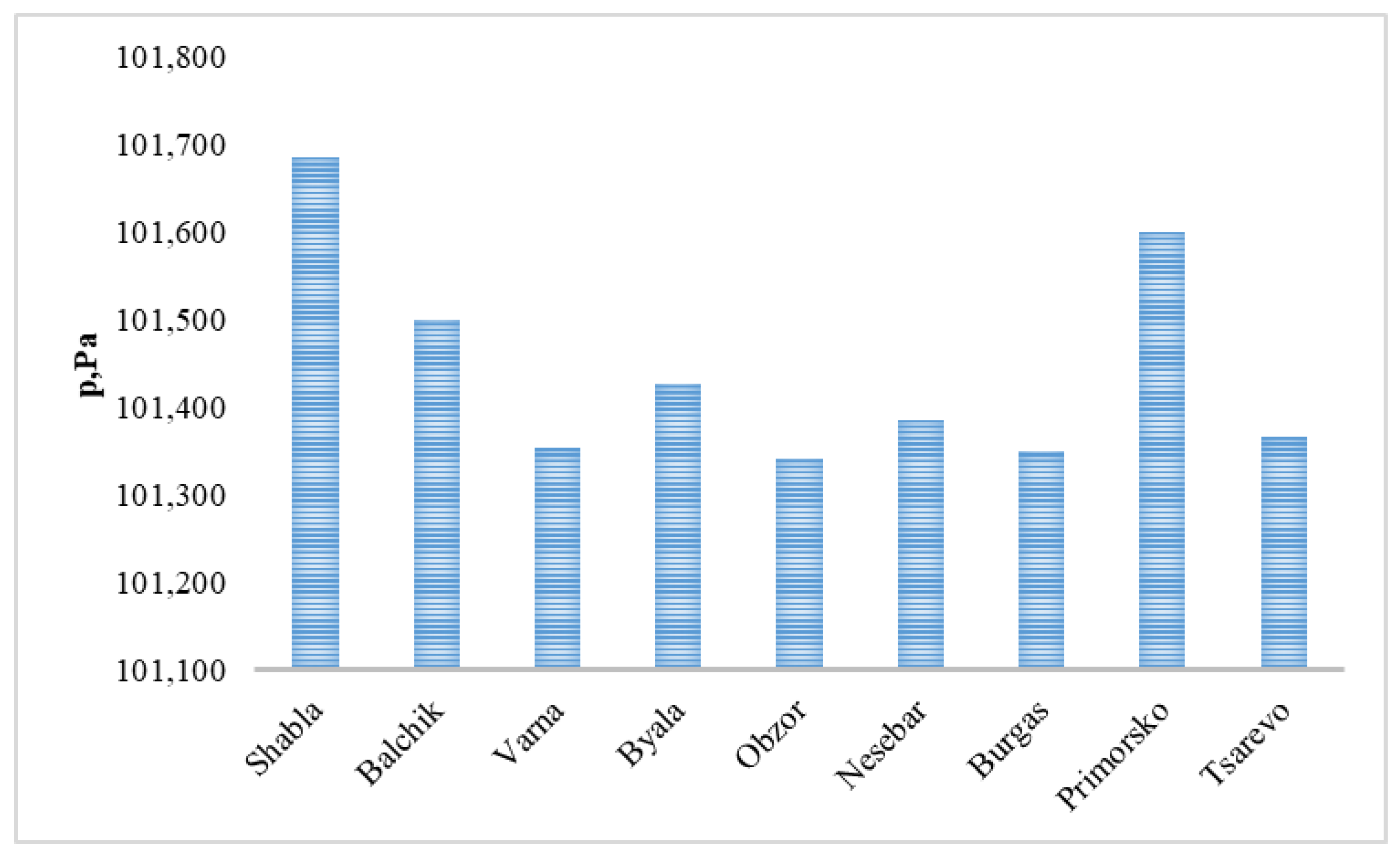
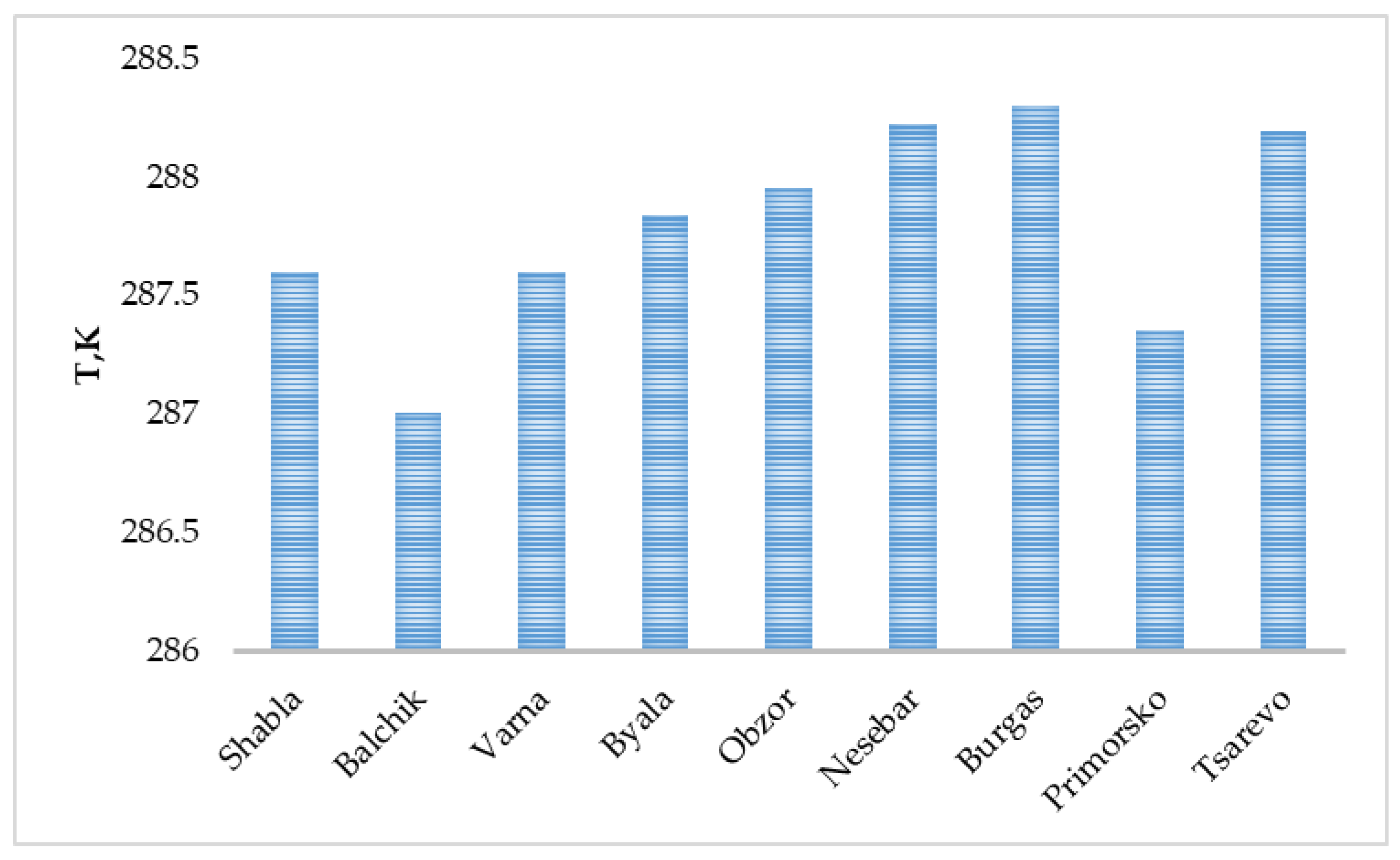
  • Temperature and pressure (Figure 1 and Figure 2).
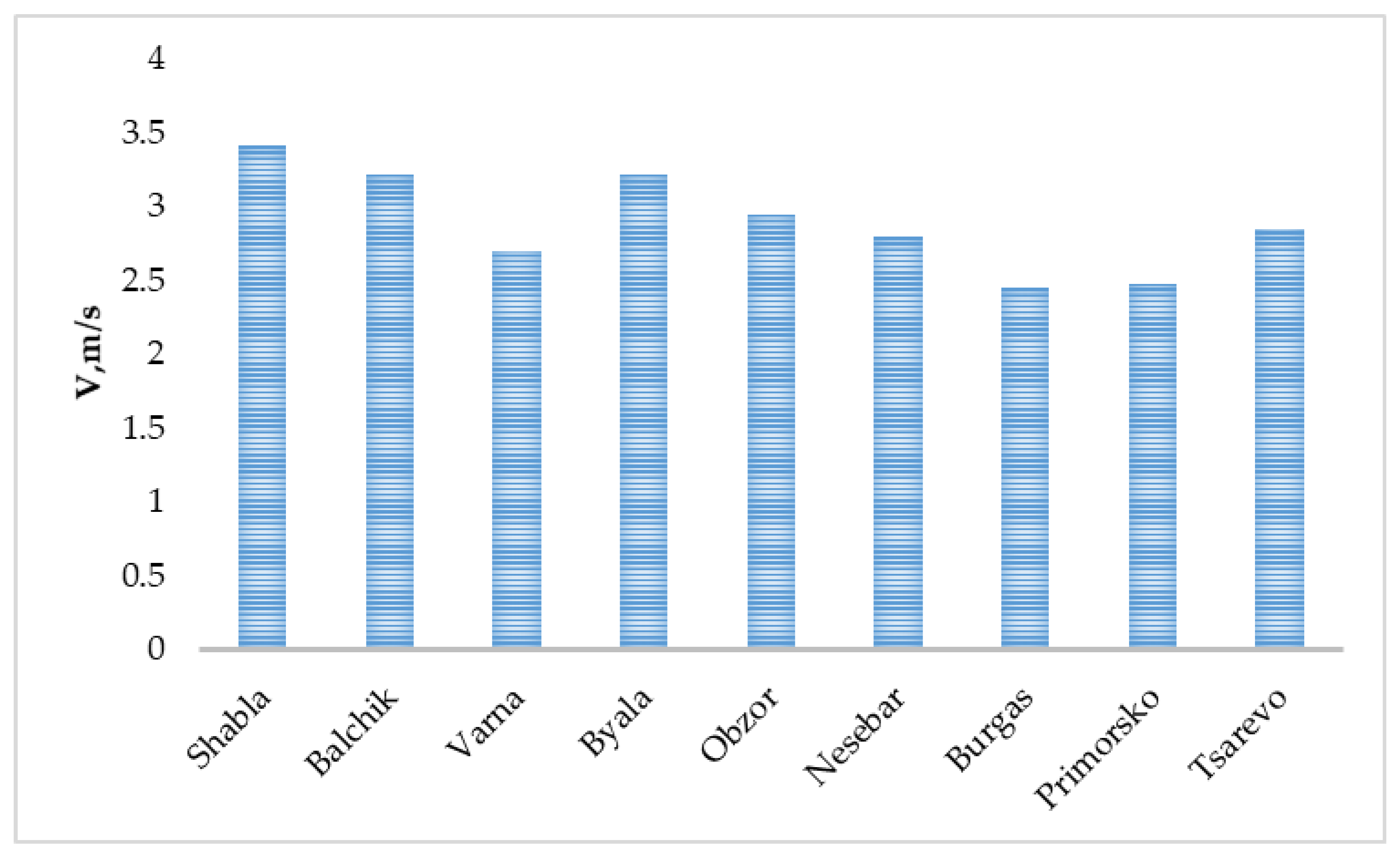
  • Average wind speed at a certain height; in our case, 10 m (Figure 3).
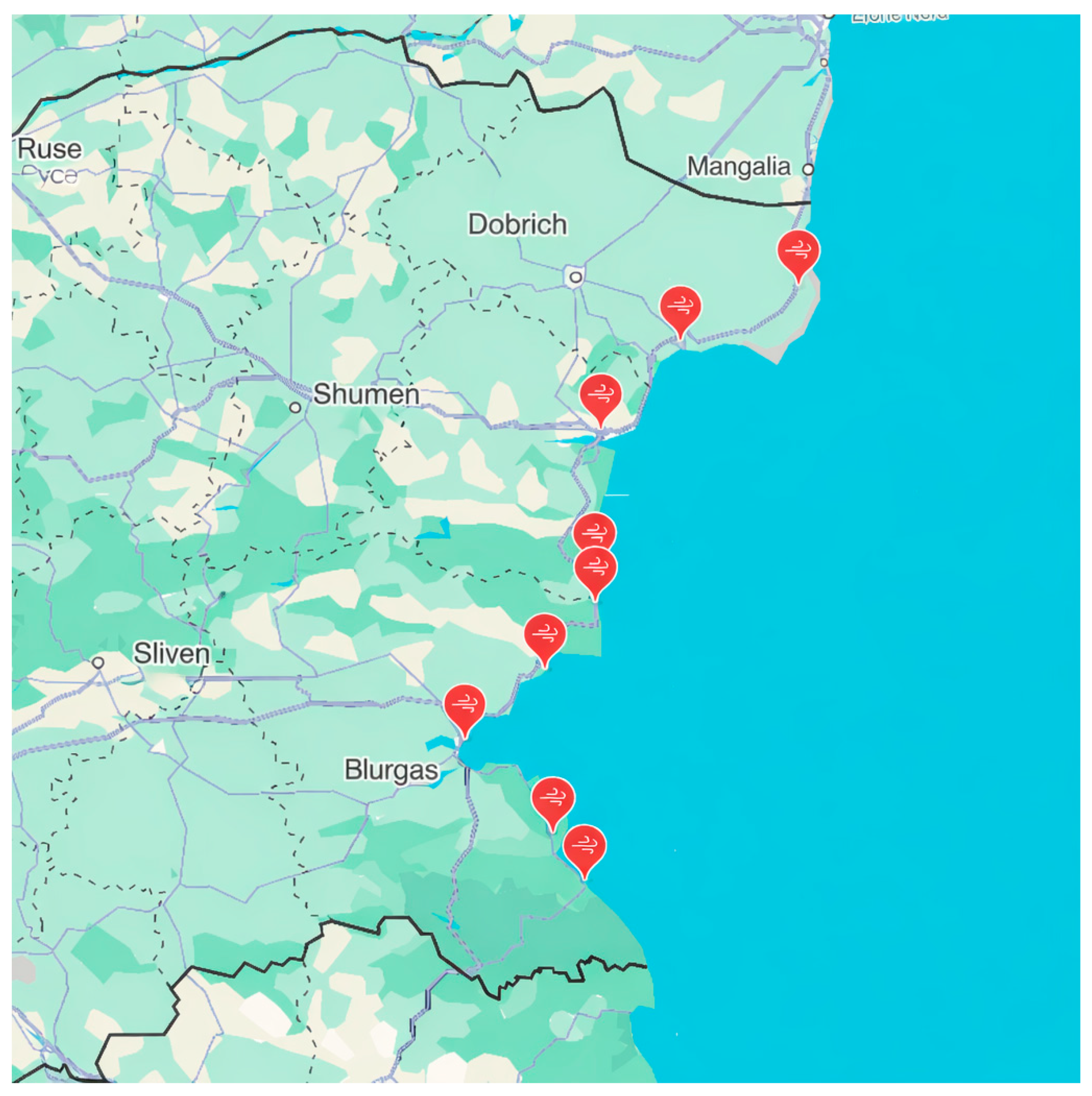
  • Geographical location and altitude (affect air density) (Figure 4).
  • Rotor diameter (or radius)—most often, turbines with a power of 1–5 kW are used for a single-family house, which corresponds to a rotor diameter between 2.5 and 7 m, depending on the specific conditions.
  • Average annual electricity consumption—it is assumed that an average household on the Black Sea coast consumes about 6000 kWh/year.
  • Solar radiation—for each of the selected locations, approximate values of the average annual global solar radiation on a horizontal surface (kWh/m2) are used, obtained from public climate databases and literature (Table 1).
  • System Efficiency Coefficient—the actual system output is assumed to be 90% of the theoretical maximum, taking into account losses from temperature, contamination, cable resistances, and non-ideal orientation.

3. Results and Discussion

3.1. Analysis of the Results

Based on the methodologies described in Section 2, an assessment of the possibilities for using wind and solar energy for domestic use for a single-family house has been made.
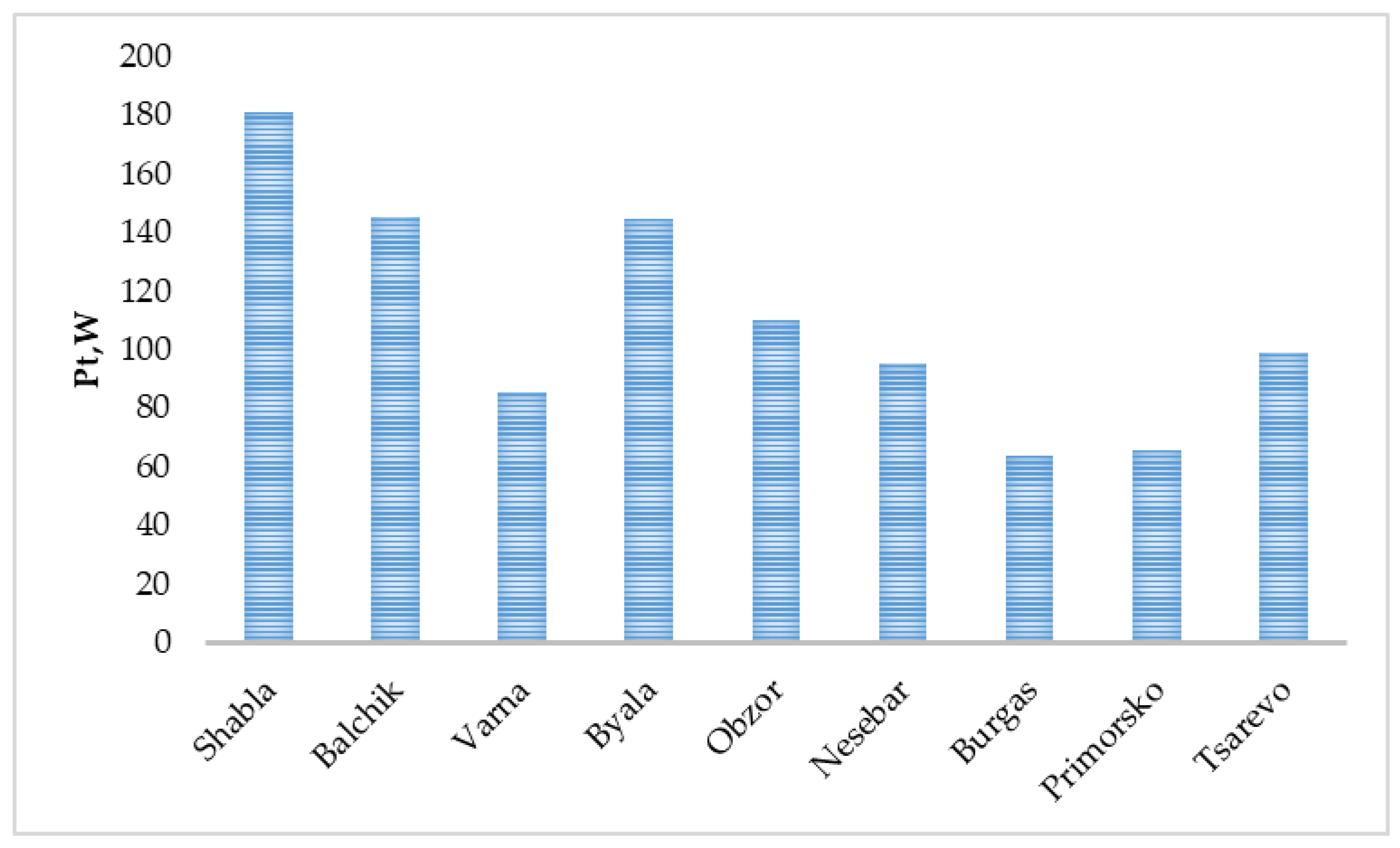
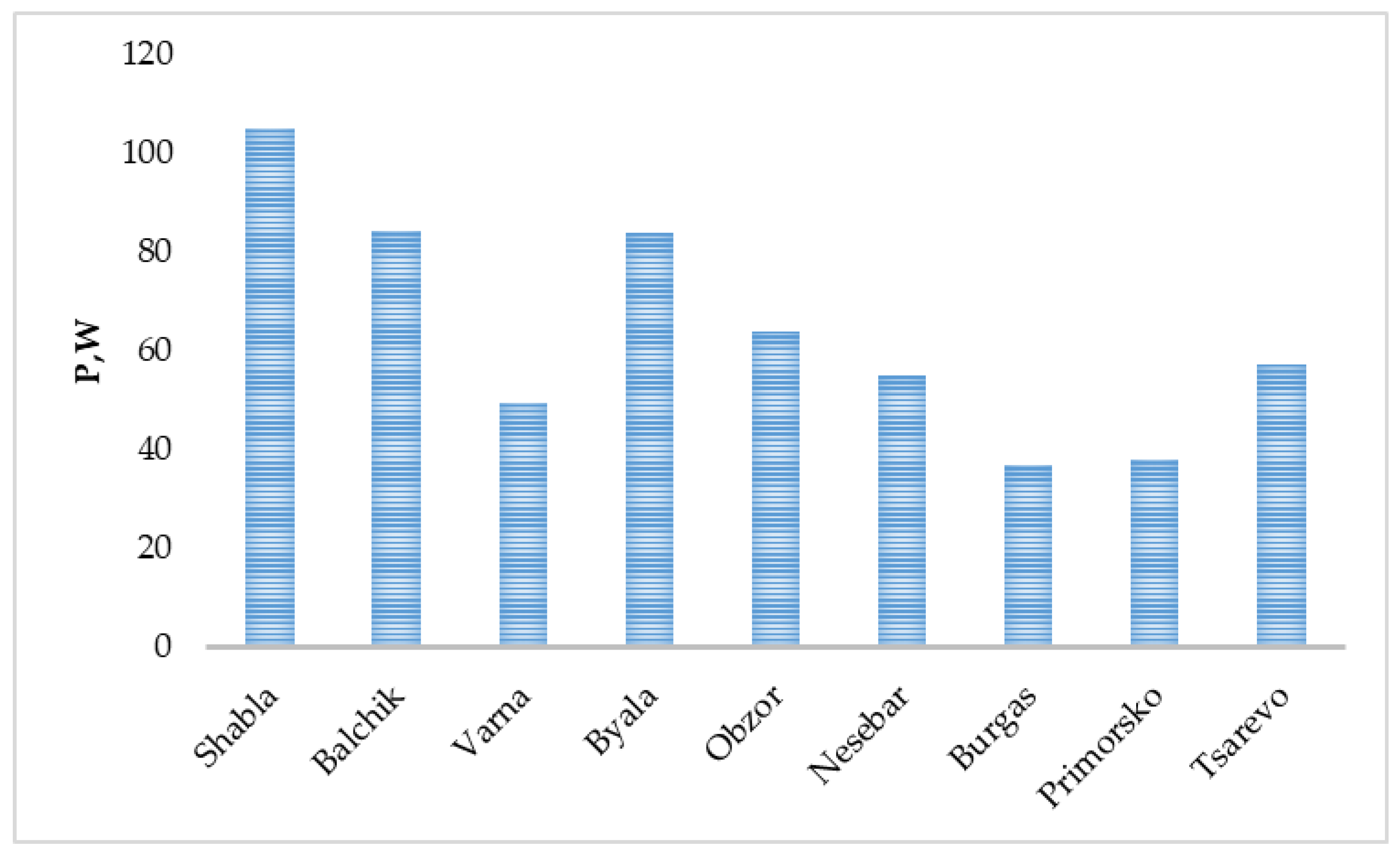
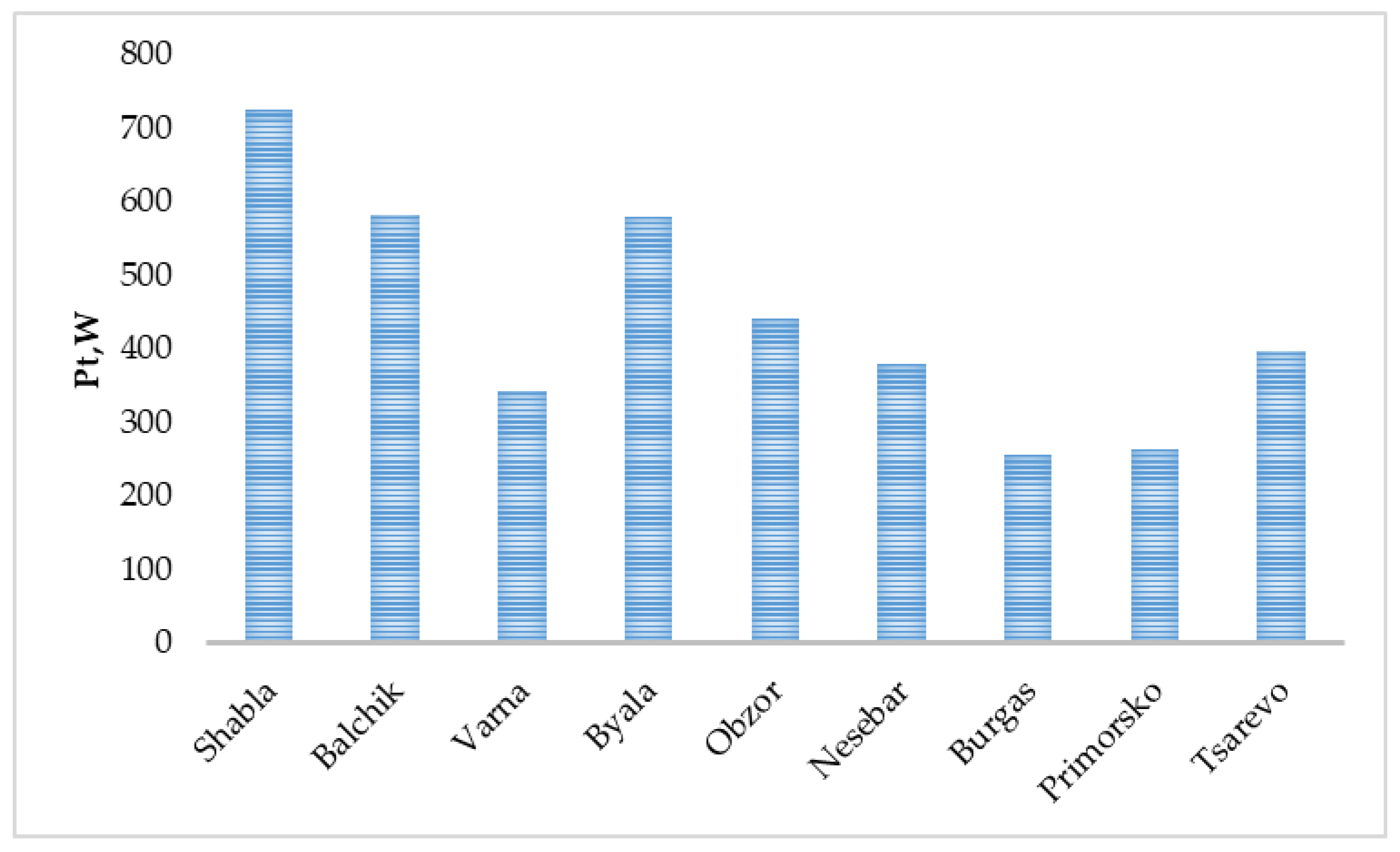
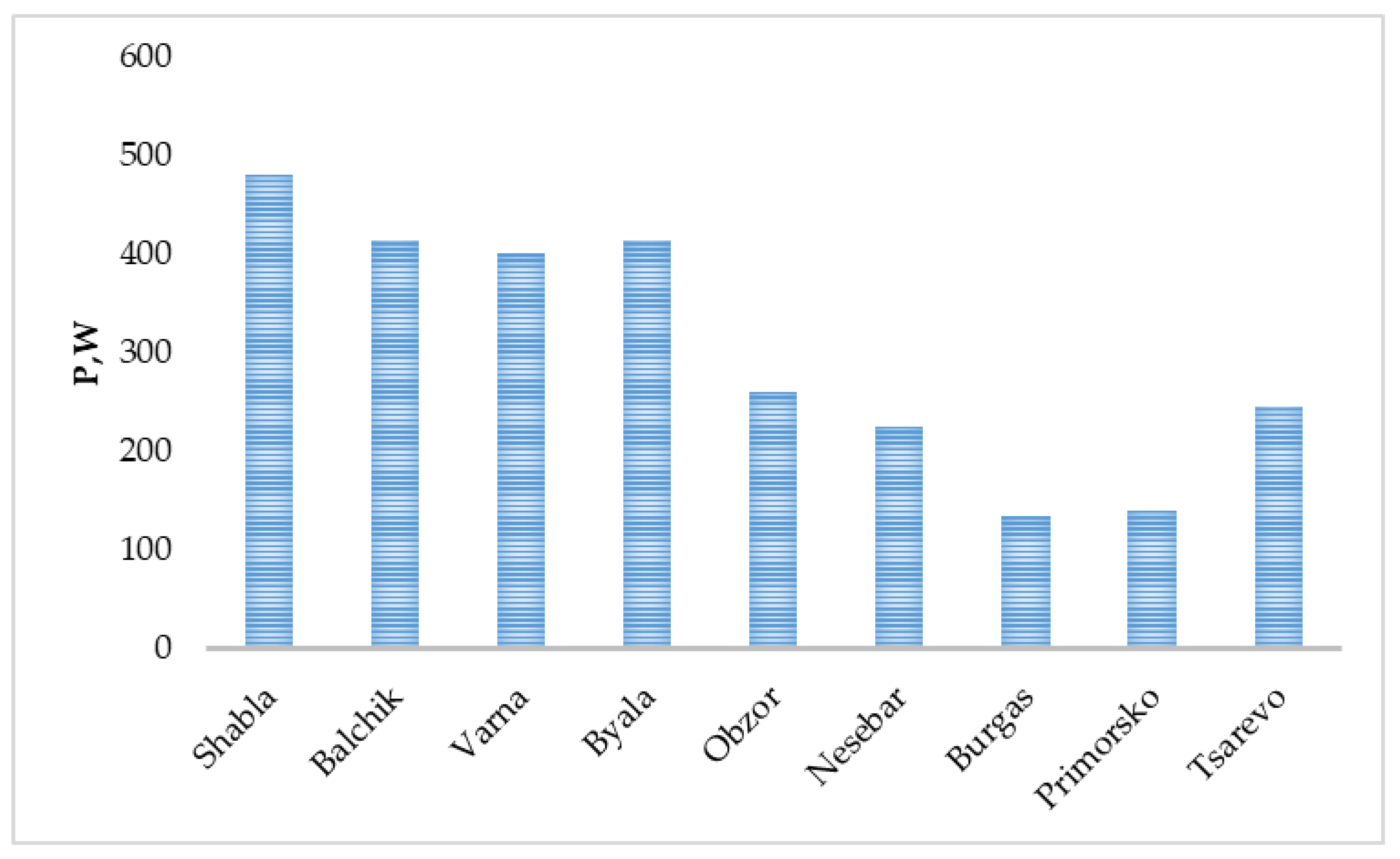
Figure 5, Figure 6, Figure 7 and Figure 8 present the results of the calculations of the theoretical and actual electrical power of wind turbines with diameters of 3 m and 6 m in nine coastal Bulgarian cities. The data are based on average annual wind speeds for each location and reflect both ideal conditions (without losses) and a realistic scenario with the efficiency factor included.
With a small rotor diameter (3 m), the theoretical power reaches maximum values in the northern part of the Black Sea coast—Shabla, Balchik, Varna and Byala—where it varies between 130 and 180 W. In the southern regions such as Burgas, Primorsko and Nessebar, the power drops below 80 W, which indicates a relatively weak wind energy potential in these areas.
After taking into account the real efficiency of the turbine (in this case 58%), the power values drop, as expected, by about 60–65%. However, the trend between cities remains the same—the northeastern regions retain their advantage. The actual power in Shabla and Balchik reaches approximately 100–120 W, while in Burgas and Primorsko it is below 50 W.
Increasing the rotor diameter to 6 m leads to a fourfold increase in the rotor area, which also drastically increases the theoretical power. In Shabla, Balchik and Byala, the values exceed 600–700 W. Even in less windy areas such as Obzor and Nessebar, a twofold increase is observed compared to the previous scenario.
Under realistic conditions and D = 6 m, the wind turbine could provide 400–500 W in cities with an average wind speed above 3.2 m/s. This makes the project for partial household electricity supply technically feasible with a suitable location. At the same time, in the southern Black Sea cities, the values remain low and unjustified from an economic point of view.
The required installed capacity of a photovoltaic system to cover the average annual electricity consumption of a household is calculated using the following data. Average consumption of a household: 6000 kWh/year. Average efficiency of a photovoltaic system: 90% (0.9).
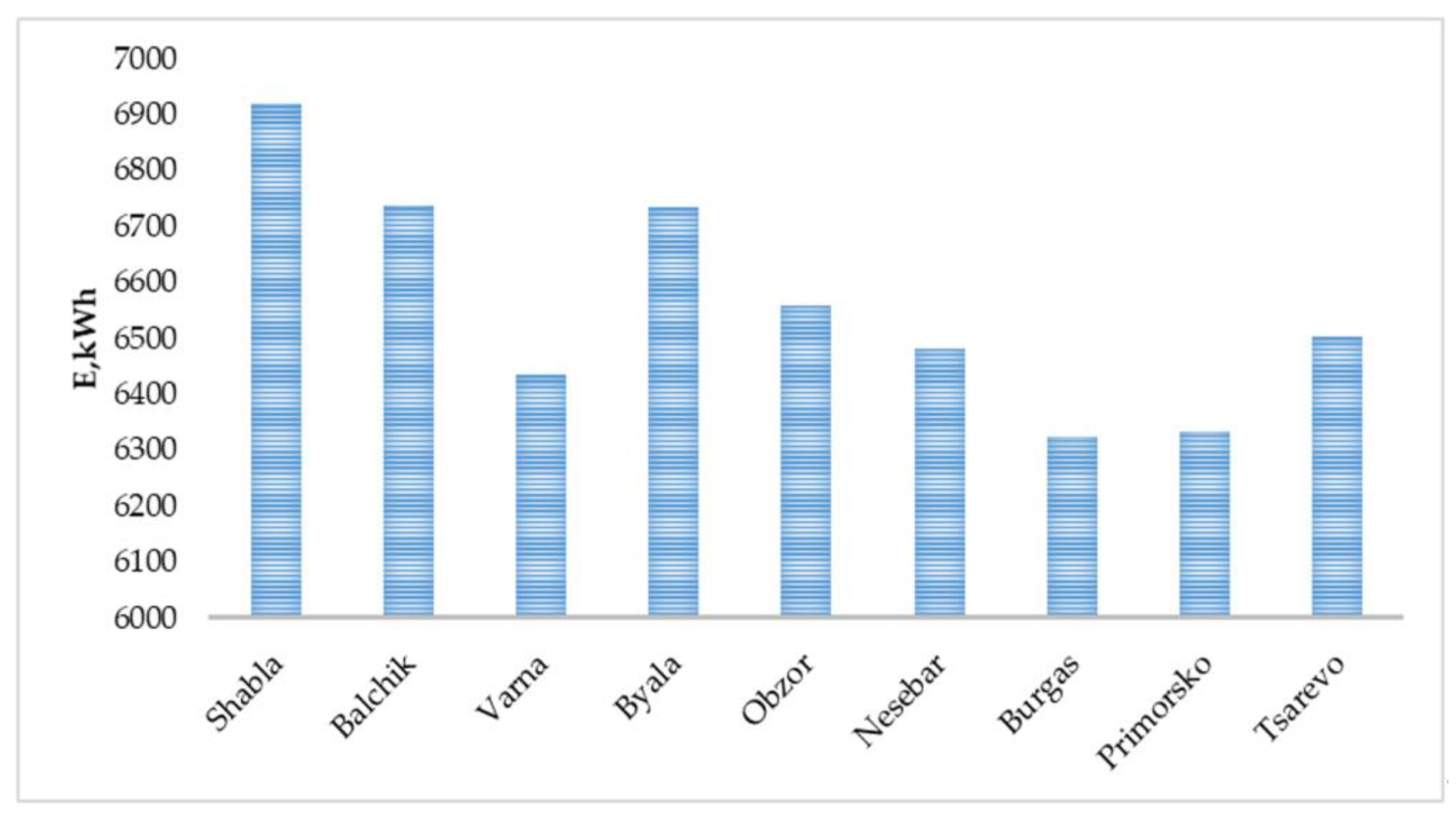
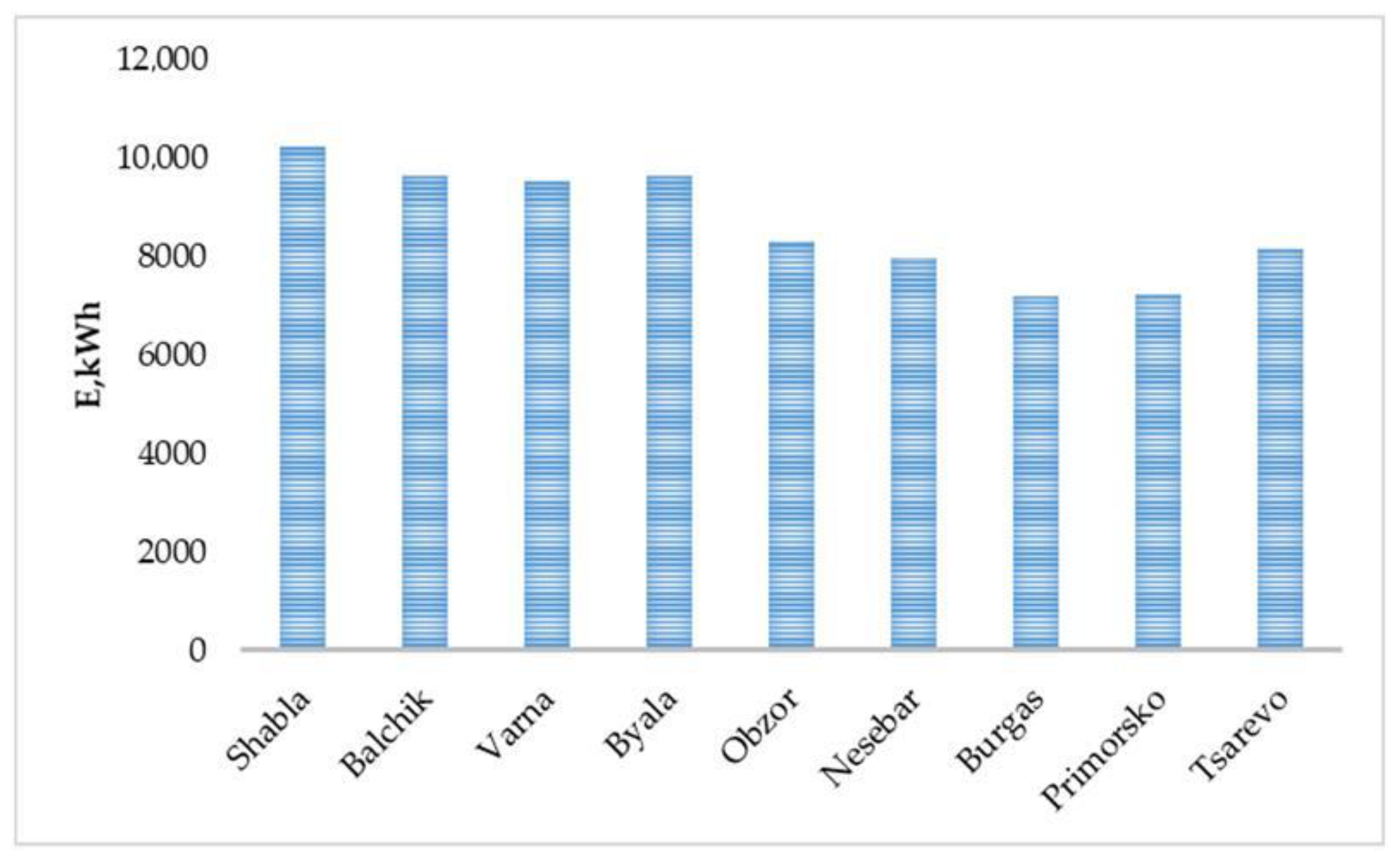
Figure 9 and Figure 10 present the results for the annual energy of each of the considered systems, including a small photovoltaic power plant with a capacity of 6000 kWh/year.
All locations show energy yields in the range of 6000 to 6900 kWh/year, which suggests that cumulative production from several turbines is being considered or extrapolation has been made. Shabla, Balchik and Varna again stand out with the highest values (~6900 kWh), which is in line with their higher average annual wind speeds. Burgas, Primorsko and Nessebar remain at the bottom of the ranking (~6200 kWh/year).
Even with a smaller rotor diameter, location has a significant impact on the annual energy yield. The difference between the best and the weakest places is about 700–800 kWh per year, which is significant in long-term investment planning.
With a larger rotor (6 m), all annual production values increase significantly—in the range of 9000 to almost 12,000 kWh/year. The leaders are again Shabla, Balchik and Varna, where the yield exceeds 11,500 kWh per year. In the southern part of the Black Sea coast (Burgas, Primorsko, Nessebar), it reached below 10,000 kWh/year, which again indicates the lower local potential.
Increasing the diameter from 3 m to 6 m leads to an almost twofold increase in annual electricity production, which is logical due to the quadratic dependence of the area on the radius. This makes the investment in larger rotors economically more expedient—especially in areas with good wind conditions.

3.2. Economic Efficiency Analysis

Table 2 and Table 3 present the results of calculating the annual savings and the payback period, taking into account the following values: electricity price of 0.25 BGN/kWh; an investment of BGN 10,000 for 3 m; and BGN 25,000 for 6 m.
The results show that the annual savings from using a wind turbine are directly related to the local wind characteristics. In the most favorable areas—Shabla, Balchik, Varna and Byala—savings between BGN 2380 and 2551 per year are achieved, while in less windy areas such as Burgas and Primorsko the value drops to around BGN 1800.
The time required to recover the initial investment shows significant differences between the two cases:
  • at D = 3 m: best return: Shabla—9.80 years; weakest: Burgas—13.92 years;
  • at D = 6 m: best return: Shabla—8.67 years; weakest: Burgas—9.49 years.

4. Conclusions

The analysis shows that combining wind and solar energy offers an effective solution for sustainable power supply in the coastal regions of Bulgaria. With a rotor diameter of 6 m, an almost double increase in annual electricity production is observed compared to 3 m, which significantly improves the economic return. The best results are achieved in the northeastern regions, where wind speed and solar radiation are optimal. Calculations for annual savings and payback period show that such an investment is profitable in the long term, especially when implementing a hybrid system. The study supports the need for strategic development of decentralized energy solutions in coastal regions and demonstrates their applicability in the context of energy transformation and climate sustainability. The results show that the northeastern part of the coast (Shabla, Balchik, Byala) has the highest potential for electricity production, as well as the best economic parameters for return on investment. The combined use of wind and sun is an optimal solution for sustainable and independent energy supply to households in the region. The results can serve as a basis for energy planning in small settlements and municipalities along the Black Sea coast, which aim for sustainable development and energy independence. The study can be used by home users, designers and RES installers for realistic sizing of autonomous or semi-autonomous systems.

Author Contributions

Conceptualization, R.V. and I.S.; methodology, R.V.; software, A.S. and A.A.; validation, E.G.; investigation, R.V. and I.S.; writing—original draft preparation, R.V.; writing—review and editing, I.S.; visualization, E.G. All authors have read and agreed to the published version of the manuscript.

Funding

This research received no external funding.

Institutional Review Board Statement

Not applicable.

Informed Consent Statement

Not applicable.

Data Availability Statement

The data presented in this study are available upon request from the corresponding author.

Acknowledgments

The research in this work was carried out within the project “Integrated system for energy production from renewable energy sources for environmentally friendly residential houses”, KП-06-Н77/2 oт 04.12.2023г, funded by the Bulgarian Science Fund of the Ministry of Education and Science, and the infrastructure of Operational Programme “Research, Innovation and Digitalisation for Smart Transformation 2021–2027” under Project NoBG16RFPR002-1.014-0006-C01 “National center of excellence for mechatronics and clean technologies” was used to process the results.

Conflicts of Interest

The authors declare no conflicts of interest.

References

  1. Ackermann, T.; Soder, L. An overview of wind energy-status 2002. Renew. Sustain. Energy Rev. 2002, 6, 67–127. [Google Scholar] [CrossRef]
  2. Terziev, A.; Panteleev, Y.; Ivanov, M. Wind energy assessment for low complex terrain using reference meteorological mast. In Proceedings of the International Scientific Conference of Communications, Information, Electronic and Energy Systems (CIEES 2020), Borovets, Bulgaria, 26–29 November 2020. [Google Scholar]
  3. Rohit, R.V.; Vipin, R.R.; Veena, R.; Kumar, K.S.; Mathew, S. Realization of Small Wind Turbines for Low-Speed Wind Regions. In Proceedings of the 7th International Conference on Trends in Electronics and Informatics (ICOEI), Tirunelveli, India, 11–13 April 2023. [Google Scholar]
  4. Moreira, R.; Sousa, J.; Camus, C. Challenges and Opportunities in the Integration of Wind Turbines in Urban Areas: A Technical and Economic Analysis. In Proceedings of the 21st International Conference on the European Energy Market (EEM), Lisbon, Portugal, 27–29 May 2025. [Google Scholar]
  5. Rahman, M.W.; Velmurugan, K.; Mahmud, M.S.; Al Mamun, A.; Ravindran, P. Modeling of a stand-alone Wind-PV Hybrid Generation System Using (MATLAB/SIMULINK). In Proceedings of the International Conference on Computing, Communication, and Intelligent Systems (ICCCIS), Greater Noida, India, 19–20 February 2021; pp. 1000–1006. [Google Scholar] [CrossRef]
  6. Kumar, A.; Sood, Y.R.; Mahia, R.N. Hybrid Energy System Simulation and Modelling Incorporating Wind and Solar Power. In Proceedings of the 2024 IEEE International Students’ Conference on Electrical, Electronics and Computer Science (SCEECS), Bhopal, India, 24–25 February 2024. [Google Scholar]
  7. Rana, A.; Pfeiffer, T.; Rafajlovski, G. Wind and Solar Integration with Pumped Hydro Energy Storage: A Tool to Optimize Hybrid Renewable Energy System. In Proceedings of the International Conference on Communications, Information, Electronic and Energy Systems (CIEES2022), Veliko Tarnovo, Bulgaria, 24–26 November, 2022. [Google Scholar]
  8. Galabov, V. On the Wave Energy Potential of the Bulgarian Black Sea Coast. In Proceedings of the 13th SGEM GeoConference on Water Resources, Forest, Marine and Ocean Ecosystems: SGEM2013 Conference Proceedings, Albena, Bulgaria, 16–22 June 2013; Available online: https://arxiv.org/pdf/1304.7806 (accessed on 1 September 2025).
  9. Silion, A.; Rusu, L. A Review Concerning the Offshore Wind and Wave Energy Potential in the Black Sea. J. Mar. Sci. Eng. 2025, 13, 1643. [Google Scholar] [CrossRef]
  10. Belev, G.; Obrenovic, B. Regional Disparities and Features of Solar and Wind EnergyPotential of Bulgaria. Int. J. Oper. Manag. 2021, 2, 7–11. [Google Scholar] [CrossRef]
Figure 1. Average atmospheric pressure for each point.
Engproc 122 00004 g001
Figure 2. Average temperature for each point.
Engproc 122 00004 g002
Figure 3. Average wind velocity for each point.
Engproc 122 00004 g003
Figure 4. Geographical location for each point.
Engproc 122 00004 g004
Figure 5. Theoretical power at D = 3 m.
Engproc 122 00004 g005
Figure 6. Power at D = 3 m.
Engproc 122 00004 g006
Figure 7. Theoretical power at D = 6 m.
Engproc 122 00004 g007
Figure 8. Power at D = 6 m.
Engproc 122 00004 g008
Figure 9. Combined annual electricity at D = 3 m.
Engproc 122 00004 g009
Figure 10. Combined annual electricity at D = 6 m.
Engproc 122 00004 g010
Table 1. Solar radiation at each point.
TownSolar Radiation
kWh/m2/year
Shabla1450–1550
Balchik1450–1550
Varna1250–1350
Byala1450–1550
Obzor1450–1550
Nesebar1450–1550
Burgas1500–1600
Primorsko1450–1600
Tsarevo1450
Table 2. Annual savings and payback period at D = 3 m.
LocationAnnual SavingPayback Period
BGNYear
Shabla2551.29.79931
Balchik2408.8510.3784
Varna2380.3810.50252
Byala2408.8510.3784
Obzor2069.412.0808
Nesebar1992.7512.54548
Burgas1795.6513.92254
Primorsko1806.613.83815
Tsarevo2036.5512.27566
Table 3. Annual savings and payback period at D = 6 m.
LocationAnnual SavingPayback Period
BGNYear
Shabla2551.28.669225805
Balchik2408,858.904898459
Varna2380.389.326213486
Byala2408.858.908445029
Obzor2069.49.147866112
Nesebar1992.759.255607049
Burgas1795.659.489055188
Primorsko1806.69.474235568
Tsarevo2036.559.22580455
Disclaimer/Publisher’s Note: The statements, opinions and data contained in all publications are solely those of the individual author(s) and contributor(s) and not of MDPI and/or the editor(s). MDPI and/or the editor(s) disclaim responsibility for any injury to people or property resulting from any ideas, methods, instructions or products referred to in the content.