Proceeding Paper

Conceptional Designs of the Rotation Mechanism with Antiphase Energy Harvester †
School of Aerospace, University of Nottingham Ningbo, Ningbo 315100, China
*
Authors to whom correspondence should be addressed.
Presented at 8th International Electronic Conference on Sensors and Applications, 1–15 November 2021; Available online: https://ecsa-8.sciforum.net.
Eng. Proc. 2021, 10(1), 30; https://doi.org/10.3390/ecsa-8-11300
Published: 1 November 2021

Abstract

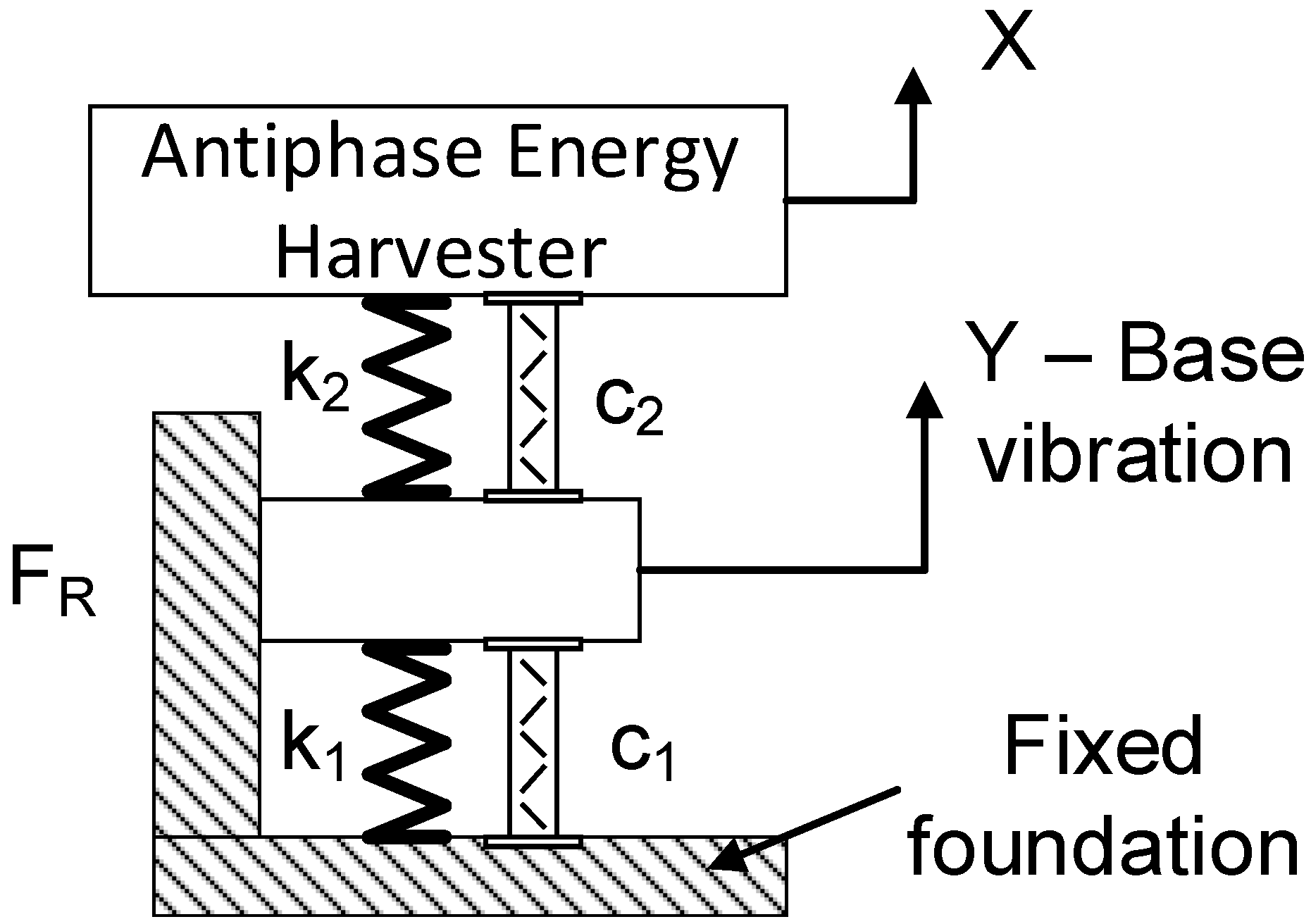
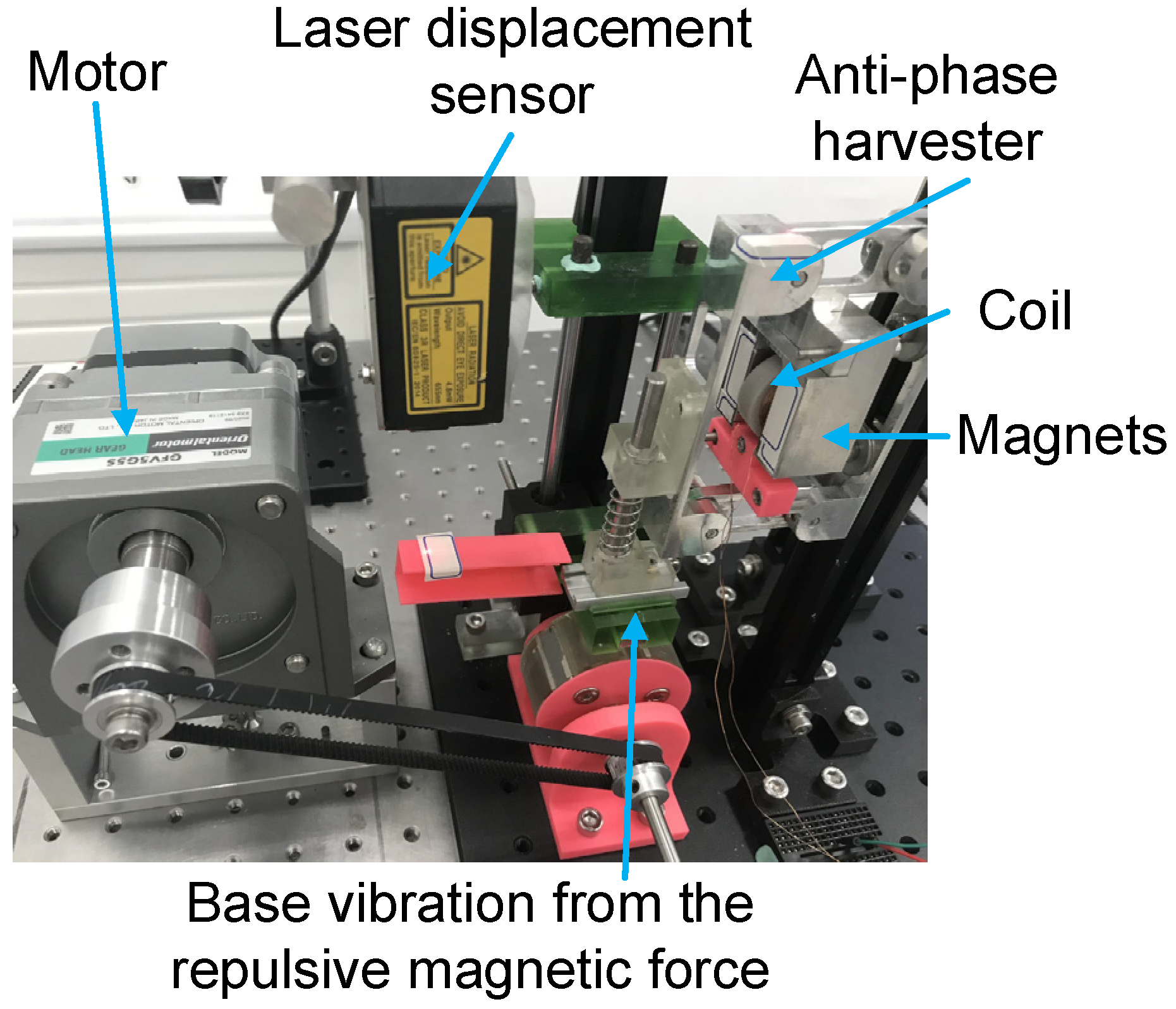
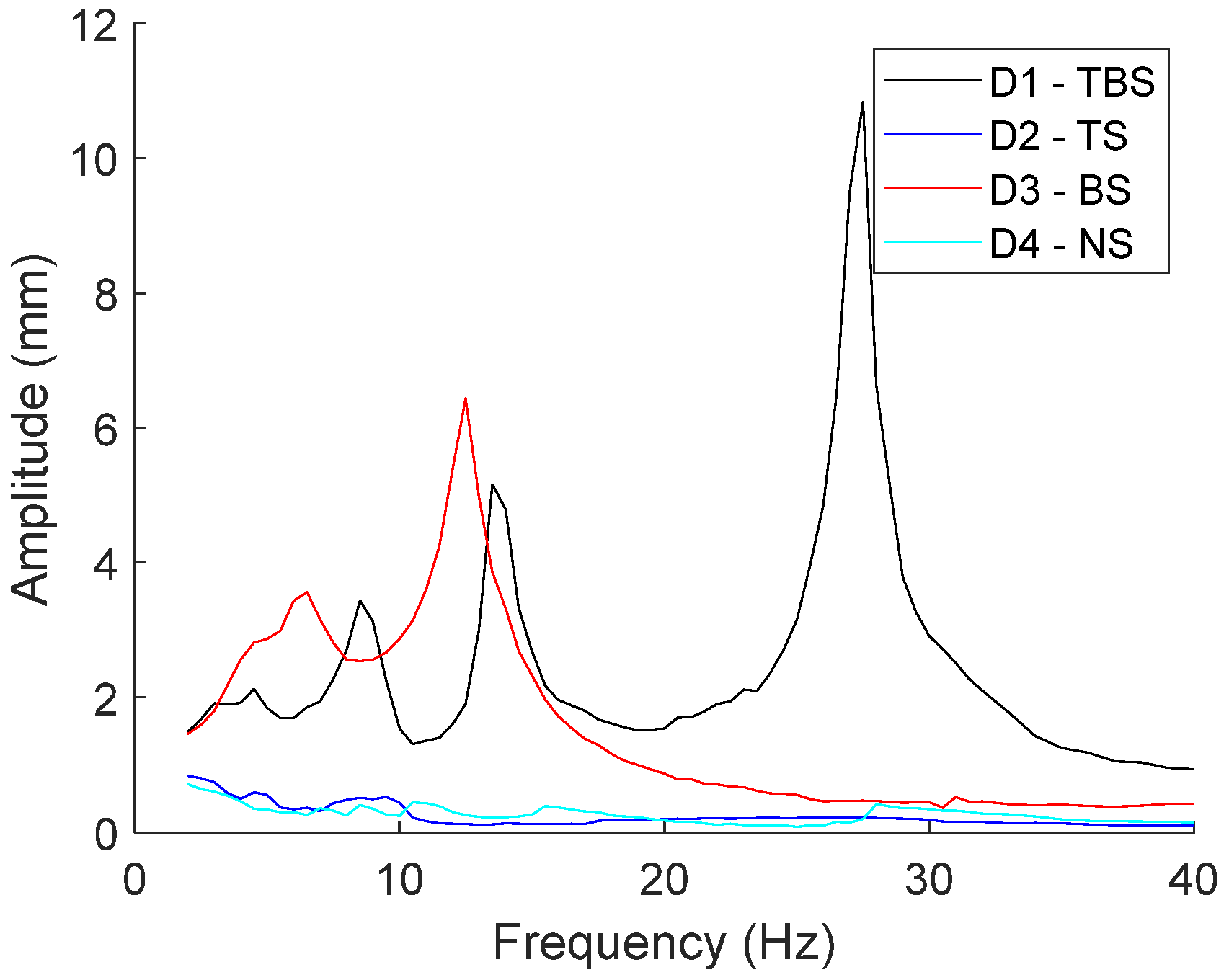
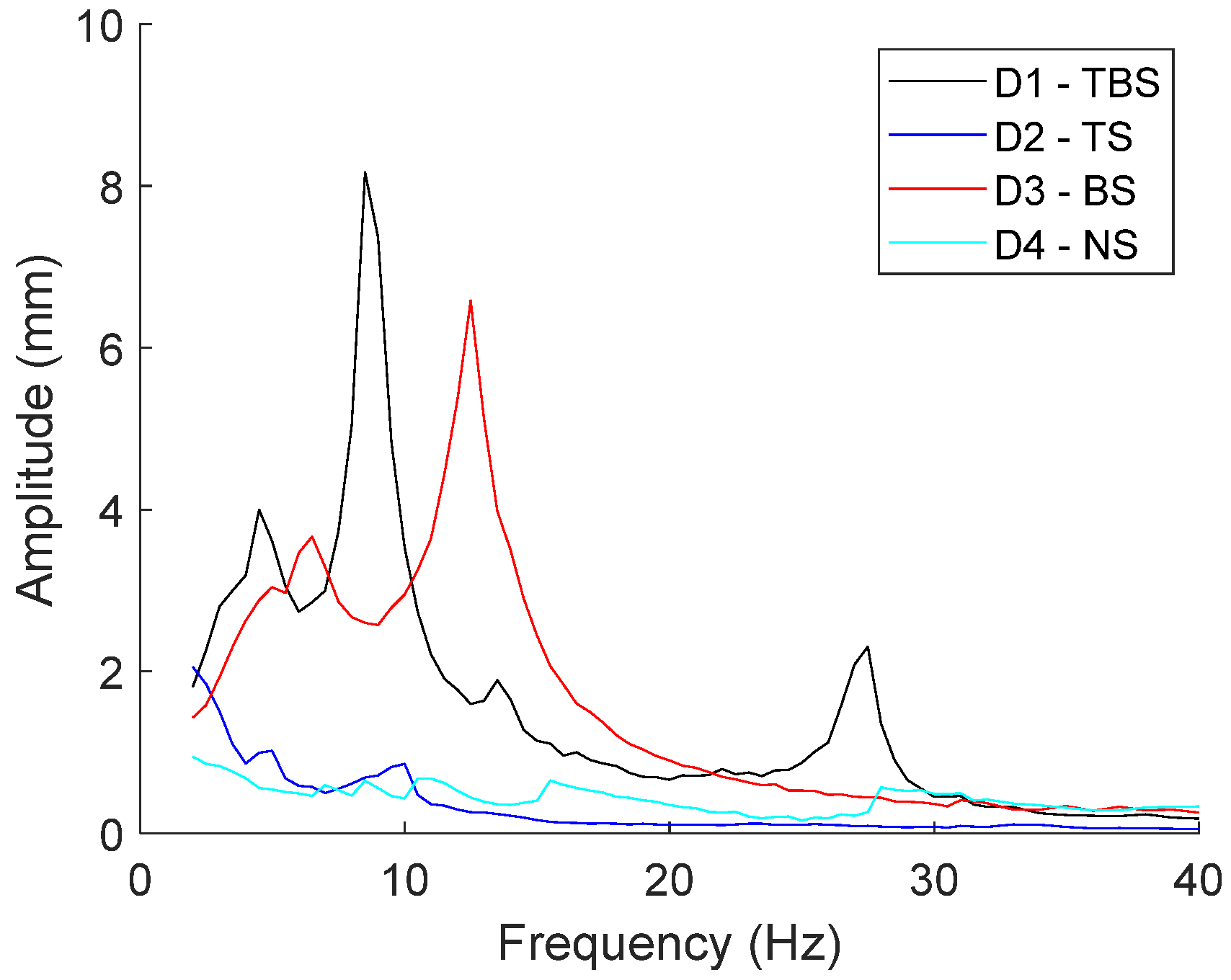
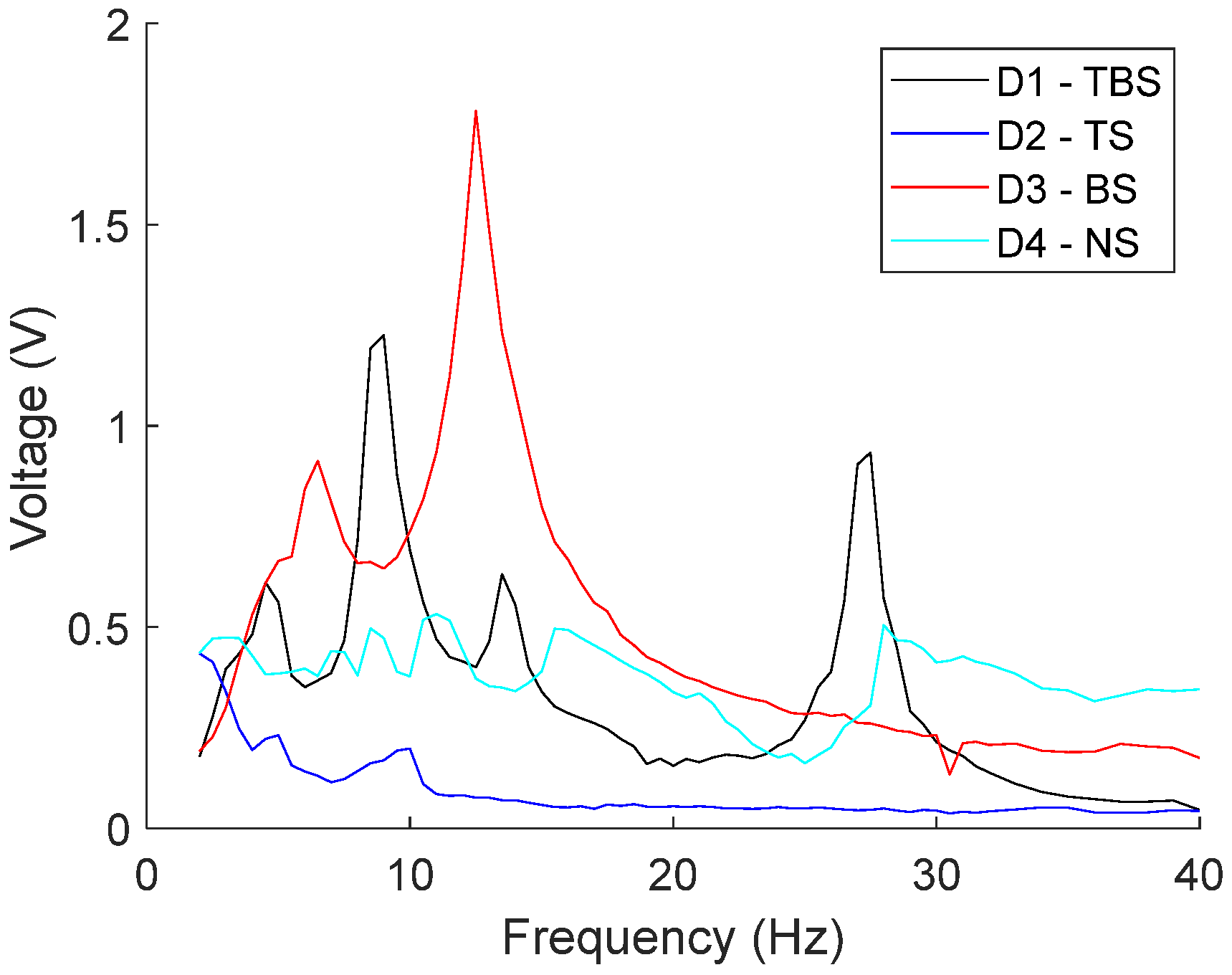
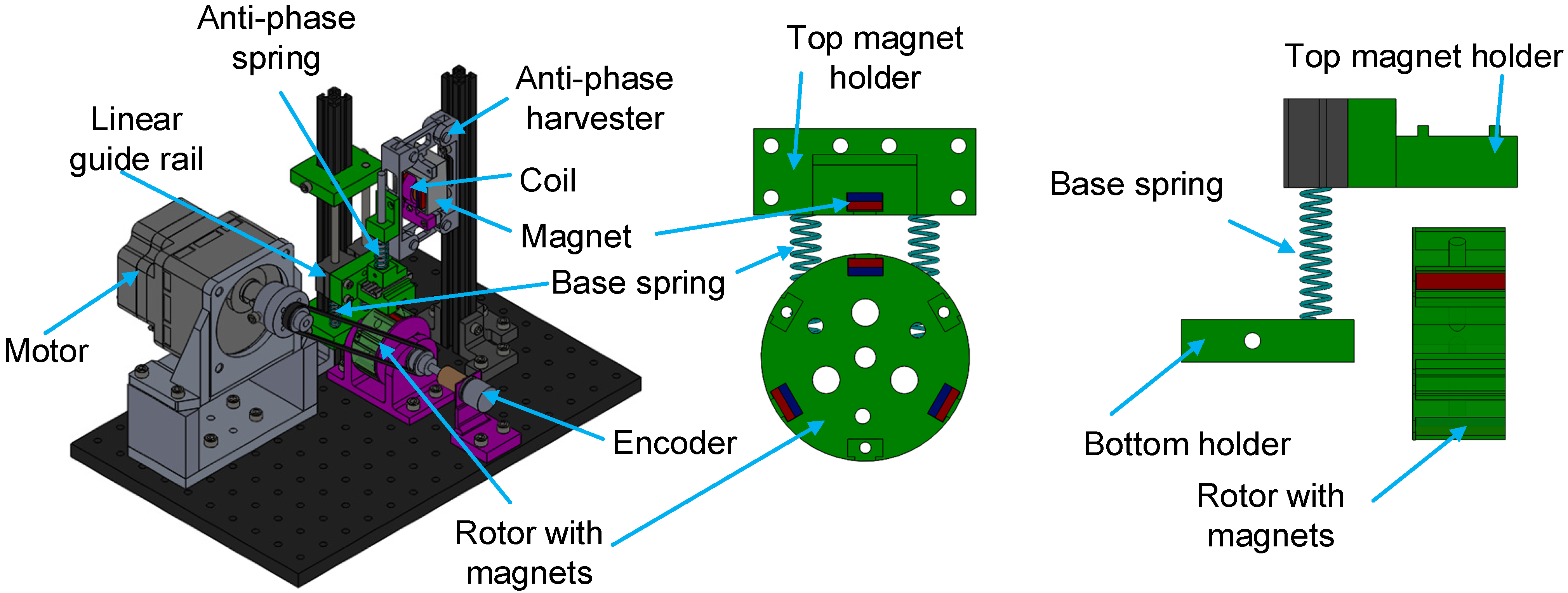
Due to the increased demand for a sustainable source of energy, the research on energy harvesting has increased in the last twenty years. Energy harvesting aims to gain energy from the ambient environment and convert this energy into electrical power. There are different kinds of renewable energy sources and vibration energy harvesting (VEH) is the most promising source owing to its low maintenance cost. This paper focuses on an electromagnetic vibration energy harvester based on the concept of rotational energy harvesting. The proposed device uses a rotating rotor with permanent magnets and moves the repulsive magnet block up and down. The block is connected to an antiphase harvester, which creates power by cutting the magnetic flux density. The antiphase was proven to double the voltage when the antiphase was moving. To improve the vibration amplitude of the magnet block and the antiphase, springs were added to the proposed design. In the concept, four configurations—with and without different spring positions—were proposed. The experimental results showed that when the spring was placed in the upper and bottom part of the moving part, the spring at the bottom would generate the largest vibration amplitude. Based on Faraday’s Law of Induction, voltage is proportional to the velocity or vibration amplitude. Hence, for both cases, at least six times the voltage was generated compared to the design without added springs.
Keywords: rotation energy harvester design; antiphase motion; repulsive magnetic rotation energy harvester design; antiphase motion; repulsive magnetic