Article

The Role of Social Determinants of Health and Diabetes Self-Management on Glycemic Indices: A Cross-Sectional Analysis


by
Cherlie Magny-Normilus
1,*,
Sangchoon Jeon
2,
Jeffrey L. Schnipper
3,4,
Bei Wu
1 and
Robin Whittemore
2
1
Rory Meyers College of Nursing, New York University, New York, NY 10010, USA
2
Yale School of Nursing, Yale University, Orange, CT 06477, USA
3
Harvard Medical School, Boston, MA 02115, USA
4
Brigham and Women’s Hospital, Boston, MA 02115, USA
*
Author to whom correspondence should be addressed.
Diabetology 2025, 6(12), 154; https://doi.org/10.3390/diabetology6120154
Submission received: 7 August 2025 / Revised: 1 November 2025 / Accepted: 25 November 2025 / Published: 2 December 2025

Abstract

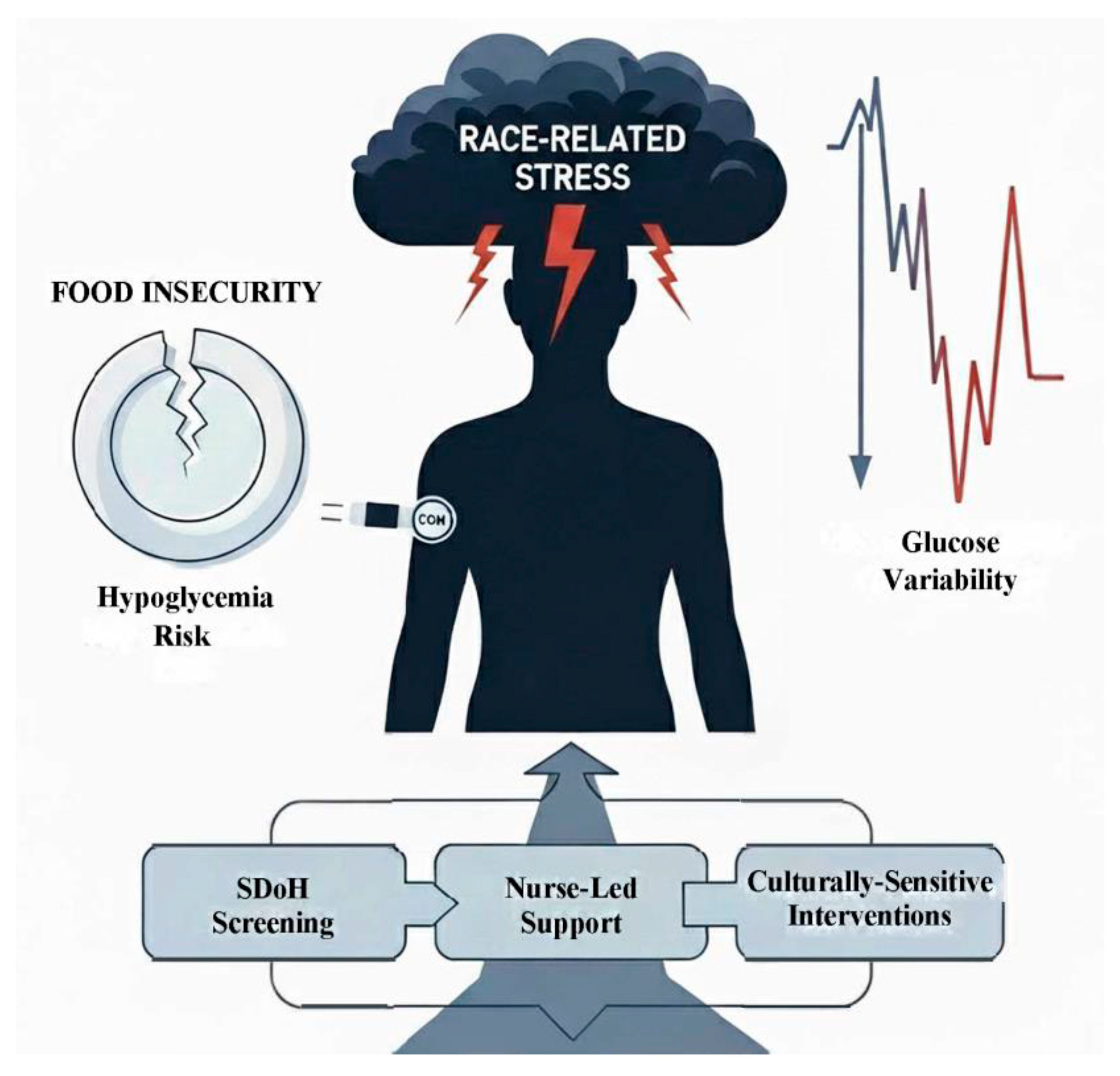
Background/Objectives: Type 2 diabetes (T2D) is a substantial health burden on foreign-born Haitian Americans (FBHAs) in the United States, who experience poorer health outcomes for T2D, in particular, cardiovascular disease and diabetes nephropathy. Understanding the factors that contribute to these disparities is essential. The purpose of this study was to examine the association between demographic, clinical, diabetes self-management, and social determinants of health (SDoH) factors with continuous glucose monitor (CGM-derived) glycemic indices in adult FBHAs with T2D. Methods: A cross-sectional exploratory correlation study was conducted in two urban health clinics, focusing on FBHAs aged 21 or older who had T2D for at least one year. Data were analyzed using SAS 6.4, employing descriptive statistics, bivariate correlations, and multiple regression models. Results: The study included 59 participants (49.2% male; mean age = 51.7 years, SD = 9.9), with an average T2D duration of 7.7 years (SD = 6.8) and an average of 1.63 (SD = 1.30) chronic diseases. A total of 29% were overweight while 21% had obesity with a mean HbA1c of 58 mmol/mol (7.5%). A higher body weight and poorer dietary habits were associated with elevated glucose levels (standardized β ≈ 0.25 and −0.24). Greater race-related stress was correlated with greater glucose variability (β ≈ 0.46). Conclusions: These findings highlight the importance of addressing SDoH, such as race-related stress and food insecurity, to improve T2D self-management among FBHAs. Assessing and mitigating these risk factors can enhance glycemic control and health outcomes. Additionally, the findings demonstrate that CGM is feasible and acceptable for this population, showing exploratory findings and preliminary effect sizes that provide a strong basis for future, large-scale investigations.

Graphical Abstract

1. Introduction

Globally, the prevalence of type 2 diabetes (T2D) is rising at an alarming rate, with an estimated 643 million individuals projected to be affected by 2030 [1,2]. Foreign-born Haitian Americans (FBHAs) are disproportionately impacted, resulting in poorer health outcomes and diminished quality of life [3,4,5,6,7]. Effective self-management to achieve healthier glycemic targets (namely, glycated hemoglobin A1c [HbA1c] <53 mmol/mol (7%)) is critical in reducing the risk of premature micro- and macrovascular complications that are often associated with T2D [4,5]. However, T2D self-management in the FBHA population is complicated by a combination of cultural health beliefs, dietary patterns and systemic inequities (e.g., unfamiliarity of healthcare system, access to healthcare services, health insurance coverage and socioeconomic status) [4,6,7]. Consequently, FBHAs with T2D often experience poorer T2D-health outcomes compared to other racial and ethnic groups in the U.S [4,7,8,9]. Addressing these factors is crucial for the development of effective and culturally appropriate interventions.
Haitian cultural health beliefs significantly influence how FBHAs perceive and manage chronic conditions like T2D [4,6,7]. Many FBHAs integrate traditional remedies, such as herbal treatments and spiritual practices, with conventional medical care [6,7]. This blend of practices can delay engagement with biomedical treatments, leading to inconsistent adherence to prescribed medications [6,7]. Collective decision-making within Haitian families can further affect an individual’s adherence to treatment plans [10,11,12].
Dietary habits also present challenges for T2D prevention and management among FBHAs [7,8,9]. Traditional Haitian meals, which are often rich in starchy foods, like rice, plantains, and yams, can impact blood sugar management [4]. Moreover, limited access to healthy food options in some FBHA communities contributes to these dietary challenges [4,6]. Despite a strong cultural preference for traditional cuisine, the lack of nutrition education tailored to the needs of FBHAs makes it difficult to promote effective dietary modifications [4,6,8,9,10]. Beyond cultural and dietary factors, FBHAs may face systemic barriers, such as financial difficulty, lack of access to quality care, and limited English proficiency, further hindering effective T2D management [8,9,10,11]. Socioeconomic challenges, including low income, inadequate insurance coverage, and stress associated with immigration and acculturation, may exacerbate difficulties in managing their T2D [4,13].
Measuring HbA1c is the common test for assessing glycemic control and is a key criterion for diabetes diagnosis [5,14,15]. However, previous studies suggest that HbA1c may have differential reliability across ethnic groups, underscoring the need to consider other measures of glucose control [15,16]. Specifically, differences in HbA1c threshold have been reported in FBHAs, with recommendations for a lower diagnostic threshold ≤ 48 mmol/mol (6.26%) compared to the American Diabetes Association’s standard (≤6.5%) [7,17]. Thus, HbA1c alone may underestimate the disease burden, suggesting the importance of integrating measures of glucose variability [7,17,18,19].
Recent advances in diabetes technology, such as the use of continuous glucose monitors (CGMs), have shown promise in identifying early dysglycemia, reducing both hypoglycemia and hyperglycemia rates and improving clinical outcomes and quality of life [20]. While the relationship between CGM use and improved diabetes clinical outcomes—such as reduced glucose variability, hypoglycemia, and lower HbA1c—is well established, particularly in individuals with type 1 diabetes, the association between CGM use and T2D self-management behavior in adults is still scarce [20,21]. It should be noted that HbA1c, which changes relatively slowly and is typically measured every three months in patients with diabetes, does not capture daily glucose fluctuations, which have emerged as an important measure in FBHAs with regard to factors influencing glucose variability [20]. CGM data, which can be generated much more frequently, provides deeper insights into glycemic variability, revealing patterns that HbA1c alone cannot, thus highlighting risks of complications [20,21]. Recent studies in T2D adults corroborate CGM’s utility for behavior feedback and outcome improvement [22,23].
In the FBHA population, glucose control is influenced by a combination of cultural, dietary, and environmental factors [4,6,11]. These combined factors emphasize the need for targeted public health strategies that address medical and social determinants of health (SDoH), alongside the integration of wearables, like CGMs, in diabetes management among FBHAs. The purpose of this study was to examine the associations between demographic, clinical, diabetes self-management, and SDoH factors (e.g., acculturative and race-related stress, food insecurity) with glucose indices as measured by CGMs in adult FBHAs with T2D.

2. Materials and Methods

2.1. Study Design and Ethical Considerations

An exploratory cross-sectional study design was used to examine the phenomenon of interests. The protocol (20.236) was reviewed and approved by a university’s institutional review board (IRB). Written informed consent was obtained from all participants prior to data collection. This manuscript adheres to Strengthening the Reporting of Observational Studies in Epidemiology (STROBE) guidelines for cross-sectional studies (Supplementary File S1).

2.2. Settings, Participants, and Recruitment and Data Collection Procedures

Participant recruitment took place during the COVID-19 pandemic, between December 2020 and July 2022, at two urban, federally qualified outpatient clinics. The inclusion criteria were as follows: FBHAs aged 18–64 years; having lived in the U.S. and having been diagnosed with T2D for at least one year; willing and able to participate and wear a CGM device; proficiency in English; not currently enrolled in any other T2D study; and without debilitating chronic conditions (e.g., progressive heart failure, end stage renal disease). Multiple recruitment strategies were utilized, including flyers, and a list of potential participants and their primary healthcare providers was compiled. Because of the COVID-19 pandemic, an opt-out approach was used. This approach involved sending a provider letter introducing the study and instructing eligible participants to contact the clinic or research team if they did not wish to be approached about the study. To ensure an unbiased approach to recruitment and data collection, research staff were not involved in participants’ clinical care.
With the assistance of the study staff, participants completed several validated questionnaires to assess diabetes self-care and social determinants of health factors (e.g., acculturative and race-related stress, food insecurity). During the 14-day period, participants were instructed to wear a CGM. Data were recorded directly into a Research Electronic Data Capture (REDCap) system [22,23], a secure, web-based software platform designed to support data capture for research studies. A total of 81 participants enrolled in the parent study of FBHAs with T2D [10]; 22 had missing data for key CGM variables. The final sample for this study was 59 adult FBHA participants with complete CGM data (Figure 1). To show appreciation for their participation, incentives were provided after baseline data collection and upon returning the CGM device with data.

3. Measures

3.1. Demographics and Clinical Characteristics

Electronic medical records (EMR) were used to confirm and supplement self-reported data. These included demographic and clinical characteristics, including age, sex gender, marital status, income, duration of time in the U.S., education level, language spoken at home, confirmation of T2D, insurance status, medication type, comorbidities (e.g., hypertension, hyperlipidemia), and HbA1c levels.

3.2. Diabetes Self-Management

Diabetes self-management was measured by the Summary of Diabetes Self-Care Activities Scale (SDSCA) [24]. The SDSCA assesses general diet, specific diet, blood glucose monitoring, foot care, smoking. Reliability and validity have been established in adults of diverse race/ethnicity (alpha = 0.85 and 0.94) [24]. Medication adherence was measured by 10 items to assess overall thoughts on and reasons for medications [25]. The MARS has demonstrated acceptable internal consistency with a Cronbach’s alpha of 0.77 [25]. Physical activity was measured by the Paffenbarger Physical Activity Questionnaire (PPAQ) [26], which measures frequency of sustained moderate to physical activity and time in sedentary, light, moderate, and vigorous activity. The tool has been validated with correlation coefficients ranging from r = 0.13–0.69 and demonstrated adequate test–retest reliability (ICC = 0.49–0.68) [26,27].

3.3. Social Determinants of Health Factors

3.3.1. Food Insecurity

Food insecurity was measured by the adapted version of the Latin American and Caribbean Household Food Security Scale to assess food security [28]. The 16-item scale assesses financially based food insecurity in households and includes items related to the frequency at which a household has not been able to access enough food in the last 3 months (Cronbach alpha, 0.92; strong Criterion validity). Previous studies have shown the ELCSA to have high internal consistency (Cronbach alpha, 0.92) and strong Criterion validity [28].

3.3.2. Acculturative Stress

Acculturated stress was measured by the 24-item version of the Societal, Attitudinal, Familial, and Environmental Acculturative Stress Scale [29]. Excellent reliability for the total scale has been shown in a variety of populations (alpha = 0.87–0.89) and for use with various immigrant groups [30].

3.3.3. Discriminative Stress

Discriminatory stress was measured by the Index of Race-Related Stress—Brief Version [31]. Included in the questionnaire are experiences of specific racist events and degree of the stressfulness of incidences on a cultural, institutional, individual, and global scale. Reliability and validity have been established with Cronbach’s alphas from 0.69 to 0.78 and 0.79 to 0.81.
These measurements provide subjective information on diabetes self-management behaviors, such as diet, physical activity, blood glucose monitoring, medication usage, levels of food insecurity, medication adherence, and racial and acculturative stress [24,25,26,27,28,29,30,31].

3.4. Glycemia/Glycemic Variability

Glycemic control was determined by glucose variability and measured using the FreeStyle Libre Pro CGM and most recent HbA1c [32]. CGM systems capture real-time glucose patterns every 5 min, providing up to 288 readings over a 4 h period [33,34,35]. CGMs demonstrate high test–retest reliability, with coefficients ranging from 0.77 to 0.95 [20,35]. Glucose variability was calculated using several indices; namely, the following indices were calculated across monitoring days: standard deviation (SD), coefficient of variation (CV), glycemic variability percentage (GVP), and area under curve (AUC) of hyperglycemia (>180 mg/dL) and hypoglycemia (<70 mg/dL) [19,36,37,38,39,40,41,42,43,44].

4. Statistical Analysis

The data was managed on the REDCap site and exported into SAS/STAT® software version 6.4 for analysis, with the CGM measures calculated with Libre View software [22,32]. Participants lacking essential CGM indices were excluded a priori from analytic datasets; no imputation was performed (parent n = 81 → analytic n = 59). All statistical analyses were performed using SAS [36], and two-sided statistical tests were conducted at a 5% significance level. We performed descriptive analyses to assess distributions of demographic characteristics and CGM measures. We examined bivariate correlations between demographic, clinical, diabetes self-management, and social determinants of health factors on glycemic variability as measured by CGM. Due to variables with highly skewed distributions, we used the Spearman correlation coefficient. Before running the regression models, the CGM measures and all variables were standardized for a mean of 0 and a standard deviation of 1. We developed a multiple regression model to predict the (log-transformed) average daily glucose levels and variability (standard deviation of glucose) with predictors that had a bivariate association with a marginal p-value of <0.2. Parsimonious models were selected using stepwise selection to keep a p-value of <0.1, and residuals were assessed for normality assumption and homoscedasticity. We also estimated the parsimonious model’s coefficients and 95% confidence intervals (CIs) with 1000 bootstrap samples.
Based on the bivariate analysis, most predictors were linearly associated with glucose levels. That is, predictors positively associated with hyperglycemia are negatively associated with hypoglycemia, and vice versa. Therefore, the association with the daily average glucose level represents the association with all other CGM indices. Glucose variability was measured by coefficient of variation (CV) and standard deviation (SD) of daily glucose level [33,34,35]. While both variability measures were similarly associated with the predictors, SD of glucose had slightly more significant associations. Thus, we chose an SD of daily glucose as a measure of glucose variability. For bivariate analyses, we report Spearman ρ as the effect size. For multivariable models, we report standardized regression coefficients (β) with bias-corrected bootstrap 95% CIs (1000 resamples) as effect sizes.

5. Results

The 59 FBHAs had a mean age of 51.7 years (SD = 9.9), ranging from 24 to 64 years old. These participants had been diagnosed with T2D for an average of 7.7 years (SD = 6.8) and with a duration ranging from 2 to 30 years. Nearly half of the participants were male (49.2%) and had an average of 1.63 (SD = 1.30) chronic conditions (e.g., hypertension, hyperlipidemia). Most were married (52.6%) and had completed at least high school (80.4%). Most participants (69%) utilized metformin, followed by Jardiance (14.3%) and glyburide (8.7%), and only 8% were on insulin. The total percentage of participants on medications with a high risk of hypoglycemia (insulin and/or sulfonylureas like glyburide) was 16.7%. A total of 29% were overweight while 21% had obesity with a mean HbA1c of 58 mmol/mol (7.5). The majority had better self-care with medications, 6.7 (SD = 1.1), and diet, 4.2 (SD = 2.1), versus exercise, 2.6 (SD =2.3). The sample characteristics of the study participants are reported in Table 1A–C.
According to CGM data from these 59 participants over two weeks, the average daily glucose was 98.3 mg/dL (SD = 40.8), with variability measures of 20.3 (SD = 7.5) for the daily coefficient of variation (CV) and 20.9 (SD = 15.6) for standard deviation (SD). The glucose levels of the participants were in the target range. Daily average glucose levels were correlated with the percentage of time spent in the normal range (r = 0.51) but not with glucose variability. No significant correlation was found between age and glucose measures. Conversely, a higher risk of hyperglycemia was associated with greater glucose variability (CV: r = 0.48, SD: r = 0.56).
Table 2 presents bivariate correlations (Spearman Coefficient) between CGM measures, demographics, diabetes care, medication adherence, food security, and stress. Greater food security was associated with lower glucose levels (r ≤ −0.29, p < 0.05) and hypoglycemia (r > 0.29, p < 0.05). A higher level of stress was associated with a greater risk of hyperglycemia (SAFE Acculturative stress: r = 0.23, race-related stress: r = 0.30, p < 0.05) and greater variability of daily glucose (SAFE Acculturative stress: r = 0.28, p < 0.05, Race-related stress: r ≥ 0.31, p < 0.05). Higher medication adherence (MARS5) was associated with a lower risk of hyperglycemia (r = −0.24). Bivariate effect sizes (Spearman ρ) indicated small-to-moderate associations (e.g., food security with lower average glucose, ρ ≈ −0.29; race-related stress with greater variability, ρ ≈ 0.31–0.40).
Regression coefficients in the parsimonious models of log-transformed daily glucose and standard deviation of daily glucose are shown in Table 3. Greater weight (coefficient = 0.251, 95% CI = [0.242, 0.259]) was associated with higher glucose level, while a poorer general diet (coefficient = −0.236, 95% CI = [−0.242, −0.230]) and greater food insecurity (coefficient = −0.326, 95% CI = [−0.331, −0.320]) were associated with elevated glucose levels after adjusting for weight. Additionally, a longer duration of diabetes (coefficient = 0.282, 95% CI = [0.273, 0.291]), lower medication adherence (coefficient = −0.361, 95% CI = [−0.367, −0.356]) and higher race-related stress (coefficient = 0.46, 95% CI = [0.443, 0.467]) were associated with increased glucose variability after adjusting for the duration of diabetes. In adjusted models, standardized βs reflected small-to-moderate effects: higher weight (β ≈ 0.25) and poorer general diet (β ≈ −0.24) related to higher average glucose; longer diabetes duration (β ≈ 0.28), lower medication adherence (β ≈ −0.36), and higher race-related stress (β ≈ 0.46) related to greater variability.

6. Discussion

In this exploratory study, key contextual factors associated with glycemic patterns in FBHAs were identified, particularly race-related stress and medication adherence, which showed the strongest associations with GV. Notably, other CGM indices (e.g., time in range) correlated strongly even when average glucose and SD did not (r = 0.09 & 0.17), underscoring the value of adopting a multi-metric CGM interpretation approach in this population.
The strongest associations in this cohort emerged for adherence and stress. Both race-related and acculturative stress tracked with greater glycemic variability, indicating the profound impact of social challenges experienced by FBHAs on key diabetes outcomes. These findings are consistent with research in other marginalized groups, such as Chinese American immigrants affected by family separation, and African Americans, where exposure to racism correlates with higher rates of diabetes-related complications [38,39,40,41]. Egede and colleagues (2023) noted significant associations between structural racism and self-care behaviors, as well as poorer HbA1c and blood pressure control among vulnerable populations [41]. Addressing stressors through culturally sensitive mental health and community supports may reduce variability and improve outcomes in this marginalized population.
In addition, medication adherence was identified as a significant factor in T2D management. Consistent with previous research [11,38,42,43,44,45], lower medication adherence was associated with greater glucose variability, which could be due to factors such as healthcare system mistrust, language barriers, copay costs, and the use of traditional remedies [4,6,7]. Addressing these barriers through culturally tailored interventions could also help mitigate their effects. Emerging nurse-led and team-based models have successfully reduced HbA1c and improved self-care in diverse communities [45,46,47].
In this study, food insecurity emerged as a significant factor in T2D management, demonstrating a clear bivariate association with both lower average glucose (p ≤ −0.29, p < 0.5), and conversely, an increased risk of hypoglycemia (p > 0.29, p < 0.5). We emphasize both significant findings equally. This finding avoids a definitive link between food stress and average glucose, instead highlighting a possible concern about the participants’ ability to adhere to prescribed medications and maintain consistent nutrition because of limited food access. Previous studies have shown that food insecurity diminishes diabetes self-efficacy and medication adherence [38,46,47]. Public health efforts could prioritize improving access to affordable, culturally appropriate foods and implementing robust screening and referral systems to connect individuals with local resources.
Specifically, the counterintuitive link between food insecurity and increased hypoglycemia Time Below Range (TBR < 70 mg/dL) of 21% is not attributed to access to intensive therapy but rather a direct consequence of the SDoH impacting medication action. With 16.7% of participants on high-risk hypoglycemic agents (insulin or sulfonylureas, like glyburide), the TBR pattern is likely reflective of the challenge in balancing these potent medications with inconsistent and insufficient food intake due to food insecurity. Irregular mealtimes or inconsistent carbohydrate intake caused by limited food access can lead to transient periods of hypoglycemia when taking these medications, regardless of the individual’s overall food security status.
Notably, this study was conducted during the COVID-19 pandemic, which may have exacerbated food insecurity and other health disparities, potentially affecting our results. Moving forward, these findings underscore the importance of tailored interventions that address the complex interplay of diet, stress, and diabetes management, especially in times of crisis. Beyond technology, nurse-led case management and community-anchored support have demonstrated HbA1c improvements and better adherence in under-resourced populations. Integrating health-literacy-sensitive education, systematic distress screening, and communication-focused coaching within multidisciplinary teams may attenuate variability and improve time in range in FBHAs [46,47].

7. Limitations

It is important to acknowledge both the limitations and strengths of this study. A key limitation is the modest sample size and the restriction to a single geographic location limiting the generalizability of the findings. This cross-sectional study included 59 participants from two urban federally qualified clinics during December 2020 to July 2022 (COVID-19 pandemic), which constrains external validity/generalizability to similar FBHA populations and care settings. The modest sample limited power for smaller associations and precluded subgroup analyses. Findings should therefore be considered preliminary and hypothesis-generating, requiring validation in multi-site, adequately powered studies with probability sampling where feasible. Specifically, due to the number of scales and correlates examined, and acknowledging the small sample size, the p-values reported should be interpreted with caution against the risk of Type I error (multiple comparisons). We prioritize the strength and clinical plausibility of the observed associations (e.g., race-related stress) over the absolute p-value as a justification for future research.
Finally, the study population was highly specific (foreign-born Haitian Americans) in a single geographic area, which constrains external validity to other racial, ethnic, or socioeconomic groups with type 2 diabetes. Additionally, while the use of CGM in this population successfully demonstrated feasibility and preliminary effect sizes, it introduces a unique contextual bias: access to this technology remains limited in many marginalized populations [48,49]. The consistent use of this technology within our study population likely contributed to better glycemic outcomes than what might be seen in settings without such access. Consequently, our findings demonstrate the potential benefit of CGM but may not reflect the outcomes experienced by FBHAs managing T2D without this technology compared to other findings [6,7,8,9,18,19].

8. Implications for Clinical Practice

Findings suggest pragmatic targets for FBHAs with T2D: (i) Lifestyle medicine case management by nurses to address weight, diet quality, and culturally concordant activity planning; (ii) community-based nurse-led support to bolster medication adherence and reduce glycemic variability; and (iii) routine assessment of diabetes distress, health literacy, and patient–provider communication to tailor self-care education and referrals (including mental health when race-related stressors are present) [45,46,47]. Embedding these elements in multidisciplinary care pathways may improve time in range and reduce variability in FBHAs [49,50,51].

9. Conclusions

Effectively managing T2D among FBHAs requires a comprehensive approach that is both culturally sensitive and responsive to unique SDoH. In this study, exploratory study, poor diet, racial stress, and food insecurity suggest potential risk factors that are associated with glucose variability in this population. These preliminary findings highlight the importance of future research regarding early screening and referral processes that address both medical and SDoH. If at-risk individuals are identified, targeted interventions that address cultural food preferences while promoting dietary adjustments that support glycemic control can be implemented. Additionally, providers are encouraged to integrate culturally relevant strategies into diabetes care plans, considering the impact of systemic barriers, such as food insecurity and racial/ethnic stress. Given the psychological burden of these stressors, assessing and referring patients to mental health services may further support diabetes self-management and overall well-being. By enhancing communication, building trust and addressing these key potential risk factors, clinicians can contribute to improved health outcomes and quality of life for FBHAs. Future research should further investigate how the noted and other SDoH influence T2D outcomes in larger, more diverse samples of those living in marginalized communities, ultimately refining screening and intervention strategies to better support these populations.

Supplementary Materials

The following supporting information can be downloaded at https://www.mdpi.com/article/10.3390/diabetology6120154/s1, Supplementary File S1: The Role of Social Determinants of Health and Diabetes Self-Management on Glycemic Indices: A Cross-Sectional Analysis.

Author Contributions

This work submitted for publication is original and has not been published elsewhere. All authors made substantial contributions to the intellectual content of the paper, including the design of the study, C.M.-N. and R.W.; acquisition of data, C.M.-N. and J.L.S.; interpretation of the data, C.M.-N., B.W., J.L.S., S.J. and R.W.; and the drafting and critical revision of the manuscript, all authors. C.M.-N. is the grantor of this work and, as such, had full access to all data in the study and takes responsibility for the integrity of the data and the accuracy of the data analysis. All authors have read and agreed to the published version of the manuscript.

Funding

This study was supported by the National Institutes of Health, National Institute of Nursing Research (K99NR019325; R00NR019325).

Institutional Review Board Statement

The study was conducted in accordance with the Declaration of Helsinki and approved by the Institutional Review Board of the university (protocol code 20.236 and date of approval 23 July 2020).

Informed Consent Statement

Informed consent was obtained from all subjects involved in the study.

Data Availability Statement

The data that support the findings of this study are available, but restrictions apply to the availability of these data, which were used under license for the current study, and so are not publicly available. However, data are available from the corresponding author upon reasonable request and with permission of the author’s institution.

Acknowledgments

The authors would like to thank the participants and the clinical sites’ staff for their participation in the study.

Conflicts of Interest

The authors declare no conflicts of interest. The funders had no role in the design of the study; in the collection, analyses, or interpretation of data; in the writing of the manuscript; or in the decision to publish the results.

Abbreviations

The following abbreviations are used in this manuscript:
AUCArea Under Curve
CIsConfidence Intervals
CGMsContinuous Glucose Monitors
CVCoefficient of Variation
FBHAsForeign-Born Haitian Americans (FBHAs)
GVPGlycemic Variability Percentage
SDoHSocial Determinants of Health
SDStandard Deviation
T2DType 2 Diabetes

References

  1. International Diabetes Federation. IDF Diabetes Atlas, 10th ed.; International Diabetes Federation: Brussels, Belgium, 2021; Available online: https://diabetesatlas.org/atlas/tenth-edition/ (accessed on 4 December 2024).
  2. Centers for Disease Control and Prevention. National Diabetes Statistics Report 2022: Estimates of Diabetes and Its Burden in the United States; CDC: Atlanta, GA, USA, 2022. Available online: https://www.cdc.gov/diabetes/data/statistics-report/index.html (accessed on 4 December 2024).
  3. Zheng, Y.; Ley, S.H.; Hu, F.B. Global aetiology and epidemiology of type 2 diabetes mellitus and its complications. Nat. Rev. Endocrinol. 2018, 14, 88–98. [Google Scholar] [CrossRef]
  4. Magny-Normilus, C.; Whittemore, R.; Wexler, D.J.; Schnipper, J.L.; Nunez-Smith, M.; Fu, M.R. Barriers to type 2 diabetes management among older adult Haitian immigrants. Sci. Diabetes Self-Manag. Care. 2021, 47, 382–390. [Google Scholar] [CrossRef] [PubMed]
  5. American Diabetes Association. Diagnosis and Classification of Diabetes: Standards of Care in Diabetes-2024. Diabetes Care. 2024, 47 (Suppl. S1), S20–S42. [CrossRef] [PubMed]
  6. Magny-Normilus, C.; Mawn, B.; Dalton, J. Self-management of type 2 diabetes in adult Haitian immigrants: A qualitative study. J. Transcult. Nurs. 2020, 31, 51–58. [Google Scholar] [CrossRef] [PubMed]
  7. Magny-Normilus, C.; Whittemore, R. Haitian immigrants and type 2 diabetes: An integrative review. J. Immigr. Minor. Health. 2020, 22, 399–409. [Google Scholar] [CrossRef]
  8. Huffman, F.G.; Vallasciani, M.; Vaccaro, J.A.; Exebio, J.C.; Zarini, G.G.; Nayer, A.; Ajabshir, S. The association of depression and perceived stress with beta cell function between African and Haitian Americans with and without type 2 diabetes. J. Diabetes Mellitus 2013, 3, 236–243. [Google Scholar] [CrossRef]
  9. Moise, R.K.; Conserve, D.F.; Elewonibi, B.; Francis, L.A.; BeLue, R. Diabetes knowledge, management, and prevention among Haitian immigrants in Philadelphia. Diabetes Educ. 2017, 43, 341–347. [Google Scholar] [CrossRef]
  10. Riman, K.A.; Harrison, J.M.; Sloane, D.M.; McHugh, M.D. Self-management and glycemic targets in adult Haitian immigrants with type 2 diabetes: Research protocol. Nurs. Res. 2023, 72, 211–221. [Google Scholar] [CrossRef]
  11. Vaccaro, J.A.; Exebio, J.C.; Zarini, G.G.; Huffman, F.G. The role of family/friend social support in diabetes self-management for minorities with type 2 diabetes. J. Nutr. Health 2014, 2, 1–9. [Google Scholar]
  12. Bivins, B.L.; Ruffin, L.; Bivins, M.H.; Lestage-Laforest, M.; Eliezer, C.; Keko, M.; Schroeder-Brown, K.; Singh, A. Diabetes mellitus prevalence among Haitian American Afro-Caribbeans in the United States. J. Natl. Black Nurses Assoc. 2021, 32, 56–63. [Google Scholar]
  13. Khalifian, C.E.; Titone, M.; Wooldridge, J.S.; Knopp, K.; Seibert, G.; Monson, C.; Morland, L. Haitian and Haitian American experiences of racism and socioethnic discrimination in Miami-Dade County: At risk and court-involved youth. Fam. Process. 2023, 62, 216–229. [Google Scholar] [CrossRef]
  14. Jackson, M.A.; Ahmann, A.; Shah, V.N. Type 2 diabetes and the use of real-time continuous glucose monitoring. Diabetes Technol. Ther. 2021, 23, S27. [Google Scholar] [CrossRef]
  15. Cowart, K.; Updike, W.H.; Franks, R. Continuous glucose monitoring in persons with type 2 diabetes not using insulin. Expert. Rev. Med. Devices 2021, 18, 1049–1055. [Google Scholar] [CrossRef]
  16. Aljedaani, S.M.; Siddiqui, A.S.; Raja-Khan, N. Racial and ethnic disparities in CGM use among adults with diabetes. Diabetes 2022, 71, 678-P. [Google Scholar] [CrossRef]
  17. Cheema, A.K.; Li, T.; Liuzzi, J.P.; Zarini, G.G.; Dorak, M.T.; Huffman, F.G. Genetic associations of PPARGC1A with type 2 diabetes: Differences among populations with African origins. J. Diabetes Res. 2015, 2015, 921274. [Google Scholar] [CrossRef]
  18. Moser, U. Inadequacy of micronutrients, fat, and fiber consumption in the diets of Haitian-, African- and Cuban-Americans with and without type 2 diabetes. Int. J. Vitam. Nutr. Res. 2012, 82, 275–287. [Google Scholar] [CrossRef]
  19. Exebio, J.C.; Zarini, G.G.; Vaccaro, J.A.; Exebio, C.; Huffman, F.G. Use of hemoglobin A1C to detect Haitian-Americans undiagnosed with type 2 diabetes. J. Braz. Soc. Endocrinol. Metab. 2012, 56, 449–455. [Google Scholar] [CrossRef]
  20. Danne, T.; Nimri, R.; Battelino, T.; Bergenstal, R.M.; Close, K.L.; DeVries, J.H.; Garg, S.; Heinemann, L.; Hirsch, I.; Amiel, S.A.; et al. International consensus on use of continuous glucose monitoring. Diabetes Care 2017, 40, 1631–1640. [Google Scholar] [CrossRef]
  21. Vrany, E.A.; Hill-Briggs, F.; Ephraim, P.L.; Myers, A.K.; Garnica, P.; Fitzpatrick, S.L. Continuous glucose monitors and virtual care in high-risk, racial and ethnic minority populations: Toward promoting health equity. Front. Endocrinol. 2023, 14, 1083145. [Google Scholar] [CrossRef] [PubMed]
  22. Underwood, P.C.; Chirokas, K.; Keels, J.; Vimalananda, V.G.; Magny-Normilus, C. Race and ethnic disparities in insulin pump and continuous glucose monitor use between 2017 and 2024: A systematic review with a focus on health equity. J. Health Equity 2025, 2, 2444002. [Google Scholar] [CrossRef] [PubMed]
  23. Ebekozien, O.; Fantasia, K.; Farrokhi, F.; Sabharwal, A.; Kerr, D. Technology and heakth inequities in diabetes care: How do we widen access to underserved populations and utilize technology to improve outcomes for all? Diabetes Obes. Metab. 2024, 26, 3–13. [Google Scholar] [CrossRef]
  24. Harris, P.A.; Taylor, R.; Thielke, R.; Payne, J.; Gonzalez, N.; Conde, J.G. Research electronic data capture (REDCap)—A metadata-driven methodology and workflow process for providing translational research informatics support. J. Biomed. Inform. 2009, 42, 377–381. [Google Scholar] [CrossRef]
  25. Harris, P.A.; Taylor, R.; Minor, B.L.; Elliott, V.; Fernandez, M.; O’Neal, L.; McLeod, L.; Delacqua, G.; Delacqua, F.; Kirby, J.; et al. The REDCap consortium: Building an international community of software partners. J. Biomed. Inform. 2019, 95, 103208. [Google Scholar] [CrossRef]
  26. Toobert, D.J.; Hampson, S.E.; Glasgow, R.E. The summary of diabetes self-care activities measure: Results from 7 studies and a revised scale. Diabetes Care 2000, 23, 943–950. [Google Scholar] [CrossRef]
  27. Perez-Escamilla, R.; Dessalines, M.; Finnigan, M.; Hromi-Fiedler, A.; Pachón, H. Validity of the Latin American and Caribbean Household Food Security Scale (ELCSA) in South Haiti. FASEB J. 2008, 22, 871.3. [Google Scholar] [CrossRef]
  28. Boussery, K. Accuracy of the Medication Adherence Report Scale (MARS-5) as a quantitative measure of adherence to inhalation medication in patients with COPD. Ann. Pharmacother. 2014, 48, 589–595. [Google Scholar] [CrossRef] [PubMed]
  29. Paffenbarger RSJr Blair, S.N.; Lee, I.M.; Hyde, R.T. Measurement of physical activity to assess health effects in free-living populations. Med. Sci. Sports Exerc. 1993, 25, 60–70. [Google Scholar] [CrossRef]
  30. Strath, S.J.; Brage, S.; Ekelund, U. Integration of physiological and accelerometer data to improve physical activity assessment. Med. Sci. Sports Exerc. 2005, 37, S563–S571. [Google Scholar] [CrossRef]
  31. Fuertes, J.N.; Westbrook, F.D. Using the Social, Attitudinal, Familial, and Environmental (S.A.F.E.) Acculturation Stress Scale to assess the adjustment needs of Hispanic college students. Meas. Eval. Couns. Dev. 1996, 29, 67–76. [Google Scholar]
  32. Hovey, J.D.; King, C.A. Acculturative stress, depression, and suicidal ideation among immigrant and second-generation Latino adolescents. J. Am. Acad. Child. Adolesc. Psychiatry 1996, 35, 1183–1192. [Google Scholar] [CrossRef]
  33. Chapman-Hilliard, C.; Abdullah, T.; Denton, E.G.; Holman, A.; Awad, G. The index of race-related stress-brief: Further validation, cross-validation, and item response theory-based evidence. J. Black Psychol. 2020, 46, 550–580. [Google Scholar] [CrossRef]
  34. Blum, A. Freestyle Libre glucose monitoring system. Clin. Diabetes 2018, 36, 203–204. [Google Scholar] [CrossRef]
  35. Suh, S.; Kim, J.H. Glycemic variability: How do we measure it and why is it important? Diabetes Metab. J. 2015, 39, 273–282. [Google Scholar] [CrossRef]
  36. Wagner, J.; Tennen, H.; Wolpert, H. Continuous glucose monitoring: A review for behavioral researchers. Psychosom. Med. 2012, 74, 356–365. [Google Scholar] [CrossRef]
  37. Terada, T.; Loehr, S.; Guigard, E.; McCargar, L.J.; Bell, G.J.; Senior, P.; Boulé, N.G. Test-retest reliability of a continuous glucose monitoring system in individuals with type 2 diabetes. Diabetes Technol. Ther. 2014, 16, 491–498. [Google Scholar] [CrossRef]
  38. SAS 9.4. Version 9.4M8; StataCorp: College Station, TX, USA, 2024. Available online: http://www.sas.com/ (accessed on 4 December 2024).
  39. Levi, R.; Bleich, S.N.; Seligman, H.K. Food insecurity and diabetes: Overview of intersections and potential dual solutions. Diabetes Care 2023, 46, 1599–1608. [Google Scholar] [CrossRef] [PubMed]
  40. Chun, K.M.; Chesla, C.A.; Kwan, C.M. “So we adapt step by step”: Acculturative experiences affecting diabetes management and perceived health for Chinese American immigrants. Soc. Sci. Med. 2011, 72, 256–264. [Google Scholar] [CrossRef] [PubMed]
  41. Bacon, K.L.; Stuver, S.O.; Cozier, Y.C.; Palmer, J.R.; Rosenberg, L.; Ruiz-Naváez, E.A. Perceived racism and incident diabetes in the Black women’s health study. Diabetologia 2017, 60, 2221–2225. [Google Scholar] [CrossRef]
  42. Finch, B.K.; Hummer, R.A.; Kol, B.; Vega, W.A. The role of discrimination and acculturative stress in the physical health of Mexican-origin adults. Hisp. J. Behav. Sci. 2011, 23, 399–429. [Google Scholar] [CrossRef]
  43. Egede, L.E.; Campbell, J.A.; Walker, R.J.; Linde, S. Structural racism as an upstream social determinant of diabetes outcomes: A scoping review. Diabetes Care 2023, 46, 667–677. [Google Scholar] [CrossRef]
  44. Collins-McNeil, J.; Edwards, C.L.; Batch, B.C.; Benbow, D.; McDougald, C.S.; Sharpe, D. A cultural targeted self-management of program for African Americans with type 2 diabetes mellitus. Can. J. Nurs. Res. 2012, 44, 126–141. [Google Scholar]
  45. Goode, P. The effect of a diabetes self-management program for African Americans in a faith-based setting (pilot study). Diabetes Manag. 2017, 7, 1758–1907. [Google Scholar]
  46. Underwood, P.C.; Ruscitti, B.; Nguyen, T.; Magny-Normilus, C.; Wentzell, K.; Watts, S.A.; Bowser, D. A health systems approach to nurse-led implementation of diabetes prevention and management in vulnerable populations. Health Syst. Reform. 2025, 11, 2503648. [Google Scholar] [CrossRef] [PubMed]
  47. Whittemore, R.; Vilar-Compte, M.; Burrola-Méndez, S.; Lozano-Marrufo, A.; Delvy, R.; Pardo-Carrillo, M.; De La Cerda, S.; Pena-Purcell, N.; Pérez-Escamilla, R. Development of a diabetes self-management + mHealth program: Tailoring the intervention for a pilot study in a low-income setting in Mexico. Pilot. Feasibility Stud. 2020, 14, 25. [Google Scholar] [CrossRef]
  48. Valencia, Y.; Dowling, D.J. Facilitating adherence to evidence-based practices for adults with type 2 diabetes. J. Nurse Pract. 2021, 17, 744–748. [Google Scholar] [CrossRef]
  49. Magny-Normilus, C.; Luppino, F.; Lyons, K.; Luu, J.; Taylor, J.Y. Food insecurity and diabetes management among adults of African descent: A systematic review. Diabet. Med. 2024, 41, e15398. [Google Scholar] [CrossRef] [PubMed]
  50. Canedo, J.R.; Miller, S.T.; Schlundt, D.; Fadden, M.K.; Sanderson, M. Racial/Ethnic Disparities in Diabetes Quality of Care: The Role of Healthcare Access and Socioeconomic Status. J. Racial Ethn. Health Disparities 2018, 5, 7–14. [Google Scholar] [CrossRef] [PubMed]
  51. Conway, R.B.; Gonzalez, A.G.; Shah, V.N.; Rasmussen, C.G.; Akturk, H.K.; Pyle, L.; Forlenza, G.; Alonso, G.T.; Snell-Bergeon, J. Racial Disparities in Diabetes Technology Adoption and Their Association with HbA1c and Diabetic Ketoacidosis. Diabetes Metab. Syndr. Obes. 2023, 16, 2295–2310. [Google Scholar] [CrossRef]
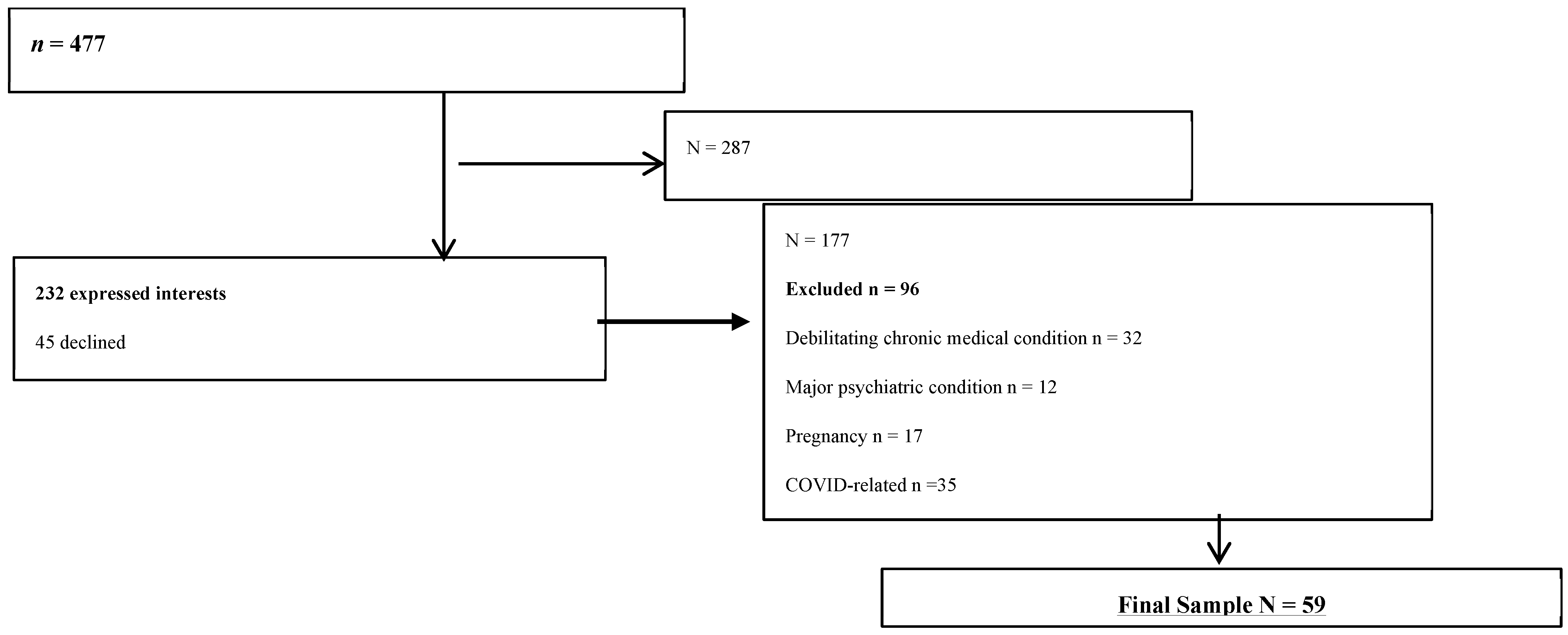
Figure 1. Participant recruitment process.
Diabetology 06 00154 g001
Table 1. (A). Participant characteristics (demographics/clinical). (B). Participant characteristics—CGM-derived glycemic indices. (C). Participant characteristics—diabetes self-management, food security, and stress subscales.
(A)
CharacteristicN = 59Mean (SD) or n (%)
Age 51.7 (9.9)
Sex (Female)
(Male)
30 (50.8%)
29 (49.2%)
Duration of T2D 7.7 (6.8)
Weight (lb) 163.7 (17.9)
Overweight/Obese (28.8/20.9)
Marital Status (Married) 30 (52.6%)
Education (≤HS) 11 (19.6%)
Annual Income
No. of Comorbid Conditions
47,694 (21,880)
1.63 (1.30)
(B)
MetricMean (SD)n (%)
Average glucose (70–126 gm/dL)98.340.8%
Glucose SD (% 20 mg/dL)20.915.6%
Coefficient of Variation (CV)20.37.5%
Time < 70 mg/dL21.425.6%
Time 70–180 mg/dL72.127.1%
Time > 180 mg/dL2.810.2%
(C)
DomainSubscalesMean (SD)N (%)
DSMSDSCA—General diet4.6(2.0)
DSMSDSCA—Exercise2.6(2.3)
Medication AdherenceMARS-54.0(2.4)
Food SecurityELCSA 5.4(4.0)
StressSAFE47.9(20.7)
StressIRRS-Brief51.9(21.7)
Note. CV coefficient of variation; SD standard deviation; HS = high school. CV% < 36% often considered acceptable variability threshold; CGM continuous glucose monitors, DMS Diabetes Self-Management (SDSCA); Medication Adherence (MARS-5); Food Security (ELCSA); Stress (SAFE; IRRS-Brief).
Table 2. Correlations between CGM measures, demographics, diabetes care, medication adherence, food security, and SAFE.
Average Daily Glucose
Spearman Coeff.
CV of Glucose
Spearman Coeff.
SD of Glucose
Spearman Coeff.
Demographics
No. of Comorbid Conditions0.1920.1380.216
Weight0.2760.0000.009
Age0.1020.1070.164
Income0.036−0.068−0.044
Duration of Diabetes0.0540.2400.244
SDSCA
General Diet−0.219−0.025−0.071
Specific Diet−0.082−0.042
Exercise0.032−0.15822,120.100
Foot Care−0.0030.0980.061
Diet−0.0900.0570.038
Medication0.1490.1040.106
Physical Activity Score
PA-WD0.228−0.136−0.061
PA-WE0.200−0.133−0.074
PA-Total0.221−0.130−0.060
Medication Adherence
MARS5 Total−0.095−0.205−0.212
Food Security
Food Security with Minors* −0.2960.2000.139
Food Security with Member Only* −0.2880.2400.197
SAFE Total
SAFE Acculturative Stress0.1650.199* 0.276
Racial Stress
Total of Race-Related Stress0.176* 0.309* 0.396
Note. *, indicate p-values of <0.05, <0.01, and <0.001. Values are Spearman ρ (effect size) with two-sided p.
Table 3. Linear regression of daily glucose level and variability (SD).
Model: Daily Glucose Level (Log-Transformed)
(A) Raw Sample (n = 50)(B) Bootstrapping Sample (1000 Repeats)
CoefficientStdErrp-valueCoefficient95% CI
Weight0.2460.1360.07680.251(0.242, 0.259)
General Diet−0.2420.1430.0982−0.236(−0.242, −0.230)
Food Security with Member−0.3240.1490.0349−0.326(−0.331, −0.320)
Model: Daily Variability of Glucose (Standard Deviation)
(A) Raw Sample (N = 57)(B) Bootstrapping Sample (1000 Repeats)
CoefficientStdErrp-valueCoefficient95% CI
Duration of Diabetes0.2560.1070.02050.282(0.273, 0.291)
MARS5 Total−0.3650.1140.0023−0.361(−0.367, −0.356)
Race-Related Stress0.4470.1190.00040.460(0.443, 0.467)
Note. The regression models were performed using 59 (A) raw samples and were repeated to obtain the estimates and 95% confidence intervals using 5000 (B) bootstrapping samples, demonstrating consistent similarity of these correlations.
Disclaimer/Publisher’s Note: The statements, opinions and data contained in all publications are solely those of the individual author(s) and contributor(s) and not of MDPI and/or the editor(s). MDPI and/or the editor(s) disclaim responsibility for any injury to people or property resulting from any ideas, methods, instructions or products referred to in the content.