1. Introduction
Ex vivo machine perfusion has revolutionized organ preservation and assessment in transplantation. In this technique, an excised organ is connected to a perfusion circuit that delivers oxygenated, nutrient-rich perfusate at near-physiological temperature, maintaining viability and functional activity outside the body, while remaining accessible for imaging, biopsies, and intervention (
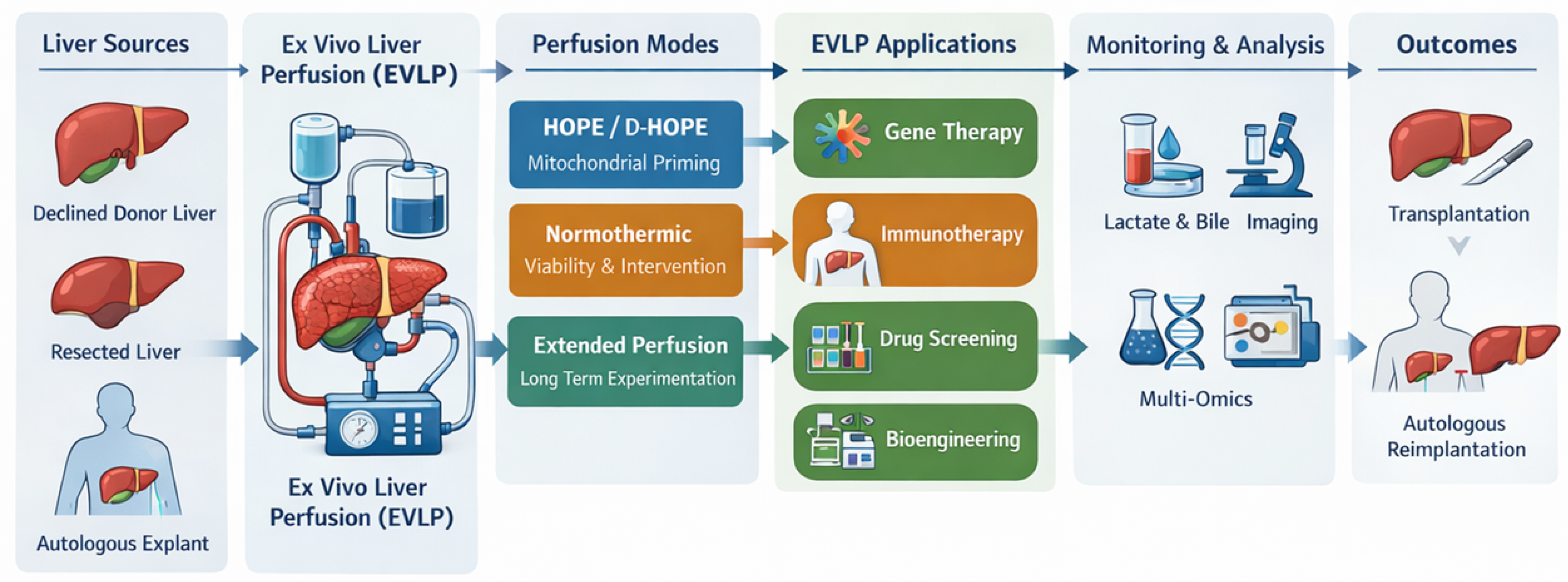
Figure 1). Normothermic ex vivo perfusion was initially developed as an alternative to static cold storage to mitigate ischemia-reperfusion injury and extend preservation times [
1]. In the liver, normothermic perfusion has been shown to reduce graft injury and enable robust viability assessment prior to transplantation [
2]. Notably, ex vivo perfusion has already expanded the donor pool by “reconditioning” marginal livers, rendering previously unusable organs transplantable. Proofs-of-concept studies now demonstrate multi-day perfusion of human livers with integrated waste removal and endocrine support, effectively shifting ex vivo liver perfusion (EVLP) from preservation toward short-term ex vivo organ culture [
3]. These successes have paved the way for the routine clinical integration of ex vivo perfusion in organ transplant programs.
Beyond transplantation, ex vivo organ perfusion is gaining recognition as a translational research platform. It effectively bridges the gap between in vitro experiments or animal models and human in vivo physiology. Intact human organs maintained on perfusion provide an in vivo-like setting to study human-specific biology, evaluate therapeutic interventions, and model diseases without compromising patient safety. In fact, major funding agencies are now encouraging human-focused research approaches. In 2025, the NIH announced it would prioritize human-based experimental models, such as perfused organs, organoids, and microphysiological systems, while reducing exclusive reliance on animal models. This policy shift reflects a growing acknowledgement that animal-only studies often poorly predict human outcomes, and that platforms like ex vivo perfused organs can enhance translational success [
4,
5]. Significantly, many donated livers that were declined for transplantation remain suitable for research, providing ethically sourced tissue with intact vascular and immune microenvironments.
A major translational advantage of EVLP lies in its ability to enable human-specific preclinical experimentation using donor livers declined for transplantation or surgically resected tissue. These organs retain intact architecture, zonation, vascular networks, and resident immune and stromal cell populations, offering substantially greater physiological fidelity than traditional rodent or large animal models.
Human liver perfusion studies have been used to characterize mechanisms of drug-induced liver injury, including acetaminophen toxicity, under controlled and reproducible conditions that allow high frequency sampling and direct correlation of functional, metabolic, and histologic endpoints [
6,
7]. Similarly, EVLP platforms have supported investigation of defatting strategies for steatotic livers and the development of controlled ischemia reperfusion injury models that capture human specific mitochondrial and inflammatory responses not fully recapitulated in animal systems [
6].
In oncology-oriented applications, perfused human livers provide an opportunity to study intraparenchymal drug distribution, tumor stroma interactions, and spatial pharmacodynamic responses within authentic human tumor microenvironments. Although these studies remain largely exploratory, they offer a means to identify early efficacy signals, organ specific toxicities, and mechanistic biomarkers prior to first-in-human exposure. As such, EVLP-based experimentation addresses a critical gap between animal studies and clinical translation, particularly for therapies whose pharmacology or toxicity is highly species dependent.
While EVLP has broad applications across pharmacology, bioengineering, and personalized medicine, this review places particular emphasis on gene therapy and immunomodulation as mechanistically mature and clinically proximate use cases, using other applications to illustrate the platform’s broader translational potential.
2. Technical Foundations and Recent Advances in EVLP
2.1. Perfusion Modes, Temperature Strategies, and Platforms
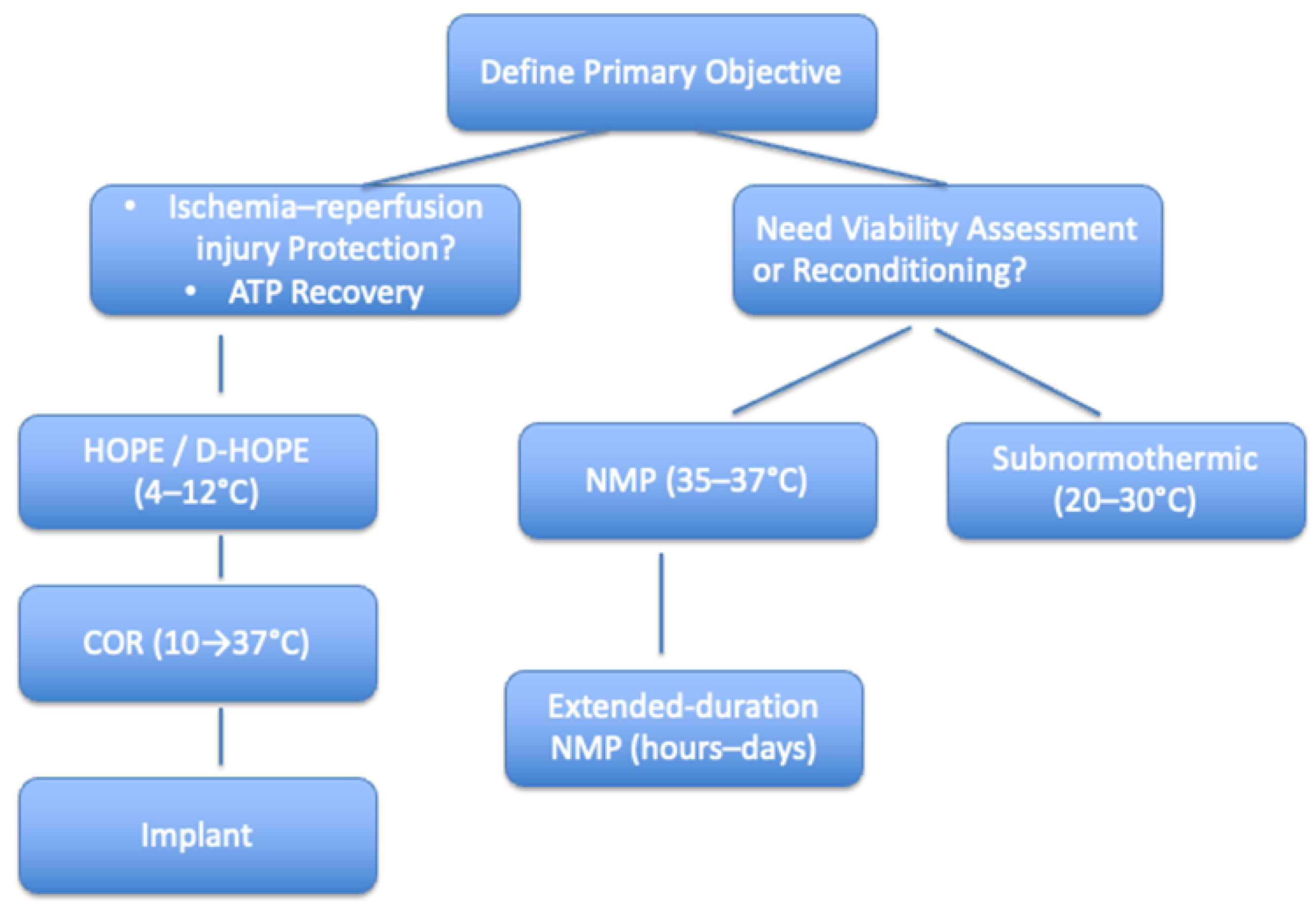
EVLP encompasses a spectrum of temperature-controlled modalities: hypothermic (4 to 12 °C), subnormothermic (20 to 30 °C), and normothermic (35 to 37 °C), each designed to target distinct physiologic pathways to mitigate ischemia-reperfusion injury [
6,
8,
9] (
Figure 2,
Table 1). Hypothermic oxygenated perfusion (HOPE) and its dual-vessel variant (D-HOPE) have emerged as important strategies for improving mitochondrial function, reducing succinate accumulation, and attenuating reperfusion-associated oxidative stress prior to graft warming [
9,
10] (
Figure 1). Controlled oxygenated rewarming (COR) builds upon this concept by gradually transitioning temperature toward normothermia, thereby reducing abrupt mitochondrial stress and oxidative burst at reperfusion [
11]. Related oxygenated subnormothermic (21 °C) perfusion strategies have demonstrated similar protective effects without full temperature ramping [
12].
Modern perfusion platforms, including Organ physiological XVIVO Perfusion systems (Liver Assit, XVIVO, Gothenburg, Sweden), OrganOx metra (OxganOx Ltd., Oxford, UK), LifePort Liver Transporter (Organ Recovery System, Itasca, IL, USA), VitaSmart Liver Machine Perfusion (Bridge to Life, Duluth, GA, USA), and the TransMedics Organ Care System (OCS) (TransMedics, Andover, MA, USA), enable automated regulation of perfusion pressure and flow and integrated oxygenation and temperature control, as well as provide continuous real-time monitoring of physiologic and biochemical parameters, such as perfusate gases, lactate, glucose, and bile production [
13,
14]. Although these commercially available clinical platforms do not natively incorporate dialysis or hemofiltration modules, their precise hemodynamic control and real time metabolic monitoring allow a close representation of in vivo hepatic physiology and facilitate dynamic adjustment of metabolic support during extended normothermic perfusion [
14].
Table 1.
Temperature-controlled liver perfusion modalities and representative features.
Table 1.
Temperature-controlled liver perfusion modalities and representative features.
| Modality | Temp (°C) | Key Features | Primary Objectives | Representative Platforms/Notes | Key Refs. |
|---|
| HOPE (portal)/D-HOPE (portal + hepatic artery) | 4–12 | Oxygenated hypothermic perfusate; low shear stress; succinate depletion; mitochondrial priming | Reduce ischemia reperfusion injury; improve ATP recovery prior to warming or implantation | Often used as a brief preconditioning step; may be combined sequentially with COR or NMP | Schlegel et al., (2014); van Rijn et al. (2021) [9,10] |
| COR (controlled oxygenated rewarming) | 10→37 (gradual) | Stepwise temperature ramp under oxygenated flow | Avoid abrupt oxidative burst; smooth mitochondrial workload transition | Transitional bridge from HOPE/D-HOPE to NMP | von Horn et al. (2017) [11] |
| Subnormothermic perfusion | 20–30 | Reduced metabolic demand with partial preservation of synthetic and enzymatic activity | Mitigate injury while enabling limited functional assessment or targeted interventions | Less commonly used clinically; valuable for mechanistic and translational studies | Fontes et al. (2015) [12] |
| NMP (normothermic machine perfusion) | 35–37 | Oxygenated RBC or hemoglobin-based perfusate; physiologic pressure and flow control; bile production and continuous biochemical monitoring | Viability assessment; functional reconditioning; intra-perfusion therapeutic intervention | Commercial clinical platforms include OrganOx metra®, XVIVO Perfusion systems, and OCS; do not natively incorporate dialysis or hemofiltration modules | Nasralla et al. (2018); Mergental et al. (2020); [2,15] |
| Extended duration NMP | 35–37 (hours to 7+ days) | External dialysis/ultrafiltration; endocrine, nutritional, and metabolic supplementation; closed-loop control strategies | Research platform for gene therapy delivery, pharmacologic testing, disease modeling, and split-liver experimental designs | Typically, custom or modified research circuits rather than standard commercial clinical devices; enables longitudinal sampling and multi-omics analyses | Eshmuminov et al. (2020); Lau et al. (2023) [3,16] |
2.2. Extended and Long-Duration Perfusion
EVLP provides a controlled platform to maintain and study human livers outside the body under near-physiological conditions [
1,
2,
15,
17]. Standard clinical normothermic perfusion protocols typically support livers for 4–12 h, sufficient for viability assessment and graft selection [
2]. Recent experimental platforms have extended perfusion duration to 5–7 days (120–168 h) using red blood cell-based or acellular hemoglobin carriers, integrated dialysis or ultrafiltration, and endocrine supplementation [
3]. Across these studies, stable lactate levels (<2.5 mmol/L), preserved bile production, and sustained oxygen consumption have been demonstrated for prolonged periods, establishing feasibility for long-term experiment [
3,
16].
Such extended duration platforms have created opportunities that were previously inaccessible in transplantation, such as longitudinal monitoring of regenerative responses, gene therapy delivery, antifibrotic interventions, and personalized pharmacologic testing. Split-liver protocols, where one lobe serves as an internal control while the other receives a therapeutic intervention, represent a compelling experimental design reducing inter-organ variability and making it easier to understand how the treatment works [
18]. Additionally, the ability to sustain organs for longer periods may reduce scheduling and transport pressures.
2.3. Imaging, Physiologic Monitoring, and Spatial Omics
EVLP provides an unparalleled opportunity for the real-time visualization and molecular characterization of liver function. Hyperspectral imaging has been applied to map microvascular oxygenation and regional perfusion heterogeneity, offering immediate feedback on the adequacy of macro- and microcirculatory flow [
19]. Additional imaging strategies, including fluorodeoxyglucose positron emission tomography (FDG-PET), have demonstrated that perfused livers preserve hepatocellular metabolic activity, which correlates with adenosine triphosphate (ATP) recovery and post perfusion viability, through homogeneous 18F-fluorodeoxyglucose (FDG) uptake [
20]. Other techniques, including contrast-enhanced ultrasound and optical imaging, are beginning to map dynamic changes in microvascular filling and parenchymal viability [
3,
21].
Recent progress in molecular profiling has enhanced our ability to study mechanisms during EVLP. Spatial transcriptomics and proteomics now make it possible to examine inflammation, metabolic activity, and cholangiocellular pathways in specific anatomical zones [
22]. Multi-omics profiling of perfusate, including metabolomics, cytokine panels, extracellular vesicles, and lipidomics, provides sensitive, temporally resolved markers of hepatocyte stress, mitochondrial dysfunction, and biliary epithelial injury [
23,
24]. The incorporation of micro-dialysis catheters into perfused tissue further enables continuous sampling of lactate/pyruvate ratios, ATP intermediates, and redox markers directly within the parenchyma, providing real-time insight into intracellular energy states [
25].
2.4. Viability Assessment and Evolving Quality Thresholds
Traditionally, clinical decision-making during EVLP has relied on a combination of metabolic, synthetic, and hemodynamic markers, most notably lactate clearance, glucose utilization, oxygen consumption, transaminase trajectories, bile production, and bile composition. Among these, lactate clearance to <2.5 mmol/L within the first 2–4 h of normothermic perfusion remains one of the most widely validated criteria for assessing translatability [
15,
17,
26]. Bile production rates, biliary pH (>7.5), and low biliary glucose concentrations have emerged as predictors of cholangiocyte integrity, particularly in donation after circulatory death (DCD) grafts [
27]. Histologic assessment continues to play a role in identifying necrosis, vascular injury, and biliary epithelial viability, though its central role is evolving as increasingly sensitive molecular biomarkers enter clinical practice [
15,
28].
In recent years, several mitochondria-focused biomarkers have emerged as powerful adjuncts to conventional physiologic parameters. Perfusate flavin mononucleotide (FMN), released during mitochondrial complex I injury, has been validated as a real-time marker of ischemia reperfusion severity; elevated FMN levels early in EVLP (typically measured within the first 4–6 h) strongly correlate with non-viability and inferior post-transplant outcomes [
29,
30]. Similarly, indocyanine green (ICG) clearance, which reflects hepatocellular transporter function independent of perfusion flow, provides an objective readout of metabolic and excretory capacity and has been associated with early allograft dysfunction when impaired [
31]. Quantification of cell-free mitochondrial DNA (mtDNA) in perfusate or bile, released as a damage-associated molecular pattern, has likewise demonstrated prognostic value, correlating with hepatocellular and cholangiocytic injury as well as the risk of ischemic cholangiopathy and early allograft dysfunction [
32,
33].
Beyond single-analyte biomarkers, large-scale transcriptomic, proteomic, and metabolomic signatures have begun to supplement or even outperform traditional biochemical thresholds. Perfusate multi-omics approaches have identified early molecular features of mitochondrial dysfunction and biliary injury that correlate with post-transplant liver function tests and may refine graft selection beyond lactate or bile-based criteria alone [
34]. Complementing these advances, machine-learning strategies that integrate physiologic metrics with imaging data and molecular readouts are under active development and hold promise for establishing standardized, reproducible quality thresholds capable of distinguishing research grade from clinically transplantable organs [
35]. Ultimately, the convergence of physiologic markers with spatial, mitochondrial, and multi-omic biomarkers, and their integration into large scale predictive models, is expected to yield more quantitative, mechanistically grounded, and widely generalizable viability assessment frameworks.
2.5. Pharmacological Testing and Drug Screening on Perfused Livers
EVLP preserves native architecture, zonation, and non-parenchymal cell networks (Kupffer cells, liver sinusoidal endothelial cells, stellate cells, etc.) [
3,
36]. Human or porcine livers on EVLP exhibit phase I/II metabolism and realistic pharmacokinetics (PK)/pharmacodynamics (PD) for probe drugs, with disease specific differences (e.g., cirrhosis vs. non-cirrhosis) reliably reproduced [
37,
38].
2.6. Drug Metabolism and Toxicity
Ex vivo human liver models reproduce dose-dependent acetaminophen injury with early functional decrements and histological damage, while allowing hourly perfusate sampling to construct high-resolution metabolic time courses [
7]. In paired studies, cirrhotic vs. non-cirrhotic livers demonstrated distinct clearance of phenotypic substrates (e.g., phenacetin, midazolam, diclofenac), mirroring clinical differences in hepatic metabolism [
38]. Large-animal EVLP permits rapid induction of steatosis (via free fatty acid infusion) and “multi-hit” injury (steatosis + acetaminophen), providing a versatile, human-relevant platform to evaluate hepatoprotective strategies, antidotes, and pharmacologic interventions. Beyond toxicity studies, these systems enable detailed mechanistic dissection of injury pathways, regeneration dynamics, and inter-individual variability, offering unprecedented opportunities to bridge preclinical findings directly to translational and clinical applications.
2.7. Pre-Clinical Screening Use Cases
EVLP supports the study of (i) organ-level absorption, distribution, metabolism, and excretion (ADME) with inflow/outflow sampling; (ii) biliary excretion assessment; (iii) early safety signals for cholestasis or mitochondrial injury; and (iv) disease-context testing (e.g., nonalcoholic fatty liver disease or cirrhosis). While throughput is inherently low, human-relevant signals from even a few livers can inform critical decisions.
2.8. Analytical Innovations
Solid-phase microextraction (SPME) liquid chromatography mass spectrometry (LC/MS) is a rapid, minimally invasive analytical approach capable of borderline real-time chemical profiling in complex biological tissues, and represents a promising adjunct to micro-dialysis for molecular monitoring during ex vivo organ perfusion [
39].
3. Applications of EVLP in Gene Therapy and Genome Engineering
3.1. Utility in Research and Development of Gene Therapy Technology
Adeno-associated virus (AAV) vectors have revolutionized gene therapy with multiple FDA approvals now secured in spinal muscular atrophy and hemophilia, among other diseases [
40]. However, AAV consists of many different serotypes with abundant possibilities for further capsid engineering. Early studies screened the best AAV serotypes through their use in mouse models, selecting the best liver transducing serotype [
41]. However, later studies observed that many AAV capsids identified in murine models exhibit reduced transduction in non-human primate and human hepatocytes [
42]. Thus, a focus shifted to how to best screen for AAV vectors that are best optimized for delivering in the human liver.
Within this context, ex vivo perfused human livers have emerged as an invaluable tool for screening and the optimization of AAV viral vector candidates [
36]. This model facilitates the comprehensive comparison of numerous AAV vector serotypes or bioengineered variants to determine both their physical transduction efficiency (the ability to enter target cells) and functional transduction (the ability to drive high levels of stable transgene expression) [
36]. By employing techniques like Next-Generation Sequencing (NGS) of barcoded AAV libraries, researchers can simultaneously evaluate dozens of vectors within a single human organ, providing a robust, quantitative ranking of the most effective candidates for clinical use [
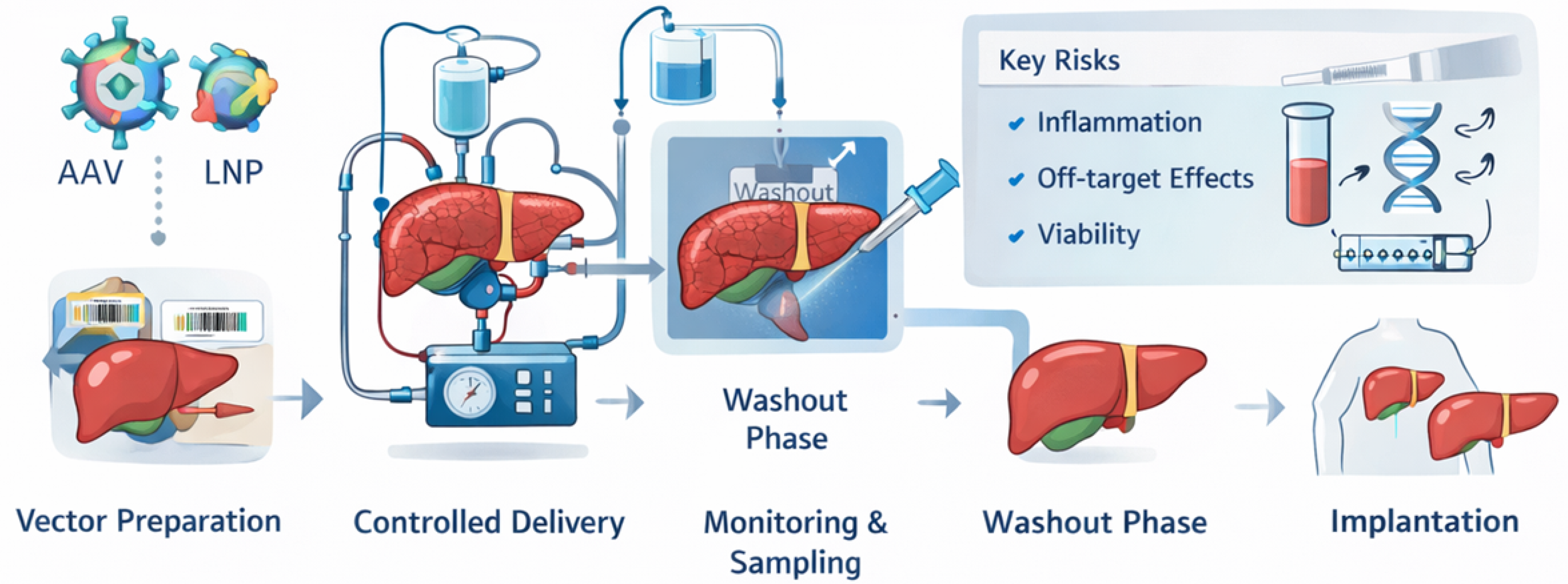
36]. Furthermore, the perfusion system allows assessment of dose-dependent transduction patterns (specific hepatic acinus zones) and cell type specific effects (parenchyma vs non-parenchyma), helping to refine dosing strategies and identify potential deleterious effects before administration to patients (
Figure 3).
Beyond optimizing delivery vectors, the ex vivo human liver platform can be leveraged to test the feasibility and safety of novel therapeutic modalities, including CRISPR-based gene editing strategies. A major limitation of CRISPR approaches is that they are genome specific, and thus the target sites and off-target events should ideally be studied in the human genome [
43]. While primary human hepatocytes are commonly used for this purpose, their ability to mimic in vivo events remains limited. Consequently, preclinical development has relied heavily on in vivo primate models, as exemplified by recent studies of AAV-mediated liver gene editing to treat hypercholesterolemia [
44]. Even landmark studies of systemic CRISPR-Cas9 editing underscore both the promise of these therapies and the persistent uncertainty surrounding off-target and long-term effects in the human liver, highlighting the current gap between animal models and human biology that might be addressed by EVLP platforms [
45]. Another benefit is the EVLP model’s ability to maintain viability and functionality over several days or weeks under perfusion, which offers, in principle, an extended window for studying complex biological events like base editing, prime editing, and template-mediated insertion via (non)-homology-directed repair, and for studying the potential for sustained protein secretion from edited cells. The human EVLP model also affords benefits for studying optimal lipid nanoparticle (LNP) formulation in a native human environment, as lipoprotein receptor types and expression appears to vary across different species [
46]. The EVLP model has the potential to screen many different LNP formulations through current barcoding strategies. Importantly, the use of a fully human system avoids the paradoxical effects on LNP screening seen in human-liver chimeric mouse models [
47].
Besides AAV, lentivirus, and CRISPR-Cas-9, studies have shown that small interfering RNA interference (siRNA) can be taken up by the liver during machine perfusion preservation. P53 silencing was shown to successfully reduce liver damage and decrease immune response through ex vivo normothermic liver perfusion preservation in a damaged rat liver model [
48]. Encapsulating siRNA in lipid-based nanoparticles has been shown to further enhance liver uptake [
49]. A review of siRNA-mediated gene silencing and its applications to EVLP is covered in further detail in the enclosed referenced [
50].
In summary, by providing a high-fidelity, controllable environment that closely mimics the human physiological system, the ex vivo perfused human liver accelerates the preclinical pipeline, enabling the rapid and informed translation of gene therapies from bench to bedside for patients suffering from inherited metabolic disorders and chronic liver diseases.
3.2. Utility as a Direct Platform for Human Liver Treatment
While EVLP offers significant advantages for developing and evaluating gene therapy vectors suitable for direct patient delivery, it also provides a platform for directly modifying the organ itself using genetic vectors. EVLP offers a unique opportunity to deliver gene therapy or genetic modifications directly to a human organ in a controlled environment [
51]. In conventional in vivo gene therapy, vectors (such as lentiviruses or AAV) infused systemically may transduce off-target tissues and cause unintended effects. By contrast, during ex vivo perfusion, the therapeutic genes can be confined to the isolated organ, enhancing target specificity and biosafety, while also affording the ability to remove the genetic vehicle from the organ prior to transplant. This strategy has given rise to the concept of preconditioning organs ex vivo with gene therapy to improve their function or treat disease prior to transplantation. In a recent example of this, investigators treated the explant liver from a patient with mitochondrial neurogastrointestinal encephalomyopathy (MNGIE), showing that the AAV8 gene therapy infused into the system could reduce thymidine phosphorylase (TYMP) deficiency in a human liver with MNGIE, as judged by correction of nucleosides [
35,
52].
Early studies have demonstrated the feasibility of gene delivery during machine perfusion. For example, researchers have perfused livers ex vivo with lentiviral vectors, achieving stable genetic modifications in the graft in rodent models [
53]. One striking potential application is the ex vivo use of CRISPR-Cas9 gene editing, wherein the CRISPR components could be delivered via perfusion to correct deleterious mutations or remove immunogenic molecules in the organ [
54]. This would effectively “edit” the graft before transplant [
54]. Indeed, a first-in-human registered clinical trial is now underway in China to evaluate ex vivo CRISPR editing of a donor liver’s HLA genes to reduce graft immunogenicity and the risk of rejection (NCT07053488). If successful, this study would set an example that perfusion-enabled gene therapy might replace the life-long immunosuppression through genetically engineering organs.
Key advantages of ex vivo perfusion for gene therapy versus traditional in vivo gene therapy include precise dosing and timing of vector delivery—serving as the bridge for efficacy and safety verification before clinical trials—the ability to use vectors or doses that might be too toxic systemically, and real-time monitoring of organ function during and after gene transfer. Toxicity is a particular concern for AAV doses given at high levels, which has caused fulminant liver failure and death in some patients [
55]. As witnessed in the proof-of-concept study for MNGIE, researchers can sample perfusate and tissue to confirm successful gene uptake, expression, and functional impact before considering clinical application [
52].
Despite its promise, several challenges must be addressed before gene therapy via liver perfusion can be routinely implemented. Perfusion-induced stress (e.g., residual ischemic injury or inflammation) could affect the efficacy of gene transfer or the organ’s subsequent function. Viral vectors themselves can cause inflammatory responses; however, ex vivo delivery allows those responses to be observed and managed (for example, by adjusting perfusate conditions or adding anti-inflammatory agents). Another hurdle is that severe steatosis or cirrhotic livers could behave differently compared to a healthy liver [
56], making translation more complicated. Strategies to ensure no residual gene vector product enters the patient will also be important. Altogether, however, EVLP could become a versatile gene therapy platform for both transplant optimization and the treatment of inherited liver disorders.
3.3. Immunotherapy and Immunomodulation on the Perfused Liver
EVLP systems provide a controlled venue to study immunotherapy and immunomodulation within an intact human liver. Because the organ is isolated from systemic immune influences, immune dynamics can be observed and manipulated under defined conditions while preserving resident hepatic immune populations [
57].
One potential application is to evaluate how a human liver (healthy or tumor-bearing) responds to immunotherapy drugs. For example, researchers can perfuse a liver with an immune checkpoint inhibitor or with engineered immune cells (like CAR-T cells or tumor infiltrating lymphocytes) to observe tumor-immune interactions and toxicity in real time. This kind of experiment is impossible in patients (due to risk) and not adequately replicated in animal models if the drug is human-specific. In a perfused liver, one can measure the release of immune cytokines, changes in immune cell activation, or upregulation of markers like programmed cell death protein 1/programmed cell death protein-ligand 1 (PD-1/PD-L1) on cells. A recent EVLP study measured soluble PD-L1 levels in the perfusate of human livers during 30 h of normothermic perfusion. It found that sPD-L1 (an immunosuppressive marker associated with checkpoint pathways) continuously increased during perfusion as the organ underwent stress and mild injury, correlating with inflammatory cytokines and liver injury markers [
58]. This indicates that immune checkpoint dynamics can be studied ex vivo and suggests perfused organs could serve as a model to test how an immunotherapy (for instance, an anti-PD-L1 antibody) might alter those dynamics. Similarly, one could introduce immune effector cells into the perfusate to simulate an immune attack or immunotherapy and monitor their infiltration and impact on the liver tissue.
A clear example is the effort to induce immune tolerance by modifying or removing certain immune cells in the organ. There is ongoing research into leveraging perfusion to promote graft acceptance: one approach is using ex vivo perfusion to silence donor MHC gene expression via RNA interference, thereby reducing the graft’s visibility to the recipient’s immune system. In a proof-of-concept study, a rat kidney perfused with lentiviral vectors encoding shRNA against MHC class I and II achieved suppressed MHC gene expression and subsequently provoked weaker immune rejection after transplantation [
59]. By the same token, a perfused liver could be treated with therapies to eliminate passenger leukocytes or to upregulate protective molecules (e.g., anti-inflammatory or cell-protective genes) before transplantation. Ex vivo perfusion has also been proposed for treating severe infections in donor organs, such as high-dose antimicrobial or antiviral perfusion to eradicate pathogens prior to transplantation [
60]. All these strategies fall under ex vivo organ immune engineering, making the organ more “invisible” to the immune system or better at fighting off disease.
From an oncology perspective, perfusion systems can support high-intensity regional immunomodulation. Indeed, by extension, for cancer immunotherapy, one could envision perfusing a liver with tumor-targeted immune cells or bispecific antibodies that engage immune cells to destroy cancer or perform gene therapy to modulate the liver microenvironment from pro-cancer to cancer-resistant, thereby providing the patient with a liver capable of long-term protection against metastasis.
Limitations in this realm include the fact that an isolated organ lacks the full immune system. Many circulating immune cells are removed when the organ is procured and flushed. In a liver perfusion circuit, any immune cells present are largely those resident in the liver or a small number of leukocytes that might be added via blood-based perfusate. This means the model may have an attenuated immune response unless supplemented. To study certain immunotherapies, researchers might need to add back autologous immune cells or even connect the perfusion to an external bioreactor simulating bone marrow or the lymphoid organs, approaches that are complex and still experimental. Another challenge is the viability and functional longevity of immune cells in a perfusion circuit; some immune cells may become activated or apoptotic over time due to the artificial conditions. Also, ethical considerations arise if one is using patient-derived immune cells or tissues; proper consent and biosafety must be ensured, especially if modified immune cells (like gene-edited T cells) are introduced and could potentially persist in the organ.
Despite these challenges, initial studies using perfused human livers for immunological insights are encouraging. They suggest that ex vivo perfusion could become a standard pre-clinical immunotherapy testing platform, where novel treatments (from checkpoint inhibitors to cell therapies) are first evaluated on a human organ to glean efficacy and toxicity signals before patient trials. In parallel, perfusion-mediated immune conditioning of organs for transplant could improve outcomes, such as by reducing graft-versus-host interactions or even tolerizing the graft to the recipient’s immune system. Together, these trends position EVLP as a valuable tool in both accelerating the development of immunotherapies and enhancing transplant immunology outcomes.
3.4. Biosafety and Immunogenicity Considerations
The use of viral vectors, lipid nanoparticles, and biologics during EVLP raises important biosafety and immunogenicity considerations, particularly in extended-duration systems. Innate immune activation mediated by Kupffer cells, complement pathways, and endothelial sensing may influence both transduction efficiency and inflammatory injury. Unlike in vivo delivery, EVLP permits direct monitoring of cytokine release, complement activation, and tissue injury in real time, enabling early detection and mitigation of adverse responses. Nevertheless, uncertainty remains regarding the persistence of vector genomes, immune memory formation, and the durability of therapeutic effects following implantation, underscoring the need for cautious dose escalation and rigorous post-perfusion assessment.
4. Beyond Preservation: Advanced Interventions of EVLP
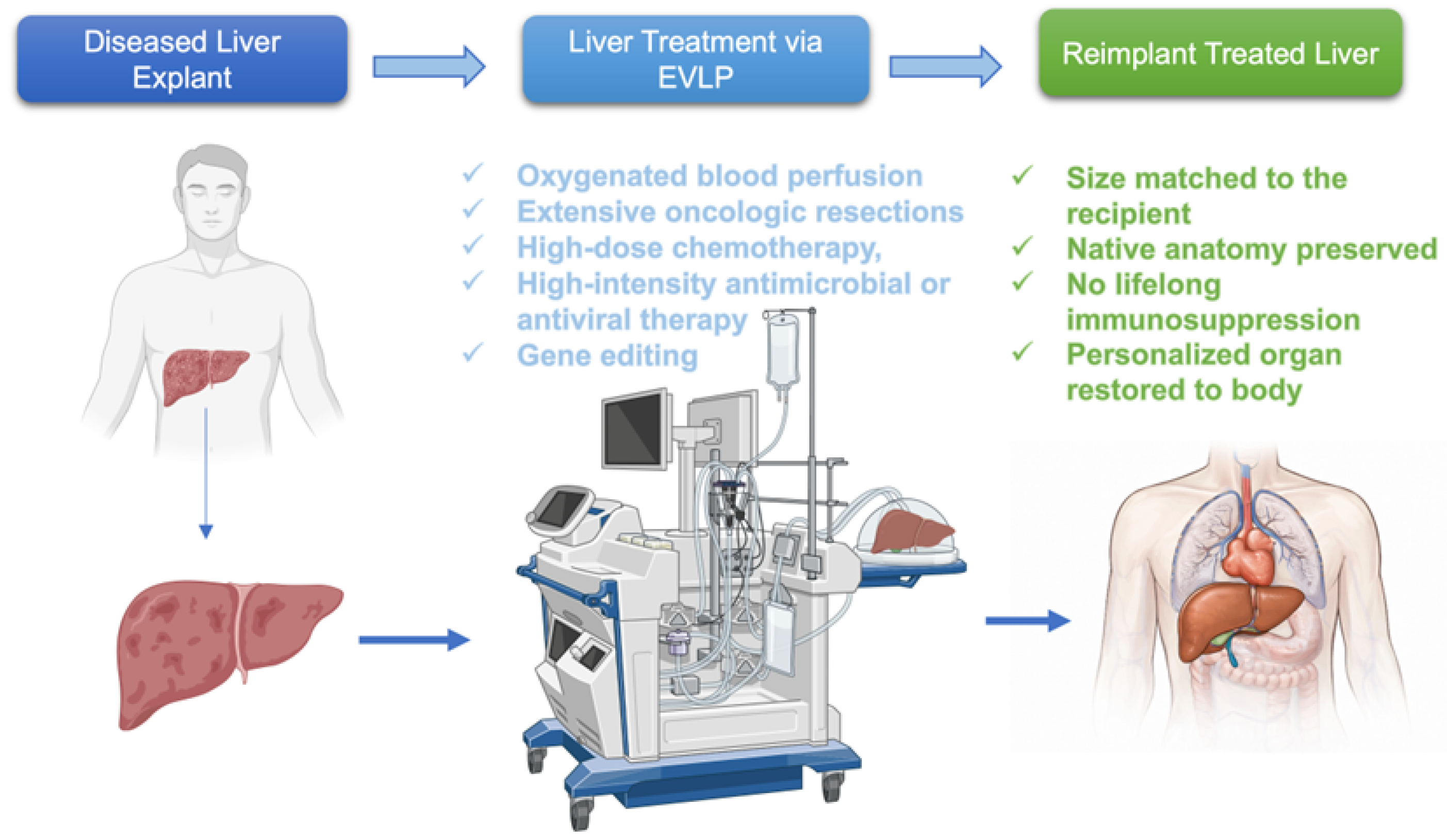
EVLP has a visionary potential role in personalized, autologous therapy, in which a patient’s diseased liver is explanted, treated on an EVLP circuit, and reimplanted (
Figure 4). This approach could eliminate size-mismatch constraints, preserve native vascular and biliary anatomy, and potentially avoid lifelong immunosuppression. It also builds on established surgical precedent: ex vivo liver resection with autotransplantation has enabled R0 resection of otherwise unresectable malignancies [
61,
62]. In principle, EVLP could provide a physiologic platform for extensive oncologic resections and organ-confined delivery of high-dose chemotherapy or intensive antimicrobial/antiviral therapies at exposures unsafe in vivo, with future extensions to gene-editing or targeted antiviral strategies for chronic viral hepatitis, contingent on preserving post-treatment graft function. Even when reimplantation is not feasible or intended, the same perfusion infrastructure can be repurposed as a high-fidelity ex vivo platform to evaluate patient-specific therapeutic responses and inform downstream treatment selection.
4.1. Organ-Confined “Ultima Ratio” Therapies
The transformative capability of EVLP lies in the possibility of isolated high-dose therapy, a concept sometimes framed as “ultima ratio” treatment, where pharmacologic exposure is intensified at the organ level. By delivering antimicrobials, antiviral agents, or antiparasitic drugs directly into the hepatic vasculature, EVLP could facilitate eradication of otherwise intractable intrahepatic infections [
14]. Because perfusate can be fully washed out prior to reimplantation, systemic exposure remains negligible. Analytically, techniques such as solid phase microextraction coupled to LC/MS can support time-resolved small-molecule profiling with minimal sample perturbation, complementing micro-dialysis-based monitoring in perfusion research [
14]. Liver specific clinical evidence for this approach remains limited and largely proof of concept.
4.2. Intensified Liver-Directed Chemotherapy and Hyperthermic Perfusion
The liver’s unique vascular architecture and the dose-response characteristics of many cytotoxic agents provide a strong rationale for liver-confined chemotherapy. Across the oncology literature, both experimental and computational studies demonstrate that local drug concentration and spatial dose distribution strongly influence tumor cell injury and treatment response, independent of total systemic dose [
63]. In parallel, cytotoxic chemotherapy is increasingly recognized as exerting effects not only through direct tumor-cell killing but also through the modulation of inflammatory and immune-signaling pathways within the tissue microenvironment [
64]. EVLP offers a controlled experimental setting in which liver-directed drug exposure could, in principle, be intensified beyond what is safely achievable in vivo. Although liver-specific clinical data on supra-systemic chemotherapeutic dosing during EVLP remain limited, the platform provides a unique opportunity to explore pharmacologic exposure–response relationships under physiologic flow and metabolic conditions, with subsequent circuit washout prior to implantation.
Controlled precise hyperthermia during EVLP represents a complementary modality that may further enhance the efficacy of regional chemotherapy. Mild hyperthermic exposure (approximately 42–43 °C) has been shown in oncology models to increase cellular membrane permeability, impair DNA repair, and induce heat-shock-mediated apoptotic pathways, forming the basis for established hyperthermic treatment strategies such as hyperthermic intraperitoneal chemotherapy (HIPEC) [
65]. EVLP provides a technically feasible means to study localized hyperthermic chemotherapeutic combinations in the liver without systemic thermal stress.
At the same time, chemotherapy-induced liver injury and resistance are mediated by inflammatory pathways, including interleukin-6/signal transducer and activator of transcription 3 (IL-6/STAT3) signaling and toll-like receptor 4 (TLR4) activation, which have been implicated in hepatocellular stress, tumor progression, and treatment resistance [
66,
67]. Because the liver is isolated during EVLP, it creates an opportunity to mechanistically dissect these pathways and to explore adjunctive strategies to mitigate injury while preserving therapeutic efficacy.
4.3. Bioengineering and Ex Vivo Organ Modification
Beyond pharmacologic interventions, EVLP provides a physiologic environment suitable for a range of regenerative and bioengineering applications that depend on intact vascular flow, oxygen delivery, and metabolic support. One of the most compelling demonstrations of this potential is the use of cholangiocyte organoids to repair injured bile ducts in human livers. In a landmark study, cholangiocyte organoids introduced into the biliary tree during ex vivo perfusion engrafted within damaged ducts differentiated appropriately and expressed key biliary markers, resulting in measurable improvements in bile composition and ductal integrity [
68]. This work establishes proof-of-concept that ex vivo biliary repair can be achieved in human organs under normothermic perfusion.
More broadly, EVLP intersects with ongoing efforts in whole-organ bioengineering and liver-tissue engineering. Decellularized liver scaffolds and recellularization strategies have been extensively explored as potential solutions to organ shortages, with vascular patency, endothelialization, and immunogenicity identified as major translational challenges [
69,
70,
71]. While EVLP is not itself a recellularization strategy, the platform provides physiologically relevant flow, shear stress, and oxygenation, which are critical determinants of endothelial stability and thrombosis risk, and may therefore serve as a valuable testbed for evaluating bioengineered constructs prior to implantation.
EVLP has also been proposed as a delivery route for emerging biologic interventions aimed at improving cellular resilience. For example, mitochondrial transplantation has demonstrated the ability to restore bioenergetics and attenuate ischemia reperfusion injury in preclinical cardiac models, motivating interest in whether analogous strategies could be adapted for liver-directed delivery under perfusion conditions [
72]. Similarly, gene-silencing approaches using RNAi have been successfully applied during ex vivo liver machine perfusion to downregulate donor gene expression, highlighting the feasibility of molecular immune conditioning of grafts prior to implantation [
50].
4.4. Patient Specific Ex Vivo Testing Platforms
A distinct precision-medicine application repurposes EVLP not for reimplantation, but as a patient-derived functional testing platform performed on explanted tumor-bearing liver tissue (e.g., after hepatectomy or at transplant explant). Here, the goal is not to return the organ, but to preserve viability, vascular flow, metabolism, and microenvironmental context long enough to test candidate interventions under near-physiologic conditions and generate actionable biology to inform downstream care (e.g., adjuvant therapy selection, regimen choice at recurrence, and clinical trial stratification) and discover predictive biomarkers. Compared with organoids [
73], which are valuable for screening but often lack intact vasculature and whole-organ architecture, perfused tissue retains native 3D structure, perfusion-dependent drug delivery, and key stromal/immune components that shape drug penetration, immune activation, and toxicity. This enables controlled evaluation of chemotherapies, targeted agents, immunomodulators, and combinations, with serial perfusate/bile sampling and paired tissue analyses (e.g., spatial transcriptomics, sequencing of residual tumor, and perfusate secretome profiling) to map real-time sensitivity and resistance mechanisms and identify biomarkers before exposing patients to potentially toxic systemic therapy [
22,
74]. Beyond oncology, similar platforms can clarify metabolic liver disease mechanisms, characterize idiosyncratic hepatotoxicity, and probe pharmacogenomic vulnerabilities, and emerging microfluidic approaches may extend these principles to biopsy-scale tissue cores [
75].
5. Challenges and Controversies
Despite rapid technical progress, the use of EVLP as a therapeutic intervention platform raises several unresolved challenges that warrant critical consideration before broader clinical application. These challenges span biological, technical, and translational domains and are particularly relevant as EVLP moves beyond graft assessment toward gene therapy, immunomodulation, and high-intensity pharmacologic exposure.
A central concern is vector- and therapy-induced inflammation. Viral vectors, lipid nanoparticles, cellular products, and biologics delivered during EVLP can activate innate immune pathways within the liver, including Kupffer cell activation, complement signaling, and cytokine release. Because perfused livers are frequently derived from marginal donors and have already experienced ischemic stress, distinguishing therapy-related inflammatory responses from perfusion-induced injury remains challenging. Moreover, inflammatory activation during perfusion may influence downstream graft viability or confound interpretation of molecular readouts, particularly in long-duration experiments.
Organ-specific stress during perfusion represents a second major limitation. Even under optimized conditions, EVLP introduces non-physiologic elements such as altered shear stress, exposure to artificial oxygen carriers, and intermittent metabolic perturbations. These factors may influence mitochondrial function, endothelial integrity, and immune cell behavior in ways that differ from in vivo physiology. Extended duration perfusion, while enabling longitudinal experimentation, further amplifies concerns regarding cumulative stress, progressive inflammation, and drift from native tissue states.
Autologous EVLP requires major surgery, prolonged support with extracorporeal detoxification, and a perfusion system capable of sustaining the organ for extended durations, approaches that will likely be reserved for highly selected cases. The stresses of explantation and perfusion require a liver robust enough to tolerate manipulation, and current platforms are not yet optimized for routine autologous use.
For patient-specific ex vivo drug testing, sample availability, rapid turnaround times, and standardization of readouts remain practical constraints. The window to generate clinically actionable data is often narrow, especially for aggressive malignancies. Nonetheless, advances in micro dialysis, high-content imaging, and multi-omics profiling accelerate the feasibility of delivering timely, mechanistically rich, and patient specific insights.
Finally, there remains a translational gap between ex vivo findings and clinical outcomes. While EVLP preserves intact organ architecture and cell–cell interactions, it lacks systemic immune, hormonal, and neurohumoral inputs. Therapeutic responses observed during perfusion, such as transgene expression, immunomodulation, or drug metabolism, may not fully predict durability, efficacy, or toxicity after implantation. To study certain immunotherapies, researchers might need to add back autologous immune cells or even connect the perfusion to an external bioreactor simulating the bone marrow or lymphoid organs, approaches that are complex and still experimental. Another challenge is the viability and functional longevity of immune cells in a perfusion circuit; some immune cells may become activated or apoptotic over time due to the artificial conditions. Establishing validated correlations between EVLP biomarkers and post-transplant or post-reimplantation outcomes remains an essential prerequisite for clinical translation.
Addressing these challenges will require standardized perfusion protocols, harmonized injury and inflammation metrics, and prospective studies linking ex vivo responses to in vivo endpoints. Recognizing these limitations is critical to ensuring that EVLP evolves as a scientifically rigorous and clinically responsible platform rather than an overextended experimental surrogate.
6. Ethical and Regulatory Considerations
As EVLP expands from a preservation platform to a site of therapeutic intervention, its ethical and regulatory landscape has grown more complex. The use of transplant declined or surgically resected human livers for research offers ethical advantages compared with exclusive reliance on animal models, aligning with the principles of replacement, reduction, and refinement (3Rs) while improving translational relevance. The trial population should also be considered before the administration of advanced therapy medicinal products (ATMPs) [
76].
Regulatory oversight becomes more complex when EVLP is used to deliver gene therapies, cellular preparations, biologics, or supra-systemic pharmacologic exposures prior to reimplantation (
Table 2). In such cases, oversight from U.S. Food and Drug Administration (FDA) begins to mirror the frameworks developed for ATMPs, emphasizing product characterization, manufacturing controls, and safety assessment [
77]. A central requirement is ensuring biosafety and containment: institutions must demonstrate that viral vectors, genetically engineered cells, or other bioactive agents remain confined to the closed-loop perfusion circuit and do not contaminate the surrounding environment [
78].
The ability to flush or exchange perfusate following therapeutic exposure represents a unique feature of EVLP; however, regulators will expect supporting data demonstrating adequate reduction in residual biologic or pharmacologic material prior to implantation. Such assessments may include quantitative assays of perfusate and tissue compartments, aligned with established chemistry, manufacturing, and control (CMC) expectations for investigational gene and cell therapies [
78].
For genome-modifying or gene-regulatory interventions, additional considerations include evaluation of genomic integrity, off-target effects, and potential immunogenicity of the modified tissue following reimplantation. Regulatory frameworks emphasize the importance of defining potency assays that are mechanistically linked to therapeutic intent, such as modulation of immune markers, metabolic recovery, or biliary function, and their correlation with established EVLP physiologic endpoints used to inform organ suitability and investigational release decisions.
The limited duration of EVLP also raises questions regarding the durability of therapeutic effects. Some interventions may be designed to induce transient modulation, whereas others may result in longer-lasting biological changes requiring post-implantation monitoring. Regulatory submissions should therefore clearly articulate the anticipated persistence of therapeutic effects and propose appropriate follow-up strategies consistent with existing clinical trial oversight frameworks [
77,
78].
Ethical governance and consent processes must evolve alongside these technical advances. Donor authorization for research use of organs should explicitly address potential genetic modification, cellular infusion, and high-dose pharmacologic exposure, in line with principles of broad consent for biospecimen research [
79]. In proposed autologous EVLP scenarios, where a patient’s own liver is explanted, treated, and reimplanted, informed consent must address risks distinct from standard transplantation, including uncertainty regarding long-term genomic, metabolic, or immunologic consequences.
As EVLP-enabled therapeutics continue to develop, early engagement with regulatory authorities and transparent ethical frameworks will be essential. Establishing harmonized safety standards, proportionate oversight mechanisms, and robust consent practices will help ensure that advances in EVLP translate into clinically responsible and ethically grounded innovation.
7. Future Directions
The continued evolution of EVLP is likely to be shaped by advances in long-duration perfusion, standardized analytics, and regulatory harmonization. Integration of closed-loop control systems, machine learning-based viability prediction, and real-time molecular readouts may enable adaptive perfusion strategies tailored to specific therapeutic goals. Expansion of EVLP beyond the liver to multi-organ platforms could further enhance its translational relevance. Importantly, alignment of experimental protocols with regulatory expectations and prospective correlation of ex vivo readouts with clinical outcomes will determine whether EVLP fulfills its promise as a bridge from human-relevant experimentation to routine clinical intervention.
8. Conclusions
EVLP has evolved from a preservation adjunct to a versatile translational platform for the liver, supporting drug discovery, mechanistic disease modeling, on-organ gene/cell therapies, and personalized, autologous interventions; however, it still faces many challenges (
Table 3). By converting otherwise discarded livers into high-fidelity human models, EVLP aligns with the shift toward human-relevant research and offers a pragmatic path to de-risking early clinical translation. Continued advances in long-duration perfusion, standardized analytics, and GMP-compatible workflows will expand EVLP’s role from graft triage to organ-level therapeutics and precision medicine.
Author Contributions
Conceptualization, L.Y. and Y.H.; methodology, P.T., Y.W., Y.Y. and J.Z.; validation, N.H., K.E.C., X.C., R.L.K., V.K., B.J., L.Y. and Y.H.; formal analysis, P.T. and Y.W.; investigation, P.T.; resources, Y.Y., J.Z., N.H., K.E.C., X.C., R.L.K., V.K. and B.J.; data curation, P.T., Y.W., Y.Y., J.Z., N.H., K.E.C. and X.C.; writing—original draft preparation, P.T.; Y.W. and R.L.K.; writing—review and editing, Y.Y., J.Z., N.H., K.E.C., X.C., R.L.K., V.K., B.J., L.Y. and Y.H.; visualization, P.T. and Y.Y.; supervision, L.Y. and Y.H.; project administration, L.Y. and Y.H.; funding acquisition, L.Y. and Y.H.; All authors have read and agreed to the published version of the manuscript.
Funding
Florida State Casey DeSantis Cancer Innovation Fund.
Institutional Review Board Statement
Not applicable.
Informed Consent Statement
Not applicable.
Data Availability Statement
No new data were created or analyzed in this study.
Acknowledgments
All figures were created using BioRender and Microsoft PowerPoint. Artificial intelligence (AI) assisted tools were used to support language editing and structural organization.
Conflicts of Interest
The authors declare no conflicts of interest. No commercial interests.
Abbreviations
| Ex vivo liver perfusion | EVLP |
| Hypothermic oxygenated perfusion | HOPE |
| Dual-vessel variant HOPE | D-HOPE |
| Controlled oxygenated rewarming | COR |
| Organ Care System | OCS |
| normothermic machine perfusion | NMP |
| Fluorodeoxyglucose Positron Emission Tomography | FDG-PET |
| 18F-fluorodeoxyglucose | FDG |
| Donation after circulatory death | DCD |
| Indocyanine green | ICG |
| Free mitochondrial DNA | mt-DNA |
| Pharmacokinetics | PK |
| pharmacodynamics | PD |
| Absorption, distribution, metabolism, and excretion | ADME |
| Solid-phase microextraction | SPME |
| Liquid chromatography mass spectrometry | LC/MS |
| Adeno-Associated Virus | AAV |
| Next-Generation Sequencing | NGS |
| Clustered Regularly Interspaced Short Palindromic Repeats | CRISPR |
| Lipid nanoparticle | LNP |
| RNA interference | RNAi |
| Mitochondrial neurogastrointestinal encephalomyopathy | MNGIE |
| Thymidine phosphorylase | TYMP |
| Programmed cell death protein 1/programmed cell death protein -ligand 1 | PD-1/PD-L1 |
| As hyperthermic intraperitoneal chemotherapy | HIPEC |
| Interleukin-6/signal transducer and activator of transcription 3 | IL-6/STAT3 |
| Toll-like receptor 4 | TLR4 |
| Administration of advanced therapy medicinal products | ATMP |
| Chemistry, manufacturing, and control | CMC |
References
- Ceresa, C.D.L.; Nasralla, D.; Jassem, W. Normothermic Machine Preservation of the Liver: State of the Art. Curr. Transplant. Rep. 2018, 5, 104–110. [Google Scholar] [CrossRef]
- Nasralla, D.; Coussios, C.C.; Mergental, H.; Akhtar, M.Z.; Butler, A.J.; Ceresa, C.D.L.; Chiocchia, V.; Dutton, S.J.; García-Valdecasas, J.C.; Heaton, N.; et al. A randomized trial of normothermic preservation in liver transplantation. Nature 2018, 557, 50–56. [Google Scholar] [CrossRef]
- Eshmuminov, D.; Becker, D.; Bautista Borrego, L.; Hefti, M.; Schuler, M.J.; Hagedorn, C.; Muller, X.; Mueller, M.; Onder, C.; Graf, R.; et al. An integrated perfusion machine preserves injured human livers for 1 week. Nat. Biotechnol. 2020, 38, 189–198. [Google Scholar] [CrossRef] [PubMed]
- Hackam, D.G.; Redelmeier, D.A. Translation of research evidence from animals to humans. Jama 2006, 296, 1731–1732. [Google Scholar] [CrossRef] [PubMed]
- Pound, P.; Ebrahim, S.; Sandercock, P.; Bracken, M.B.; Roberts, I. Where is the evidence that animal research benefits humans? BMJ 2004, 328, 514–517. [Google Scholar] [CrossRef]
- Dengu, F.; Abbas, S.H.; Ebeling, G.; Nasralla, D. Normothermic Machine Perfusion (NMP) of the Liver as a Platform for Therapeutic Interventions during Ex-Vivo Liver Preservation: A Review. J. Clin. Med. 2020, 9, 1046. [Google Scholar] [CrossRef]
- Schreiter, T.; Sowa, J.P.; Schlattjan, M.; Treckmann, J.; Paul, A.; Strucksberg, K.H.; Baba, H.A.; Odenthal, M.; Gieseler, R.K.; Gerken, G.; et al. Human Ex-Vivo Liver Model for Acetaminophen-induced Liver Damage. Sci. Rep. 2016, 6, 31916. [Google Scholar] [CrossRef] [PubMed]
- Bruinsma, B.G.; Yeh, H.; Ozer, S.; Martins, P.N.; Farmer, A.; Wu, W.; Saeidi, N.; Op den Dries, S.; Berendsen, T.A.; Smith, R.N.; et al. Subnormothermic machine perfusion for ex vivo preservation and recovery of the human liver for transplantation. Am. J. Transplant. 2014, 14, 1400–1409. [Google Scholar] [CrossRef]
- Schlegel, A.; Kron, P.; Graf, R.; Clavien, P.A.; Dutkowski, P. Hypothermic Oxygenated Perfusion (HOPE) downregulates the immune response in a rat model of liver transplantation. Ann. Surg. 2014, 260, 931–937. [Google Scholar] [CrossRef]
- van Rijn, R.; Schurink, I.J.; de Vries, Y.; van den Berg, A.P.; Cortes Cerisuelo, M.; Darwish Murad, S.; Erdmann, J.I.; Gilbo, N.; de Haas, R.J.; Heaton, N.; et al. Hypothermic Machine Perfusion in Liver Transplantation—A Randomized Trial. N. Engl. J. Med. 2021, 384, 1391–1401. [Google Scholar] [CrossRef]
- von Horn, C.; Baba, H.A.; Hannaert, P.; Hauet, T.; Leuvenink, H.; Paul, A.; Minor, T. Controlled oxygenated rewarming up to normothermia for pretransplant reconditioning of liver grafts. Clin. Transplant. 2017, 31, e13101. [Google Scholar] [CrossRef]
- Fontes, P.; Lopez, R.; van der Plaats, A.; Vodovotz, Y.; Minervini, M.; Scott, V.; Soltys, K.; Shiva, S.; Paranjpe, S.; Sadowsky, D.; et al. Liver preservation with machine perfusion and a newly developed cell-free oxygen carrier solution under subnormothermic conditions. Am. J. Transplant. 2015, 15, 381–394. [Google Scholar] [CrossRef] [PubMed]
- Croome, K.P. Introducing Machine Perfusion into Routine Clinical Practice for Liver Transplantation in the United States: The Moment Has Finally Come. J. Clin. Med. 2023, 12, 909. [Google Scholar] [CrossRef]
- Iske, J.; Schroeter, A.; Knoedler, S.; Nazari-Shafti, T.Z.; Wert, L.; Roesel, M.J.; Hennig, F.; Niehaus, A.; Kuehn, C.; Ius, F.; et al. Pushing the boundaries of innovation: The potential of ex vivo organ perfusion from an interdisciplinary point of view. Front. Cardiovasc. Med. 2023, 10, 1272945. [Google Scholar] [CrossRef] [PubMed]
- Mergental, H.; Laing, R.W.; Kirkham, A.J.; Perera, M.T.P.R.; Boteon, Y.L.; Attard, J.; Barton, D.; Curbishley, S.; Wilkhu, M.; Neil, D.A.H.; et al. Transplantation of discarded livers following viability testing with normothermic machine perfusion. Nat. Commun. 2020, 11, 2939. [Google Scholar] [CrossRef]
- Lau, N.-S.; Ly, M.; Dennis, C.; Jacques, A.; Cabanes-Creus, M.; Toomath, S.; Huang, J.; Mestrovic, N.; Yousif, P.; Chanda, S.; et al. Long-term ex situ normothermic perfusion of human split livers for more than 1 week. Nat. Commun. 2023, 14, 4755. [Google Scholar] [CrossRef]
- op den Dries, S.; Karimian, N.; Sutton, M.E.; Westerkamp, A.C.; Nijsten, M.W.; Gouw, A.S.; Wiersema-Buist, J.; Lisman, T.; Leuvenink, H.G.; Porte, R.J. Ex vivo normothermic machine perfusion and viability testing of discarded human donor livers. Am. J. Transplant. 2013, 13, 1327–1335. [Google Scholar] [CrossRef] [PubMed]
- Huang, V.; Karimian, N.; Detelich, D.; Raigani, S.; Geerts, S.; Beijert, I.; Fontan, F.M.; Aburawi, M.M.; Ozer, S.; Banik, P.; et al. Split-Liver Ex Situ Machine Perfusion: A Novel Technique for Studying Organ Preservation and Therapeutic Interventions. J. Clin. Med. 2020, 9, 269. [Google Scholar] [CrossRef]
- Kneifel, F.; Wagner, T.; Flammang, I.; Vogt, F.; Katou, S.; Vogel, T.; Houben, P.; Becker, F.; Wahl, P.; Pascher, A.; et al. Hyperspectral Imaging for Viability Assessment of Human Liver Allografts During Normothermic Machine Perfusion. Transplant. Direct 2022, 8, e1420. [Google Scholar] [CrossRef]
- Orita, E.; Becker, D.; Mueller, M.; Hefti, M.; Schuler, M.J.; Bautista Borrego, L.; Dutkowski, P.; Zeimpekis, K.; Treyer, V.; Kaufmann, P.A.; et al. FDG-PET/CT: Novel method for viability assessment of livers perfused ex vivo. Nucl. Med. Commun. 2021, 42, 826–832. [Google Scholar] [CrossRef]
- Chen, M.; Li, Q.; Karimian, N.; Yeh, H.; Duan, Y.; Fontan, F.; Aburawi, M.M.; Anthony, B.W.; Uygun, K.; Samir, A.E. Contrast-Enhanced Ultrasound to Quantifyc Perfusion in a Machine-Perfused Pig Liver. In 2018 40th Annual International Conference of the IEEE Engineering in Medicine and Biology Society (EMBC); IEEE: Piscataway, NJ, USA, 2018; Volume 2018, pp. 3128–3131. [Google Scholar] [CrossRef]
- Watson, B.R.; Paul, B.; Rahman, R.U.; Amir-Zilberstein, L.; Segerstolpe, Å.; Epstein, E.T.; Murphy, S.; Geistlinger, L.; Lee, T.; Shih, A.; et al. Spatial transcriptomics of healthy and fibrotic human liver at single-cell resolution. Nat. Commun. 2025, 16, 319. [Google Scholar] [CrossRef]
- Hautz, T.; Salcher, S.; Fodor, M.; Sturm, G.; Ebner, S.; Mair, A.; Trebo, M.; Untergasser, G.; Sopper, S.; Cardini, B.; et al. Immune cell dynamics deconvoluted by single-cell RNA sequencing in normothermic machine perfusion of the liver. Nat. Commun. 2023, 14, 2285. [Google Scholar] [CrossRef]
- Thorne, A.M.; Wolters, J.C.; Lascaris, B.; Bodewes, S.B.; Lantinga, V.A.; van Leeuwen, O.B.; de Jong, I.E.M.; Ustyantsev, K.; Berezikov, E.; Lisman, T.; et al. Bile proteome reveals biliary regeneration during normothermic preservation of human donor livers. Nat. Commun. 2023, 14, 7880. [Google Scholar] [CrossRef]
- Bruinsma, B.G.; Sridharan, G.V.; Weeder, P.D.; Avruch, J.H.; Saeidi, N.; Özer, S.; Geerts, S.; Porte, R.J.; Heger, M.; van Gulik, T.M.; et al. Metabolic profiling during ex vivo machine perfusion of the human liver. Sci. Rep. 2016, 6, 22415. [Google Scholar] [CrossRef] [PubMed]
- Watson, C.J.E.; Kosmoliaptsis, V.; Pley, C.; Randle, L.; Fear, C.; Crick, K.; Gimson, A.E.; Allison, M.; Upponi, S.; Brais, R.; et al. Observations on the ex situ perfusion of livers for transplantation. Am. J. Transplant. 2018, 18, 2005–2020. [Google Scholar] [CrossRef]
- Panconesi, R.; Flores Carvalho, M.; Mueller, M.; Meierhofer, D.; Dutkowski, P.; Muiesan, P.; Schlegel, A. Viability Assessment in Liver Transplantation-What Is the Impact of Dynamic Organ Preservation? Biomedicines 2021, 9, 161. [Google Scholar] [CrossRef] [PubMed]
- Schlegel, A.; Muller, X.; Kalisvaart, M.; Muellhaupt, B.; Perera, M.; Isaac, J.R.; Clavien, P.A.; Muiesan, P.; Dutkowski, P. Outcomes of DCD liver transplantation using organs treated by hypothermic oxygenated perfusion before implantation. J. Hepatol. 2019, 70, 50–57. [Google Scholar] [CrossRef]
- Wang, L.; Thompson, E.; Bates, L.; Pither, T.L.; Hosgood, S.A.; Nicholson, M.L.; Watson, C.J.E.; Wilson, C.; Fisher, A.J.; Ali, S.; et al. Flavin Mononucleotide as a Biomarker of Organ Quality-A Pilot Study. Transplant. Direct 2020, 6, e600. [Google Scholar] [CrossRef]
- Sun, K.; Jiao, C.; Panconesi, R.; Satish, S.; Karakaya, O.F.; De Goeij, F.H.C.; Diwan, T.; Ali, K.; Cadinu, L.A.; Cazzaniga, B.; et al. Quantifying Flavin mononucleotide: An internationally validated methodological approach for enhanced decision making in organ transplantation. EBioMedicine 2025, 116, 105761. [Google Scholar] [CrossRef] [PubMed]
- Caimano, M.; Bianco, G.; Coppola, A.; Marrone, G.; Agnes, S.; Lai, Q.; Spoletini, G. Indocyanine green clearance tests to assess liver transplantation outcomes: A systematic review. Int. J. Surg. 2024, 110, 431–440. [Google Scholar] [CrossRef]
- Sorbini, M.; Carradori, T.; Patrono, D.; Togliatto, G.; Caorsi, C.; Vaisitti, T.; Mansouri, M.; Delsedime, L.; Vissio, E.; De Stefano, N.; et al. Circulating cell-free DNA in liver transplantation: A pre- and post-transplant biomarker of graft dysfunction. Artif. Organs 2025, 49, 649–662. [Google Scholar] [CrossRef] [PubMed]
- Westhaver, L.P.; Nersesian, S.; Arseneau, R.J.; Hefler, J.; Hargreaves, B.K.V.; Edgar, A.; Azizieh, Y.; Cuesta-Gomez, N.; Izquierdo, D.L.; Shapiro, A.M.J.; et al. Mitochondrial DNA levels in perfusate and bile during ex vivo normothermic machine correspond with donor liver quality. Heliyon 2024, 10, e27122. [Google Scholar] [CrossRef]
- Guo, Z.; Zhan, L.; Gao, N.; Zhang, Z.; Huang, S.; Wang, L.; Zhu, C.; Jia, Z.; Yin, M.; Li, F.; et al. Metabolomics Differences of the Donor Livers Between In Situ and Ex Situ Conditions During Ischemia-free Liver Transplantation. Transplantation 2023, 107, e139–e151. [Google Scholar] [CrossRef] [PubMed]
- Bhat, M.; Rabindranath, M.; Chara, B.S.; Simonetto, D.A. Artificial intelligence, machine learning, and deep learning in liver transplantation. J. Hepatol. 2023, 78, 1216–1233. [Google Scholar] [CrossRef]
- Cabanes-Creus, M.; Liao, S.H.Y.; Gale Navarro, R.; Knight, M.; Nazareth, D.; Lau, N.-S.; Ly, M.; Zhu, E.; Roca-Pinilla, R.; Bugallo Delgado, R.; et al. Harnessing whole human liver ex situ normothermic perfusion for preclinical AAV vector evaluation. Nat. Commun. 2024, 15, 1876. [Google Scholar] [CrossRef]
- Mathis, S.; Putzer, G.; Martini, J.; Resch, T.; Bogensperger, C.; Dullnig, M.; Dunz, J.; Nawabi, F.; Staier, N.; Bordt, M.; et al. Pharmacokinetics of Piperacillin in an Experimental Porcine Liver Model During Normothermic Machine Perfusion. Transplant. Int. 2026, 38, 15348. [Google Scholar] [CrossRef]
- Schreiter, T.; Marquitan, G.; Darnell, M.; Sowa, J.P.; Bröcker-Preuss, M.; Andersson, T.B.; Baba, H.A.; Furch, M.; Arteel, G.E.; Mathé, Z.; et al. An ex vivo perfusion system emulating in vivo conditions in noncirrhotic and cirrhotic human liver. J. Pharmacol. Exp. Ther. 2012, 342, 730–741. [Google Scholar] [CrossRef] [PubMed]
- Cudjoe, E.; Bojko, B.; de Lannoy, I.; Saldivia, V.; Pawliszyn, J. Solid-phase microextraction: A complementary in vivo sampling method to microdialysis. Angew. Chem. Int. Ed. Engl. 2013, 52, 12124–12126. [Google Scholar] [CrossRef]
- Byrne, B.J.; Flanigan, K.M.; Matesanz, S.E.; Finkel, R.S.; Waldrop, M.A.; D’Ambrosio, E.S.; Johnson, N.E.; Smith, B.K.; Bonnemann, C.; Carrig, S.; et al. Current clinical applications of AAV-mediated gene therapy. Mol. Ther. 2025, 33, 2479–2516. [Google Scholar] [CrossRef]
- Zincarelli, C.; Soltys, S.; Rengo, G.; Rabinowitz, J.E. Analysis of AAV serotypes 1-9 mediated gene expression and tropism in mice after systemic injection. Mol. Ther. 2008, 16, 1073–1080. [Google Scholar] [CrossRef]
- Paulk, N.K.; Pekrun, K.; Zhu, E.; Nygaard, S.; Li, B.; Xu, J.; Chu, K.; Leborgne, C.; Dane, A.P.; Haft, A.; et al. Bioengineered AAV Capsids with Combined High Human Liver Transduction In Vivo and Unique Humoral Seroreactivity. Mol. Ther. 2018, 26, 289–303. [Google Scholar] [CrossRef]
- Guo, C.; Ma, X.; Gao, F.; Guo, Y. Off-target effects in CRISPR/Cas9 gene editing. Front. Bioeng. Biotechnol. 2023, 11, 1143157. [Google Scholar] [CrossRef]
- Wang, L.; Breton, C.; Warzecha, C.C.; Bell, P.; Yan, H.; He, Z.; White, J.; Zhu, Y.; Li, M.; Buza, E.L.; et al. Long-term stable reduction of low-density lipoprotein in nonhuman primates following in vivo genome editing of PCSK9. Mol. Ther. 2021, 29, 2019–2029. [Google Scholar] [CrossRef]
- Gillmore, J.D.; Gane, E.; Taubel, J.; Kao, J.; Fontana, M.; Maitland, M.L.; Seitzer, J.; O’Connell, D.; Walsh, K.R.; Wood, K.; et al. CRISPR-Cas9 In Vivo Gene Editing for Transthyretin Amyloidosis. N. Engl. J. Med. 2021, 385, 493–502. [Google Scholar] [CrossRef] [PubMed]
- Zenhausern, R.; Jang, B.; Schrader Echeverri, E.; Gentry, K.; Calkins, R.; Curran, E.H.; Wood, J.S.; Stammen, R.L.; Loughrey, D.; Chappa, P.; et al. Lipid nanoparticle screening in nonhuman primates with minimal loss of life. Nat. Biotechnol. 2026, 44, 810–818. [Google Scholar] [CrossRef]
- Stone, D.; Takeuchi, R.; Dulin, H.; Loprieno, M.A.; Strongin, D.E.; Sathees, S.; Cradick, T.J.; Aubert, M.; Roychoudhury, P.; Gordon, J.; et al. Serum factors create species-specific barriers to hepatic gene transfer by lipid nanoparticles in liver-humanized mice. Mol. Ther. Methods Clin. Dev. 2025, 33, 101470. [Google Scholar] [CrossRef] [PubMed]
- Moore, C.; Thijssen, M.; Wang, X.; Mandrekar, P.; Xiaofei, E.; Abdi, R.; Porte, R.; Bozorgzadeh, A.; Leuvenink, H.; Kowalik, T. Gene Silencing with p53 si-RNA Downregulates Inflammatory Markers in the Liver: Potential Utilization during Normothermic Machine Preservation. Am. J. Transplant. 2018, 18, 503. [Google Scholar]
- Jiang, N.; Zhang, X.; Zheng, X.; Chen, D.; Zhang, Y.; Siu, L.K.; Xin, H.B.; Li, R.; Zhao, H.; Riordan, N.; et al. Targeted gene silencing of TLR4 using liposomal nanoparticles for preventing liver ischemia reperfusion injury. Am. J. Transplant. 2011, 11, 1835–1844. [Google Scholar] [CrossRef]
- Thijssen, M.F.; Brüggenwirth, I.M.A.; Gillooly, A.; Khvorova, A.; Kowalik, T.F.; Martins, P.N. Gene Silencing With siRNA (RNA Interference): A New Therapeutic Option During Ex Vivo Machine Liver Perfusion Preservation. Liver Transpl. 2019, 25, 140–151. [Google Scholar] [CrossRef]
- Pavan-Guimaraes, J.; Martins, P.N. Modifying organs with gene therapy and gene modulation in the age of machine perfusion. Curr. Opin. Organ. Transplant. 2022, 27, 474–480. [Google Scholar] [CrossRef]
- Brevini, T.; Swift, L.; Reynolds, H.; Ong, J.; Stopforth, R.J.; Malam, Y.; Spiers, H.V.M.; Jovanovic, E.; Scaravaglio, M.; Vakeeswarasarma, V.; et al. Successful AAV8 gene therapy on hepatic ex situ machine perfusion for mitochondrial neurogastrointestinal encephalomyopathy. J. Hepatol. 2025, 83, 1218–1225. [Google Scholar] [CrossRef] [PubMed]
- Filz von Reiterdank, I.; Mojoudi, M.; Bento, R.; Taggart, M.; Dinicu, A.; Wojtkiewicz, G.; Coert, J.H.; van der Molen, A.M.; Weissleder, R.; Parekkadan, B.; et al. Ex Vivo Machine Perfusion as a Platform for Lentiviral Gene Delivery in Rat Livers. Res. Sq. 2024; preprint. [CrossRef] [PubMed]
- Bonaccorsi-Riani, E.; Gillooly, A.; Bruggenwirth, I.M.A.; Martins, P.N. Delivery of genetic load during ex situ liver machine perfusion with potential for CRISPR-Cas9 gene editing: An innovative strategy for graft treatment. Hepatobiliary Pancreat. Dis. Int. 2021, 20, 503–505. [Google Scholar] [CrossRef]
- Duan, D. Lethal immunotoxicity in high-dose systemic AAV therapy. Mol. Ther. 2023, 31, 3123–3126. [Google Scholar] [CrossRef]
- Kim, J.-J.; Kurial, S.N.T.; Choksi, P.K.; Nunez, M.; Lunow-Luke, T.; Bartel, J.; Driscoll, J.; Her, C.L.; Dhillon, S.; Yue, W.; et al. AAV capsid prioritization in normal and steatotic human livers maintained by machine perfusion. Nat. Biotechnol. 2025, 43, 1966–1978. [Google Scholar] [CrossRef] [PubMed]
- Ouyang, Q.; Chen, J.-X.; Zhang, B.; Zheng, Y.-J.; Wang, S.-P.; Huo, F. Machine perfusion serves as a therapeutic platform for immunomodulatory remodeling in liver grafts from donation after circulatory death. Hepatobiliary Pancreat. Dis. Int. 2025; in press. [CrossRef]
- Irsara, C.; Weissenbacher, A.; Krendl, F.J.; Anliker, M.; Hofmann, J.; Hautz, T.; Schneeberger, S.; Griesmacher, A.; Loacker, L. Expression of sPD-L1 levels in an ex vivo liver perfusion model. Clin. Exp. Immunol. 2025, 219, uxae094. [Google Scholar] [CrossRef]
- Yuzefovych, Y.; Valdivia, E.; Rong, S.; Hack, F.; Rother, T.; Schmitz, J.; Bräsen, J.H.; Wedekind, D.; Moers, C.; Wenzel, N.; et al. Genetic Engineering of the Kidney to Permanently Silence MHC Transcripts During ex vivo Organ Perfusion. Front. Immunol. 2020, 11, 265. [Google Scholar] [CrossRef]
- Nakajima, D.; Cypel, M.; Bonato, R.; Machuca, T.N.; Iskender, I.; Hashimoto, K.; Linacre, V.; Chen, M.; Coutinho, R.; Azad, S.; et al. Ex Vivo Perfusion Treatment of Infection in Human Donor Lungs. Am. J. Transplant. 2016, 16, 1229–1237. [Google Scholar] [CrossRef]
- Weiner, J.; Hemming, A.; Levi, D.; Beduschi, T.; Matsumoto, R.; Mathur, A.; Liou, P.; Griesemer, A.; Samstein, B.; Cherqui, D.; et al. Ex Vivo Liver Resection and Autotransplantation: Should It be Used More Frequently? Ann. Surg. 2022, 276, 854–859. [Google Scholar] [CrossRef]
- Kanwal, N.; Haider, J.; Haider, S.; Iqbal, M.; Amir, K.; Dar, F.S. EX vivo liver resection and auto transplantation for a giant hepatocellular carcinoma: A case report. Int. J. Surg. Case Rep. 2024, 125, 110573. [Google Scholar] [CrossRef]
- Broutier, L.; Mastrogiovanni, G.; Verstegen, M.M.; Francies, H.E.; Gavarró, L.M.; Bradshaw, C.R.; Allen, G.E.; Arnes-Benito, R.; Sidorova, O.; Gaspersz, M.P.; et al. Human primary liver cancer-derived organoid cultures for disease modeling and drug screening. Nat. Med. 2017, 23, 1424–1435. [Google Scholar] [CrossRef]
- Hautz, T.; Hackl, H.; Gottschling, H.; Gronauer, R.; Hofmann, J.; Salcher, S.; Zelger, B.; Oberhuber, R.; Cardini, B.; Weissenbacher, A.; et al. Transcriptomic signatures during normothermic liver machine perfusion correspond with graft quality and predict the early graft function. EBioMedicine 2024, 108, 105330. [Google Scholar] [CrossRef]
- Safarikia, S.; Cirelli, R.; Spagnoletti, G.; Martinelli, D.; Bravetti, G.; Francalanci, P.; D’Alessandro, A.; Di Felice, G.; Maistri, M.; Baldissone, E.; et al. Normothermic Machine Perfusion of Explanted Human Metabolic Livers: A Proof of Concept for Studying Inborn Errors of Metabolism. J. Inherit. Metab. Dis. 2025, 48, e70010. [Google Scholar] [CrossRef] [PubMed]
- Warner, J.S.; Kinsey, C.M.; Bates, J.H.T.; Mori, V. Intratumoral Chemotherapy: The Effects of Drug Concentration and Dose Apportioning on Tumor Cell Injury. Bioengineering 2024, 11, 809. [Google Scholar] [CrossRef]
- Bracci, L.; Schiavoni, G.; Sistigu, A.; Belardelli, F. Immune-based mechanisms of cytotoxic chemotherapy: Implications for the design of novel and rationale-based combined treatments against cancer. Cell Death Differ. 2014, 21, 15–25. [Google Scholar] [CrossRef]
- van der Zee, J. Heating the patient: A promising approach? Ann. Oncol. 2002, 13, 1173–1184. [Google Scholar] [CrossRef]
- Kumari, N.; Dwarakanath, B.S.; Das, A.; Bhatt, A.N. Role of interleukin-6 in cancer progression and therapeutic resistance. Tumour Biol. 2016, 37, 11553–11572. [Google Scholar] [CrossRef] [PubMed]
- Ran, S. The Role of TLR4 in Chemotherapy-Driven Metastasis. Cancer Res. 2015, 75, 2405–2410. [Google Scholar] [CrossRef] [PubMed]
- Sampaziotis, F.; Muraro, D.; Tysoe, O.C.; Sawiak, S.; Beach, T.E.; Godfrey, E.M.; Upponi, S.S.; Brevini, T.; Wesley, B.T.; Garcia-Bernardo, J.; et al. Cholangiocyte organoids can repair bile ducts after transplantation in the human liver. Science 2021, 371, 839–846. [Google Scholar] [CrossRef]
- Mazza, G.; Al-Akkad, W.; Rombouts, K.; Pinzani, M. Liver tissue engineering: From implantable tissue to whole organ engineering. Hepatol. Commun. 2018, 2, 131–141. [Google Scholar] [CrossRef] [PubMed]
- Mirmalek-Sani, S.H.; Sullivan, D.C.; Zimmerman, C.; Shupe, T.D.; Petersen, B.E. Immunogenicity of decellularized porcine liver for bioengineered hepatic tissue. Am. J. Pathol. 2013, 183, 558–565. [Google Scholar] [CrossRef]
- Ali, M.; Payne, S.L. Biomaterial-based cell delivery strategies to promote liver regeneration. Biomater. Res. 2021, 25, 5. [Google Scholar] [CrossRef] [PubMed]
- Kaza, A.K.; Wamala, I.; Friehs, I.; Kuebler, J.D.; Rathod, R.H.; Berra, I.; Ericsson, M.; Yao, R.; Thedsanamoorthy, J.K.; Zurakowski, D.; et al. Myocardial rescue with autologous mitochondrial transplantation in a porcine model of ischemia/reperfusion. J. Thorac. Cardiovasc. Surg. 2017, 153, 934–943. [Google Scholar] [CrossRef] [PubMed]
- Flecknell, P. Replacement, reduction and refinement. Altex 2002, 19, 73–78. [Google Scholar]
- European Medicines Agency (EMA). Guideline on Quality, Non-Clinical and Clinical Requirements for Investigational Advanced Therapy Medicinal Products in Clinical Trials; European Medicines Agency: Amsterdam, The Netherlands, 2018. [Google Scholar]
- U.S. Food and Drug Administration. Chemistry, Manufacturing, and Control (CMC) Information for Human Gene Therapy Investigational New Drug Applications (INDs); U.S. Food and Drug Administration: Silver Spring, MD, USA, 2020. [Google Scholar]
- Grady, C.; Eckstein, L.; Berkman, B.; Brock, D.; Cook-Deegan, R.; Fullerton, S.M.; Greely, H.; Hansson, M.G.; Hull, S.; Kim, S.; et al. Broad Consent for Research With Biological Samples: Workshop Conclusions. Am. J. Bioeth. 2015, 15, 34–42. [Google Scholar] [CrossRef]
Figure 1.
Current and potential applications of EVLP in medicine. Schematic diagram illustrating the workflow and application of EVLP. Livers suitable for EVLP may originate from deceased donors (including marginal or declined grafts), resected surgical specimens, or autologous explants. The organ is connected to a perfusion circuit that provides controlled oxygenated circulation and physiologic metabolic support. Different perfusion models can be used based on the perfusion aims, including hypothermic oxygenated perfusion (HOPE/D-HOPE), normothermic perfusion and extended perfusion. These platforms enable diverse applications such as gene therapy delivery, immunotherapy testing, drug screening, and bioengineering approaches. Real-time monitoring is performed using functional and molecular readouts, including lactate clearance, bile production/quality, imaging modalities, and multi-omics profiling. EVLP can ultimately support clinical transplantation following viability assessment or facilitate autologous reimplantation after ex vivo treatment.
Figure 1.
Current and potential applications of EVLP in medicine. Schematic diagram illustrating the workflow and application of EVLP. Livers suitable for EVLP may originate from deceased donors (including marginal or declined grafts), resected surgical specimens, or autologous explants. The organ is connected to a perfusion circuit that provides controlled oxygenated circulation and physiologic metabolic support. Different perfusion models can be used based on the perfusion aims, including hypothermic oxygenated perfusion (HOPE/D-HOPE), normothermic perfusion and extended perfusion. These platforms enable diverse applications such as gene therapy delivery, immunotherapy testing, drug screening, and bioengineering approaches. Real-time monitoring is performed using functional and molecular readouts, including lactate clearance, bile production/quality, imaging modalities, and multi-omics profiling. EVLP can ultimately support clinical transplantation following viability assessment or facilitate autologous reimplantation after ex vivo treatment.

Figure 2.
Decision-making tree for different perfusion modes. Flowchart illustrating a practical framework for choosing the appropriate perfusion mode based on the primary clinical or experimental objective. The first step is defining the main goal of perfusion. When the objective is protection from ischemia-reperfusion injury or restoration of cellular energy stores (ATP recovery), hypothermic oxygenated perfusion (HOPE or dual-HOPE, 4–12 °C) is recommended, followed by controlled oxygenated rewarming (COR; gradual transition from 10 °C to 37 °C) prior to implantation. If the goal is functional viability assessment or graft reconditioning, normothermic machine perfusion (NMP, 35–37 °C) or subnormothermic perfusion (20–30 °C) is recommended to allow physiologic metabolism and functional testing, with the option of extended-duration NMP (hours to days) for therapeutic intervention or research applications.
Figure 2.
Decision-making tree for different perfusion modes. Flowchart illustrating a practical framework for choosing the appropriate perfusion mode based on the primary clinical or experimental objective. The first step is defining the main goal of perfusion. When the objective is protection from ischemia-reperfusion injury or restoration of cellular energy stores (ATP recovery), hypothermic oxygenated perfusion (HOPE or dual-HOPE, 4–12 °C) is recommended, followed by controlled oxygenated rewarming (COR; gradual transition from 10 °C to 37 °C) prior to implantation. If the goal is functional viability assessment or graft reconditioning, normothermic machine perfusion (NMP, 35–37 °C) or subnormothermic perfusion (20–30 °C) is recommended to allow physiologic metabolism and functional testing, with the option of extended-duration NMP (hours to days) for therapeutic intervention or research applications.
Figure 3.
Conceptual workflow of gene therapy during EVLP. Schematic diagram illustrating the use of EVLP as a platform for gene therapy prior to transplantation. Therapeutic vectors, including adeno-associated virus (AAV) and lipid nanoparticle (LNP) formulations, are first prepared and introduced into the isolated liver during controlled perfusion. The perfusion circuit enables regulated hemodynamics and oxygenation, allowing uniform intrahepatic distribution of the therapeutic agent. During perfusion, serial monitoring and tissue/fluid sampling are performed to evaluate transduction efficiency and graft function. A subsequent washout phase removes residual vector from the vascular compartment to reduce systemic exposure after implantation After functional and safety evaluation, the treated organ proceeds to implantation for transplantation.
Figure 3.
Conceptual workflow of gene therapy during EVLP. Schematic diagram illustrating the use of EVLP as a platform for gene therapy prior to transplantation. Therapeutic vectors, including adeno-associated virus (AAV) and lipid nanoparticle (LNP) formulations, are first prepared and introduced into the isolated liver during controlled perfusion. The perfusion circuit enables regulated hemodynamics and oxygenation, allowing uniform intrahepatic distribution of the therapeutic agent. During perfusion, serial monitoring and tissue/fluid sampling are performed to evaluate transduction efficiency and graft function. A subsequent washout phase removes residual vector from the vascular compartment to reduce systemic exposure after implantation After functional and safety evaluation, the treated organ proceeds to implantation for transplantation.
Figure 4.
Process of the autologous EVLP and reimplantation. Schematic diagram illustrating the process of autologous EVLP. A diseased liver is surgically explanted and connected to an EVLP system, where controlled oxygenated perfusion maintains metabolic activity and organ viability. During the ex vivo phase, the organ can undergo targeted interventions, including extensive oncologic resection, regional high-dose chemotherapy, intensive antimicrobial or antiviral therapy, and gene-editing or gene-delivery approaches. Continuous perfusion allows physiologic support, functional monitoring, and recovery while avoiding systemic toxicity to the patient. After treatment and functional assessment, the liver is reimplanted into the original patient. Because the graft is autologous, anatomical compatibility is preserved, size matching is inherent, and lifelong immunosuppression is not required, enabling restoration of a personalized native organ.
Figure 4.
Process of the autologous EVLP and reimplantation. Schematic diagram illustrating the process of autologous EVLP. A diseased liver is surgically explanted and connected to an EVLP system, where controlled oxygenated perfusion maintains metabolic activity and organ viability. During the ex vivo phase, the organ can undergo targeted interventions, including extensive oncologic resection, regional high-dose chemotherapy, intensive antimicrobial or antiviral therapy, and gene-editing or gene-delivery approaches. Continuous perfusion allows physiologic support, functional monitoring, and recovery while avoiding systemic toxicity to the patient. After treatment and functional assessment, the liver is reimplanted into the original patient. Because the graft is autologous, anatomical compatibility is preserved, size matching is inherent, and lifelong immunosuppression is not required, enabling restoration of a personalized native organ.
Table 2.
Regulatory readiness checklist for therapeutic EVLP.
Table 2.
Regulatory readiness checklist for therapeutic EVLP.
| Domain | Requirement | Example Assessment |
|---|
| Containment | Closed-loop perfusion | Environmental monitoring |
| Washout | Residual vector/drug removal | Perfusate + tissue assays |
| Potency | Mechanistic efficacy | Gene expression, bile quality |
| Genomic safety | Off-target risk | NGS, insertional analysis |
| Consent | Scope of authorization | Genetic and data reuse |
Table 3.
Current capabilities and challenges of EVLP.
Table 3.
Current capabilities and challenges of EVLP.
| Capability | Status | Key Challenge |
|---|
| Viability assessment | Clinical | Standardization |
| Gene therapy delivery | Early clinical | Immunogenicity |
| Immunomodulation | Preclinical | Systemic relevance |
| Pharmacology | Preclinical | Throughput |
| Autologous EVLP | Conceptual | Feasibility |
| Disclaimer/Publisher’s Note: The statements, opinions and data contained in all publications are solely those of the individual author(s) and contributor(s) and not of MDPI and/or the editor(s). MDPI and/or the editor(s) disclaim responsibility for any injury to people or property resulting from any ideas, methods, instructions or products referred to in the content. |




 ,
,