
Biomass Waste-Derived Chitosan/Sacred Lotus Leaf Wax Composite Biocoating for Water-Resistant Cotton Fabrics


Abstract
1. Introduction
2. Materials and Methods
2.1. Materials
2.2. Wax Extraction
2.3. Preparation of Chitosan/Sacred Lotus Leaf Wax Composites Dispersions
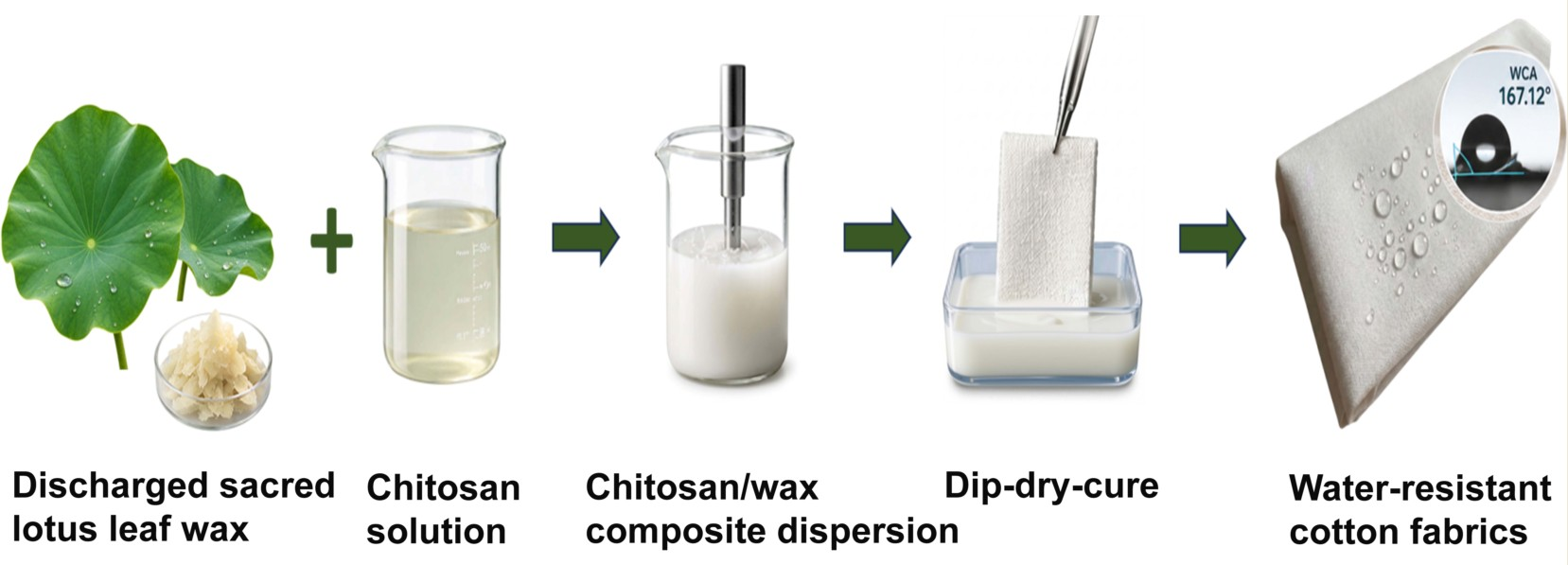
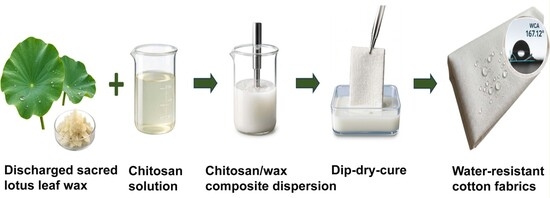
2.4. Coating Chitosan/Sacred Lotus Leaf Wax Composite on the Cotton Fabric
2.5. Measurement
2.5.1. Fourier Transform Infrared Analysis
2.5.2. Color Measurements
2.5.3. Mechanical Characterization
2.5.4. Water Contact Angle
2.5.5. Morphological Characterization
2.5.6. Physical Characterization
2.5.7. Coating Durability
3. Results and Discussion
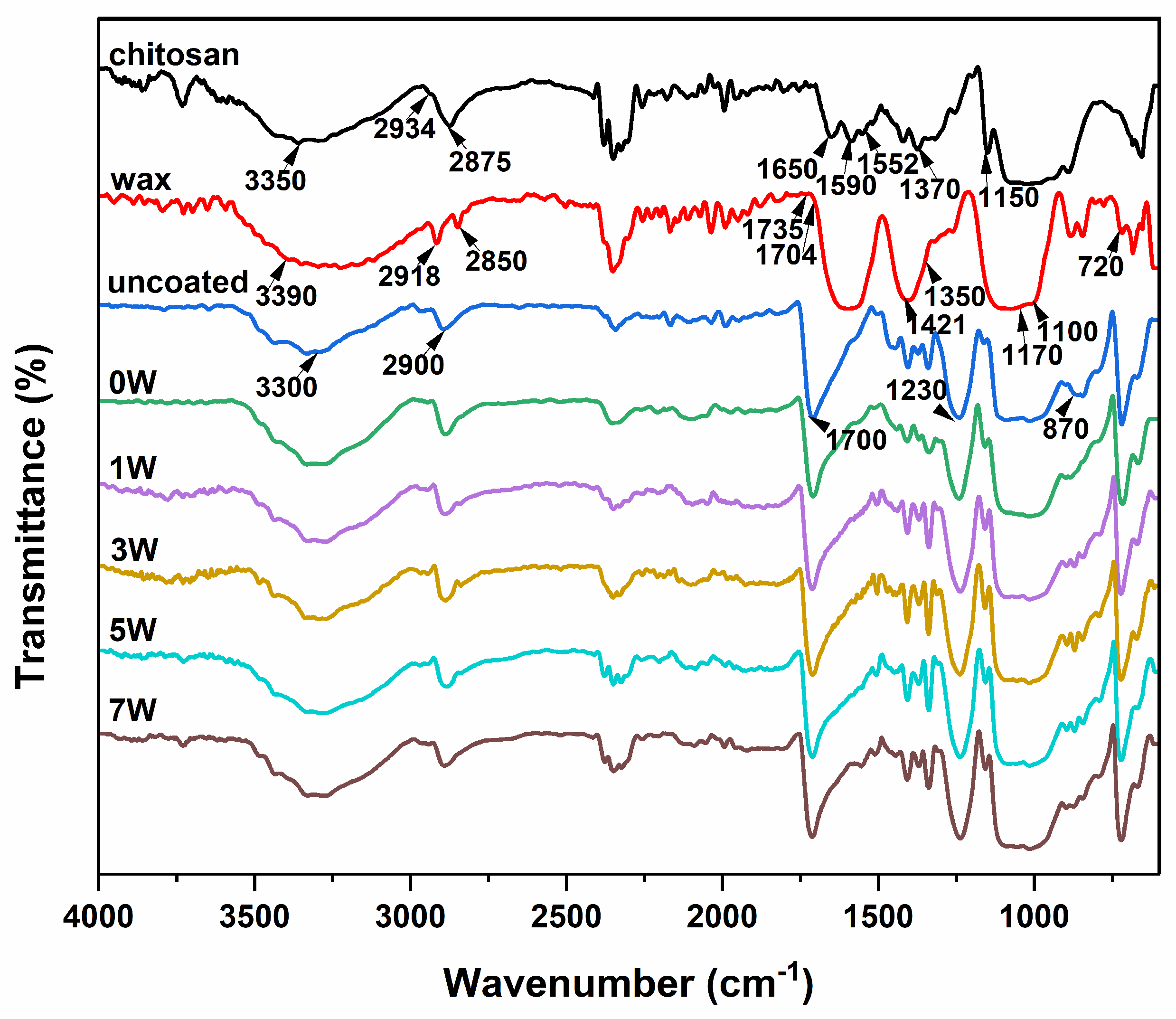
3.1. FTIR Analysis
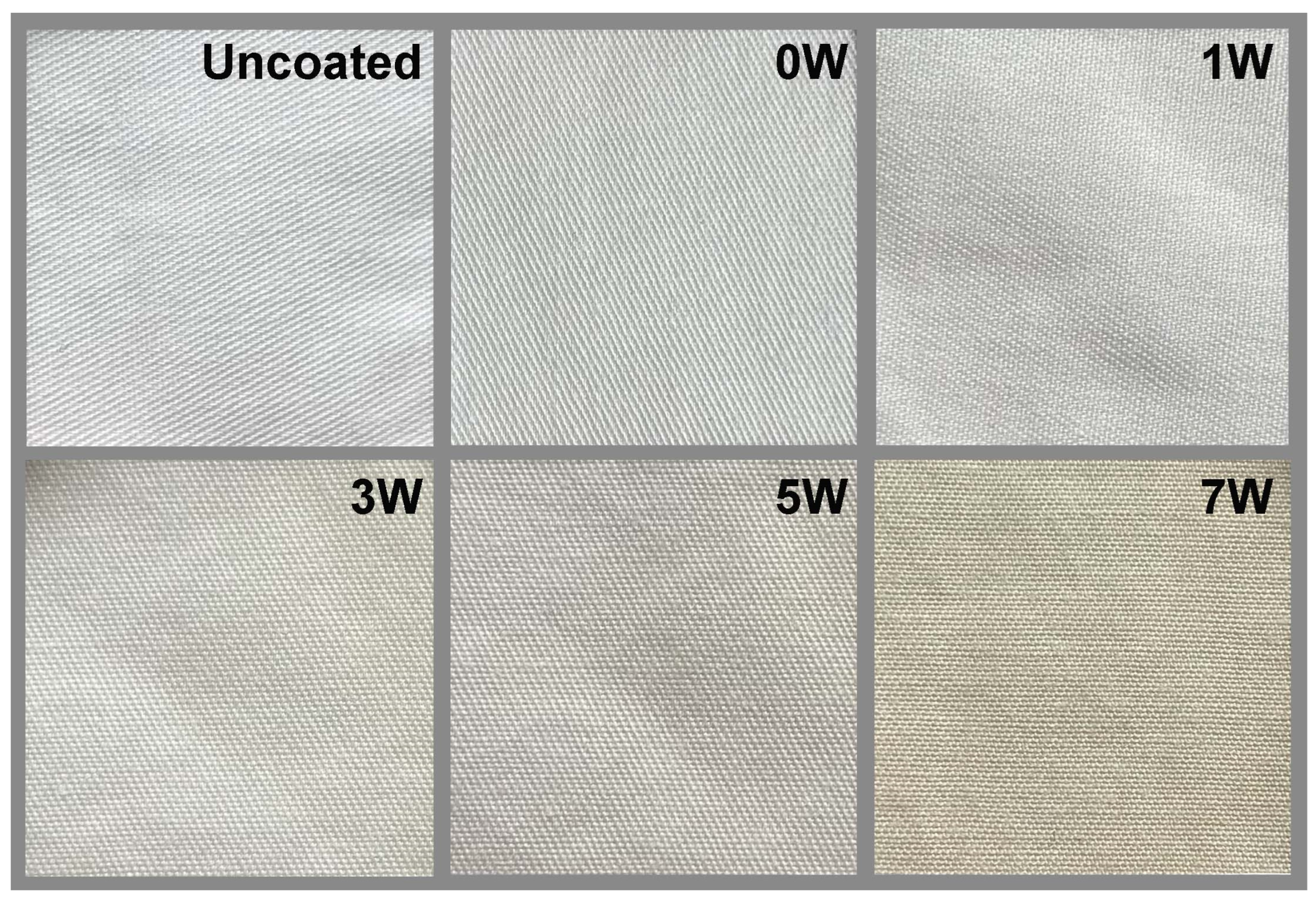
3.2. Colorimetric Data and Visual Appearance
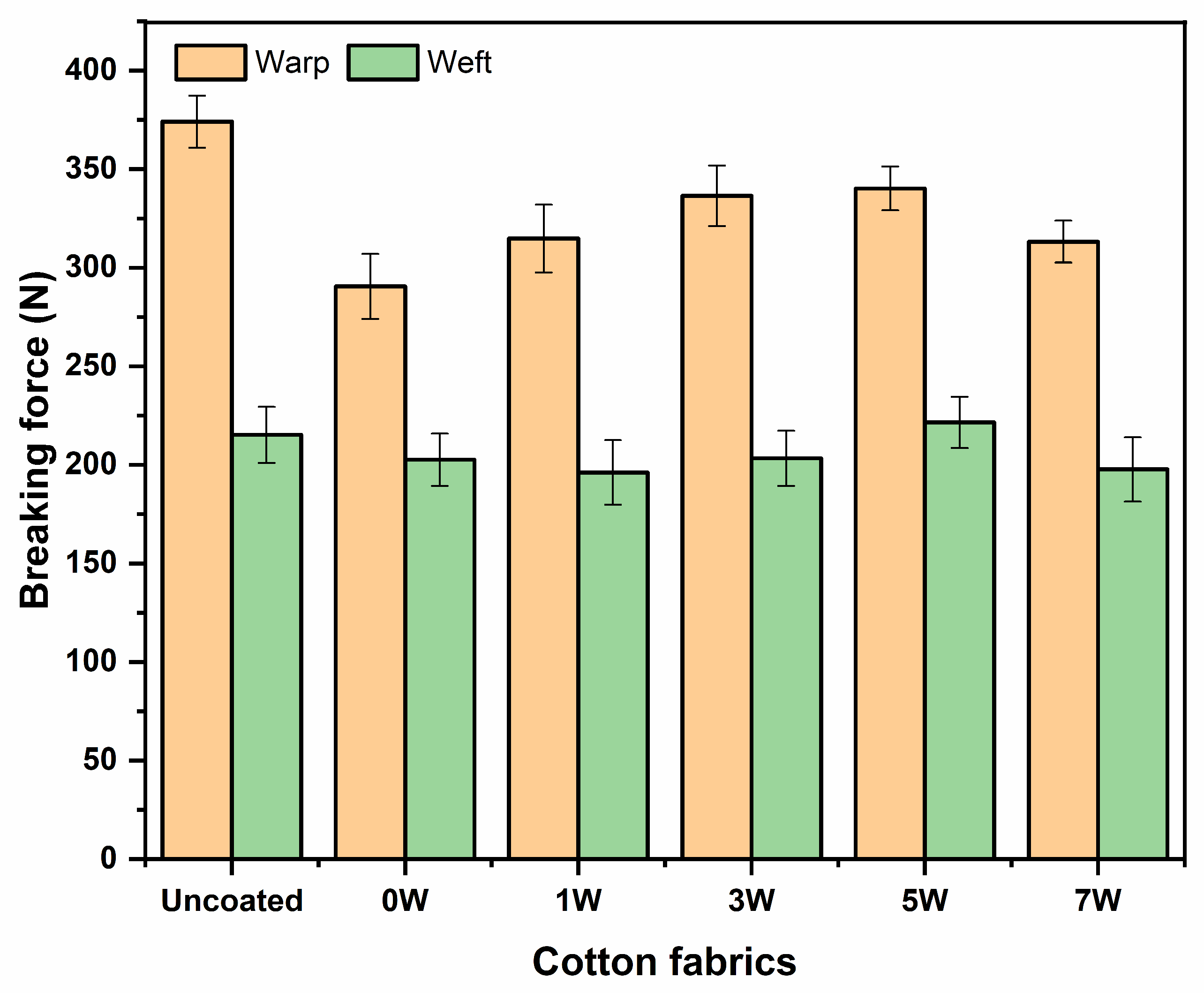
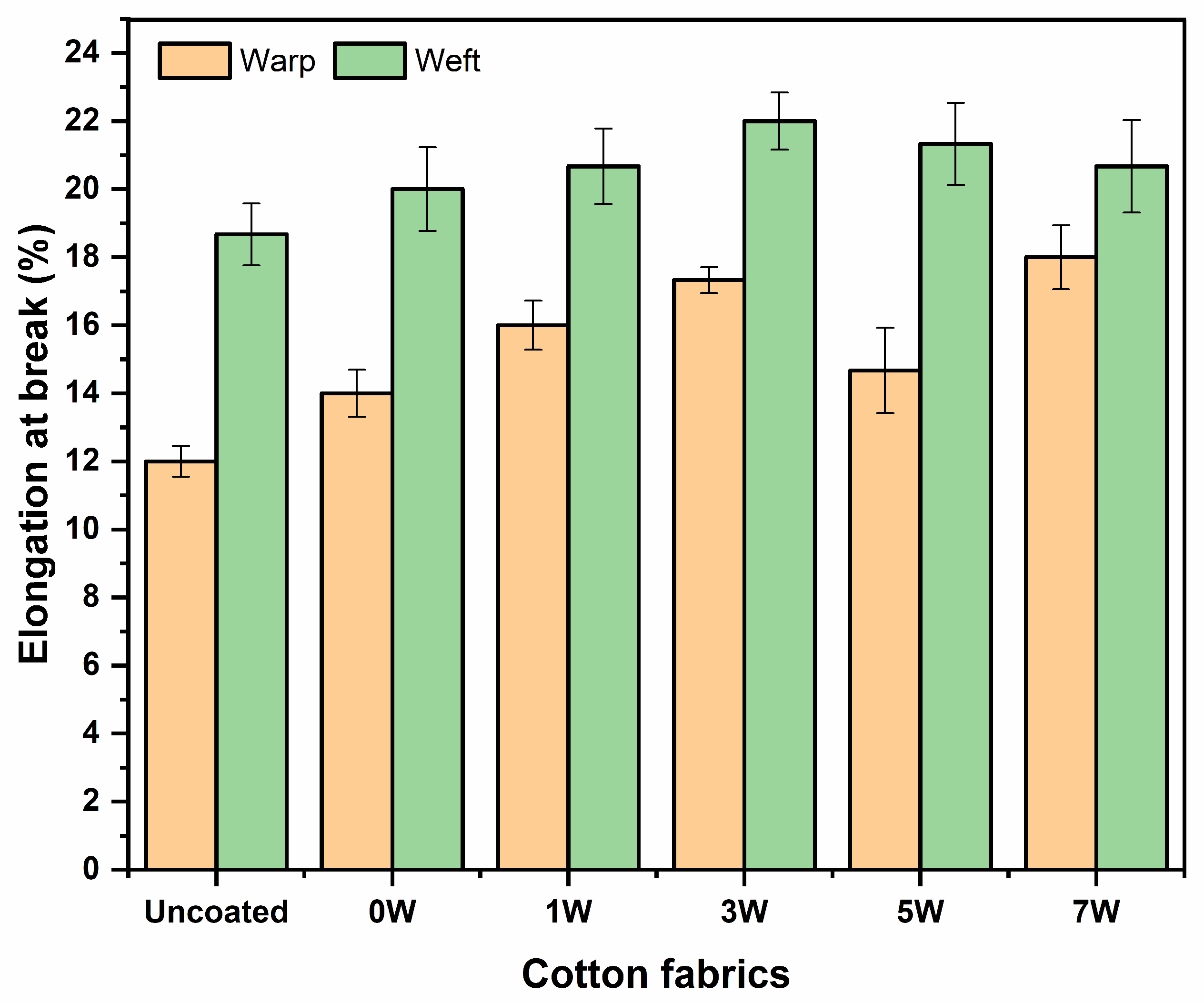
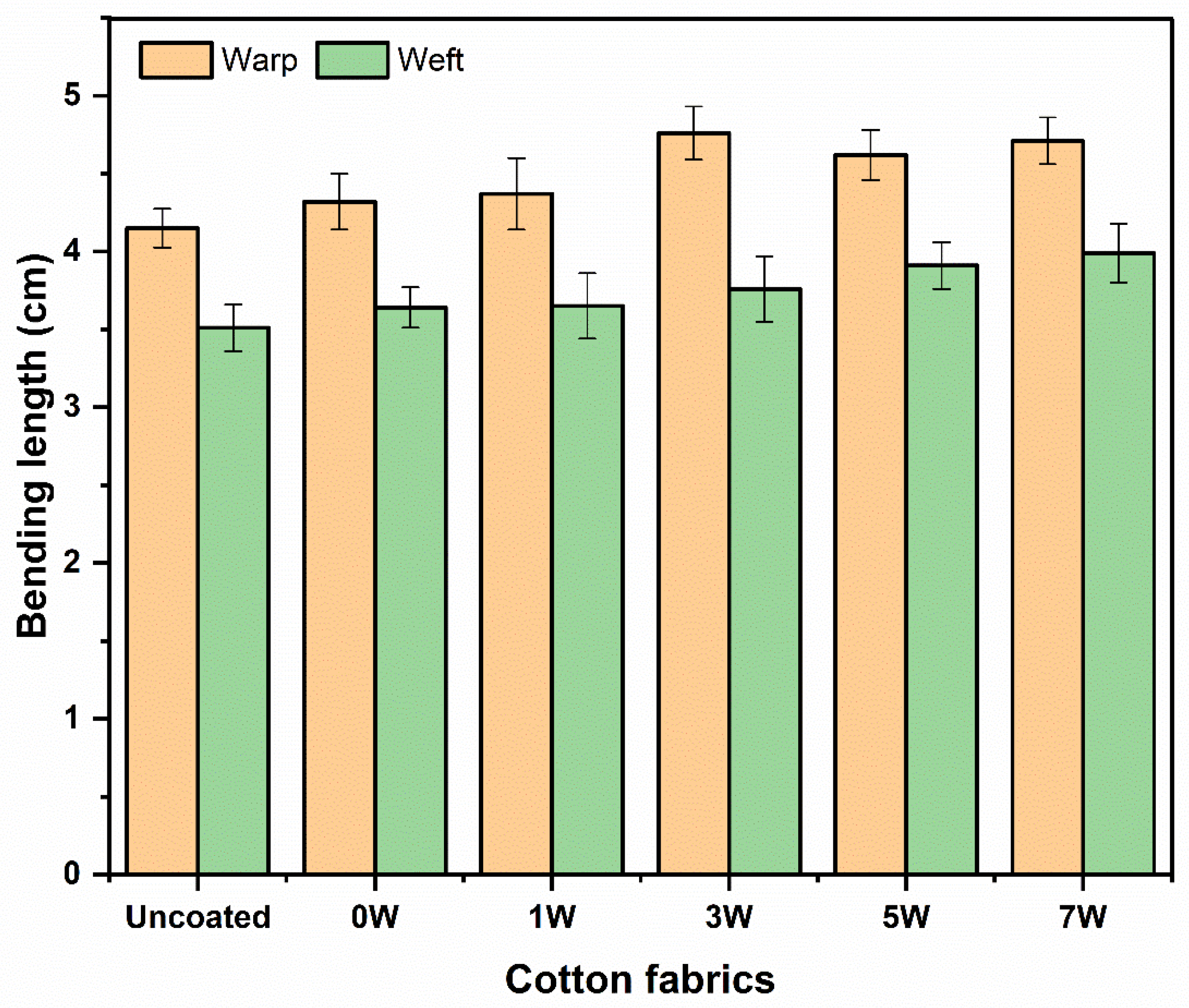
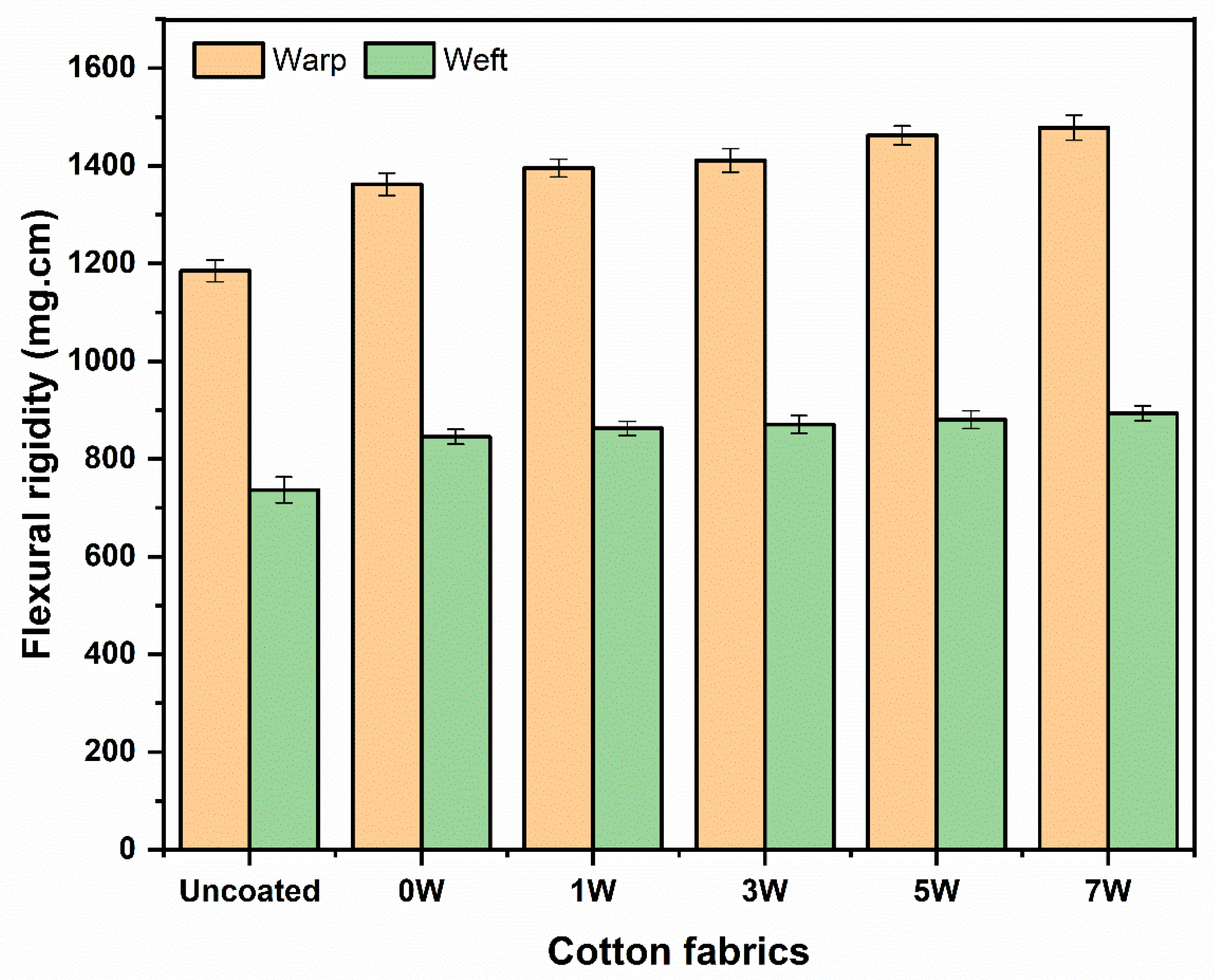
3.3. Mechanical Properties
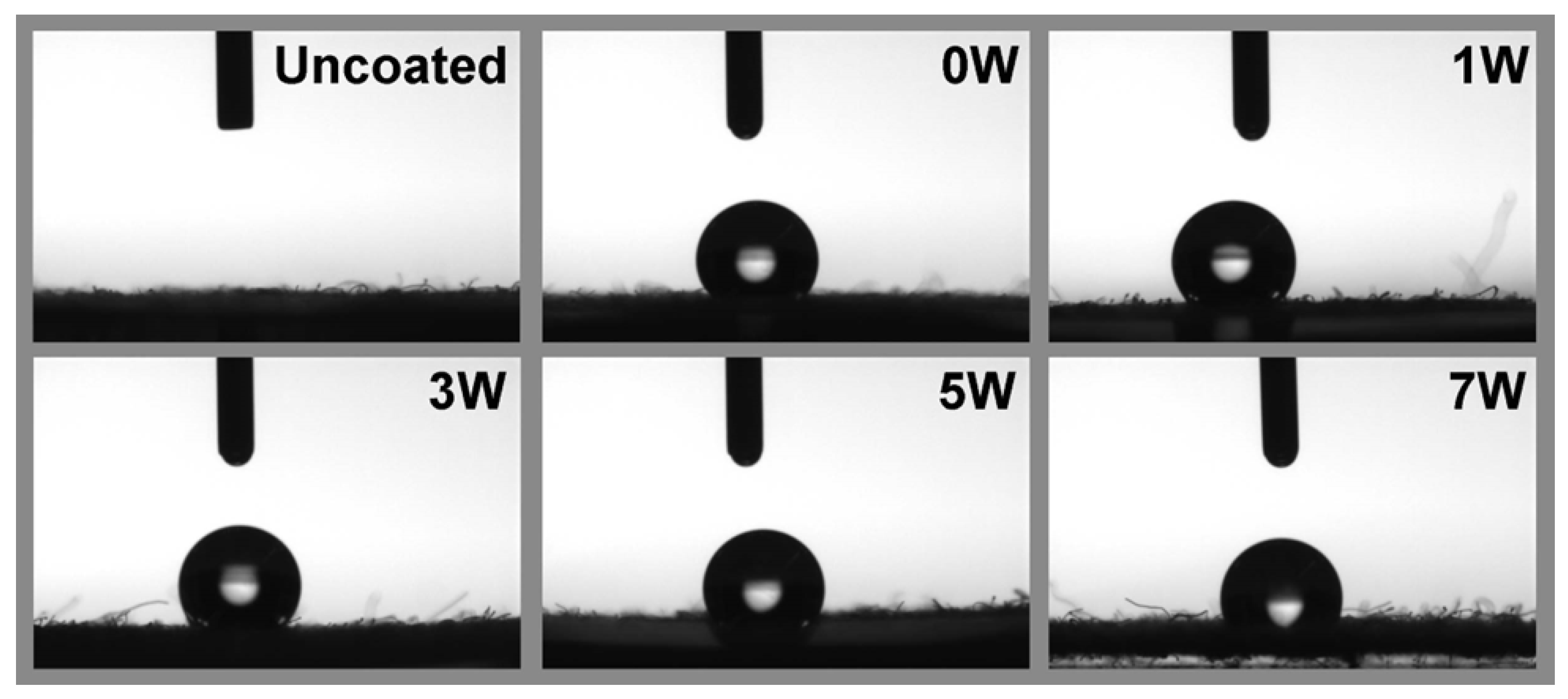
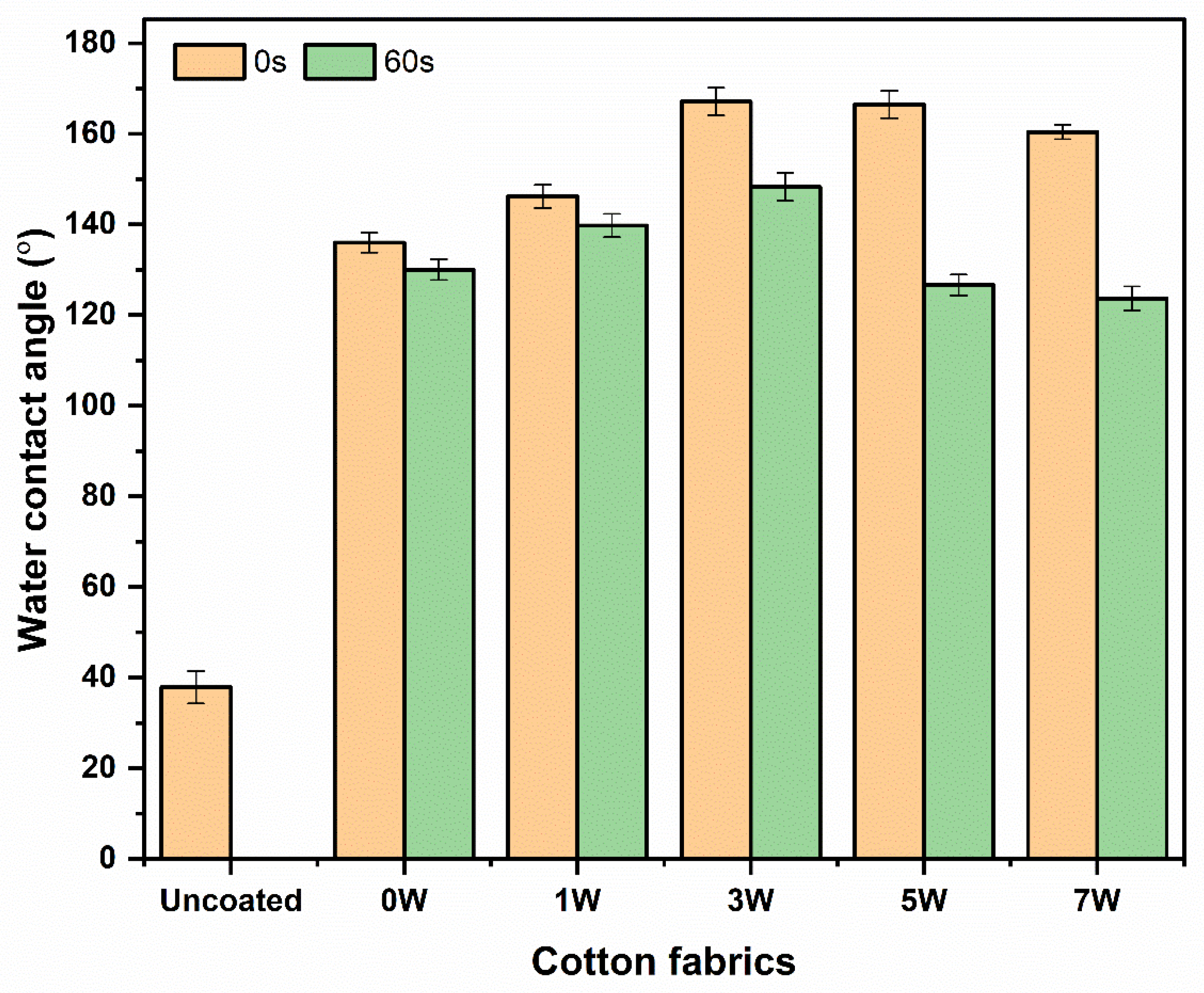
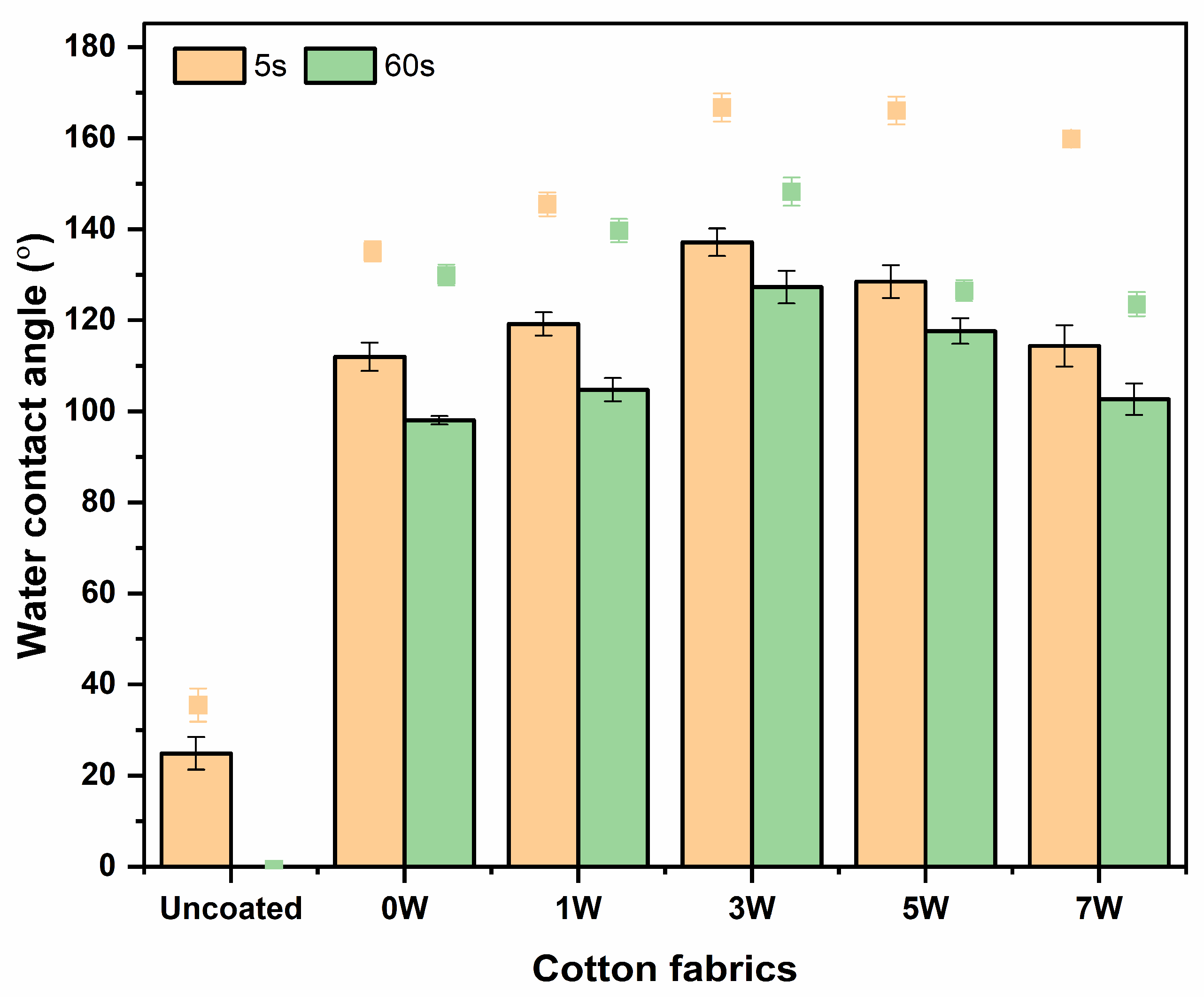
3.4. Hydrophobic Property
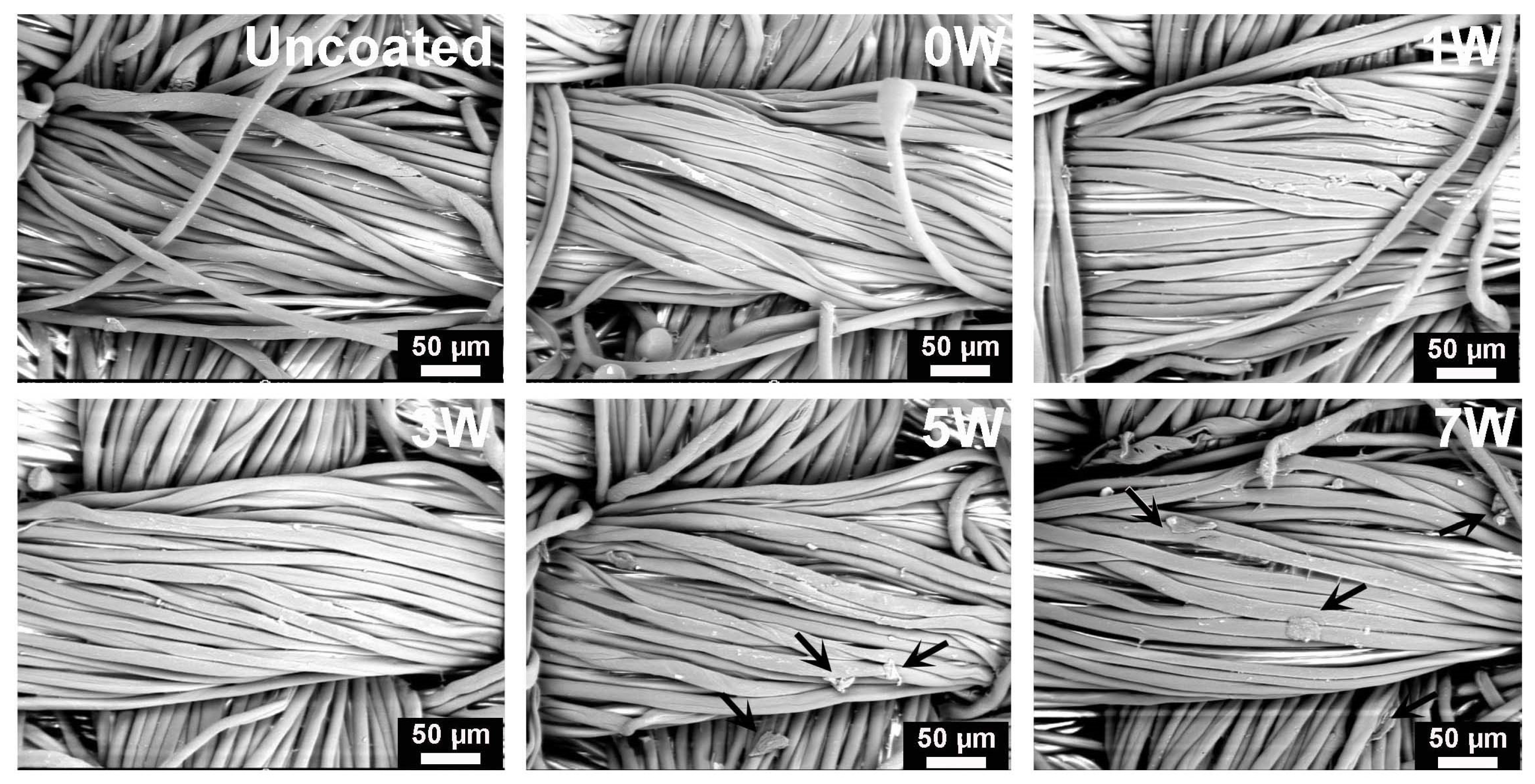
3.5. SEM Analysis
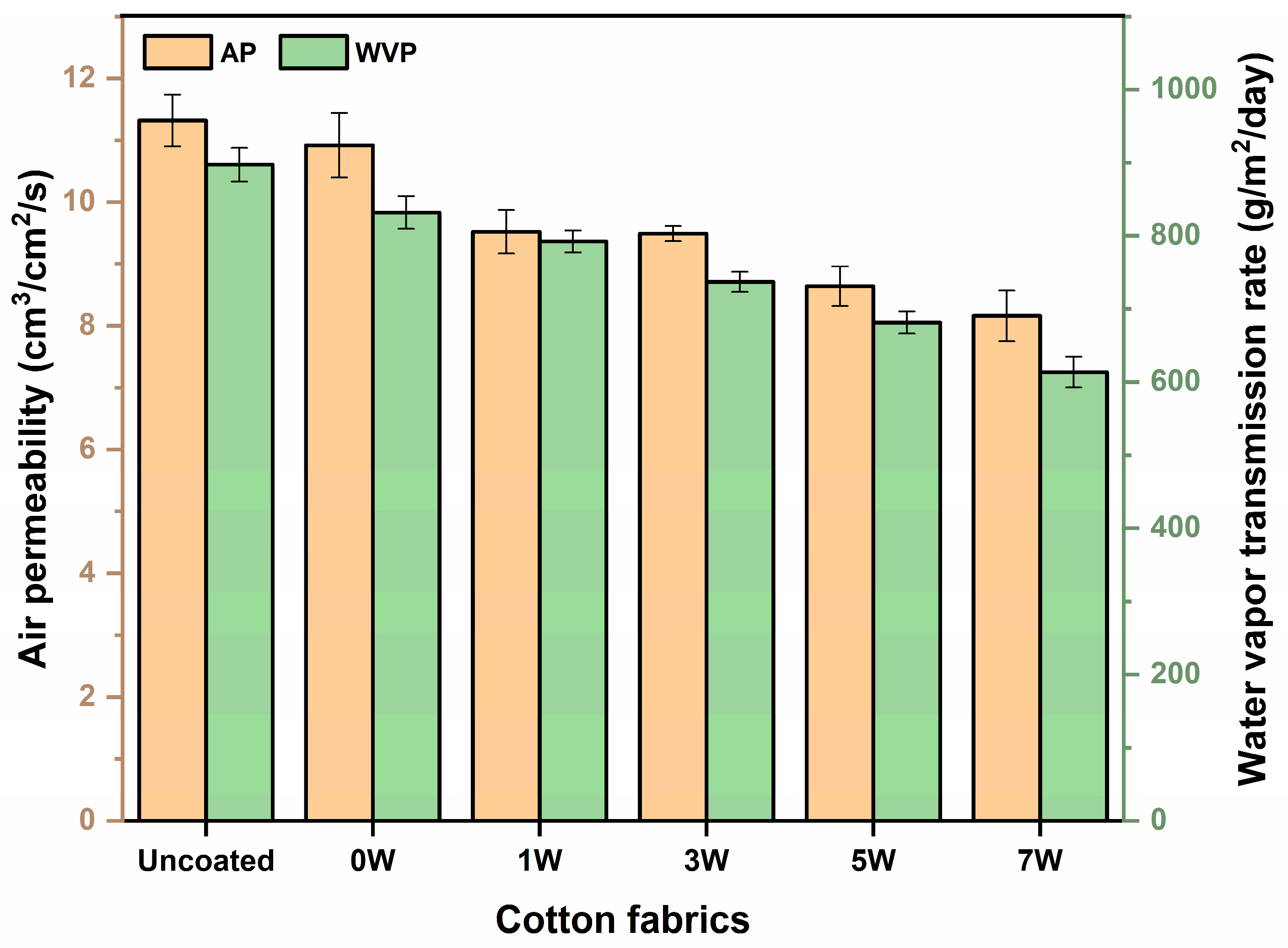
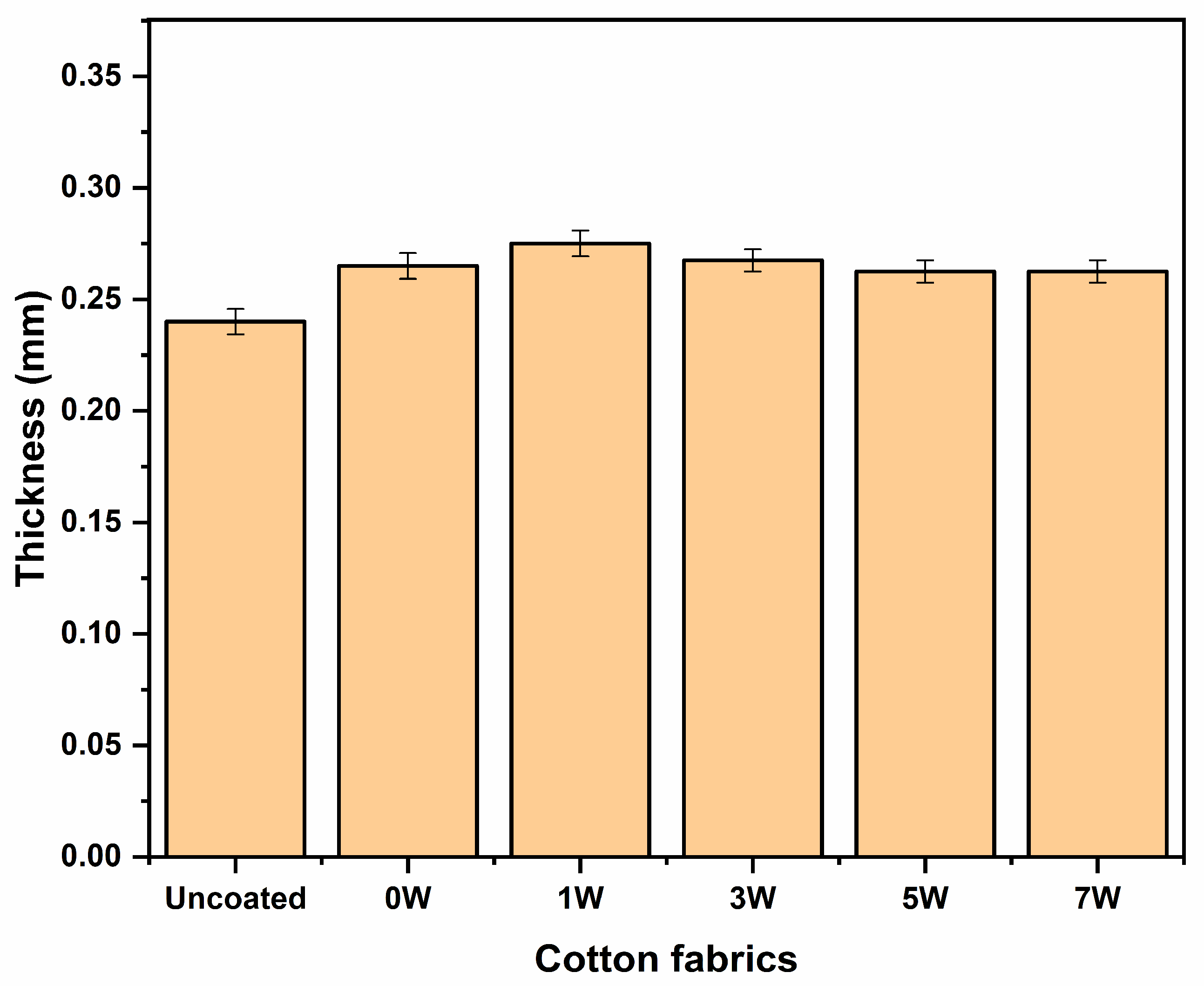
3.6. Physical Properties
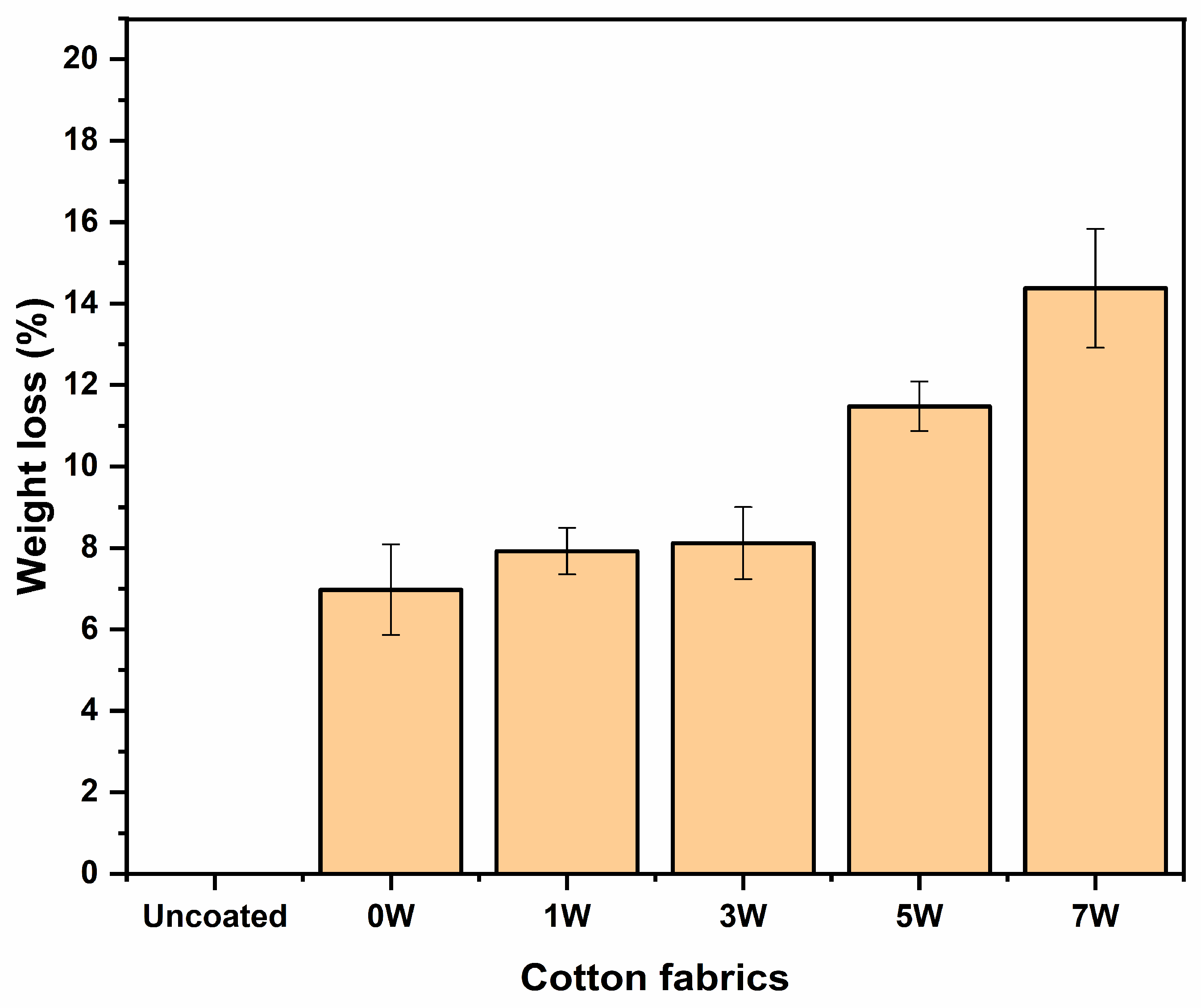
3.7. Durability Test
4. Conclusions
Author Contributions
Funding
Institutional Review Board Statement
Data Availability Statement
Acknowledgments
Conflicts of Interest
Abbreviations
| WI | Whiteness index |
| YI | Yellowness index |
| WVP | Water vapor permeability |
| WCA | Water contact angle |
| FTIR | Fourier transform infrared spectroscopy |
| SEM | Scanning electron microscopy |
References
- Hicyilmaz, A.S.; Altin, Y.; Bedeloglu, A. Polyimide-coated fabrics with multifunctional properties: Flame retardant, UV protective, and waterproof. J. Appl. Polym. Sci. 2019, 136, 47616. [Google Scholar] [CrossRef] [Scilit]
- Liu, Q.; Lin, W.; Yang, J.; Huang, W.; Zhu, Y.; Li, Y.; Liao, L.; Rao, L.; Liu, J.; Liu, Z.; et al. Waterproof, moisture-resistant, and breathable full-textile iontronic capacitive pressure sensor for wearable physiological monitoring. Small Struct. 2026, 7, e202500745. [Google Scholar] [CrossRef] [Scilit]
- Rawat, N.; Singh, M.; Vajpayee, M.; Ledwani, L. Textile surface modification and nano-finishing: A concise review of techniques and applications. In Experimental and Computational Advances in Materials; Ledwani, L., Srivastava, S., Eds.; Engineering Materials; Springer: Singapore, 2026; pp. 311–335. [Google Scholar]
- Ghosh, J.; Rupanty, N.S.; Noor, T.; Asif, T.R.; Islam, T.; Reukov, V. Functional coatings for textiles: Advancements in flame resistance, antimicrobial defense, and self-cleaning performance. RSC Adv. 2025, 15, 10984–11022. [Google Scholar] [CrossRef] [Scilit] [PubMed]
- Amjad, M.; Zeng, Z.; Li, H.; Mohyuddin, A.; Ulfat, W.; Iqbal, M.A.; Jumaniyozov, K.; Kurniawan, T.A.; Ma, X. Eco-engineered silver nanoparticles for multifunctional cotton fabric with integrated UV protection, antimicrobial efficacy and thermal regulation. Chem. Eng. J. 2026, 531, 174111. [Google Scholar] [CrossRef] [Scilit]
- Gu, L.; Guo, Y.-T.; Zheng, Z.-L.; Zeng, J.-Y.; Cheng, X.-W.; Guan, J.-P. Fully biobased materials for flame-retardant modification of cotton fabric through layer-by-layer strategy. Int. J. Biol. Macromol. 2026, 355, 151471. [Google Scholar] [CrossRef] [Scilit] [PubMed]
- Hasan, M.K.; Saha, J.; Al Mamun, M.A.; Rahaman, M.T. Multifunctionalization of cotton fabric using green-synthesized TiO2 nanoparticles for potential applications in medical textiles. Fibers Polym. 2026, 27, 2217–2236. [Google Scholar] [CrossRef] [Scilit]
- Gao, S.; Li, H.; Guan, H.; Zheng, L.; Lai, X.; Chen, W.; Zeng, X. Facile fabrication of superhydrophobic, flame-retardant and conductive cotton fabric for human motion detection. Cellulose 2022, 29, 605–617. [Google Scholar] [CrossRef] [Scilit]
- Wang, B.; Zhang, C.; Huang, B.; Wang, H.; Miao, X.; Deng, W. A facile dip-coating approach to prepare robust superhydrophobic fabric modified by γ-Fe2O3/epoxy resin/lauric acid for oil/water separation, lossless water transportation, and flame retardancy. Surf. Interfaces 2024, 45, 103896. [Google Scholar] [CrossRef] [Scilit]
- Liu, L.; Huang, Z.; Pan, Y.; Wang, X.; Song, L.; Hu, Y. Finishing of cotton fabrics by multi-layered coatings to improve their flame retardancy and water repellency. Cellulose 2018, 25, 4791–4803. [Google Scholar] [CrossRef] [Scilit]
- Wang, Y.; Pan, R.; Zhang, J.; Qian, J.; Basset, J.-M.; Jérôme, F.; Mignani, G.; Sun, D.; Zhou, L. Fluorine-free POSS-based silane coatings for robust superhydrophobic and self-cleaning cotton fabrics with efficient oil-water separation performance. J. Appl. Polym. Sci. 2026, 143, e58085. [Google Scholar] [CrossRef] [Scilit]
- Guo, F.; Fang, K.; Song, Y.; Fu, R.; Li, H.; Zhang, C. Optimizing a fabricating program for wearable super-hydrophobic cotton by clean production technology of plasma and reducing chemical consumption. J. Clean. Prod. 2020, 276, 124233. [Google Scholar] [CrossRef] [Scilit]
- Bentis, A.; Boukhriss, A.; Zahouily, M.; Manoun, B.; Gmouh, S. Functionalization of cotton fabrics by sol-gel method using ionic liquids with high-hydrophobic, excellent water repellent, oil/water separation, and self-cleaning properties. Cellulose 2023, 30, 6719–6740. [Google Scholar] [CrossRef] [Scilit]
- Zhang, Y.; Song, Z.; Zhang, B.; Jin, Y.; Yao, Q.; Xu, B.; Cai, Z. Preparation of fluorine-free and durable water-repellent textiles. ACS Appl. Polym. Mater. 2025, 7, 8495–8503. [Google Scholar] [CrossRef] [Scilit]
- Zhang, Z.; Luo, M.; Shao, Y.; Ma, L.; Xu, G. High-performance oil-water separation membranes prepared via dip-coating combined with electron beam irradiation enhancement technology. Chem. Eng. J. Adv. 2026, 26, 101158. [Google Scholar] [CrossRef] [Scilit]
- Ren, D.; Zhu, H.; Li, J.; Chen, X.; Jiang, B.; Zhang, D. Durable superhydrophobic cotton fabric modified with environmentally friendly branched short-chain fluorocarbon. Colloids Surf. A Physicochem. Eng. Asp. 2026, 747, 141000. [Google Scholar] [CrossRef] [Scilit]
- Siddique, A.; Fatima, N.; Liu, S.; Zahir, A.; Chan, C.K.; Xu, Z.; Ashraf, M. Development of breathable waterproof polyurethane-coated cotton fabric using surfactant. ACS Omega 2025, 10, 44913–44921. [Google Scholar] [CrossRef] [Scilit] [PubMed]
- Hadhri, M.; Colleoni, C.; D’Agostino, A.; Erhaim, M.; Rosa, R.P.; Rosace, G.; Trovato, V. Eco-friendly octylsilane-modified amino-functional silicone coatings for a durable hybrid organic-inorganic water-repellent textile finish. Polymers 2025, 17, 1578. [Google Scholar] [CrossRef] [Scilit] [PubMed]
- Fang, N.; Tong, G.; Luo, X.; Liu, Y.; Ren, X. Multifunctional cotton fabric via Ag-ZnO/stearic acid coating. Colloids Surf. A Physicochem. Eng. Asp. 2026, 735, 139518. [Google Scholar] [CrossRef] [Scilit]
- Nitayaphat, W.; Wongpreedee, K.; Jintakosol, T. Sustainable water-resistant cotton fabrics coated with a chitosan/sacred lotus leaf wax composite extracted from discarded outer cabbage leaves. Molecules 2026, 31, 1611. [Google Scholar] [CrossRef] [Scilit] [PubMed]
- Shen, J.; Lai, X.; Chen, B.; Wang, L.; Xue, Y.; Li, H.; Hu, S. Preparation and performance evaluation of superhydrophobic, oleophobic, and breathable fabrics treated with cationic fluoropolyacrylate finishing agents. J. Appl. Polym. Sci. 2025, 142, e57571. [Google Scholar] [CrossRef] [Scilit]
- Glüge, J.; Scheringer, M.; Cousins, I.T.; DeWitt, J.C.; Goldenman, G.; Herzke, D.; Lohmann, R.; Ng, C.A.; Trier, X.; Wang, Z. An overview of the uses of per- and polyfluoroalkyl substances (PFAS). Environ. Sci. Process. Impacts 2020, 22, 2345–2373. [Google Scholar] [CrossRef] [Scilit] [PubMed]
- Abunada, Z.; Alazaiza, M.Y.D.; Bashir, M.J.K. An overview of per- and polyfluoroalkyl substances (PFAS) in the environment: Source, fate, risk and regulations. Water 2020, 12, 3590. [Google Scholar] [CrossRef] [Scilit]
- Brennan, N.M.; Evans, A.T.; Fritz, M.K.; Peak, S.A.; von Holst, H.E. Trends in the regulation of per- and polyfluoroalkyl substances (PFAS): A scoping review. Int. J. Environ. Res. Public Health 2021, 18, 10900. [Google Scholar] [CrossRef] [Scilit] [PubMed]
- Ram, G.; Arjunan, T.V.; Kumar, K.T.G.L.; Suyambulingam, I.; Siengchin, S. Nelumbo nucifera biomass waste-based biofiller: A comprehensive characterization for utilization as biodegradable fillers. Biomass Convers. Biorefin. 2025, 15, 11523–11535. [Google Scholar] [CrossRef] [Scilit]
- Xing, L.; Wu, H.; Ye, X.; Zhang, Q.; He, X. Influence of micro-nano structures on wettability and superhydrophobicity of lotus leaf surfaces. Surf. Interfaces 2026, 95, 109725. [Google Scholar] [CrossRef] [Scilit]
- Barthlott, W.; Mail, M.; Bhushan, B.; Koch, K. Plant surfaces: Structures and functions for biomimetic innovations. Nano-Micro Lett. 2017, 9, 23. [Google Scholar] [CrossRef] [Scilit] [PubMed]
- Das, A.; Polacchi, L.; Courreges, C.; Fouron, J.-Y.; Tournier-Couturier, L.; Billon, L.; Luengo, G.S. Evaporative drying induced self-assembly of epicuticular wax: A biomimetic approach in tuning surface roughness. Langmuir 2024, 40, 7581–7594. [Google Scholar] [CrossRef] [Scilit] [PubMed]
- Radwan, A.B.; Ibrahim, M.A.; Ismail, E.H.; Zagho, M.M.; El-Hout, S.I.; Hassan, M.K.; Al-Qahtani, N.; Santo, L. Beyond wetting: Unveiling the theoretical and practical power of superhydrophobic coatings in multifunctional applications. Ind. Eng. Chem. Res. 2025, 64, 10609–10640. [Google Scholar] [CrossRef] [Scilit]
- Srivastav, A.D.; Singh, V.; Singh, D.; Singh, S.; Patel, S.K.; Kumar, D.; Yadav, S.; Giri, B.S.; Singh, D. Nelumbo nucifera leaves as source of water-repellent wax: Extraction through polar and non-polar organic solvents. J. Indian Chem. Soc. 2022, 99, 100632. [Google Scholar] [CrossRef] [Scilit]
- Zhou, Y.; Zhang, Y.; Nie, Y.; Sun, D.; Wu, D.; Ban, L.; Zhang, H.; Yang, S.; Chen, J.; Du, H.; et al. Recent advances and perspectives in functional chitosan-based composites for environmental remediation, energy, and biomedical applications. Prog. Mater. Sci. 2025, 152, 101460. [Google Scholar] [CrossRef] [Scilit]
- Lalarukh; Hussain, S.M.; Ali, S.; Zahoor, A.F.; Azmat, H.; Nazish, N.; Alshehri, M.A.; Riaz, D.; Naeem, E.; Mahrukh. Innovation of advanced polymers from seafood waste: Applications of chitin and chitosan. Polym. Adv. Technol. 2024, 35, e6471. [Google Scholar] [CrossRef] [Scilit]
- El-Araby, A.; Janati, W.; Ullah, R.; Ercisli, S.; Errachidi, F. Chitosan, chitosan derivatives, and chitosan-based nanocomposites: Eco-friendly materials for advanced applications (A review). Front. Chem. 2024, 11, 1327426. [Google Scholar] [CrossRef] [Scilit] [PubMed]
- Bazghaleh, A.A.; Ching, Y.C.; Liu, K.-K.; Yong, C.K.; Doong, R.-A.; Gunathilake, T.M.S.U.; Hai, N.D.; Hock, C.C. Review: Bio-nanocomposite films and coatings-recent advances and multifunctional applications. J. Mater. Sci. 2025, 60, 24073–24102. [Google Scholar] [CrossRef] [Scilit]
- Erdogan, S. Textile finishing with chitosan and silver nanoparticles against Escherichia coli ATCC 8739. Trak. Univ. J. Nat. Sci. 2020, 21, 21–32. [Google Scholar] [CrossRef] [Scilit]
- Saad, F.; Mosaad, M.M.; Hassabo, A.G.; Othman, H. Eco-friendly polyurethane binders from castor and linseed oil polyols reinforced with chitosan for enhanced pigment printing performance and mechanical properties of textile fabrics. Egypt. J. Chem. 2026, 69, 451–488. [Google Scholar] [CrossRef] [Scilit]
- Shigrekar, M.; Amdoskar, V. A review on recent progress and techniques used for fabricating superhydrophobic coatings derived from biobased materials. RSC Adv. 2024, 14, 32668–32699. [Google Scholar] [CrossRef] [Scilit] [PubMed]
- Deore, M.; More, A.P. Multifunctional coatings for cotton fabrics: Insights into polymer, hybrid, and bio-based-ecofriendly systems. Polym. Bull. 2026, 83, 492. [Google Scholar] [CrossRef] [Scilit]
- ASTM E313-1973; Standard Practice for Calculating Yellowness and Whiteness Indices from Instrumentally Measured Color Coordinates. ASTM: Philadelphia, PA, USA, 1973.
- ASTM D5035-11(2024); Standard Test Method for Breaking Force and Elongation of Textile Fabrics (Strip Method). ASTM International: West Conshohocken, PA, USA, 2024.
- ASTM D1388-14; Standard Test Method for Stiffness of Fabrics. ASTM International: West Conshohocken, PA, USA, 2014.
- ISO 9237:1995; Textiles—Determination of the Permeability of Fabrics to Air. International Organization for Standardization: Geneva, Switzerland, 1995.
- BS 7209:1990; Specification for Water Vapour Permeable Apparel Fabrics. British Standards Institution: London, UK, 1990.
- AATCC 61-1994; Colorfastness to Laundering, Home and Commercial: Accelerated. American Association of Textile Chemists and Colorists: Research Triangle Park, NC, USA, 1994.
- Ali, A.A.; Elmahdy, M.M.; Sarhan, A.; Abdel Hamid, M.I.; Ahmed, M.T. Structure and dynamics of polypyrrole/chitosan nanocomposites. Polym. Int. 2018, 67, 1615–1628. [Google Scholar] [CrossRef] [Scilit]
- Okwuenu, P.C.; Onosakponome, I.; Oparaji, E.H.; Isoje, A.O. Characterization of chitin and chitosan from shells of water snail (Pila ampullacea) using Fourier Transform Infrared Spectroscopy (FTIR). Int. J. Biol. Macromol. 2025, 333, 149012. [Google Scholar] [CrossRef] [Scilit] [PubMed]
- Elhaes, H.; Amin, K.S.; El Desouky, F.G.; Ibrahim, M.A. Modeling and experimental analyses for chitosan/zinc oxide nanocomposite. Sci. Rep. 2026, 16, 8942. [Google Scholar] [CrossRef] [Scilit] [PubMed]
- Hamzani, B.K.; Deswati, D.; Efdi, M.; Yefrida, Y.; Putra, A. Polyethylene microplastic removal using a heavy-metal-free chitosan-tannic acid-calcium ternary system: An FTIR-based chemometric study. J. Iran. Chem. Soc. 2026, 23, 133. [Google Scholar] [CrossRef] [Scilit]
- Srivastav, A.D.; Singh, V.; Singh, D.; Giri, B.S. Analysis of natural wax from Nelumbo nucifera leaves by using polar and non-polar organic solvents. Process Biochem. 2021, 106, 96–102. [Google Scholar] [CrossRef] [Scilit]
- Inarkar, M.B.; Lele, S.S. Extraction and characterization of sugarcane peel wax. Int. Sch. Res. Not. 2012, 2012, 340158. [Google Scholar] [CrossRef] [Scilit]
- Krishnan, P.S.; Rowthu, S.; Kalpathy, S.K. Durable bio-based hydrophobic recrystallized wax coatings. ACS Appl. Bio Mater. 2025, 8, 1437–1450. [Google Scholar] [CrossRef] [Scilit] [PubMed]
- Haji, A.; Ordu, D.S.; Coskun, H. Sustainable printing of cotton woven fabrics with turmeric, red chilli, and cinnamon. Fibers Polym. 2026, 27, 811–822. [Google Scholar] [CrossRef] [Scilit]
- Beluns, S.; Platnieks, O.; Sevcenko, J.; Jure, M.; Gaidukova, G.; Grase, L.; Gaidukovs, S. Sustainable wax coatings made from pine needle extraction waste for nanopaper hydrophobization. Membranes 2022, 12, 537. [Google Scholar] [CrossRef] [Scilit] [PubMed]
- Sharkawy, A.; Barreiro, M.F.; Rodrigues, A.E. Chitosan-based pickering emulsions and their applications: A review. Carbohydr. Polym. 2020, 250, 116885. [Google Scholar] [CrossRef] [Scilit] [PubMed]
- Yang, Y.; Gupta, V.K.; Amiri, H.; Pan, J.; Aghbashlo, M.; Tabatabaei, M.; Rajaei, A. Recent developments in improving the emulsifying properties of chitosan. Int. J. Biol. Macromol. 2023, 239, 124210. [Google Scholar] [CrossRef] [Scilit] [PubMed]
- Bou-Belda, E.; Bonet-Aracil, M.; Díaz, P.; Montava, I. Influence of curing temperature of chitosan-treated cotton on whiteness index. Fibres Text. 2016, 23, 41–46. [Google Scholar]
- Flinčec Grgac, S.; Biruš, T.-D.; Tarbuk, A.; Dekanić, T.; Palčić, A. The durable chitosan functionalization of cellulosic fabrics. Polymers 2023, 15, 3829. [Google Scholar] [CrossRef] [Scilit] [PubMed]
- Mokrzycki, W.; Tatol, M. Color Difference Delta E-A Survey. Mach. Graph. Vis. 2011, 20, 383–411. [Google Scholar]
- Patti, A.; Acierno, D. Materials, weaving parameters, and tensile responses of woven textiles. Macromol 2023, 3, 665–680. [Google Scholar] [CrossRef] [Scilit]
- Ferraris, S.; Örlygsson, G.; Ng, C.H.; Riccucci, G.; Spriano, S. Chemical, physical, and mechanical characterization of chitosan coatings on a chemically pretreated Ti6Al4V alloy. Surf. Coat. Technol. 2022, 441, 128571. [Google Scholar] [CrossRef] [Scilit]
- Gebeyehu, E.K.; Shrestha, R.; Saha, T.; Tienaho, J.; Jauhiainen, U.; Tarhini, A.A.; Tehrani-Bagha, A.R. Antibacterial and physicomechanical properties of cellulosic nonwovens functionalized with chitosan: A study on interaction effects of influencing factors and assessment methods. Bioresour. Bioprocess. 2025, 12, 11. [Google Scholar] [CrossRef] [Scilit] [PubMed]
- Huang, Y.-Y.; Zhang, L.-P.; Cao, X.; Tian, X.-Y.; Ni, Y.-P. Facile fabrication of highly efficient chitosan-based multifunctional coating for cotton fabrics with excellent flame-retardant and antibacterial properties. Polymers 2024, 16, 1409. [Google Scholar] [CrossRef] [Scilit] [PubMed]
- Wang, Y.; Ren, J.; Ou, M.; Piao, J.; Lian, R.; Cui, J.; Guan, H.; Jiao, C.; Chen, X. Construction of composite self-assembly coating based on chitosan for enhancing the flame-retardant and antibacterial performances of cotton fabric. Int. J. Biol. Macromol. 2024, 275, 133355. [Google Scholar] [CrossRef] [Scilit] [PubMed]
- Ghedira, W.; Souissi, M.; Boudokhane, C.; Dhaouadi, H. Sustainable hydrophobic modification of cotton with rosemary wax extracted by supercritical CO2 explored through DFT analysis. Sci. Rep. 2025, 15, 31628. [Google Scholar] [CrossRef] [Scilit] [PubMed]
- Liu, C. New method for measuring fabric multi-directional stiffness and drape. J. Text. Inst. 2024, 115, 259–265. [Google Scholar] [CrossRef] [Scilit]
- Sadeghi, M.R.; Varkiyani, S.M.H.; Jeddi, A.A. Modeling the flexural rigidity of spunlace nonwoven fabrics. J. Text. Inst. 2024, 115, 2319–2330. [Google Scholar] [CrossRef] [Scilit]
- Szadkowski, B.; Śliwka-Kaszyńska, M.; Marzec, A. Bioactive and biodegradable cotton fabrics produced via synergic effect of plant extracts and essential oils in chitosan coating system. Sci. Rep. 2024, 14, 8530. [Google Scholar] [CrossRef] [Scilit] [PubMed]
- Wei, X.; Niu, X. Recent advances in superhydrophobic surfaces and applications on wood. Polymers 2023, 15, 1682. [Google Scholar] [CrossRef] [Scilit] [PubMed]
- Chu, H.; Liu, Z.; Ji, T.; Yang, C.; Xu, N. Recent advances in the preparation of superhydrophobic coatings based on low-surface-energy modifiers: Diversified properties and potential applications. Appl. Therm. Eng. 2024, 251, 123591. [Google Scholar] [CrossRef] [Scilit]
- Acha, F.; Egbebunmi, D.; Ahmadu, S.; Ojuolape, A.; Egbosiuba, T. Recent advances in bio-inspired superhydrophobic coatings utilizing hierarchical nanostructures for self-cleaning and anti-icing surfaces. Physchem 2025, 5, 48. [Google Scholar] [CrossRef] [Scilit]
- Jerič, P.; Likozar, B.; Novak, U. Biobased hydrophobic solutions for natural textiles-moving beyond PFAS. J. Compos. Sci. 2025, 9, 81. [Google Scholar] [CrossRef] [Scilit]
- Iqbal, Y.; Ahmed, I.; Irfan, M.F.; Chatha, S.A.S.; Zubair, M.; Ullah, A. Recent advances in chitosan-based materials: The synthesis, modifications and biomedical applications. Carbohydr. Polym. 2023, 321, 121318. [Google Scholar] [CrossRef] [Scilit] [PubMed]
- Javaid, S.; Ur Rehman, S.; Ibrahim, A.B.M.; Habib, M.A.; Ahmad, F. Layer-by-layer self-assembled dip coating: An eco-friendly approach toward multi-functional durable textile finishing. Chem. Pap. 2025, 79, 3659–3678. [Google Scholar] [CrossRef] [Scilit]
- Suryaprabha, T.; Ha, H.; Hwang, B.; Sethuraman, M.G. Self-cleaning, superhydrophobic, and antibacterial cotton fabrics with chitosan-based composite coatings. Int. J. Biol. Macromol. 2023, 250, 126217. [Google Scholar] [CrossRef] [Scilit] [PubMed]
- Rananavare, A.P.; Jain, R.; Lee, J. Recent developments in superhydrophobic textiles: A status review. J. Coat. Technol. Res. 2025, 22, 549580. [Google Scholar] [CrossRef] [Scilit]
- Liu, J.; Pei, K.; Zhou, Y.; Fu, S.; Ai, S.; Wang, Y.; Jiang, H.; Zhou, Z.; Guo, Z. Bioinspired ultrasmall-bandgap MOF-integrated superhydrophobic textiles via in situ self-assembly: Enabling next-generation multifunctional smart textiles. Adv. Funct. Mater. 2026, 36, e13624. [Google Scholar] [CrossRef] [Scilit]
- Azam, F.; Naeem, M.; Ahmad, F.; Ahmad, S.; Rasheed, A.; Zafar, M.S. Biomass-derived banana/viscose nonwoven incorporated with chitosan hydrogel facial mask for sensitive and dry skin. Sci. Rep. 2026, 16, 20576. [Google Scholar] [CrossRef] [Scilit] [PubMed]
- Clermont-Gallerande, H.; Daquin, C.; Malvezin, C.; Lesbros, C.; Nagahiro, C.; Bertron, E.; Slaim, N.; Sanchez, M.-A.; Pichoutou, O.; Guarillof, P. Substitution of synthetic waxes by plant-based waxes in lipsticks. OCL 2022, 29, 19. [Google Scholar] [CrossRef] [Scilit]
- Kang, B.; Liu, Y.; Yang, R.; Liang, S. Composition and physicochemical properties of corn wax. J. Am. Oil Chem. Soc. 2023, 100, 783–790. [Google Scholar] [CrossRef] [Scilit]
- Mondal, M.I.H.; Sarker, S.C.; Ahmed, F.; Pervez, M.N.; Saha, J. Fabrication of sustainable functional cotton fabric with silk sericin and chitosan for protective textiles. Heliyon 2024, 10, e39250. [Google Scholar] [CrossRef] [Scilit] [PubMed]
- Roy, S.; Goh, K.-L.; Verma, C.; Ghosh, B.D.; Sharma, K.; Maji, P.K. A facile method for processing durable and sustainable superhydrophobic chitosan-based coatings derived from waste crab shell. ACS Sustain. Chem. Eng. 2022, 10, 4694–4704. [Google Scholar] [CrossRef] [Scilit]
- Szulc, J.; Machnowski, W.; Kowalska, S.; Jachowicz, A.; Ruman, T.; Steglińska, A.; Gutarowska, B. Beeswax-Modified Textiles: Method of Preparation and Assessment of Antimicrobial Properties. Polymers 2020, 12, 344. [Google Scholar] [CrossRef] [Scilit] [PubMed]
- Widodo, M.; Mukti, R.R.; Yuliani, S.; Putri, A. Bioinspired Superhydrophobic Finishing of Cotton Fabric Using Carnauba Wax and Biosilica Nanoparticles with a Layer-by-Layer Deposition Method. J. Math. Fundam. Sci. 2024, 56, 98–117. [Google Scholar] [CrossRef] [Scilit]
- Zhang, Z.; Sheng, Y.; Liao, S.; Zhang, J.; Liu, Y.; Cui, L. Durable Hydrophobic Cotton Fabric Fabricated by Synergistically Modifying with Zein Nanoparticles and Beeswax. Colloids Surf. A Physicochem. Eng. Asp. 2025, 725, 137552. [Google Scholar] [CrossRef] [Scilit]







| Samples | WI | YI | L* | a* | b* | ΔE |
|---|---|---|---|---|---|---|
| Uncoated | 168.24 ± 1.1 | −26.96 ± 0.3 | 102.00 ± 0.2 | 1.95 ± 0.1 | −14.83 ± 0.1 | - |
| 0W | 152.07 ± 1.2 | −26.19 ± 0.6 | 98.06 ± 0.7 | 2.25 ± 0.1 | −13.71 ± 0.2 | 4.11 ± 0.8 |
| 1W | 130.98 ± 2.4 | −15.80 ± 1.2 | 96.83 ± 0.3 | 2.47 ± 0.9 | −8.80 ± 0.6 | 7.96 ± 0.4 |
| 3W | 100.53 ± 2.5 | −6.22 ± 0.3 | 92.90 ± 1.1 | 2.63 ± 0.1 | −3.86 ± 0.2 | 14.27 ± 0.7 |
| 5W | 88.81 ± 1.1 | −0.06 ± 1.0 | 92.42 ± 0.3 | 2.79 ± 0.2 | −0.52 ± 0.9 | 17.24 ± 0.7 |
| 7W | 58.66 ± 0.7 | 11.73 ± 1.9 | 89.46 ± 1.2 | 4.07 ± 0.2 | 4.21 ± 0.8 | 22.90 ± 1.3 |
| Wax/Coating System | Substrate | Method | WCA (°) | Durability | Reference |
|---|---|---|---|---|---|
| Beeswax | Polyester/cotton/viscose | Pad-dry | 129.40 | Not reported | [82] |
| Biosilica/chitosan/carnauba wax | Cotton | Dip-coating | 154.70 | Not reported | [83] |
| Zein nanoparticles/beeswax | Cotton | Layer-by-layer | 140.20 | Not reported | [84] |
| Chitosan/outer cabbage leaf wax | Cotton | Dip-coating | 157.87 | 125.44 after 20 washings | [20] |
| Chitosan/sacred lotus leaf wax | Cotton | Dip–dry–cure | 167.12 | 137.11 after 20 washings | This study |
Disclaimer/Publisher’s Note: The statements, opinions and data contained in all publications are solely those of the individual author(s) and contributor(s) and not of MDPI and/or the editor(s). MDPI and/or the editor(s) disclaim responsibility for any injury to people or property resulting from any ideas, methods, instructions or products referred to in the content. |
© 2026 by the authors. Licensee MDPI, Basel, Switzerland. This article is an open access article distributed under the terms and conditions of the Creative Commons Attribution (CC BY) license.
Share and Cite
Nitayaphat, W.; Wongpreedee, K.; Jintakosol, T. Biomass Waste-Derived Chitosan/Sacred Lotus Leaf Wax Composite Biocoating for Water-Resistant Cotton Fabrics. Polysaccharides 2026, 7, 108. https://doi.org/10.3390/polysaccharides7030108
Nitayaphat W, Wongpreedee K, Jintakosol T. Biomass Waste-Derived Chitosan/Sacred Lotus Leaf Wax Composite Biocoating for Water-Resistant Cotton Fabrics. Polysaccharides. 2026; 7(3):108. https://doi.org/10.3390/polysaccharides7030108
Chicago/Turabian StyleNitayaphat, Walaikorn, Kageeporn Wongpreedee, and Thanut Jintakosol. 2026. "Biomass Waste-Derived Chitosan/Sacred Lotus Leaf Wax Composite Biocoating for Water-Resistant Cotton Fabrics" Polysaccharides 7, no. 3: 108. https://doi.org/10.3390/polysaccharides7030108
APA StyleNitayaphat, W., Wongpreedee, K., & Jintakosol, T. (2026). Biomass Waste-Derived Chitosan/Sacred Lotus Leaf Wax Composite Biocoating for Water-Resistant Cotton Fabrics. Polysaccharides, 7(3), 108. https://doi.org/10.3390/polysaccharides7030108