Article

Discovery of the Universal tRNA Binding Mode for the TsaD-like Components of the t6A tRNA Modification Pathway


Department of Mathematics, University of Maryland General Campus, 3501 University Blvd. East, Adelphi, MD 20783, USA
Biophysica 2023, 3(2), 288-306; https://doi.org/10.3390/biophysica3020019

Submission received: 16 February 2023 / Revised: 6 April 2023 / Accepted: 7 April 2023 / Published: 12 April 2023
(This article belongs to the Collection Feature Papers in Biophysics)

Abstract

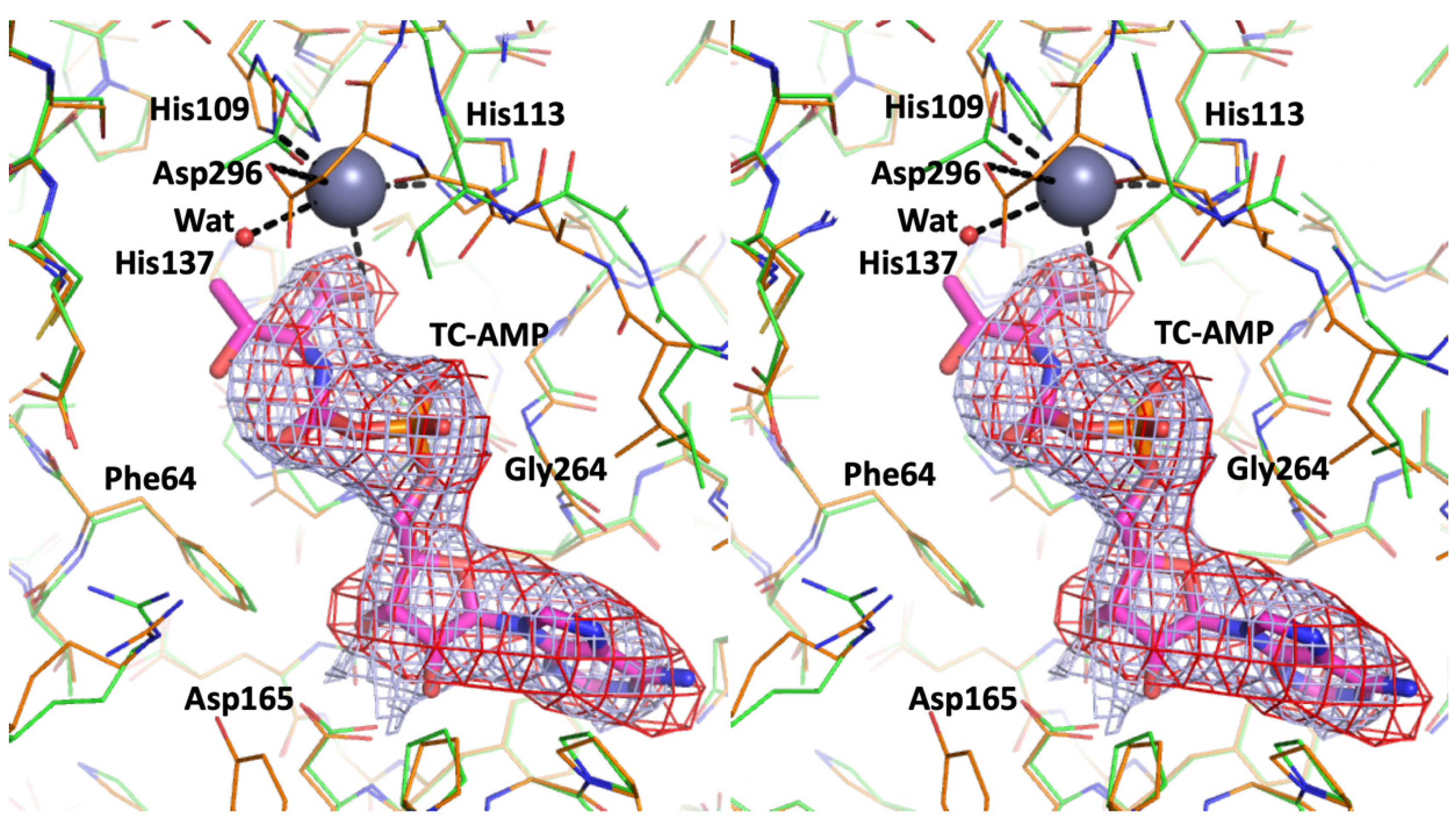
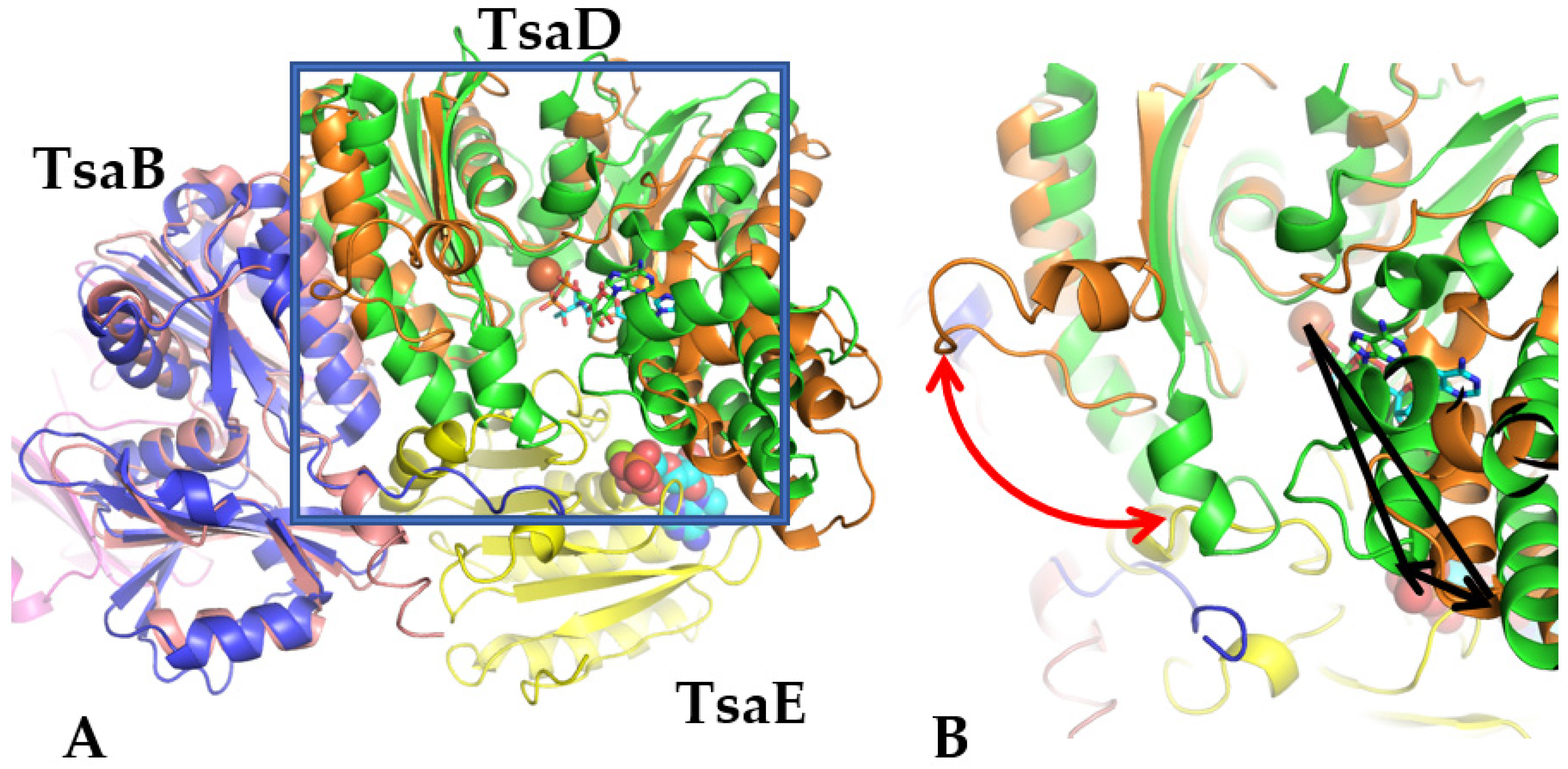
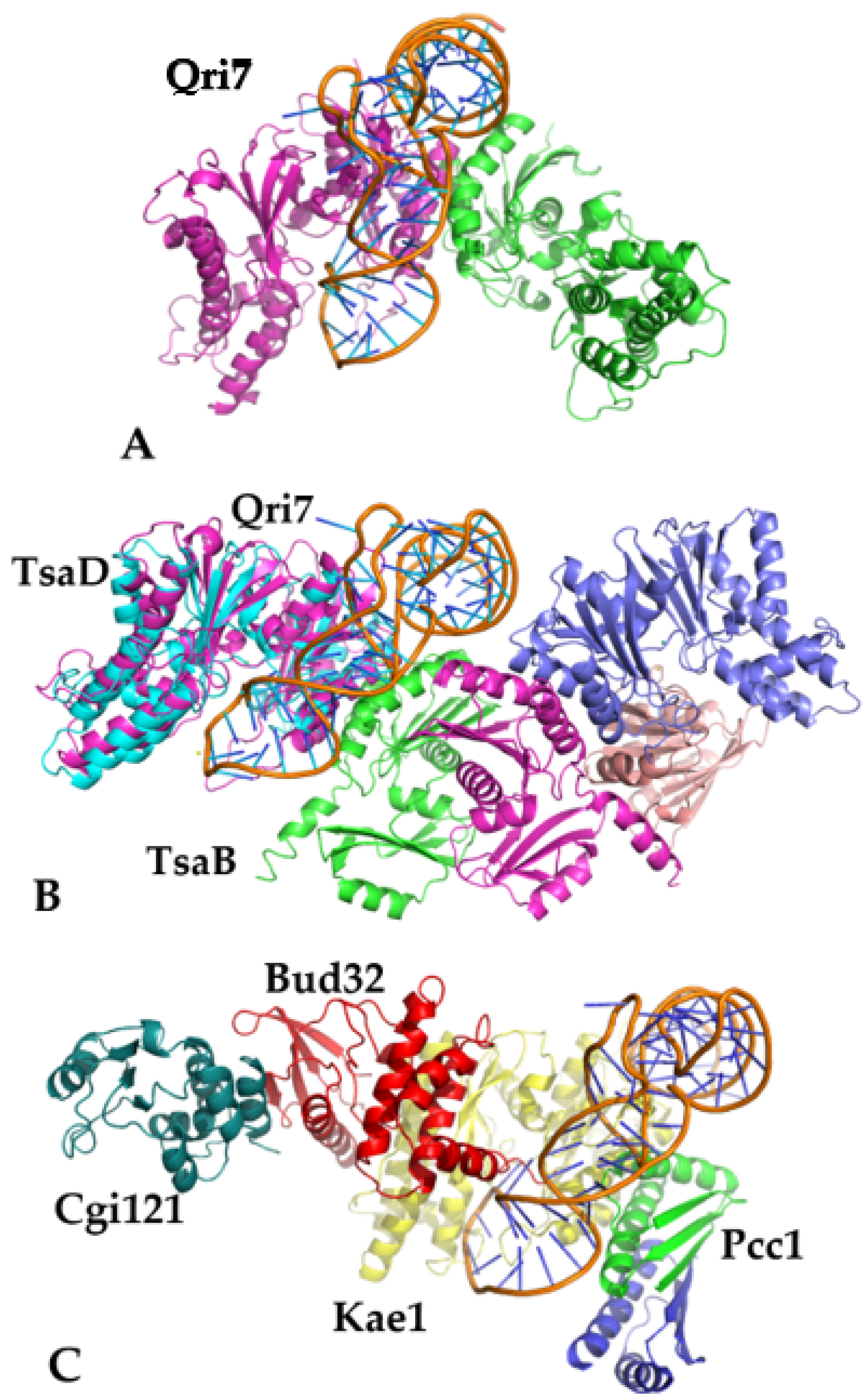
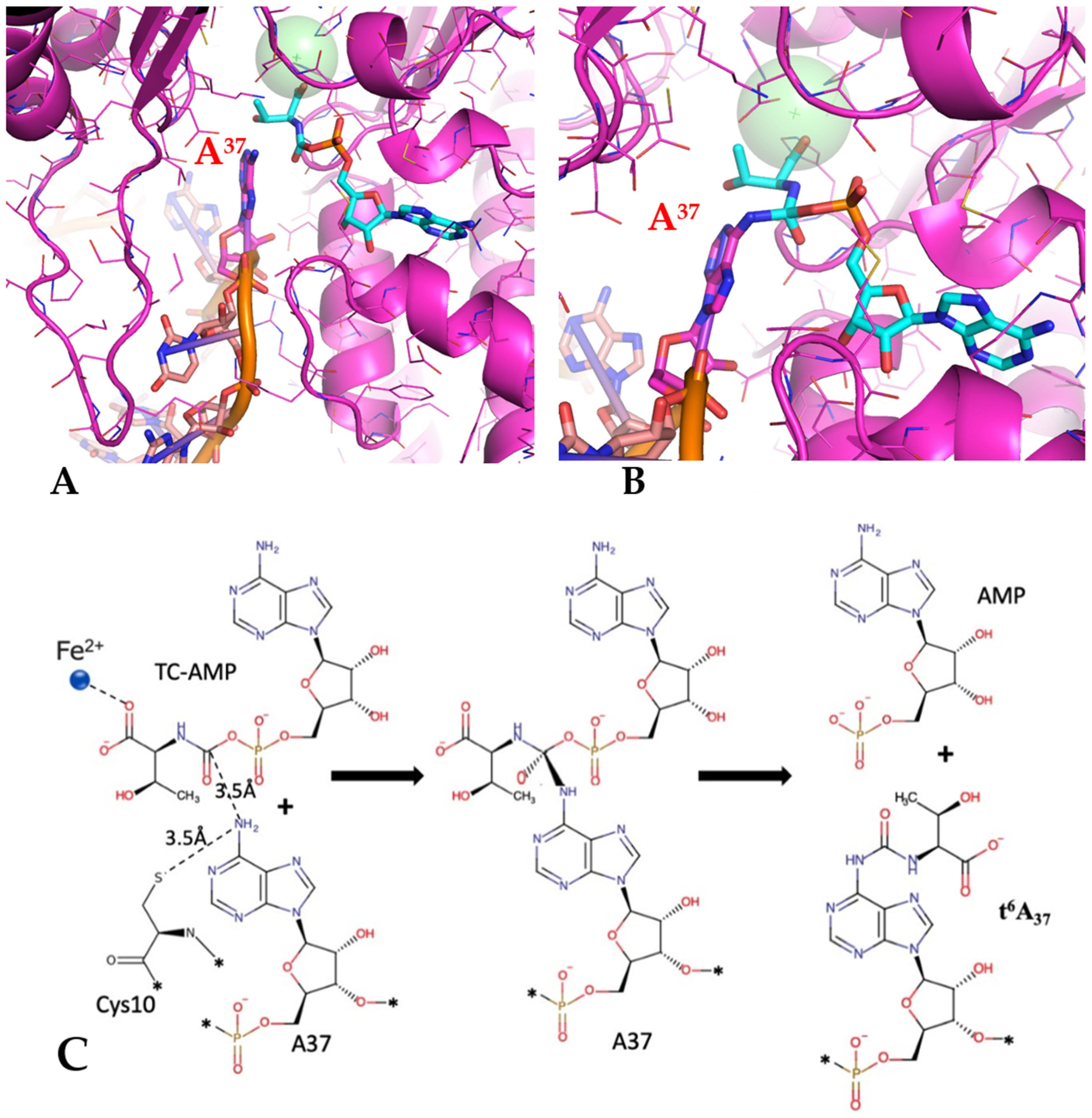
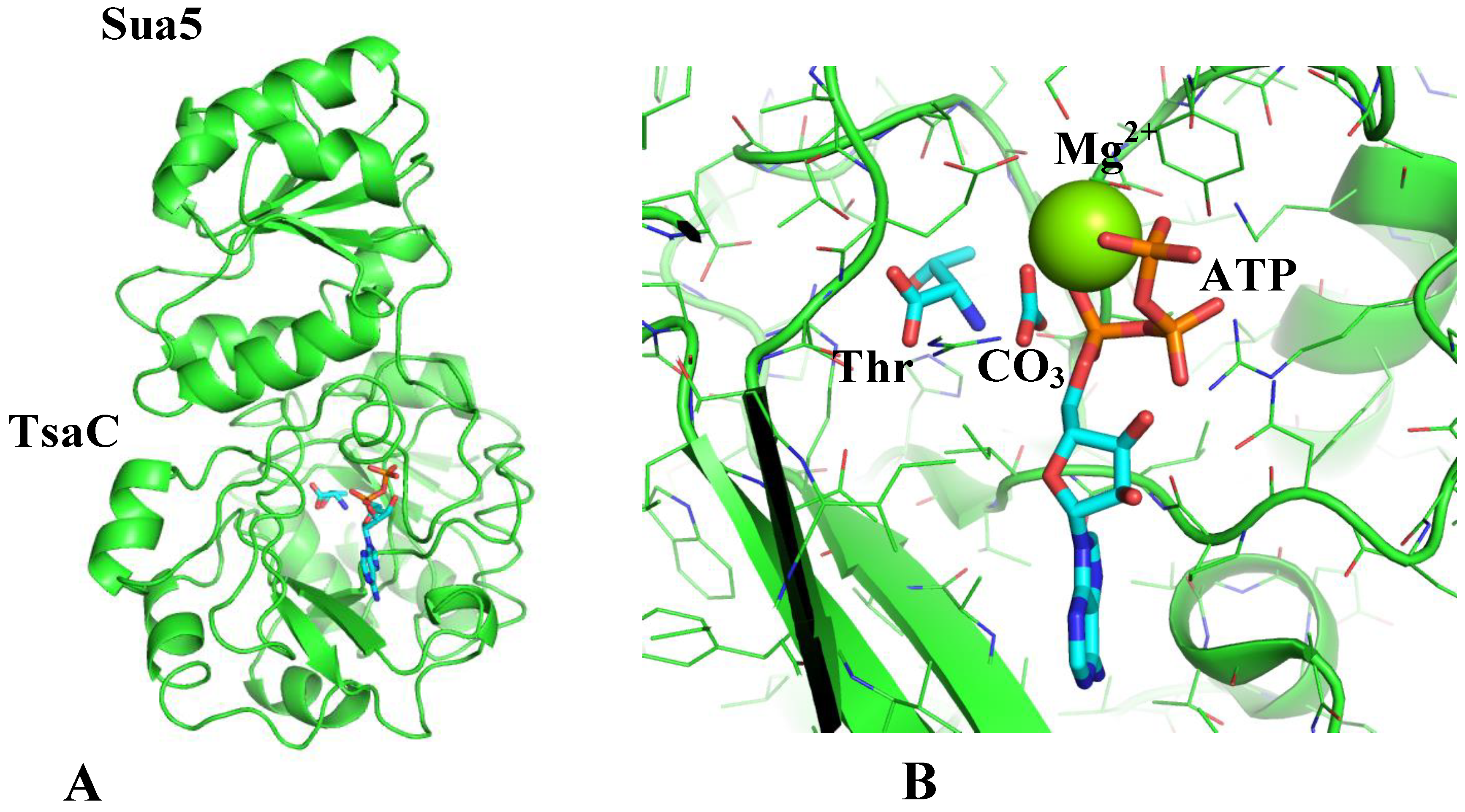
Covalent addition of the threonylcarbamoyl group to N(6) of adenosine 37 (t6A modification) within the anticodon loop of several tRNAs is central to the translational fidelity in all known organisms. Structures for each of the enzyme components in the Tsa (t6A) pathway from all three kingdoms of life have been determined previously. In order to shed light on the poorly defined final step of t6A tRNA modification by TsaD-like components, we performed modeling studies. By docking a tRNA substrate molecule onto reanalyzed complete models of three TsaD-like proteins—TsaD from T. maritima, Qri7 from bacteria, and Kae1 from yeast—we identified a binding site that is common to all of them. An apparently universal binding mode has perfectly oriented tRNA for catalysis by TsaD. Furthermore, it suggests how the conformational changes in TsaD, in response to the binding of the additional regulatory subunits, control enzymatic activity. Re-refinement of the X-ray structure of the TsaBDE complex from T. maritima tentatively suggests that the moiety bound at the active site of the TsaD component is threonylcarbamoyl-AMP (TC-AMP). These findings suggest a detailed model for the mechanism of the catalytic reaction carried out by the TsaD-like components that explains the transfer of unstable TC-AMP from TsaC to TsaD proteins in the t6A modification pathway.
Keywords: ATPase; modified nucleoside; transfer RNA; tRNA; essential enzymes ATPase; modified nucleoside; transfer RNA; tRNA; essential enzymes