1. Introduction
The continuous expansion of the global economy and accelerated industrialization have driven an exponential surge in mineral resource demand [
1]. After decades of intensive exploitation, shallow mineral resources are experiencing reserve depletion and quality degradation, rendering them insufficient to meet escalating consumption requirements. Consequently, mineral resource extraction has been driven to progressively greater depths, leading to increasingly complex mining environments. In such contexts, traditional mining methods encounter multifaceted challenges, including environmental contamination, safety risks, reduced operational precision, and declining efficiency [
2,
3,
4]. Mechanical rock-breaking technologies have therefore emerged as viable alternatives, offering distinct advantages in environmental sustainability, safety, precision, and energy efficiency [
5,
6,
7]. However, with increasing mining depth and concomitant rises in rock.
Importantly, these technologies have also revealed critical limitations. Among these, the dual challenges of reduced rock-breaking efficiency and excessive cutter wear are particularly pronounced. Conical picks, as critical components directly engaging with rock in mining equipment, play a pivotal role in determining cutting performance. During operation, these picks fracture rock ore through repeated tooth tip impacts [
8,
9,
10]. In hard-rock mining scenarios, these impacts become intensified due to high rock hardness, accelerating wear rates and necessitating frequent replacements. This not only elevates operational costs but also disrupts workflow continuity and compromises mining productivity [
11,
12,
13,
14,
15,
16]. Therefore, investigating the effects of conical pick wear on rock-breaking efficiency assumes strategic importance for advancing mechanized, intelligent, and sustainable mining practices [
17,
18].
Indentation testing of conical picks serves as a critical methodology for investigating rock-pick interaction mechanisms, yielding significant research insights [
19,
20,
21]. Multiple studies have characterized the effects of confining pressure on rock fragmentation through indentation tests under triaxial and uniaxial stress conditions. Results indicate that rock machinability decreases in the sequence of biaxial, uniaxial, and no confining pressure conditions, while confining pressure also significantly influences the degree of rock fragmentation and energy consumption [
22,
23,
24,
25,
26,
27]. Beyond confining pressure investigations, researchers have expanded their focus to other influential factors: Zhang et al. [
28] developed rock strength estimation indices and characterization parameters for rock brittleness and machinability via indentation testing. Ma et al. [
29] conducted indentation tests on different carbide tooth tips, analyzing distinct crack initiation patterns during rock fragmentation. Zou et al. [
30] combined indentation testing with microwave irradiation on rock specimens, validating the feasibility of microwave-assisted mechanical excavation for hard or ultra-hard rocks. Chen et al. [
31] utilized a 2D indentation device integrated with non-destructive testing techniques to track rock damage propagation, confirming the effectiveness of the cavity expansion model in explaining indentation behavior prior to tensile crack formation. Liu et al. [
32] identified variations in peak penetration depths among specimens with different pre-set penetration depths, demonstrating limited efficiency improvements from cutter spacing optimization for TBM tunneling in hard-rock mixed formations. Zhang et al. [
33] employed 2D indentation tests combined with digital image correlation for non-destructive optical analysis, revealing that splitting fracture mechanisms may dominate the failure of sandstones under indentation loading.
From a mechanical perspective, the influences of pick material, tool geometry, and wear on rock-breaking performance should be clearly distinguished. Pick material properties primarily govern hardness, strength, and wear resistance, thereby affecting tool durability. In contrast, tool geometry directly controls the real area of contact between the pick and the rock, stress concentration, and the development of subsurface plastic zones during indentation. Wear does not constitute an independent mechanical parameter but manifests as a progressive geometric evolution of the pick tip, which indirectly alters contact conditions and energy dissipation mechanisms. From the viewpoint of contact mechanics, the interaction between a conical pick and rock can be idealized as an elastic–plastic contact problem. At shallow penetration depths, the contact behavior can be approximated by Hertzian elastic contact, characterized by highly concentrated stresses beneath the pick tip. As penetration proceeds, the contact transitions to an elastic–plastic regime with the formation and expansion of a plastic deformation zone beneath the indenter. Wear-induced tip blunting increases the real area of contact, which reduces local contact stress but significantly enlarges the plastic zone, thereby increasing energy dissipation and specific energy consumption during rock fragmentation [
34]. Similar geometry–energy relationships have also been widely reported in tribological studies of tool wear, where wear-induced enlargement of the real contact area leads to increased frictional dissipation and reduced cutting efficiency [
35].
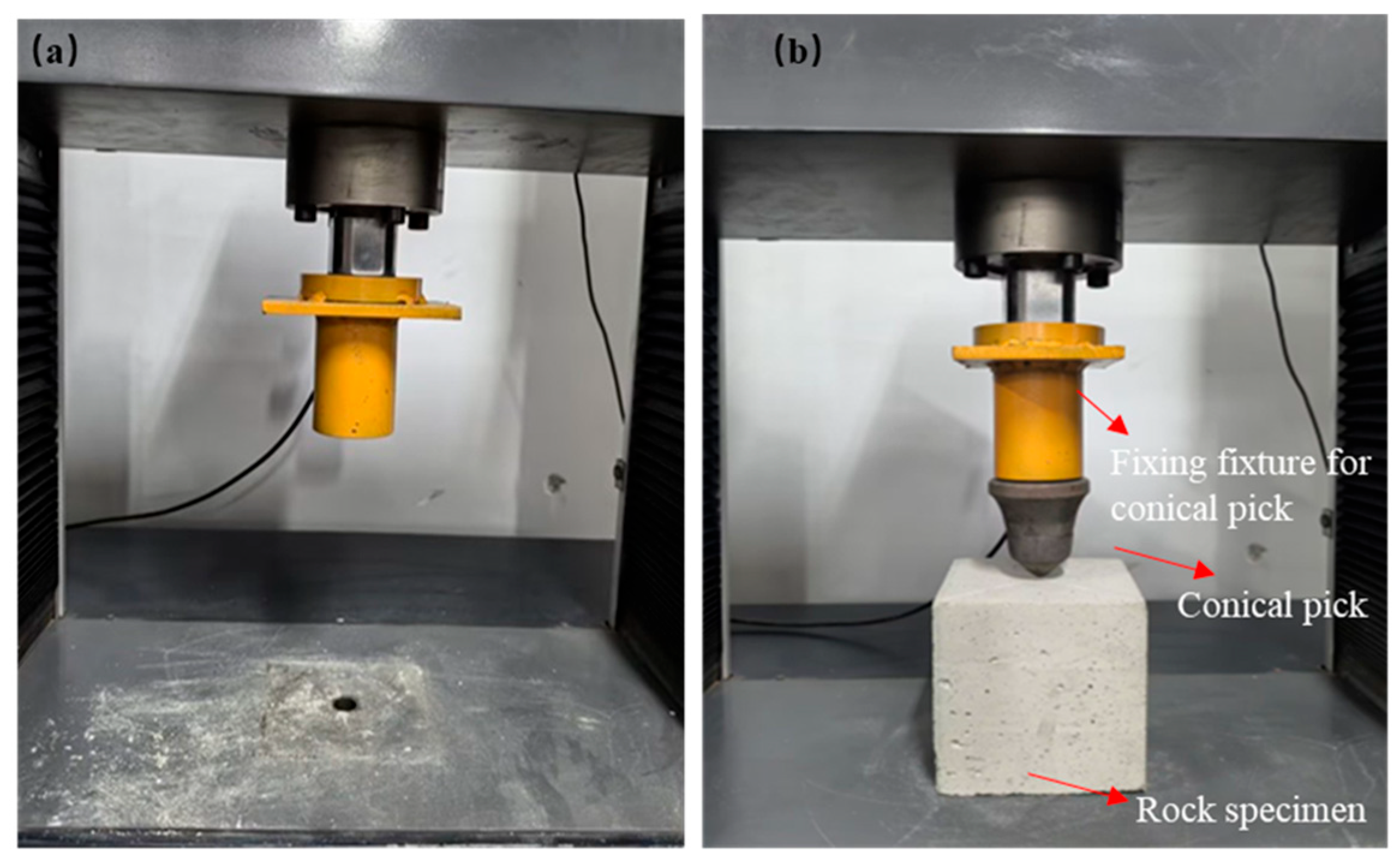
However, existing studies have predominantly focused on the effects of conical pick tip materials and confining pressure on rock failure characteristics. In contrast, research specifically examining the impact of wear on rock fragmentation properties—particularly comparative analyses of rock-breaking efficiency differences between worn and unworn conical picks—remains scarce. Motivated by the above contact-mechanics-based considerations, this study conducted indentation tests using conical picks with varying degrees of wear. By performing comparative analysis of rock-breaking parameters (e.g., peak indentation force, specific energy) between new and worn conical picks under identical testing conditions, the role of wear-induced pick tip geometry in governing rock-breaking efficiency was systematically investigated. The findings aim to provide a theoretical basis for optimizing conical pick design and manufacturing processes to enhance wear resistance, while also offering technical support for improving deep hard-rock mining efficiency and reducing associated costs.
2. Model of Conical Picks Penetrating into Rock
The rock-breaking process of conical picks can be divided into two distinct stages [
36]. Initially, the conical pick tip interacts with the rock surface, inducing elastic deformation in the underlying rock under compressive stress. As indentation depth increases, internal stress within the rock accumulates, and when local stress exceeds the rock’s strength threshold, its internal structural stability is compromised.
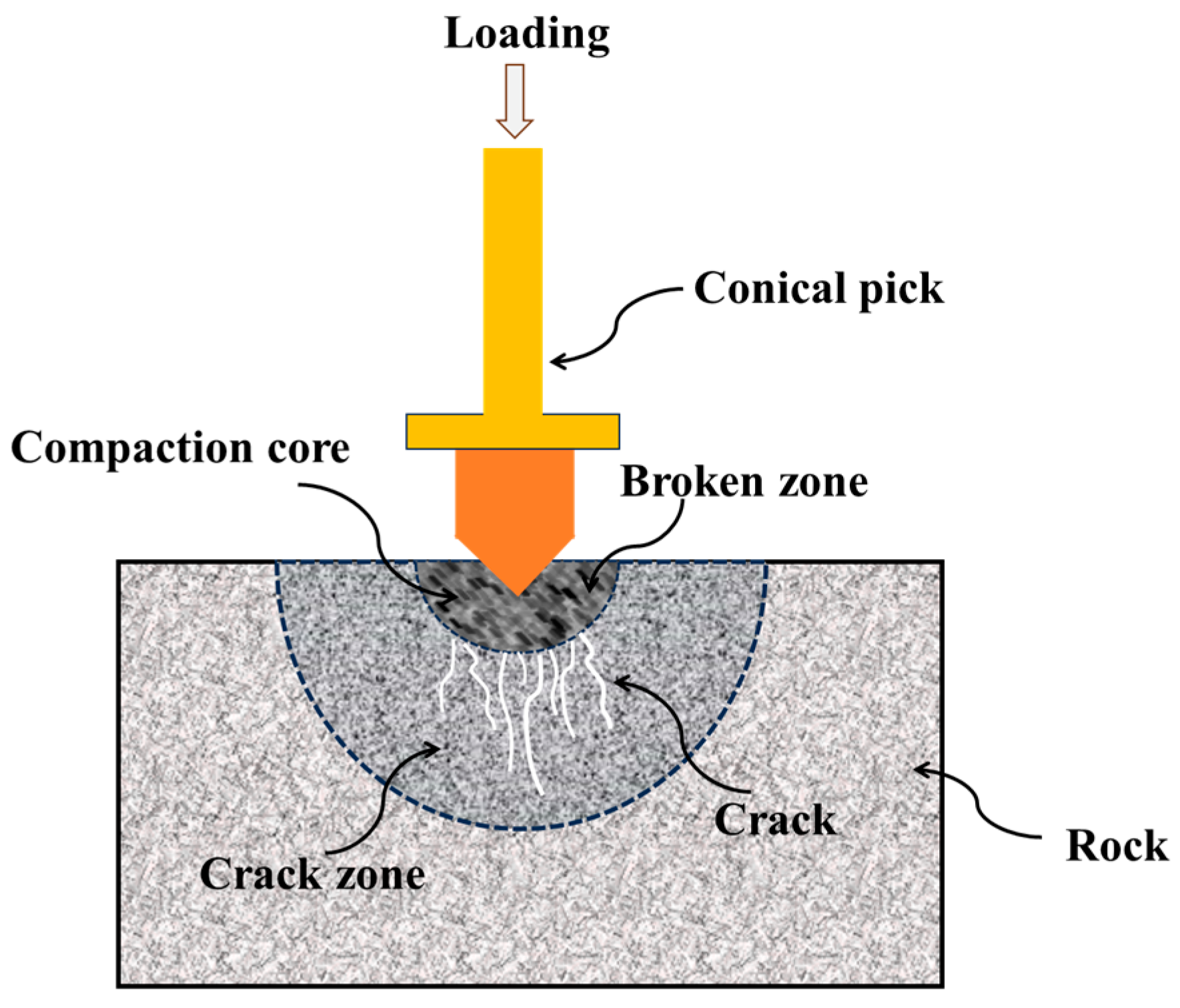
Figure 1 illustrates the schematic diagram of rock fragmentation zones induced by conical picks. Under continuous high stress, localized fragmentation or significant plastic deformation occurs within the rock interior. During this phase, inter-particle extrusion, displacement, and rearrangement take place within the rock matrix, forming a compaction core ahead of the pick tip [
37]. The compaction core expands with increasing pick indentation depth, concurrently accumulating strain energy within the rock mass. Once the stress exceeds the rock’s ultimate strength, the accumulated energy is abruptly released, generating numerous microcracks around the compaction core. These microcracks propagate and coalesce under the stress field, forming a fractured zone. With continued pick impacts, the fractured zone evolves into a primary crack, leading to macro-scale rock detachment and fragmentation from the parent mass.
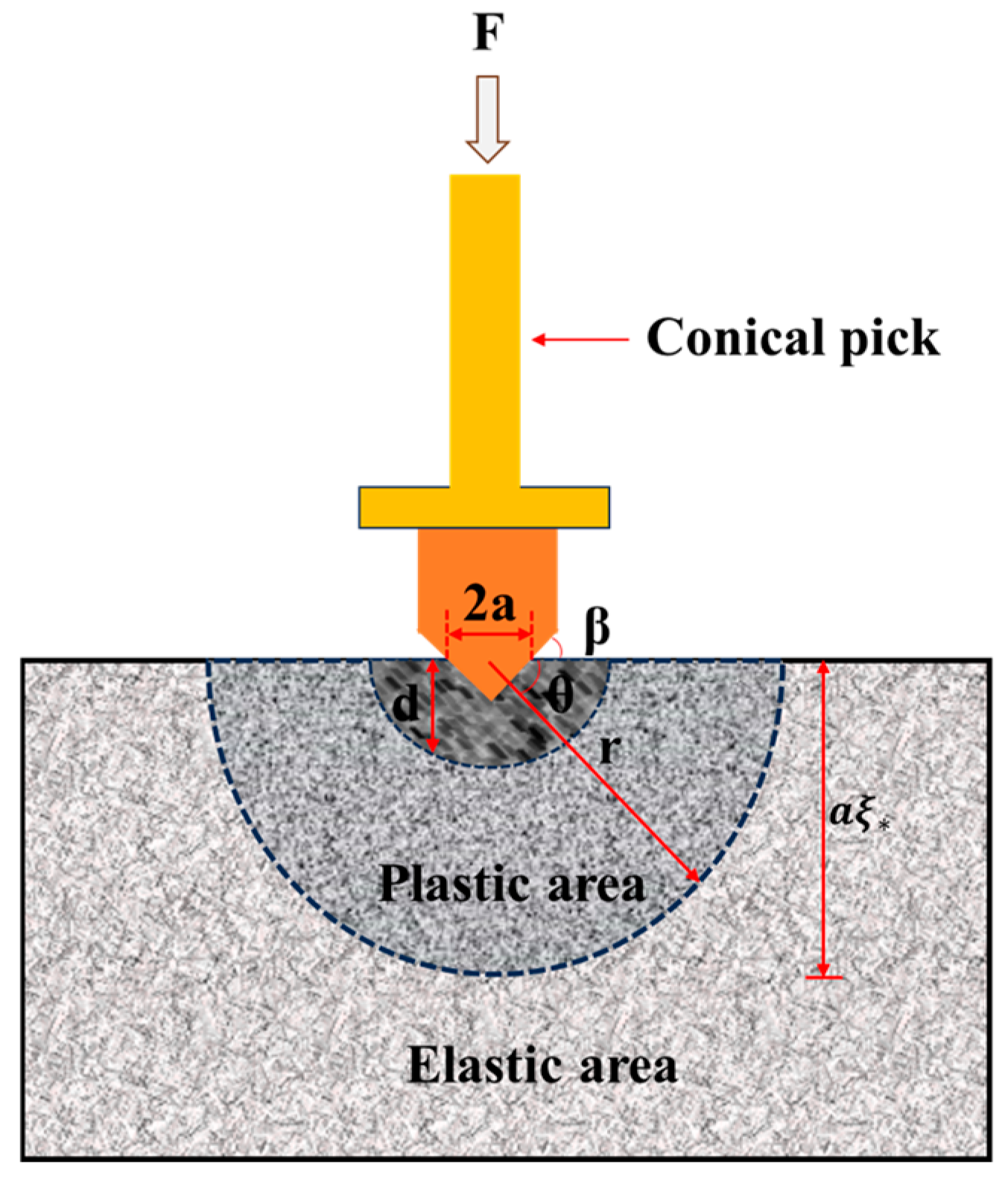
During the initial phase of indentation testing, rocks typically exhibit elastic behavior. As the applied load is progressively increased, progressive damage accumulation occurs within the rock mass. Once the conical pick’s indentation depth reaches the rock’s critical threshold, initiation and propagation of tensile cracks form a plastic zone where irreversible deformation and failure occur. To analyze the mechanical response and damage evolution during indentation, the cavity expansion model [
36,
37,
38] is introduced, as illustrated in
Figure 2. In this model, the ratio of plastic zone depth to indentation depth is used to quantify the rock’s plastic characteristics during indentation—a higher ratio corresponds to a larger plastic zone and greater plastic deformation under identical indentation depths. This ratio can be calculated using the equation provided below.
Assume that the rock is an elastoplastic material and satisfies the Mohr–Coulomb yield criterion [
38] (this criterion is used to describe the yield conditions of materials such as rocks when they are under stress). The indentation force
F and the shear equivalent
G satisfy:
Here, and represent the principal stress and radial stress, respectively, in the polar coordinate system (r, ), is the uniaxial compressive strength of the rock, and are the passive coefficient and dilatancy coefficient, respectively, h is the radius of the plastic area, and are the internal friction angle and dilatancy angle of the rock.
Based on the aforementioned theory, assuming that the rock material in the indentation test satisfies the Mohr–Coulomb yield criterion, Detournay and Huang [
39] provided a solution for the damaged area of the rock:
In this context, depending on the type of tool used,
n takes the value of 1. The definitions of the various parameters in the formula are as follows:
In the formula, is the ratio of the plastic area depth to the indentation depth, is the critical radius of the plastic area, a is the contact radius, characterizes the geometry of the tool, and is Poisson’s ratio.
Once the damaged area is determined, the nominal indentation pressure
p and the indentation force
F can be established, introducing the indentation depth
d, as shown in the equation provided below.
The cavity expansion model is employed in this study as a simplified analytical framework to interpret the mechanical response of rock under conical pick indentation. The model assumes that the rock is homogeneous and isotropic, follows elastic–perfectly plastic behavior governed by the Mohr–Coulomb yield criterion, and is subjected to quasi-static, axisymmetric loading conditions. These assumptions neglect microstructural heterogeneity, strain localization, and dynamic fracture effects; therefore, the model is used to explain qualitative trends rather than to provide exact quantitative predictions. Key parameters in the model, including the internal friction angle φ, dilatancy angle ψ, and Poisson’s ratio ν, mainly influence the magnitude of the response within realistic ranges for cement–sand rock but do not alter the monotonic trends. Consistent with the model predictions, experimental results show that wear-induced tip blunting enlarges the contact area, promotes plastic zone expansion, and leads to increased indentation force, crater area, and specific energy. Although severe wear causes deviation from the idealized sharp indenter geometry, the cavity expansion framework remains applicable because it explicitly accounts for the effect of contact radius, which is the dominant geometric consequence of pick wear.
4. Results and Discussion
4.1. Indentation Force and Indentation Depth
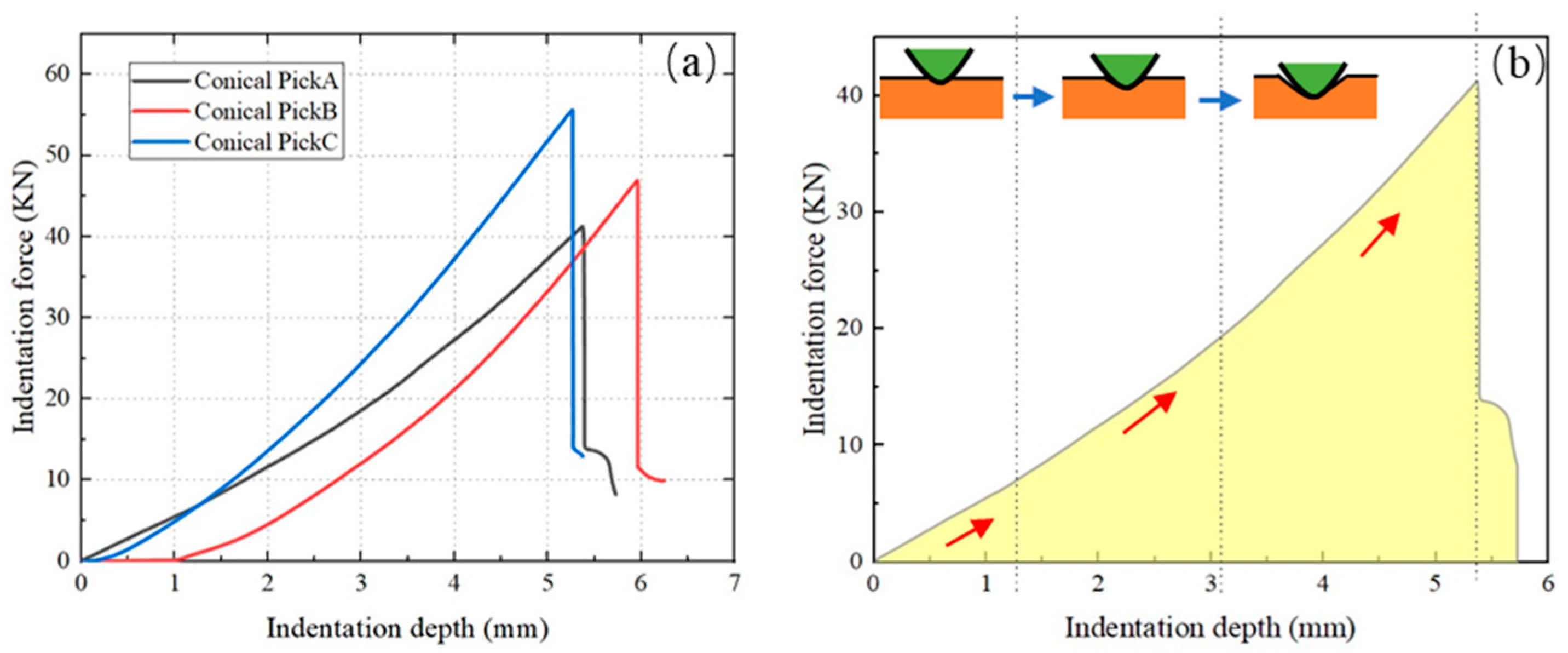
Figure 6a illustrates the indentation force-indentation depth relationships for three conical pick types, with the results based on the mean values obtained from three repeated tests for each pick condition. Overall, the indentation force increased with the indentation depth for all pick types. At small depths (0–1.5 mm), the curves for the three picks remained close, as initial contact induced primarily elastic deformation in the rock, with minimal influence from geometric differences between picks. As indentation progressed, significant disparities emerged: conical pick C demonstrated the steepest slope due to its blunted tip increasing contact area with the rock, intensifying interaction and requiring greater force to overcome resistance. Conical picks A and B showed gentler ascent rates, with pick B surpassing pick A in later stages due to differential wear characteristics. Post-peak force decline occurred as internal rock structural failure reduced resistance to indentation.
Analysis of the ascending trends in
Figure 6a reveals that all three curves exhibit a consistent pattern: an initial gradual increase, followed by a steep ascent, and concluding with a sharp decline. Building upon the theoretical framework presented in
Section 1, this analysis focuses on conical pick A, as detailed in
Figure 6b. The curve for conical pick A can be divided into three distinct stages. Initial stage: Characterized by minimal contact area between the pick tip and rock surface, elastic deformation prevails, resulting in relatively minor indentation force variation. Second stage: The rock specimen undergoes plastic deformation after the conical pick penetrates the rock surface. According to Equation (5), the plastic zone depth-to-indentation ratio (
) increases progressively. Equations (11) and (12) indicate that stress field redistribution caused by expanding plastic zones fundamentally drives the increasing slope of the curve. Final stage: When the indentation force reaches the rock specimen’s strength limit, the plastic zone expands to a critical state, and a through-crack network forms within the specimen. At this point, the indentation force curve exhibits a characteristic peak. Subsequent crack propagation collapses the plastic zone structure, causing a precipitous decline in the rock’s load-bearing capacity and abrupt post-peak force drop.
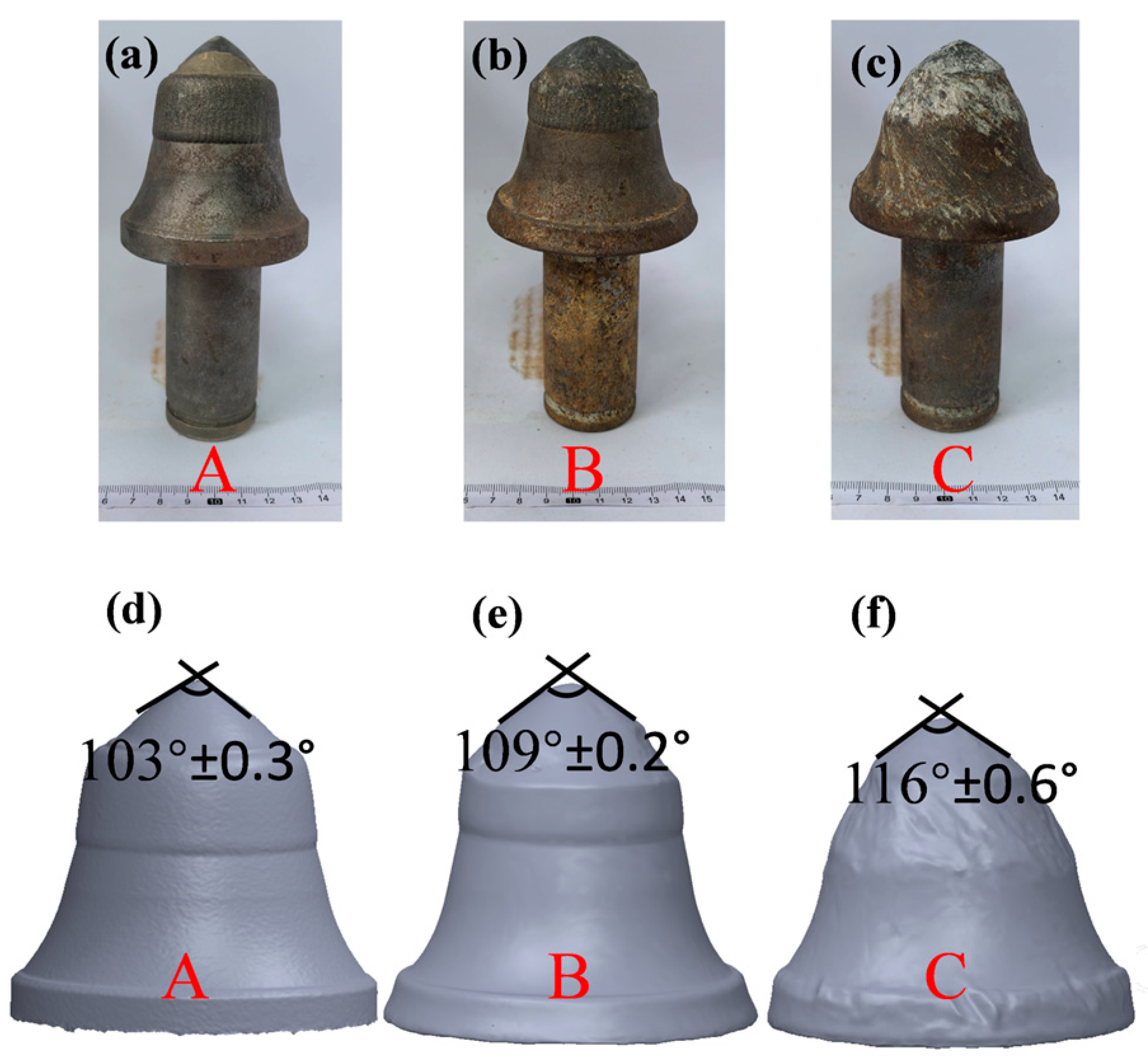
Based on the above analysis, conical pick wear significantly influences indentation force, with more severe wear resulting in higher peak indentation forces. As established in
Section 3.3, wear-induced blunting of the tooth tip cone angle increases contact area with the rock specimen. Under identical indentation depths, this leads to larger and more complex plastic zones and more complex stress distributions within the rock mass, which necessitates higher indentation forces to sustain the indentation process.
4.2. Specific Energy
The specific energy (SE) is defined as the energy consumed for breaking a unit volume of rock. Its value can directly reflect the work efficiency during the mining process [
41]. Therefore, it is often regarded as one of the key indicators for measuring the performance of mining machinery. By calculating the specific energy of the rock specimens broken by conical picks, the rock-breaking efficiencies of the three conical picks can be quantitatively analyzed. The calculation formula of the specific energy is as follows [
42,
43,
44,
45]:
In the present indentation tests, the yield per unit cutting length cannot be directly measured as in linear cutting experiments. Therefore, an equivalent yield is adopted. The rock yield generated by a single indentation is approximated by the indentation crater volume , which is calculated from the measured indentation crater area and the maximum indentation depth. The equivalent yield per unit cutting length is then defined as , where represents the equivalent cutting length corresponding to one indentation event. This approach has been widely used to evaluate rock-breaking efficiency based on indentation tests.
In the formula, SE represents the specific energy (MJ/m3), FC denotes the cutting force (peak indentation force, KN), and Q is the yield per unit cutting length (m3/km).
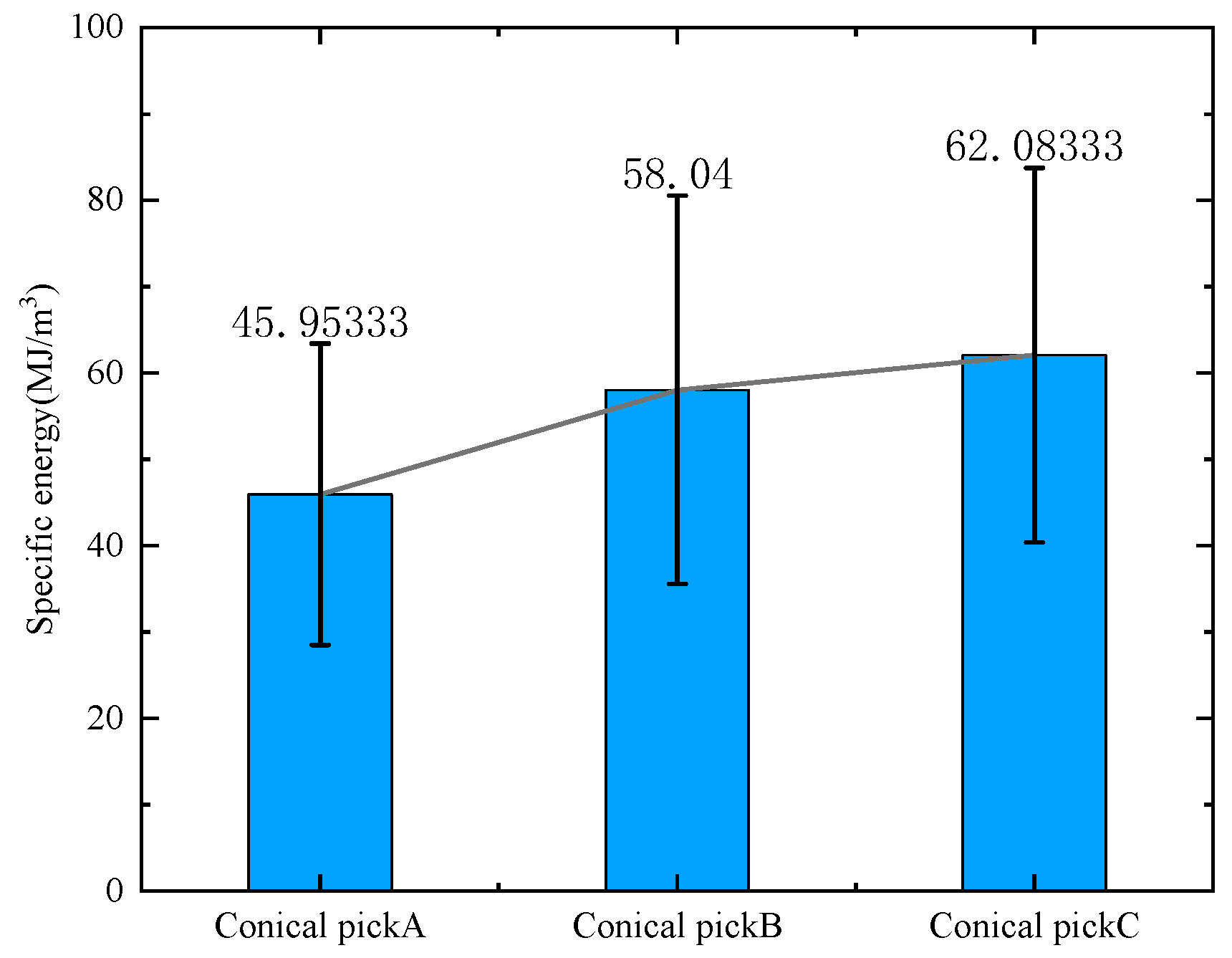
Figure 7 presents the specific energy for rock breaking by the three conical pick types. The data indicate that specific energy increases progressively with conical pick wear. Conical pick A exhibits the lowest specific energy at approximately 46 MJ/m
3, this indicates that conical pick A consumes less energy for rock-breaking and demonstrates relatively higher mining efficiency. Conical pick B demonstrates a moderate increase to around 58 MJ/m
3, indicating greater energy consumption as wear progresses. Conical pick C shows the highest specific energy, approaching 62 MJ/m
3, and 34.8% increase compared to pick A. Given that conical pick C represents the most severely worn condition among the three, these results underscore the significant impact of wear on mining efficiency: greater wear correlates with lower rock-breaking efficiency.
As discussed in
Section 3.2, wear modifies the geometric profile of conical picks, increasing contact area with rock specimens. According to the cavity expansion model, under identical indentation depths, larger contact areas lead to plastic zone expansion, resulting in more complex stress distributions and requiring higher indentation forces for fragmentation. Furthermore, Equation (13) indicates that for equivalent rock fragmentation volumes, increased indentation force directly elevates specific energy. Based on this analysis, it is recommended that in engineering applications such as mining and tunneling, high-wear-resistant conical picks be selected while severely worn picks are promptly replaced to enhance rock-breaking efficiency, reduce energy consumption, and achieve cost-effective, high-performance extraction operations.
The increase in specific energy with conical pick wear reflects enhanced power losses associated with plastic zone expansion. Wear-induced tip blunting enlarges the contact area and promotes irreversible plastic deformation and frictional dissipation beneath the indenter, reducing the proportion of input energy contributing to effective crack propagation. Similar increases in specific energy with tool wear or larger indenter geometry have been reported in previous indentation and cutting studies [
21].
4.3. Indentation Crater Area and Surface Damage Characteristics
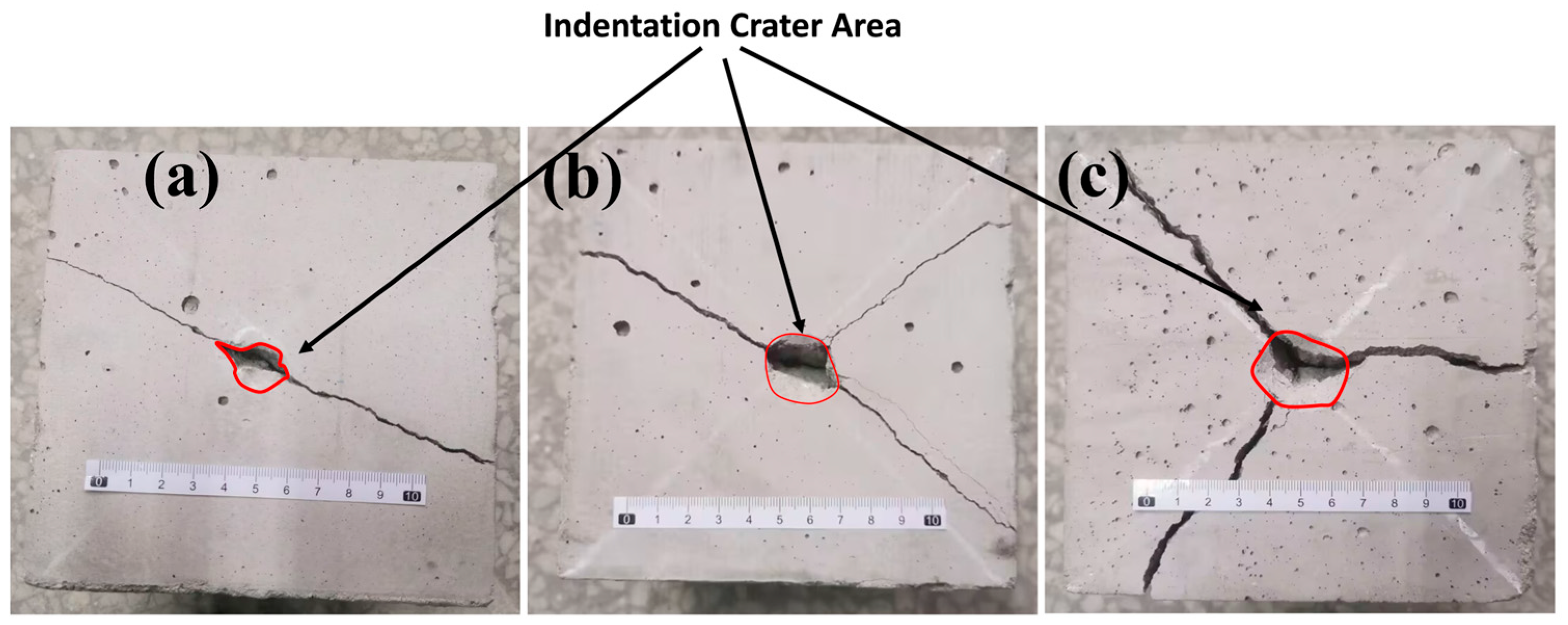
Figure 8a–c illustrate indentation craters and crack patterns on rock specimen surfaces induced by conical picks A, B, and C, respectively. Test results reveal that all rock specimens developed surface cracks radiating outward from the pick–rock contact point. To provide a quantitative interpretation of the observed crack patterns, characteristic crack-related parameters, including crack length, crack density, and branching complexity, were considered. Although individual crack metrics were not separately extracted, their combined effects are reflected by the indentation crater area, which serves as an integrated quantitative indicator of surface damage.
For conical pick A, the surface damage was dominated by a limited number of major cracks with relatively small total crack length and low branching complexity, resulting in a small indentation crater area of 1.984 cm2. In contrast, conical pick B produced an increased number of secondary cracks, indicating higher crack density and branching, which is quantitatively manifested by the expansion of the crater area to 4.369 cm2. For conical pick C, extensive multidirectional crack propagation and frequent crack intersections significantly increased the total crack length and crack density, leading to the largest crater area of 5.382 cm2. These results demonstrate that the evolution of crack patterns from simple to complex is quantitatively consistent with the progressive increase in indentation crater area.
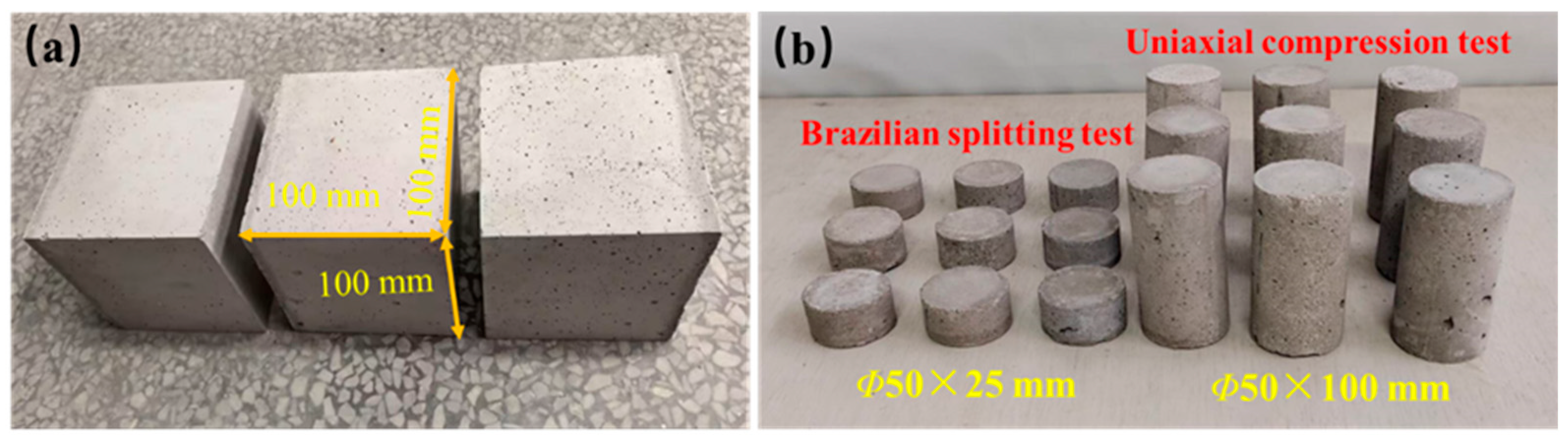
The indentation crater boundary was defined as the clear interface between the surface fragmented zone and the intact rock matrix. A three-dimensional scanning device was used to reconstruct the specimen surface after indentation, which was then compared with the surface geometry of the intact specimen prior to testing. The indentation crater area was determined from the projected area corresponding to material loss. For each conical pick type, three independent indentation tests were conducted, and each crater area was measured three times. The values reported in
Table 2 represent the average of these measurements.
This phenomenon demonstrates the inherent correlation between conical pick wear degree and tooth tip cone angle geometry. Wear-induced blunting of the tooth tip cone angle fundamentally alters rock-pick interaction mechanics. A new conical pick is characterized by an extremely sharp tooth tip cone angle, resulting in minimal contact area during indentation. According to the cavity expansion model, this generates a small, relatively regular plastic zone within the rock mass, with crack initiation and propagation occurring in an orderly manner—hence the small indentation crater area. As the pick wears, progressive blunting of the tip cone angle increases contact area. Based on Equations (11) and (12), under identical indentation conditions, larger contact areas produce larger, irregularly shaped plastic zones within the rock, promoting more complex crack initiation and propagation patterns, which ultimately result in expanded indentation crater areas.
4.4. Indentation Index of Rock
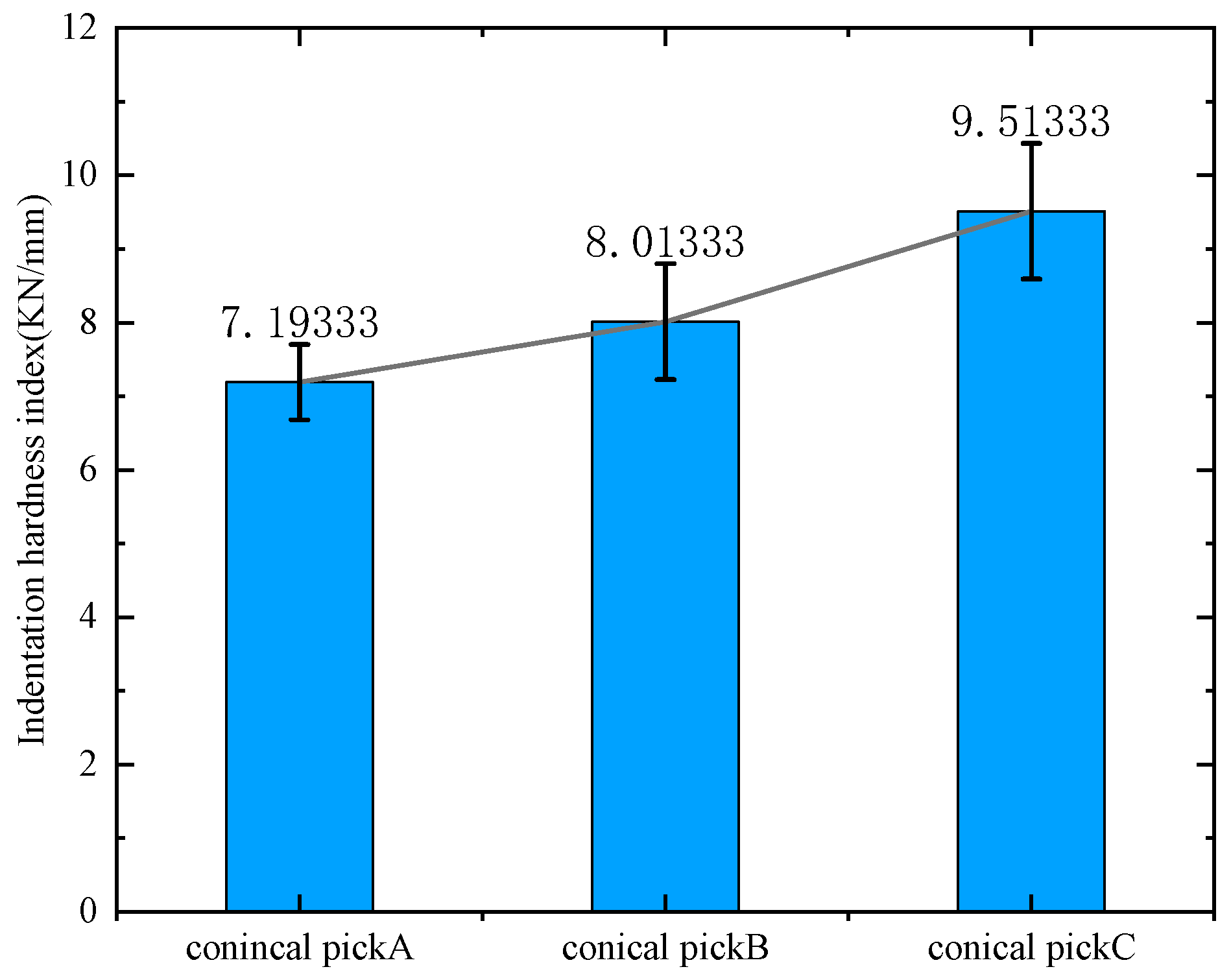
The difficulty of conical pick indentation into rock is typically characterized by the indentation index. Indentation hardness index (IHI) is defined as the ratio of peak indentation force to indentation depth. A higher indentation index indicates greater resistance to pick penetration into rock [
27,
28,
29,
30,
31,
32,
33,
34,
35,
36,
37,
38,
39,
40,
41,
42,
43,
44,
45]. The formula is as follows:
In the formula, is the peak indentation force (KN), and is the maximum indentation depth (mm).
Figure 9 presents the IHI of rock specimens fragmented by the three conical pick types. Test data show that the IHI increases significantly with increasing conical pick wear: conical pick A yields a relatively low index of approximately 7.19 KN/mm; conical pick B exhibits a moderate increase to 8.01 KN/mm; conical pick C demonstrates a substantial rise to 9.51 KN/mm, far exceeding the values of the other two picks.
The reason for this discrepancy lies in the blunting of the conical pick’s tooth tip cone angle, which increases contact area with the rock specimen. Under identical pressure conditions, larger contact areas reduce surface stress on the rock while altering the plastic zone size and stress distribution within the specimen. Rock fragmentation relies on sufficient stress to initiate internal cracks-insufficient stress increases penetration difficulty. According to the definition and calculation principle of the IHI, when maximum indentation depth remains constant or varies minimally, increased peak indentation force directly elevates the index. Thus, wear significantly exacerbates penetration difficulty, necessitating timely replacement of worn conical picks during mining operations to minimize energy losses.
The increase in indentation hardness index (IHI) is attributed to the expansion of the plastic zone caused by wear-induced enlargement of the contact radius. A larger and more stable plastic zone increases resistance to penetration, requiring higher force to achieve comparable indentation depths and resulting in greater mechanical energy dissipation. This interpretation is consistent with previous indentation-based investigations on tools with reduced sharpness or larger contact area [
28].
5. Conclusions
This study investigated the influence of conical pick wear on rock-breaking efficiency through quasi-static indentation tests. The results confirmed the initial hypothesis that progressive pick wear increases contact area, promotes plastic zone expansion, and consequently degrades rock-breaking efficiency. Peak indentation force, specific energy, indentation crater area, and indentation hardness index all increased monotonically with wear, and no trends contrary to expectations were observed.
The main limitation of this study lies in the use of laboratory-scale, quasi-static indentation tests and cement–sand rock analogs, which cannot fully reproduce the dynamic, thermo-mechanical, and heterogeneous conditions encountered in actual mining operations. Future work should incorporate dynamic and thermo-mechanically coupled testing, as well as in situ monitoring, to better capture realistic rock–tool interaction mechanisms and wear evolution.
Despite these limitations, the findings provide a mechanistic basis for evaluating pick wear states and optimizing tool replacement strategies. The results are expected to support energy-efficient design and intelligent control of advanced mining systems, such as automated roadheaders and deep hard-rock excavation equipment.