


Abstract
Persistent organic contaminants and complex wastewater matrices challenge conventional treatment because parent-compound removal does not necessarily imply mineralization, detoxification, or improved environmental safety. Advanced oxidation processes can address these limitations, but practical effectiveness is often constrained by oxidant activation, gas–liquid mass transfer, reagent distribution, light penetration, catalyst contact, energy demand, and matrix scavenging. This work critically examines hydrodynamic cavitation-assisted advanced oxidation processes for water and wastewater treatment, including systems based on hydrogen peroxide, ozone, Fenton and Fenton-like reactions, persulfate, peroxydisulfate, peroxymonosulfate, UV irradiation, photocatalysis, cold plasma, multi-hybrid configurations, and emerging reduction-oriented approaches. The discussion covers reactor configurations, target contaminants, real matrices, and sustainability-related performance metrics. The central argument is that hydrodynamic cavitation is not automatically sustainable as a stand-alone treatment. It becomes relevant as a sustainable intensification module only when measurable improvements are demonstrated in oxidant activation, mass transfer, treatment depth, biodegradability, toxicity reduction, process integration, or scale-up at acceptable energy and chemical cost. A reporting framework is proposed based on mineralization, COD/TOC reduction, by-products, toxicity, biodegradability, normalized energy consumption, chemical efficiency, real-matrix validation, reproducibility, and cost-relevant indicators. Future progress should move from isolated degradation tests to integrated, controllable, and scalable treatment frameworks.
1. Introduction
Water and wastewater treatment is increasingly challenged by contaminants that are persistent, biologically active, poorly biodegradable, or present in complex mixtures. Pharmaceuticals, antibiotics, endocrine-disrupting compounds, pesticides, dyes, phenolic compounds, chlorinated organics, per- and polyfluoroalkyl substances, and mixed industrial effluents can persist after conventional treatment or require additional polishing before discharge or reuse. Environmental relevance is determined not only by concentration, but also by biological activity, transformation products, toxicity, persistence, and interaction with real wastewater matrices. As a result, treatment is more demanding than the removal of bulk organic load alone.
Conventional biological and physicochemical processes remain essential in wastewater treatment, but may be insufficient for recalcitrant micropollutants and complex industrial streams. Biological treatment may remove biodegradable organic matter efficiently, but many trace contaminants pass through partially transformed or essentially unchanged. Coagulation-, adsorption-, stripping-, or membrane-based approaches may transfer contaminants from one phase to another rather than achieve chemical destruction. Early work established the reactor basis of hydrodynamic cavitation and its potential role in wastewater treatment schemes [1,2,3]. In this context, advanced oxidation processes have been widely investigated because they can generate highly reactive species capable of transforming contaminants that are resistant to conventional treatment [4].
Despite this potential, advanced oxidation processes also have limitations when applied as isolated technologies. Ozonation can be constrained by gas–liquid mass transfer and ozone utilization. Fenton and Fenton-like systems may require acidic pH, iron dosing, and sludge management. Hydrogen peroxide-based systems depend on efficient radical generation and can suffer from radical scavenging at excessive oxidant dose. Persulfate-based processes require activation and can be strongly affected by pH, ions, and matrix constituents. Photocatalytic and UV-based processes are limited by light penetration, catalyst recovery, turbidity, and energy demand. Plasma-based systems may generate diverse reactive species, but their liquid-phase transfer and energy efficiency remain critical. Therefore, the sustainability of an AOP cannot be inferred only from the ability to degrade a target molecule.
Hydrodynamic cavitation has been proposed as a possible route to intensify water and wastewater treatment because it can generate localized bubble collapse, high shear, pressure fluctuations, microjets, interfacial renewal, micromixing, and reactive species in continuous-flow devices. These effects can contribute directly to pollutant transformation, although the most relevant function in advanced oxidation systems is often indirect. Hydrodynamic cavitation may improve oxidant activation, enhance ozone transfer, promote contact among reagents and pollutants, disperse catalysts, renew interfaces or increase the accessibility of contaminants in complex matrices. In this sense, it should be considered not only as a treatment process, but as a possible intensification module for water and wastewater treatment [5,6,7,8,9]. Integration with advanced oxidation processes has also been discussed in cavitation-based AOP reviews and hybrid-process assessments [10,11,12,13,14,15]. However, hydrodynamic cavitation is not automatically sustainable, and this distinction is central to the assessment framework adopted here. A cavitation-based process may remove a parent compound while producing limited mineralization, residual toxicity, persistent intermediates, or excessive energy demand. Similarly, a hybrid HC-AOP may show higher degradation than HC alone simply because a strong oxidant has been added. This does not demonstrate synergy. A credible intensification claim requires comparison with hydrodynamic cavitation alone, with the corresponding AOP alone, and with the combined process under comparable conditions. Energy and chemical demand are particularly important because apparent intensification may result from higher hydraulic input or higher oxidant dose rather than from improved process efficiency. Such a claim also requires metrics that go beyond parent-contaminant removal, including COD or TOC reduction, mineralization, toxicity, biodegradability, transformation products, oxidant consumption, energy demand, and performance in real matrices.
Recent reviews have addressed hydrodynamic cavitation in water treatment, cavitation-based advanced oxidation processes, and process intensification [10,11,12,13]. Ozonation-assisted cavitation and hybrid HC-AOP systems have also been reviewed as specific intensification routes [14,15]. Reactor development has been examined as a separate engineering issue [16]. Additional recent work has further summarized hydrodynamic cavitation as an emerging approach for wastewater treatment [17]. Applications to persistent pollutants and real effluents have received increasing attention in recent reviews and critical assessments [18,19,20]. Emerging pharmaceutical-removal and plasma-assisted cavitation applications have also been recently discussed [21,22]. Hydrodynamic cavitation in wastewater treatment has also been covered in recent book-level contributions [23]. These contributions have established the scientific and engineering relevance of the field.
Compared with previous literature syntheses, the specific contribution of this manuscript is not another general catalog of hydrodynamic cavitation applications or HC-AOP combinations. Its contribution lies in a sustainability-oriented appraisal framework that links each HC-AOP route to the limiting process function that cavitation is expected to improve. The manuscript therefore connects reactor configuration, oxidant activation, treatment-depth metrics, chemical and energy demand, real-matrix validation, and scale-up relevance within a single critical assessment structure. This focus distinguishes the present work from contributions primarily centered on reactor development, pollutant degradation, ozonation-assisted cavitation, persistent contaminants, or general wastewater treatment applications.
Nevertheless, several gaps remain. First, HC-AOP systems are often discussed as a broad family of enhanced degradation methods, while less attention is given to the specific conditions under which cavitation actually improves the limiting step of the partner AOP. Second, many comparisons remain based on removal efficiency rather than treatment depth, energy-normalized performance, or chemical efficiency. Third, real matrices, toxicity, biodegradability and scale-up are still unevenly considered. Fourth, the relationship between reactor configuration, oxidant activation, operating window, and sustainability claim is not always made explicit.
A more critical framework is therefore needed. Hydrodynamic cavitation should not be presented as a universal or intrinsically green solution for wastewater treatment. The value of hydrodynamic cavitation depends on whether a defined process function is improved at acceptable energy and chemical cost. In some cases, this function may be ozone mass-transfer enhancement. In others, it may be activation of hydrogen peroxide, Fenton reagents, persulfate, peroxydisulfate, or peroxymonosulfate. In photocatalytic or UV-assisted processes, it may involve catalyst suspension and surface renewal. In plasma-assisted systems, it may improve transfer of reactive species to the liquid phase. In biological or resource-recovery contexts, it may act as a pretreatment that improves biodegradability or downstream conversion. These functions are not equivalent and require different forms of evidence.
This assessment therefore treats hydrodynamic cavitation as a conditional intensification tool for advanced oxidation processes in water and wastewater treatment. The central thesis is that hydrodynamic cavitation is not automatically sustainable as a stand-alone treatment, but it can be regarded as a sustainable intensification tool when it improves oxidant activation, mass transfer, treatment depth, biodegradability, or process integration at acceptable energy and chemical cost.
In this manuscript, sustainability is used in an environmental-process sense, referring to improved treatment performance, lower avoidable energy or chemical burden, reduced toxicity, better resource efficiency, or more effective integration within a treatment train, rather than to steady, uniform, or merely stable operation.
The discussion first addresses the mechanisms of HC-AOP intensification and the reactor configurations used to generate useful cavitation, followed by an analysis of the main hybrid HC-AOP systems, target contaminants and real matrices. Particular attention is given to performance, energy and sustainability metrics, including the need to distinguish parent-compound removal from mineralization, COD/TOC reduction, toxicity reduction and biodegradability enhancement. Finally, scale-up challenges and future perspectives are discussed with emphasis on reactor controllability, real wastewater validation and rigorous comparison with both HC-alone and AOP-alone baselines.
In this context, the analysis focuses on hydrodynamic cavitation-assisted advanced oxidation processes and closely related hybrid oxidation or reduction systems. Broader stand-alone hydrodynamic cavitation applications are considered only when they provide baseline evidence for interpreting intensification, reactor function, or sustainability claims.
Methodological Approach and Evidence Appraisal
This manuscript was prepared as a critical narrative assessment supported by a structured appraisal of the HC-AOP literature. The literature search was conducted using major scientific databases, publisher platforms, and scholarly search tools, with coverage extending from foundational studies on hydrodynamic cavitation to recent publications available up to 2026. Search terms were combined to capture both mechanistic and application-oriented studies, including “hydrodynamic cavitation”, “advanced oxidation process”, “HC-AOP”, “ozonation”, “Fenton”, “persulfate”, “peroxymonosulfate”, “photocatalysis”, “cold plasma”, “wastewater”, “real effluent”, “energy consumption”, “COD”, “TOC”, “toxicity”, “biodegradability”, and “scale-up”.
The search focused on peer-reviewed studies dealing with hydrodynamic cavitation-assisted oxidation, hybrid HC-AOP systems, reactor configuration, pollutant degradation, real wastewater treatment, energy demand, chemical consumption, toxicity, biodegradability, and scale-up. Older foundational studies were retained when they provided essential reactor, mechanistic, or conceptual background. Recent studies were prioritized when they addressed emerging HC-AOP configurations, real matrices, energy or chemical efficiency, and scale-up-relevant evidence.
Studies were included when they provided mechanistic, reactor-related, or performance evidence relevant to hydrodynamic cavitation-assisted advanced oxidation or closely related reduction-oriented systems. Priority was given to studies reporting reactor configuration, operating conditions, comparison with HC-alone or AOP-alone controls, real-matrix validation, treatment-depth indicators, normalized energy use, chemical demand, or scale-up-relevant information. Studies based only on parent-compound removal, dye decolorization, or clean-water model solutions were considered useful for mechanistic discussion, but were not treated as sufficient evidence of sustainable intensification.
The strength of evidence was classified qualitatively as strong, moderate, weak, or preliminary. Evidence was considered strong when multiple studies supported a given route through relevant controls, treatment-depth metrics, energy or chemical indicators, and real-matrix or scale-up evidence. Evidence was considered moderate when degradation and some treatment-depth or real-matrix information were available, but energy, toxicity, or scale-up reporting remained incomplete. Evidence was considered weak when results were mainly based on model solutions, parent-compound removal, or incomplete controls. Evidence was considered preliminary when only a small number of studies or early proof-of-concept demonstrations were available.
A generic process layout of a hydrodynamic cavitation-assisted advanced oxidation process is shown in Figure 1 to clarify the typical position of the cavitation module, reagent addition, hydraulic monitoring, recirculation, and residual-management steps.
Figure 1.
Typical process layout of a hydrodynamic cavitation-assisted advanced oxidation process. The scheme shows the main elements of a generic HC-AOP system, including the feed tank, pump, flow and pressure monitoring, cavitation reactor, oxidant or reagent addition point, recirculation or contact section, residual-management step, and treated-effluent outlet. The layout is illustrative and does not imply that all HC-AOP configurations require the same reactor, oxidant, reagent, operating mode, or post-treatment step. Colors are used only to distinguish process elements: blue identifies the main hydraulic/process units, green identifies the HC reactor and oxidant/reagent addition, and orange identifies contact/residual-management and recirculation-related elements.
2. Mechanisms of HC-AOP Intensification
Hydrodynamic cavitation can intensify advanced oxidation processes through several coupled physical and chemical effects. These include the formation and collapse of vapor cavities, localized high-energy microenvironments, radical generation, interfacial renewal, micromixing, gas–liquid transfer, and activation of external oxidants. However, these effects should not be interpreted as automatically beneficial. The relevance of these effects depends on the reactor, the operating window, the treated matrix and the chemical partner used in the hybrid process. Figure 2 summarizes the main mechanistic pathways through which hydrodynamic cavitation can intensify advanced oxidation processes. Cavitation-related physical phenomena may contribute to AOP-relevant functional effects and, in turn, to treatment or process outcomes that become relevant only when measurable advantages over the appropriate controls are demonstrated.
Figure 2.
Mechanistic map of hydrodynamic cavitation-assisted advanced oxidation process intensification. Colors are used only to distinguish conceptual levels, not to indicate performance ranking or sustainability priority: blue identifies the cavitation module and physical cavitation phenomena, green identifies AOP-relevant functional effects, yellow/orange identifies treatment or process outcomes, and red/pink identifies the conditional sustainability assessment.
In HC-AOP systems, the key mechanistic question is not whether cavitation occurs, but whether it improves a limiting step of the oxidation process. Cavitation may increase the availability of reactive species, enhance the transfer of ozone or other gaseous oxidants, promote the activation of H2O2, persulfate or Fenton reagents, disperse catalysts, or improve contact between contaminants and reactive zones. The same mechanism may have different significance depending on the target matrix. In model solutions, radical formation may dominate the interpretation. In real wastewater, scavenging, turbidity, alkalinity, suspended solids, and competing organic matter may reduce the importance of radical pathways and increase the relevance of mass transfer or pretreatment effects.
Therefore, the mechanisms discussed in this section should be read as potential routes of intensification, not as proof of sustainability. Demonstrated intensification requires comparison with HC alone and with the corresponding AOP alone, together with metrics that go beyond parent-contaminant removal.
2.1. Cavitation Inception, Bubble Collapse and Local Microenvironments
Hydrodynamic cavitation begins when local pressure in a flowing liquid falls below a threshold at which vapor cavities or gas–vapor cavities can form. This condition is typically generated by constrictions, sudden expansions, high-velocity jets, vortex cores or rotating elements [24,25,26,27]. Once formed, cavities are transported to regions of higher pressure, where collapse intensity depends on pressure recovery, gas content, temperature, geometry, and flow regime [28,29,30]. Cavitation-cloud dynamics, nucleation processes, temperature effects, and modeling limitations further influence the resulting cavitation regime [31,32,33].
The collapse of cavitation bubbles creates localized microenvironments that differ strongly from the bulk liquid. These regions can involve steep pressure gradients, high shear, microjets, shock waves, rapid heating and cooling, and intense interfacial renewal. In water treatment, these conditions are relevant because they can promote both physical and chemical effects. Physical effects include disruption of particles, damage to biological structures, desorption from surfaces, and improvement of mixing. Chemical effects include water sonolysis-like reactions, radical formation, and enhanced decomposition of oxidants [28,29].
For HC-AOPs, the useful part of cavitation is not simply the amount of vapor generated. Excessive cavity development may produce large vapor structures that collapse less effectively or reduce pressure recovery, while insufficient cavitation may generate too few reactive events. The relevant operating condition is therefore a useful cavitation regime, in which collapse events are sufficiently intense, spatially distributed, and coupled with the treated volume. This point is essential for sustainability because increasing pressure or flow rate may increase nominal cavitation intensity while also increasing energy demand. The preferred operating condition is not necessarily the most severe one, but the one that maximizes useful chemical or mass-transfer effects per unit of energy.
2.2. Radical Formation and Chemical Effects
The chemical contribution of hydrodynamic cavitation is commonly associated with the formation of hydroxyl radicals and other reactive species during bubble collapse. Under sufficiently intense conditions, water molecules and dissolved gases can undergo homolytic cleavage in localized high-energy zones. The resulting radicals may recombine, react with dissolved oxygen, initiate oxidation chains, or interact with external oxidants. Experimental work on the chemical effects of hydrodynamic cavitation has shown that radical formation is real, but its magnitude depends strongly on reactor design and operating conditions.
In HC alone, the amount of reactive species generated may be sufficient for partial transformation of selected compounds, especially when the target molecule is susceptible to radical attack, interfacial accumulation, or localized thermal effects. However, for many refractory pollutants, radical production by HC alone is not enough to produce deep mineralization. This explains why HC is often more effective as an intensification module for AOPs than as an independent oxidation process.
The chemical effect of cavitation also depends on the composition of the liquid. Dissolved gases, pH, temperature, ionic strength, alkalinity, natural organic matter, and radical scavengers can change both radical formation and radical lifetime. In real wastewater, hydroxyl radicals may be consumed by matrix constituents before reacting with the target pollutant. Therefore, a mechanism demonstrated in pure water may not remain dominant in a complex effluent. This is one of the main reasons why HC-AOP studies should report matrix composition and should avoid extrapolating model-solution results directly to full wastewater treatment.
2.3. Mass-Transfer Enhancement, Micromixing and Interfacial Renewal
Many HC-AOP systems are not limited only by intrinsic reaction kinetics. Additional limitations may arise from mass transfer, oxidant distribution, gas dissolution, catalyst suspension, or contact between reactive species and contaminants. Hydrodynamic cavitation can address these limitations through strong local velocity gradients, recirculation, bubble fragmentation, surface renewal, and rapid mixing at micro- and mesoscales.
This mechanism is particularly important for ozone-assisted systems. Ozonation depends on the transfer of ozone from the gas phase to the liquid phase and on its subsequent reaction or decomposition into secondary oxidants. Cavitation can improve gas dispersion and interfacial renewal, thereby increasing the fraction of ozone that becomes chemically available in the liquid [14]. In this case, the benefit of HC is not only radical generation, but also improved utilization of an external oxidant.
Micromixing is also relevant for Fenton and Fenton-like processes, where local concentration gradients among iron species, hydrogen peroxide, and pollutants may affect radical production and scavenging. In persulfate-based systems, mixing and localized activation conditions can influence the distribution between sulfate radicals, hydroxyl radicals, and secondary pathways. In photocatalytic systems, cavitation may help maintain catalyst particles in suspension and renew the liquid–solid interface, improving access of pollutants to active sites.
The sustainability relevance of mass-transfer enhancement depends on whether it reduces the amount of oxidant, catalyst, treatment time, or energy required to reach a given treatment objective. If cavitation only increases turbulence without improving oxidant efficiency or treatment depth, its contribution remains weak. By contrast, when HC improves ozone use, catalyst contact or reagent distribution, it can provide a more credible route to process intensification.
2.4. Oxidant Activation in Hybrid HC-AOP Systems
A major mechanistic role of HC in many hybrid AOPs is oxidant activation. Different oxidants respond to cavitation in different ways. Hybrid schemes based on cavitation and Fenton chemistry provide an important basis for interpreting the coupling between hydrodynamic effects, reagent contact, and radical generation [34]. Studies on dye, dinitrophenol, and pesticide degradation further show how HC can be combined with H2O2, Fenton reagents, and other chemical oxidants to improve degradation under selected operating conditions [35,36,37,38,39,40].
Phenolic and chlorophenolic model compounds also illustrate the need to connect apparent degradation with treatment depth and oxidant demand [41,42].
Persulfate, peroxydisulfate, and peroxymonosulfate can be activated toward sulfate-radical and mixed-radical pathways [43,44,45,46,47].
UV-assisted and photocatalytic combinations show that cavitation can support catalyst suspension, surface renewal, and multi-pathway radical production [48,49,50].
Multi-hybrid dye-treatment systems further demonstrate that combined activation routes require careful separation of additive and synergistic effects [51,52,53]. Cold-plasma combinations show the potential of coupling cavitation-enhanced transport with plasma-generated reactive species [54,55].
Recent ozone-assisted, Fenton-jet, emerging dye-treatment, and reduction-oriented studies further expand the range of HC-based hybrid configurations [56,57,58,59].
This diversity means that there is no single mechanism for HC-AOP intensification. In HC + H2O2, the key question is whether cavitation increases useful hydroxyl-radical production without excessive peroxide scavenging. In HC + O3, the main question is whether cavitation improves ozone transfer and utilization. In HC + Fenton, the relevant issue is whether micromixing and local activation improve treatment depth enough to justify iron and peroxide consumption. In HC + persulfate systems, the value lies in activating sulfate-radical chemistry under conditions where persulfate alone would be less effective. In HC + plasma systems, the critical issue is whether the combination improves transfer of short-lived reactive species to the liquid phase at acceptable energy cost.
The concept of activation should therefore be used carefully. A higher degradation rate in the combined process does not automatically prove that HC activated the oxidant. It may simply reflect the independent effect of the added oxidant. For this reason, mechanistic claims should be supported by controls, radical scavenging tests, oxidant residuals, kinetic comparisons and, when possible, identification of transformation products. The distinction between additive and synergistic behavior is central to the interpretation of HC-AOPs. Table 1 summarizes the main HC-AOP configurations and the corresponding intensification mechanisms that should be demonstrated for each system.
Table 1.
Main HC-AOP configurations and intensification mechanisms.
2.5. From Apparent Degradation to Sustainable Intensification
The mechanisms described above explain why hydrodynamic cavitation can improve AOP performance, but they do not by themselves demonstrate sustainable intensification. Apparent degradation may result from partial oxidation, volatilization, adsorption, stripping, fragmentation into unmonitored intermediates, or transformation into products that are not less persistent or less toxic than the parent compound. Mechanistic interpretation therefore has to be connected to treatment-depth and process-performance metrics.
A credible intensification claim requires evidence that the cavitation step improves a defined process function under comparable conditions. This may involve higher mineralization at the same oxidant dose, lower oxidant consumption at the same treatment target, improved ozone utilization, enhanced biodegradability, lower residual toxicity, shorter treatment time, lower normalized energy demand, or better performance in real matrices. In all cases, HC-AOP performance should be compared with HC alone and with the corresponding AOP alone.
This distinction prevents overgeneralization. HC alone may be useful for selected targets, especially where physical disruption, interfacial effects, or partial oxidation are sufficient. However, for many persistent pollutants and real wastewaters, its most defensible role is as an intensification module within a broader treatment train.
This interpretation is also consistent with studies in which hydrodynamic cavitation was used to enhance biodegradability or improve downstream biological and resource-recovery processes, including distillery wastewater, landfill leachate, brewery residues, reject water, and anaerobic digestion substrates [60,61,62,63,64].
3. Reactor Configurations
Reactor configuration is a decisive variable in HC-AOP systems because it determines how hydraulic energy is converted into cavitation events, oxidant activation, mass-transfer enhancement, and contact between reactive species and contaminants. The same chemical process may behave differently when implemented in an orifice plate, Venturi, vortex-based device, cavitating jet, or rotational reactor. Classical and modified Venturi devices, rotational cavitation generators and vortex-based reactors have been investigated as distinct hydrodynamic platforms for cavitation generation and process intensification [65,66,67,68,69,70]. Recent studies have further examined rotational reactor geometry, Venturi optimization, and pressure-dynamic behavior under cavitating conditions [71,72,73]. Therefore, reactor design should not be treated as a secondary experimental detail. It defines the cavitation regime, pressure recovery, residence time, active volume, energy dissipation, and scalability of the combined process.
For sustainability-oriented assessment, the most relevant question is not which reactor produces the most intense cavitation in absolute terms, but which reactor produces useful cavitation for a specific HC-AOP function. If the limiting step is ozone transfer, the reactor should be evaluated through gas–liquid contact and ozone utilization. If the target is persulfate or peroxide activation, the useful criterion is activation efficiency per unit of energy and chemical dose. If the matrix is real wastewater, resistance to clogging, erosion, fouling, and performance drift becomes as important as degradation efficiency. Recent reactor-development work also highlights the growing interest in rotational hydrodynamic cavitation reactors for process intensification and disinfection-oriented applications [74,75,76,77]. Reconfigurable, non-circular, and variable-area Venturi concepts have been proposed as exploratory routes for controlling cavitation regimes under variable hydraulic conditions [78,79,80,81,82,83,84]. Nanobubble-assisted hydrodynamic cavitation has also emerged as a recent design direction for modifying gas–liquid interfacial area and cavitation behavior [85]. Table 2 compares the main reactor configurations used or proposed for HC-AOP systems, highlighting their cavitation-generation mode, strengths, limitations, and scale-up relevance.
Table 2.
Comparison of main hydrodynamic cavitation reactor configurations.
3.1. Orifice Plates and Classical Constriction-Based Devices
Orifice plate reactors are among the simplest and most widely used hydrodynamic cavitation devices. Cavitation is generated when the liquid passes through one or more sharp constrictions, producing a local pressure drop followed by vapor cavity formation and collapse downstream. The main advantages of orifice plate reactors are low cost, simple construction, easy integration in recirculating loops, and suitability for parametric studies.
In HC-AOP studies, orifice plates are useful as baseline devices because the geometry can be varied by changing hole diameter, number of holes, open area, and arrangement. This makes orifice plates suitable for examining the influence of pressure drop, cavitation number, and operating pressure on pollutant degradation. However, this apparent simplicity can also become a limitation. Cavitation is often localized downstream of the restriction, and a substantial fraction of the hydraulic energy may be dissipated without contributing effectively to oxidation. In real wastewaters, small orifices may also increase the risk of clogging when suspended solids, fibers, or colloids are present.
For sustainable intensification, orifice plates should therefore be considered robust reference devices rather than automatically optimal reactors. Use of these devices is justified when the study aims to identify fundamental HC-AOP behavior or compare oxidant activation under controlled conditions. For scale-up, however, reporting must include orifice geometry, pressure drop, flow rate, number of passes, treated volume, and normalized energy consumption. Removal percentage alone is insufficient because high degradation may be obtained at excessive hydraulic cost.
3.2. Venturi Reactors
Venturi reactors generate cavitation through flow acceleration in a converging section, pressure reduction at the throat, and pressure recovery in the diverging section. Compared with sharp orifices, Venturi devices usually provide smoother pressure recovery and potentially more stable cavitation regimes.
For HC-AOP systems, Venturi reactors are particularly relevant because they can combine cavitation generation with continuous-flow compatibility and relatively controlled hydrodynamics. This configuration is well suited to processes where oxidant activation or gas–liquid transfer must be sustained under stable operating conditions. This is especially important for ozone-assisted systems, where bubble fragmentation, interfacial renewal, and residence time in the active zone can influence ozone utilization.
The main limitation is geometric sensitivity. Two Venturi reactors with similar nominal throat diameter may produce different cavitation inception, vapor distribution, and collapse patterns if diffuser angle, pressure recovery, or inlet conditions differ. This makes cross-study comparison difficult when geometry is incompletely reported. Venturi reactors should therefore be described not only by throat size, but by the full hydraulic geometry and operating window. In sustainability terms, any advantage must be demonstrated through pressure recovery, energy-normalized performance, oxidant efficiency and real-matrix robustness, not only through degradation rate.
3.3. Vortex-Based Devices and Cavitating Jets
Vortex-based devices generate cavitation through swirling flow and vortex-core pressure depression. The main interest of vortex-based devices lies in the possibility of producing intense local pressure reduction without relying only on a sharp axial constriction. Vortex diodes and related devices can provide strong mixing and may be useful when the process requires repeated interaction between the liquid and cavitationally active regions.
In HC-AOP applications, vortex-based systems are attractive when mass transfer, mixing, or exposure to active regions limits treatment. The resulting flow structure can favor contact between oxidants and contaminants, but the same complexity makes design interpretation more difficult. Performance depends on chamber geometry, inlet configuration, swirl intensity, and flow stability. As a result, the reactor cannot be characterized only by pressure drop or flow rate. The internal flow field is part of the treatment mechanism.
Cavitating jets follow a different logic. Cavitation is generated through high-velocity jet expansion, shear-layer instability, and collapse of vapor structures in localized regions. Self-excited oscillating jets and swirling jet configurations can produce strong local effects and have been used in combination with H2O2 or Fenton reagents for dye and antibiotic degradation. The main strength is local intensity, whereas the main weakness is treatment uniformity. A jet can produce severe cavitation in a restricted zone, but scaling this effect to the whole treated volume is not straightforward.
For both vortex-based devices and cavitating jets, sustainability assessment should include more than degradation efficiency. Energy input, exposure distribution, reactor volume, number of passes, treatment uniformity, and maintenance issues are essential. These reactors may be highly effective for specific applications, but value in HC-AOP treatment depends on whether localized or vortex-driven cavitation can be converted into reproducible whole-volume performance.
3.4. Rotational Hydrodynamic Cavitation Reactors
Rotational hydrodynamic cavitation reactors generate cavitation through rotating elements, rotor–stator interactions, grooves, holes, radial channels, or other moving geometries. The main advantage of rotational reactors is the possibility of producing repeated cavitation events and high shear in a larger active region than many static devices. This makes rotational systems attractive for high-throughput treatment, disinfection, sludge disintegration, and process intensification.
For HC-AOP systems, rotational reactors are relevant because the coupling between cavitation, mixing, and chemical reaction may be improved. By adjusting rotor speed, rotor–stator clearance, and internal geometry, it may be possible to tune cavitation intensity and residence time more flexibly than in fixed constriction devices. Recent work on tapered rotors, stacked cavitation, and rotor–radial groove configurations suggests that geometric optimization can influence degradation rate, energy use, and operating cost.
The main limitation is mechanical complexity. Moving parts introduce issues of maintenance, wear, sealing, heat generation, vibration, and operational stability. In real wastewater, solids and abrasive particles may further complicate long-term operation. Therefore, rotational reactors should not be evaluated only by short-term degradation performance. Scale-up relevance depends on mechanical robustness, energy efficiency, stability under variable matrices, and ability to maintain reproducible cavitation over extended operation.
3.5. Adjustable, Reconfigurable and Adaptive Venturi Concepts
A growing design direction concerns adjustable or reconfigurable Venturi-type devices. Unlike fixed geometries, variable-area Venturi systems allow the throat area or effective constriction to change during operation. This can help control cavitation onset, flow rate, pressure drop, and regime stability under variable hydraulic conditions. Although much of this evidence comes from flow-control or non-wastewater contexts, the concept is relevant for HC-AOPs because real treatment systems rarely operate under perfectly constant conditions.
Adaptive reactors may be useful when HC-AOP operation requires maintaining a suitable cavitation regime while flow rate, temperature, gas content, or matrix composition changes. A fixed reactor may perform well under one condition and less effectively under another. In principle, adjustable devices could reduce this limitation by allowing the reactor to operate closer to the hydraulic window required for oxidant activation or mass-transfer enhancement. However, this potential remains insufficiently demonstrated in environmental applications.
Within this broader design line, non-circular and reconfigurable Venturi concepts, including Reuleaux-based geometries, should be considered only as exploratory reactor-design examples. Such concepts illustrate possible ways to modify throat geometry, boundary interaction, and cavitation distribution relative to conventional circular Venturi devices. At present, the relevance of these configurations to HC-AOPs remains mainly conceptual. Available evidence should not be interpreted as demonstrating superior wastewater treatment performance, improved sustainability, or validated applicability in HC-AOP operation. In the context of this assessment, their value is limited to identifying possible design directions for future investigation rather than supporting claims of established environmental-treatment performance.
These concepts should therefore be discussed cautiously. Potential value should be evaluated in terms of whether geometric adaptability can improve pressure recovery, oxidant use, real-matrix robustness, or energy-normalized performance. Until direct comparisons with conventional Venturi, orifice, and other established cavitation reactors are available under equivalent HC-AOP conditions, any claim of superiority would be premature.
3.6. Nanobubble-Assisted and Emerging Reactor Concepts
Nanobubble-assisted hydrodynamic cavitation systems represent another emerging direction. The rationale is that nanobubbles may influence cavitation inception, gas availability, interfacial area, and the persistence of gas nuclei in the liquid. When combined with hydrodynamic cavitation, nanobubbles may affect bubble population, gas–liquid transfer, and oxidative pathways.
This approach is potentially relevant for HC-AOP systems in which gas transfer or interfacial reactions are limiting. For example, ozone-assisted or air-assisted systems could benefit from increased gas–liquid contact, while oxidative pathways may be influenced by the availability of stable nuclei. However, the contribution of nanobubbles must be separated from that of conventional cavitation, aeration, or gas sparging. Otherwise, the mechanism of improvement remains ambiguous.
The main limitation is the early stage of evidence. Nanobubble-assisted HC systems should report gas type, bubble size distribution, stability, generation energy, hydraulic conditions, and comparison with equivalent non-nanobubble controls. Without such controls, nanobubble-assisted systems should be interpreted as emerging reactor concepts rather than mature HC-AOP platforms.
3.7. Reactor Reporting Needs for Reproducibility and Scale-Up
Reactor reporting is one of the most important requirements for making the HC-AOP literature comparable. A degradation result cannot be interpreted properly if the reactor geometry and hydraulic conditions are not described in enough detail. Minimum reporting should include reactor type, main dimensions, throat or orifice geometry, number and arrangement of constrictions, rotor geometry if present, material, flow rate, inlet pressure, pressure drop, temperature, treated volume, residence time, number of passes, and operating mode.
Scale-up requires even more caution. It is not sufficient to enlarge a reactor that performs well at laboratory scale. When size and flow capacity change, pressure distribution, cavitation inception, collapse location, residence time, and energy dissipation also change. Therefore, scale-up should be based on maintaining useful cavitation and treatment function, not only on preserving geometric similarity. This is particularly important in HC-AOP systems because the reactor must be matched to the chemical partner: ozone transfer, Fenton micromixing, persulfate activation, photocatalyst suspension, or plasma–liquid interaction may each require different hydrodynamic conditions.
For sustainability-oriented evaluation, reactor comparison should include energy per treated volume, electrical energy per order when applicable, oxidant consumption, treatment time, pressure recovery, maintenance risks, clogging, erosion, and performance in real matrices. A reactor that gives high removal in a clean model solution may not be the best option for complex wastewater. Conversely, a less intense but more stable and controllable device may be more appropriate when the objective is long-term operation, oxidant efficiency or integration into a treatment train.
Overall, reactor configuration defines the practical meaning of HC-AOP intensification. It determines not only whether cavitation occurs, but whether cavitation contributes usefully to oxidation, mass transfer, matrix conditioning, or process integration. Therefore, the reactor should be treated as a core component of sustainability assessment, not as a neutral experimental apparatus.
4. Hybrid HC-AOP Systems
Hybrid HC-AOP systems are the main context in which hydrodynamic cavitation can act as a process-intensification module rather than as a stand-alone treatment. In these systems, the role of cavitation is to improve one or more limiting functions of the partner process, including oxidant activation, gas–liquid transfer, micromixing, reagent distribution, catalyst contact, reactive-species transfer, or contaminant accessibility.
The following subsections are organized by major HC-AOP category and interpret each configuration according to the specific function that cavitation is expected to intensify. Figure 3 provides a configuration map of the main systems considered in this section, while Table 3 summarizes the corresponding qualitative evidence level. Biological and resource-recovery pathways are considered as downstream integration contexts rather than AOPs in the strict sense.
Figure 3.
Hybrid HC-AOP configuration map. Colors are used only to distinguish conceptual levels, not to indicate performance ranking or sustainability priority: blue identifies the hydrodynamic cavitation module, green identifies the main intensification roles, yellow/orange identifies representative hybrid configurations, red/pink identifies the required assessment framework, and gray identifies the cautionary note.
Table 3.
Qualitative evidence level for major HC-AOP categories.
To make the critical appraisal more explicit, Table 3 summarizes the qualitative evidence level for the main HC-AOP categories considered in this section.
4.1. HC + H2O2
The HC + H2O2 combination is one of the most direct ways to convert cavitation into an oxidative treatment. The basic rationale is the cavitation-assisted decomposition of hydrogen peroxide into hydroxyl radicals, together with improved oxidant dispersion in the liquid phase. The combination has been applied to dyes, pesticides, phenolic compounds, and selected industrial effluents, generally showing higher degradation than HC alone when the target compound is poorly transformed by cavitation-induced effects alone [35,37,38,39,40,58].
The main strength of this configuration is operational simplicity. Hydrogen peroxide is easy to dose, does not introduce metal sludge, and can be coupled with static or jet-based cavitation devices. In several studies, the gain obtained by adding H2O2 is attributed to increased hydroxyl-radical availability and better local contact between oxidant and pollutant molecules. This makes the process especially relevant for compounds that require oxidative activation but do not necessarily justify more complex catalytic or photochemical systems.
The main limitation is equally clear. Increasing H2O2 dose does not necessarily increase useful oxidation. At excessive concentration, hydrogen peroxide can scavenge hydroxyl radicals and reduce the efficiency of the process [4,34]. For this reason, the apparent improvement in degradation percentage must be interpreted together with oxidant dose and residual peroxide. HC + H2O2 is convincing as sustainable intensification only when it improves treatment rate or depth without simply shifting the burden to higher chemical consumption. COD/TOC reduction, toxicity and energy-normalized performance should therefore accompany parent-compound removal whenever sustainability is claimed.
4.2. HC + O3
Ozone-assisted HC has a different process logic. Here, the main limitation is often not only chemical reactivity, but also ozone transfer and utilization in the liquid phase. Cavitation can increase interfacial area, break gas bubbles, promote ozone dissolution, and improve contact between dissolved ozone, radical species, and target compounds. Therefore, HC + O3 is particularly relevant when the effectiveness of ozonation is constrained by gas–liquid mass transfer.
This configuration has been investigated for antibiotics, textile wastewater, pesticide-industry effluents and complex wastewaters [14,56]. In these systems, the value of HC is strongest when it improves ozone-use efficiency or enables faster oxidation at lower ozone dose. Textile wastewater studies are especially important because decolorization alone is not enough; the more relevant question is whether the process also improves COD/TOC removal, biodegradability or downstream treatability. Similarly, in antibiotic-containing matrices, ozonation assisted by HC is more meaningful when tested under realistic water chemistry rather than only in simplified solutions.
The main risk is overestimating performance from fast color loss or parent-compound removal. Ozone-based systems should report ozone dose, gas-transfer conditions, off-gas management, residual oxidants, and energy input. Without these data, it is difficult to distinguish true intensification from the effect of simply adding a powerful oxidant. HC + O3 is therefore best framed as a mass-transfer-assisted AOP whose sustainability depends on oxidant utilization, not only on degradation efficiency.
4.3. HC + Fenton and Fenton-like Processes
Fenton and Fenton-like processes are among the most established partners for HC. The role of Fenton and Fenton-like processes is to generate hydroxyl radicals through iron-mediated decomposition of hydrogen peroxide. Cavitation can support this chemistry by improving micromixing, reducing local concentration gradients, and increasing contact among iron species, H2O2, and pollutants. This makes HC + Fenton particularly relevant for dyes, phenols, chlorophenols, antibiotics and real industrial effluents [34,36,37,41,42,52,57].
The main advantage of this configuration is treatment depth. Compared with HC alone or HC + H2O2, Fenton-based systems can achieve stronger oxidation in matrices containing refractory aromatic compounds. Studies on dinitrophenol, chlorophenols and azo dyes show that Fenton chemistry often provides a clearer route toward higher degradation and, in some cases, TOC or COD reduction. More recent work on tetracycline degradation and real industrial wastewaters confirms that the combined process can be relevant when the treatment target is not only a single molecule but a broader organic load [57].
The sustainability limitations are substantial. Fenton systems may require acidic pH, iron salts, peroxide addition, sludge management, and post-treatment neutralization. These aspects must be included in the interpretation. A higher removal percentage is not sufficient if it is achieved at the cost of high reagent demand or problematic residuals. The strongest case for HC + Fenton is therefore not simply increased oxidation, but improved COD/TOC reduction, lower chemical requirement, shorter treatment time or better real-matrix performance compared with Fenton alone.
4.4. HC + Persulfate, Peroxydisulfate and Peroxymonosulfate
Persulfate-based HC-AOPs are increasingly important because this chemistry extends beyond hydroxyl-radical-dominated oxidation. Persulfate, peroxydisulfate and peroxymonosulfate can generate sulfate radicals and secondary reactive species with different selectivity and persistence. Cavitation can contribute to their activation through localized thermal effects, pressure fluctuations, interfacial phenomena and enhanced mixing.
This route has been explored for bisphenol A, atrazine, tetracycline, Congo Red, glycols and PFAS-related systems [43,44,45,46,47]. In bisphenol A degradation, HC-activated persulfate has been used to clarify the role of sulfate and hydroxyl radicals. Atrazine studies show that the balance between radical types can be regulated by the combined system. Tetracycline degradation through HC-assisted peroxydisulfate activation and Congo Red degradation through HC/UV/persulfate further illustrate the potential of this family of processes. The inclusion of kinetic and techno-economic evaluation in recent glycol wastewater studies is particularly valuable because it moves the assessment beyond degradation alone [46].
The critical point is matrix dependence. Sulfate-radical chemistry can be strongly affected by pH, carbonate, chloride, natural organic matter, and other scavengers. In addition, sulfate residuals, oxidant dose, and transformation products require attention. For PFAS and highly persistent contaminants, parent-compound removal is especially weak as an endpoint unless defluorination and by-product evolution are also assessed. Persulfate-assisted HC should therefore be interpreted as a potentially relevant but matrix-dependent route, requiring explicit controls and metrics showing whether cavitation improves activation efficiency relative to persulfate treatment without HC.
4.5. HC + UV and Photocatalysis
The coupling of HC with UV irradiation or photocatalysis is based on the interaction between hydrodynamic effects and photochemical activation. In photocatalytic systems, HC can keep catalyst particles suspended, reduce external mass-transfer resistance, and renew active surfaces. In UV-assisted systems, it can improve contact between oxidants, photons, and contaminants, especially in multi-component systems involving persulfate or other oxidants.
Applications include diclofenac degradation with heterogeneous photocatalysis, reactive dye degradation through water-jet cavitation coupled with photocatalysis, and dye treatment using HC-based hybrid approaches [48,49,50]. These studies suggest that cavitation can strengthen photocatalytic or photochemical processes when mass transfer, catalyst dispersion, or surface accessibility limits the reaction. In multi-hybrid systems such as HC + UV + persulfate, the gain may derive from simultaneous radical activation routes rather than from cavitation alone [47].
The limitations are operational rather than conceptual. UV and photocatalytic processes are sensitive to turbidity, color, suspended solids, and optical path length. These constraints become severe in real textile or industrial effluents. Catalyst recovery and long-term stability are also important. For this reason, HC + UV or HC + photocatalysis should not be judged only by removal in model solutions. Energy-normalized degradation, catalyst management, COD/TOC reduction and performance in real matrices are needed to determine whether the coupling is practically justified.
4.6. HC + Cold Plasma and Emerging Hybrid Processes
Cold plasma combined with HC is an emerging route that introduces a broader reactive environment. Plasma can produce reactive oxygen and nitrogen species, ozone, hydrogen peroxide, and short-lived radicals, while cavitation can enhance liquid-phase transport and local mixing. The expected benefit is not simply additive radical production, but improved interaction between plasma-generated species and the treated liquid.
Recent studies on Rhodamine B and furosemide indicate that HC–plasma coupling can increase degradation compared with the individual processes [54,55]. These results suggest that cavitation may help overcome part of the mass-transfer limitation typical of plasma–liquid systems. However, the field is still less mature than HC coupled with H2O2, ozone, Fenton or persulfate. Reactor coupling, plasma–liquid contact area, energy efficiency, by-product formation and real wastewater validation remain open issues.
Other emerging combinations include HC with acoustic cavitation, NaOCl, nanobubble-assisted systems and complex oxidant mixtures [53,85]. These approaches should be treated cautiously. A more complex process is not necessarily a better process. The value of added process complexity depends on whether a defined limitation is addressed, such as insufficient oxidant activation, poor mass transfer, low catalyst accessibility, or inadequate treatment depth. Otherwise, process complexity may increase without a proportional sustainability benefit.
4.7. Multi-Hybrid Systems and ARP-Oriented Approaches
Multi-hybrid HC-AOP systems combine cavitation with two or more activation pathways, such as UV, persulfate, Fenton chemistry, ozone, photocatalysis or auxiliary oxidants [47,51,52,53]. Such systems can be useful when a single activation route is insufficient to address a complex contaminant or matrix. For instance, one component may improve radical formation, another may enhance mass transfer, and cavitation may improve mixing and contact among phases or reagents.
These systems require the most rigorous interpretation. When several variables are changed at the same time, it becomes difficult to determine which component is responsible for the observed improvement. Claims of synergy are credible only when the full system is compared with HC alone, each AOP alone, and the relevant binary combinations. Without this design, the term “synergy” risks describing a higher removal percentage rather than a mechanistically demonstrated interaction.
An additional development is represented by HC-based advanced reduction processes. Recent work on 2-nitrophenol degradation shows that cavitation can also be oriented toward reduction pathways under suitable chemical conditions [59]. This is relevant because some contaminants may require reductive transformation rather than conventional oxidation. At present, however, this area remains preliminary. Transformation products, toxicity, and reagent demand must be assessed before ARP-oriented HC systems can be discussed as sustainable treatment options.
Overall, hybrid HC-AOP systems should be evaluated as conditional intensification strategies. The value of these strategies depends on whether HC improves the limiting step of the partner process: H2O2 activation, ozone transfer, Fenton micromixing, persulfate activation, photocatalytic contact, plasma–liquid interaction or reductive transformation. When this improvement is supported by controls, treatment-depth indicators and energy or chemical metrics, HC can be interpreted as a sustainable intensification module. When only parent-contaminant removal is reported, the evidence remains insufficient for sustainability claims.
5. Target Contaminants and Real Matrices
The evaluation of HC-AOP systems depends strongly on the contaminant class and on the matrix in which treatment is tested. The same hybrid configuration may show rapid degradation in ultrapure water and much lower effectiveness in a real effluent containing organic matter, inorganic ions, suspended solids, surfactants, or radical scavengers. Therefore, the target compound should not be treated as a neutral experimental probe. It determines the dominant reaction pathway, the relevance of mass-transfer enhancement, the need for oxidant activation, and the type of metric required to judge treatment depth.
A sustainability-oriented interpretation must distinguish between studies performed in model solutions and those conducted in real wastewaters. Model systems are useful for identifying mechanisms, optimizing operating conditions, and comparing oxidants. Real matrices, however, are essential for assessing robustness, chemical demand, energy cost, toxicity evolution, and integration with existing treatment trains. For this reason, the following subsections discuss contaminant classes not only in terms of degradation efficiency, but also in terms of the evidence required to support sustainable intensification.
5.1. Pharmaceuticals and PPCPs
Pharmaceuticals and personal care products represent one of the most frequently investigated groups in HC-based water treatment. Compounds such as carbamazepine, ibuprofen, and diclofenac are useful probes because differences in structure, reactivity, and persistence affect behavior in conventional biological treatment. In these systems, HC may contribute directly to molecular transformation, although the strongest role often emerges through combination with UV, photocatalysis, ozone, or other oxidative pathways.
The degradation of carbamazepine at environmentally relevant concentrations shows the interest of cavitation-based treatment for persistent micropollutants, especially when conventional processes are insufficient [86]. Studies on pharmaceutical removal from wastewater also highlight that the position of the process relative to biological treatment matters: readily biodegradable compounds may be removed upstream, while more recalcitrant molecules require additional oxidative or physical–chemical treatment [87,88]. Diclofenac degradation through HC combined with heterogeneous photocatalysis illustrates the added value of hybridization when parent-compound removal is accompanied by deeper organic-load reduction [48]. Ibuprofen studies further show that degradation pathways and intermediates must be considered, because disappearance of the initial molecule does not necessarily indicate complete detoxification or mineralization [89].
For this class, the main limitation is the frequent reliance on parent-compound removal as the dominant endpoint. A more robust assessment should include TOC or COD reduction, transformation products, toxicity, and energy-normalized performance. Pharmaceuticals are often present at low concentrations in complex matrices, so treatment efficiency in pure water cannot be directly transferred to municipal wastewater or tertiary effluents. For PPCPs, the strongest case for HC-AOPs is obtained when removal of recalcitrant residues after biological treatment is improved or when the burden on downstream polishing processes is reduced at acceptable energy and oxidant cost.
5.2. Antibiotics
Antibiotics require specific attention because their degradation is linked not only to chemical removal, but also to residual biological activity, antimicrobial resistance concerns, and transformation-product risk. The literature includes norfloxacin, tetracycline, chlorotetracycline, ciprofloxacin, and oxytetracycline, treated by HC alone or by combinations with ozone, Fenton chemistry, and persulfate-based systems [45,56,57,90,91,92,93,94].
Antibiotic degradation studies show clearly that reactor design and oxidant selection are decisive. Norfloxacin and chlorotetracycline degradation has been improved by optimizing geometric and operating parameters, confirming that cavitation effectiveness depends on the quality of the generated regime rather than on nominal pressure alone. Tetracycline and ciprofloxacin studies further indicate that HC can initiate degradation, but hybrid systems are often needed to achieve higher treatment rates or deeper transformation. Ozone-assisted HC applied to antibiotics in aquaculture seawater is particularly relevant because it moves the discussion closer to realistic water chemistry, where salinity and matrix constituents may affect both cavitation and oxidation [94].
Industrial-scale ozone cavitation applied to drug-containing wastewater also supports the need to evaluate HC-based processes beyond simplified model solutions [95].
For antibiotics, the key question is not simply whether the parent compound decreases. The persistence of intermediates, residual antimicrobial activity, and matrix-dependent radical scavenging should be addressed. HC-AOP systems should therefore be evaluated through parent removal, COD/TOC when relevant, toxicity or bioactivity indicators, oxidant demand, and real-matrix validation. Without these elements, high degradation percentages may overestimate the environmental value of the process.
5.3. Endocrine-Disrupting Compounds
Endocrine-disrupting compounds form a narrower but important group in the HC-AOP literature. Bisphenol A is the most representative example, especially in studies combining hydrodynamic cavitation with activated persulfate [43,96]. These systems are useful because contaminant degradation can be connected with radical chemistry and cavitation-assisted oxidant activation.
In BPA degradation, persulfate-assisted HC can generate sulfate radicals and hydroxyl radicals, with sulfate radicals often playing a central role in the degradation mechanism. This makes BPA a suitable model for examining how cavitation modifies the radical environment rather than simply increasing generic oxidative intensity. Comparisons with ultrasonic cavitation and other AOPs also show that the response of endocrine-disrupting compounds depends on how efficiently the system couples hydrodynamics, oxidant activation, and target accessibility [96].
The evidence base for this class is still more limited than for dyes, pharmaceuticals, or pesticides. Therefore, broad claims should be avoided. BPA removal can demonstrate the feasibility of HC-assisted radical activation, but it does not automatically represent the behavior of all endocrine-disrupting compounds. For this class, toxicity and endocrine activity are especially important endpoints. A decrease in chemical concentration should be interpreted together with estrogenic activity, transformation products, and mineralization whenever possible.
5.4. Dyes and Textile Wastewater
Dyes and textile wastewaters are among the most studied targets for HC-AOPs because decolorization provides clear visual and analytical responses. Reactive dyes, azo dyes, Rhodamine B, Rhodamine 6G, Congo Red, and real textile effluents have been treated using HC alone and combinations with H2O2, ozone, Fenton chemistry, UV, photocatalysis, persulfate, and cold plasma [49,50,51,52,53,54,55,58,97,98,99,100,101,102,103,104,105].
This class is important but also methodologically risky. Decolorization can be rapid and substantial, but it is not equivalent to mineralization or detoxification. Azo-bond cleavage may remove color while generating aromatic intermediates that remain persistent or toxic. For this reason, the most informative textile wastewater studies are those that report COD, TOC, biodegradability, toxicity, or downstream treatability in addition to color removal [103,104,105]. HC + O3 and HC + Fenton systems are particularly relevant when not only decolorization but also biodegradability or organic-load reduction is improved. Dye systems are useful for comparing HC-AOP configurations, but should not be overused as proof of broad sustainability. Many dye studies are performed in model solutions with relatively high contaminant concentrations and simplified chemistry. Real textile effluents contain salts, auxiliaries, surfactants, suspended solids, and variable organic loads that can suppress radical reactions and increase oxidant demand. Therefore, HC-AOPs for dyes should be considered sustainable only when benefits beyond color removal are demonstrated, especially COD/TOC reduction, toxicity decrease, improved biodegradability, or lower reagent consumption compared with the corresponding AOP alone.
5.5. Pesticides, Phenols, Chlorinated Organics and BTEX
Pesticides, phenols, chlorinated organics, and BTEX compounds are chemically diverse and should not be treated as a single contaminant family. The response to HC-AOPs depends on volatility, hydrophobicity, aromatic substitution, bond strength, and susceptibility to radical or interfacial attack. This group includes alachlor, atrazine, methyl parathion, imidacloprid, dichlorvos, nitrophenols, chlorophenols, chlorocarbons, benzene, and BTEX compounds [38,39,40,41,42,44,106,107,108,109,110,111,112,113,114].
For pesticides and herbicides, HC alone can often initiate degradation, but hybrid configurations usually provide stronger performance [38,39,40,44,106,107,114]. Methyl parathion, imidacloprid, and dichlorvos studies show the role of H2O2, Fenton chemistry, and other oxidants in improving degradation beyond what cavitation alone can achieve. Atrazine is especially relevant for persulfate-assisted HC, where the balance between hydroxyl and sulfate radicals becomes central to treatment performance. In these cases, COD/TOC reduction and toxicity are important because pesticide intermediates may remain environmentally relevant.
Phenols and chlorophenols are useful for evaluating treatment depth [37,41,42,108,109]. Nitrophenol and dinitrophenol degradation studies show that operating conditions and oxidant selection strongly affect the useful oxidative window. Chlorophenol studies confirm that deeper degradation often requires hybrid AOPs, especially when mineralization or TOC reduction is targeted. For these compounds, the highest cavitation intensity is not necessarily the most efficient condition; the useful operating window should be defined by removal, energy demand, and treatment depth together.
Chlorinated organics and BTEX compounds introduce another layer of complexity because volatilization, gas-phase transfer, and interfacial phenomena may contribute to apparent removal. Therefore, residual liquid-phase concentration alone can be misleading. For volatile and semi-volatile contaminants, studies should distinguish degradation from stripping or redistribution, and should consider gas-phase emissions, by-products, and energy demand [110,111,112]. HC-AOPs may be valuable for this group, but only when the mechanism of removal is clearly identified.
5.6. PFAS and Highly Persistent Contaminants
PFAS represent one of the most demanding contaminant classes for HC-AOP systems. Environmental persistence and strong carbon–fluorine bonds make PFAS unsuitable for evaluation through ordinary parent-compound removal metrics. For PFOA, PFOS, and related compounds, the minimum evidence should include defluorination, fluorine balance, transformation-product analysis, short-chain by-products, and energy demand.
HC-activated persulfate has been applied to PFOA degradation, with attention to the roles of sulfate and hydroxyl radicals [115]. PFOS degradation and defluorination by HC have also been investigated, suggesting that interfacial accumulation and cavitation-induced effects may contribute to transformation [116]. These studies are important because possible treatment pathways for highly persistent compounds can be identified. However, the evidence remains less mature than for dyes, antibiotics, or conventional micropollutants.
For PFAS, sustainability claims require particular caution. A decrease in the parent compound can correspond to partial transformation rather than destruction. Short-chain fluorinated products may remain mobile and persistent [117]. In addition, energy demand can be substantial. Therefore, HC-AOPs for PFAS should not be described as sustainable unless meaningful defluorination, acceptable energy input, and controlled by-product formation are demonstrated. At present, this area should be framed as preliminary and still requiring stronger validation.
5.7. Real Wastewaters, Biological Targets and Complex Matrices
Real wastewaters are the decisive test for HC-AOP systems. Industrial effluents, textile wastewater, pesticide-industry wastewater, coking wastewater, cellulosic-fiber effluents, car-wash wastewater, landfill leachate, sludge-related streams, and biological matrices introduce radical scavengers, suspended solids, colloids, salts, variable pH, natural organic matter, and competing contaminants. Under these conditions, performance observed in model solutions may decrease substantially.
For real industrial effluents, the most relevant indicators are COD, TOC, color, turbidity, biodegradability, toxicity, oxidant consumption, and energy demand. Studies on pesticide, textile, coking, cellulosic-fiber, and car-wash effluents show that HC is usually most convincing when integrated with oxidants such as ozone, H2O2, or Fenton reagents rather than used as an isolated treatment step [103,104,105,114,118,119,120,121,122,123]. Paper-process and printing-ink wastewaters provide additional examples of real industrial matrices in which HC-based treatment should be evaluated through process-water quality, color or COD reduction, reagent demand, and downstream compatibility rather than parent-compound removal alone [124,125]. More broadly, hybrid HC-AOP treatment of mixed industrial wastewater further confirms that the sustainability question is whether the combined process improves treatment depth or downstream compatibility enough to justify the additional energy and chemicals [126].
Biodegradability-oriented matrices require a different interpretation. Distillery wastewater, landfill leachate, brewery spent grain diluted in wastewater, reject water, and anaerobic-digestion-related substrates show that cavitation-based systems may be more useful as pretreatments than as complete oxidation processes [60,61,62,63,64]. Here, success should be judged through BOD/COD, downstream biological response, methane or biohydrogen production, inhibition reduction, and net energy balance. Partial oxidation or solubilization can be beneficial if it improves the following biological stage, even when mineralization inside the HC unit is limited.
Biological targets, cyanobacteria, and disinfection applications also require endpoint-specific metrics. Cell inactivation, viability, regrowth, toxin release, and water-quality deterioration are more informative than simple biomass reduction [127,128,129,130,131,132,133,134,135]. For cyanobacteria, excessive treatment severity may promote cell lysis and release intracellular compounds [127,128,129,130]. For microbial targets, log reduction should be interpreted together with energy input, number of passes, and real-water validation [131,132,133,134,135].
Overall, the transition from target compounds in model water to real matrices changes the interpretation of HC-AOP performance. In model systems, the main question is whether a contaminant can be degraded under controlled conditions. In real matrices, the relevant question is whether the combined process improves treatment depth, toxicity reduction, biodegradability, chemical efficiency, or downstream-process integration under realistic operating conditions. This requires broader metrics, appropriate controls, and explicit comparison with HC alone and the corresponding AOP alone. Without this level of evidence, HC-AOP performance should be described as contaminant degradation or apparent intensification rather than demonstrated sustainable treatment. Table 4 summarizes the main target and matrix classes considered in HC-AOP studies, with emphasis on the interpretation risks and minimum assessment needs associated with each class.
Table 4.
Target classes and minimum assessment needs in HC-AOP studies.
Taken together, these target- and matrix-specific considerations show that HC-AOP performance cannot be evaluated through a single universal metric. The same process configuration may have different practical value depending on whether the objective is micropollutant degradation, COD/TOC reduction, detoxification, biodegradability enhancement, disinfection, or downstream-process improvement. This supports the need for the broader performance, energy, and sustainability metrics discussed in the following section.
6. Performance, Energy and Sustainability Metrics
The assessment of HC-AOP systems requires a broader set of metrics than those commonly used in degradation studies. In many papers, treatment performance is still expressed primarily as the percentage removal of a target contaminant. Although this parameter is useful for a first comparison, it is not sufficient to support claims of sustainability or even treatment depth. Parent-compound disappearance can result from partial transformation, adsorption, volatilization, stripping, or conversion into intermediate products that remain persistent, toxic, or poorly biodegradable [86,89,103,110,111,112,115,116,117]. For this reason, HC-AOP performance should be interpreted through a multi-parameter framework that includes mineralization, COD or TOC reduction, toxicity, biodegradability, energy demand, chemical consumption, real-matrix performance, and comparison controls [10,15,18,19,20].
This point is particularly important for HC-AOPs because cavitation can influence different parts of the treatment process at the same time. It may promote oxidant activation, improve gas–liquid transfer, increase micromixing, enhance interfacial renewal, alter matrix structure, or facilitate downstream biological treatment. These effects are valuable only if measurable process benefits are obtained. A high removal percentage obtained at excessive energy input, high oxidant dose, poor mineralization, or increased toxicity cannot be considered sustainable intensification [46,103,104,105,118,119,120,121,122,123,124,125,126]. Therefore, sustainability-oriented evaluation must move from single-parameter degradation efficiency to a system-level interpretation.
Four study types should therefore be interpreted with particular caution: dye-decolorization studies without COD/TOC or toxicity assessment; clean-water model-contaminant studies without validation in realistic matrices; hybrid-process studies lacking the corresponding AOP-alone control; and degradation studies without by-product, toxicity, or residual-oxidant analysis. These studies remain useful for mechanistic screening, but they should not be used alone to support claims of sustainable intensification.
Table 5 proposes a minimum reporting framework for evaluating whether HC-AOP systems provide sustainable intensification rather than only apparent degradation.
Table 5.
Minimum reporting elements for sustainability-oriented HC-AOP assessment.
6.1. From Parent-Compound Removal to Treatment Depth
The first distinction is between removal of the parent compound and actual treatment depth. In pharmaceutical, antibiotic, dye, pesticide, and endocrine-disrupting compound studies, the decrease in the initial contaminant concentration is often the easiest and most frequently reported parameter [86,87,88,89,90,91,92,93,94,95,96,97,98,99,100,101,102,103,104,105,106,107,108,109]. However, this metric alone does not show whether the molecule has been mineralized, converted into less harmful products, or transformed into intermediates that still contribute to toxicity or organic load.
Mineralization and COD/TOC reduction are therefore essential complementary indicators. TOC provides information on the conversion of organic carbon into inorganic forms, while COD describes the overall oxidizable load of the treated matrix. These parameters are especially important in dye and textile wastewater studies, where decolorization can occur faster than mineralization, and in industrial wastewater studies, where the target pollutant may represent only a small fraction of the total organic burden [103,104,105,118,119,120,121,122,123,124,125,126]. For real effluents, COD and TOC are often more meaningful than single-contaminant disappearance because they better reflect the treatment demand of the whole matrix.
The same principle applies to persistent contaminants such as PFAS. In these systems, parent-compound removal is particularly weak as a performance endpoint. Defluorination, fluorine balance, short-chain transformation products, and energy demand are much more informative for evaluating whether treatment is meaningful [115,116,117]. Without these parameters, the process may only demonstrate transformation of the initial compound rather than destruction of the contaminant class.
6.2. Toxicity, By-Products and Biodegradability
Oxidative treatment does not automatically reduce environmental risk. In some cases, partial oxidation can generate intermediates that are more mobile, more persistent, or more toxic than the parent compound. Therefore, toxicity assessment and by-product analysis should become routine whenever HC-AOP systems are proposed as sustainable treatments. This is especially relevant for antibiotics, endocrine-disrupting compounds, dyes, pesticides, chlorinated organics, and PFAS, where transformation products may retain biological activity or environmental persistence [90,91,92,93,94,95,96,103,104,105,106,107,108,109,110,111,112,113,114,115,116,117].
Toxicity should be interpreted dynamically, not only as a final endpoint. A temporary increase in toxicity during treatment may occur if intermediate products accumulate before further oxidation. This does not necessarily invalidate the process, but it must be reported and discussed. A treatment that removes the target compound while increasing residual toxicity cannot be considered sustainable unless a subsequent step resolves the problem.
Biodegradability is equally important, particularly when HC-AOPs are used as pretreatment rather than as complete mineralization processes. In real wastewaters, landfill leachate, distillery wastewater, brewery residues, and sludge-related streams, the useful function of cavitation-based treatment may be to increase biological accessibility rather than to achieve full oxidation inside the cavitation reactor. In such cases, the BOD/COD ratio, respirometric response, methane or biohydrogen yield, and downstream biological performance are more informative than removal of a selected compound [60,61,62,63,64]. A limited COD reduction may still be useful if the treatment substantially improves biodegradability and reduces the load or inhibition faced by a biological stage.
6.3. Energy Metrics and Chemical Consumption
Energy demand is central to the sustainability assessment of HC-AOPs. Cavitation is generated by hydraulic energy, and different reactors convert that energy into useful cavitational events with different efficiencies. A reliable ranking of HC-AOP configurations by absolute energy consumption or treatment cost is difficult because reported studies differ substantially in reactor geometry, hydraulic conditions, treated volume, target concentration, oxidant dose, treatment endpoint, and reporting quality [20,46].
Representative quantitative evidence is available, but it is highly heterogeneous.
For example, the available literature includes industrial-scale ozone-cavitation applications for drug-containing wastewater [95] and enlarged operating-volume studies, such as industrial-wastewater treatment at 70 L operating capacity [118].
Reported treatment times, oxidant doses, COD/TOC reduction, energy use, and real-matrix performance vary strongly with reactor geometry, hydraulic pressure, matrix composition, contaminant class, oxidant type, and selected endpoint. For this reason, numerical values should be interpreted as study-specific examples rather than directly transferable performance ranges.
Energy, chemical, and cost-relevant evidence should therefore be interpreted together rather than separately. Pump power, pressure drop, flow rate, treated volume, treatment time, oxidant dose, residual chemicals, pH adjustment, catalyst or iron requirements, sludge formation, off-gas management, erosion, clogging, and maintenance needs all affect whether a reported HC-AOP improvement is practically meaningful. In the absence of comparable reporting for these parameters, numerical performance values should be treated as study-specific evidence rather than as a basis for direct ranking across HC-AOP configurations.
Energy metrics should not be interpreted independently from treatment depth. A low kWh m−3 value is not meaningful if the process only removes color or transforms the parent compound without reducing toxicity or organic load. Conversely, higher energy input may be justified if it produces significant COD/TOC reduction, biodegradability enhancement, or toxicity reduction, or enables downstream treatment that would otherwise be ineffective [60,61,62,63,64,103,104,105,118,119,120,121,122,123,124,125,126]. The relevant question is not simply how much energy the process uses, but what treatment function is achieved per unit of energy.
Chemical consumption is the second major sustainability variable. HC-AOP systems often use H2O2, ozone, iron salts, persulfate, peroxymonosulfate, catalysts, acids, bases, or quenching agents. A hybrid system may outperform HC alone simply because more chemical oxidant is added. This is not sustainable intensification unless the cavitation step improves oxidant efficiency, reduces chemical dose, shortens treatment time, or increases treatment depth compared with the AOP alone. Therefore, studies should report initial chemical dose, dosing strategy, residual oxidants, pH adjustment, catalyst loading, iron residuals, and any post-treatment requirements. Chemical efficiency, expressed, for example, as pollutant or COD removal normalized to oxidant consumption, can help distinguish real intensification from chemical overdosing [14,15,34,43,44,45,46,47].
6.4. Controls and Demonstration of Synergy
Claims of synergy are among the weakest points in part of the HC-AOP literature. A combined process is often described as synergistic when it achieves higher removal than HC alone. This comparison is incomplete. To demonstrate true synergy, the combined HC-AOP system should be compared with at least three controls: HC alone, the corresponding AOP alone, and a blank or non-cavitating hydraulic condition when relevant [10,15,34].
The AOP-alone control is particularly important. If HC + O3, HC + Fenton or HC + persulfate performs better than HC alone, this does not prove that cavitation intensifies the AOP. It may simply show that ozone, Fenton chemistry, or persulfate oxidation is effective. The critical comparison is whether the combined system performs better than the same AOP operated without cavitation under comparable oxidant dose, pH, treatment time, temperature, and matrix conditions.
For multi-hybrid systems, the experimental requirement is even stronger. When HC, UV, persulfate, Fenton chemistry, ozone, or catalysts are combined simultaneously, the contribution of each component becomes difficult to isolate. In such cases, binary combinations and full-system comparisons are needed before using the term synergy. Otherwise, the result should be described more cautiously as enhanced removal or apparent intensification [15,47,51,52,53].
6.5. Real Matrices and Transferability
Model solutions are useful for mechanistic studies, but they are insufficient for sustainability claims. Real wastewaters contain radical scavengers, suspended solids, salts, natural organic matter, surfactants, colloids, variable pH, and multiple competing contaminants. These components can reduce oxidant availability, alter cavitation inception, modify gas–liquid transfer, and change the distribution of reactive species. Therefore, performance obtained in ultrapure water or buffered model solutions cannot be directly transferred to municipal, industrial, textile, aquaculture, landfill, or sludge-related matrices [60,61,62,63,64,94,103,104,105,118,119,120,121,122,123,124,125,126].
Representative examples illustrate this limitation. Dye degradation in simplified aqueous solutions can show rapid color loss, whereas real textile effluents require assessment of COD, TOC, biodegradability, salts, auxiliaries, suspended solids, and toxicity. Similarly, antibiotic degradation in clean water cannot be directly extrapolated to aquaculture seawater or industrial pharmaceutical wastewater, where salinity, organic matter, and competing constituents may alter oxidant utilization, radical pathways, and residual biological activity. These examples show why model-solution results should be treated as mechanistic or screening evidence unless confirmed under realistic matrix conditions.
The transition to real matrices also changes the appropriate performance metrics. In model systems, parent-compound kinetics may be the primary endpoint. In real effluents, COD, TOC, color, turbidity, toxicity, biodegradability, residual oxidants, energy demand, and compatibility with downstream treatment become equally important [103,104,105,118,119,120,121,122,123,124,125,126]. This is particularly relevant for textile and industrial wastewaters, where the target molecule may not represent the whole treatment problem, and for biological-integration matrices, where the main benefit may appear only after the downstream biological stage.
Real-matrix validation should therefore be considered a minimum requirement before claiming sustainable treatment. A robust study should show whether the HC-AOP configuration remains effective under realistic matrix composition, whether oxidant demand increases, whether toxicity decreases, and whether the process can be integrated into an existing treatment train. Without this evidence, the result remains a proof of degradation potential rather than a demonstration of sustainable applicability.
6.6. Scale-Up and Reproducibility
Scale-up is another critical limitation. Bench-scale degradation efficiency cannot be extrapolated automatically to pilot or full-scale treatment. Hydrodynamic cavitation depends on reactor geometry, pressure field, flow rate, residence time, cavitation number, gas content, temperature, and recirculation mode. These dependencies have been addressed in fundamental cavitation studies and in reactor-development work [24,25,26,27,28,29,30,31,32,33]. The practical implications of these dependencies become especially important when different Venturi, vortex, jet, rotational, adjustable, or nanobubble-assisted devices are compared [65,66,67,68,69,70,71,72,73,74,75,76,77,78,79,80,81,82,83,84,85]. When scale changes, these variables do not necessarily remain equivalent. A reactor that produces effective cavitation in a small loop may not generate the same distribution of useful collapse events in a larger continuous-flow system.
For this reason, scale-up assessment should include more than treated volume. Studies should report reactor geometry, hydraulic conditions, pressure drop, flow capacity, residence time, recirculation ratio, number of passes, operating stability, erosion, clogging risk, and maintenance-relevant observations. Replicate experiments and longer operating runs are also important because real wastewater composition can change over time.
Reproducibility is closely linked to reactor reporting. Without detailed geometry and operating data, it is difficult to compare results across studies or reproduce the reported performance [16,20,65,66,67,68,69,70,71,72,73,74,75,76,77,78,79,80,81,82,83,84,85]. This is a major issue for HC-AOPs because the same nominal process can behave differently in an orifice plate, Venturi, vortex device, cavitating jet, or rotational reactor. Sustainability claims should therefore be tied to a clearly described reactor and operating window, not to hydrodynamic cavitation as a generic phenomenon.
6.7. Toward a Sustainability-Based Evaluation Framework
A sustainability-based framework for HC-AOPs should begin by identifying the specific treatment limitation that cavitation is expected to address. If the limiting step is oxidant activation, the relevant evidence should include improved activation efficiency or reduced oxidant demand. If the limiting step is ozone transfer, ozone utilization and gas–liquid transfer efficiency become central [14,56]. If the limitation is poor biodegradability, downstream biological response is more informative than parent-compound removal alone [60,61,62,63,64]. If persistent toxicity is the main concern, toxicity evolution and transformation products become central.
This function-based approach prevents overgeneralization. HC-AOPs should not be described as sustainable only because cavitation is combined with an AOP or because high parent-compound removal is achieved. Classification as sustainable intensification should be limited to cases where the combined process demonstrates a measurable advantage over the appropriate baseline, such as deeper oxidation, lower energy demand, lower chemical dose, reduced toxicity, improved biodegradability, better real-matrix performance, or improved integration with downstream treatment [10,15,18,19,20,46,60,61,62,63,64,118,119,120,121,122,123,124,125,126].
Table 5 summarizes the minimum reporting elements needed to support this interpretation. The corresponding decision sequence is summarized in Figure 4, which distinguishes demonstrated sustainable intensification from apparent intensification based on incomplete metrics.
Figure 4.
Sustainability decision framework for HC-AOP assessment. Colors are used only to distinguish conceptual levels, not to indicate performance ranking or sustainability priority: blue identifies the preliminary comparison and starting steps, green identifies treatment-depth and risk-evaluation steps, yellow/orange identifies implementation and transferability steps, red/pink identifies the final sustainability assessment, and gray identifies cautionary or insufficient-evidence outcomes.
7. Scale-Up Challenges and Future Perspectives
The transition of HC-AOP systems from laboratory studies to sustainable water and wastewater treatment requires more than higher degradation efficiency. Scale-up must demonstrate that cavitation-assisted oxidation remains effective, controllable, and economically meaningful when reactor size, flow capacity, matrix complexity, operating time, and integration requirements change. Many studies show substantial pollutant removal under controlled conditions, but this evidence cannot be directly translated into full-scale applicability unless energy demand, chemical consumption, real-matrix performance, treatment stability, and comparison with established technologies are addressed [136,137].
For this reason, future development of HC-AOPs should move from demonstration of degradation potential to process validation. The central question is not whether hydrodynamic cavitation can improve an AOP in a specific experiment, but whether the improvement remains measurable when the process is operated under realistic hydraulic, chemical, and environmental constraints. A sustainability-oriented scale-up pathway must therefore connect reactor engineering, oxidation chemistry, matrix response, and treatment-train integration.
7.1. From Laboratory Degradation to Process Validation
Most HC-AOP studies begin with model compounds in simplified aqueous solutions. This approach is useful for identifying degradation pathways, comparing oxidants, and evaluating operating parameters. However, model-solution degradation should be considered only the first level of evidence. Such results should therefore be interpreted as mechanistic or screening evidence, not as direct evidence of treatment applicability. A compound that is degraded efficiently in ultrapure water may behave differently in municipal wastewater, textile effluent, aquaculture water, landfill leachate, or industrial streams containing suspended solids, salts, natural organic matter, surfactants, and radical scavengers.
Process validation requires a broader experimental sequence. First, the system should be tested on model solutions to clarify mechanisms and operating windows. Second, it should be evaluated in synthetic matrices that reproduce key wastewater features. Third, it should be tested in real effluents under realistic pH, conductivity, turbidity, organic load, and competing-ion conditions. Finally, it should be integrated into a treatment train and compared with relevant alternatives. Without this progression, HC-AOP studies remain valuable as proofs of concept but weak as sustainability evidence [18,19,20,136,137].
This distinction is especially important for persistent contaminants, dyes, antibiotics, PFAS, and real industrial wastewaters. In these cases, parent-contaminant removal may overstate process value if mineralization, toxicity, biodegradability, and transformation products are not assessed. Future research should therefore prioritize validation protocols that include COD/TOC, residual toxicity, oxidant residuals, chemical dose, energy metrics, and realistic water chemistry. Only then can HC-AOPs be evaluated as treatment processes rather than as degradation experiments [136,137].
7.2. Reactor Scale-Up and Hydraulic Similarity
Reactor scale-up is one of the most difficult aspects of HC-AOP development. Hydrodynamic cavitation depends on local pressure distribution, vapor formation, collapse intensity, residence time, gas content, temperature, flow rate, and geometry. When a reactor is enlarged, these variables do not scale linearly [16,136,137]. A configuration that generates useful cavitation in a small loop may not produce the same active-zone distribution, pressure recovery, or exposure frequency at higher flow capacity.
Hydraulic similarity should therefore be interpreted functionally, not only geometrically. Preserving throat diameter ratios, orifice area, or rotor geometry is not sufficient if the scaled reactor does not maintain the same useful treatment function. For HC + O3 systems, scale-up must preserve gas–liquid transfer and ozone utilization. For HC + Fenton, it must preserve micromixing and contact among iron species, peroxide, and pollutants. For HC + persulfate, it must preserve activation efficiency. For photocatalytic or plasma-assisted systems, the reactor must maintain the coupling between cavitation and the external activation field.
The scale-up challenge is also linked to the operating mode. Many laboratory studies are performed in batch recirculation systems, where the liquid passes repeatedly through the cavitating zone. Full-scale systems may require continuous operation, shorter residence times, variable flow rates, and fluctuating wastewater composition. Therefore, future studies should report not only treatment time, but also flow capacity, number of passes, residence time distribution, pressure drop, pump power, and treated volume. Scale-up cannot be inferred from degradation kinetics alone.
7.3. Integration with Ozonation, Fenton Chemistry, Persulfate Activation, Plasma, and Biological Treatment
A realistic development pathway for HC-AOPs is likely to involve integration rather than replacement [18,19,20,136,137]. Hydrodynamic cavitation should be positioned where it improves a specific limitation of an existing or emerging treatment. In ozonation, this limitation may be gas–liquid mass transfer and ozone utilization. In Fenton chemistry, it may be reagent distribution and micromixing. In persulfate-based processes, it may be oxidant activation and radical diversification. In plasma systems, it may be liquid-phase transport of short-lived reactive species. In biological treatment, it may be biodegradability enhancement or matrix accessibility.
This integration logic is important because HC-AOPs should not be evaluated as isolated technologies. A cavitation module may be valuable upstream of biological treatment if it increases BOD/COD or reduces inhibitory effects. It may be valuable before ozonation if it improves gas transfer or reduces ozone demand. It may be useful after biological treatment as a polishing intensifier for recalcitrant micropollutants. Conversely, it may be poorly justified if placed where the matrix load is too high, the oxidant demand becomes excessive, or the improvement over conventional treatment is marginal.
Future work should therefore define positioning criteria within treatment trains. These criteria should include matrix composition, treatment target, oxidant compatibility, downstream requirements, energy availability, chemical cost, and residual toxicity. The relevant question is not simply whether HC improves an AOP, but where the HC-AOP module produces the highest process-level benefit [136,137].
7.4. Energy, Cost and Techno-Economic Barriers
Energy and cost are central barriers to HC-AOP scale-up. Cavitation requires hydraulic energy, and hybrid AOPs require chemical, electrical, or catalytic inputs. A system that achieves high removal but consumes excessive energy or oxidants cannot be considered sustainable. For this reason, normalized energy metrics such as kWh m−3 and electrical energy per order should become standard whenever degradation or polishing is the objective. When COD reduction, biodegradability enhancement, or resource recovery is the objective, energy should be interpreted relative to those specific outcomes.
Chemical cost must be assessed with equal care. H2O2, ozone, iron salts, persulfate, peroxymonosulfate, catalysts, acids, bases, and quenchers all contribute to operating cost and environmental burden. In some cases, a hybrid system performs better simply because it uses more oxidant. This is not sustainable intensification unless cavitation improves oxidant efficiency, reduces dose, shortens treatment time, or increases treatment depth compared with the AOP alone.
Techno-economic evaluation is still limited in much of the HC-AOP literature, although recent studies increasingly recognize its importance [46,136,137]. Future studies should report not only degradation efficiency but also energy input, chemical consumption, maintenance-relevant issues, sludge or residual generation, and potential integration costs. Preliminary cost indicators do not need to be full industrial assessments, but should be sufficient to prevent unrealistic claims. At minimum, the assessment should quantify treatment benefit in relation to energy use and chemical input.
From a sustainable chemistry perspective, the objective is not simply to intensify oxidation, but to reduce the combined burden of energy input, chemical dose, residual oxidants, transformation products, and downstream treatment requirements.
7.5. Adaptive and Controllable Cavitation Systems
A major future direction is the development of reactors that are not only efficient under fixed laboratory conditions, but controllable under variable operating conditions. Real wastewater treatment involves fluctuations in flow rate, temperature, gas content, suspended solids, organic load, pH, and ionic composition. Fixed-geometry reactors may operate efficiently within a narrow window but lose performance when conditions change.
Adaptive cavitation systems may help address this limitation only if hydraulic adjustment produces measurable improvements in treatment performance, energy efficiency, or process stability. Variable-area Venturi devices, adjustable cavitating geometries, rotational reactors, and other non-circular or reconfigurable Venturi concepts point toward this direction [74,75,76,77,78,79,80,81,82,83,84,85]. The common relevance of these concepts is not proven full-scale HC-AOP applicability, but the shift from passive cavitation generation to controlled cavitation management.
For sustainability, controllability is valuable only if it improves measurable outcomes: lower energy demand, more stable oxidant activation, reduced chemical dose, better pressure recovery, lower fouling sensitivity, or more robust real-matrix operation. Future adaptive reactors should therefore be validated against conventional Venturi, orifice, or rotational systems under equivalent treatment objectives [65,66,67,68,69,70,71,72,73,74,75,76,77,78,79,80,81,82,83,84,85,136,137]. Otherwise, geometric innovation may remain interesting from an engineering perspective but unproven from a sustainability perspective.
7.6. Future Research Priorities
Future research on HC-AOPs should move from degradation demonstrations to process validation. Priority should be given to studies that combine appropriate controls, treatment-depth indicators, real-matrix validation, and normalized energy and chemical metrics [10,15,18,19,20]. At minimum, experimental designs should include HC alone, the corresponding AOP alone, and the combined HC-AOP system under comparable conditions [10,15,34].
Reactor reporting should also become more consistent. Geometry, hydraulic conditions, cavitation indicators, operating mode, treated volume, number of passes, energy input, and oxidant or reagent consumption should be reported with enough detail to support comparison and reproducibility [16,65,66,67,68,69,70,71,72,73,74,75,76,77,78,79,80,81,82,83,84,85]. Scale-up studies should address operating stability, fouling, erosion, maintenance, matrix variability, and performance drift under continuous or pilot-scale conditions [136,137].
The main conceptual shift is from asking whether an HC-AOP system can degrade a contaminant to determining when it provides a measurable process advantage over relevant baselines and available alternatives. Future work should therefore focus on integrated, controllable, and scalable treatment frameworks rather than isolated degradation tests [136,137].
8. Conclusions
Hydrodynamic cavitation-assisted advanced oxidation processes should be interpreted as conditional process-intensification strategies rather than as intrinsically sustainable wastewater treatment technologies. Their value depends on whether cavitation improves a defined limiting function of the partner process, such as oxidant activation, gas–liquid mass transfer, micromixing, reagent or catalyst contact, reactive-species transfer, contaminant accessibility, biodegradability enhancement, or integration within a treatment train.
The most established routes are those in which the role of cavitation is mechanistically clear and supported by comparative evidence. HC + O3 is particularly defensible when improved gas–liquid transfer and ozone utilization are demonstrated. HC + Fenton/Fenton-like systems and HC + H2O2 provide relevant evidence for intensified oxidation of several organic contaminants, although their sustainability depends strongly on chemical demand, pH control, residual oxidants, sludge generation, and treatment-depth indicators. HC-assisted biological or resource-recovery integration is also relevant when the benefit is assessed at the downstream-process level, for example through biodegradability improvement or enhanced biological response.
Other routes remain promising but less mature. HC + persulfate, peroxydisulfate, or peroxymonosulfate can broaden the reactive chemistry through sulfate-radical and mixed-radical pathways, but performance is strongly matrix-dependent and requires stronger evidence on residual oxidants, by-products, toxicity, and chemical efficiency. HC + UV or photocatalysis is mechanistically plausible, especially for catalyst suspension and surface renewal, but real wastewater applicability is constrained by light penetration, turbidity, catalyst recovery, and energy demand. HC + cold plasma, HC-based ARP-oriented systems, and complex multi-hybrid configurations should currently be treated as preliminary or exploratory unless supported by complete controls, treatment-depth metrics, and realistic matrix validation.
A central conclusion is that parent-contaminant removal alone is insufficient to support sustainability claims. Future HC-AOP studies should include comparison with HC alone, the corresponding AOP alone, and the combined HC-AOP process under comparable conditions. Minimum evidence should also include COD or TOC reduction, mineralization when relevant, toxicity or bioactivity assessment, transformation-product control, residual oxidants, chemical consumption, normalized energy demand, real-matrix validation, and reproducibility or scale-up-relevant information.
The field should therefore move from demonstrating that hydrodynamic cavitation can increase degradation toward identifying when, where, and why it provides a net process advantage. HC-AOP systems can be regarded as sustainable intensification tools only when the cavitation step produces measurable improvements in treatment depth, energy efficiency, chemical efficiency, toxicity reduction, biodegradability, real-matrix robustness, or treatment-train integration at acceptable operational cost.
Funding
This research received no external funding.
Institutional Review Board Statement
Not applicable.
Informed Consent Statement
Not applicable.
Data Availability Statement
No new data were created or analyzed in this study.
Conflicts of Interest
The author declares no conflicts of interest.
Abbreviations
The following abbreviations are used in this manuscript:
| AD | Anaerobic digestion |
| AOP | Advanced oxidation process |
| AOPs | Advanced oxidation processes |
| ARP | Advanced reduction process |
| ARPs | Advanced reduction processes |
| BPA | Bisphenol A |
| BOD | Biochemical oxygen demand |
| BTEX | Benzene, toluene, ethylbenzene and xylenes |
| COD | Chemical oxygen demand |
| DOC | Dissolved organic carbon |
| HC | Hydrodynamic cavitation |
| HC-AOP | Hydrodynamic cavitation-assisted advanced oxidation process |
| HC-AOPs | Hydrodynamic cavitation-assisted advanced oxidation processes |
| H2O2 | Hydrogen peroxide |
| NaOCl | Sodium hypochlorite |
| O3 | Ozone |
| PDS | Peroxydisulfate |
| PFAS | Per- and polyfluoroalkyl substances |
| PFOA | Perfluorooctanoic acid |
| PFOS | Perfluorooctanesulfonic acid |
| PMS | Peroxymonosulfate |
| PPCPs | Pharmaceuticals and personal care products |
| TOC | Total organic carbon |
| UV | Ultraviolet |
References
- Gogate, P.R.; Pandit, A.B. Hydrodynamic Cavitation Reactors: A State of the Art Review. Rev. Chem. Eng. 2001, 17, 1–85. [Google Scholar] [CrossRef] [Scilit]
- Sivakumar, M.; Pandit, A.B. Wastewater Treatment: A Novel Energy Efficient Hydrodynamic Cavitational Technique. Ultrason. Sonochem. 2002, 9, 123–131. [Google Scholar] [CrossRef] [Scilit] [PubMed]
- Gogate, P.R. Cavitation: An Auxiliary Technique in Wastewater Treatment Schemes. Adv. Environ. Res. 2002, 6, 335–358. [Google Scholar] [CrossRef] [Scilit]
- Gogate, P.R.; Pandit, A.B. A Review of Imperative Technologies for Wastewater Treatment I: Oxidation Technologies at Ambient Conditions. Adv. Environ. Res. 2004, 8, 501–551. [Google Scholar] [CrossRef] [Scilit]
- Pandit, A.B.; Gogate, P.R. A Review and Assessment of Hydrodynamic Cavitation as a Technology for the Future. Ultrason. Sonochem. 2005, 12, 21–27. [Google Scholar] [CrossRef] [Scilit]
- Rajoriya, S.; Carpenter, J.; Saharan, V.K.; Pandit, A.B. Hydrodynamic Cavitation: An Advanced Oxidation Process for the Degradation of Bio-Refractory Pollutants. Rev. Chem. Eng. 2016, 32, 379–411. [Google Scholar] [CrossRef] [Scilit]
- Dular, M.; Griessler-Bulc, T.; Gutierrez-Aguirre, I.; Heath, E.; Kosjek, T.; Krivograd Klemenčič, A.; Oder, M.; Petkovšek, M.; Rački, N.; Ravnikar, M.; et al. Use of Hydrodynamic Cavitation in (Waste)water Treatment. Ultrason. Sonochem. 2016, 29, 577–588. [Google Scholar] [CrossRef] [Scilit] [PubMed]
- Ciriminna, R.; Albanese, L.; Meneguzzo, F.; Pagliaro, M. Wastewater Remediation via Controlled Hydrocavitation. Environ. Rev. 2017, 25, 175–183. [Google Scholar] [CrossRef] [Scilit]
- Carpenter, J.; Badve, M.; Rajoriya, S.; George, S.; Saharan, V.K.; Pandit, A.B. Hydrodynamic Cavitation: An Emerging Technology for the Intensification of Various Chemical and Physical Processes in a Chemical Process Industry. Rev. Chem. Eng. 2017, 33, 433–468. [Google Scholar] [CrossRef] [Scilit]
- Gągol, M.; Przyjazny, A.; Boczkaj, G. Wastewater Treatment by Means of Advanced Oxidation Processes Based on Cavitation—A Review. Chem. Eng. J. 2018, 338, 599–627. [Google Scholar] [CrossRef] [Scilit]
- Thanekar, P.; Gogate, P. Application of Hydrodynamic Cavitation Reactors for Treatment of Wastewater Containing Organic Pollutants: Intensification Using Hybrid Approaches. Fluids 2018, 3, 98. [Google Scholar] [CrossRef] [Scilit]
- Panda, D.; Saharan, V.K.; Manickam, S. Controlled Hydrodynamic Cavitation: A Review of Recent Advances and Perspectives for Greener Processing. Processes 2020, 8, 220. [Google Scholar] [CrossRef] [Scilit]
- Wang, B.; Su, H.; Zhang, B. Hydrodynamic Cavitation as a Promising Route for Wastewater Treatment: A Review. Chem. Eng. J. 2021, 412, 128685. [Google Scholar] [CrossRef] [Scilit]
- Wang, B.; Liu, Y.; Zhang, H.; Shi, W.; Xiong, M.; Gao, C.; Cui, M. Hydrodynamic Cavitation and Its Application in Water Treatment Combined with Ozonation: A Review. J. Ind. Eng. Chem. 2022, 114, 33–51. [Google Scholar] [CrossRef] [Scilit]
- Fedorov, K.; Dinesh, G.K.; Sun, X.; Darvishi Cheshmeh Soltani, R.; Wang, Z.; Sonawane, S.; Boczkaj, G. Synergistic Effects of Hybrid Advanced Oxidation Processes (AOPs) Based on Hydrodynamic Cavitation Phenomenon—A Review. Chem. Eng. J. 2022, 432, 134191. [Google Scholar] [CrossRef] [Scilit]
- Zheng, H.; Zheng, Y.; Zhu, J. Recent Developments in Hydrodynamic Cavitation Reactors: Cavitation Mechanism, Reactor Design, and Applications. Engineering 2022, 19, 180–198. [Google Scholar] [CrossRef] [Scilit]
- Darandale, G.R.; Jadhav, M.V.; Warade, A.R.; Hakke, V.S. Hydrodynamic Cavitation: A Novel Approach in Wastewater Treatment: A Review. Mater. Today Proc. 2023, 77, 960–968. [Google Scholar] [CrossRef] [Scilit]
- Yeneneh, A.M.; Al Balushi, K.; Jafary, T.; Al Marshudi, A.S.; Chittance, L.R.; Ben, L.S.; Ibrahim, H.A. Hydrodynamic Cavitation and Advanced Oxidation for the Treatment of Persistent Organic Pollutants: A Review. Sustainability 2024, 16, 4601. [Google Scholar] [CrossRef] [Scilit]
- Song, Y.; Guan, S.; Wang, Y.; Zhang, C.; Liu, J.; Zhang, L. The Application of Hydrodynamic Cavitation Technology and the Synergistic Effect of Hybrid Advanced Oxidation Processes: A Review. Water Sci. Technol. 2025, 92, 301–325. [Google Scholar] [CrossRef] [Scilit]
- Agarkoti, C.; Thanekar, P.D.; Gogate, P.R. Cavitation Based Treatment of Industrial Wastewater: A Critical Review Focusing on Mechanisms, Design Aspects, Operating Conditions and Application to Real Effluents. J. Environ. Manag. 2021, 300, 113786. [Google Scholar] [CrossRef] [Scilit]
- Liu, P.; Calcio Gaudino, E.; Lee, J.; Cravotto, G. A Review of Pharmaceutical Removal from Wastewater via Hydrodynamic Cavitation. Ultrason. Sonochem. 2026, 129, 107843. [Google Scholar] [CrossRef] [Scilit]
- Liu, P.; Chidambaranathapillai, S.; Wu, Z.; Cravotto, G. Combined Cavitation and Plasma in Water and Wastewater Remediation—A Review. ACS Omega 2026, 11, 2384–2406. [Google Scholar] [CrossRef] [Scilit]
- Rayaroth, M.P.; Federov, K.; Boczkaj, G.; Patil, Y.; Sonawane, S.H. Chapter 5—Hydrodynamic Cavitation in Wastewater Treatment. In Advanced Technologies in Wastewater Treatment; Elsevier: Amsterdam, The Netherlands, 2025; pp. 115–145. [Google Scholar] [CrossRef] [Scilit]
- Brennen, C.E. Cavitation and Bubble Dynamics; Oxford University Press: Oxford, UK, 1995. [Google Scholar] [CrossRef] [Scilit]
- Franc, J.P.; Michel, J.M. Fundamentals of Cavitation; Kluwer Academic Publishers: Dordrecht, The Netherlands, 2004. [Google Scholar] [CrossRef] [Scilit]
- Wang, G.; Senocak, I.; Shyy, W.; Ikohagi, T.; Cao, S. Dynamics of Attached Turbulent Cavitating Flows. Prog. Aerosp. Sci. 2001, 37, 551–581. [Google Scholar] [CrossRef] [Scilit]
- Arrojo, S.; Benito, Y. A Theoretical Study of Hydrodynamic Cavitation. Ultrason. Sonochem. 2008, 15, 203–211. [Google Scholar] [CrossRef] [Scilit]
- Senthilkumar, P.; Sivakumar, M.; Pandit, A.B. Experimental Quantification of Chemical Effects of Hydrodynamic Cavitation. Chem. Eng. Sci. 2000, 55, 1633–1639. [Google Scholar] [CrossRef] [Scilit]
- Kanthale, P.M.; Gogate, P.R.; Pandit, A.B.; Wilhelm, A.M. Dynamics of Cavitational Bubbles and Design of a Hydrodynamic Cavitational Reactor: Cluster Approach. Ultrason. Sonochem. 2005, 12, 441–452. [Google Scholar] [CrossRef] [Scilit] [PubMed]
- Groß, T.F.; Pelz, P.F. Diffusion-Driven Nucleation from Surface Nuclei in Hydrodynamic Cavitation. J. Fluid Mech. 2017, 830, 138–164. [Google Scholar] [CrossRef] [Scilit]
- Podbevšek, D.; Petkovšek, M.; Ohl, C.D.; Dular, M. Kelvin–Helmholtz Instability Governs the Cavitation Cloud Shedding in Venturi Microchannel. Int. J. Multiph. Flow 2021, 142, 103700. [Google Scholar] [CrossRef] [Scilit]
- Ge, M.; Zhang, G.; Petkovšek, M.; Long, K.; Coutier-Delgosha, O. Intensity and Regimes Changing of Hydrodynamic Cavitation Considering Temperature Effects. J. Clean. Prod. 2022, 338, 130470. [Google Scholar] [CrossRef] [Scilit]
- Rütten, E.; Leister, N.; Karbstein, H.P.; Håkansson, A. Possibilities and Limits of Modeling Cavitation in High-Pressure Homogenizers—A Validation Study. Chem. Eng. Sci. 2024, 283, 119405. [Google Scholar] [CrossRef] [Scilit]
- Bagal, M.V.; Gogate, P.R. Wastewater Treatment Using Hybrid Treatment Schemes Based on Cavitation and Fenton Chemistry: A Review. Ultrason. Sonochem. 2014, 21, 1–14. [Google Scholar] [CrossRef] [Scilit]
- Wang, J.; Wang, X.; Guo, P.; Yu, J. Degradation of Reactive Brilliant Red K-2BP in Aqueous Solution Using Swirling Jet-Induced Cavitation Combined with H2O2. Ultrason. Sonochem. 2011, 18, 494–500. [Google Scholar] [CrossRef] [Scilit]
- Wang, J.; Guo, Y.; Guo, P.; Yu, J.; Guo, W.; Wang, X. Degradation of Reactive Brilliant Red K-2BP in Water Using a Combination of Swirling Jet-Induced Cavitation and Fenton Process. Sep. Purif. Technol. 2014, 130, 1–6. [Google Scholar] [CrossRef] [Scilit]
- Bagal, M.V.; Gogate, P.R. Degradation of 2,4-Dinitrophenol Using Combination of Hydrodynamic Cavitation and Chemical Advanced Oxidation Processes. Ultrason. Sonochem. 2013, 20, 1226–1235. [Google Scholar] [CrossRef] [Scilit]
- Patil, P.N.; Gogate, P.R. Degradation of Methyl Parathion Using Hydrodynamic Cavitation: Effect of Operating Parameters and Intensification Using Additives. Sep. Purif. Technol. 2012, 95, 172–179. [Google Scholar] [CrossRef] [Scilit]
- Patil, P.N.; Bote, S.D.; Gogate, P.R. Degradation of Imidacloprid Using Combined Advanced Oxidation Processes Based on Hydrodynamic Cavitation. Ultrason. Sonochem. 2014, 21, 1770–1777. [Google Scholar] [CrossRef] [Scilit]
- Joshi, R.K.; Gogate, P.R. Degradation of Dichlorvos Using Hydrodynamic Cavitation Based Treatment Strategies. Ultrason. Sonochem. 2012, 19, 532–539. [Google Scholar] [CrossRef] [Scilit]
- Barik, A.J.; Gogate, P.R. Degradation of 4-Chloro-2-Aminophenol Using Hydrodynamic Cavitation Combined with Different Advanced Oxidation Processes. Ultrason. Sonochem. 2016, 28, 437–445. [Google Scholar] [CrossRef] [Scilit]
- Barik, A.J.; Gogate, P.R. Hybrid Treatment Strategies for 2,4,6-Trichlorophenol Degradation Based on Combination of Hydrodynamic Cavitation and AOPs. Ultrason. Sonochem. 2018, 40, 383–394. [Google Scholar] [CrossRef] [Scilit] [PubMed]
- Choi, J.; Cui, M.; Lee, Y.; Kim, J.; Son, Y.; Khim, J. Hydrodynamic Cavitation and Activated Persulfate Oxidation for Degradation of Bisphenol A: Kinetics and Mechanism. Chem. Eng. J. 2018, 338, 323–332. [Google Scholar] [CrossRef] [Scilit]
- Chen, X.; Hu, C.; Hong, F.; Fang, Y.; Yuan, X.; Tian, H.; Huang, Y. Activation of Persulfate with Hydrodynamic Cavitation in the Removal of Atrazine: Regulating the Concentration of OH and SO4− and the Degradation Mechanism. J. Water Process Eng. 2024, 65, 105828. [Google Scholar] [CrossRef] [Scilit]
- Xiang, K.; Yuan, X.; Shao, Z.; Liu, S.; Lei, E.; Liu, Y.; Hong, F.; Jia, J.; Huang, Y. Investigation on the Thermal Activation of Peroxydisulfate by Using the Hydrodynamic Cavitation: A Case Study on Tetracycline Degradation. J. Environ. Sci. 2025, 155, 73–85. [Google Scholar] [CrossRef] [Scilit] [PubMed]
- Srinivas, N.S.; Ramanan, K.K.; Rayappan, J.B.B.; Jegadeesan, G.B. Advanced Oxidation of Ethylene and Propylene Glycol in Wastewater Using Hydrodynamic Cavitation-Activated Persulfate: A Kinetic and Techno-Economic Study. Sci. Rep. 2025, 15, 42109. [Google Scholar] [CrossRef] [Scilit]
- Dehghani, A.; Baradaran, S.; Movahedirad, S. Synergistic Degradation of Congo Red by Hybrid Advanced Oxidation via Ultraviolet Light, Persulfate, and Hydrodynamic Cavitation. Ecotoxicol. Environ. Saf. 2024, 272, 116042. [Google Scholar] [CrossRef] [Scilit] [PubMed]
- Bagal, M.V.; Gogate, P.R. Degradation of Diclofenac Sodium Using Combined Processes Based on Hydrodynamic Cavitation and Heterogeneous Photocatalysis. Ultrason. Sonochem. 2014, 21, 1035–1043. [Google Scholar] [CrossRef] [Scilit] [PubMed]
- Wang, X.; Jia, J.; Wang, Y. Degradation of C.I. Reactive Red 2 Through Photocatalysis Coupled with Water Jet Cavitation. J. Hazard. Mater. 2011, 185, 315–321. [Google Scholar] [CrossRef] [Scilit]
- Gore, M.M.; Saharan, V.K.; Pinjari, D.V.; Chavan, P.V.; Pandit, A.B. Degradation of Reactive Orange 4 Dye Using Hydrodynamic Cavitation Based Hybrid Techniques. Ultrason. Sonochem. 2014, 21, 1075–1082. [Google Scholar] [CrossRef] [Scilit]
- Rajoriya, S.; George, S.; Saharan, V.K. Degradation of a Cationic Dye (Rhodamine 6G) Using Hydrodynamic Cavitation Coupled with Oxidative Agents: Reaction Mechanism and Pathway. Ultrason. Sonochem. 2017, 34, 183–194. [Google Scholar] [CrossRef] [Scilit]
- Innocenzi, V.; Prisciandaro, M.; Centofanti, M.; Vegliò, F. Comparison of Performances of Hydrodynamic Cavitation in Combined Treatments Based on Hybrid Induced Advanced Fenton Process for Degradation of Azo-Dyes. J. Environ. Chem. Eng. 2019, 7, 103171. [Google Scholar] [CrossRef] [Scilit]
- Sayyaadi, H.; Alavi, J. Enhanced Cavitation–Oxidation Process of Non-Volatile Organic Compound Aqueous Solution Using Hydrodynamic Cavitation Reactor. Chem. Eng. J. 2015, 272, 79–91. [Google Scholar] [CrossRef] [Scilit]
- Verdini, F.; Crudo, D.; Bosco, V.; Kamler, A.V.; Cravotto, G.; Calcio Gaudino, E. Advanced Processes in Water Treatment: Synergistic Effects of Hydrodynamic Cavitation and Cold Plasma on Rhodamine B Dye Degradation. Processes 2024, 12, 2128. [Google Scholar] [CrossRef] [Scilit]
- Verdini, F.; Abramova, A.; Boffa, L.; Calcio Gaudino, E.; Cravotto, G. The Unveiling of a Dynamic Duo: Hydrodynamic Cavitation and Cold Plasma for the Degradation of Furosemide in Wastewater. Sci. Rep. 2024, 14, 6805. [Google Scholar] [CrossRef] [Scilit]
- Huang, X.; Yang, D.; Song, L.; Jiang, Y. Insights into the Degradation of Oxytetracycline Through Ozone Assisted with Hydrodynamic Cavitation. J. Water Process Eng. 2025, 75, 107942. [Google Scholar] [CrossRef] [Scilit]
- Wang, J.; Yang, C.; Wang, Y.; Zhu, M.; Sun, J.; Ji, B.; Xie, S. Self-Excited Oscillating Cavitation Jet Combined with Fenton’s Reagent for Tetracycline Degradation in Water: Optimization of Geometric Structure and Operating Parameters. Water 2025, 17, 742. [Google Scholar] [CrossRef] [Scilit]
- Anusree, P.C.; Anantha Singh, T.S. Combined Hydrodynamic Cavitation and Advanced Oxidation Process for the Degradation of Hexamethyl Pararosaniline Chloride. Environ. Technol. 2025, 46, 3197–3210. [Google Scholar] [CrossRef] [Scilit]
- Honarmandrad, Z.; Fedorov, K.; Boczkaj, G. Hydrodynamic Cavitation Based Advanced Reduction Process (ARP) for Degradation of 2-Nitrophenol in Aqueous Environment. Water Res. 2025, 286, 124250. [Google Scholar] [CrossRef] [Scilit]
- Padoley, K.V.; Saharan, V.K.; Mudliar, S.N.; Pandey, R.A.; Pandit, A.B. Cavitationally Induced Biodegradability Enhancement of a Distillery Wastewater. J. Hazard. Mater. 2012, 219–220, 69–74. [Google Scholar] [CrossRef] [Scilit]
- Bis, M.; Montusiewicz, A.; Ozonek, J.; Pasieczna-Patkowska, S.; Lebiocka, M.; Żyta, M. Hydrodynamic Cavitation as a Method for Improving Biodegradability of Landfill Leachate. Ultrason. Sonochem. 2015, 26, 378–387. [Google Scholar] [CrossRef] [Scilit]
- Montusiewicz, A.; Pasieczna-Patkowska, S.; Lebiocka, M.; Szaja, A.; Szymańska-Chargot, M. Hydrodynamic Cavitation of Brewery Spent Grain Diluted by Wastewater. Chem. Eng. J. 2017, 313, 946–956. [Google Scholar] [CrossRef] [Scilit]
- Szaja, A.; Sawicka, M.; Smagała, R. Development of Sustainable Technology for Effective Reject Water Treatment. Sustainability 2025, 17, 6548. [Google Scholar] [CrossRef] [Scilit]
- Ikram, M.M.; Carpenter, J.; Saharan, V.K. Process Intensification of Anaerobic Digestion for Biohydrogen and Methane Production from Crude Glycerol and Dairy Wastewater Using Cavitation Techniques. RSC Adv. 2025, 15, 28464–28480. [Google Scholar] [CrossRef] [Scilit]
- Bashir, T.A.; Soni, A.G.; Mahulkar, A.V.; Pandit, A.B. The CFD Driven Optimization of a Modified Venturi for Cavitation Activity. Can. J. Chem. Eng. 2011, 89, 1366–1375. [Google Scholar] [CrossRef] [Scilit]
- Petkovšek, M.; Zupanc, M.; Dular, M.; Kosjek, T.; Heath, E.; Kompare, B.; Širok, B. Rotation Generator of Hydrodynamic Cavitation for Water Treatment. Sep. Purif. Technol. 2013, 118, 415–423. [Google Scholar] [CrossRef] [Scilit]
- Li, M.; Bussonnière, A.; Bronson, M.; Xu, Z.; Liu, Q. Study of Venturi Tube Geometry on the Hydrodynamic Cavitation for the Generation of Microbubbles. Miner. Eng. 2019, 132, 268–274. [Google Scholar] [CrossRef] [Scilit]
- Simpson, A.; Ranade, V.V. Modeling Hydrodynamic Cavitation in Venturi: Influence of Venturi Configuration on Inception and Extent of Cavitation. AIChE J. 2019, 65, 421–433. [Google Scholar] [CrossRef] [Scilit]
- Simpson, A.; Ranade, V.V. Flow Characteristics of Vortex Based Cavitation Devices. AIChE J. 2019, 65, e16675. [Google Scholar] [CrossRef] [Scilit]
- Blagojevič, M.; Rak, G.; Bizjan, B.; Kolbl Repinc, S. A Review on Rotary Generators of Hydrodynamic Cavitation for Wastewater Treatment and Enhancement of Anaerobic Digestion Process. Processes 2023, 11, 514. [Google Scholar] [CrossRef] [Scilit]
- Zhang, X.; Lin, R.; Zhang, L.; Chen, J.; Li, M.; Wang, Y. Numerical Investigation of Effect of Geometric Parameters on Performance of Rotational Hydrodynamic Cavitation Reactor. Ultrason. Sonochem. 2024, 103, 106790. [Google Scholar] [CrossRef] [Scilit]
- Zeman, R.; Rudolf, P. Optimizing Venturi Nozzle Design for Enhanced Cavitation and Pressure Dynamics: A Comparative Analysis of Turbulence Models for Cavitating Flow Characterization. Eng. Mech. 2024, 30, 326–329. [Google Scholar] [CrossRef] [Scilit]
- Nadiri, K.; Baradaran, S. Geometric Optimization of Venturi Reactors for Enhanced Hydrodynamic Cavitation Efficiency: From Conventional to Advanced Tandem Configurations. Chem. Eng. J. Adv. 2025, 24, 100844. [Google Scholar] [CrossRef] [Scilit]
- Xia, G.; Manickam, S.; Yoon, J.Y.; Boczkaj, G.; Wang, W.; Wang, B.; Sun, X. Technological Advances and Applications of Rotational Hydrodynamic Cavitation Reactors for Process Intensification: A Comprehensive Review. Chem. Eng. J. 2025, 522, 167152. [Google Scholar] [CrossRef] [Scilit]
- Liu, H.; Zhao, J.; Yu, J. Investigation on Structural Optimization of Rotational Hydrodynamic Cavitation Reactor with a Tapered Rotor for Organic Dyes Degradation. Chem. Eng. Res. Des. 2025, 218, 653–663. [Google Scholar] [CrossRef] [Scilit]
- Liu, H.; Yu, J. Investigation on Stacked Cavitation in Rotational Hydrodynamic Cavitation Reactor with a Tapered Rotor. Chem. Eng. J. 2025, 517, 164491. [Google Scholar] [CrossRef] [Scilit]
- Wang, L.; Guan, S.; Zhang, C.; Song, Y.; Ge, Y.; Zhang, L.; Liu, J.; Zhang, W. Research on the Cavitation Characteristics and Disinfection Performance Optimization of a Rotor-Radial Groove Hydrodynamic Cavitation Reactor. Results Eng. 2025, 27, 106374. [Google Scholar] [CrossRef] [Scilit]
- Albanese, L. The Venturi Reuleaux Triangle: Advancing Sustainable Process Intensification Through Controlled Hydrodynamic Cavitation in Food, Water, and Industrial Applications. Sustainability 2025, 17, 6812. [Google Scholar] [CrossRef] [Scilit]
- Havil, J. Curves of Constant Width. In Curves for the Mathematically Curious: An Anthology of the Unpredictable, Historical, Beautiful, and Romantic; Princeton University Press: Princeton, NJ, USA, 2019; pp. 104–125. [Google Scholar] [CrossRef] [Scilit]
- Tian, H.; Zeng, P.; Yu, N.; Cai, G. Application of Variable Area Cavitating Venturi as a Dynamic Flow Controller. Flow Meas. Instrum. 2014, 38, 21–26. [Google Scholar] [CrossRef] [Scilit]
- Tan, G.; Tian, H.; Gu, X.; Meng, X.; Wei, T.; Zhang, Y.; Cai, G. Flow Feedback Control Based on Variable Area Cavitating Venturi and Its Application in Hybrid Rocket Motors. Acta Astronaut. 2023, 211, 238–248. [Google Scholar] [CrossRef] [Scilit]
- Long, X.; Sun, M.; Chen, L. Research on Cavitation and Oscillation Transition Mechanism of Adjustable Cavitation Venturi Tube. J. Hydrodyn. 2025, 37, 680–697. [Google Scholar] [CrossRef] [Scilit]
- Viswanathan, S. Development of a Pressure Drop Model for a Variable Throat Venturi Scrubber. Chem. Eng. J. 1998, 71, 153–160. [Google Scholar] [CrossRef] [Scilit]
- Albanese, L. Dynamic Reuleaux Venturi with Boundary-Imposed Swirl. J. Manuf. Mater. Process. 2026, 10, 81. [Google Scholar] [CrossRef] [Scilit]
- Moftakhari Anasori Movahed, S.; Calgaro, L.; Ioannou, G.; Pagnin, L.; Katsoyiannis, I.; Marcomini, A. Development and Testing of a Nanobubble-Based Hydrodynamic Cavitation System. Chem. Eng. J. 2026, 533, 174827. [Google Scholar] [CrossRef] [Scilit]
- Braeutigam, P.; Franke, M.; Schneider, R.J.; Lehmann, A.; Stolle, A.; Ondruschka, B. Degradation of Carbamazepine in Environmentally Relevant Concentrations in Water by Hydrodynamic–Acoustic–Cavitation (HAC). Water Res. 2012, 46, 2469–2477. [Google Scholar] [CrossRef] [Scilit]
- Zupanc, M.; Kosjek, T.; Petkovšek, M.; Dular, M.; Kompare, B.; Širok, B.; Blažeka, Ž.; Heath, E. Removal of Pharmaceuticals from Wastewater by Biological Processes, Hydrodynamic Cavitation and UV Treatment. Ultrason. Sonochem. 2013, 20, 1104–1112. [Google Scholar] [CrossRef] [Scilit]
- Zupanc, M.; Kosjek, T.; Petkovšek, M.; Dular, M.; Kompare, B.; Širok, B.; Blažeka, Ž.; Heath, E. Shear-Induced Hydrodynamic Cavitation as a Tool for Pharmaceutical Micropollutants Removal from Urban Wastewater. Ultrason. Sonochem. 2014, 21, 1213–1221. [Google Scholar] [CrossRef] [Scilit]
- Musmarra, D.; Prisciandaro, M.; Capocelli, M.; Karatza, D.; Iovino, P.; Canzano, S. Degradation of Ibuprofen by Hydrodynamic Cavitation: Reaction Pathways and Effect of Operational Parameters. Ultrason. Sonochem. 2016, 29, 76–83. [Google Scholar] [CrossRef] [Scilit]
- Yi, L.; Li, B.; Sun, Y.; Li, S.; Qi, Q.; Qin, J.; Sun, H.; Wang, X.; Wang, J.; Fang, D. Degradation of Norfloxacin in Aqueous Solution Using Hydrodynamic Cavitation: Optimization of Geometric and Operation Parameters and Investigations on Mechanism. Sep. Purif. Technol. 2021, 259, 118166. [Google Scholar] [CrossRef] [Scilit]
- Yi, L.; Qin, J.; Sun, H.; Ruan, Y.; Zhao, L.; Xiong, Y.; Wang, J.; Fang, D. Improved Hydrodynamic Cavitation Device with Expanded Orifice Plate for Effective Chlorotetracycline Degradation: Optimization of Device and Operation Parameters. Sep. Purif. Technol. 2022, 280, 119840. [Google Scholar] [CrossRef] [Scilit]
- Wang, B.; Wang, T.; Su, H. Hydrodynamic Cavitation (HC) Degradation of Tetracycline Hydrochloride (TC). Sep. Purif. Technol. 2022, 282, 120095. [Google Scholar] [CrossRef] [Scilit]
- Patil, P.B.; Bhandari, V.M.; Ranade, V.V. Intensified Hydrodynamic Cavitation Pretreatment: A Promising Approach for Ciprofloxacin Degradation. Chem. Eng. Res. Des. 2022, 187, 623–632. [Google Scholar] [CrossRef] [Scilit]
- Huang, X.; Yang, D.; Song, L.; Jiang, Y. Degradation of Antibiotics in Aquaculture Seawater: A Treatment Based on Ozone Assisted with Hydrodynamic Cavitation. Water 2025, 17, 566. [Google Scholar] [CrossRef] [Scilit]
- Cai, Y.; Xu, B.; Zheng, Q.; Thai, P.K.; Hu, Z.; Jin, J.; Wen, L. Synergistic Removal of Drugs in Wastewater from Traditional Chinese Medicine Processing Using Industrial-Scale Ozone Cavitation. Ultrason. Sonochem. 2026, 125, 107739. [Google Scholar] [CrossRef] [Scilit]
- Torres, R.A.; Abdelmalek, F.; Combet, E.; Pétrier, C.; Pulgarin, C. A Comparative Study of Ultrasonic Cavitation and Fenton’s Reagent for Bisphenol A Degradation in Deionised and Natural Waters. J. Hazard. Mater. 2007, 146, 546–551. [Google Scholar] [CrossRef] [Scilit] [PubMed]
- Saharan, V.K.; Rizwani, A.; Malani, A.A.; Pandit, A.B. Degradation of Reactive Red 120 Dye Using Hydrodynamic Cavitation. Chem. Eng. J. 2011, 178, 100–107. [Google Scholar] [CrossRef] [Scilit]
- Saharan, V.K.; Pandit, A.B.; SatishKumar, P.S.; Anandan, S. Hydrodynamic Cavitation as an Advanced Oxidation Technique for the Degradation of Acid Red 88 Dye. Ind. Eng. Chem. Res. 2012, 51, 1981–1989. [Google Scholar] [CrossRef] [Scilit]
- Gogate, P.R.; Bhosale, G.S. Comparison of Effectiveness of Acoustic and Hydrodynamic Cavitation in Combined Treatment Schemes for Degradation of Dye Wastewaters. Chem. Eng. Process. Process Intensif. 2013, 71, 59–69. [Google Scholar] [CrossRef] [Scilit]
- Mancuso, G.; Langone, M.; Laezza, M.; Andreottola, G. Decolourization of Rhodamine B: A Swirling Jet-Induced Cavitation Combined with NaOCl. Ultrason. Sonochem. 2016, 32, 18–30. [Google Scholar] [CrossRef] [Scilit]
- Yi, L.; Lu, Q.; Wang, Y.; Wang, Y.; Yang, B. Degradation of Organic Wastewater by Hydrodynamic Cavitation Combined with Acoustic Cavitation. Ultrason. Sonochem. 2018, 43, 156–165. [Google Scholar] [CrossRef] [Scilit]
- Kakama, N.K.; Petrik, L.F.; Ojumu, T.V. The Optimization of Hydrodynamic Cavitation as an Advanced Oxidation Option for the Removal of Persistent Contaminants in Wastewater. Water Air Soil Pollut. 2024, 235, 193. [Google Scholar] [CrossRef] [Scilit]
- Rajoriya, S.; Bargole, S.; George, S.; Saharan, V.K. Treatment of Textile Dyeing Industry Effluent Using Hydrodynamic Cavitation in Combination with Advanced Oxidation Reagents. J. Hazard. Mater. 2018, 344, 1109–1115. [Google Scholar] [CrossRef] [Scilit]
- de Brito, R.; Gonçalves, J.C.S.I.; Gavazza, S.; Damianovic, M.H.R.Z. Advanced Oxidation via Hydrodynamic Cavitation and Ozonation for Enhanced Decolorization and Biodegradability of Triazo Dyes in Textile Wastewater. ACS Omega 2025, 10, 62067–62077. [Google Scholar] [CrossRef] [Scilit] [PubMed]
- Malkapuram, S.T.; Sonawane, S.H.; Seepana, M.M. A Strategic Study on the Effect of Coagulation on Hydrodynamic Cavitation Treatment of Real-Time Textile Effluents. Ind. Eng. Chem. Res. 2024, 63, 6194–6200. [Google Scholar] [CrossRef] [Scilit]
- Wang, X.; Zhang, Y. Degradation of Alachlor in Aqueous Solution by Using Hydrodynamic Cavitation. J. Hazard. Mater. 2009, 161, 202–207. [Google Scholar] [CrossRef] [Scilit]
- Jawale, R.H.; Dapurkar, O.; Gogate, P.R. Treatment of Atrazine Containing Wastewater Using Cavitation Based Hybrid Treatment Approaches. Chem. Eng. Process. Process Intensif. 2018, 130, 275–283. [Google Scholar] [CrossRef] [Scilit]
- Capocelli, M.; Prisciandaro, M.; Lancia, A.; Musmarra, D. Hydrodynamic Cavitation of p-Nitrophenol: A Theoretical and Experimental Insight. Chem. Eng. J. 2014, 254, 1–8. [Google Scholar] [CrossRef] [Scilit]
- Baradaran, S.; Sadeghi, M.T. Hydrodynamic Cavitation Overall Intensity Evaluation via Noise Characterization and Its Effect on Phenol Oxidative Degradation. Results Eng. 2024, 23, 102556. [Google Scholar] [CrossRef] [Scilit]
- Wu, Z.-L.; Ondruschka, B.; Bräutigam, P. Degradation of Chlorocarbons Driven by Hydrodynamic Cavitation. Chem. Eng. Technol. 2007, 30, 642–648. [Google Scholar] [CrossRef] [Scilit]
- Bräutigam, P.; Wu, Z.-L.; Stark, A.; Ondruschka, B. Degradation of BTEX in Aqueous Solution by Hydrodynamic Cavitation. Chem. Eng. Technol. 2009, 32, 745–753. [Google Scholar] [CrossRef] [Scilit]
- Thanekar, P.; Gogate, P.R.; Znak, Z.; Sukhatskiy, Y.; Mnykh, R. Degradation of Benzene Present in Wastewater Using Hydrodynamic Cavitation in Combination with Air. Ultrason. Sonochem. 2021, 70, 105296. [Google Scholar] [CrossRef] [Scilit] [PubMed]
- Jawale, R.H.; Gogate, P.R. Treatment of Cyanide Containing Wastewater Using Cavitation Based Approach. Ultrason. Sonochem. 2014, 21, 1392–1399. [Google Scholar] [CrossRef] [Scilit]
- Raut-Jadhav, S.; Badve, M.P.; Pinjari, D.V.; Saini, D.R.; Sonawane, S.H.; Pandit, A.B. Treatment of the Pesticide Industry Effluent Using Hydrodynamic Cavitation and Its Combination with Process Intensifying Additives (H2O2 and Ozone). Chem. Eng. J. 2016, 295, 326–335. [Google Scholar] [CrossRef] [Scilit]
- Wang, X.; Wang, M.; Yu, G.; Wang, W.; Liu, H.; Chen, Z.; Chen, H. Breakdown of PFOA in a Hydrodynamic Cavitation-Activated Persulfate System: Comparative Roles of Sulfate and Hydroxyl Radicals in Degradation Process and Mechanistic Insights. J. Environ. Chem. Eng. 2024, 12, 113376. [Google Scholar] [CrossRef] [Scilit]
- Kumar, A.; Georgi, A.; Huaccallo-Aguilar, Y.; Meier, M.; Kryk, H.; Reinecke, S.F.; Hampel, U. Degradation and Defluorination of Perfluorooctane Sulfonate (PFOS) Forever Chemical in Water Using Hydrodynamic Cavitation Treatment. Chem. Eng. J. Adv. 2026, 25, 101046. [Google Scholar] [CrossRef] [Scilit]
- Alsadik, A.; Akintunde, O.O.; Habibi, H.R.; Lebeau, T.; Xu, J.; Chen, Z.; Liu, F.; Achari, G. PFAS in Water Environments: Recent Progress and Challenges in Monitoring, Toxicity, Treatment Technologies, and Post-Treatment Toxicity. Environ. Syst. Res. 2025, 14, 18. [Google Scholar] [CrossRef] [Scilit] [PubMed]
- Joshi, S.M.; Gogate, P.R. Intensification of Industrial Wastewater Treatment Using Hydrodynamic Cavitation Combined with Advanced Oxidation at Operating Capacity of 70 L. Ultrason. Sonochem. 2019, 52, 375–381. [Google Scholar] [CrossRef] [Scilit]
- Thanekar, P.; Gogate, P.R. Combined Hydrodynamic Cavitation Based Processes as an Efficient Treatment Option for Real Industrial Effluent. Ultrason. Sonochem. 2019, 53, 202–213. [Google Scholar] [CrossRef] [Scilit] [PubMed]
- Kanthale, P.; Pandey, R.; Thakur, D.; Gujar, S.K.; Gogate, P.R.; Thakre, S.; Dutta, C.K. Application of Combined Hydrodynamic Cavitation and Fenton Reagent for COD Reduction of Cellulosic Fiber Industry Effluents. J. Water Process Eng. 2023, 56, 104500. [Google Scholar] [CrossRef] [Scilit]
- Deng, D.; Huang, T.; Li, Q.; Huang, Y.; Sun, Y.; Liang, J.; Li, J. Treatment of Coking Wastewater Using Hydrodynamic Cavitation Coupled with Fenton Oxidation Process. Molecules 2024, 29, 1057. [Google Scholar] [CrossRef] [Scilit]
- Lebiocka, M.; Montusiewicz, A.; Grządka, E.; Pasieczna-Patkowska, S.; Montusiewicz, J.; Szaja, A. Hydrodynamic Cavitation as a Method of Removing Surfactants from Real Carwash Wastewater. Molecules 2024, 29, 4791. [Google Scholar] [CrossRef] [Scilit]
- Montusiewicz, A.; Lebiocka, M.; Szaja, A.; Golianek, P. Effects of Hydrodynamic Cavitation in Removal of Polycyclic Aromatic Hydrocarbons (PAHs) from Car-Wash Wastewater. Desalin. Water Treat. 2025, 321, 101067. [Google Scholar] [CrossRef] [Scilit]
- Kosel, J.; Šuštaršič, M.; Petkovšek, M.; Zupanc, M.; Sežun, M.; Dular, M. Application of (Super)cavitation for the Recycling of Process Waters in Paper Producing Industry. Ultrason. Sonochem. 2020, 64, 105002. [Google Scholar] [CrossRef] [Scilit]
- Zampeta, C.; Paparouni, C.; Tampakopoulos, A.; Frontistis, Z.; Charalampous, N.; Dailianis, S.; Koutsoukos, P.G.; Paraskeva, C.A.; Vayenas, D.V. Printing Ink Wastewater Treatment Using Hydrodynamic Cavitation and Coagulants/Flocculants. J. Environ. Manag. 2022, 321, 115975. [Google Scholar] [CrossRef] [Scilit]
- Verma, K.; Suryakant, V.; Moholkar, V.S. Intensification of Industrial Wastewater Treatment Using Hydrodynamic Cavitation-Based Hybrid Ternary Advanced Oxidation Processes. Chem. Eng. Res. Des. 2025, 219, 91–99. [Google Scholar] [CrossRef] [Scilit]
- Wu, C.; Liu, X.; Wei, D.; Fan, J.; Wang, L. Photosynthetic Inactivation of Blue-Green Algae by Hydrodynamic Cavitation and Ozonation. J. Hazard. Mater. 2012, 235–236, 152–158. [Google Scholar] [CrossRef] [Scilit] [PubMed]
- Jančula, D.; Mikula, P.; Maršálek, B.; Rudolf, P.; Pochylý, F. Selective Method for Cyanobacterial Bloom Removal: Hydraulic Jet Cavitation Experience. Aquacult. Int. 2014, 22, 509–521. [Google Scholar] [CrossRef] [Scilit]
- Zezulka, M.; Maršálek, B. Removal of Cyanobacterial Contamination in Water by High-Pressure Jet-Induced Hydrodynamic Cavitation. J. Environ. Manag. 2020, 255, 109862. [Google Scholar] [CrossRef] [Scilit] [PubMed]
- Xu, S.; Wang, J.; Chen, W.; Ji, B.; Yan, H.; Zhang, Z.; Long, X. Removal of Field-Collected Microcystis aeruginosa in Pilot-Scale by a Jet Pump Cavitation Reactor. Ultrason. Sonochem. 2022, 83, 105924. [Google Scholar] [CrossRef] [Scilit]
- Sawant, S.S.; Anil, A.C.; Krishnamurthy, V. Effect of Hydrodynamic Cavitation on Zooplankton: A Tool for Disinfection. Biochem. Eng. J. 2008, 42, 320–328. [Google Scholar] [CrossRef] [Scilit]
- Badve, M.P.; Bhagat, M.N.; Pandit, A.B. Microbial Disinfection of Seawater Using Hydrodynamic Cavitation. Sep. Purif. Technol. 2015, 151, 31–38. [Google Scholar] [CrossRef] [Scilit]
- Kosel, J.; Gutiérrez-Aguirre, I.; Rački, N.; Ravnikar, M.; Dular, M. Efficient Inactivation of MS-2 Virus in Water by Hydrodynamic Cavitation. Water Res. 2017, 124, 465–471. [Google Scholar] [CrossRef] [Scilit]
- Jain, P.; Bhandari, V.M.; Balapure, K.; Jena, J.; Ranade, V.V.; Killedar, D.J. Hydrodynamic Cavitation Using Vortex Diode: An Efficient Approach for Elimination of Pathogenic Bacteria from Water. J. Environ. Manag. 2019, 242, 210–219. [Google Scholar] [CrossRef] [Scilit]
- Xue, L.; Hao, Z.; Manickam, S. Evaluation of Disinfection and Cavitation Performance of a Cylindrical Rotational Hydrodynamic Cavitation Reactor. Ultrason. Sonochem. 2025, 121, 107544. [Google Scholar] [CrossRef] [Scilit]
- Malkapuram, S.T.; Sonawane, S.H. Intensified Physical and Chemical Processing Using Cavitation: How Far Are We from Commercial Applications of Hydrodynamic Cavitation? Curr. Opin. Chem. Eng. 2025, 49, 101154. [Google Scholar] [CrossRef] [Scilit]
- Galloni, M.G.; Fabbrizio, V.; Giannantonio, R.; Falletta, E.; Bianchi, C.L. Applications and Applicability of the Cavitation Technology. Curr. Opin. Chem. Eng. 2025, 48, 101129. [Google Scholar] [CrossRef] [Scilit]
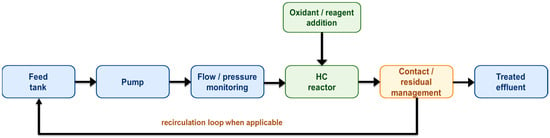
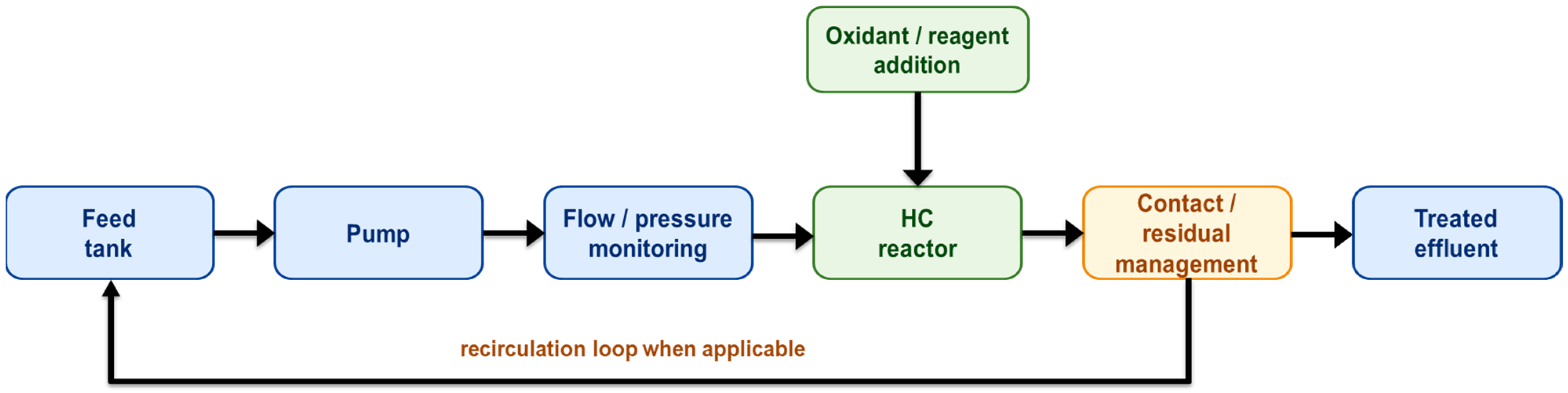
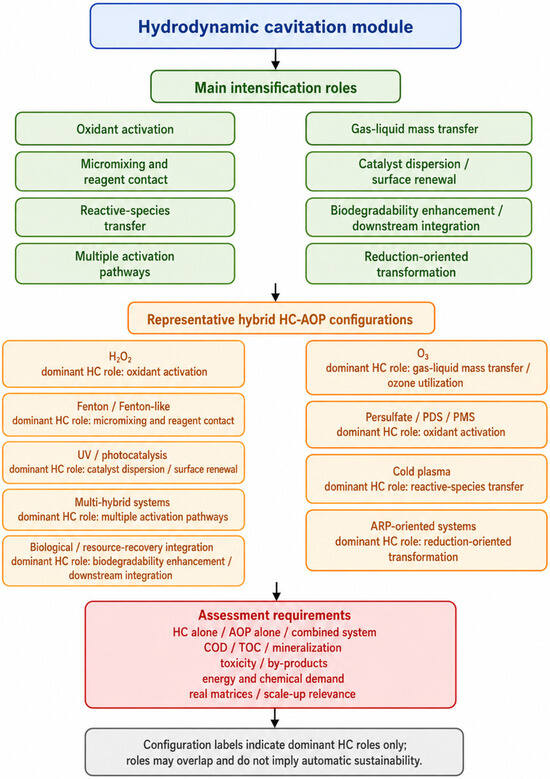
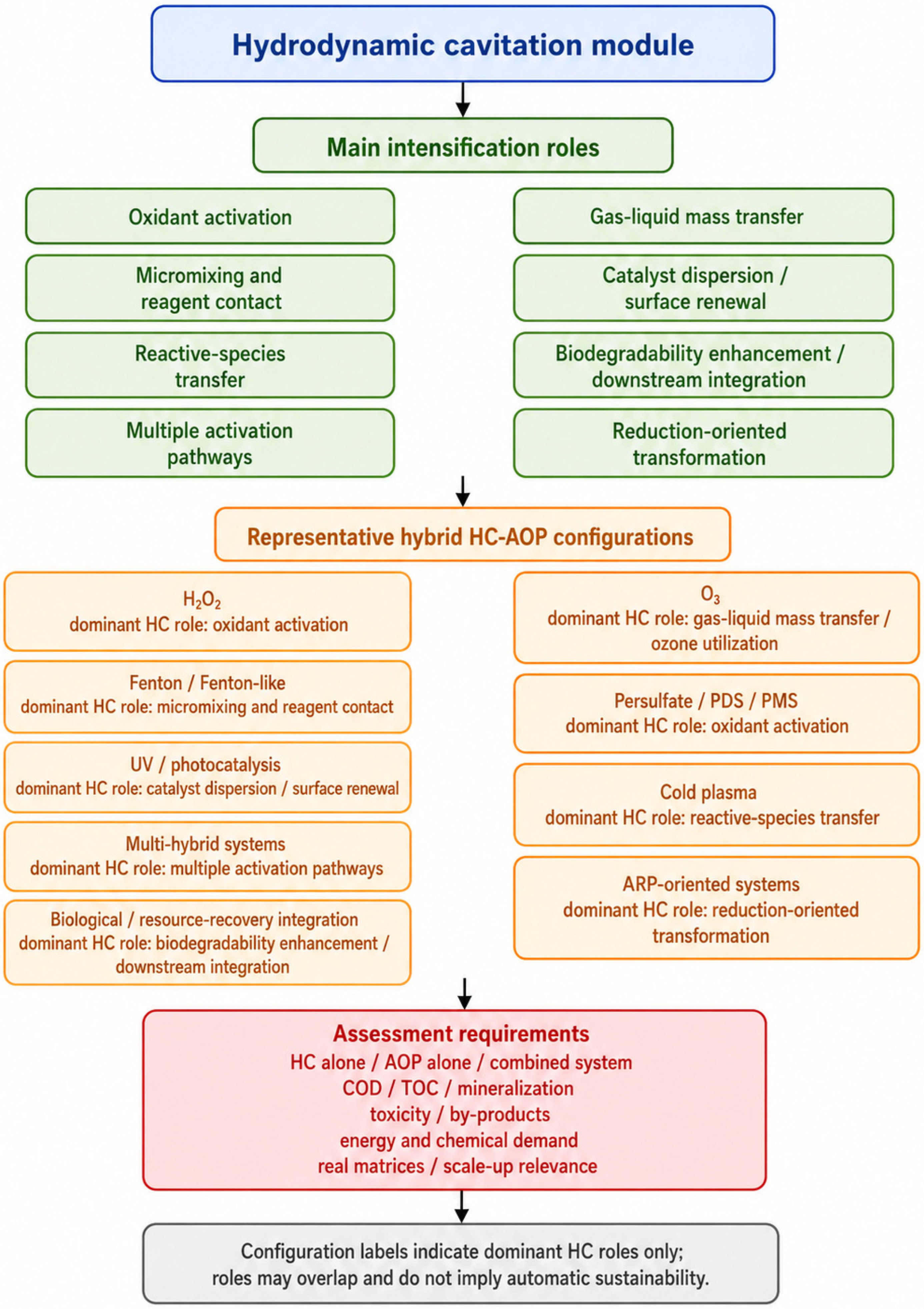
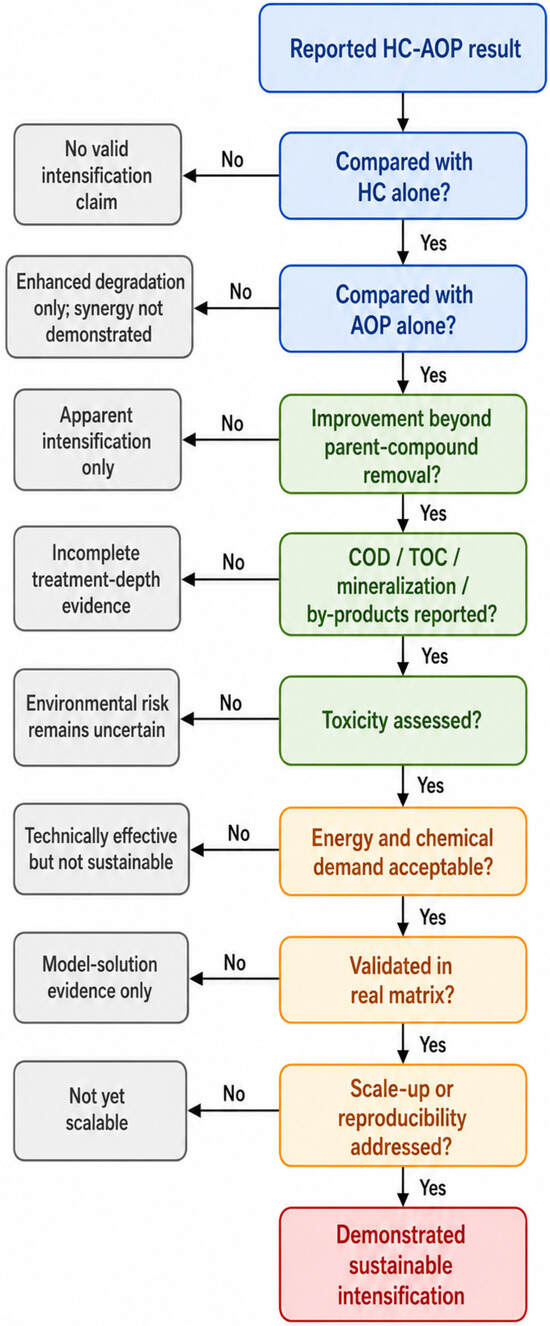
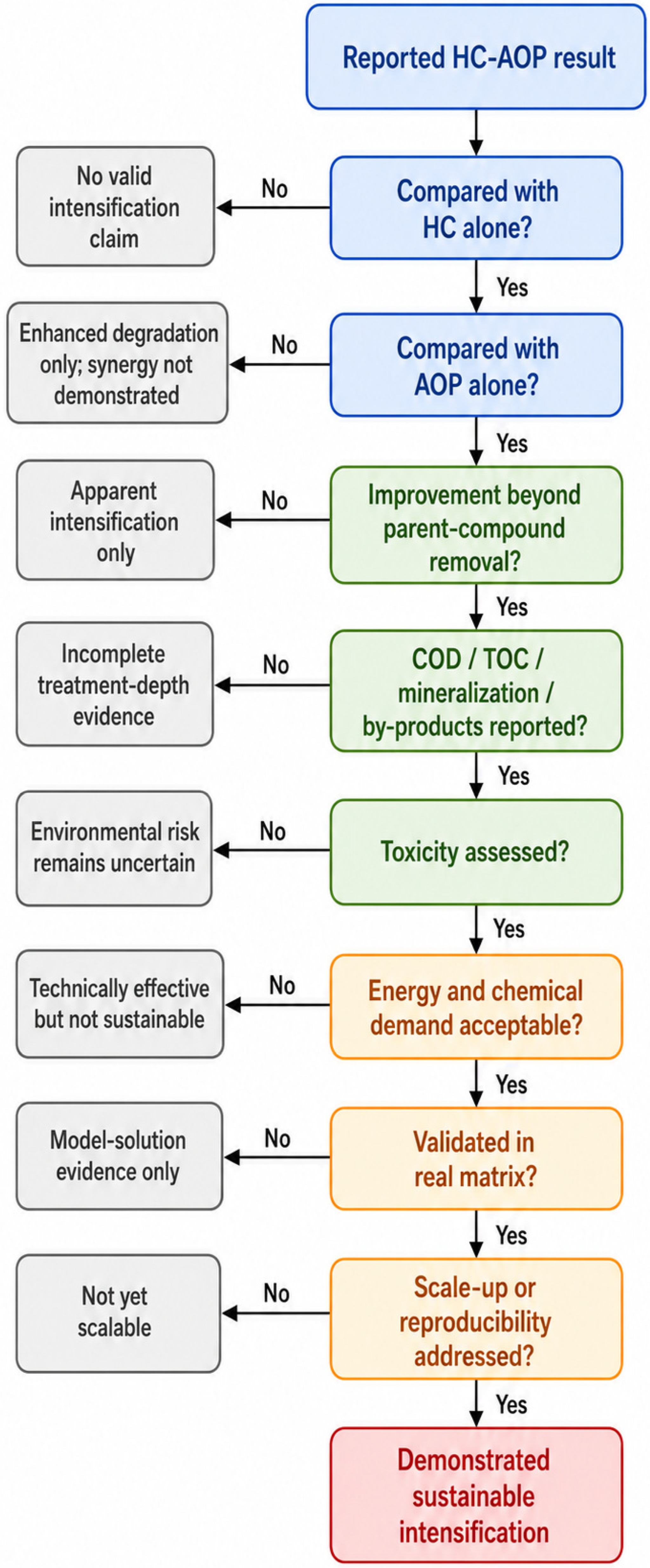

Disclaimer/Publisher’s Note: The statements, opinions and data contained in all publications are solely those of the individual author(s) and contributor(s) and not of MDPI and/or the editor(s). MDPI and/or the editor(s) disclaim responsibility for any injury to people or property resulting from any ideas, methods, instructions or products referred to in the content. |
© 2026 by the author. Licensee MDPI, Basel, Switzerland. This article is an open access article distributed under the terms and conditions of the Creative Commons Attribution (CC BY) license.