Article

Continuing to Use Firewood or Switching to Biogas: Economic and Environmental Benefits of Low-Cost Tubular Biodigesters in Chiapas, Mexico


by
José Apolonio Venegas-Venegas
1,2,
Deb Raj Aryal
1,3,*,
René Pinto-Ruiz
4,
Francisco Guevara-Hernández
4,
Mariela Beatriz Reyes-Sosa
1,5,
Alberto Pérez-Fernández
6 and
José Alfredo Castellanos-Suárez
2
1
Secretaría de Ciencia, Humanidades, Tecnología e Innovación (SECIHTI), Mexico City C.P. 03940, Mexico
2
Departamento de Sociología Rural, Universidad Autónoma Chapingo (UACh), Chapingo C.P. 56230, Estado de Mexico, Mexico
3
El Colegio de la Frontera Sur (ECOSUR), Av. Rancho Polígono 2-A, Ciudad Industrial Lerma C.P. 24500, Campeche, Mexico
4
Facultad de Ciencias Agronómicas, Universidad Autónoma de Chiapas (UNACH), Villaflores C.P. 30470, Chiapas, Mexico
5
Facultad de Ingeniería, Universidad Autónoma de Yucatán, Mérica C.P. 97302, Yucatán, Mexico
6
Facultad de Ciencias Económicas Administrativas, Universidad Autónoma del Carmen, Ciudad del Carmen C.P. 24180, Campeche, Mexico
*
Author to whom correspondence should be addressed.
Fuels 2026, 7(1), 15; https://doi.org/10.3390/fuels7010015
Submission received: 8 December 2025 / Revised: 24 January 2026 / Accepted: 26 February 2026 / Published: 5 March 2026

Abstract

Biogas production from animal manure has huge potential in mitigating greenhouse gas emissions and replacing the higher environmental footprint energy sources. This study aimed to assess the technical functionality, environmental benefits, and economic advantages of low-cost biodigesters suitable for rural areas, which can produce biogas from animal manure. Four low-cost polyethylene tubular biodigesters with a concrete retaining wall with capacities ranging from 4 to 14 m3 were installed in small dairy production units in Chiapas, Mexico. Four profitability indicators were calculated. The IPCC’s methodology was used to calculate emissions from biogas and firewood burning, and the emission reduction from manure management. These biodigesters generate between 526 and 1993 m3 of biogas year−1 and represent a savings of USD 197–744 year−1 in energy costs. The four profitability indicators were favorable. Moreover, these biodigesters reduce 70–73% of greenhouse gas (GHG) emissions through manure management, that is, between 1.5 and 5.1 t CO2e year−1, and 1.3–5.1 t CO2e year−1 from firewood displacement. These findings provide critical insights into the potential of sustainable and low-cost biodigesters that can be implemented effectively in small-scale dairy farms in rural areas in many parts of the world.

1. Introduction

Livestock production worldwide holds a great socioeconomic importance. It is a key component of food security. It produces nearly 34% of the global protein demand through nutritionally valuable products, such as meat, milk, and eggs, and supplies vitamin B12, vitamin A, iron, zinc, calcium, and riboflavin [1]. It employs 1.3 billion people, and nearly 600 million of the poorest households raise animals as an essential source of income [2]. However, livestock production negatively impacts the environment when managed improperly. There is evidence that livestock production promotes deforestation, soil contamination, water pollution, eutrophication, loss of biodiversity, and is one of the major sources of Greenhouse Gas (GHG) emissions [3,4].

1.1. Greenhouse Gases Generated by Livestock Production

Livestock production generates 12% of anthropogenic GHG emissions globally, and its impact on the climate will continue to increase if the demand for animal protein keeps rising [5]. According to statistics from the National Institute of Ecology and Climate Change (INECC), Mexico emitted a total of 714,047 Gg of CO2 equivalent (CO2e) in 2021, of which livestock production accounted for 14.6% [6]. In Chiapas, a southern state of Mexico, livestock is the main emissions category, producing 5946.25 Gg CO2e per year. Of that, enteric fermentation represents 69.9%, and manure management accounts for 30.1% [7]. It is important to highlight that the main Greenhouse Gases (GHG) associated with this significant economic activity are methane (CH4), with a Global Warming Potential (GWP) of 27–30, and nitrous oxide (N2O), with a GWP of 273, compared to CO2, which has a GWP of 1 [8].
According to Almomani & Bhosale [9], the annual generation of agricultural residues and animal manure represents a serious environmental problem that requires appropriate strategies for optimal management. When properly managed, manure can be a valuable resource and contributes to reducing greenhouse gas emissions through biogas production [10].

1.2. Use of Firewood

According to the Food and Agriculture Organization of the United Nations (FAO) [11], approximately 2.5 billion people worldwide—representing one third of the global population—use firewood and charcoal in households and small-scale industries. In Mexico, the use of firewood holds historical and cultural significance, granting autonomy to indigenous, rural, and low-income communities with respect to hegemonic networks of conventional energy sources [12]. However, according to the Ministry of Environment and Natural Resources (SEMARNAT) [13], Mexico consumes 38 million m3 of firewood annually, and it is the fuel used by 80% of households in rural areas, representing 21.1 million people [14].

1.3. Environmental Pollution Problems Associated with Firewood Use

Globally, emissions from the Land Use, Land-Use Change and Forestry (LULUCF) category—including deforestation—amount to 1.4 Gt CO2e, representing 2.8% of total global emissions [15]. For Mexico, emissions from this category account for 3.3% of CO2e, mainly due to deforestation [15]. In Chiapas, emissions from this sector total 3542.02 Gg CO2e, representing 17.5% of the state’s total [7].
Firewood is the primary energy resource for rural families in various communities across Mexico [16]. According to Quiroz et al. [17], the average per capita consumption of firewood in Mexico ranges from 2.1 to 3 kg per day. Burgos [18] reported an average per capita daily consumption of 2.8 kg in a rural community in Chiapas, Mexico. Meanwhile, the Ministry for Ecological Transition and the Demographic Challenge (MITECO) [19] indicates that burning one kilogram of firewood generates 1.617 kg of CO2. Firewood combustion releases carbon monoxide (CO), nitrogen oxides (NOx), volatile organic compounds (VOCs), and particulate matter (PM) inside rural household kitchens, leading to negative impacts on health, economy, and climate [20,21,22]. The most vulnerable population consists of women and children, who are exposed to smoke from direct firewood combustion in household kitchens [23,24,25]. Wood smoke contains a wide range of toxic substances, including carbon monoxide (CO). Herrera-Portugal et al. [26] conducted a study in Chiapas to measure carboxyhemoglobin (COHb) levels. They evaluated 30 women who cooked with wood and found that the COHb concentration was 6.6%. Replacing wood with biogas can prevent damage to women’s health. Replacing firewood with biogas helps combat climate change and improves the health and environmental conditions inside rural households [27].

1.4. Small-Scale Biodigesters

A biodigester is a system capable of generating and capturing biogas and biofertilizer through the treatment of organic matter by means of Anaerobic Digestion (AD) with appropriate microbial consortia [28,29,30,31]. In rural areas and in small livestock production units in developing countries across Africa, Asia, and Latin America, the three most common types of small-scale biodigesters are: fixed-dome, floating-drum, and tubular (polyethylene and geomembrane) biodigesters [23,32,33,34]. The first two are more popular in Asian and African countries [35], while tubular biodigesters are more widely used in Latin America and Vietnam [36,37]. According to Issahaku et al. [24], small-scale biodigesters implemented mainly in developing countries are characterized by low technology, small size, portable designs, and construction using local materials. In Mexico, the United States Agency for International Development (USAID) and the International Renewable Resources Institute of Mexico (IRRI) document 799 household biodigesters with a capacity under 25 cubic meters [38].

1.5. Tubular Biodigesters

Tubular biodigesters are the most economical in the market and are constructed using geomembrane and polyethylene materials [38]. Geomembrane biodigesters are more resistant and have a lifespan of up to 20 years; however, due to their cost, access among rural producers is limited [39,40]. On the other hand, polyethylene tubular biodigesters are the most accessible for rural producers. Dr. Thomas Preston began promoting this type of biodigester in Latin America in 1985 [31]. The lifespan of polyethylene biodigesters ranges from 5 to 10 years [32,36,41,42].
According to the FAO [32], cost is one of the most important factors limiting biodigester implementation. Polyethylene tubular biodigesters require low investment and are easy to install and operate, enabling small-scale farmers in rural areas to use them without difficulty [23,33,43]. They represent a clean and economical technological alternative for the poorest farmers [44]. Biodigester technology, therefore, emerges as a promising resource for creating sustainable energy and for recycling organic waste in rural environments [45]. The objective of this study was to evaluate biogas production, carry out economic analysis, and assess the environmental benefits of low-cost biodigesters in rural areas of Mexico. This study is limited to four low-cost tubular digesters in small dairy units, cradle-to-gate indicators, and a simple financial appraisal. However, an environmental analysis of the biodigesters’ construction and the temporal variability of raw material availability was not conducted.

2. Materials and Methods

Four tubular polyethylene biodigesters with capacities of 4 m3, 8 m3, 10 m3, and 14 m3 were built using Martí’s methodology [31], between 2018 and 2024, on bovine production units in the municipality of Villaflores, Chiapas. The cattle production units correspond to four ranches where the project installed the experimental biodigesters, so only those four households were sampled. The total volume of the biodigester contains a liquid portion (75%) and a gaseous portion (25%). The total volume of the biodigester is equivalent to the volume of a cylinder, for which the following equations were used as a reference (Equations (1)–(3)).
V L = R T D L
VL = liquid volume (m3); TR = retention time (days); and DL = daily load (m3 day−1).
V T = V L + V B
VT = total volume (m3); VL = liquid volume (m3); VB = biogas volume (m3).
V C y l i n d e r = π r 2 L
VCylinder = Cylinder volume (m3); π = 3.1416; r = radius; L = length of the biodigester (m).
The biodigesters were built with three layers of tubular polyethylene (0.15 mm) with a circumference of 4 m. In addition, accessible materials from the region were used for assembling each biodigester, such as a 1¼” male connector, a 1¼” female connector, a 1¼” to 1” reducer, a 1” elbow fitting, a 1” shut-off valve, and couplings (all made of CPVC). CPVC material was used for biogas conduction because it is more heat-resistant, unlike most biodigesters that use low-density polyethylene tubes. The 6-inch PVC, 6 cm rubber strips, handcrafted high-density polyethylene washers, and rubber gaskets were also used.
A rectangular concrete containment tank was built to protect each biodigester. The biodigester was placed on top of the tank, inflated with air using a compressor, and then filled with water. After filling, it remained within the concrete containment and was ready to be fed with the manure and water mixture. The daily feed ratio was 1:3 (1 kg of manure to 3 L of water), according to the recommendations of Zang et al. [46] and Martí [31], with a Hydraulic Retention Time (HRT) of 18.75 days. All systems were fitted with a hydrogen sulfide filter made of an 80 cm-long 2” PVC pipe. The filter pipe was filled with iron particles, according to Castellano’s specifications [47]. The biogas production of each biodigester was measured daily for 90 days (May to July) using a METREX G1.6 diaphragm gasometer, Apator Metrix S.A., Tczew, Poland (see Supplementary Materials).
An investment budget was prepared using the materials and labor required for the construction of the systems, multiplied by their market price. The total cost and revenue of each system were also calculated using the Krugman and Wells methodology [48].
For the profitability analysis, four indicators were calculated: (i) Net Present Value (NPV), (ii) Internal Rate of Return (IRR), and (iii) Benefit–Cost Ratio (B/C) using Baca’s methodology [49]. Furthermore, (iv) the Investment Recovery Period (IRP) was calculated using the methodology proposed by Hurtado [50]. A discount rate of 10.20% and a planning horizon of 10 years were used (Equation (4)). The IRR is the interest rate that makes the NPV equal to 0, which is estimated using the NPV formula (Equation (4)).
Net Present Value (NPV)
N P V = I 0   + t = 1 T N C F / ( 1 + i ) t
where I0: initial investment; NCF: net cash flow for a single period; i: discount rate; and t: number of time periods.
The Benefit–Cost Ratio (BCR) was obtained by dividing the total discounted benefits (TDB) by the total discounted costs (TDC).
The Payback Period (PP) was calculated with the following formula (Equation (5)):
P P = log 1 1 D I × i E B / log ( 1 + i )
where EB: Equivalent Benefit; DI: Discounted Investment, and i: discount rate.
For the calculation of firewood consumption, a conversion factor was derived from the references of Martí [31] and Castellanos-Sánchez et al. [51], who indicate that, at atmospheric pressure and 25 °C, biogas with approximately 65% CH4 has an energy equivalence of 1.6 kg of fuelwood per m3 of biogas. In the present study, the average methane concentration was 62.9%, under similar environmental conditions (average annual temperature of 24.1 °C) [52]. Therefore, assuming comparable lower heating value (LHV) conditions, a proportional adjustment was applied, resulting in an equivalence of 1.55 kg of fuelwood per m3 of biogas.
Biogas production was measured in individual polyethylene tubular biodigesters at a fixed time (13:00 h). For analyzing the CH4 content, four samples from each biodigester were collected with a helium balloon, which was transported to the laboratory, where they were analyzed using a Multitec® 540 device manufactured by Hermann Sewerin GmbH in Gütersloh, Germany, according to Vázquez [53] and Castellanos [47]. The average daily biogas production was calculated for each biodigester. Biogas volumes were not normalized to STP, as measurements were performed under near-constant in situ conditions (28 ± 2 °C, ~1 atm, ~500 m a.s.l.). This equivalence is based on a comparison of energy content (LHV basis) and represents a simplified displacement factor. The efficiency of wood and biogas stoves was not explicitly considered, as the study’s objective was to estimate the potential fuel displacement and associated emission reduction at the system level, rather than to evaluate combustion performance for end-use.
To calculate Emissions from Biogas Burning (EBB) and Emissions from Wood Burning (EWB), the IPCC methodology [54] was used (Equation (6)).
E m i s s i o n G H G = C C i E F G H G
EmissionGHG = Annual greenhouse gas emissions in tons (t); CCi = Annual consumption of fuel i in Tera Joules (TJ); EFGHG = Emission factor for fuel i for each type of GHG in tons of GHG per Tera Joule (t GHG TJ−1); GEI = Greenhouse gases CO2, CH4, and N2O; i = type of fuel (firewood or biogas).
The emission was estimated by the Tier 1 approach. The emission factors considered for biogas and firewood were those published by the IPCC [54]. For biogas, they were 54.6 t CO2/TJ, 0.001 t CH4/TJ, and 0.0001 t N2O/TJ. For firewood, they were 112 t CO2/TJ, 0.03 t CH4/TJ, and 0.004 t N2O/TJ. The calorific value considered for conversion to TJ was 19.93 MJ/m3 for biogas and 14,486 MJ/t for firewood [55]. The GWP for CH4 was 27 and 273 for N2O according to Forster et al. [56].
The Emission Reduction from Manure Management (ERMM) GHG was calculated according to Ngo [57], considering the tons of manure treated in each biodigester per year. The Total Emission Reduction (TER) was calculated as follows (Equation (7)):
TER t CO2e = ERMM + ERWB − EBB
where TER t CO2e: Total Emission Reduction t CO2e; ERMM: Emission Reduction from Manure Management; ERWB: Emissions Reduction from Wood Burning; EBB: Emissions from Biogas Burning.

3. Results and Discussion

3.1. Investment in Low-Cost Tubular Biodigesters with Retention Walls

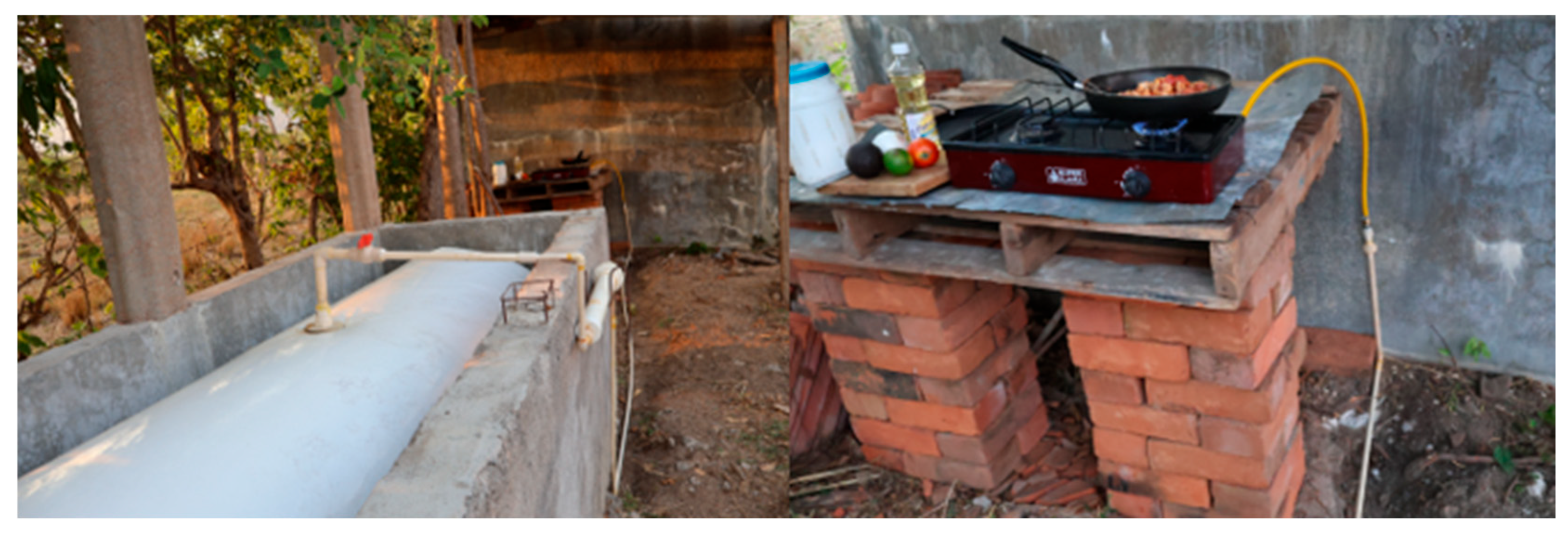
Most polyethylene tubular biodigesters are constructed without a retention wall. Figure 1 shows a biodigester with a retention wall installed in Chiapas, Mexico. The retention wall was built above ground level, measuring one meter in width and one meter in height; its length depends on the biodigester’s volume, and it includes a 2% slope. Constructing the containment structure above ground level facilitates system operation, substrate feeding, biogas conduction, and especially the collection of the biofertilizer (biol).
Table 1 presents the investment budget required for establishing four different-sized low-cost tubular biodigesters in the municipality of Villaflores, Chiapas. The budget includes the investment in materials and labor for the construction of the concrete containment structure, the biodigester, and the hydrogen sulfide (H2S) filter.
The most significant investment within the system corresponds to the concrete containment structure, representing between 74% of the total cost for the 4 m3 system and 86% for the 14 m3 system. In contrast, the investment for the biodigester and filter accounts for 26% of the cost for the 4 m3 system and 14% for the 14 m3 system.
The study results indicate that an 8 m3 biodigester with a containment wall requires an investment of USD 728, which represents an investment of USD 91 per cubic meter of biodigester capacity. These values differ from those reported by López [59] for a 7.6 m3 polyethylene tubular biodigester (with a containment wall) in Guerrero, Mexico, who stated that an investment of USD 1437 is required, equivalent to USD 189 per cubic meter of biodigester capacity. The difference in investment is because the biodigester built in Guerrero, Mexico, included the construction of a register for substrate entry, protection of the biodigester, and, above all, the fact that the retaining wall was built below the ground level, which entailed higher costs (excavation and removal of soil), representing an additional investment of USD 625. There are additional reports of investments for systems without containment walls. According to the FAO [32], a 10 m3 tubular biodigester costs USD 223. Martí-Herrero et al. [36] reported that a 7.8 m3 biodigester in Bolivia has an average cost of USD 350, and the FAO [32] notes that a 4 m3 polyethylene tubular biodigester costs USD 194.

3.2. Biogas Generation in Polyethylene Tubular Biodigesters

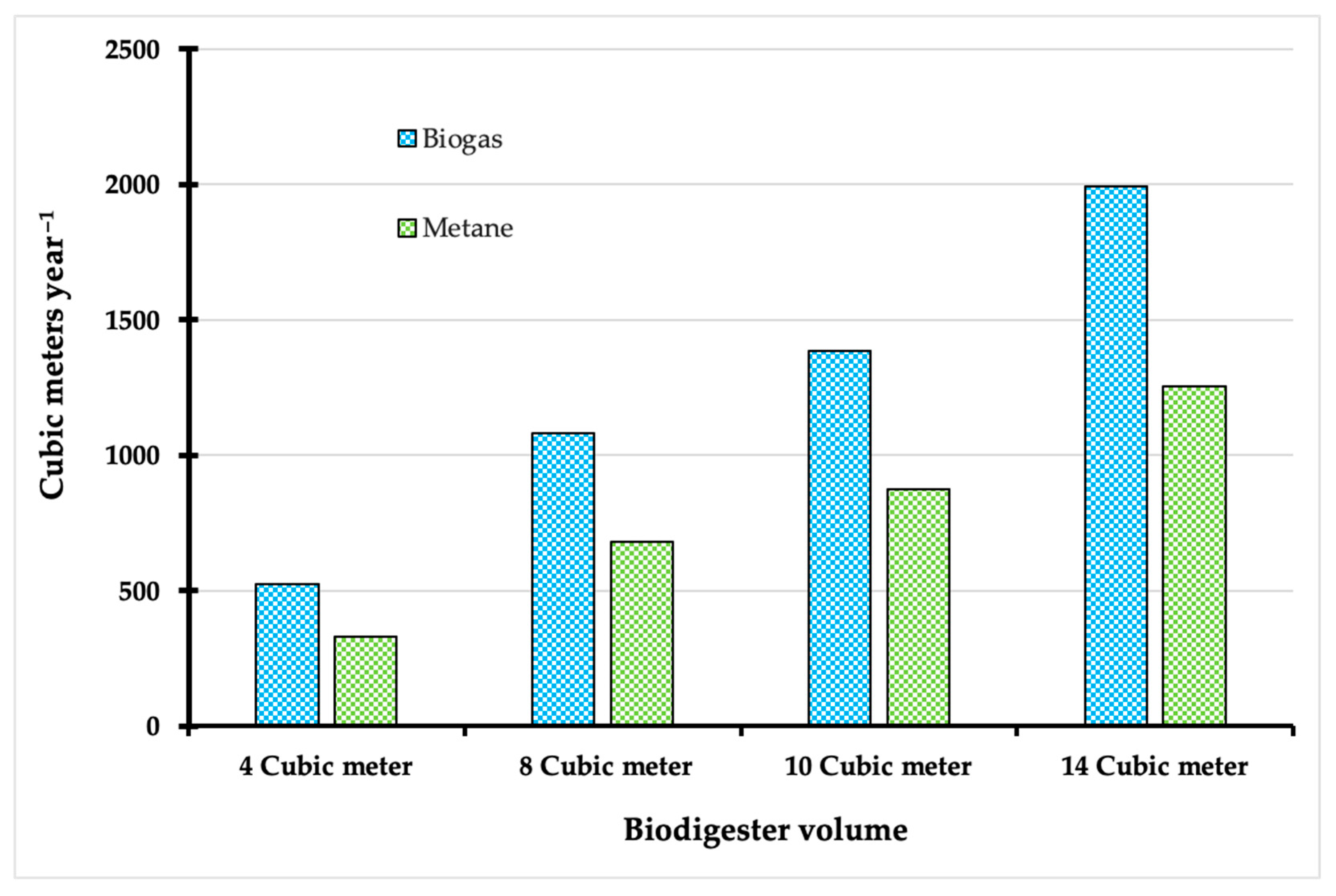
Transforming a source of pollution—such as manure—into a biofuel is one of the most important aspects of implementing low-cost tubular biodigesters. The biodigesters installed in Chiapas, Mexico, generate between 0.36 and 0.39 m3 of biogas per cubic meter of biodigester volume per day. Figure 2 shows the annual volume of biogas and CH4 from each biodigester.
The results reported by Garfí et al. [60] differ from those of the present study (Figure 2). They documented biogas production of 0.12 m3 of biogas per cubic meter of biodigester volume per day in polyethylene tubular biodigesters fed with bovine manure in the Andes of Peru at an altitude of 2800 m above sea level. These findings also differ from those reported by Garfí et al. [61], who indicated a biogas generation of 0.23 m3 per cubic meter per day in the Caribbean. Moreover, Castro et al. [62] report a generation of 0.13 m3 of biogas per cubic meter of biodigester volume per day in Colombia at an altitude of 959 m a.s.l. The variation in biogas generation from these biodigesters is due to the differences in altitude above sea level, temperature, hydraulic retention time (HRT), and the volume of manure treated. However, the present results align with those reported by Lansing [63], who documented a biogas generation of 0.32 m3 per cubic meter per day in polyethylene tubular biodigesters installed in a dairy farm in Costa Rica, as well as with León et al. [64], who evaluated a tubular geomembrane biodigester fed with bovine manure in La Libertad, Peru, and reported a biogas production of 0.38 m3 per cubic meter per day. Morejón et al. [65] in Colombia evaluated four 10 m3 polyethylene tubular biodigesters and obtained a yield of 0.33 m3 per cubic meter per day. They also evaluated a 14 m3 biodigester with a yield of 0.32 m3 per cubic meter per day.

3.3. Profitability Analysis

A cost of USD 12.4 per ton of manure was assigned. The cost of manure was based on the commercial price in the Bajío region of Mexico. Although manure is owned by the producer, a cost must be assigned to it for a profitability analysis, as all inputs must be accounted for. Manure is not a free input; its opportunity cost is measured when it is sold as fertilizer in agriculture, due to its nutrients and organic matter content [66]. It is monetized, and its current price can reach up to USD 50 per ton [67]. If the cost of this main input is not considered, the NPV of the four systems evaluated increases by 52 to 56%, while the IRR increases by 45 to 46%. Therefore, by not considering the cost of manure, profitability might be overestimated. Labor costs were calculated based on the following activities: manure collection, mixing manure with water, feeding the biodigester, and collecting biofertilizer (biol). The labor payment considered was USD 9.9 for an 8 h workday. The annual water cost was USD 29.8, and an annual depreciation rate was assigned to each system.
For the income analysis, the cubic meters of biogas generated annually by each system were considered. Only methane content was used for the valuation, with an average concentration of 62.9%, measured using a Multitec 540 device. For methane, a commercial price of USD 0.60 per m3 was considered for 2019, as managed by the company NOPALIMEX [68], and the price of biofertilizer was USD 0.012 ex-farm, calculated based on production costs and a 50% profit margin. It should be noted that neither biogas nor biofertilizer is currently marketed; they were calculated as income for the purpose of conducting the profitability analysis. In addition, income from the sale of biol was included, based on the annual volume generated by each system and its price per liter, calculated using production costs and a profit margin following Vásquez Villanueva et al. [69].
One of the main factors influencing the decision to undertake an investment is the Payback Period (PBP). In the present study, for 10 m3 and 14 m3 systems, the investment is recovered within the first year. This is consistent with the findings of Garfí et al. [61] for 4 m3 and 7.5 m3 polyethylene tubular biodigesters. For the 4 m3 and 8 m3 systems, the investment is recovered in the second year, which aligns with the findings of Ash et al. [70], who reported that investments in this type of biodigester are recovered in the second year.
Regarding the financial analysis, all four evaluated systems are profitable, as they presented positive results for all three indicators: a Net Present Value (NPV) greater than zero, an Internal Rate of Return (IRR) higher than the discount rate, and a Benefit–Cost ratio (B/C) greater than one. It is worth noting that larger systems demonstrate more favorable profitability indicators, as shown in Table 2.
For the 8-cubic-meter biodigester, a Net Present Value (NPV) of USD 4024 and an Internal Rate of Return (IRR) of 108% were obtained. These results differ from those reported by Díaz and Torres [71], who conducted an economic evaluation of an 8-cubic-meter biodigester in Colombia with a 5-year planning horizon, obtaining an NPV of USD 181.5 and an IRR of 43%. Kabyanga et al. [41] evaluated nine 8 m3 polyethylene tubular biodigesters in Uganda and obtained a negative NPV in all cases. It is important to note that their analysis only considered the benefits from biogas and excluded the benefits from biofertilizer. Profitability indicators such as NPV and IRR for this size of biodigester show marked differences for Mexico, Colombia, and Uganda, due to differences in investment, operating, and maintenance costs, volume of biogas generated, biofertilizer revenue included, local methane price, manure cost, time horizon, and discount rate.
On the other hand, the findings of this study for a 4 m3 biodigester differ from those reported by Hernández-Sarabia [40], who evaluated a 4 m3 geomembrane tubular biodigester in Colombia and reported an NPV > 0, an IRR of 21%, and a B/C ratio greater than 1. The results also differ from those of Plazas and Vargas [72], who obtained an NPV of USD 468 and an IRR of 26% for a 2.83 m3 polyethylene tubular biodigester in Colombia. Furthermore, Ash et al. [70] conducted a theoretical simulation for a biodigester designed to be fed with manure from a single cow; they concluded that the system is optimal and profitable, obtaining an NPV of USD 211, an IRR of 32.3%, and a B/C ratio of 1.78. Furthermore, a sensitivity analysis was performed for the four biodigesters, considering a 10% and 20% increase in operating costs, respectively, and a decrease in manure costs to zero. They remain profitable in all three indicators: NPV, IRR, and B/C (Table 3). On the other hand, a comparative analysis was carried out for the 4 m3 biodigester; however, the results of the different authors differ due to variations in characteristics of the organic matter used and cost, investment, amount of biogas, operating and maintenance costs, discount rate, variation in the size and material of the tubular biodigester.
The biodigesters evaluated in the present study are profitable despite the investment required for the construction of the containment wall. It is important to note that at the regional level, temporal variability of feedstocks may affect the profitability of the biodigesters. There would be an effect on the availability of manure between the dry and rainy seasons. However, the purpose of this research was to evaluate biogas generation and CO2e reduction for different system sizes, so production units were sought that could supply the organic matter needs for each system throughout the year.

3.4. Environmental Aspects of Tubular Biodigester Use in Villaflores, Chiapas

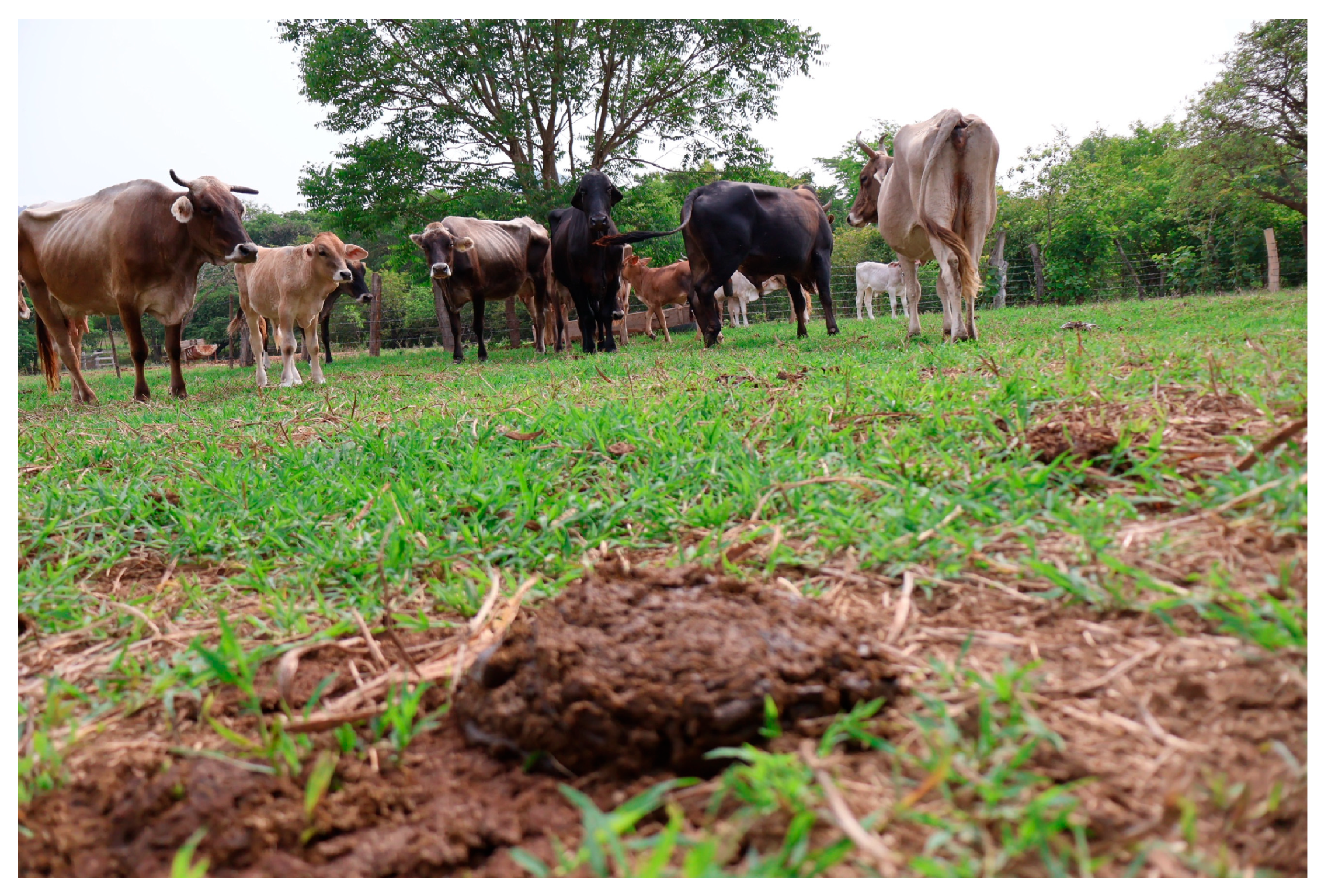
The main function of a rural tubular biodigester is to capture methane (CH4) emissions produced by the decomposition of organic matter from agricultural and livestock activities [40], as can be seen in Figure 3. Through anaerobic digestion (AD), profitable energy is recovered without significant carbon emissions [73].
With the implementation of polyethylene tubular biodigesters in bovine production units in Villaflores, Chiapas, between 70% and 73% of greenhouse gas (GHG) emissions from manure management are being reduced (based solely on the amount of manure treated in the biodigester).
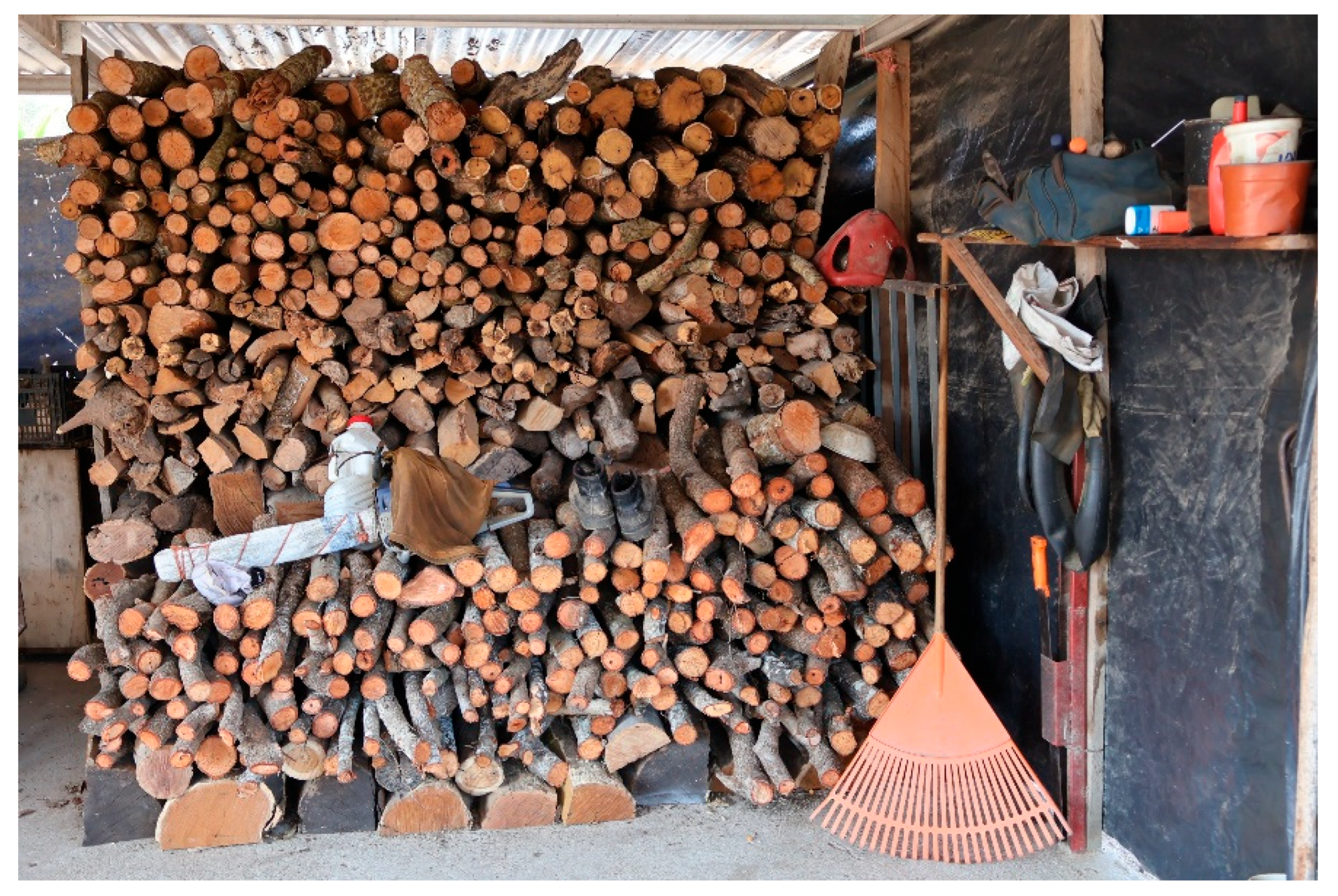
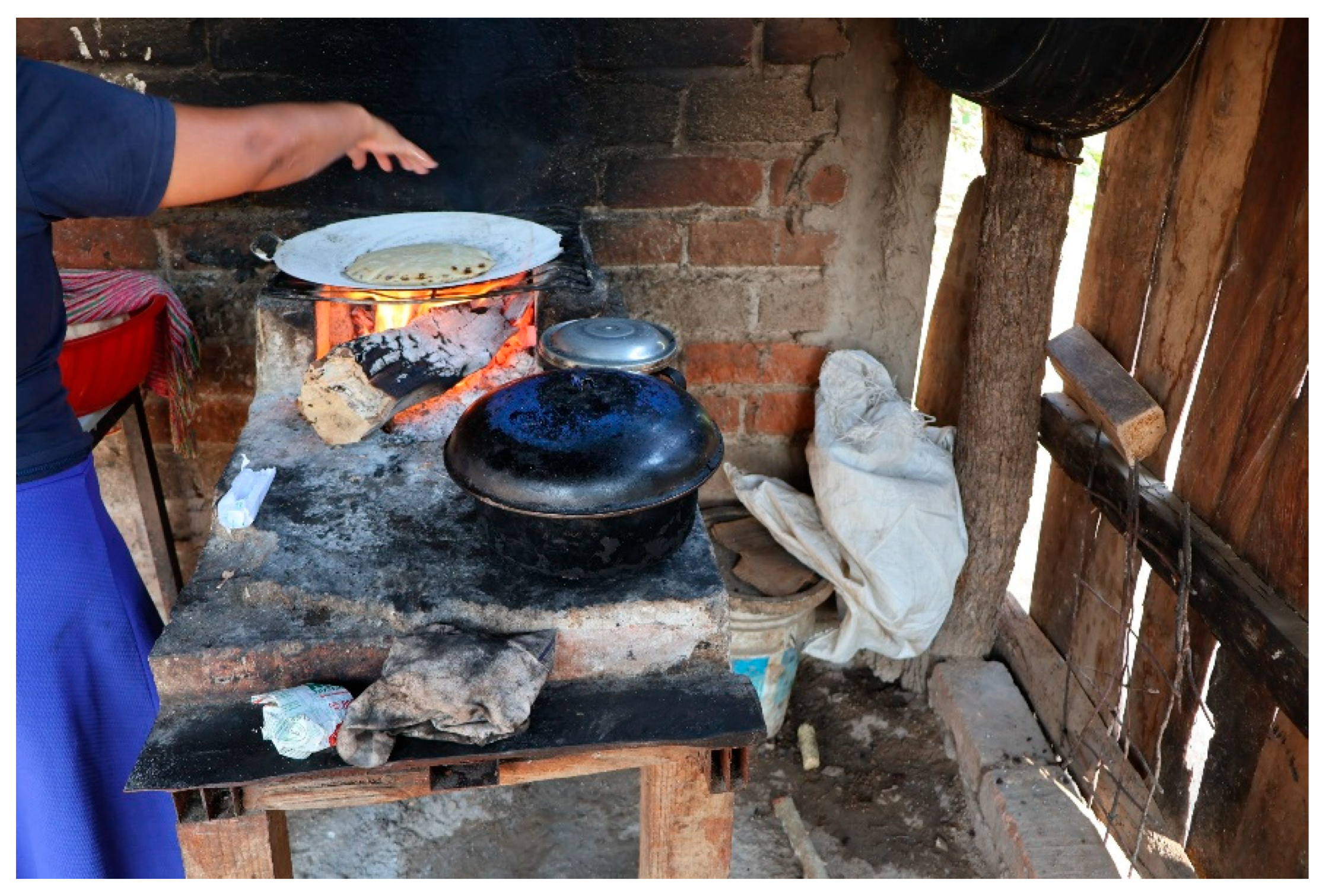
Manure treated in biodigesters prevents methane emissions from being released into the atmosphere; instead, they are captured and subsequently burned when biogas is used at the production unit. Additionally, replacing firewood with biogas in bovine production units eliminates GHG emissions from combustion (Figure 4 and Figure 5).
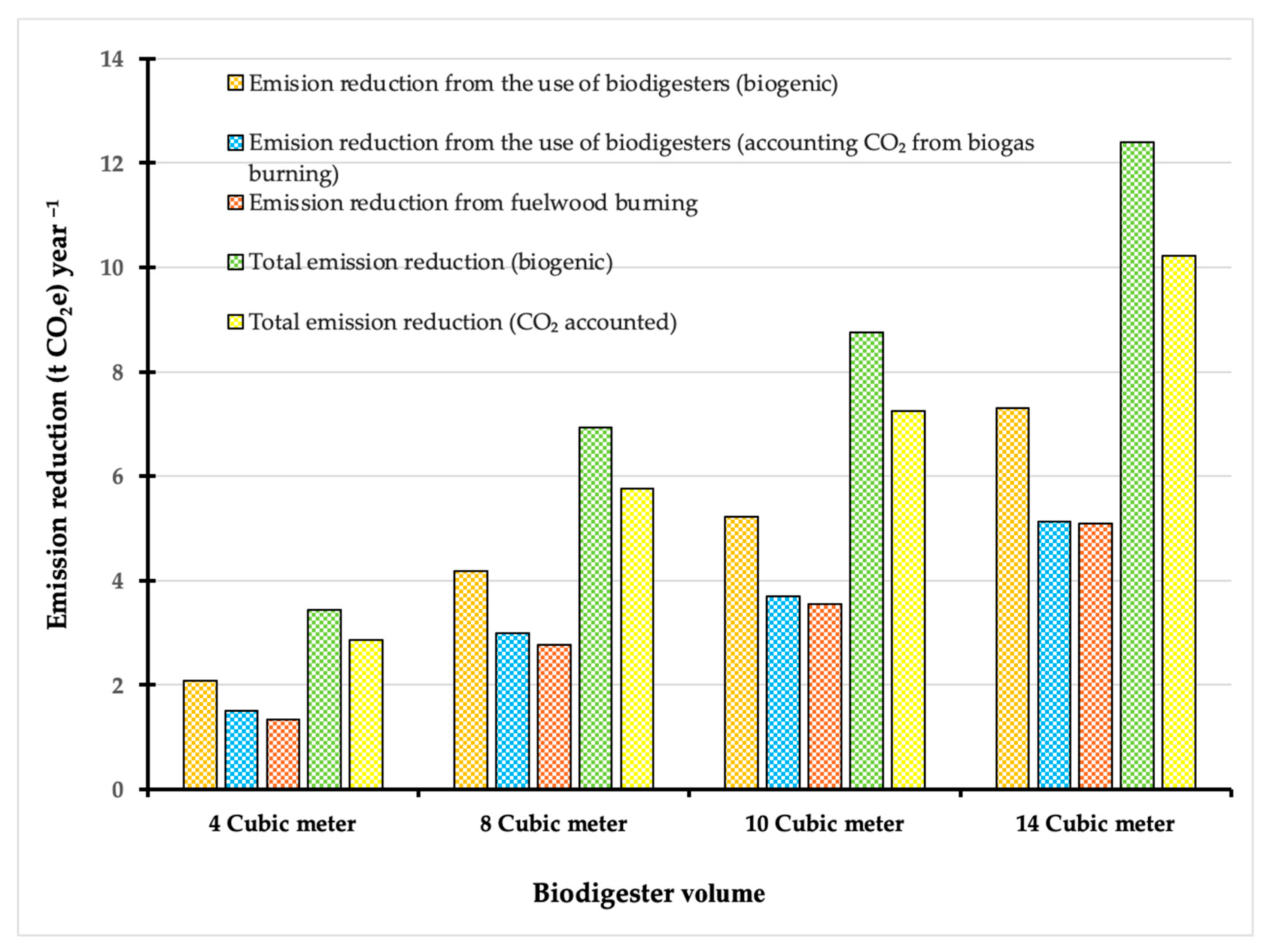
Despite the emissions generated by biogas combustion, the net reduction of emissions from manure management in biodigesters ranges from 1. 5 t CO2e per year for the 4 m3 biodigester to 5.1 t CO2e per year for the 14 m3 biodigester. Furthermore, the calculated firewood emission factor was 1.651 kg of CO2 per kilogram of firewood.
With the use of tubular biodigesters, livestock production units have experienced significant benefits through the generation of energy for their own use. It is important to highlight that the substitution of firewood with biogas is one of the most significant environmental advantages of anaerobic digestion technology. With the implementation of polyethylene tubular biodigesters in bovine production units in Villaflores, Chiapas, between 70% and 73% of greenhouse gas (GHG) emissions from manure management are being reduced. This reduction is based solely on the amount of manure treated in the biodigester, i.e., 14.6–51.1 tons per year, and with 0.143 tCO2 reduced per ton of manure. We estimated that between 0.8 and 3.1 tons of firewood are no longer used in households, representing a reduction of between 1.3 and 5.1 t CO2e per year, taking into account an emission factor of 1.651 kg CO2 per kilogram of firewood (Figure 6). The CO2 generated in the combustion of biogas has a biogenic origin. In Figure 6, two scenarios are shown: (i) considering no emissions from biogas burning (biogenic origin), and (ii) counting CO2 emissions from biogas burning. When accounting for CO2 emissions from biogas pyrolysis, the CO2e emission benefit due to the use of biodigesters decreases by 27–30%. In this scenario, the total CO2e emission reduction is 17–18% lower than taking biogas as biogenic (Figure 6).
For the 4 m3 biodigester, a total reduction of 2.9 t CO2e per year and a reduction of 814 kg of firewood were calculated (Figure 7). These findings align with those reported by Strubbe et al. [74], who evaluated a 4 m3 Chinese-type biodigester in Rwanda, reporting a mitigation of 2.4 t CO2e per year and a reduction of 1014 kg of firewood annually. For the 8 m3 biodigester, a total reduction of 5.8 t CO2e per year was calculated, of which 3 t CO2e per year results from manure management using anaerobic digestion technology. These results coincide with those of Jiménez & Zambrano [75], who calculated a total reduction of 4.9 t CO2e per year for an 8.8 m3 geomembrane tubular biodigester in Costa Rica, 3.6 t CO2e per year of which were attributed to manure management through AD.
Clemens et al. [76] conducted a study in rural households in Africa that implemented small-scale biodigesters. They found that households with biodigesters reduced firewood consumption by 2.1 to 3.3 tons per year, which corresponds to 3.5 to 5.4 t CO2e per year according to the firewood emission factor calculated in the present study. According to Garfí et al. [77], families in Peru equipped with low-cost tubular biodigesters reduce an average of 2.7 t CO2e per year and decrease firewood consumption by 53%.
Some clean cooking methods have been implemented in Asia and Africa, and these can be implemented in rural areas, such as ethanol and biomass fuels processed as briquettes and pellets [78]. However, they are not used in rural areas in Mexico. On the other hand, an alternative that is being used in rural areas is wood-saving stoves (WSS), which began to be used in Mexico at the beginning of the 21st century [79]. EALs can save between 25 and 50% of firewood compared to a traditional stove [79,80,81]. However, one kilogram of burned firewood generates 1.617 kg of CO2 [19].
The implementation of low-cost polyethylene tubular digesters can improve the living standards of rural families by reducing household expenses associated with fuel for cooking and fertilizers by up to 80% [61]. The use of tubular biodigesters is essential for meeting the need for clean and scarce energy in millions of rural households, replacing the use of traditional biomass (firewood) and chemical fertilizers. In this way, social and private costs associated with (i) firewood use in homes, (ii) chemical fertilizers, (iii) pressure on forests, and (iv) emissions of toxic gases and methane, which harm human health inside homes and the global climate, are significantly reduced [82,83,84].

4. Conclusions

One of the main limitations preventing the widespread implementation of biodigesters in rural areas is the required investment. The polyethylene tubular biodigesters installed in cattle production units are affordable for low-income producers despite the need for a concrete retaining wall. The investment is recovered between the first and second years. For every dollar invested, the producer recovers the initial cost and obtains between USD 0.58 and 0.69 in profit. One of the most important aspects of anaerobic digestion technology is the reduction of greenhouse gas (GHG) emissions. The use of low-cost tubular biodigesters implemented in Villaflores, Chiapas, can treat between 14.6 and 51.1 tons of manure per year, translating into a reduction of 2.1–7.3 t CO2e per year. Furthermore, replacing firewood with biogas not only reduces GHG emissions but also helps improve the health conditions of women, children, and older adults who are directly exposed to the gases generated by traditional firewood combustion (such as those causing lung damage) in households where cooking is done with this firewood. With the systems evaluated, between 0.8 and 3.1 tons of firewood per year are no longer used, preventing the emissions of 1.3–5.1 t CO2e from deforestation. Switching from firewood to biogas in rural production units provides economic, social, and environmental benefits.

Supplementary Materials

The following supporting information can be downloaded at https://www.mdpi.com/article/10.3390/fuels7010015/s1.

Author Contributions

J.A.V.-V.: Conceptualization, Methodology, Data collection, Formal analysis, Writing original draft; D.R.A.: Methodology, Formal analysis, Visualization; Writing—original draft; R.P.-R., F.G.-H., M.B.R.-S., A.P.-F. and J.A.C.-S.: Investigation, Validation, Writing—review & editing. All authors have read and agreed to the published version of the manuscript.

Funding

This research received no external funding.

Data Availability Statement

The datasets can be made available upon reasonable request to the first author.

Acknowledgments

The authors thank the ranchers for allowing us to establish and operate experimental biodigesters in their ranches.

Conflicts of Interest

The authors declare no conflicts of interest.

References

  1. FAO. Soluciones Ganaderas Para el Cambio Climático; FAO: Roma, Italy, 2018; Available online: https://openknowledge.fao.org/server/api/core/bitstreams/4c38936f-8175-4752-bb66-32710168079e/content (accessed on 15 October 2024).
  2. Arieta, R.; Ronnie, d.J. Ganadería: Estilo y tendencias en el nuevo sexenio. México 2000–2020. Agroproductividad 2020, 13, 29–36. [Google Scholar] [CrossRef]
  3. Universidad Nacional Autónoma de México (UNAM). Ganadería y su Impacto Ambiental. 2022. Available online: https://blog.enesmerida.unam.mx/ganaderia-y-su-impacto-ambiental/ (accessed on 10 April 2025).
  4. Muñiz-Monzón, D.G.; Figueroa-Vázquez, V.S.; Tapia-Frías, K.V.; Vallejo Ortiz, A.F.; Anda-López, L.; Angel-Hernández, A. Impacto ambiental en ganadería bovina de leche mediante filtración de agua contaminada en la región semiárida del norte de México. Jóvenes Cienc. 2022, 14, 1–7. [Google Scholar] [CrossRef]
  5. FAO. Un Nuevo Informe de la FAO Traza vías para Reducir las Emisiones del Sector Ganadero. 2023. Available online: https://www.fao.org/newsroom/detail/new-fao-report-maps-pathways-towards-lower-livestock-emissions/es (accessed on 10 December 2024).
  6. INECC. Inventario Nacional de Emisiones de Gases y Compuestos de Efecto Invernadero INEGYCEI 2020–2021. 2023. Available online: https://www.gob.mx/cms/uploads/attachment/file/853373/10-2023_INEGyCEI_2020_2021.xlsx (accessed on 5 January 2025).
  7. SEMAHN. Programa Estatal de Cambio Climático de Chiapas (Actualización 2022); SEMAHN: Chiapas, Mexico, 2022; Available online: https://www.semahn.chiapas.gob.mx/portal/descargas/cambio_climatico/Programa_Estatal_Cambio_Climatico_Chiapas_Actualizacion2022.pdf (accessed on 20 October 2024).
  8. United States Environmental Protection Agency. Understanding Global Warming Potentials. 2025. Available online: https://www.epa.gov/ghgemissions/understanding-global-warming-potentials (accessed on 21 February 2025).
  9. Almomani, F.; Bhosale, R.R. Enhancing the production of biogas through anaerobic co-digestion of agricultural waste and chemical pre-treatments. Chemosphere 2020, 255, 126805. [Google Scholar] [CrossRef]
  10. Symeon, K.G.; Akamati, K.; Dotas, V.; Karatosidi, D.; Bizelis, I.; Laliotis, P.G. Manure Management as a Potential Mitigation Tool to Eliminate Greenhouse Gas Emissions in Livestock Systems. Sustainability 2025, 17, 586. [Google Scholar] [CrossRef]
  11. FAO. La Transición al Carbón Vegetal; FAO: Roma, Italy, 2017; Available online: https://openknowledge.fao.org/server/api/core/bitstreams/0904adef-801b-456e-927b-c98d575e3d19/content (accessed on 1 February 2025).
  12. Quiroz Carranza, J.; Cantú Gutiérrez, C. El fogón abierto de tres piedras en la Península de Yucatán: Tradición y trasferencia tecnológica. Rev. Pueblos Front. Digit. 2012, 7, 270–301. [Google Scholar] [CrossRef]
  13. SEMARNAT. Instructivo para el Aprovechamiento de Leña en Comunidades Rurales; CONAFOR: Puebla, Mexico, 2013; p. 19. Available online: https://www.conafor.gob.mx/biblioteca/Manual-de-la-Lena.pdf (accessed on 16 December 2025).
  14. Alvarado, M.S.V.; Álvarez, S.E.; Maldonado, T.R.; Sánchez, V.A.S. Consumo de leña en México: Hábitos de uso, problemática asociada y alternativas sostenibles de solución. In Agroforestería para la Conservación de los Recursos Naturales y Productividad; Álvarez, S.M.E., Vázquez, A.A., Coords.; UACh: Chapingo, Mexico, 2018; pp. 64–87. [Google Scholar]
  15. World Resources Institute. Cuatro Gráficos que Explican las Emisiones de Gases de Efecto Invernadero por país y por Sector. 2021. Available online: https://es.wri.org/insights/cuatro-graficos-que-explican-las-emisiones-de-gases-de-efecto-invernadero-por-pais-y-por (accessed on 29 September 2024).
  16. Bello-Román, M.; García-Flores, A.; Colin-Bahena, H.; Román-Montes de Oca, E.; Beltrán-Rodríguez, L. Variation in the consumption of firewood and factors that determine it in a peasant community in the southwest of the state of Morelos, Mexico. Bot. Sci. 2023, 101, 149–163. [Google Scholar] [CrossRef]
  17. Quiroz, C.J.; Cantú, G.C.; Díaz, J.R.; Orellana, L.R. Uso de la leña en Yucatán y Tecnología para su Aprovechamiento Sustentable; SEDESOL e INDESOL: Yucatán, Mexico, 2009; p. 74. [Google Scholar]
  18. Burgos, L.D.E. Uso de la leña: Normatividad, Consumo y Contaminación Intramuros en Rincón Chamula, Chiapas, México. Master’s Thesis, El Colegio de la Frontera Sur, San Cristóbal de las Casas, Mexico, 2010. [Google Scholar]
  19. Ministerio para la Transición Ecológica y el Reto Demográfico (MITECO). Factores de Emisión 2007–2024. 2025. Available online: https://www.miteco.gob.es (accessed on 10 April 2025).
  20. Vicente, E.D.; Vicente, A.M.; Evtyugina, M.; Oduber, F.I.; Amato, F.; Querol, X.; Alves, C. Impact of wood combustion on indoor air quality. Sci. Total Environ. 2019, 705, 135769. [Google Scholar] [CrossRef]
  21. Olsen, Y.; Nøjgaard, J.K.; Olesen, H.R.; Brandt, J.; Sigsgaard, T.; Pryor, S.C.; Ancelet, T.; Viana, M.d.M.; Querol, X.; Hertel, O. Emissions and source allocation of carbonaceous air pollutants from wood stoves in developed countries: A review. Atmos. Pollut. Res. 2020, 11, 234–251. [Google Scholar] [CrossRef]
  22. Stabridis, O.; Van Gameren, E. Exposure to firewood: Consequences for health and labor force participation in Mexico. World Dev. 2018, 107, 382–395. [Google Scholar] [CrossRef]
  23. Kinyua, M.N.; Rowse, L.E.; Ergas, S.J. Review of small-scale tubular anaerobic digesters treating livestock waste in the developing world. Renew. Sustain. Energy Rev. 2016, 58, 896–910. [Google Scholar] [CrossRef]
  24. Issahaku, M.; Derkyi Agyemang, N.S.; Kemausuor, F. A systematic review of the design considerations for the operation and maintenance of small-scale biogas digesters. Heliyon 2024, 10, e24019. [Google Scholar] [CrossRef]
  25. WHO. Household Air Pollution. 2025. Available online: https://www.who.int/news-room/fact-sheets/detail/household-air-pollution-and-health (accessed on 20 December 2025).
  26. Herrera-Portugal, C.; Franco-Sánchez, G.; Pelayes Cruz, M.; Schlottfeldt Trujillo, Y.; Pérez Solís, B.L. Daño al ADN en mujeres expuestas al humo de la leña en Chiapas, México. Acta Toxicol. Argent. 2009, 17, 56–61. [Google Scholar]
  27. Andriamanohiarisoamanana, F.J.; Randrianantoandro, T.N.; Ranaivoarisoa, H.F.; Kono, H.; Yoshida, G.; Ihara, I.; Umetsu, K. Integration of biogas technology into livestock farming: Study on farmers’ willingness to pay for biodigesters in Madagascar. Biomass Bioenergy 2022, 164, 106557. [Google Scholar] [CrossRef]
  28. Kamusoko, R.; Mukumba, P. Potential of Wheat Straw for Biogas Production by Anaerobic Digestion in South Africa: A Review. Energies 2024, 17, 4662. [Google Scholar] [CrossRef]
  29. Pilarska, A.A.; Pilarski, K. Special Issue “Biogas as Renewable Energy Source”. Appl. Sci. 2023, 13, 11486. [Google Scholar] [CrossRef]
  30. Szymańska, M.; Ahrends, H.E.; Srivastava, A.K.; Sosulski, T. Anaerobic Digestate from Biogas Plants—Nuisance Waste or Valuable Product? Appl. Sci. 2022, 12, 4052. [Google Scholar] [CrossRef]
  31. Martí Herrero, J. Biodigestores Tubulares: Guía de Diseño y Manual de Instalación; Redbiolac: Quito, Ecuador, 2019; p. 116. Available online: https://www.researchgate.net/publication/337064154_Biodigestores_Tubulares_guia_de_diseno_y_manual_de_instalacion_2019_J_Marti_Herrero (accessed on 10 April 2024).
  32. FAO. Biogas Systems in Rwanda—A Critical Review; FAO: Rome, Italy, 2021; Available online: https://openknowledge.fao.org/server/api/core/bitstreams/2fb5404b-de4c-4627-b6f3-3dff14d72e2e/content (accessed on 7 September 2024).
  33. Zaki, M.B.A.M.; Shamsudin, R.; Yusoff, M.Z.M. Portable Bio-digester System for Household Use—A Review. AAFRJ 2021, 2, a0000148. [Google Scholar] [CrossRef]
  34. Kulkarni, I.; Zang, J.W.; Leandro, W.M.; Parikh, P.; Adler, I.; Da Fonseca-Zang, W.A.; Campos, L.C. Closed-Loop Biodigesters on Small-Scale Farms in Low- and Middle-Income Countries: A Review. Water 2021, 13, 2744. [Google Scholar] [CrossRef]
  35. Surendra, K.C.; Takara, D.; Hashimoto, A.G.; Khanal, S.K. Biogas as a sustainable energy source for developing countries: Opportunities and challenges. Renew. Sustain. Energy Rev. 2014, 31, 846–859. [Google Scholar] [CrossRef]
  36. Martí-Herrero, J.; Chipana, M.; Cuevas, C.; Paco, G.; Serrano, V.; Zymla, B.; Heising, K.; Sologuren, J.; Gamarra, A. Low cost tubular digesters as appropriate technology for widespread application: Results and lessons learned from Bolivia. Renew. Energy 2014, 71, 156–165. [Google Scholar] [CrossRef]
  37. International Renewable Energy Agency. Measuring Small-Scale Biogas Capacity and Production; International Renewable Energy Agency (IRENA): Abu Dhabi, United Arab Emirates, 2016; Available online: https://www.irena.org/-/media/Files/IRENA/Agency/Publication/2016/IRENA_Statistics_Measuring_small-scale_biogas_2016.pdf (accessed on 12 October 2024).
  38. United States Agency for International Development; International Renewable Resources Institute of México. Anaerobic Biodigester Technology in Methane Capture and Manure Management in Mexico: The History and Current Situation; USAID: Washington, DC, USA; IRRI: Mexico City, Mexico, 2015. [Google Scholar]
  39. Pérez, I.; Garfí, M.; Cadena, E.; Ferrer, I. Technical, economic and environmental assessment of household biogas digesters for rural communities. Renew. Energy 2014, 62, 313–318. [Google Scholar] [CrossRef]
  40. Hernández-Sarabia, M.; Sierra-Silva, J.; Delgadillo-Mirquez, L.; Ávila-Navarro, J.; Carranza, L. The Potential of the Biodigester as a Useful Tool in Coffee Farms. Appl. Sci. 2021, 11, 6884. [Google Scholar] [CrossRef]
  41. Kabyanga, M.; Balana, B.B.; Mugisha, J.; Walekhwa, P.N.; Smith, J.; Glenk, K. Economic potential of flexible balloon biogas digester among smallholder farmers: A case study from Uganda. Renew. Energy 2018, 120, 392–400. [Google Scholar] [CrossRef]
  42. Jaimes-Estévez, J.; Zafra, G.; Martí-Herrero, J.; Pelaz, G.; Morán, A.; Puentes, A.; Gomez, C.; Castro, L.d.P.; Escalante Hernández, H. Psychrophilic Full Scale Tubular Digester Operating over Eight Years: Complete Performance Evaluation and Microbiological Population. Energies 2021, 14, 151. [Google Scholar] [CrossRef]
  43. Oreña Pérez, D. Diseño y Aplicabilidad de Digestores Tubulares de Baja Tecnología para la Producción de Biogás con Purines de Animales. Bachelor’s Thesis, Universidad de Cantabria, Santander, Spain, 2018. [Google Scholar]
  44. Villarroel-Schneider, J.; Höglund-Isaksson, L.; Mainali, B.; Martí-Herrero, J.; Cardozo, E.; Malmquist, A.; Martin, A. Energy self-sufficiency and greenhouse gas emission reductions in Latin American dairy farms through massive implementation of biogas-based solutions. Energy Convers. Manag. 2022, 261, 115670. [Google Scholar] [CrossRef]
  45. Venegas-Venegas, J.A.; Pinto-Ruiz, R.; Guevara-Hernández, F.; Pérez-Fernández, A.; Aryal, D.R.; Aguilar-Aguilar, F.A. Potencial de biogás, energía eléctrica, reducción de CO2eq y rentabilidad de biodigestor-motogenerador para establos lecheros en México. Estud. Soc. Rev. Aliment. Contemp. Desarro. Reg. 2023, 33, 1–25. [Google Scholar] [CrossRef]
  46. Zang, J.W.; Da Fonseca Zang, W.A.; Sacho Duarte, S.; De Santana Azevedo, H.L.; Campos, L.C.; Leandro, W.M. Biodigestores para Agricultura Familiar; Booklet; CVT Apinajé: Goiânia, Brasil, 2021; 58p. [Google Scholar]
  47. Castellanos Sánchez, J.E. Sistema de Purificación de Biogás de Bajo Costo en Biodigestores Tubulares en Villaflores, Chiapas. Master’s Thesis, Universidad Autónoma de Chiapas, Chiapas, Mexico, 2024. [Google Scholar]
  48. Krugman, P.; Wells, R. Introducción a la Economía: Microeconomía; Reverté: Barcelona, Spain, 2006; p. 537. [Google Scholar]
  49. Baca, U.G. Evaluación de Proyectos, 7th ed.; McGraw-Hill: Ciudad de Mexico, Mexico, 2013; p. 371. [Google Scholar]
  50. Hurtado, H.F. Lo que debe Usted Recordar al Formular un Proyecto de Desarrollo Rural; Universidad Nacional de San Antonio Abad del Cusco: Cusco, Peru, 2014; p. 271. [Google Scholar]
  51. Castellanos-Sánchez, J.E.; Aguilar-Aguilar, F.A.; Hernández-Altamirano, R.; Venegas Venegas, J.A.; Aryal, D.R. Biogas purification processes: Review and prospects. Biofuels 2023, 15, 215–227. [Google Scholar] [CrossRef]
  52. Weather and Climate. Villaflores, Chiapas, México Climate. 2025. Available online: https://weatherandclimate.com/mexico/chiapas/villaflores (accessed on 10 May 2025).
  53. Vázquez, V.L.A. Sistema Integral de Generación de Energía Eléctrica por Medio de Biogás. Master’s Thesis, Universidad de Ciencias y Artes de Chiapas, Chiapas, Mexico, 2016. [Google Scholar]
  54. Intergovernmental Panel on Climate Change (IPCC). 2006 IPCC Guidelines for National Greenhouse Gas Inventories, Prepared by the National Greenhouse Gas Inventories Programme; Eggleston, H.S., Buendia, L., Miwa, K., Ngara, T., Tanabe, K., Eds.; IGES: Kanagawa, Japan, 2006. [Google Scholar]
  55. SENER. Balance Nacional de Energía 2019; SENER: Mexico City, Mexico, 2020; Available online: https://www.gob.mx/cms/uploads/attachment/file/618408/20210218_BNE.pdf (accessed on 1 October 2024).
  56. Forster, P.; Storelvmo, T.; Armour, K.; Collins, W.; Dufresne, J.-L.; Frame, D.; Lunt, D.J.; Mauritsen, T.; Palmer, M.D.; Watanabe, M.; et al. The Earth’s Energy Budget, Climate Feedbacks, and Climate Sensitivity. In Climate Change 2021: The Physical Science Basis; Masson-Delmotte, V., Zhai, P., Pirani, A., Connors, S.L., Péan, C., Berger, S., Caud, N., Chen, Y., Goldfarb, L., Gomis, M.I., et al., Eds.; Contribution of Working Group I to the Sixth Assessment Report of the Intergovernmental Panel on Climate Change; Cambridge University Press: Cambridge, UK; New York, NY, USA, 2021; pp. 923–1054. [Google Scholar] [CrossRef]
  57. Ngo, T.; Ball, A.S.; Shahsavari, E. The Current Status, Potential Benefits and Future Prospects of the Australian Biogas Sector. J. Sustain. Bioenergy Syst. 2021, 11, 14–32. [Google Scholar] [CrossRef]
  58. Banco de México (BM). Portal del Mercado Cambiario. 2025. Available online: https://www.banxico.org.mx/tipcamb/main.do?page=tip&idioma=sp (accessed on 20 March 2025).
  59. López Servin, M.P. Análisis Costo-Beneficio para la Instalación de un Biodigestor Modelo Rústico en la Comunidad de Topiltepec, Municipio de Zitlala, Guerrero. Bachelor’s Thesis, Instituto Politécnico Nacional, Mexico City, Mexico, 2022. [Google Scholar]
  60. Garfí, M.; Ferrer-Martí, L.; Perez, I.; Flotats, X.; Ferrer, I. Codigestion of cow and guinea pig manure in low-cost tubular digesters at high altitude. Ecol. Eng. 2011, 37, 2066–2070. [Google Scholar] [CrossRef]
  61. Garfí, M.; Castro, L.; Montero, N.; Escalante, H.; Ferrer, I. Evaluating environmental benefits of low-cost biogas digesters in small-scale farms in Colombia: A life cycle assessment. Bioresour. Technol. 2019, 274, 541–548. [Google Scholar] [CrossRef]
  62. Castro, L.; Escalante, H.; Jaimes-Estévez, J.; Díaz, L.J.; Vecino, K.; Rojas, G.; Mantilla, L. Low cost digester monitoring under realistic conditions: Rural use of biogas and digestate quality. Bioresour. Technol. 2017, 239, 311–317. [Google Scholar] [CrossRef] [PubMed]
  63. Lansing, S.; Víquez, J.; Martínez, H.; Botero, R.; Martin, J. Quantifying electricity generation and waste transformations in a low-cost, plug-flow anaerobic digestion system. Ecol. Eng. 2008, 34, 332–348. [Google Scholar] [CrossRef]
  64. León Torres, C.A.; Rodríguez, C.N.; Mendoza Avalos, G.A.; Bardales Vásquez, C.B.; Cabos Sánchez, J.; Barrena Gurbillón, M.A. Diseño e implementación de una planta piloto de producción de Biogás, Biol y Biosol. Arnaldoa 2019, 26, 1017–1032. [Google Scholar] [CrossRef]
  65. Morejón, M.Y.; Moreno, M.V.; Mogollón Reina, A. Dimensionamiento y potencial energético de biodigestores instalados en sistemas productivos del Departamento de Cundinamarca, Colombia. Rev. Cienc. Técnicas Agropecu. 2022, 31, 1–7. [Google Scholar]
  66. Leip, A.; Ledgard, S.; Uwizeye, A.; Palhares, C.P.J.; Aller, M.F.; Amon, B.; Binder, M.; Cordovil, M.d.S.C.; De Camillis, C.; Dong, H.; et al. The value of manure—Manure as co-product in life cycle assessment. J. Environ. Manag. 2019, 241, 293–304. [Google Scholar] [CrossRef] [PubMed]
  67. Rosenstein, L. Cómo Monetizar el Estiércol en Feedlots Chicos y Grandes. 2023. Available online: https://www.valorcarne.com.ar/como-monetizar-el-estiercol-en-feedlot-chicos-y-grandes/ (accessed on 20 January 2026).
  68. El Universal. Ponen en Marcha Planta Generadora de Biogás a Base de Nopal en Michoacán. 2019. Available online: https://www.eluniversal.com.mx/estados/ponen-en-marcha-planta-generadora-de-biogas-base-de-nopal-en-michoacan/ (accessed on 7 September 2024).
  69. Vásquez Villanueva, S.; Quispe Gonzalez, J.F.; Vásquez Campos, S.A.; Vásquez Villanueva, C.A.; Vidal Coronado, R.M.; Terry Ponte, O.F.; Barba-Briseño, L.E.; Vásquez Villanieva, L. El Pricing, la Mejor Estrategia para la Fijación de Precios en las Empresas; CIDE: Duran, Ecuador, 2023; p. 287. [Google Scholar]
  70. Ash Shiddiq, A.B.; Hermansyah, H.; Wijanarko, A.; Utami, T.S.; Sahlan, M. Analysis for the feasibility of portable biodigester to produce household scale energy. AIP Conf. Proc. 2020, 2255, 030048. [Google Scholar] [CrossRef]
  71. Díaz Salazar, S.A.; Torres Cortes, H.Y. Análisis de Viabilidad de la Implementación de Biodigestores como Alternativa Energética para Familias del Área Rural. Bachelor’s Thesis, Universidad Católica de Colombia, Bogotá, Colombia, 2019. [Google Scholar]
  72. Plazas López, K.D.; Vargas Suárez, X.A. Evaluación Técnica y Económica de un Sistema de Biodigestión para el Aprovechamiento de los Residuos Orgánicos Generados en la Plaza de Mercado de Villa de Leyva, Boyacá. Bachelor’s Thesis, Universidad Santo Tomas, Tunja, Colombia, 2024. [Google Scholar]
  73. Chowdhury, H.T. Technical-economical analysis of anaerobic digestion process to produce clean energy. Energy Rep. 2021, 7, 247–253. [Google Scholar] [CrossRef]
  74. Strubbe, L.; Dierickx, A.; Verbist, B.; Denayer, A.; Volcke, P.E.I. Household-scale digesters in Rwanda: Performance analysis and net-greenhouse gas effect. J. Clean. Prod. 2024, 457, 142492. [Google Scholar] [CrossRef]
  75. Jiménez, M.F.; Zambrano, A.D. Consumo de biogás en hogares rurales y sus implicaciones económicas y ambientales. Caso El Porvenir, Limón. RedBioLAC 2018, 2, 52–58. [Google Scholar]
  76. Clemens, H.; Bailis, R.; Nyambane, A.; Ndung’u, V. Africa Biogas Partnership Program: A review of clean cooking implementation through market development in East Africa. Energy Sustain. Dev. 2018, 46, 23–31. [Google Scholar] [CrossRef] [PubMed]
  77. Garfí, M.; Martí-Herrero, J.; Garwood, A.; Ferrer, I. Household anaerobic digesters for biogas production in Latin America: A review. Renew. Sustain. Energy Rev. 2016, 60, 599–614. [Google Scholar] [CrossRef]
  78. Marot, C. Las Fuentes de Energía Empleadas en la Cocina que Pueden Mejorar la vida de Millones de Mujeres y Niños en todo el Mundo. 2023. Available online: https://www.equaltimes.org/las-fuentes-de-energia-empleadas (accessed on 12 January 2026).
  79. Berrueta, M.V.; Serrano-Medrano, M.; García-Bustamante, C.; Astier, M.; Masera, R.O. Promoting sustainable local development of rural communities and mitigating climate change: The case of Mexico’s Patsari improved cookstove Project. Clim. Change 2017, 140, 63–77. [Google Scholar] [CrossRef]
  80. Flores Sotelo, M.T. Alcances ambientales de la adopción de la estufa ahorradora de leña tlecalli en dos comunidades rurales del Estado de Morelos, México. Ambiente Desarro. 2016, 20, 143–157. [Google Scholar] [CrossRef]
  81. Lira, M. De Fogón Abierto a Estufa Limpia: El Giro Sostenible en la Cocina Rural. 2025. Available online: https://www.eleconomista.com.mx/bistronomie/fogon-abierto-estufa-limpia-giro-sostenible-cocina-rural-20250627-765681.html (accessed on 15 January 2026).
  82. Talevi, M.; Pattanayak, K.S.; Das, I.; Lewis, J.J.; Singha, K.A. Speaking from experience: Preferences for cooking with biogas in rural India. Energy Econ. 2022, 107, 105796. [Google Scholar] [CrossRef]
  83. Aryal, D.R.; Ruiz, C.R.; López, C.A.; Velázquez, S.C.; Gómez, C.H.; Guevara, H.F.; Pinto, R.R.; Venegas, V.J.A.; Ley, d.C.A.; Morales, R.D.; et al. Biomass accumulation in forests with high pressure of fuelwood extraction in Chiapas, Mexico. Rev. Árvore 2018, 42, e420307. [Google Scholar] [CrossRef]
  84. Sagastume Gutiérrez, A.; Mendoza Fandiño, J.M.; Cabello Eras, J.J.; Sofan German, S.J. Potential of livestock manure and agricultural wastes to mitigate the use of firewood for cooking in rural areas. The case of the department of Cordoba (Colombia). Dev. Eng. 2022, 7, 100093. [Google Scholar] [CrossRef]
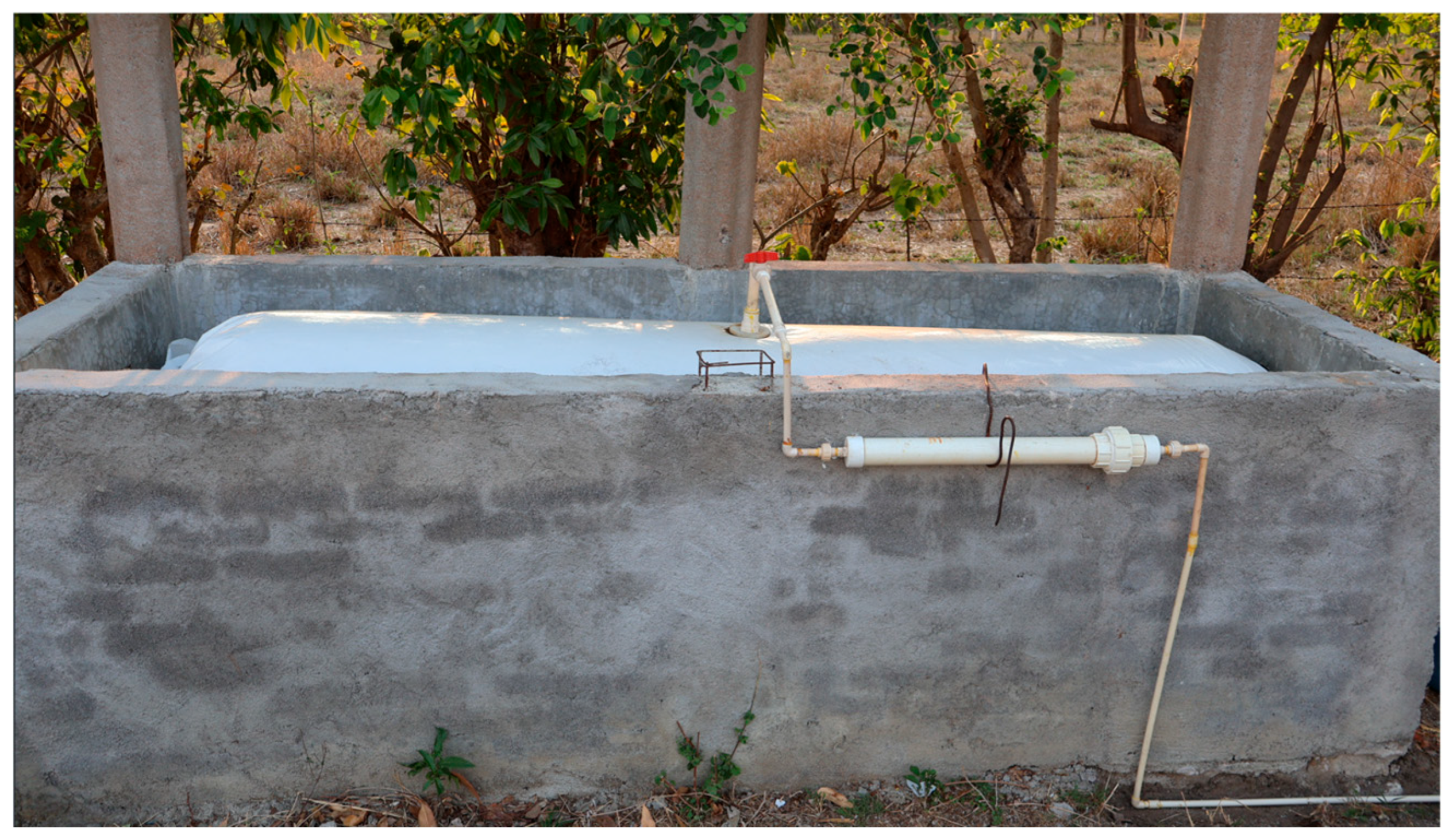
Figure 1. A 4 m3 biodigester with a retaining wall, Chiapas, Mexico.
Fuels 07 00015 g001
Figure 2. Generation of biogas and CH4 in the biodigesters installed in bovine production units of Villaflores, Chiapas.
Fuels 07 00015 g002
Figure 3. Manure management before the implementation of a tubular biodigester in Villaflores, Chiapas.
Fuels 07 00015 g003
Figure 4. Firewood was used before the implementation of the biodigester in Villaflores, Chiapas.
Fuels 07 00015 g004
Figure 5. Making tortillas (a kind of bread, common in Mexico) with firewood in a production unit in Chiapas, Mexico.
Fuels 07 00015 g005
Figure 6. Emission reductions (ER) from the use of biodigesters, wood burning, and the total (t CO2e year–1).
Fuels 07 00015 g006
Figure 7. Use of biogas in a production unit in Chiapas, Mexico, after the implementation of biodigesters.
Fuels 07 00015 g007
Table 1. Investment budget for low-cost tubular biodigesters in Villaflores, Chiapas.
ConceptBiodigester Size
4 m38 m3 10 m3 14 m3
USDUSDUSDUSD
ACivil engineering work3165967241002
BMaterials for the biodigester87106115131
CFilter20202020
DOther materials6666
ETotal4307288651159
Note: The exchange rate of MXN 20.1 per dollar was used on 20 March 2025 [58].
Table 2. Financial indicators for tubular biodigesters in Villaflores, Chiapas.
Biodigester SizeInvestmentInvestment Recovery
Period
NPV (USD)IRR (%)B/C
4 m34302194892%1.58
8 m372824024108%1.64
10 m386515138114%1.67
14 m3115917332120%1.69
Table 3. Sensitivity analysis of key costs on the profitability of biodigesters of 4, 8, 10, and 14 m3.
Concept4 m38 m310 m314 m3
NPV
(USD)
IRRB/CNPV
(USD)
IRRB/CNPV
(USD)
IRRB/CNPV
(USD)
IRRB/C
10% Increase OC165481%1.45347095%1.514455101%1.536390107%1.56
20% Increase OC136069%1.34291783%1.4377289%1.42544994%1.44
10% Increase OM Cost183888%1.533805103%1.594864109%1.616948115%1.63
20% Increase OM Cost172883%1.48358598%1.534589104%1.566564110%1.58
OM Cost = 03045134%2.346218157%2.537880166%2.5911,171175%2.66
Note: OC: Operating Cost, OM: Organic Matter.
Disclaimer/Publisher’s Note: The statements, opinions and data contained in all publications are solely those of the individual author(s) and contributor(s) and not of MDPI and/or the editor(s). MDPI and/or the editor(s) disclaim responsibility for any injury to people or property resulting from any ideas, methods, instructions or products referred to in the content.