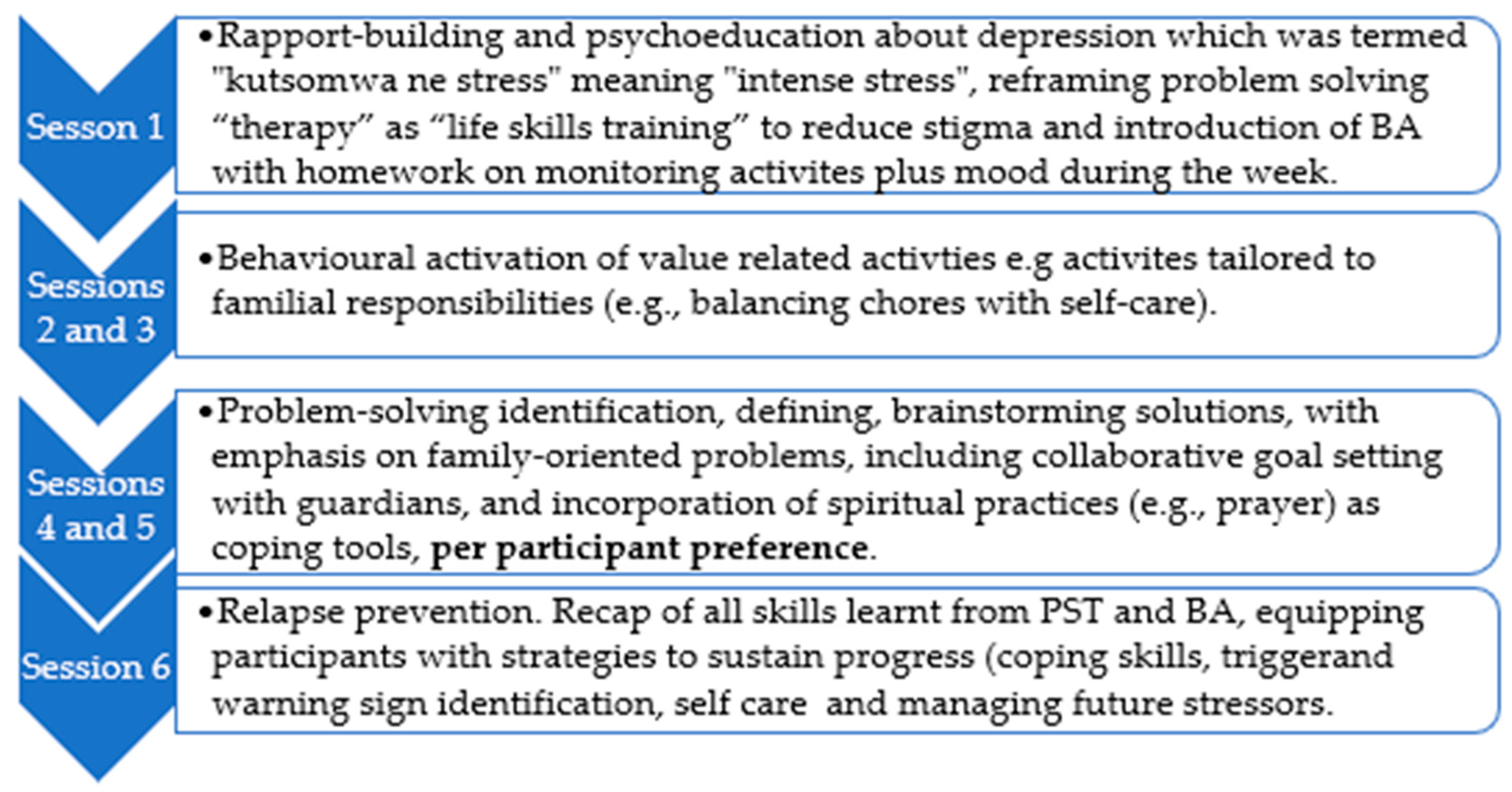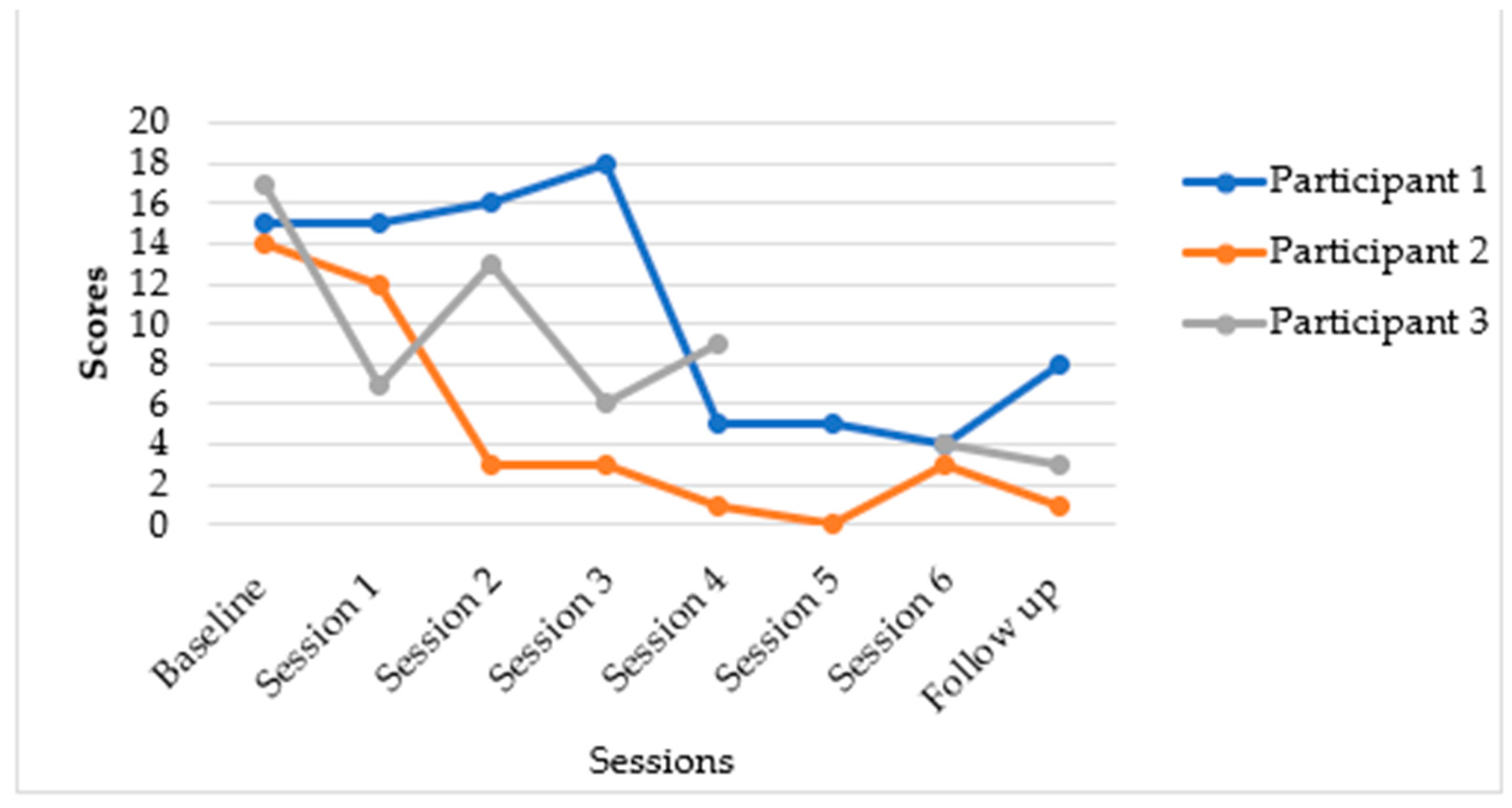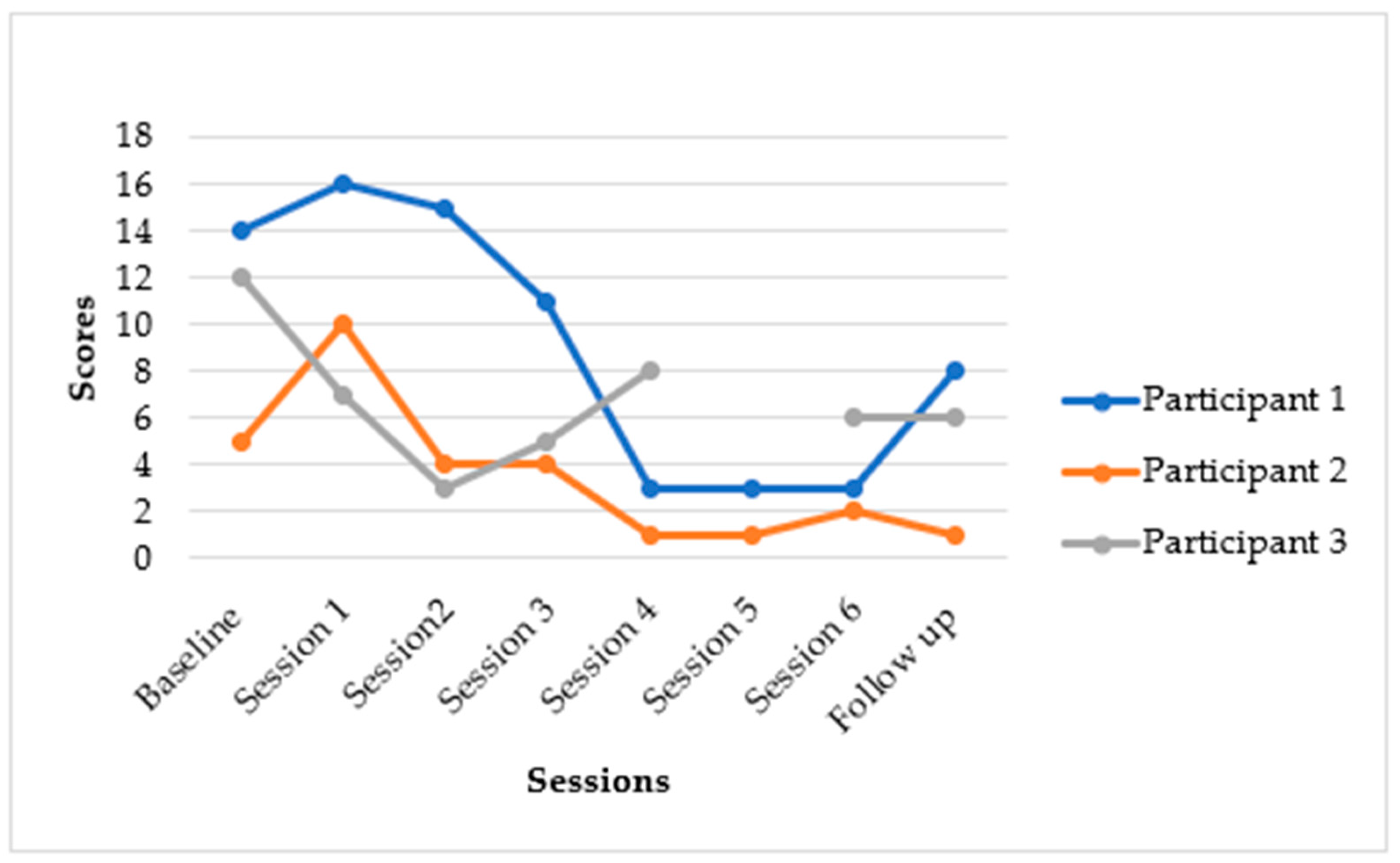

Problem-Solving and Behavioural Activation for Young Mothers with Depression in Harare, Zimbabwe: A Mixed-Methods Case Series

 , , , ,
  ,
, Abstract
Share and Cite
Bere, C.T.; Mushonga, R.H.; Beji-Chauke, R.; Smith, P.; Dambi, J.; Attah, D.A.; Mtisi, T.; Chibanda, D.; Abas, M. Problem-Solving and Behavioural Activation for Young Mothers with Depression in Harare, Zimbabwe: A Mixed-Methods Case Series. Epidemiologia 2025, 6, 72. https://doi.org/10.3390/epidemiologia6040072
Bere CT, Mushonga RH, Beji-Chauke R, Smith P, Dambi J, Attah DA, Mtisi T, Chibanda D, Abas M. Problem-Solving and Behavioural Activation for Young Mothers with Depression in Harare, Zimbabwe: A Mixed-Methods Case Series. Epidemiologia. 2025; 6(4):72. https://doi.org/10.3390/epidemiologia6040072
Chicago/Turabian StyleBere, Concilia Tarisai, Rufaro Hamish Mushonga, Rhulani Beji-Chauke, Patrick Smith, Jermaine Dambi, Dzifa Abra Attah, Takudzwa Mtisi, Dixon Chibanda, and Melanie Abas. 2025. "Problem-Solving and Behavioural Activation for Young Mothers with Depression in Harare, Zimbabwe: A Mixed-Methods Case Series" Epidemiologia 6, no. 4: 72. https://doi.org/10.3390/epidemiologia6040072
APA StyleBere, C. T., Mushonga, R. H., Beji-Chauke, R., Smith, P., Dambi, J., Attah, D. A., Mtisi, T., Chibanda, D., & Abas, M. (2025). Problem-Solving and Behavioural Activation for Young Mothers with Depression in Harare, Zimbabwe: A Mixed-Methods Case Series. Epidemiologia, 6(4), 72. https://doi.org/10.3390/epidemiologia6040072