1. Introduction
Renewable energy sources offer significantly lower environmental impact than conventional power sources. Unlike fossil fuels, they do not emit greenhouse gasses or pollutants, thereby mitigating their contribution to climate change. Wind energy generation has emerged as a leading alternative, currently representing the fastest-growing energy sector worldwide [
1]. Consequently, optimizing maintenance processes is vital to improving system reliability and operational efficiency. As blades are among the most critical components of a wind turbine, any advancement in their design, maintenance, or structural analysis directly enhances the overall performance of the energy system. To facilitate these advances, researchers often employ simplified rotating beam models as a fundamental benchmark [
2,
3], allowing for a precise analysis of dynamic responses that would be computationally prohibitive in full-scale blade geometries.
Wind turbine blades are typically constructed using composite sandwich structures, valued for their low specific weight and high strength-to-weight ratio. These structures consist of two thin, high-strength face-sheets bonded to a lightweight core. While current commercial standards often rely on Glass Fiber (GFRP) and foam cores, Carbon Fiber (CFRP) is increasingly being investigated for next-generation large-scale blades due to its superior mechanical properties [
4]. Regarding core materials, although solid foam is widely used, honeycomb cores—comprised of thin-walled hexagonal cells—minimize material volume while offering exceptional specific strength [
5]. The use of a CFRP/honeycomb configuration within a simplified rotating beam framework allows for the evaluation of the dynamic behavior of these materials under rotational conditions. This approach provides a reference for characterizing the influence of defects on the dynamic signature of advanced composites, serving as a precursor to more complex, site-specific blade applications.
Many authors have studied the vibration of rotating beams [
6,
7,
8,
9,
10,
11,
12,
13,
14,
15,
16,
17,
18]. Many of these studies have focused on the analysis of beams of traditional materials [
6,
7,
8,
9,
10,
11]. Giurgiutiu and Stafford [
8] developed the equations of motion including shear and rotatory inertia for coupled linear vibrations of blade rotating at constant angular velocity in a fixed plane. Bhat [
9] studied the natural frequencies and the mode shapes of a rotating uniform cantilever beam with a tip mass by using beam characteristic orthogonal polynomials in the Rayleigh-Ritz method. Other researchers have studied the vibratory behavior of rotating blades made with composite structures [
12,
13,
14,
15,
16,
17,
18]. Patel and Ganapathi [
13] investigated the vibrations of rotating beam made of anisotropic laminated composite beam using a new three-noded finite element. Lee et al. [
14] examined the behavior of flapwise vibration of rotating multilayer composite beam using Timoshenko beam theory. Arvin and Bakhtiari-Nejad [
16] investigated linear and nonlinear free vibrations of rotating composite Timoshenko beams. Ozdemir and Kaya [
15] analyzed extension and flapwise bending vibrations of a rotating piezolaminated composite Timoshenko beam. Aksencer and Aydogdu [
12] studied the vibration of rotating composite beams using different beam theories including Euler-Bernoulli, Timoshenko and Reddy theories. The same authors, in a publication posterior, studied vibration and buckling of rotating composite cantilever beam with clamped-off the rotation axis [
19]. They investigated the effects of various parameters like rotation speed, critical speed, orthotropy ratio, length to thickness ratio and beam theories on the vibration of rotating clamped off the rotation axis composite beams. However, in the knowledge of the authors, no studies has been found in the literature focused on vibrations in rotating beams made with sandwich structures with CFRP face-sheets and honeycomb cores such as those used in this study.
Moreover, the blades of a wind turbine can be damaged during its service life. Due to manufacturing defects or working conditions, together with the aggressive environments in which they operate, defects may appear in the blades that seriously affect their structural integrity. It is quite evident that for damaged rotating beams the dynamic properties such as frequency and vibration modes change [
20]. Therefore, in order to repair or replace the element before irreversible failure occurs, it is very important to know techniques that allow the detection of the defect [
20,
21,
22,
23,
24,
25,
26]. Chang and Chen [
2] presented a technique for blade damage detection based on spatial wavelet analysis. For this, they applied the Finite Element method for the analysis of the vibrational behavior of the cracked rotating beams. The effects of transverse shear deformation and rotatory inertia were taken into account. Lee et al. [
22] studied the variations in the natural frequencies of vibration of a multi-cracked beam produced by different rotational speeds and crack locations. They used the Transfer Matrix and Frobenius methods and validated the results with a numerical model. Valverde-Marcos et al. [
20] presented a methodology to accurately calculating the flapwise bending vibration natural frequencies of a rotating cracked steel beam. They developed a 3D dynamic numerical model and the natural vibration frequencies were calculated by means of a frequency domain analysis of accelerations of the free end of the rotating beam. However, the number of studies on the behavior of damaged composite rotating beams is small [
27,
28,
29]. Chen and Shen [
27] developed a finite element model to study the dynamic stability aspects of a composite cracked rotating beam of general orthotropy. They described the effects of rotation speed, local flexibility and the fiber orientations on the static buckling loads and dynamic instability regions of the orthotropic beam. Kim and Kim [
28] investigated the effect of a crack of a composite rotating beam by applying the Timoshenko beam theory. The Finite Element Method was used to model and numerically analyze the crack, respectively. They studied the effects of various parameters such as crack depths, crack positions, fiber angles, volume fractions, and rotating speeds of the beam. Shahedi and Mohammadimehr [
29] studied the high-order free vibration analysis of rotating fully-bonded and delaminated sandwich beams.
Over the past two decades, numerous researchers have employed artificial neural networks (ANNs) to address a wide range of engineering challenges, including pattern recognition, optimization, and prediction [
30,
31,
32,
33]. An ANN is a computational model inspired by biological neural networks, consisting of interconnected neurons arranged in layers: an input layer, one or more hidden layers, and an output layer. Each neuron is connected by adjustable weights that determine the strength of signals between them.
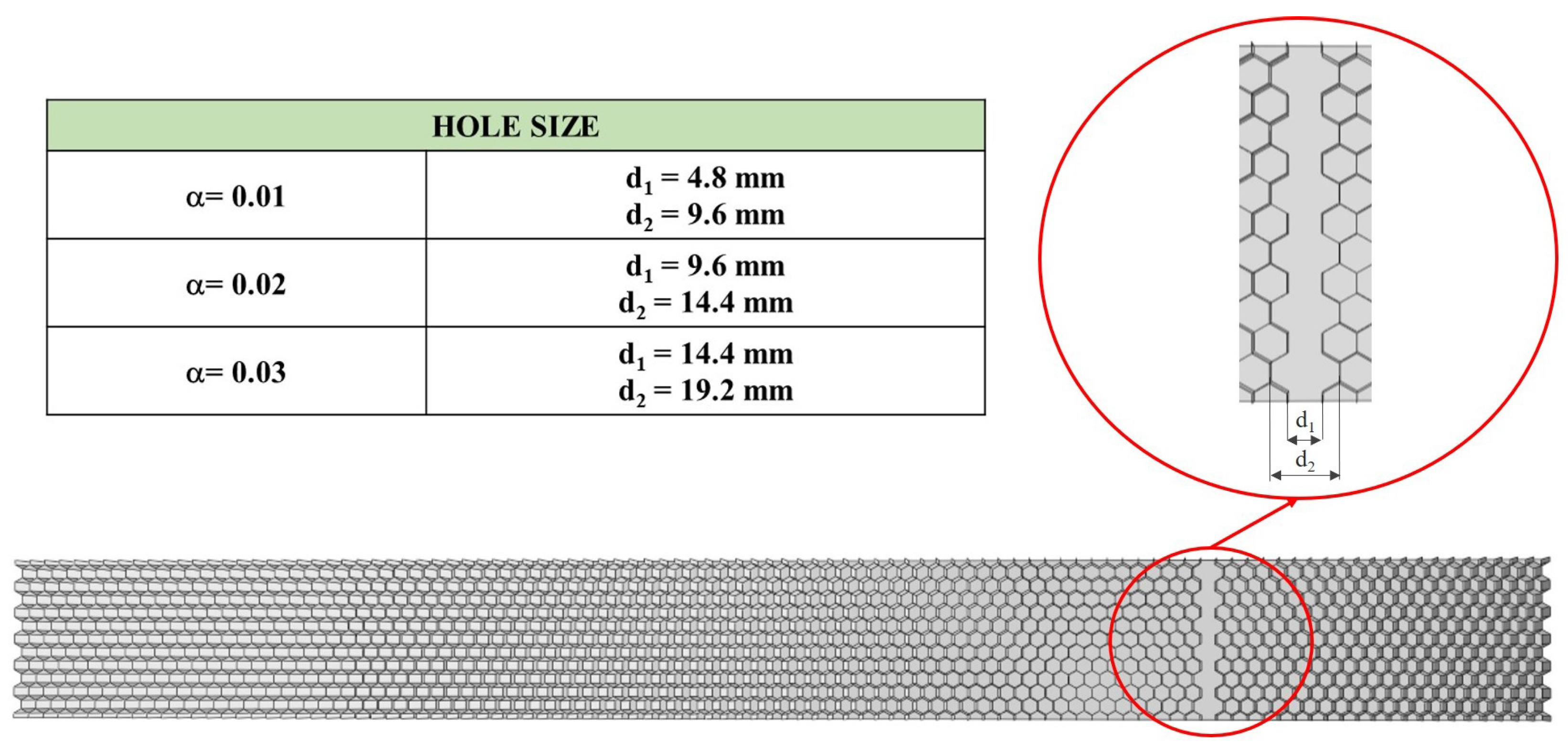
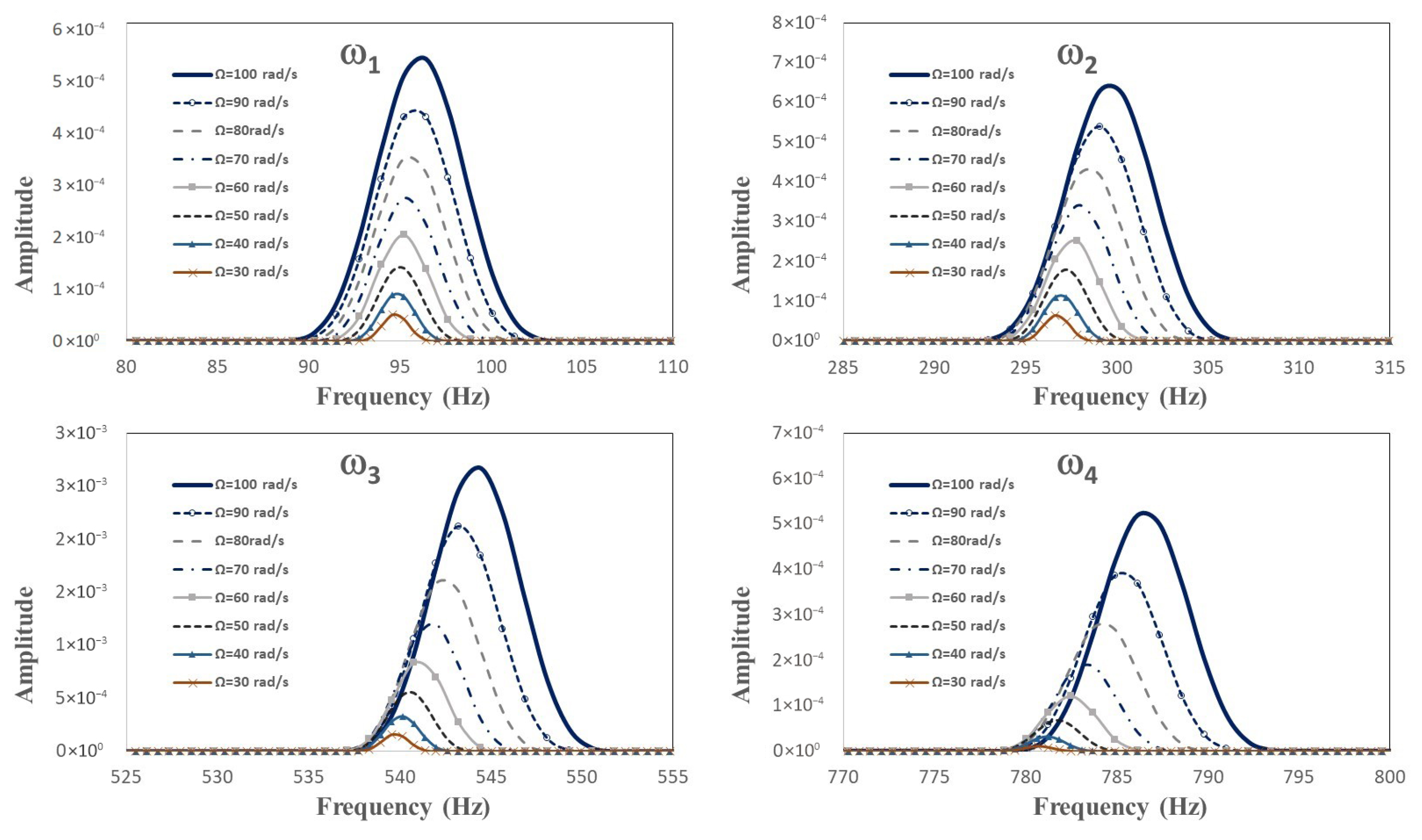
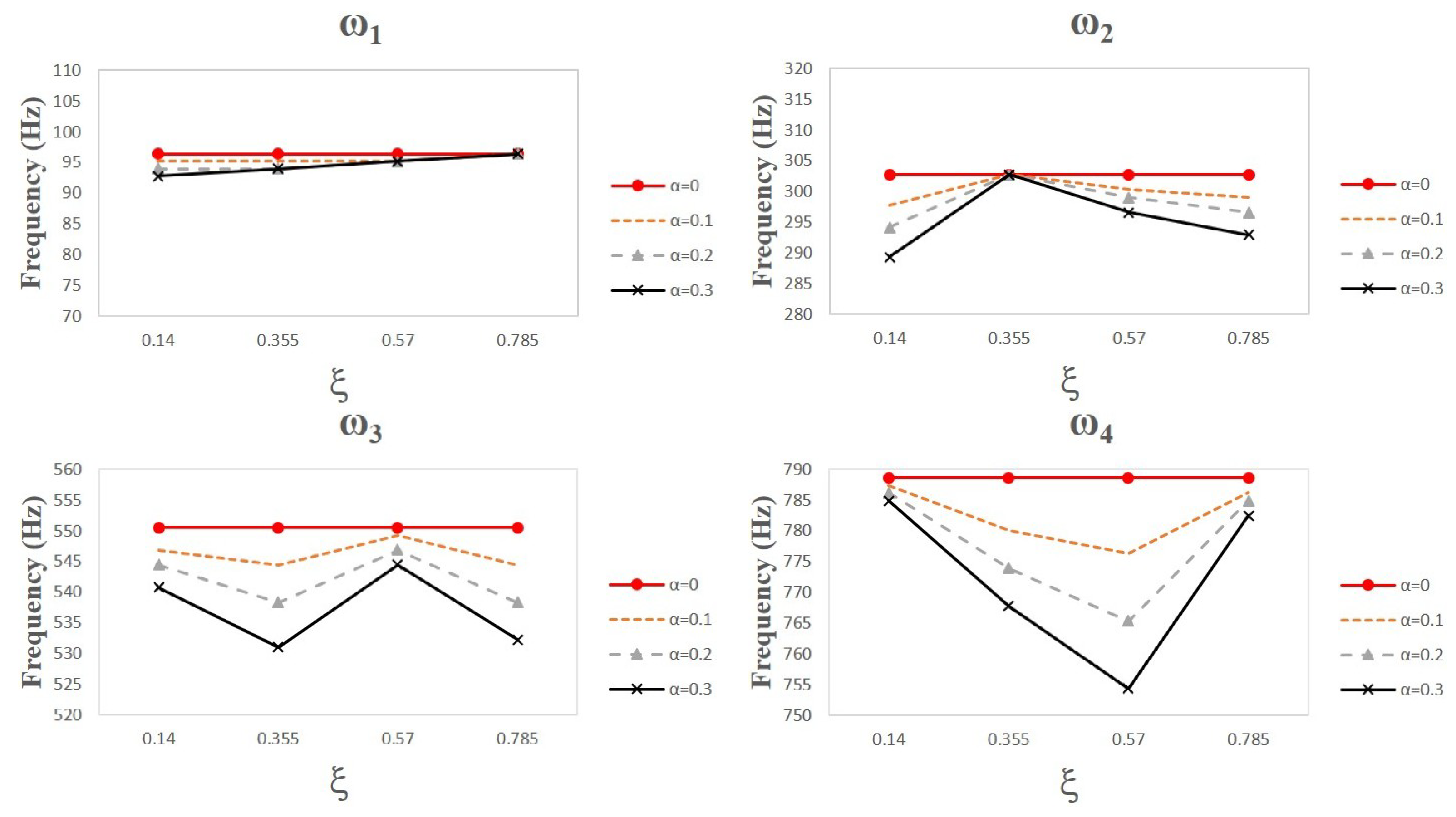
In this paper, we have used an ANN to calculate the natural frequencies of rotating composite beams made with CFRPs face-sheets and honeycomb cores that have a transverse discontinuity in the core. For this purpose, we have developed a 3D finite-element model in Abaqus/Implicit code. The model has been validated against solutions from the literature and used to study the vibratory characteristics of the beam as a function of the discontinuity size, location, and rotation speed. The acceleration at the beam’s tip was chosen as the output signal to obtain the natural frequencies. Based on this numerical data, an ANN was derived to establish an automated, high-speed diagnostic framework. For the first time, in the knowledge of the authors, an ANN to determine the natural frequencies of damaged composite beams formed by sandwich structures with carbon fiber reinforced polymer face-sheets and honeycomb core in terms of the rotation speed and the characteristics of the defect (size and location) has been presented. The proposed methodology offers a robust and computationally efficient option to analyze the vibrations of damaged rotating sandwich structures, bypassing the costs of traditional 3D-FEM for real-time applications.
3. Numerical Model
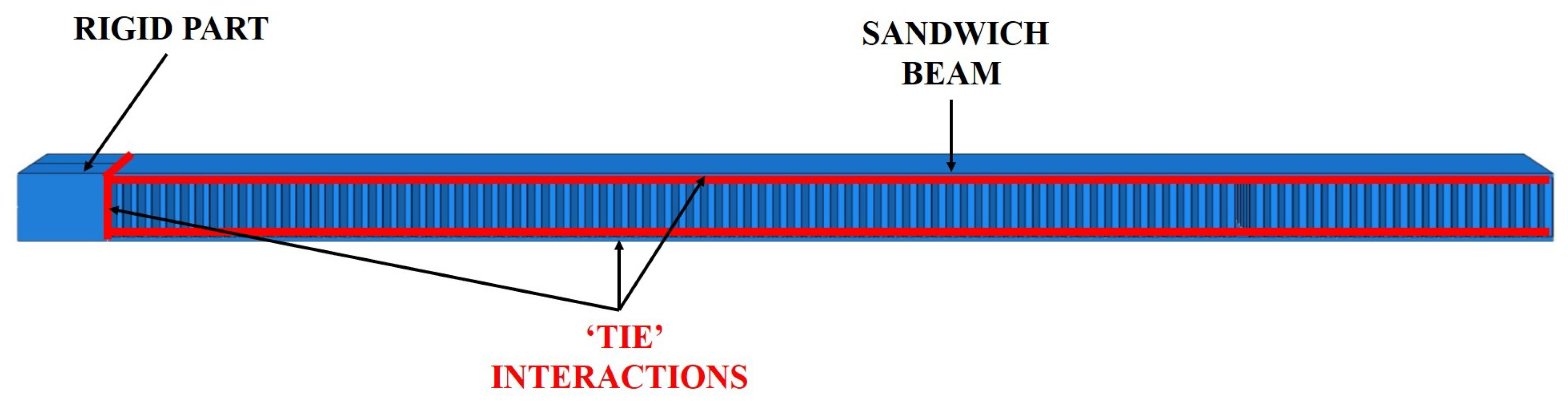
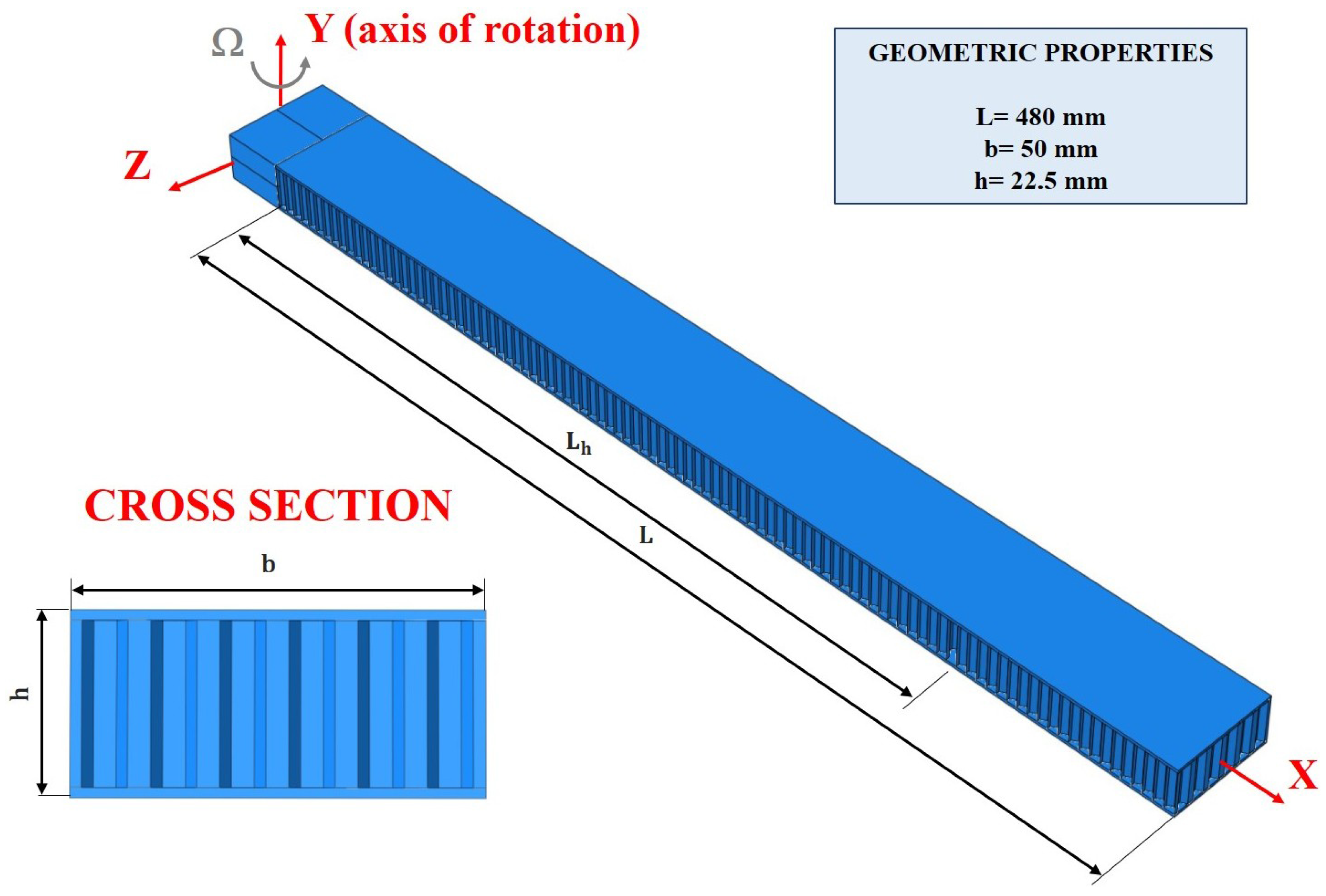
In the present work, a dynamic implicit analysis has been performed by implementing a 3D model of the damaged composite rotating beam using the Commercial Code ABAQUS. The model consists of different solids of different sizes, the first one being deformable, corresponding to the sandwich beam, and the second one being rigid, simulating a physical axis of rotation. To join the sandwich beam and the rigid part, a “Tie” constraint (according to ABAQUS nomenclature) has been established to prevent relative displacement between the two parts (see
Figure 3). Moreover, the honeycomb core and the face-sheets have been modelled independently, and also “Tie” constraints have been used between the core and face-sheet interfaces.
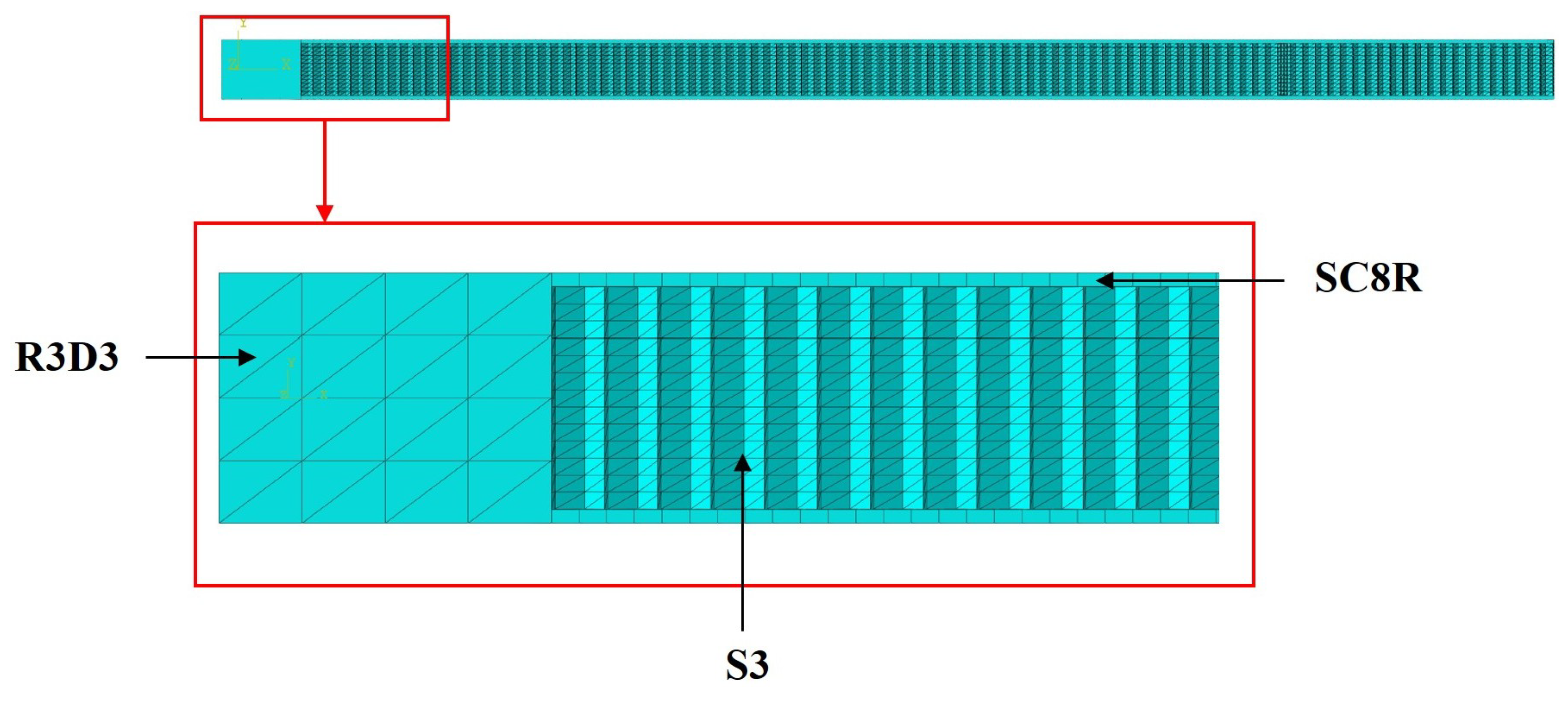
The complete mesh including all the solids has consisted of 80,000 elements and 160,000 nodes, approximately. For the rigid part, 3-node linear triangular rigid elements for three-dimensional analysis (R3D3 according to ABAQUS nomenclature) have been used; while for the deformable part, two types of elements have been used: the facesheets have been meshed using 8-node hexahedral elements with reduced integration and hourglass control (SC8R in ABAQUS nomenclature) and for the core, 3-node linear triangular shell elements (S3 according to ABAQUS nomenclature) have been used. A detail of the beam mesh can be seen in
Figure 4.
The rotation speed has been simulated using a predefined constant angular velocity field over the entire beam following the procedure of Valverde-Marcos et al. [
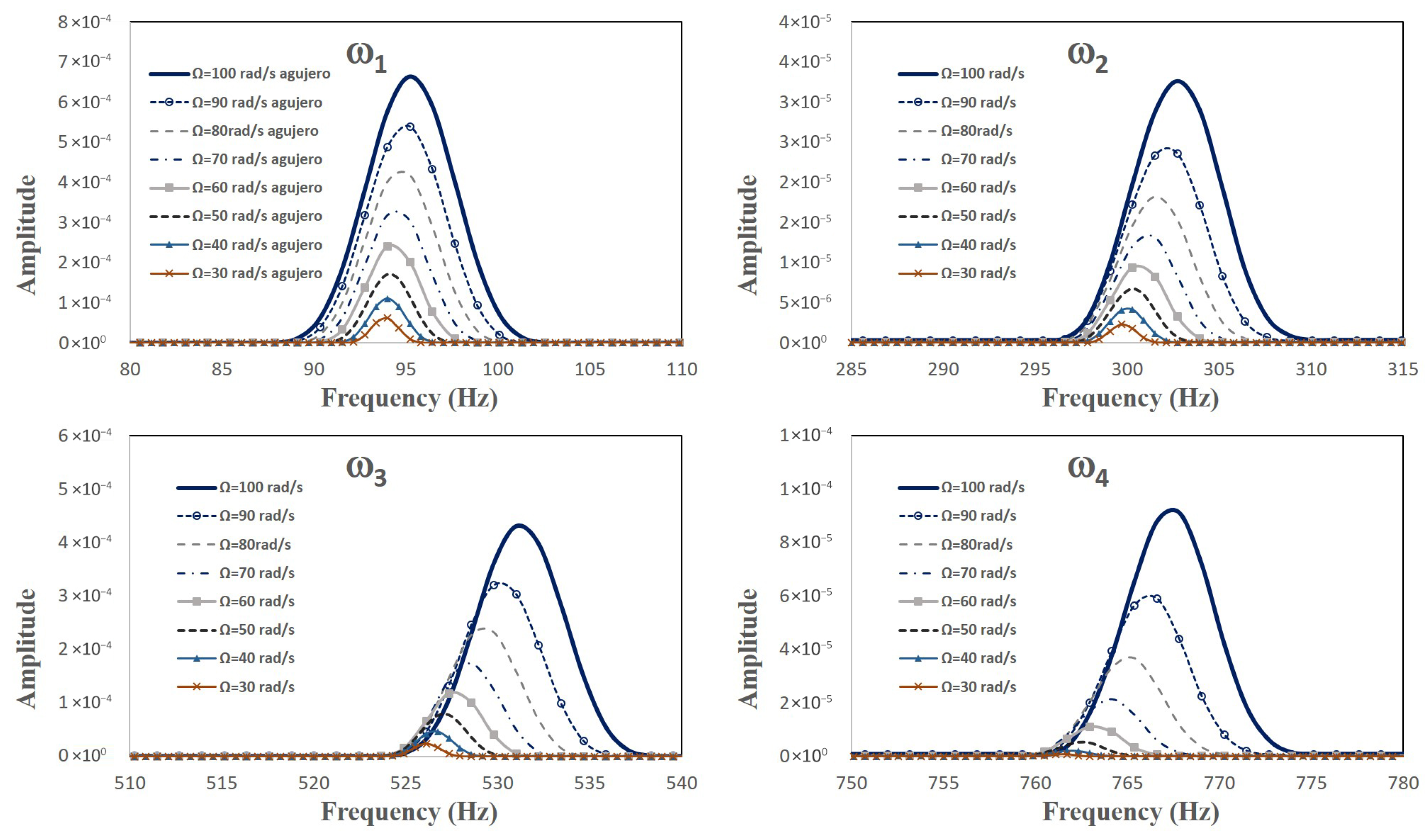
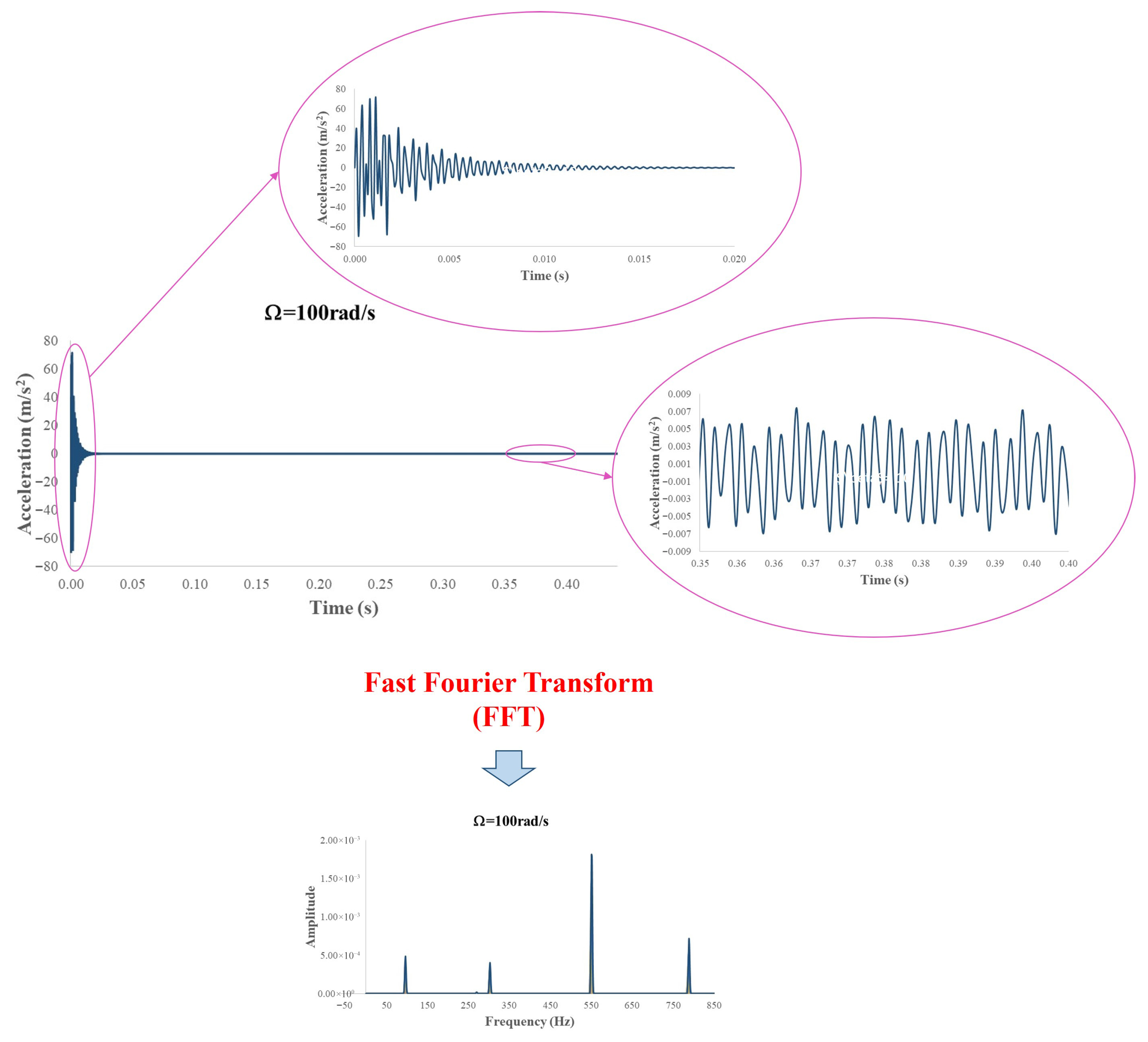
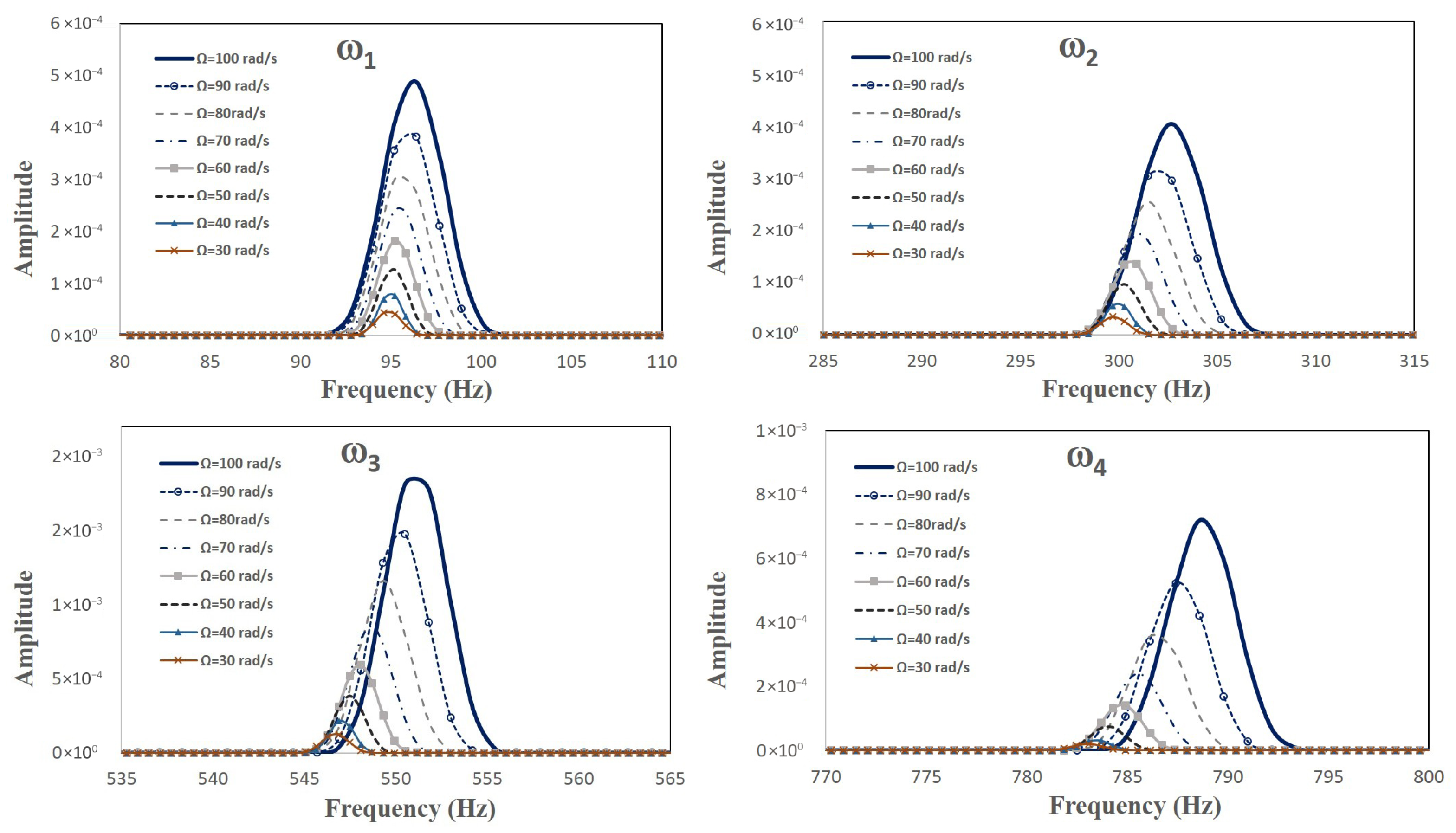
20]. For each rotation speed, to reach convergence of the results, it has been necessary to complete 7 rotations of the beam. The sampling frequency is 10,000 Hz.
7. Artificial Neural Network Approach
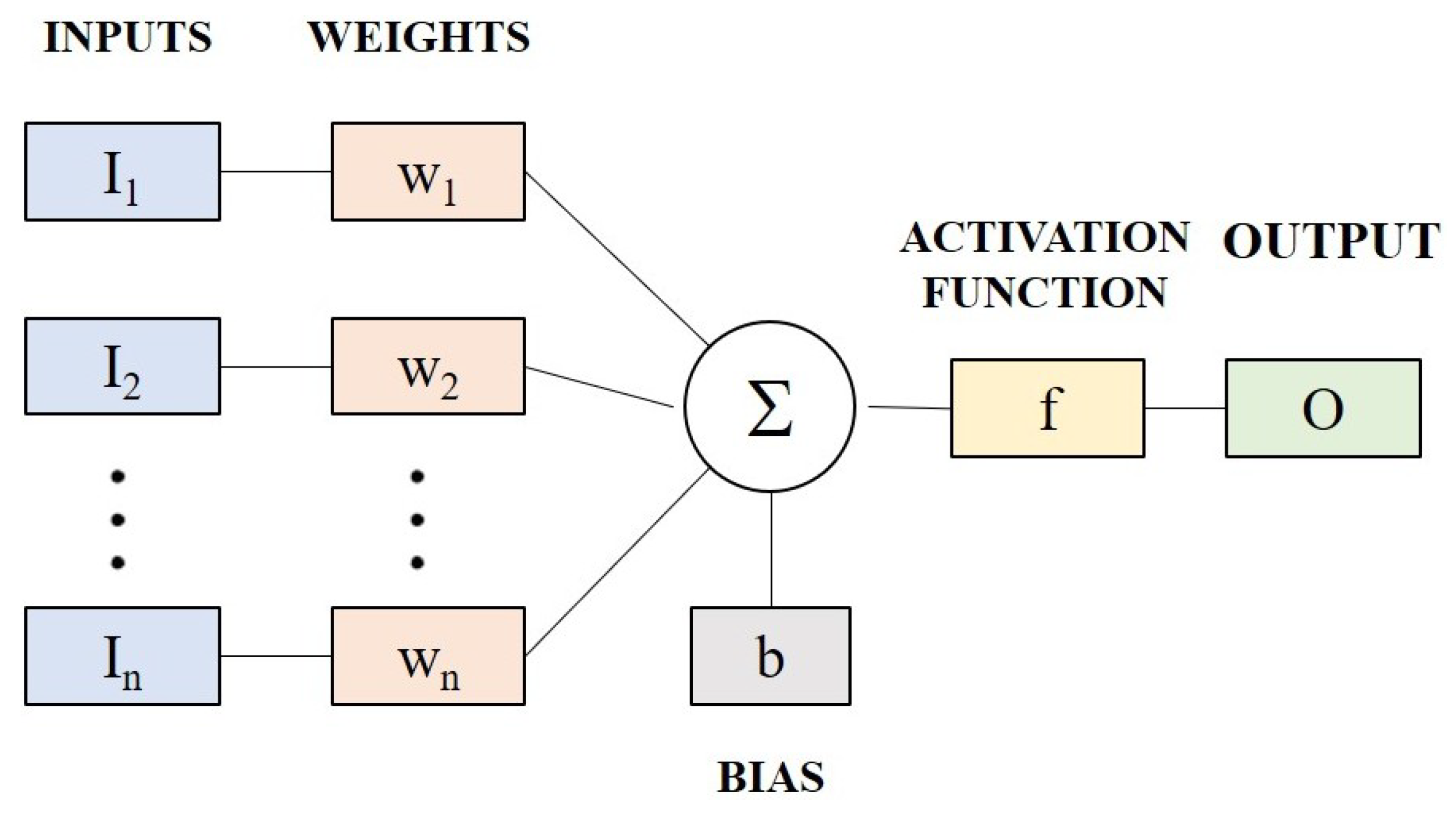
Based on the data from the numerical model, an ANN that allows to obtain the value of the first four frequencies as a function of the characteristics of the defect (size and position) and the rotational speed of the beam has been implemented. An ANN is a flexible mathematical tool frequently employed in solving various engineering challenges, owing to its robustness and its capability to discern complex nonlinear relationships between input and output data. It is composed of units called neurons or nodes, which mimic biological neurons and, like them, are interconnected with each other. Each of the neurons receives several inputs,
, coming from the outside or from the outputs of other neurons. The output,
O, is obtained from an activation function,
f, which is applied to the sum of all inputs multiplied by their corresponding weights,
, plus a threshold value called bias,
b, which limits the value of the output. Therefore, the relationship between the inputs
and the output
O can be written as:
Figure 10 shows the schematic of an isolated neuron.
The neurons are arranged in layers. The typical structure of an ANN includes: an input layer, one or more hidden layers, and an output layer. Each layer contains one or more neurons. The neurons in the input layer are linked to the external environment or raw data. The hidden layers process the input layer’s outputs and transmit the results to the output layer to achieve the desired results. The type of activation function determines the configuration of the ANN. Various types of activation functions exist, each suited to different problems, including step, ramp, sigmoid, log-sigmoid, and Gaussian functions.
In this work, the multilayer perceptron feedforward neural network has been used. In this type of network, calculations flow in a single direction (feedforward), from the input data to the outputs. Each neuron in a layer is connected to every neuron in the subsequent layer through weighted connections, and these weights are adjusted during the training process to minimize the error in predictions. The available data have been randomly divided into 3 groups, used for training, validation and network testing, consisting of 70%, 15% and 15% of the data, respectively. First, the network training is performed, which consists of determining through an iterative process the optimal weights and thresholds to find the relationship between the input and output data. In this case, the Levenberg-Marquardt backpropagation forward supervised learning algorithm has been used, which consists of processing the inputs, obtaining the corresponding outputs and comparing them with the desired outputs until the error between the desired outputs and those obtained by the network is less than a predetermined value. Simultaneously to the training process, for each calculation step, a validation is performed, which consists of using the network calculated up to that moment to estimate data outputs different from those used during training and, finally, once the optimal weights and thresholds have been determined, a network test process is performed, in which a new set of input and output data, different from those used previously, is used.
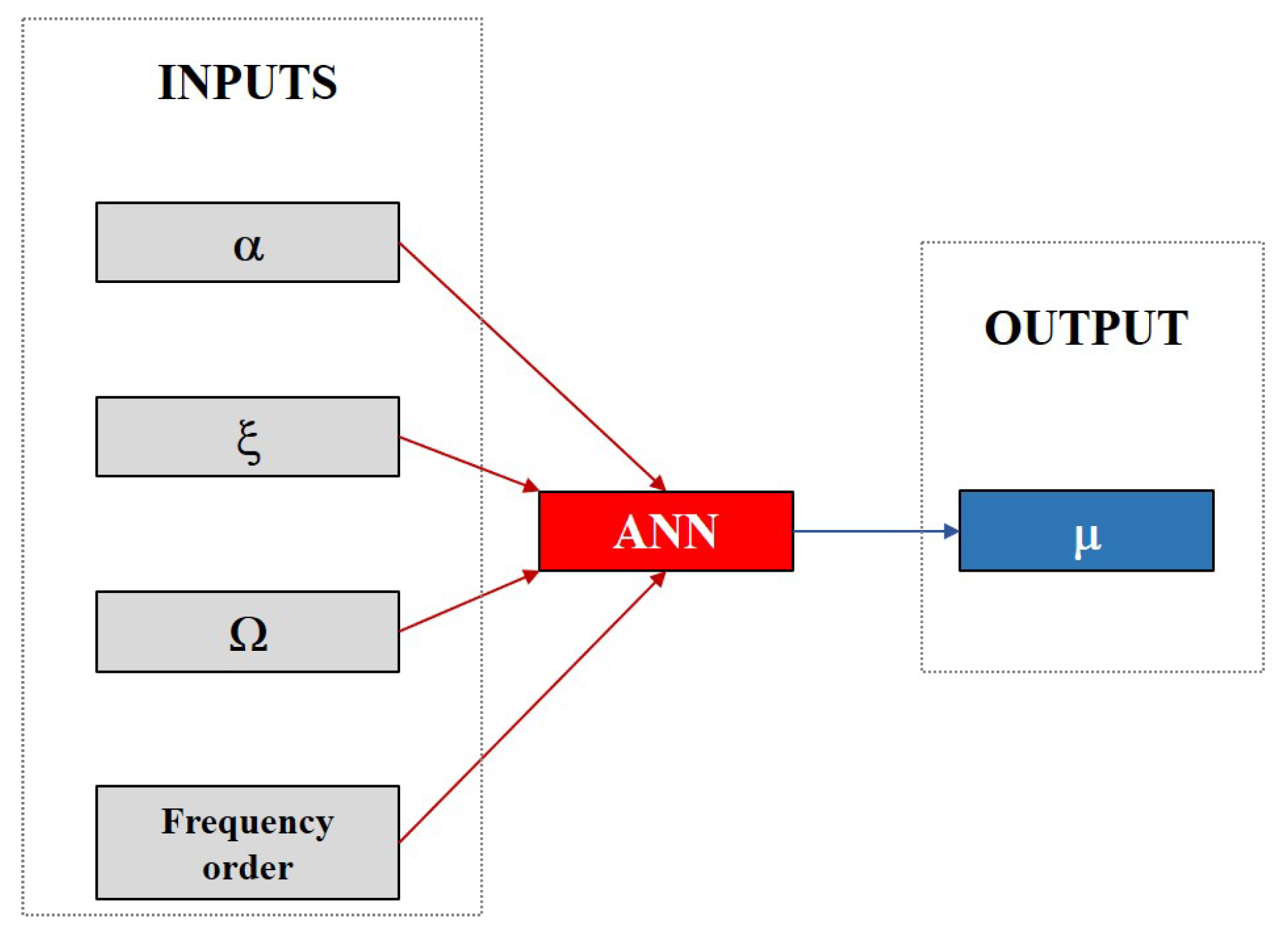
Figure 11 shows the network schematic in which its inputs and outputs can be seen. There are four inputs (size, position, speed and frequency order) and one output (dimensionless natural frequency). The dimensionless frequencies,
, have been obtained by dividing by the natural frequencies of an intact non-rotating beam. Regarding the activation functions,
f, the log-sigmoid function has been used in all layers except in the output layer, where a linear function has been used.
The variables used to test the accuracy of the network have been the mean square error (MSE), calculated according to expression (
3) and the correlation coefficient
.
where
is the value of the dimensionless frequency obtained with the numerical model and
is the estimated value with the network for each case. The best results have been obtained with a network with one hidden layer, with 35 neurons with a mean square error MSE =
and a correlation coefficient
= 0.9925.
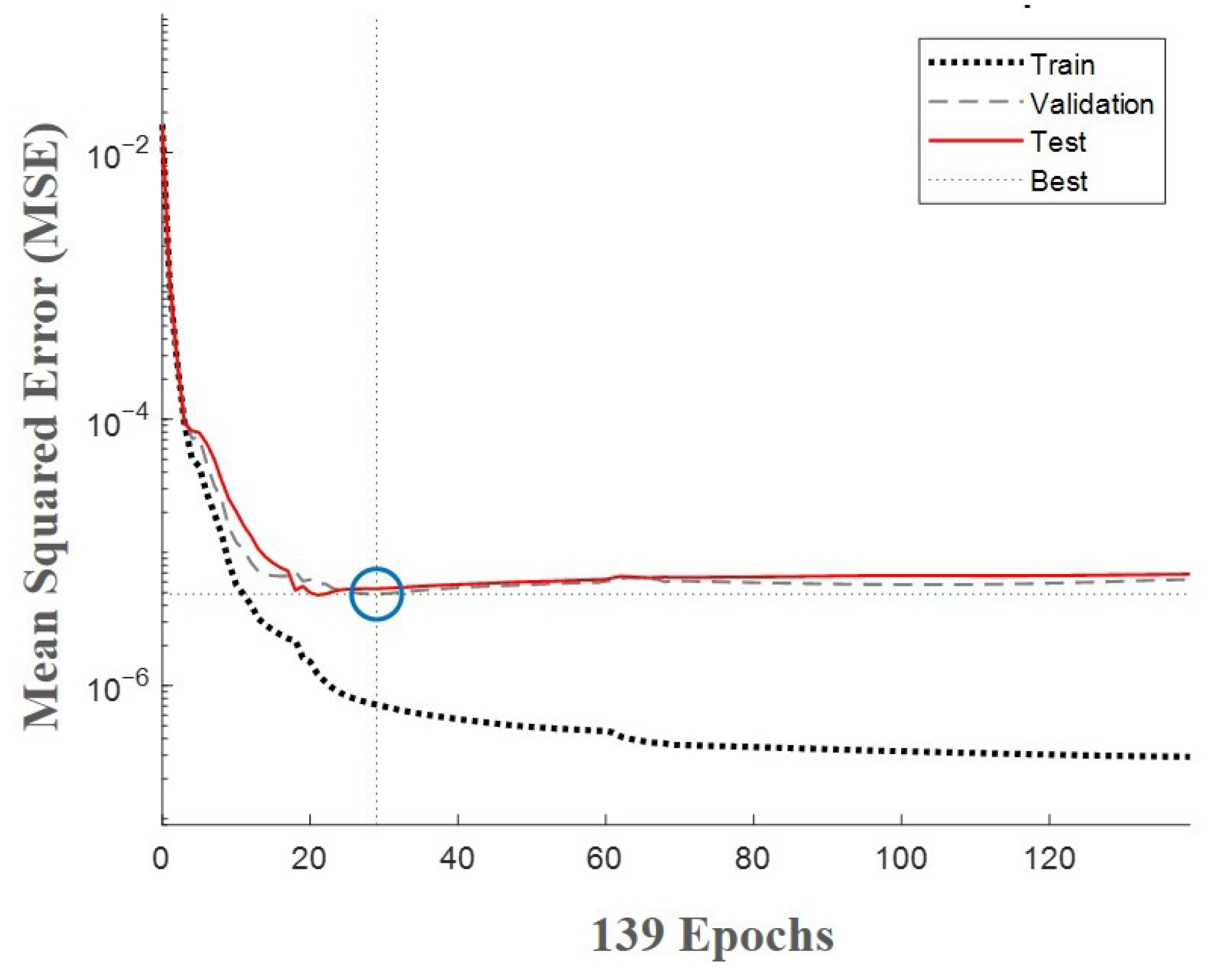
The training process of the ANN was monitored through the Mean Squared Error (MSE) convergence curves (see
Figure 12). As shown in the results, the training, validation, and testing errors decrease consistently, reaching a stable state around the 30th epoch. The fact that the validation and test curves remain closely aligned with the training curve, without showing an upward trend (divergence), provides categorical evidence that the network is not overfitted.
7.1. Comparison with Values Used in Network Training
In order to verify the proposed ANN, a comparison of the numerical values used in the network development and those estimated by the network has been carried out.
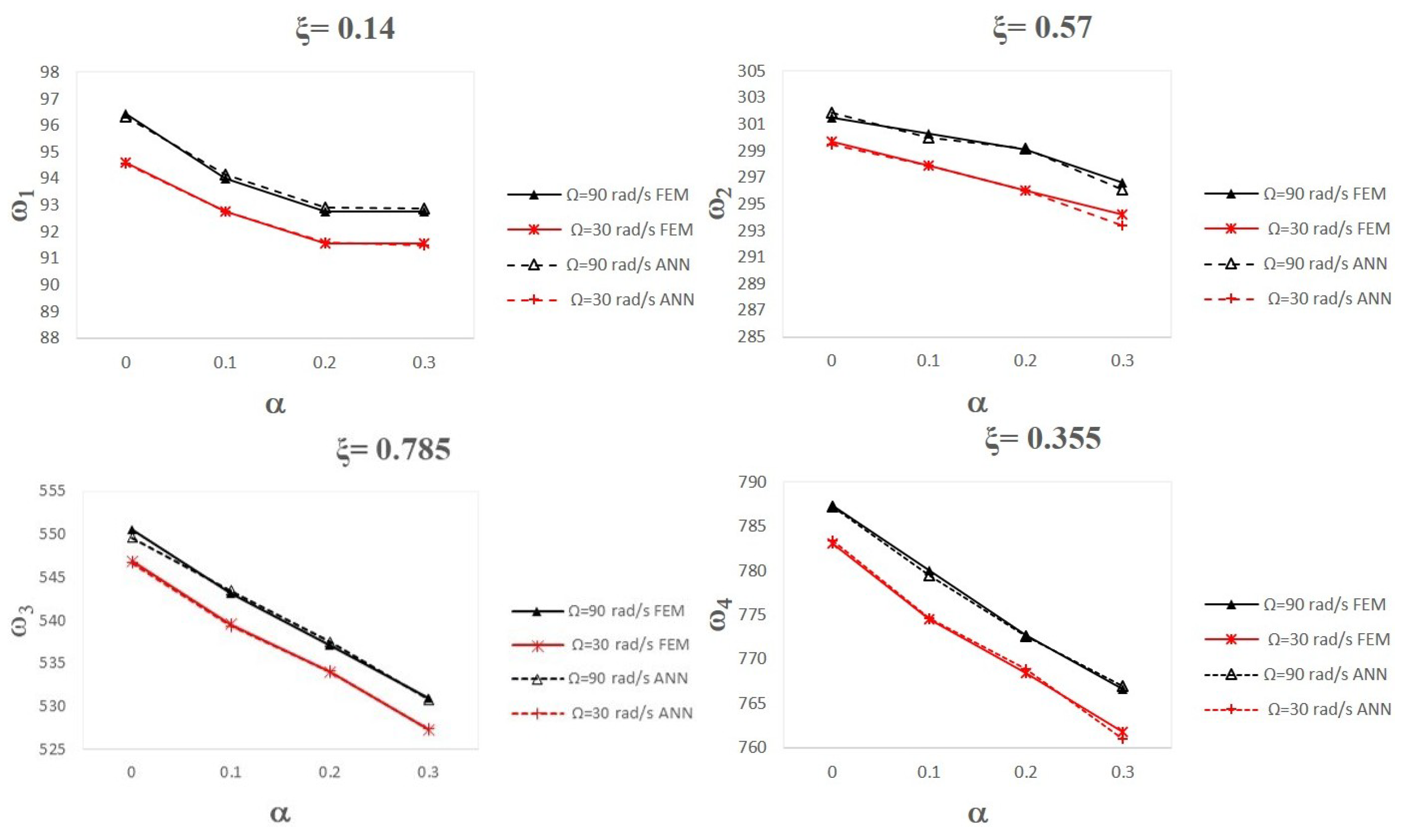
Figure 13 shows some examples of this comparison for the four natural frequencies and and for the different positions of the defect. The values of the frequency as a function of the defect size have been plotted for the for rotational speeds
= 30 and 90 rad/s. It has been found that they are in good agreement. The cases corresponding to other frequencies and other defect positions are similar to the ones that have been shown. In addition, in
Table 5 it can be seen the relative mean error according to expression (
4) for every discontinuity size and location, taking into account all the frequency orders and all the rotational speeds.
It can be observed that calculated errors are small, the largest not exceeding 3.1%. To complete the study of the comparison between the original values and those estimated by the network, the analysis of the residuals has been performed.
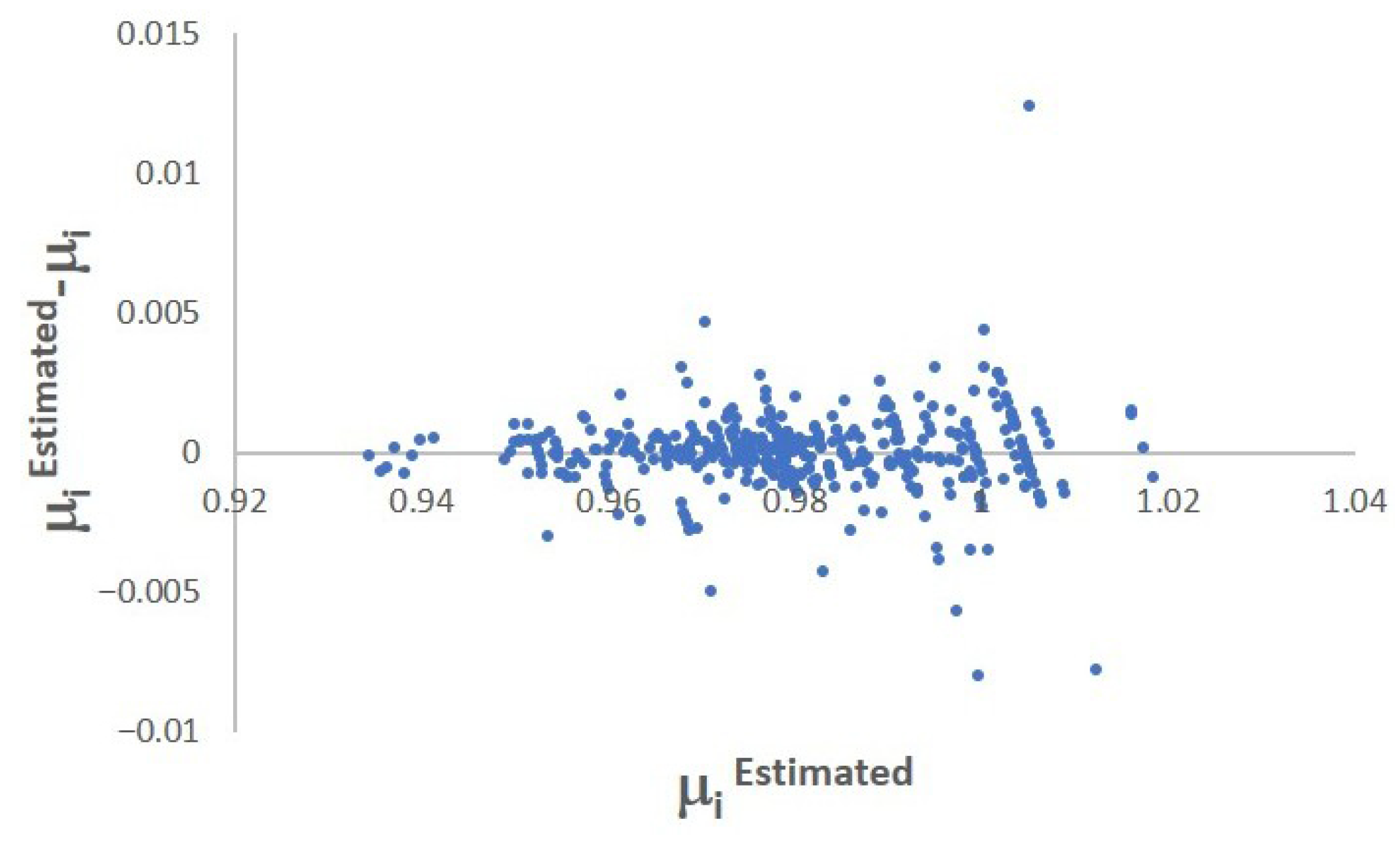
Figure 14 shows the residuals
versus the values predicted by the network. It can be seen that the residuals are randomly distributed and show no pattern.
7.2. Comparison with Values Not Used in the Training of the Network
Finally, in order to test the robustness and accuracy of the proposed ANN, 6 cases of beams with different characteristics from those used for its training were randomly selected and the four frequencies have been calculated for each case.
Table 6 shows the results obtained.
As can be seen, the estimation provides good results, in none of the cases the error is greater than 4.5%. It is important to emphasize that the maximum error (4.5%) is confined to the fourth natural frequency (), whereas the error for the first and second frequencies—the most critical for practical applications—is much smaller. The methodology relies on the simultaneous analysis of all four frequencies, using the lower frequencies for stable detection and the higher-order modes as auxiliary data to resolve spatial ambiguities in damage location.