1. Introduction
Heterotopic pregnancy (HP), defined as the coexistence of intrauterine and ectopic gestations, is a rare but serious condition. Its incidence is estimated at approximately 1 in 30,000 in spontaneous conception, increasing to between 1 in 100 and 1 in 500 with assisted reproductive techniques (ARTs) [
1,
2]. Clinical diagnosis remains challenging because confirmation of a viable intrauterine pregnancy may mask symptoms of a concurrent tubal ectopic gestation. The risk factors for spontaneous HP include a history of pelvic inflammatory disease, prior tubal surgery, endometriosis, and advanced maternal age, though it can occur in patients with no identifiable risk factors, as in the present case [
3,
4]. The patient in this report conceived spontaneously, underscoring that HP, while more common with ARTs, remains a critical consideration in spontaneous pregnancies.
Published case reports and series highlight the life-threatening potential of this condition, with reported hemoperitoneum volumes of up to 2000 mL [
5], blood transfusion being required in approximately 37–45% of surgically managed cases [
6,
7], and salpingectomy being performed in more than 90% of cases [
6,
8,
9]. Despite this severity, reported outcomes in cases of intrauterine pregnancy are generally favorable. Retrospective series demonstrate live birth in over 70% of patients following laparoscopic intervention [
10,
11], and individual case reports document continuation to term after timely surgery and transfusion support [
12,
13,
14,
15].
Laparoscopic management is currently favored, as it offers effective hemorrhage control with reduced morbidity, shorter hospital stays, and better fertility preservation, compared with laparotomy [
16,
17]. The cornerstone of management is rapid diagnosis, which hinges on a high index of suspicion and expert ultrasonography, followed by expedited surgical intervention [
13]. We report a case of ruptured left tubal heterotopic pregnancy managed by laparoscopic salpingectomy and blood transfusion, resulting in preservation of intrauterine pregnancy viability and a subsequent live birth. This case is contextualized with a detailed review of the literature to provide a comprehensive overview of contemporary management strategies and outcomes.
2. Case Presentation
A 34-year-old Middle Eastern woman, gravida 4 para 3 (one early first-trimester spontaneous abortion, one term vaginal delivery, and one prior lower-segment cesarean section), initially presented to the emergency department ten days before the acute event with constipation and mild lower abdominal pain. At that visit, she was conscious and hemodynamically stable (blood pressure 120/80 mmHg, heart rate 78 bpm), with a pain score of 1/10. No pelvic or transvaginal ultrasound was performed at this initial presentation, as her symptoms were attributed to constipation. She was treated symptomatically with a single stat dose of intravenous paracetamol 1000 mg and prescribed oral macrogol 3350 with electrolytes, one sachet dissolved in 125 mL of water once daily for ten days.
On Day 0, she re-presented with sudden severe lower abdominal pain radiating to the left shoulder (Kehr’s sign) and marked probe tenderness on pelvic examination, with a reported pain score of 9/10. On arrival, her vital signs were: blood pressure 90/60 mmHg, heart rate 118 bpm, respiratory rate 22/min, and oxygen saturation 98% on room air. She denied fever, vaginal bleeding, nausea, vomiting, diarrhea, or urinary symptoms. Her past medical history was unremarkable, apart from the prior cesarean delivery. Current medications included aspirin (75 mg daily) and progestogens (Cyclogest 400 mg twice daily per vaginum, and Duphaston 10 mg twice daily orally) for luteal phase support following spontaneous conception. She had no known drug allergies. Serial beta-hCG levels were not measured, as the diagnosis was conclusively made via ultrasound, which is the gold standard in such acute settings.
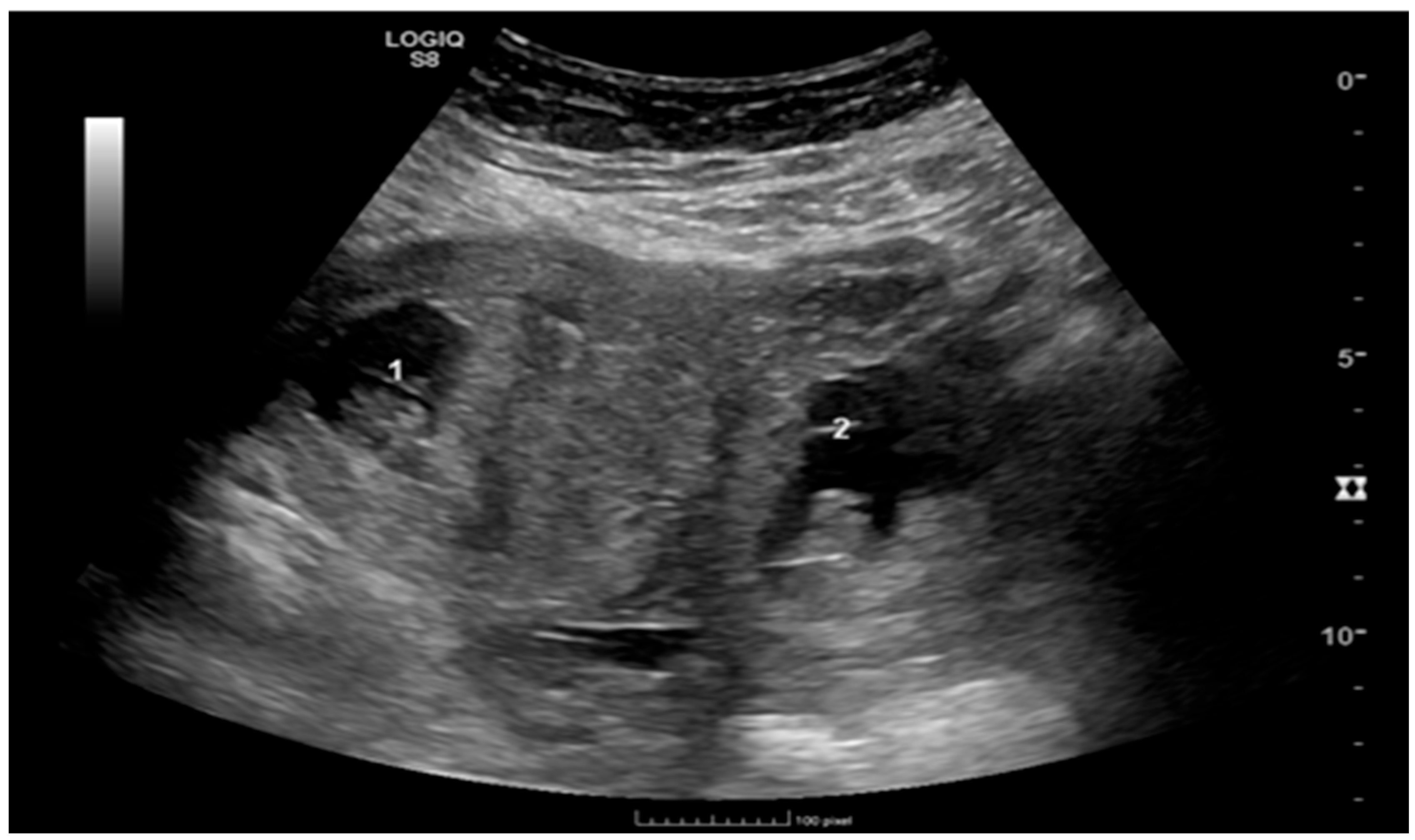
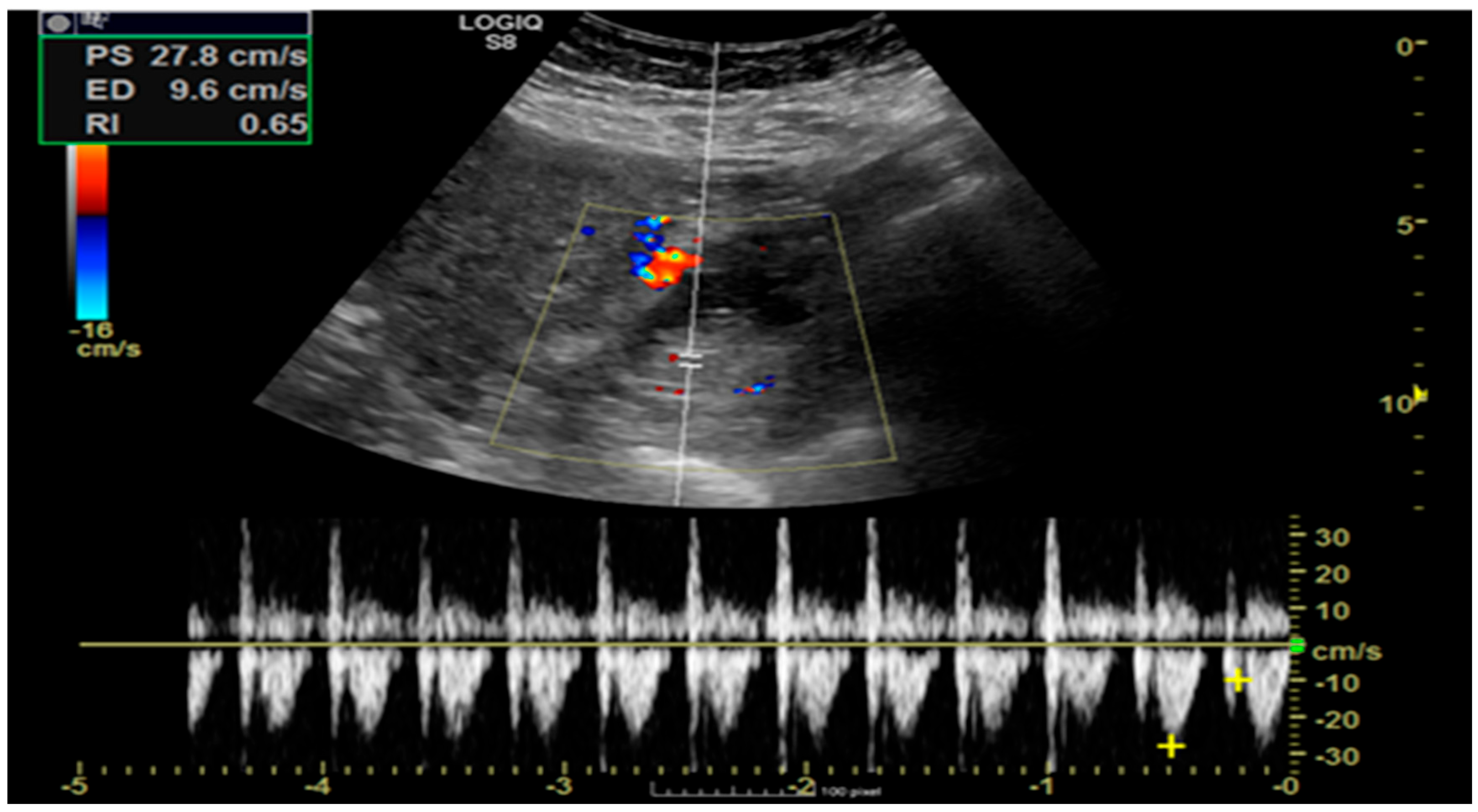
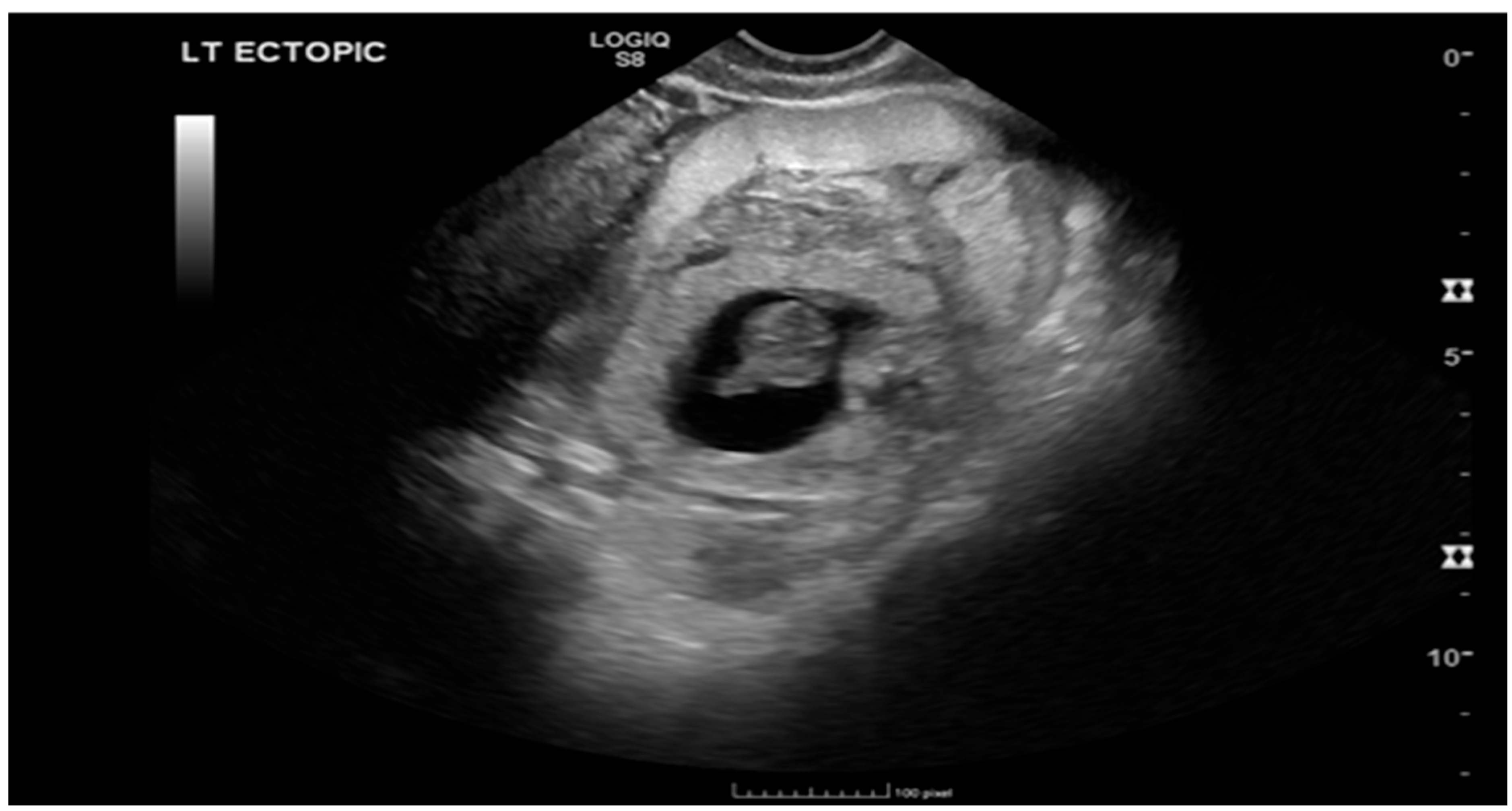
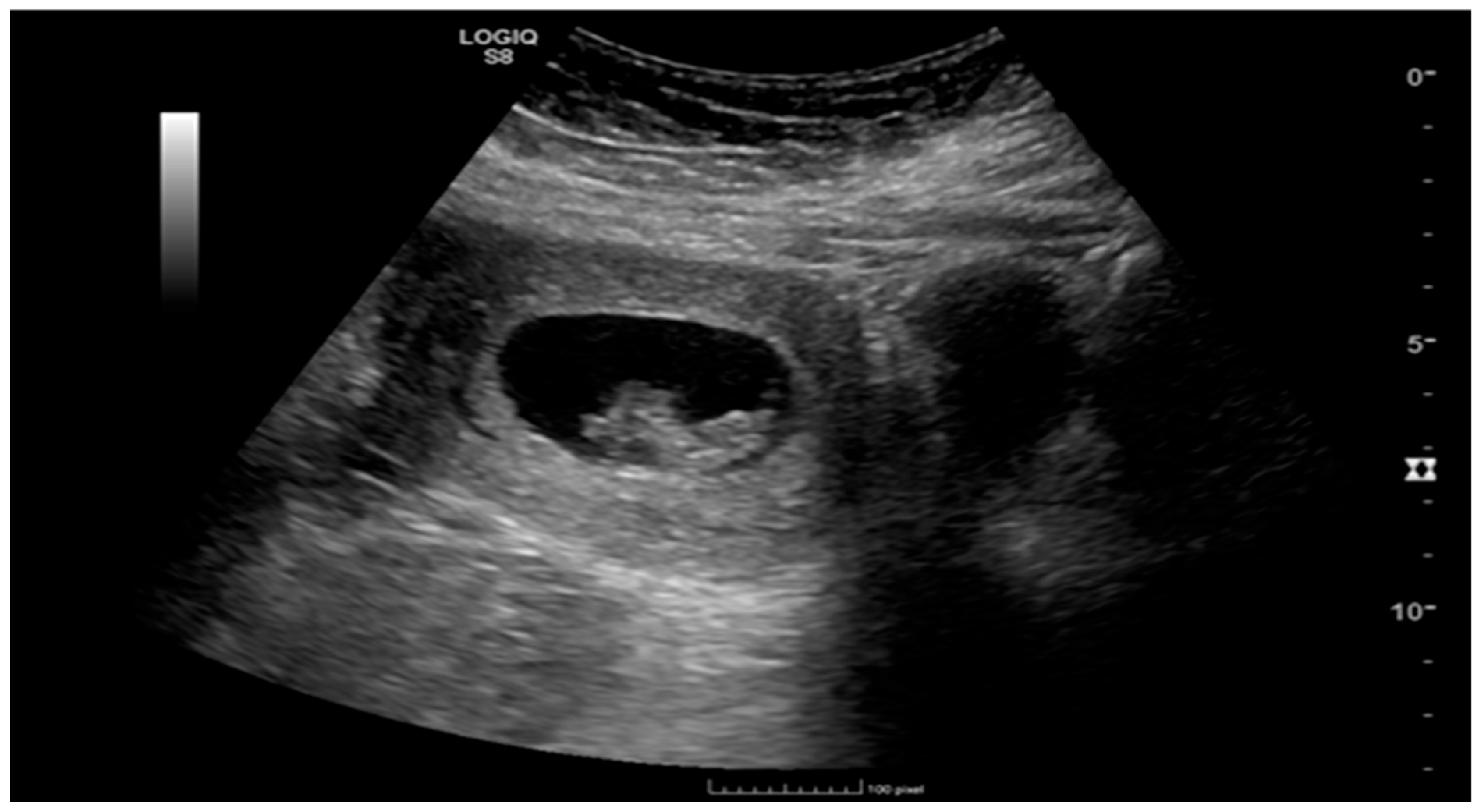
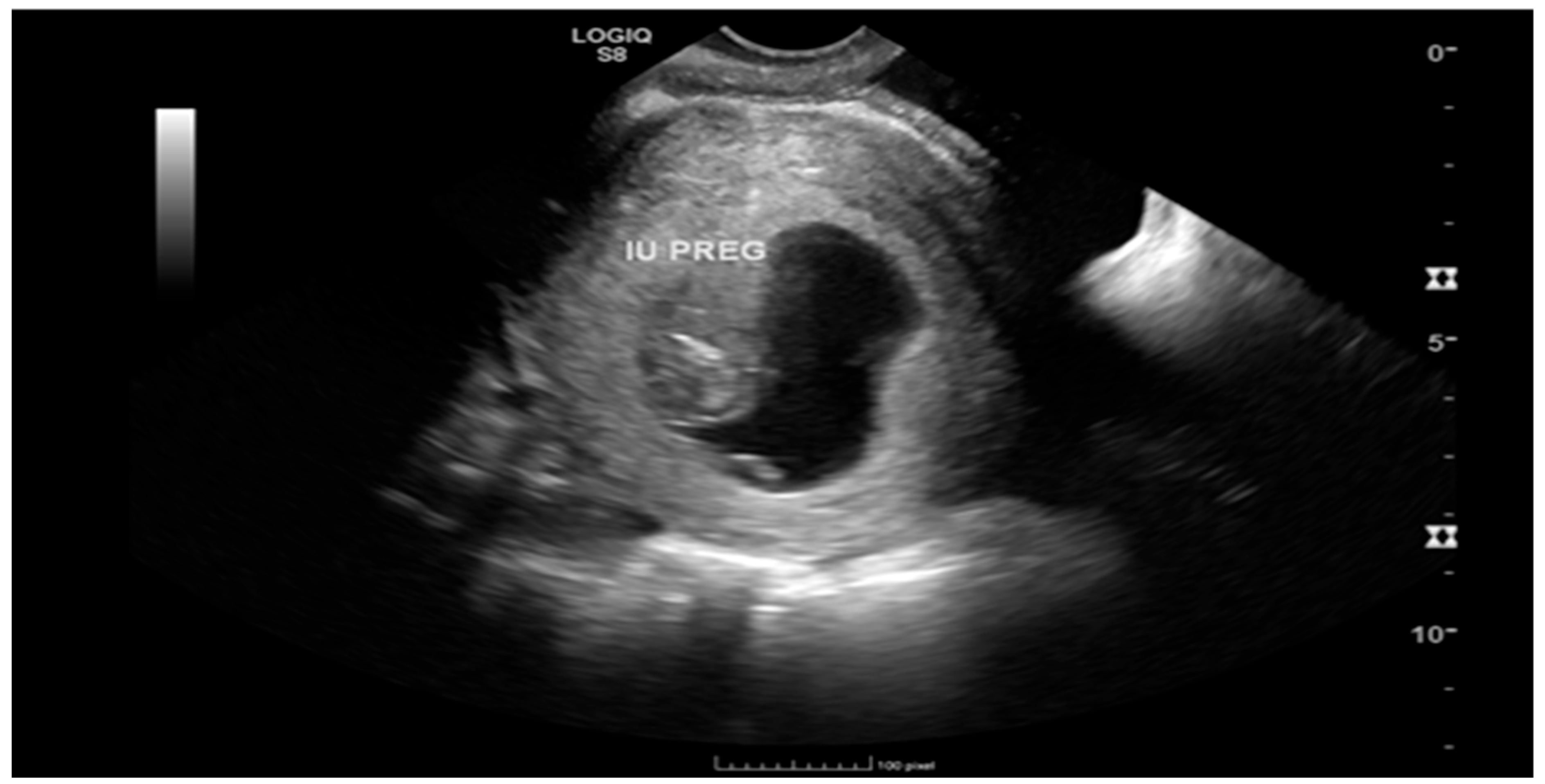
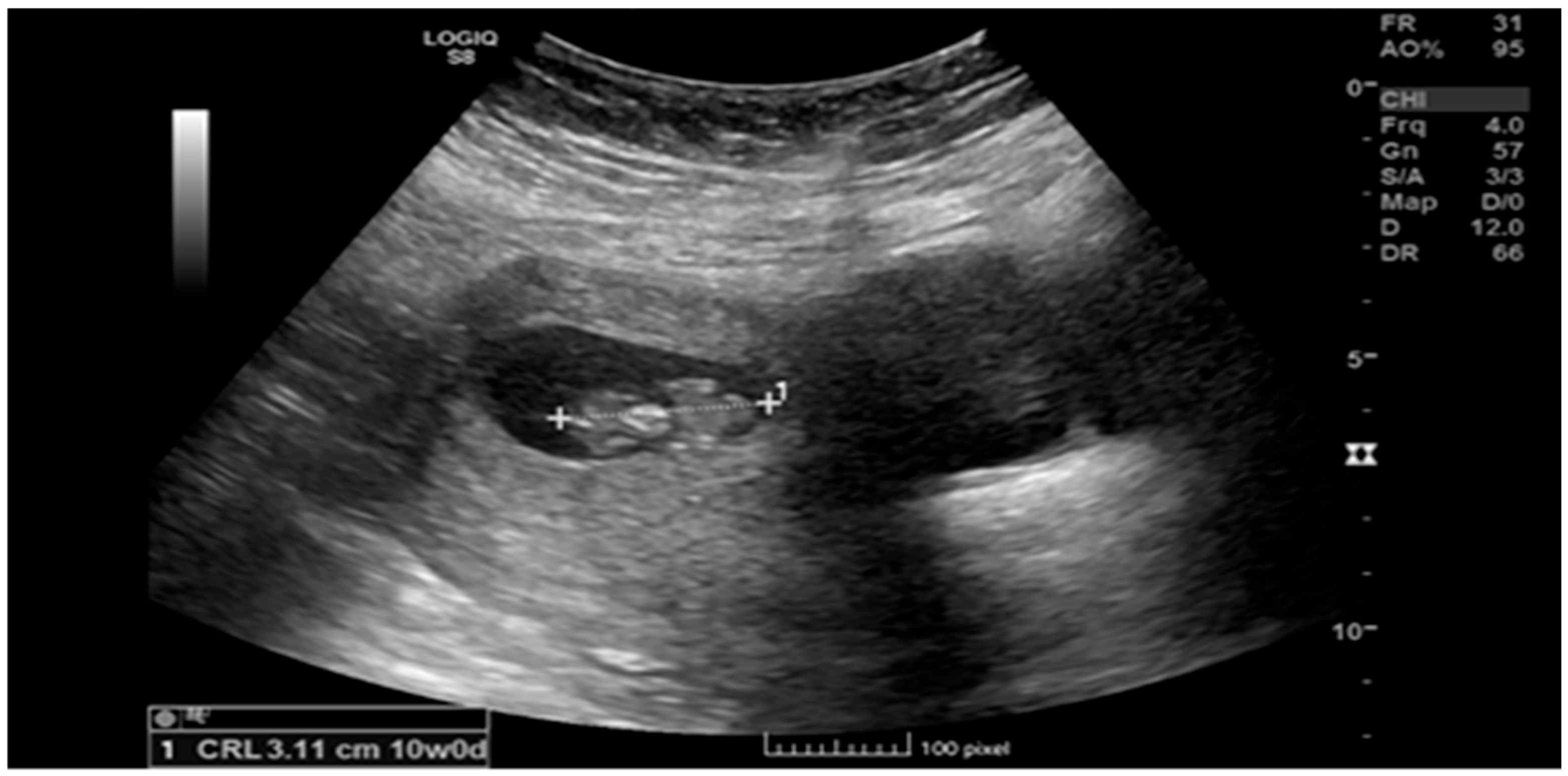
Initial point-of-care ultrasound (POCUS) in the emergency department revealed significant free fluid in the hepatorenal recess (Morison’s pouch) and the pelvis. Formal transvaginal ultrasonography on presentation demonstrated a viable intrauterine pregnancy with a crown–rump length (CRL) of 2.79 cm, corresponding to a gestational age of approximately 9 weeks and 4 days. Fetal heart rate was 167 bpm. A second, well-formed gestational sac containing a viable embryo (CRL 2.58 cm, fetal heart rate 162 bpm) was identified in the left adnexa, separate from the ovary. Free pelvic and subhepatic fluid with echogenic debris and organized clot were noted, with an estimated total hemoperitoneum volume exceeding 800 mL, consistent with acute hemorrhage. A diagnosis of heterotopic pregnancy with a ruptured left tubal ectopic component was made, and the patient was counseled and taken urgently to the operating theater. Ultrasound findings demonstrating concurrent intrauterine and left tubal ectopic pregnancies with associated hemoperitoneum are shown in
Figure 1,
Figure 2 and
Figure 3.
2.1. Diagnosis and Laboratory Findings
The primary diagnosis was heterotopic pregnancy with a viable intrauterine gestation and a ruptured left tubal ectopic pregnancy complicated by acute, massive hemoperitoneum. No drug allergies were recorded.
Laboratory evaluation and transfusion requirements reflected significant blood loss. The patient’s blood group was A positive. Admission hemoglobin was 11.2 g/dL. Postoperative hemoglobin measured on Day 1 was 7.8 g/dL; this subsequently decreased to 6.5 g/dL, prompting blood transfusion. Pretransfusion crossmatching confirmed AHG compatibility. The patient initially received two units of packed red blood cells, with a total of four units transfused over the first two postoperative days. Following transfusion, hemoglobin increased to 8.5 g/dL. Coagulation profile (PT, aPTT) and platelet count remained within normal limits throughout her admission.
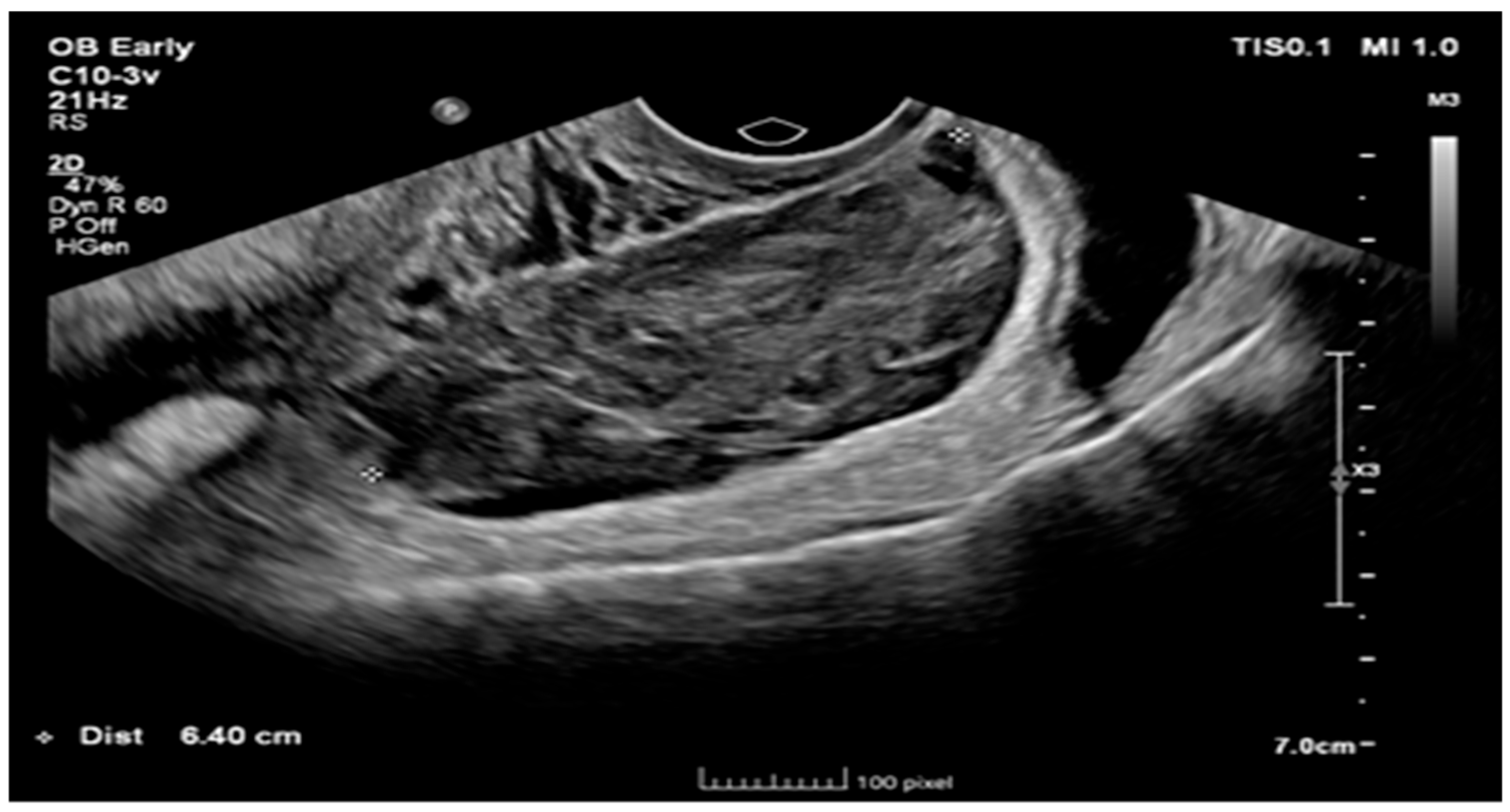
Radiologic findings were consistent with the clinical diagnosis. Preoperative transvaginal ultrasonography demonstrated a viable intrauterine pregnancy with a crown–rump length of 2.79 cm and a concurrent viable left adnexal ectopic pregnancy with a crown–rump length of 2.58 cm, accompanied by hemoperitoneum with organized clot. Early postoperative imaging revealed an organized cul-de-sac hematoma measuring 6.4 × 5.6 × 3.1 cm (estimated volume ~52 mL). Interval follow-up ultrasonography on postoperative day 7 demonstrated reduction of the pelvic hematoma to 43 × 27 mm (estimated volume ~16 mL) and confirmed persistence of a single viable intrauterine pregnancy with a crown–rump length of 31 mm, corresponding to a gestational age of approximately 10 weeks and 1 day.
No formal clinical scoring systems (e.g., Shock Index, Early Warning Scores) were documented in the clinical notes, though the patient’s presentation (hypotension, tachycardia) was consistent with Class II hemorrhagic shock according to Advanced Trauma Life Support (ATLS) classification.
Laboratory and transfusion findings are summarized in
Table 1.
2.2. Treatment/Management
The patient received preoperative resuscitation with two large-bore intravenous cannulas, along with analgesia which included a stat dose of intravenous paracetamol 1000 mg and a 1000 mL bolus of Ringer lactate. Urgent group and screen was performed, and 4 units of cross-matched blood were made available. She underwent urgent laparoscopy under general anesthesia. The procedure was performed with the patient in a dorsal lithotomy position, a Foley catheter in place, and pneumoperitoneum established via an infraumbilical Veress needle to 12–15 mmHg. Accessory 5 mm trocars were placed in both lower quadrants. A uterine manipulator was deliberately avoided, to minimize any risk to the intrauterine pregnancy.
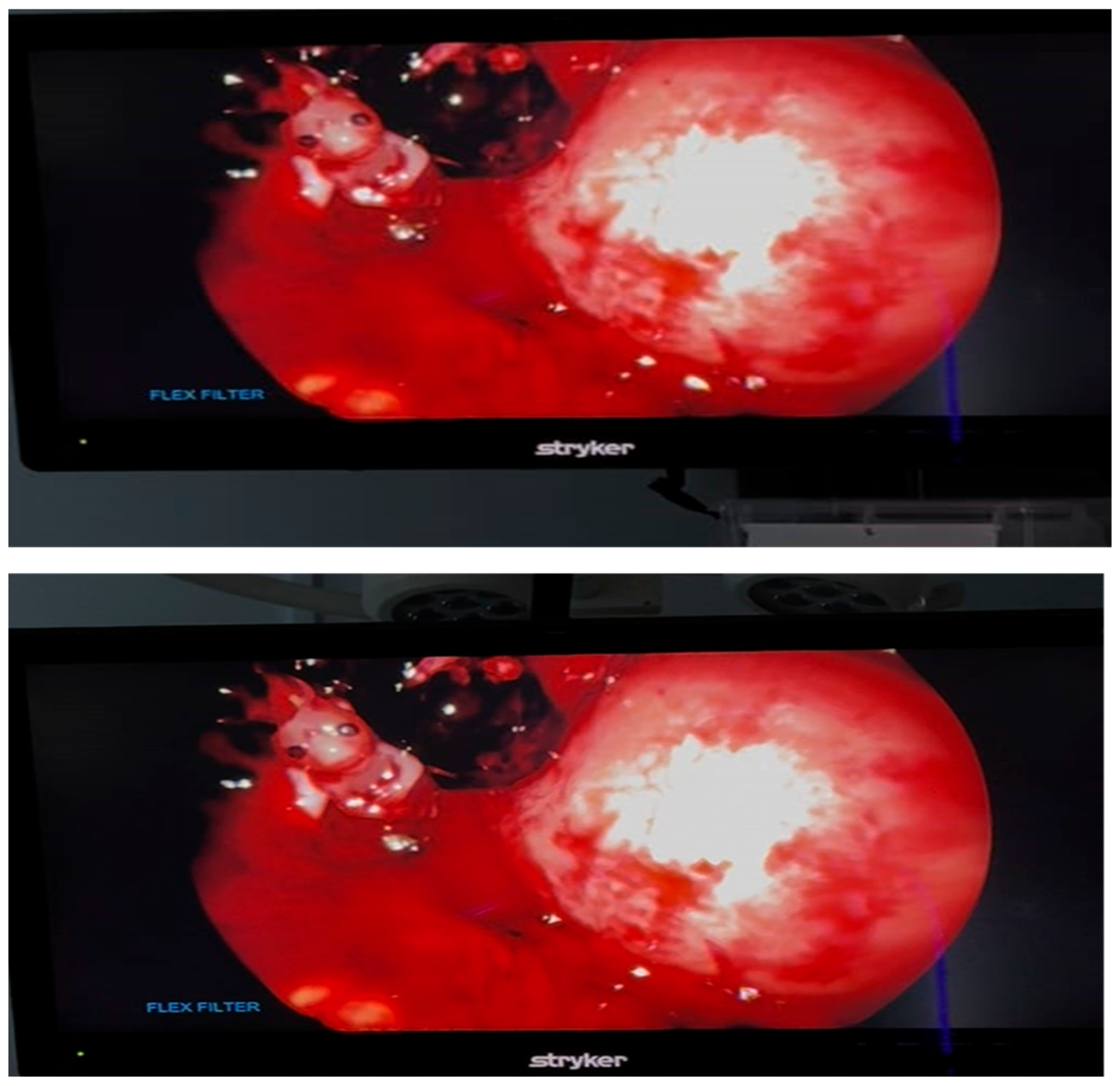
Operative findings included a normal uterus and right adnexa, with a ruptured left fallopian tube in the ampullary region containing expelled embryonic tissue and an estimated 1200 mL of intraperitoneal blood and clots. A laparoscopic left salpingectomy was performed using a combination of bipolar diathermy and ultrasonic energy. Hemostasis was thereby achieved, preserving the left ovary. The specimen was retrieved using an endobag through a 10 mm trocar and sent for histopathology. Meticulous suction-evacuation of blood and clots from the pelvic cavity, paracolic gutters, and subdiaphragmatic space was performed, and a closed-suction drain was placed in the left lower quadrant. Intraoperative laparoscopic findings are illustrated in
Figure 4.
Estimated intraoperative blood loss was 1200 mL. No intraoperative transfusion was required. Postoperatively, hemoglobin decreased to 6.5 g/dL, prompting a transfusion of four units of packed red blood cells. This was consistent with a restrictive transfusion strategy triggered by the symptomatic anemia and the significant drop in hemoglobin. After transfusion, hemoglobin rose to 8.5 g/dL. Analgesia (multimodal regimen including IV paracetamol and cautious NSAID use) and intravenous fluids were continued as per standard postoperative care, and all medications and monitoring were documented. Preoperative progesterone supplementation (Cyclogest and Duphaston) was continued postoperatively to support the intrauterine pregnancy. Histopathological examination of the resected tube confirmed products of conception and tubal rupture.
2.3. Follow-Up and Outcome
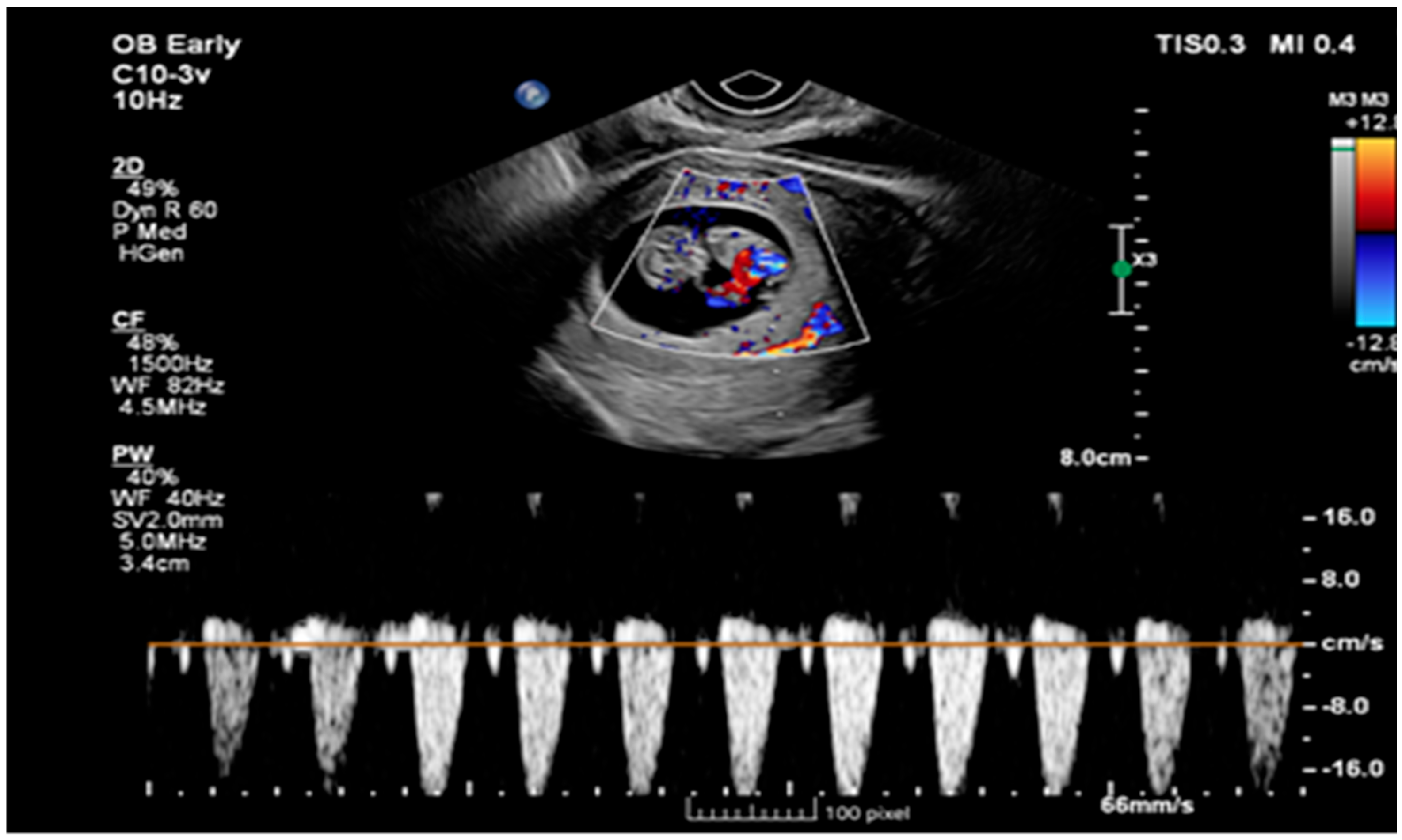
Early postoperative ultrasonography confirmed a single viable intrauterine pregnancy with regular fetal heart activity and a crown–rump length consistent with 10 weeks of gestation. The initial cul-de-sac hematoma measured 6.4 × 5.6 × 3.1 cm, which reduced to 43 × 27 mm on interval imaging one week later, with minimal residual free fluid. The patient remained hemodynamically stable, her pain improved, and she tolerated oral intake and mobilization. She was discharged on postoperative day 3 in stable condition. The patient continued routine antenatal care and subsequently delivered a healthy, live-born infant at term. The intrauterine pregnancy remained viable on serial follow-up through the first trimester, and the drain was removed on postoperative day 2 after output declined to less than 30 mL/24 h. Serial postoperative ultrasound images confirming ongoing intrauterine pregnancy viability are shown in
Figure 5,
Figure 6,
Figure 7,
Figure 8 and
Figure 9.
3. Discussion
This case demonstrates successful laparoscopic management of a ruptured tubal ectopic component of a heterotopic pregnancy with preservation of intrauterine gestation and a subsequent live birth at term. Key elements included rapid diagnosis via a combination of POCUS and formal transvaginal ultrasound, urgent surgical intervention, thorough evacuation of hemoperitoneum, and transfusion support guided by serial hemoglobin monitoring.
The diagnostic challenge in HP is profound. The absence of an ultrasound at the initial emergency visit, when the symptoms were non-specific, highlights a potential diagnostic pitfall. In retrospect, this was a missed opportunity for early diagnosis, as an ultrasound might have identified the heterotopic pregnancy before rupture. In the era of high-resolution transvaginal ultrasound, the sensitivity for detecting a concurrent ectopic pregnancy in the presence of an intrauterine gestation is reported to be 56–93% [
9,
13]. The recent literature emphasizes the importance of systematic sonographic evaluation. For instance, Cai et al. highlight the diagnostic complexity of atypical ectopic pregnancies, such as intramural cases, which require meticulous scanning even in the presence of an intrauterine gestation [
15]. Furthermore, Pape et al. have validated the predictive value of specific ultrasound criteria (like the “sliding sign” and endometrial thickness) in identifying ectopic pregnancies, confirming that a structured approach can improve diagnostic accuracy, particularly in complex presentations like heterotopic pregnancy [
16,
17]. This underscores the necessity for a systematic scanning protocol in high-risk patients or those with suggestive symptoms. Our patient’s initial presentation with mild pain highlights how non-specific early symptoms can be, delaying diagnosis until rupture occurs. The presence of risk factors like prior pelvic surgery (cesarean section) and, possibly, progestogen supplementation, which can mask pain, may have contributed to this delay [
11].
Surgical management is the definitive treatment for ruptured HP. Laparoscopic salpingectomy, as performed here, is the procedure of choice in hemodynamically stable patients, associated with less blood loss, lower analgesic requirements, and shorter hospital stays compared to laparotomy [
7,
10]. A critical technical point for surgeons is avoidance of a uterine manipulator, to protect the intrauterine pregnancy. This precaution was strictly observed in the present case. The decision for salpingectomy over salpingostomy is supported by the need for definitive hemostasis in a ruptured tube and also by the need to eliminate the risk of persistent trophoblastic disease, which complicates 3–20% of conservatively managed ectopics [
8]. In our case, the extensive tubal damage necessitated salpingectomy.
Maternal resuscitation is a critical pillar of management [
14]. Our patient’s hemoglobin dropped by approximately 4.7 g/dL, reflecting significant blood loss. The timely transfusion of 4 units of PRBCs aligns with current guidelines for massive obstetric hemorrhage, and was crucial in correcting hypovolemic shock and ensuring adequate uteroplacental perfusion [
2,
5]. The decision to transfuse post-operatively, rather than intra-operatively, was guided by a restrictive strategy, so that blood was administered only when hemoglobin fell to 6.5 g/dL in the symptomatic patient. The use of a closed-suction drain, although debated, was beneficial in monitoring postoperative bleeding and facilitating hematoma evacuation in this case.
Fetal outcomes following surgical management of HP are encouraging. Large series report ongoing intrauterine pregnancy rates of 66–75% and live birth rates of 50–70% after laparoscopic surgery [
3,
4,
9]. Factors favoring continuation include early gestational age at intervention (<8 weeks), minimal intraoperative uterine manipulation, and avoidance of significant maternal hypotension [
6,
12]. Our case adds to this evidence, demonstrating a favorable outcome with intervention at approximately 9 weeks’ gestation and culmination in a term live birth.
This case also highlights important considerations for future fertility. While the patient retains her right tube and both ovaries, the loss of one tube may impact future natural conception. However, studies show that subsequent spontaneous intrauterine pregnancy rates after salpingectomy for ectopic pregnancy remain around 60% [
8]. A successful continuation of the index pregnancy to term would be the optimal outcome, but long-term follow-up regarding future reproductive plans would be beneficial.
Limitations of this report include its consideration of a single case only, the lack of serial beta-hCG measurements (though these were not clinically necessary here), and the fact that the final outcome was obtained through follow-up communication rather than continuous in-house care.