


Abstract
Cardiovascular disease is traditionally interpreted through macrocirculatory parameters such as cardiac output, vascular resistance, and epicardial coronary anatomy. However, clinical outcomes frequently diverge from predictions based solely on these indices, particularly in syndromes such as heart failure with preserved ejection fraction (HFpEF), cardiogenic shock, and sepsis-associated myocardial dysfunction. Increasing evidence suggests that the integrity of the microvascular–immune interface plays a central role in determining tissue perfusion and cardiovascular resilience. This review proposes a staged framework of cardiovascular decompensation centered on progressive failure of this interface. In Stage 1, chronic cardiometabolic and inflammatory stress produces a primed but compensated microvascular state characterized by endothelial activation, glycocalyx vulnerability, pericyte remodeling, platelet sensitization, and reduced lymphatic reserve. Perfusion is preserved at rest, but vasodilatory reserve and microvascular stability are reduced, narrowing the effective perfusion window under physiologic stress. In Stage 2, acute insults such as infection, ischemia, or neurohumoral activation precipitate threshold instability within the microcirculation. Perfusion becomes governed by the arterial pressure–critical closing pressure (Pa − Pcrit) relationship rather than traditional arterial–venous gradients. As this window narrows, segmental capillary derecruitment and heterogeneous flow emerge, producing loss of hemodynamic coherence in which systemic blood pressure and cardiac output may appear preserved despite impaired tissue perfusion. In Stage 3, inflammatory amplification and immunothrombotic processes consolidate microvascular dysfunction. Pericyte contraction, endothelial injury, cytokine escalation, and neutrophil extracellular trap formation promote platelet–fibrin deposition and capillary obstruction, transforming reversible conductance failure into structural microvascular impairment. This framework provides a unifying physiologic lens for diverse cardiovascular syndromes, including Type 2 myocardial infarction, HFpEF decompensation, and cardiogenic shock. It also suggests that therapeutic efficacy may depend less on macrocirculatory normalization alone and more on preserving microvascular integrity before immunothrombotic consolidation occurs. Although this model remains hypothesis-generating, it highlights the microvascular–immune interface as a central determinant of cardiovascular stability and a potential target for future precision hemodynamic and immunomodulatory strategies.
1. Introduction
Cardiovascular disease has traditionally been conceptualized through the lenses of hemodynamics, myocardial structure, lipidology, and epicardial coronary pathology. Yet across a broad spectrum of clinical syndromes, ranging from heart failure with preserved ejection fraction (HFpEF) and cardiogenic shock to sepsis-associated myocardial dysfunction, outcomes often diverge sharply from what macroscopic anatomy or resting hemodynamics would predict. This discrepancy has led to a growing recognition that cardiovascular performance is heavily influenced by the integrity of the microvascular-immune interface, which regulates tissue perfusion dynamics, capillary-venular pressure/flow coupling, and is highly sensitive to inflammatory tone [1,2].
Chronic cardiometabolic conditions such as obesity, hypertension, diabetes, and chronic kidney disease are understood to exert their deleterious cardiovascular effects in part through sustained immune activation and endothelial dysfunction [3]. At the level of the microcirculation, low-grade inflammation progressively alters endothelial barrier properties, disrupts mechano-transduction, and reshapes cellular crosstalk within the capillary niche. Over time, this inflammatory priming renders the cardiovascular system vulnerable to acute insults, such as infection, ischemia, or volume stress, thereby precipitating disproportionate clinical decompensation [4,5].
Recent experimental and clinical evidence has further expanded this paradigm in discussing the active roles of non-myocyte, non-endothelial cells in cardiovascular disease. Pericytes, long regarded as passive structural supports, have emerged as dynamic regulators of capillary stability, endothelial phenotype, and immune responsiveness. Parallel insights into lymphatic dysfunction have reframed intravascular and tissue congestion as consequences not merely of elevated filling pressures, but of impaired microvascular–interstitial–lymphatic coupling [6].
Congestion itself is increasingly recognized as a dynamic continuum rather than a static elevation in filling pressures, with residual congestion frequently persisting at discharge and manifesting in distinct intravascular, tissue, or combined phenotypes, each associated with differential diuretic responsiveness and mortality risk. This further suggests the need to interpret congestion through a microvascular–immune lens rather than solely through pressure.
Together, these observations compel a shift away from reductionist models of cardiovascular disease toward an integrated framework in which immune regulation and microvascular integrity are central determinants of morbidity and mortality.
In this review, we propose that cardiovascular decompensation follows a staged progression of microvascular-immune failure. Outcomes are determined less by the initial insult than by whether interventions are applied before the transition from a reversible state of microvascular stress to irreversible immuno-thrombotic collapse.
2. Literature Review
2.1. Stage 1: The Primed Microvascular–Immune Unit
2.1.1. The Microvascular–Immune Unit in Cardiovascular Disease
The microcirculation is a highly regulated vascular–immune interface composed of arterioles, capillaries, and venules that coordinates oxygen delivery, endothelial signaling, and inflammatory surveillance. In cardiovascular disease, the resilience of this interface determines whether hemodynamic stress is accommodated or propagated into tissue injury. When destabilized, microvascular failure can produce clinical decompensation despite preserved macroscopic anatomy or resting hemodynamics [2].
Within this microcirculatory network resides the microvascular–immune unit: an integrated functional ensemble composed of the intraluminal endothelial layer and its superimposed glycocalyx, the abluminal pericyte sheath, circulating immune and platelet elements, and the adjacent interstitial–lymphatic network. Together, they regulate capillary conductance, barrier integrity, and immune–vascular signaling, thereby preserving continuity of flow across the macro-to-micro transition and within the microcirculation itself. The stability of this unit underlies tissue homeostasis under both basal conditions and physiological stress.
Chronic activation of innate immune pathways, via inflammasome signaling and persistent cytokine release, drives endothelial priming, lowering the activation threshold for barrier dysfunction and thrombo-inflammatory signaling during subsequent stress [7]. The endothelial glycocalyx is a mechanosensitive surface layer that regulates nitric oxide signaling, barrier permeability, and intercellular communication. Physiologic shear maintains its structure and vascular quiescence, whereas sustained inflammatory or disturbed flow states promote enzymatic shedding and surface destabilization. Even partial glycocalyx erosion enhances endothelial adhesiveness and permeability, lowering the threshold for leukocyte recruitment and thrombo-inflammatory activation. Glycocalyx integrity therefore functions as a critical determinant of microvascular resilience in cardiovascular disease.
Collectively, these processes do not produce immediate failure but reconfigure the microvascular–immune unit into a sensitized state. Persistent inflammatory and hemodynamic signaling remodel endothelial phenotype, alter pericyte behavior, and subtly shift microvascular tone, creating a circulation that remains functionally intact at rest yet increasingly reactive to secondary stress [8].
Persistent inflammatory signaling reprograms endothelial and pericyte phenotypes and establishes durable innate immune memory through epigenetic modification of hematopoietic progenitors, biasing systemic immunity toward a pro-inflammatory state [9]. As a result, normalization of macrocirculatory parameters alone may fail to restore microvascular homeostasis, explaining the frequent dissociation between stable hemodynamics and persistent tissue hypoperfusion observed in heart failure and shock [10]. The proposed structural and cellular features of this primed but compensated microvascular–immune state are illustrated in Figure 1.
Figure 1.
The Primed Microvascular–Immune Unit. Panel (A) illustrates the homeostatic microvascular–immune interface, characterized by intact endothelial signaling, preserved glycocalyx structure, stable pericyte attachment, minimal leukocyte–platelet interaction, and functional lymphatic drainage. Under these conditions, the effective microvascular driving pressure (Pa − Pcrit) is stable, and perfusion is preserved with adequate microvascular reserve. Panel (B) depicts chronic inflammatory priming. Subtle glycocalyx thinning, endothelial activation, altered pericyte phenotype, platelet sensitization, and reduced lymphatic clearance coexist with preserved baseline perfusion. Although capillary conductance remains intact at rest, baseline vascular tone is modestly elevated (Pcrit increased but still < Pa), reducing reserve and lowering the threshold for subsequent instability. Abbreviations: Pa, arterial pressure; Pcrit, critical closing pressure.
2.1.2. Structural Components of Microvascular Vulnerability
Endothelial Surface: Baseline Vulnerability
Endothelial cells function as the principal immunologic and mechanical sensors of the circulation. Beyond serving as a passive barrier, they regulate leukocyte trafficking, platelet adhesion, nitric oxide bioavailability, and shear-dependent signaling [11].
These functions are critically modulated by the endothelial surface layer, whose glycocalyx governs mechanotransduction and limits inappropriate cellular adhesion. In addition, the glycocalyx contributes to maintenance of the intravascular oncotic gradient, thereby influencing transvascular fluid exchange [12]. Degradation of this surface layer through chronic inflammatory signaling or injury alters endothelial phenotype, increasing permeability, enhancing leukocyte adhesion, and promoting a procoagulant state [13].
Pericyte Remodeling: Chronic Sensitization
Pericytes constitute a second, often underappreciated pillar of the microvascular–immune unit. Positioned abluminally along capillaries, they regulate endothelial stability, capillary diameter, and flow distribution. Experimental models demonstrate that pericyte dysfunction precedes overt diastolic impairment and promotes endothelial activation, junctional disorganization, and microvascular rarefaction [14]. Under chronic inflammatory stress, pericytes undergo phenotypic reprogramming and adopt a pro-inflammatory profile that sensitizes adjacent endothelial cells to otherwise subthreshold stimuli. This shift amplifies local immune signaling and lowers the threshold for leukocyte recruitment within the microvascular niche [15,16].
Lymphatic Reserve: Impaired Clearance Capacity
The lymphatic system forms a parallel vascular network responsible for interstitial fluid clearance and immune trafficking. By facilitating the removal of excess fluid, macromolecules, and immune cells, it serves as the principal regulator of tissue edema and inflammatory resolution. Within the heart, lymphatic drainage is tightly coupled to cardiac mechanics. Unlike peripheral collecting lymphatics, cardiac lymphatic vessels lack intrinsic smooth muscle and depend largely on myocardial contraction for propulsion. Consequently, lymphatic clearance is highly sensitive to changes in filling pressures, contractile function, and venous congestion. Even modest impairment of this clearance capacity promotes interstitial fluid accumulation, which can depress myocardial performance and impair microvascular oxygen delivery. In chronic cardiometabolic disease, lymphangiogenic signaling is often blunted, limiting adaptive remodeling and creating reduced clearance reserve even before overt congestion becomes clinically apparent [17].
Cardiometabolic disease and sustained inflammation blunt adaptive lymphangiogenic responses, limiting expansion and remodeling of the lymphatic network in the face of persistent capillary filtration. The result is relative clearance insufficiency: interstitial fluid, cytokines, and immune cells accumulate, sustaining a pro-inflammatory microenvironment that reinforces endothelial and pericyte activation [17].
The heart’s unique lymphatic anatomy, dependent on myocardial contraction for lymph propulsion, renders it particularly vulnerable in HFpEF, where diastolic dysfunction and elevated filling pressures simultaneously increase capillary filtration and impair drainage. This insufficiency not only contributes to congestion but sustains local inflammation by limiting immune cell egress and antigen clearance [6,18]. This lymphatic insufficiency not only exacerbates volume-related symptoms but sustains local inflammation by limiting immune cell egress and antigen clearance.
Circulating Elements: Lowered Activation Threshold
Platelets function as rapid-response immune modulators at the microvascular interface. Beyond hemostasis, they express pattern-recognition receptors and respond to endothelial stress and inflammatory mediators. In the primed state, platelets exhibit lowered activation thresholds, promoting adhesion, microaggregate formation, and localized release of pro-inflammatory and pro-thrombotic mediators. This positions them as amplifiers of microvascular inflammation and lowers the threshold for thrombo-inflammatory escalation during acute stress [19]. Chronic priming similarly sensitizes neutrophils, predisposing to exaggerated inflammatory responses such as neutrophil extracellular trap formation under acute stress. These interactions further destabilize endothelial–pericyte crosstalk and prime the microvasculature for thrombo-inflammatory amplification [20].
These structural elements are integrated in Figure 1, which contrasts the homeostatic microvascular–immune unit with the primed but compensated state that precedes overt microvascular failure.
2.1.3. Hemodynamic and Clinical Conditioning
Hemodynamic Vulnerability
Chronic priming does not initially produce flow cessation, but it narrows the safety margin sustaining microvascular conductance. Microvascular perfusion depends on the pressure gradient between arterioles and post-capillary venules. Persistent inflammatory tone, oxidative stress, and rising venous pressures subtly reduce this effective driving gradient while increasing forces opposing capillary patency. Although arterioles remain open at rest, the buffer protecting stable flow is progressively eroded. The circulation may appear hemodynamically adequate, yet it operates closer to the threshold at which regional perfusion becomes unstable.
Clinical Drivers
The biological vulnerability described above is not theoretical; it is continuously reinforced by the clinical milieu of contemporary cardiovascular disease. Chronic inflammatory states reshape endothelial behavior, microvascular architecture, and immune responsiveness long before overt decompensation becomes apparent [21].
Cardiometabolic disorders, including obesity, insulin resistance, hypertension, diabetes, and chronic kidney disease, function as systemic inflammatory states rather than isolated metabolic derangements. Adipose dysfunction, oxidative stress, neurohormonal activation, and uremic toxins sustain low-grade innate immune activation, perpetuating endothelial stress even in clinically “stable” patients [5,22,23].
Heart failure with preserved ejection fraction exemplifies the clinical consequences of this chronic priming. Rather than arising from isolated myocardial injury, HFpEF reflects sustained endothelial inflammation and microvascular dysfunction driven by cardiometabolic comorbidities. Autopsy, imaging, and peripheral tissue studies consistently demonstrate capillary rarefaction, impaired vasodilator reserve, and systemic microvascular involvement, supporting the view of HFpEF as a multisystem microvascular disease rather than a purely myocardial disorder. Atherosclerosis similarly reflects cumulative endothelial conditioning over years, with plaque rupture representing a late manifestation of chronically dysregulated immune–vascular interactions [4,6].
Atherosclerosis similarly reflects the cumulative impact of chronic inflammatory conditioning. While plaque rupture and thrombosis define acute coronary syndromes, the vascular substrate upon which these events occur is shaped over years by endothelial activation, impaired shear sensing, and maladaptive immune–vascular interactions [24].
An increasingly important contributor to chronic inflammatory priming is gut dysbiosis. In cardiometabolic disease and chronic heart failure, venous congestion, intestinal edema, and impaired barrier integrity facilitate translocation of microbial products into the circulation. This low-grade endotoxemia does not typically produce overt sepsis, yet it sustains tonic activation of innate immune pathways and endothelial cells, reinforcing systemic inflammation even in the absence of acute infection.
Gut–Vascular Axis
Venous congestion fills splanchnic capacitance; once exhausted, filling pressures rise sharply [25]. The resulting low-flow state drives enterocyte hypoxia, barrier failure, and endotoxin translocation, sustaining systemic vasodilation, cytokine release, and cardiomyocyte dysfunction [26]. Visceral edema then compounds lymphatic failure and endothelial activation, lowering the threshold for decompensation [10,27] with gut dysbiosis potentially perpetuating chronic microvascular priming.
Conditioning for Failure
Pericytes are particularly vulnerable to chronic inflammatory stress. Sustained cytokine exposure and oxidative injury promote detachment and phenotypic shift, reducing capillary stability and contributing to microvascular rarefaction. Loss of pericyte support increases diffusion distances, impairs perfusion reserve, and sensitizes the microvascular bed to further inflammatory activation; findings consistently observed in HFpEF and chronic ischemic syndromes [14,25].
The central insight emerging from these observations is that chronic inflammation does not directly precipitate thrombosis or acute cardiovascular collapse. Rather, it conditions the vascular bed for failure. Through progressive erosion of endothelial surface integrity, impairment of shear-dependent signaling, destabilization of pericyte–endothelial interactions, and reduction of lymphatic reserve, chronic inflammatory priming establishes a fragile microvascular equilibrium poised for destabilization.
In this sensitized state, otherwise tolerable insults, modest infection, transient ischemia, or volume shifts can provoke disproportionate endothelial injury, immune amplification, and regional perfusion instability. Thrombosis and immunothrombotic consolidation thus represent downstream manifestations of a long-standing conditioning process rather than isolated acute events.
Recognizing chronic priming as a preparatory phase of cardiovascular disease reframes both risk stratification and therapeutic timing. Interventions directed solely at late-stage hemodynamic abnormalities may fail if the underlying microvascular substrate has already been compromised. Preserving microvascular–immune integrity before threshold destabilization occurs represents a critical and underutilized opportunity in cardiovascular care. Functionally, this chronic inflammatory priming may modestly elevate baseline vascular tone and reduce endothelial-dependent vasodilatory reserve, narrowing the effective Pa − Pcrit window under stress while preserving resting perfusion, as illustrated in Figure 1.
Although no validated biomarker panel currently identifies compensated microvascular priming, emerging data suggest that sustained low-grade inflammation (e.g., elevated high-sensitivity C-reactive protein, interleukin-6) and subclinical glycocalyx shedding (mildly elevated syndecan-1) can be detected in patients with cardiometabolic disease before overt heart failure develops [3,5,13]. Whether these markers signal imminent threshold instability remains speculative and requires prospective study.
As summarized in Figure 1B, Stage 1 represents a state of reduced reserve, in which endothelial activation, glycocalyx vulnerability, pericyte remodeling, and impaired lymphatic clearance lower the threshold for Stage 2 instability.
2.2. Stage 2: The Acute Tipping Point—Loss of Microvascular Control
2.2.1. Established Physiology: The Arterial Waterfall and Critical Closing Pressure
Before considering the classical description, a simple analogy may help: in the smallest resistance vessels, flow ceases when the pressure inside the vessel falls below a critical threshold, much like a collapsible tube. Perfusion of downstream capillaries therefore depends on the difference between upstream arterial pressure and this critical closing pressure (Pcrit), rather than on the difference between arterial and venous pressures alone [26,27,28]. This “waterfall” phenomenon has been demonstrated in a range of experimental preparations and forms the basis for interpreting microvascular conductance in shock states, though its direct bedside measurement in human disease remains an area of active investigation [26,28,29]. Figure 2 translates this arterial waterfall physiology into the proposed Stage 2 sequence, moving from preserved microvascular reserve to threshold narrowing and finally to heterogeneous capillary dropout.
Figure 2.
Threshold Instability and Collapse of the Arterial Waterfall. Panel (A) represents the physiologic state in which arterial pressure (Pa) exceeds critical closing pressure (Pcrit), and Pcrit remains above mean systemic filling pressure (Pmsf), preserving a functional arterial waterfall. Microvascular driving pressure (Pa − Pcrit) is adequate, and hemodynamic coherence is intact. Panel (B) illustrates threshold narrowing. Reductions in Pa and/or elevations in effective closing pressure progressively narrow the Pa − Pcrit gradient, reducing microvascular reserve while perfusion remains partially preserved. Panel (C) depicts threshold collapse and amplification. As Pa approaches Pcrit, segmental capillary dropout occurs. Increased interstitial pressure and effective closing thresholds further narrow the perfusion window. Microvascular conductance becomes heterogeneous, resulting in loss of hemodynamic coherence, wherein macrocirculatory normalization may coexist with misleading SvO2 values and widening venous–arterial CO2 gradients (ΔPCO2). Abbreviations: Pa, arterial pressure; Pcrit, critical closing pressure; Pmsf, mean systemic filling pressure; SvO2, mixed venous oxygen saturation.
Under resting conditions, microvascular perfusion is classically described as being driven by the gradient between arteriolar inflow pressure and post-capillary venular pressure. However, small resistance vessels behave as collapsible conduits; their patency depends on the difference between intraluminal pressure and a critical closing pressure (Pcrit) generated by vascular smooth muscle tone and surrounding tissue forces. Consequently, once Pcrit exceeds venular pressure, the effective microvascular driving pressure is better represented by the difference between arterial pressure (Pa) and Pcrit (Pa − Pcrit). This “waterfall” phenomenon means that flow becomes governed by the gradient across the arteriolar segment rather than by venular back-pressure alone [30].
In the healthy circulation, Pa is substantially higher than Pcrit, ensuring a robust driving gradient and stable capillary recruitment. Pcrit itself is dynamic, modulated by neurohumoral tone, local metabolic factors, and endothelial function, but it normally remains well below Pa across a range of physiological conditions [10].
2.2.2. Effects of Acute Stressors on Microvascular Parameters
Under physiologic conditions, capillary perfusion is sustained by the microcirculatory driving pressure, defined as the gradient between arteriolar inflow pressure and post-capillary venular pressure [29].
Acute cardiovascular insults: infection, ischemia, hemorrhage, or neurohumoral surges can erode the Pa − Pcrit gradient from both sides. On the inflow side, systemic vasodilation or reduced cardiac output may lower Pa. On the outflow side, venous congestion, interstitial edema, and vasoconstrictor hyper-responsiveness can elevate Pcrit. Inflammatory mediators, catecholamines, and oxidative stress all contribute to a rise in effective closing pressure, while endothelial dysfunction impairs shear-dependent vasodilation that normally helps maintain microvascular patency [11,12,30].
Importantly, these changes can occur while macrocirculatory indices (e.g., mean arterial pressure, cardiac output) remain within normal ranges. The microcirculation therefore becomes vulnerable to instability before systemic hypotension is evident.
The progressive narrowing and collapse of the arterial waterfall are schematically depicted in Figure 2, which we hypothesize as the second stage of microvascular failure.
In this framework, microvascular failure represents the collapse of the arterial waterfall: perfusion becomes discontinuous, spatially heterogeneous, and increasingly dissociated from macrocirculatory indices.
2.2.3. Threshold Instability: A Framework Interpretation
Within the conceptual framework proposed here, the narrowing of the Pa − Pcrit gradient represents a transition from compensated microvascular reserve to threshold instability. As Pa declines or Pcrit rises, some capillary territories approach the point where Pa becomes only marginally greater than Pcrit. Flow in those territories becomes intermittent, and when Pa falls below Pcrit, complete segmental collapse occurs.
Importantly, collapse is uneven, with patchy capillary derecruitment leading to a heterogeneous flow distribution, areas with good perfusion neighboring non-perfused capillaries. This spatial variability results in a loss of hemodynamic coherence, meaning systemic hemodynamics do not consistently indicate tissue oxygenation levels. Consequently, mixed venous oxygen saturation can remain normal or even increase because oxygen extraction is hindered by a reduced perfused capillary surface area. Likewise, the venous–arterial carbon dioxide gap (ΔPCO2) may widen due to stagnant regions that fail to effectively remove CO2 [10,29,30].
This heterogeneity impairs oxygen extraction efficiency. Regions of low or absent flow coexist with hyperperfused areas, producing regional tissue hypoxia despite preserved systemic indices. Such dissociation between macro-hemodynamics and capillary-level perfusion constitutes loss of hemodynamic coherence [30].
In practice, the transition from Stage 1 to Stage 2 may be suspected when bedside or laboratory markers first indicate perfusion heterogeneity despite a preserved mean arterial pressure. A widening venous-to-arterial carbon dioxide gap (ΔPCO2 > 6 mmHg) in the setting of normal or elevated mixed venous oxygen saturation (SvO2 > 70%) suggests impaired CO2 washout and ineffective capillary recruitment [31]. Similarly, a reduction in sublingual perfused vessel density (PVD) or the proportion of perfused vessels (PPV) on incident-dark-field microscopy, even when systemic pressures are ‘acceptable’, signals early loss of microvascular coherence [27,32]. These patterns remain investigational, and no universal threshold has been adopted, but they provide a plausible physiological signature of incipient microvascular instability.
As shown in Figure 2C, segmental dropout produces spatially heterogeneous perfusion and loss of hemodynamic coherence.
At this stage, tissue hypoxia may coexist with preserved or even elevated mixed venous oxygen saturation, reflecting impaired oxygen extraction rather than inadequate global delivery. Microvascular collapse thus precedes overt systemic hypotension and may remain occult unless specifically assessed.
2.2.4. Barrier Failure and Fluid Geometry
When the endothelial surface layer is also compromised, the revised Starling principle teaches us that capillaries behave as pressure-dependent filters; fluid resuscitation intended to raise Pa may instead drive excess filtration into the interstitium. The resulting interstitial edema further elevates extravascular compressive forces, raising Pcrit and perpetuating capillary collapse [12].
When this layer is compromised under inflammatory stress, capillaries behave as pressure-driven filters. Increases in hydrostatic pressure no longer meaningfully expand effective intravascular volume but instead disproportionately drive fluid into the interstitium. The resulting edema widens diffusion distances and mechanically compresses surrounding capillaries, compounding convection failure with diffusion impairment [11]. Patients may therefore be simultaneously congested and hypoperfused.
2.2.5. Lymphatic Overload and Congestive Amplification
During acute endothelial barrier failure, the sudden increase in capillary filtration rapidly overwhelms lymphatic reserve, particularly in patients with preexisting lymphatic impairment, such as those with HFpEF or chronic venous congestion. The resulting interstitial fluid accumulation amplifies tissue edema, sustains local inflammation, and prolongs microvascular dysfunction. Thus, congestion in acute cardiovascular illness should be viewed not solely as a hemodynamic phenomenon, but as a failure of coordinated microvascular–interstitial–lymphatic coupling [6,18].
Interstitial fluid accumulation increases tissue hydrostatic pressure, mechanically compresses vulnerable capillaries, and sustains inflammatory signaling, thereby amplifying both convection and diffusion failure [17].
Clinically, two distinct congestion phenotypes warrant differentiation. Intravascular congestion reflects elevated venous pressure that narrows the arteriolar–venular driving gradient, whereas tissue congestion reflects impaired interstitial clearance and edema accumulation.
2.2.6. Clinical Recognition of Microvascular Instability
Microvascular recovery frequently lags behind macrocirculatory normalization. Sublingual microvideoscopy demonstrates persistent impairment in microvascular density and flow in severe heart failure and cardiogenic shock, particularly among non-survivors [32,33]. Device-based augmentation does not consistently restore microcirculation: intra-aortic balloon pump therapy has not reliably improved microvascular parameters [26], raising MAP with norepinephrine does not necessarily improve sublingual perfusion [27], and in VA-ECMO-supported shock, failure to restore microcirculatory indices within 24 h predicts mortality despite acceptable macro-hemodynamics [32].
The resulting fluid load exceeds the lymphatic transport capacity, leading to lymphatic overload and sustained congestion, which in turn exacerbates inflammation, edema, and cardiac dysfunction [17]. The Venous Excess Ultrasound (VExUS) score provides a non-invasive means of detecting this congestion, with higher grades correlating with adverse outcomes [34], but cannot directly assess capillary recruitment.
These findings support a bedside strategy that integrates global hemodynamics with perfusion surrogates, capillary refill time, mottling, lactate kinetics, Mixed venous oxygen saturation (SvO2) patterns, and, where feasible, direct microcirculatory visualization [35].
SvO2 reflects the balance between global oxygen delivery and consumption. In states of heterogeneous microvascular collapse, SvO2 may remain normal or even elevated despite regional hypoxia, reflecting impaired oxygen extraction rather than adequate delivery. Capillary derecruitment reduces effective perfused surface area, limiting extraction capacity even when cardiac output appears sufficient.
Similarly, the venous–arterial carbon dioxide gap (ΔPCO2) serves as a marker of impaired tissue CO2 clearance. When capillary flow becomes discontinuous, regional stagnation impairs washout of CO2, widening ΔPCO2 even in the setting of preserved arterial pressure and cardiac output. In this geometry, ΔPCO2 may identify microvascular flow limitation earlier than lactate elevation [31]. Peripheral perfusion markers such as capillary refill time and mottling provide additional real-time indicators of capillary instability. These variables reflect effective microvascular conductance rather than macrocirculatory adequacy. These bedside findings correspond conceptually to Figure 2C, where segmental capillary dropout produces macro–micro dissociation: acceptable systemic pressure may coexist with impaired tissue perfusion, misleading SvO2 patterns, and widening ΔPCO2.
Taken together, SvO2, ΔPCO2, peripheral perfusion assessment, and, when feasible, direct microcirculatory visualization provide a practical framework for detecting loss of hemodynamic coherence. Restoration of MAP alone should not be interpreted as restoration of perfusion if these indices suggest persistent instability of the Pa − Pcrit relationship.
Progression toward irreversible dysfunction (early Stage 3) should be considered when these functional markers no longer improve with haemodynamic optimisation. Persistent elevation of ΔPCO2 despite vasopressor support, along with fixed mottling or stagnant capillary refill time, indicates that structural obstruction, rather than just functional derecruitment, is consolidating the microvascular deficit. At this stage, laboratory evidence of endothelial damage and immunothrombosis becomes more significant [13,36,37].
2.3. Stage 3: Amplification and Consolidation—The Immunothrombotic Cascade
2.3.1. Pericyte Dysfunction as Amplifier
Once Stage 2 instability is sustained rather than relieved, pericytes shift from dynamic regulators of capillary tone to amplifiers of persistent non-perfusion.
Following acute ischaemia–reperfusion, pericytes can undergo sustained contraction in response to oxidative stress and inflammatory mediators. Preclinical studies have demonstrated that this contraction narrows capillary lumens and contributes to flow obstruction even after epicardial patency is restored. Emerging evidence suggests that pericyte-mediated capillary constriction could contribute to the no-reflow phenomenon observed after ischaemia–reperfusion, though direct human data remain limited [38,39,40].
Stressed pericytes also adopt a pro-inflammatory signaling phenotype that reinforces endothelial activation and immune recruitment, creating a feed-forward loop that consolidates microvascular dysfunction at the moment perfusion reserve is most limited [40]. This feed-forward interaction intensifies microvascular dysfunction precisely when tissue perfusion is most vulnerable.
When inflammatory stress is sustained, pericyte dysfunction evolves from a potentially reversible response into a structural deficit. Progressive pericyte dropout promotes capillary rarefaction, reducing functional microvascular density and increasing diffusion distances for oxygen and metabolites [39]. Pericyte dysfunction may represent an early and underrecognized contributor to the pathophysiology of HFpEF [6,15].
Loss of pericyte support also impairs adaptive vasodilation, limiting myocardial perfusion reserve during exertion or stress. Clinically, this manifests as exertional intolerance, elevated filling pressures, and disproportionate dyspnea despite preserved left ventricular ejection fraction [40].
2.3.2. Pericytes in HFpEF and Coronary Microvascular Dysfunction
Pericyte dysfunction offers a unifying mechanism linking cardiometabolic inflammation to both HFpEF and coronary microvascular dysfunction. Critically, pericyte loss appears before diastolic dysfunction, capillary rarefaction, or fibrosis suggesting it initiates rather than follows microvascular disease. As pericytes fail, they destabilize endothelial barriers, widen capillaries, disorganize junctions, and adopt pro-inflammatory signaling that sensitizes the endothelium to immune stimuli, amplifying immune-vascular crosstalk at the capillary level [41].
This suggests the possibility that instead of HFpEF being a disorder of myocardial stiffness alone, it is one of capillary dysregulation and immune amplification. Loss of pericyte support limits perfusion reserve, increases edema susceptibility, and magnifies the hemodynamic consequences of volume shifts or systemic inflammation, collectively explaining exertional intolerance, congestion, and diuretic resistance in the setting of preserved systolic function. The same pericyte-driven pathology underlies coronary microvascular dysfunction, where capillary constriction, flow heterogeneity, and endothelial hypersensitivity produce stress-induced ischemia without obstructive disease. Which leads to the hypothesis that HFpEF and coronary microvascular dysfunction may very well both be related expressions of a shared pericyte-centered failure of capillary integrity and immune containment [15].
2.3.3. Pericytes in Post-Myocardial Infarction Remodeling
Following myocardial infarction, pericytes undergo rapid and heterogeneous phenotypic transitions that shape infarct healing, neovascularization, and adverse remodeling. Lineage-tracing and single-cell studies indicate diversification into discrete programs across inflammatory, proliferative, and maturation phases. Early pericyte loss destabilizes capillaries and impairs perfusion, followed by proliferation and emergence of fibrogenic, migratory, and vascular-support states.
Activated subsets can adopt fibrogenic phenotypes, contributing to α-smooth muscle actin-expressing cells within the infarct while retaining pericyte markers, intermediate states characterized by extracellular matrix remodeling, integrin signaling, and TGF-β activation [40,41,42,43].
Other subsets localize to nascent vessels, supporting arteriolar maturation and modulating immune cell infiltration. Clinically, this heterogeneity helps explain divergent post-infarction trajectories: early disruption of pericyte–endothelial coupling promotes permeability and inflammatory infiltration, whereas maladaptive persistence of fibrogenic states stiffens the border zone and drives adverse remodeling.
2.3.4. Cytokine Escalation and Inflammatory Cell Death
Cytokine storm represents loss of immune proportionality, wherein inflammatory signaling becomes self-propagating and dissociated from pathogen burden or tissue repair needs [25].
In certain acute inflammatory states, immune signaling may become amplified beyond the requirements of host defense, producing a phenotype commonly described as “cytokine storm”. Rather than representing a discrete diagnosis, this state is better understood as a spectrum of dysregulated immune activation in which proinflammatory mediators such as interleukin-1β, interleukin-6, tumor necrosis factor, interferon-γ, and interleukin-18 rise disproportionately relative to the inciting trigger [25].
Within a primed cardiovascular substrate, even moderate cytokine elevations may exert disproportionate effects, impairing myocardial contractility and destabilizing endothelial signaling, thereby narrowing the Pa − Pcrit gradient. However, cytokine escalation alone does not uniformly precipitate collapse. Rather, its impact likely depends on preexisting microvascular–immune priming and threshold instability, functioning as a context-dependent amplifier of microvascular failure rather than a universal cause.
Recent work suggests that severe inflammatory states may be sustained by a self-amplifying interaction between cytokine signaling and inflammatory cell death pathways, including pyroptosis, apoptosis, necroptosis, and their integrated form, PANoptosis. In experimental systems, cytokine signaling can induce lytic cell death in immune and parenchymal cells, releasing damage-associated molecular patterns that further propagate inflammatory activation.
Within the cardiovascular microvasculature, such processes may exacerbate endothelial injury, impair barrier integrity, and intensify leukocyte–platelet interactions. Sustained cytokine exposure has been associated with reversible myocardial dysfunction and altered microvascular responsiveness, phenomena observed in sepsis-associated and stress-induced cardiomyopathy [25,43,44].
This framework helps explain why cytokine storm syndromes frequently produce stress-induced or sepsis-associated cardiomyopathy, characterized by acute biventricular dysfunction that is often disproportionate to ischemic burden and partially reversible with immune modulation rather than revascularization or inotropic escalation [21].
2.3.5. Septic Cardiomyopathy as Prototype
Sepsis-associated cardiomyopathy illustrates immune-driven cardiovascular dysfunction in its purest form. Myocardial depression arises from cytokine-mediated alterations in calcium handling, mitochondrial function, and microvascular perfusion [45].
Importantly, ventricular recovery often lags behind normalization of systemic hemodynamics, reinforcing that immune-mediated microvascular injury, not pump failure alone, governs trajectory. Similar patterns are observed in cardiogenic shock complicating acute-on-chronic heart failure, where restoration of macrocirculatory indices fails to modulate endothelial injury and microvascular collapse [44,46,47].
2.3.6. NETosis and Immunothrombosis
As inflammatory signaling intensifies, neutrophils may become central effectors of microvascular injury through the formation of neutrophil extracellular traps (NETs). NETosis represents a specialized form of inflammatory cell death in which neutrophils release chromatin scaffolds decorated with proteases and histones. While NET formation evolved as a host defense mechanism, excessive or dysregulated NETosis has been associated with endothelial injury, platelet activation, and activation of coagulation pathways [48].
Within a destabilized microvascular environment, NET deposition may contribute to capillary obstruction and reinforce thrombo-inflammatory signaling. Experimental and clinical studies have demonstrated NET involvement in microvascular thrombosis across inflammatory and ischemic conditions, though the degree to which NETs serve as primary drivers versus secondary amplifiers likely varies by phenotype [48,49].
In the context of prior threshold instability, NET-mediated platelet aggregation and fibrin deposition may consolidate previously reversible capillary derecruitment. Rather than initiating collapse independently, immunothrombotic processes may stabilize and propagate microvascular obstruction once mechanical and inflammatory perturbations are established.
Clinically, this amplification may manifest as rising D-dimer levels, laboratory evidence of coagulopathy, and persistent tissue hypoxia despite restoration of macrocirculatory targets. However, NET-driven immunothrombosis should be understood as one component of a broader immune–vascular interaction rather than a singular causal pathway.
Among the emerging biomarkers that may track this transition, circulating citrullinated histone H3 (CitH3), a specific marker of NET formation, and double-stranded DNA have been proposed as indicators of immunothrombotic activity [48,49]. Their dynamic increase in parallel with syndecan-1 and D-dimer may reflect the shift from simple haemodynamic instability to immunologically consolidated microvascular failure, although thresholds remain to be defined and prospective validation is lacking.
Once immunothrombotic amplification becomes established, therapeutic reversibility may diminish, and conventional hemodynamic support alone may prove insufficient.
Microvascular obstruction, endothelial injury, and immune activation perpetuate one another in a self-sustaining cycle only partially responsive to conventional hemodynamic or antithrombotic therapy. Three reinforcing mechanisms converge:
(a) pericyte-driven inflammatory signaling that destabilizes capillary integrity;
(b) NET deposition within the microvasculature;
(c) platelet–NET scaffold formation that consolidates thrombo-inflammatory niches.
The resulting no-reflow phenomenon, persistent tissue hypoperfusion despite macrocirculatory restoration, marks the physiological endpoint of this cascade and signals transition to consolidated microvascular failure. At this stage, thrombosis reflects systemic immune–vascular dysregulation rather than an isolated vascular event.
2.3.7. Distinguishing Stage 2 from Early Stage 3 in Practice
Although the boundary between Stage 2 and Stage 3 is drawn here for conceptual clarity, distinguishing the two in real time remains challenging. Physiologically, Stage 2 is characterized by purely functional microvascular instability: capillary derecruitment is driven by a narrowed arterial-minus-critical-closing-pressure (Pa − Pcrit) gradient and can be reversed if that gradient is restored [29,30]. In this window, endothelial continuity is largely preserved, pericyte contraction is transient [40,41], and no fixed luminal obstruction has formed. Clinically, Stage 2 may be suspected when the ΔPCO2 widens while SvO2 is normal or elevated, indicating heterogeneous flow with impaired CO2 washout but preserved global oxygen delivery [31,32]. Mottling that improves with hemodynamic optimization and a VExUS that fluctuates with preload also suggests predominantly functional congestion.
By contrast, early Stage 3 begins when inflammatory and thrombo-inflammatory injury starts to consolidate these defects: sustained pericyte contraction, a pericyte lock-in state characterized by sustained capillary constriction and impaired microvascular recruitment, endothelial surface injury, and early NET and fibrin deposition render perfusion abnormalities less responsive to restoration of arterial pressure alone [15,36,43,50]. Perfusion defects become “fixed”: sublingual microcirculatory impairment persists despite adequate mean arterial pressure and cardiac output [31,32]. Persistent microcirculatory impairment despite apparently adequate mean arterial pressure or cardiac output, together with rising syndecan-1, heparan sulfate, or D-dimer [27,35,37], may therefore support progression toward structural microvascular failure, although these should be regarded as supportive correlates rather than definitive thresholds.
Importantly, the reversibility implied by this distinction rests mostly on physiological reasoning and experimental models; prospective studies that pair bedside sublingual videomicroscopy, continuous haemodynamic monitoring, and biomarker trajectories are needed to define clinically actionable transition thresholds. For now, the value of the framework lies in alerting the clinician that once immunothrombotic consolidation has begun, macrovascular resuscitation alone may be insufficient, a therapeutic window that warrants prospective evaluation.
Because this staging model remains hypothesis-generating, candidate markers should be interpreted as “biologically plausible correlates“ rather than validated diagnostic thresholds. In this framework, functional Stage 2 instability would be expected to align most closely with dynamic markers of hemodynamic incoherence, including widening ΔPCO2, impaired lactate clearance, delayed capillary refill, reversible mottling, dynamic congestion findings, and normal or elevated SvO2 despite clinical hypoperfusion. By contrast, progression toward early Stage 3 would be hypothesized to correspond to increasing evidence of endothelial surface injury and immunothrombotic activation, including syndecan-1, heparan sulfate, D-dimer, fibrinogen, citrullinated histone H3, myeloperoxidase–DNA complexes, and cell-free DNA. Procalcitonin, CRP, BNP/NT-proBNP, urine output, and mentation may help define the clinical context, inflammatory burden, congestion phenotype, or the severity of organ dysfunction, but they are nonspecific and should not be used as stand-alone transition criteria. In particular, oliguria and altered mentation are late bedside signs that may support advanced microvascular failure when persistent despite correction of macro-hemodynamics, but they are unlikely to identify the earliest transition from functional instability to structural or immunothrombotic consolidation.
2.3.8. Potential for Bidirectional Movement and Reversibility
Although the framework appears as a progression, stages are not strictly unidirectional. Early (Stage 1) and destabilized (Stage 2) microvascular dysfunction can be reversible if stressors are removed early and microvascular integrity is maintained. In models, pericyte contraction relaxes when oxidative stress subsides [39,40], and in sepsis, early source control improves perfused vessel density and reduces flow heterogeneity [29,32]. Chronic priming (Stage 1) could potentially be mitigated with interventions that enhance endothelial function. Renal denervation increasing capillary density in hypertensive patients [51] supports the thought that microvascular remodeling is not always progressive and may be plastic if structural consolidation has not occurred. Human proof-of-principle studies suggest that some manifestations of microvascular rarefaction may be at least partially reversible: renal denervation has been associated with improved skin capillary density in uncontrolled stage I/II hypertension and with improved retinal capillary density in hypertensive patients, although these observations do not establish reversal of advanced microvascular failure [51].
Once immunothrombotic consolidation (Stage 3) occurs, marked by NET-fibrin deposition, pericyte dropout, and capillary rarefaction, recovery declines sharply [42,50,51]. Perfusion deficits become structural and unlikely to improve with hemodynamic optimization alone. Although treatments like immunomodulation or fibrinolytic therapy could potentially modulate some damage, evidence does not currently support reliable restoration post-injury. Whether treatment-driven regression occurs in humans needs confirmation from prospective studies with serial microcirculatory imaging and biomarkers. To consolidate the proposed framework before applying it to specific cardiovascular syndromes, Table 1 summarizes the dominant biology, clinical patterns, candidate correlates, therapeutic posture, and validation status of each stage.
Table 1.
Stage-Based Framework of Microvascular–Immune Failure: Biology, Clinical Recognition, and Therapeutic Implications.
2.4. Clinical Cardiovascular Syndromes
We broadly conceptualize these syndromes as reflecting two dominant modes of microvascular failure: impaired arterial oxygen delivery and impaired venous–lymphatic clearance, a concept illustrated in Figure 3.
Figure 3.
Arterial supply versus venous–lymphatic clearance failure in cardiovascular syndromes. (A) Arterial microvascular failure (Type 2 MI). Narrowing of the arterial perfusion gradient (Pa − Pcrit) reduces myocardial oxygen delivery, producing capillary underperfusion and supply–demand mismatch despite patent epicardial vessels. (B) Venous–lymphatic microvascular failure (HFpEF). Elevated filling pressures and venous hypertension cause interstitial edema and lymphatic congestion, increasing diffusion distance and impairing metabolite clearance despite preserved arterial inflow.
2.4.1. Type 2 Myocardial Infarction
Type 2 myocardial infarction (MI) illustrates how cardiovascular injury may arise from microvascular instability rather than acute atherothrombosis. Defined as myocardial injury due to oxygen supply–demand imbalance in the absence of plaque rupture, type 2 MI frequently occurs in the setting of systemic illness, infection, anemia, tachyarrhythmia, or hemodynamic stress. Importantly, contemporary data demonstrate that these patients carry substantial long-term cardiovascular risk, with survival rates comparable to or worse than those observed in type 1 MI. In Figure 3A, Type 2 MI is represented as an arterial microvascular failure phenotype, in which narrowing of the Pa − Pcrit gradient limits myocardial oxygen delivery despite the absence of acute epicardial thrombosis.
From a physiologic standpoint, the microcirculation accounts for the majority of total coronary vascular resistance. Accordingly, invasive assessment of microvascular function using indices such as the index of microcirculatory resistance (IMR) and coronary flow reserve (CFR) now carries a Class 1B recommendation in the 2024 ESC Guidelines for evaluation of patients with ischemia and non-obstructed coronary arteries [50].
In the inflamed or infected patient, a cascade of interconnected pathologies converges to critically lower the threshold for ischemia. Inflammatory activation, endothelial dysfunction, pericyte-mediated flow heterogeneity, and impaired oxygen extraction conspire to reduce myocardial oxygen delivery. Troponin release in this context often reflects reversible cardiomyocyte stress and microvascular ischemia rather than extensive necrosis. This mechanistic distinction has profound therapeutic implications: it explains why aggressive antithrombotic strategies extrapolated from type 1 MI have not improved outcomes, and why correction of the triggering stressor alone is frequently insufficient.
Within the framework proposed here, type 2 MI may reflect failure of the coronary Pa − Pcrit gradient under systemic stress. Inflammatory activation, endothelial dysfunction, altered microvascular tone, and impaired oxygen extraction can narrow effective perfusion thresholds even in the absence of obstructive disease. Troponin elevation in this context may represent reversible microvascular ischemia and cardiomyocyte stress rather than large-territory necrosis.
Emerging experimental data support a role for immune–vascular crosstalk in this process. In a 2025 murine model, deletion of the co-stimulatory molecules CD80/86 attenuated ischemia–reperfusion injury by reducing endothelial E-selectin expression and limiting leukocyte infiltration into myocardial tissue [52].
While translational extrapolation must be cautious, these findings suggest that immune signaling may modulate microvascular injury severity independent of epicardial obstruction. Importantly, infection-related and inflammatory triggers of type 2 MI are associated with worse prognosis. In large registry data, adjusted cardiovascular event risk remains significantly elevated compared to patients without myocardial injury, even after accounting for comorbidities [36].
2.4.2. HFpEF Decompensation
Heart failure with preserved ejection fraction exemplifies chronic immune–microvascular and lymphatic dysfunction rather than isolated ventricular systolic impairment. Persistent diastolic dysfunction elevates filling pressures, produces systemic venous congestion, and impairs lymphatic clearance, establishing low-grade interstitial edema and immune activation even during clinical quiescence. This chronic congestion activates endothelial mechanoreceptors, promotes leukocyte adhesion in post-capillary venules, and impairs lymphatic clearance of inflammatory mediators, creating a self-perpetuating cycle of microvascular injury. Over time, these insults damage endothelial surfaces, promote capillary rarefaction, and reduce myocardial perfusion reserve, rendering the cardiovascular system vulnerable to additional stress [4]. In contrast, Figure 3B depicts HFpEF decompensation as a venous–lymphatic failure phenotype, where elevated filling pressures, interstitial edema, and impaired lymphatic clearance increase diffusion distance and impair metabolite removal despite preserved arterial inflow.
Acute stressors, infection, surgery, hypertensive crises, and atrial arrhythmias, trigger rapid decompensation in this primed substrate. The result is disproportionate congestion, diuretic resistance, and end-organ dysfunction, all unfolding despite a left ventricular ejection fraction that remains, by definition, preserved. Although the mechanistic literature on lymphatic overload and venous congestion has largely focused on acute right ventricular failure, the underlying physiology directly illuminates HFpEF pathobiology. In both conditions, chronically elevated right-sided and systemic venous pressures impair lymphatic drainage, producing persistent interstitial congestion with downstream cardiohepatic, cardiorenal, and cardiointestinal manifestations [53]. Organ dysfunction in this context reflects failed venous and lymphatic clearance, not merely inadequate forward flow.
These findings suggest HFpEF decompensation stems from congestive microvascular failure rather than simple volume overload, explaining why diuretic escalation or preload reduction alone often fails to restore effective tissue perfusion despite “adequate” macrocirculatory parameters [54].
Just as Type 2 MI reveals failure of the arterial microcirculation to deliver oxygen, HFpEF decompensation reveals failure of the venous microcirculation and lymphatics to clear congestion.
2.4.3. Targeted Anti-Inflammatory Therapy (CANTOS)
The CANTOS trial provides essential proof-of-principle that targeted immunomodulation can modify cardiovascular risk. Among 10,061 patients with prior myocardial infarction and residual inflammatory activity (hsCRP ≥ 2 mg/L), IL-1β inhibition with canakinumab reduced recurrent cardiovascular events independent of lipid lowering, establishing inflammation as a causal mechanism in atherothrombosis rather than a passive biomarker [55].
Equally instructive are the trial’s constraints. CANTOS enrolled stable, chronically inflamed patients, targeting the smoldering inflammatory activity that perpetuates microvascular dysfunction and plaque vulnerability. It was not designed for, and benefit would not be expected in, acute cytokine storm or established shock, where immunothrombotic consolidation may already be entrenched.
The mechanistic basis for this window of opportunity is well-defined. IL-1β inhibition downregulates endothelial adhesion molecules, reduces leukocyte trafficking, restores nitric oxide bioavailability, and attenuates platelet activation, collectively preserving microvascular integrity before irreversible barrier disruption occurs. Once capillary plugging, interstitial edema, and endothelial injury are established, immunomodulation is unlikely to reverse the injury and may impair reparative mechanisms.
CANTOS therefore validates both the promise and the boundaries of immune-targeted therapy: the immune–microvascular axis is therapeutically tractable, but intervention must be precisely timed. Delayed or indiscriminate immunosuppression risks futility, or harm.
2.5. Therapeutic and Research Implications
2.5.1. Preserving the Microvascular–Immune Unit
The following discussion translates the preceding mechanistic framework into potential therapeutic and investigative directions. Because direct clinical evidence for stage-specific, microvascular-targeted interventions is currently limited, these considerations are intended to highlight plausible strategies and to outline priorities for future research rather than to provide clinical recommendations.
This section does not propose clinically validated stage-specific therapies, but instead organizes current and emerging interventions according to their evidentiary relationship to the staged microvascular framework.
Should glycocalyx degradation and pericyte dysfunction prove to be the primary structural events driving decompensation, a paradigm shift from pressure-centric resuscitation toward preservation of the microvascular–immune unit may be warranted [56]. The pathophysiology of acute decompensation may extend beyond inadequate cardiac power generation to encompass a critical loss of functional perfused capillary surface area and impaired lymphatic clearance [6,53,57].
Figure 4 synthesizes the therapeutic implications of the staged framework. It should be interpreted as an evidence-tiered conceptual model: established therapies may have indirect microvascular relevance in Stage 1, mechanistically plausible but unproven strategies may be most relevant during Stage 2, and Stage 3 is dominated by rescue/supportive or investigational approaches rather than validated reversal of consolidated microvascular injury.
Figure 4.
Therapeutic Windows Across the Immune–Microvascular Continuum. This schematic illustrates a hypothesis-generating framework in which the timing of intervention relative to the evolution of microvascular-immune dysfunction may influence therapeutic efficacy. The interventions shown are mechanistically plausible examples based on preclinical and indirect clinical evidence; however, stage-specific benefit remains unproven. No direct comparative trials have validated this model. The gradient arrow represents the authors’ conceptual synthesis, not established clinical guidance. Future research should test whether stage-guided strategies improve outcomes.
2.5.2. Glycocalyx Stabilization and Endothelial Preservation
Several therapies already embedded in standard cardiovascular care may indirectly support microvascular integrity through modulation of endothelial stress, inflammation, and vascular reserve, even though they were not originally developed to target the glycocalyx or the microvascular–immune unit.
Sodium–glucose cotransporter 2 (SGLT2) inhibitors reduce oxidative stress and inflammatory signaling and improve clinical outcomes in heart failure populations [58,59]. Although their primary benefits are multifactorial, it is plausible that improved endothelial signaling and interstitial fluid regulation contribute to raising the threshold for microvascular collapse. Although their benefits are multifactorial, it is plausible that improved endothelial signaling and interstitial fluid regulation contribute to raising the threshold for microvascular collapse.
Mineralocorticoid receptor antagonists (MRAs), including finerenone, attenuate aldosterone-mediated oxidative stress and vascular inflammation [60]. These effects may favorably influence microvascular stiffness and endothelial tone, though direct causal links to glycocalyx stabilization in humans remain to be established.
Whether part of the clinical benefit of these established therapies reflects preservation of microvascular conductance or glycocalyx integrity remains an area for translational investigation rather than a settled mechanism [61]. RAAS inhibitors (ACE inhibitors, angiotensin receptor blockers) reduce angiotensin II-mediated NADPH oxidase activation and downstream protease signaling, potentially limiting enzymatic shedding of glycocalyx components. Statins suppress matrix metalloproteinases, particularly MMP-9, a key mediator of syndecan shedding and glycocalyx degradation. By inhibiting metalloproteinases and reducing redox-driven proteolysis, statins may indirectly preserve glycocalyx integrity and microvascular barrier function. Supporting this concept, rosuvastatin partially restored systemic glycocalyx volume in patients with familial hypercholesterolemia despite complete LDL normalization, suggesting that endothelial structural recovery could contribute to its pleiotropic benefits [62,63].
Conventional decongestive strategies (diuretics, ultrafiltration) reduce venous congestion and microvascular back-pressure, thereby alleviating mechanical stress on the endothelial surface layer. While not directly restoring the glycocalyx, effective decongestion may create a more favorable environment for endothelial recovery.
2.5.3. Acute Barrier Support and Fluid Strategy
The concept of directly targeting the glycocalyx or using microcirculatory coherence to guide therapy is biologically appealing but remains clinically unvalidated. The following strategies fall into this category.
Glycocalyx-targeted preservation: Restoration or stabilization of the endothelial glycocalyx is foundational in the revised Starling paradigm, because a degraded glycocalyx converts capillaries from a regulated exchange surface into a pressure-driven filtration membrane, amplifying edema. While no therapy has been approved for this purpose, experimental compounds that inhibit shedding or replace glycocalyx constituents are under investigation.
Albumin as barrier support: Albumin carries sphingosine-1-phosphate and exhibits antioxidative properties that may stabilize the endothelial barrier beyond its oncotic effect. However, current clinical evidence does not justify routine albumin administration solely for glycocalyx preservation, and phenotype-specific investigation is required [64,65].
Microcirculation-guided resuscitation: In acute decompensation, reliance on hydrostatic augmentation alone may increase arterial pressure while simultaneously promoting interstitial edema and mechanical capillary compression when the endothelial surface layer is disrupted. A resuscitation strategy that incorporates individualized assessment of microvascular stability, potentially guided by sublingual videomicroscopy or perfusion indices, is mechanistically attractive but has not been prospectively validated.
Immunothrombotic modulation: Inflammatory states trigger NET formation and microvascular thrombosis, which amplify barrier disruption. Anti-inflammatory approaches that dampen sterile inflammation provide proof-of-principle. The CANTOS trial, for example, showed that IL-1β inhibition with canakinumab reduced cardiovascular events independent of lipid lowering, supporting the idea that immunomodulation can benefit the vasculature. It remains unknown whether such strategies directly preserve glycocalyx integrity or microvascular coherence.
Anticoagulation insights: Heparin and antithrombin possess anti-inflammatory properties that may limit endothelial activation. However, their net effects on endothelial surface integrity and immunothrombosis are complex and context-dependent, and their role as targeted microvascular stabilizers remains unestablished.
2.5.4. Mechanical Circulatory Support and Microvascular Coherence
In SCAI stage E shock requiring temporary mechanical circulatory support (microaxial flow pumps or veno-arterial ECMO), the devices themselves introduce nonphysiologic shear stress, complement activation, hemolysis-derived free hemoglobin, and plasmin generation. These factors intensify reactive oxygen species production and metalloproteinase activation, potentially causing microvascular glycocalyx disruption and hemodynamic incoherence, a state where macrocirculatory parameters are restored but tissue perfusion remains compromised [37].
In such a setting, experimental rescue strategies that combine controlled anticoagulation, albumin-supported barrier stabilization, and thromboelastography-guided plasma replacement have been proposed to preserve microvascular integrity rather than merely normalizing pressure. These approaches are mechanistically aligned with the goal of maintaining microvascular coherence under extreme conditions but require rigorous prospective evaluation before clinical adoption.
Looking forward, validation of circulating biomarkers of glycocalyx degradation (syndecan-1, heparan sulfate) and immunothrombotic activation (citrullinated histone H3, D-dimer), together with bedside microcirculatory assessment tools, may enable real-time identification of the transition from functional microvascular stress to structural failure. Prospective trials comparing glycocalyx-preserving strategies with standard pressure-targeted resuscitation in advanced cardiogenic shock represent a transformative goal, but they remain a forward-looking research priority rather than current practice.
2.5.5. Future Directions
Future investigation should prioritize validation of biomarkers and physiologic tools capable of detecting microvascular instability prior to structural consolidation. Circulating markers of endothelial injury and glycocalyx degradation, including syndecan-1 and heparan sulfate, alongside NET-associated proteins reflecting immunothrombotic activation, may delineate the transition from functional microvascular stress to inflammatory amplification. Advances in bedside microcirculatory assessment, including sublingual videomicroscopy, perfusion indices, and congestion scoring, may further enable real-time identification of hemodynamic incoherence in clinical settings.
Prospective cohorts that simultaneously capture sublingual videomicroscopy, Pa–Pcrit estimates, and serial biomarker profiles (syndecan-1, heparan sulfate, CitH3, D-dimer) across stages of decompensation are essential to establish transition thresholds. If validated, such a panel could identify the window between functional and structural microvascular failure, guiding the timing of immunomodulatory or barrier-protective interventions. Thus, the therapeutic sequence illustrated in Figure 4 should be viewed as a research framework for timing intervention, not as a validated treatment algorithm.
Prospective trials are needed to evaluate whether stage-guided strategies, or perhaps targeting microvascular preservation early and immunothrombotic amplification, can alter the trajectory of cardiovascular decompensation. Integration of continuous physiologic monitoring with biomarker-based phenotyping may ultimately support precision approaches to circulatory support and immunomodulation across syndromes including HFpEF decompensation, cardiogenic shock, and Type 2 myocardial infarction.
3. Conclusions
Within this framework, immunothrombosis and NET-associated endothelial injury represent convergence points between inflammatory signaling and circulatory instability. Thrombosis at this stage reflects immune–vascular dysregulation that compromises capillary conductance despite restored macrocirculatory indices, suggesting that escalation of anticoagulation or pressure targets alone is insufficient when microvascular integrity remains unaddressed.
Pericytes and the endothelial surface layer link inflammatory tone to microvascular flow regulation, barrier integrity, and structural remodeling. We therefore propose that congestion in HFpEF results from both volume excess and a breakdown of coordinated microvascular–interstitial–lymphatic coupling, a breakdown driven in part by inflammatory disruption of pericyte and endothelial surface layer function. This hypothesis provides a mechanistic framework through which SGLT2 inhibitors and mineralocorticoid receptor antagonists, as modulators of endothelial signaling and microvascular resilience, may confer benefit, particularly when initiated early in appropriately phenotyped patients [56,66,67,68].
These observations remain mechanistically informed rather than prescriptive. Whether stage-guided preservation of the microvascular–immune unit alters clinical trajectory requires prospective validation. Nevertheless, across Type 2 MI, HFpEF decompensation, and cardiogenic shock, outcomes may ultimately be determined less by epicardial anatomy or isolated hemodynamic targets than by the timing, intensity, and reversibility of microvascular injury.
The clinical identification of these stages currently rests on plausible physiological reasoning and correlative biomarker patterns; their refinement into validated, actionable thresholds remains a central research goal.
This framework positions the microvascular–immune interface not as a secondary consideration, but as a primary determinant of cardiovascular recovery, and offers a physiologically grounded foundation for future investigation into precision hemodynamic and immunomodulatory strategies.
Author Contributions
J.P. conceived the study, developed the conceptual framework, performed the literature synthesis, and drafted the manuscript. B.L. contributed to conceptual development of the graphical figures and provided input on the role of neutrophil extracellular traps and immunothrombosis. M.B. contributed to discussions and interpretation of the gut–vascular axis and its relevance to cardiovascular disease. A.G. contributed to the interpretation of HFpEF and venous–lymphatic mechanisms of microvascular dysfunction. All authors contributed to critical revisions of the manuscript, approved the final version, and agree to be accountable for the content of the work. All authors have read and agreed to the published version of the manuscript.
Funding
This research received no external funding.
Institutional Review Board Statement
Not applicable.
Data Availability Statement
This manuscript constitutes a narrative review and does not include primary research data. All referenced data are publicly available through the cited sources.
Acknowledgments
The authors would like to acknowledge Carlos Jerjes-Sanchez Díaz for introducing the conceptual principles of immunothrombosis that influenced this work. The authors also thank Lakshmikanth, David London, and Nandyala for their mentorship and discussions on microvascular and congestive hemodynamics, which contributed to the development of the physiologic framework presented in this review. Declaration of AI and AI-assisted Technologies in the Writing Process: During the preparation of this work the authors used ChatGpt-5.2 & Grammarly Education 2026 in order to check spelling and grammar. Images designed in BioRender were enhanced with FigureLabsAI. After using these tools, the authors reviewed and edited the content as needed and they take full responsibility for the content of the publication.
Conflicts of Interest
The authors declare no conflicts of interest.
Abbreviations
HFpEF, heart failure with preserved ejection fraction; NO, nitric oxide; Pa, arterial pressure; Pcrit, critical closing pressure; Pmsf, mean systemic filling pressure; SvO2, mixed venous oxygen saturation; ΔPCO2, venous–arterial carbon dioxide difference; VExUS, venous excess ultrasound score; NETs, neutrophil extracellular traps; MI, myocardial infarction; IMR, index of microcirculatory resistance; CFR, coronary flow reserve; RAAS, renin–angiotensin–aldosterone system; SNS, sympathetic nervous system; SGLT2, sodium–glucose cotransporter 2; MRA, mineralocorticoid receptor antagonist; MMP, matrix metalloproteinase; ROS, reactive oxygen species; ECMO, extracorporeal membrane oxygenation; SCAI, Society for Cardiovascular Angiography and Interventions.
References
- Ince, C. The microcirculation is the motor of sepsis. Crit. Care 2005, 9, S13–S19. [Google Scholar] [CrossRef] [Scilit] [PubMed]
- Ince, C. Hemodynamic coherence and the rationale for monitoring the microcirculation. Crit. Care 2015, 19, S8. [Google Scholar] [CrossRef] [Scilit]
- Młynarska, E.; Bojdo, K.; Frankenstein, H.; Krawiranda, K.; Kustosik, N.; Lisińska, W.; Rysz, J.; Franczyk, B. Endothelial Dysfunction as the Common Pathway Linking Obesity, Hypertension and Atherosclerosis. Int. J. Mol. Sci. 2025, 26, 10096. [Google Scholar] [CrossRef] [Scilit]
- Paulus, W.J.; Tschöpe, C. A Novel Paradigm for Heart Failure with Preserved Ejection Fraction. J. Am. Coll. Cardiol. 2013, 62, 263–271. [Google Scholar] [CrossRef] [Scilit]
- Libby, P.; Loscalzo, J.; Ridker, P.M.; Farkouh, M.E.; Hsue, P.Y.; Fuster, V.; Hasan, A.A.; Amar, S. Inflammation, Immunity, and Infection in Atherothrombosis. J. Am. Coll. Cardiol. 2018, 72, 2071–2081. [Google Scholar] [CrossRef] [Scilit]
- Rossitto, G.; Mary, S.; McAllister, C.; Neves, K.B.; Haddow, L.; Rocchiccioli, J.P.; Lang, N.N.; Murphy, C.L.; Touyz, R.M.; Petrie, M.C.; et al. Reduced Lymphatic Reserve in Heart Failure with Preserved Ejection Fraction. J. Am. Coll. Cardiol. 2020, 76, 2817–2829. [Google Scholar] [CrossRef] [Scilit]
- Han, J.-H. Immuno-metabolic diseases and therapeutics: Molecular mechanisms via inflammasome signaling. Cell Commun. Signal 2025, 23, 373. [Google Scholar] [CrossRef] [Scilit]
- Swirski, F.K.; Nahrendorf, M. Cardioimmunology: The immune system in cardiac homeostasis and disease. Nat. Rev. Immunol. 2018, 18, 733–744. [Google Scholar] [CrossRef] [Scilit] [PubMed]
- Isath, A.; Mehra, M.R. Cardio-systemic Stress and Trained Innate Immune Memory in Heart Failure. Transplantation 2025, 109, 565–568. [Google Scholar] [CrossRef] [Scilit] [PubMed]
- Isath, A.; Desai, A.S.; Mehra, M.R. Beyond the Pump. JACC Heart Fail. 2026, 14, 102711. [Google Scholar] [CrossRef] [Scilit]
- Woodcock, T.E.; Woodcock, T.M. Revised Starling equation and the glycocalyx model of transvascular fluid exchange: An improved paradigm for prescribing intravenous fluid therapy. Br. J. Anaesth. 2012, 108, 384–394. [Google Scholar] [CrossRef] [Scilit]
- Levick, J.R. Revision of the Starling principle: New views of tissue fluid balance. J. Physiol. 2004, 557, 704. [Google Scholar] [CrossRef] [Scilit] [PubMed]
- Uchimido, R.; Schmidt, E.P.; Shapiro, N.I. The glycocalyx: A novel diagnostic and therapeutic target in sepsis. Crit. Care 2019, 23, 16. [Google Scholar] [CrossRef] [Scilit]
- Lee, L.L.; Chintalgattu, V. Pericytes in the Heart. In Pericyte Biology in Different Organs; Birbrair, A., Ed.; Springer International Publishing: Cham, Switzerland, 2019; pp. 187–210. [Google Scholar] [CrossRef] [Scilit]
- Simmonds, S.J.; Grootaert, M.O.J.; Cuijpers, I.; Carai, P.; Geuens, N.; Herwig, M.; Baatsen, P.; Hamdani, N.; Luttun, A.; Heymans, S.; et al. Pericyte loss initiates microvascular dysfunction in the development of diastolic dysfunction. Eur. Heart J. Open 2023, 4, oead129. [Google Scholar] [CrossRef] [Scilit] [PubMed]
- Wu, Y.; Fu, J.; Huang, Y.; Duan, R.; Zhang, W.; Wang, C.; Wang, S.; Hu, X.; Zhao, H.; Wang, L.; et al. Biology and function of pericytes in the vascular microcirculation. Anim. Models Exp. Med. 2023, 6, 337–345. [Google Scholar] [CrossRef] [Scilit]
- Cooper, S.T.E.; Lokman, A.B.; Riley, P.R. Role of the Lymphatics in Cardiac Disease. Arter. Thromb. Vasc. Biol. 2024, 44, 1181–1190. [Google Scholar] [CrossRef] [Scilit]
- Fudim, M.; Salah, H.M.; Sathananthan, J.; Bernier, M.; Pabon-Ramos, W.; Schwartz, R.S.; Rodés-Cabau, J.; Côté, F.; Khalifa, A.; Virani, S.A.; et al. Lymphatic Dysregulation in Patients with Heart Failure. J. Am. Coll. Cardiol. 2021, 78, 66–76. [Google Scholar] [CrossRef] [Scilit]
- Koupenova, M.; Clancy, L.; Corkrey, H.A.; Freedman, J.E. Circulating Platelets as Mediators of Immunity, Inflammation, and Thrombosis. Circ. Res. 2018, 122, 337–351. [Google Scholar] [CrossRef] [Scilit]
- Engelmann, B.; Massberg, S. Thrombosis as an intravascular effector of innate immunity. Nat. Rev. Immunol. 2013, 13, 34–45. [Google Scholar] [CrossRef] [Scilit] [PubMed]
- Mann, D.L. Innate Immunity and the Failing Heart: The Cytokine Hypothesis Revisited. Circ. Res. 2015, 116, 1254–1268. [Google Scholar] [CrossRef] [Scilit]
- Hotamisligil, G.S. Inflammation and metabolic disorders. Nature 2006, 444, 860–867. [Google Scholar] [CrossRef] [Scilit] [PubMed]
- Hotamisligil, G.S. Foundations of Immunometabolism and Implications for Metabolic Health and Disease. Immunity 2017, 47, 406–420. [Google Scholar] [CrossRef] [Scilit]
- Libby, P. Mechanisms of Acute Coronary Syndromes and Their Implications for Therapy. N. Engl. J. Med. 2013, 368, 2004–2013. [Google Scholar] [CrossRef] [Scilit]
- Fajgenbaum, D.C.; June, C.H. Cytokine Storm. N. Engl. J. Med. 2020, 383, 2255–2273. [Google Scholar] [CrossRef] [Scilit]
- Jung, C.; Fuernau, G.; De Waha, S.; Eitel, I.; Desch, S.; Schuler, G.; Figulla, H.R.; Thiele, H. Intraaortic balloon counterpulsation and microcirculation in cardiogenic shock complicating myocardial infarction: An IABP-SHOCK II substudy. Clin. Res. Cardiol. 2015, 104, 679–687. [Google Scholar] [CrossRef] [Scilit]
- Dubin, A.; Pozo, M.O.; Casabella, C.A.; Pálizas, F.; Murias, G.; Moseinco, M.C.; Kanoore Edul, V.S.; Pálizas, F.; Estenssoro, E.; Ince, C. Increasing arterial blood pressure with norepinephrine does not improve microcirculatory blood flow: A prospective study. Crit. Care 2009, 13, R92. [Google Scholar] [CrossRef] [Scilit]
- Castro, R.; Retamal, J.; Hernández, G.; Kattan, E.; Pinsky, M.R. Critical closing pressure in the circulation: Understanding the vascular waterfall phenomenon. J. Crit. Care 2026, 93, 155485. [Google Scholar] [CrossRef] [Scilit]
- Michel, C.C.; Curry, F.E. Microvascular Permeability. Physiol. Rev. 1999, 79, 703–761. [Google Scholar] [CrossRef] [Scilit] [PubMed]
- Miller, A.; Rola, P.; Spiegel, R.; Haycock, K. Arteriolar Collapse and Haemodynamic Incoherence in Shock: Rethinking Critical Closing Pressure. J. Pers. Med. 2026, 16, 78. [Google Scholar] [CrossRef] [Scilit] [PubMed]
- Hørsdal, O.K. Can utilization of the venous-to-arterial carbon dioxide difference improve patient outcomes in cardiogenic shock? A narrative review. Am. Heart J. Plus 2025, 50, 100504. [Google Scholar] [CrossRef] [Scilit]
- Chommeloux, J.; Montero, S.; Franchineau, G.; Bréchot, N.; Hékimian, G.; Lebreton, G.; Le Guennec, L.; Bourcier, S.; Nieszkowska, A.; Leprince, P.; et al. Microcirculation Evolution in Patients on Venoarterial Extracorporeal Membrane Oxygenation for Refractory Cardiogenic Shock. Crit. Care Med. 2020, 48, e9–e17. [Google Scholar] [CrossRef] [Scilit]
- De Backer, D.; Orbegozo Cortes, D.; Donadello, K.; Vincent, J.-L. Pathophysiology of microcirculatory dysfunction and the pathogenesis of septic shock. Virulence 2014, 5, 73–79. [Google Scholar] [CrossRef] [Scilit] [PubMed]
- Garapati, H.N.; Dandamudi, S.; Kalagara, H. Venous excess ultrasound score (VExUS). Best Pract. Res. Clin. Anaesthesiol. 2025, 39, 351–359. [Google Scholar] [CrossRef] [Scilit]
- Schemmelmann, M.; Kelm, M.; Jung, C. The microcirculation in cardiogenic shock. Eur. Heart J. Acute Cardiovasc. Care 2024, 13, 802–809. [Google Scholar] [CrossRef] [Scilit] [PubMed]
- Chapman, A.R.; Taggart, C.; Boeddinghaus, J.; Mills, N.L.; Fox, K.A.A. Type 2 myocardial infarction: Challenges in diagnosis and treatment. Eur. Heart J. 2025, 46, 504–517. [Google Scholar] [CrossRef] [Scilit] [PubMed]
- Levy, J.H.; Alexander, P.M.A.; Wolberg, A.S.; McCarty, O.J.T.; Pusateri, A.E.; Bartz, R.R.; Bergmeier, W.; Cohen, M.J.; Connors, J.M.; Morrissey, J.H.; et al. ECMO-induced coagulopathy: Strategic initiatives for research and clinical practice (a workshop report of the NHLBI). Blood Vessel. Thromb. Hemost. 2025, 2, 100064. [Google Scholar] [CrossRef] [Scilit]
- Bourguignon, C.; Grouthier, V.; Chapouly, C.; Couffinhal, T.; Renault, M.-A. Cardiovascular risk factors have an impact on the biology of pericytes. Arch. Cardiovasc. Dis. 2025, 118, S180. [Google Scholar] [CrossRef] [Scilit]
- Hamilton, N.B. Pericyte-mediated regulation of capillary diameter: A component of neurovascular coupling in health and disease. Front. Neuroenerg. 2010, 2, 5. [Google Scholar] [CrossRef] [Scilit]
- Schrimpf, C.; Teebken, O.E.; Wilhelmi, M.; Duffield, J.S. The Role of Pericyte Detachment in Vascular Rarefaction. J. Vasc. Res. 2014, 51, 247–258. [Google Scholar] [CrossRef] [Scilit]
- Moro, M.; Balestrero, F.C.; Grolla, A.A. Pericytes: Jack-of-all-trades in cancer-related inflammation. Front. Pharmacol. 2024, 15, 1426033. [Google Scholar] [CrossRef] [Scilit]
- Van Splunder, H.; Villacampa, P.; Martínez-Romero, A.; Graupera, M. Pericytes in the disease spotlight. Trends Cell Biol. 2024, 34, 58–71. [Google Scholar] [CrossRef] [Scilit]
- Brandt, M.M.; Cheng, C.; Merkus, D.; Duncker, D.J.; Sorop, O. Mechanobiology of Microvascular Function and Structure in Health and Disease: Focus on the Coronary Circulation. Front. Physiol. 2021, 12, 771960. [Google Scholar] [CrossRef] [Scilit]
- Sato, R.; Nasu, M. A Review of Sepsis-Induced Cardiomyopathy. J. Intensive Care 2015, 3, 48. [Google Scholar] [CrossRef] [Scilit] [PubMed]
- Moore-Morris, T.; Evans, S.M. Cardiac Pericyte Diversity in Infarct Remodeling: Not Just Vascular Support Cells? Circulation 2023, 148, 899–902. [Google Scholar] [CrossRef] [Scilit] [PubMed]
- Boissier, F.; Aissaoui, N. Septic cardiomyopathy: Diagnosis and management. J. Intensive Med. 2022, 2, 8–16. [Google Scholar] [CrossRef] [Scilit]
- Karki, R.; Sharma, B.R.; Tuladhar, S.; Williams, E.P.; Zalduondo, L.; Samir, P.; Zheng, M.; Sundaram, B.; Banoth, B.; Malireddi, R.K.S.; et al. Synergism of TNF-α and IFN-γ Triggers Inflammatory Cell Death, Tissue Damage, and Mortality in SARS-CoV-2 Infection and Cytokine Shock Syndromes. Cell 2021, 184, 149–168.e17. [Google Scholar] [CrossRef] [Scilit]
- Bautista-Becerril, B.; Campi-Caballero, R.; Sevilla-Fuentes, S.; Hernández-Regino, L.M.; Hanono, A.; Flores-Bustamante, A.; González-Flores, J.; García-Ávila, C.A.; Aquino-Gálvez, A.; Castillejos-López, M.; et al. Immunothrombosis in COVID-19: Implications of Neutrophil Extracellular Traps. Biomolecules 2021, 11, 694. [Google Scholar] [CrossRef] [Scilit]
- Vazquez-Garza, E.; Jerjes-Sanchez, C.; Navarrete, A.; Joya-Harrison, J.; Rodriguez, D. Venous thromboembolism: Thrombosis, inflammation, and immunothrombosis for clinicians. J. Thromb. Thrombolysis 2017, 44, 377–385. [Google Scholar] [CrossRef] [Scilit] [PubMed]
- Smilowitz, N.R.; Toleva, O.; Chieffo, A.; Perera, D.; Berry, C. Coronary Microvascular Disease in Contemporary Clinical Practice. Circ. Cardiovasc. Interv. 2023, 16, e012568. [Google Scholar] [CrossRef] [Scilit]
- Nikolopoulou, L.; Dimitriadis, K.; Pyrpyris, N.; Tatakis, F.; Iliakis, P.; Thomopoulos, C.; Konstantinidis, D.; Rallidis, L.; Tousoulis, D.; Tsioufis, K. The Effect of Renal Denervation on Capillary Density in Patients with Uncontrolled Hypertension. Microcirculation 2025, 32, e70015. [Google Scholar] [CrossRef] [Scilit]
- Liu, L.; Wang, X.-X.; Wang, S.-X.; Yang, H.; Xiao, X.; Li, N.; Chai, H.-J.; Wang, H.-X. Attenuation of myocardial ischemia–reperfusion injury in mice through CD80/86 deficiency: Improved microvascular obstruction via reduced macrophage and T lymphocyte infiltration. Basic Res. Cardiol. 2025, 120, 873–888. [Google Scholar] [CrossRef] [Scilit]
- Itkin, M.; Rockson, S.G.; Burkhoff, D. Pathophysiology of the Lymphatic System in Patients with Heart Failure. J. Am. Coll. Cardiol. 2021, 78, 278–290. [Google Scholar] [CrossRef] [Scilit]
- Landi, I.; Guerritore, L.; Iannaccone, A.; Ricotti, A.; Rola, P.; Garrone, M. Assessment of venous congestion with venous excess ultrasound score in the prognosis of acute heart failure in the emergency department: A prospective study. Eur. Heart J. Open 2024, 4, oeae050. [Google Scholar] [CrossRef] [Scilit]
- Ridker, P.M.; Everett, B.M.; Thuren, T.; MacFadyen, J.G.; Chang, W.H.; Ballantyne, C.; Fonseca, F.; Nicolau, J.; Koenig, W.; Anker, S.D.; et al. Antiinflammatory Therapy with Canakinumab for Atherosclerotic Disease. N. Engl. J. Med. 2017, 377, 1119–1131. [Google Scholar] [CrossRef] [Scilit]
- Lagrange, J.; Jahangiri, M.; Baudry, G.; Monzo, L.; Guerci, P.; Ter Maaten, J.M.; Heymans, S.; Mercier, N.; Girerd, N. Updates on the endothelial glycocalyx in heart failure with preserved ejection fraction. Am. J. Physiol.-Heart Circ. Physiol. 2025, 329, H1316–H1330. [Google Scholar] [CrossRef] [Scilit]
- Ponikowska, B.; Fudim, M.; Iwanek, G.; Zymliński, R.; Biegus, J. Harnessing the lymphatic system. Heart Fail. Rev. 2024, 30, 673–683. [Google Scholar] [CrossRef] [Scilit]
- McLean, P.; Bennett, J.; Trey Woods, E.; Chandrasekhar, S.; Newman, N.; Mohammad, Y.; Khawaja, M.; Rizwan, A.; Siddiqui, R.; Birnbaum, Y.; et al. SGLT2 inhibitors across various patient populations in the era of precision medicine: The multidisciplinary team approach. npj Metab. Health Dis. 2025, 3, 29. [Google Scholar] [CrossRef] [Scilit]
- Durante, W.; Behnammanesh, G.; Peyton, K.J. Effects of Sodium-Glucose Co-Transporter 2 Inhibitors on Vascular Cell Function and Arterial Remodeling. Int. J. Mol. Sci. 2021, 22, 8786. [Google Scholar] [CrossRef] [Scilit] [PubMed]
- Roman-Pepine, D.; Serban, A.M.; Capras, R.-D.; Cismaru, C.M.; Filip, A.G. A Comprehensive Review: Unraveling the Role of Inflammation in the Etiology of Heart Failure. Heart Fail. Rev. 2025, 30, 931–954. [Google Scholar] [CrossRef] [Scilit] [PubMed]
- Jacquet, C.; Gustafsson, R.; Patel, A.K.; Hansson, M.; Rankin, G.; Bano, F.; Byström, J.W.; Blomberg, A.; Rasmuson, J.; Satchell, S.; et al. Matrix Metalloproteinase-9 Mediates Endothelial Glycocalyx Degradation and Correlates with Severity of Hemorrhagic Fever with Renal Syndrome. iScience 2025, 28, 113262. [Google Scholar] [CrossRef] [Scilit] [PubMed]
- Meuwese, M.C.; Mooij, H.L.; Nieuwdorp, M.; Van Lith, B.; Marck, R.; Vink, H.; Kastelein, J.J.P.; Stroes, E.S.G. Partial recovery of the endothelial glycocalyx upon rosuvastatin therapy in patients with heterozygous familial hypercholesterolemia. J. Lipid Res. 2009, 50, 148–153. [Google Scholar] [CrossRef] [Scilit]
- Banerjee, S.; Mwangi, J.G.; Stanley, T.K.; Mitra, R.; Ebong, E.E. Regeneration and Assessment of the Endothelial Glycocalyx to Address Cardiovascular Disease. Ind. Eng. Chem. Res. 2021, 60, 17328–17347. [Google Scholar] [CrossRef] [Scilit]
- Sawashita, Y.; Kazuma, S.; Tokinaga, Y.; Kikuchi, K.; Hirata, N.; Masuda, Y.; Yamakage, M. Albumin protects the ultrastructure of the endothelial glycocalyx of coronary arteries in myocardial ischemia-reperfusion injury in vivo. Biochem. Biophys. Res. Commun. 2023, 666, 29–35. [Google Scholar] [CrossRef] [Scilit] [PubMed]
- Aldecoa, C.; Llau, J.V.; Nuvials, X.; Artigas, A. Role of albumin in the preservation of endothelial glycocalyx integrity and the microcirculation: A review. Ann. Intensive Care 2020, 10, 85. [Google Scholar] [CrossRef] [Scilit]
- Kuhn, M. Keeps Cardiac Pericytes in Good Shape: Regulator of G-Protein Signaling-5. Circ. Res. 2024, 134, 1256–1258. [Google Scholar] [CrossRef] [Scilit]
- Dimitriadis, K.; Adamopoulou, E.; Pyrpyris, N.; Sakalidis, A.; Leontsinis, I.; Manta, E.; Mantzouranis, E.; Beneki, E.; Soulaidopoulos, S.; Konstantinidis, D.; et al. The effect of SGLT2 inhibitors on the endothelium and the microcirculation: From bench to bedside and beyond. Eur. Heart J.-Cardiovasc. Pharmacother. 2023, 9, 741–757. [Google Scholar] [CrossRef] [Scilit] [PubMed]
- Barrera-Chimal, J.; Bonnard, B.; Jaisser, F. Roles of Mineralocorticoid Receptors in Cardiovascular and Cardiorenal Diseases. Annu. Rev. Physiol. 2022, 84, 585–610. [Google Scholar] [CrossRef] [Scilit] [PubMed]
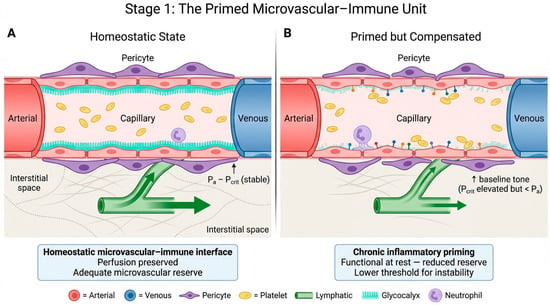
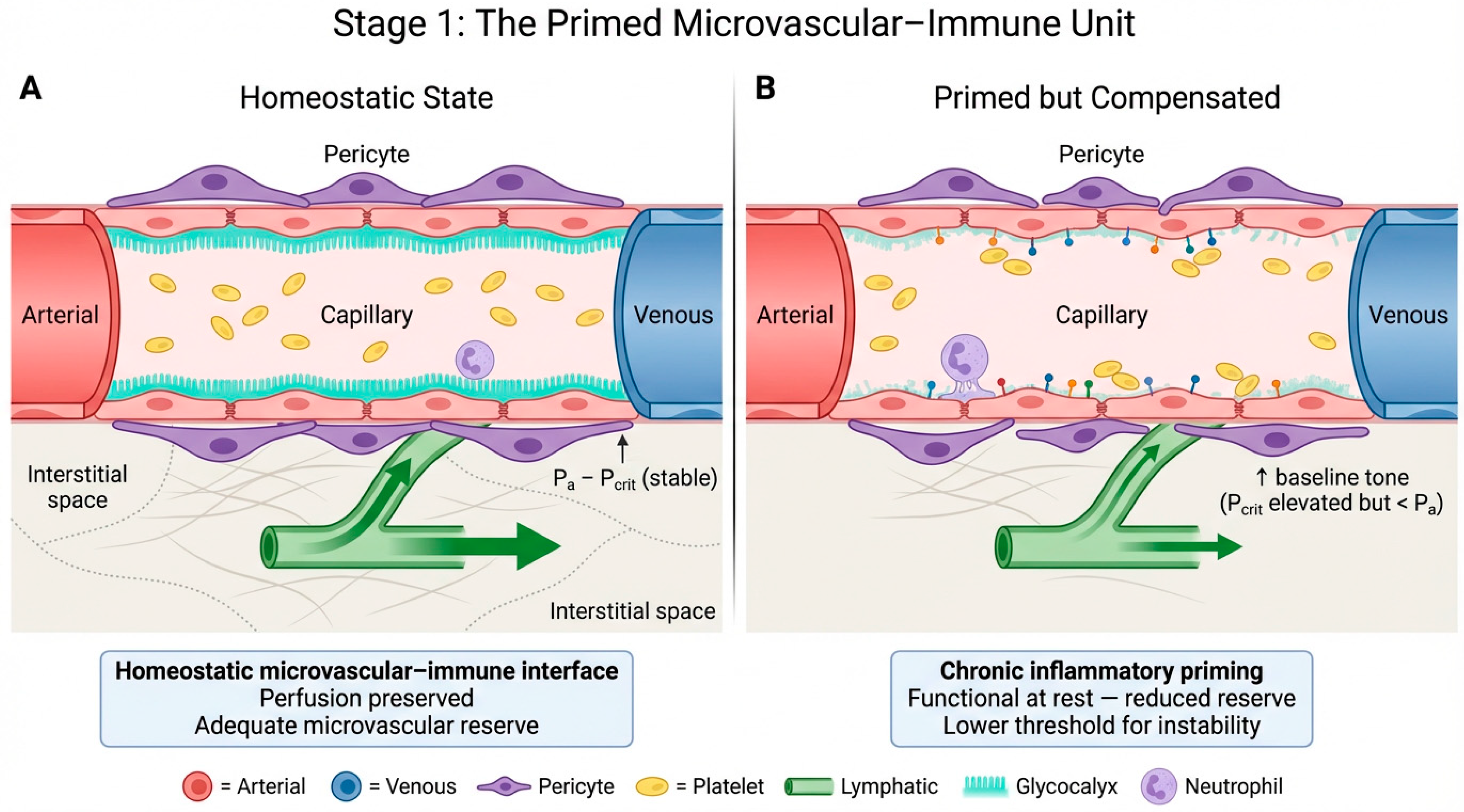
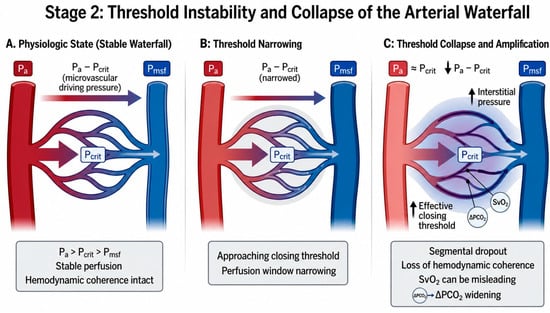
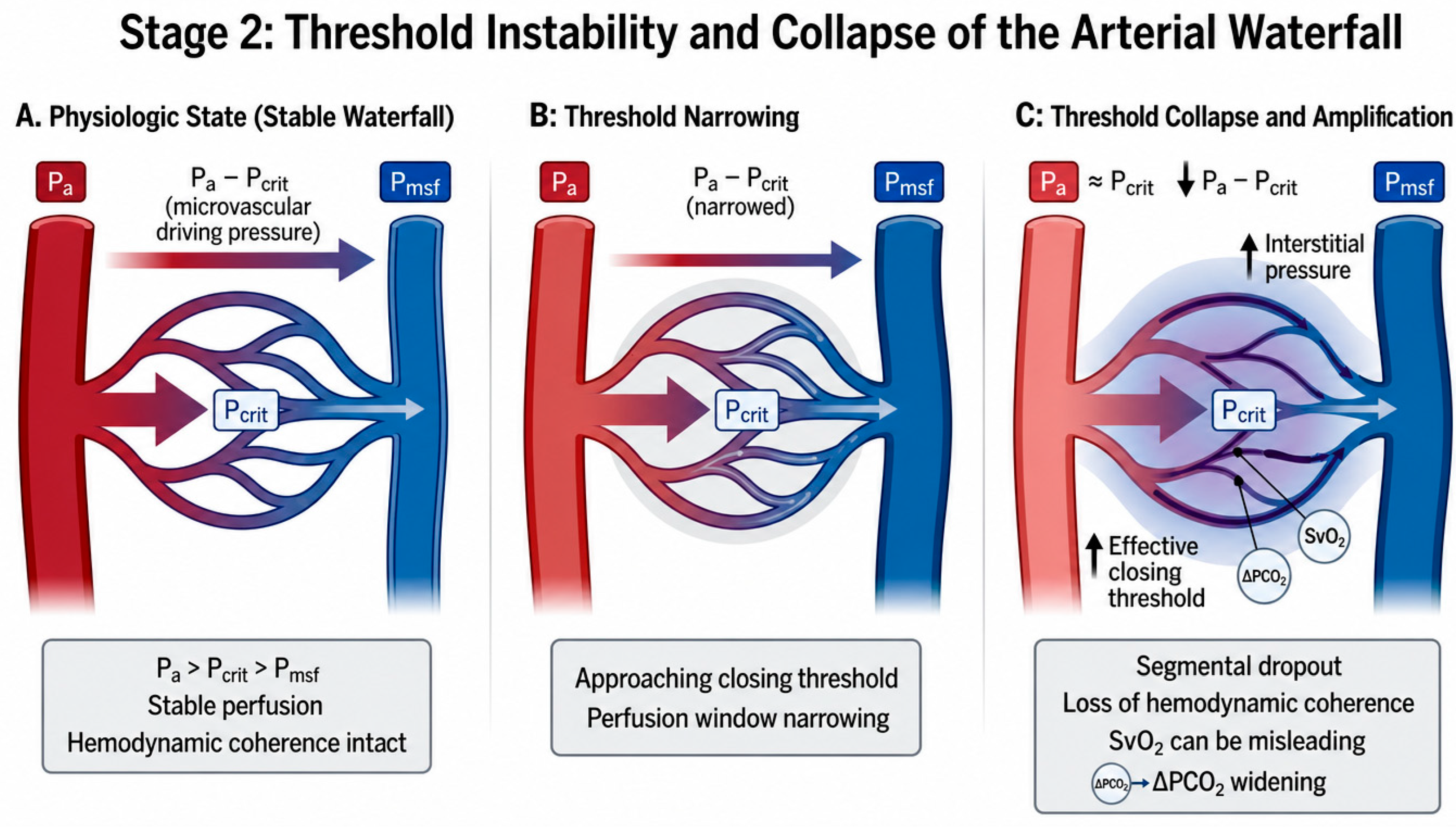
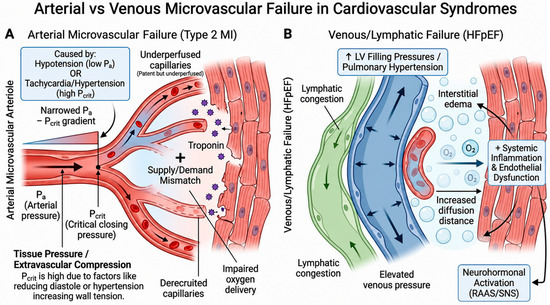
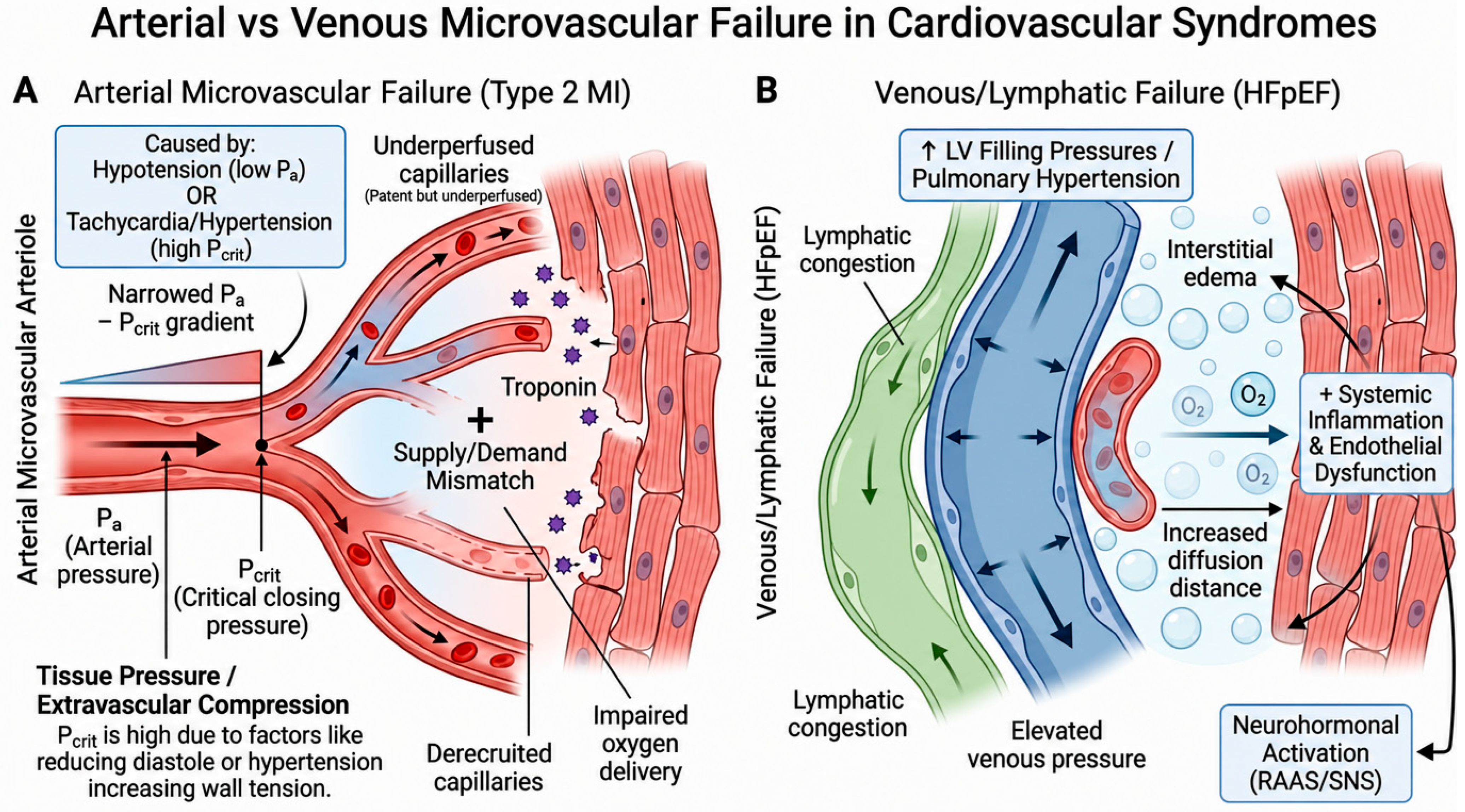
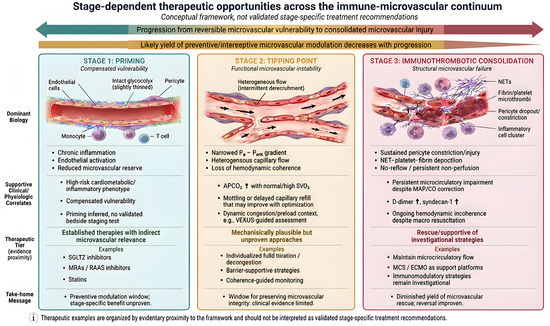
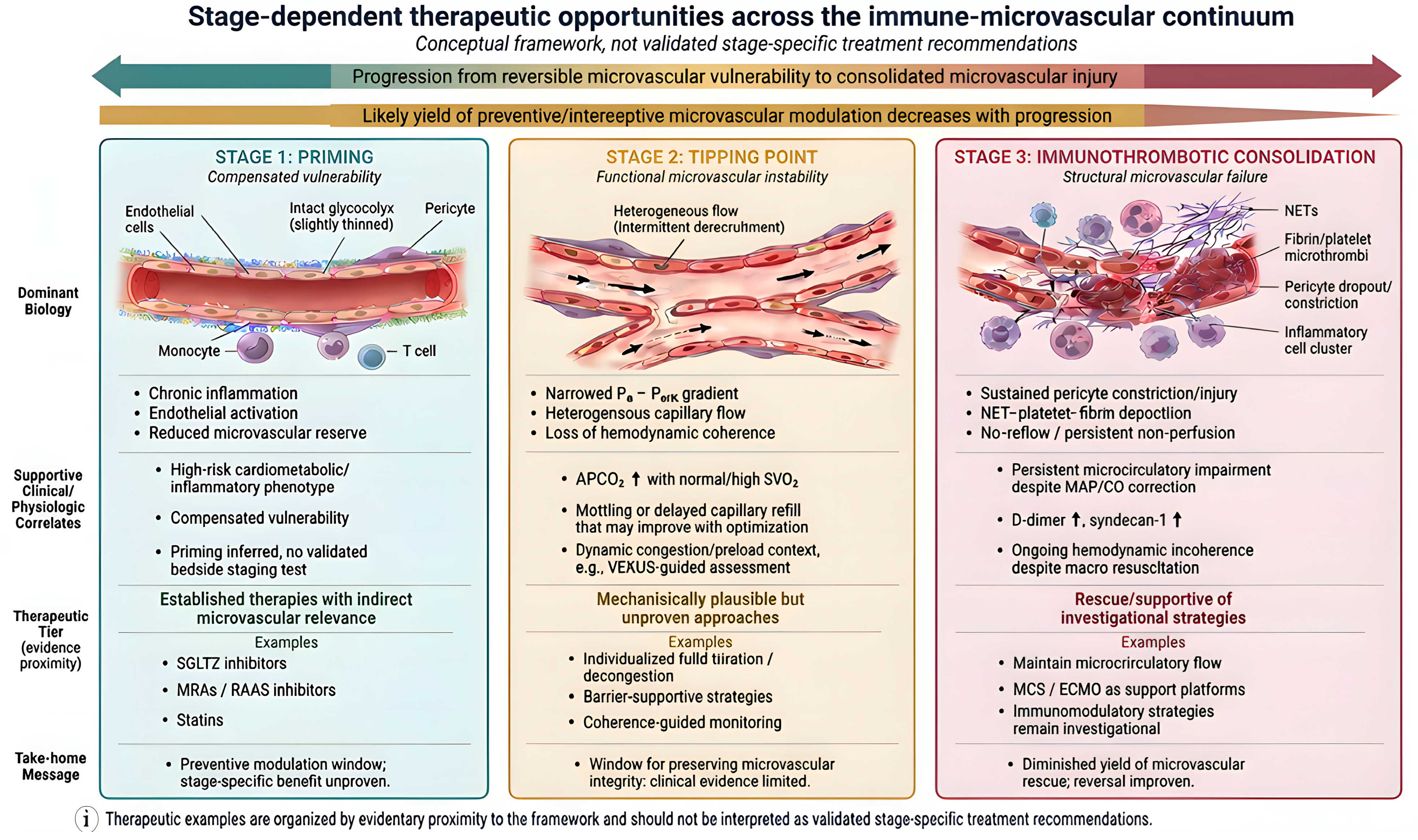

Disclaimer/Publisher’s Note: The statements, opinions and data contained in all publications are solely those of the individual author(s) and contributor(s) and not of MDPI and/or the editor(s). MDPI and/or the editor(s) disclaim responsibility for any injury to people or property resulting from any ideas, methods, instructions or products referred to in the content. |
© 2026 by the authors. Licensee MDPI, Basel, Switzerland. This article is an open access article distributed under the terms and conditions of the Creative Commons Attribution (CC BY) license.