Review

Rhinosinusitis as a Modifiable Determinant of Asthma Control in Children: A Narrative Review

by
Despoina Koumpagioti
1,*,
Barbara Boutopoulou
2,
Maria Tsouprou
3,4,
Kostas N. Priftis
3,
Konstantinos Douros
3 and
Dafni Moriki
3
1
Department of Nursing, University of West Attica, 12243 Athens, Greece
2
Clinical Trial Department, “Andreas Syggros” Hospital of Cutaneous & Venereal Diseases, 16121 Athens, Greece
3
Respiratory and Allergy Unit, 3rd Pediatric Department, National and Kapodistrian University of Athens, General University Hospital “Attikon”, 12462 Athens, Greece
4
Department of Pediatrics, 1st Pediatric Clinic, Agia Sofia Hospital, 11527 Athens, Greece
*
Author to whom correspondence should be addressed.
Sinusitis 2026, 10(2), 16; https://doi.org/10.3390/sinusitis10020016
Submission received: 26 April 2026 / Revised: 16 June 2026 / Accepted: 23 June 2026 / Published: 1 July 2026

Abstract

Paediatric rhinosinusitis (RS), particularly chronic rhinosinusitis (CRS), is a common inflammatory condition with a significant impact on quality of life and a well-recognized association with asthma within the framework of united airway disease. This review aims to evaluate the impact of RS, mainly CRS, on asthma control in children and explore its role as a modifiable determinant. Mechanistically, RS and asthma share key pathophysiological features, including type 2 inflammation, epithelial barrier dysfunction, and airway microbiome dysbiosis, supporting the concept of a unified inflammatory process across the respiratory tract. Clinically, epidemiological data demonstrate a high prevalence of coexisting RS and asthma, with consistent associations with poorer asthma control, increased disease severity, and higher exacerbation burden, even in cases of subclinical sinonasal inflammation. Available observational evidence suggests that appropriate management of CRS, including medical therapy and, in selected cases, surgical intervention, may improve asthma outcomes such as symptom control and lung function. Targeted biologic therapies have shown clinical benefit in adolescents with CRS with nasal polyps (CRSwNP) and high type 2 inflammation, although paediatric data remain limited. However, the existing evidence is predominantly based on small, heterogeneous, observational studies. RS therefore represents a potentially treatable trait in paediatric asthma, warranting systematic evaluation in children with difficult-to-treat disease. Further prospective and interventional studies are needed to clarify causality and define the impact of RS on long-term outcomes.

1. Introduction

Paediatric rhinosinusitis (RS), according to European Position Paper on Rhinosinusitis and Nasal Polyps 2020, is an inflammatory condition of the nose and paranasal sinuses characterized by the presence of at least two symptoms, one of which must be either nasal blockage/obstruction/congestion or nasal discharge (anterior or posterior nasal drip), with or without facial pain/pressure and often including cough in children. The diagnosis is further supported, when available, by endoscopic signs such as mucopurulent discharge, oedema, or nasal polyps, or by changes seen on computed tomography (CT). Acute RS (ARS) in children is characterized by a sudden onset of symptoms lasting less than 12 weeks, with complete resolution between episodes if recurrent, whereas chronic RS (CRS) is defined by the persistence of symptoms for 12 weeks or more [1].
Allergic rhinitis (AR) is another common upper airway inflammatory disorder strongly associated with asthma and may partly mediate the observed relationship between CRS and asthma. AR has also been proposed to contribute to the development or exacerbation of CRS, although the association appears stronger in specific CRS endotypes, particularly allergic fungal rhinosinusitis (AFRS) and central compartment atopic disease (CCAD), where allergy-driven inflammation may play a pathogenic role [2].
Although paediatric CRS has been less extensively studied, its prevalence appears to be lower than in adults; its detrimental effect on quality of life is comparable to that seen in the adult population. It is estimated to affect approximately 2.1% to 4% of the paediatric population, with the highest prevalence observed among those aged 10 to 15 years [1,3,4].
Asthma is a heterogeneous disease characterized by chronic airway inflammation and a history of respiratory symptoms (wheeze, shortness of breath, chest tightness, or cough) that vary over time and are associated with variable airflow limitation [5]. The global prevalence of asthma in children and adolescents is approximately 4300 per 100,000 population (≈4.3%), with higher rates in males and a peak in school-aged children [6]. Asthma control refers to the extent to which asthma manifestations are minimized and therapeutic goals are achieved, encompassing both current symptom control and the reduction of future risks, including exacerbations, lung function decline, and treatment-related adverse effects [5].
The concept of united airway disease (UAD) describes the upper and lower airways as a single, continuous system sharing common anatomical, epithelial, and immunological characteristics, whereby inflammatory processes affect the entire respiratory tract rather than isolated compartments. Within this framework, CRS and asthma are closely interconnected conditions that frequently coexist, with evidence indicating that inflammation in the upper airway can influence the lower airway and vice versa, contributing to disease severity and highlighting the need for an integrated diagnostic and therapeutic approach [7].
Although recent studies support a causal relationship between paediatric asthma and UADs, the clinical implications of these interactions remain insufficiently defined, particularly regarding whether upper airway inflammation, such as CRS, influences asthma control or represents a modifiable therapeutic target [8,9].
While RS encompasses both acute and chronic forms, the present review focuses primarily on CRS, given its persistent inflammatory nature, its established relationship with asthma within the framework of UAD, and its potential role as a modifiable therapeutic target. Evidence relating to other forms of paediatric RS is discussed when relevant to understanding the broader upper–lower airway interaction. This review aims to evaluate the impact of paediatric RS, particularly CRS, on asthma control in children and explore its potential as a modifiable determinant.

2. Materials and Methods

A narrative review was conducted using the electronic databases PubMed/MEDLINE, Scopus, and Google Scholar for studies published in English up to April 2026. The search focused on studies evaluating the epidemiological, pathophysiological, and clinical association between RS and asthma in paediatric populations, as well as the potential impact of RS treatment on asthma-related outcomes.
The search strategy applied across databases was as follows: ((“chronic rhinosinusitis” OR “paediatric rhinosinusitis”) AND (“asthma” OR “asthma control”) AND (“children” OR “paediatric” OR “pediatric”)) AND (“united airway disease” OR “type 2 inflammation” OR “epithelial barrier dysfunction” OR “airway microbiome” OR “comorbidities” OR “treatable traits”). In addition to the predefined database search, manual searches of reference lists and targeted searches for specific epidemiological, clinical, and mechanistic topics were performed to ensure comprehensive coverage of the literature and to minimize the risk of omitting relevant studies that may not have contained all predefined search terms.
Titles and abstracts were independently assessed for relevance by two reviewers, followed by full-text evaluation of the selected studies. Any disagreements regarding study eligibility or data interpretation were resolved through discussion and consensus.
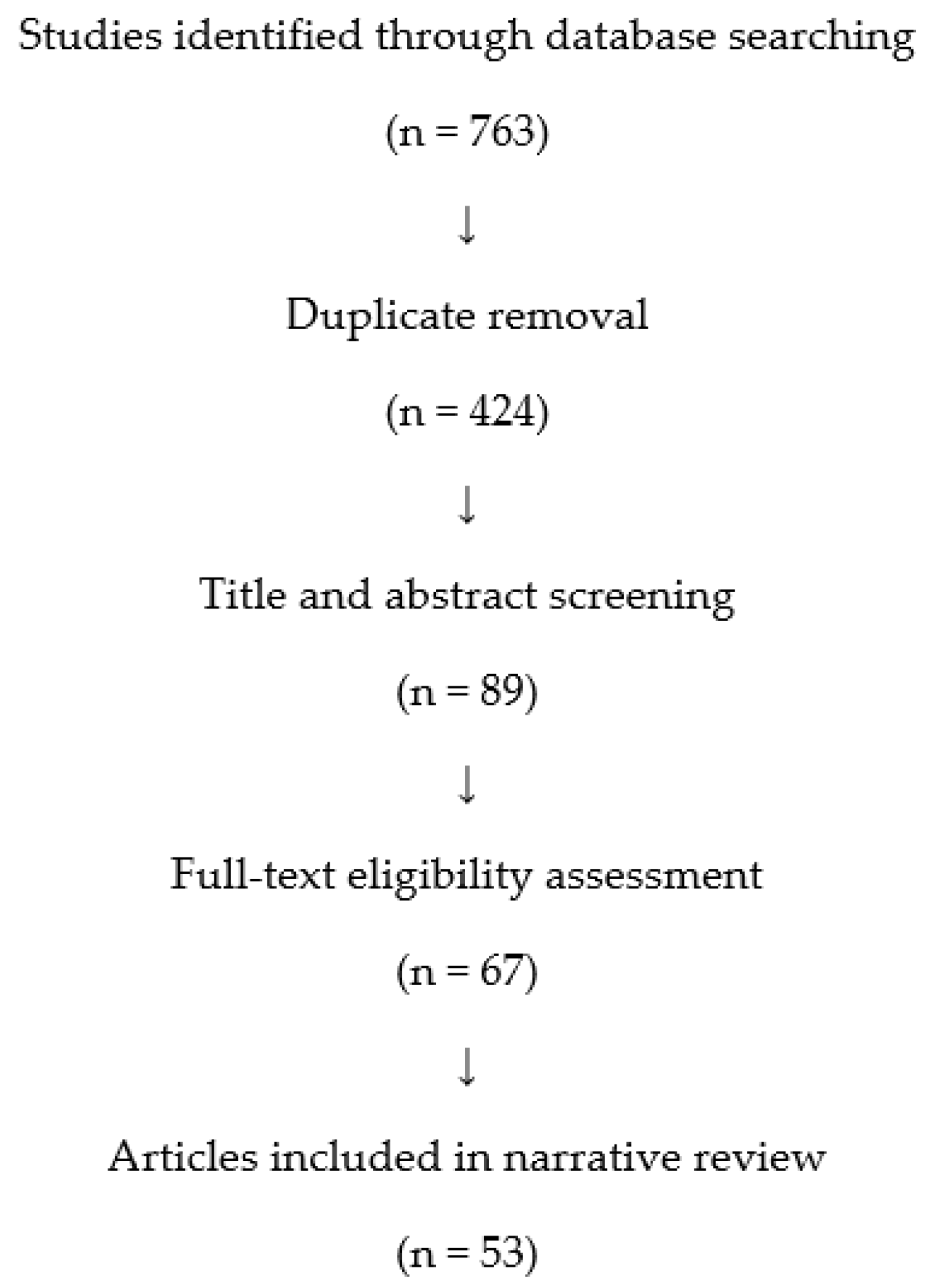
Original articles, observational studies, clinical studies, review articles, and relevant international guideline documents with particular emphasis on paediatric populations were considered eligible for inclusion. Publications not available in English, conference abstracts without an accessible full text, and studies not directly relevant to the objectives of the review were excluded from consideration. Figure 1 depicts the flow diagram for the study selection process.
Given the narrative nature of the review, a formal risk-of-bias assessment was not performed. However, study design, sample size, and relevance to the review objectives were considered during study selection and interpretation of the evidence. Greater emphasis was placed on international guideline documents, systematic reviews, and higher-quality observational studies.
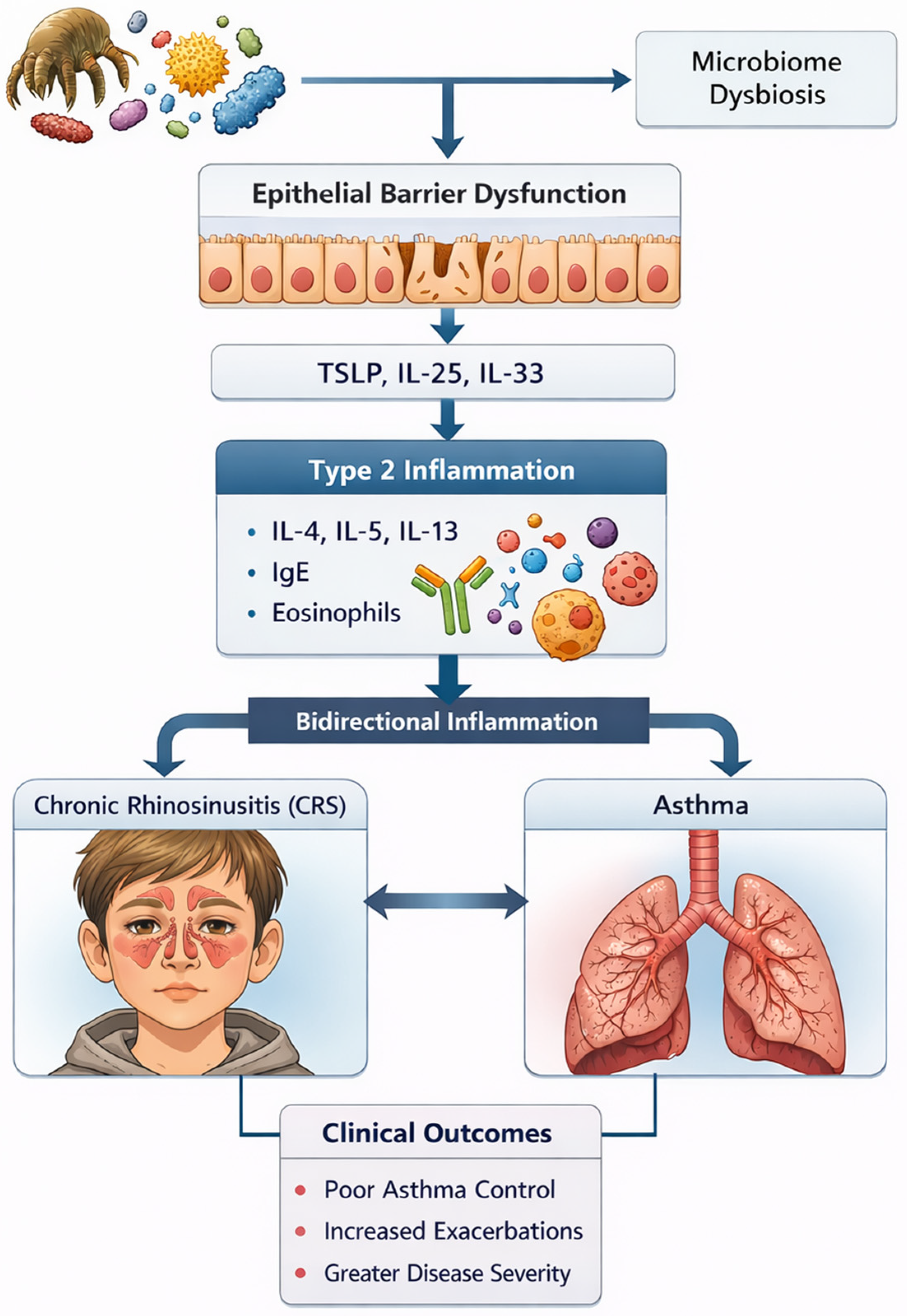
Figure 2 was generated using ChatGPT Plus (OpenAI, San Francisco, CA, USA) version 5.5. The conceptual content, scientific interpretation, and final figure design were reviewed, revised, and validated by the authors.

3. Pathophysiological Link Between Rhinosinusitis and Asthma

The unified airway hypothesis posits that upper and lower airway diseases represent manifestations of a single pathological process occurring at different sites within a continuous respiratory system, supported by shared structural, immunological, and epidemiological features, including common epithelial architecture and frequent comorbidity between conditions such as asthma and CRS with nasal polyps (CRSwNP) [10,11,12]. Furthermore, accumulating pathophysiological and clinical evidence highlights the central role of type 2 inflammation, particularly eosinophils and interleukin 5 (IL-5), in driving disease across both airway compartments, with therapeutic targeting of these pathways demonstrating parallel clinical benefits in upper and lower airway disease, thereby reinforcing their biological and clinical interconnection [12].
Ιn children with CRS, inflammatory mediators are broadly upregulated (34/40 cytokines in sinus tissue and 36/40 in adenoids), with further amplification in the presence of asthma (27/40 and 39/40, respectively), indicating a quantitatively intensified but qualitatively similar inflammatory process across the unified airway [13]. This pattern is mirrored at the transcriptomic level, where analyses reveal approximately 91% overlap in gene expression between the upper and lower airway epithelia, along with conserved biological pathways and gene networks involved in immune responses, metabolism, and cellular function. Moreover, disease-associated gene signatures linked to wheeze and atopy are consistently observed in both nasal and tracheal epithelium, supporting the concept that airway inflammation extends across compartments and reflects a unified pathophysiological process in children [14].
At the core of these shared inflammatory processes lies epithelial barrier dysfunction, with the sinonasal epithelium functioning as an active immunologic interface rather than a passive barrier. Disruption of epithelial integrity results in increased ion permeability, reduced tight junction integrity, enhanced exposure to environmental antigens, and impaired mucociliary clearance [15]. In addition, epithelial cells actively propagate inflammation by releasing cytokines and chemokines, including thymic stromal lymphopoietin (TSLP), IL-25, and IL-33, which promote and amplify downstream immune responses [16].
In children, allergic sensitization may represent an additional immunologic mechanism linking upper and lower airway disease. Through IgE-mediated type 2 inflammation, AR may contribute to persistent sinonasal inflammation and is frequently observed in children with CRS and asthma [17]. Furthermore, AR is a common comorbidity in children with CRS and is independently associated with the presence of asthma in this population [18]. However, the precise contribution of atopy to the pathogenesis of pediatric CRS remains incompletely understood, and current evidence does not support atopy as a universal mechanism underlying CRS–asthma comorbidity [19].
Within this disrupted epithelial environment, the established T2 inflammatory axis, driven by IL-4, IL-5, and IL-13, further amplifies disease expression, promoting eosinophilic infiltration and contributing to abnormal tissue remodeling, including dysregulated fibrin deposition [20,21]. Concurrently, microbial–immune interactions, particularly involving Staphylococcus aureus biofilms and enterotoxin-mediated superantigen activity, amplify Th2-driven responses and immunoglobulin E (IgE) production [21,22]. In parallel, strong molecular correlations between the upper and lower airways further reinforce the concept that these conditions represent interconnected manifestations of a UAD process [21,22].
Beyond localized host–microbe interactions, airway microbiome dysbiosis represents an additional integrative mechanistic layer linking CRS and asthma. It is characterized by reduced microbial diversity and shifts in community composition that alter host–microbe interactions and immune regulation. Rather than acting as an isolated trigger, dysbiosis participates in a bidirectional feedback loop with epithelial dysfunction and type 2 inflammation, while emerging evidence also suggests systemic effects through gut–airway interactions, collectively contributing to a shared inflammatory milieu across the respiratory tract [23]. This concept is further supported by prospective data showing that, in children with CRS, asthma persisted in 23% of cases over a 5-year follow-up, with persistence strongly associated with atopy [OR (odds ratio): 8.5] and reduced airway microbiome diversity (OR: 6.0), highlighting the synergistic role of dysbiosis and type 2 inflammation in sustaining lower airway disease [24].
Although type 2 inflammation is considered the predominant mechanism linking CRS and asthma, CRS is a heterogeneous disease comprising multiple inflammatory endotypes. In addition to eosinophilic type 2 inflammation, non-eosinophilic CRS has been characterized by type 1 (T1) and type 3 (T3) immune responses, including increased expression of interferon-γ (IFN-γ), IL-17, and neutrophilic inflammation rather than eosinophilic infiltration [16,25]. Notably, asthma comorbidity has been reported to be associated primarily with the type 2 endotype, whereas the type 3 endotype has been associated with features suggestive of infection [16].
The relationship between RS and asthma may vary according to the underlying phenotype and inflammatory endotype. Evidence linking infectious RS to asthma is largely indirect in children. Acute viral and bacterial upper respiratory tract infections are well-recognized triggers of asthma exacerbations, and severe early-life viral infections, particularly respiratory syncytial virus (RSV) and rhinovirus, have been associated with an increased risk of subsequent childhood asthma [26]. In contrast, allergic RS appears to be more closely associated with asthma severity and poorer disease control, consistent with the shared type 2 inflammatory pathways observed across the upper and lower airways [27,28]. Additionally, CRS is a heterogeneous condition comprising CRSwNP and CRS without nasal polyps (CRSsNP). Although pediatric data remain limited, available evidence suggests a stronger association between asthma and CRSwNP than CRSsNP, which is characterized by prominent eosinophilic Th2 inflammation and shares important immunopathological features with asthma [29].
While transcriptomic overlap, epithelial barrier dysfunction, and microbiome alterations support the hypothesis of a unified airway inflammatory process, these findings should be interpreted as mechanistic associations rather than proof of causality. Further longitudinal and interventional studies are required to determine whether these pathways directly drive disease development and progression.
Table 1 illustrates the key pathophysiological mechanisms connecting RS with asthma, while Figure 2 depicts how CRS and asthma are linked via epithelial barrier dysfunction and type 2 inflammation, enabling bidirectional airway interactions that worsen control and severity.

4. Epidemiology and Clinical Association of Rhinosinusitis and Asthma Control

RS is a clinically relevant comorbidity in paediatric asthma, associated with poorer disease control and increased airway obstruction, and its appropriate management has been shown to improve asthma outcomes [4,7,29,30,31,32,33]. Table 2 shows the epidemiological and clinical association between RS and asthma in children.
Interpretation of the epidemiological literature is complicated by substantial heterogeneity in how RS is defined and assessed across studies. While some investigations evaluated clinically diagnosed CRS, others focused on recurrent RS, allergic RS, occult sinonasal inflammation detected endoscopically, or radiological sinus abnormalities. These approaches likely identify different disease phenotypes and patient populations, limiting direct comparison of prevalence estimates and effect sizes across studies. Nevertheless, despite these methodological differences, the available literature consistently supports an association between sinonasal disease and asthma burden in children. Therefore, the reported findings should be interpreted as evidence of association rather than proof of causality.
Despite differences in study design, patient selection, and RS definitions, epidemiological data consistently indicate a substantial overlap between upper and lower airway disease in childhood. RS and asthma coexist in approximately 35–65% of children, and sinus abnormalities are present in up to 40% of children with asthma, with higher prevalence in severe disease [29]. Previous data showed that in children with CRS, asthma was present in 18.1%, and was significantly more common in those with AR (40.7% vs. 9.8%). Asthma was strongly associated with AR (OR: 6.24, 95% CI (confidence interval): 5.27–7.39, p < 0.001), indicating that the asthma-CRS relationship is largely mediated through AR rather than being direct [18]. This finding highlights the importance of considering potential confounding factors when interpreting epidemiological associations between RS and asthma. AR, atopy, obesity, environmental exposures, socioeconomic determinants, and healthcare utilization patterns may all influence both conditions and contribute to the observed associations. Furthermore, many available studies are cross-sectional or retrospective, limiting causal inference. In Choi’s study, recurrent RS (defined as ≥3 episodes/year) and chronic RS were associated with higher asthma prevalence, with asthma present in 37.5% of chronic/recurrent RS vs. 15.9% in acute/subacute RS, and 62.3% of children with asthma had chronic or recurrent RS [34].
Recent evidence confirms that RS is associated with worse asthma control, increased severity, and higher disease burden. A cross-sectional study reported a prevalence of allergic RS of 48.8% (60/123) among children with asthma. The study demonstrated a significant association with poor asthma control, observed in 66.7% of allergic RS—positive compared with 31.7% of allergic RS—negative children (OR: 2.4; 95% CI: 1.5–3.9; p = 0.0002) [28]. A prospective observational study showed that allergic RS (59.2%) and adenoid hypertrophy (71%) are highly prevalent in children with asthma and are strongly associated with increased asthma severity. Importantly, both conditions, and especially their coexistence, were identified as independent predictors of severe asthma (allergic RS—OR: 7.35, p = 0.004; adenoid hypertrophy—OR: 12.65, p = 0.001; combined—OR: 98.65, p < 0.001), highlighting their substantial impact on disease burden [27]. In the study by Nyenhuis et al., RS in children was identified as an independent comorbidity associated with poorer asthma outcomes. Specifically, pediatric patients with RS were at higher risk of uncontrolled asthma (OR: 1.15; 95% CI: 1.01–1.31) and increased asthma severity (OR: 1.28; 95% CI: 1.07–1.53). Additionally, RS was more prevalent among children with more severe disease, particularly those managed by specialists (46.5% vs. 19.3% in primary care) [35]. In Marseglia et al.’s study, among 294 children with asthma, 21 with uncontrolled asthma showed endoscopic evidence of sinusitis despite lacking clinical symptoms, indicating the presence of occult sinusitis. These findings suggest that subclinical sinonasal inflammation may contribute to poor asthma control and support the use of targeted endoscopic evaluation in selected patients [36].
Although the focus of this review is pediatric disease, findings from mixed adolescent–adult and adult populations provide additional support for the relationship between sinonasal disease and asthma outcomes. In patients aged 12–64 years with moderate-to-severe asthma, 34.2% experienced ≥1 exacerbation, and those patients had higher rates of comorbid upper airway diseases, including acute sinusitis (24.4% vs. 16.4%), chronic sinusitis (14.0% vs. 7.6%), and AR (38.9% vs. 33.9%) compared to those without exacerbations. These patients also demonstrated poorer asthma control, reflected by more frequent systemic corticosteroid use (44.5% vs. 20.5%) and a greater overall disease burden [37]. In the Kang et al. adult study, 23.8% (15/63) of patients with CRSsNP and 26.9% (21/78) of patients with CRSwNP had concomitant asthma. In CRSsNP, asthma prevalence increased with disease extent (from 0% in single sinusitis to 58.3% in pansinusitis). It was significantly associated with sinus severity (p = 0.049), while pulmonary function impairment also correlated with inflammation severity (p = 0.019) [38]. However, these findings should be interpreted cautiously when applied to children because important differences exist in airway anatomy, immune maturation, disease endotypes, and the role of adenoidal disease in pediatric CRS.
Conversely, asthma may also influence the severity and clinical course of sinonasal disease. In Murtomäki et al.’s study of children with CRS, asthma was present in 47.1% (49/104) of cases, indicating a high burden of comorbidity between upper and lower airway disease. Moreover, asthma was identified as a significant predictor of disease severity, being associated with an increased risk of revision surgery after endoscopic sinus surgery [HR (hazard ratio): 2.3; 95% CI 1.5–3.4; p < 0.0001], highlighting its impact on disease persistence and control [39].
Table 2. Epidemiological and clinical association between RS and asthma in children.
StudyPopulationRS TypeAsthma OutcomeKey Results
Choi et al. [34]Children with RS (n = 296)Chronic/Recurrent vs. ARS/Subacute RS PrevalenceAsthma prevalence by RS type: acute 12.5%, subacute 17.1%, recurrent 32.7%, and chronic 23.6%. 37.5% of children with asthma were in the chronic/recurrent group.
Nyenhuis et al. [35]Children with asthma (n = 13,479), adolescents and adults (n = 15,029)RS (unspecified) (as comorbidity)Control and severityPoor control in children (OR: 1.15); increased severity in children (OR: 1.28).
Manoj and Sanjay [28]Children with asthma (n = 123)Allergic RS (as comorbidity)ControlPoor control: 66.7% (allergic RS positive) versus 31.7% (allergic RS negative) (OR: 2.4; 95% CI 1.5–3.9; p = 0.0002).
Aroor et al. [27]Children with asthma (n = 76)Allergic RS ± adenoid
hypertrophy (as comorbidity)
SeverityRS (OR: 7.35; 95% CI 1.904–28.405; p = 0.004); adenoids (OR: 12.65); combined (OR: 98.65; p < 0.001).
Sedaghat et al. [18]Children with CRS (n = 4044)CRS PrevalenceAsthma prevalence in CRS: 18.1%; 40.7% vs. 9.8% (with vs. without AR); OR: 6.24; 95% CI 5.27–7.39, p < 0.001.
Murtomäki et al. [39]Children (n = 104) and adults with CRS CRS (CRSsNP, CRSwNP)PrevalenceAsthma prevalence 47.1%; increase in revision surgery risk (HR: 2.3).
Marseglia et al. [36]Children with asthma (n = 294)Occult RS (as comorbidity)PrevalenceRS detected in uncontrolled asthma subgroup (n = 21).
RS: rhinosinusitis, OR: odds ratio, ARS: acute rhinosinusitis, CRS: chronic rhinosinusitis, Cl: confidence interval, AR: allergic rhinitis, CRSsNP: chronic rhinosinusitis without nasal polyps, CRSwNP: chronic rhinosinusitis with nasal polyps, HR: hazard ratio.

5. Clinical Management of CRS and Its Impact on Asthma Control

RS represents a clinically relevant comorbidity in paediatric asthma and should be considered during routine assessment, particularly in children with persistent symptoms or frequent exacerbations. Current guidelines recommend assessment and optimization of comorbidities as part of asthma management, particularly in patients with difficult-to-treat or severe asthma, because these conditions may contribute to symptom burden, poor quality of life, and impaired asthma control [5,40]. In this context, CRS or CRSwNP should be considered in children with persistent upper airway symptoms, recurrent exacerbations, poor asthma control despite optimized therapy, or clinical features suggestive of sinonasal disease. When clinical suspicion is present, referral for ear, nose, and throat (ENT) assessment, including nasal endoscopy and, when indicated, imaging, may help confirm or exclude sinonasal pathology [31,36]. Once sinonasal involvement has been identified, appropriate management warrants consideration, as treatment of CRS may improve asthma outcomes, although the supporting evidence remains limited and is derived predominantly from small observational studies.
EPOS 2020 recommends that management of paediatric CRS is primarily medical, with saline nasal irrigation and intranasal corticosteroids as first-line therapy, while evidence for antibiotics and most adjunctive treatments remains limited. In children who fail appropriate medical treatment, adenoidectomy (±sinus irrigation) is regarded as the initial surgical approach, whilst endoscopic sinus surgery is reserved for selected or refractory cases following evaluation of comorbidities and underlying conditions [1].
Recent advances in the management of UAD include biologic therapies targeting type 2 inflammatory pathways. Although currently approved indications differ according to age, asthma phenotype, and CRS subtype, biologics targeting IgE (omalizumab), IL-5/IL-5Rα (mepolizumab, benralizumab), IL-4Rα (dupilumab), and TSLP (tezepelumab) have demonstrated clinical benefits in patients with coexisting asthma and CRSwNP [21,41,42,43]. A recent systematic review and meta-analysis of 16 randomized controlled trials including 3598 patients showed that biologic therapy reduced asthma exacerbations, improved lung function, asthma control, quality of life, and sinonasal outcomes, while maintaining an acceptable safety profile [41]. These findings support the concept of a common type 2 inflammatory pathway across the upper and lower airways, reinforcing the rationale for integrated biologic treatment strategies within the UAD framework. Recent paediatric evidence suggests that adolescents with T2-high CRSwNP may exhibit inflammatory and clinical characteristics similar to those observed in adults, supporting an endotype-driven therapeutic approach [44]. Nevertheless, the paediatric evidence base remains extremely limited. A recent systematic review identified only one published paediatric study and one ongoing clinical trial, while highlighting the potential role of biologics in paediatric UAD management [45]. Current EPOS/EUFOREA recommendations support biologics in selected severe CRSwNP patients, particularly those with type 2 inflammation and comorbid asthma, although pediatric-specific recommendations are still evolving [46]. To date, most available evidence derives from adolescent and adult populations, and data specifically addressing paediatric CRS remain scarce [42].
Evidence on the impact of CRS treatment on asthma control in children remains limited and of generally low methodological quality, but available studies suggest a potential benefit. Treatment of concomitant CRS has been associated with significant improvement in asthma outcomes, including increased lung function [Forced Expiratory Volume in one second (FEV1), p < 0.001] and symptom reduction (p < 0.001), with all participants shifting from moderate to mild or intermittent asthma within one month [47]. In adults, similar findings have been reported, with reductions in hospitalizations (from 7 to 2 after surgery and from 5 to 1 after medical therapy) and decreased systemic corticosteroid use (from 10 to 4 and from 7 to 1 course, respectively), alongside modest improvements in lung function (~3–6% FEV1) and airway inflammation, although a small subset of patients (~8.7%) experienced worsening after surgery [48].
Several earlier observational studies have reported findings consistent with this association. Businco et al. demonstrated a significant reduction in asthma severity, with severe cases decreasing from 30 to 10 patients and 36% showing marked clinical improvement (p < 0.001) [49]. Friedman et al. reported clinical improvement in 87.5% of children following treatment for bacterial sinusitis, accompanied by improvements in lung function [FEV1: 93% to 116%; mid-expiratory flow rates (MMEFR): 57% to 80%] and an approximately twofold increase in bronchodilator responsiveness [50]. Another retrospective study also supported this relationship, as Parsons et al. showed that following functional endoscopic sinus surgery, asthma symptoms resolved in 58% and improved in 38% of children with asthma, with exacerbations decreasing from 6.7 to 2.5 episodes per month and a 79% reduction in emergency visits [50].
Objective improvements in airway responsiveness have also been demonstrated in smaller mechanistic studies. Oliveira et al. reported a significant increase in methacholine PC20 (0.76 to 2.57 mg/mL, p < 0.05), observed only in participants with radiological resolution of sinus disease [51]. At the same time, Tsao et al. confirmed these findings in a prospective study, showing improvements in bronchial hyperresponsiveness (PC20 from 3.68 to 7.31 mg/mL and from 3.11 to 7.00 mg/mL, p ≤ 0.001) following CRS treatment [52].
However, the current evidence base remains limited, as most available studies are small, observational, retrospective, and relatively outdated. While treatment of CRS appears to improve asthma-related outcomes in some children, the magnitude of this effect remains uncertain because contemporary pediatric randomized controlled trials are largely lacking. Consequently, firm conclusions regarding the effectiveness of CRS-directed interventions for improving asthma control cannot yet be drawn.

6. Knowledge Gaps and Future Directions

Despite growing recognition of the association between paediatric RS and asthma [27,28], several important gaps remain in our understanding of their interaction, particularly regarding causality, disease heterogeneity, and clinical applicability. While observational studies consistently demonstrate an association between RS and impaired asthma control, the direction and magnitude of this relationship remain incompletely defined, and causal inference is limited by the predominance of cross-sectional and non-interventional study designs.
A further limitation relates to disease heterogeneity. Both asthma and RS comprise broad clinical spectra, with variable inflammatory endotypes, severity, chronicity, and treatment response [29,53]. In children, this complexity is compounded by age-related anatomical and immunological differences, the role of adenoids, and the evolving natural history of allergic disease [4,14]. Future studies should therefore aim to more clearly distinguish between ARS and CRS, infectious and allergic phenotypes, and eosinophilic and non-eosinophilic inflammatory patterns to determine which subgroups are most strongly linked to impaired asthma control.
An additional limitation of this review is that only English-language publications were included. Consequently, relevant studies published in other languages may have been missed, introducing potential language and publication bias and limiting the generalizability of the findings.
Despite the availability of established guideline-based definitions [1,5], their implementation in paediatric research is inconsistent, and standardized, age-specific frameworks integrating upper and lower airway disease are lacking, thereby limiting cross-study comparability and evidence synthesis. Harmonization of these parameters would facilitate more reliable epidemiological estimates and a stronger synthesis of evidence. In parallel, biomarker-driven approaches, including transcriptomic, microbiome, epithelial barrier, and type 2 inflammatory biomarker studies, may help clarify shared mechanistic pathways and identify children in whom upper airway inflammation is most clinically relevant to lower airway disease. Although no biomarker has been specifically validated for screening children at risk of RS-related poor asthma control, several biomarkers of type 2 inflammation are currently used in pediatric asthma assessment, including fractional exhaled nitric oxide (FeNO), peripheral blood eosinophil counts, and total or allergen-specific IgE [5]. These biomarkers may help identify children with eosinophilic airway disease and concomitant upper airway inflammation. In addition, eosinophilic cationic protein (ECP) and type 2 cytokines such as IL-4, IL-5, and IL-13 have been associated with CRS, particularly CRSwNP, and have been proposed as indicators of shared upper and lower airway inflammation [31]. However, their predictive value for RS-driven asthma morbidity in children remains insufficiently established, and further validation studies are needed.
Future precision medicine strategies should aim to integrate biomarkers with imaging findings (e.g., endoscopic or radiological evidence of sinonasal inflammation) and clinical phenotypes, including disease severity, atopic status, and inflammatory endotypes. Such approaches may facilitate risk stratification and help identify children most likely to benefit from CRS-targeted interventions, thereby enabling more personalized management of UAD.
Finally, interventional research should be prioritized. Well-designed longitudinal and randomized controlled trials are needed to evaluate whether systematic identification and treatment of RS can improve asthma control, reduce exacerbations, decrease medication burden, or alter long-term respiratory outcomes in paediatric populations. Such work would help determine whether RS should be incorporated more explicitly into asthma management algorithms as a treatable trait.

7. Conclusions

Paediatric RS, particularly CRS, represents a clinically relevant and potentially modifiable determinant of asthma control within the unified airway framework. Accumulating epidemiological and mechanistic evidence supports a consistent association between RS and increased asthma severity, poorer disease control, and higher exacerbation burden, while emerging data suggest that targeted treatment of CRS may lead to meaningful improvements in asthma outcomes. Despite these findings, the current evidence base remains limited by heterogeneity, small sample sizes, and a lack of high-quality interventional studies, precluding definitive conclusions regarding causality and optimal management strategies. Systematic identification and appropriate treatment of RS should therefore be considered in children with uncontrolled or severe asthma, while further well-designed prospective and randomized studies are needed to clarify its role as a treatable trait and to define its impact on long-term respiratory outcomes.

Author Contributions

Conceptualization, D.K. and K.D.; methodology, D.K. and K.D.; investigation, D.K. and D.M.; writing—original draft preparation, D.K. and D.M.; writing—review and editing, D.K., M.T., D.M. and B.B.; supervision, D.M., K.N.P. and K.D. All authors have read and agreed to the published version of the manuscript.

Funding

This research received no external funding.

Institutional Review Board Statement

Not applicable.

Informed Consent Statement

Not applicable.

Data Availability Statement

Data sharing is not applicable to this article.

Acknowledgments

During the preparation of this manuscript, the authors used ChatGPT Plus (OpenAI) version 5.5. for the creation of Figure 2. The authors have reviewed and edited the output and take full responsibility for the content of this publication.

Conflicts of Interest

The authors declare no conflicts of interest.

References

  1. Fokkens, W.J.; Lund, V.J.; Hopkins, C.; Hellings, P.W.; Kern, R.; Reitsma, S.; Toppila-Salmi, S.; Bernal-Sprekelsen, M.; Mullol, J.; Alobid, I.; et al. European Position Paper on Rhinosinusitis and Nasal Polyps 2020. Rhin 2020, 58, 1–464. [Google Scholar] [CrossRef] [PubMed]
  2. Helman, S.N.; Barrow, E.; Edwards, T.; DelGaudio, J.M.; Levy, J.M.; Wise, S.K. The Role of Allergic Rhinitis in Chronic Rhinosinusitis. Immunol. Allergy Clin. N. Am. 2020, 40, 201–214. [Google Scholar] [CrossRef] [PubMed]
  3. Romano, F.R.; Anselmo-Lima, W.T.; Kosugi, E.M.; Sakano, E.; Valera, F.C.P.; Lessa, M.; Roithmann, R.; Pignatari, S.; Felippu, A.W.D.; Meotti, C.D.; et al. Rhinosinusitis: Evidence and Experience—2024. Braz. J. Otorhinolaryngol. 2025, 91, 101595. [Google Scholar] [CrossRef] [PubMed]
  4. Ramadan, H.H. Pediatric Chronic Rhinosinusitis. Eur. Arch. Otorhinolaryngol. 2024, 281, 1131–1137. [Google Scholar] [CrossRef] [PubMed]
  5. Global Initiative for Asthma. Global Strategy for Asthma Management and Prevention. 2025. Available online: http://www.ginasthma.org (accessed on 3 April 2026).
  6. Kim, T.H.; Kim, H.; Oh, J.; Kim, S.; Miligkos, M.; Yon, D.K.; Papadopoulos, N.G. Global Burden of Asthma among Children and Adolescents with Projections to 2050: A Comprehensive Review and Forecasted Modeling Study. Clin. Exp. Pediatr. 2025, 68, 329–343. [Google Scholar] [CrossRef] [PubMed]
  7. Bondi, B.; Buscema, M.; Di Marco, F.; Conti, C.; Caviglia, A.; Fucci, L.; Riccio, A.M.; Mincarini, M.; Ottoni, M.; Braido, F.; et al. Connecting the Airways: Current Trends in United Airway Diseases. J. Pers. Med. 2026, 16, 21. [Google Scholar] [CrossRef] [PubMed]
  8. Gao, T.; Cai, Q.; Hu, S.; Zhu, R.; Wang, J. Causal Associations between Pediatric Asthma and United Airways Disease: A Two-Sample Mendelian Randomization Analysis. Front. Med. 2024, 11, 1369695. [Google Scholar] [CrossRef] [PubMed]
  9. Sun, Y.-G.; Zhang, L.-Y. Chronic Rhinosinusitis, Asthma, and Gastroesophageal Reflux: Epidemiology, Pathophysiology, and Comorbidity. Allergy Med. 2025, 3, 100036. [Google Scholar] [CrossRef]
  10. Passalacqua, G.; Ciprandi, G.; Canonica, G.W. The Noselung Interaction in Allergic Rhinitis and Asthma: United Airways Disease. Curr. Opin. Allergy Clin. Immunol. 2001, 1, 7–13. [Google Scholar] [CrossRef] [PubMed]
  11. Grossman, J. One Airway, One Disease. Chest 1997, 111, 11S–16S. [Google Scholar] [CrossRef] [PubMed]
  12. Bachert, C.; Luong, A.U.; Gevaert, P.; Mullol, J.; Smith, S.G.; Silver, J.; Sousa, A.R.; Howarth, P.H.; Benson, V.S.; Mayer, B.; et al. The Unified Airway Hypothesis: Evidence from Specific Intervention with Anti–IL-5 Biologic Therapy. J. Allergy Clin. Immunol. Pract. 2023, 11, 2630–2641. [Google Scholar] [CrossRef] [PubMed]
  13. Anfuso, A.; Ramadan, H.; Terrell, A.; Demirdag, Y.; Walton, C.; Skoner, D.P.; Piedimonte, G. Sinus and Adenoid Inflammation in Children with Chronic Rhinosinusitis and Asthma. Ann. Allergy Asthma Immunol. 2015, 114, 103–110. [Google Scholar] [CrossRef] [PubMed][Green Version]
  14. Kicic, A.; De Jong, E.; Ling, K.-M.; Nichol, K.; Anderson, D.; Wark, P.A.B.; Knight, D.A.; Bosco, A.; Stick, S.M.; Kicic, A.; et al. Assessing the Unified Airway Hypothesis in Children via Transcriptional Profiling of the Airway Epithelium. J. Allergy Clin. Immunol. 2020, 145, 1562–1573. [Google Scholar] [CrossRef] [PubMed]
  15. Cookson, W. The Immunogenetics of Asthma and Eczema: A New Focus on the Epithelium. Nat. Rev. Immunol. 2004, 4, 978–988. [Google Scholar] [CrossRef] [PubMed]
  16. Kato, A.; Schleimer, R.P.; Bleier, B.S. Mechanisms and Pathogenesis of Chronic Rhinosinusitis. J. Allergy Clin. Immunol. 2022, 149, 1491–1503. [Google Scholar] [CrossRef] [PubMed]
  17. Licari, A.; Castagnoli, R.; Denicolò, C.F.; Rossini, L.; Marseglia, A.; Marseglia, G.L. The Nose and the Lung: United Airway Disease? Front. Pediatr. 2017, 5, 44. [Google Scholar] [CrossRef] [PubMed]
  18. Sedaghat, A.R.; Phipatanakul, W.; Cunningham, M.J. Prevalence of and Associations with Allergic Rhinitis in Children with Chronic Rhinosinusitis. Int. J. Pediatr. Otorhinolaryngol. 2014, 78, 343–347. [Google Scholar] [CrossRef] [PubMed]
  19. Sedaghat, A.R.; Phipatanakul, W.; Cunningham, M.J. Atopy and the Development of Chronic Rhinosinusitis in Children with Allergic Rhinitis. J. Allergy Clin. Immunol. Pract. 2013, 6, 689–691.e2. [Google Scholar] [CrossRef] [PubMed]
  20. Finck, N.S.; Perez, E.G. Main Findings from Retrospective Studies on the Comorbidity of Asthma and Sinusitis and Their Implications for Clinical Practice. Sinusitis 2025, 9, 17. [Google Scholar] [CrossRef]
  21. Feng, Y.; Wang, L.; Bao, Y.; Zheng, G.; Qiu, Y. Chronic Rhinosinusitis with Nasal Polyps and Asthma: Unraveling Shared Inflammatory Pathways and Evolving Therapeutic Synergies. Egypt. J. Bronchol. 2025, 19, 112. [Google Scholar] [CrossRef]
  22. Ha, E.K.; Kwak, J.H.; Kim, J.H.; Lee, K.S.; Jee, H.M.; Shin, Y.H.; Baek, H.S.; Han, M.Y. Paraben Exposure Related to Staphylococcal Enterotoxin IgE Sensitization, Allergic Rhinitis and Nasal Patency in Children. Sci. Rep. 2025, 15, 6038. [Google Scholar] [CrossRef] [PubMed]
  23. Petalas, K.; Konstantinou, G.N. Chronic Rhinosinusitis at the Interface of Type 2 Inflammation, Epithelial Barrier Dysfunction, and Microbiome Dysbiosis. Microorganisms 2026, 14, 386. [Google Scholar] [CrossRef] [PubMed]
  24. Dobrakowski, Ł.; Łacwik, P.; Mucha, M.; Rychlik, B.; Błauż, A.; Seweryn, M.; Strapagiel, D.; Majak, J.; Feleszko, W.; Antczak, A.; et al. Interaction of Atopy and Airway Dysbiosis Promotes Asthma Persistence in Children with Chronic Rhinosinusitis—5 Years Prospective Study. Clin. Exp. Allergy 2025, 55, 564–566. [Google Scholar] [CrossRef] [PubMed]
  25. Elboraei, Y.; Aqeel, J.; Alanazi, D.; Saud, J.; Alanazi, R.; Saoud, E.; Alhawiti, R.; Khalid Alobaidan, R.; Mubarak, O.; Alanazi, R.; et al. A Contemporary Review of Chronic Rhinosinusitis: Pathophysiology, Diagnosis, and Evolving Treatment Strategies. J. Pioneer. Med. Sci. 2025, 14, 100–109. [Google Scholar] [CrossRef]
  26. Staudacher, A.G.; Stevens, W.W. Sinus Infections, Inflammation, and Asthma. Immunol. Allergy Clin. N. Am. 2019, 39, 403–415. [Google Scholar] [CrossRef] [PubMed]
  27. Aroor, S.; Atul, P.N.; Handattu, K.; Bhat, R.; Mundkur, S.C.; Kini, P. Prevalence of Allergic Rhinosinusitis and Adenoid Hypertrophy and Their Impact on Asthma Control: A Tertiary Care Experience. Sri Lanka J. Child Health 2025, 54, 8–11. [Google Scholar] [CrossRef]
  28. Manoj, Ε.; Sanjay, Κ. Co-Morbid Allergic Rhinosinusitis in Pediatric Asthma: Prevalence, Severity, and Impact on Control. J. Cardiovasc. Dis. Res. 2024, 15, 5985–5994. [Google Scholar]
  29. Poddighe, D.; Brambilla, I.; Licari, A.; Marseglia, G.L. Pediatric Rhinosinusitis and Asthma. Respir. Med. 2018, 141, 94–99. [Google Scholar] [CrossRef] [PubMed]
  30. Bush, A.; Fitzpatrick, A.M.; Saglani, S.; Anderson, W.C.; Szefler, S.J. Difficult-to-Treat Asthma Management in School-Age Children. J. Allergy Clin. Immunol. Pract. 2022, 10, 359–375. [Google Scholar] [CrossRef] [PubMed]
  31. Licari, A.; Brambilla, I.; Castagnoli, R.; Marseglia, A.; Paganelli, V.; Foiadelli, T.; Marseglia, G. Rhinosinutis and Asthma in Children. Sinusitis 2018, 3, 3. [Google Scholar] [CrossRef]
  32. Lai, L.; Hopp, R.J.; Lusk, R.P. Pediatric Chronic Sinusitis and Asthma: A Review. J. Asthma 2006, 43, 719–725. [Google Scholar] [CrossRef] [PubMed]
  33. Fasola, S.; Ferrante, G.; Cilluffo, G.; Malizia, V.; Alfano, P.; Montalbano, L.; Cuttitta, G.; La Grutta, S. Asthma Comorbidities: Frequency, Risk Factors, and Associated Burden in Children and Adolescents. Children 2022, 9, 1001. [Google Scholar] [CrossRef] [PubMed]
  34. Choi, S.-H.; Han, M.-Y.; Ahn, Y.-M.; Park, Y.-M.; Kim, C.-K.; Kim, H.-H.; Koh, Y.-Y.; Rha, Y.-H. Predisposing Factors Associated with Chronic and Recurrent Rhinosinusitis in Childhood. Allergy Asthma Immunol. Res. 2012, 4, 80–84. [Google Scholar] [CrossRef] [PubMed]
  35. Nyenhuis, S.M.; Akkoyun, E.; Liu, L.; Schatz, M.; Casale, T.B. Real-World Assessment of Asthma Control and Severity in Children, Adolescents, and Adults with Asthma: Relationships to Care Settings and Comorbidities. J. Allergy Clin. Immunol. Pract. 2020, 8, 989–996.e1. [Google Scholar] [CrossRef] [PubMed]
  36. Marseglia, G.L.; Caimmi, S.; Marseglia, A.; Pagella, F.; Ciprandi, G.; La Rosa, M.; Leonardi, S.; Miraglia Del Giudice, M.; Caimmi, D. Occult Sinusitis May Be a Key Feature for Non-Controlled Asthma in Children. J. Biol. Regul. Homeost. Agents 2012, 26, S125–S131. [Google Scholar] [PubMed]
  37. Ivanova, J.I.; Bergman, R.; Birnbaum, H.G.; Colice, G.L.; Silverman, R.A.; McLaurin, K. Effect of Asthma Exacerbations on Health Care Costs among Asthmatic Patients with Moderate and Severe Persistent Asthma. J. Allergy Clin. Immunol. 2012, 129, 1229–1235. [Google Scholar] [CrossRef] [PubMed]
  38. Kang, J.; Yong, H.; Zhang, Z.; Liu, J.; Gao, X.; Shao, H.; Hou, L. A Clinical Study on the Relationship between Chronic Rhinosinusitis and Bronchial Asthma. Front. Med. 2024, 11, 1388585. [Google Scholar] [CrossRef] [PubMed]
  39. Murtomäki, A.; Helevä, A.; Torkki, P.; Haukka, J.; Julkunen-Iivari, A.; Lemmetyinen, R.; Mäkelä, M.; Dietz, A.; Nuutinen, M.; Toppila-Salmi, S. Comorbidities of Chronic Rhinosinusitis in Children and Adults. Clin. Transl. Allergy 2024, 14, e12354. [Google Scholar] [CrossRef] [PubMed]
  40. Holguin, F.; Cardet, J.C.; Chung, K.F.; Diver, S.; Ferreira, D.S.; Fitzpatrick, A.; Gaga, M.; Kellermeyer, L.; Khurana, S.; Knight, S.; et al. Management of Severe Asthma: A European Respiratory Society/American Thoracic Society Guideline. Eur. Respir. J. 2020, 55, 1900588. [Google Scholar] [CrossRef] [PubMed]
  41. Kyriakopoulos, C.; Ntritsos, G.; Gogali, A.; Papanikolaou, A.; Angelopoulos, V.; Oikonomou, E.D.; Kostikas, K. Efficacy of Biologic Agents in Patients with Comorbid Asthma and Chronic Rhinosinusitis with Nasal Polyps: A Systematic Review and Meta-Analysis of Randomised Controlled Trials. Eur. Respir. Rev. 2026, 35, 250186. [Google Scholar] [CrossRef] [PubMed]
  42. Oh, E.; Miller, J.E.; Lee, J.T. Multidisciplinary Management of Pediatric Chronic Rhinosinusitis with Nasal Polyposis. Curr. Treat. Options Allergy 2024, 11, 34–48. [Google Scholar] [CrossRef]
  43. Kołakowska, K.; Czubek, M. Dupilumab—A Novel Treatment Option against Allergic Diseases: A State-of-the-Art Review. Alergol. Pol.-Pol. J. Allergol. 2025, 12, 197–202. [Google Scholar] [CrossRef]
  44. Gori, A.; Cinicola, B.; Colletti, G.; Leone, F.; Pignataro, E.; Anania, C.; Zicari, A.M. Biologic Therapies Targeting Type-2 Inflammation in Pediatric Chronic Rhinosinusitis: Evidence, Extrapolation from Adults, and a Pediatric Research Agenda. Ital. J. Pediatr. Allergy Immunol. 2026, 39, 38–53. [Google Scholar] [CrossRef]
  45. Rahavi-Ezabadi, S.; Zhou, S.; Lee, S.E.; Ference, E.; Magit, A.; Leuin, S.; Mohamed, K.; Rezaei, N.; Patel, V.A. Biologic Therapy in Pediatric Chronic Rhinosinusitis: A Systematic Review. Otolaryngol.–Head Neck Surg. 2024, 171, 35–44. [Google Scholar] [CrossRef] [PubMed]
  46. Fokkens, W.J.; Viskens, A.-S.; Backer, V.; Conti, D.; De Corso, E.; Gevaert, P.; Scadding, G.K.; Wagemann, M.; Bernal-Sprekelsen, M.; Chaker, A.; et al. EPOS/EUFOREA Update on Indication and Evaluation of Biologics in Chronic Rhinosinusitis with Nasal Polyps 2023. Rhin 2023, 61, 194–202. [Google Scholar] [CrossRef] [PubMed]
  47. Angela Tosca, M.; Cosentino, C.; Pallestrini, E.; Caligo, G.; Milanese, M.; Ciprandi, G. Improvement of Clinical and Immunopathologic Parameters in Asthmatic Children Treated for Concomitant Chronic Rhinosinusitis. Ann. Allergy Asthma Immunol. 2003, 91, 71–78. [Google Scholar] [CrossRef] [PubMed]
  48. Ragab, S.; Scadding, G.K.; Lund, V.J.; Saleh, H. Treatment of Chronic Rhinosinusitis and Its Effects on Asthma. Eur. Respir. J. 2006, 28, 68–74. [Google Scholar] [CrossRef] [PubMed]
  49. Businco, L.; Fiore, L.; Frediani, T.; Artuso, A.; Di Fazio, A.; Bellioni, P. Clinical and Therapeutic Aspects of Sinusitis in Children with Bronchial Asthma. Int. J. Pediatr. Otorhinolaryngol. 1981, 3, 287–294. [Google Scholar] [CrossRef] [PubMed]
  50. Parsons, D.S.; Phillips, S.E. Functional Endoscopic Surgery in Children: A Retrospective Analysis of Results. Laryngoscope 1993, 103, 899–903. [Google Scholar] [CrossRef] [PubMed]
  51. Oliveira, C.A.A.; Solé, D.; Naspitz, C.K.; Rachelefsky, G.S. Improvement of Bronchial Hyperresponsiveness in Asthmatic Children Treated for Concomitant Sinusitis. Ann. Allergy Asthma Immunol. 1997, 79, 70–74. [Google Scholar] [CrossRef] [PubMed]
  52. Tsao, C.-H.; Chen, L.-C.; Yeh, K.-W.; Huang, J.-L. Concomitant Chronic Sinusitis Treatment in Children with Mild Asthmaa. Chest 2003, 123, 757–764. [Google Scholar] [CrossRef] [PubMed]
  53. Seccia, V.; D’Amato, M.; Scioscia, G.; Bagnasco, D.; Di Marco, F.; Fadda, G.; Menzella, F.; Pasquini, E.; Pelaia, G.; Tremante, E.; et al. Management of Patients with Severe Asthma and Chronic Rhinosinusitis with Nasal Polyps: A Multidisciplinary Shared Approach. J. Pers. Med. 2022, 12, 1096. [Google Scholar] [CrossRef] [PubMed]
Figure 1. Flow diagram for study selection process.
Sinusitis 10 00016 g001
Figure 2. The unified airway model in children. Epithelial barrier dysfunction and type 2 inflammation (TSLP, IL-25, IL-33; IL-4, IL-5, IL-13, IgE, eosinophils) link chronic rhinosinusitis (CRS) and asthma through bidirectional airway interactions, contributing to poor disease control and increased severity; generated with assistance from ChatGPT Plus (OpenAI) version 5.5, and reviewed by the authors.
Sinusitis 10 00016 g002
Table 1. Key pathophysiological mechanisms linking RS and asthma.
StudyPopulationRS TypeAsthma OutcomeSupporting Evidence
Type 2 inflammation and immune amplificationIL-4, IL-5, IL-13, eosinophils, IgE, superantigensMucosal inflammation, polyp formationAirway inflammation,
hyperresponsiveness
Mechanistic, translational, observational, and biologic intervention studies [12,20,21]
Epithelial barrier dysfunctionTSLP, IL-25, IL-33Increased permeability, impaired mucociliary clearanceEnhanced allergen penetration, inflammationMechanistic studies, in vitro epithelial cell experiments, and translational human tissue studies [15,16]
Microbiome dysbiosisReduced diversity, dysbiosisChronic inflammation, immune dysregulationPersistence and poor asthma controlObservational microbiome studies, systematic reviews/meta-analyses, mechanistic studies, and limited longitudinal cohorts [23,24]
Transcriptomic overlapShared gene expression (~91%)Common epithelial and immune pathwaysUnified inflammatory responseTranscriptomic and gene expression studies [14]
RS: rhinosinusitis, IL: interleukin, IgE: immunoglobulin E, TSLP: thymic stromal lymphopoietin.
Disclaimer/Publisher’s Note: The statements, opinions and data contained in all publications are solely those of the individual author(s) and contributor(s) and not of MDPI and/or the editor(s). MDPI and/or the editor(s) disclaim responsibility for any injury to people or property resulting from any ideas, methods, instructions or products referred to in the content.