Article

A Study on the Influence of the Properties of Commercial Soft Magnetic Composite Somaloy Materials on the Compaction Process


1
Department of Mechanical Engineering, Keimyung University, Daegu 42601, Republic of Korea
2
Department of Automotive Engineering, Keimyung University, Daegu 42601, Republic of Korea
*
Author to whom correspondence should be addressed.
Appl. Mech. 2025, 6(3), 65; https://doi.org/10.3390/applmech6030065

Submission received: 26 June 2025 / Revised: 18 August 2025 / Accepted: 26 August 2025 / Published: 27 August 2025

Abstract

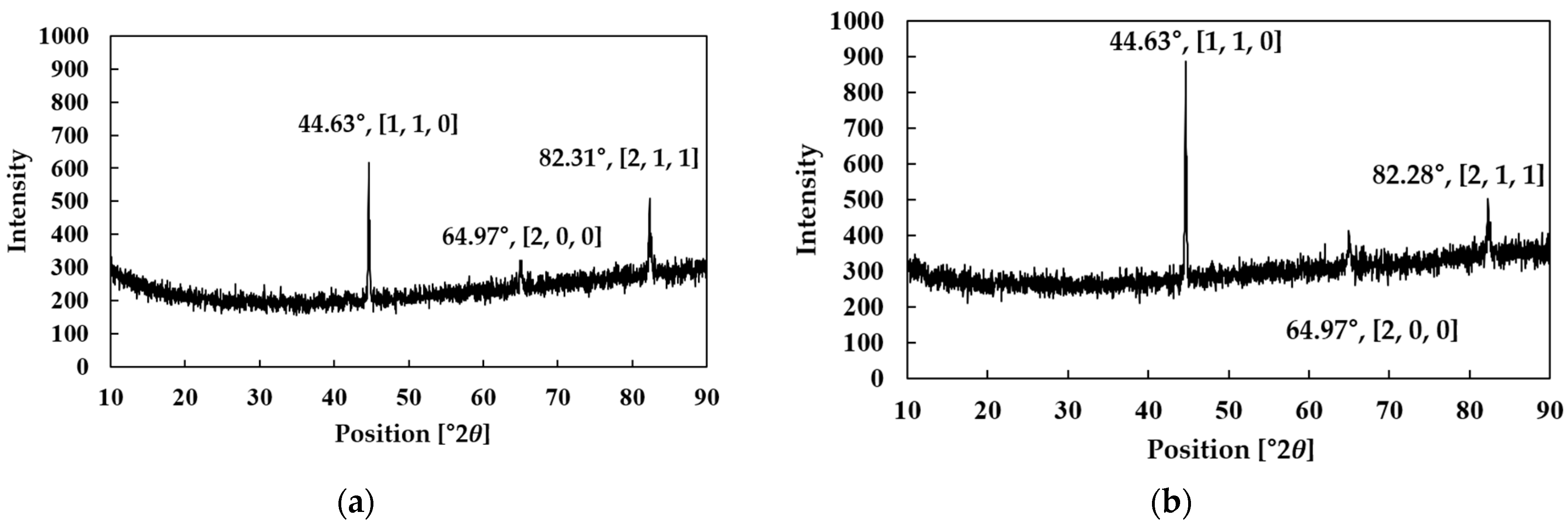
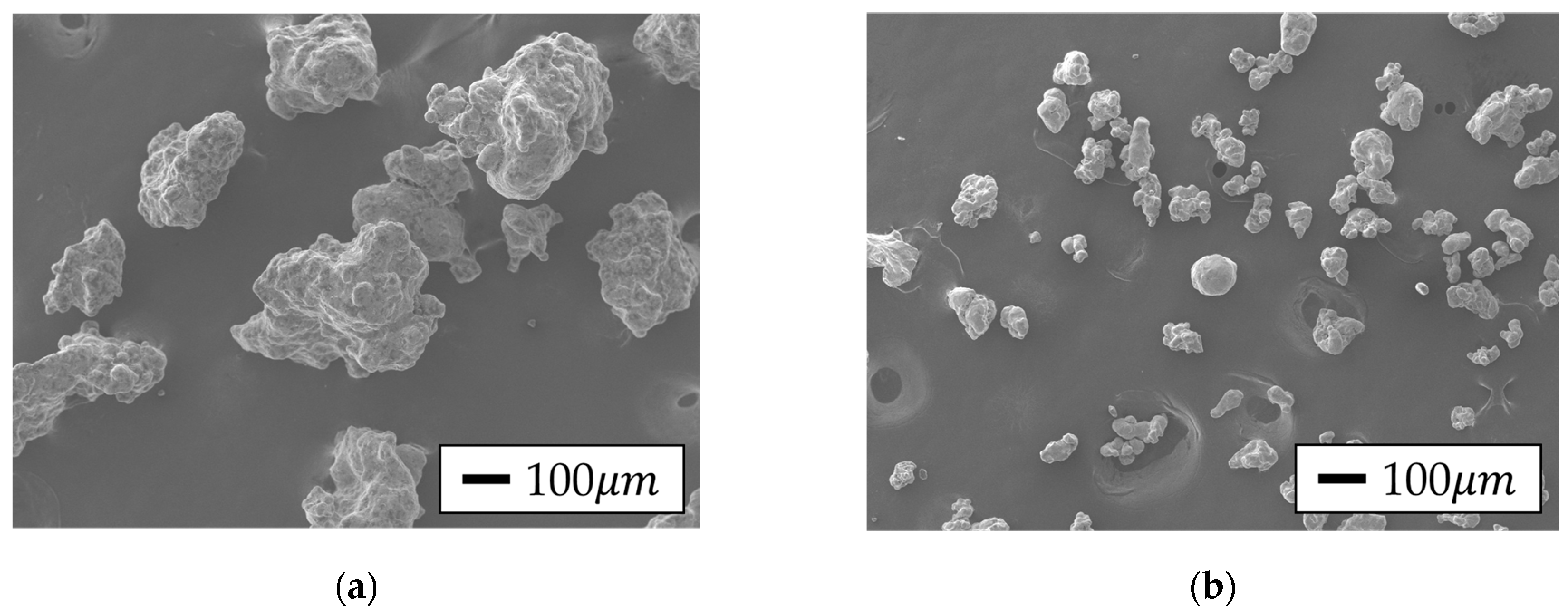
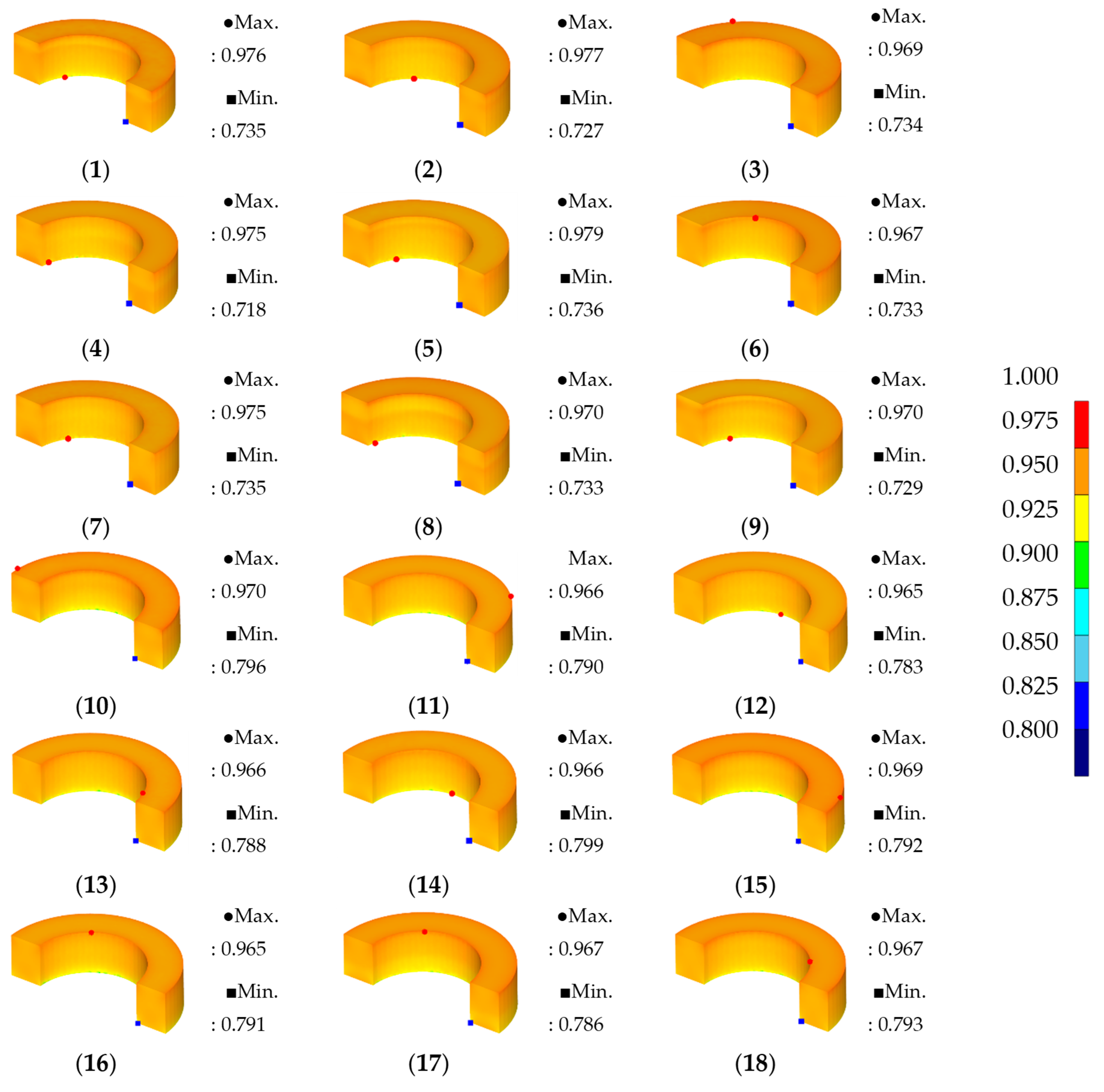
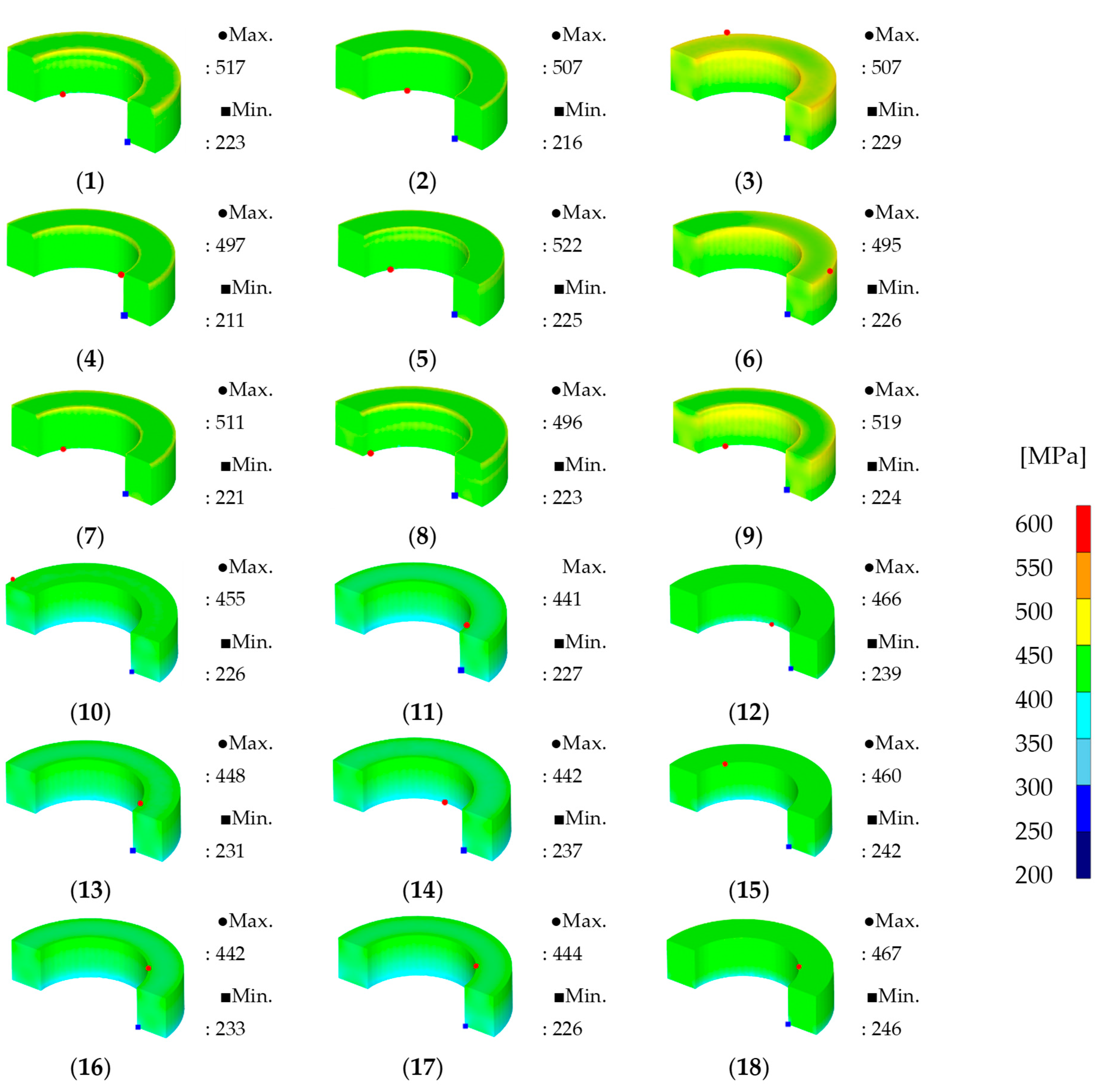
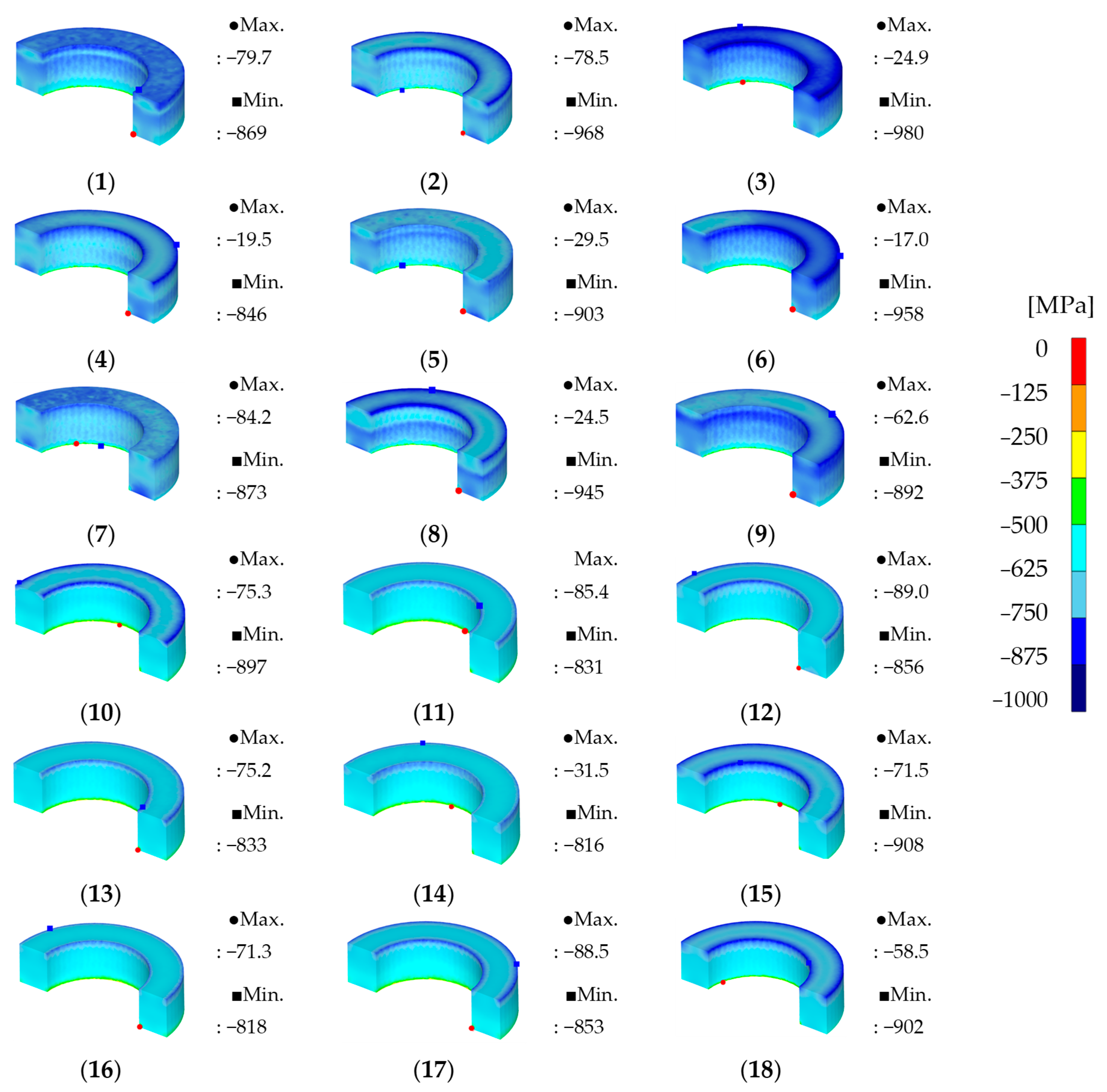
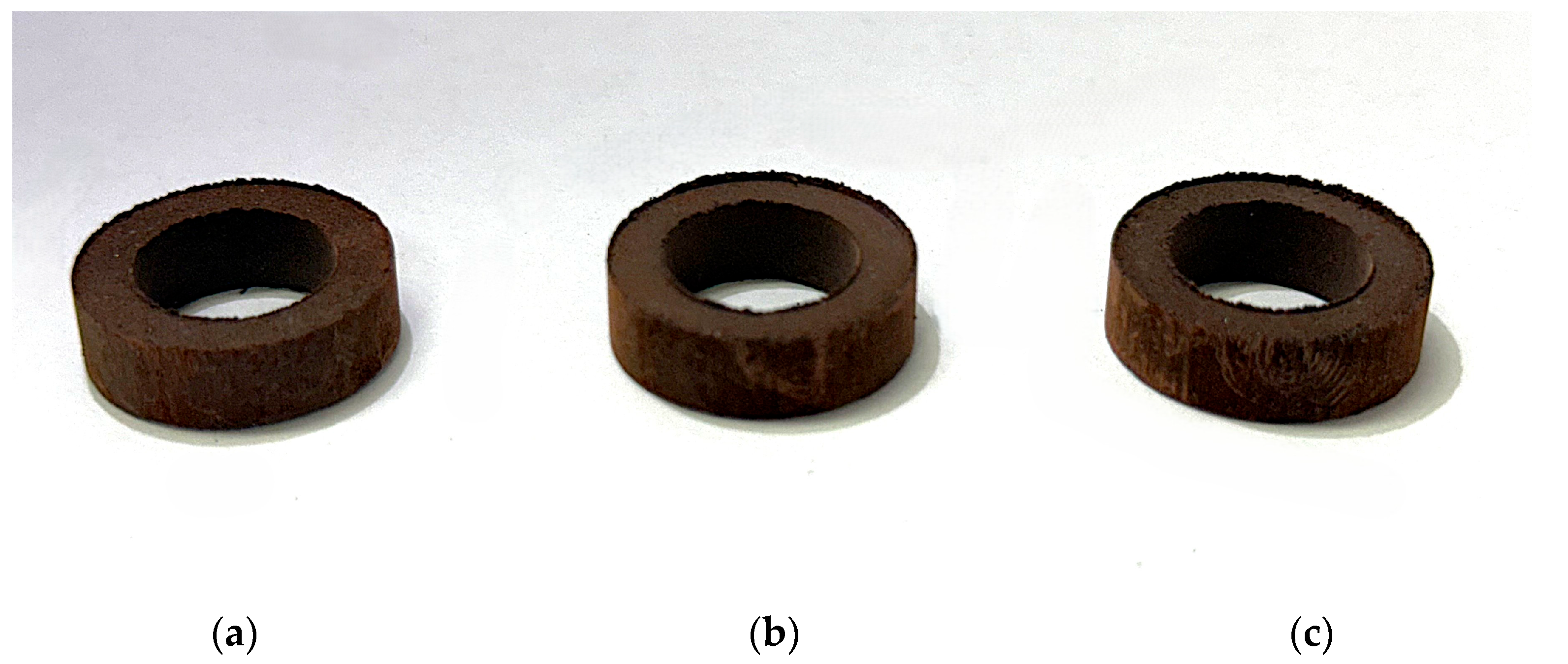
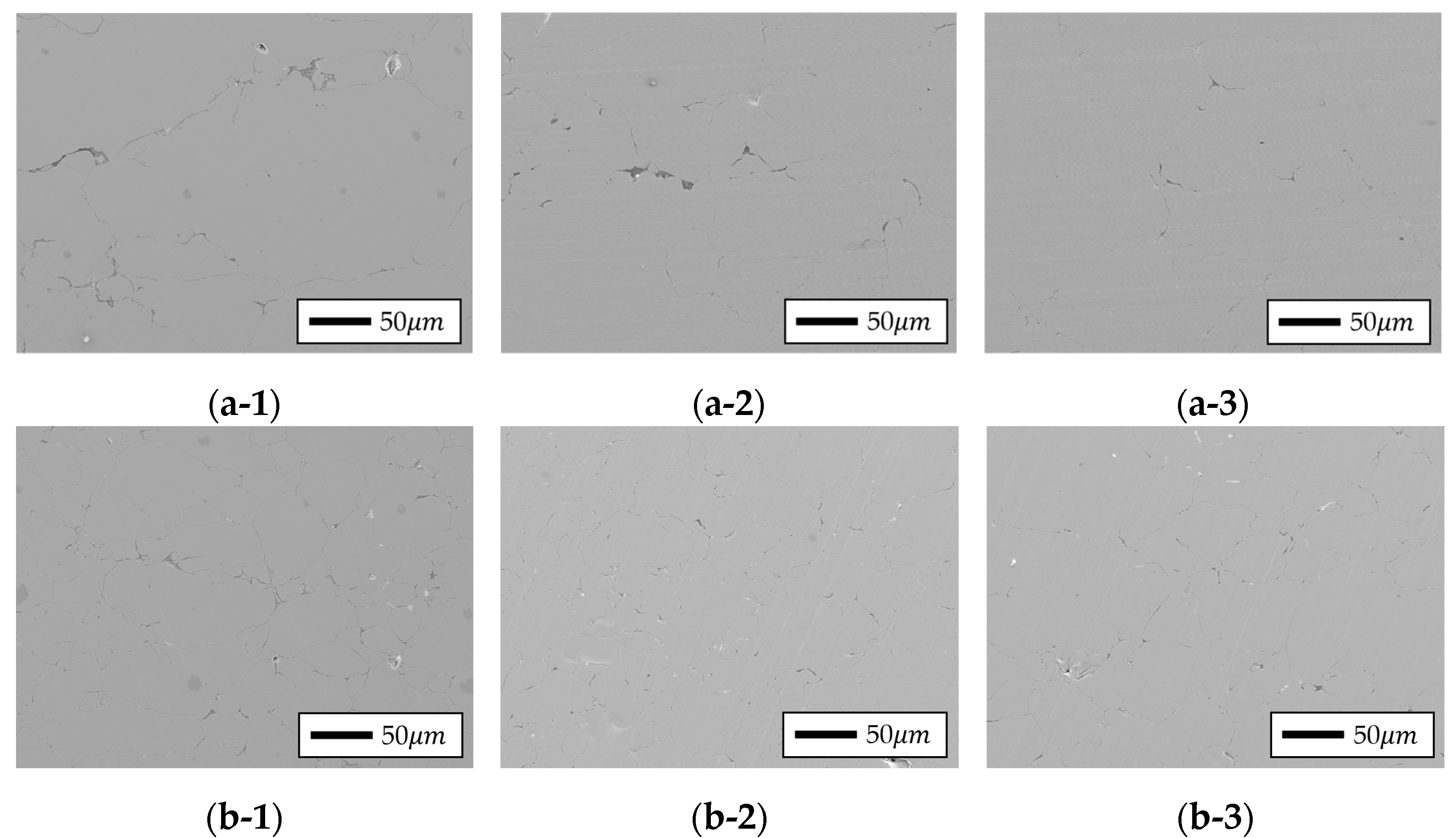
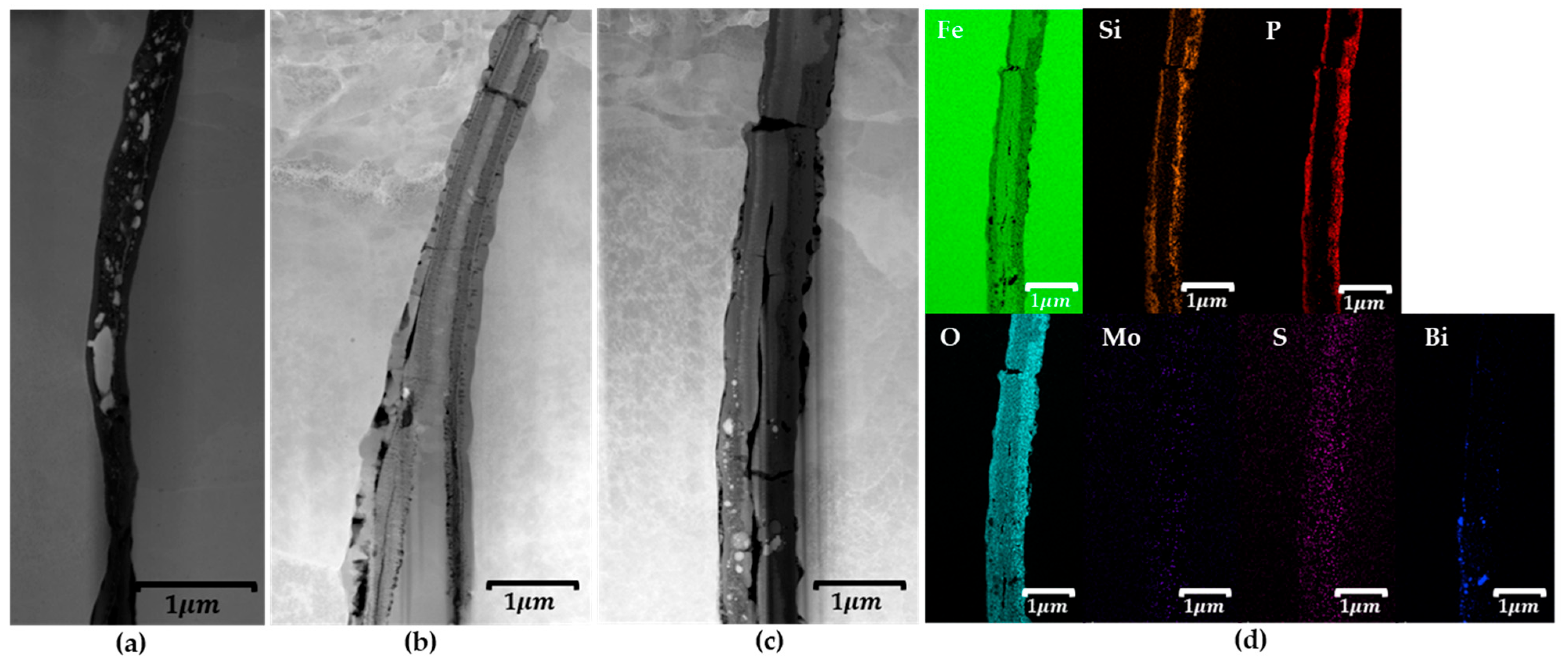
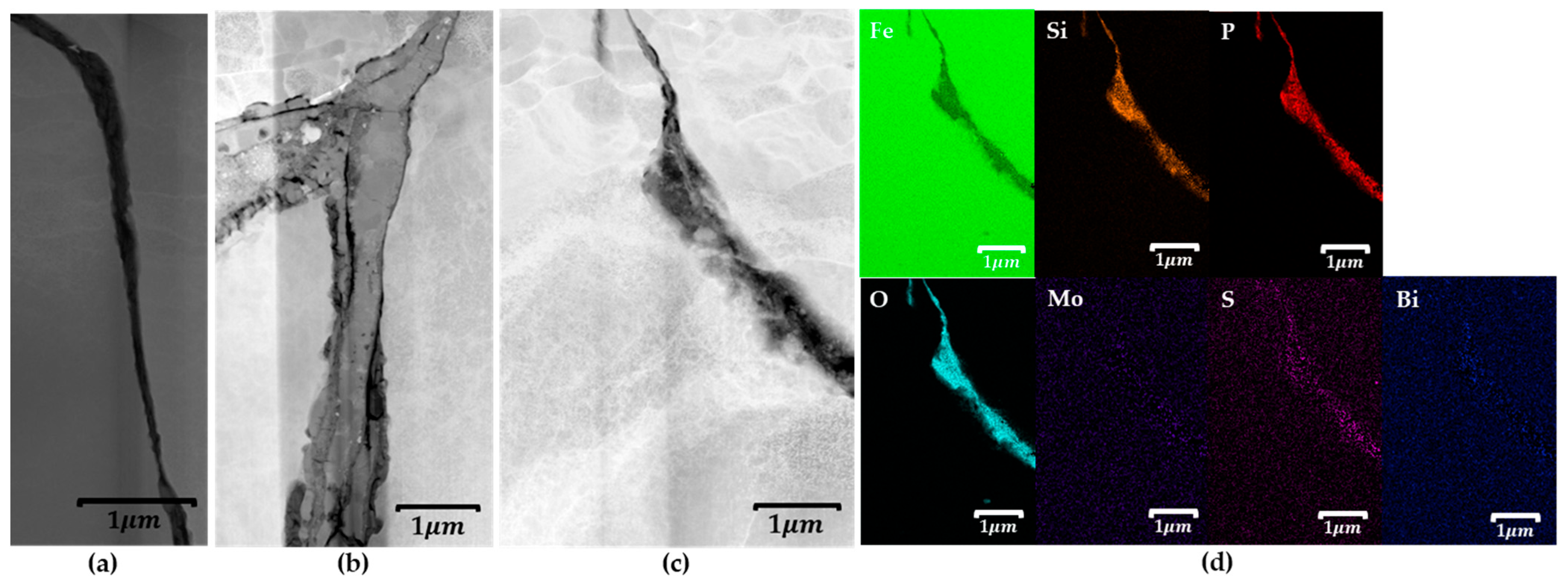
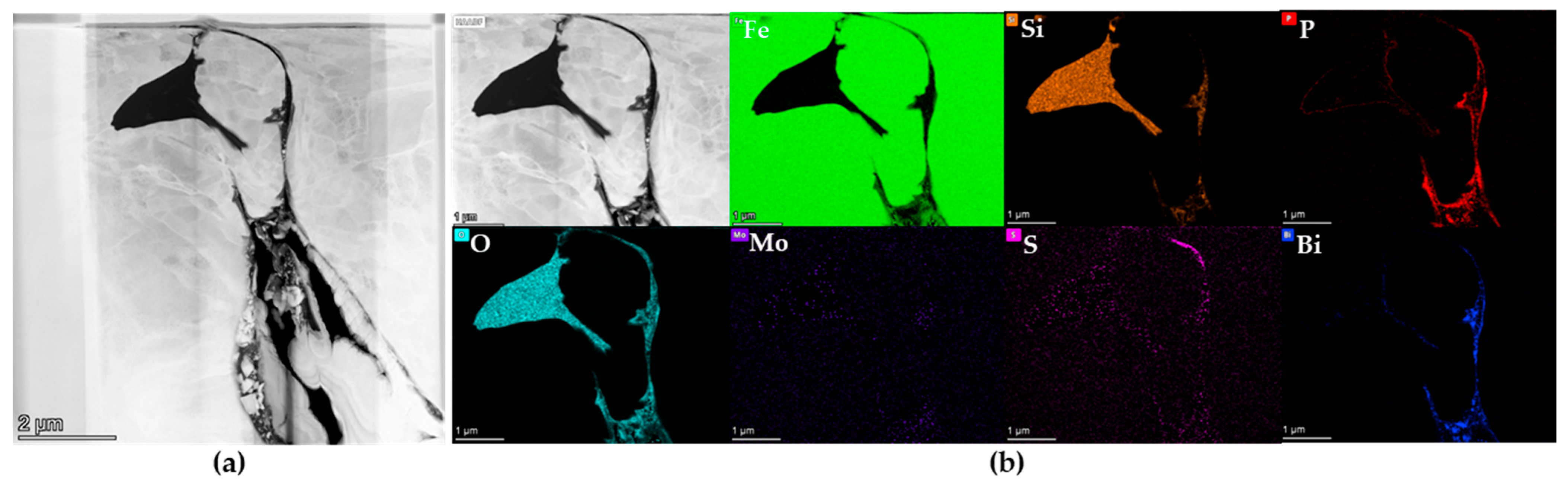
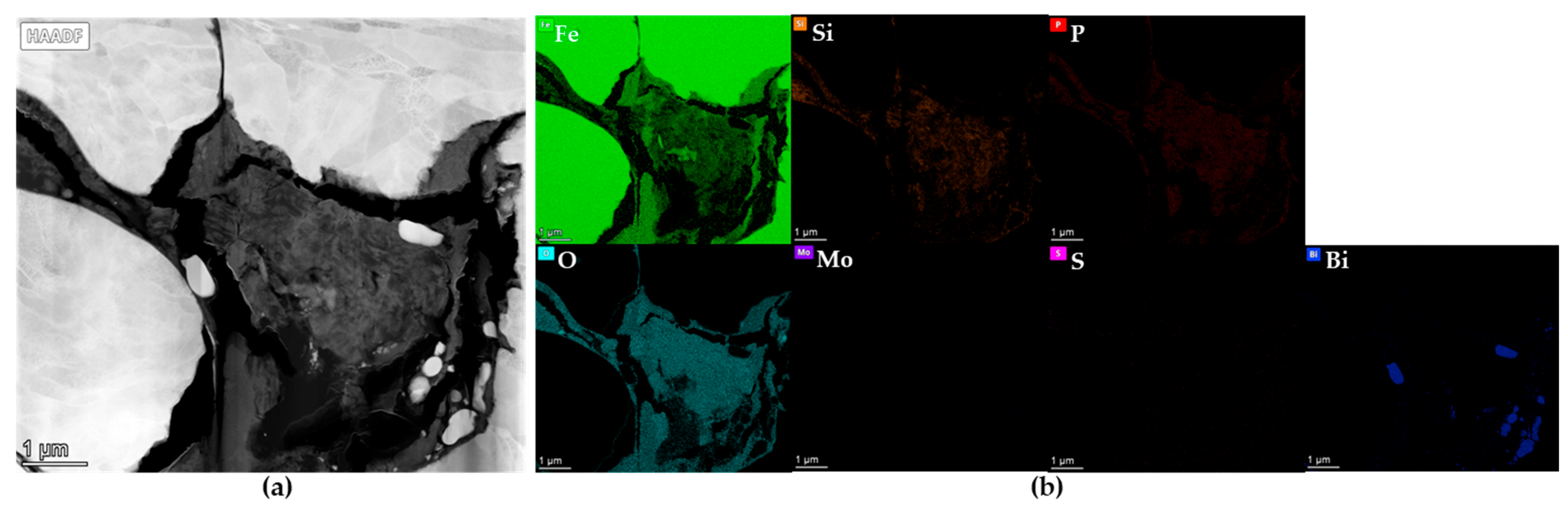
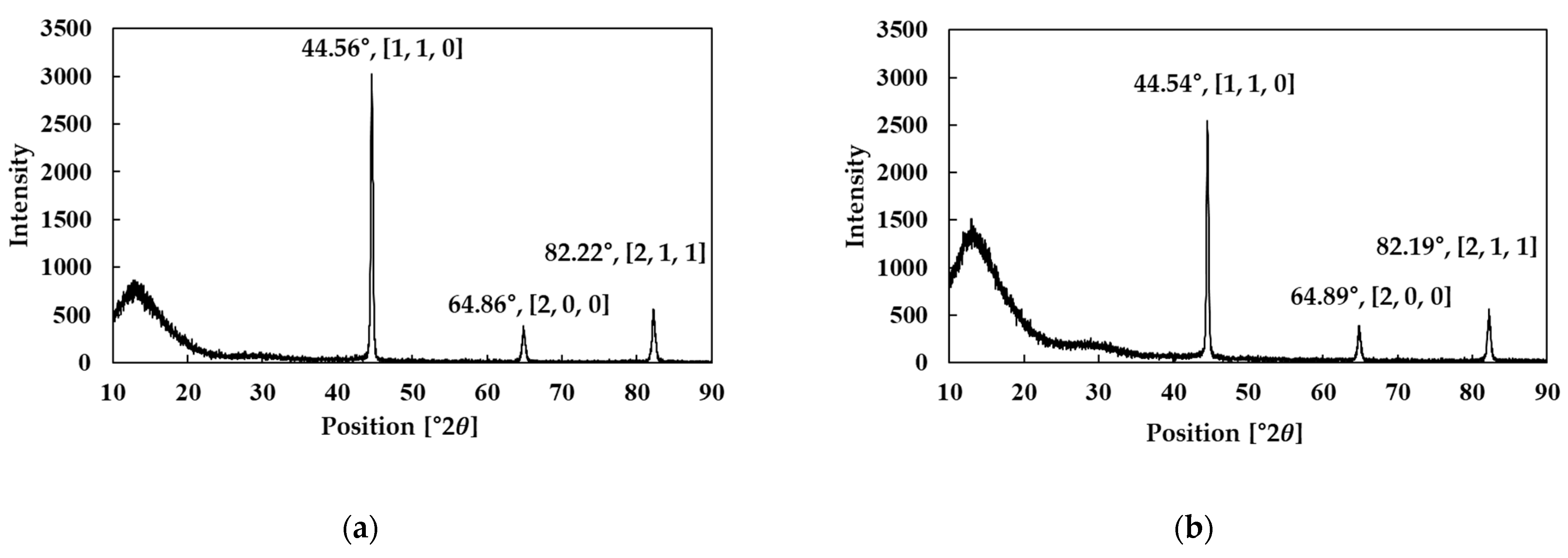
This study aimed to determine optimal forming conditions by comparing the compaction behavior and microstructural characteristics of two Fe-based Soft Magnetic Composite (SMC) powders, Somaloy 700HR 5P and Somaloy 130i 5P. A full factorial design was employed with powder type, compaction temperature, and punch speed as variables. Finite element modeling (FEM) using experimentally derived properties predicted density and stress distributions in toroidal geometries. 700HR 5P exhibited higher stress under most conditions, while both powders showed similar axial density gradients. Experimental results validated the simulations. SEM analysis revealed that 130i 5P had fewer microvoids and clearer particle boundaries. As revealed by TEM-EDS analyses, after heat treatment, both powders exhibited a tendency for the insulation layers to become more uniform and continuous. The insulation layer of 700HR 5P was relatively thicker but retained some pores, whereas that of 130i 5P was thinner yet exhibited smoother and more continuous coverage. XRD analysis indicated that both powders retained an α-Fe solid solution. These results demonstrate that powder properties, composition, and insulation stability significantly influence compaction and microstructural evolution. This work systematically compares the formability and insulation stability of two commercial Somaloy powders and elucidates process–structure–property relationships through an application-oriented evaluation integrating experimental design, FEM, and microstructural characterization, providing practical insights for optimal process design.
Keywords: soft magnetic composites (SMCs); powder metallurge (PM); motor; simulation; process optimization soft magnetic composites (SMCs); powder metallurge (PM); motor; simulation; process optimization