Article

Adaptive Myoelectric Hand Prosthesis Using sEMG—SVM Classification

by
Forbes Kent
1,
Amelinda Putri
2,
Yosica Mariana
1,
Intan Mahardika
2,
Christian Harito
3,*,
Grasheli Kusuma Andhini
4 and
Cokisela Christian Lumban Tobing
5
1
Product Design Program, Industrial Engineering Department, BINUS ASO School of Engineering, Bina Nusantara University, Jakarta 11480, Indonesia
2
Automotive & Robotics Program, Computer Engineering Department, BINUS ASO School of Engineering, Bina Nusantara University, Jakarta 11480, Indonesia
3
BINUS Graduate Program—Master of Industrial Engineering, Industrial Engineering Department, Bina Nusantara University, Jakarta 11480, Indonesia
4
Fashion Design Program, Product Design Department, School of Computing and Creative Arts, Bina Nusantara University, Jakarta 11480, Indonesia
5
Dare Prosthetic & Orthotic Service, Bekasi 17147, Indonesia
*
Author to whom correspondence should be addressed.
Prosthesis 2026, 8(1), 9; https://doi.org/10.3390/prosthesis8010009
Submission received: 25 November 2025 / Revised: 5 January 2026 / Accepted: 6 January 2026 / Published: 9 January 2026

Abstract

Background/Objectives: An individual with a hand disability, whether caused by an accident, disease, or congenital condition, may have significant problems with their daily activities, self-perception, and ability to work. Prosthetic hands can be used to restore essential hand functions, and features such as adaptive grasps can enhance their usability. Due to noise in the sEMG signal and hardware limitations in the system, reliable myoelectric control remains a challenge for low-cost prosthetics. ESP32 microcontrollers are used in this study to develop an SVM-based sEMG classifier that addresses these issues and improves responsiveness and accuracy. A 3D-printed mechanical structure supports the prosthesis, reducing production costs and making it more accessible. Methods: The prosthetic hand is developed using an ESP32 as the microcontroller, a Myoware Muscle Sensor to detect muscle activity, and an ESP32-based control system that integrates sEMG acquisition, SVM classification, and finger actuation with FSR feedback. A surface electromyography (sEMG) method is paired with a Support Vector Machine (SVM) algorithm to help classify signals from the sensor to improve the user’s experience and finger adaptability. Results: The SVM classifier achieved 89.10% accuracy, an F1-score of 0.89, and an AUC of 0.92, with real-time testing demonstrating that the ESP32 could reliably distinguish flexion and extension signals and actuate the servo, accordingly, producing movements consistent with the kinematic simulations. Complementing this control performance, the prosthetic hand was constructed using a coupled 4 bar linkage mechanism fabricated in PLA+, selected for its superior factor of safety compared to the other tested materials, ensuring sufficient structural reliability during operation. Conclusions: The results demonstrate that SVM-based sEMG classification can be effectively implemented on low-power microcontrollers for intuitive, low-cost prosthetic control. Further work is needed to expand beyond two-class detection and increase robustness against muscle fatigue and sensor placement variability.

1. Introduction

The hand is used intensively in daily activities, and impairments caused by trauma, disease, or congenital conditions often disrupt functional independence and psychosocial well-being. Several studies have shown that hand loss or deformities can affect work capability, participation in routine tasks, and overall quality of life [1,2,3,4,5,6]. East and South Asia report some of the highest amputation rates globally [7], with falling incidents, road accidents, and other traumatic events identified as dominant causes [8]. In Indonesia, an estimated 245,613 individuals experience difficulty using their hands and fingers [9], indicating a substantial need for accessible assistive devices. Prosthetic hands developed through advances in biomedical and mechanical engineering are generally categorized as passive or active systems, with additional distinctions such as mechanical or body-powered design [10]. Active prosthetic hands typically rely on a controller, sensor actuator configuration, enabling users to perform basic hand motions. Several designs incorporate adaptive grasp mechanisms to improve object handling [11]. For control, surface electromyography (sEMG) sensors such as the Myoware sensor are commonly used because they record muscle activity non-invasively through electrodes placed on the skin [12]. The recorded signals are processed to generate actuator commands.
Despite progress in prosthetic technology, user acceptance remains limited due to issues related to comfort, device weight, insufficient functional capability, reliability, and aesthetics [5,13]. While machine learning, particularly Support Vector Machine (SVM) algorithms, has improved sEMG classification by effectively handling non-linear signal distributions, most existing implementations rely on external computers. This dependence increases cost and power consumption while reducing the system’s practicality for continuous portable use. Additionally, the mechanical designs in previous low-cost prostheses often rely on simple tendon-driven structures that do not provide consistent adaptive grasp or structural reliability under repeated loading. These gaps underline the need for an integrated approach combining efficient machine-learning-based control and a mechanically optimized linkage system. Machine learning has been increasingly explored as a method for improving myoelectric control, as it can learn patterns from muscle activity and respond more naturally to user intentions. As summarized in Table 1, SVM algorithms are widely applied for their effectiveness with non-linear signals [14,15], although they typically rely on external computation. Parallel to control development, additive manufacturing—especially FDM and SLA 3D printing—has become a practical option for fabricating prosthetic components at lower cost and with customizable geometry. Table 1 summarizes these existing control methods and mechanical designs, highlighting their relative merits and the specific research gaps—such as the need for embedded-friendly algorithms and optimized linkage mechanisms—that this study aims to address.
The novelty of this work lies in the full integration of sEMG–SVM control directly on an ESP32 microcontroller without external computation, combined with a custom four-bar linkage finger mechanism fabricated using low-cost additive manufacturing. The system brings together real-time classification, adaptive finger control, and low-cost structural fabrication in a single prototype. In line with these considerations, this study aims to design and develop a custom myoelectric prosthetic hand that is affordable, adaptive to user-specific muscle patterns, and structurally reliable for daily use. The integration of embedded machine learning and optimized mechanical design is expected to improve accessibility and functional performance for individuals with hand impairments. This study supports Sustainable Development Goals (SDG) 3—Good Health and Wellbeing by contributing to improved quality of life for individuals with disabilities or limb deficiencies. By offering more personalized solutions and improving functionality, it also promotes health and well-being for people with congenital disabilities. Furthermore, this study also supports SDG 9—Industry, Innovation, and Infrastructure by advancing innovative solutions in the field of prosthetics and integrating innovative technologies such as sEMG and microcontrollers. This study also supports SDG 10—Reduced Inequalities by [18].

2. Materials and Methods

2.1. Components Integration

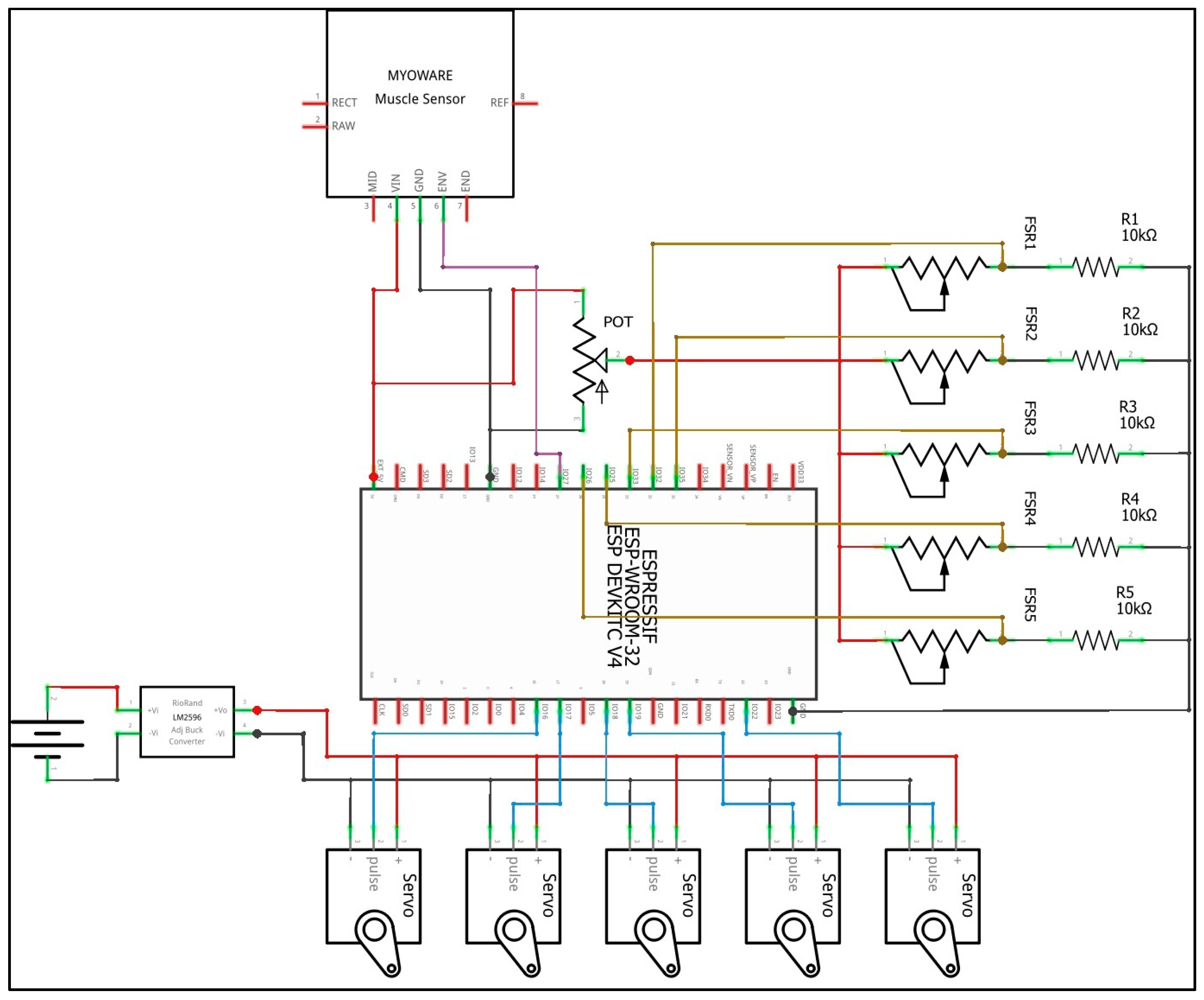
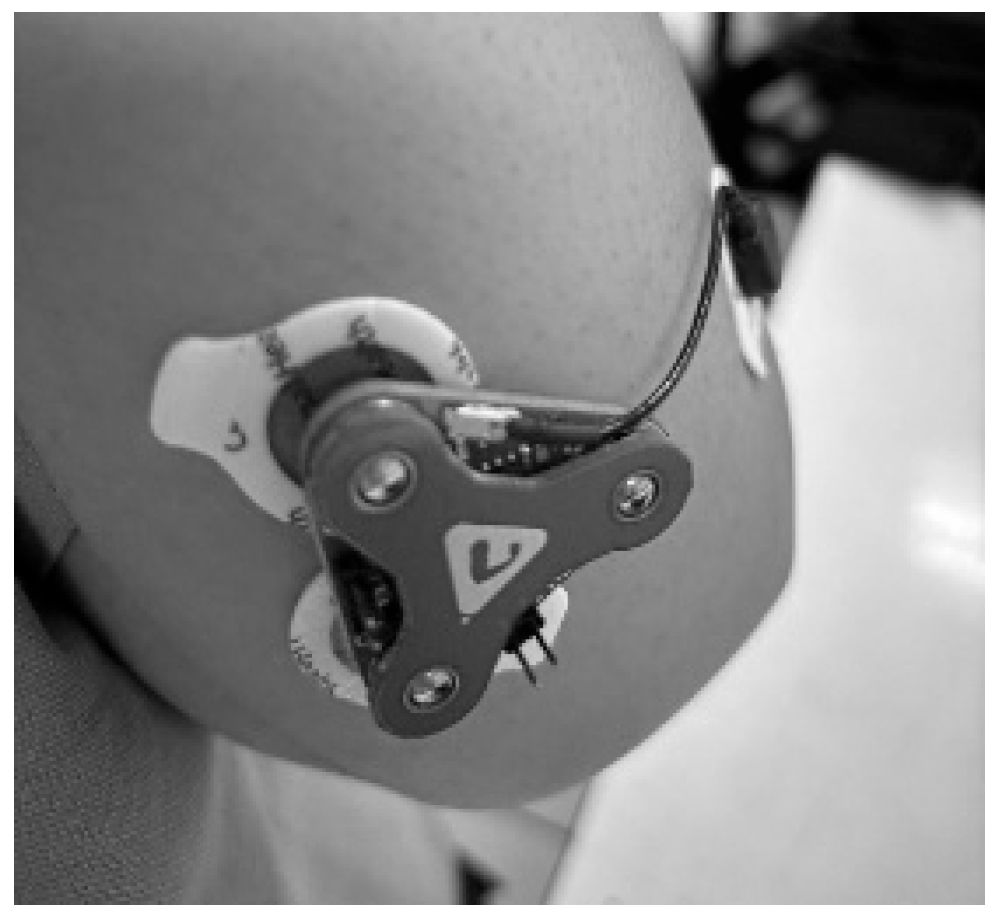
The control system of the prosthetic hand consists of an ESP32 microcontroller (Espressif Systems, Shanghai, China), a Li-ion battery, five MG92B servo motors (TowerPro, Shenzhen, China), five force-sensitive resistors (Interlink Electronics, Camarillo, CA, USA)—one for each finger—a Myoware sEMG sensor (Advancer Technologies, Raleigh, NC, USA), and a voltage regulator. The sEMG sensor is placed on the upper section of the forearm, close to the elbow region, to detect muscle activation associated with finger flexion (Figure 1).
After confirming the functionality of the electronic circuit, all components are integrated into the 3D-printed prosthetic prototype. Each servo motor is mechanically linked to an individual finger through the four-bar linkage. When the ESP32 issues a control command, the corresponding servo actuates the finger. During this movement, the FSR monitors contact with external objects. Once the FSR detects sufficient pressure, the servo halts to prevent excessive force, allowing the system to wait for the next control signal. The overall component integration is shown in Figure 2.

2.2. Machine Learning Pipeline

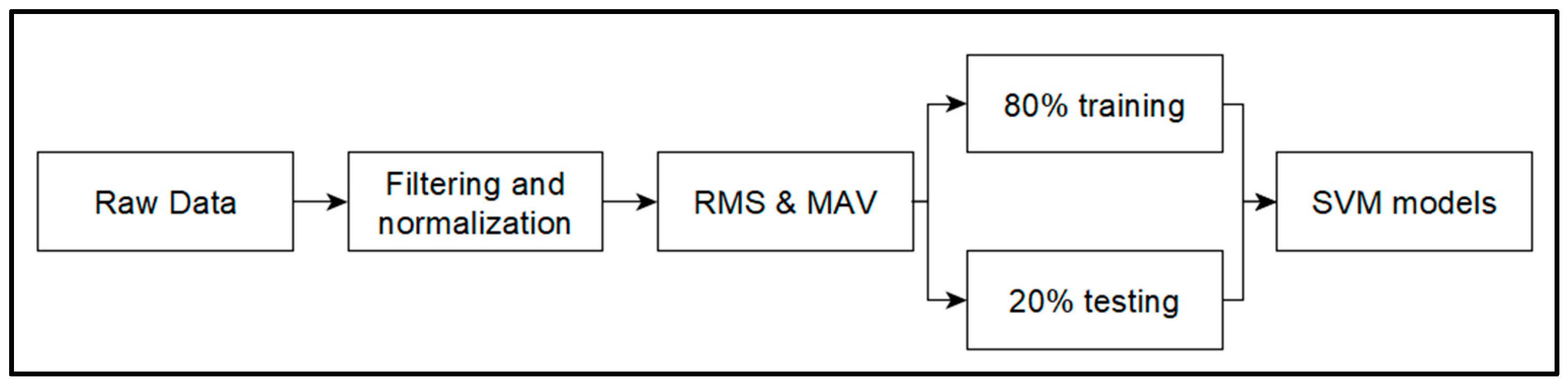
The control system that is built in this project uses machine learning algorithms to improve the signal’s processing. First, the signal will go through pre-processing, which includes filtering, feature extraction, and standardization. After obtaining the unique feature through the Root Mean Square (RMS) and Mean Absolute Value (MAV) methods, the data will be split 80:20 for training and testing the machine learning model. Figure 3 briefly illustrates how the machine learning model is formed.
MAV and RMS are common features that can easily be extracted from the rapidly fluctuating raw myoelectric signal [19]. MAV, just like the name, is the average absolute value of the myoelectric signal over a period of time. MAV gives the overall measure of muscle activity. RMS is the measurement of the power of the signal. RMS is closely related to the force of muscle contraction. By using both values, the information of muscle condition can be made into a pattern. After obtaining the pattern, SVM models can be trained to have two classes: Extension and Flexion. Flexion of the finger is when the muscle state is tense, while Extension is when the muscle state is relaxed.

2.3. Hardware Design Process

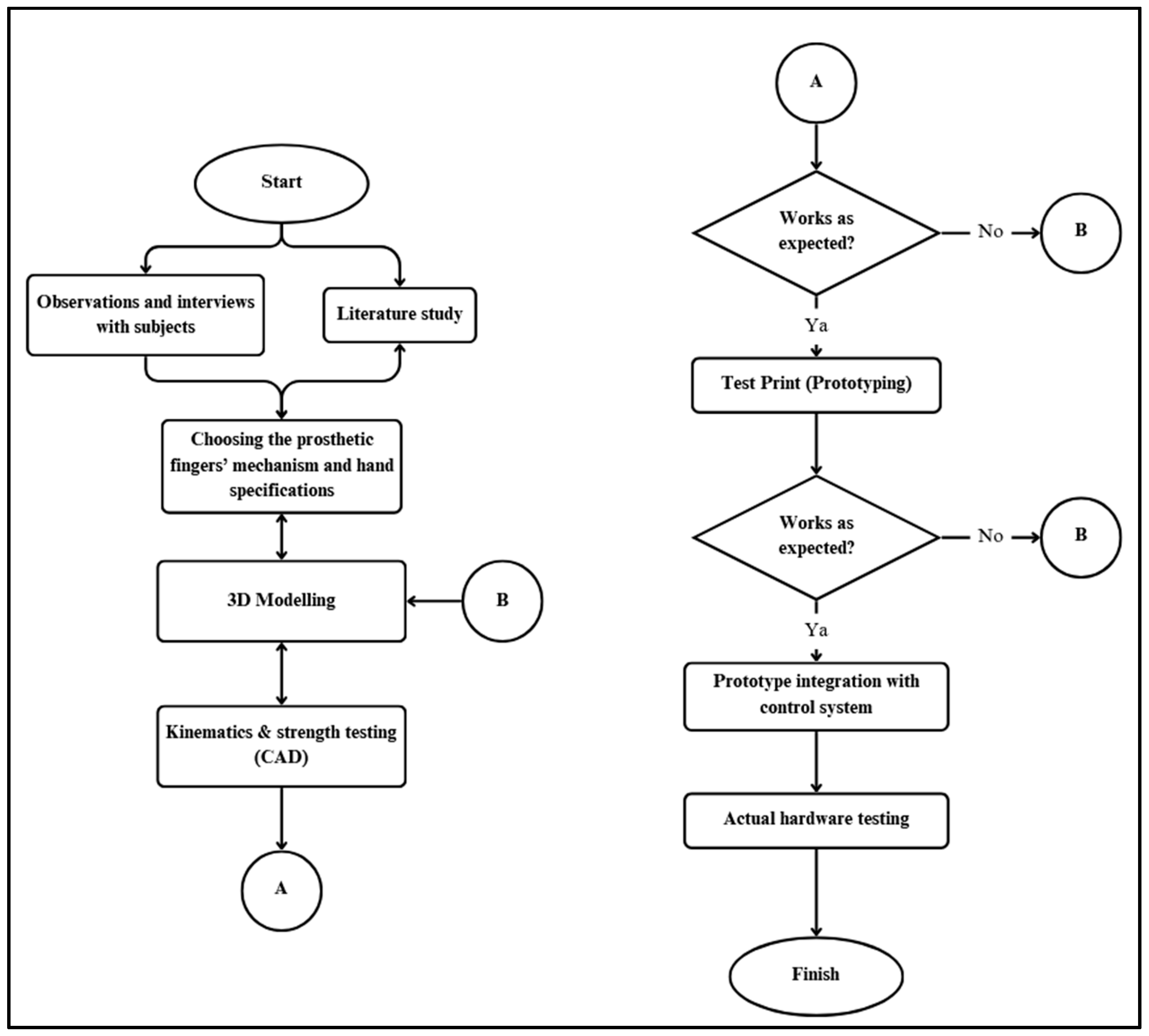
The hardware design process, from requirement analysis to prototype integration, is presented in Figure 4. The selection of the prosthetic finger mechanism was carried out using a Pugh Matrix to evaluate and identify the most suitable design based on defined functional criteria. Three-dimensional modelling, kinematic simulation, and strength analysis were performed using Autodesk Fusion x64 v.2605.1.52. Test prints and prototype fabrication were conducted using a Creality CR-10 v3 FDM 3D printer, manufactured in China and sourced from a vendor in Indonesia to validate the mechanism’s performance before full integration.

2.4. Mechanism Study

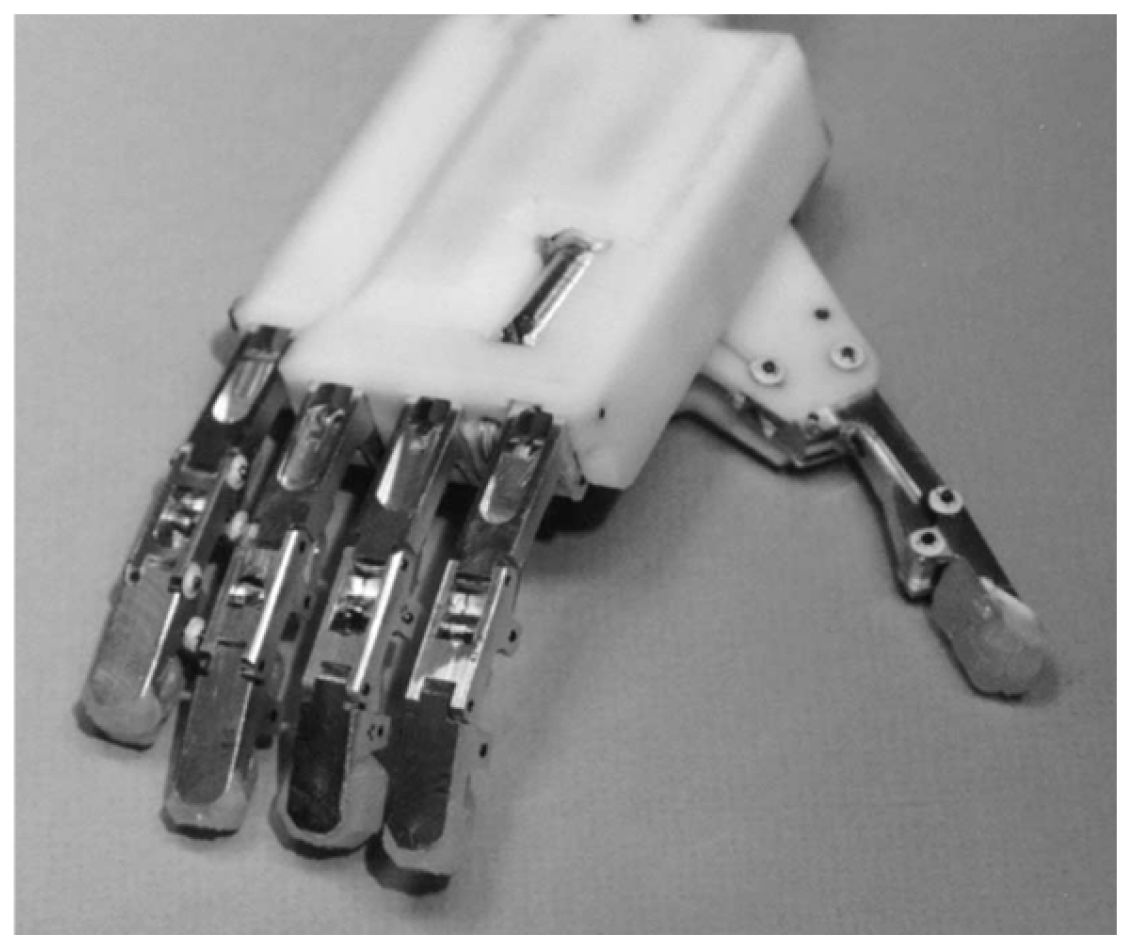
Figure 5 shows the prosthetic hand developed by Dechev et al. [10], which presents several research gaps relevant to this study. First, the hand is sized more closely to that of a child, whereas most prosthetic hand users are adults and therefore require a larger and more proportionate design. Second, the opening and closing speeds of the mechanism are relatively slow, reducing its functional responsiveness during grasping tasks. These limitations highlight the need for a more adaptable and performance-oriented finger mechanism. A summary of the alternative finger mechanism considered as the basis for the present design can be found in Table 2.
Figure 5. Prosthetic hand design referenced from Dechev et al. [11], used as a comparative model in the mechanism study.
Prosthesis 08 00009 g005
Table 2. Benchmarking Results.
No.Mechanism Drawing
1.Figure 6
2.Figure 7
3.Figure 8
4.Figure 9
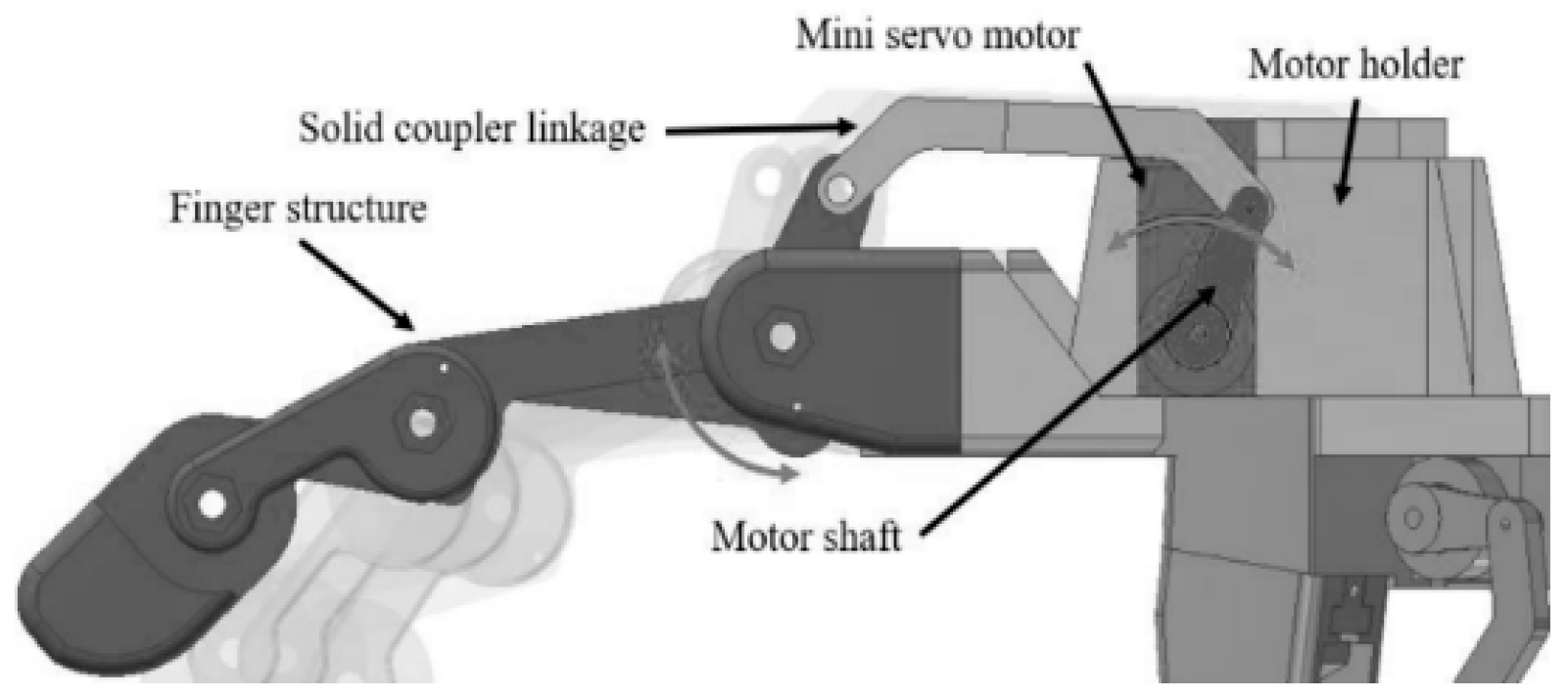
Figure 6. Coupled 4 bar linkage mechanism representing a rigid-link finger design, commonly used for consistent joint coordination and stable adaptive grasping in prosthetic applications [17].
Prosthesis 08 00009 g006
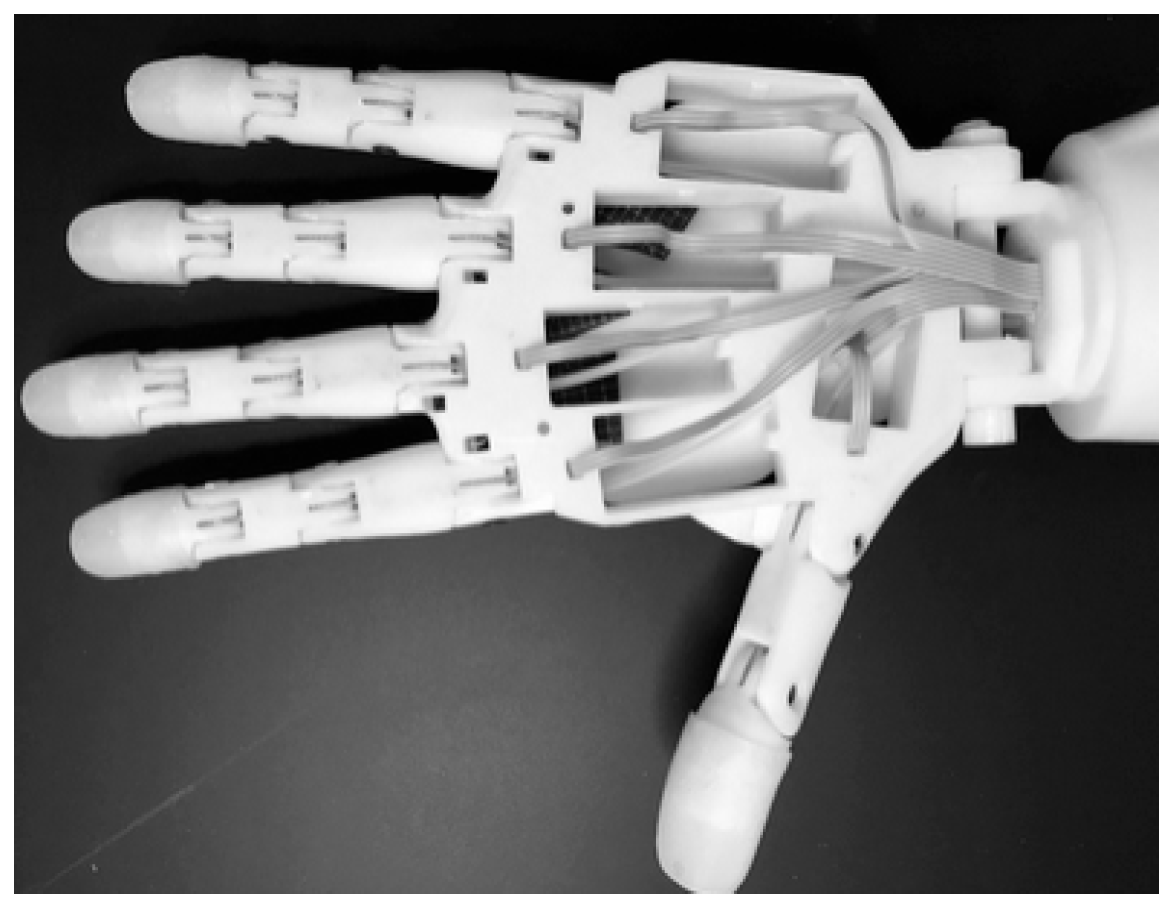
Figure 7. String-actuated mechanism demonstrates a tendon-driven design, which offers lightweight construction and passive adaptability but often requires higher maintenance and tension calibration [16].
Prosthesis 08 00009 g007
Figure 8. Mechanism 3, a coupled 4 bar linkage finger design used as an alternative rigid-link configuration for adaptive finger motion.
Prosthesis 08 00009 g008
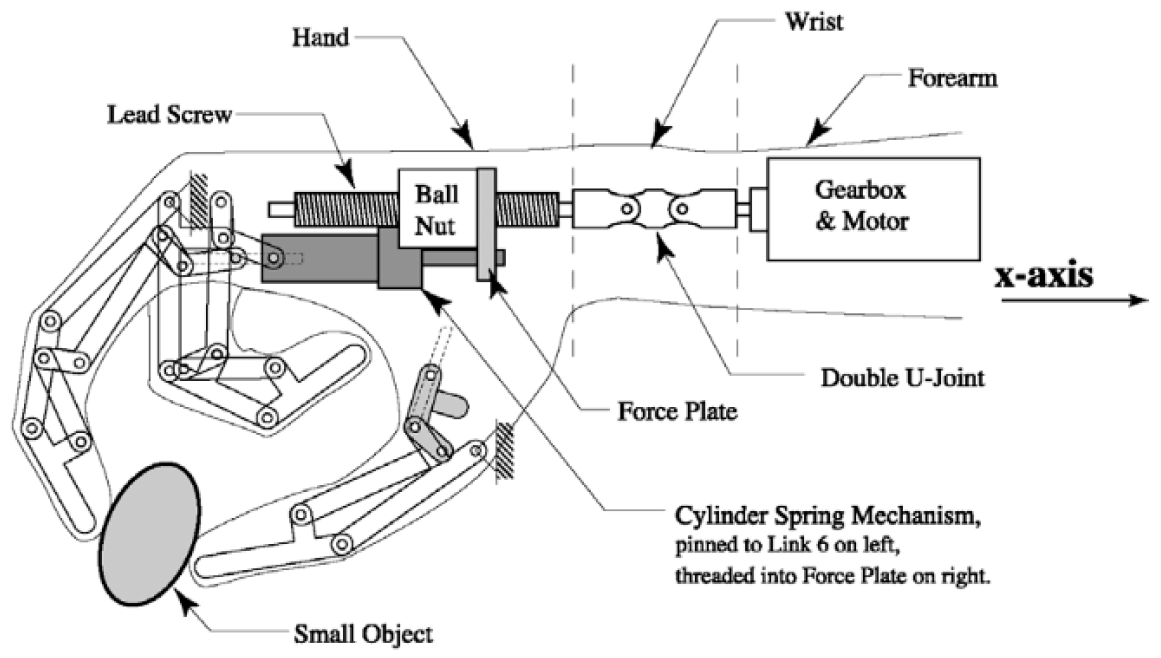
Figure 9. Mechanism 4, a coupled 4 bar linkage enhanced with a spring-return system, provides passive closing assistance and improved grasping stability, adapted from Dechev et al. [11].
Prosthesis 08 00009 g009
The following are the parameters used for benchmarking:
  • Complexity
    Complexity refers to the number of components in the mechanism. The amount of components can affect the amount of points of failure and cost: 1 indicates a very low part count, and 5 indicates a very high part count.
2.
System Size
System size refers to the width of the overall mechanism. Size can affect difficulty of implementation on smaller hand sizes: 1 indicates a very narrow size, and 5 indicates a vast size.
3.
Ease of Assembly
Ease of assembly refers to the difficulty of assembly and disassembly. Ease of assembly affects the required dexterity to assemble the hand: 1 indicates the mechanism is very hard to assemble, and 5 indicates the mechanism is very easy to assemble.
4.
Component Reliability
Component reliability refers to how long the components keep their intended function. Component reliability can be affected by the load experienced by the parts and materials used for the parts. Components that require elasticity could lose elasticity over time, and components which require higher strength than its material has would need to be replaced more often: 1 indicates very low component reliability, and 5 indicates very high component reliability. Table 3 presents the benchmarking results of the finger mechanism.
The points for each design were weighed equally and assigned comparatively to every other design in the selected design samples and were given through a process of discussion between authors. Some designs were given the same point due to being deemed similar in the specific parameter. While designs 1 and 3 are both equal in the benchmarking table, design 3 was ultimately chosen as it had better repairability and component reliability, fulfilling SDG 10.

2.5. Determining Specifications

The specifications defined for the prosthetic hand are summarized in Table 4.

3. Analysis

3.1. Three-Dimensional Modelling and CAD Testing

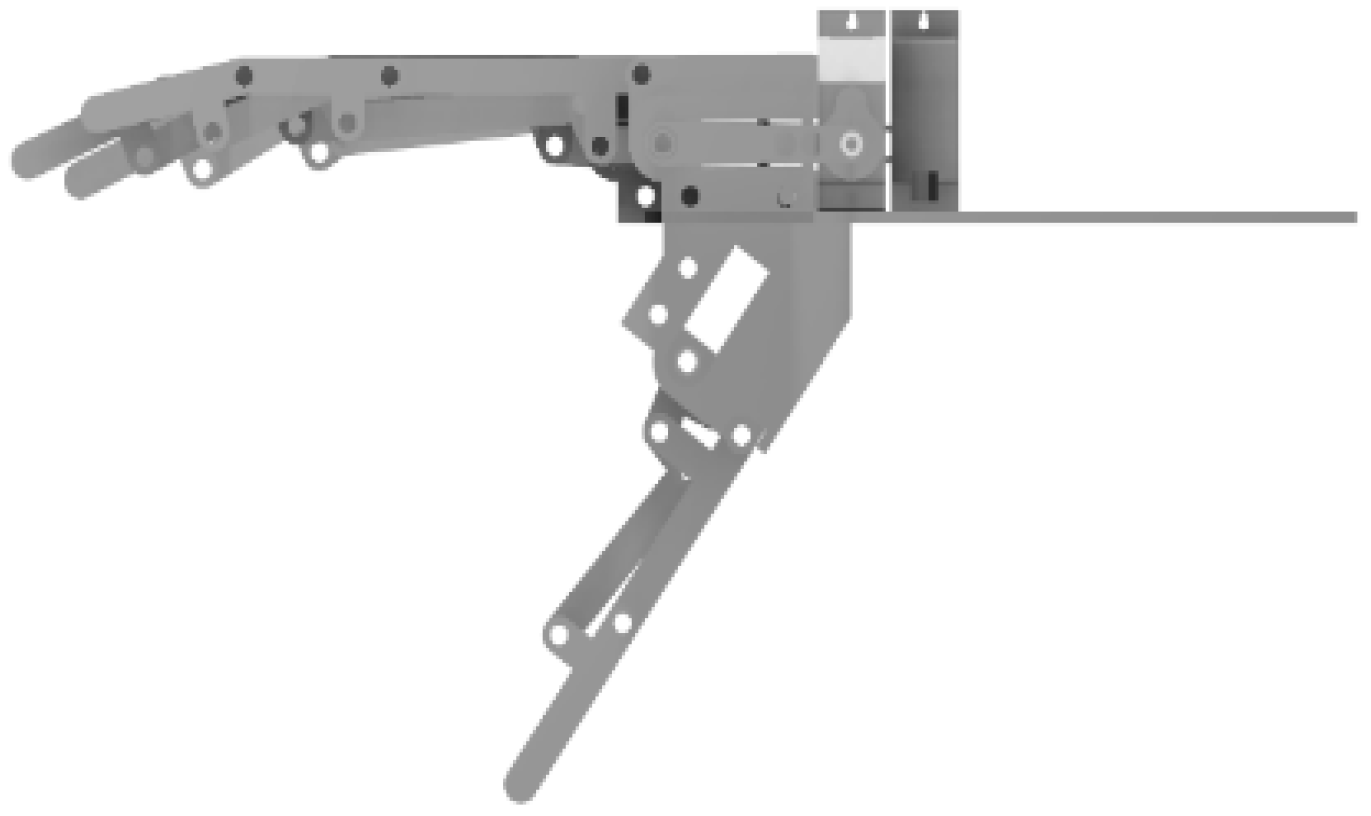
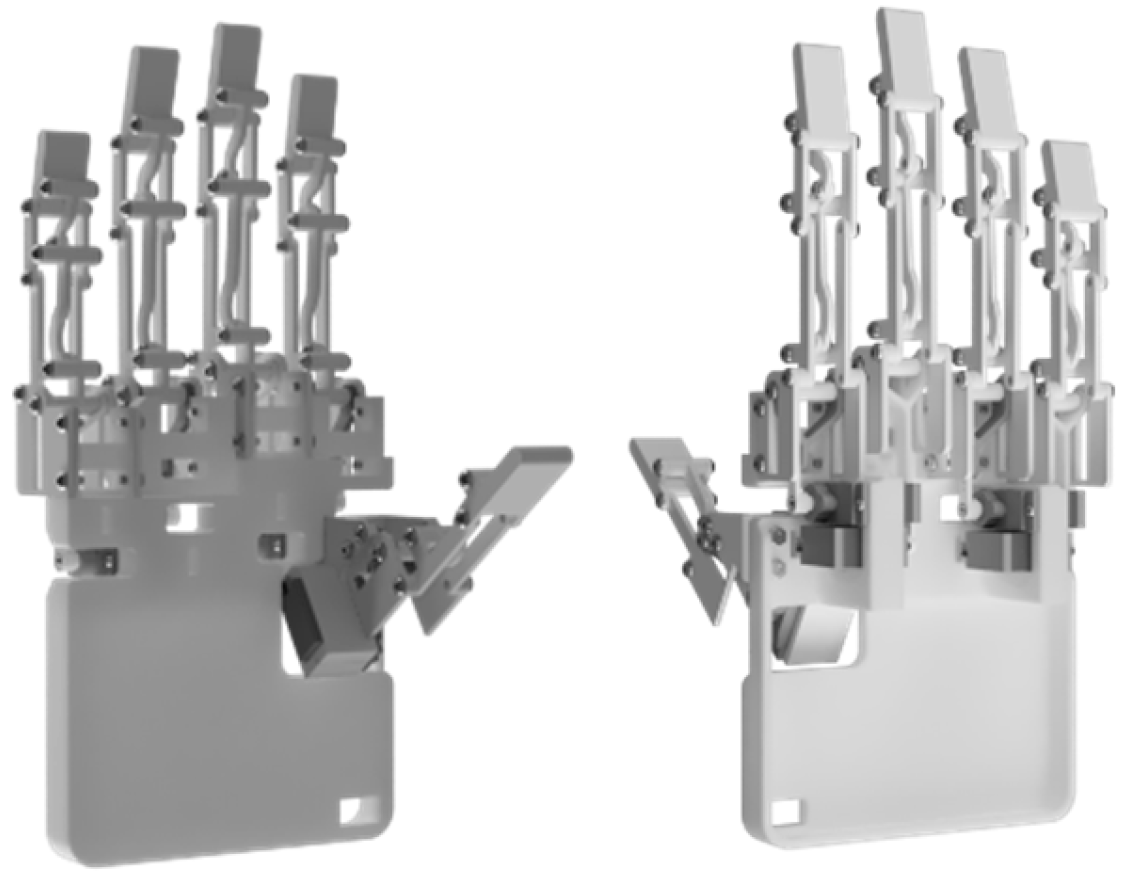
The following images are renders of the prosthetic hand’s 3D model:
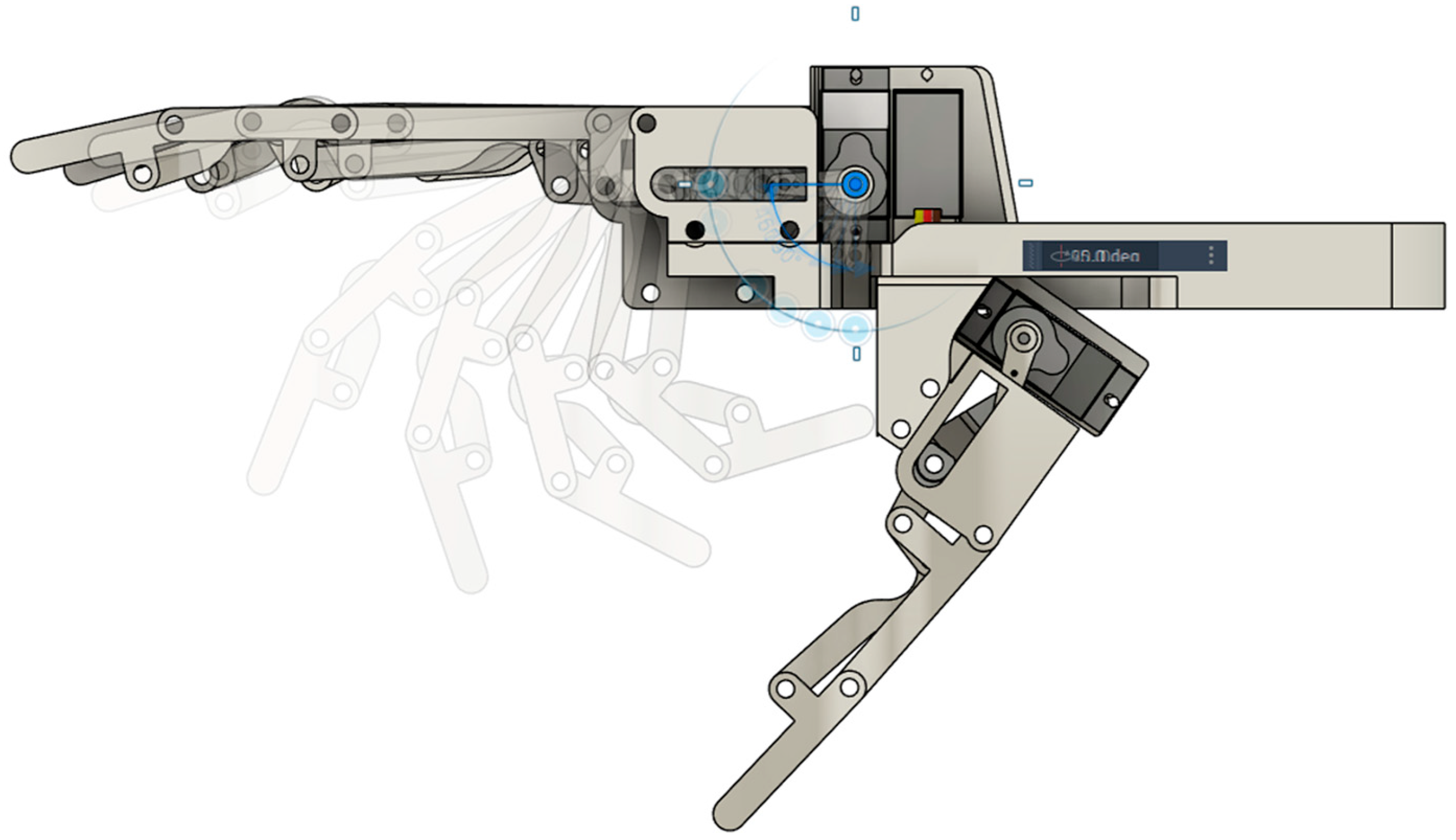
The hand was modelled in Autodesk Fusion, with the screws and servos modelled in to imitate how it would be assembled in real life (Figure 10). Due to time constraints, the fingers’ dimensions were adjusted to the author’s fingers. Figure 11 shows a kinematic overview of the prosthetic hand’s finger movement:
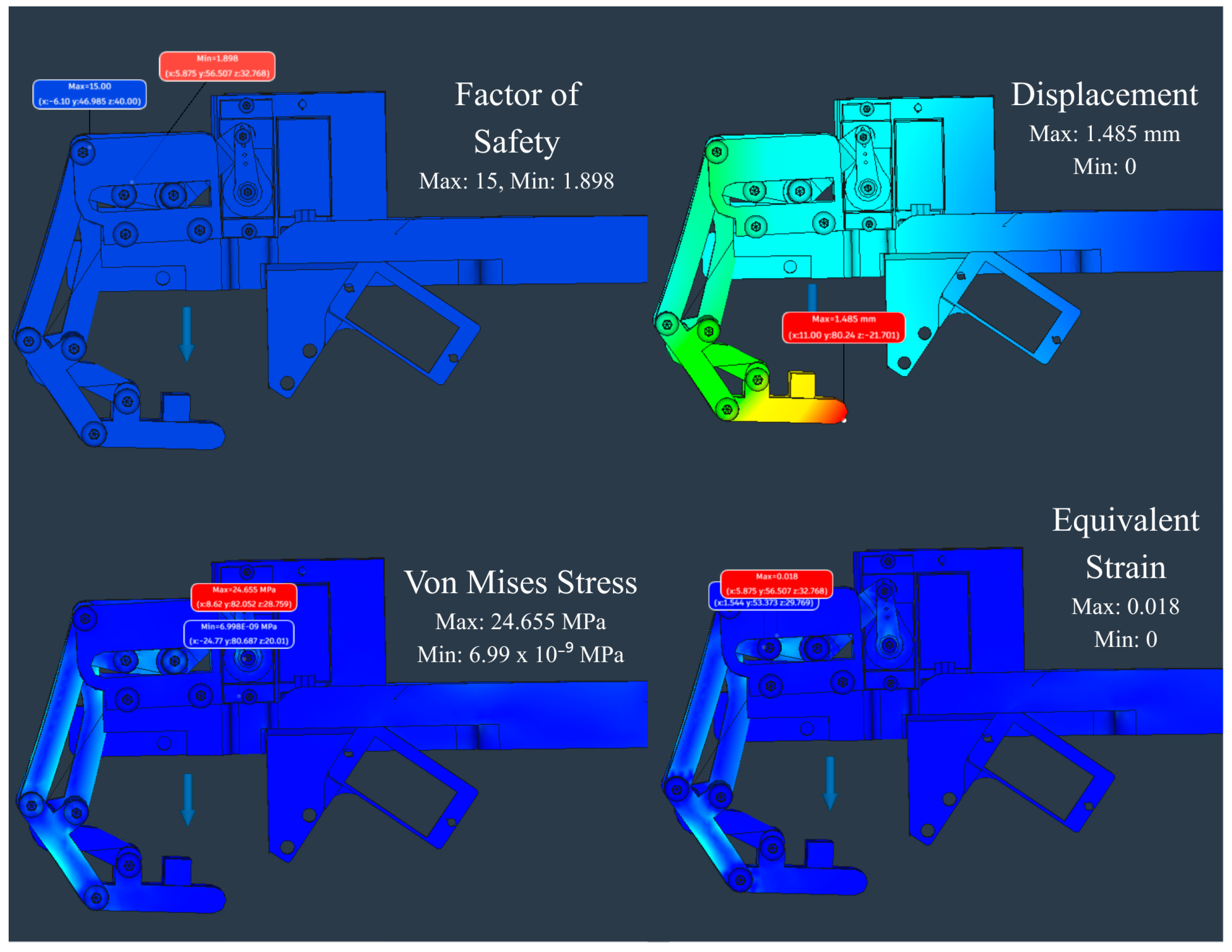
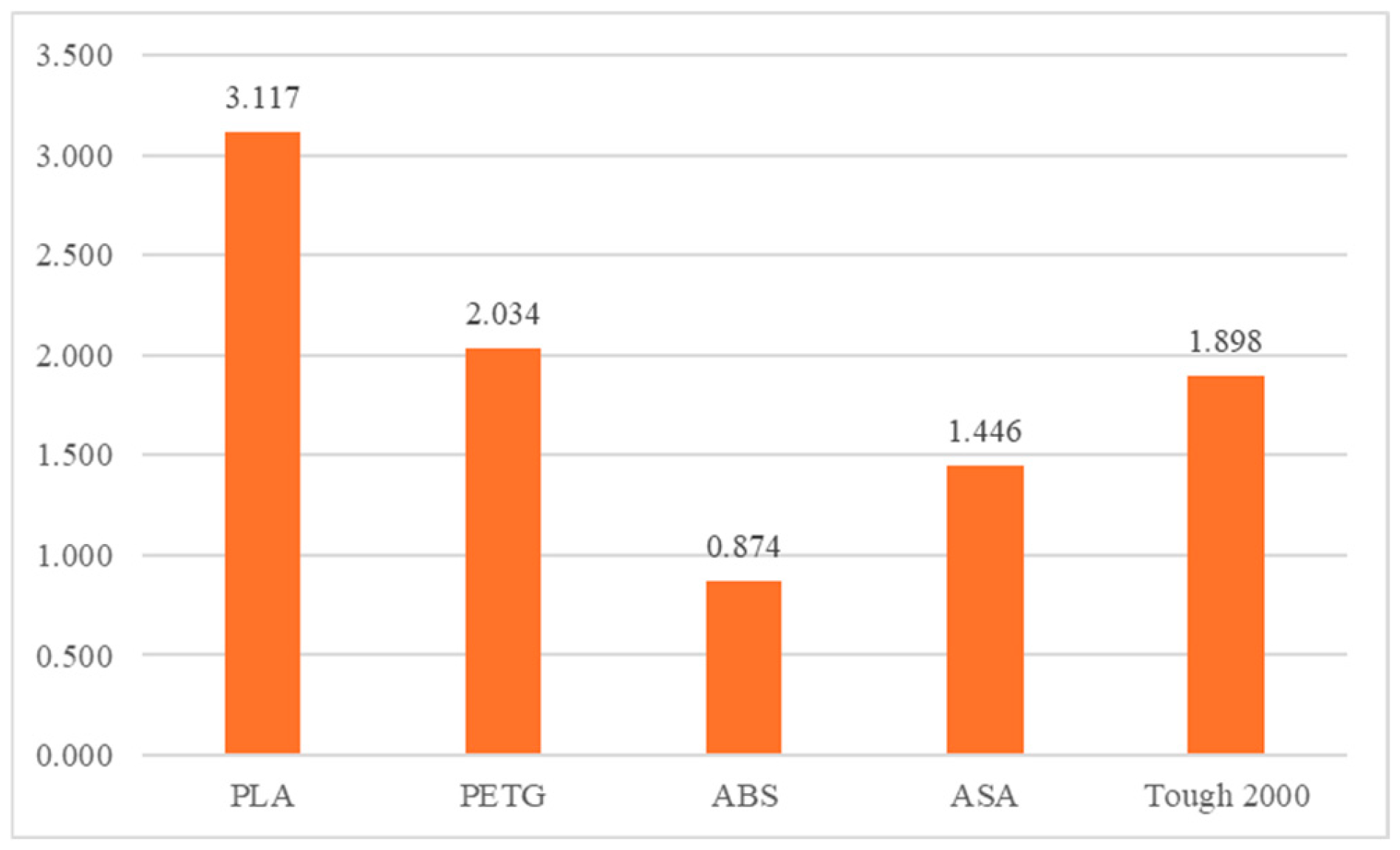
Static stress tests were conducted on the prosthetic hand’s 3D model to determine if it would be able to carry a 300 g item. The item was placed in the middle of the distal phalanx to simulate the load at the most fragile point of the hand. The item was made small to reduce its effects on the fingers’ structural strength in the simulation since it can be counted as a part of the hand by the simulation. The object was used to reduce the surface area difference in different fingers when applying the load. The effect of the load was adjusted through a force that was applied to the object. The static stress test results on the pointer finger with PLA material are shown in Figure 12, and the corresponding factor of safety for each material is illustrated in Figure 13.
The stresses on the finger are concentrated around the proximal phalanx and the outer side of the medial phalanx. The distal phalanx, as well as the frame, experiences less stress than the proximal and medial phalanxes. Testing results show that PLA has the highest factor of safety compared to other materials tested in the CAD simulation. PLA is also more common and easily usable with most 3D printers, unlike PETG, ABS, and ASA, which require additional machines or enclosed printers to utilize. In the end, PLA was chosen as the material used for prototyping.

3.2. Signal Processing & Machine Learning Implementation

3.2.1. Signal Processing

Signals are collected using EMG techniques that can also catch so much noise. The raw signals are collected by performing two movements: relaxing and tensing the muscle. Raw signals can be seen in Figure 13. After obtaining the signal needed for SVM training, the signal will be filtered to remove the NaN data. Then, the clean signals’ unique feature will be extracted. In this study, the features that are extracted are the muscle’s overall power and general movement. The power of the muscles is extracted by performing RMS, while the general movement of the muscle is extracted by MAV. RMS can be calculated by using this formula:
M A V = 1 N i = 1 N x i
where
N
= total number of samples in windows;
x i
= value of i -ith sample in windows;
x i
= the absolute value of the sample.
Meanwhile, RMS can be calculated using the formula:
R M S = 1 N i = 1 N x i 2
where:
N
= total number of samples in windows;
x i
= value of i -ith sample in windows;
x i 2
= square value of the sample.

3.2.2. Machine Learning

After signal processing is completed, the features that have already been extracted are then split into 8:2 ratio for training and testing the algorithm. Then GridSearchCV object is used to find the best parameters for model training and testing. The result shows that the best parameters for the model are C = 100 , g a m m a = 0.01 , and using an rbf kernel. These parameters show that the model has a good balance (small gamma value) but needs a strong penalty for misclassification (large “C” value) to achieve the best performance. The model was trained outside the ESP32. It was trained using a Python 3.11.0 library called Scikit-learn then exported to a C++ header file (.h file) using a Python library called micromlgen. The classification result will be shown using confusion matrix (CM) and receiver operating characteristic (ROC) curve. Since the EMG signal is a one-dimensional data (1D), the continuous raw sensor data is first windowed by collecting a fixed number of samples into a buffer to capture a specific segment of muscle activity. From this window, features are mathematically extracted: MAV is calculated to estimate the contraction effort, while RMS is computed to measure the signal’s power density. These extracted values are then normalized using Z-score scaling to match the SVM model’s scale.

4. Results

4.1. Prototyping

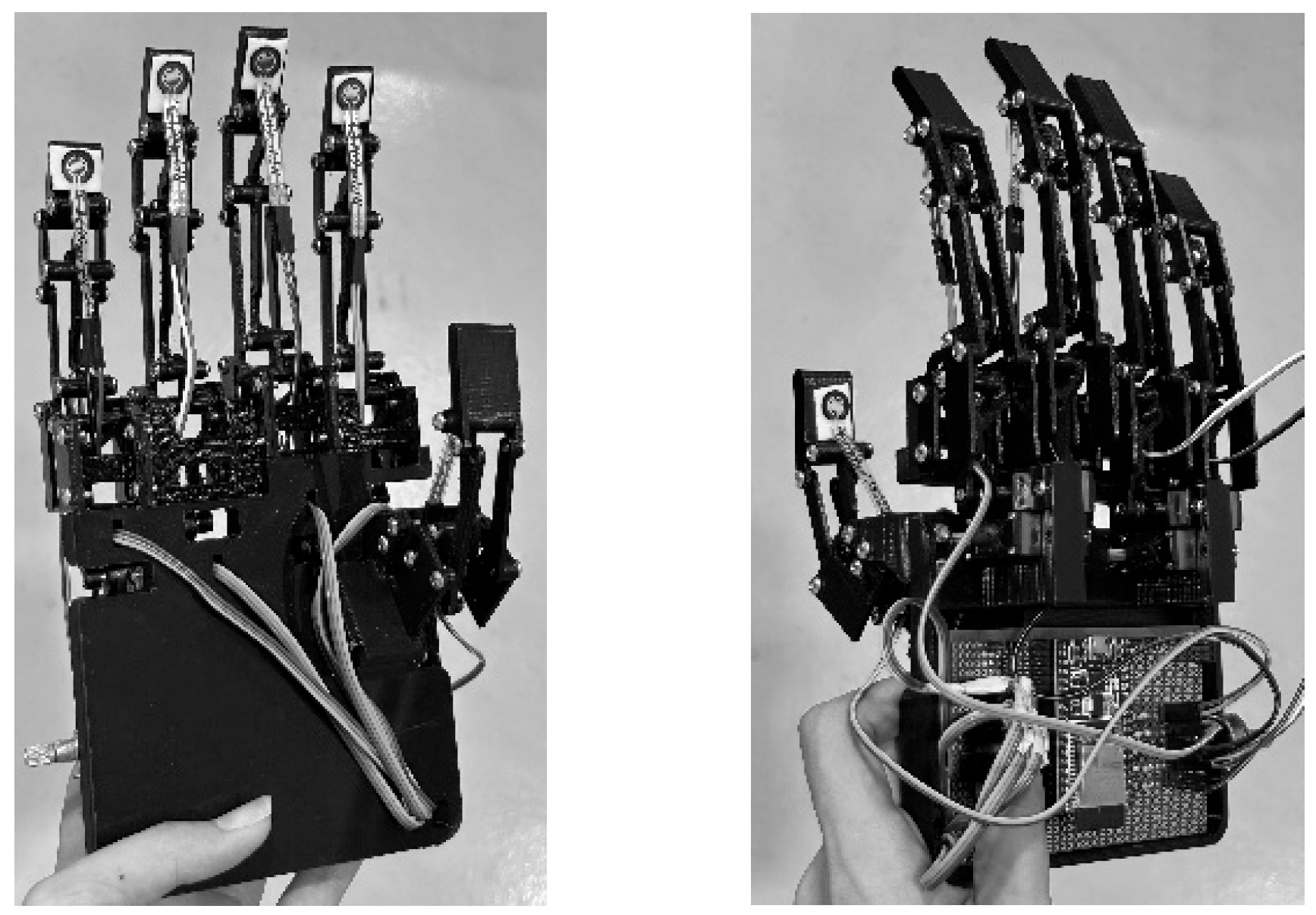
The prototype was made using an FDM 3D printer and cost around 200 g of PLA+ to print. The filament used was eSun’s PLA+. Figure 14 shows the finished prosthetic hand prototype.
The prosthetic hand dimensions are 258 mm × 120 mm × 144 mm at full extension, and it weighed 314 g without the battery and 736 g with the battery. The hand is slightly out of specification, due to assembly process issues, which led to a larger size, and the battery is extremely large. in the prototypes, which led to a wider and taller design to accommodate an easier assembly process.
A grip strength test was conducted using a 10 N spring scale with a handlebar; both handlebar and hand placement affected the measured force. During testing, the servos responded reliably to classification output from the microcontroller: “Flexion” commands resulted in a 180° rotation, while “Extension” commands returned the finger to its initial position. These movements closely followed the kinematic behaviour generated in the design stage. The choice of Design 2 was supported by its practical repairability and compatibility with PLA+, which provided the highest factor of safety during evaluation. The final force will be deducted from the starting position force. The test results were averaged to obtain a single number (Table 5).

4.2. Classification Result

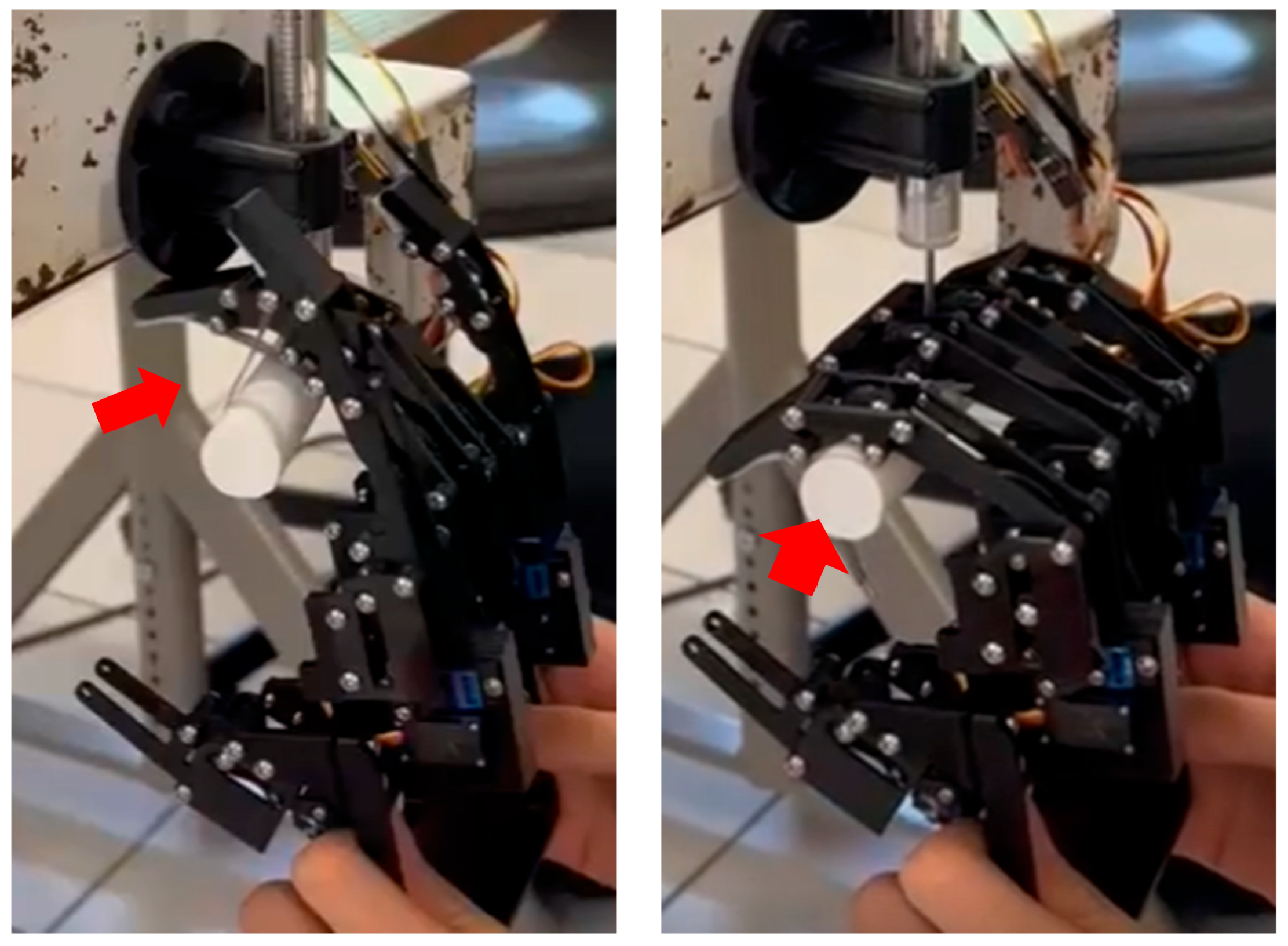
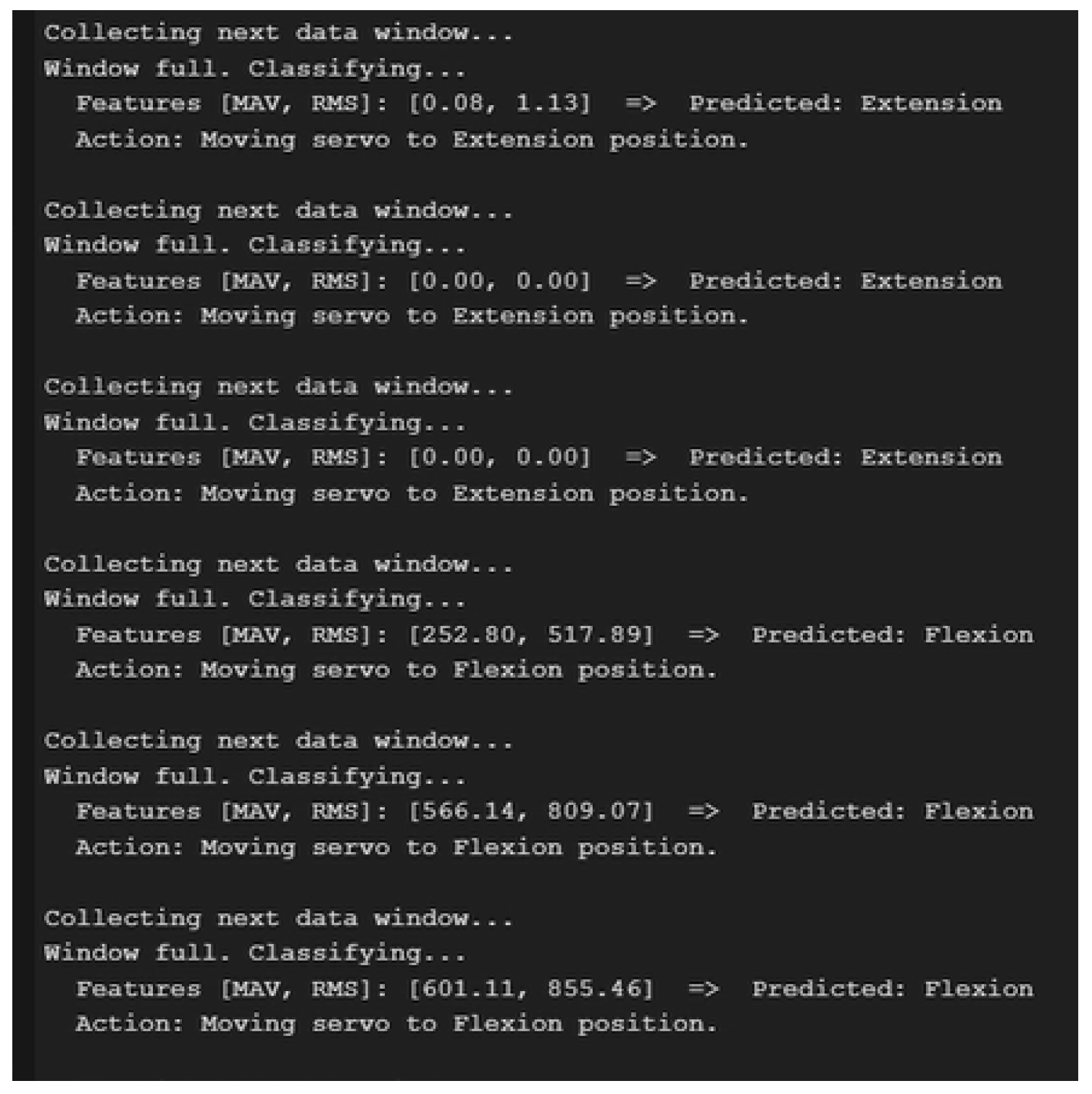
As can be seen in Figure 15, after the machine learning model is implemented in the circuit, ESP can produce a result of “Extension” and “Flexion”, which are the classes on the SVM algorithm. This result immediately translated into physical actuation, as shown in Figure 16. The left figure illustrates how the “Extension” command made the prosthetic hand move into its default position—not gripping the cylindrical part, while the right panel illustrates how the “Flexion” command, where the servo actuated the 4 bar linkage mechanism to grasp the object. This grasping action yielded a net force of 0.75 N for a single finger and 0.8 N for the four-finger configuration (Table 5). To prevent any overtorque, the servos are programmed to halt immediately upon receiving feedback from the FSRs. Although the classification accuracy reached 89.10% when testing, it is important to note that this prototype can only be used in the “most optimal” condition, since the sensor captures the electric movement of the muscle, while the human body is very much connected to electricity almost every time it moves.
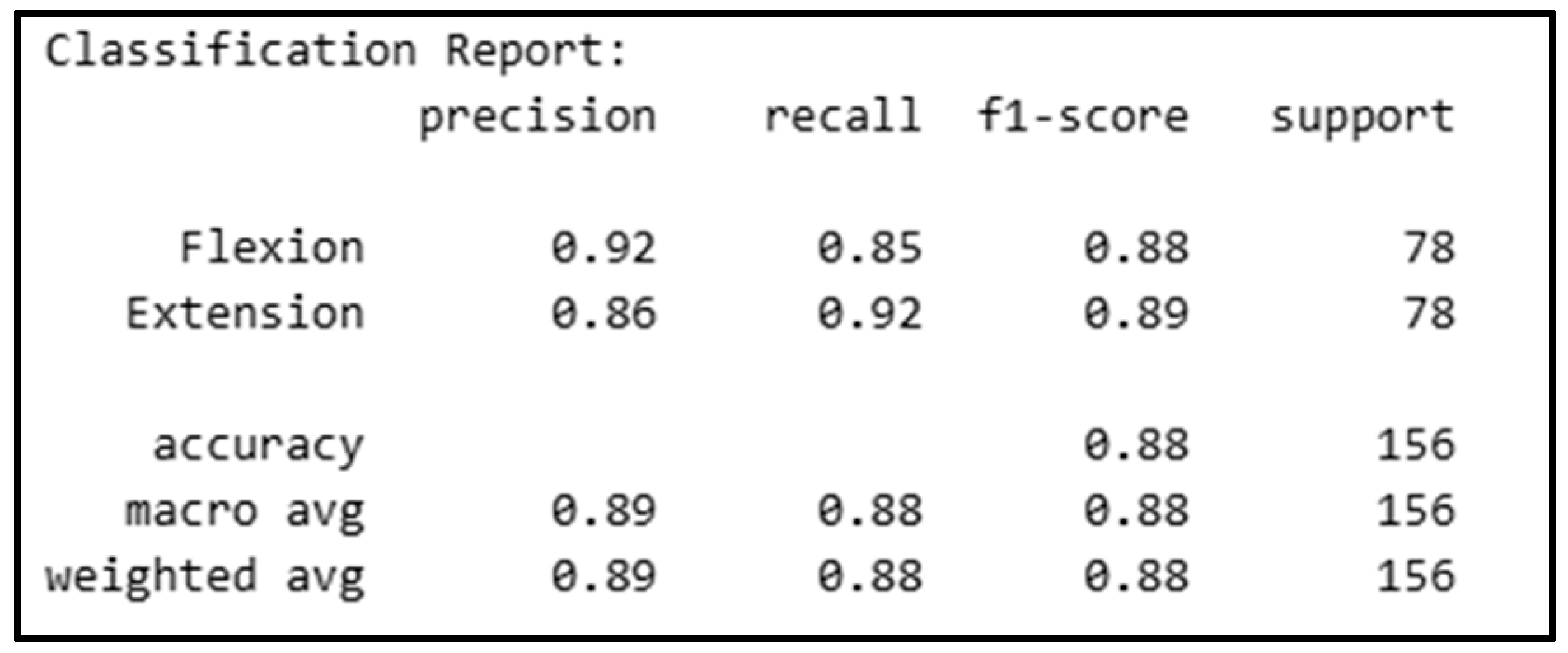
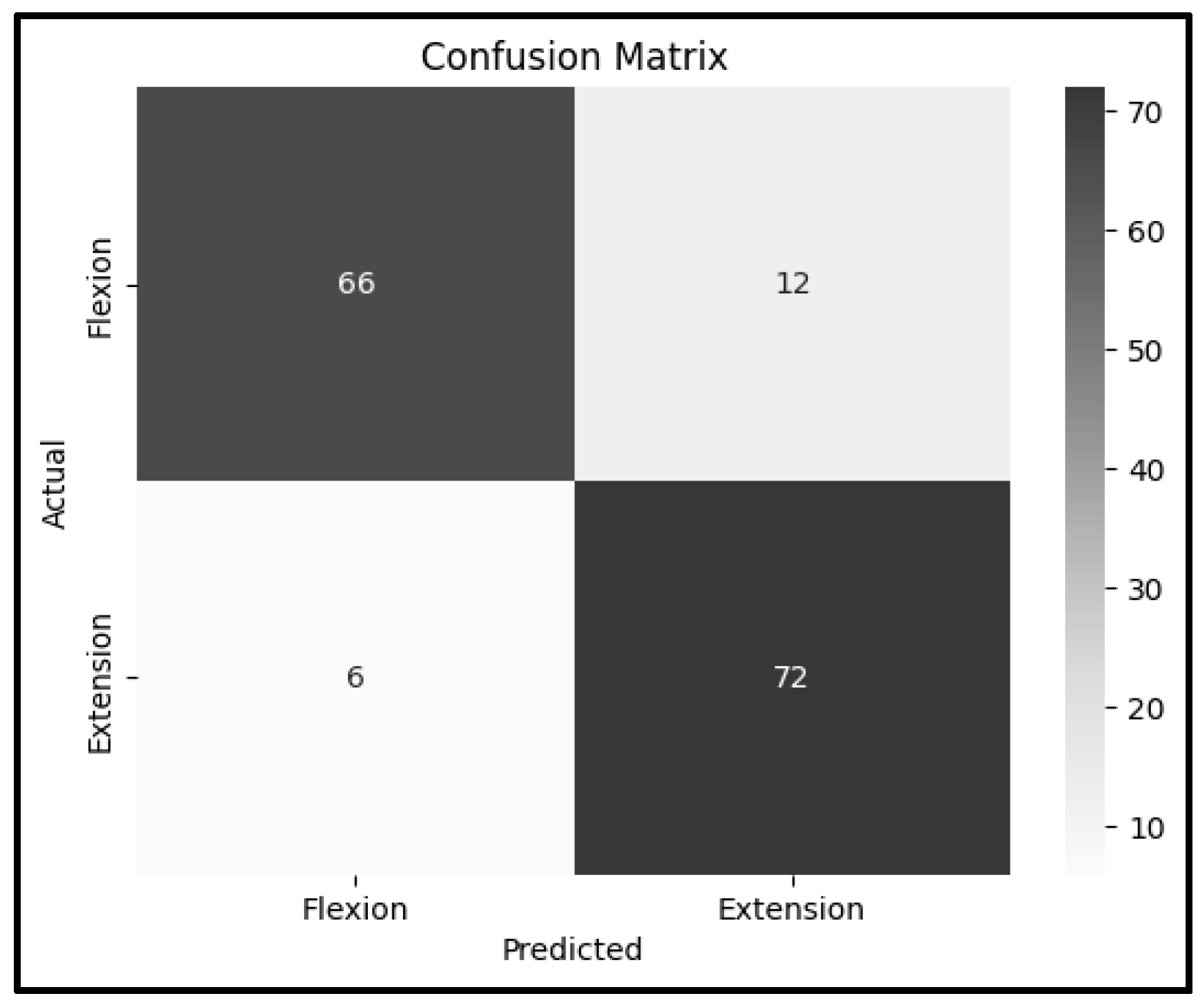
Figure 17 shows the CM, a table used to evaluate the performance of a classification model. The matrix has four quadrants that show alignment between the model’s prediction and the actual value. Here, it shows how the classification results between two classes, “Flexion” and “Extension.” The top-left corner shows that from 78 data, the model predicts 66 correct “Flexion” classes, while the bottom-right shows that the model predicts 72 correct “Extension” classes. These results show that the model is performing quite well, which is further supported by an F1-score of 0.88 and 0.89 for both “Flexion” and “Extension” classes, across a balanced dataset of 156 samples, confirming that the extracted RMS and MAV features were distinct enough for the ESP32 to correctly predict muscle intent as shown in the classification report (Figure 18). Here, CM only validated the machine learning results. The real-time implementation was validated manually using static validation by comparing the X_test data and the result from ESP.
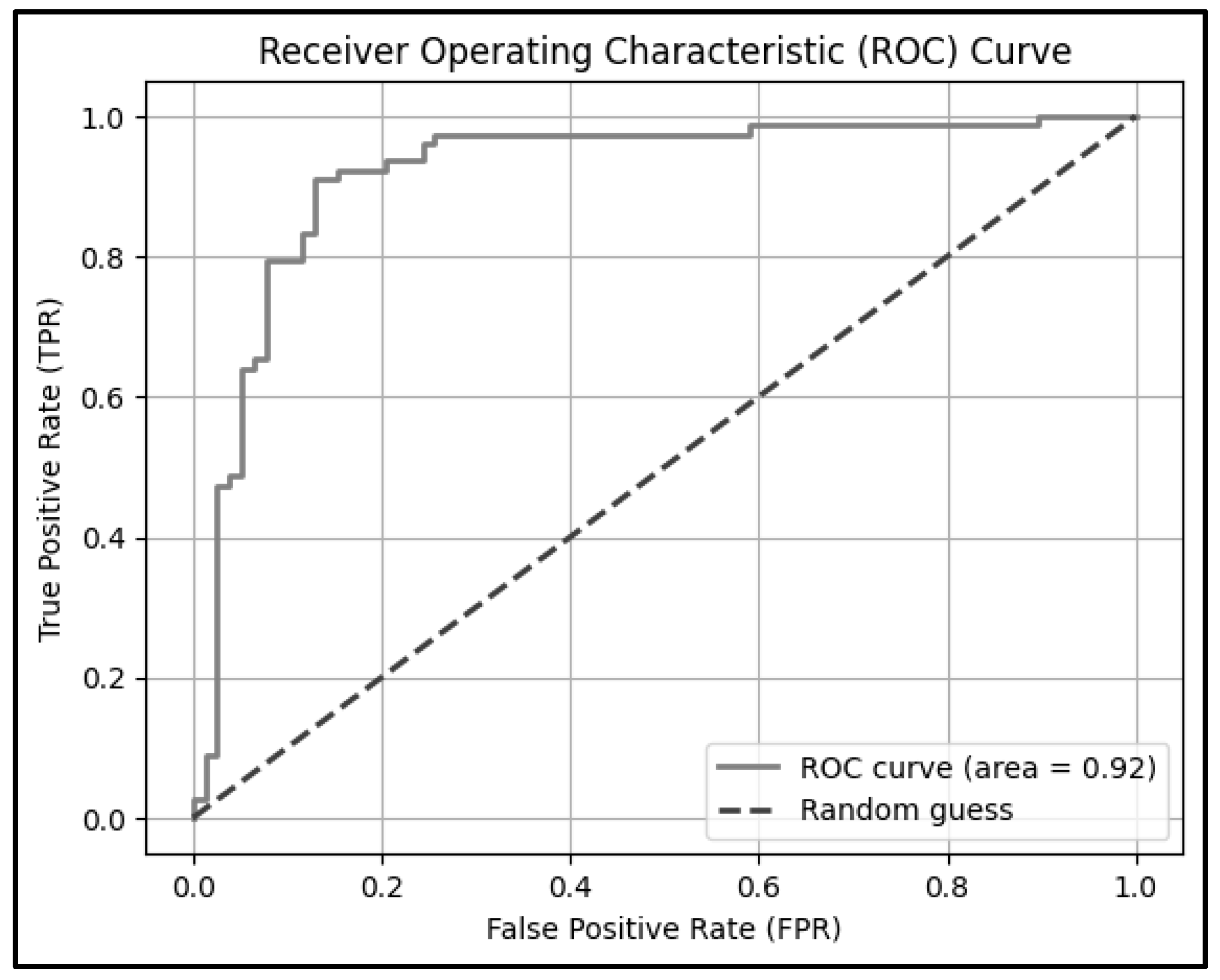
Figure 19 shows a ROC curve, which is a standard plot used to evaluate the performance of a binary classification model. The curve plots the True Positive Rate (TPR) against the False Positive Rate (FPR) at various classification thresholds. The diagonal dashed line represents the performance of a random guess classifier. The solid curve represents the model’s performance. The curve’s position significantly above the random guess line indicates that the model performs much better than chance when distinguishing between tensed and relaxed muscle states. The Area Under the Curve (AUC) is labelled as 0.92, which is a high value (on a scale of 0 to 1), confirming that the system can effectively filter sEMG noise to differentiate between the two classes with high confidence.

5. Conclusions

This study successfully demonstrates the design and development of a low-cost myoelectric prosthetic hand with a coupled 4 bar linkage mechanism. By integrating a sEMG system with SVM classifier directly onto an ESP32 microcontroller, the system validates that real-time signal processing can be achieved without reliance on external computation. The system achieved 89.10% accuracy, an F1-score of 0.89, and an AUC of 0.92. The PLA+ prototype also demonstrated reliable structural performance and consistent flexion–extension responses. Comparative assessment confirmed that the 4 bar linkage offered the most balanced combination of stability, adaptability, manufacturability, and ease of repair. The selected 4 bar linkage design demonstrated reliable mechanical performance, providing robustness, repairability, and compatibility with PLA+. The fabrication using PLA+ filament not only maintained the project’s low-cost objective but also demonstrated a superior factor of safety in static stress simulations compared to other materials like ABS or PETG.
However, while the prototype performs adequately for two-state control, it has several limitations. The current reliance on a single-channel sEMG sensor restricts the system to identifying broad muscle states, preventing the differentiation of individual finger movements or complex grip patterns. Although classifying the system into more than two states was considered, it was not achievable at the time due to constraints in the understanding of muscle signal complexities. Furthermore, the system’s performance is currently prone to variations caused by muscle fatigue, electrode placement, and skin impedance changes, which are common in real-world scenarios.
Future development should prioritize the integration of multi-channel sEMG acquisition to enable multi-degree-of-freedom (DOF) control, allowing for more natural and dexterous hand movements. Additionally, improving the software architecture to include dynamic signal normalization and advanced calibration routines will be essential to mitigate the effects of muscle fatigue and user variability.

Author Contributions

Conceptualization, Y.M. and I.M.; methodology, Y.M., I.M., F.K. and A.P.; software, A.P. and F.K.; validation, I.M., Y.M., F.K. and A.P.; formal analysis, Y.M., I.M., F.K. and A.P.; investigation F.K. and A.P.; resources, G.K.A. and C.C.L.T.; data curation, F.K. and A.P.; writing—original draft preparation, F.K. and A.P.; writing—review and editing, Y.M., C.H. and I.M.; visualization, F.K.; supervision, Y.M. and C.H.; project administration, Y.M.; funding acquisition, Funding acquisition, C.H. All authors have read and agreed to the published version of the manuscript.

Funding

This research was funded by Direktorat Jenderal Riset dan Pengembangan Kementerian Pendidikan Tinggi, Sains, dan Teknologi under Hibah Penelitian Fundamental—Reguler 2025.

Institutional Review Board Statement

The study was conducted in accordance with the Declaration of Helsinki and approved by the Komisi Etik Penelitian Kesehatan, Fakultas Kedokteran, Universitas Trisakti, Jakarta, Indonesia (Ethical Clearance No: 032/KER/FK/08/2025; Date of approval: 13 August 2025).

Informed Consent Statement

Informed consent was obtained from all subjects involved in the study.

Data Availability Statement

Data is available upon request due to privacy restrictions.

Acknowledgments

Sincere thanks to our respondents for providing crucial data for the next development of the prosthetic hand and its control system.

Conflicts of Interest

Author Cokisela C. L. Tobing was employed by the company Dare Prosthetic & Orthotic Service, Bekasi, Indonesia 17147. The remaining authors declare that the research was conducted in the absence of any commercial or financial relationships that could be construed as a potential conflict of interest.

References

  1. Graham, E.M.; Kota, A.; Intintoli, M.K.; Fried, A.; Shah, A.; Mendenhall, S.D. From iron hooks to moving hands: The evolution of partial hand prostheses—A surgical perspective. Orthoplast. Surg. 2023, 12, 29–43. [Google Scholar] [CrossRef]
  2. Demirdel, S.; Ülger, Ö. Body image disturbance, psychosocial adjustment and quality of life in adolescents with amputation. Disabil. Health J. 2021, 14, 101068. [Google Scholar] [PubMed]
  3. Jaarsma, E.A.; Dijkstra, P.U.; Geertzen, J.H.B.; Dekker, R. Barriers to and facilitators of sports participation for people with physical disabilities: A systematic review. Scand. J. Med. Sci. Sports 2014, 24, 871–881. [Google Scholar] [CrossRef] [PubMed]
  4. Morwane, R.E.; Dada, S.; Bornman, J. Barriers to and facilitators of employment of persons with disabilities in low- and middle-income countries: A scoping review. Afr. J. Disabil. 2021, 10, 833. [Google Scholar] [CrossRef] [PubMed]
  5. Salminger, S.; Stino, H.; Pichler, L.H.; Gstoettner, C.; Sturma, A.; Mayer, J.A.; Szivak, M.; Aszmann, O.C. Current rates of prosthetic usage in upper-limb amputees—Have innovations had an impact on device acceptance? Disabil. Rehabilit. 2020, 44, 3708–3713. [Google Scholar] [CrossRef] [PubMed]
  6. Frey, S.; Motawar, B.; Buchanan, K.; Kaufman, C.; Stevens, P.; Cirstea, C.; Morrow, S. Greater and more natural use of the upper limbs during everyday life by former amputees versus prosthesis users. Neurorehabilit. Neural Repair 2022, 36, 227–238. [Google Scholar] [CrossRef] [PubMed]
  7. Yuan, B.; Hu, D.; Gu, S.; Xiao, S.; Song, F. The global burden of traumatic amputation in 204 countries and territories. Front. Public Health 2023, 11, 1258853. [Google Scholar] [CrossRef] [PubMed]
  8. McDonald, C.L.; Westcott-McCoy, S.; Weaver, M.R.; Haagsma, J.; Kartin, D. Global prevalence of traumatic non-fatal limb amputation. Prosthet. Orthot. Int. 2020, 45, 105–114. [Google Scholar] [CrossRef] [PubMed]
  9. Badan Pusat Statistik. Jumlah Penduduk Berumur 5 Tahun ke Atas menurut Kelompok Umur, Daerah Perkotaan/Perdesaan, Jenis Kelamin, dan Tingkat Kesulitan Menggunakan Jari dan Tangan, di INDONESIA—Dataset—Long Form Sensus Penduduk 2020—Badan Pusat Statistik. 3 March 2025. Available online: https://sensus.bps.go.id/topik/tabular/sp2022/148/1/0 (accessed on 3 January 2025).
  10. Arm Dynamics. Prosthetic Options. Available online: https://www.armdynamics.com/our-care/prosthetic-options (accessed on 8 October 2024).
  11. Dechev, N.; Cleghorn, W.; Naumann, S. Multiple finger, passive adaptive grasp prosthetic hand. Mech. Mach. Theory 2001, 36, 1157–1173. [Google Scholar] [CrossRef]
  12. Kok, C.L.; Ho, C.K.; Tan, F.K.; Koh, Y.Y. Machine Learning-Based Feature Extraction and Classification of EMG Signals for Intuitive Prosthetic Control. Appl. Sci. 2024, 14, 5784. [Google Scholar] [CrossRef]
  13. Brack, R.; Amalu, E.H. A review of technology, materials and R&D challenges of upper limb prosthesis for improved user suitability. J. Orthop. 2021, 23, 88–96. [Google Scholar] [CrossRef] [PubMed]
  14. Englehart, K.; Hudgins, B.; Parker, P.; Stevenson, M. Classification of the myoelectric signal using time-frequency based representations. Med. Eng. Phys. 1999, 21, 431–438. [Google Scholar] [CrossRef] [PubMed]
  15. Oskoei, M.A.; Hu, H. Support Vector Machine-Based Classification Scheme for Myoelectric Control Applied to Upper Limb. IEEE Trans. Biomed. Eng. 2008, 55, 1956–1965. [Google Scholar] [CrossRef] [PubMed]
  16. Langevin, G. InMoov NEW HAND—2020. 3 April 2025. Available online: https://inmoov.fr/inmoov-hand/ (accessed on 3 June 2025).
  17. Wahit, M.A.A.; Ahmad, S.A.; Marhaban, M.H.; Wada, C.; Izhar, L.I. 3D printed robot hand structure using Four-Bar linkage mechanism for prosthetic application. Sensors 2020, 20, 4174. [Google Scholar] [CrossRef] [PubMed]
  18. United Nations Department of Economic and Social Affairs, Sustainable Development. The 17 Goals. Available online: https://sdgs.un.org/goals (accessed on 30 October 2024).
  19. Phinyomark, A.; Thongpanja, S.; Quaine, F.; Laurillau, Y.; Limsakul, C.; Phukpattaranont, P. Optimal EMG amplitude detectors for muscle-computer interface. In Proceedings of the 2013 10th International Conference on Electrical Engineering/Electronics, Computer, Telecommunications and Information Technology, Krabi, Thailand, 15–17 May 2013; pp. 1–6. [Google Scholar]
Figure 1. Myoware EMG sensor placed on the volar–medial forearm above the flexor muscle group, aligned with muscle fibres to capture flexion–rest activity for real-time control.
Prosthesis 08 00009 g001
Figure 2. Component integration diagram showing the connection of the Myoware sEMG sensor, ESP32 microcontroller, servo motors, and FSRs for closed-loop finger control.
Prosthesis 08 00009 g002
Figure 3. sEMG processing pipeline for filtering, feature extraction, and SVM training/testing.
Prosthesis 08 00009 g003
Figure 4. Hardware design process from requirement analysis to prototype integration.
Prosthesis 08 00009 g004
Figure 10. Renders of the prosthetic hand’s 3D model.
Prosthesis 08 00009 g010
Figure 11. Kinematic overview of the finger’s movement every 15 degrees of servo rotation.
Prosthesis 08 00009 g011
Figure 12. Static stress test results of the pointer finger with PLA material.
Prosthesis 08 00009 g012
Figure 13. Factor of safety comparison graph on 3N load.
Prosthesis 08 00009 g013
Figure 14. Finished Prototype.
Prosthesis 08 00009 g014
Figure 15. Real-time SVM classification output on the ESP32 showing MAV/RMS feature values, predicted class, and corresponding servo command for flexion–extension control.
Prosthesis 08 00009 g015
Figure 16. Servo movements demonstration—the left figure illustrates the prosthetic hand is in default position, while the right figure illustrates the prosthetic hand movement when gripping cylindrical parts. The red arrows highlight the contact points where pressure feedback is monitored to signal the servos to stop.
Prosthesis 08 00009 g016
Figure 17. Confusion Matrix.
Prosthesis 08 00009 g017
Figure 18. Classification Report.
Prosthesis 08 00009 g018
Figure 19. ROC Curve & AUC Value.
Prosthesis 08 00009 g019
Table 1. Literature Review and Relative Merits.
Refs. No.Technique/MechanismRelative MeritsLimitations/Delimitations
[11]Passive Adaptive Grasp
(Dechev et al.)
Incorporates adaptive grasp mechanisms to improve object handling and shape conformity.Mechanism opening/closing speeds are relatively slow; the specific design was sized for children rather than adults.
[14,15]SVM for sEMG Classification
(Englehart et al.; Oskoei & Hu)
Handles non-linear signal distributions effectively; performs well with low-dimensional feature sets.Typically, it relies on external computers for classification, increasing cost and power consumption; not optimized for standalone microcontrollers.
[16]Tendon-Driven/String Actuated
(Langevin/InMoov)
Lightweight construction; provides passive adaptability to object shapes.Requires frequent maintenance and tension calibration; lacks structural reliability under repeated loading compared to rigid linkages.
[17]Rigid 4-Bar Linkage
(Wahit et al.)
Provides consistent joint coordination and stable adaptive grasping; higher structural stability than tendon systems.Can be complex to assemble if not optimized; previous iterations may not focus on low-cost FDM manufacturability.
ProposedEmbedded SVM-sEMG in a Coupled 4-Bar LinkageFully integrated on ESP32 (no external PC); High structural factor of safety (PLA+); Low-cost and repairable.Currently limited to binary classification (Flexion/Extension); single-channel sensor limits finger independence.
Table 3. Finger Mechanisms.
ParametersDesign 1Design 2Design 3Design 4
Complexity2311
System size3322
Ease of assembly2132
Component reliability2132
Total9897
Table 4. Prosthetic Hand Specifications.
Design CriteriaTarget Specifications
Prosthetic Hand TypeMyoelectric Prosthetic Hand
Finger mechanismLinkage-based couple 4 bar linkage
Finger degree of freedom1
Targeted safe load300 g
Targeted hand size250 mm × 150 mm × 150 mm
Targeted hand mass500 g
Targeted movementsLarge diameter grasp, medium diameter grasp, tripod pinch
Table 5. Test Results.
Initial Position ForceFinal
Position Force
Actual Force
Single finger0.15 N0.9 N0.75 N
4 fingers1.5 N2.3 N0.8 N
Disclaimer/Publisher’s Note: The statements, opinions and data contained in all publications are solely those of the individual author(s) and contributor(s) and not of MDPI and/or the editor(s). MDPI and/or the editor(s) disclaim responsibility for any injury to people or property resulting from any ideas, methods, instructions or products referred to in the content.