Abstract
Background/Objectives: This in vitro study examined the potential enhancement in resistance to accelerated aging in room-temperature vulcanized (RTV) maxillofacial silicone, intrinsically pigmented in two skin tones, through the use of zirconium oxide (ZrO2) nanoparticles. Methods: A total of 128 disc-shaped specimens were created in rose silk and soft brown shades, each containing zirconium oxide concentrations of 0%, 1%, 2%, and 3% by weight. Color variation (ΔE*) was assessed initially and following 252, 750, and 1252 h of artificial aging, tested with a colorimeter. Surface roughness characteristics (Ra, Rq, Rt) were evaluated before and after 1252 h using atomic force microscopy (AFM). Structural, vibrational, and morphological characteristics were analyzed through X-ray diffraction (XRD), Fourier transform infrared spectroscopy (FTIR), and field emission scanning electron microscopy (FESEM). Results: Non-parametric tests (Friedman, Kruskal–Wallis, and Bonferroni-adjusted paired testing; p < 0.05) indicated that accelerated aging significantly increased ΔE* in all specimens. The addition of ZrO2 reduced these changes; however, the optimal concentration differed by pigment: 1% for rose silk and 3% for soft brown. The effect on surface roughness depended on pigment type. Higher nanoparticle concentrations generally improved post-aging smoothness in soft brown samples, whereas rose silk showed a more variable response. XRD and FTIR analyses confirmed successful nanoparticle incorporation without altering the fundamental silicone structure, while FESEM demonstrated improved filler–matrix interaction in modified groups. Conclusions: Adjusting ZrO2 concentration according to pigment type can improve the future color retention and surface characteristics of maxillofacial silicone.
1. Introduction
Extraoral maxillofacial prostheses are key therapeutic choices for persons with serious facial structural abnormalities. These impairments may develop from trauma, illnesses, burns, or inherited disability, resulting in psychological and social misery. Patients with these anomalies necessitate multimodal therapeutic intervention, requiring collaboration between the maxillofacial surgeon, prosthodontist, plastic surgeon, and subsequent psychiatric therapy [1,2]. Diverse materials can be employed in maxillofacial prosthesis rehabilitation. Examples of these materials include poly(methyl methacrylate), polyurethane, poly(vinyl chloride) (PVC), chlorinated polyethylene (CPE), and maxillofacial silicone elastomer. Silicone elastomer materials for maxillofacial applications are the primary choice for constructing maxillofacial prostheses, employed to rectify congenital and acquired facial abnormalities due to their texture, biocompatibility, durability, strength, simplicity of manipulation and manufacture, coloring, tensile and tear strength, and patient comfort [3,4]. The success rate of maxillofacial prosthetics is predominantly determined by essential aesthetic factors, such as color accuracy, shape, surface texture, and translucency. Achieving these objectives necessitates the incorporation of pigments into silicone materials through either intrinsic or extrinsic coloration procedures [5,6]. Coloring materials are essential for achieving a realistic look, as intrinsic coloring generally provides enhanced durability and stability; yet, ensuring uniform intrinsic coloration poses persistent technological difficulties [5,7,8]. Color alteration and degradation of the physical behaviors associated with a facial prosthetic device result from many different factors, like exposure to the atmosphere, cosmetic usage, and interaction with sebum and cleaning solvents. Ultraviolet rays are regarded as a crucial element in the degradation of the optical and physical characteristics of elastomers [1,9]. Many researchers have devised artificial weathering to replicate natural environmental conditions. These chambers can be advantageous in assessing the total degradation of materials and are frequently used [10,11].
The CIE L*a*b* system is commonly employed for color evaluation. For maxillofacial silicone prostheses, the perceptibility threshold has been reported to be approximately ΔE* = 1.1, whereas the clinical acceptability threshold is around ΔE* = 3.0 [12].
Roughness refers to the degree of minor irregularities at the outer features of materials. The average surface roughness (Ra) quantifies the surface irregularities in microinches or micrometers; a rugged surface exhibits significant deviations, whereas a smooth surface displays minimal deviations. The roughness of the surface of silicone material can be assessed by scanning electron microscopy, surface profilometry, and optical techniques [13,14]. A variety of inorganic as well as organic nanoparticles of different kinds and sizes have been included in maxillofacial silicone elastomers to reduce deterioration. The filler particles enhance maxillofacial silicone elastomers, hence augmenting the material’s longevity under typical usage and changes in the environment [11,15]. Zirconium oxide (ZrO2) nanoparticles, owing to their nanometric dimensions, have a substantial surface area and heightened reactivity, facilitating efficient interaction with organic polymers. This interaction enhances optical and mechanical efficiency while boosting polymer durability against environmental stress-induced degradation and cracking. Zirconia (ZrO2) nanoparticles have attracted increasing attention as a reinforcing filler in resin-based dental materials, including resin composites and resin cements, due to their beneficial mechanical and physicochemical properties. Recent studies indicate that the incorporation of ZrO2 nanoparticles into resin matrices enhances flexural strength, fracture resistance, and total structural integrity [16,17]. It demonstrates superior compatibility and abrasion resistance, along with improved flexural strength, elasticity, dielectric features, a wide bandgap, and remarkable thermal stability [18,19].
This study assesses the influence of ZrO2 nanoparticles on the surface roughness and color stability of maxillofacial silicone, areas that have been inadequately investigated despite previous efforts to improve silicone qualities using nanoparticles. Specifically, this research examines how different concentrations of ZrO2 nanoparticles (1%, 2%, and 3%) influence these characteristics in room-temperature vulcanized (RTV) maxillofacial silicone with two different skin color intrinsic pigments after accelerated aging. By addressing this gap, this study seeks to determine whether ZrO2 nanoparticles can improve silicone’s surface features and durability, potentially reduce the frequency of prosthetic replacements, and improve the overall quality of life for patients.
2. Materials and Methods
2.1. Materials
A room-temperature vulcanizing maxillofacial silicone (A-2186) was obtained from Factor II Inc., Wagon Wheel, AZ, USA. The A-2186 maxillofacial material is a platinum-catalyzed, two-component silicone elastomer based on polydimethylsiloxane (PDMS). Its chemical structure consists of a siloxane (Si-O–Si) backbone with methyl (CH3) side groups bonded to silicon atoms via Si–C linkages, which accounts for its flexibility and stability. Zirconium oxide nanoparticles, high purity 99.95%, 20 nm, were obtained from US Research Nanomaterials, Inc. Intrinsic Skin Tones (rose silk and soft brown) were obtained from Factor II Inc., Wagon Wheel, AZ, USA.
2.2. Design of Experiments and Processing of Specimens
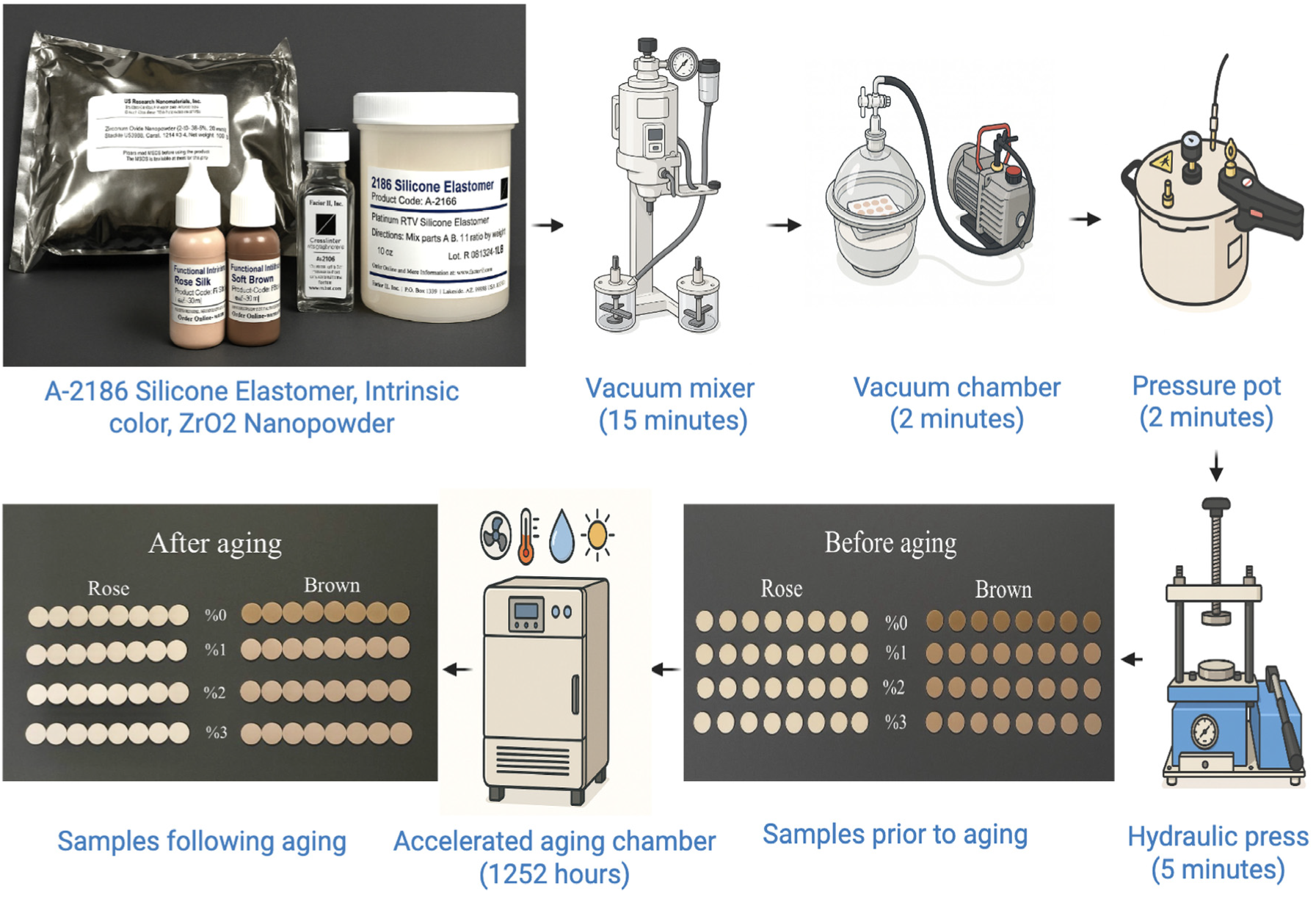
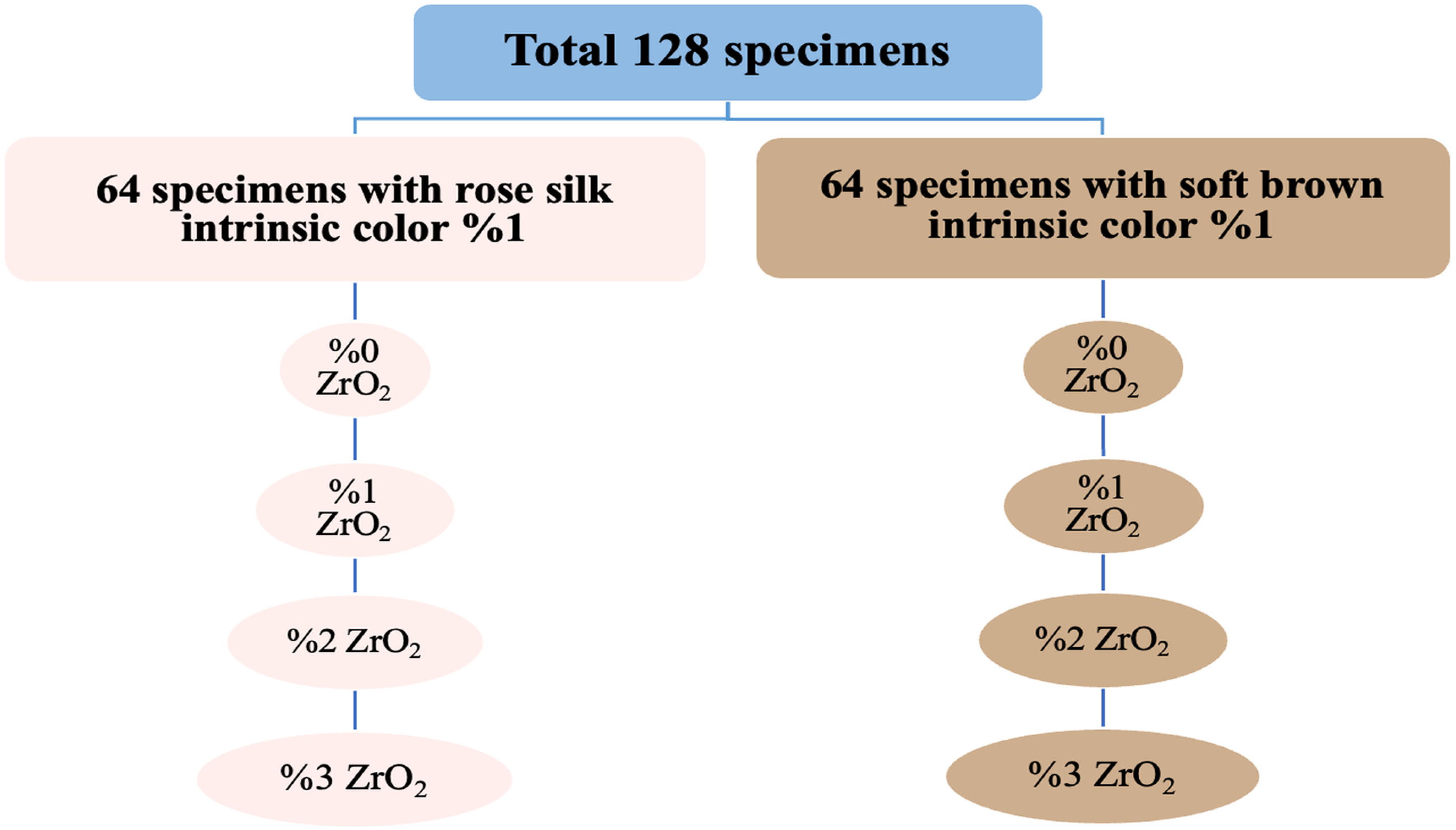
A total of 128 disc-shaped samples were produced and uniformly allocated across twenty experimental groups, each including 8 samples (n = 8) [11,20]. The specimens were produced without the incorporation of ZrO2. In contrast, the samples were created by combining varying quantities of zirconium oxide (1%, 2%, 3% by weight) alongside silicone, with the intrinsic colors of rose silk and soft brown, as demonstrated in Figure 1.
Figure 1.
Specimen preparation design.
The current study adhered completely to the manufacturer’s guidelines, and the samples were produced utilizing an identical base and catalyst package to guarantee optimum consistency. The manufacturer’s guidelines dictate a final mixing ratio of 10:1 for A-2186 silicone, which contains the base component (Part A) and a catalyst component (Part B); the intrinsic tone represented 1% of the overall volume of the silicone used.
Clear acrylic sheets were laser-cut to create the molds; for each mold, two translucent acrylic plates, accurately conforming to the external dimensions of the mold and with a thickness of 6 mm to endure clamping pressure, were produced to encapsulate the mold between them. The embedded color and ZrO2 nanoparticle, along with part A, were first measured using a digital electronic balance (Nimbus® Analytical, Adam Equipment, Oxford, MS, USA) with a readability of 0.0001 g. The mixture was subsequently processed in a vacuum mixer (AX-2000C; Aixin Medical Equipment Co., Ltd., Tianjin, China) following the manufacturer’s guidelines for 10 min at a rotational speed of 360 rpm under a vacuum pressure of 0.09 MPa. To minimize the risk of nanoparticle loss, vacuum application was intentionally delayed during the initial 2 min of the mixing procedure [21].
After completion of vacuum mixing, the container was allowed to cool to room temperature, as heat generated during mixer operation could reduce the working time of the material. Subsequently, Part B was homogenized for an additional 5 min utilizing a vacuum blender. Subsequently, the mixture was put into the molds using a metal spatula and then positioned within a vacuum chamber for two min to remove any air pockets introduced during the loading procedure. The molds were subsequently conditioned in a pressure chamber (Pentola A pressione typodont; Leone S.p.A., Florence, Italy) at 0.2 MPa for 2 min to improve surface quality and further diminish entrapped air. The mold was subsequently sealed and exposed to a hydraulic pressure of 0.03 MPa for a duration of 5 min. Subsequently, after securing with G-clamps, the material was permitted to undergo polymerization at room temperature for 24 h. Following curing, the specimens were carefully extracted from the molds, cleansed with water and liquid detergent, and subsequently dried using tissue paper. Excess material was precisely trimmed using scissors. Samples displaying evident defects were omitted. All suitable specimens were preserved in an opaque black container to reduce the risk of unintended color alterations. Color measurements were conducted utilizing a digital colorimeter (WR10QC; FRU, Shenzhen, China). Accelerated artificial aging was performed using a QUV Weather-Ometer (Q-Lab Corporation, Westlake, OH, USA) following ASTM G154, Cycle 1 (wavelength approximately 340 nm; irradiance = 0.89 W/m2/nm). Each exposure cycle comprised 8 h of UV radiation at a black panel temperature of 60 ± 3 °C, followed by 4 h of condensation at 50 ± 3 °C, as illustrated in Figure 2.
Figure 2.
Sample preparation and artificial aging procedure.
The specimens were extracted for color assessment at intervals of 252, 750, and 1252 h of artificial aging [22,23]. The L*, a*, and b* values for each sample were initially assessed and subsequently evaluated after 252, 750, and 1252 h of artificial aging. ΔE* was determined using the formula provided below:
where L* indicates lightness, a* represents the green–red chromatic coordinate, and b* corresponds to the blue–yellow chromatic coordinate. Surface roughness analysis was carried out on 64 specimens (eight per group) prior to aging using atomic force microscopy (AFM) (OPK BioAFM; Bruker Optics, Berlin, Germany), which allows high-resolution surface topography assessment and quantitative roughness measurements at the angstrom scale [24]. The remaining 64 specimens were exposed to artificial aging for 1252 h in an aging chamber. After completion of the aging process, surface roughness measurements were repeated using AFM. The data were processed using open-source Gwyddion 2.6 software to obtain three-dimensional surface reconstructions, height profiles, surface height distributions, and associated statistical parameters.
2.3. Characterization
Characterization methods were employed to study the physiochemical properties of the synthesized zirconium oxide nanoparticles and their application in maxillofacial silicone. By the X-ray diffraction (XRD) measurement, we also proved the crystalline nature and phase purity of the ZrO2 nanoparticles. Fourier transform infrared spectroscopy analysis was carried out to determine the functional groups and chemical interactions between the nanoparticles and the silicone matrix. The morphology and spatial distribution of the nanoparticles in the silicone matrix were studied with field emission scanning electron microscopy. The surface topography and particle aggregation were assessed using atomic force microscopy (AFM), measuring the surface roughness (Ra) of the silicone samples before and after the accelerated aging process.
2.4. Statistical Analysis
The collected data were coded and analyzed using the Statistical Package for the Social Sciences (SPSS), version 23. Data normality was assessed using the Shapiro–Wilk test, which indicated a non-normal distribution of ΔE* values (p < 0.05); therefore, non-parametric statistical methods were applied. The level of significance was set at p < 0.05. The Friedman test was used to evaluate the effect of accelerated aging duration on color change (ΔE*) within each silicone pigmentation group (rose silk and soft brown), as this test is suitable for comparing repeated measurements within the same specimens. The influence of zirconium oxide (ZrO2) concentration on ΔE* values at each aging interval (252, 750, and 1252 h) was assessed separately for each skin tone using the Kruskal–Wallis H test, which compares differences among independent groups. When significant differences were detected, post hoc pairwise comparisons with Bonferroni correction were performed. Data were presented as median ΔE* values with interquartile ranges (Q1–Q3), and mean ranks were reported to aid interpretation of the non-parametric test results.
3. Results and Discussion
3.1. X-Ray Diffraction Analyses
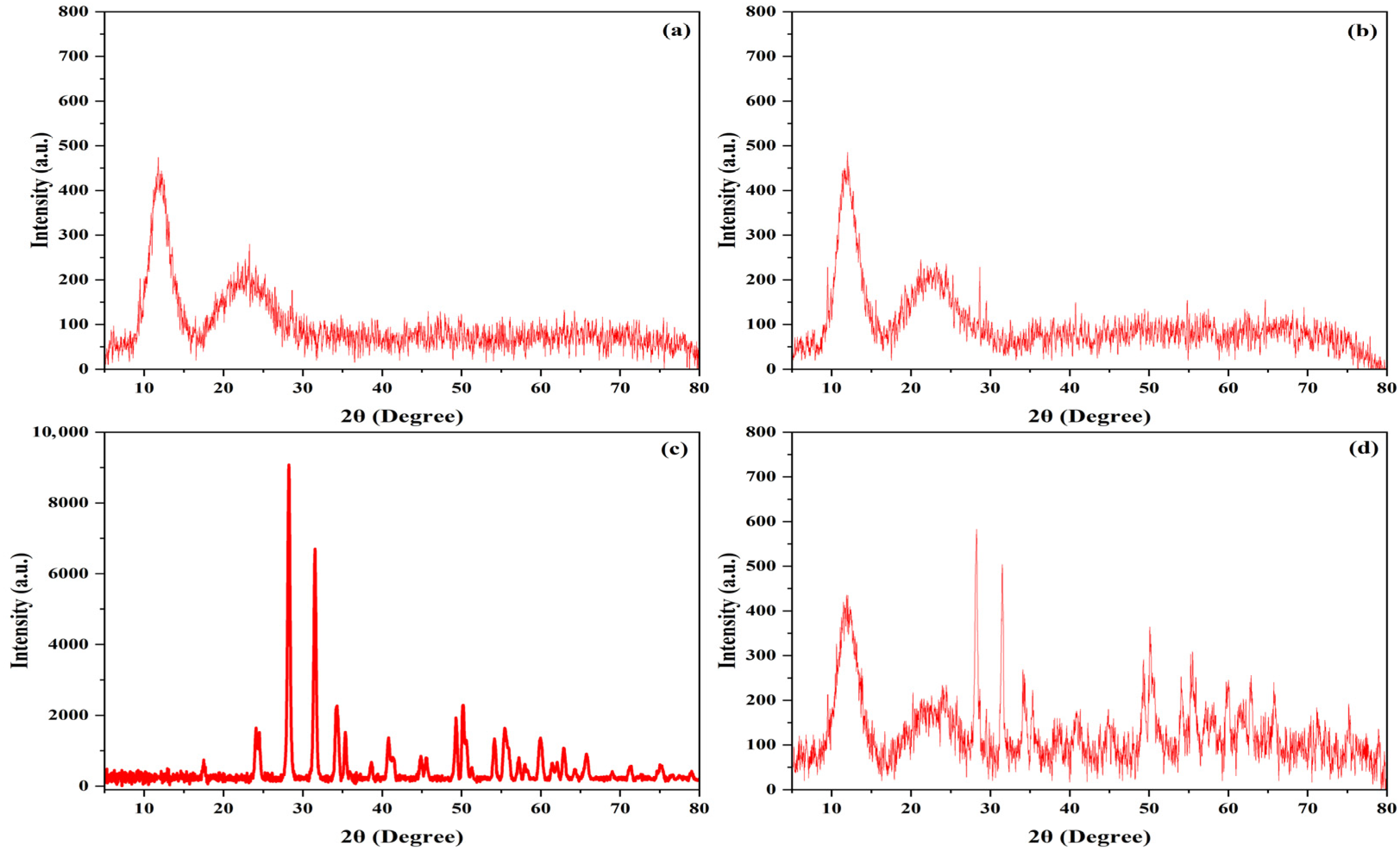
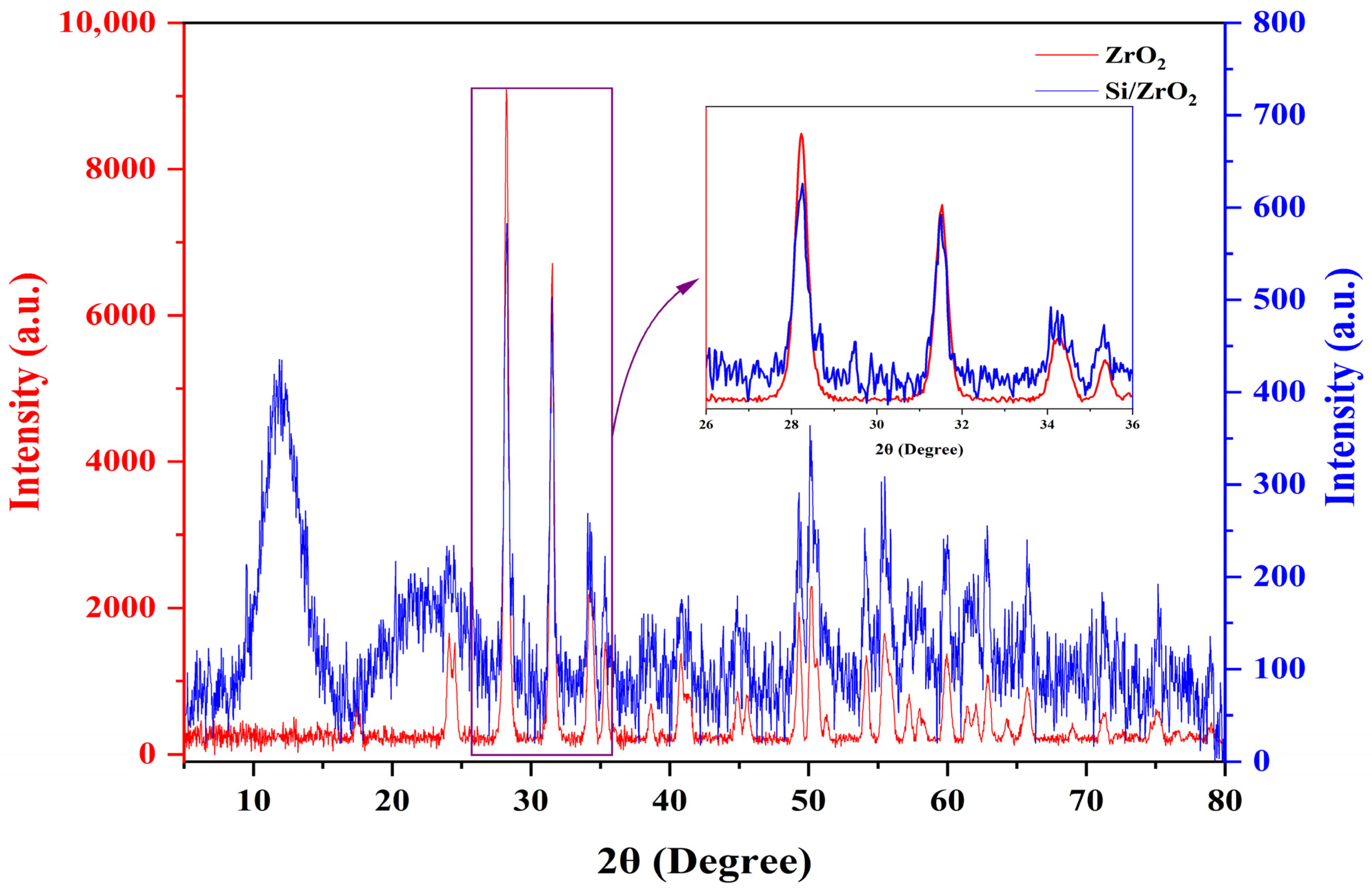
XRD analysis enhances comprehension of the structural characteristics of the maxillofacial silicone elastomers colored with brown and rose, both before and after the incorporation of zirconium oxide nanoparticles. As shown in Figure 3, the unmodified silicone samples (brown and rose) show two broad diffraction peaks at approximately 2θ ≈ 12° and 21°, which is characteristic of amorphous or low-crystalline silicone elastomers. These broad peaks are indicative of the non-crystalline silicone matrix or an elastomeric network, which likely indicates a polymeric system, such as maxillofacial prostheses [25]. The ZrO2 sample shows several distinct peaks that are characteristic of monoclinic zirconia, suggesting it has a definite crystalline form, and the patterns were identical to the (ICSD 98-017-2161) reference code. The patterns that are observed when zirconium oxide is added to the maxillofacial silicone matrix (Si/ZrO2) reveal both broad peaks corresponding to silicone and additional, sharper peaks attributed to zirconium oxide. This evidence indicates that the crystalline nanoparticles of ZrO2 were successfully integrated into the silicon matrix, as shown in Figure 4 [26].
Figure 3.
XRD analysis of maxillofacial silicone for (a) brown pigments, (b) rose pigments, (c) ZrO2 nanoparticles, and (d) a composite of ZrO2 with maxillofacial silicone.
Figure 4.
XRD pattern of ZrO2 incorporation within the maxillofacial silicone elastomer.
Table 1 corroborates the XRD characterization results. For pure ZrO2, the crystal size (D) is 21.37 nm and decreases to 20.32 nm in the ZrO2–silicone composite, which may result from some dispersion and interaction within the matrix. In the composite sample, dislocation density (δ) and microstrain (ε) show a slight increase in their dislocation from 0.00219 nm−2 to 0.00242 nm−2 and their strain from 0.00665 to 0.00699. Such modifications indicate distortion within the lattice structure [27]. This evidence suggests that a certain amount of strain exists at the interfaces of the nanoparticles and the matrix.
Table 1.
The calculated parameters, including crystal size (D), dislocation (δ), and strain (ε), of ZrO2 and a composite of ZrO2 with maxillofacial silicone.
3.2. Fourier Transform Infrared (FTIR) Spectroscopy
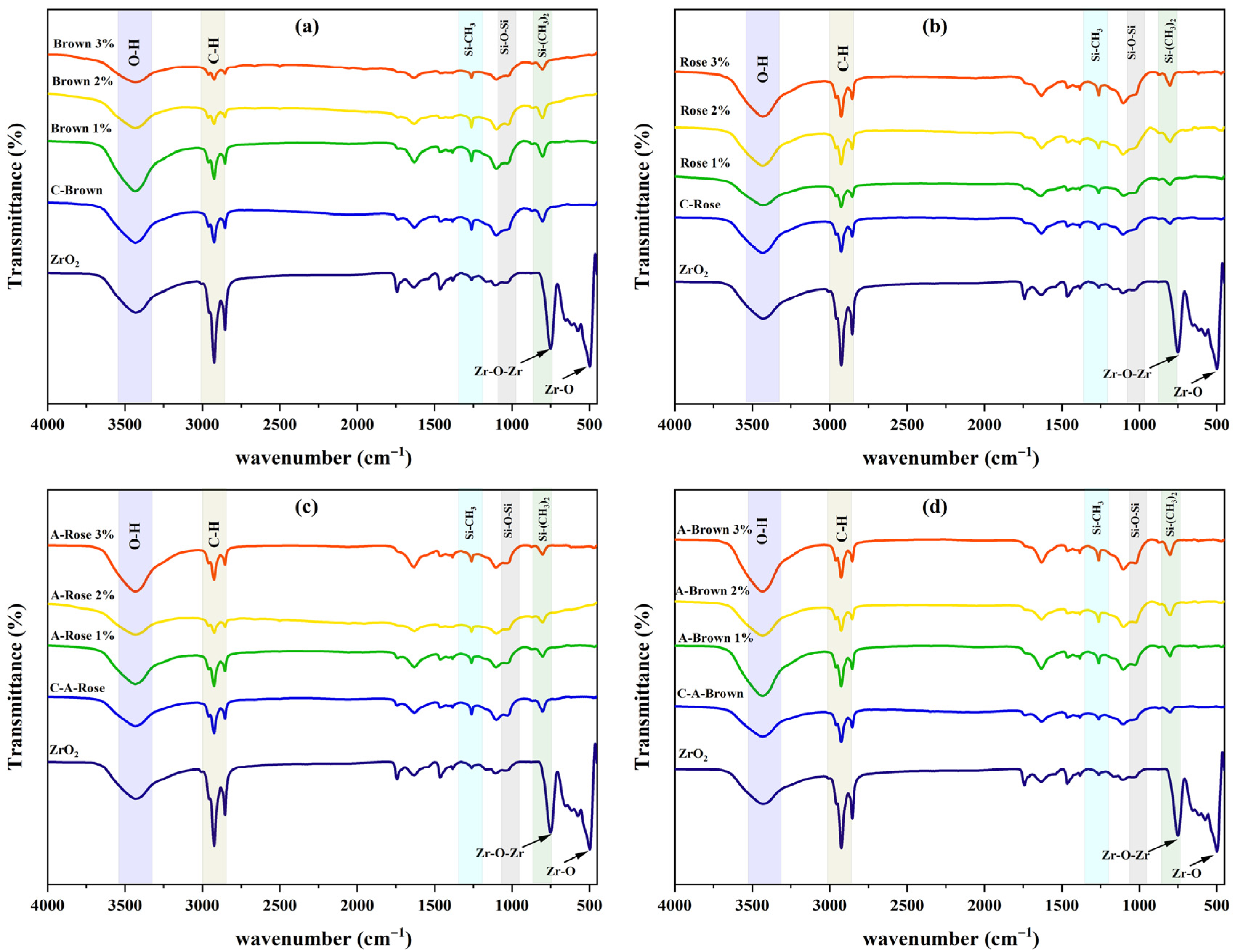
The FTIR spectra in Figure 5 show the maximum interactions of the polymers with both the brown and rose pigments, which were introduced before and after aging (A-Brown and A-Rose, respectively). The FTIR spectra show defined bands, like broad O-H stretching with a vibration of roughly 3436 cm−1. C-H stretching at 2926 cm−1, Si-CH3 bending at 1261 cm−1, asymmetric stretching of Si-O-Si at 1024 cm−1, |and Si-(CH3)2 deformation at 801 cm−1 regions [18]. Zirconium oxide nanoparticles display unique absorption peaks at 748 cm−1 and 497 cm−1, which indicate Zr-O-Zr and Zr-O bond stretching, respectively. In the pigment-only specimens (brown and rose), the additional absence of Zr-associated bands further confirms the lack of conversion into the silicone matrix. Blends after the incorporation of ZrO2 were observed through the Zr-O and Zr-O-Zr bands, indicating successful nanoparticle blending [28].
Figure 5.
FTIR spectra of ZrO2 particles and maxillofacial silicone incorporated with various wt% of ZrO2 nanoparticles. (a) brown color before ageing; (b) rose before ageing; (c) rose color after ageing; (d) brown color after ageing.
The aged samples, such as the A-Brown and A-Rose series, display slight band broadening and diminished transmittance in the O-H and Si-O-Si regions, which suggests exposure to some oxidative or hydrolytic processes. All of the aged samples are chemically stable, as evidenced by the retention of key silicone stretchy bonds and functional bands, while the introduction of ZrO2 appears to reinforce the structure without disrupting the siloxane backbone.
3.3. Field Emission Scanning Electron Microscopy (FESEM)
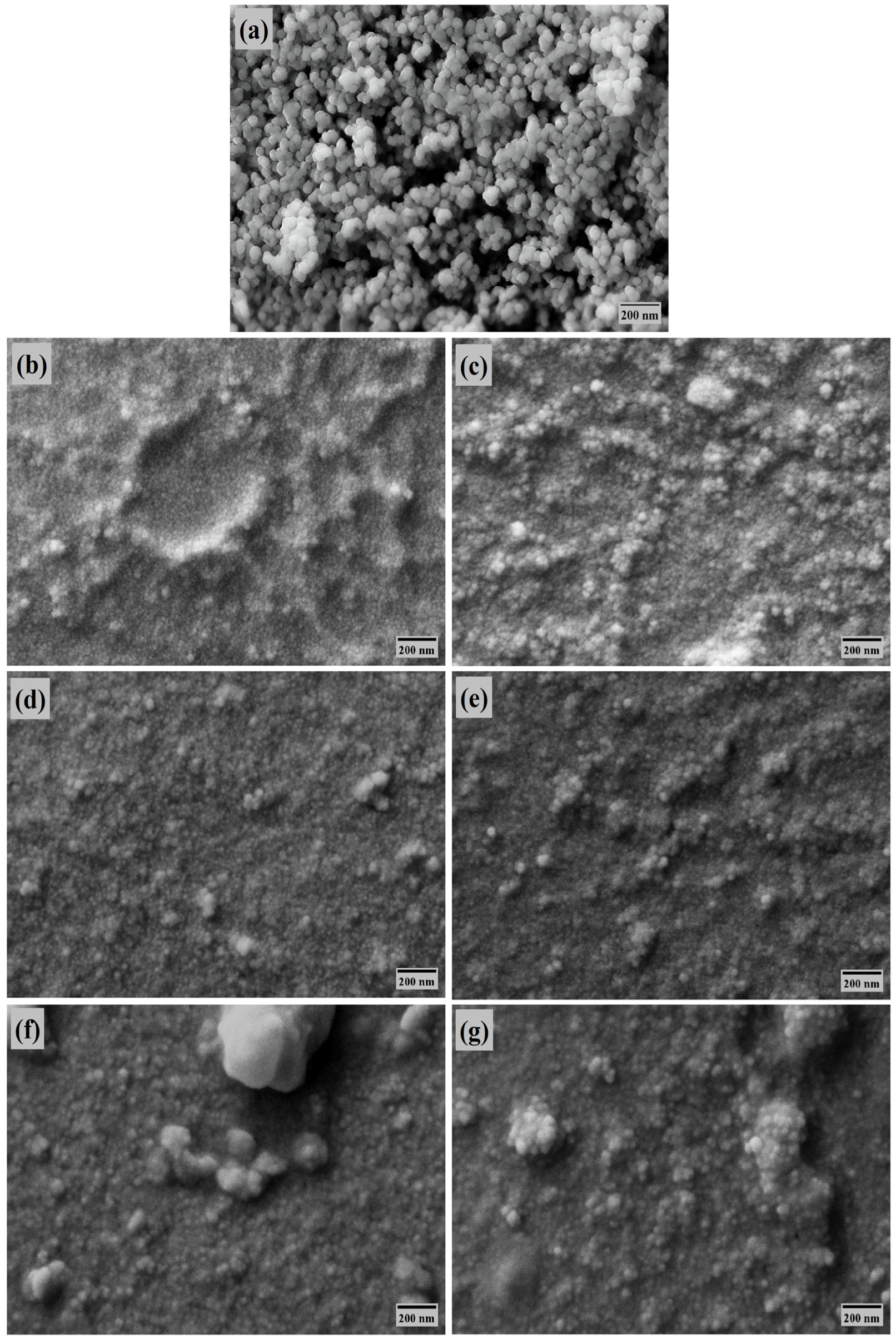
FESEM was used to investigate the morphological variations among the studied samples. Pure ZrO2 nanoparticles, as shown in Figure 6a, appeared consistently spherical, with only slight agglomeration. Pure maxillofacial silicone elastomers loaded with the brown and rose pigments, as illustrated in Figure 6b,c, in the absence of ZrO2, revealed relatively smooth macroscopic surfaces, though each pigment introduced distinct microstructural traits. The brown pigment produced discrete local depressions, whereas the rose pigment rendered the surface broadly rougher yet more uniform. When the same pigmented elastomers were modified with ZrO2 nanoparticles, as shown in Figure 6d,e, surface smoothness and the density of defects improved, pointing to stronger filler–matrix bonding and finer dispersion. Figure 6f,g show that maxillofacial silicone exposed to ultraviolet aging revealed surface deterioration in both formulations. The brown pigmented variant developed a notable agglomeration of ZrO2 and branching microcracks, while the rose pigmented variant sustained milder damage, suggesting pigment identity modulates photostability. Although ZrO2 particles initially fortified morphological coherence and UV resistance, sustained UV irradiation led to surface roughening and possible nanoparticle migration.
Figure 6.
FESEM illustrations of (a) ZrO2 nanoparticle, (b) C-Brown, (c) C-Rose, (d) brown 3%, (e) rose 3%, (f) A-Brown 3%, and (g) A-Rose 3%.
3.4. Atomic Force Microscopy (AFM) Analysis
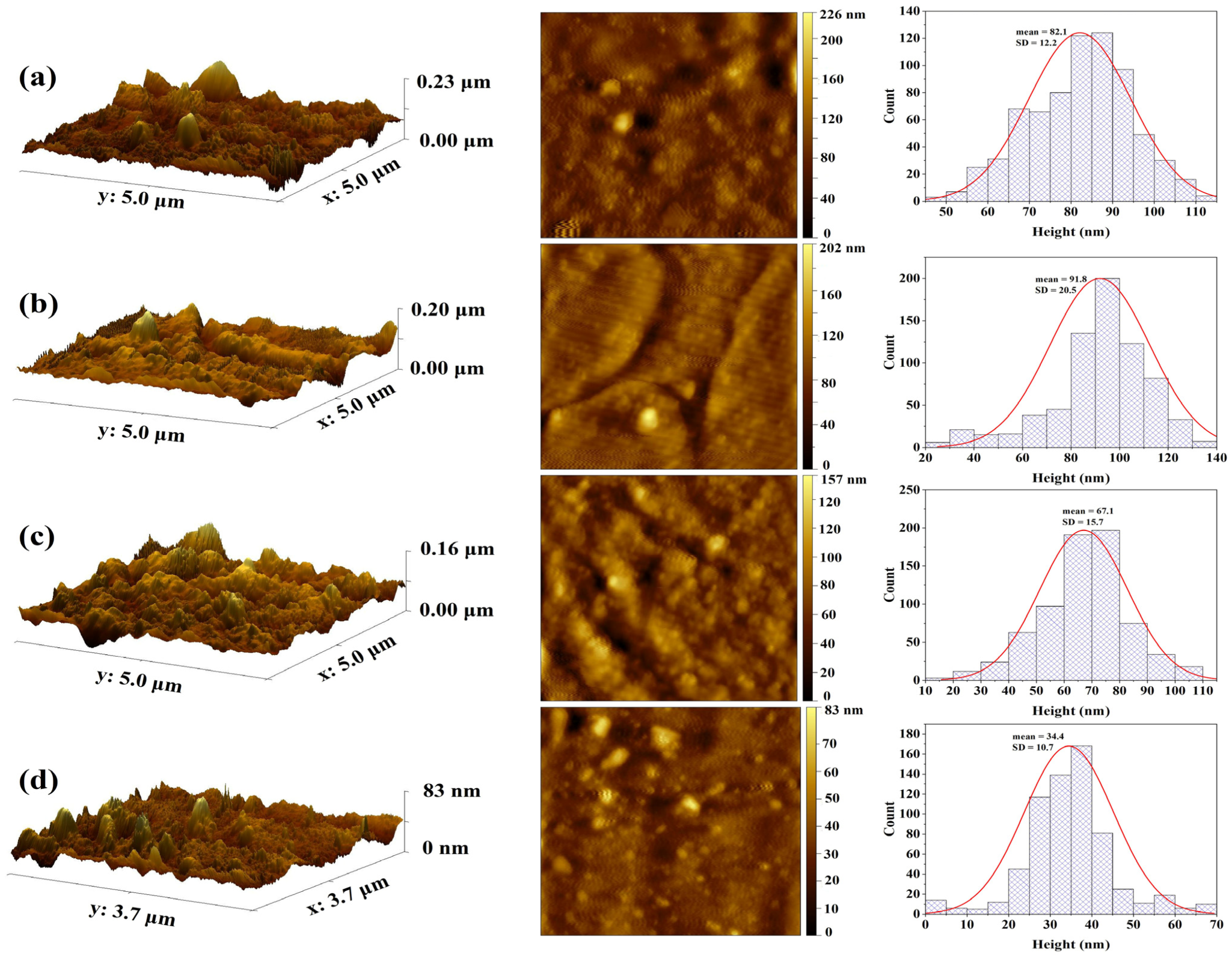
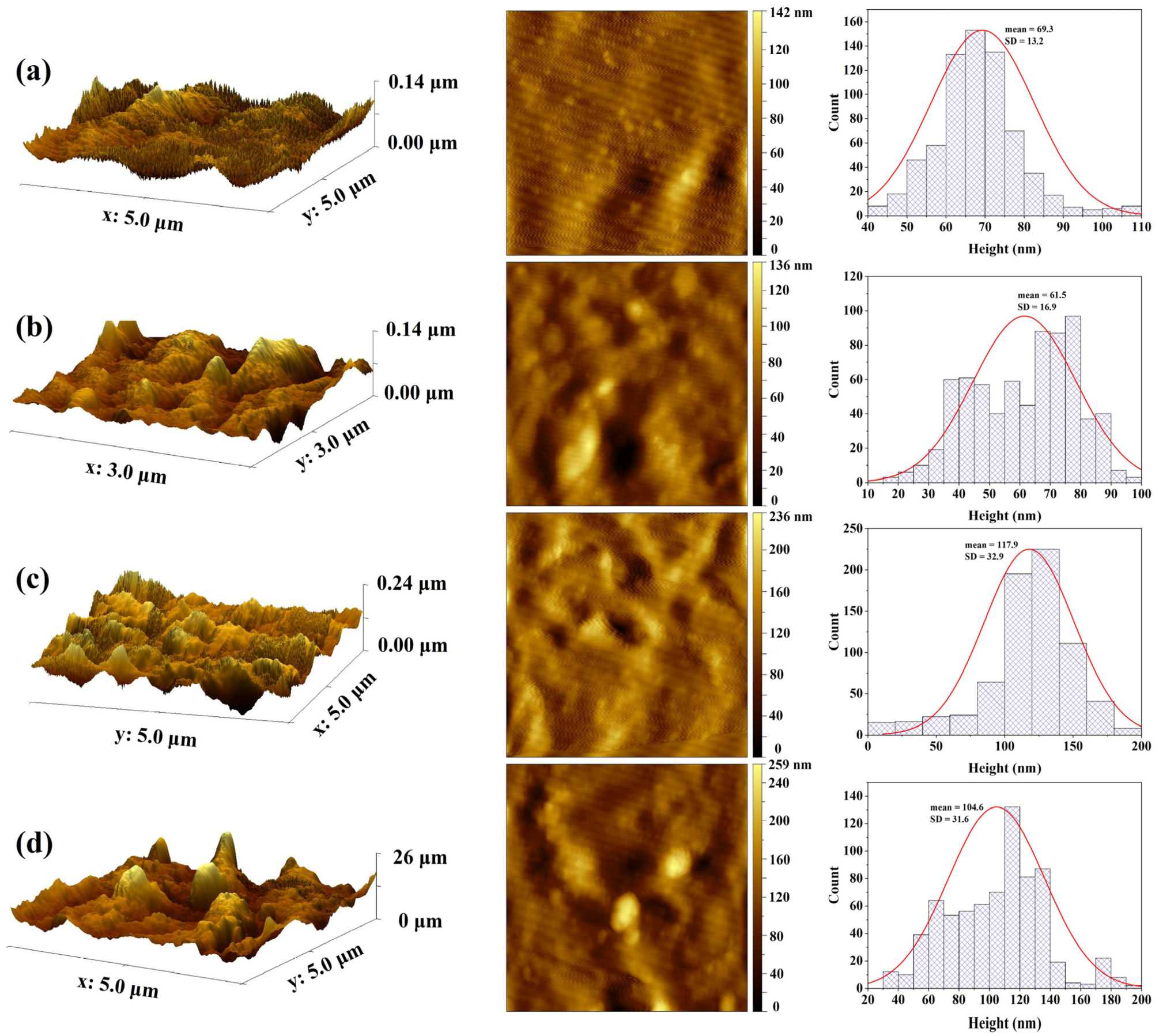
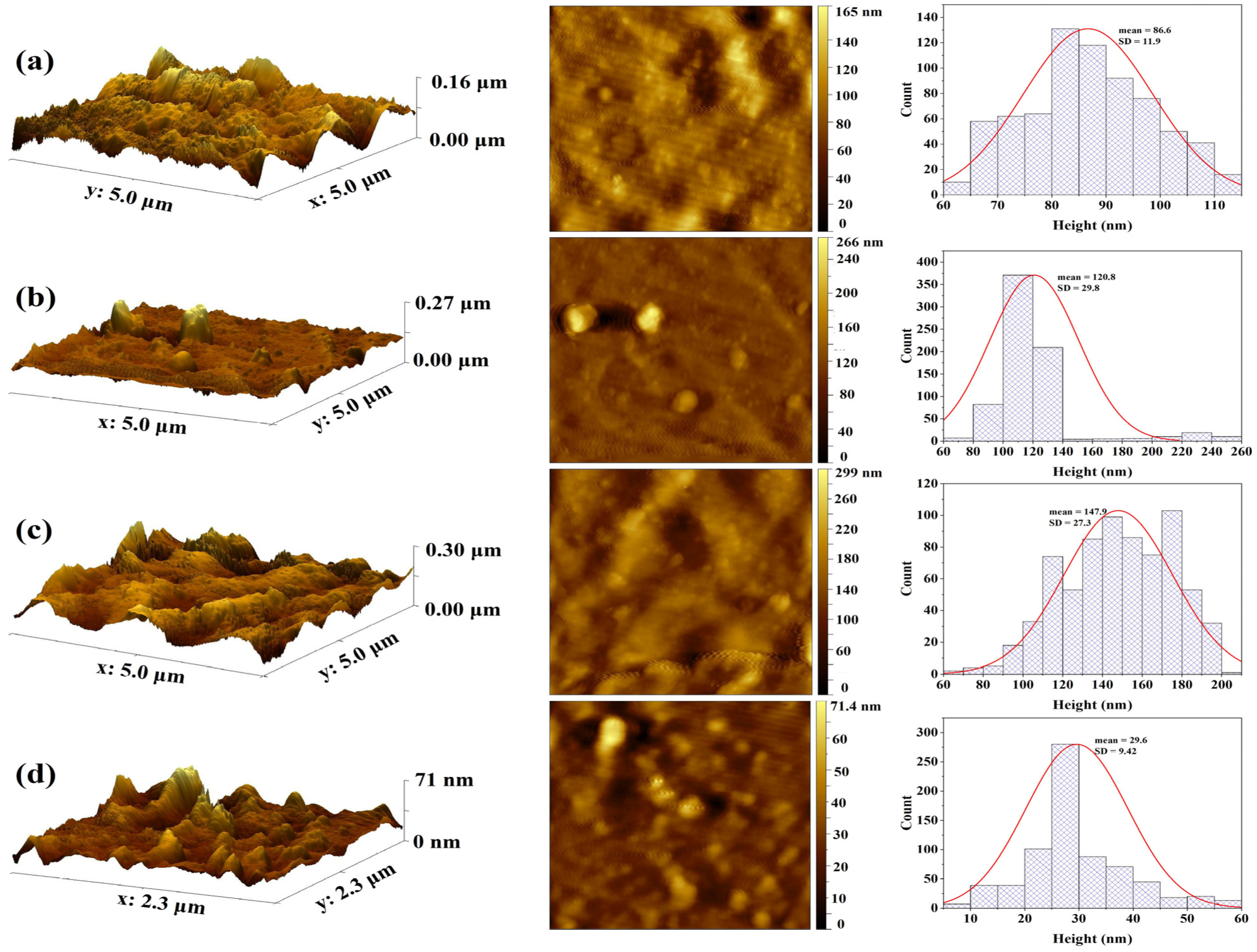
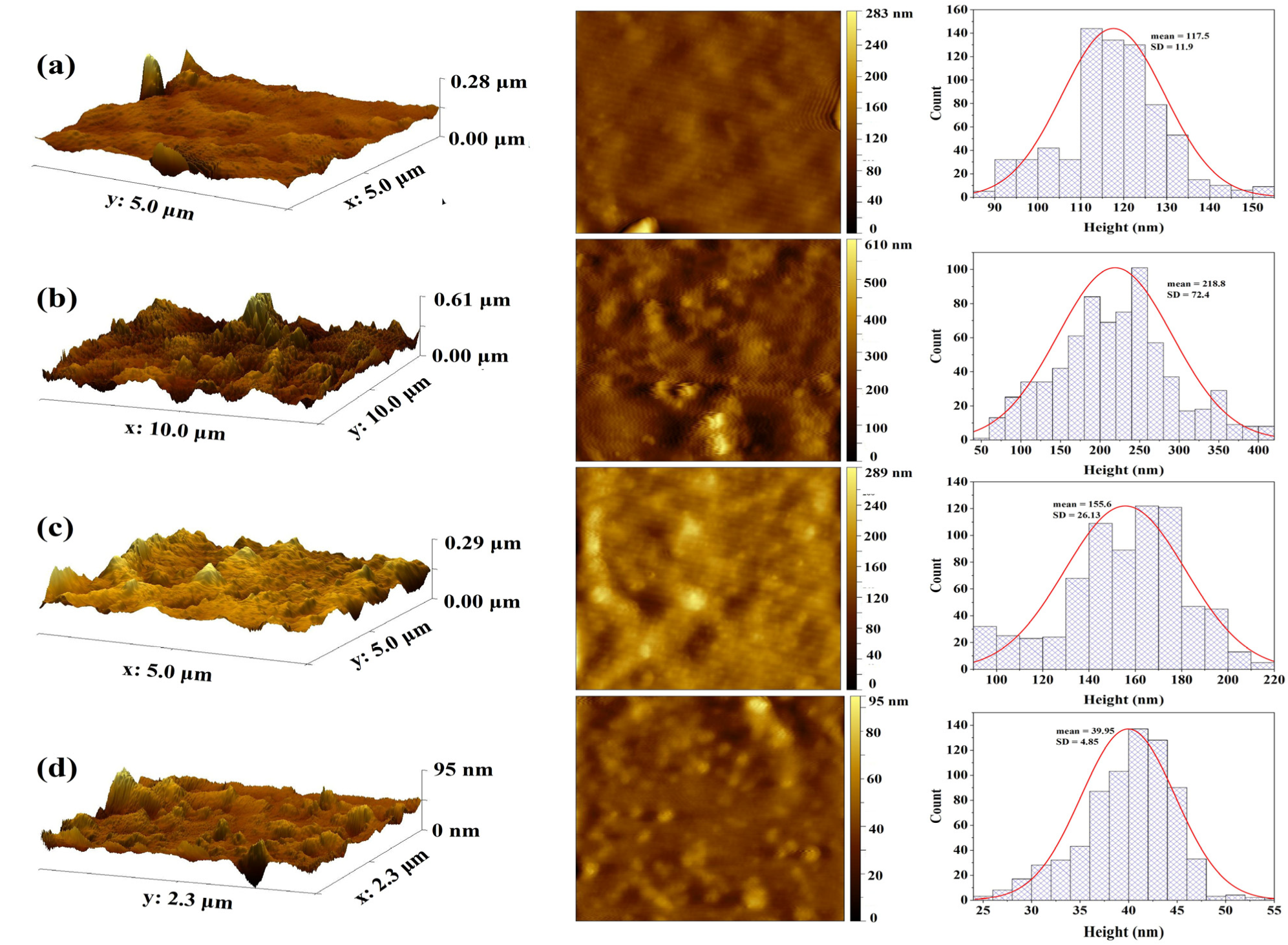
The atomic force microscopy (AFM) reveals the surface structure of maxillofacial silicone elastomers, although conventional 3D profilometers are widely used for surface roughness assessment. AFM was employed in the present study because of its superior nanoscale resolution. AFM enables detailed characterization of surface topography and quantification of subtle roughness changes associated with nanoparticle incorporation and aging-related polymer matrix alterations, which may not be fully resolved by profilometric techniques. This nanoscale sensitivity is particularly relevant for evaluating early surface degradation processes in maxillofacial silicone materials that have either brown or rose colorants and their topography changes along with the aging process, as illustrated in Figure 7, Figure 8, Figure 9 and Figure 10 and listed in Table 2. Both AFM controls (pure silicone without nanoparticles) show uniform surfaces for both colored samples, yielding an average roughness (Ra) of 1.70 nm for brown and 1.42 nm for rose. With the aging process, Ra decreases for the brown control (1.32 nm) and drops for the rose control (0.75 nm). This suggests that aging causes elastomer chain relaxation within the elastomer matrix or oxidation-induced densification, resulting in surface compaction. This conclusion corresponds with the findings of Abdalqadir et al., who indicated that M511 maxillofacial silicone with red pigment exhibited a notable reduction in nanoscale surface roughness after undergoing artificial aging, while other pigments responded differently based on their chemistry and interaction with the silicone matrix [5].
Figure 7.
AFM illustration of maxillofacial silicone with brown pigments at (a) brown control, (b) brown 1%, (c) brown 2%, and (d) brown 3% before aging.
Figure 8.
AFM illustration of maxillofacial silicone with brown pigments at (a) brown control, (b) brown 1%, (c) brown 2%, and (d) brown 3% after aging.
Figure 9.
AFM illustration of maxillofacial silicone with rose pigments at (a) rose control, (b) rose 1%, (c) rose 2%, and (d) rose 3% before aging.
Figure 10.
AFM illustration of maxillofacial silicone with rose pigments at (a) rose control, (b) rose 1%, (c) rose 2%, and (d) rose 3% after aging.
Table 2.
AFM roughness of the surface of maxillofacial silicone containing various ZrO2. concentrations prior to and following aging.
In the case of the brown-pigmented samples, the addition of nanoparticles increases Ra, Rq, and Rt, peaking at 2 wt%. The pre-aging elevation of surface roughness due to ZrO2 inclusion aligns with the findings of Hussein and Hasan, who reported that the addition of 1% and 1.5% ZrO2 to maxillofacial silicone markedly increased surface roughness in comparison to control samples [14]. All nanoparticles containing brown samples exhibit lower roughness after aging; this decrease is most pronounced in the 3 wt% sample (Ra = 0.80 nm, Rq = 1.02 nm, Rt = 5.51 nm), which implies the surface finish is smoother because the nanoparticles stabilize the material’s resistance to deformation [16].
The rose-pigmented samples behave differently and exhibit a more complex phenomenon. The roughness measurements do not monotonously change in a single trend. In the rose 2% sample (Ra = 1.91 nm, Rq = 2.35 nm) with a lower ZrO2 concentration, the initial roughness is higher. However, after aging, the rose 1% sample (1 wt%) shows a significant increase in Ra and Rq to 7.39 nm and 9.45 nm, respectively, alongside a high Rt of 57.05 nm, which suggests significant nanoparticle aggregation or instability of the pigments owing to aging. On the other hand, lower 2 and 3 wt% ZrO2-containing samples exhibit lower post-aging roughness values, again implying that a higher nanoparticle concentration leads to better stability, contributing towards lesser roughness deterioration over time [6].
3.5. Color Stability
The color stability (ΔE*) of the silicone specimens exhibited a statistically significant increase with prolonged accelerated aging durations in both the rose and brown tones. The Friedman test revealed that ΔE* values escalated from 252 to 1252 h for both skin tones (rose silk: χ2 = 56.250, p < 0.001; soft brown: χ2 = 62.063, p < 0.001), substantiating the effect of aging on color alteration, as shown in Table 3.
Table 3.
Changes in color difference (ΔE*) across aging periods for the rose and brown tones.
The data obtained illustrate that there are progressive color changes in all specimens over time, corroborating other studies that found that UV radiation and thermal stress can affect both the polymer matrix and pigment found in maxillofacial silicones. The detected color changes can be attributed to continuous photo-oxidation processes that occur within both the polymer matrix and pigment and may potentially lead to chromophore formation over a long period [27].
Recent investigations show that color differences are more easily perceived in light-colored maxillofacial silicones, with the lowest perceptibility thresholds, compared with dark tones. The perception of color differences is achieved with ΔEab = 0.8 and ΔE00 = 0.59 for the light colors, while ΔEab = 2.63 and ΔE00 = 1.75 are determined for dark tones [29]. Acceptability thresholds have an identical pattern. In this study, the (ΔE*) medians after 1252 h for both the rose and brown tones were significantly lower than these values, suggesting that the observed color changes were unlikely to be visually perceptible or clinically unsatisfactory.
The Kruskal–Wallis H test was employed to assess the statistically significant impact of ZrO2 concentration on color change (ΔE*) at each aging time point for both the rose and brown silicone specimens. In the rose group, no significant difference was seen between concentrations at 252 h (p = 0.137). Considerable variations were seen at 750 h (p = 0.004) and 1252 h (p < 0.001), suggesting that the concentration of nanoparticles increasingly affected the ΔE* values with prolonged aging time. Likewise, in the brown materials, differences were established at every age point: 252 h (p = 0.016), 750 h (p = 0.025), and 1252 h (p < 0.001). These results show that as time passes, the effect exerted by the ZrO2 concentration on color stability becomes more significant. A more standardized effect was established in the brown materials, as shown in Table 4.
Table 4.
Kruskal–Wallis H test for ΔE* between ZrO2 concentrations by skin tone and aging duration.
With an increase in the concentration of ZrO2 from the control group to the higher concentrations, the values of ΔE* decreased, indicating increased resistance to color change. This is in accordance with the findings reported by Abdalqadir et al., who suggested a significant reduction in the change in the pigment caused by accelerated aging as zirconium oxide nanoparticle concentrations (1–3 wt%) were added to a maxillofacial silicone material [18]. Their studies showed that the protective effect of zirconium oxide nanoparticles increased with concentration, especially at percentages higher than 1%. Similar improvements in color retention have been reported by other authors after incorporating ZrO2 or TiO2 nanoparticles into a silicone matrix [1].
The mechanisms that are potentially linked with such an effect may be related to UV absorption, as well as the prevention of oxidative degradation. ZrO2 nanoparticles demonstrate radiation absorption/scattering capabilities that lower the photodegradation of pigments as well as inhibit the degradation of polymers due to their chemical structure [18].
Post hoc pairwise comparisons with Bonferroni adjustment showed that the experimental groups with 1%, 2%, and 3% ZrO2 had significantly lower ΔE* values than the control group, particularly at longer aging times. The optimal concentration depended on the skin color; while the group with 1% ZrO2 had the lowest ΔE* values in the rose samples at all time points, the group with 3% ZrO2 yielded the best ΔE* values in the brown samples. At 1252 h, the ΔE* median was 0.504 in the group with 1% ZrO2 in the rose samples and 0.393 in the group with 3% ZrO2 in the brown samples, both of which were significantly lower than those of their control groups (Table 5 and Table 6).
Table 5.
Comparative analysis of ΔE* values based on time, skin tone, and ZrO2 concentration.
Table 6.
A comparative analysis of the minimal color difference values (ΔE*) observed following accelerated aging of rose- and brown-pigmented maxillofacial silicone specimens at varying zirconium oxide (ZrO2) concentrations.
The results indicate that while the optimal percentage of nanoparticles for suppressing color change varies with the level of pigmentation in the silicone, the 1% concentration of ZrO2 is most effective in suppressing color change for rose silicone with light pigmentation, while for the darker brown color, a higher percentage of 3% ZrO2 is required, possibly due to higher concentrations of pigments, making them more prone to photo-oxidative reactions. These observations are consistent with past findings that suggest a concentration-dependent suppression of color change by ZrO2 nanoparticles, with potentially varying optimal concentrations depending on the optical and chemical properties of the silicone and pigments used [1,18].
4. Conclusions
This study demonstrated that incorporating ZrO2 nanoparticles resulted in improved long-term color stability of a room-temperature vulcanized maxillofacial silicone after accelerated aging. Both nanoparticle concentration and type of pigmentation contributed to differences in color stability. Among rose silk specimens, the least color change was with 1% ZrO2, whereas soft brown specimens performed best with 3%. The effect on surface roughness also depended on pigmentation: higher nanoparticle concentrations tended to reduce post-aging roughness in darker shades, while the results for lighter shades were more variable. Analyses using XRD, FTIR, and FESEM confirmed that the nanoparticles were successfully incorporated and evenly dispersed, strengthening the filler–matrix bond without altering the silicone’s structural integrity. Overall, these findings suggest that optimizing ZrO2 content can help extend the lifespan of facial prostheses and reduce the need for frequent replacement.
Author Contributions
Conceptualization, K.O. and B.A.; methodology, S.G., K.O. and B.A.; software, S.G.; validation, K.O. and B.A.; formal analysis, S.G.; investigation, S.G., K.O. and B.A.; resources, S.G.; data curation, S.G. and K.O.; writing—original draft preparation, S.G.; writing—review and editing, B.A.; visualization, S.G., K.O. and B.A.; supervision, K.O. and B.A.; project administration, K.O. and B.A.; funding acquisition, S.G. All authors have read and agreed to the published version of the manuscript.
Funding
This research received no external funding.
Institutional Review Board Statement
Approval to conduct this experimental investigation was obtained from the Research Ethics Committee of the College of Dentistry, University of Sulaimani, Iraq, with Code No. (COD-EC-24-0058) and approval date: 16 December 2024.
Informed Consent Statement
Not applicable.
Data Availability Statement
The data used to support the findings of this study are included within this article.
Acknowledgments
Special appreciation is extended to the Nanotechnology Research Laboratory, Department of Physics, University of Sulaimani, for their valuable support in the laboratory.
Conflicts of Interest
The authors affirm that they have no conflicts of interest, financial or otherwise, or personal relationships that possibly influenced the work presented in this paper.
Abbreviations
The abbreviations employed in this manuscript are as follows:
| AFM | Atomic Force Microscopy |
| ASTM | American Society for Testing and Materials |
| CIE | Commission Internationale de l’Éclairage (International Commission on Illumination) |
| FE-SEM | Field Emission Scanning Electron Microscopy |
| FTIR | Fourier Transform Infrared Spectroscopy |
| ICSD | Inorganic Crystal Structure Database |
| MPa | Megapascal |
| PVC | Polyvinyl Chloride |
| PE | Polyethylene |
| Ra | Roughness Average |
| Rq | Root Mean Square Roughness |
| Rt | Maximum Roughness Depth |
| RTV | Room-Temperature Vulcanized/Vulcanizing |
| Si/ZrO | Silicone/Zirconium Oxide Composite |
| SPSS | Statistical Package for the Social Sciences |
| UV | Ultraviolet |
| XRD | X-ray Diffraction |
| ZrO2 | Zirconium Dioxide (Zirconia) |
References
- Alkahtany, M.; Beatty, M.W.; Alsalleeh, F.; Petro, T.M.; Simetich, B.; Zhou, Y.; Feely, D.; Polyzois, G. Color Stability, Physical Properties and Antifungal Effects of ZrO2 Additions to Experimental Maxillofacial Silicones: Comparisons with TiO2. Prosthesis 2023, 5, 916–938. [Google Scholar] [CrossRef]
- Lemon, J.C.; Kiat-amnuay, S.; Gettleman, L.; Martin, J.W.; Chambers, M.S. Facial Prosthetic Rehabilitation: Preprosthetic Surgical Techniques and Biomaterials. Curr. Opin. Otolaryngol. Head Neck Surg. 2005, 13, 255–262. [Google Scholar] [CrossRef]
- Goiato, M.C.; Pesqueira, A.A.; Ramos da Silva, C.; Gennari Filho, H.; Micheline Dos Santos, D. Patient Satisfaction with Maxillofacial Prosthesis. Literature Review. J. Plast. Reconstr. Aesthetic Surg. JPRAS 2009, 62, 175–180. [Google Scholar] [CrossRef] [PubMed]
- Mousa, M.A. Influence of Weather on Hardness and Surface Roughness of Maxillofacial Elastomeric Materials. J. Contemp. Dent. Pract. 2020, 21, 678–682. [Google Scholar] [CrossRef] [PubMed]
- Abdalqadir, M.; Saeed, Z.; Azhdar, B. Surface Roughness of Pigmented and Non-Pigmented Maxillofacial Silicone Elastomer before and after Artificial Aging. Mater. Res. Express 2024, 11, 015401. [Google Scholar] [CrossRef]
- Shihab, N.M.; Abdul-Ameer, F.M. Studying Some Mechanical Properties of Maxillofacial Silicone Elastomer before and after Incorporation of Intrinsic Pigments and Artificial Aging. Future Dent. J. 2018, 4, 244–252. [Google Scholar] [CrossRef]
- Pinheiro, J.B.; Reis, A.C.; Pisani, M.X.; Leite, V.M.F.; Souza, R.F.; Paranhos, H.F.O.; Cláudia Helena, S.-L. Microstructural Characterization and Evaluation of the Properties of Polymeric Materials for Maxillofacial Prosthetics. J. Med. Eng. Technol. 2014, 38, 67–75. [Google Scholar] [CrossRef]
- Rai, S.Y.; Guttal, S.S. Effect of Intrinsic Pigmentation on the Tear Strength and Water Sorption of Two Commercially Available Silicone Elastomers. J. Indian Prosthodont. Soc. 2013, 13, 30–35. [Google Scholar] [CrossRef]
- Wyszynska, M.; Bialozyt-Bujak, E.; Chladek, G.; Czelakowska, A.; Roj, R.; Bialozyt, A.; Gruca, O.; Nitsze-Wierzba, M.; Kasperski, J.; Skucha-Nowak, M. Analysis of Changes in the Tensile Bond Strength of Soft Relining Material with Acrylic Denture Material. Materials 2021, 14, 6868. [Google Scholar] [CrossRef]
- Gary, J.J.; Huget, E.F.; Powell, L.D. Accelerated Color Change in a Maxillofacial Elastomer with and without Pigmentation. J. Prosthet. Dent. 2001, 85, 614–620. [Google Scholar] [CrossRef]
- Mohammed, K.; Zardawi, F.; Azhdar, B. Influence of Silver Nanoparticles on Color Stability of Room-Temperature-Vulcanizing Maxillofacial Silicone Subjected to Accelerated Artificial Aging. Appl. Sci. 2023, 13, 11201. [Google Scholar] [CrossRef]
- Paravina, R.D.; Majkic, G.; Del Mar Perez, M.; Kiat-Amnuay, S. Color Difference Thresholds of Maxillofacial Skin Replications. J. Prosthodont. Off. J. Am. Coll. Prosthodont. 2009, 18, 618–625. [Google Scholar] [CrossRef] [PubMed]
- Babu, A.; Manju, V.; Gopal, V. Effect of Chemical Disinfectants and Accelerated Aging on Maxillofacial Silicone Elastomers: An In Vitro Study. Indian J. Dent. Res. 2018, 29, 67. [Google Scholar] [CrossRef] [PubMed]
- Hussein, I.S.; Hasan, R.H. The Effect of Zirconium Oxide Nanoparticle on the Surface Roughness of Maxillofacial Silicone. Al-Rafidain Dent. J. 2022, 22, 11–18. [Google Scholar] [CrossRef]
- Kiat-Amnuay, S.; Lemon, J.C.; Powers, J.M. Effect of Opacifiers on Color Stability of Pigmented Maxillofacial Silicone A-2186 Subjected to Artificial Aging. J. Prosthodont. Off. J. Am. Coll. Prosthodont. 2002, 11, 109–116. [Google Scholar] [CrossRef]
- Beketova, A.; Tzanakakis, E.-G.C.; Vouvoudi, E.; Anastasiadis, K.; Rigos, A.E.; Pandoleon, P.; Bikiaris, D.; Tzoutzas, I.G.; Kontonasaki, E. Zirconia Nanoparticles as Reinforcing Agents for Contemporary Dental Luting Cements: Physicochemical Properties and Shear Bond Strength to Monolithic Zirconia. Int. J. Mol. Sci. 2023, 24, 2067. [Google Scholar] [CrossRef]
- Tunca Taşkıran, S.; Tanoğlu, M.; Çerci, N.; Cevahir, A.; Türkdoğan Damar, C.; Ünver, E.; Aktaş, M.İ. Development of Resin-Based Dental Composites Containing Hydroxyapatite and Zirconia Nanoparticles. Polym. Compos. 2024, 45, 10470–10485. [Google Scholar] [CrossRef]
- Abdalqadir, M.; Mohammed, K.; Azhdar, B. The Impact of Zirconium Dioxide Nanoparticles on the Color Stability of Artificially Aged Heat-Polymerized Maxillofacial Silicone Elastomer. Sci. Prog. 2023, 106, 1–11. [Google Scholar] [CrossRef]
- Hirvonen, A.; Nowak, R.; Yamamoto, Y.; Sekino, T.; Niihara, K. Fabrication, Structure, Mechanical and Thermal Properties of Zirconia-Based Ceramic Nanocomposites. J. Eur. Ceram. Soc. 2006, 26, 1497–1505. [Google Scholar] [CrossRef]
- Sonnahalli, N.K.; Chowdhary, R. Effect of Nanoparticles on Color Stability and Mechanical and Biological Properties of Maxillofacial Silicone Elastomer: A Systematic Review. J. Indian Prosthodont. Soc. 2020, 20, 244. [Google Scholar] [CrossRef]
- Tukmachi, M.S.; Ali, M.M.M. Effect of Nano Silicon Dioxide Addition on Some Properties of Heat Vulcanized Maxillofacial Silicone Elastomer. IOSR J. Pharm. Biol. Sci. 2017, 12, 37–43. [Google Scholar] [CrossRef]
- dos Santos, D.M.; Goiato, M.C.; Sinhoreti, M.A.C.; Fernandes, A.U.R.; do Prado Ribeiro, P.; de Carvalho Dekon, S.F. Color Stability of Polymers for Facial Prosthesis. J. Craniofac. Surg. 2010, 21, 54–58. [Google Scholar] [CrossRef]
- Pesqueira, A.A.; Goiato, M.C.; dos Santos, D.M.; Haddad, M.F.; do Prado Ribeiro, P.; Coelho Sinhoreti, M.A.; Sundefeld, M.L.M.M. Effect of Disinfection and Accelerated Aging on Color Stability of Colorless and Pigmented Facial Silicone. J. Prosthodont. Off. J. Am. Coll. Prosthodont. 2011, 20, 305–309. [Google Scholar] [CrossRef] [PubMed]
- Khalaf, S.; Ariffin, Z.; Husein, A.; Reza, F. Surface Coating of Gypsum-Based Molds for Maxillofacial Prosthetic Silicone Elastomeric Material: The Surface Topography. J. Prosthodont. Off. J. Am. Coll. Prosthodont. 2015, 24, 419–423. [Google Scholar] [CrossRef] [PubMed]
- Fatalla, A.A.; AlSamaraay, M.E.; Jassim, R.K. Effect of the Addition of Polyamide (Nylon 6) Micro-Particles on Some Mechanical Properties of RTV Maxillofacial Silicone Elastomer Before and After Artificial Aging. Biomed. Pharmacol. J. 2017, 10, 1933–1942. [Google Scholar] [CrossRef]
- Atisme, T.B.; Yu, C.-Y.; Tseng, E.N.; Chen, Y.-C.; Shu, P.-K.; Chen, S.-Y. Interface Interactions in Conjugated Polymer Composite with Metal Oxide Nanoparticles. Nanomaterials 2019, 9, 1534. [Google Scholar] [CrossRef]
- Usharani, N.J.; Bhandarkar, A.; Subramanian, S.; Bhattacharya, S.S. Antiferromagnetism in a Nanocrystalline High Entropy Oxide (Co,Cu,Mg,Ni,Zn)O: Magnetic Constituents and Surface Anisotropy Leading to Lattice Distortion. Acta Mater. 2020, 200, 526–536. [Google Scholar] [CrossRef]
- Das, R.S.; Warkhade, S.K.; Kumar, A.; Wankhade, A.V. Graphene Oxide-Based Zirconium Oxide Nanocomposite for Enhanced Visible Light-Driven Photocatalytic Activity. Res. Chem. Intermed. 2019, 45, 1689–1705. [Google Scholar] [CrossRef]
- Kurt, M.; Nemli, S.K.; Güngör, M.B.; Bal, B.T.; Öztürk, E. Perceptibility and Acceptability Thresholds for Color Differences of Light and Dark Maxillofacial Skin Replications. Vision Res. 2024, 223, 108474. [Google Scholar] [CrossRef]
Disclaimer/Publisher’s Note: The statements, opinions and data contained in all publications are solely those of the individual author(s) and contributor(s) and not of MDPI and/or the editor(s). MDPI and/or the editor(s) disclaim responsibility for any injury to people or property resulting from any ideas, methods, instructions or products referred to in the content. |
© 2025 by the authors. Licensee MDPI, Basel, Switzerland. This article is an open access article distributed under the terms and conditions of the Creative Commons Attribution (CC BY) license.