


Abstract
Public bus systems are vital to achieving sustainable urban mobility in developing countries; yet, the quality of bus stops, a critical interface between users and transit services, remains widely overlooked. This study evaluates bus stop quality in Sulaymaniyah, Iraq, from bus users’ perspectives by integrating importance–performance analysis (IPA) and the customer satisfaction index (CSI) with level of conformity analysis (CR) using extensive, real-world survey data. The objective was to identify priority areas to help improve the quality of public bus stop provision in the city and ensure the most efficient allocation of resources by focusing on the quality attributes that matter most to bus users. The results highlight six critical service quality attributes that require immediate improvement due to their high importance to users and low service quality performance: (i) safety barriers to prevent traffic accidents while waiting at bus stops; (ii) accessibility of bus stops for elderly and disabled users; (iii) availability of signage and timetables/maps; (iv) overall bus stop quality; (v) narrow bus stop platforms; and (vi) waiting time at bus stops. Addressing these gaps is essential to enhance user satisfaction and ensure that users have a safer, more inclusive, and reliable PT experience. This study offers evidence-based recommendations to enhance bus stop design and service quality, thus contributing to improved user satisfaction and increased ridership. More broadly, the results can be applied to other rapidly urbanizing developing cities seeking to provide equitable, safe, and user-centered bus transit systems.
1. Introduction
Public transportation (PT) in its various forms and systems is a sustainable and cost-effective means of mass mobility. The growth and development of urban metropolitan regions are inherently related to the availability of appropriate and adequate transportation modes [1]. Rapid urbanization in developing countries has transformed urban landscapes over the past decade, leading to soaring private vehicle ownership, mounting congestion, which reflects the contextual conditions of the study area and worsening air quality [2,3,4,5]. These shifts, compounded by inadequate planning and investment in public transportation (PT) infrastructure, have exacerbated mobility inequalities and sustainability challenges [1,6,7]. As growing cities struggle to meet the transport needs of their ever-expanding and diverse populations, strengthening PT systems, particularly bus networks, which serve as the backbone of urban mobility in many developing regions, becomes an urgent priority [8,9].
Bus stops function as a critical interface between passengers and transit systems; the service quality provided by bus stops substantially influences user satisfaction, operational efficiency, and ridership [10,11]. Despite this, many bus stops in the Global South are poorly maintained, lack basic amenities, and are designed without consideration for the needs of all users [12]. Key dimensions of bus stop quality, safety, security, accessibility, location, and information availability are often inadequately addressed, resulting in user dissatisfaction, inequitable access, and reduced transit usage.
Safety concerns are especially important in developing contexts where poorly designed or poorly located bus stops heighten the risks of both crime and traffic-related accidents [13,14,15]. Vulnerable groups, particularly women, children, and the elderly, are disproportionately affected by unsafe environments marked by inadequate lighting, lack of surveillance, and proximity to high-speed roads or isolated areas [16,17]. User perceptions of safety are further shaped by the visibility and activity level of the surrounding environment: well-lit, clearly visible stops located in populated areas tend to foster greater user confidence and trust [18,19]. Incorporating safety features such as pedestrian crossings, CCTV, and shelters can significantly reduce fear of crime and promote off-peak travel, especially among marginalized groups [20,21].
Equally critical is the issue of accessibility. Many bus stops in developing countries lack universal design features such as ramps, tactile paving, and low curbs, making them difficult to access for people with disabilities, older adults, and other mobility-impaired users [13,15,22]. Inadequate pedestrian infrastructure, narrow sidewalks, missing crossings, and long distances between stops further restrict access and exacerbate mobility-related social exclusion [23,24,25,26]. Accessibility also intersects with spatial equity: underserved communities often face longer walking distances to reach transit stops, weakening the role of PT as a socially inclusive service [27,28,29]. Prioritizing accessible pathways, adequate spacing, and inclusive amenities such as seating and shelter can help broaden the effective catchment area and support equitable mobility [17,30,31].
The spatial location of bus stops plays a pivotal role in PT service quality, impacting both operational performance and user convenience. Strategically placed stops aligned with high-demand areas and pedestrian flows enhance coverage while minimizing redundancy and congestion [21,25,32]. However, stops sited too close to high-speed intersections or in poorly connected areas not only increase accident risks but also deter ridership due to perceived inconvenience or insecurity [14,20,30]. Moreover, evidence suggests that stop location decisions often reflect underlying socioeconomic disparities, with marginalized communities more frequently served by substandard infrastructure [33,34]. Data-driven, equity-focused approaches to stop placement, integrating demand patterns and urban morphology, can enhance both safety and service inclusivity [35,36,37,38].
Finally, the provision of timely, clear, and accessible information at bus stops remains a vital yet often overlooked component of service quality. A lack of route maps, schedules, and real-time updates contribute to uncertainty, especially among occasional users, newcomers, and those with limited literacy or digital access [14,15,16]. In contrast, well-designed information systems featuring signage, digital displays, and wayfinding tools empower users to navigate PT systems confidently and reduce perceived waiting times [10,19,35]. Information accessibility also supports three other service goals: (i) enhancing perceived safety, (ii) facilitating trip planning, and (iii) promoting greater equity by serving the needs of all users, including those with cognitive impairments or language barriers [13,18,39].
Improving the service quality of bus stops in developing countries demands a multidimensional approach that integrates safety, accessibility, strategic location, and clear information. These elements are not only essential in isolation but are also significantly interrelated, forming the foundation of a more equitable, inclusive, and user-oriented PT system. Located in the Kurdistan Region of Iraq, the city of Sulaymaniyah’s current state of PT infrastructure, particularly its bus stops, are marked by poor quality and uneven distribution. These deficiencies mirror common challenges faced by many rapidly urbanizing cities in developing countries [2,8,9,15,40,41].
However, despite the central role that bus stops play in enabling safe, accessible, and reliable mobility, there has been no systematic or comprehensive evaluation of the service quality of these crucial elements of PT in Sulaymaniyah. This lack of empirical assessment represents a significant gap in the literature on both local transport planning and broader research on urban mobility in developing contexts. To address this gap, the present study conducted a PT user-based evaluation of bus stop infrastructure in Sulaymaniyah. By applying IPA and customer satisfaction analysis, the study sought to identify users’ priorities and perceptions of bus stops in this urban location to provide actionable insights designed to improve the functionality and inclusiveness of the city’s bus stop network. The study’s two research questions (RQs) are:
- RQ1: What are users’ needs and expectations regarding bus stops?
- RQ2: How can users’ fundamental service needs of bus stops be categorized, prioritized, and addressed effectively?
To address the above RQs, the following three research objectives were formulated:
- Assess users’ perceptions of quality, safety and accessibility, regarding bus stops in Sulaymaniyah.
- Develop Importance–Performance Analysis to identify critical service attributes and evaluate their performance from the perspective of bus users’ in Sulaymaniyah.
- Provide evidence-based recommendations to improve bus stop quality and support the development of a more accessible, efficient, and user-centered transit system.
By focusing on service quality at bus stops, an often overlooked yet pivotal element, this study aims to contribute valuable insights to urban planners, policymakers, and transit authorities. The findings are expected to inform targeted interventions in Sulaymaniyah and offer transferable lessons for other rapidly urbanizing cities in developing countries striving for sustainable and equitable mobility.
The remainder of this paper is structured as follows: Section 2 reviews the literature on bus stop-related service quality. Section 3 outlines the methodology and case study details. Section 4 presents the results of the analysis, followed by a discussion of the results and key findings in Section 5. Finally, Section 6 provides the conclusion and details the study’s limitations for future research.
2. Literature Review
2.1. Safety and Security of Bus Stops
In developing countries in particular, PT users express many safety and security concerns around using bus stops which directly influence PT usage and urban mobility. Many studies have identified critical safety hazards such as poor lighting, lack of surveillance, and inadequate pedestrian infrastructure that make these spaces particularly unsafe for users [12,28]. These deficiencies disproportionately impact vulnerable populations, including women, children, and the elderly, who report heightened fears of crime and harassment, particularly during early morning and evening hours [42,43]. In addition, according to Tucker [44], these groups often face unique safety and mobility challenges while accessing or waiting at bus stops, making features like lighting, seating, shelter, location, and cleanliness critical. Concerns over harassment, crime, isolation, and accessibility can significantly impact the willingness or ability to use PT. Addressing these factors is vital to ensure equitable and confident PT use. The lack of protective infrastructure, such as barriers between bus passengers and adjacent traffic, further escalates the risk of accidents, discouraging the use of public transportation systems [28]. Additionally, bus stops situated near high-speed roads or busy intersections amplify the danger, emphasizing the need for safety-conscious location planning [17,20].
Passenger perceptions of safety, both real and perceived, significantly affect transit satisfaction and ridership levels. Research consistently shows that unsafe conditions produce a stronger deterrent effect than the positive influence of safe environments [45]. In Johannesburg, for instance, safety-related service quality gaps such as inadequate lighting and fear of victimization severely undermined PT user confidence [46]. Similarly, studies in Ghana highlight that theft and harassment at bus stops reduce the attractiveness of PT, especially during off-peak hours [47]. Conversely, visible safety features like CCTV cameras, street lighting, and regular police patrols have been shown to improve perceptions of PT security and promote usage across user demographics [48,49]. Bus stops located in well-populated, active areas also contribute to reduced crime anxiety and foster trust in the public transport system [18,19].
Gender-sensitive planning is essential in addressing the complete disparities in safety perceptions and actual risk among different user groups. Women in particular frequently report feelings of vulnerability at isolated, poorly maintained bus stops with insufficient visibility and police presence [42,43]. A comparative study in India revealed that bus stops in Mumbai equipped with better lighting and security elicited higher confidence among female passengers than those in Delhi [50,51]. These insights underline the urgent need for gender-responsive interventions, such as the installation of emergency call buttons, staffed security booths, and enhanced illumination [52]. Furthermore, the placement and density of bus stops must be optimized; overly concentrated stop networks can increase pedestrian-vehicle conflicts, adding to the safety burden [21,35].
Proactive safety assessment tools and integrated policy approaches are necessary to sustainably improve bus stop conditions. Tools like the Safety Index developed by [48] enable planners to identify and prioritize high-risk bus stops for intervention. However, physical improvements alone are insufficient without addressing systemic issues such as vandalism, weak law enforcement, and encroachment by informal vendors [52]. These challenges require multi-level coordination and long-term policy reforms to ensure lasting improvements in safety and security. Ultimately, enhancing the physical and perceptual safety of bus stops is vital for increasing PT use, ensuring equitable access, and fostering resilient urban mobility systems in developing countries [13,14,15,16,53]. Research emphasizes the importance of distinguishing between different environments when analyzing crime in public transport systems. As highlighted by [54], crime can occur in both non-static environments (such as moving vehicles) and static environments (such as bus stops and stations). This distinction is crucial, as static settings often serve as focal points for criminal activity, making bus stops particularly vulnerable locations. The paper therefore identifies bus stops as key transit facilities where static crime events occur—those taking place at fixed and identifiable points in space.
2.2. Accessibility
Accessibility to bus stops remains a critical barrier to equitable PT use in developing countries where disparities in bus stop availability, design, and proximity persist across different socioeconomic groups [55]. Many studies emphasize that bus stops lack fundamental accessibility features such as ramps, tactile paving, and step-free boarding, thereby excluding people with disabilities, the elderly, and other mobility-impaired users [12,13,15,22,28]. While existing guidelines (e.g., [22]) emphasize accessibility and standard design principles for bus stops, there is a notable lack of risk-based assessments of bus stop locations, particularly near curves and intersections in high-traffic and poorly regulated environments. Furthermore, few studies explore user trade-offs between safety and convenience in selecting or evaluating bus stop locations. These challenges are compounded by inadequate pedestrian linkages, including narrow sidewalks and missing crossings, which further hinder access [25,26]. In Bogotá (2018) documented longer walking distances and fewer stops in low-income neighborhoods, illustrating how infrastructure shortcomings reinforce social exclusion and limit mobility for marginalized populations [40]. This phenomenon is particularly evident in peripheral and informal settlements that often lack reliable transit access [29]. Walking distance is a key determinant of bus stop accessibility, yet conventional planning thresholds of typically 400–500 m may not adequately reflect users’ behavior or needs. For instance, Ref. [56] observed that commuters in dense urban areas are willing to walk up to 800 m when pedestrian infrastructure is safe, continuous, and well-maintained. Conversely, in cities like Putrajaya, Malaysia, poorly located bus stops and substandard sidewalks have been found to discourage PT use [57]. Elderly individuals tend to avoid buses when stops lack essential amenities such as seating, shelter, or low-floor boarding [58]. Such factors highlight the importance of user-centered stop placement and the design of pedestrian-friendly environments to encourage inclusive transit usage.
Spatial mismatches in bus stop distribution further exacerbate accessibility gaps in developing countries. Aman & Smith-Colin, (2020) [27] identified “transit deserts” in high-demand neighborhoods with sparse service, indicating a disconnection between need and provision. Chen et al. (2019) [59] demonstrated that accessibility-based service effectiveness (ABSEV) varied substantially, with wealthier areas benefiting from better transit coverage and infrastructure. In Rio de Janeiro, [60] found that although Bus Rapid Transit (BRT) expansions improved accessibility for many, some low-income neighborhoods remained underserved due to inequitable stop placement. These findings underscore the need to align service provision with spatial equity goals, ensuring that infrastructure investment does not inadvertently widen social and geographic disparities. To address these issues, [61] advocates for the integration of accessible pedestrian pathways, real-time information systems, and disability-friendly infrastructure as baseline features of bus stop design. Strategic placement and thoughtful design featuring adequate spacing, clear wayfinding, weather protection, and seating can significantly improve usability and inclusivity [17,30,53]. Moreover, incorporating accessibility into route optimization through demand responsive services, short-turn routes, or stop relocation enhances both operational efficiency and user equity [31,39]. Ultimately, prioritizing accessibility in bus stop planning is not only a matter of social justice but also a prerequisite for sustainable and inclusive urban mobility.
2.3. Location
The spatial and strategic placement of bus stops plays a critical role in shaping the efficiency, safety, and user satisfaction of public transport systems in developing countries. Well-positioned stops near residential, commercial, and employment centers can significantly enhance ridership and support transit-oriented development [56,62]. Conversely, stops located in peripheral, unsafe, or poorly connected areas discourage use and hinder accessibility [14,18,57]. Poorly planned stops, especially those situated near intersections or high-speed roads, increase the risk of accidents [20,30]. Research across diverse contexts has emphasized that stops should be placed at optimal intervals balancing the need for extensive coverage with operational efficiency and safety considerations [21,25]. Socioeconomic disparities further influence the effectiveness of stop locations. In cities like Delhi and Mumbai, contrasting outcomes have been observed based on urban planning practices. While Delhi’s high-traffic zones often lack pedestrian infrastructure, increasing accident risks, Mumbai has demonstrated safer, more integrated stop planning [50,51]. Similarly, Ref. [12] noted that many low-income countries place stops along hazardous roadways without sidewalks or safe crossings. To address these challenges, Ref. [63] proposed dynamic demand modeling to optimize stop placement by minimizing walking distances and maximizing service coverage, especially in rapidly urbanizing regions. Such approaches are essential for ensuring that stop locations cater to the needs of all demographic groups.
Equity in access remains a central concern in the planning of bus stops. Studies from Latin America and Brazil reveal that bus rapid transit (BRT) systems often prioritize affluent central areas, while underserved communities on the periphery remain neglected [34,36]. Bhuiya et al., (2023) [33] demonstrated how the Analytical Hierarchy Process (AHP) can be used to prioritize stop locations based on factors such as accessibility, land use, and population density offering a replicable methodology for developing cities aiming to improve transit equity. Similarly, visible and well-trafficked stop locations aligned with pedestrian flow and essential amenities are more likely to experience high usage [10,19]. Ultimately, context-sensitive, data-driven planning is essential for balancing accessibility, safety, and urban development. While Refs. [37,38] observed that proximity to bus stops could increase property values in some neighborhoods, it had neutral or negative effects in others due to concerns like noise. Therefore, stop location planning must be grounded in localized analysis of community needs, travel behaviors, and urban growth patterns. Integrating advanced data analytics, demand forecasting, and participatory planning processes can lead to more inclusive, efficient, and sustainable PT in developing countries [32,35,53].
2.4. Information Provision
Accessible and accurate information at bus stops is fundamental to enhancing the usability, reliability, and inclusiveness of PT. Clear signage, route maps, and real-time updates significantly improve passenger confidence and reduce uncertainty, especially among infrequent users [61]. In Johannesburg, for example, inconsistent or incomplete information was found to hinder system integration and reduce passenger satisfaction [46]. Conversely, real-time tracking technologies have demonstrated a positive impact on perceived reliability and overall satisfaction [60]. The absence of clear information increases confusion and perceived waiting times, particularly for first-time riders or individuals with low literacy levels [14,15,16]. The role of bus stop information extends beyond functionality; it is deeply tied to broader issues of social equity and urban inclusion. Marginalized groups, including low-income individuals and the elderly, are disproportionately impacted by limited or inaccessible transport information [34]. In low-income countries, unclear or missing bus stop information often leads to unsafe pedestrian behavior, as users make misinformed decisions out of necessity [12]. Enhancing information accessibility is therefore a critical step toward equitable mobility. Although digital tools such as mobile apps and dynamic displays offer promising solutions, their effectiveness depends on adequate infrastructure and digital literacy, which are unevenly distributed across populations [62]. Integrating advanced information technologies into bus stop infrastructure can greatly support key public transport goals, including safety, accessibility, and efficiency. Real-time updates, when combined with well-designed bus stops, facilitate better trip planning and reduce stress during travel [17,35]. Improved information systems also foster a sense of security, particularly at night or in unfamiliar areas, by minimizing ambiguity around waiting times and route directions [13,18]. These enhancements are not merely conveniences but essential components of equitable urban transport systems. As Ref. [39] argue, empowering all users to navigate transit networks confidently, regardless of background or ability, is central to building inclusive and resilient cities. Finally, improving bus stop information remains a low-cost, high-impact strategy for developing urban transport systems. Even basic interventions, such as installing standardized schedules, visible route maps, and intuitive signage, have been shown to significantly boost passenger trust and ridership [10,19,61]. When combined with digital displays and directional tools, these measures contribute to a more informed and confident commuting experience. For cities in developing countries, prioritizing accessible and reliable bus stop information is not only a matter of service enhancement; it is a crucial step toward fostering inclusive, sustainable, and user-friendly transit environments. This literature review examined four key dimensions of bus stop service quality.
2.5. Bus Stop Capacity and Operation
The literature on bus stop capacity and operations has largely focused on operational efficiency, dwell time, and passenger flow dynamics, highlighting the importance of stop design, boarding process, and service frequency in system performance. Studies show that inadequate stop capacity can increase dwell time, stop congestion and queue interactions can affect corridor operations [64,65,66]. Overtaking may improve bus stop capacity under certain conditions, but poorly managed overtaking behaviors can reduce efficiency and compromise operations safety [67]. Research also indicates that overall bus system capacity is primarily determined by stop operations rather than road links or junctions with factors such as vehicle arrival patterns, passenger demand, boarding, lighting rates, and stop design strongly influence performance [68]. Recent data-driven studies (e.g., travel data, passenger flow estimation, ITS analysis, and queuing model) further show how passenger demand, land use, real-time data and network conditions affect bus stop performance [69,70,71,72].
However, most studies focus engineering or system-optimization metrics, often overlooking user perceptions. This gap is critical, as bus stop effectiveness depends not only on operational efficiency, but also passengers’ perceptions of accessibility, comfort, safety and service quality.
In summary, it highlights widespread challenges particularly in developing countries such as poor infrastructure, social inequities, gender-based safety concerns, spatial mismatches, and lack of accessible transit information. These gaps highlight the need for user-centered, inclusive, and data-driven research to improve bus stop quality in developing cities. The present study can fill these gaps by proposing a comprehensive Importance–Performance Analysis (IPA) and Customer Satisfaction Index (CSI) that incorporates 23 variables tailored to the conditions of a developing country context. This methodology enables the identification of critical deficiencies and prioritization of improvements, providing actionable insights for enhancing bus stop design, service efficiency, and overall public transport accessibility in developing city contexts.
3. Materials and Methods
3.1. Study Area
The case study was carried out in Sulaymaniyah, located in the Kurdistan region of northern Iraq. Sulaymaniyah is known for its abundant cultural features and credible intellectual human resources. The city experienced significant economic development following the series of political uprisings in 1991 against the Ba’athist regime of Saddam Hussain which accelerated its urbanization. The number of newly registered vehicles in Sulaymaniyah in ten years (2003–2013) increased by about 160% while procedures to improve the quality of roads and maintenance plans have not kept pace. The vast majority of these vehicles are privately owned vehicles, which is expected due to a lack of public transit or other alternative transportation modes. This was accompanied by a rapid growth in urbanization, spectacular industrial growth, and the development and modernization of its transport systems [73]. According to official statistics from the Kurdistan Region Statistics Office, 23,179 private passenger cars were registered in Sulaymaniyah city in 2022, while 1154 which were registered as rental passenger automobiles (buses). Therefore, the sample, which includes 32% car owners, is rationally consistent with the population characteristics. It can also note that private car owners may still use public transport form some trips, as reflected in travel characteristics of respondents showing the frequency of public and private transport use, which highlights the multimodal travel behavior of residents [73]. These buses serve 26 main routes and approximately 57 secondary routes. In total, 64 bus stops were surveyed across for bus lines in Sulaymaniyah, providing a citywide overview of bus stop service quality.
3.2. Data Collection and Survey Design
Initially, probability-based sampling was used to collect data from 507 bus passengers traveling on the selected routes. Surveys were conducted at major bus stops across different districts of Sulaymaniyah to capture a diverse range of public transport users, including students and workers. Data were collected during both peak and off-peak hours to reflect varying travel conditions, and stratification criteria such as age, gender, and travel frequency were considered to ensure a representative sample. In addition, bus lines were selected based on traffic congestion level, frequency of use, and geographical distribution within the city. From total 23 bus lines, five representative routes were chosen to cover the four cardinal directions of the city assess bus stop conditions and service quality across different areas (see Figure 1 below). The selected lines include (1) Hawari shar (12 buses, 16 bus stops), (2) Twimalik (40 buses, 11 bus stops), (3) Kaniba (18 buses, 4 bus stops), (4) Kanigoma (20 buses, 7 bus stops), and (5) Raparin (43 buses, 26 bus stops).
Figure 1.
Selected bus line as a case study in Sulaymaniyah for data collection (author).
The data collection took place between January and March 2025. To ensure reliable and representative data, the sample size was calculated using standard statistical methods, assuming a confidence level of 95% and a margin of error of 5%. For a population of 800,000, the required sample size was determined to be approximately 384 respondents. A structured questionnaire survey was used to gather data from passengers at bus stops. A two-part questionnaire was used to gather data with a five-point Likert scale: (i) socio-demographic and travel behavior characteristics (e.g., gender, age, trip purpose, and frequency of use) and (ii) passenger perceptions and expectations of bus stop service quality.
Table 1 (below) details the 23 service quality attributes, grouped into four main categories: Safety and Security (SS1–SS5): This includes factors such as the presence of safety barriers, crime prevention, CCTV, gender-specific facilities, and cleanliness. Accessibility (AC1–AC5): Covers platform width, Bus stop accessibility for older adults and persons with disabilities, sidewalks, crosswalks, and walking distance. Location (LO1–LO4): Evaluates the bus stop’s position near curves, junctions, schools, and residential areas. Information and Physical Quality (IQ1–IQ9): Assesses visibility of signs, lighting, drainage, seating, shelter, protection from weather, and waiting time. These attributes provide a comprehensive framework for evaluating bus stop service quality from the users’ perspective.
Table 1.
Detailed of bus stop service quality attributes.
3.3. Data Analysis Method
3.3.1. Level of Conformity Analysis (LoC)
Level of conformity (LoC) provides an assessment of the relationship between the rate of performance and the importance score of variables. This aids in determining which variables require immediate attention to improve service quality [74]. LoC is calculated by combining the attribute performance score with the importance value of each variable based on user feedback. All calculations were performed using IBM SPSS Statistics 25 and Microsoft Excel 2021. The LoC value indicates how well an attribute’s performance meets user expectations. For example, a LoC of 1 indicates that the performance level of a particular attribute satisfies users’ expectations; a LoC of <1 indicates that the performance level of an attribute does not meet users’ expectations. Meanwhile, a LoC of >1 indicates that the attribute’s performance exceeds user expectations. Therefore, conformity analysis was used to calculate the differences between the importance and performance of the selected attributes in terms of service quality to produce a conformity ratio (CR) (sometimes referred to as the Conformity Rate). The CR provides a percentage indicating how closely the performance of a particular service attribute matches its importance as rated by users. CR (%) is calculated as follows:
The next step is to conduct a gap (discrepancy) analysis to identify the gap between perceived quality (actual performance) vs. expected quality (ideal importance). This is achieved by calculating the difference between these two values:
Gap (Q) = Performance − Importance
The service quality gap (Q) is defined as Q = Performance − Importance. A positive value (Q > 0) indicates that the attribute exceeds user expectations, a negative value (Q < 0) shows that it falls short of expectations, and Q = 0 represents a condition where performance exactly matches the expected importance.
3.3.2. Customer Satisfaction Analysis
The customer satisfaction index (CSI) provides an alternative measure for assessing service quality. CSI is a service-quality metric calculated on customer satisfaction rates and the importance of particular qualities [74,75] using the average level of expectation and performance of individual service items. Using quantitative customer satisfaction data gathered from service users, CSI provides a clear, systematic estimate of service-quality based on the following formula:
in which
is the mean of the performance (satisfaction) rates expressed by users on the service quality k attribute.
(importance weight) is a weight of the k attribute, calculated based on the importance rates provided by users. Precisely, it is the ratio between the mean of user importance rates expressed on the k attribute and the sum of the average importance rates of all the service quality attributes [76]. CSI is measured using four steps:
- Step 1. The Mean Importance Score (MIS) is calculated:
- Step 2. The Weight Factor (WF) is calculated:
- P represents the total of importance elements, and i denotes the service element.
- WF represents a percentage value for MIS in each element to the total MIS of all elements.
- Step 3. The Weight Score (WS) is calculated:
WSi = WFi × MSSi
- Step 4. The CSI value is calculated:
The division by 5 corresponds to the maximum possible score on a 5-point Likert scale (1 = very dissatisfied, 5 = very satisfied). Dividing by 5 normalizes the CSI to a scale from 0 to 1, allowing for easier comparison across attributes and ensuring that the index reflects the proportion of maximum possible satisfaction. Where Wi the weight of attribute i and Si the satisfaction score for that attribute. The customer satisfaction scale is used to calculate a zero-to-one or zero-to-one-hundred index scale.
The division by 5 corresponds to the maximum possible score on a 5-point Likert scale (1 = very dissatisfied, 5 = very satisfied). Dividing by 5 normalizes the CSI to a scale from 0 to 1, allowing for easier comparison across attributes and ensuring that the index reflects the proportion of maximum possible satisfaction. Where Wi the weight of attribute i and Si the satisfaction score for that attribute. The customer satisfaction scale is used to calculate a zero-to-one or zero-to-one-hundred index scale. Finally, the CSI value is transposed to Supranto’s (1997) suggested categories satisfaction levels as follows: values between 0.81 and 1.00 indicate Very Satisfied, 0.66–0.80 indicate Satisfied, 0.51–0.65 represent Quite/Average, 0.35–0.50 indicate Less Satisfied, and values between 0.00 and 0.34 reflect Not Satisfied [75,76].
3.3.3. Importance–Performance Analysis (IPA)
The IPA is a strategic evaluation tool used to identify critical service attributes by comparing their perceived importance with actual performance levels. Formulated by Martilla and James [77], IPA is widely used in transportation planning [23,74,77]. The main goal of IPA is to enable attributes to be mapped two-dimensionally on a grid with importance on the Y-axis and performance on the X-axis to provide four actionable quadrants (see Figure 2 below). This visual framework enables policymakers and managers to effectively prioritize improvements, maintain strengths, and allocate resources more efficiently. In public transport research, IPA has proven particularly useful in identifying user-driven priorities for enhancing service quality [77]. All calculations were performed using IBM SPSS Statistics 25 and Microsoft Excel 2021.
Figure 2.
IPA chart: Adapted from Martilla and James [77].
4. Analysis and Results
4.1. Descriptive Analyses
The data are categorized by gender, age, income, education, and occupation, as shown in Figure 3 (below). The sample shows a nearly equal gender distribution, with a slight male majority (male: 50.3%; female: 49.7%), indicating an approximately balanced gender representation. The largest proportion of users was aged 18–24 (183 respondents; ~36%). The next largest proportion was aged 35–44 (107 respondents) followed by those aged 25–34 (93 respondents). The smallest proportion of users comprised older adults (60+), indicating lower engagement among senior citizens. Most respondents (197 or ~39%) earned less than 250,000 IQD/month ($160), reflecting a low-income population. Less than 15% of respondents earn above 1,000,000 IQD/month ($650), suggesting that affordability and cost sensitivity are likely key considerations in public transport planning. Overall, the survey sample indicates that the main users are younger, education-focused individuals with regular mobility needs. In addition, self-employed (116 respondents) and employed individuals (111 respondents) also formed significant user groups, reflecting a diverse range of work-related travel demands. In contrast, the unemployed (18 respondents) and retired individuals (37 respondents) represented the smallest proportions, suggesting lower levels of daily transport dependency among these groups.
Figure 3.
Sociodemographic characteristics of participants.
Turning to educational background, most respondents held a bachelor’s degree or institute diploma (269 respondents; ~53%), indicating a well-educated sample population. A considerable number also reported having completed high school (92 respondents) and intermediate school (56 respondents), highlighting considerable educational diversity. Meanwhile, highly educated individuals with postgraduate degrees (MSc/PhD) comprised a modest segment (48 respondents), pointing to relatively lower representation in the sample.
Figure 4 (below) highlights the key travel trends: despite only 32.5% (165 out of 507 respondents) owning a private car, 55.6% regularly used buses, while 31.2% used private vehicles; 10.8% relied on taxis. Walking was the least common mode of transport (2.4%). The primary trip purposes were education and work, followed by shopping and social visits. Bus use was frequent, with many using the bus network 3–5 times a week or daily, whereas private vehicle use was less regular. Most respondents were young, educated, low-income individuals with limited car ownership, highlighting a strong dependence on buses. These findings emphasize the need to improve public transport accessibility and quality in developing countries.
Figure 4.
Respondents’ travel characteristics.
The patterns revealed by the data in (Figure 3 and Figure 4) indicate a transport system catering to a highly dependent and economically vulnerable population whose mobility is mandatory. The user base is consistently young, low-income, and educated, relying on the bus as the primary mode because they lack car ownership. This dependency means the system’s performance is tied directly to the users’ ability to access work, education, and essential shopping. A crucial finding is the discrepancy between high reported bus usage and low daily frequency, which suggests that while the bus is vital, its current network, service quality or schedule forces users to supplement their travel with private vehicles (friends/family) to meet their full range of essential needs. Consequently, the service must be managed under the principle of affordable reliability, ensuring consistent, on-time performance on core corridors without increasing fares.
4.2. Reliability Statistics
The reliability of the survey instrument was assessed using Cronbach’s Alpha for both the performance and importance scales across 23 service quality attributes, as shown in Figure 5 (below). The Cronbach’s Alpha results indicate strong internal consistency (importance: 0.828; performance levels: 0.891), exceeding the generally accepted threshold of 0.7. This confirms the reliability and coherence of the measured items (i.e., all 23 attributes were reliable).
Figure 5.
Cronbach’s Alpha test for service quality (1–5 scale).
To address potential bias in the mean-based crossover lines, a sensitivity analysis was conducted using three alternative methods: (i) mean, (ii) median, and (iii) scale-centered midpoint (3.0). The mean crossover values were Importance = 4.06 and Performance = 2.52, while the median values were Importance = 4.17 and Performance = 2.52. As these are nearly identical, the IPA quadrant classification remained stable across both approaches, confirming the robustness of our findings. Only when the scale midpoint (3.0) was used did substantial quadrant shifts occur, reinforcing that the mean-based results are not distorted by outliers. Therefore, the study’s conclusions remain valid and reliable.
4.3. Level of Conformity Analysis
To ensure objectivity, both the Level of Conformity (LoC) and Conformity Rate (CR) were computed using standardized formulas consistently applied across all attributes and respondents. The use of quantitative user feedback further minimizes subjective bias. Regarding generalizability, the sample was designed to include diverse user groups representing various demographic and travel behavior profiles. This diversity enhances the applicability of the findings to similar urban transport contexts and supports cross-study comparisons. The CR results indicated a consistent shortfall in meeting user expectations across most attributes (see Table 2 below). The average CR (≈62%) implies that the bus stops are perceived as moderately satisfactory, but well below optimal. Strategic focus is needed on low-CR areas to improve user satisfaction and system effectiveness.
Table 2.
Gap and CR results.
LO2: Bus stop located near junctions (CR = 81.23%). This attribute achieved the highest CR, indicating that users’ expectations are being met well. The high score suggests that the placement of bus stops near junctions is both convenient and effective.
LO1: Bus stop near the street curve (CR = 78.89%). This attribute reflects a high level of user satisfaction, indicating that the placement of bus stops near curves is generally perceived as convenient and accessible and just below the 80% threshold. This study focuses on user perceptions of service quality, which reflect subjective satisfaction, whereas objective safety indicators may differ. As highlighted by [78], accident risk in horizontal curves depends on several interacting geometric and behavioral factors, and roads with many sharp curves do not always exhibit higher crash risks because drivers tend to adapt their behavior, such as by reducing speed. This supports our clarification that high satisfaction in these areas may reflect perceived accessibility, convenience, and travel flexibility rather than actual safety performance.
SS5: Cleanliness of stops (CR = 75.07%). This result indicates that cleanliness at bus stops was moderately satisfactory, and while not exceeding expectations, it meets a reasonable level of user satisfaction. However, attribute SS3, video cameras installed at stops, achieved the lowest CR (42.75%), indicating a significant gap between user expectations and actual conditions. The very low score suggests that the presence or visibility of surveillance cameras at bus stops is insufficient, leading to perceived safety concerns among passengers.
4.4. Customer Satisfaction Analysis
Table 3 (below) presents the results of the Customer Satisfaction Index (CSI), which reflects the relevance of service attributes to user satisfaction. The aggregated CSI score for bus stop services in Sulaymaniyah was 0.51 (51%), indicating that PT users are moderately satisfied with the current level of service provided at bus stops in the city.
Table 3.
The Customer Satisfaction Index (CSI) results.
Based on the observed relationships between attribute performance and the overall CSI, marginal effects can provide indicative insights into potential policy impact. Specifically, the analysis suggests that a one-point improvement in the performance of high-priority attributes could increase the overall CSI by approximately 0.3–0.4 points. Therefore, targeted interventions that improve these attributes by 5–10 points could lead to an overall CSI increase of around 3–4 points. These results offer a quantitative yet realistic indication of policy impact, supporting evidence-based prioritization for PT service improvements.
4.5. The IPA Results
Finally, the Importance–Performance Analysis (IPA) was conducted by evaluating the importance and performance scores for each service quality attribute. The intersection point of the IPA matrix was determined using the average performance score of 2.52 and the average importance score of 4.06. The outcomes of this analysis are illustrated in Figure 6 (below). In the IPA, Y-axis shows how important the attribute is and the X-axis shows how well the service performs it. This visual mapping organizes the attributes into four sectors for action planning.
Figure 6.
IPA results for all attributes.
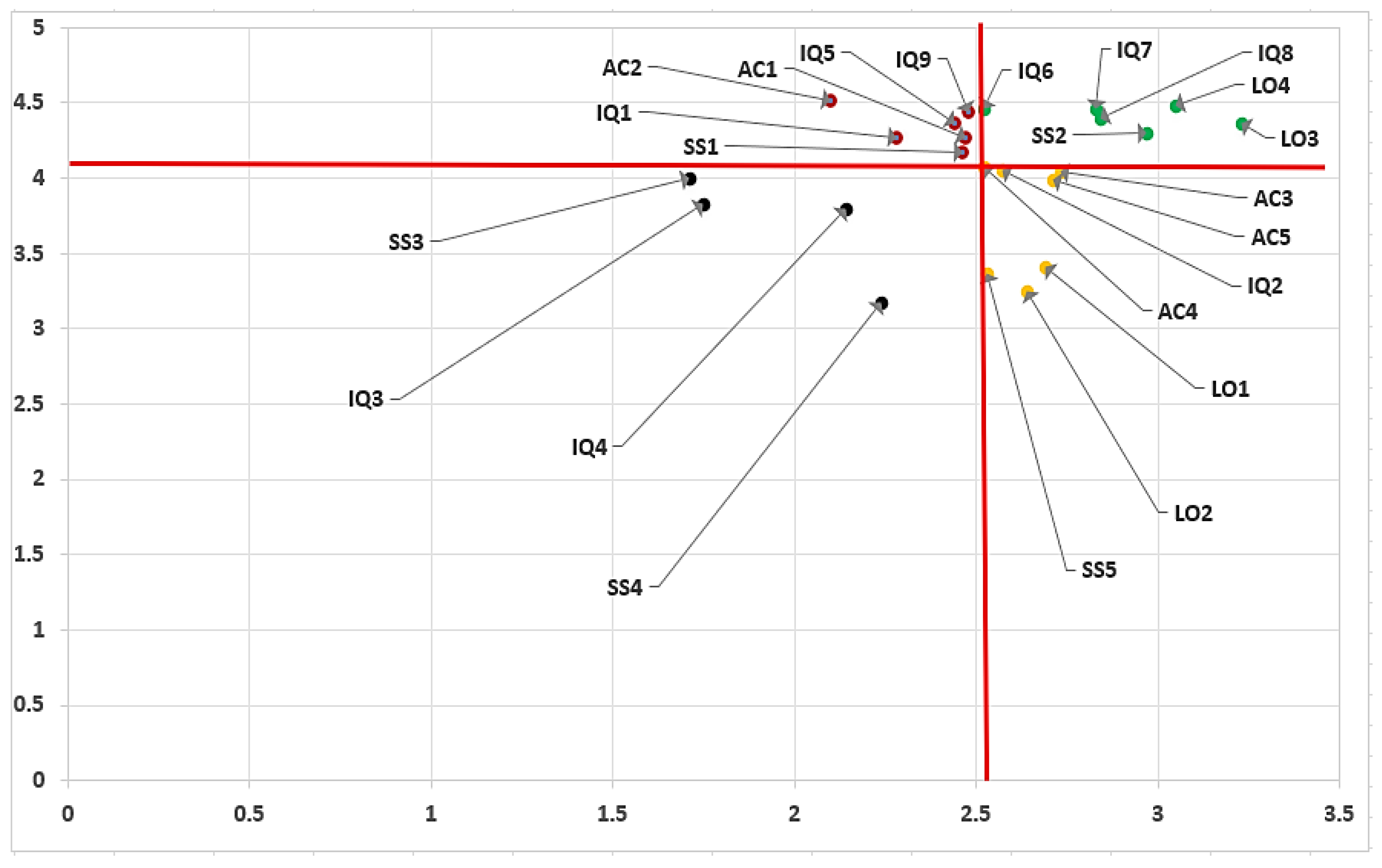
As shown in Figure 6: Quadrant I: “concentrate here” (high importance/low performance). This quadrant indicates critical weaknesses that need urgent improvement. Based on the graph, the following attributes fall into this category:
- SS1: Safety barrier for traffic accidents when waiting at bus stops;
- AC2: Bus stops accessible to elderly and disabled people;
- IQ1: Availability of signs, timetable/map;
- IQ5: Bus stop quality;
- AC1: Narrow platform of the bus stop;
- IQ9: Waiting time at bus stop.
Quadrant II: “keep up the good work” (high importance/high performance). These items reflect strong performance in areas that users value. Continued investment and attention are recommended to sustain quality in these attributes. Maintain good lighting, shelters, seating, and ensure stops remain close to demand hubs like schools and residences.
- SS2: Safety from crime at bus stops and stations;
- IQ6: Protection from sun and rain;
- IQ7: Availability of seats;
- IQ8: Availability of shelter and benches;
- LO3: Bus stop near school/university;
- LO4: Bus stop near residential areas.
Finally, the remaining service attributes are identified as low-priority areas or reflect potential overinvestment. Therefore, these attributes should not be the primary focus of improvement efforts. While improvements may be helpful long-term, these attributes are not currently affecting overall satisfaction significantly. Importantly, for transit service providers in developing regions such as Kurdistan, Iraq, the findings highlight that the most impactful improvements can be achieved by prioritizing the attributes positioned in Quadrant I; namely, those that are highly important to users but currently underperforming, and so require urgent policy-driven actions.
Additionally, the conformity analysis revealed that most service quality attributes scored between 50% and 80%, indicating a considerable gap between user expectations and the actual quality of public transport services in the city.
5. Discussion
This study evaluated bus stop infrastructure in Sulaymaniyah, Iraq, using an integrated approach combining Importance–Performance Analysis (IPA), Customer Satisfaction Index (CSI), and Conformity Ratio (CR). The combined use of these methods provides a more comprehensive and robust prioritization framework. The results reveal critical service gaps, particularly in accessibility, safety, and information provision, which are central to achieving equitable and inclusive public transportation, as emphasized in prior literature (e.g., [13,14,28]).
Table 4 (below) categorizes quality attributes based on importance and satisfaction levels. Attributes such as SS1 (safety barriers), IQ5 (overall bus stop quality), IQ9 (waiting time), and AC1 (platform width) fall into the “main priority quadrant and quite satisfied”. These results indicate fair performance in areas considered important by users, suggesting that such features should be maintained and strengthened.
Table 4.
Summary of the study findings.
Although this study focuses on bus stop characteristics, it is acknowledged that service frequency and reliability are critical factors influencing travel behavior; however, these aspects related to overall bus service quality rather than bus stop infrastructure, which is the focus of this study. Field observations and survey responses indicate that riders often supplement bus trips with friends or family when service is infrequent, highlighting the role of multimodal travel. The findings suggest that improvements in bus stop infrastructure should be complemented by efforts to increase service frequency and reliability to address users core needs effectively.
While this study focuses on user perceptions of bus stop narrowness, it is essential to contextualize these perceptions within established design guidelines. Standard bus stop platforms are expected to provide sufficient width for boarding, alighting, and waiting, with dimensions that minimize congestion and enhance accessibility. A comparison between users’ perceptions on-site observations and these standards reveals that the reported narrowness aligns with actual spatial deficiencies, underscoring the need for design improvements [20]. As shown in Figure 7, further confirm that most shelters are narrow, poorly maintained, and lack adequate accessibility, supporting the study’s findings.
Figure 7.
Field observations of the bus stops.
Meanwhile, attributes like AC2 (bus stop accessibility for older adults and persons with disabilities) and IQ1 (availability of signs, maps, and timetables) fell into the main priority and less satisfied category. These represent urgent priorities for improvement due to their high importance but low satisfaction, underscoring systemic issues in inclusive infrastructure design. This aligns with findings from developing contexts where the absence of ramps, tactile surfaces, and wide platforms creates persistent barriers for mobility-impaired populations (e.g., [17,22,29,31]). Addressing these deficits is essential to promote universal access and uphold transport equity.
Attributes such as IQ5 and IQ9, though also considered main priorities, demonstrated only moderate satisfaction. This suggests that while infrastructure may exist, its functional quality, in terms of shelter, seating, or service frequency, remains inadequate. This reflects broader challenges identified in previous studies where poorly maintained or poorly designed stops limit usability despite their physical presence [10,11].
Safety-related infrastructure continues to be a major user concern [78]. SS1 (safety barriers) received high importance ratings, consistent with research in the Global South emphasizing the need for protective infrastructure at stops near busy roads (e.g., [13,20]). Beyond physical protection, such features enhance perceived safety, a significant determinant of transit use among women, children, and elderly populations [16,43].
Interestingly, IQ3 (nightlight facilities) and SS3 (video cameras) fell into the low-priority and not satisfied category. Despite poor satisfaction scores, users ranked these attributes as less important, potentially reflecting a misalignment between perceived and actual safety needs. Lighting and surveillance are critical for ensuring security, especially during early or late hours at bus stops, and their absence can deter use among vulnerable users [19,46]. The finding aligns with previous research highlighting that bus stops are key vulnerable points where static crimes are most likely to occur [54]. This highlights the need for greater public awareness regarding the role of such infrastructure in enhancing safety [49]. Other low-ranked but poorly performing features include IQ4 (drainage facilities) and SS4 (separate facilities for men and women). While not seen as top priorities, their substandard performance still impacts accessibility and comfort. For instance, inadequate drainage can render stops unusable during rainfall, particularly for those with limited mobility. This may reflect the broader cultural and environmental context of developing cities like Sulaymaniyah, where public transportation systems typically do not operate late into the night, and where social norms often discourage nighttime mobility, especially among women or vulnerable groups. As a result, the demand for night-related safety infrastructure may appear low, not because it is unneeded, but since users have adapted their behavior (e.g., avoiding night travel) due to the lack of such facilities. This behavioral adaptation should be carefully considered by local authorities when planning improvements to public transport infrastructure.
The deficiencies in Sulaymaniyah’s bus stops are influenced by local factors, including outdated construction standards, limited budgets, and poor maintenance affecting accessibility; weak enforcement and resource constraints impacting safety; and unoptimized routes and traffic congestion causing long waiting times. Additionally, inadequate investment in signage and real-time information limits passenger awareness. These conditions are consistent with the findings in the recent studies [67,68,69], which demonstrate that the operational factors such as bus queues, boarding, berth layout, and overtaking restrictions significantly affect stop performance, passenger delays, and service reliability. Therefore, both the local observation and the literature highlight that operational capacity and traffic dynamics are critical elements influencing the overall effectiveness and service quality of bus stop infrastructure. Addressing these context-specific issues can guide more targeted and effective policy interventions.
Therefore, from a planning standpoint, the integration of IPA, CSI, and CR offers a robust decision-making approach for better management. This approach enables stakeholders to prioritize resource allocation based on user needs and service gaps. Key recommendations include improving accessibility, information systems, platform design, and safety infrastructure, in line with global calls for more inclusive, context-sensitive transit planning [30,35,39].
The findings have wider implications for other rapidly urbanizing cities in the Global South, where inadequate investment, weak governance, and fast-paced motorization undermine transport quality [6,7]. Sulaymaniyah exemplifies these challenges, offering lessons that are transferable to similar urban settings. Addressing gaps identified through user-centered evaluations can guide cities toward safer, more accessible, and equitable public transport networks.
This study does not just identify problems for current users; it also helps policymakers focus on keeping these riders happy, because retention is cost-effective and essential for a strong public transport system. In addition, existing users’ opinions are valuable because they highlight barriers that affect both current and potential riders. Keeping current riders satisfied is important, as it is usually cheaper and easier than attracting new users.
6. Conclusions
This study presents a comprehensive, evidence-based assessment of bus stop infrastructure in Sulaymaniyah, Iraq, through the integrated application of IPA, CSI, and CR. The convergence of findings from all three methods reveals critical gaps in safety, accessibility, and service information factors that are not only valued by users but also essential for equitable and effective public transport. By identifying six urgent issues requiring immediate intervention, the research provides actionable insights for local authorities and transport planners. This methodological integration proposes a replicable model for evaluating and prioritizing improvements in other cities facing similar constraints, especially across developing countries.
Six attributes fall within the first quadrant, indicating high importance but low satisfaction. These include safety barriers for traffic accidents while waiting at bus stops, accessibility for the elderly and disabled, availability of signs and timetables/maps, overall bus stop quality, narrow platforms, and waiting times. These areas require urgent attention from transport managers and relevant stakeholders to enhance service quality and improve user satisfaction. The findings highlight the need for user-centered, context-specific improvements such as installing safety barriers, widening platforms, and incorporating accessible design features to ensure safer and more inclusive public transport infrastructure. While maintaining strengths like shelter availability and strategic location, the research highlights the necessity of phased interventions guided by user expectations and infrastructural realities. With a sample of 507 participants, the study delivers robust initial findings; however, it is recommended that future research be based on a larger sample population to enhance generalizability.
The results of this study provide practical guidance for policymakers and urban transport planners that should prioritize targeted improvements to bus stop infrastructure in Sulaymaniyah. Critical gaps were identified in safety, accessibility, and service information. For example, installing guardrails or bollards between waiting areas and traffic lanes can improve safety, while ramps, tactile paving, and low-curb boarding areas can enhance accessibility for elderly and disabled passengers. Providing clear route maps, timetables, and standardized signage at bus stops can reduce passenger uncertainty. In addition, upgrading bus stop infrastructure with shelters, seating, lighting, and wider platforms can improve passenger comfort and reduce crowding. Operational measures, such as improving schedule coordination, improving headway management, and real-time fleet monitoring can also reduce waiting times and enhance the overall attractiveness of public transport. By linking technical assessment with policy relevance, this study contributes to both academic knowledge and practical decision-making. It emphasizes the strategic value of IPA as a tool for public transport service evaluation, enabling decision-makers to allocate resources effectively and prioritize interventions with the greatest impact on user satisfaction. Ultimately, enhancing bus stop infrastructure in Sulaymaniyah is not merely a technical task but a crucial step toward fostering inclusive, safe, and resilient urban mobility systems.
Limitations and Directions for Future Research
While this study offers valuable contributions through the development and application of the IPA model to evaluate PT in a developing country context, several limitations should be acknowledged to guide future research. First, the reliance on cross-sectional data captured user perceptions at a single point in time, limiting the analysis of service dynamics and temporal changes. Longitudinal studies would allow for a more comprehensive understanding of evolving user expectations and system performance. Second, the study’s findings are specific to a single urban setting in a developing country, which may constrain generalizability. In future work, this study proposes measuring objective crash risk or geometry indices (curve radius, accident counts) and comparing them to the satisfaction/performance measures.
The explanation for the coexistence of high bus usage and low daily travel frequency is relatively limited in the current study. Operational issues such as limited-service frequency and weak transfer connectivity between bus stops may influence travel patterns. This limitation has been explicitly acknowledged. Future research should explore this phenomenon in greater depth by analyzing factors such as transfer efficiency, network coverage, service frequency, and multimodal mobility options to better understand the underlying causes of this pattern.
Nevertheless, this study’s methodological approach provides an adaptable research framework which, it is hoped, will inspire future comparative analysis across diverse geographical areas and socio-economic categories. Additionally, the current model could be enhanced by integrating it with advanced analytical tools such as Multi-Criteria Decision Making (MCDM) and Structural Equation Modeling (SEM) to explore the complex interrelationships among service attributes. Further employ methods such as regression analysis to quantitatively evaluate the impact of different variables on the level of bus service quality. Finally, the study would benefit from incorporating qualitative methods to capture the perspectives of underrepresented groups, including individuals with disabilities and women, to reveal disparities in service quality perceptions. Addressing these limitations in future research will support more inclusive, context-sensitive, and policy-relevant assessments of PT systems, thereby enhancing their equity, usability, and resilience.
Funding
This research received no external funding.
Institutional Review Board Statement
Not applicable.
Informed Consent Statement
Not applicable.
Data Availability Statement
The original contributions presented in this study are included in the article. Further inquiries can be directed to the corresponding author.
Acknowledgments
The author would like to express sincere gratitude to the anonymous survey participants for their valuable contributions. Special thanks are extended to the City Planning Engineering students for their assistance in data collection.
Conflicts of Interest
The author declares no conflicts of interest.
References
- Kriswardhana, W.; Ismael, K.; Duleba, S.; Esztergár-Kiss, D. Uncovering distinct public transport user profiles and the factors influencing the users’ intentions. J. Urban Mobil. 2025, 7, 100127. [Google Scholar] [CrossRef] [Scilit]
- Sperling, D.; Salon, D. Transportation in Developing Countries: An Overview of Greenhouse Gas Reduction Strategies. 2002. Available online: https://escholarship.org/uc/item/0cg1r4nq (accessed on 5 November 2025).
- Cervero, R. Transport Infrastructure and the Environment: Sustainable Mobility and Urbanism; Institute of Urban and Regional Development, University of California: Oakland, CA, USA, 2013. [Google Scholar]
- Hidalgo, D.; Gutiérrez, L. BRT and BHLS around the world: Explosive growth, large positive impacts and many issues outstanding. Res. Transp. Econ. 2013, 39, 8–13. [Google Scholar] [CrossRef] [Scilit]
- Moslem, S.; Mohammadi, M.; Ismael, K.; Esztergar-Kiss, D. Fostering sustainable urban mobility via stakeholder engagement: A novel analytic hierarchy process and half-quadratic programming. Res. Transp. Bus. Manag. 2025, 59, 101291. [Google Scholar] [CrossRef] [Scilit]
- Pojani, D.; Stead, D. Sustainable urban transport in the developing world: Beyond megacities. Sustainability 2015, 7, 7784–7805. [Google Scholar] [CrossRef] [Scilit]
- Alessio, H.M.; Bassett, D.R.; Bopp, M.J.; Parr, B.B.; Patch, G.S.; Rankin, J.W.; Rojas-Rueda, D.; Roti, M.W.; Wojcik, J.R. Climate change, air pollution, and physical inactivity: Is active transportation part of the solution? Med. Sci. Sports Exerc. 2021, 53, 1170–1178. [Google Scholar] [CrossRef] [Scilit] [PubMed]
- Gwilliam, K. Urban transport in developing countries. Transp. Rev. 2003, 23, 197–216. [Google Scholar] [CrossRef] [Scilit]
- Vasconcellos, E.A. Urban Transport Environment and Equity: The Case for Developing Countries; Routledge: London, UK, 2014. [Google Scholar]
- Fitzpatrick, K.; Perkinson, D.; Hall, K. Findings from a survey on bus stop design. J. Public Transp. 1996, 1, 17–27. [Google Scholar] [CrossRef] [Scilit]
- Liu, Z.; Ng, W.K. Based on usability experience-enhanced potential community transportation design study in China: A case of Kindergarten bus stop design. In Proceedings of the International Conference on Human-Computer Interaction; Springer International Publishing: Cham, Switzerland, 2019; pp. 85–100. [Google Scholar]
- Yendra, D.; Haworth, N.; Watson-Brown, N. A comparison of factors influencing the safety of pedestrians accessing bus stops in countries of differing income levels. Accid. Anal. Prev. 2024, 207, 107725. [Google Scholar] [CrossRef] [Scilit]
- Cafiso, S.; Di Graziano, A.; Pappalardo, G. Road safety issues for bus transport management. Procedia-Soc. Behav. Sci. 2012, 48, 2251–2261. [Google Scholar] [CrossRef] [Scilit]
- Akintayo, F.O.; Adibeli, S.A. Safety performance of selected bus stops in Ibadan Metropolis, Nigeria. J. Public Transp. 2022, 24, 100003. [Google Scholar] [CrossRef] [Scilit]
- Iles, R. Public Transport in Developing Countries; Emerald Group Publishing Limited: Bingley, UK, 2005. [Google Scholar]
- Sogbe, E.; Susilawati, S.; Pin, T.C. Scaling up public transport usage: A systematic literature review of service quality, satisfaction and attitude towards bus transport systems in developing countries. Public Transp. 2025, 17, 1–44. [Google Scholar] [CrossRef] [Scilit]
- Ye, Z.; Wang, C.; Yu, Y.; Shi, X.; Wang, W. Modeling level-of-safety for bus stops in China. Traffic Inj. Prev. 2016, 17, 656–661. [Google Scholar] [CrossRef] [Scilit] [PubMed]
- Sethulakshmi, G.; Mohan, M. Identification of key determinants of personal safety perception at bus stops using proportional odds logistic regression. Eur. Transp. 2023, 9, 1–9. [Google Scholar] [CrossRef] [Scilit]
- Ramos-Santiago, L.E. Does walkability around feeder bus-stops influence rapid-transit station boardings? J. Public Transp. 2022, 24, 100026. [Google Scholar] [CrossRef] [Scilit]
- Phillips, R.O.; Hagen, O.H.; Berge, S.H. Bus stop design and traffic safety: An explorative analysis. Accid. Anal. Prev. 2021, 153, 105917. [Google Scholar] [CrossRef] [Scilit]
- Delmelle, E.M.; Li, S.; Murray, A.T. Identifying bus stop redundancy: A gis-based spatial optimization approach. Comput. Environ. Urban Syst. 2012, 36, 445–455. [Google Scholar] [CrossRef] [Scilit]
- Daudu, P.I.; Jibril, M.S.; Yashi, J. Spatial analysis for determining accessibility to bus stops in Kaduna metropolis. J. Geogr. Inf. Syst. 2022, 14, 78–93. [Google Scholar] [CrossRef]
- Hussein, N. The pedestrianisation and its relation with enhancing walkability in urban spaces. J. Contemp. Urban Aff. 2018, 2, 102–112. [Google Scholar] [CrossRef] [Scilit]
- Ismael, K.S.; Mohammed, N.H.; Rasul, H.Q. Potentialities in Creating the Pedestrian Malls in the Historical City Centers: A Study Case of Mawlawi Street, Sulaimani, Iraqi Kurdistan. Kurd. J. Appl. Res. 2019, 4, 31–40. [Google Scholar] [CrossRef] [Scilit]
- Jin, H.; Liu, Y.; Wu, T.; Zhang, Y. Site-specific optimization of bus stop locations and designs over a corridor. Phys. A Stat. Mech. Its Appl. 2022, 599, 127441. [Google Scholar] [CrossRef] [Scilit]
- Lakhotia, S.; Lassarre, S.; Rao, K.R.; Tiwari, G. Pedestrian accessibility and safety around bus stops in Delhi. IATSS Res. 2020, 44, 55–66. [Google Scholar] [CrossRef] [Scilit]
- Aman, J.J.; Smith-Colin, J. Transit Deserts: Equity analysis of public transit accessibility. J. Transp. Geogr. 2020, 89, 102869. [Google Scholar] [CrossRef] [Scilit]
- Rossetti, S.; Tiboni, M. In field assessment of safety, security, comfort and accessibility of bus stops: A planning perspective. Eur. Transp./Trasp. Eur. 2020, 80, 8. Available online: https://www.istiee.unict.it/sites/default/files/files/Paper%208%20n%2080.pdf (accessed on 5 November 2025). [CrossRef] [Scilit]
- Vecchio, G.; Tiznado-Aitken, I.; Hurtubia, R. Transport and equity in Latin America: A critical review of socially oriented accessibility assessments. Transp. Rev. 2020, 40, 354–381. [Google Scholar] [CrossRef] [Scilit]
- Johari, M.; Keyvan-Ekbatani, M.; Ngoduy, D. Impacts of bus stop location and berth number on urban network traffic performance. IET Intell. Transp. Syst. 2020, 14, 1546–1554. [Google Scholar] [CrossRef] [Scilit]
- Yanık, S.; Yılmaz, S. Optimal design of a bus route with short-turn services. Public Transp. 2023, 15, 169–197. [Google Scholar] [CrossRef] [Scilit]
- Phuong, N.T.; Kikuchi, M.; Kojima, A.; Kubota, H. Neighborhood influence on walking acceptability to bus stops in Hanoi, Vietnam. IATSS Res. 2024, 48, 367–377. [Google Scholar] [CrossRef] [Scilit]
- Bhuiya, M.M.; Rafiq, R.; Morshed, K.N.; Rahman, M.I. Suitable bus stop locations for a proposed bus rapid transit corridor in a developing country city: An analytical hierarchy process approach. Transp. Dev. Econ. 2023, 9, 10. [Google Scholar] [CrossRef] [Scilit]
- Venter, C.; Jennings, G.; Hidalgo, D.; Valderrama Pineda, A.F. The equity impacts of bus rapid transit: A review of the evidence and implications for sustainable transport. Int. J. Sustain. Transp. 2018, 12, 140–152. [Google Scholar] [CrossRef] [Scilit]
- Ismael, K.; Duleba, S. An integrated ordered probit model for evaluating university commuters’ satisfaction with public transport. Urban Sci. 2023, 7, 83. [Google Scholar] [CrossRef] [Scilit]
- Pereira, R.H.; Banister, D.; Schwanen, T.; Wessel, N. Distributional effects of transport policies on inequalities in access to opportunities in Rio de Janeiro. J. Transp. Land Use 2019, 12, 741–764. [Google Scholar] [CrossRef] [Scilit]
- Yang, L.; Chau, K.W.; Szeto, W.Y.; Cui, X.; Wang, X. Accessibility to transit, by transit, and property prices: Spatially varying relationships. Transp. Res. Part D Transp. Environ. 2020, 85, 102387. [Google Scholar] [CrossRef] [Scilit]
- Yang, L.; Chu, X.; Gou, Z.; Yang, H.; Lu, Y.; Huang, W. Accessibility and proximity effects of bus rapid transit on housing prices: Heterogeneity across price quantiles and space. J. Transp. Geogr. 2020, 88, 102850. [Google Scholar] [CrossRef] [Scilit]
- Tabascio, A.; Tiznado-Aitken, I.; Higgins, C.; Farber, S. Incorporating equity into transit performance measures: A disaggregated bus route level approach. Case Stud. Transp. Policy 2024, 17, 101256. [Google Scholar] [CrossRef] [Scilit]
- Guzman, L.A.; Oviedo, D. Accessibility, affordability and equity: Assessing ‘pro-poor’public transport subsidies in Bogotá. Transp. Policy 2018, 68, 37–51. [Google Scholar] [CrossRef] [Scilit]
- Ramli, R.; Palil, M.R.; Abu Hassan, N.S.; Mustapha, A.F. Improving the Use of Public Transport in South East Asian Countries: Do Taxes and Other Economic Instruments Play a Role. In Proceedings of the 3rd International Conference on Business and Economic Research (3rd ICBER 2012), Bandung, Indonesia, 12–13 March 2012. [Google Scholar]
- Chowdhury, S.; Van Wee, B. Examining women’s perception of safety during waiting times at public transport terminals. Transp. Policy 2020, 94, 102–108. [Google Scholar] [CrossRef] [Scilit]
- Ceccato, V. Women’s victimisation and safety in transit environments. Crime Prev. Community Saf. 2017, 19, 163–167. [Google Scholar] [CrossRef] [Scilit]
- Tucker, L. Safer Stops for Vulnerable Customers; National Center for Transit Research (US): Tampa, FL, USA, 2003. Available online: https://rosap.ntl.bts.gov/view/dot/16247 (accessed on 5 November 2025).
- Sun, S.; Fang, D.; Cao, J. Exploring the asymmetric influences of stop attributes on rider satisfaction with bus stops. Travel Behav. Soc. 2020, 19, 162–169. [Google Scholar] [CrossRef] [Scilit]
- Luke, R.; Heyns, G.J. An analysis of the quality of public transport in Johannesburg, South Africa using an adapted SERVQUAL model. Transp. Res. Procedia 2020, 48, 3562–3576. [Google Scholar] [CrossRef] [Scilit]
- Atombo, C.; Wemegah, T.D. Indicators for commuter’s satisfaction and usage of high occupancy public bus transport service in Ghana. Transp. Res. Interdiscip. Perspect. 2021, 11, 100458. [Google Scholar] [CrossRef] [Scilit]
- Cheranchery, M.F.; Bhattacharyya, K.; Salih, M.; Maitra, B. A proactive approach to assess safety level of urban bus stops. Int. J. Inj. Control Saf. Promot. 2019, 26, 260–270. [Google Scholar] [CrossRef] [Scilit]
- Nguyen-Phuoc, D.Q.; Tran, A.T.; Van Nguyen, T.; Le, P.T.; Su, D.N. Investigating the complexity of perceived service quality and perceived safety and security in building loyalty among bus passengers in Vietnam–A PLS-SEM approach. Transp. Policy 2021, 101, 162–173. [Google Scholar] [CrossRef] [Scilit]
- Caiafa, M.; Tyler, N.; Brown, I. Bus Stop Infrastructure. Accessibility and the Bus System; Thomas Telford: London, UK, 2002; Volume 139. [Google Scholar]
- Suman, H.K.; Bolia, N.B.; Tiwari, G. Comparing public bus transport service attributes in Delhi and Mumbai: Policy implications for improving bus services in Delhi. Transp. Policy 2017, 56, 63–74. [Google Scholar] [CrossRef] [Scilit]
- Thondoo, M.; Marquet, O.; Márquez, S.; Nieuwenhuijsen, M.J. Small cities, big needs: Urban transport planning in cities of developing countries. J. Transp. Health 2020, 19, 100944. [Google Scholar] [CrossRef] [Scilit]
- AlRukaibi, F.; AlKheder, S. Optimization of bus stop stations in Kuwait. Sustain. Cities Soc. 2019, 44, 726–738. [Google Scholar] [CrossRef] [Scilit]
- Newton, A.D. Crime on Public Transport: ‘Static’ and ‘Non-Static’ (Moving) Crime Events. West. Criminol. Rev. 2004, 5, 25–42. [Google Scholar]
- Corazza, M.V.; Favaretto, N. A methodology to evaluate accessibility to bus stops as a contribution to improve sustainability in urban mobility. Sustainability 2019, 11, 803. [Google Scholar] [CrossRef] [Scilit]
- Van Soest, D.; Tight, M.R.; Rogers, C.D. Exploring the distances people walk to access public transport. Transp. Rev. 2020, 40, 160–182. [Google Scholar] [CrossRef] [Scilit]
- Borhan, M.N.; Ibrahim, A.N.; Syamsunur, D.; Rahmat, R.A. Why public bus is a less attractive mode of transport: A case study of Putrajaya, Malaysia. Period. Polytech. Transp. Eng. 2019, 47, 82–90. [Google Scholar] [CrossRef] [Scilit]
- Cirella, G.T.; Bąk, M.; Kozlak, A.; Pawłowska, B.; Borkowski, P. Transport innovations for elderly people. Res. Transp. Bus. Manag. 2019, 30, 100381. [Google Scholar] [CrossRef] [Scilit]
- Chen, Y.; Bouferguene, A.; Shen, Y.; Al-Hussein, M. Assessing accessibility-based service effectiveness (ABSEV) and social equity for urban bus transit: A sustainability perspective. Sustain. Cities Soc. 2019, 44, 499–510. [Google Scholar] [CrossRef] [Scilit]
- Pereira, R.H. Future accessibility impacts of transport policy scenarios: Equity and sensitivity to travel time thresholds for Bus Rapid Transit expansion in Rio de Janeiro. J. Transp. Geogr. 2019, 74, 321–332. [Google Scholar] [CrossRef] [Scilit]
- Saif, M.A.; Zefreh, M.M.; Torok, A. Public transport accessibility: A literature review. Period. Polytech. Transp. Eng. 2019, 47, 36–43. [Google Scholar] [CrossRef] [Scilit]
- Rodriguez, D.A.; Vergel-Tovar, C.E. Urban development around bus rapid transit stops in seven cities in Latin-America. J. Urban. Int. Res. Placemak. Urban Sustain. 2018, 11, 175–201. [Google Scholar] [CrossRef] [Scilit]
- Ghasedi, M.; Ghorbanzadeh, M.; Bargegol, I. Robust optimization of bus stop placement based on dynamic demand using meta heuristic approaches: A case study in a developing country. Transp. Telecommun. 2021, 22, 39–52. [Google Scholar] [CrossRef] [Scilit]
- Shen, M.; Gu, W.; Cassidy, M.J.; Lin, Y.; Ni, W. Breaking a harmful feedback loop: Mitigating bus queuing and headway irregularity on busy corridors. Transp. Res. Part A Policy Pract. 2026, 204, 104752. [Google Scholar] [CrossRef] [Scilit]
- Shen, M.; Gu, W.; Hu, S.; Cheng, H. Capacity approximations for near-and far-side bus stops in dedicated bus lanes. Transp. Res. Part B Methodol. 2019, 125, 94–120. [Google Scholar] [CrossRef] [Scilit]
- Luo, T.; Liu, X.; Jin, H. Bus queue time estimation model for a curbside bus stop considering the blocking effect. Sci. Rep. 2022, 12, 11576. [Google Scholar] [CrossRef] [Scilit]
- Hu, S.; Shen, M.; Gu, W. Impacts of bus overtaking policies on the capacity of bus stops. Transp. Res. Part A Policy Pract. 2023, 173, 103702. [Google Scholar] [CrossRef] [Scilit]
- Fernandez, R.; Planzer, R. On the capacity of bus transit systems. Transp. Rev. 2002, 22, 267–293. [Google Scholar] [CrossRef] [Scilit]
- Wang, C.; Ye, Z.; Fricker, J.D.; Zhang, Y.; Ukkusuri, S.V. Bus capacity estimation using stochastic queuing models for isolated bus stops in China. Transp. Res. Rec. 2018, 2672, 108–120. [Google Scholar] [CrossRef] [Scilit]
- Stępień, J. Microscale Modeling of Boarding and Alighting Processes at Shared-Use Bus Stops Under High Traffic Disruption. Appl. Sci. 2025, 16, 269. [Google Scholar] [CrossRef] [Scilit]
- Smieszek, M.; Mateichyk, V.; Mosciszewski, J. The Influence of stops on the selected route of the city its on the energy efficiency of the public bus. Energies 2024, 17, 4179. [Google Scholar] [CrossRef] [Scilit]
- Zhang, J.; Cai, J.; Wang, M.; Zhang, W. An Estimation Method for Passenger Flow Volumes from and to Bus Stops Based on Land Use Elements: An Experimental Study. Land 2024, 13, 971. [Google Scholar] [CrossRef] [Scilit]
- Kurdistan Region Statistics Office, Ministry of Planning, and Kurdistan Regional Government. Available online: https://krso.gov.krd/en/statistics/transportation-and-communication (accessed on 15 July 2025).
- Girma, M.; Woldetensae, B.; Nuriye, G.; Lika, T. Importance performance analysis for evaluating city bus service quality in Addis Ababa, Ethiopia. Urban Plan. Transp. Res. 2022, 10, 451–465. [Google Scholar] [CrossRef] [Scilit]
- Supranto, J. Measurement of Customer Satisfaction; PT, Rineka Cipta: Jakarta, Indonesia, 1997. [Google Scholar]
- Eboli, L.; Mazzulla, G. A new customer satisfaction index for evaluating transit service quality. J. Public Transp. 2009, 12, 21–37. [Google Scholar] [CrossRef] [Scilit]
- Aghajanzadeh, M.; Aghabayk, K.; Esmailpour, J.; De Gruyter, C. Importance–Performance Analysis (IPA) of metro service attributes during the COVID-19 pandemic. Case Stud. Transp. Policy 2022, 10, 1661–1672. [Google Scholar] [CrossRef] [Scilit]
- Elvik, R. The more (sharp) curves, the lower the risk. Accid. Anal. Prev. 2019, 133, 105322. [Google Scholar] [CrossRef] [Scilit]
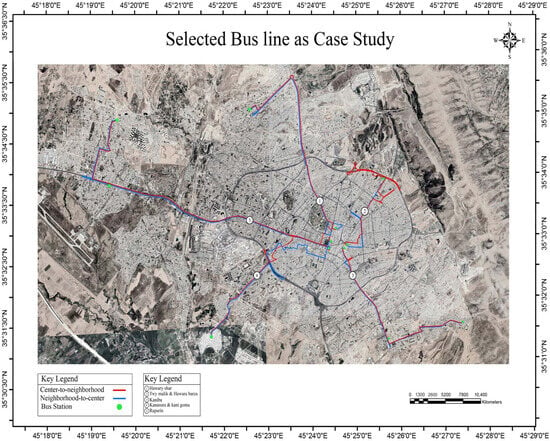
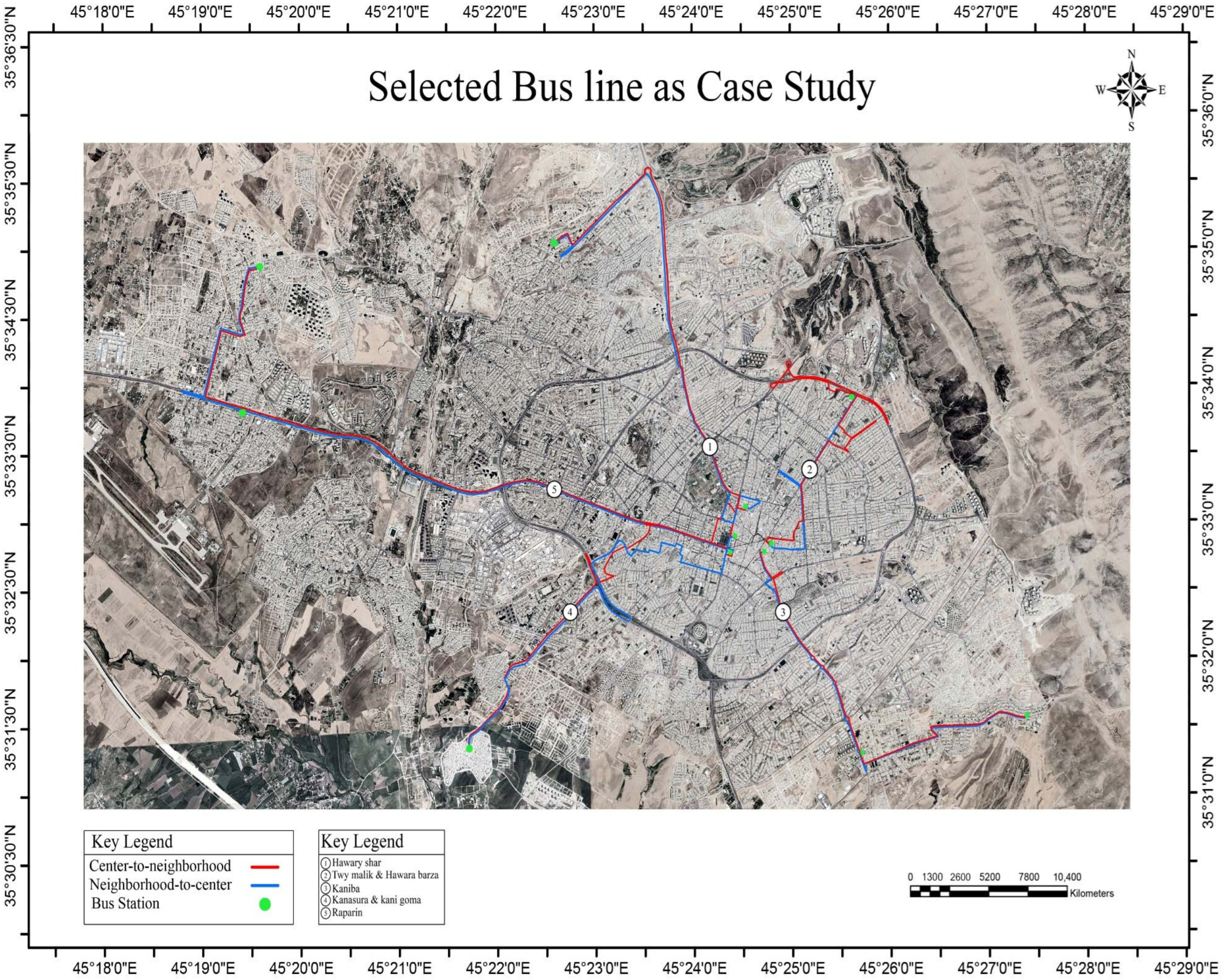
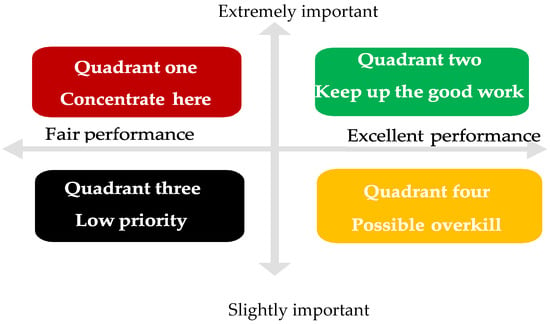
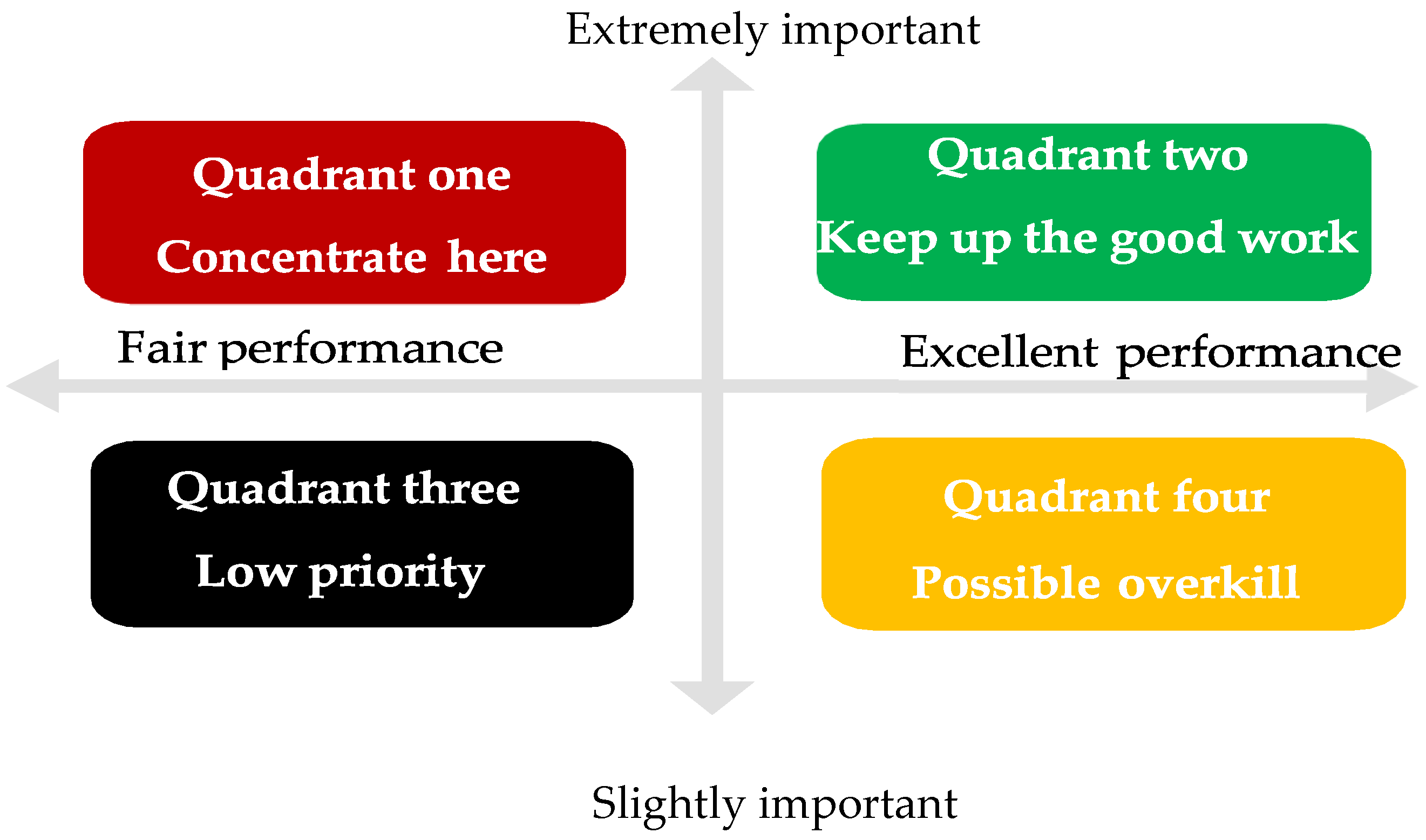
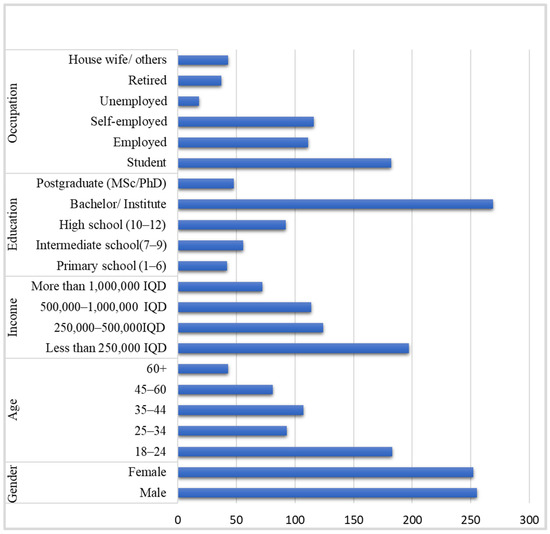
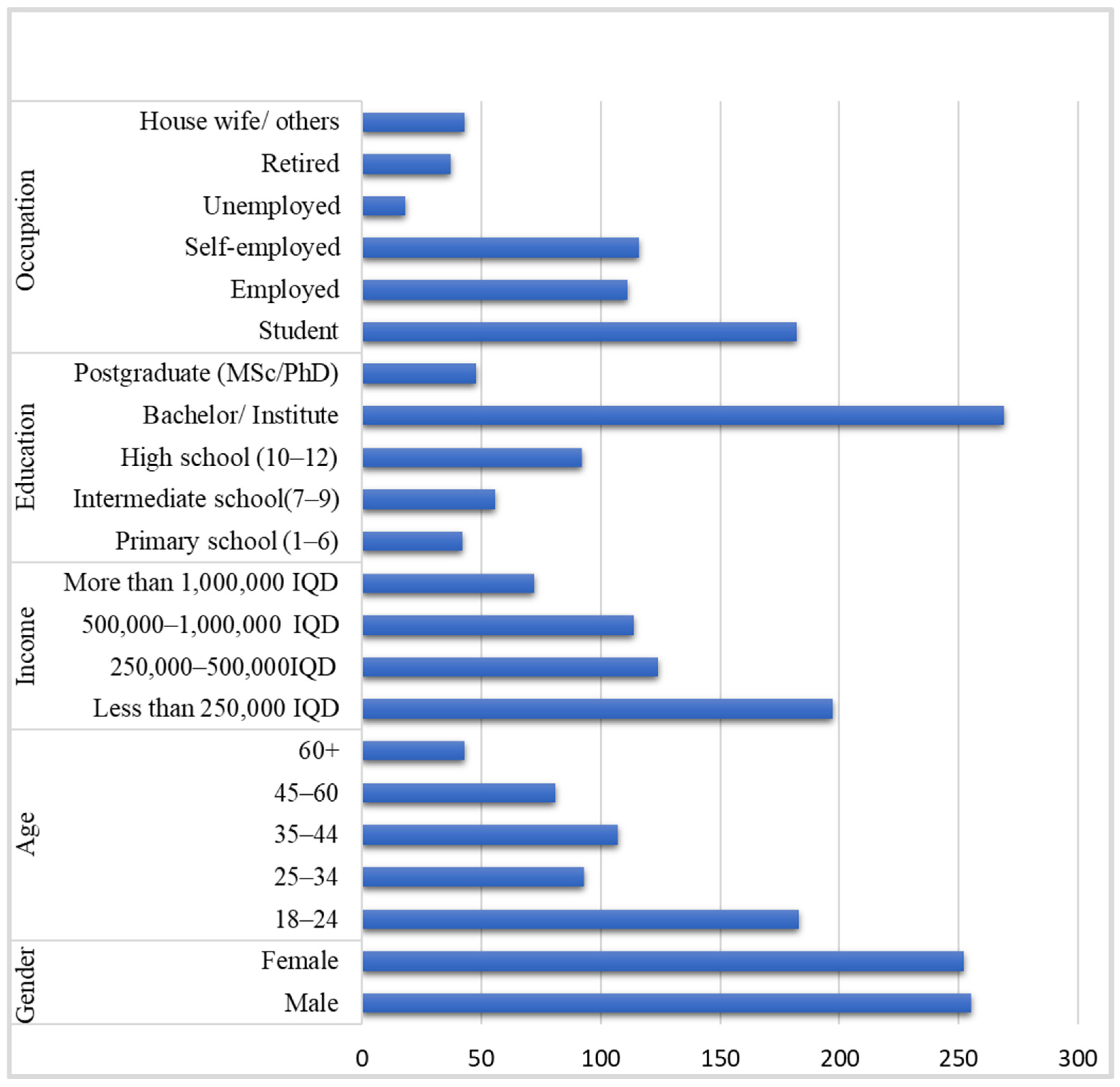
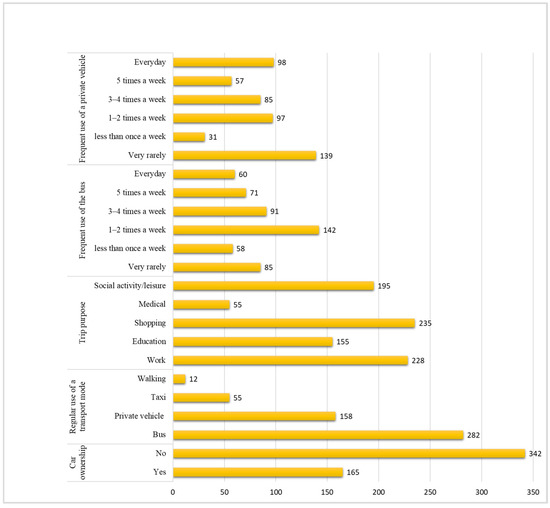
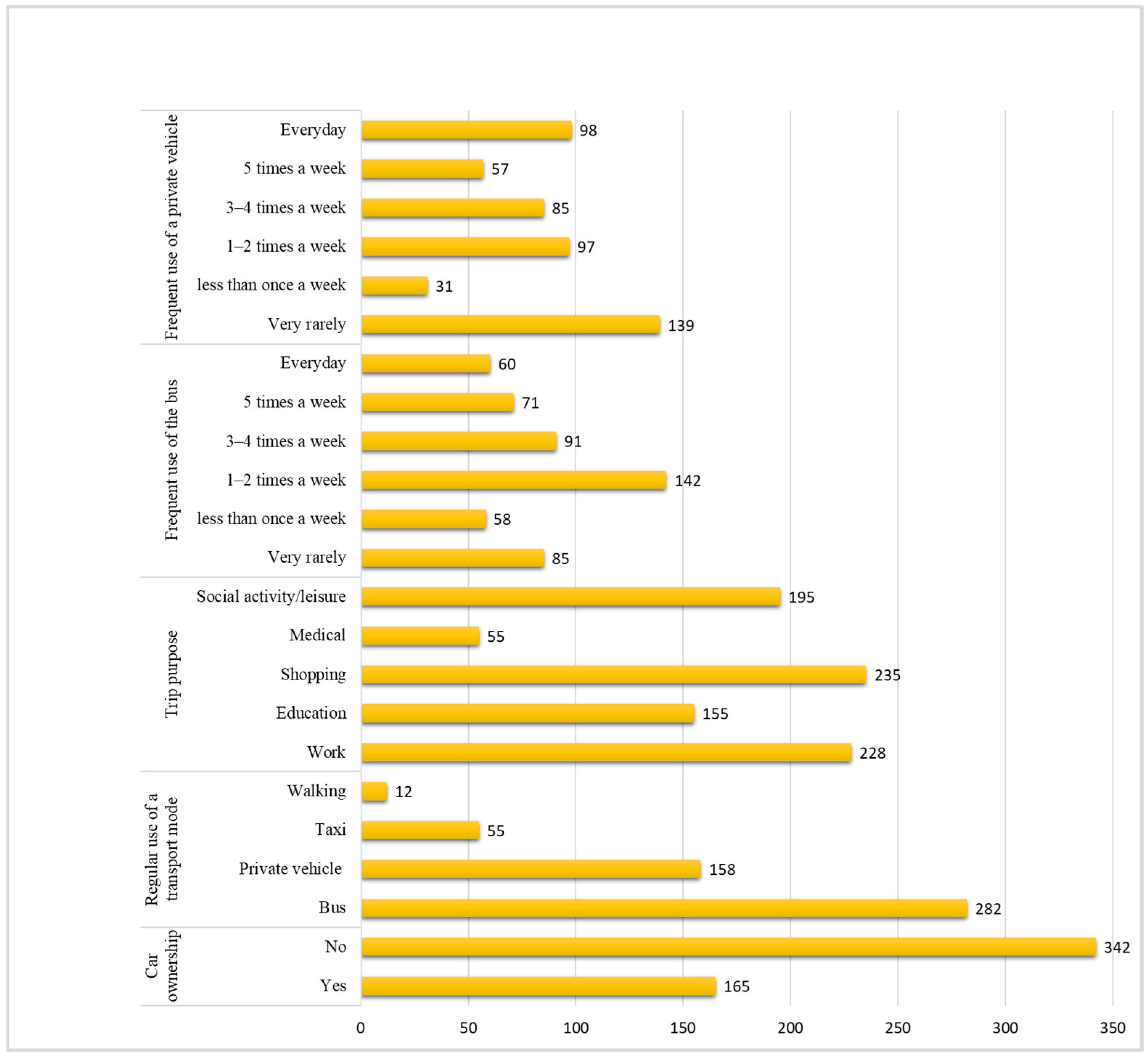
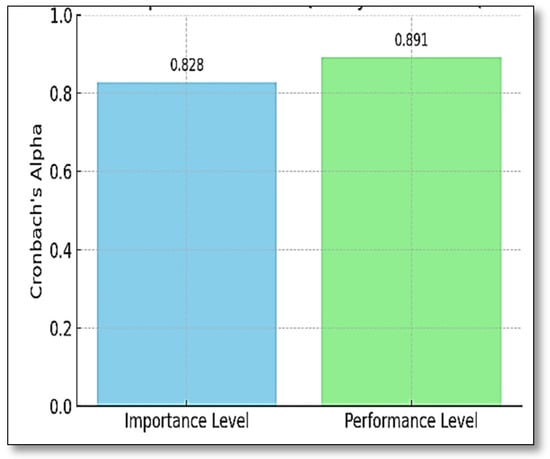
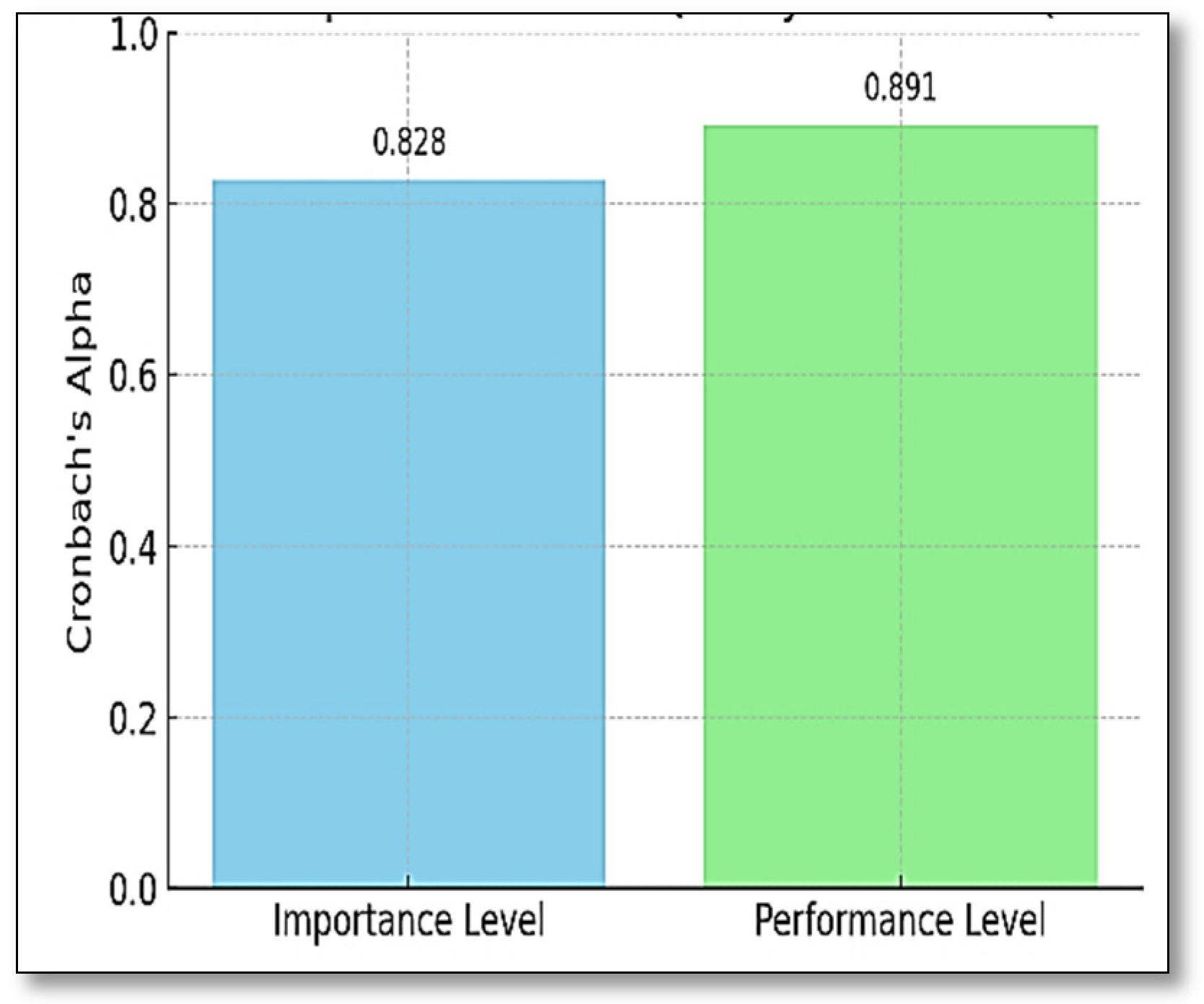
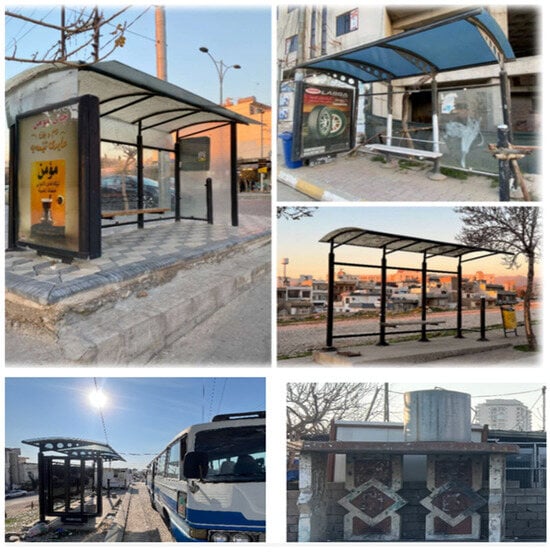
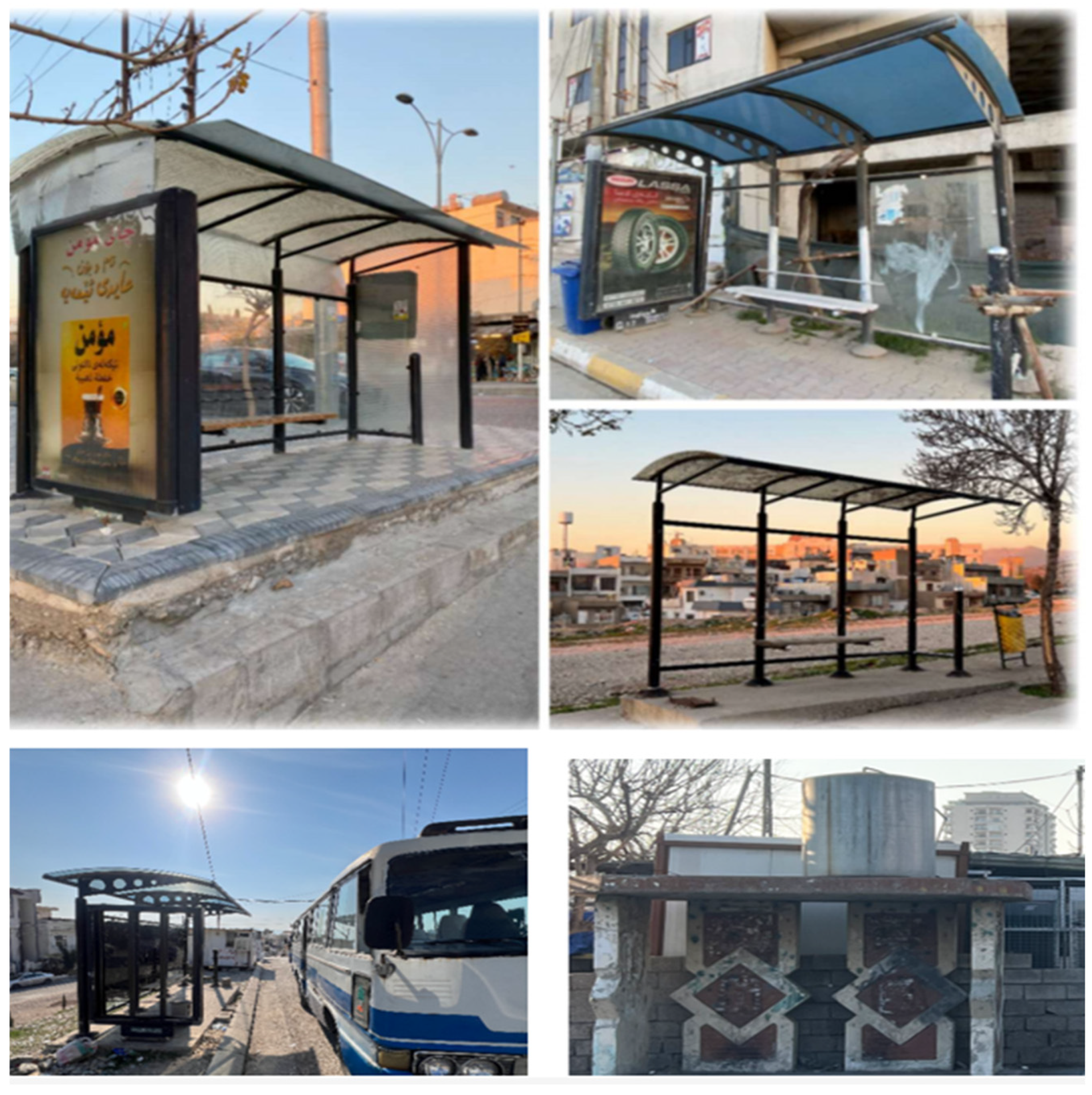

Disclaimer/Publisher’s Note: The statements, opinions and data contained in all publications are solely those of the individual author(s) and contributor(s) and not of MDPI and/or the editor(s). MDPI and/or the editor(s) disclaim responsibility for any injury to people or property resulting from any ideas, methods, instructions or products referred to in the content. |
© 2026 by the author. Licensee MDPI, Basel, Switzerland. This article is an open access article distributed under the terms and conditions of the Creative Commons Attribution (CC BY) license.