Article

Resilient Design of Product Service Systems with Automated Guided Vehicles

Department of Mechanical Engineering, Ravensburg-Weingarten University (RWU), 88250 Weingarten, Germany
Vehicles 2023, 5(3), 780-801; https://doi.org/10.3390/vehicles5030043

Submission received: 10 May 2023 / Revised: 16 June 2023 / Accepted: 27 June 2023 / Published: 1 July 2023

Abstract

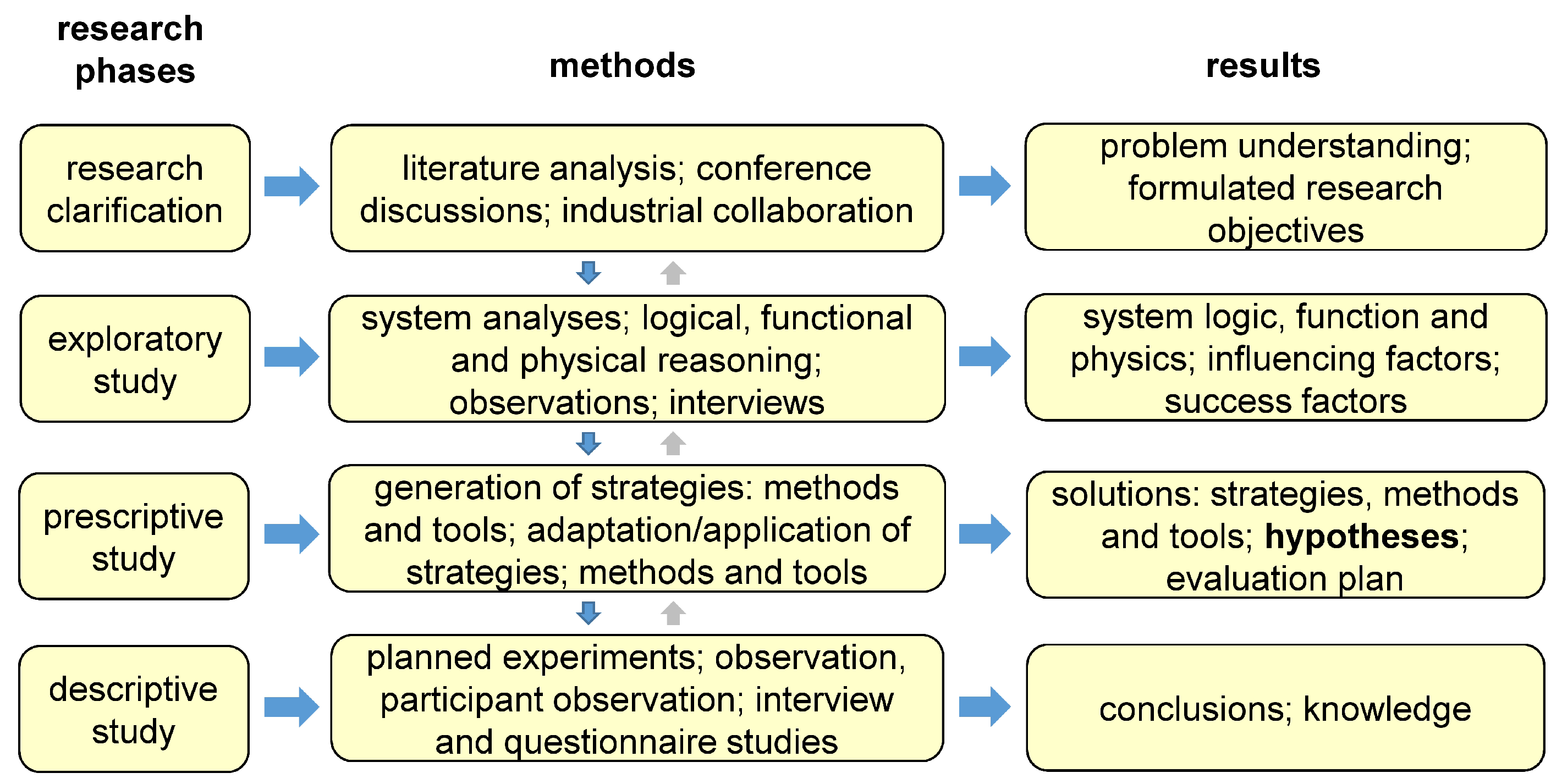
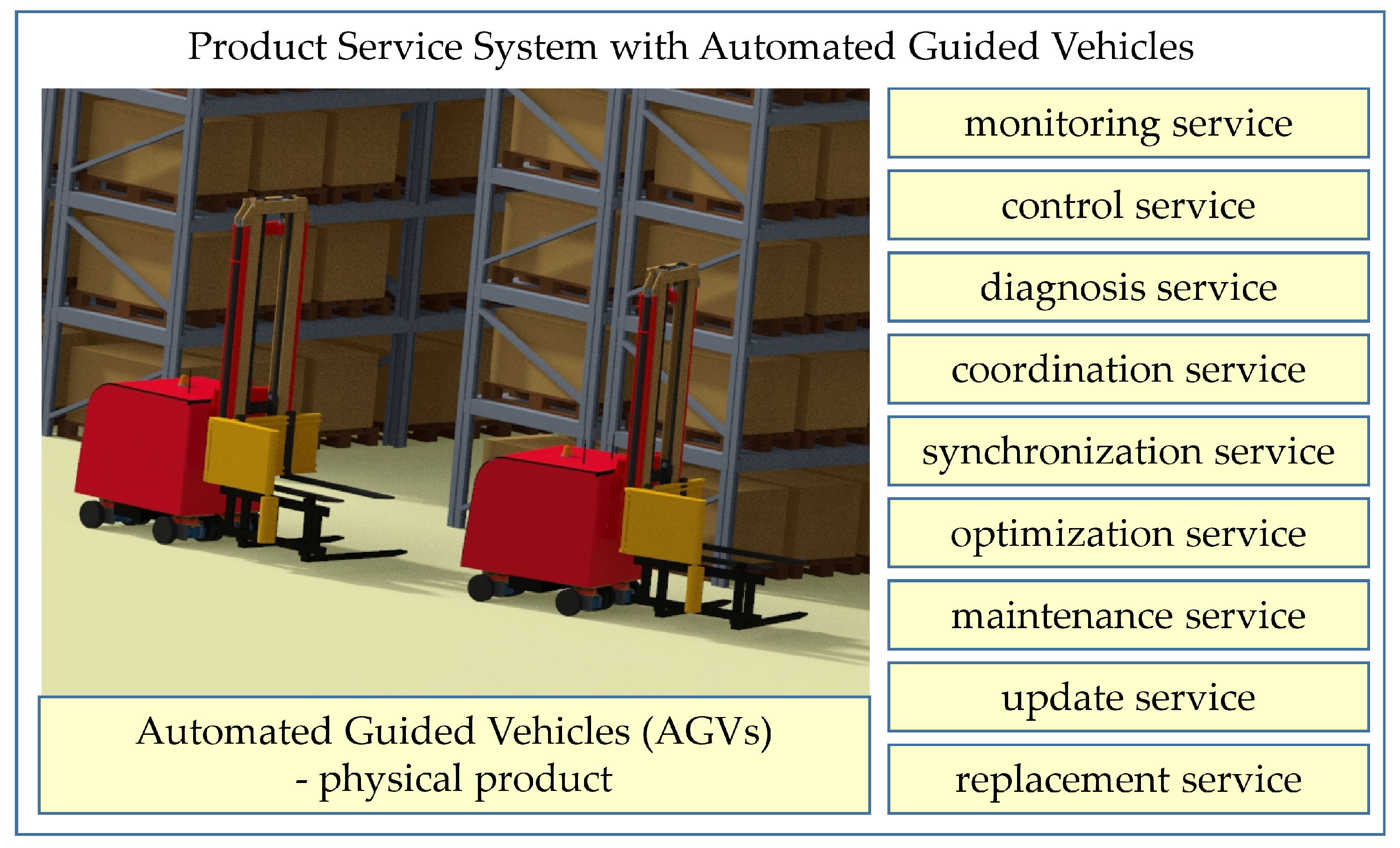
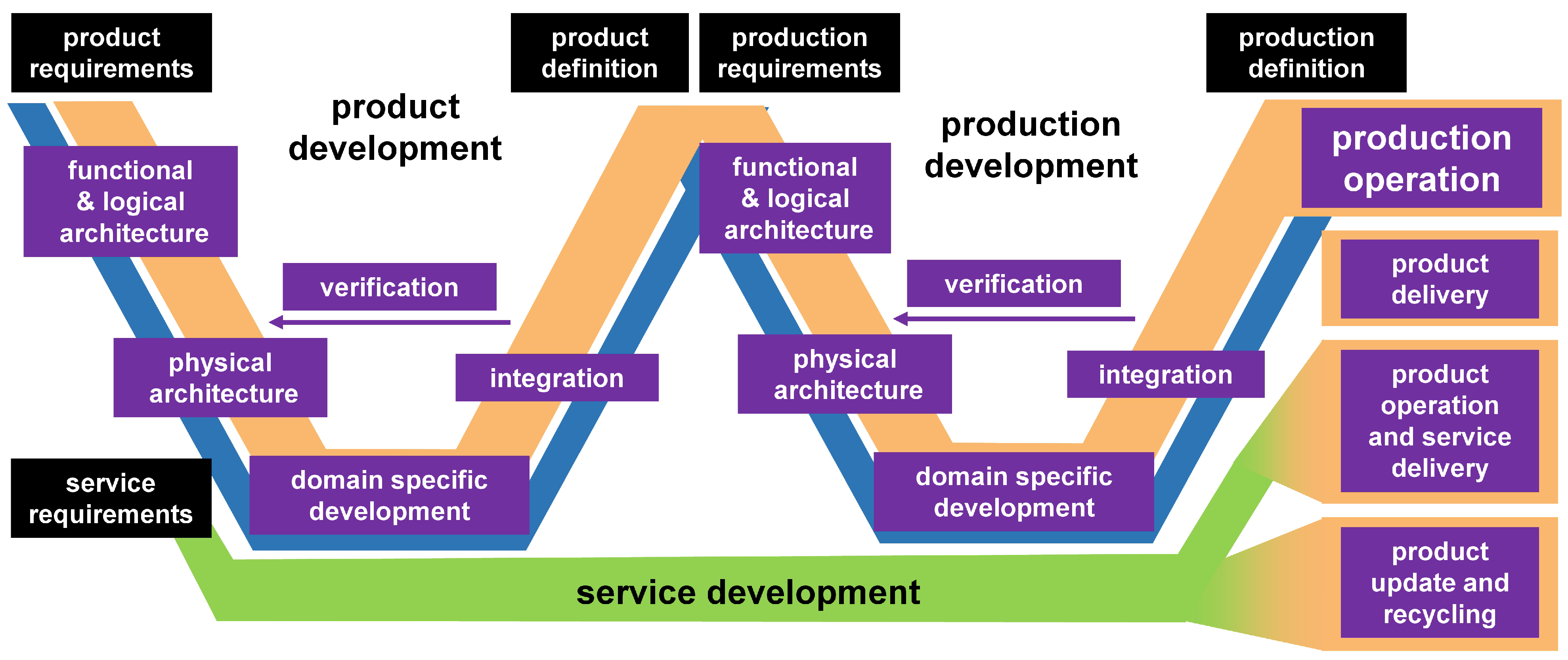
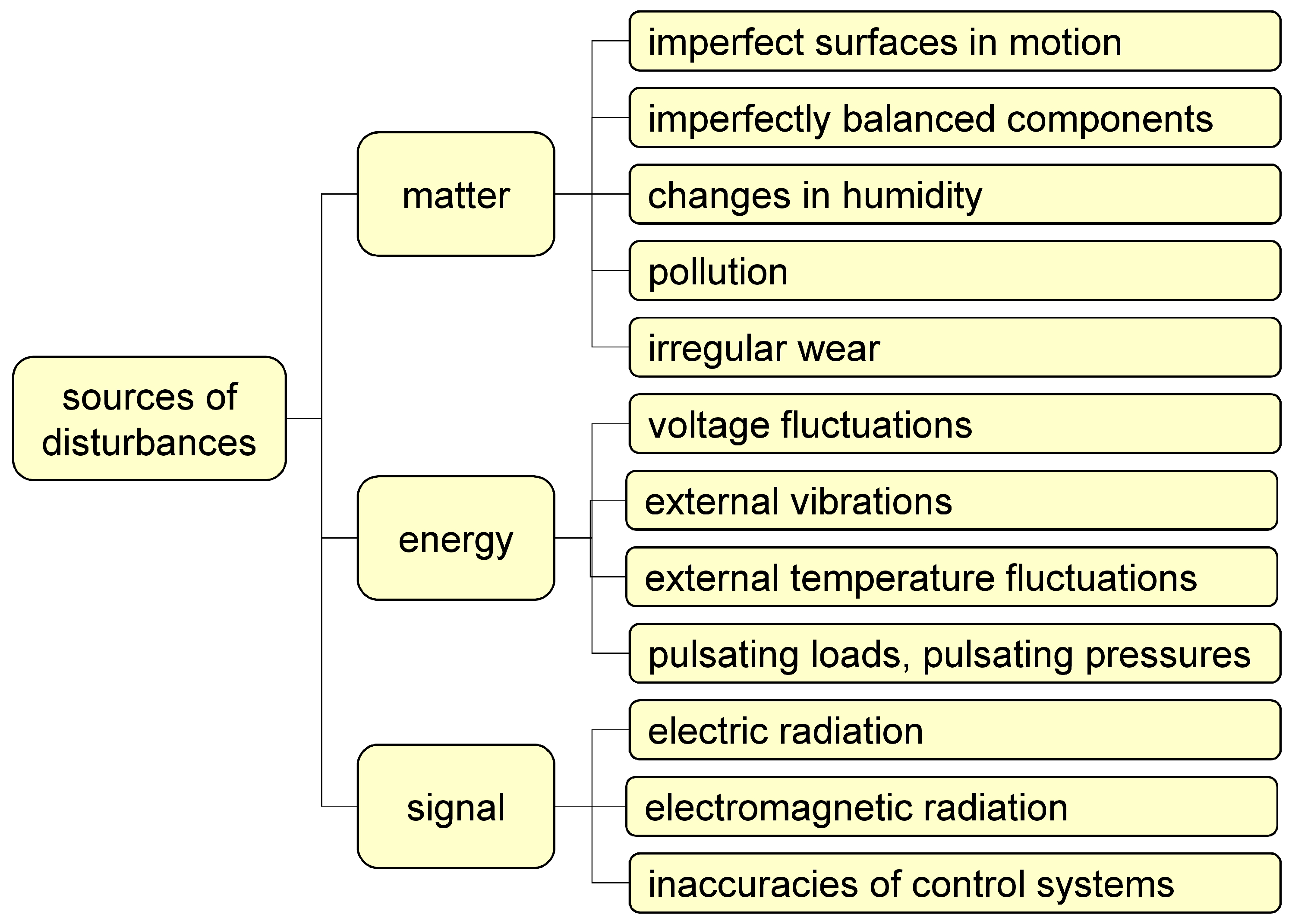
Automated guided vehicles undertake complex transportation tasks, for instance, in production and storage systems. In recent years, an increased focus on sustainability has occurred as the effects of ongoing climate change have become more apparent. Engineers are searching intensively for ways to design technical systems that are not only environmentally sustainable, but are also resilient to the challenges of the changing climate and other environmental conditions. The production of automated guided vehicles requires considerable resources; therefore, a long operation time is desirable for overall sustainability. The performance of transportation tasks requires certain processes, such as control, path planning, coordination/synchronization, and maintenance and update processes—the latter are also very important for a long operation time. This article proposes understanding these processes as services and to explore product service systems with automated guided vehicles. Due to their complexity, the efficient and safe operation of such systems can be at risk because of several factors, such as component faults, external attacks and disturbances. For several years both resilient control and resilience engineering have been researched as possible remedies. An extension of these two concepts to the early stages of system development processes and including the system’s hardware is proposed in this article. This extension is referred to as resilient design. A primary purpose of resilient design is sustainability through extended usability and planned updates. The main intention of this article is to provide a comprehensive understanding of resilient design through application to product service systems with automated guided vehicles. The basis for this contribution is an extensive literature review and detailed system analyses on different levels. The main research results include novel application modes for product development methods. The explanation of the results is supported by means of an illustrative example based on a product service system with automated guided vehicles.
Keywords: sustainability; resilient design; automated guided vehicle; resilience engineering; resilient control; fault-tolerant design; fault-tolerant control; robust design sustainability; resilient design; automated guided vehicle; resilience engineering; resilient control; fault-tolerant design; fault-tolerant control; robust design