Article

Evaluation of Holstein Cows with Tongue-Rolling: Plasma Metabolomics and Milk Proteomics

1
State Key Laboratory of Animal Nutrition and Feeding, Institute of Animal Sciences, Chinese Academy of Agricultural Sciences, Beijing 100193, China
2
College of Animal Science and Technology, China Agricultural University, Beijing 100193, China
*
Author to whom correspondence should be addressed.
Dairy 2025, 6(5), 53; https://doi.org/10.3390/dairy6050053
Submission received: 20 July 2025 / Revised: 9 September 2025 / Accepted: 20 September 2025 / Published: 23 September 2025
(This article belongs to the Section Dairy Animal Nutrition and Welfare)

Abstract

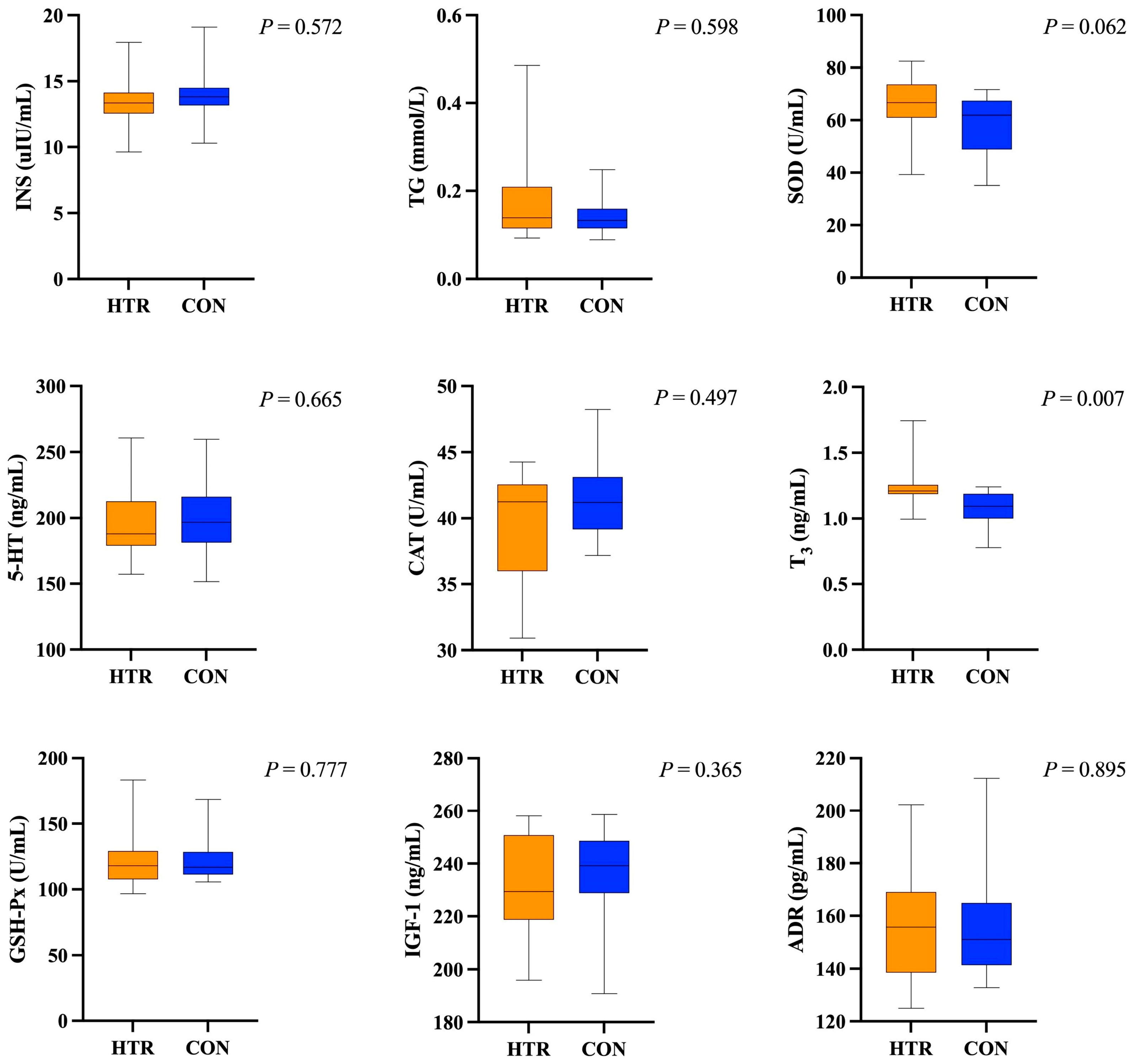
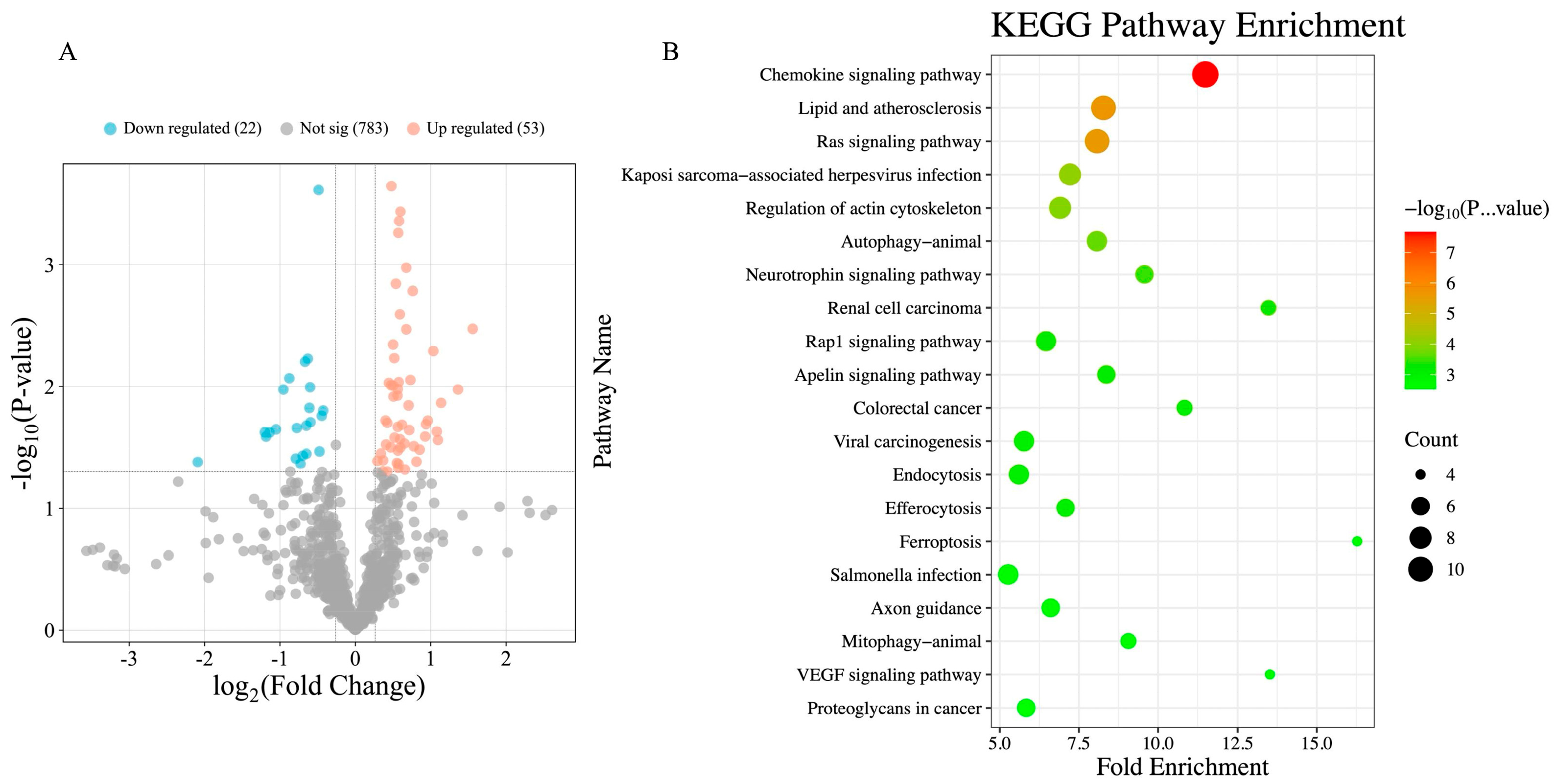
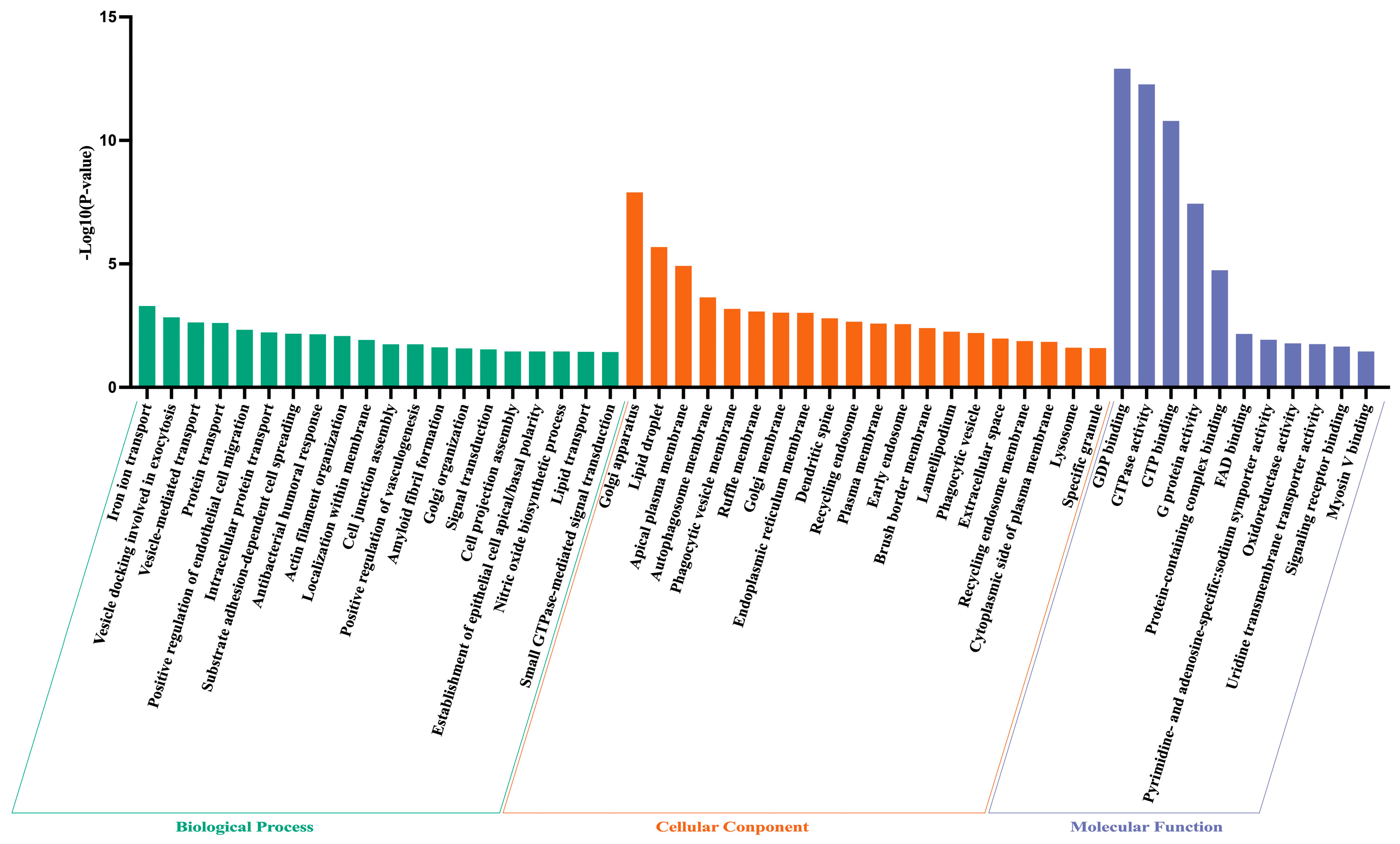
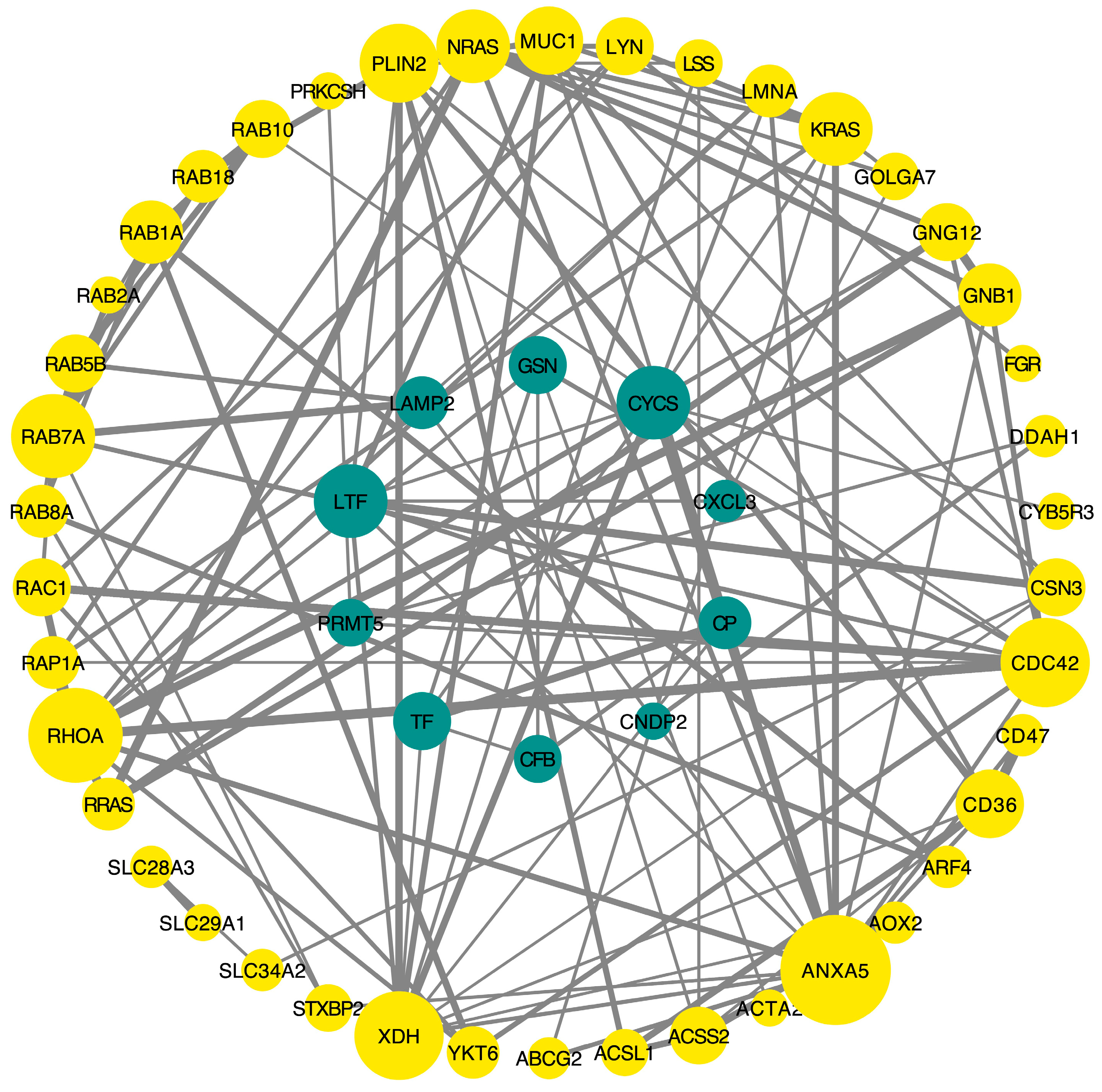
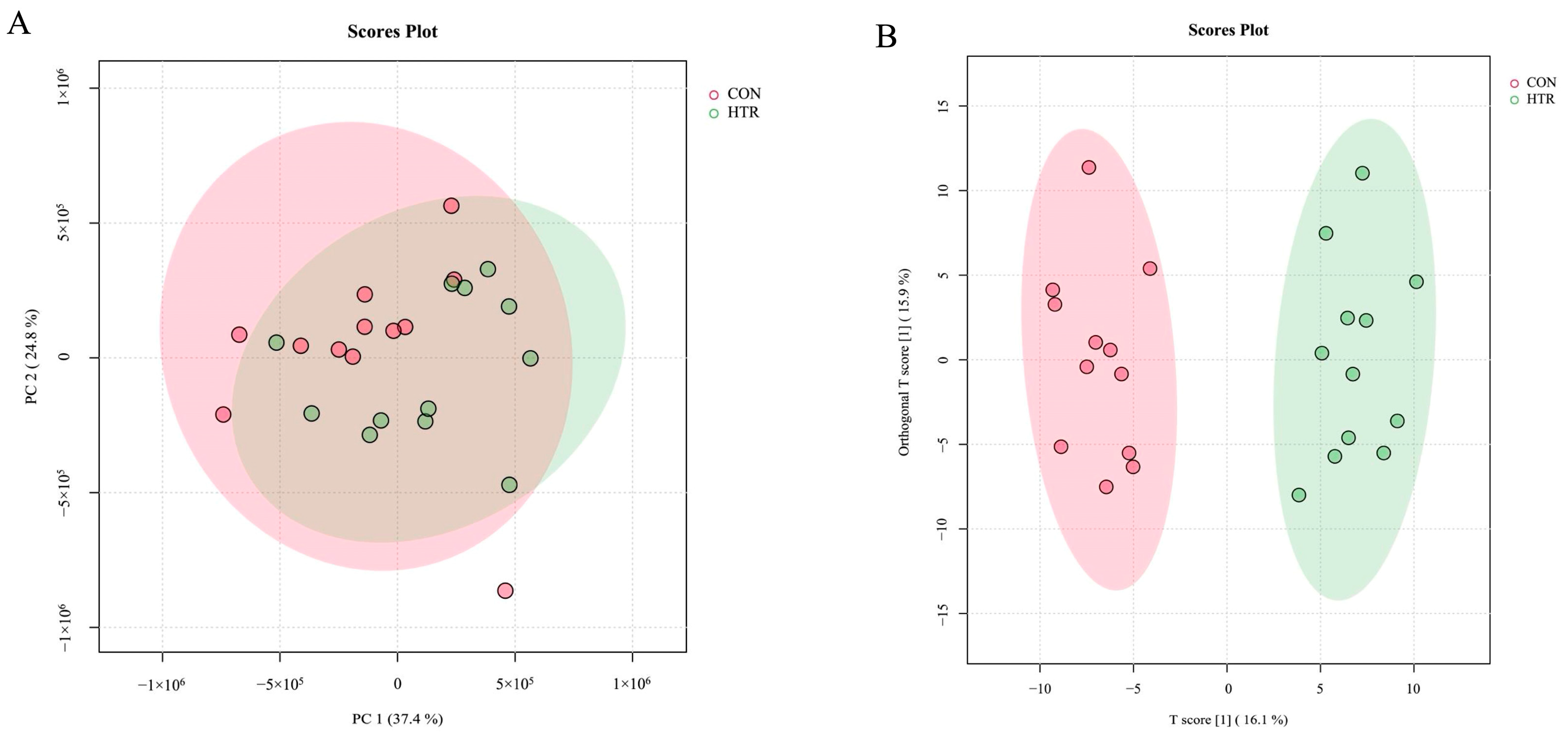
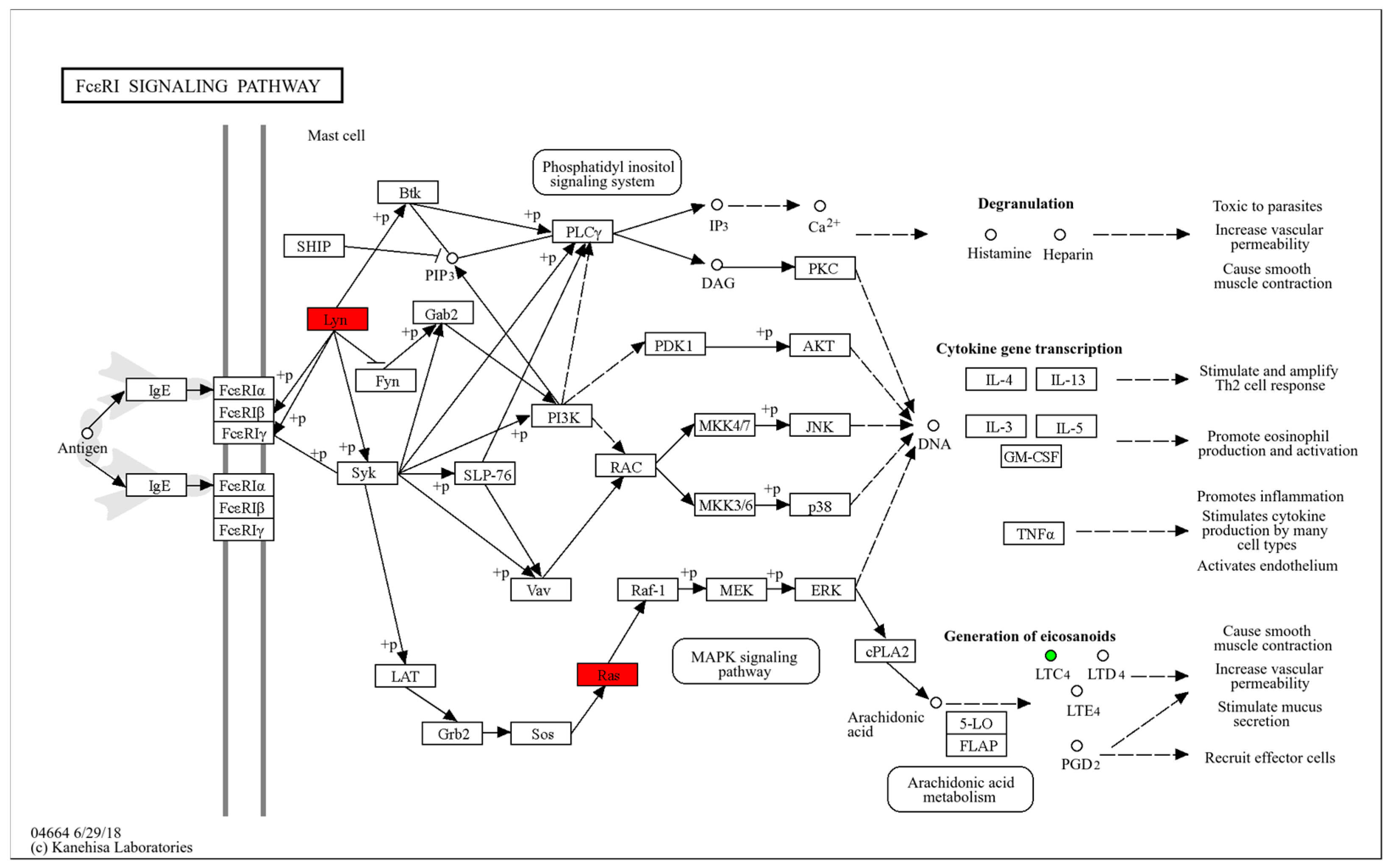
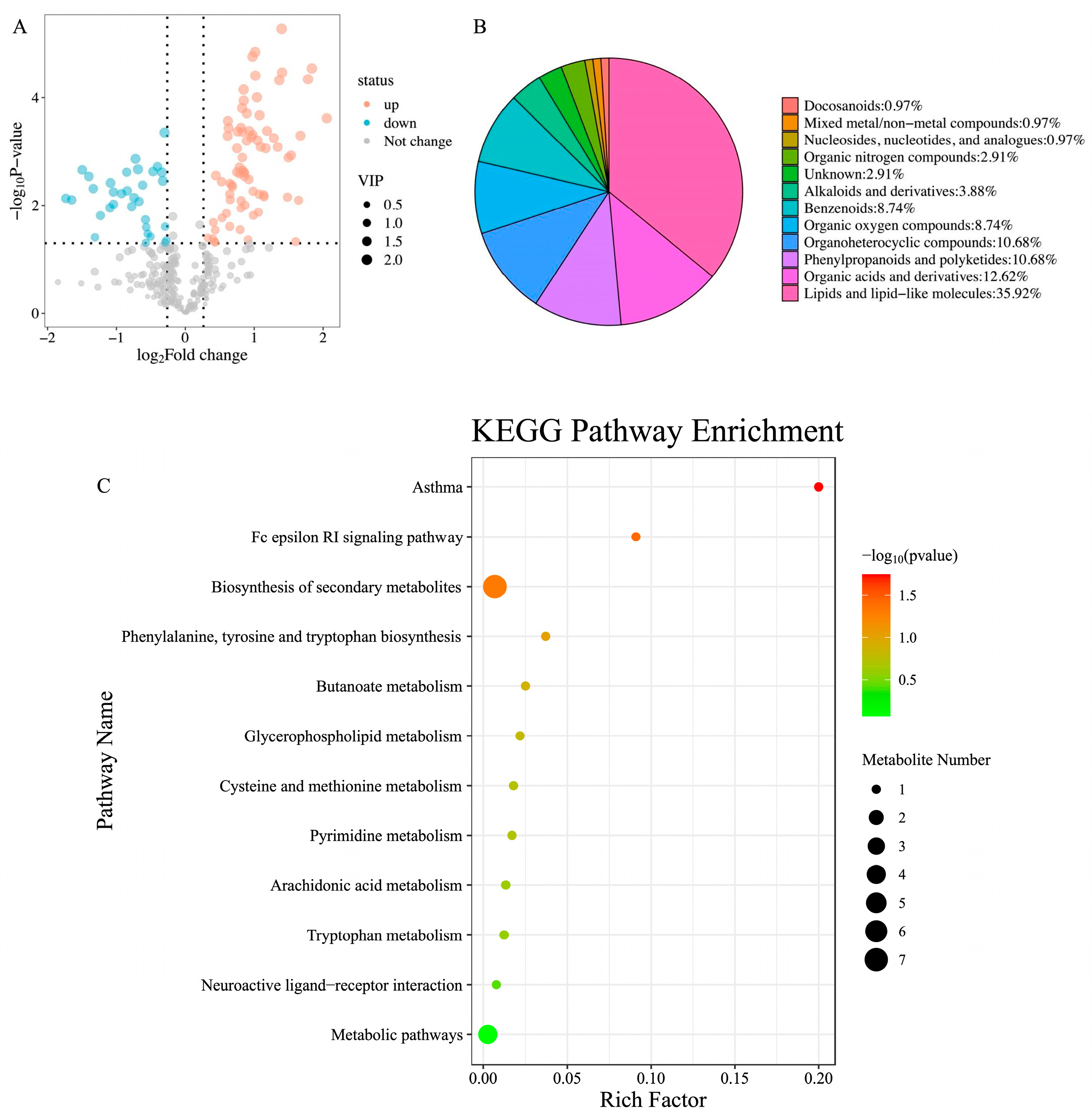
Stereotypic behaviors are common in farm animals and often signal poor welfare. Tongue-rolling is the most prevalent stereotypic behavior in cows. In this study, we compared the plasma and milk composition of 16 high-frequency tongue-rolling cows (HTR group) and 16 non-stereotypic cows (CON group). All cows were primiparous cows. Biochemical tests, plasma metabolomics, and milk proteomics revealed higher plasma triiodothyronine levels in HTR cows, and lower levels of αs1-casein, β-casein, κ-casein, and lactoferrin in their milk. Multi-omics analyses identified 103 differential metabolites and 73 differential proteins, including various GTP-binding proteins, with the Ras signaling pathway being significantly upregulated in the HTR cows. GO enrichment analysis highlighted significant changes in molecular function, particularly related to GTP/GDP-binding proteins. Additionally, HTR cows exhibited elevated cellular metabolic activity. These findings suggest that high-frequency tongue-rolling is associated with altered endocrine and metabolic profiles, disrupted milk protein synthesis, and impaired immune function potential. The reduction in key milk proteins and lactoferrin may negatively impact milk quality and immune defense. Further research is needed to clarify the causal relationship between these physiological changes and tongue-rolling, providing insights into the underlying mechanisms of stereotypic behaviors in dairy cows and their implications for animal welfare and milk production.
Keywords: animal welfare; animal behavior; stereotypic behaviors; tongue-rolling; metabolomics; proteomics animal welfare; animal behavior; stereotypic behaviors; tongue-rolling; metabolomics; proteomics