1. Introduction
The collapse of the Inca empire in the early 16th century stands as one of the most dramatic episodes of civilizational disruption in recorded history. Known to its people as the Tahuantinsuyo (“the Four Regions United”) the Inca state was the largest political entity in pre-Columbian America, with its capital in Cusco, and a population estimated at 6 to 12 million people at its height [
1,
2]. The empire represented one of the most advanced civilizations of pre-Columbian America, characterized by remarkable achievements in architecture, engineering, astronomy, mathematics and agriculture. Their administrative system managed immense territories through an extensive road network and a centralized bureaucracy, while innovations such as terraced farming and irrigation supported sustainable agriculture across diverse ecological zones [
3,
4]. This level of technological and organizational sophistication highlights the systemic complexity of the Inca state, making its quite rapid collapse in the early 16th century particularly striking from a dynamical perspective.
Despite this scale and organizational sophistication, the empire fell within just a few years of contact with quite a small Spanish expedition led by Francisco Pizarro, beginning in 1532. While the capture of the Inca emperor Atahualpa in Cajamarca in 1532 is often cited as the pivotal moment, a broader view reveals a complex interplay of factors that had already weakened the empire before the Spanish arrival [
5,
6].
At the time of the Spanish arrival, the empire was already under acute internal stress. The death of emperor Huayna Capac around 1525, believed to happen from smallpox, a disease that spread southward from Central America prior to direct European contact [
7,
8,
9,
10], triggered a bloody civil war between his sons Atahualpa and Huáscar. This conflict fragmented the empire’s political cohesion, while the epidemic itself caused demographic shocks with mortality rates of up to 30–
, undermining legitimacy and administrative continuity. It is important to note that the spread of smallpox among the Inca population was not the result of intentional biological warfare, but rather an unintended consequence of early European contact, acting as an exogenous shock that critically weakened the empire before direct confrontation.
The decisive moment came in November 1532, when Pizarro’s force of just 168 men captured Atahualpa in an ambush at Cajamarca, far from the imperial capital. Although resistance continued under leaders like Manco Inca, culminating in the Neo-Inca State of Vilcabamba, the empire never recovered its former integrity, and the final blow came in 1572 with the capture and execution of Túpac Amaru I [
1].
Understanding the collapse of complex societies requires more than historical narration alone. The mathematical model developed here is not intended to explain the historical events in a causal or predictive sense, but rather to describe them in a stylized quantitative way. The point is to represent, through a simplified dynamical system, how multiple stressors, namely epidemics, internal fragmentation and external invasion, interacted over relatively short timescales to produce systemic failure.
In recent years, sociophysics and complex systems physics have provided powerful tools to investigate collective human dynamics through nonlinear modeling [
11,
12]. This framework allows the formulation of simplified dynamical systems capable of capturing the essential feedbacks underlying social, political and demographic transformations. Similar approaches have been successfully employed to study the evolution and decline of ancient civilizations, such as the Egyptian Old Kingdom [
13] and models of imperial growth and collapse [
14].
While historians have considerably long analyzed these events qualitatively, recent interdisciplinary investigation has explored the rise and fall of complex societies using mathematical models [
15,
16,
17,
18,
19,
20]. For example, Güngör Gündüz [
15] developed a dynamical approach to the general behavior of empires, while recent study has also modeled specific historical collapses, such as the siege and fall of Syracuse [
20]. In addition to classical interaction-based and demographic frameworks, recent study has explored quantitative approaches to historical dynamics using network analyses, agent-based simulations, and socio-ecological resilience models [
21,
22,
23]. These complement earlier mathematical treatments of imperial evolution [
15] and dynamical studies of historical conflict [
20], illustrating the increasing interest in treating past societies as complex systems. However, few studies have applied such approaches directly to the Inca empire, despite its clear suitability as a case of considerably rapid collapse under internal and external pressures. In this context, the present study to be understood as a descriptive dynamical illustration rather than a reconstruction of historical causality.
The historical trajectory, marked by epidemics, civil war, and an asymmetric external conquest, offers a compelling case for analysis through the framework of complex systems. Here, a two-phase mathematical model used to represent how internal decline and foreign invasion interacted, acknowledging that the model simplifies and abstracts these processes rather than explaining them in full.
The first phase simulates the evolution of the empire before the Spanish arrival, incorporating endogenous stressors such as political fragmentation and epidemic mortality. The second phase models the dynamics following the Spanish incursion in 1532, capturing the asymmetric interaction between a declining indigenous population and a comparably small but strategically effective invading force. Such an approach builds upon earlier mathematical studies of state formation, collapse, and socio-ecological dynamics [
16,
17,
18,
19] while applying these concepts to the specific and historically rich case of the Inca empire.
This two-phase formulation differs from structural-demographic theory (SDT) in the sense of Turchin [
16,
17], which models imperial dynamics through slow-moving feedback loops among population growth, elite competition, and state capacity. SDT is well enough suited for describing long-term endogenous cycles of expansion and contraction. In contrast, the minimal Lotka–Volterra-inspired interaction framework is designed here to capture short-timescale asymmetric collapse driven by external shocks (epidemics, invasion) acting on an already weakened internal structure. These approaches are complementary: SDT explains why large-scale systems accumulate internal stresses, while the present model isolates how, under specific conditions, a relatively small external force can trigger rapid enough systemic failure.
In what follows,
Section 2 describes the historical background in more detail. Next, in
Section 3, the assumptions, equations, and structure of each phase of the model are described in detail.
Section 4 is devoted to the presentation of the model’s results.
2. Historical Background
The Inca Empire, or Tahuantinsuyo, was the largest political entity in pre-Columbian America, stretching from present-day Ecuador to Chile at its height in the early 16th century [
2]. Despite its immense territorial extent and highly organized administrative system, the empire experienced a comparably rapid collapse within a few decades of European contact. Understanding this trajectory requires revisiting three key historical processes: epidemic diffusion, civil war and external conquest.
- 1.
Epidemic and demographic decline (1526). Before the Spanish arrival, the empire was struck by a smallpox epidemic that spread southward from Central America through indigenous trade networks. The epidemic killed considerably large portions of the population and, crucially, claimed the life of Emperor Huayna Capac and his designated heir, creating a political vacuum at the heart of the state [
7]. This event represents the first major destabilizing shock, reducing both demographic capacity and political cohesion.
- 2.
Civil war and political fragmentation (1527–1532). The succession crisis following Huayna Capac’s death triggered a civil war between his sons, Huáscar and Atahualpa. The conflict consumed significant resources and further divided the empire’s military and administrative structures. By the time Atahualpa emerged victorious in 1532, the empire was militarily exhausted and politically fragmented [
1].
- 3.
Spanish incursion and asymmetric conquest (1532–1572). Francisco Pizarro arrived at Cajamarca in November 1532 with only about 168 men, but he exploited the weakened state of the empire. Through an ambush, the Spaniards captured Atahualpa, decapitating the Inca leadership. The following year (1533) Cusco, the imperial capital, fell under Spanish control. Although resistance continued, most notably under Manco Inca in Vilcabamba, the execution of Túpac Amaru I in 1572 marked the end of the Neo-Inca State and the definitive collapse of the empire [
24].
This historical trajectory, marked by epidemics, civil war and an asymmetric external conquest, provides the basis for the two-phase dynamical model developed in the following section.
3. Mathematical Models of Imperial Dynamics
To investigate the collapse of the Inca empire, a two-phase dynamical model that reflects the distinct historical stages of the process is proposed here: (1) a pre-conquest phase, marked by internal fragility and epidemic disease, and (2) a post-conquest phase, beginning with the Spanish invasion in 1532, characterized by direct external confrontation. The two phases are described by Lotka–Volterra -like coupled differential equations [
25,
26] for the effective strength of the Inca population and the Spanish force, with parameters informed by historical events.
While several mathematical frameworks may, actually, be employed to describe sociopolitical interactions, including replicator dynamics, logistic-competition systems or network-based models, a Lotka–Volterra formulation is adopted as a phenomenological baseline. This choice reflects both the conceptual simplicity and interpretability of these equations, which naturally encode nonlinear interaction terms, asymmetric growth/decline rates and the ability to incorporate time-dependent external shocks. Given the scarcity of detailed quantitative data for 16th-century Andean society, this minimal formulation allows us to isolate and analyze essential mechanisms of collapse without relying on structural assumptions (for example, explicit strategy distributions or interaction networks) that are quite complicated to constrain historically. Thus, the present model to be seen as a dynamical representation capturing dominant processes rather than an exhaustive reconstruction of all sociopolitical complexity.
Let denote the effective strength of the Inca state at time t, measured in years since 1500, so that corresponds to the year 1500. Rather than representing only demographic size, aggregates demographic capacity, political cohesion, and institutional resilience into a single dimensionless, normalized quantity expressed in arbitrary units. In the second phase of the model, similarly is defined as a normalized measure of the effective Spanish impact, incorporating not only technological advantage and tactical leverage but also the role of indigenous alliances that substantially amplified Spanish influence in several regions, as well as resource extraction capacity and logistical control after 1532, rather than the raw number of Spanish soldiers. These variables serve as proxies for the dominant dynamical factors shaping the interaction, given the limited availability of quantitative historical data. Let us now present the two stages of the model separately, each with its own assumptions and governing equations.
The mathematical structure of the model follows a Lotka–Volterra-type interaction framework, chosen for its capacity to represent asymmetric competition between two coupled systems. In this context, the Inca effective strength and the Spanish force are treated as interacting entities whose respective dynamics reflect both self-driven growth and mutual interference. The formulation is not meant as a biological analogy, but rather as a dynamical abstraction that captures the feedback between resilience and pressure, quite a small but highly efficient external agent progressively undermining a larger system through nonlinear coupling.
3.1. Phase 1: Pre-Conquest Dynamics (1500 < t < 1532)
During this phase, the Inca empire evolved without direct European interference. However, two major destabilizing processes began to affect the system before the Spanish arrival: (i) the introduction of epidemic disease, notably smallpox, believed been transmitted indirectly from Mesoamerica via indigenous trade networks; and (ii) a civil war between Huáscar and Atahualpa, triggered by the sudden death of emperor Huayna Capac and his heir [
1,
8]. Internal evolution of the Inca state is modelled through a single differential equation:
where
is the intrinsic growth rate of the empire,
represents internal political and institutional stress, with a discrete increase at
(corresponding to 1529), marking the beginning of the civil war between Atahualpa and Huáscar [
1,
8], and
captures the mortality due to epidemic disease, particularly smallpox, and increases gradually over time starting from
(around 1524), based on historical evidence of early diffusion of pathogens in the region [
7].
As pointed just above, the function
accounts for mortality due to epidemic diseases, primarily smallpox, which is known to have reached the Andean region before the Spanish invasion. Historical records indicate that smallpox may have entered South America via indigenous trade routes as early as the 1520s, possibly introduced indirectly from Mesoamerica following European contact there [
7].
The introduction of smallpox into the Inca empire before the direct Spanish contact represents one of the most decisive biological shocks in recorded history. Arriving via indigenous trade networks, the epidemic peaked around 1526, causing the deaths of emperor Huayna Capac and his heir Ninan Cuyochi. This sudden loss of leadership triggered a destructive civil war between Atahualpa and Huáscar, while the disease itself devastated the population with mortality rates reaching 30–50% in some regions [
7,
8,
9,
10]. Beyond sheer demography, smallpox undermined the perceived divine legitimacy of the Sapa Inca (the “only emperor” in the Quechua language, the title of the monarch of the Inca Empire [
1].), fractured administrative cohesion, and crippled the empire’s capacity to mobilize resources and armies. In the model presented here, this catastrophic event is incorporated through the time-dependent mortality term
that captures the role of epidemics as a silent but decisive force shaping the conditions for conquest. In addition, to reflect the delayed but progressive impact,
is defined as a gaussian function centered at
(corresponding to 1526), representing the peak of smallpox mortality, with an onset around
(1524), capturing the accelerating demographic toll of the disease during this critical pre-conquest period. To represent epidemic mortality over time,
is defined as a Gaussian function centered around the peak of the smallpox outbreak:
where
is the peak mortality rate,
corresponds to the estimated peak of the epidemic (typically around
, or 1526), and
controls the temporal spread of the outbreak. This form captures the historical pattern of a sharp demographic decline caused by smallpox in the years immediately preceding the Spanish conquest, as described in contemporary accounts and modern epidemiological reconstructions [
5,
7,
8,
10]. Historical sources indicate that smallpox reached the Inca Empire prior to direct Spanish contact, considered arriving around 1524 and peaking in 1526, causing the deaths of emperor Huayna Capac and his heir Ninan Cuyochi [
7,
8,
9,
10]. This demographic shock weakened the imperial structure and intensified the vulnerability of the empire in the years leading up to the conquest.
Both loss terms and act simultaneously on and appear additively in the governing equation. The function represents epidemic-induced mortality, modeled as a time-dependent pulse corresponding to the smallpox outbreaks, whereas captures conflict-related degradation associated with the internal civil war. Historically, these factors overlapped, and their combined impact is therefore represented as a sum of effects in the loss term of the differential equation. Although multiplicative interactions could also be considered, numerical tests confirm that the additive formulation already reproduces the qualitative collapse dynamics observed in the historical trajectory.
The above model formulation assumes, for simplicity, that internal destabilization is proportional to the population effective strength , and that the combined effect of civil conflict and disease already weakens the empire significantly before the first direct military encounter with the Spanishs in 1532. This formulation sets the stage for the subsequent conquest phase, in which external interactions with the Spanish force become the dominant driver of the empire’s quite rapid collapse.
3.2. Phase 2: Conquest Dynamics (t > 1532)
The second phase begins in 1532 with the arrival of Francisco Pizarro and the capture of the Inca emperor Atahualpa in Cajamarca. From this point on, the dynamics of the empire are shaped by direct confrontation with a foreign force. To represent this historical asymmetry, let us introduce a second variable , denoting the effective strength of the Spanish invaders, which includes their military capacity, strategic position, and growing control over the local population and infrastructure.
The evolution of the system is described by the following coupled differential equations:
The terms in the above equations are interpreted as follows:
the term quantifies Inca losses due to military defeat, disruption, and suppression;
the term captures Spanish gains through the exploitation of Inca resources and structures, and through the submission of local populations;
d reflects attrition of Spanish influence due to geographic, logistic or local resistance factors;
the term represents the continued internal deterioration of the Inca society under Spanish occupation, including institutional collapse and social disintegration.
While the model assumes no direct reinforcements from Europe during the initial conquest phase, it is worthy to note that Diego de Almagro, a Spanish conquistador and initial partner of Francisco Pizarro, arrived in Peru in 1533 with approximately 100 additional men. Almagro had participated in earlier coastal reconnaissance expeditions (1524–1528) but remained in Panama during Pizarro’s 1532 expedition that captured Atahualpa. His arrival with reinforcements prior to the fall of Cusco strengthened the Spanish forces, enabling the quite rapid occupation of the Inca capital. However, these were regional reinforcements, not troops sent directly from Spain, and therefore do not alter the model’s assumption of an effectively closed Spanish population with respect to transatlantic support. The relatively long transatlantic travel times, logistical limitations, and bureaucratic delays of the Spanish crown made comparably rapid reinforcements infeasible. This historical context justifies modeling the Spanish force as an effectively closed population during the initial and most decisive phases of conquest.
Initial conditions are given by the final state of phase 1 for
, and a considerably small nonzero value for
, consistent with historical estimates that place the number of Spaniards at the onset of the conquest at fewer than 200 men [
1,
6]. This formulation captures the highly asymmetric nature of the encounter and allows us to investigate how the interaction between a declining indigenous empire and an opportunistic external force led to the quite rapid disintegration of one of the most complex societies of pre-Columbian America.
To model the transition between phases, is defined as the historical year 1532, when Francisco Pizarro captured Atahualpa in Cajamarca, triggering the direct colonial confrontation. The state variable , representing the Inca’s effective strength, evolves continuously across the boundary between phases. The variable , representing the Spanish influence, is initialized at quite a small but nonzero value, reflecting the limited size of the initial expeditionary force.
The parameters used in each phase are chosen to be qualitatively consistent with historical events, rather than calibrated against scarce quantitative data. In the pre-conquest phase, a modest growth rate is set, and an increase in internal stress is modelled at (year 1529), corresponding to the outbreak of the civil war. The epidemic term increases gradually from approximately onward, with a peak in , to represent the diffusion of smallpox following indirect contact with Central American populations.
The intrinsic growth rate of the Inca system is represented by two distinct parameters: during the pre-contact phase and for the conquest phase. The former captures the natural increase in the Inca’s effective strength under endogenous sociopolitical conditions, while the latter accounts for the reduced ability of the system to maintain or rebuild its strength after 1532, when political disruption, forced resettlement and the early colonial extraction system impaired population replenishment. The transition between these regimes is implemented at (1532), corresponding to the arrival of Pizarro, and reflects the shift in baseline demographic conditions.
In the post-conquest phase, the values of the parameters are chosen to reflect the asymmetric and destructive nature of the Spanish incursion:
the parameter is set to a moderate value to represent military attrition inflicted on the Inca;
the term governs the relatively rapid Spanish consolidation after 1532 through appropriation of Inca resources and power structures;
the decay rate d accounts for the absence of reinforcements, attrition, and limits of projection in a remote and mountainous region.
4. Results
Even without numerical simulations, the proposed two-phase model yields valuable qualitative insights into the collapse dynamics of the Inca empire. In the pre-conquest phase, the governing equation combines natural growth with linear decay due to internal stress () and epidemic mortality (). The balance between these terms determines whether the system remains stable or undergoes decline. Historically, the rise in civil war and the arrival of smallpox shifted this balance, leading to a progressive weakening of the imperial structure.
In the conquest phase, the model explicitly captures the asymmetric interaction between the Incas and the Spanish. The effective strength of the Inca state continues to decay due to internal deterioration (), persistent epidemics (), and the additional loss term () representing direct confrontation with the Spanish force. Meanwhile, the Spanish force grows proportionally to , reflecting its dependence on exploiting the Inca population and resources, while being limited by its own attrition (). From this structure, several qualitative conclusions emerge:
Inevitable collapse: Given the compounded internal and external decay terms, the Inca state is driven towards considerably rapid collapse following Spanish arrival, consistent with historical timelines.
Reinforced asymmetry: The model shows how a relatively small invading force can grow in influence through positive feedback () despite its numerical inferiority, leveraging the existing imperial infrastructure.
Crossover: The shift from phase 1 to phase 2 marks a regime shift, with external interactions becoming the dominant driver of the system’s trajectory.
Historical coherence: The evolution Equations (
1), (
3) and (
4) reflect the observed historical pattern of prolonged pre-conquest stability followed by abrupt disintegration upon external contact.
These qualitative predictions illustrate the utility of the model in conceptualizing the Inca collapse as a complex dynamical process governed by internal vulnerabilities and asymmetric external shocks. The discussion is considered to connect the mathematical trajectories and with the corresponding historical mechanisms, namely epidemic mortality, internal conflict and asymmetric conquest, thereby illustrating how cumulative internal weakening and external pressure interacted to produce systemic collapse.
4.1. Baseline Dynamics and Historical Consistency
A typical set of parameters that produces a qualitatively realistic trajectory includes:
,
,
(with
), increasing between
and
(peak at
);
,
,
,
,
. A second peak of smallpox at
(which represent 1540) is aso considered, following historical records [
7]. As initial conditions for phase 1,
and
are considered, in arbitrary units. For the second phase, that starts in 1532 (
), the initial condition for
is the final value of the Inca effective strenght at the first phase, to avoid discontinuities in the function
. In addition,
is considered, reflecting the relatively small Spanish force at entry (in arbitrary units).
The parameter values used in the simulations are not intended as precise empirical estimates but are chosen within historically plausible ranges. Historical studies suggest that the smallpox epidemic of 1524–1528 produced mortality rates between
and
across Andean regions [
7,
8,
10], justifying the magnitude of the time-dependent mortality term
. Estimates of the Inca population before contact range from 6 to 12 million [
2], while the Spanish contingent that entered Cajamarca in 1532 numbered approximately 168 men [
1], supporting the strong numerical asymmetry encoded in the interaction coefficients. Given the uncertainty and heterogeneity of historical demographic data, parameters are treated as phenomenological and examined through a sensitivity analysis (
Section 4.2) to assess the robustness of the qualitative behavior.
It is worth to stress that these values are not meant to produce quantitatively precise demographic curves, but to explore the qualitative mechanisms that can lead to the abrupt collapse of a complex society under endogenous and exogenous pressures.
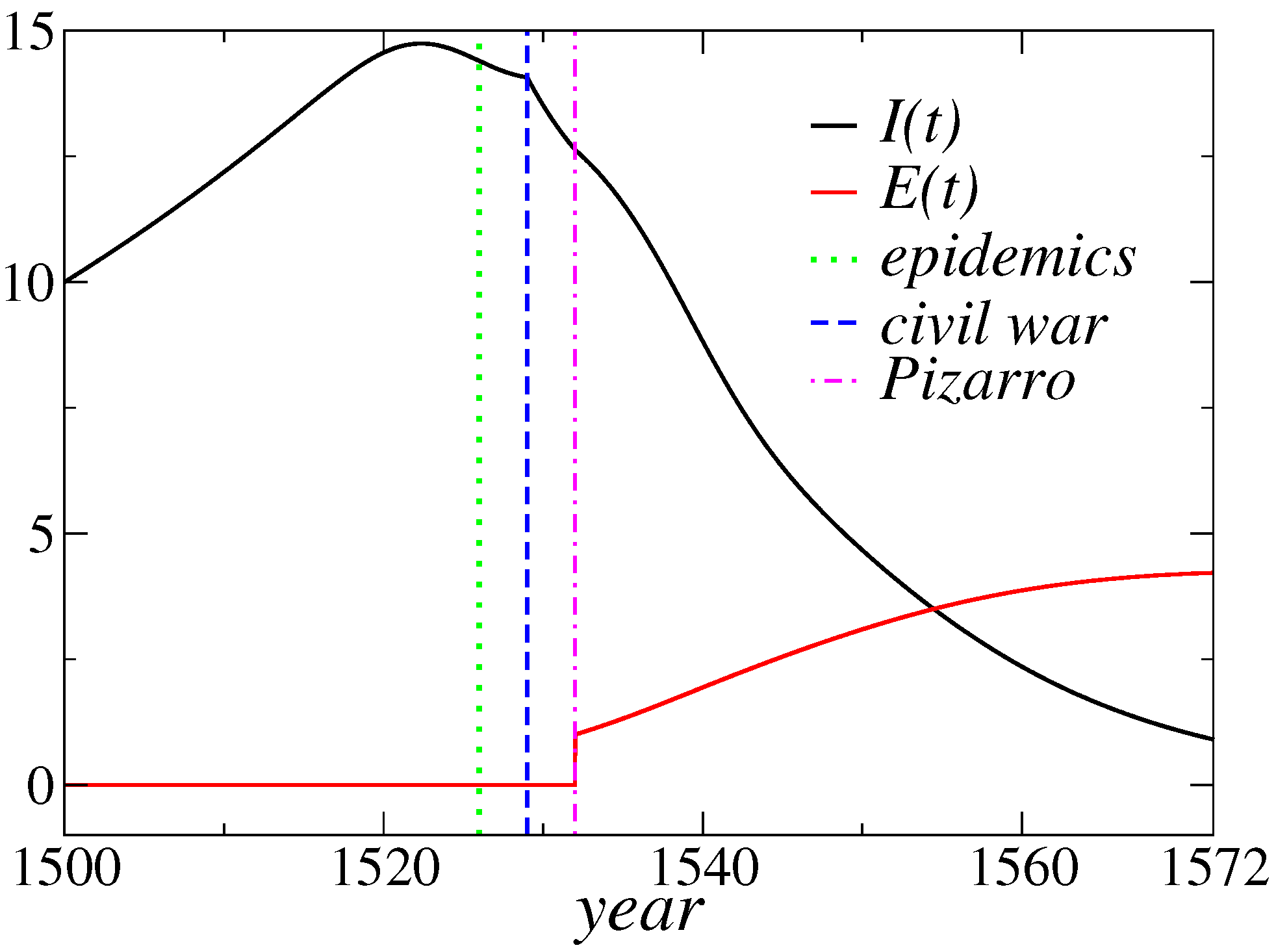
Figure 1 exhibits the time evolution of the effective strength of the Inca population
and of the effective strength of the Spanish invaders
, from 1500 to 1572, obtained from the numerical integration of the two-phase model’s Equations (
1)–().
It is worthy to note that does not represent the absolute size of the Spanish population in the Andes, which remained numerically small throughout the conquest. Instead, it reflects the effective Spanish power, a composite quantity that accounts for technological superiority (firearms, cavalry, steel weapons), tactical advantages (for example, the ambush at Cajamarca), the psychological impact of unfamiliar warfare, and, crucially, the ability to exploit local alliances and mobilize indigenous labor after the fall of Cusco. Thus, while the Spaniards never outnumbered the Incas, their effective strength grew disproportionately once they integrated the resources of the conquered population, justifying the rising trajectory of in the second phase of the model.
The trajectories displayed in
Figure 1 qualitatively capture the historical dynamics of the Inca collapse and the rise in effective Spanish power. The Inca effective strength
shows an early decline starting in the late 1520s. This decline represents a mature phase of the Inca state approaching demographic and resource limits prior to major external perturbations. This interpretation aligns with archaeological and demographic evidence indicating a plateau of imperial expansion and population density before the smallpox outbreak [
5,
10].
The Inca effective strength
begins to decrease in the late 1520s, which in the model reflects a combination of internal fragility and the early demographic impact of epidemic disease. This assumption is not intended to represent a precise demographic plateau, but rather a simplified representation of a society entering a period of increasing vulnerability prior to major external shocks. The formulation is therefore descriptive and conceptual, providing a qualitative framework rather than a reconstruction of detailed demographic dynamics. The curve does not vanish abruptly, but instead exhibits a progressive reduction that reflects the resilience of the society despite accumulating shocks. The introduction of the Spanish force
at
(1532) marks a turning point: although its absolute entry level is relatively small, the curve rises steadily thereafter, symbolizing not demographic growth but the amplification of Spanish power through technology, alliances and exploitation of conquered resources. The inclusion of vertical markers for epidemics, civil war, and the arrival of Pizarro reinforces the model’s historical grounding. Overall,
Figure 1 illustrates how successive internal and external shocks interacted to destabilize quite a large and structured empire, highlighting the asymmetric nature of the confrontation: a exceptionally large but weakened population facing quite a small yet increasingly effective external force.
It is worthy to mention that, although epidemic diseases such as smallpox had a catastrophic impact on the Inca population, there is no conclusive historical evidence that the Spanish intentionally used such diseases as biological weapons. The understanding of contagion in the early 16th century was rudimentary, and it is commonly agreed that the introduction of pathogens into the Andes occurred unintentionally — likely through indirect contact with infected persons, goods, or via overland indigenous trade routes originating in Central America. Nevertheless, the demographic collapse caused by these epidemics served as a de facto biological weapon, severely weakening the empire’s structure and capacity to respond to external threats prior to the military confrontation in 1532 [
1,
8,
9,
24].
Although precise population figures are unavailable, the simulated trajectory of
follows the historical pattern of considerably rapid demographic collapse between 1525 and 1572, consistent with available archaeological and ethnohistorical estimates [
5,
6].
4.2. Sensitivity Analysis
Here, variations in key parameters of the model are explored in order to demonstrate the robustness of the results presented in
Section 4.1. The parameters selected for analysis are
(intensity of smallpox mortality),
(intensity of the civil war), and
(effective Spanish gains through the exploitation of Inca resources), which control, respectively, the intensity of epidemic mortality, civil war destabilization, and effective Spanish gains.
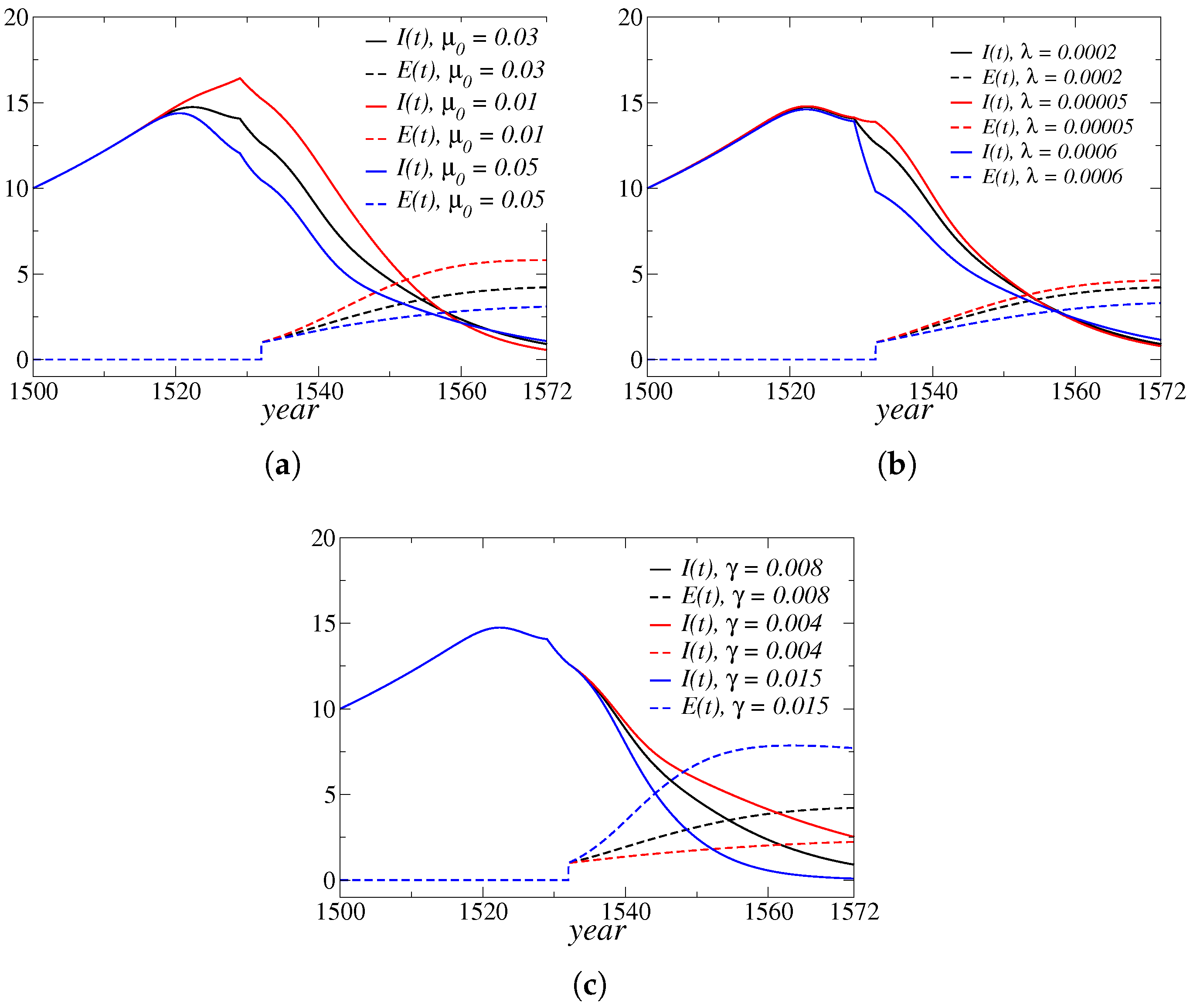
Figure 2 presents results obtained with the same baseline parameters used in
Figure 1, except that one parameter was varied at a time to evaluate its individual impact on the system’s dynamics.
Figure 2a shows the effect of changing
, which represents the intensity of smallpox (and other epidemic) mortality. The baseline case, with
, corresponds to the reference scenario discussed in
Section 4.1. Two additional cases are shown for comparison: a weaker epidemic impact (
) and a stronger one (
). When
, the reduced mortality allows a more pronounced growth of the Inca population before the Spanish arrival, leading to higher values of
at
. This, in turn, amplifies the effective Spanish strength
after Pizarro’s entry. Conversely, for
, the stronger epidemic effect suppresses population recovery, resulting in a lower
and a subsequent slower increase of
during the conquest phase. Thus, one can observes that the final outcome is qualitatively the same as that observed in
Section 4.1, which is presented again in
Figure 2a as the baseline scenario. This similarity confirms that the model’s qualitative behavior remains robust under moderate variations of
.
Figure 2b shows the effect of changing
, which represents the intensity of the civil war prior to Pizarro’s arrival. The baseline case, with
, is displayed for reference. Increasing
accelerates the decline of the Inca effective strength
from approximately 1529 onward, as observed for the case
. The earlier weakening of
also limits the Spanish effective strength
in the subsequent phase, since a smaller and more fragmented Inca society offers fewer resources to be exploited. Conversely, for a weaker internal conflict (
), the decay of
is slower, allowing a higher population level at the onset of the conquest, which results in somewhat higher values of
after 1532. Despite these quantitative differences, the overall qualitative outcome remains the same as in the baseline case, reinforcing the model’s stability against changes in the intensity of internal conflict.
Figure 2c shows the effect of changing
, which represents the effective Spanish gains through the exploitation of Inca resources. The baseline case, with
, corresponds to the reference scenario discussed in
Section 4.1. Decreasing
results in a slower decline of the Inca state
after Pizarro’s arrival (1532), which in turn limits the growth of the effective Spanish strength
(see the case
). Conversely, for
,
increases more rapidly compared to the baseline case, leading to a more pronounced decline in
. Thus, variations in
affect the slope of
but do not alter the overall asymmetry of the collapse, further supporting the model’s robustness.
Overall, the results presented in
Figure 2 demonstrate that the qualitative behavior of the system remains stable under moderate parameter variations. Changes in
,
, and
primarily modify the rate and timing of the population decline and the corresponding growth of the Spanish effective strength, but do not alter the general trajectory observed in the baseline scenario of
Section 4.1. The persistence of this qualitative pattern highlights the model’s robustness and supports the interpretation that the collapse of the Inca Empire can be understood as the cumulative outcome of interacting mechanisms, namely epidemic mortality, internal fragmentation and asymmetric external exploitation, rather than the result of a finely tuned set of parameters.
Each parameter variation in
Figure 2 thus corresponds to a definitive historical process: the increase of
mirrors the intensity of smallpox epidemics around 1526, higher
represents the escalation of civil war before 1532 and larger
captures stronger Spanish exploitation following the conquest.
It is worthy noting that the present system is non-autonomous, with time-dependent coefficients associated with epidemic and political shocks, and is formulated in two distinct dynamical phases. As a consequence, classical equilibrium-based analyses (for example, fixed-point stability or bifurcations) are not directly applicable. Instead, robustness is assessed through sensitivity analysis, which reveals the persistence of the qualitative outcome under broad parameter variations, indicating that collapse arises not from local stability properties but from the cumulative effect of temporally structured shocks.
While the model remains intentionally minimal, these variations illustrate how comparably small shifts in epidemic, political or external parameters could have redirected the system’s trajectory, a hallmark of complex dynamical systems under multiple interacting pressures.
4.3. Comparative Discussion
The present study can be compared with other collapses observed in ancient history. For instance, the fall of the Aztec empire presents notable similarities with the Inca case. In both situations, quite small European groups managed to defeat empires with millions of inhabitants: Hernán Cortés with approximately 500 men in the Aztec conquest [
27], and Francisco Pizarro with only 168 men in the Inca campaign. This striking asymmetry justifies the use of Lotka–Volterra-type models for studying the evolution of ancient empires, where the effective force of the invaders can overcome much larger native populations. Both empires already faced internal weaknesses prior to European contact (Incas: civil war; Aztecs: fragile alliances and discontent among tributary peoples), and the arrival of the Spanish acted as an external disturbance,
, exploiting these existing vulnerabilities.
Smallpox preceded or accompanied the conquest in both cases (around 1520 in Mexico [
27,
28] and 1524 in Andes) further weakening indigenous resistance. In the Aztec case, the epidemic outbreak severely undermined social structure, leadership and military capacity, contributing decisively to the fall of Tenochtitlán in 1521 [
29]. Moreover, Cortés obtained massive indigenous support, notably from the Tlaxcaltecas, which amplified the effective strength of
, while Pizarro relied less on alliances, focusing instead on exploiting internal divisions within the Inca state [
6].
These similarities and differences indicate that asymmetric conquests can be consistently captured within the same two-phase dynamical framework, where variations in parameters such as and reflect local conditions and temporal sequencing of shocks.
These comparative insights extend beyond the Inca and Aztec cases. In the earlier study [
20], the Siege of Syracuse was modeled as a logistic-type system exhibiting a critical transition once defensive capacities and resource stocks were exhausted. By contrast, the Inca collapse emerges here as a two-phase Lotka–Volterra process, where gradual demographic and political weakening paved the way for an external asymmetric conquest. Together, these models illustrate how distinct mathematical structures, logistic saturation versus predator-prey interactions, can capture different pathways to societal collapse. This reinforces the view that complex systems physics offers a unified language to analyze historical dynamics across diverse contexts, from city-state sieges to continental empires.
Compared with structural-demographic theory [
16,
17], which decomposes imperial stability into population-elite-state feedback loops, the present model compresses these mechanisms into two effective variables. While SDT emphasizes endogenous cycles and elite overproduction over centuries, the formulation developed here highlights short-term interaction dynamics under extreme perturbations. Thus, the model to be viewed as a dynamical reduction that complements SDT by focusing on the collapse transient rather than the secular buildup of structural stresses.
5. Final Remarks
In this study, a two-phase mathematical model have been developed to analyze the collapse of the Inca empire. The model incorporates key historical processes, namely epidemic diffusion, civil war and an asymmetric external conquest, within a framework of coupled differential equations. By separating the internal decline and the subsequent foreign invasion into two distinct dynamical regimes, the model provides a structured view of how different mechanisms interacted over time to produce systemic failure.
The results show how a complex society can remain resilient under moderate internal stressors but quite rapidly disintegrate when external shocks are introduced. The gradual buildup of vulnerability through demographic loss and political fragmentation set the stage for a crossover triggered by a relatively small invading force, shifting the system from relative stability to comparably rapid collapse. In particular, the inclusion of a time-dependent term , representing the smallpox epidemic peaking around 1526, captures the silent but devastating biological impact that undermined both the population and legitimacy of the Inca state. Combined with the civil war parameter , the model replicates the historical sequence in which internal conflict and disease preceded conquest.
While the approach under consideration is intentionally minimalistic, relying on a reduced number of compartments and parameters, it captures essential features of the historical trajectory. In particular, the model highlights the importance of timing and compounding vulnerabilities: the weakening effects of civil war and disease created the conditions for quite a small invading force to achieve a disproportionate impact. The simplicity of the model also facilitates conceptual insight into how endogenous and exogenous pressures contribute to societal collapse, a theme that resonates with questions in historical dynamics, epidemiology and sociopolitical resilience.
This discussion highlights both the explanatory power and the limitations of the proposed framework, situating it within debates on historical dynamics and complex systems modeling. The approach adopted here shows that societal collapses can be understood as emergent phenomena arising from nonlinear interactions among multiple stressors. In this view, the Inca empire represents a highly structured system exhibiting resilience under gradual perturbations but vulnerability to crossover transitions triggered by external shocks. By modeling epidemic diffusion, civil war and asymmetric conquest within an integrated dynamical framework, this study illustrates how coupling endogenous and exogenous factors can produce abrupt systemic failure. Such insights are applicable beyond historical analysis, informing theories of collapse, resilience and tipping points in socioecological and political systems [
30,
31,
32].
Although the model presented captures essential drivers of the Inca collapse, this model nevertheless remains deliberately minimalistic. More dimensions influencing the historical process lie beyond the scope of a two-variable dynamical formulation. For instance, the Spanish advance was deeply intertwined with local political landscapes, regional rivalries and strategic alliances forged with indigenous groups who opposed the Inca state, a factor that been incorporated only in a phenomenological way through the effective term . Likewise, geographical heterogeneity, ecological constraints and the multi-ethnic administrative structure of Inca empire generated spatially differentiated responses that cannot be represented within a homogeneous mean-field model. Acknowledging these limitations clarifies the status of the present framework: it offers a physics-inspired description of dominant mechanisms rather than a full reconstruction of the sociopolitical complexity of the Andean world.
Ultimately, the present model to be understood as a heuristic framework rather than a predictive one. A purpose of the model is not to reproduce historical events with quantitative accuracy, but to elucidate how interacting demographic, epidemiological and external forces can shape the qualitative evolution of complex societies. In this sense, physics provides a set of conceptual tools (nonlinear dynamics, feedback mechanisms) that help interpret historical processes from a systems perspective. Rather than claiming that history becomes a laboratory for physics, one may consider that dynamical modeling serves as a complementary approach, offering structural insight into the mechanisms that contribute to societal resilience and collapse. This perspective situates the model within the field of complex systems, where simplified representations can reveal structural patterns even when full quantitative reconstruction is not possible.
While the current model captures essential features of the collapse, it remains a simplified representation. Future extensions of this study may incorporate additional dimensions to improve realism and generality. Possible developments include: (i) adding spatial heterogeneity to capture regional variation in resistance and conquest; (ii) introducing explicit compartments for local resistance movements, such as the Neo-Inca State of Vilcabamba (1537–1572); (iii) coupling the current framework with epidemic compartment models to better represent the coevolution between demographic decline and disease diffusion.