Article

Adhesion Energy for Nonideal Cantilever and Its Relation to Casimir–Lifshitz Forces


by
Ivan A. Soldatenkov
1 and
Vitaly B. Svetovoy
2,*
1
Ishlinsky Institute for Problems in Mechanics, Russian Academy of Sciences, Prospect Vernadskogo 101-1, Moscow 119526, Russia
2
A. N. Frumkin Institute of Physical Chemistry and Electrochemistry, Russian Academy of Sciencies, Leninsky Prospect 31 Bld. 4, Moscow 119071, Russia
*
Author to whom correspondence should be addressed.
Physics 2024, 6(4), 1204-1221; https://doi.org/10.3390/physics6040074

Submission received: 14 August 2024 / Revised: 27 September 2024 / Accepted: 15 October 2024 / Published: 23 October 2024
(This article belongs to the Section Classical Physics)

Abstract

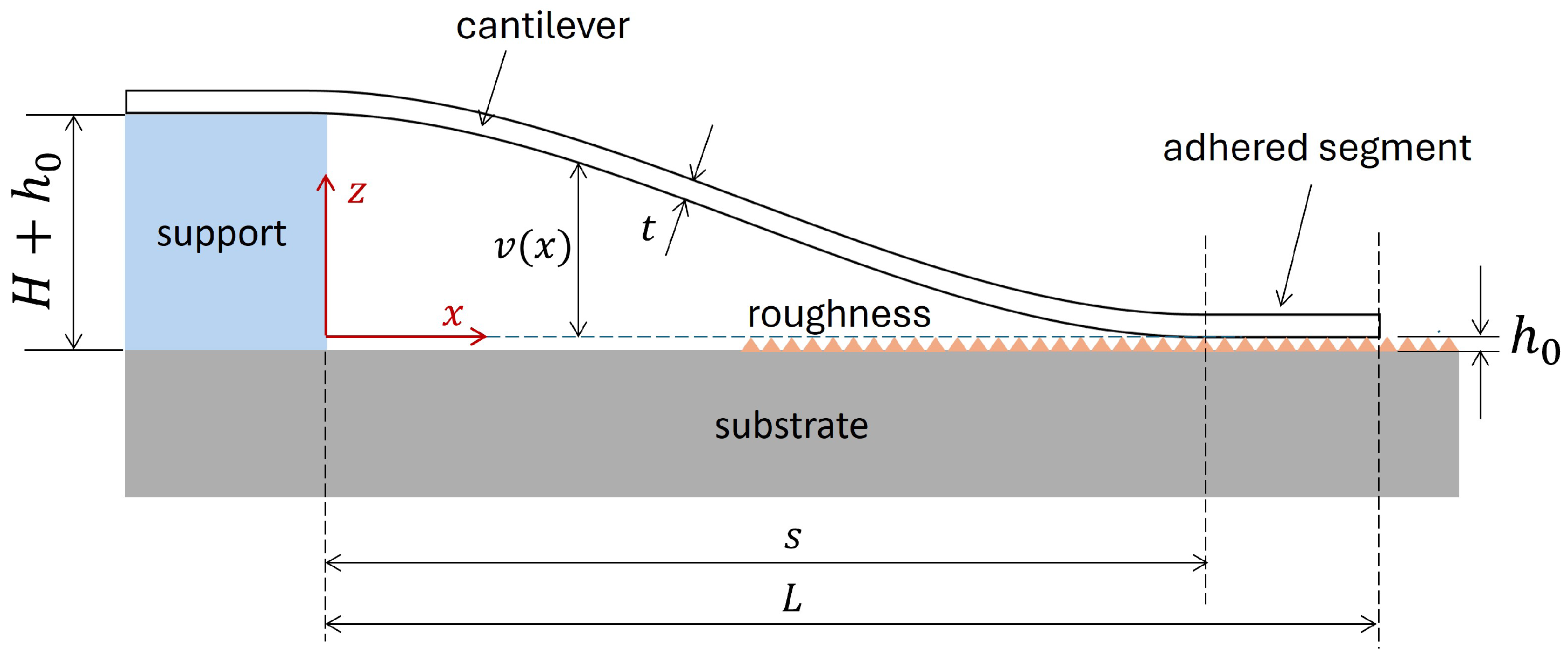
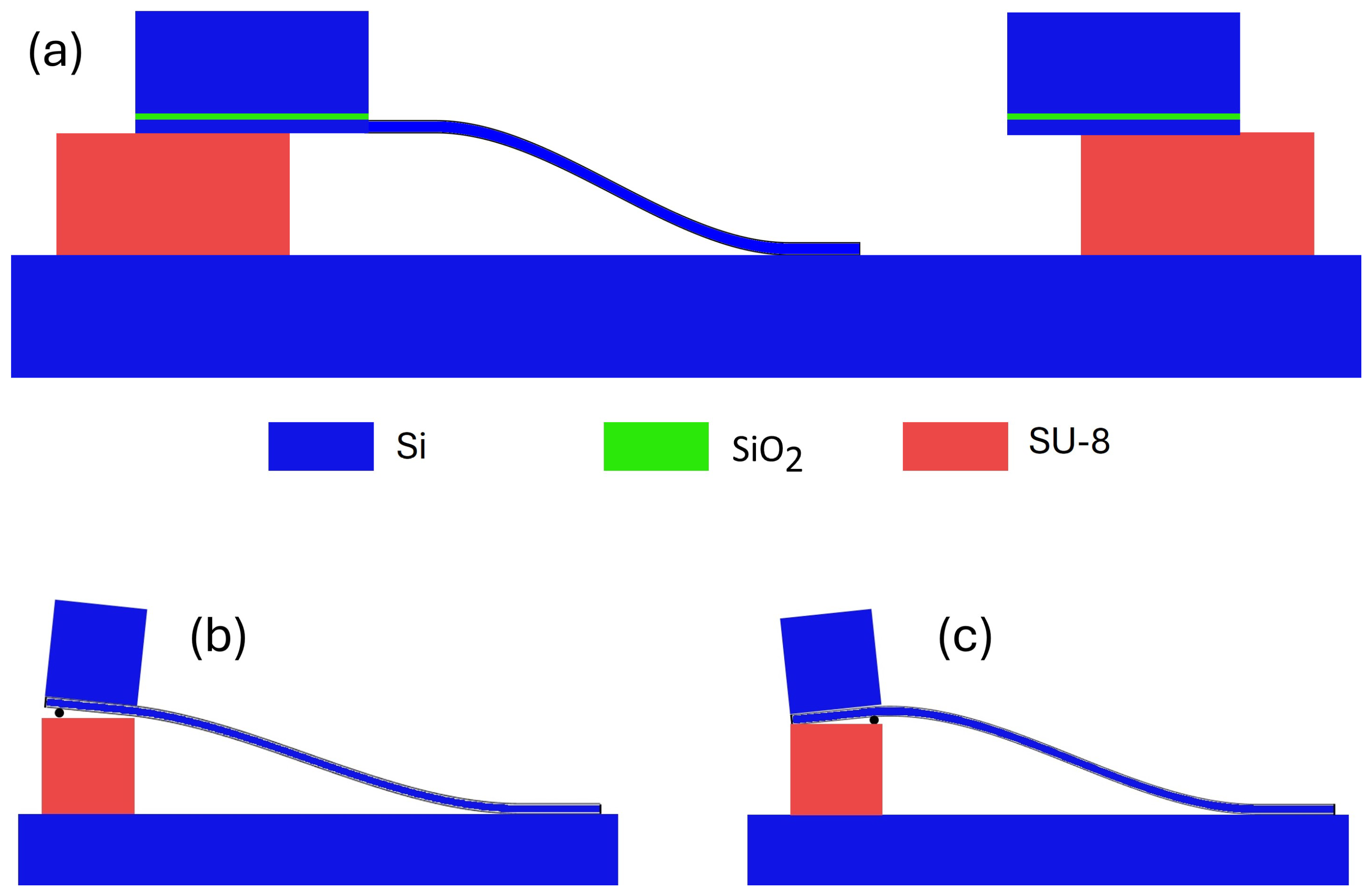
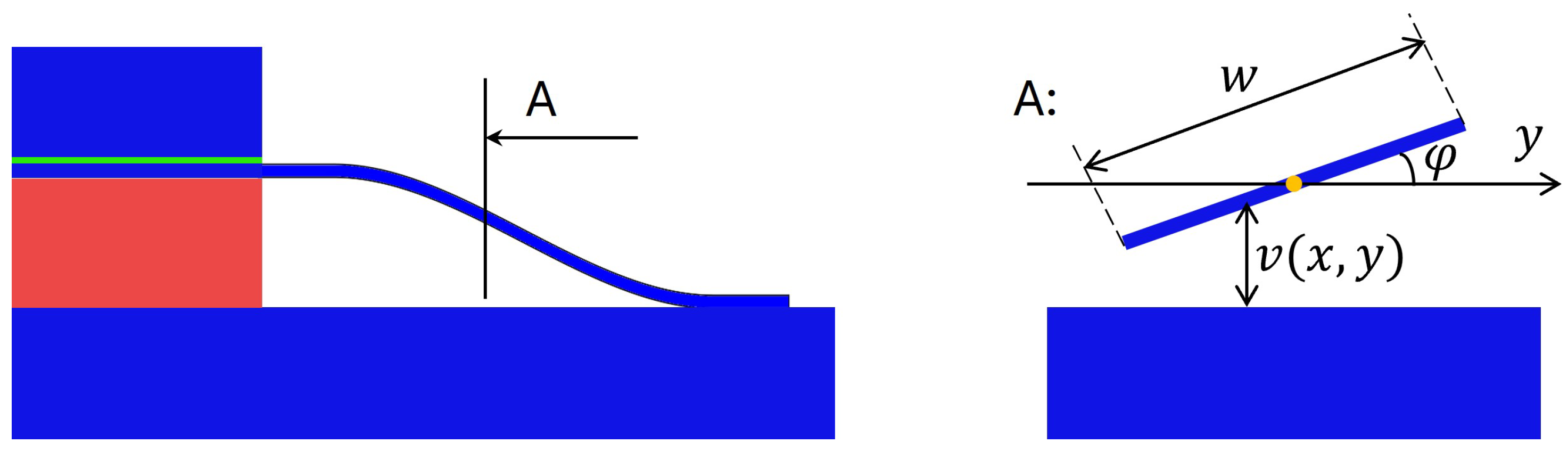
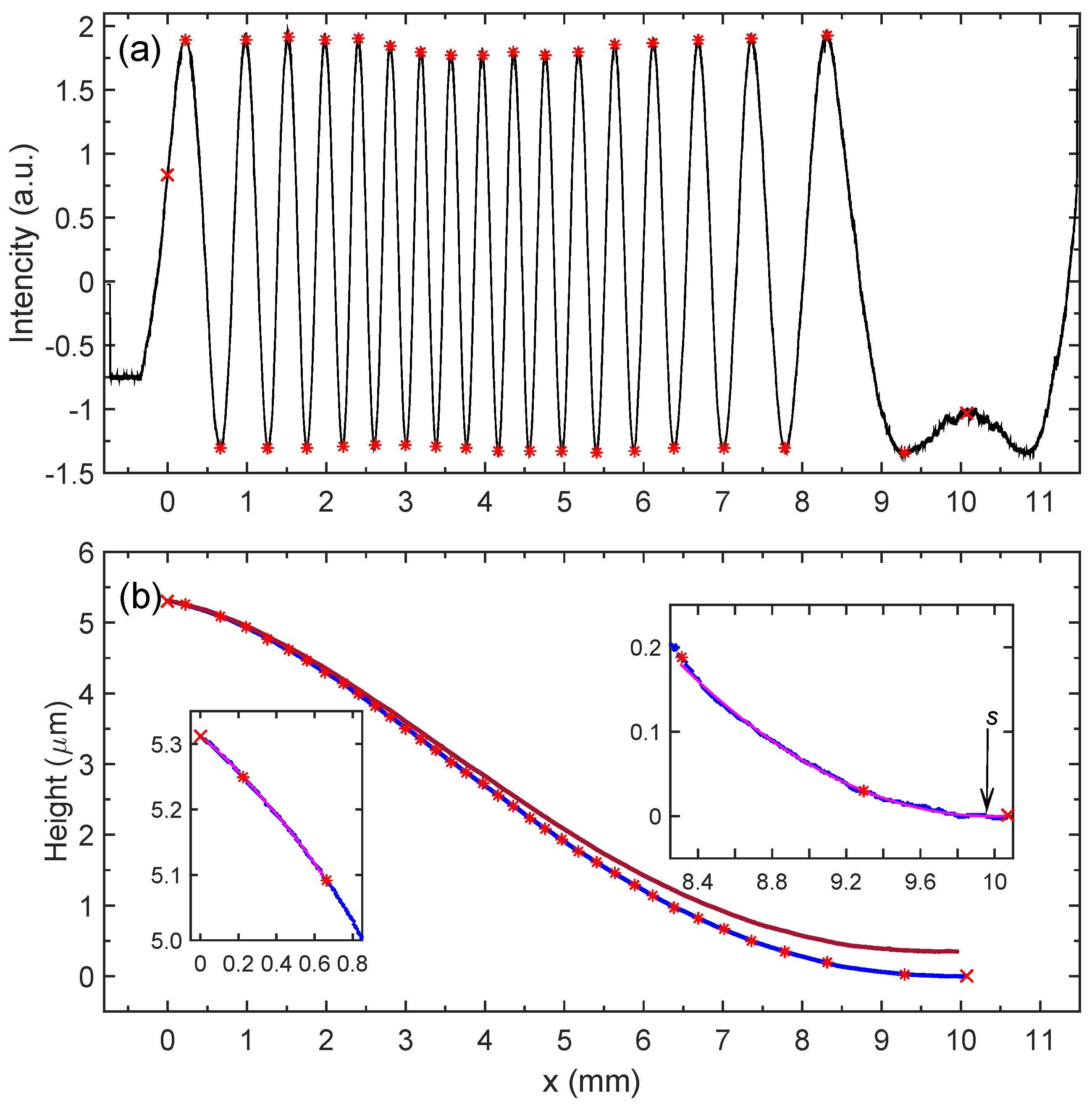
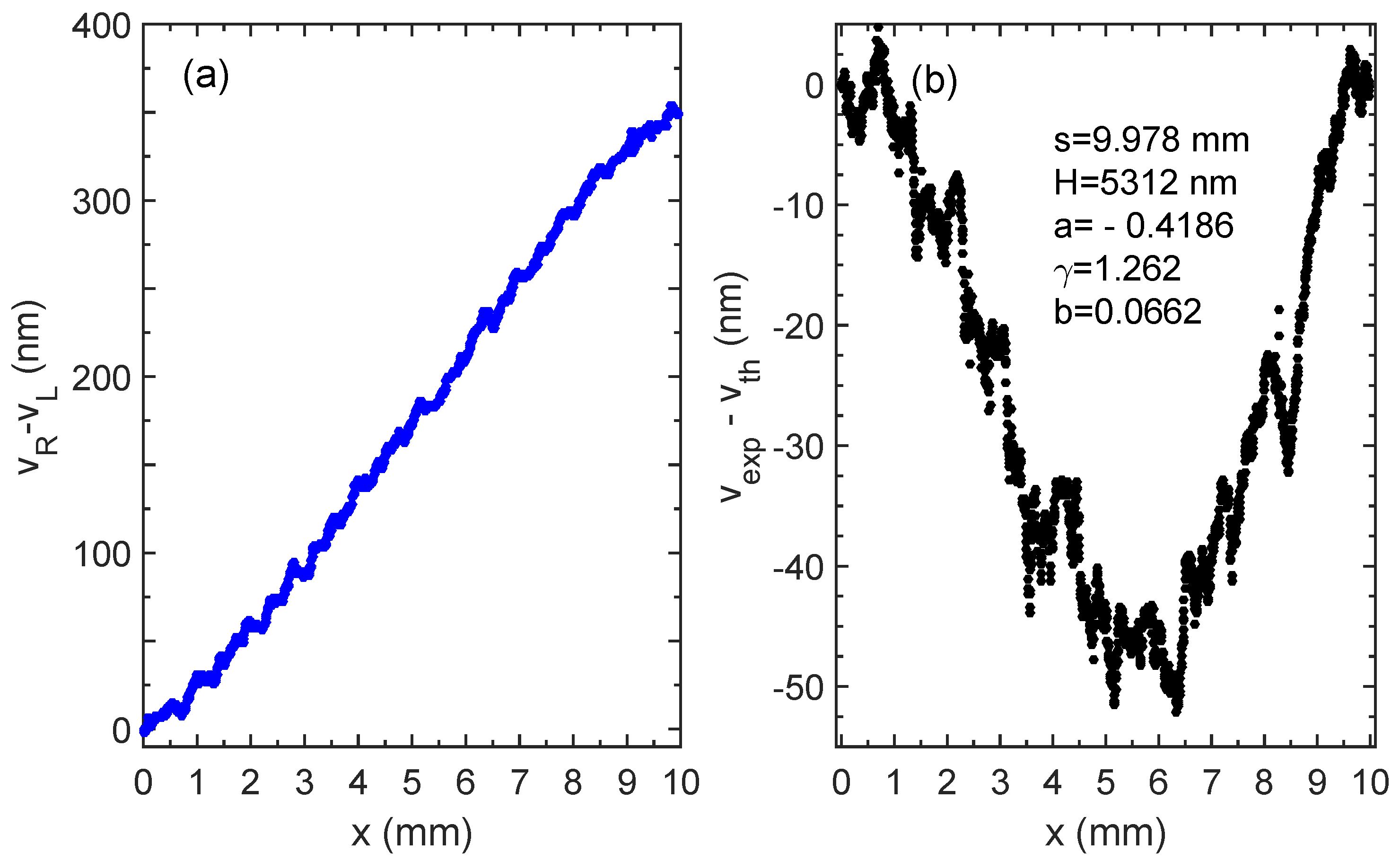
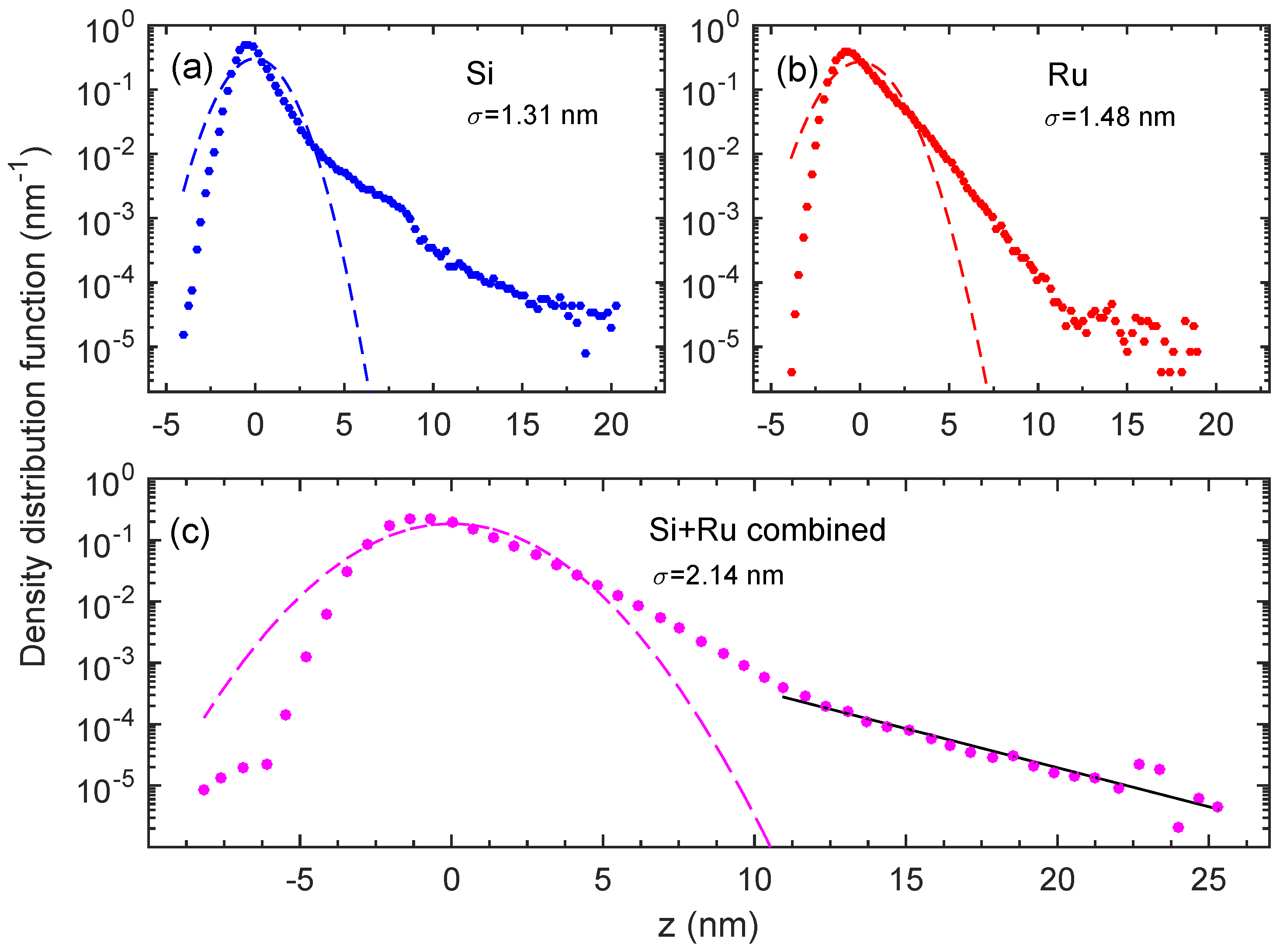
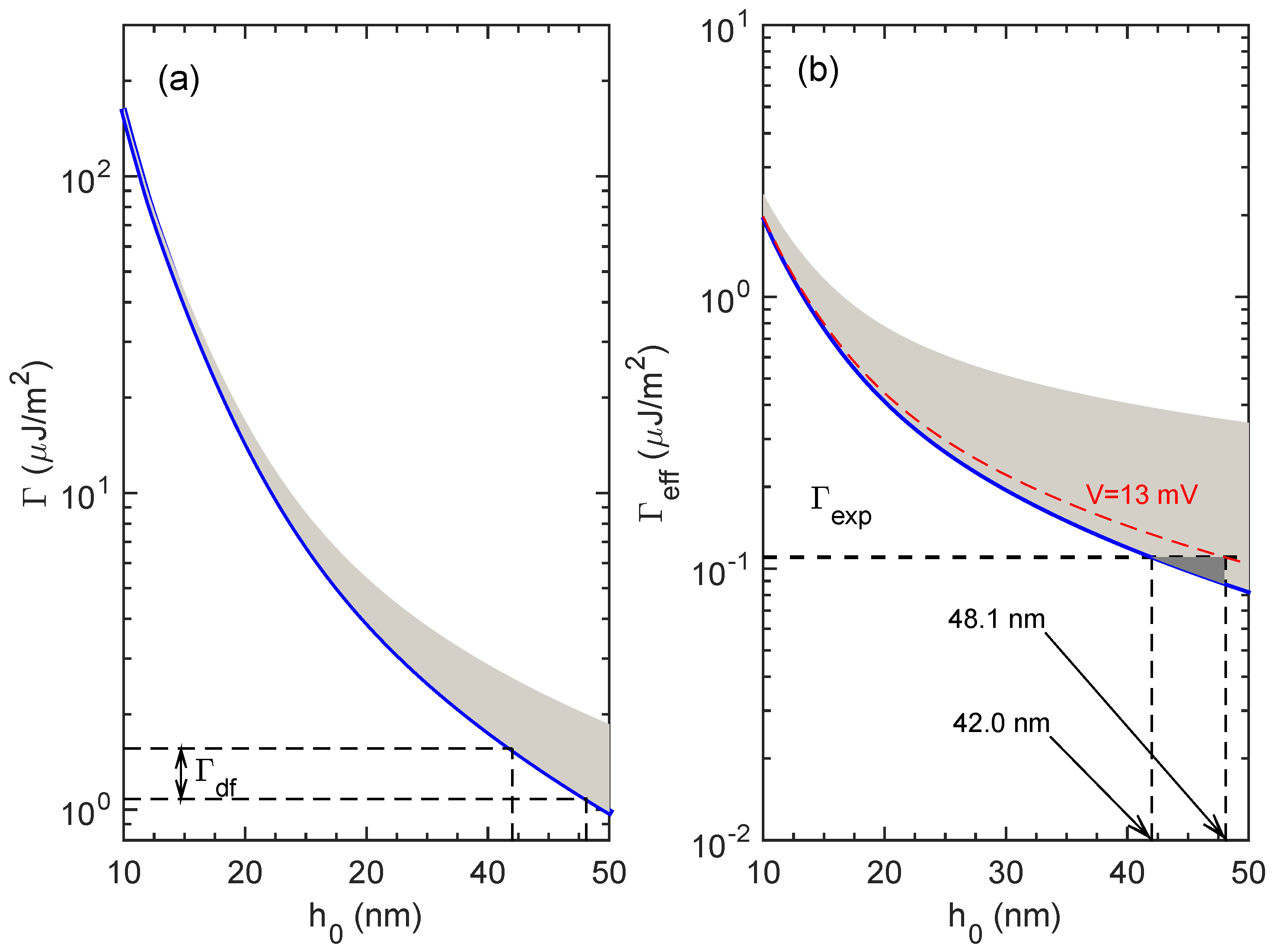
The method of the adhered cantilever, borrowed from microtechnology, can help in gaining fundamental knowledge about dispersion forces acting at distances of about 10 nm, which are problematic to access in the usual Casimir-type experiments. A recently presented setup measures the shape of cantilevers with high precision, which is needed for analyzing the involved forces. The first measurements reveal several nonidealities crucial for the data analysis. In this paper, a generalized formula is deduced that relates the parameters of a cantilever to the adhesion energy. The application of the formula is demonstrated using the first test result from the setup, where a silicon cantilever adhered to a substrate sputters with ruthenium. Detailed information of the roughness of interacting surfaces, which deviates significantly from the normal distribution, is emphasized. Although not crucial, the electrostatic contribution can be significant due to the slight twisting of the cantilever. The theoretical prediction of the adhesion energy is based on Lifshitz theory. Comparing theory and experiment yields a contact distance of 45 nm and an adhesion energy of 1.3 µJ/m2, resulting from the Casimir–Lifshitz forces. Significant uncertainties arise from the uncontrolled electrostatic contribution. Factors that need to be addressed to measure weak adhesion between rough surfaces are highlighted.
Keywords: Casimir–Lifshitz forces; adhered cantilever; adhesion energy; forces at short distances; surface roughness Casimir–Lifshitz forces; adhered cantilever; adhesion energy; forces at short distances; surface roughness