1. Introduction
Agriculture is increasingly required to reduce environmental impacts while maintaining productivity and resource efficiency. In this context, Circular Economy principles have emerged as a relevant strategy to reduce waste generation, improve resource recovery, and promote more sustainable farming systems [
1,
2,
3,
4,
5,
6].
Agricultural and agro-industrial activities generate large amounts of residual biomass, including crop residues, pruning materials, manure, and by-products from food processing industries. When properly managed, these materials can be reintegrated into production cycles through composting, soil amendment, bioenergy production, biorefineries, or other valorization pathways [
7,
8,
9,
10,
11,
12].
In parallel, modern agricultural systems rely extensively on plastic materials such as mulching films, greenhouse covers, irrigation pipes, silage wraps and agricultural nets. These materials support crop protection and productivity, but they also generate agricultural plastic waste, which is often difficult to collect and recycle because of soil contamination, polymer heterogeneity, and spatial dispersion across rural areas [
13,
14,
15,
16,
17,
18].
Previous studies have shown that limited collection systems, logistical constraints, insufficient economic incentives, and lack of technical knowledge may hinder the effective management of agricultural waste, including both biomass residues and plastics [
19,
20,
21,
22,
23,
24,
25,
26,
27].
These issues highlight the need for territorially adapted waste management strategies that combine technological solutions with stakeholder engagement, institutional support, and capacity building. Training and awareness-raising activities are particularly important because the implementation of Circular Economy practices in agriculture depends not only on available technologies, but also on the knowledge, perceptions, and willingness of farmers, technicians, students, and other actors involved in agricultural and sustainability-related contexts [
28].
Despite the growing body of literature on Circular Economy applications in agriculture, limited attention has been paid to empirical cross-country assessments of participants’ perceptions, training needs, and perceived barriers related to agricultural waste valorization. Existing studies have mainly focused on technical, environmental, or economic aspects of waste recovery, whereas the role of awareness, capacity building, and willingness to engage in circular practices remains less explored across different territorial and training contexts.
The novelty of this study lies in its exploratory cross-country perspective and in its focus on participants involved in Rural Lab training activities in Greece, Italy, Portugal, and Spain. Rather than assessing Circular Economy adoption only from a technical or economic perspective, the study examines awareness, perceived barriers, and training needs within real participatory learning environments. This approach provides useful empirical evidence for designing capacity-building actions and support measures tailored to different territorial and participant profiles.
Within this framework, the TANGO-Circular project, funded by the European Union’s Erasmus+ Programme, implemented training activities on Circular Economy in agriculture through a Quadruple-Helix approach involving research and training institutions, public authorities, private actors, farmers’ organizations, and civil society representatives [
29,
30,
31,
32]. The project established Rural Labs in Greece, Italy, Portugal, and Spain as participatory learning environments where knowledge transfer and work-based learning activities were carried out.
During these activities, participants were invited to complete a structured questionnaire aimed at assessing perceptions, awareness, perceived barriers, and training needs related to agricultural waste management and valorization. The survey included farmers, technicians, agronomists, students, institutional actors, and other participants connected to agricultural and sustainability-related contexts. Therefore, the study should be understood as an exploratory assessment of Rural Lab participants rather than as a representative survey of the farming population in the four countries.
This study aims to: (i) assess Rural Lab participants’ perceptions and awareness of Circular Economy practices related to agricultural waste valorization; (ii) analyze differences across countries and participant profiles within the surveyed sample; and (iii) identify perceived barriers and training needs that may influence the adoption of circular practices in agricultural contexts. Based on these objectives, the study contributes exploratory empirical evidence for understanding how participatory training initiatives can support Circular Economy adoption in agriculture.
2. Materials and Methods
Data were collected within Rural Labs (RLs) implemented in the framework of the TANGO-Circular project in four European countries: Greece, Italy, Portugal, and Spain. In this study, RLs were considered participatory training environments aimed at involving different actors in knowledge-transfer activities related to Circular Economy practices in agriculture. Participants included farmers, technical advisors, agronomists, students, institutional actors, and representatives of civil society. Within these RLs, a survey-based needs analysis was conducted to assess participants’ perceptions, awareness, perceived barriers, and training needs regarding agricultural waste management and valorization.
2.1. Study Design and Participants
The study was designed as an exploratory, cross-country survey conducted within Rural Lab training activities organized in Greece, Italy, Portugal, and Spain. A total of 197 questionnaires were collected. After data screening, 195 valid responses were retained for the final quantitative analysis, while two responses were excluded because of incomplete or inconsistent information for the variables considered in the analysis. Respondents were recruited among participants attending the Rural Lab activities. Therefore, the sampling strategy was non-probabilistic and convenience-based. This approach was consistent with the exploratory objective of the study, which was to investigate perceptions and training needs within a real educational and participatory context rather than to obtain a statistically representative sample of the farming population in the four countries. Consequently, the findings should be interpreted as indicative of patterns observed among Rural Lab participants and should not be generalized to the broader agricultural population.
The questionnaire was administered as part of the needs analysis conducted in connection with the Rural Lab activities carried out in each country during 2024–2025. It was intended to collect participants’ perceptions, awareness, perceived barriers, and training needs within the training context, rather than to evaluate the impact of the training activities. Depending on the local organization of each Rural Lab, the questionnaire was completed during the initial phase of the training process. Therefore, while the survey was not designed as a post-training assessment, participants’ prior interest in Circular Economy and their involvement in the Rural Lab context may have influenced their awareness, interest, and attitudes. This aspect was considered when interpreting the results and is explicitly acknowledged as a limitation of the study.
Participation was voluntary and anonymous. Before completing the questionnaire, respondents were informed about the purpose of the study and that data would be processed and presented only in aggregated form.
2.2. Questionnaire Structure
A structured questionnaire was developed to collect information from participants. The questionnaire consisted of 31 items organized into seven thematic sections: (i) socio-demographic and professional information; (ii) awareness of Circular Economy; (iii) challenges and opportunities; (iv) Circular Economy practices; (v) Circular Economy practices related to biomass; (vi) Circular Economy practices related to agricultural plastics; and (vii) future perspectives for Circular Economy adoption. The questionnaire included both closed-ended questions, aimed at quantifying response patterns, and open-ended questions, aimed at collecting additional qualitative insights on perceptions, barriers, and training needs (
Table 1).
In the present study, the analysis focused primarily on selected closed-ended items directly related to the study objectives, namely socio-demographic composition, professional profile, awareness of Circular Economy, interest in further learning, and perceived barriers to adoption. Open-ended responses were used only to support the interpretation of the quantitative results, and no formal qualitative coding or thematic analysis was performed.
2.3. Questionnaire Review and Administration
The questionnaire was reviewed by project partners and experts in agricultural sustainability, Circular Economy, and agricultural waste management to ensure clarity, relevance, and alignment with the objectives of the Rural Lab activities. The review process focused on the comprehensibility of questions, coherence with the training contents, and relevance to the target participant groups. However, no formal psychometric validation or reliability test, such as Cronbach’s alpha, was performed. This methodological limitation is acknowledged in
Section 4.4.
2.4. Data Analysis
Associations between country and categorical variables were tested using Pearson’s chi-square test. Expected frequencies were calculated as:
where
Eij is the expected frequency associated with the combination of the i-th category of one variable and the j-th category of the other variable,
Ri is the total frequency of the i-th category of the first variable,
Cj is the total frequency of the j-th category of the second variable, and
N is the total number of observations. The chi-square statistic was computed as:
where
Oij and
Eij represent the observed and expected frequencies, respectively.
Statistical significance was assessed at
p < 0.05. Effect size was estimated using Cramer’s
V:
where
V is Cramer’s V coefficient,
χ2 is the chi-square statistic,
N is the total sample size, and
r and
c are the number of categories of the variables considered.
Before applying Pearson’s chi-square test, expected cell frequencies were inspected for each contingency table. When sparse categories or low expected frequencies were present, the results were interpreted cautiously and considered as exploratory evidence of association within the analyzed sample. Given the non-probabilistic sampling strategy, unequal country-level sample sizes, and heterogeneous respondent profiles, statistical tests were not intended to support population-level inference, but to identify indicative patterns among Rural Lab participants.
3. Results
Although the questionnaire included 31 items grouped into seven sections, the results presented in this section focus on selected closed-ended variables directly related to the objectives of the study. These include socio-demographic characteristics, professional profile, awareness of Circular Economy, interest in further learning, and perceived barriers to the adoption of Circular Economy practices. The results are organized thematically to improve readability and to highlight the most relevant patterns emerging from the survey.
In addition to descriptive statistics, comparative analyses were conducted to explore differences among countries. For categorical variables, Pearson’s chi-square tests were used to assess associations between country and the variables considered. Given the exploratory design, convenience-based sampling strategy, unequal country-level sample sizes, and heterogeneous respondent profiles, these analyses should be interpreted as indicative of patterns within the surveyed sample rather than as population-level estimates.
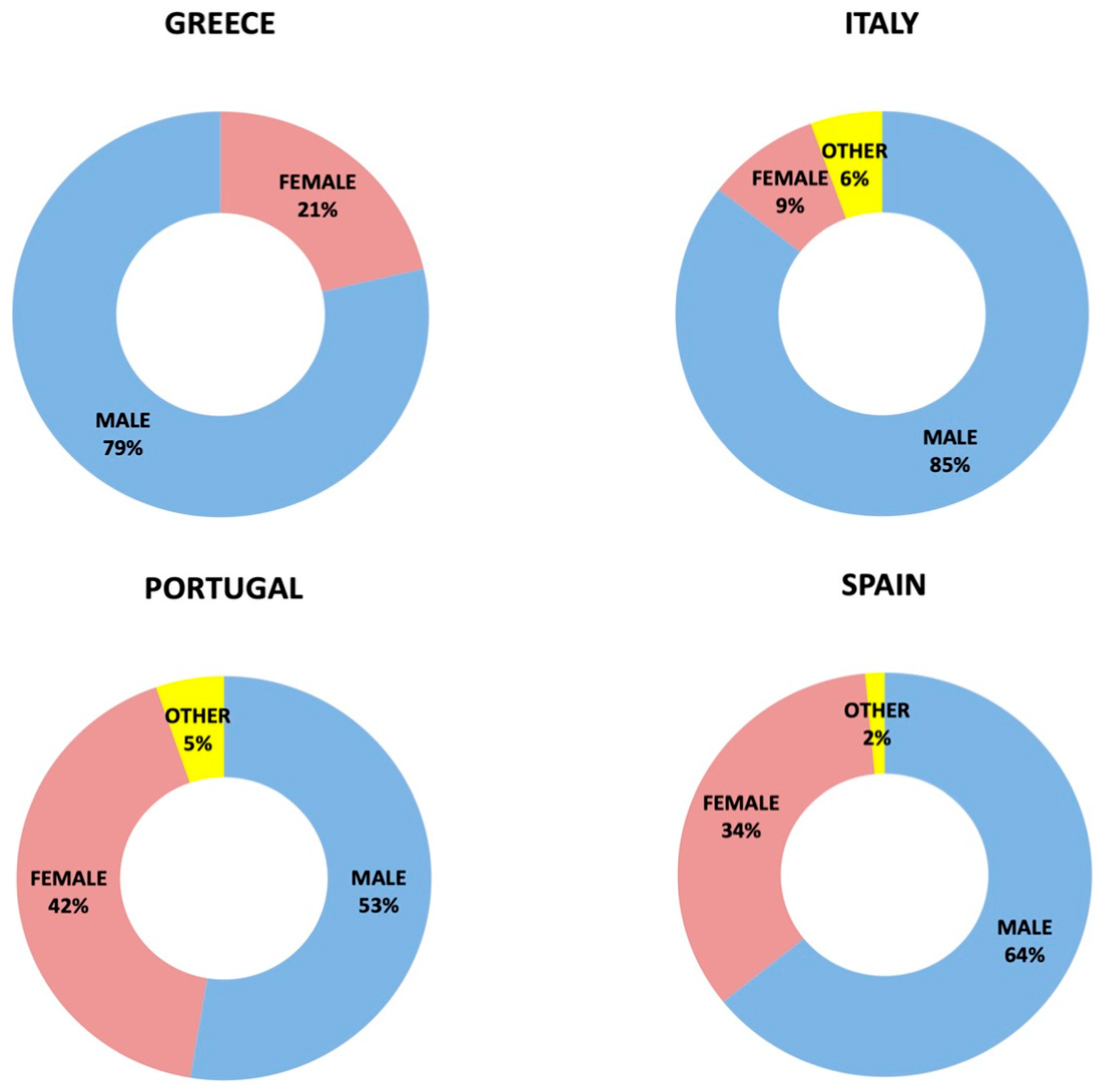
Table 2 reports the gender distribution of respondents by country. Gender information was available for all 195 respondents included in the final quantitative dataset. Overall, the sample was predominantly male, with 147 male respondents (75.4%), 42 female respondents (21.5%), and 6 respondents who preferred not to specify their gender (3.1%). At the country level, Italy and Greece showed the highest gender imbalance, with male respondents accounting for 85.6% and 85.7% of the respective national subsamples, respectively. Portugal showed the most balanced distribution, with 44.4% female and 55.6% male respondents, while Spain presented an intermediate profile, with 34.8% female and 63.6% male respondents.
Figure 1 provides a graphical representation of the gender distribution by country. A chi-square test was conducted to evaluate the association between country and gender distribution. The results showed a statistically significant association between country and gender composition (χ
2 = 24.21, df = 6,
p < 0.001), with a moderate effect size (Cramer’s V = 0.25). However, because the “prefer not to specify” category included only a small number of respondents, this result should be interpreted cautiously.
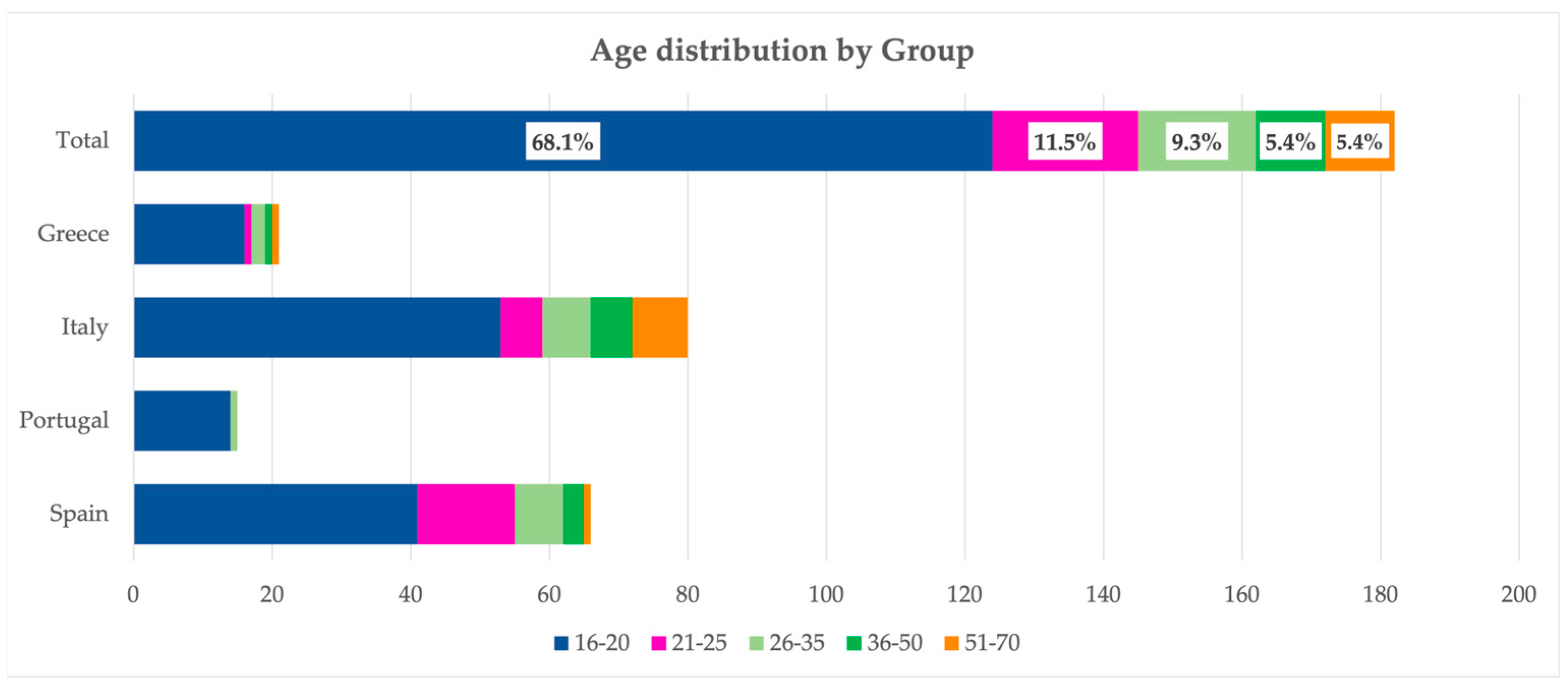
Figure 2 illustrates the age distribution of respondents across five age classes. Overall, the sample is strongly concentrated in the youngest age group, with respondents aged 16–20 years accounting for 68.1% of the total sample. The remaining respondents were distributed across older age groups, with progressively lower frequencies.
This age structure indicates that the survey largely reflects the perspectives of young participants, including students and individuals involved in training activities. Although Italy and Spain showed a broader distribution across age classes, Portugal and Greece were more concentrated in the youngest group. The chi-square test did not detect a statistically significant association between country and age group (χ2 = 18.54, df = 12, p = 0.100), and the effect size was weak to moderate (Cramer’s V = 0.16). Therefore, the observed age-related differences among countries should be interpreted descriptively rather than as statistically supported country-level differences.
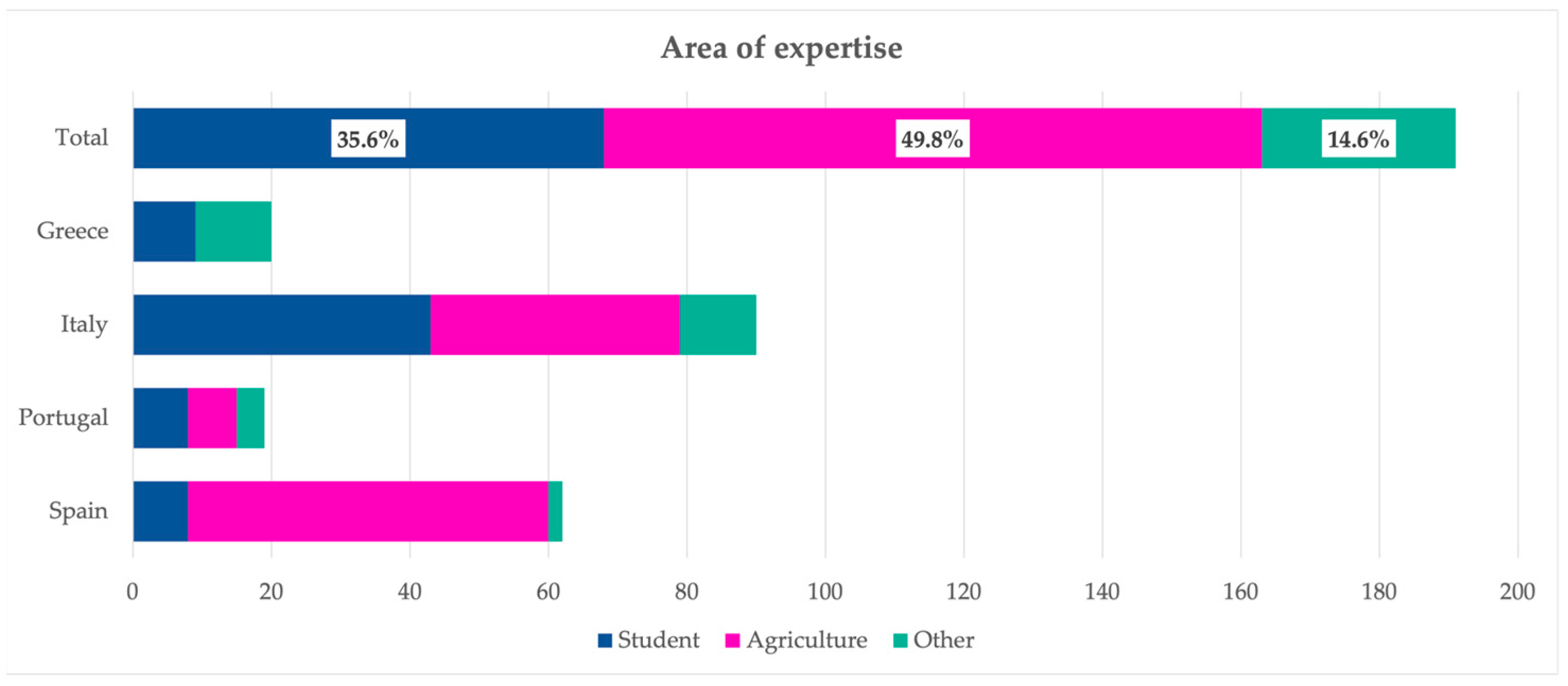
Figure 3 shows the professional profile of respondents, grouped into three categories: students, agricultural stakeholders, and other profiles. Overall, agricultural stakeholders represented the largest group (49.7%), followed by students (35.6%) and other profiles (14.6%).
The chi-square test showed a statistically significant association between country and professional profile (χ2 = 68.89, df = 6, p < 0.001), with a moderate to strong effect size (Cramer’s V = 0.42). This indicates that the composition of the national subsamples differed substantially. Consequently, subsequent cross-country comparisons should be interpreted cautiously, as observed differences may partly reflect differences in respondent composition rather than country-specific patterns alone.
The composition of the sample varies across countries. Spain is characterized by a predominance of agricultural stakeholders, whereas Italy presents a more balanced distribution among students, agricultural actors, and other profiles. Greece and Portugal show a higher proportion of students and other stakeholders. These differences reflect the heterogeneous nature of the training contexts and should be taken into account when interpreting the results. This heterogeneity in participant profiles represents a key structural characteristic of the dataset and partially explains the variability observed in other survey responses.
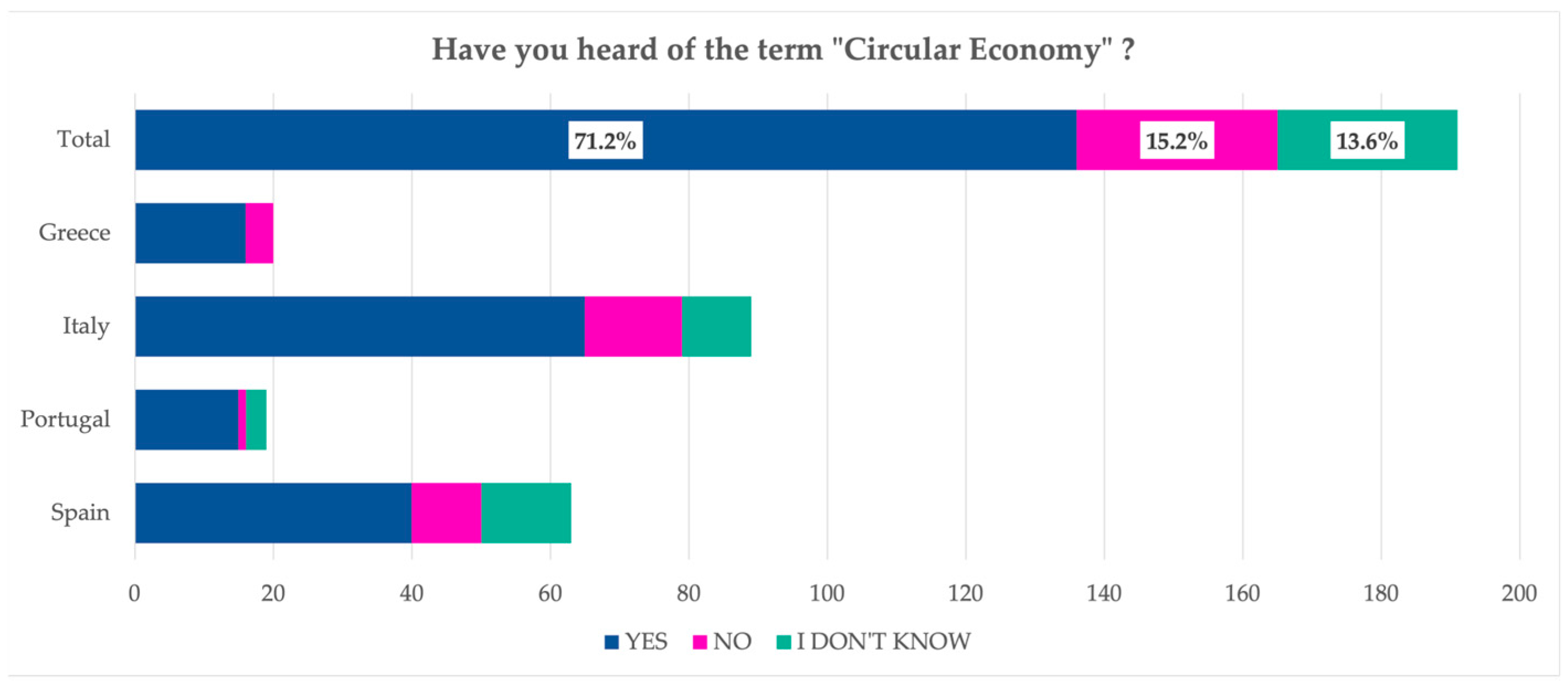
Figure 4 reports respondents’ awareness of the term “Circular Economy”. Overall, most respondents reported being familiar with the concept of Circular Economy, although a non-negligible proportion of participants indicated limited or no awareness.
At the country level, “Yes” responses prevailed in all four countries, although the proportion of “No” and “I don’t know” responses varied. Italy and Portugal showed comparatively higher awareness levels, while Spain displayed a more heterogeneous distribution. Greece showed a more polarized pattern, with respondents tending to provide clearer “Yes” or “No” responses.
The chi-square test did not detect a statistically significant association between country and awareness of Circular Economy within the analyzed sample (χ2 = 7.96, df = 6, p = 0.241). The effect size was weak (Cramer’s V = 0.14). Therefore, the available data do not provide statistical evidence of country-level differences in awareness, although this result should be interpreted in light of the exploratory design and unequal respondent composition across countries.
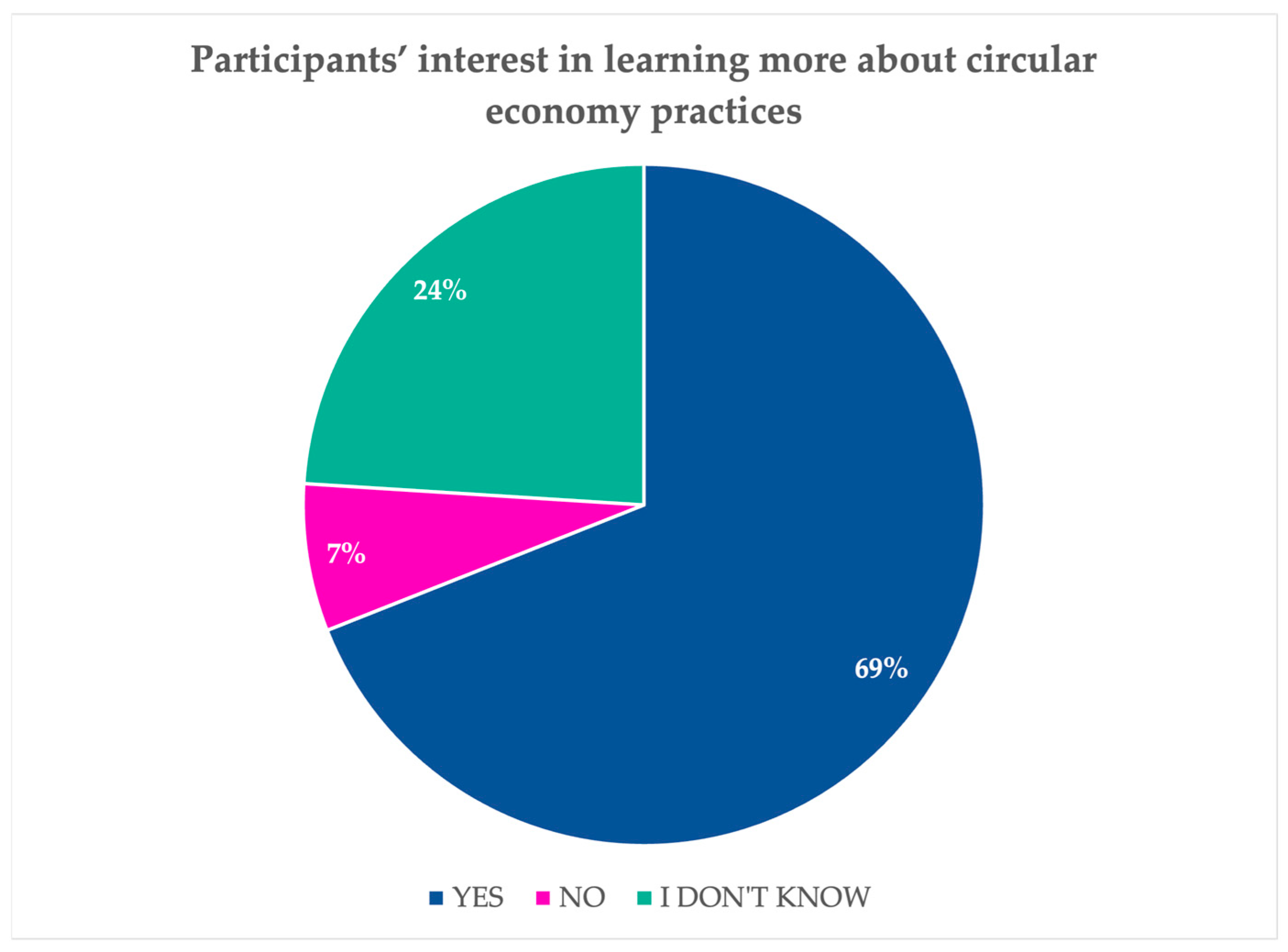
Figure 5 summarizes the overall level of interest in learning more about Circular Economy practices in agriculture. Most respondents (69.0%) expressed interest in further learning about Circular Economy practices, while 24.0% selected “I don’t know” and only 7.0% answered “No”. This indicates a generally positive attitude toward additional training, although a relevant share of undecided respondents remains.
When compared with the awareness results, these findings suggest that familiarity with Circular Economy concepts is accompanied by a broad willingness to deepen knowledge on the topic. However, the presence of a relevant share of “I don’t know” responses indicates a segment of respondents with uncertain or limited familiarity with the topic.
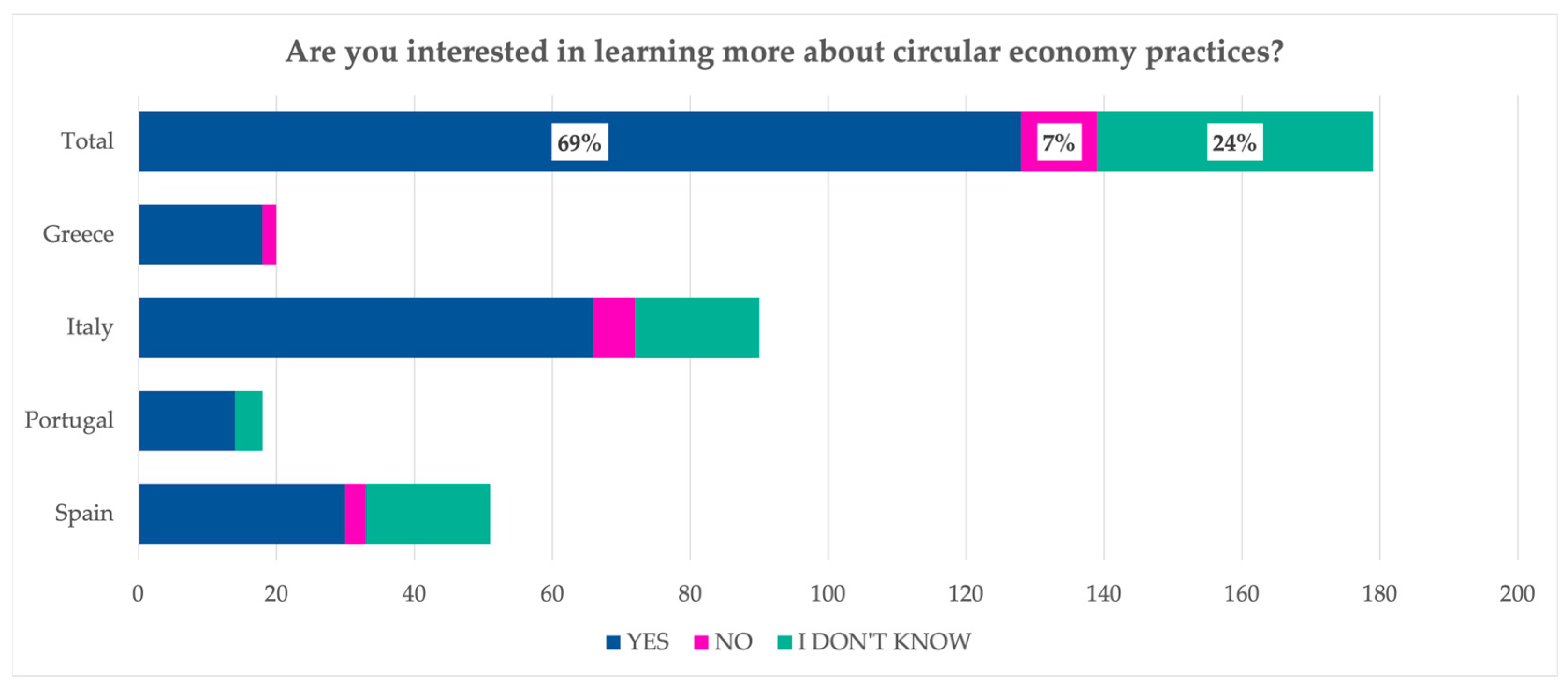
Figure 6 reports respondents’ interest in learning more about Circular Economy practices by country. In all countries, “Yes” was the most frequent response, indicating a generally high level of interest within the surveyed sample.
Italy and Spain showed a high proportion of positive responses, together with a visible proportion of undecided respondents. Portugal also showed a favorable pattern, with no relevant explicit opposition. Greece reported mainly positive responses, although the smaller sample size should be considered when interpreting this result.
The chi-square test did not detect a statistically significant association between country and interest in further learning (χ2 = 5.66, df = 6, p = 0.463), and the effect size was weak (Cramer’s V = 0.10). These findings suggest that interest in further training was high among Rural Lab participants; however, this result should be interpreted cautiously, as respondents were recruited in the context of training activities and may therefore represent a group already inclined toward learning and engagement.
The presence of “I don’t know” responses is also relevant, as it may identify a group of participants with uncertain awareness or limited confidence regarding Circular Economy practices. This group may represent an important target for introductory training and awareness-raising activities.
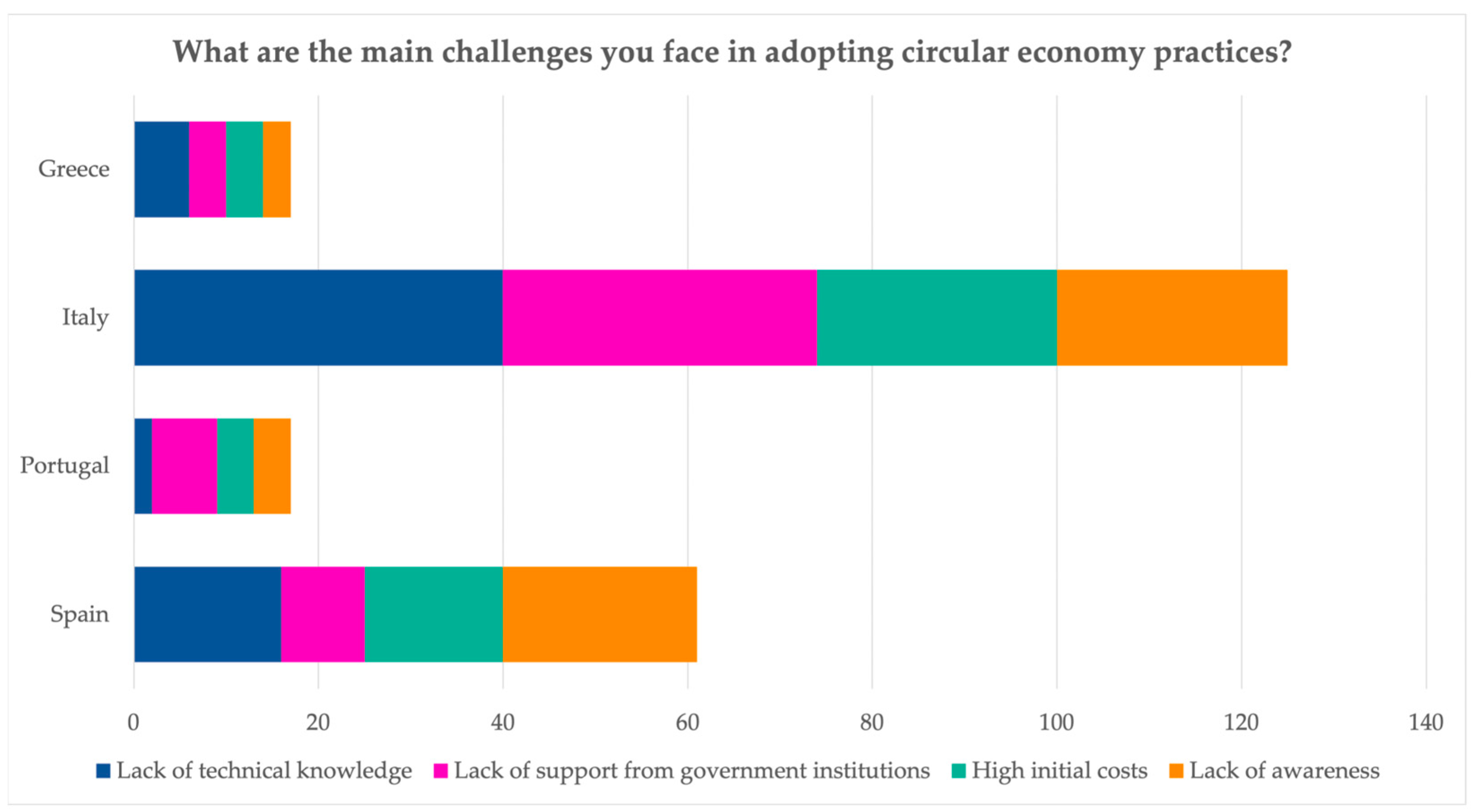
Figure 7 summarizes the main perceived barriers to the adoption of Circular Economy practices in agriculture. Overall, lack of technical knowledge was the most frequently reported barrier (28.4%), followed by lack of support from government institutions (24.0%), lack of awareness (23.6%), and high initial costs (21.8%). Other responses represented only a marginal proportion of the total sample.
A chi-square test was conducted to evaluate the association between country and perceived barriers. The results showed a statistically significant association (χ2 = 21.21, df = 12, p = 0.047), indicating that the distribution of perceived barriers differed among countries within the analyzed sample. However, the effect size was weak to moderate (Cramer’s V = 0.18), suggesting that these differences were limited in magnitude. Therefore, country-level patterns should be interpreted as indicative rather than conclusive.
Overall, the results suggest that barriers to Circular Economy adoption are multidimensional. Lack of technical knowledge points to the need for targeted training and advisory support; limited institutional support highlights the importance of policy measures, incentives, and local services; lack of awareness indicates the continued need for introductory communication and demonstration activities; and high initial costs suggest that economic constraints may limit adoption even among interested participants.
Table 3 summarizes the chi-square test results. Significant associations were detected for gender distribution, professional profile, and perceived barriers. No statistically significant association was detected for age distribution, awareness of Circular Economy, or interest in further learning. These results should be interpreted in light of the exploratory design, convenience sampling, and heterogeneous composition of the national subsamples.
4. Discussion
4.1. Rural Lab Participants’ Perceptions of Agricultural Waste Valorization and Engagement Conditions
The results of this study indicate that Rural Lab participants generally expressed a favorable attitude toward Circular Economy practices applied to agricultural waste management. Within the analyzed sample, no statistically significant association was detected between country and either awareness of Circular Economy or interest in further learning. Therefore, these findings should not be interpreted as evidence of complete similarity among countries, but rather as an indication that the available data did not provide statistical evidence of country-level differences for these variables.
Conversely, statistically significant associations were observed for gender distribution, professional profile, and perceived barriers. These results highlight the heterogeneous composition of the national subsamples and suggest that differences observed across countries may partly reflect differences in respondent profiles rather than country-specific patterns alone. This is particularly relevant because the survey included farmers, technicians, students, institutional actors, and other participants connected to agricultural and sustainability-related contexts.
Overall, the findings suggest that positive attitudes toward agricultural waste valorization are not sufficient, by themselves, to ensure the adoption of Circular Economy practices. Engagement appears to depend on enabling conditions such as technical knowledge, accessible training, economic feasibility, local logistics, institutional support, and clear operational procedures. These elements are consistent with previous studies showing that the adoption of circular and waste recovery practices in agriculture requires the integration of awareness, practical skills, organizational capacity, and supportive policy frameworks [
25,
28].
The results suggest that respondents recognized the relevance of circular approaches for agricultural waste management, particularly when these approaches are supported by organized and accessible systems. However, the interpretation of this finding should remain cautious, given the exploratory design and the heterogeneous composition of the sample. Rather than reflecting the position of the farming community as a whole, the results describe the perceptions of participants involved in Rural Lab training activities.
The perceived barriers identified in the survey indicate that adoption is influenced by several interconnected factors. Lack of technical knowledge indicates the need for targeted training and advisory support. Limited institutional support suggests that local services, incentives, and policy measures may be necessary to facilitate implementation. Lack of awareness highlights the importance of communication and demonstration activities, while high initial costs indicate that economic feasibility remains a relevant concern. Therefore, future circular agriculture initiatives should not rely only on participants’ positive attitudes, but should also provide practical tools, institutional coordination, and accessible support mechanisms.
From this perspective, agricultural waste valorization should be understood as a socio-technical process rather than as a purely technological or environmental issue. Circular Economy practices require not only knowledge of available recovery pathways, but also practical arrangements for waste sorting, collection, storage, transport, treatment, and reuse. This is particularly relevant for agricultural plastic waste, where contamination, polymer heterogeneity, and logistical constraints may reduce the feasibility of recycling, as well as for residual biomass, whose valorization depends on local availability, seasonal dynamics, technical skills, and economically viable end-use options.
4.2. Country-Level Patterns and the Role of Respondent Composition
Country-level patterns should be interpreted in light of the different composition of the national subsamples. The statistically significant association between country and professional profile indicates that the national groups were not homogeneous. Consequently, observed differences among countries may partly reflect the different proportions of students, agricultural stakeholders, technicians, and other respondents rather than genuine country-level differences alone.
In Italy, respondents emphasized the importance of simple and accessible recycling schemes. This suggests that participation in circular waste management initiatives may be facilitated by low-effort solutions, such as on-farm or nearby collection systems, which reduce time, transport, and organizational constraints. In this context, training and advisory services should focus on practical guidance, clear operational procedures, and locally available collection or recovery options.
In Greece, respondents tended to associate Circular Economy practices with environmental benefits, including pollution reduction, recycling, and improved management of agricultural residues. At the same time, the results indicate that engagement may be limited by barriers such as insufficient technical knowledge, limited information, high initial costs, and weak institutional support. These findings are consistent with the overall pattern of perceived barriers observed in the full sample and suggest that awareness-raising activities should be combined with technical and institutional support.
In Portugal, the interpretation of results should be particularly cautious because the sample was more strongly concentrated among young participants and students. Within this context, the findings are useful mainly for understanding training needs and awareness-building opportunities among future agricultural professionals and participants in educational settings, rather than for drawing conclusions about the broader farming population. This result also highlights the potential role of educational institutions in introducing Circular Economy concepts at an early stage of professional development.
In Spain, the stronger presence of agricultural stakeholders provides useful indications on operational needs related to Circular Economy adoption. The results suggest that cooperatives, agricultural businesses, technicians, and advisory actors may play an important role in translating Circular Economy principles into practical actions. However, these observations should be interpreted as context-specific indications emerging from the surveyed sample, rather than as general conclusions on the Spanish agricultural sector.
Overall, the country-level findings point to the need for flexible and context-sensitive training and support measures. While some barriers appear common across the sample, their relative importance may vary depending on local training contexts, respondent composition, institutional arrangements, and existing waste management services. Therefore, cross-country comparisons should be considered exploratory and should not be interpreted as evidence of national differences alone.
4.3. Training Needs and Capacity Building Through Work-Based and Blended Learning Approaches
The high level of interest in further learning suggests that capacity building may represent an important enabling factor for Circular Economy adoption among Rural Lab participants. However, this finding should be interpreted cautiously because respondents were recruited within training activities and may therefore represent a group already inclined toward learning, sustainability, and innovation. This possible self-selection effect should be considered when interpreting the generally positive attitude observed in the sample [
33].
Despite this limitation, the results indicate that training activities remain highly relevant. Circular Economy adoption in agriculture requires practical knowledge on waste identification, classification, sorting, collection, valorization pathways, and economic feasibility. Training should therefore move beyond general awareness and provide operational skills that can help participants understand how circular practices can be implemented in real agricultural contexts.
Work-based and blended learning approaches may be particularly suitable because they can connect theoretical concepts with practical applications. Field activities, on-farm demonstrations, applied case studies, peer-to-peer exchanges, and guided digital tools can support the translation of Circular Economy principles into operational practices. These approaches may be especially useful for addressing the main barriers identified in this study, particularly lack of technical knowledge, insufficient awareness, high initial costs, and limited institutional support.
Future training should address both biomass and agricultural plastic waste management. For biomass, relevant topics include composting, soil amendment, bioenergy production, biorefineries, and other locally feasible valorization pathways. For agricultural plastics, training should focus on proper collection, sorting, contamination reduction, recycling options, and available support schemes. In both cases, capacity-building activities should be adapted to participant profiles, distinguishing between current professionals, students, technicians, institutional actors, and other participants involved in agricultural and sustainability-related contexts.
The results also suggest that training alone may not be sufficient. Even well-informed participants may face structural constraints if collection systems are unavailable, incentives are weak, technical advice is limited, or initial investment costs are too high. Therefore, capacity building should be integrated with broader support measures, including advisory services, institutional coordination, economic incentives, and territorial planning of waste recovery systems. This integrated approach may help transform positive attitudes and learning interest into practical engagement with Circular Economy practices.
4.4. Study Limitations
This study presents several limitations that should be considered when interpreting the results. First, the survey was designed as an exploratory cross-country assessment conducted within the Rural Lab activities of the TANGO-Circular project. Respondents were recruited among participants attending these activities; therefore, the sampling strategy was non-probabilistic and convenience-based. As a result, the findings should be interpreted as indicative of patterns observed among Rural Lab participants and should not be generalized to the broader farming population of the four countries.
Second, the composition of the sample was heterogeneous and included not only farmers and agricultural practitioners, but also students, technicians, institutional actors, and other participants connected to agricultural or sustainability-related contexts. Although this composition reflects the participatory and multi-actor nature of the Rural Labs, it limits the extent to which the results can be interpreted as representing agricultural stakeholders as a whole. In particular, the high proportion of students and young respondents means that the findings may reflect, to a considerable extent, the perceptions and training needs of younger participants and future professionals rather than those of experienced farmers or farm managers.
Third, the national subsamples differed substantially in terms of professional profile and participant composition. Therefore, country-wise comparisons should be interpreted cautiously, as observed differences may partly reflect differences in respondent background rather than genuine country-level differences. This limitation is particularly relevant when interpreting perceived barriers, awareness levels, and interest in further learning across countries.
Fourth, the recruitment of respondents within Rural Lab activities may have introduced a self-selection bias. Participants who attended these activities may have already been more interested in Circular Economy, sustainability, agricultural innovation, or training opportunities than the wider agricultural population. Moreover, although the questionnaire was administered as part of the needs analysis and was not intended as a post-training evaluation, the broader Rural Lab context may have influenced respondents’ awareness, interest, and attitudes toward Circular Economy practices.
Fifth, the questionnaire was reviewed by project partners and experts to ensure clarity, relevance, and coherence with the study objectives, but no formal psychometric validation or reliability testing was performed. Therefore, the results should be interpreted as exploratory evidence rather than as outcomes derived from a fully validated measurement instrument.
Sixth, although the questionnaire included 31 items, the present article focused on selected closed-ended variables directly related to the objectives of the study, including socio-demographic characteristics, professional profile, awareness of Circular Economy, interest in further learning, and perceived barriers. Other questionnaire items were listed in
Table 1 to provide transparency on the full structure of the questionnaire. Open-ended responses were used only to support interpretation, and no formal qualitative coding or thematic analysis was conducted.
Finally, the use of chi-square tests in some contingency tables may have been affected by sparse categories and unequal country-level sample sizes. For this reason, statistical results were interpreted cautiously and used to identify indicative associations within the analyzed sample rather than to support population-level inference. Future research should use larger and more balanced samples, include a higher proportion of farmers and farm managers, apply validated survey instruments, and combine quantitative analysis with systematic qualitative methods to better understand the factors influencing Circular Economy adoption in agricultural waste management.
5. Conclusions
This study provides an exploratory assessment of Rural Lab participants’ perceptions, awareness, and training needs related to Circular Economy practices for agricultural waste valorization in Greece, Italy, Portugal, and Spain. The findings indicate that respondents generally showed positive attitudes toward Circular Economy approaches and a high level of interest in further learning. However, the results also show that positive attitudes alone are not sufficient to ensure the adoption of circular practices in agriculture.
The main barriers identified by respondents were lack of technical knowledge, limited institutional support, lack of awareness, and high initial costs. These findings suggest that Circular Economy adoption in agricultural waste management requires integrated support systems, including targeted training, advisory services, accessible collection and recovery schemes, economic incentives, and clearer institutional frameworks. From a practical perspective, future initiatives should therefore combine awareness-raising activities with operational guidance and locally adapted solutions for biomass and agricultural plastic waste management.
The results should be interpreted cautiously because the study was based on an exploratory design, convenience sampling, and a heterogeneous sample of Rural Lab participants. The sample included farmers, technicians, students, institutional actors, and other participants connected to agricultural and sustainability-related contexts, with a strong presence of young respondents. Moreover, the composition of the national subsamples differed substantially, meaning that country-wise comparisons may partly reflect differences in respondent profiles rather than country-specific patterns alone.
Despite these limitations, the study provides useful indications for the design of future training and capacity-building actions. Rural Labs and work-based learning approaches can support the transition from general awareness to practical implementation by connecting Circular Economy concepts with real agricultural contexts. Future research should involve larger and more balanced samples, include a higher proportion of farmers and farm managers, apply validated survey instruments, and assess the long-term effectiveness of training-based interventions in promoting Circular Economy adoption in agricultural waste management.




 ,
,