1. Introduction
The global population is anticipated to reach 9.7 billion by 2050, resulting in a need to increase food production by over 100% [
1]. The extreme circumstances arising from the population increase have threatened food security, highlighting the need to consider biotic factors that impede agricultural productivity [
2]. Weeds, pathogens, and animal pests adversely affect crop production in developed and developing nations [
3]. Weeds compete with crops for nutrients, light, water, and space while also hosting insects and other pests, posing a dual threat to crop health and yields [
4], highlighting the importance of weed management strategies in safeguarding agricultural sustainability.
Palmer amaranth (
Amaranthus palmeri S.) has been identified as the most significant weed of cotton in the southern United States [
5,
6,
7,
8]. It is an annual broadleaf weed that originated from the deserts of northern Mexico and the southwest United States [
9]. It can grow 5–8 cm per day and has an extended germination and emergence period, with multiple cohorts that can even emerge after crop planting [
10,
11]. This combination allows Palmer amaranth to dominate crop growth. A study by [
12] reported that a one-hectare cotton field infested with over 3000 Palmer amaranth plants reduced lint yield and harvesting efficiency by 22 and 2.4%, respectively.
Over the past few decades, farmers in the southern United States have relied heavily on herbicides to manage Palmer amaranth in cotton fields. Glyphosate was considered highly effective, but rapid and excessive use led to the development of herbicide resistance. This resistance was first confirmed in Georgia in 2006 [
5], and Palmer amaranth is now resistant to 10 herbicide modes of action [
13]. The current scenario suggests that sole reliance on herbicides for effective Palmer control may be ineffective beyond 4–5 years [
5,
6]. Therefore, alternative solutions involving mechanical and robotics systems need to be considered for sustainable weed management.
Mechanical weed management using tillage has been a reliable solution for many years. However, it leads to soil degradation and spreads weed reproductive organs throughout the field, while bringing weed seeds to the soil surface [
14]. Moreover, mechanical weed management equipment includes hoes, plows, knives, mowers, rotary hoes, and harrows. The basic principle of these methods involves uprooting weeds, cutting them into smaller fragments, or covering them with soil [
15]. These techniques interfere with weed growth by either killing weeds or slowing their development, allowing the crop canopy to outcompete them by intercepting more light.
Several mechanical weed pullers have been developed, including brush weeders and the Bourquin organic weed puller. A brush weeder consists of hard polypropylene brushes used for inter-row weed management and was first developed in 1985 for cereals [
16]. However, its performance is highly dependent on soil moisture, and it can negatively affect soil structure [
17]. The Bourquin organic weed puller consists of rubber tires rotating in opposite directions and disk plates designed to remove weeds. It was tested to uproot Palmer amaranth that overtopped the crop canopy by a few inches in crops such as peanuts, cucumbers, and sweet potatoes. However, the results indicated inconsistent performance as weeds of similar or shorter height than the crop were not effectively removed [
11]. These limitations highlight the need for developing more reliable mechanical solutions for weed pulling.
Advances in technology, especially in artificial intelligence, computer vision, and robotics, provide opportunities for advanced systems to tackle weed management challenges. The widespread availability of high-resolution cameras and advances in GPUs have shifted researchers attention toward computer vision and robotic approaches. They are using various machine learning techniques for weed identification, including image processing to extract features and methods such as random forests and SVMs (Support Vector Machines). These techniques offer reliability but are still susceptible to variable environmental conditions in agricultural fields.
The advancement of deep learning and artificial intelligence has led to increased use of convolutional neural networks, which have significantly improved weed classification and detection performance. This has led to an exponential increase in agricultural automation. There are numerous studies in which researchers have used YOLO (You Only Look Once) [
18,
19,
20], which is a single-stage deep learning model [
21]. For example, Lakshmi Narayana [
22] used YOLOv7 for the classification and detection of multiple weed species based on shape, using weed imagery data. These advancements in perception systems utilizing artificial intelligence and computer vision have fueled the development of robotic systems for automated weed management. According to a review by Steward et al. [
23], mechanical weed management methods used by robotic platforms fall into two main categories: passive cultivation and active weed control. Passive cultivation involves automatically guiding tools through crop rows, while active weed control targets weeds both within and between crops. An example of passive weed control is the Naïo Technologies Oz weeder [
24]. It is an electrically powered system that carries various cultivation tools, including harrows, brushes, and springs for intra- and inter-row weed management. A similar automatically guided system is the Kongskilde Robotti, which uses a comparable platform to operate across multiple rows for weed management [
25]. The active control category includes mechanical systems that use perception systems to gather environmental information and then actuate based on weed location. For example, the Sarl Rais weeder, developed in France, automatically detects crop height using light reflectance and considers only weeds that are shorter than the crop. This approach allows the system to distinguish weeds from crops and use hoes for weed management [
26,
27].
Gai et al. [
28] designed and developed a robotic weeder for multiple-species row crops. The actuator was designed to be mounted on a tractor or robotic platform, and the weeding tool consisted of rotating vertical lines for cutting, uprooting, and burying weeds in the soil. The perception system consisted of an RGB-D sensor for crop detection, and the tines were actuated to remove weeds irrespective of species without disturbing or damaging crop. In addition, several robotic systems have been developed using different perception and actuation systems.
An autonomous robotic system was designed to reduce labor requirements by managing weeds using a laser system [
29]. The study used inexpensive, low-powered laser diodes. The YOLOv4-tiny deep learning model was utilized for detecting Palmer amaranth, along with point cloud data, to determine weed’s position. The system achieved an 83.7% hit rate and a 72.5% kill rate using the DeepSORT weed-tracking system. Another study by [
30] demonstrated the effectiveness of a smart spraying system for precise weed management in row crops. The system was designed to use three nozzles spaced 50.8 cm apart, with a 50% overlap. The system activated a specific nozzle after detecting weeds in a 50.8 cm coverage area. A similar study was conducted by researchers in university of Nebraska-Lincoln. They have designed a precision robotic spraying system utilizing farm-ng (Bonsai Robotics) as a base platform to manage Palmer amaranth. They used the YOLOv7 deep learning model for weed detection, achieving average precision and recall of 6.4% and 62%, respectively [
2].
Research on alternatives to herbicide control has led to the development of several weed management devices and commercial systems. For example, a robotic system named Tertill was designed by Franklin Robotics for weed management in gardens and farmland. It was equipped with sensors to identify weeds and a cutting system that used scissors to cut them into smaller pieces [
31]. The system is helpful for weed management in organic gardens. However, a limitation of this system is that it distinguishes crops from weeds based solely on plant height. If the sensors detect a tall plant, it is considered a crop and left untreated. Therefore, it may not be suitable for Palmer amaranth management in cotton, where Palmer amaranth can dominate crop growth.
Several industrial weeders utilize laser-based technologies for weed control. Carbon Robotics (
https://carbonrobotics.com/) used diode lasers with a capacity of 240 W to destroy weeds at the meristem. The system integrates computer vision for weed identification, and the laser can manage approximately 99% of weeds. Similarly, other companies, including WeedBot (
https://weedbot.eu/), have developed laser-based systems for weed elimination. Research in laser weeding is continuously evolving, including advancements in carbon dioxide-based laser substitutes such as thulium-doped fiber lasers. However, this technology still lacks practical applicability in large row-crop acreages due to high implementation costs (at least
$500,000 USD per unit), limited research across different crops [
32], and slow field operational speeds.
Despite these advancements, effective weed control remains a significant challenge. In many cases, mechanical weeders are effective only under specific conditions, and few studies have evaluated their overall performance. Moreover, the available robotic systems are limited in their ability to operate under variable field conditions. Most systems rely on pre-defined tool configurations and cannot adjust tool behavior in response to changes in weed characteristics, such as weed height. This lack of adaptability limits their application in real-time field conditions. However, Steward et al. [
23] highlight that effective weed control systems should be developed in accordance with best cultural practices for weed management. Studies also show that farmers still rely heavily on hand-pulling of Palmer amaranth for effective control [
33]. Therefore, this study focuses on the design and testing of a robotic weed puller prototype to control inter-row Palmer amaranth in cotton fields. The prototype includes two counter–rotating rollers designed to grip weeds by their stems and uproot them. The robotic system integrates computer vision for real-time identification of Palmer amaranth and automatically adjusts its height to match the average weed height. A cutting mechanism is also included to chop the pulled weeds, limiting regrowth potential. All components are mounted on an Amiga robotics platform (Bonsai Robotics) and were field-tested to evaluate the system’s performance.
2. Materials and Methods
2.1. Robotic Platform
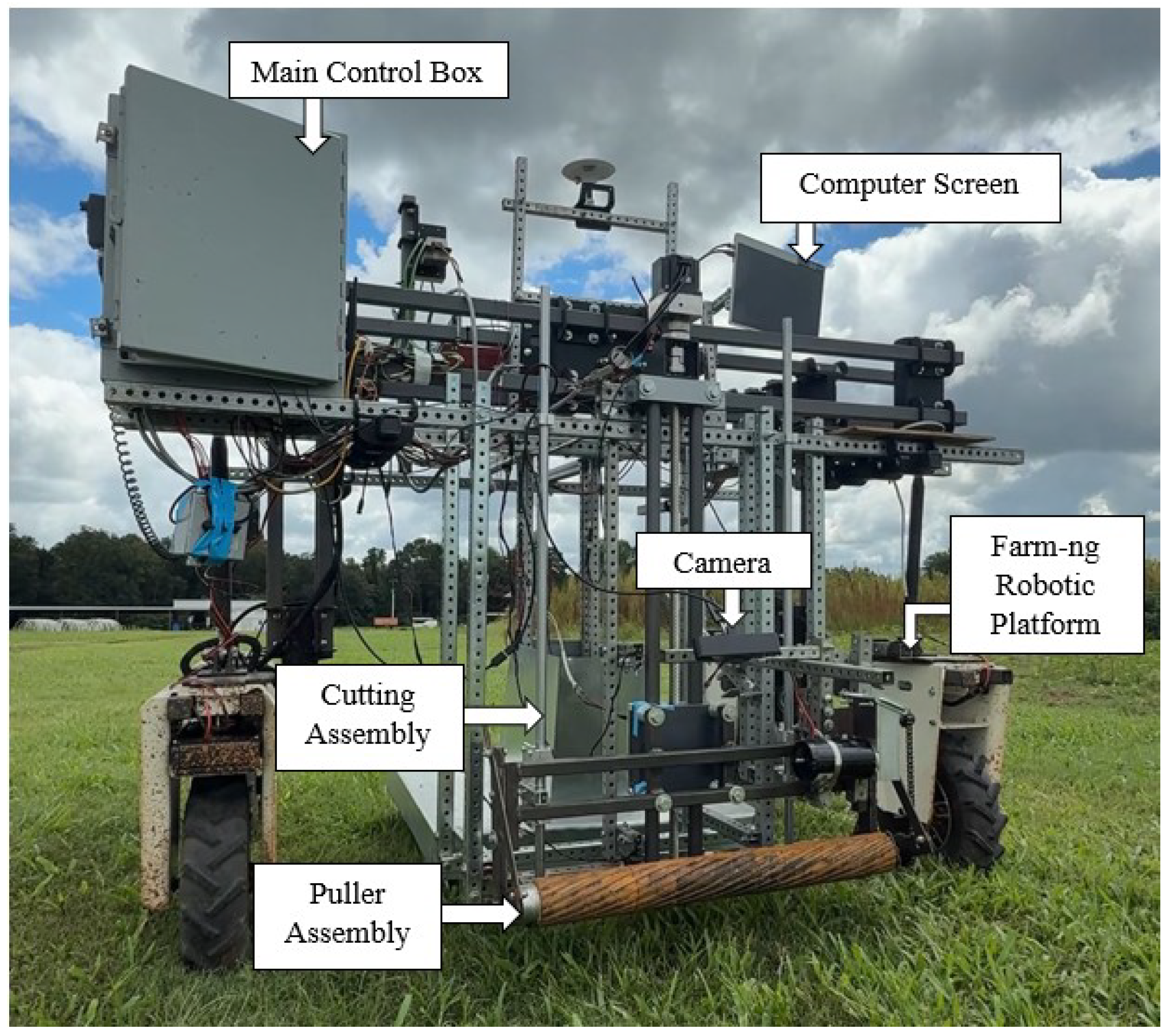
The robotic platform Amiga (Farm-ng Inc., Watsonville, CA, USA) (
Figure 1) was used for this study due to its customizability for agricultural operations. It is an electric 4-wheel skid steer drive platform featuring an NVIDIA Jetson Orin as its computing unit (Nvidia Corporation, Santa Clara, CA, USA). The platform has a wheelbase of 1 m, a track width of 1.82 m, and a ground clearance of 1.09 m/s. A vertical linear rail actuator driven by a stepper-motor powered leadscrew, model SHT-30 DS20 × 60 (Igus, Inc., Rumford, RI, USA) was used as a robotic arm. The maximum linear movement was 750 mm (stroke length). The Amiga offered a speed range of 0.05 m/s–2.53 m/s and operated on 44 V DC lithium-ion batteries, providing a runtime of 3–8 h, depending on the type of operation [
34]. It was customized to perform robotic weeding operations. The complete system (
Figure 1) was divided into the pulling, cutting, and computer vision systems.
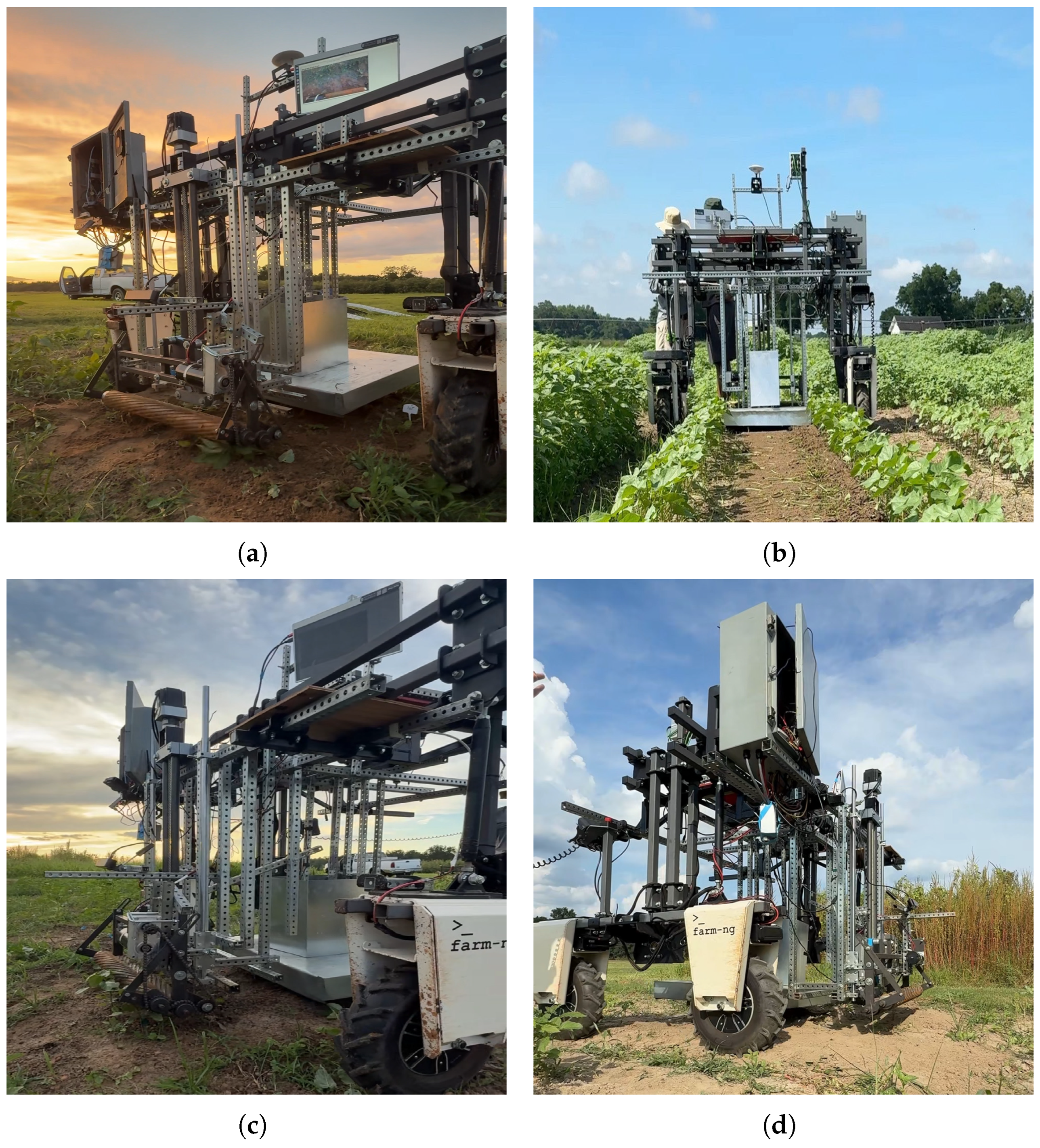
Figure 2 illustrates the robotic weed management system from multiple perspectives.
2.2. Pulling System
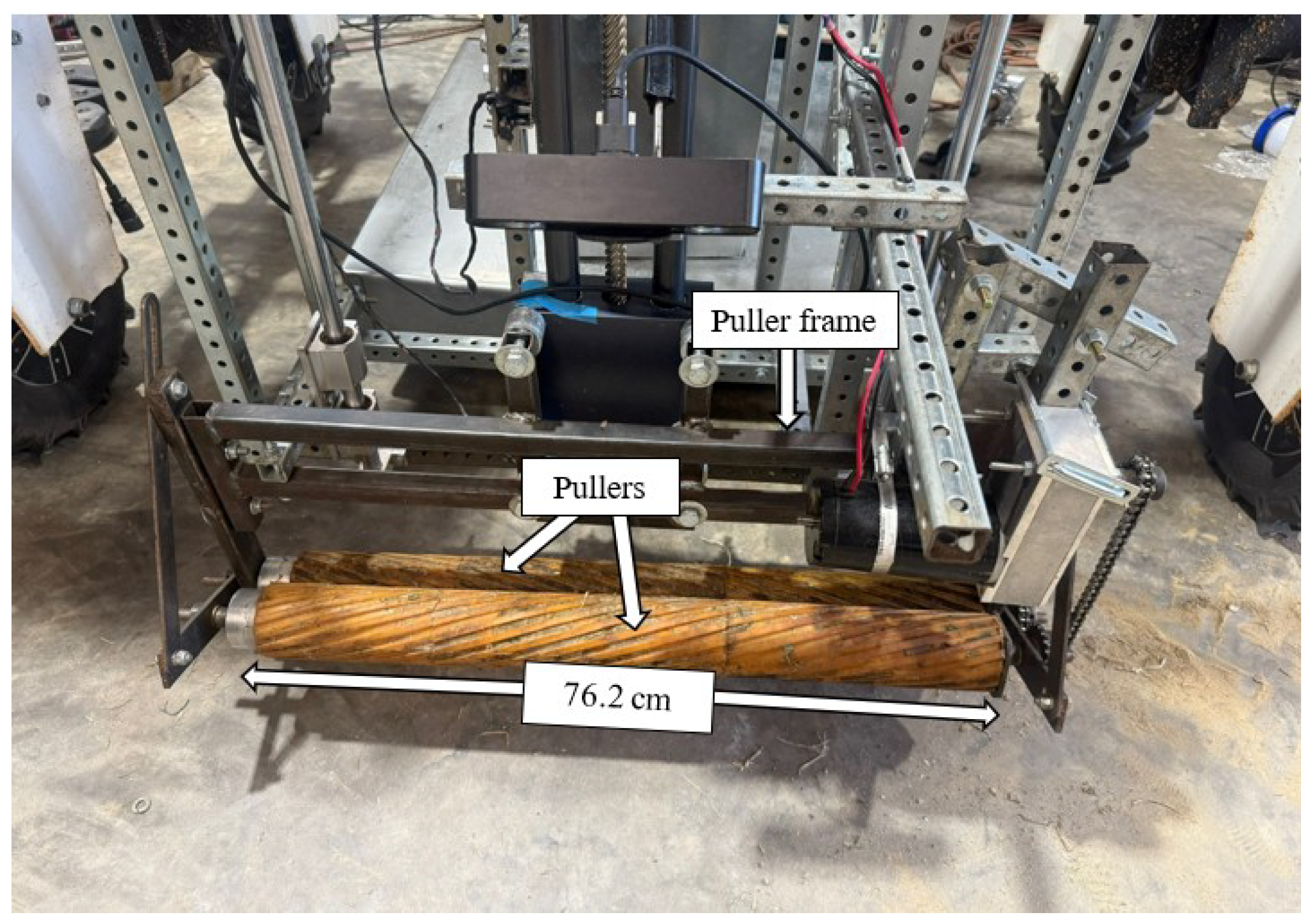
The pulling system consists of two aluminum rollers, each with an outer diameter of 6 cm and a length of 76.2 cm, rotating in opposite directions to create a pulling force that grips the weed and its root system. The open ends of the hollow aluminum pipe were sealed with solid aluminum plugs using an aluminum MIG welder, forming an enclosed cylinder. The length and diameter of the cylindrical shaft passing through the rollers were 82 cm and 1.5 cm, respectively. A lathe and a horizontal metal bandsaw were used to perform turning, boring, drilling, and cutting operations.
2.3. Evaluation of the Roller Gripper Material
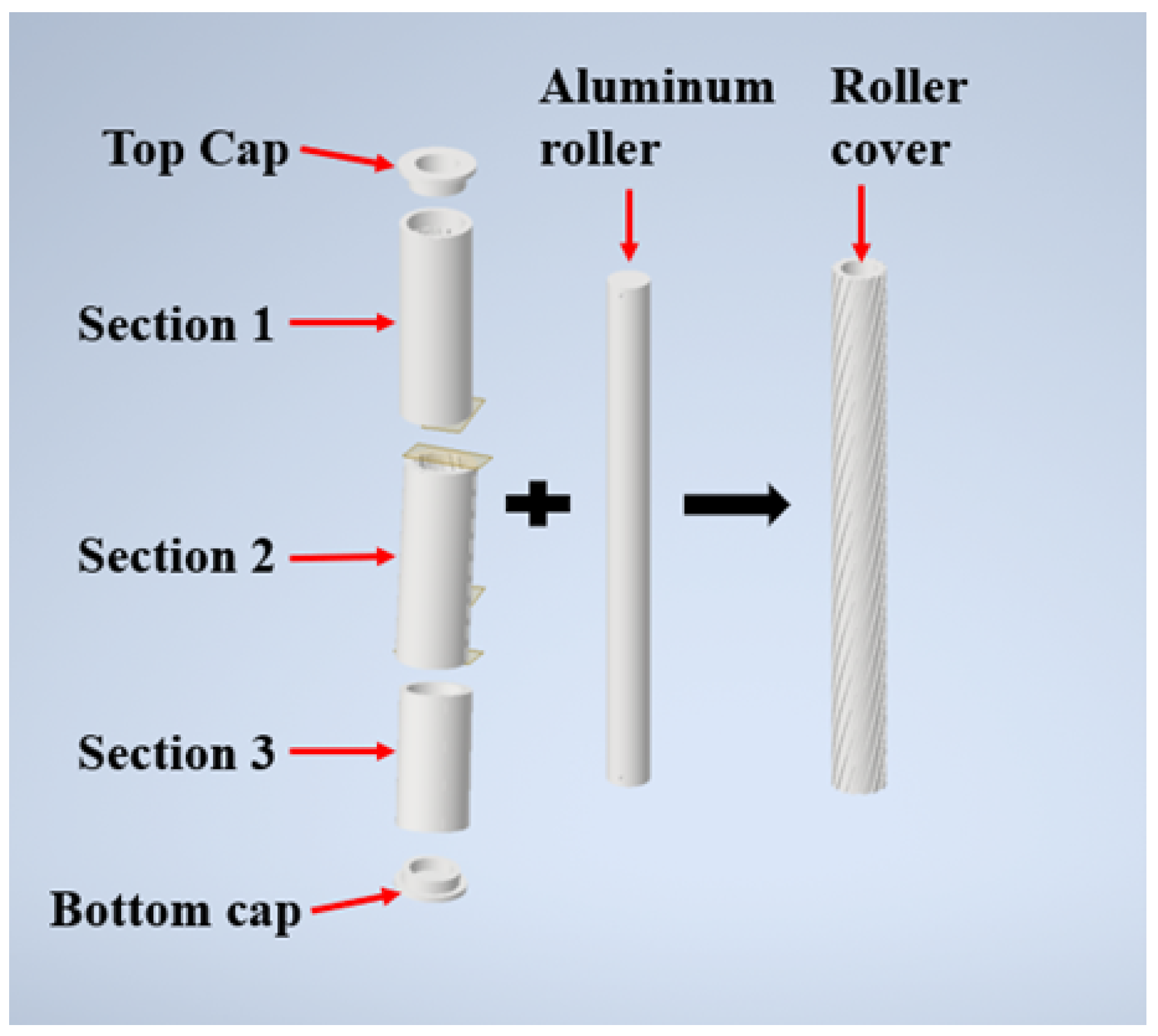
Each aluminum cylindrical roller was covered with a slightly larger-diameter roller cover (
Figure 3) with a material thickness of 1.3 cm to enhance the normal force between the rollers. A mold to cast frictional material was 3D-printed (Ultimaker S5, Ultimaker B.V., Utrecht, The Netherlands). The entire mold was divided into 3 parts (
Figure 3) because printing the entire 76.2 cm mold was not possible with the available 3D printer. Thereafter, the molds were mounted together with glue, forming a complete 76.2 cm long mold. The surface geometry of the gripper was inspired by helical gears (
Figure 3) to ensure proper meshing of the rollers throughout rotational movement and to provide a strong grip for weed pulling.
During the molding process, material was cast directly onto the roller. This approach was helpful in proper fitting and alignment. The whole mold was wrapped with leakage-proof tape and cured for 24 h.
Various mold materials for the rubber gripper were tested during this study. LET’S RESIN silicon mold making kit (LET’S RESIN, Hong Kong, China) (hardness 30A) didn’t perform well in the testing phase because it was too soft to maintain grip on weed stems. Thereafter, Smooth-On VytaFlex 60 Liquid Urethane rubber (Smooth-On, Inc., Macungie, PA, USA) with hardness 60A was used to enhance performance. This material had high tear strength and durability, improving the lifespan of the roller cover. When removing the 3D printed casting cover, the rubber gripper was left on the cylinder.
2.4. Components of the Pulling Mechanism
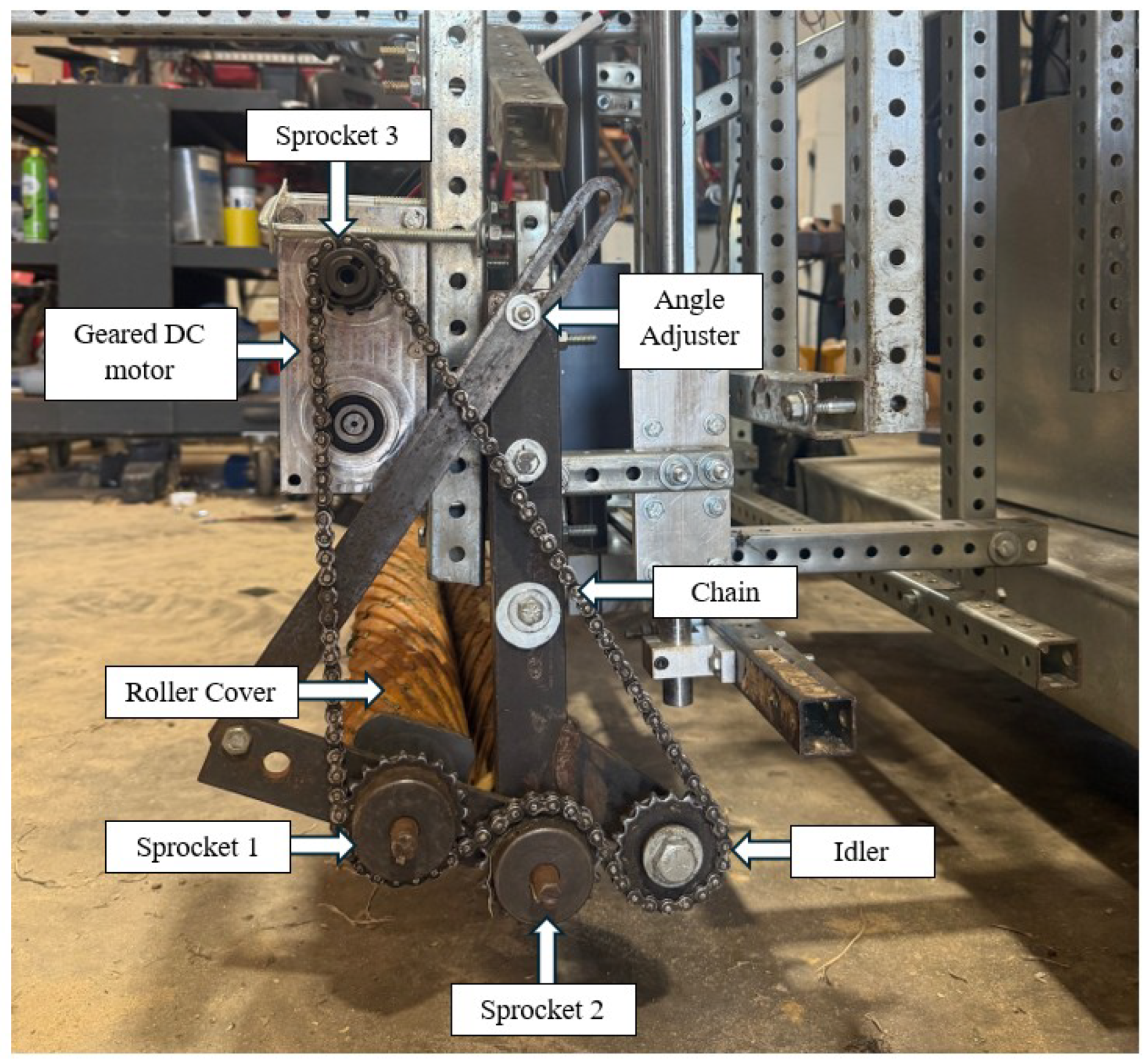
The roller assembly included a frame, sprockets, a chain, an idler, and a geared DC motor (
Figure 4). The frame was constructed from 2.54 cm square angle iron and square tubing, which were welded together to provide added rigidity (
Figure 5).
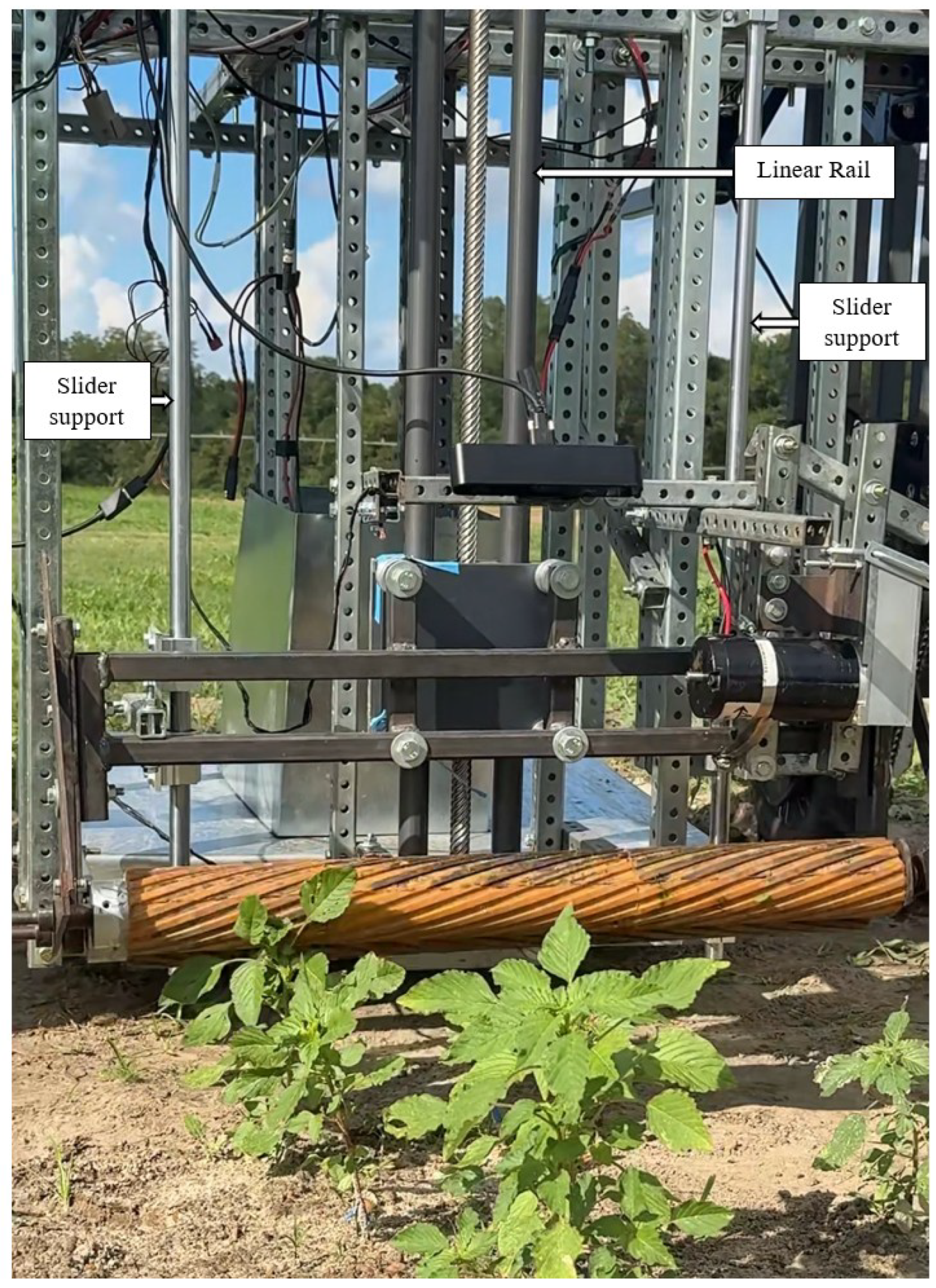
A perforated square bar, which housed the whole assembly, was mounted to the carriage of the linear rail attached to the Amiga rover. Two linear slider supports (16 mm × 1000 mm) were used to strengthen the puller frame, thereby reducing vibrational and lateral stress (
Figure 6).
Two sprockets were mounted on the puller shaft to drive the roller. A brushed DC geared motor (AmpFlow E30-400-48-G; Powerhouse Engineering Inc., Belmont, CA, USA) was used to drive the system. The motor is rated for an input range of 24 to 72 V, providing a speed of 650 RPM and a peak torque efficiency of 8.8 N·m at a 15-amp current draw. The motor output shaft carried an 11-tooth driver sprocket and was connected to roller shafts consisting of 20-tooth sprockets (
Figure 4).
The primary reason for selecting gears with different tooth counts was to achieve gear reduction, thereby increasing torque at the rollers. This also reduces speed by the same ratio. The chain was used to connect all the sprockets and idlers, which transmitted rotational motion from the motor to the puller shaft, simultaneously maintaining tension and alignment.
The frame features an embedded mechanism consisting of a 7.62 cm long slot that allows the gripper rollers to be set at different angles relative to each other. An idler with an external diameter of 5 cm maintains tension in the chain (
Figure 4).
2.5. Cutting Mechanism
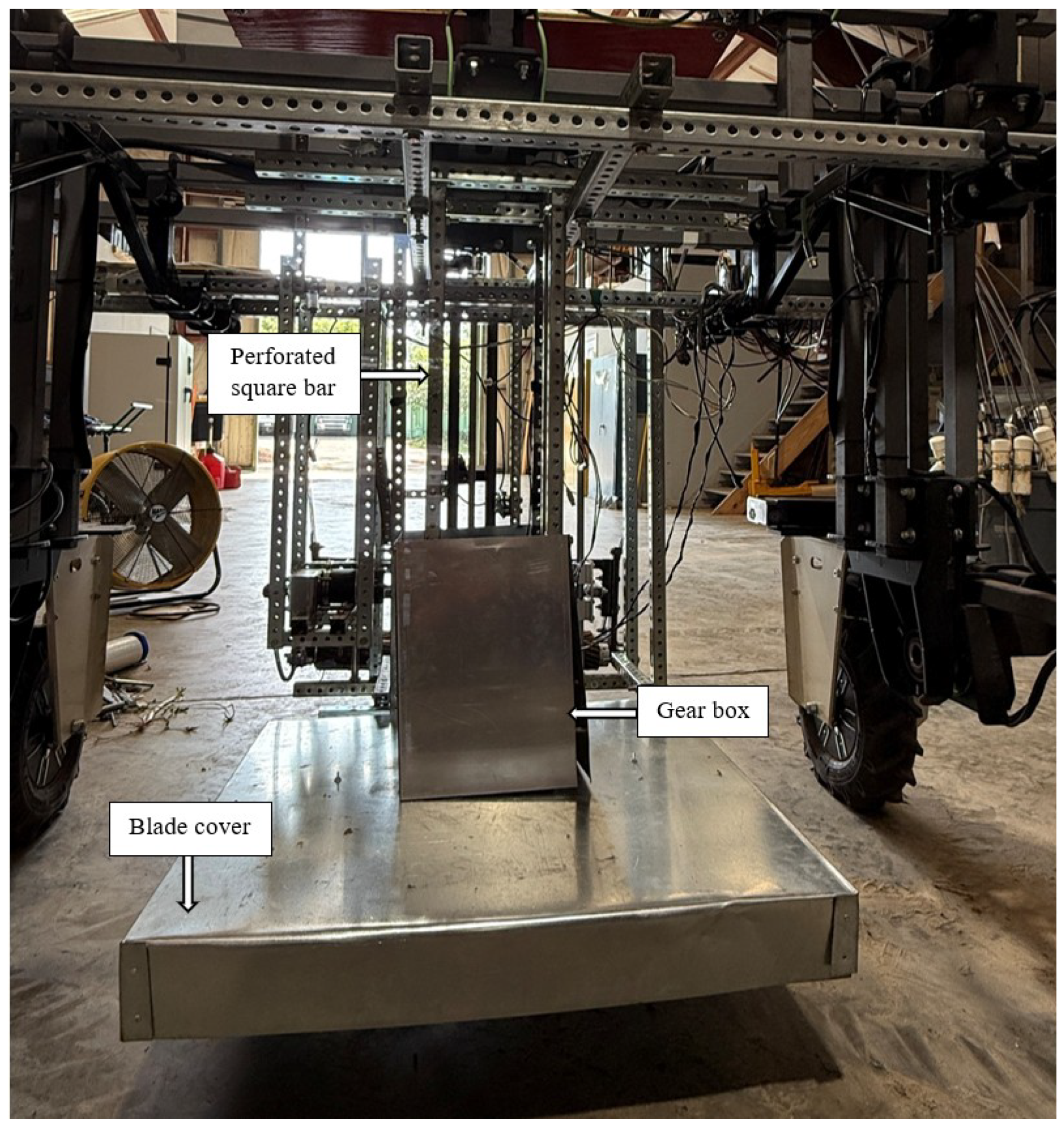
The primary purpose of the cutting system (
Figure 7) was to chop the weeds into smaller pieces after being uprooted by the weed puller. Moreover, it created a mulching layer on the soil, which not only accelerated the decomposition of plant material but also had the potential to suppress weed regrowth.
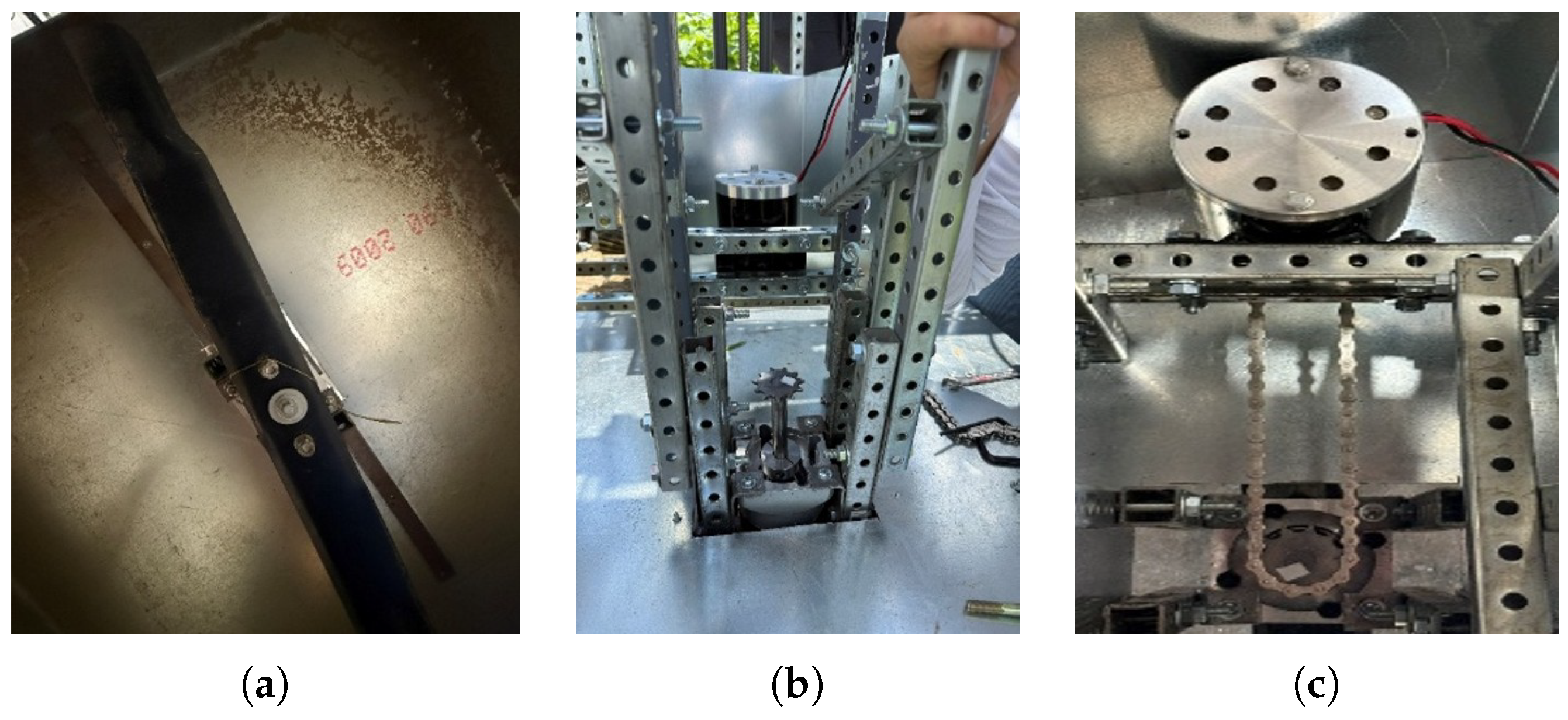
The cutting mechanism consisted of a 76.2 cm cutting blade (
Figure 8a) directly coupled with the output shaft of a planetary gearbox (StepperOnline, Changzhou, China; model EG34-G10) (
Figure 8c). The gearbox had a gear ratio of 10:1 (Equation (
1)) and a flange diameter of 8.6 cm. It is suitable for compact, high-torque applications and was used for speed reduction and torque amplification. A 1.5 cm diameter high-speed steel shaft was utilized to connect the 11-tooth sprocket with the input side of the planetary gearbox. The sprocket was attached directly to the shaft with aluminum welding (
Figure 8b).
A DC Motor (AmpFlow Inc., Hudson, MA, USA; model G43-500-M) drove the entire cutting system. It is a brushed motor rated for 24 V–72 V input. It operates at a peak efficiency of 82% at 300 W and provides a speed of 3200 RPM, 0.45 N·m of torque, and draws approximately 9 A. The sprocket was connected to the motor using a single-speed bicycle chain with a 1.3 cm pitch and a 1.3 cm roller diameter (
Figure 8c). The entire cutting assembly was constructed using 3.2 cm square steel bars and covered with a thin 18-gauge sheet metal for safety (
Figure 7). The blade cover also served to prevent cut material from being thrown to the sides, ensuring safe discharge and protecting the operator during field use. The entire cutting assembly was mounted on the Amiga rover using 3.2 cm square bars to ensure a robust connection during field operations.
2.6. Computer Vision System
2.6.1. Purpose
The primary purpose of computer vision was to detect Palmer amaranth in the field in real-time, to guide the automatic height adjustment of the weed puller. Weed growth differs due to natural adaptations, as weeds emerge throughout the season [
35]. Weed vegetative and fruiting development is highly variable, necessitating the development of an automatic height adjustment system for the weed puller.
2.6.2. Main Components
Weed Detection Model
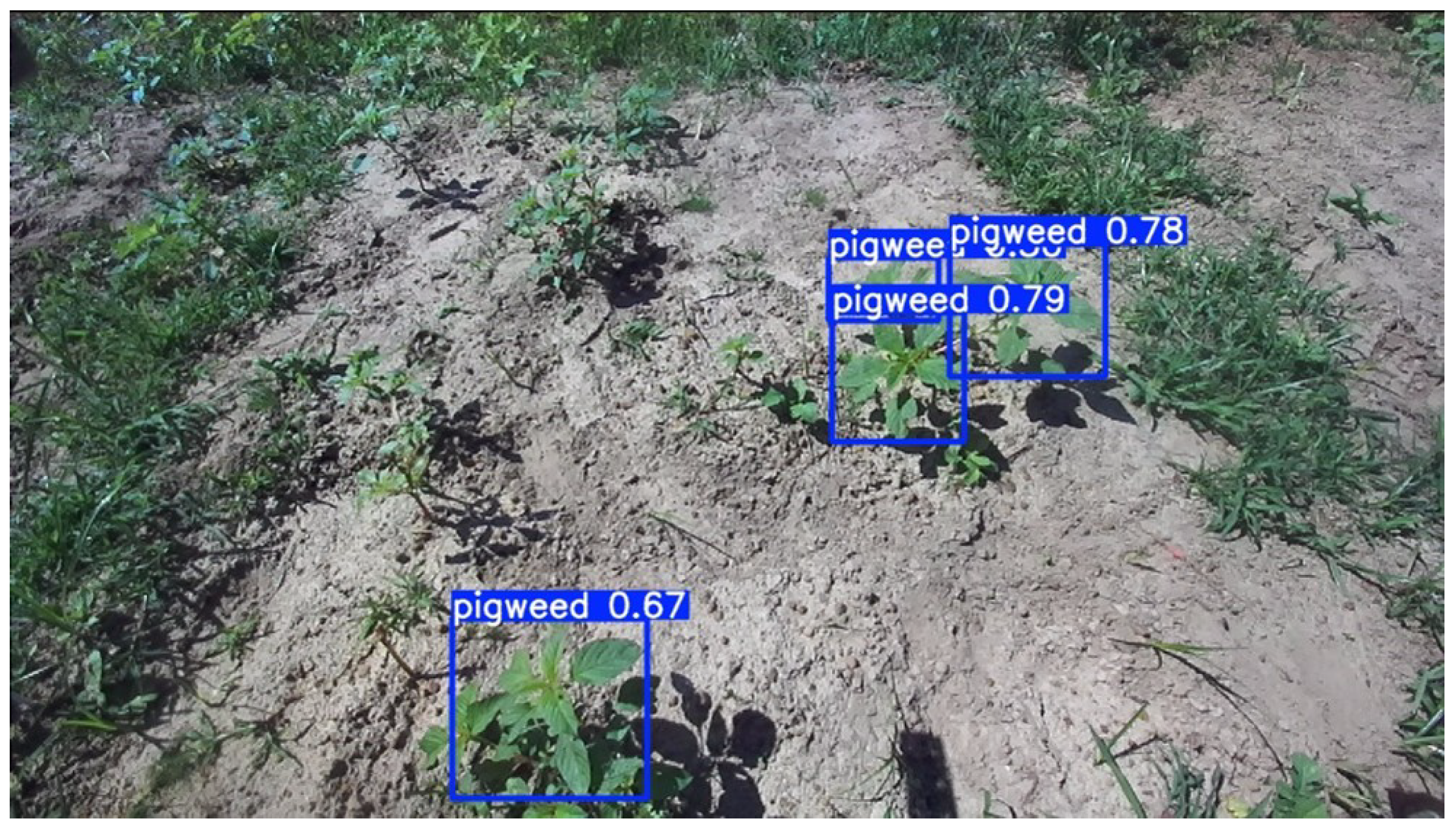
YOLOv11s was used for weed detection in the field. YOLO (You Only Look Once) is a single-stage object detection model that provides high-speed performance for real-time Palmer amaranth detection. The model was trained on a dataset of 2000 Palmer amaranth images collected using an iPhone 16 Pro (Apple Inc., Cupertino, CA, USA) and a ZED 2i stereo camera (Stereolabs Inc., San Francisco, CA, USA) at the University of Georgia Ponder Farm in Tifton, GA (31.50911° N, 83.64813° W). The dataset was then diversified to include Palmer amaranth images of different growth stages (7.6 to 46 cm in height), enabling the development of a robust detection model. The embedded computer NVIDIA Jetson Orion AGX facilitated the deployment of a detection model for Palmer amaranth identification. The images were annotated using CVAT software (version 2.40.0 (
https://www.cvat.ai/). A total of 70% (1400) labeled images were used for training, 20% (400) for validation, and the remaining 10% (200) for testing to evaluate the final performance metrics. The model detected Palmer amaranth and generated bounding boxes (
Figure 9).
The model performance was evaluated using precision (0.62), recall (0.56), and F1 score (0.588). The system achieved an inference speed of approximately 120 FPS at an input resolution of 640 × 640 pixels.
Palmer Amaranth Height Estimation
The computer vision system used a ZED 2i stereo camera (
www.stereolabs.com). The camera was mounted on the Amega rover at a height of 71 cm from the ground and at an angle of
, facing downwards. The stereo camera captured RGB images with a resolution of 1270 × 650 pixels. The ZED 2i stereo camera can record point cloud data, providing three-dimensional coordinates
for every pixel. The weed height was determined by combining the 3D coordinates of the detected weed tip (from the point cloud) with the known distance between the camera and the ground. The RGB image and depth data were processed by the embedded computer NVIDIA Jetson Orion AGX.
The camera was tilted at an angle of
(
) about the x-axis; therefore, a rotational matrix
was utilized to find the perpendicular distances using Equation (
2):
Calibration of the Computer Vision System
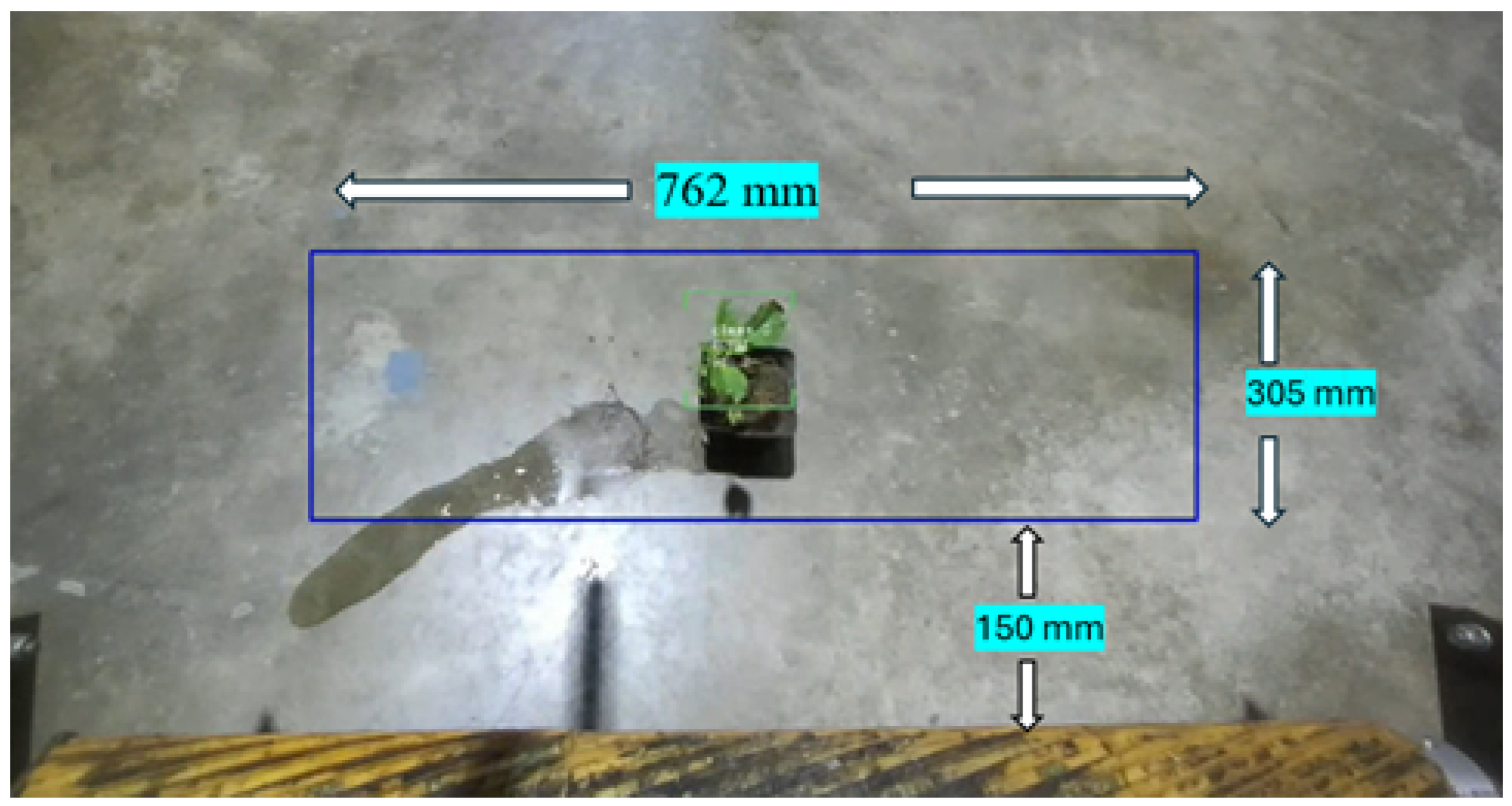
The calibration of the computer vision system was required to accurately measure the height of Palmer amaranth. The algorithm was trained to use the centroid of the detected bounding box of the weed within the masking rectangle as the target height. Furthermore, the system calculated the distance between the centroid and the camera. Since the camera height from the ground was already known, the difference between this height and the detected distance provided the actual weed height. The image contained both targeted and untargeted weeds in the frame. The system was primarily developed for inter-row weeds, but it was also capturing images of cotton and intra-row weeds. Therefore, to focus only on weeds between the crop row, a frame masking rectangle with corner 1 image coordinates (380, 300) and corner 2 (1040, 500) was created, which detected the Palmer amaranth within a 305 by 762 mm window, 150 mm ahead of the weed puller, as shown in
Figure 10. The masking rectangle limits the camera’s vision in the field. The rover was updating a new target height after forward movement of 25 mm, and the robotic arm was able to actuate after a forward movement of 280 mm. The width of the rectangular masking rectangle was 305 mm, allowing a 25 mm overlap to provide enough time for the robotic arm to adjust its height for the next weed.
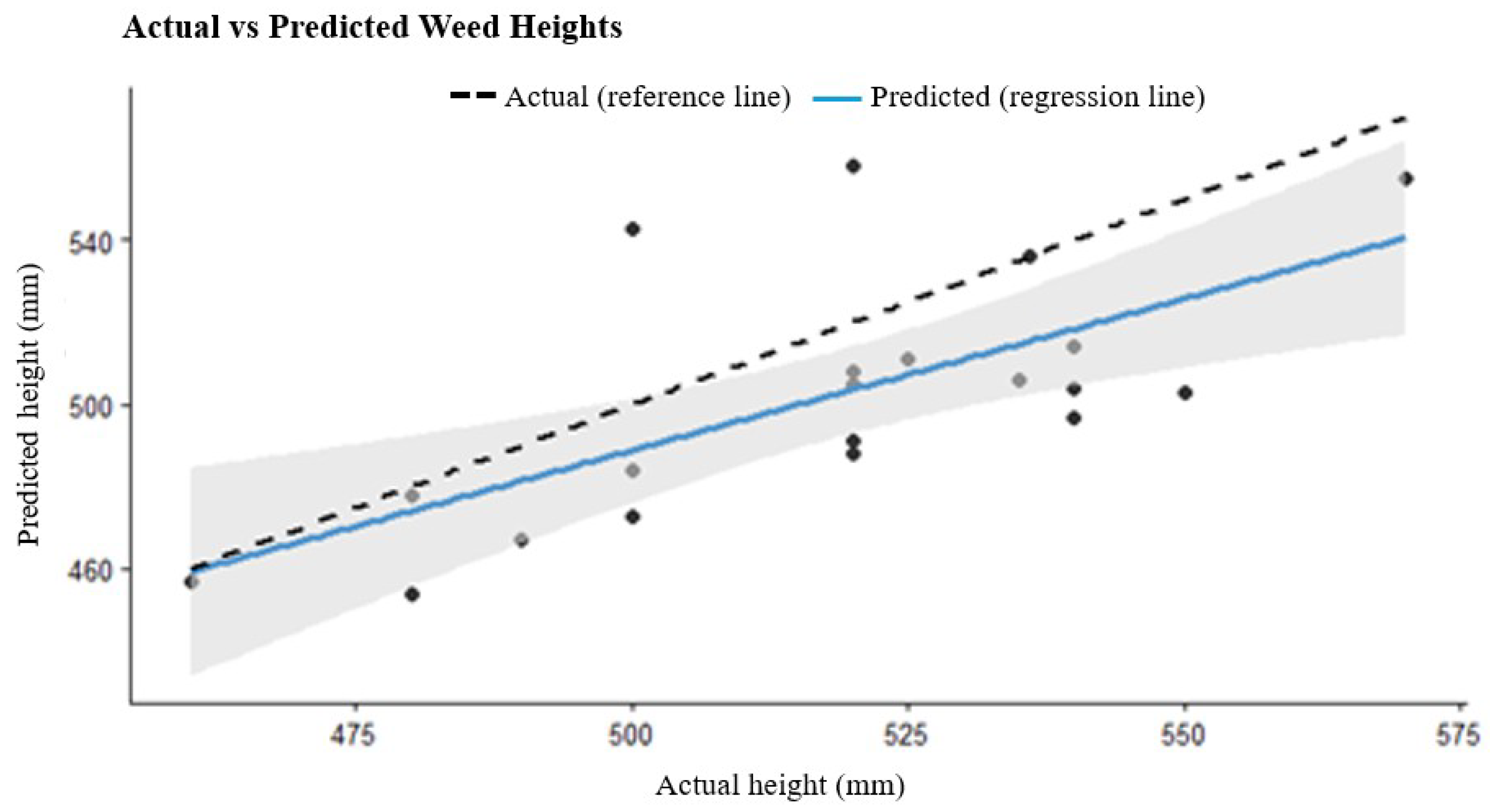
An experiment was conducted to test the performance of the computer vision system. The weed height was manually calculated using a measuring tape and compared with the weed height predicted by the computer vision system.
The scatter plot (
Figure 11) compared the model prediction to the actual height. The algorithm estimated weed height with a mean absolute error of 23.8 mm, indicating reasonable accuracy for the task.
2.7. Actuation System
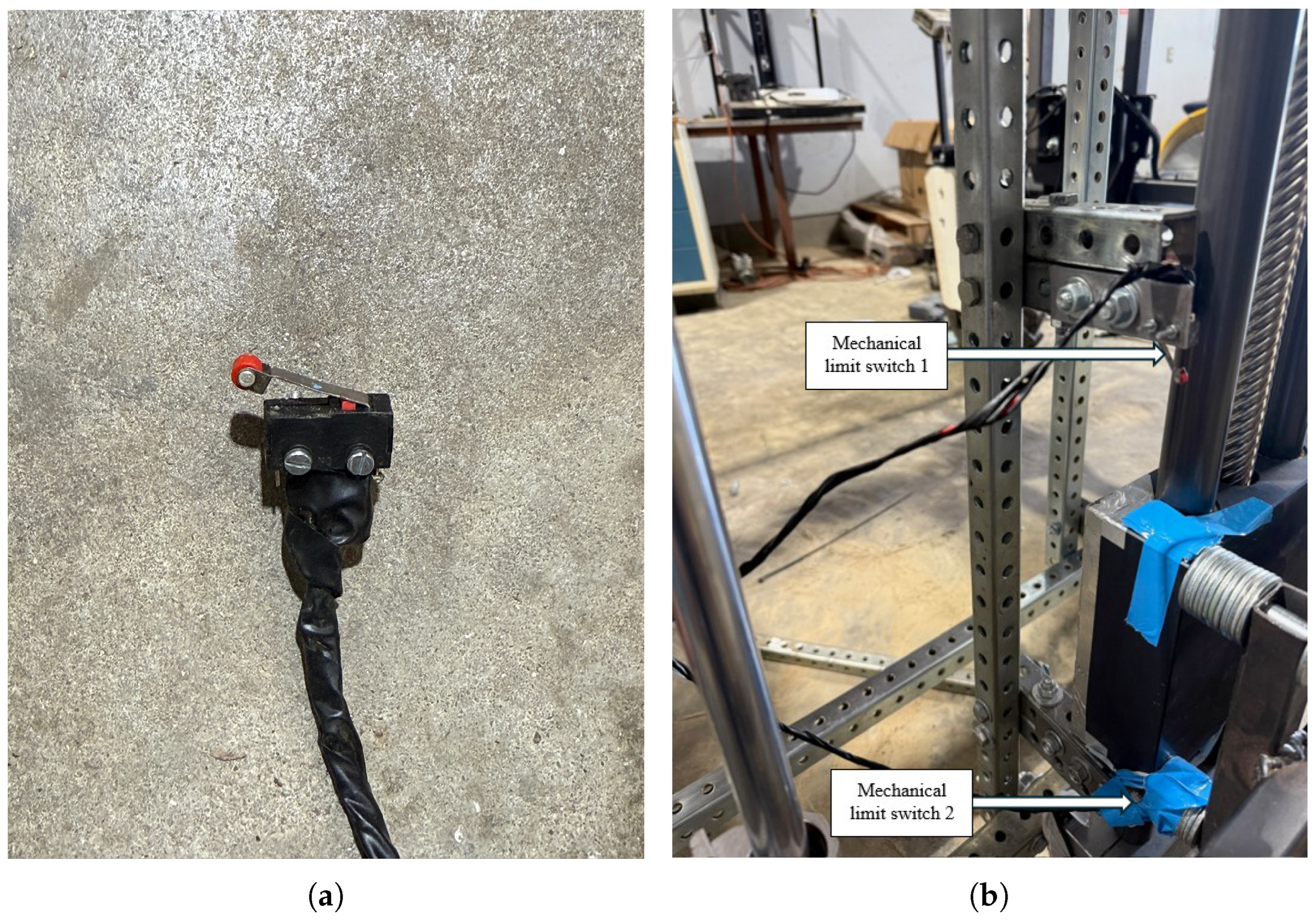
The actuation system adjusted the weed puller’s vertical height to match the height of Palmer amaranth plants detected by the computer vision system. An ESP32 microcontroller (HiLetgo, Shenzhen, China; ESP32-WROOM-32U) was used to control this subsystem. The microcontroller received the target height from the computer vision system via CANbus (Controller Area Network Bus) to move the robotic arm up or down. The weed puller was mounted on the linear rail, powered by a brushless DC motor (Igus, Inc., Rumford, RI, USA; MOT-EC-86-C-H-A), which controlled its vertical movement. The motor consisted of built-in Hall effect sensors that provided output shaft position feedback. This feedback helped to keep track of the current position of the robotic arm. The motor was driven by a motor driver (Digikey Electronics, Thief River Falls, MN, USA; MOT- BL-DRV-750, 12-50VDC, 25 A, 48 V). The motor driver received pulse width modulation (PWM) values from the PID (Proportional–Integral–Derivative) controller mechanism implemented in the ESP32, to change height and direction accordingly. The two mechanical limit switches (HiLetgo, Shenzhen, China; model KW12-3) (
Figure 12a) were also used to limit the vertical motion (
Figure 12b) and to initialize the robotic arm position.
The actuation system was calibrated manually by moving the robotic arm up and down to a specific distance, during which the corresponding number of encoder pulses recorded by the ESP32 microcontroller was also noted. This procedure was repeated multiple times to ensure consistency and accuracy. Thereafter, by averaging these values, it was determined that approximately 4 pulses were required to move the arm by 1 mm in either upward or downward direction. This calibration factor (4 pulses/mm) was then used by the PID control algorithm to determine the number of pulses the motor drivers needed to rotate the motor and move the robotic arm to reach the targeted weed height predicted by the computer vision system.
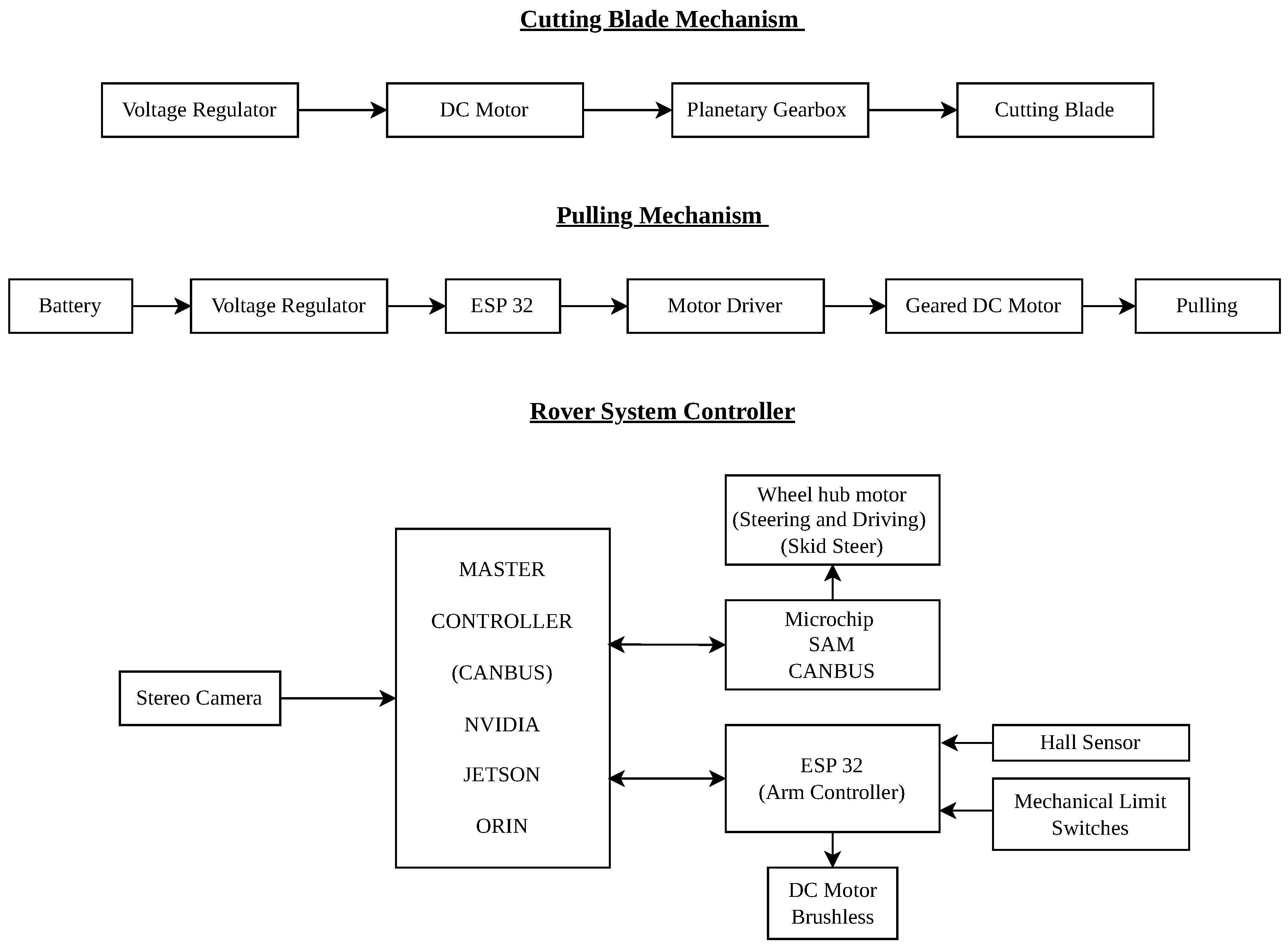
The rover has three main controllers (
Figure 13) responsible for the overall coordination of the sensors and actuators. The controller included the cutting blade, puller, and a master control to coordinate all the robotic activities. The cutting blade and puller motor were manually activated and deactivated using a switch. The central processing unit of the system was an NVIDIA Jetson Orin AGX embedded computer (a 12-core ARM Cortex-A78AE v8.2 64-bit CPU, 64 GB LPDDRS RAM, and a 2048-core NVIDIA Ampere GPU with 64 tensor cores). This unit provided the required computational power for deploying an AI-driven robotic system.
The embedded computer performed multiple tasks, including acquiring and processing data (RGB images and point clouds) from the stereo camera, deploying deep learning detection models, and controlling the ESP32 microcontroller, which is attached to the sensors and actuators. The computer system communicated with other robotic systems using the CANbus.
2.8. The Overall Algorithm of Robotic Weed Pulling
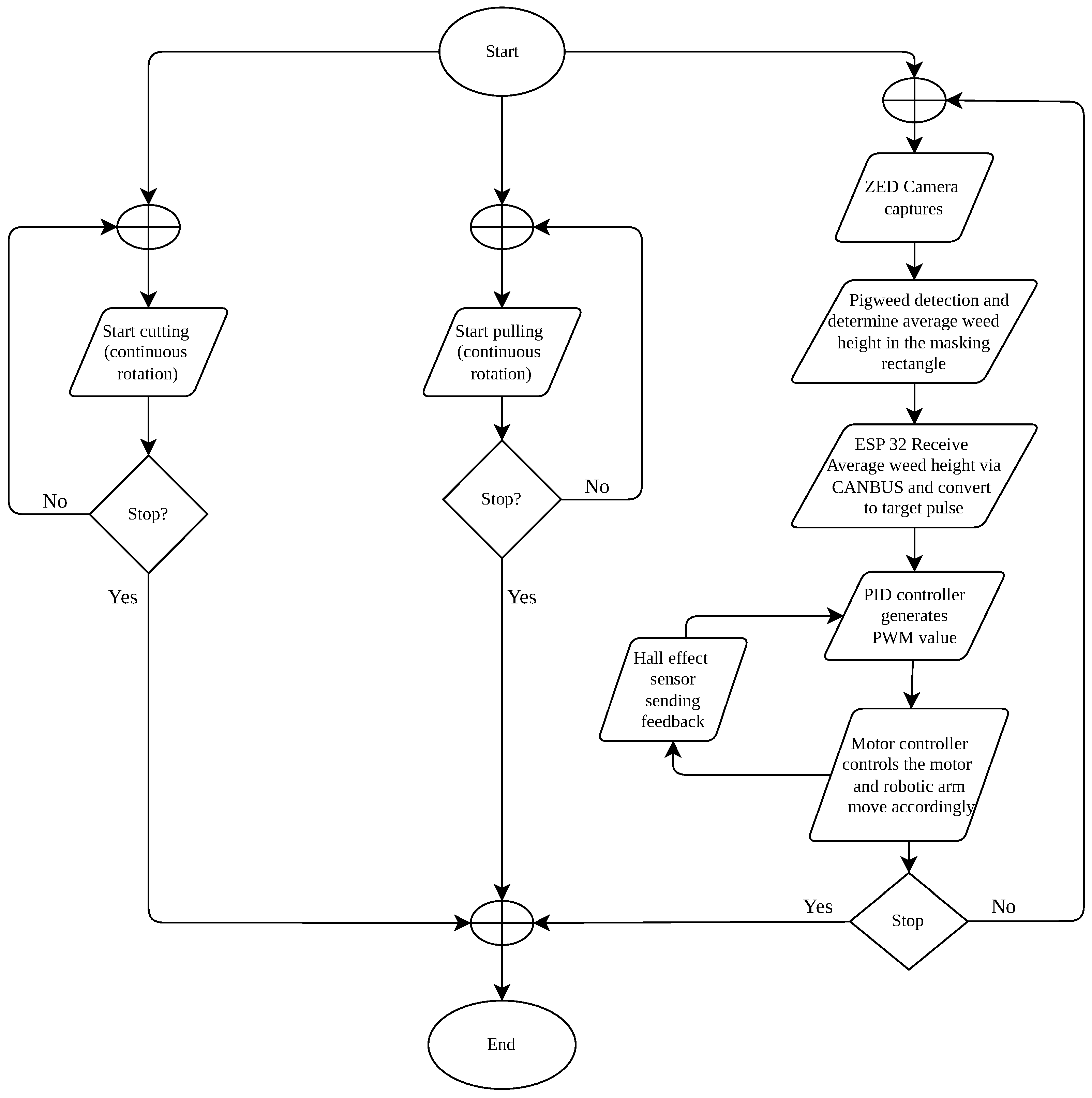
The overall automatic robotic weed pulling and cutting mechanism is depicted in the flowchart (
Figure 14). The entire process begins with manual initialization, which was performed using switches on the rover. Three switches on the rover controlled pulling, cutting, and the computer vision mechanism. Closing, the switches activate both cutting and pulling mechanisms, and the operation runs continuously until it is manually turned off. In the meantime, the computer vision system and actuation system run in parallel.
A ZED 2i camera was mounted on the Amiga frame, continuously capturing RGB images of size 1280 × 720 pixels at 15 FPS, as well as depth information using point cloud data. A trained deep learning model, the YOLOv11s model, performed weed detection in the predefined masking rectangle in each frame. The width and length of the masking rectangle was 76.2 and 30.5 cm, respectively, with an offset of 15 cm from the frame. After the weed detection, the centroidal height is calculated from the bounding boxes to extract the average weed height within the masking rectangle. The average height or targeted height data was transmitted to the ESP32 microcontroller via the CAN bus. The microcontroller received the height and converted it into motor pulses for vertical movement. At the start of the process, the robotic arm moves upward to hit the upper limit switch to initialize its position. Afterward, the arm was considered zeroed, and from this moment, the Hall effect sensors embedded in the motor, tracked the position of the arm. The PID controller in the ESP32 received pulse data from the CAN bus and feedback from the Hall effect sensor to estimate the robotic arm’s current position. It then compared the current position with the target position. Thereafter, the controller generated Pulse Width Modulation (PWM) values according to the target height for the vertical movement motor drivers. The motor drivers control the voltage to the motor according to PWM values. There was also a lower limit switch that prevented the arm from overelongating.
The robotic arm adjusted itself according to the average height of the weeds with an offset of 2 cm from the tip and pulled the weed with roots. The uprooted weeds were then followed by a cutter, which chopped the weeds into smaller pieces and created a mulch layer to inhibit weed regrowth.
The entire series of detection, actuation, pulling, and cutting repeated itself while the rover was moving until the system was manually turned off.
2.9. Experimental Setup
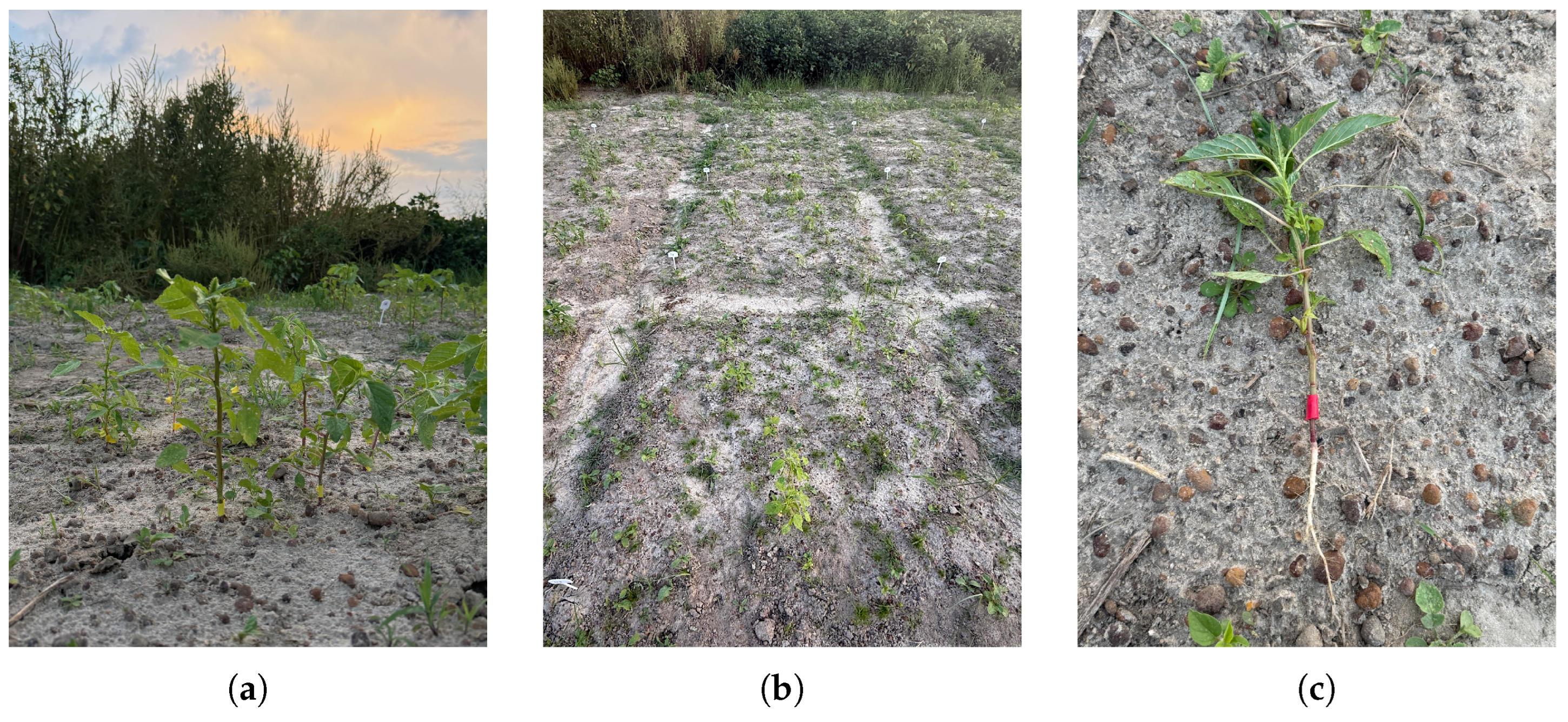
Field experiments were conducted in summer 2025 at the Ponder Research farm in Ty, Ty, GA (31.507° N, 83.657° W; elevation, 109 m). The soil at the experiment site was loamy sand. The field was divided into 45 plots arranged in a randomized complete block design (RCBD). The individual plots measured 1.82 × 1.82 m and were established on a raised bed (
Figure 15a). Soil moisture and soil hardness were also measured in each plot, and the average values were calculated for each parameter. Palmer amaranth present in the plots was manually tagged using tape (
Figure 15b) to facilitate identification (
Figure 15c) and counting during data collection.
The experiment consisted of three main treatment categories: cutter-only, puller-only, and combined puller-cutter treatments (
Table 1). The cutter-only treatment included three rover forward speeds (F1, F2, F3) of 0.06 m/s, 0.15 m/s, and 0.25 m/s, respectively. The puller-only treatment included six combinations consisting of three forward speeds of rover and two rotational speeds of puller (P1, P2). P1 represents the puller speed when the DC motor was operating at 75% capacity (approximately 161 RPM), and P2 is the puller speed when the motor was running at 50% capacity (107 RPM). The puller was operated at a constant angle of 58.5°. Weeds were counted one week after treatment, and the pulling efficiency of the robotic system was calculated using Equation (
3):
This method provided a precise comparison of weed-pulling efficiency across different treatments.
2.10. Data Analysis
Data from 15 treatments were analyzed using R statistical software v 4.4.1 (R Foundation for Statistical Computing, Vienna, Austria). The response variable was the percentage of weeds pulled. Model assumptions, including normality and homogeneity of variance, were tested using Q-Q and residual vs. fitted plots, respectively. Analysis of variance was conducted after the model assumptions were met. Thereafter, a pairwise comparison of means was conducted using Tukey’s Honest Significant Difference (HSD) test at the 5% level to determine statistical differences among treatments. The treatments were followed by a letter separation, and the ones that shared a common letter were not statistically distinct. Finally, a box plot showing weed-pulling efficiency across 15 treatments was generated using the ggplot2 package in R version 4.5.0.
3. Results and Discussion
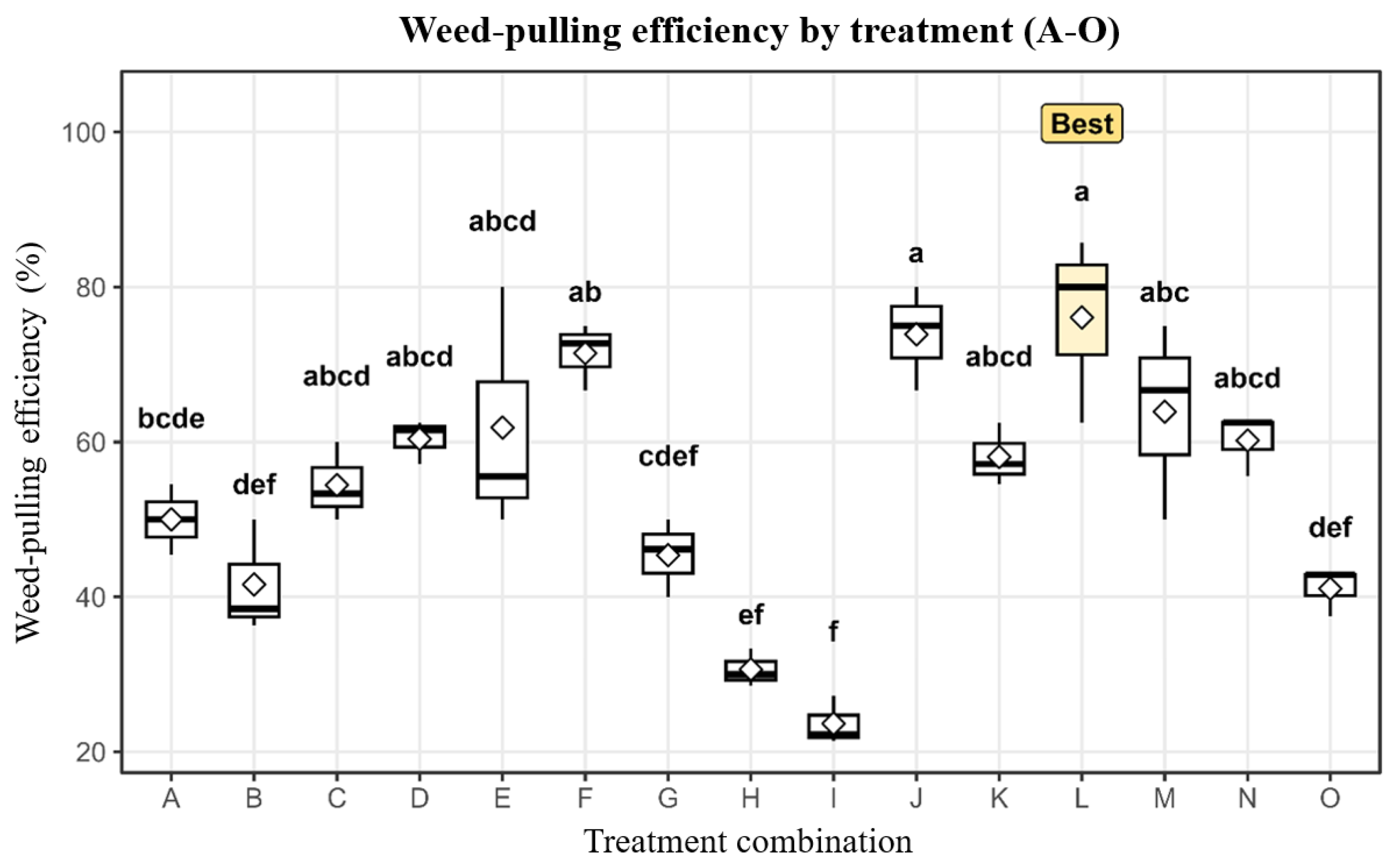
The mean weed-pulling efficiency among 15 treatment combinations varied from 23 to 83% (
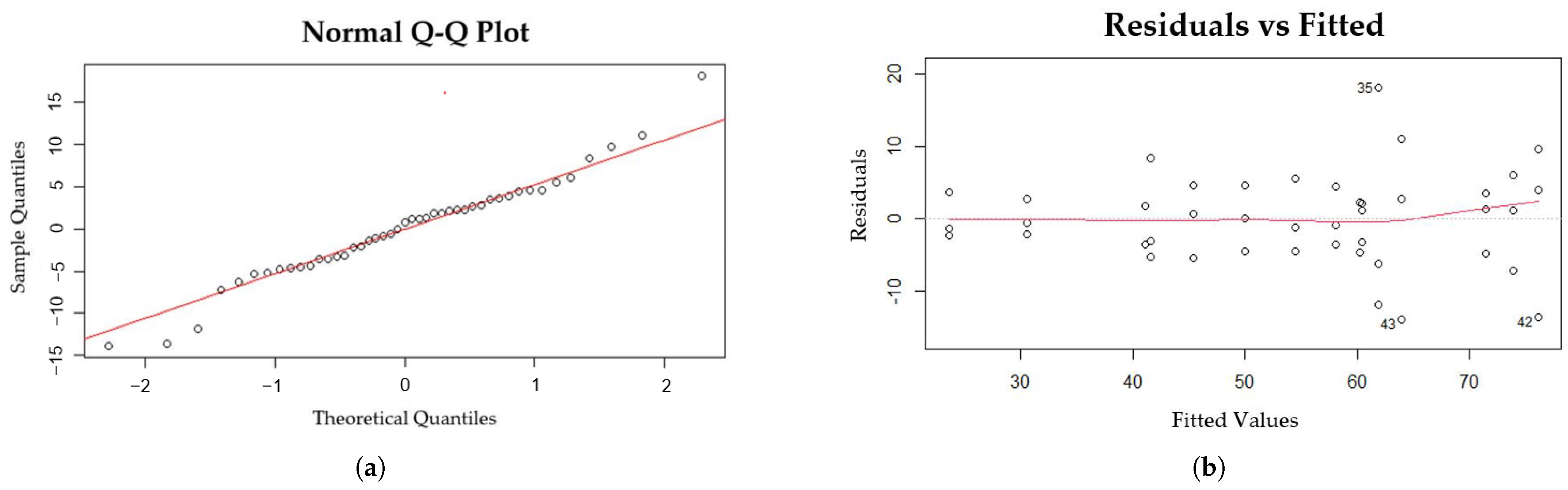
Figure 16). Treatment L (puller + cutter) showcased the highest mean pulling efficiency of 80%, although it was not statistically significant from other high-performing treatments. Treatments J and F also performed well, with average efficiencies of approximately 75% and 73%, respectively, and belonged to the same statistical group as Treatment L. Moderate efficiencies were observed in treatments A, C, E, and K, with average weed-pulling effectiveness ranging from 50% to 60%. Treatments B, G, O, H, and I achieved efficiencies below 50%, with Treatments H and I being the lowest, at 30% and 22.5%, pulling efficiency, respectively. The analysis of variance (ANOVA) revealed a significant difference among treatments. The Q-Q plot of residuals (
Figure 17a) showed that the residuals were approximately normally distributed, with only minor deviations at the tail end, which are acceptable in field test experiments. This observation was further supported by the Shapiro–Wilk test (W = 0.978,
p = 0.3082), confirming the normality of the residuals.
The residual vs. fitted values plot (
Figure 17b) showed randomly scattered points around the zero line, with no discernible pattern, indicating constant variance and confirming that the assumption of homogeneity of variance was satisfied.
The results showed that puller + cutter treatments consistently outperformed individual puller and cutter treatments. Treatment L (F2, P1) achieved 80% efficiency at a forward speed of 0.15 m/s and a roller speed of 161 RPM, providing an optimal balance between puller torque and contact time while minimizing slippage. Treatment J (F1, P1) achieved approximately 76% efficiency, indicating that higher puller speed improves weed removal under lower forward speed considerations. In contrast, the treatment with F1 and P2 (107 RPM) achieved approximately 60% efficiency, demonstrating reduced performance at lower puller speeds. Similarly, the treatment with F2 and P2 achieved about 70% efficiency, suggesting that moderate forward speed can partially compensate for reduced puller speed. The forward speed F3 (0.25 m/s) consistently resulted in lower efficiencies across, particularly in puller-only configurations, due to reduced contact time and increased slippage between the weed and the roller. The cutter-only treatment consistently performed below 50% efficiency, confirming that the cutter alone is insufficient for Palmer amaranth management. The reduced efficiency was mainly due to the cutter’s inability to remove the weed from the soil, as it was designed to chop the weed vegetation above the ground, leaving the root system in the soil, which promotes plant regrowth. Moreover, these results are consistent with previous findings showing that mowing alone does not effectively kill Palmer amaranth, as the weed can continue to grow [
36]. Therefore, mowing should be coupled with pulling to improve system efficiency.
The robotic weeder performed best when the puller RPM was 15 to 25 times the forward speed. Lower ratios reduced pulling force, while higher ratios increased slip-page.
No experiments were conducted to evaluate the effects of soil moisture and soil hardness, as the data were collected on a single day. The average soil moisture content and soil hardness during testing were 20% and 0.13 MPa, respectively.