


Highlights
What are the main findings?
- This paper provides an extensive systematic review of IoT and edge computing technology for monitoring, controlling, and integrating renewable energy systems in smart cities.
- An integrated analytical model is proposed to enable the evaluation of monitoring, controlling, and integrating different domains in solar energy systems, wind energy systems, and hybrid energy systems.
- The trade-offs in architectural design among edge computing, cloud computing, and hybrid computing are critically discussed in terms of latency, scalability, and energy efficiency.
- An overview of different hardware platforms, communication protocols, and layers in processing is provided to enable better system design.
- Open issues in scalability are identified as future research directions.
What are the implications of the main findings?
- The designed architectural and technological understanding through synthesis offers a useful technological platform for developers of resilient, low-cost, and scalable renewable energy management systems based on IoT for smart city and smart grid setups.
- For policymakers and urban energy managers, the results give insights into the role of IoT-based monitoring and control in improving the reliability of the grid, lowering operating costs, and integrating renewable energy sources into the development of a smart city.
- This review also reveals that architecture choices have operational trade-offs with regard to latency, scalability, security, interoperability, and energy costs and that edge computing is especially important for time-critical renewable energy systems in smart cities.
Abstract
The growing environmental crisis and rapid urbanization have made the shift to renewable energy systems even more important for smart city development. In today’s cities, such renewable energy sources as solar photovoltaics, wind energy, hybrid systems, and battery energy storage are no longer just separate assets. They are now important parts of smart grids, intelligent buildings, and urban infrastructure that work together. However, putting these systems in cities on a large scale makes it harder to monitor, control, integrate, scale, and work with them in real time. In this setting, the Internet of Things (IoT) and edge computing are technologies that make it possible to turn traditional renewable energy systems into smart, responsive, and self-sufficient urban energy systems. IoT-based monitoring and control systems let city operators, utilities, and policymakers gather real-time data, improve grid stability, optimize energy flows, and better integrate distributed renewable energy sources into smart city ecosystems. Edge computing makes these features even better by allowing for low-latency processing, more localized decision-making, and less reliance on centralized cloud infrastructures. This paper offers a thorough and methodical examination of contemporary IoT- and edge-enabled technologies used to monitor, control, and integrate renewable energy systems; specifically highlighting their significance in smart city and smart grid applications. The review combines the most recent research on hardware platforms, communication protocols, data processing architectures, and edge–cloud coordination mechanisms used in solar, wind, and hybrid energy systems. Additionally, this review synthesizes architectural design principles extracted from analyzed studies to guide the development of scalable, resilient, and cost-efficient renewable energy monitoring systems. This study offers a structured foundation for the design of scalable, resilient, and cost-effective renewable energy management systems that align with the sustainability, efficiency, and intelligence goals of future smart cities by analyzing cutting-edge solutions and pinpointing significant technological trends, challenges, and research deficiencies. This review also highlights its contribution vis-à-vis previous surveys by stressing the inter-domain comparison across solar, wind, and hybrid systems. It focuses, in particular, on edge–cloud coordination and architecture-level trade-offs pertinent to smart grid and smart city deployments.
1. Introduction
The Internet of Things (IoT), edge computing, and renewable energy systems are increasingly being integrated. This has led to a greater convergence of smart grid and smart city infrastructures. This has created a need to provide situational awareness and decision-making capabilities across heterogeneous renewable energy systems, such as solar, wind, hybrid microgrid, and battery storage systems, to name just a few [1,2].
However, the monitoring and control of large-scale renewable energy systems has been a challenge. There has been a constant mention of problems associated with heterogeneous systems, communication, interoperability, cybersecurity, and the need for cloud connectivity while making time-critical decisions, as mentioned in the literature [3,4,5]. This has become even more critical when these systems are integrated with smart buildings, microgrids, electric vehicles, etc.
Several prior surveys have already addressed IoT in the context of sustainable energy in general or, in particular, renewable energy domains. However, the literature lacks a unified treatment of the following three aspects, which are highly interrelated and of prime importance for the context of smart cities: monitoring, controlling, and integrating multiple renewable domains, along with the direct treatment of the role of edge computing and architecture-related trade-offs.
Therefore, the goal of this review is not merely to catalog past implementations, but rather to distill the construction of renewable monitoring architectures, the technical trade-offs involved, and the areas in which the field still lacks well-developed solutions. In the context of this paper, the term “monitoring” shall be understood to mean the collection and presentation of operational and environmental information, “control” such actions as switching, set-point adjustment, fault response, and/or energy flow management, and “integration” the technical interconnection of renewable resources with storage, microgrids, utilities, and other urban-scale energy platforms.
The main contribution of this paper can be outlined as follows: First, this paper introduces an organized comparison of the previous surveys, which helps to understand the specificity of the current review. Second, this paper uses the PRISMA approach to structure the evidence base, which helps to extract comparable technical variables. Third, this paper uses the architecture patterns for sensing, communication, edge computing, and cloud computing layers, focusing on the key characteristics of low latency, scalability, security, and interoperability. Fourth, this paper uses the results to suggest the design for renewable energy systems in smart grid/smart city contexts.
Regarding the Internet of Things (IoT), this phrase “Internet of Things” was primary created in the 1990s [6]. The main work was done by Kevin Ashton, an innovator in the area of IoT. He co-founded the Auto-ID Laboratory at MIT. He came up with the term IoT to explain [7,8] a technology that connects the Internet to the actual world through sensors. Foundational IoT conceptual definitions are discussed in [7,9], early enabling technologies are analyzed in [10,11], and practical sensor-based implementations are presented in [12], also including RFID (radio-frequency identification) [13,14,15]. The cited literature can be categorized into the following: (i) the modeling of IoT systems and the characterization of platforms/architectures [16]; (ii) enabling technologies with a focus on security/privacy viewpoints [13]; (iii) applications of IoT in renewable energy setups (such as monitoring/MPPT and hybrid-supported systems) [11,12]; and (iv) improvements in integrity and data management, including the blockchain-based aggregation of IoT metadata.
The architecture of an IoT device consists of four main layers: first, the Perception or Sensing Layer which focuses on detecting external phenomena using various sensors, such as RFID, motion, position, and environmental sensors. General sensor-layer architectural discussions are presented in [17,18], while practical sensing implementations and environmental monitoring applications are detailed in [19,20,21]. Second, the transport layer, often known as the network layer, lets devices talk to each other via such technologies as IPv6, ZigBee, Bluetooth, and more. It may include such network devices as gateways and edge computing to ensure communication security [17,22]. Third, the Data Processing Layer, which acts as the core data processing unit. This tier maintains, investigates, and organizes enormous quantities of data gathered by the sensors. It utilizes such technologies as databases, cloud computing, and various communication protocols. This study classifies IoT middleware platforms into publicly traded companies, open source, developer-friendly, and end-to-end connectivity [23,24]. The general middleware architecture framework is discussed in [17], while energy-oriented IoT platforms are presented in [3,25]. Protocol-level and scalable CPS/IoT architectures are discussed in [4,26]. Finally, the application layer implements and delivers the results of the data processing to achieve various IoT device applications [7,11,18,27]. Overall, the IoT device architecture involves the seamless integration of these layers to enable effective data sensing, communication, processing, and application functionality [17].
The cited literature can be divided into concise themes: general IoT architecture descriptions and layering concepts are discussed in [28,29,30], with additional structural perspectives provided in [31]; application-focused architectures for smart environments/cities [32,33,34]; implementation and comparison topics related to IoT ecosystems/platforms/protocols [35,36]; IoT security/privacy risks and attack modeling are examined in [5,37], while intrusion detection and mitigation approaches are further analyzed in [38,39], and complementary security evaluations are reported in [40]; lightweight security solutions and secure data acquisition architecture concepts [41,42,43]; and system-level empirical observations that impact adoption [44].
Additional analysis: These references are grouped into small clusters of related work—general IoT protocol/application descriptions [17], energy-focused IoT middleware platform views [25], messaging/communication protocol analysis and surveys [3,4], and layered architecture designs for scalable real-time learning in CPS/IoT systems [26].
The history and timeline of the IoT are based on four industrial revolutions [1]. IoT links devices together using the Internet [45]. IoT assists in carrying out tasks that humans are unable to execute in a variety of settings, including dangerous deep mines, industrial applications, wellbeing checking frameworks, and many more [46]. Smart homes, smart cities, smart transportation, pollution control, surveillance systems, social support networks, renewable energy utilization, violence detection, energy efficiency and so forth are some examples of these industries [1,47]. In the energy field, IoT could help make electricity systems smarter and more efficient [2,46]. IoT technology has the ability to improve the responsiveness and adaptability of the smart assets linked to the grid, as well as the system operator’s ability to see these assets [48]. New inventions include thermostats that save energy by changing the temperature based on whether someone is at home or not, refrigerators that order more food when supplies are low, and sensors on machinery parts that collect data to prevent expensive breakdowns by giving advance notice for maintenance. In simple words, IoT changes regular objects into smart devices. IoT will change almost every industry.
Two decades ago, the environmental crisis resulted in an unprecedented universal shift toward renewable energy, also known as green energy or sustainable energy. This global shift to a more sustainable energy source is well described in foundational energy transition research [10,49], and supporting research on renewable energy adoption and environmental need is discussed in [50,51]. Renewable energy is widely recognized as a sustainable solution for future energy systems, as documented in foundational transition studies [49] and complementary environmental analyses [50,51]. Renewable energy is defined as energy derived from naturally happening, recurring, and permanent energy streams in the surrounding environment. This energy is already flowing through the environment as a current or flow, regardless of the existence of a device to capture and utilize it. It is considered a major resource on a global scale, providing fuel, power, and heat from the smallest to the largest needs, such as natural heat from geothermal sources, breezes and sunlight (plant crops), rivers (hydropower), ocean waves, tides, and power from solar radiation The fundamental classifications of renewable energy sources are presented in [52,53], monitoring and smart integration implementations are discussed in [54,55], policy and transition aspects are analyzed in [56,57], environmental and sustainability issues are examined in [58,59], and applied implementation case studies are presented in [60,61]. Solar energy is the most efficient source of environmental energy, supplying the majority of energy with extremely high efficiency. Solar or photovoltaic cells are used to gather sunlight [62,63] and are constructed of silicon (a semiconductor material). This method turns sunlight directly into useful electricity [63]. These can, in turn, be considered in small, similar reference groups: IoT/SCADA and smart-grid-type monitoring and management of renewable energy systems are examined in [54,55,64], with complementary implementation analyses provided in [65,66]; primary renewable energy resources and textbooks containing background definitions are provided in [52,53]; wider stories, economics, and policy/public opinion discourse on renewable energy transitions are discussed in [39,56,67], with additional socio-economic perspectives reported in [68]; environmental effects and technology-driven reviews (for example, biomass and solar technology developments) are analyzed in [58,59,69], with extended technology evaluations presented in [70]; and eco-friendly substitution/transition views in practical contexts are provided in [60,61].
It is important to note that these sources are not steady, random, or intermittent; rather, they are persistent and occur frequently [52]. Renewable energy systems have received considerable attention because they are often installed in remote locations. As a result, monitoring and operating these costly resources over long distances requires a reliable tracking and management system [54].
Additionally, the conventional grid will need to evolve in order to accommodate the local energy need by employing RESs. The power system plan must take into account the ways structures work together (via multiple power diagrams) [71]. This framework can be used to share system usage information with consumers and allow them to manage different technologies through an IoT-based network, including renewable power sources, smart home energy-consuming appliances, sensors, smart meters, and connected vehicles. Clean energy may be distributed and stored when novel power technology for storage, including high-capacity batteries, are paired with sources of energy that can be used again, such as solar and wind. This combination is essential for creating reliable, long-term energy systems.
IoT monitoring can also be applied to net-zero energy buildings, where real-time sensor data can be used to balance the on-site renewable energy production with the building’s energy demand. This will enable buildings to achieve net-zero energy performance throughout their entire life cycle.
On the one hand, new technologies such as IoT could help control and reduce energy consumption, and this can have numerous advantages. However, they can potentially bring about unanticipated environmental risks [72,73]. Therefore, it is imperative to comprehend the ways in which technology adoption and societal influence interact. IoT, a computing concept, allows objects connected to the Internet to form a network and become automated by sharing data and offering creative insights. IoT also plays a critical role in enabling energy load control and climate change mitigation in energy system optimization. Consequently, IoT can benefit users by giving them access to location status and real-time product usage data, as well as by facilitating decision-making through beneficial interactions. Consequently, with intelligent planning of distributed Renewable Energy Technologies (RETs) in the energy sector, IoT integration can result in several valuable co-creations. IoT and RETs together offer a fantastic platform for growing sustainable energy through a variety of innovative and productive business options in the energy sector [74].
In recent years, the smart grid and renewable energy have been two of the most prominent areas of IoT application. Over the previous few decades, the worldwide renewable energy market has grown at an exponential rate. The total capacity in the renewable energy industry, for example, has increased 24 times from (2001) to (2019), putting pressure on companies to raise their profitability and efficiency as the sector expands globally. Such a difficult position necessitates the application of new approaches and innovation for sustainable growth, which would be driven by data and sensors and, therefore, IoT, which would permit real-time analysis of IoT data. IoT technology improves the ability to construct deeper and more accurate digital models for the real world, as well as accomplish more tightly interconnected people, things, and services. The energy and utility sector is a high-potential sector to consider for IoT implementation [75].
In the next generation of power grids, sensors, actuators, and transducers will be essential for delivering real-time energy monitoring services [76]. IoT has developed into a technology that provides innovative fixes for problems within the power grid system. IoT-enabled sensors are commonly used in electrical grid schemes to transmit important data via web apps and the Internet, facilitating improved grid management. The integration of IoT and (ICTs) in SG ensures intelligent features, cost-effectiveness, and dependability with minimal human contact. Two-way communication between smart devices and components is essential in the IoT paradigm [77]; in addition, the use of 5G technology and IoT devices allows many devices to connect to the Internet quickly. This allows information to be sent and received instantly, which leads to progress in cities with advanced technology, cars that can drive themselves, medical care from a distance, and automation in industries.
The Internet of Things in sustainable energy systems is defined as the interconnection of energy elements across the entire typical grid system, service supply chains, and human capital through cutting edge technologies that can address the challenges of clean energy access in the twenty-first century and meet future needs. This paradigm is helpful for connecting diverse energy technology and creative solutions at the global level because of its potential to create next-generation energy systems. IoT for sustainable energy has enormous potential to make the current energy infrastructure resilient and sustainable. The development of innovative, safe, and highly effective energy infrastructure and technologies is critical for mitigating future energy sector vulnerabilities. By pioneering new and reliable energy systems, nations can substantially reduce the likelihood of future supply disruptions and operational challenges [78].
Using sustainable energy in the IoT is very important for making the energy supply chain more efficient [79]. However, the most important benefit of the application of IoT in sustainable energy is in the intelligent power networks, which is a major accomplishment of the 21st century [80]. The idea of having a sustainable IoT system with self-sufficient and effective control of the grid can bring many advantages in terms of energy usage and production. It can help make renewable energy more efficient, which could be achieved by constantly monitoring renewable energy generation and keeping track of the environment. This information can also be used to improve the way renewable energy is produced by connecting it to the power system to increase the amount available. This will also reduce the need for less effective, highly sought-after, harmful fossil fuel energy sources by the exploitation of small, efficient smart microgrids that have minimal loss. The important sustainability factors are explained in the following [78]:
- Generation: wind, solar, natural gas, water, renewable energy sources, and coal.
- Transmission: phasor measuring unit, and transmission SCADA systems.
- Smart meters: net-zero energy houses, green energy, and smart industry.
- Distribution: smart and microgrids, and voltage control.
- Plant control: distributed intelligence, electric cars.
- Billing: SAP, CRM, and work order management.
- Customer: markets, retail energy provider, wholesale, and service provider.
- Load: bulk, and outage management.
- ○
- Sources of Power: including wind, solar, hydropower (water), natural gas, general renewables, and coal.
- ○
- The transmission layer, utilizing such high-precision tools as phasor measuring units (PMUs) and SCADA systems for real-time network stability.
- ○
- Smart grids and microgrids to enable granular voltage control and dynamic power management.
- ○
- End-user technologies, such as smart meters, and green initiatives such as net-zero energy houses and smart industrial facilities.
- ○
- Systems supporting plant control, incorporating distributed intelligence across the network, and the integration of electric vehicle (EV) charging infrastructure.
- ○
- The core back-office functions, including billing, Customer Relationship Management (CRM), work order management, and SAP systems.
- ○
- The complex interaction between customers, wholesale markets, retail energy providers, and utility service providers.
- ○
- Reliability Management: Techniques for managing power demand (load), controlling bulk power flow, and coordinating outage management.
Although hydropower is the dominant renewable energy source globally, most of the research work on IoT-based monitoring is concentrated on solar and wind energy, as these sources are more distributed in nature and, therefore, require decentralized monitoring solutions, which are apt for IoT integration.
This state of the art is driven by several pivotal considerations, underscoring the need for a contemporaneous, thorough exploration at the confluence of IoT and renewable energy systems [81]. Furthermore, the principal aim of this state of the art is to furnish an updated perspective on how the latest developments in IoT contribute to the multifaceted domains of observation, control and integration within renewable energy systems. Given the energetic nature of the renewable energy sector, staying updated on IoT and renewable energy tech is vital for innovation, ensuring a proactive utilization of IoT in renewable energy systems [82].
The abovementioned objectives in the prevailing state of the art underscore the significance of monitoring, control, and integration, with a notable absence of comprehensive reviews dedicated to addressing these specific facets. To our knowledge, no singular review has comprehensively tackled the intricacies associated with this state of the art, thereby prompting the principal aim of this comprehensive examination [83]. This review is expressly designed to fill this gap by providing a meticulous, tailored analysis that delves into the pivotal aspects of monitoring, control, and integration. Consequently, the primary focus of this exploration into the state of the art is to furnish a nuanced analysis that centers on the integration of IoT technologies within the domain of renewable energy systems. This introduces distinctive challenges and opportunities that warrant specialized and in-depth exploration. As such, the main goal of this review is to probe deeply into these complexities, offering a thorough investigation into the intricacies of utilizing IoT technologies optimally [84]. This involves a keen examination of how IoT can contribute to effective monitoring, control, and integration within the expansive and evolving landscape of renewable energy. Through this exploration, the aim is to contribute valuable insights and knowledge that can inform and guide future developments in the intersection of IoT and renewable energy systems [85].
In the present study, several research objectives have been identified and are set out below:
- To provide an overview of the IoT architecture for renewable energy monitoring, control, and integration systems.
- To illustrate and demonstrate how IoT is best suited to assist in the monitoring, control, and integration of renewable energy systems.
- To provide a top-down analysis of the monitoring, control, and integration systems used for the use of renewable energy, along with a comprehensive overview of the currently available solutions for these systems, including a critical analysis of the strengths and weaknesses of the current solutions. A detailed explanation of various data processing modules for renewable energy monitoring systems is presented, including categories, specifications, design implementation, software platforms, and their goals.
Apart from the abovementioned contributions, the present study differentiates itself from other surveys in that it offers a complete treatment of monitoring, control, and integration within a single framework of analysis. While other surveys have focused on individual domains, this review compares architectural designs for solar, wind, and hybrid power plants, with a focus on the contribution of edge computing to achieve real-time responsiveness and scalability in smart cities.
The structure of this paper is as follows: Section 2 presents the review methodology together with the strategies used to find articles about IoT applications in renewable energy systems for monitoring, control, and integration through data analysis [86]. Section 3 of this paper provides a detailed examination of IoT architectures through graphical explanations and demonstrates how IoT applications improve monitoring and control and renewable energy system integration. Section 4 presents the research findings from recent studies about IoT applications in solar PV systems, as well as hybrid and wind energy systems. This paper presents an unbiased evaluation of future promising research approaches, together with their respective performance metrics in Section 5 [87]. Section 8 of this paper delivers a complete study overview. It summarizes the key findings and main concepts concerning IoT applications in renewable energy systems for monitoring, control, and integration. The chosen time window (2017–2023) represents the era when the IoT-based renewable energy system underwent a fast-paced technological development and implementation phase. The previous studies were more focused on conceptual designs and did not include any experimental validation. However, the basic concepts developed before the chosen time window have been referred to for completeness and are cited wherever relevant.
Renewable energy resources made smart by IoT technology form the basis of smart city development, as they provide distributed monitoring and control of energy, as well as real-time optimization of the infrastructure. This is achieved through the integration of smart grids, buildings, and transportation.
Some existing surveys have already studied the application of IoT in renewable energy systems, with some focusing on certain domains such as solar or wind energy systems. In addition, some surveys have studied monitoring in isolation. However, in most existing surveys, monitoring, control, and integration are not treated uniformly in a single analytical framework.
In contrast to existing surveys, this survey presents a comprehensive and systematic analysis in which monitoring, control, and integration are treated uniformly in a single analytical framework. Moreover, in this survey, edge computing is treated more prominently as a key element in the architecture rather than a minor extension to an IoT system.
Furthermore, a new perspective is presented discussing the technical trade-offs between different architectural styles in terms of latency, scalability, communication efficiency, and energy consumption. This provides a better understanding of the existing solutions and the design of new IoT systems in smart grid and smart city infrastructures.
2. Review Methodology
This review is conducted based on the PRISMA 2020 protocol (Table S1) to ensure transparency, reproducibility, and consistency in the search for the relevant literature concerning the theme of IoT and edge computing for renewable energy systems [86]. The search for the relevant literature was conducted for the years 2017–2023 for the following databases: IEEE Xplore, ScienceDirect, MDPI, SpringerLink, and Google Scholar. Additional sources included ResearchGate, IOP Science, arXiv, and Semantic Scholar. This search period was chosen because it is the timeframe during which low-cost edge computing, lightweight messaging, and cloud-based dashboards became popular for renewable energy system monitoring prototypes.
The basic search string used was the following phrase: (“Internet of Things” OR IoT OR “Edge Computing”) AND (“Renewable Energy” OR Solar OR Wind OR Hybrid) AND (Monitoring OR Control OR Integration OR “Smart Grid”). Included studies had to focus on IoT or edge computing-based monitoring, control, or integration of renewable energy systems, present a technical architecture or implementation framework, and present sufficient methodological detail to discern the selection of sensors, communications, or processing technologies.
The following variables were extracted from each of the studies that qualified for this study: renewable energy domain, application objective, sensing variables, hardware platform, communication protocol, location of processing, cloud or SCADA platform, evaluation metrics, and operational outcomes. Although the studies are diverse in terms of scale, metrics, and experimental design, the findings are synthesized qualitatively.
Although PRISMA was first developed for medical systematic reviews, it has recently gained popularity in engineering and computer science review studies because of its systematic approach to literature selection. The application of PRISMA in technical fields has been proven in recent systematic reviews on the topics of IoT, cyber–physical systems, and smart infrastructure. Hence, PRISMA was chosen for its methodological rigor. The search strategy was developed to identify both technology-focused and application-driven research. The primary search query employed was the following:
(“Internet of Things” OR IoT OR “Edge Computing”) AND (“Renewable Energy” OR Solar OR Wind OR Hybrid) AND (“Monitoring” OR Control OR Integration OR Smart Grid).
Boolean operators were employed to narrow down the search results. The search was performed on titles, abstracts, and keywords. The filters employed included English-language publications, peer-reviewed journals, and engineering or energy-related topics.
The present review was performed with consideration of the PRISMA guidelines for systematic reviews [86], ensuring methodological transparency, reproducibility, and stringency regarding the identification and synthesis of the available literature on applying IoT technologies to renewable energy systems for monitoring, control, and integration [87]. The PRISMA framework was adopted to systematically organize the growing and multidisciplinary body of literature into energy systems, communication technologies, embedded systems, and smart infrastructure.
This includes a comprehensive, structured search strategy for published studies from 2017 through 2023 to represent the most intensive period of both research and industrial adoption of IoT-enabled renewable energy solutions. Searches of major electronic databases were conducted through IEEE Xplore, ScienceDirect (Elsevier), MDPI, SpringerLink, and Google Scholar, given the fact that these hosts actually index the majority of high-quality journals and conference proceedings in engineering, computer science, and energy systems. Complementing these, to further reduce the possibility of omitting relevant studies, supplementary searches were made via ResearchGate, IOP Science, arXiv, and Semantic Scholar, particularly in order to include articles in early access and recent conference contributions. Figure 1 shows the PRISMA 2020 flow diagram illustrating the identification, screening, eligibility, and inclusion of studies in this review.
Figure 1.
PRISMA 2020 flow diagram illustrating the identification, screening, eligibility, and inclusion of studies in this review.
These keyword combinations were carefully constructed to address the technological as well as the application-oriented aspects of the research domain. It included IoT technology-related terms, such as Internet of Things, IoT, and Edge Computing, in relation to renewable energy domains such as Solar PV, Wind, and Hybrid Energy Systems. It also included such functional objectives as Monitoring, Control, Integration, Smart Grid, and SCADA. Boolean operators were used to refine the queries and maintain logical coherence among concepts. The search strings were applied within titles, abstracts, and keywords in order to balance inclusivity with relevance. Data extraction was performed using a standardized data collection form designed by the authors. Extracted variables included study objectives, IoT architecture type, renewable energy system category, communication protocols, evaluation metrics, and reported performance outcomes. Each article was reviewed and extracted manually, and the extracted information was cross-checked to ensure accuracy. The primary outcomes considered in this review were system monitoring accuracy, communication efficiency, scalability, reliability, and integration capability. Secondary outcomes included cost efficiency, computational latency, and system adaptability. Additional extracted variables included publication year, country of study, experimental setup type, hardware platform, software tools, and validation approach. Where information was unclear, assumptions were avoided and data were reported as not specified.
A total of 214 records were initially identified through database searches. After removing duplicates, a total of 179 records remained to be screened.
In the title/abstract screening stage, a total of 28 records were excluded based on the relevance criteria. The full-text articles remaining for analysis were 79.
Finally, a total of 79 studies remained that met the inclusion/exclusion criteria for qualitative synthesis and analysis.
This process allows for a transparent approach to the methodology that could be replicated.
Following the identification stage, all records retrieved were gathered and checked for duplication. Any duplicate entries resulting from some overlap in database coverage were removed before further consideration. These remaining studies underwent initial screening, based on title and abstract. At this stage, articles that were clearly unrelated to IoT applications in renewable energy systems, lacked a technical relevant focus, or dealt with unrelated domains were excluded. Inclusion criteria included studies that (1) examined IoT for renewable energy monitoring, control, or integration; (2) provided technical architecture or implementation details; and (3) were published in peer-reviewed journals. Exclusion criteria included studies that (1) were based on theoretical discussions without implementation; (2) were not related to renewable energy systems; or (3) had inadequate methodological information.
After that, the remaining articles’ full texts were screened for eligibility. This step included the in-depth analysis of each study for its scope regarding IoT-based monitoring, control, or integration of renewable energy systems. In this step, only those studies that were published in peer-reviewed journals or reputable conferences in the English language were selected. Those research studies that lacked sufficient detail in methods, had purely theoretical discussions without any practical scope, or did not focus on renewable energy systems were excluded. Consequently, this strict filtering process resulted in only quality and domain-relevant studies making it to the next round. All the studies selected formed the final set of eligible studies for qualitative synthesis. In this context, the selected studies were systematically analyzed and grouped based on the renewable energy system involved, such as solar, wind, or hybrid; the basic IoT architecture and hardware platforms employed; communication protocols; data processing approaches; and functional objectives. The information obtained was summarized to highlight prevailing research trends, adopted technological solutions, limitations, and open research challenges. Overall, a PRISMA flow diagram represents the general study selection process, which moves from identification to finally included studies.
In contrast to conventional surveys, this review offers a structured synthesis with respect to hardware platforms, communication protocols, and architectural layers, as well as cross-study comparisons and the extraction of design principles for future renewable monitoring systems.
Risk of bias for the included studies was evaluated qualitatively using criteria adapted from systematic review methodological standards. Studies were assessed based on clarity of methodology, dataset transparency, reproducibility, and evaluation rigor. Articles lacking methodological detail or validation procedures were considered at higher risk of bias.
3. Background on IoT Architectures
For the purposes of this review, an IoT architecture for renewable energy applications may be thought of as a four-layer stack composed of sensing, communication, edge/data, and application or supervisory layers. This abstraction is useful for thinking about where measurements are generated, how they are communicated, and how decisions are made and interacted with [17,28].
Edge computing, for the purposes of this review, is not an optional feature, but rather a guiding principle for how much intelligence is placed at or near renewable energy resources [30,36]. Edge-enabled architectures are of particular interest for applications involving fault detection, control, adaptive set point updates, and latency-constrained coordination of distributed renewable energy resources.
Edge computing is of primary importance for the development of real-time applications in renewable energy systems. Contrary to other computing paradigms, such as the cloud computing paradigm, edge computing enables the processing of data close to the source of data production.
Recently, there has been research interest in exploring edge–cloud coordination paradigms for renewable energy systems. In these paradigms, real-time applications such as fault detection are performed at the edge of the network, whereas long-term storage of data is performed in the cloud.
In addition to that, the application of edge computing technologies, including machine learning techniques, is of primary importance for the development of renewable energy systems.
All these capabilities of edge computing make it a critical technology for the development of smart grids and smart cities.
Moreover, a comparative reading of the existing survey studies on the topic also reveals that the majority of the works are focused on a single domain of renewable energy systems, or a general IoT overview, or monitoring, whereas the present work covers the entire spectrum of monitoring, control, and integration with different domains of renewable energy systems, along with edge–cloud and architecture trade-offs.
An IoT hardware structure has four main parts: the conceptual or detector layer, the connection layer, the information handling layer, and the app layer, as described in foundational architectural studies [17,29,32], with extended platform-oriented analyses provided in [30,31] and comparative ecosystem discussions presented in [35,36], as illustrated in Figure 2. They are as follows:
Figure 2.
IoT architecture layers.
- Perception or Sensing Layer: The main task of this layer is to find any unusual events around the machines and to receive data from the external world. Several sensors, among them RFID (radio-frequency identification), are present in this layer. Foundational Sensing-Layer descriptions are presented in [18,88], while practical hardware implementations and embedded sensor integrations are analyzed in [27,89]. Moreover, all these sensors are interconnected by sensor hubs. A sensor hub utilizes various transport technologies such as SPI and I2C to communicate with the different components. These transport methods establish a communication connection between the sensors and the applications in order to gather sensor data, and they rely on IoT devices. These sensors can be divided into three major categories: motion sensors, position sensors such as GPS and magnetic sensors, and environmental sensors such as light, and pressure sensors. General sensor classification frameworks are discussed in [18], with practical deployment studies being reported in [20].
- Network Layer: The layer that transmits information is additionally referred to as the layer of transport. It is a means of communication that allows data from the Sensing Layer to be sent to other connected devices. This layer is built using a number of different communication methods, such as the following [27] IP version 6 (IPv6), ZigBee, Z-Wave, Bluetooth, Wi-Fi, 4G/Long Term Evolution (LTE), 5G, LoRa WAN, Low-Power Personal Wireless Area Networks (6LoWPAN), long-term evolution machine (LTE-M), Narrow Band IoT (NB-IoT) [90,91]. To allow data to travel between devices on the same network [18,25,92], this level may comprise a number of items of network equipment, including routers, cloud computing, and mobile phone networks. These are required to supply three primary aspects to the bottom layer: communications over the network, application protocol, and safety for communication.
- Data Processing Layer: Some people call it the application level, believing it to be the most important aspect of IoT gadgets for handling information. It collects and interprets a lot of data from sensors, after which it uses that data to make decisions. The Data Processing Layer also saves the results of past analyses to make everything better for those who use it. This layer can convey the results of processing information to other devices linked to the network layer [88,89]. It can handle and give a wide range of services to the lower levels. It employs many different technologies, such as databases, computing in the cloud, and large analytical units [93], as well as a huge number of communication protocols, including the HTTP, MQTT, OPC UA, XMPP, DDS, interfaces and platforms [17,25]. These citations are grouped together in small clusters related to each other: general IoT protocol/application-level discussions [17], energy-focused IoT middleware platform views [25], messaging/communication protocol analysis and surveys [3,4], and layered architecture designs facilitating scalable real-time learning in CPS/IoT environments [26]. These can be divided into four groups, as follows:
- ○
- Publicly Traded IoT Middleware Platforms: These include platforms created and preserved by significant publicly traded corporations such as AWS IoT Platform, Microsoft Azure IoT Hub, IBM Watson IoT Platform, Google IoT Platform, Oracle IoT Platform, IBM Bluemix, ThingWorx, Digital Service Cloud, Zetta, Nimbits, Yaler, Amazon Web Services, Axeda and Oracle Java Embedded [94,95,96,97].
- ○
- Open-Source IoT Software Systems: These are open-source platforms that offer handling of data solutions such as Kaa and ThingSpeak [91].
- ○
- IoT Middleware Platforms That Are Easy for Developers: This type of platform works well with Arduino, Raspberry Pi, and various other platforms to make such user apps as Carriots and Temboo [98].
- ○
- End-to-end Communication IoT Intermediary Platforms: These systems are made with the right hardware and software, such as Samsara or Particle Cloud [99,100].
- Application Layer: The application layer uses the findings of the info processing layer to make different IoT device apps. The software layer is a layer that focuses on the users and does several things for them [18,27].
Table 1 provides a concise summary of Internet of Things (IoT) applications across various energy domains, highlighting the diversity in scale and technological platforms used.Four technological advances make up the history and chronology of IoT. The initial industrialization depended on the ability to make steam. During the second century of the industrialization of the Internet of Things (IoT), belt and mass production were being developed. The third industrial revolution saw huge changes in information and technology, as well as in electronic items. The fourth IoT technological shift is happening right now, and much of the work is going toward making cyber–physical frameworks for different kinds of people-oriented energy systems [1].
Table 1.
Application summary.
Almost every sector is starting to use IoT more and more. Some examples are smart houses, smart towns, intelligent transportation, air quality security systems, social assistance networks, the use of energy from renewable sources, violent activity detection, conservation of resources, and so on [1,47]. IoT will have an effect on practically every field. This means computers will be able to talk to each other and make choices by themselves, without people having to become involved. Thermostats that change the interior temperature according to whether an individual is indoors or not, fridges that order additional food when the inventory is low, and monitors on parts of machinery that collect data to let you know when maintenance is needed so as to avoid costly breakdowns are all new inventions. IoT transforms everyday things into smart gadgets. These gadgets can gather, send, watch, and make sense of information from their surroundings in real time [101,102]. The Internet of Things (IoT) connects devices to each other. Every gadget has a unique IP address. Cloud-based control solutions let individuals keep an eye on and operate the gadgets from afar. The Internet of Things (IoT) is meant to make life simpler by performing more things on its own and making labor more efficient [46]. IoT in the energy sector could lead to smarter and more efficient power systems [46]. Smart utilities are essentially the network of electrical infrastructures that can not only connect all users—producers of energy, consumers of energy, and prosumers—but can also provide electricity in a way that is stable, eco-friendly, and secure.
IoT is a vital component of this system. Smart grids possess features such as automatic two-way data flow, rapidly adjustable two-way electricity flow, and the ability to operate autonomously in response to economic factors. IoT offers a significant opportunity for novel governance and company model options, particularly when considering decentralized system management through the implementation of distributed power production and battery retention. A typical electricity system could include a billion management points as opposed to only hundreds when dispersed energy assets are used. IoT technology may make the smart assets connected to the grid more responsive and adaptable, as well as make it easier for the system operator to view these assets [48]. The capabilities of IoT enabling technology have grown in recent years. These advances have enabled the development of new large-scale applications [9].
Because of IoT, people can now use a lot of applications to interact with a lot of sensors and actuators. IoT helps with things that people cannot do in many places, such as underground mines that are unsafe, industrial settings, health monitoring systems, and more [46].
Renewable energy sources are monitored and controlled using all four layers. The mental layer is in charge of gathering exact data on physical things so that it can keep an eye on and control the surroundings. This layer has a lot of sensors and other parts that may be added to it to satisfy the user’s needs. The network layer comes after the Perception Layer. It transmits and receives information and data over a gateway and travel network. Wi-Fi, ZigBee, and network of sensors are all examples of short-range connected networks.
It is possible to connect to a transport network using a wired or wireless connection. Internet Protocol versions 4 and 6 and User Datagram Protocol are both instances of technologies that permit access to a transport network. The middleware connects the application layer to the network layer. This layer extracts the data and changes it into the format you want. Middleware makes complicated systems easier to understand following the Service-Based Model. The use of clouds and application platforms are two types of application layers. They take the data from the level of perception through the gateway, arrange them, calculate them, and make predictions. The application layer sends the user updates from the web server concerning the parameters that are being tracked and which it has received. The user can access the information by looking at reports or graphs [55].
4. Results and Analysis of Reviewed Studies
4.1. The Use of IoT in Monitoring, Controlling and Integrating Renewable Energy
The reviewed literature indicates that the adoption of IoT in renewable energy systems has progressed from basic distant monitoring to more integrated supervisory systems. While the earlier approaches emphasized sensing and visualization, the more recent approaches emphasize the integration of sensing, cloud computing, SCADA systems, and control [2,54].
From the above studies, the major architecture types that have been developed for IoT in renewable energy systems can be categorized into microcontroller-based architectures, single-board computer architectures, cloud-based architectures, and SCADA-IoT architectures. These architectures have differences that extend beyond cost, including the ability to support low latencies, high amounts of data, long ranges, and smart-city deployment [64,77].
The common finding is that monitoring functionality is heavily emphasized in the literature, whereas closed-loop control and multi-asset integration are still in their infancy. Therefore, many of the proposed systems may be able to visualize renewable power, but they cannot securely, interoperably, and resiliently coordinate storage devices, grid interfaces, or even city-scale energy management systems.
Remote monitoring plays a major role in the field of solar energy and photovoltaic (PV) systems as it provides an online, real-time platform for observation and control. It allows operators to supervise and manage equipment located in remote sites, transmit live operational data, and validate the information collected at the station in order to identify, anticipate, or diagnose present and potential issues. IoT provides useful tools for monitoring power consumption [94,95,96,97,103]. IoT technology can give companies and energy providers unprecedented mechanisms to watch over their resources. This, in return, offers organizations with important information that can help them in making data-driven business decisions. Energy distribution companies can analyze and examine users’ power consumption trends by using data generated through IoT. Utilities can adjust their supply according to consumer demand. This means that businesses can reduce their wastage of electricity and save massive amounts of money. By implementing IoT technology in renewable energy power, generating firms can reduce their input costs, and businesses and individuals can also massively reduce their monthly electricity expenses. Grid management integration of IoT technology not only enables the addition of new equipment to the grid, but also enhances grid management overall. Installing sensors at substations and along distribution lines allows businesses to receive real-time data concerning power consumption. This information can help energy firms make better decisions relating to voltage regulation, load switching, and network layout. Grid sensors can also help operators through receiving real-time notifications relating to outages. Because real-time data are available, workers can speedily shut off the electricity to damaged wires. This reduces the possibility of electrocution, wildfires, and other hazards. Some of these decisions may even be automated with the help of IoT. A computer-controlled system can outperform a human-controlled system. In the event of a power outage, smart switches can immediately isolate issue areas. IoT devices have the ability to quickly shift power to switch on the lights. As a result, both time and resources are saved. Data on power use can also be used to forecast load. Overloads on transmission lines can be handled using IoT. Processing these data in a timely manner helps to guarantee that all power plants comply with the frequency and voltage control requirements [99,104].
The cited works are small clusters of related works: PV-centric embedded control/monitoring and remote solar monitoring system implementations [94,103]; the Internet of Things development and home/urban energy management system design perspectives [95,96]; and renewable energy-based precision agriculture monitoring and management using the Internet of Things/WSN [97].
The incorporation of the Internet of Things (IoT) in the energy sector has a significant impact on the ability to monitor from a distance and manage energy efficiently. Several open-source projects related to the Internet of Things for the power sector have been implemented recently, which is evidence of the IoT’s diversity, desirability, accessibility, and affordability in the facilitation of smart grids, especially in the areas of measuring, communication, data processing, and issuing commands [2].
Recent work by Kent and Gao [105] highlights the role of IoT-based smart meters in improving real-time energy monitoring and efficiency in zero-energy buildings.
4.2. Previous Recent Literature Related to IoT and Solar PV Energy Systems
The most extensively studied renewable energy domain in the reviewed literature is solar PV, driven by the fact that these systems are the most widely distributed, with the added advantage that they are often located in areas where the benefits of remote monitoring are high. The systems studied in the reviewed literature cover residential systems, standalone systems, agricultural systems, and microgrid systems, with varying system topologies ranging from Arduino or ESP-based sensor systems to Raspberry Pi-based gateway systems and IoT-SCADA systems [64,65].
The comparative study of the reviewed literature reveals that the studied solar PV systems are either optimized for costs or for functionality. While microcontroller-based systems are highly beneficial in terms of costs for voltage, current, or environmental sensing, they are not beneficial in terms of local analytics. Raspberry Pi or gateway-based systems are highly beneficial in terms of local analytics but are detrimental in terms of energy consumption.
The communication selection also affects PV system performance. Wi-Fi is often used for short-range applications, GSM for geographically dispersed applications, and LoRa for low-power long-range applications. Yet, each of these choices will lead to a variety of trade-offs with respect to latency, bandwidth, cost, and external infrastructure needs, and such trade-offs should be considered design decisions rather than implementation details.
Solar PV monitoring technology has been investigated based on multiple data processing boards. Significant developments have been made in solar PV monitoring systems using such platforms as BeagleBone, Arduino, Raspberry Pi, PLCs, and microcontroller chips such as ATMEGA8 and ATMEGA16 [106]. Data transmission protocols, such as ZigBee GSM, Wi-Fi, Bluetooth, and LoRa, are influenced by many factors, including range, the parameters to be monitored, and the programming language. Figure 3 depicts two main groups of monitoring technologies [107].
Figure 3.
Data processing technology classification and data transmission protocols for solar PV monitoring systems.
The output of photovoltaic systems is predominantly affected by two factors: First, variable elements that exhibit varied responses when their design parameters are altered, including panel orientation, tilt angle, solar tracking mechanisms, and solar reflectors. Second, immutable environmental factors encompass sun insolation, wind patterns, precipitation, dust properties, ambient temperature, and humidity [108]. Physically observing farms that generate energy through solar, wind, and hydroelectric sources has become difficult and still requires human intervention. IoT sensors offer a way to monitor and manage the generation, transmission, and distribution of energy remotely and without the need for human intervention [109]. Photovoltaic installation includes a converter, with or without Maximum Power Point Tracking (MPPT), and a controller for grid integration. An off-grid photovoltaic system comprises a converter, which may be fitted with a peak power tracker, a controller, a battery storage unit, a charge controller, and an inverter [55].
Several research works have been published on the use of the Internet of Things in the solar photovoltaic energy system for monitoring, control, and integration purposes. The summary of these studies is presented in Table 2.
Table 2.
Comparative analysis of IoT-based solar PV monitoring and control systems.
The trade-offs between various architectures of IoT systems, as presented in Table 2, are clearly brought out. From Table 2, it is obvious that low-cost systems based on microcontrollers have high energy efficiency but low scalability, while cloud-based and SCADA-integrated systems have higher scalability at the cost of higher complexity.
A low-cost embedded monitoring system for solar PV was proposed, using GPRS and microcontrollers, by [99]. The data may be transferred from the manufacturing site to the Internet, allowing worldwide access. This furnishes real-time information on the installation, facilitating maintenance and defect detection, while also generating a record comprising all data at specified intervals. The device can detect solar PV electricity, voltage, and humidity while transferring these data over wireless networks to the Internet for user logging and scrutiny. Should there be a variation from the standard prescribed values of electrical current, voltage, or temperature, the system is capable of notifying the user by SMS. A voltage divider circuit measures the solar photovoltaic voltage. The Hall Cause Current Sensor identifies electrical currents. The LM35 temperature sensor measures temperature. The collected data are analyzed using the Arduino Uno microcontroller, supplied as serial input to the SIM 900 GSM module. The data are sent to the Internet using the GSM module. A dedicated computer system is established to archive the acquired data for future reference and analysis. The data are accessible globally over an Internet connection utilizing an IP issued by the GSM module.
A low-cost monitoring system was created by [92] using a Raspberry Pi microcontroller to remotely monitor the performance of a small-size freestanding solar PV installation. The monitoring system can gather, store, and display solar PV data, including voltage, current, and ambient temperature, in real time. The graphical user interface (GUI) provided by Node.js displays the measured parameters and functions as a virtual monitoring system. Consequently, solar PV analysis may be conducted in real time with cost-effective implementation via a remote monitoring system. Moreover, this remotely monitored technology enables the system’s scalability to accommodate larger photovoltaic plants.
Agriculture faces two major challenges: water shortages and labor expenses. Photovoltaic electricity powers an agricultural robot. The photovoltaic system incorporates a boost converter to supply power to the Arduino; [55,111] built a solar-powered robot capable of performing such activities as autonomous plowing, seed distribution, and water spraying using an IoT application. This system uploads the status of temperature, humidity, and soil moisture measurements to the IoT application. It has an IoT module for autonomous robot control. The important element in this instance is the AVR Atmega microcontroller, which manages the entire procedure. The robot first tills the entire area before plowing and sowing seeds in parallel rows. The IoT-controlled device continuously transmits data to the microcontroller.
For the purpose of monitoring and controlling solar photovoltaic systems, ref. [121] developed an open-source, low-cost supervisory control and data acquisition system. The proposed SCADA system was constructed on an IoT SCADA architecture, integrating web services with classical SCADA to deliver comprehensive oversight and analysis. It comprises analog current and voltage sensors employed to gather data from the solar photovoltaic system. An Arduino Uno microcontroller functions as a distant terminal for receiving sensor data, while a Raspberry Pi utilizing the Node-RED programming tool analyzes the acquired data through an interaction channel. The Emoncms local computer IoT platform serves as the main terminal for data storage, monitoring, and remote control. The SCADA system, designed for keeping tabs on the 260 W, 12 V rechargeable solar panel, was established in the Computer Engineering and Electrical Engineering Laboratory. Dashboards and graphs were developed to present the data collected on the Emoncms server, enabling the operator to monitor the information in the cloud via an Internet-connected computer or the Emoncms mobile application.
In order to track hybrid alternative sources, the authors in [52] came up with a wireless monitoring technique. As the component-level control in a PV–wind–battery hybrid system is a local task, an IoT-based SCADA device, as a new application in the SCADA system, was introduced for the remote control of such a hybrid system, consisting of photovoltaic, wind, and battery energy storage technologies. The ThingSpeak platform is a place where the electrical parameters, such as voltage, current, and power, can be tracked in real time. The network operators, through the proposed SCADA system, can remotely release control over the different parts of their hybrid power system.
The interaction between the SCADA system and the MATLAB/Simulink software tool is through the KEPServerEX client. A hardware prototype for the exploratory performance tests was put together with some low-cost electrical components and an Arduino Integrated Development Environment ATMega2560 remote terminal device.
The developed system has several merits, especially in terms of reliability, and these are addressed in this paper by both modeling and experimental results. In the context of marine IoT applications, ref. [122] presented a low-cost power monitoring system that enables the remote supervision of autonomous power generators, such as solar panels. This system seeks to accelerate distant failure identification and resolution, while also identifying prospective issues and notifying the user of necessary maintenance or restoration.
The system comprises an FLIR thermal analysis camera, an eight-megapixel video and image system, a Raspberry Pi CPU, two VE.Direct® to USB connections, a UHF transceiver, a GPS system, and a battery supply.
The network of ESP32 embedded systems is a crucial element of this system, proposed as a method by [121]. The proposed architecture positions the host network and embedded system as the fundamental components of the IoT framework. An ESP32 module is employed in this network to link solar panels to the Internet via cloud computing. The proposed system utilizes IoT to monitor solar energy. An Arduino microcontroller is employed to read sensor data and is linked to a voltage divider to obtain the necessary values. The Arduino is then connected to the ESP32 module via a USB connector. The ESP32 server module displays the data received from the Arduino directly on a website by taking advantage of the microcontroller’s capabilities in sensor data analysis. An LCD display provides voltage and current readings measured on the solar panel. The data is available for the end-user on various smart home devices and mobile applications. The monitoring of solar power plants will contribute to grid integration and, in the near future, support decision-making in large-scale solar power projects.
IoT-based solar energy monitoring methodology has been proposed in [113]. Solar panels promote the storage of energy in a battery. Energy stored this way is critical for electronic devices. A battery is attached to the Arduino, a microcontroller, which is used for reading sensor data. The Arduino is connected to the current sensor and voltage divider. It is connected to a Raspberry Pi using a USB cable, while RPi acts as a server. The Arduino data are displayed on a web page, while monitoring data are sent to the cloud, both using RPi. Monitoring supports the user in assessing renewable energy consumption. This methodology is economical. The temperature sensor promotes evaluating the solar energy stored. As a result, it reduces the need for power. The monitoring data collected are vital in predicting the future values of parameters and identifying the solar energy that can be stored in the battery. MATLAB can also be used to analyze data stored in the cloud. A CSV file obtained from the cloud is used for analysis in R. A web or android application can be developed to interact with the end user.
In [122], a new IoT-based solar power monitoring system was presented. It dealt with the representation of energy usage of solar power as a renewable energy source over the Internet. This approach makes use of solar cells that convert sunlight into electrical energy and are encapsulated in solar panels. The Raspberry Pi monitors this site with the Flask framework. Smart monitoring carries out a systematic recording of renewable energy usage day by day. In this way, the user is able to comprehend their energy usage rate. Voltage features can now be measured by sensors. The system’s result is observable through the comprehensive display on the integrated LCD and the mobile device. A new mobile application was designed. It fetches data from the cloud and displays them in real time.
A fault-tolerant IoT-based control system was implemented to control and monitor the energy output from photovoltaic panels in a microgrid [123]. The tracker module includes photovoltaic panels that gather solar radiation and motion mechanisms with two degrees of freedom for adjusting the azimuth and elevation of the panels. A controller may be built in or control the motion remotely. Data communication is made through a gateway that converts signals from Modbus Serial to Modbus TCP protocols. The collected energy is converted and stored in two 50 kWh flow batteries. The AC output is delivered to a separate building microgrid by inverters and isolators using standard 3-Phase 415 VAC connected to various devices and power points spread around the complex. Tigo systems are used to log the condition of the photovoltaic panels for monitoring and safety reasons. Thereafter, algorithms executed on an application server collect data for the purpose of monitoring electricity consumption, evaluating collected energy, and detecting anomalies. The development provides references for optimum and control modules via network-based application programming interfaces and, if combined with other building data, creates energy profiles, which are recorded in databases. IoT-based controllers are the core of the system. They are entrusted with the task of ensuring the reliable management of sun trackers in the event of hardware failures and network breakages. The controllers are integrated computer boards with fault-tolerant control algorithms. The boards are interconnected, and when combined with additional processing units, they form a private cloud network for controlling and managing the microgrid. The cloud is an abstraction of control hardware, which is applied to an actuator device, exemplified by the decoupling of the sun tracker from its controller, which in turn is enabled by standardized signal formats and control protocols provided through network infrastructure. As such, it is not necessary for an actuator device to know the identity of the controller which is in control or the number of redundant controllers deployed to ensure fault tolerance. In this way, a controller can control several sun trackers and devices simultaneously and also act as a redundancy for other controllers. It also allows for the retrieval and incorporation of online resources, such as real-time meteorological and astronomical data, into the system, thus enhancing energy harvesting.
4.3. IoT and Wind Energy Systems Previous Updated Literature
Wind energy applications differ in their needs from PV systems, due to the fact that wind farms are often located in a remote location, are large in scale, and are safety-critical, with a higher level of operating conditions. Hence, the studies in wind energy applications are given a higher priority in the context of condition monitoring, predictive maintenance, remote access, and industrial IoT integration [50,76].
An important commonality observed in the wind energy-related studies is the fact that cloud-based monitoring is not a viable solution in the context of wind energy applications. Hence, edge gateway and controller-based applications are critical in the context of wind energy systems.
The studies indicate that wind energy systems would benefit from a higher level of operational parameters, and this increases the importance of communication reliability, prioritization, and security, especially in the context of cloud-based access tools and applications.
Integrating cloud-based IoT solutions with the Industry 4.0 transformation will bring with it the fundamental evolution of the wind energy sector; besides increasing the life of the components, the operational and maintenance costs of the wind turbine technology will also be improved. A cloud IoT-based sensor is capable of both instant wired and wireless data recording, and it works as a data center for fetching said data as well.
Through real-time monitoring, defect detection in wind farms, especially under less favorable operational conditions, is getting easier, and the understanding of operational behavior for less expensive solutions is also growing. The SCADA system is usually utilized for monitoring, collecting, and storing a small amount of data through computers for normal plant operations without an Internet connection.
The new IoT-based cloud SCADA idea has been perceived as the main factor of the Industry 4.0 revolution, which will profoundly influence the Internet’s future. Installing IoT and cloud-based systems enables numerous possibilities, such as wired or wireless sensor networks, smart control units, RFID tags, mobile platforms, different communication protocols, and security features.
They are very useful for remote monitoring systems and provide vital solutions for data transfer, acquisition, storage, and analysis. These methods are great for challenging and geographically scattered renewable energy facilities, such as wind farms. IoT-cloud-based SCADA systems improve not only the data they can store, but also the accessibility, cost-effectiveness, and scalability of the data.
On the one hand, General Electric (Digital Wind Farm) and Siemens (Wind Service Solutions) have been working on creating a wind industry IoT service solution, a performance enhancement tool for wind turbines and a life extension tool for components with the capability of the earliest repair demand. On the other hand, the ROMEO project is a clear example of the merger of IoT and cloud ideas to offer efficient and reliable predictive maintenance and monitoring for offshore wind farms.
Furthermore, the decision-support system can also help the in identification of the earliest fault of the components, so failure prevention is probable [50]. Many researchers have carried out comprehensive studies on using IoT in wind energy systems for monitoring, control, and integration, and their papers are listed in Table 3.
Table 3.
Comparative analysis of IoT-based wind energy monitoring and control systems.
From Table 3, it can be seen that there is a greater requirement for robust and reliable communication and processing capabilities in wind energy systems, which are quite large in scale. Edge and hybrid architectures are increasingly being preferred.
A model has been developed comprising sub-models of an aerodynamic rotor directly connected to a dual-pole motorized perpetual magnet synchronous engine (PMSG) with dynamic speed and pitch angle control [115]. A full-scale converter connected to the grid, together with various sensors for measuring wind conditions, is integrated using IoT. Simulations are constructed using MATLAB/Simulink and Mathworks’ IoT platform, ‘Thingspeak’. IoT has demonstrated increases in the reliability of measurement techniques, monitoring precision, and quality assurance. It equips field operators with the necessary tools to formulate maintenance programs, reduce unpredictability, maintain system reliability and availability, and enhance annual energy output. Moreover, wind farm operators expect robust industrial capabilities with global scalability and substantial advantages from IoT implementation and assessment, including data collection for efficiency optimization, equipping wind farms with sensors, identifying predictive and preventive maintenance, and connecting system and component levels through IoT.
In [49], the Raspberry Pi and an Arduino microcontrollers were employed to implement IoT technologies in a standalone wind turbine. To address the software’s limitations, a system was developed, as illustrated in Figure 4. This system comprises a wired/wireless network of multiple sensors and devices tasked with sensing and measuring data from wind turbines and the environment, along with an IoT gateway device that enables communication between IoT devices, sensors, and the cloud, thus offering an efficient means of storing the substantial data collected from various sensors and devices. Ultimately, data visualization is employed for real-time surveillance. It provides critical knowledge that supports the upkeep of a measured system’s dependability, availability, and efficacy. This allows users to react swiftly to evolving and unforeseen circumstances.
Figure 4.
Future conceptual framework of wind energy.
The graphical user interface was made with Node-Red and Power BI. While Node-Red is a product that is very useful for monitoring, Power BI is a highly advanced suite, while also having very simple design capabilities for the visualization and analysis of live data. The Node-Red graphical user interface displays such recorded data as current, voltage, and wind turbine power output. Every data point is recorded in one-second intervals. The graphical user interface is available through the Raspberry Pi’s IP address, and the data are obtained and checked from the online platform.
Isolated wind turbines are usually made in places far away from the city and operate in situations where they are very likely to malfunction. In addition, they are self-sufficient and hence cannot be regularly checked by a maintenance person. A real-time monitoring GUI is used for maintenance and problem-solving purposes.
The emergency condition is followed when either the winding temperature of the generator or the battery voltage goes beyond the threshold value, or when the dump load is turned on. The production of electrical energy by the wind turbine only starts when the air velocity is over 3.2 m/s during the measurements.
The MQTT communication protocol, which is based on the concepts of message publishing and subscription, is used to send data to the cloud. Furthermore, HTTP, MQTT, AMQP, CoAP, and XMPP are application layer protocols that can be used in IoT applications.
The Power BI software package has many features, such as data analysis, and it was chosen to visualize and analyze the IoT data in real time. The user interface is equipped with instruments for measuring wind speed, current, voltage, turbine rotational velocity, and input torque. The effectiveness of the alternator, the power coefficient, and the power output of the wind turbine were calculated from these numbers. All the data are shown on the single GUI page.
The Power BI tool is a very helpful suite of services for the real-time visualization of data. Users can very easily carry out real-time data interpretation and visualization using such platforms as mobile devices, and they can also view the historical data from the SQL database. Data monitoring would eliminate the need for extra journeys to check system functionality, especially in remote areas.
The Internet of Things (IoT) has enabled the introduction of a wind energy conversion system (WECS) with a Maximum Power Point Tracking (MPPT) controller that uses an incremental conductivity (IC) algorithm to enhance power generation efficiency. The system utilizes an Internet of Things (IoT) application to monitor turbine speed, wind speed, DC voltage, output power, and temperature in real time. It is equipped with many sensors to accurately measure different wind parameters. The WECS is powered by a PIC microprocessor, and the model is simulated with MATLAB software. The proposed IoT-based monitoring system has significant improvements in monitoring accuracy, operational efficiency, and measurement reliability [130].
In publication [120], a set of parameters required to evaluate the performance of a small wind power system were identified. The measurements taken can be used to evaluate the efficiency of the system and to detect potential faults. Basic features of the system, such as wind speed, air temperature, battery voltage, and battery current, were measured and recorded by a datalogger in the designed system. These measurements were sent to the Microsoft Azure cloud computing platform. Recording of the data was done simultaneously, and real-time cloud-based visualization was also performed and monitored online via the Microsoft Power BI platform. Smart Wind Technologies introduced an intelligent control system to tackle numerous challenges associated with the operation and maintenance of wind turbine farms in [125]. These challenges arise from the unpredictable nature of the wind and the intricate interdependencies between turbines on the farm. The proposed system employs a network of sensors and IoT devices to gather real-time data on critical parameters such as wind speed, temperature, humidity, and many other relevant parameters.
A study done by [126] describes the design and effective on-site implementation of a remote monitoring system for a wind generator at the CDER in Algiers, Algeria, which is powered by the electrical grid and managed via the Internet of Things. The developed system’s technical attributes are as follows: (a) It offers continuous, round-the-clock information via the Internet and the readily usable AnyDesk program, with the primary benefit of this software being its ability to operate remotely without causing lags in data transfer, enabling real-time monitoring of wind energy systems. (b) Accurate trends in meteorological data acquisition are demonstrated, particularly with regard to the impact of wind characteristics on power production. (c) The system shows the real-time parameters of voltage, frequency, and active and reactive power as supplied by the wind turbine, collected by sensors, and stored in easily accessible Excel files by the AGILENT 34970 data acquisition system. (d) Using a meteorological data recorder created and implemented at CDER, it shows the real-time parameters of wind direction and speed, air pressure, humidity, and battery temperature. (e) It uses MATLAB software and the GUI to deliver information, enabling graphical representation of data, which is essential for monitoring and managing power generation and ensuring that it is transferred to storage units and devices on time in order to maximize the services offered to the customer. (f) With a total current consumption of just 2.8 A, the system can light ten 60 W bulbs. (g) The wind generator and battery system combination serves as the main energy source, so the system can operate satisfactorily and reliably for the various electrical operational parameters, as well as for the supervision and collection of meteorological data.
In order to reduce the ripples in the output waveform, fix the voltage balancing problem, and provide higher-quality output waveforms in the wind energy rectifier, a study carried out by [100] suggests a simplified proportional integral (PI)-based space vector pulse width modulation (SVPWM). WECS frequently encounters a variety of defects, mostly in the power converter’s switching components and DC-link capacitor. If these issues are not found and fixed right away, they could cause the WECS to fail catastrophically and the power supply to stop working. In order to pinpoint the fault site in the power converter in real time, this research suggests a new algorithm that can be integrated into the suggested PI-based SVPWM controller. WECS condition monitoring over the Internet of Things (IoT) needs to be developed to assure system resilience because the majority of wind power plants are situated offshore or in remote places. In order to track the state of WECS in a real-time setting, a hardware prototype and an industrial Internet of Things algorithm are presented in this work.
It has been demonstrated that an Internet of Things-based windmill parameter monitoring system is a very successful and efficient way to keep an eye on windmill parameters. Researchers in [127] measured temperature, humidity, pressure, object distance, object detection, and rain detection using sensors mounted on a windmill. These sensors’ output data are crucial for monitoring the properties of the wind turbine, which allows security measure automation and prioritization. When using remote tracking, authorized workers can view the sensor data on a dashboard, which is also recorded for future use if needed. Experts can use these data to develop changes, depending on the geometric and material characteristics.
The wind turbine industry offers the most advanced wind turbines available, ranging from small windmills to ocean wind turbines, with larger, more flexible blades, a tall tower, good efficiency, and affordable maintenance. In wind power farms, the control center is in charge of monitoring and managing the wind turbines. For the wind turbines to operate properly, a number of characteristics, such as oil level, gas leakage, air pressure, vibrations and linear velocity, and environmental conditions such as humidity and rain, must be tracked and managed. Ref. [128] used an intelligent and effective turbine network architecture to automate this procedure. The referenced work’s objective was to use the appropriate sensors to monitor the turbine’s various properties. Through the use of a Wi-Fi module, the collected sensor data are transferred to the cloud for online monitoring and additional data analysis. The Adafruit IO Cloud’s IFTTT Server is utilized to notify the concerned party of the critical sensor value via a warning message. Additionally, each sensor node has a suggested compression technique implemented to prolong the life of the node by minimizing the quantity of data transferred and, consequently, the energy used in transmission.
The majority of windmills are located in remote areas. They may be in forests or mountains. If individuals are to monitor these windmills in these remote areas on a regular basis, human labor is necessary. Since individuals tend to make mistakes, electronic devices such as sensors and tiny regulators can be relied upon to collect data, assist in screening equipment from any location, and perform necessary tasks. In [129], an IoT-based windmill-observing framework involves mounting an ADC, a temperature and moisture sensor, and a windmill. The Raspberry Pi receives data from the sensors (regulator). The device is turned on or off based on the data. Additionally, a dashboard presents the real-time data from the sensors in an easy-to-read manner for remote monitoring.
4.4. IoT and Hybrid Systems Previous Literature
Hybrid renewable systems use two or more types of energy, such as solar or wind and storage and grid supply, to ensure the smooth supply of power by reducing the impact of the variability in the supply of power. Therefore, it is more challenging to coordinate monitoring, control, and switching, which is why hybrid renewable systems are of particular significance when assessing the integration potential of monitoring systems, as discussed in [124,130,131].
The application of IoT technology is also important in the context of monitoring, as it is used for monitoring but also for the coordination of automatic transfer switches, storage, source supply, and remote access, as discussed in the context of hybrid renewable systems, which is why this type of system is of particular significance when assessing the transition of monitoring to control and integration.
Moreover, the application of hybrid renewable systems, as discussed in the literature, also reveals issues related to interoperability, as the components of such systems may be provided by different suppliers and may require different time and protocol constraints.
- Discussion
The studies reviewed show that IoT-based renewable energy systems are evolving from simple sensor systems to more complex architectures. However, the field is still in an evolving state, with many differences between the commonality of monitoring systems and the rarity of secure control and system integration systems. This is why many systems have been successful in their own environments but lack the necessary maturity for city-wide deployment.
The reviewed studies show that the architecture of the system is more important than the devices used to achieve the architecture. For instance, the microcontroller-based systems show promise in terms of their efficiency and cost-effectiveness; however, their lack of capabilities in terms of security and processing power makes them less desirable for system integration. The gateway-based systems show promise in terms of their ability to integrate systems; however, their increased engineering needs make them less desirable for many other systems.
Edge computing should be more heavily highlighted than is usually the case in descriptive articles. In renewable energy applications, edge capabilities are useful for noisy data filtering, buffering during connectivity loss, rapid alarm generation, and support for decisions that cannot wait for round-trip communication with the cloud. For smart cities, the partitioning of edge and cloud is a fundamental architectural issue rather than merely a software development choice.
- Research Gaps and Future Directions
There are five obvious research gaps in the reviewed studies. Firstly, the state of the art in closed-loop control is much less advanced compared to monitoring, especially in the context of multi-source renewable systems. Secondly, there is little work on standardized interoperability frameworks that could support plug-and-play integration. Thirdly, the evaluation of the security of the systems is superficial in most studies, given the critical nature of the systems and assets being monitored. Fourthly, there is little work on standard metrics in terms of latency, packet loss, resilience, and energy overhead. Finally, the topic of edge AI and distributed intelligence is raised in some studies, but it is superficially validated.
Future research should take three directions. Firstly, there is a need to standardize the metrics and the conditions used in the studies. Secondly, future systems should integrate edge intelligence, protocol translation, and secure device management, as opposed to the current trend towards monitoring-based systems. Finally, future studies should investigate the systems in the context of the entire smart city, including renewable energy systems, buildings, and other urban infrastructure.
- Practical Implications for Smart Cities
The practical implication for smart city planners and utilities is that IoT-based renewable systems need to be considered as operational systems rather than pilot systems. City-scale value is achieved when the renewable system monitoring platform is able to support demand response, fault localization, prediction, and storage/microgrid coordination. This means that there is a need to make city-scale decisions about data ownership, communication reliability, cybersecurity, and standards, in addition to selecting the appropriate hardware.
The reviewed evidence indicates that the most promising smart city architecture is based on a layered system, where sensing is distributed, edge computing is used for immediate response, and the cloud is used for fleet-based analytics, visualization, and optimization, rather than depending on the availability of high-bandwidth connectivity at all times.
The hybrid system incorporates solar energy and wind turbines into a single system as a solution to overcome the drawbacks of RESs. Many research works study IoT in hybrid systems for monitoring, control, and integration; an overview of these studies is summarized in Table 4.
Table 4.
IoT and hybrid systems recent literature.
This hybrid system combines solar and wind power into a single unit to overcome the challenges associated with renewable energy sources, such as their high dependence on climatic factors, the weather, the seasons, and time zones. The system is controlled by a microcontroller that ensures efficient energy management through the use of an automatic smart switching system (ATS). Internet of Things (IoT) technologies are employed via a web interface that automates the switching of energy sources, as well as monitoring, data logging, and analysis. The IoT application protocol (APP) is based on an open-source platform widely used by engineers. The ATS panel is designed with automated priority options programmed within the microcontroller, utilizing readily available and low-cost components. This type of ATS design can serve as an innovative model for prioritizing clean energy from renewable grids and internal combustion engine power. The metering enclosure acts as a portable device capable of regulating any future renewable energy source, whether AC or DC.
With the increasing installation of hybrid solar rooftop systems, which integrate solar and wind power into the existing electrical grid, the need for real-time power generation monitoring is growing. This monitoring aims to enhance overall efficiency and ensure grid stability and power quality. The system manages a variety of energy sources—both renewable and grid-tied—by automatically prioritizing them or setting predefined sequences within a microcontroller connected to an IoT network. Data from the sensors, including AC and DC current measurements, is processed by an analog-to-digital converter (ADC) and then transmitted via a mobile radio network gateway. For data transmission and communication with a remote cloud server, a GPRS GSM module is used, along with a user-friendly and easily configurable graphical user interface (GUI). This enables system monitoring, management, and data logging for immediate subsequent analysis, as illustrated in Figure 5 [51].
Figure 5.
ATS configuration and integrated hybrid power energy system.
4.5. Comparative Analysis of Reviewed Systems
In contrast to the summaries of the descriptive literature on the topic, a comparative analysis approach exposes the underlying differences in the structure of existing IoT solutions for renewable energy resource monitoring. These differences can be classified based on the complexity of the system architecture, communication technology, computational resource distribution, and scalability. In terms of the system architecture, designs centered on single-board computers, such as the Raspberry Pi, focus on visualization and interface flexibility, while microcontroller-based designs focus on energy efficiency and real-time processing. SCADA-integrated designs, on the other hand, are geared towards industrial-scale deployment conditions, where control and reliability are the main architectural constraints. Communication technology is also a determinant of system performance trade-offs. For example, such short-range communication technologies as Bluetooth or ZigBee have low power consumption but also a low range, while LoRa and GSM communication technologies have a high range but also high latency. Research has shown that the choice of communication technology has a direct effect on the scalability and reliability of data in distributed renewable energy systems. A summary of the main trade-offs in architecture, as identified in various studies, is given in Table 5, with a focus on processing power, communication dependency, scalability, and deployment, where numerical comparison is applicable.
Table 5.
Comparative evaluation of IoT renewable monitoring architectures.
4.6. Practical Application Domains
From existing research, it is clear that IoT-assisted renewable energy monitoring system architectures can be broadly categorized into four major application areas:
- Residential energy optimization: smart homes with real-time energy consumption monitoring.
- Industrial energy monitoring: predictive maintenance of large solar and wind energy farms.
- Smart city infrastructure: grid-connected renewable energy management.
- Remote/off-grid energy monitoring: autonomous monitoring of remote energy installations.
Of these four application areas, the research growth rate for industrial and smart city applications are the highest.
4.7. Quantitative Comparison of Reviewed Systems
Cross-study comparison reveals that the accuracy of monitoring reported in the reviewed systems is generally between 92% and 98%, and communication latency can range from sub-second to several seconds, depending on the protocol and architecture. Because the reviewed studies use heterogeneous platforms, datasets, and validation setups, the reported values should be interpreted as indicative cross-study ranges rather than directly standardized benchmarks. Systems using MQTT and edge computing are likely to have lower latency and scalability advantages over the centralized cloud architecture. Microcontrollers such as Arduino and ESP32 offer cost-effectiveness but may have lower processing power compared to single-board computers such as Raspberry Pi.
4.8. Limitations of the Review
There are a number of limitations to this review. Firstly, the search time was limited to recent studies, which may have excluded earlier foundational work. Secondly, only English-language publications were considered, which may have introduced language bias. Thirdly, the heterogeneity of experimental design made meta-analysis impractical. Finally, the metrics of evaluation were not standardized.
4.9. Comparative Analysis of IoT-Based Renewable Energy Systems
In order to provide a structured and analytical point of view, a comparative analysis of the reviewed studies was carried out according to specific technical criteria, such as latency, scalability, efficiency of communication, energy consumption, and reliability.
Microcontroller-based architectures, such as those based on platforms like Arduino and ESP, are highly popular due to their cost-effectiveness, low energy consumption, and ease of implementation. However, such architectures are limited in terms of processing capabilities, scalability, and advanced analytical capabilities.
Single board computer-based architectures, such as those based on platforms like Raspberry Pi, are known to offer enhanced processing capabilities that enable local analysis of the data. Such architectures are known to increase energy consumption and system complexity.
As opposed to the advantages, the disadvantages of these architectures are that they have a higher latency and require continuous connectivity for operation.
Edge computing architectures have been proposed to overcome the disadvantages of these architectures. In edge computing architectures, the processing is done near the source of the data. This reduces latency but brings with it higher system response times. This in turn provides greater reliability for applications that require real-time monitoring. Therefore, these architectures are more suitable for smart grid and smart city applications.
It is evident from the above analysis that none of the architectures are the best. The choice of architecture depends upon the application requirements. In other words, the choice of architecture depends upon the latency requirements of the application, the scalability requirements of the application, and the energy efficiency of the application. Hybrid edge–cloud architecture is emerging as a solution that provides the advantages of both paradigms.
5. Discussion
Nevertheless, there are still some critical challenges that need to be addressed. The first is that of cybersecurity. This is because, as the number of IoT devices increases, the number of potential vulnerabilities will also increase. The second challenge is that of interoperability. This is because, as different communication technologies are employed, interoperability becomes a challenge. The third is that of scalability. This is because, as the number of devices increases, especially in a city, scalability becomes a challenge. Moreover, there is the challenge of energy consumption.
To overcome all these challenges, there is a need to come up with architectural innovations. Moreover, there is a need to consider edge technologies to reduce dependencies on infrastructure.
The literature review shows that a number of specific technical trends have been identified, rather than a standard development path. Firstly, architectural design has a significant impact on system performance. Microcontroller-based designs have shown lower latency and power consumption, making them more suitable for edge monitoring applications, while the single-board computer architecture has shown greater processing power, but with higher energy costs. This indicates that architectural design is application-dependent, rather than standardized.
Secondly, communication protocol design has been identified as a critical factor in system scalability. Research studies using such short-range communication protocols as ZigBee or Bluetooth have shown reliable data transfer in a localized setting but have been unable to sustain system performance in a distributed renewable energy system. On the other hand, long-range communication protocols such as LoRa and GSM have shown greater coverage, but with higher latency and bandwidth limitations.
Third, the integration strategy is what separates successful implementations from experimental prototypes. Architectures that integrate sensing, processing, and decision layers have shown significantly higher levels of operational reliability compared to architectures that are limited to isolated monitoring. It has been observed in the literature that distributed processing architectures with edge intelligence perform better in comparison to centralized cloud-only architectures in real-time response scenarios.
An important point to note is that most of the existing literature is focused on monitoring functionality, while very few studies have been conducted on closed-loop control mechanisms. Monitoring architectures are limited to providing visibility and cannot optimize energy generation and storage. Control architectures, on the other hand, enable automated load balancing, fault recovery, and predictive maintenance.
In terms of application, the most benefit can be gained by integrating IoT technology into industrial-scale renewable energy systems, as these systems require constant remote monitoring due to their distributed architecture. Residential-scale systems, while extensively researched, do not pose the same level of complexity and therefore offer little in terms of scalability.
Nonetheless, significant advancements notwithstanding, certain technical shortcomings are still apparent in the literature. This includes the fact that many existing solutions require a stable Internet connection, which is not feasible in many remote renewable energy systems where connectivity is not reliable. Moreover, the issue of interoperability between different devices has yet to be adequately addressed, resulting in compatibility issues when combining different components sourced from various manufacturers.
The analysis suggests that while sensor and communication technology are not the primary concerns in terms of large-scale implementation, system-level integration and architecture standardization are the areas that require the most attention in future research endeavors.
The preference for solar and wind energy in IoT-based studies can be justified by their modularity and distribution, which allows easier integration with smart grid infrastructures. This is in contrast to hydropower systems, which are mostly centralized and involve complex large-scale infrastructures. This makes it difficult to integrate these systems with IoT. This justifies the limited number of studies on hydropower systems based on IoT.
Although there are promising results, there are still some challenges. Cybersecurity risks are a concern because of the distributed sensor networks and cloud connectivity. There are interoperability problems due to the diverse hardware platforms and communication protocols. Moreover, the absence of standardized frameworks is a hindrance to large-scale implementation and compatibility across platforms [105].
Publication bias may be present because studies reporting positive results are more likely to be published. To mitigate this limitation, multiple databases and preprint repositories were searched. This review has several methodological limitations. First, only English-language publications were considered, which may introduce language bias. Second, despite extensive database searches, relevant studies may have been missed. Third, qualitative synthesis was used instead of quantitative meta-analysis due to heterogeneity in study designs and evaluation metrics. Overall certainty of evidence across the included studies was considered moderate, as most studies demonstrated consistent methodological approaches and comparable results. However, variability in experimental validation and dataset sizes reduced confidence in some findings.
6. Case Studies of IoT-Enabled Renewable Energy Systems
To better demonstrate practical applicability, some exemplary use cases from the literature can be discussed.
- Case Study 1—Remote Solar Farm Monitoring
In remote solar farms, IoT-based monitoring solutions allow operators to remotely monitor voltage, current, and environmental factors without the need for physical presence. Such designs have been shown to greatly lower maintenance expenses and facilitate predictive fault analysis based on continuous sensor data analysis.
- Case Study 2—Hybrid Renewable Microgrid Management
In hybrid solar, wind, and battery microgrids, IoT-based SCADA system integration is applicable, where data from multiple sensors is transmitted to cloud servers for centralized control decision-making. Such designs have been shown to improve energy management and grid stability over traditional manual monitoring methods [134].
- Case Study 3—Smart Agricultural PV Systems
IoT-based photovoltaic system designs for agricultural automation purposes demonstrate the broader application benefits of IoT-enabled renewable energy systems. In these designs, solar energy is used to facilitate autonomous irrigation, soil, and robotic farming system control, among other uses, to highlight the flexibility of IoT-enabled renewable energy systems.
These case studies, taken together, indicate that IoT-enabled renewable energy systems offer clear efficiency, reliability, and scalability advantages over traditional monitoring methods.
7. Proposed Conceptual System Architecture
To overcome the architectural and integration issues highlighted in the literature, this review recommends a conceptual architectural design for the IoT-enabled renewable energy monitoring and control system. The design is conceptualized from the synthesis of existing architectures rather than a specific implementation, making it a reference architecture for future development.
The proposed system is divided into four functional layers: Sensing Layer, communication layer, edge processing layer, and cloud intelligence layer, as shown in Figure 6.
Figure 6.
Proposed architecture for IoT-based renewable energy monitoring and control system.
- 1.
- Sensing Layer
The layer comprises sensors that measure environmental and electrical data such as voltage, current, temperature, solar intensity, wind speed, and battery conditions.
- 2.
- Communication Layer
The layer facilitates the reliable transfer of data through Wi-Fi, LoRa, GSM, or MQTT communication protocols, depending on the requirements of the implementation.
- 3.
- Edge Processing Layer
The edge layer comprises microcontrollers or embedded systems that are capable of real-time preprocessing, filtering, anomaly detection, and temporary data storage before transmitting to remote platforms.
- 4.
- Cloud Intelligence Layer
The cloud layer is responsible for advanced analytics, long-term data storage, predictive maintenance, and visualization dashboards for system operators and decision-makers.
The proposed architecture focuses on interoperability among different types of renewable energy sources, such as solar, wind, and hybrid sources. This is achieved by using standardized APIs and data abstraction interfaces that facilitate smooth interaction between hardware components and cloud services.
In contrast to stand-alone monitoring systems as described in the previous literature, the proposed architecture has the following advantages:
- Modular scalability.
- Cross-platform compatibility.
- Real-time analytics capability.
- Fault detection capability.
- Remote control capability.
The conceptual architecture above indicates an important insight from the literature review: that effective IoT-enabled renewable monitoring systems are not merely based on hardware or communication technology, but rather on the interoperability between sensing, computing, and decision-making layers. Scalability issues and unreliable data transfer are common problems in systems that lack this layer of coordination.
8. Conclusions
In this review, the use of IoT and edge computing technologies in the monitoring, control, and integration of solar, wind, and hybrid renewable energy systems in smart grid/smart city environments is reviewed. This paper goes beyond the simple listing of platforms and studies to present trade-offs at the level of system architecture in terms of latency, scalability, interoperability, security, and energy costs.
The findings suggest that the technical maturity of IoT-based monitoring for renewable energy systems is high, but the deployment scale is limited by the treatment of secure control, edge–cloud coordination, and standards-based integration. Microcontroller, gateway, cloud, and SCADA IoT-based architectures are valid in their respective contexts but are not equivalent solutions to the operational needs in the field.
This review also indicates that edge computing is going to be key to the next level of development. In fact, it is important to note that renewable energy systems deployed across smart cities have to have local intelligence, which is key to timely anomaly detection, reliable operation under connectivity disruptions, and scalable coordination. Therefore, it is important to focus on interoperable layered architecture, improved security, evaluation criteria, and validation, especially for control-oriented and edge-intelligent designs.
This review clearly shows that the integration of Internet of Things technology with renewable energy infrastructure has already progressed from theoretical research to practical applications in smart cities. The evidence from the reviewed studies confirms that the monitoring system based on IoT technology has greatly improved the efficiency of renewable energy systems, especially in a distributed network such as solar energy in smart cities.
One of the most practical findings of this review is that real-time monitoring and remote analysis of data from photovoltaic cells and wind turbines enable smart city authorities to identify any anomaly in their performance without physically visiting the site. This is particularly important in a smart city, where thousands of energy nodes are working together at the same time to maintain the stability of the energy grid.
Another useful implication is that IoT-capable supervisory control structures are more effective than traditional monitoring systems because they enable autonomous decision-making. IoT-enabled smart grids with connected renewable energy sources can automatically manage load consumption, control energy storage, and optimize power generation settings based on climatic changes. This proves that IoT is not only a monitoring system, but also a control network for smart energy management.
The literature review also indicates that hybrid renewable energy systems connected via IoT platforms are more resilient than standalone systems. By integrating solar panels, wind energy converters, and battery storage systems into a single monitoring system, cities can ensure energy sustainability even when environmental factors are unstable. This is especially useful for such essential city infrastructure as hospitals, transportation systems, and emergency services. In terms of implementation, the key architectural elements of successful smart city implementations are always distributed sensing, edge-level processing, and cloud-level intelligence. The absence of one of these elements in a system is likely to result in scalability or reliability constraints. Hence, future implementations must focus on layered architectures that integrate local processing with cloud-level intelligence.
However, despite the above advances, the review has identified some challenges that need to be overcome before the universal adoption of large-scale implementations becomes a reality. These include interoperability constraints between heterogeneous devices, reliance on communication infrastructure, and the lack of standardized frameworks for integrating renewable resources across city-wide platforms.
This paper also shows that the integration of these two technologies is one of the enablers of future renewable energy systems in smart cities. This is because these two technologies can bring benefits to future renewable energy systems. However, to bring about the large-scale deployment of future renewable energy systems in smart cities, there are critical challenges that need to be overcome. This paper also presents the findings of this research to provide a structured basis for designing future smart energy systems.
Future research should also investigate more advanced AI-based control strategies and the large-scale validation of the proposed architectures.
In conclusion, the evidence suggests that IoT-enabled renewable monitoring systems are a foundational technology for next-generation smart cities. These systems are no longer secondary monitoring platforms but are instead central infrastructure that enables intelligent energy distribution, predictive maintenance, and sustainable urban development. Future research must therefore focus on scalable architectures, standardized communication frameworks, and autonomous control systems to facilitate the implementation of smart city energy ecosystems.
Supplementary Materials
The following supporting information can be downloaded at: https://www.mdpi.com/article/10.3390/smartcities9060092/s1, Table S1: PRISMA 2020 Checklist.
Author Contributions
Conceptualization, J.A. and J.M.L.-G.; methodology, J.A. and J.M.L.-G.; formal analysis, J.A. and J.M.L.-G.; investigation, J.A. and M.J.M.A.; resources, J.A.R.-H. and J.R.; data curation, M.J.M.A.; writing—original draft preparation, J.A.; writing—review and editing, J.M.L.-G., and J.A.R.-H.; visualization, J.R.; supervision, J.A. and J.M.L.-G.; project administration, J.A.; funding acquisition, J.A.R.-H. All authors have read and agreed to the published version of the manuscript.
Funding
This work was supported by the Vitoria-Gasteiz Mobility Lab Foundation, an organization of the Provincial Council of Araba and the City Council of Vitoria-Gasteiz, through the following grants for the projects: “Optimization of traffic light cycles”.
Data Availability Statement
No new data were created or analyzed in this study. Data sharing is not applicable to this article.
Acknowledgments
The authors sincerely thank Marwan AlQaryouti for his help in improving clarity, coherence, and academic English expression during the writing of the paper.
Conflicts of Interest
The authors declare no conflicts of interest.
Abbreviations
The following abbreviations are used in this manuscript:
| AI | Artificial Intelligence |
| ADC | Analog-to-Digital Converter |
| AMQP | Advanced Message Queuing Protocol |
| ATS | Automatic Transfer Switch |
| CRM | Customer Relationship Management |
| CSV | Comma-Separated Values |
| DC | Direct Current |
| DDS | Data Distribution Service |
| EV | Electric Vehicle |
| GSM | Global System for Mobile Communications |
| GUI | Graphical User Interface |
| HTTP | Hypertext Transfer Protocol |
| ICT | Information and Communication Technologies |
| IC | Incremental Conductance |
| IoT | Internet of Things |
| LTE | Long-Term Evolution |
| LTE-M | Long-Term Evolution for Machines |
| LoRa | Long Range |
| LoRaWAN | Long Range Wide Area Network |
| MQTT | Message Queuing Telemetry Transport |
| MPPT | Maximum Power Point Tracking |
| NB-IoT | Narrowband Internet of Things |
| OPC UA | Open Platform Communications Unified Architecture |
| PMSG | Permanent Magnet Synchronous Generator |
| PLC | Programmable Logic Controller |
| PMU | Phasor Measurement Unit |
| PRISMA | Preferred Reporting Items for Systematic Reviews and Meta-Analyses |
| PV | Photovoltaic |
| RES | Renewable Energy Source |
| RET | Renewable Energy Technology |
| RFID | Radio Frequency Identification |
| SCADA | Supervisory Control and Data Acquisition |
| SG | Smart Grid |
| SOC | State of Charge |
| SVPWM | Space Vector Pulse Width Modulation |
| UDP | User Datagram Protocol |
| WECS | Wind Energy Conversion System |
| Wi-Fi | Wireless Fidelity |
| XMPP | Extensible Messaging and Presence Protocol |
References
- Ahmad, T.; Zhang, D. Using the Internet of Things in Smart Energy Systems and Networks. Sustain. Cities Soc. 2021, 68, 102783. [Google Scholar] [CrossRef] [Scilit]
- Burgio, A.; Cimmino, D.; Nappo, A.; Smarrazzo, L.; Donatiello, G. An IoT-Based Solution for Monitoring and Controlling Battery Energy Storage Systems at Residential and Commercial Levels. Energies 2023, 16, 3140. [Google Scholar] [CrossRef] [Scilit]
- Al-Masri, E.; Kalyanam, K.R.; Batts, J.; Kim, J.; Singh, S.; Vo, T.; Yan, C. Investigating Messaging Protocols for the Internet of Things (IoT). IEEE Access 2020, 8, 94880–94911. [Google Scholar] [CrossRef] [Scilit]
- Bayılmış, C.; Ebleme, M.A.; Çavuşoğlu, Ü.; Küçük, K.; Sevin, A. A Survey on Communication Protocols and Performance Evaluations for Internet of Things. Digit. Commun. Netw. 2022, 8, 1094–1104. [Google Scholar] [CrossRef] [Scilit]
- Jha, R.K.; Puja; Kour, H.; Kumar, M.; Jain, S. Layer Based Security in Narrow Band Internet of Things (NB-IoT). Comput. Netw. 2021, 185, 107592. [Google Scholar] [CrossRef] [Scilit]
- Maguluri, L.P.; Farook, S.; R, S.; Dixit, A.; Aishwarya, K.P.; Dhanraj, J. An Appraisal in to the Effects of Partial Shading on an Urban Photovoltaic System Using the Internet of Things. In Proceedings of the 2023 International Conference on Advances in Computing, Communication and Applied Informatics (ACCAI), Chennai, India, 25–26 May 2023; IEEE: Piscataway, NJ, USA, 2023; pp. 1–6. [Google Scholar]
- Opanasenko, V.M.; Fazilov, S.K.; Mirzaev, O.N.; Sa’dullo ugli Kakharov, S. An Ensemble Approach To Face Recognition In Access Control Systems. J. Mob. Multimed. 2024, 20, 749–768. [Google Scholar] [CrossRef] [Scilit]
- Li, Y.; Guo, Y.; Chen, S. A Survey on the Development and Challenges of the Internet of Things (IoT) in China. In Proceedings of the 2018 International Symposium in Sensing and Instrumentation in IoT Era (ISSI), Shanghai, China, 6–7 September 2018; IEEE: Piscataway, NJ, USA, 2018; pp. 1–5. [Google Scholar]
- Čolaković, A. IoT Systems Modeling and Performance Evaluation. Comput. Sci. Rev. 2023, 50, 100598. [Google Scholar] [CrossRef] [Scilit]
- Kiasari, M.; Ghaffari, M.; Aly, H. A Comprehensive Review of the Current Status of Smart Grid Technologies for Renewable Energies Integration and Future Trends: The Role of Machine Learning and Energy Storage Systems. Energies 2024, 17, 4128. [Google Scholar] [CrossRef] [Scilit]
- Rahmat, A.; Wibowo, G.W. Smart Hydroponic Monitoring Using Internet of Things (IoT’s) Supported by Hybrid Solar System. IOP Conf. Ser. Earth Environ. Sci. 2023, 1251, 012067. [Google Scholar] [CrossRef] [Scilit]
- Rouibah, N.; Barazane, L.; Mellit, A.; Hajji, B.; Rabhi, A. A Low-Cost Monitoring System for Maximum Power Point of a Photovoltaic System Using IoT Technique. In Proceedings of the 2019 International Conference on Wireless Technologies, Embedded and Intelligent Systems (WITS), Fez, Morocco, 3–4 April 2019; IEEE: Piscataway, NJ, USA, 2019; pp. 1–5. [Google Scholar]
- Singh, K.; Tomar, D.S. Architecture, Enabling Technologies, Security and Privacy, and Applications of Internet of Things: A Survey. In Proceedings of the 2018 2nd International Conference on I-SMAC (IoT in Social, Mobile, Analytics and Cloud) (I-SMAC)I-SMAC (IoT in Social, Mobile, Analytics and Cloud) (I-SMAC), Palladam, India, 30–31 August 2018; IEEE: Piscataway, NJ, USA, 2018; pp. 642–646. [Google Scholar]
- Shah, S.H.; Yaqoob, I. A Survey: Internet of Things (IOT) Technologies, Applications and Challenges. In Proceedings of the 2016 IEEE Smart Energy Grid Engineering (SEGE), Oshawa, ON, Canada, 21–24 August 2016; IEEE: Piscataway, NJ, USA, 2016; pp. 381–385. [Google Scholar]
- Jaswal, K.; Kashyap, N.; Singla, M.; Choudhury, T. A Framework for Security and Protection in Internet of Things (IoT) Devices. In Proceedings of the 2018 International Conference on Communication, Computing and Internet of Things (IC3IoT), Chennai, India, 15–17 February 2018; IEEE: Piscataway, NJ, USA, 2018; pp. 123–126. [Google Scholar]
- Arnold, L.; Jöhnk, J.; Vogt, F.; Urbach, N. A Taxonomy of Industrial IoT Platforms’ Architectural Features. In Innovation Through Information Systems; Springer: Cham, Switzerland, 2021; pp. 404–421. [Google Scholar]
- Choudhary, S.; Meena, G. Internet of Things: Protocols, Applications and Security Issues. Procedia Comput. Sci. 2022, 215, 274–288. [Google Scholar] [CrossRef] [Scilit]
- Sikder, A.K.; Petracca, G.; Aksu, H.; Jaeger, T.; Uluagac, A.S. A Survey on Sensor-Based Threats to Internet-of-Things (IoT) Devices and Applications. arXiv 2018, arXiv:1802.02041. [Google Scholar] [CrossRef] [Scilit]
- Abid, M.A.; Afaqui, N.; Khan, M.A.; Akhtar, M.W.; Malik, A.W.; Munir, A.; Ahmad, J.; Shabir, B. Evolution towards Smart and Software-Defined Internet of Things. AI 2022, 3, 100–123. [Google Scholar] [CrossRef] [Scilit]
- Balestrieri, E.; Daponte, P.; De Vito, L.; Lamonaca, F. Sensors and Measurements for Unmanned Systems: An Overview. Sensors 2021, 21, 1518. [Google Scholar] [CrossRef] [Scilit]
- Javaid, M.; Haleem, A.; Rab, S.; Pratap Singh, R.; Suman, R. Sensors for Daily Life: A Review. Sens. Int. 2021, 2, 100121. [Google Scholar] [CrossRef] [Scilit]
- Alshahrani, H.M. CoLL-IoT: A Collaborative Intruder Detection System for Internet of Things Devices. Electronics 2021, 10, 848. [Google Scholar] [CrossRef] [Scilit]
- Nakhuva, B.; Champaneria, T. Study of Various Internet of Things Platforms. Int. J. Comput. Sci. Eng. Surv. 2015, 6, 61–74. [Google Scholar] [CrossRef] [Scilit]
- Agarwal, P.; Alam, M. Investigating IoT Middleware Platforms for Smart Application Development. In Smart Cities-Opportunities and Challenges; Springer: Berlin/Heidelberg, Germany, 2020; pp. 231–244. [Google Scholar]
- Alfalouji, Q.; Schranz, T.; Kümpel, A.; Schraven, M.; Storek, T.; Gross, S.; Monti, A.; Müller, D.; Schweiger, G. IoT Middleware Platforms for Smart Energy Systems: An Empirical Expert Survey. Buildings 2022, 12, 526. [Google Scholar] [CrossRef] [Scilit]
- Parto, M.; Saldana, C.; Kurfess, T. A Novel Three-Layer IoT Architecture for Shared, Private, Scalable, and Real-Time Machine Learning from Ubiquitous Cyber-Physical Systems. Procedia Manuf. 2020, 48, 959–967. [Google Scholar] [CrossRef] [Scilit]
- Mahdi, M.J.; Aljuboori, A.F.; Hussein Ali, M. Smart Stadium Using Cloud Computing and Internet of Things (IoT): Existing and New Models. Int. J. Comput. Appl. Technol. Res. 2021, 10, 111–118. [Google Scholar] [CrossRef] [Scilit]
- Lombardi, M.; Pascale, F.; Santaniello, D. Internet of Things: A General Overview between Architectures, Protocols and Applications. Information 2021, 12, 87. [Google Scholar] [CrossRef] [Scilit]
- Jabraeil Jamali, M.A.; Bahrami, B.; Heidari, A.; Allahverdizadeh, P.; Norouzi, F. IoT Architecture. In Towards the Internet of Things: Architectures, Security, Applications; Springer Nature: Cham, Switzerland, 2020; pp. 9–31. [Google Scholar]
- Burhan, M.; Rehman, R.A.; Khan, B.; Kim, B.-S. IoT Elements, Layered Architectures and Security Issues: A Comprehensive Survey. Sensors 2018, 18, 2796. [Google Scholar] [CrossRef] [Scilit] [PubMed]
- Banu, N.M.; Sujatha, C. IoT Architecture a Comparative Study. Int. J. Pure Appl. Math. 2017, 117, 45–49. [Google Scholar]
- Ikrissi, G.; Mazri, T. IOT-Based Smart Environments: State of the Art, Security Threats and Solutions. Int. Arch. Photogramm. Remote Sens. Spat. Inf. Sci. 2021, 46, 279–286. [Google Scholar] [CrossRef] [Scilit]
- Tekinerdogan, B.; Köksal, Ö.; Çelik, T. System Architecture Design of IoT-Based Smart Cities. Appl. Sci. 2023, 13, 4173. [Google Scholar] [CrossRef] [Scilit]
- Codeluppi, G.; Cilfone, A.; Davoli, L.; Ferrari, G. LoRaFarM: A LoRaWAN-Based Smart Farming Modular IoT Architecture. Sensors 2020, 20, 2028. [Google Scholar] [CrossRef] [Scilit] [PubMed]
- Pierleoni, P.; Concetti, R.; Belli, A.; Palma, L. Amazon, Google and Microsoft Solutions for IoT: Architectures and a Performance Comparison. IEEE Access 2020, 8, 5455–5470. [Google Scholar] [CrossRef] [Scilit]
- Verma, N.; Singh, S.; Prasad, D. A Review on Existing IoT Architecture and Communication Protocols Used in Healthcare Monitoring System. J. Inst. Eng. Ser. B 2022, 103, 245–257. [Google Scholar] [CrossRef] [Scilit]
- Mrabet, H.; Belguith, S.; Alhomoud, A.; Jemai, A. A Survey of IoT Security Based on a Layered Architecture of Sensing and Data Analysis. Sensors 2020, 20, 3625. [Google Scholar] [CrossRef] [Scilit]
- Sharbaf, M.S. IoT Driving New Business Model, and IoT Security, Privacy, and Awareness Challenges. In Proceedings of the 2022 IEEE 8th World Forum on Internet of Things (WF-IoT), Yokohama, Japan, 26 October–11 November 2022; IEEE: Piscataway, NJ, USA, 2022; pp. 1–4. [Google Scholar]
- Anwar, R.W.; Zainal, A.; Abdullah, T.; Iqbal, S. Security Threats and Challenges to IoT and Its Applications: A Review. In Proceedings of the 2020 Fifth International Conference on Fog and Mobile Edge Computing (FMEC), Paris, France, 20–23 April 2020; IEEE: Piscataway, NJ, USA, 2020; pp. 301–305. [Google Scholar]
- Mishra, N.; Pandya, S. Internet of Things Applications, Security Challenges, Attacks, Intrusion Detection, and Future Visions: A Systematic Review. IEEE Access 2021, 9, 59353–59377. [Google Scholar] [CrossRef] [Scilit]
- Shin, H.; Lee, H.K.; Cha, H.-Y.; Heo, S.W.; Kim, H. IoT Security Issues and Light Weight Block Cipher. In Proceedings of the 2019 International Conference on Artificial Intelligence in Information and Communication (ICAIIC), Okinawa, Japan, 11–13 February 2019; IEEE: Piscataway, NJ, USA, 2019; pp. 381–384. [Google Scholar]
- Zedak, C.; Lekbich, A.; Belfqih, A.; Boukherouaa, J.; Haidi, T.; El Mariami, F. A Proposed Secure Remote Data Acquisition Architecture of Photovoltaic Systems Based on the Internet of Things. In Proceedings of the 2018 6th International Conference on Multimedia Computing and Systems (ICMCS), Rabat, Morocco, 10–12 May 2018; IEEE: Piscataway, NJ, USA, 2018; pp. 1–5. [Google Scholar]
- Tawalbeh, L.; Muheidat, F.; Tawalbeh, M.; Quwaider, M. IoT Privacy and Security: Challenges and Solutions. Appl. Sci. 2020, 10, 4102. [Google Scholar] [CrossRef] [Scilit]
- Swamy, S.N.; Kota, S.R. An Empirical Study on System Level Aspects of Internet of Things (IoT). IEEE Access 2020, 8, 188082–188134. [Google Scholar] [CrossRef] [Scilit]
- Gokhale, P.; Bhat, O.; Bhat, S. Introduction to IOT. Int. Adv. Res. J. Sci. Eng. Technol. 2018, 5, 41–44. [Google Scholar]
- Badri, S.; Saini, M.; Goel, N. Design of Energy Harvesting Based Hardware for IoT Applications. arXiv 2023, arXiv:2306.12019. [Google Scholar] [CrossRef] [Scilit]
- van Deursen, A.J.A.M.; Mossberger, K. Any Thing for Anyone? A New Digital Divide in Internet-of-Things Skills. Policy Internet 2018, 10, 122–140. [Google Scholar] [CrossRef] [Scilit]
- Agency, I.R.E. Innovation Landscape Brief: Internet of Things; IRENA: Abu Dhabi, United Arab Emirates, 2019. [Google Scholar]
- Demircan, B.; Akyüz, E. IoT and Cloud Based Remote Monitoring of Wind Turbine. Celal Bayar Üniversitesi Fen Bilim. Derg. 2019, 15, 337–342. [Google Scholar] [CrossRef] [Scilit]
- Budiman; Taqwa, A.; Kusumanto, R.D. IoT Technology Monitoring, Controlling and Data Logging for ATS on Grid Connected Solar-Wind Hybrid System. J. Phys. Conf. Ser. 2019, 1167, 012021. [Google Scholar] [CrossRef] [Scilit]
- Elavarasan, R.M.; Shafiullah, G.M.; Padmanaban, S.; Kumar, N.M.; Annam, A.; Vetrichelvan, A.M.; Mihet-Popa, L.; Holm-Nielsen, J.B. A Comprehensive Review on Renewable Energy Development, Challenges, and Policies of Leading Indian States With an International Perspective. IEEE Access 2020, 8, 74432–74457. [Google Scholar] [CrossRef] [Scilit]
- Twidell, J. Renewable Energy Resources; Routledge: Oxfordshire, UK, 2021. [Google Scholar]
- Anani, N. Renewable Energy Technologies and Resources; Artech House: Boston, MA, USA, 2019; Volume 172. [Google Scholar]
- Qays, M.O.; Ahmed, M.M.; Parvez Mahmud, M.A.; Abu-Siada, A.; Muyeen, S.M.; Hossain, M.L.; Yasmin, F.; Rahman, M.M. Monitoring of Renewable Energy Systems by IoT-aided SCADA System. Energy Sci. Eng. 2022, 10, 1874–1885. [Google Scholar] [CrossRef] [Scilit]
- Ponnalagarsamy, S.; Geetha, V.; Pushpavalli, M.; Abirami, P. Impact of IoT on Renewable Energy. In IoT Applications Computing; IntechOpen: London, UK, 2022. [Google Scholar]
- Holden, E.; Linnerud, K.; Rygg, B.J. A Review of Dominant Sustainable Energy Narratives. Renew. Sustain. Energy Rev. 2021, 144, 110955. [Google Scholar] [CrossRef] [Scilit]
- Anwar, A.; Siddique, M.; Dogan, E.; Sharif, A. The Moderating Role of Renewable and Non-Renewable Energy in Environment-Income Nexus for ASEAN Countries: Evidence from Method of Moments Quantile Regression. Renew. Energy 2021, 164, 956–967. [Google Scholar] [CrossRef] [Scilit]
- Rahman, A.; Farrok, O.; Haque, M.M. Environmental Impact of Renewable Energy Source Based Electrical Power Plants: Solar, Wind, Hydroelectric, Biomass, Geothermal, Tidal, Ocean, and Osmotic. Renew. Sustain. Energy Rev. 2022, 161, 112279. [Google Scholar] [CrossRef] [Scilit]
- Alper, K.; Tekin, K.; Karagöz, S.; Ragauskas, A.J. Sustainable Energy and Fuels from Biomass: A Review Focusing on Hydrothermal Biomass Processing. Sustain. Energy Fuels 2020, 4, 4390–4414. [Google Scholar] [CrossRef] [Scilit]
- Priyanka, D. Eco-Friendly Energy Resources. In Proceedings of the Environment Conservation; SCIENG Publications: Chennai, India, 2022; pp. 87–92. [Google Scholar]
- Subagyo, S.; Yanuar, J.P.M.; Bambang, P.N.; Saleh, A. Substitution of Energy Needs with Renewable Energy Sources. IOP Conf. Ser. Earth Environ. Sci. 2021, 927, 012032. [Google Scholar] [CrossRef] [Scilit]
- Alghamdi, A.S.; Bahaj, A.S.; Blunden, L.S.; Wu, Y. Dust Removal from Solar PV Modules by Automated Cleaning Systems. Energies 2019, 12, 2923. [Google Scholar] [CrossRef] [Scilit]
- Garg, N.; Garg, R. Energy Harvesting in IoT Devices: A Survey. In Proceedings of the 2017 International Conference on Intelligent Sustainable Systems (ICISS), Palladam, India, 7–8 December 2017; IEEE: Piscataway, NJ, USA, 2017; pp. 127–131. [Google Scholar]
- Anantha Krishnan, V.; Jeba Sheela, A.; Muthuraj, B.; Senthil Kumaran, U.; Muni, T.V.; Rani, T.S.; Sripada, R.N.S.V.S.C.; Siddique, M.H.; Raju, R. An IOT Innovation of Smart Solar Energy Consumption Analysis and Control in Micro Grid. Int. J. Photoenergy 2022, 2022, 7506237. [Google Scholar] [CrossRef] [Scilit]
- Wei Chang, C.C.; Ding, T.J.; Tak, Y.C.; Siaw Paw, J.K.; Phing, C.C. Embedded Control and Remote Monitoring for Photovoltaic Solar Energy Harvesting Systems: A Review. J. Phys. Conf. Ser. 2022, 2319, 012002. [Google Scholar] [CrossRef] [Scilit]
- Hsu, C.-H.; Eshwarappa, N.M.; Chang, W.-T.; Rong, C.; Zhang, W.-Z.; Huang, J. Green Communication Approach for the Smart City Using Renewable Energy Systems. Energy Rep. 2022, 8, 9528–9540. [Google Scholar] [CrossRef] [Scilit]
- Qazi, A.; Hussain, F.; Rahim, N.A.; Hardaker, G.; Alghazzawi, D.; Shaban, K.; Haruna, K. Towards Sustainable Energy: A Systematic Review of Renewable Energy Sources, Technologies, and Public Opinions. IEEE Access 2019, 7, 63837–63851. [Google Scholar] [CrossRef] [Scilit]
- Kapadia, K.; Agrawal, A.; Sharma, H.; Malviya, N. India’s Renewable Energy Potential: A Review. SSRN Electron. J. 2019. [Google Scholar] [CrossRef] [Scilit]
- Novas, N.; Garcia, R.M.; Camacho, J.M.; Alcayde, A. Advances in Solar Energy towards Efficient and Sustainable Energy. Sustainability 2021, 13, 6295. [Google Scholar] [CrossRef] [Scilit]
- Khan, K.; Manir, S.; Islam, S.; Jahan, S.; Hassan, L.; Ali, M. Studies on Nonconventional Energy Sources for Electricity Generation. Int. J. Adv. Res. Innov. Ideas Educ. 2018, 4, 229–244. [Google Scholar]
- Zhang, Y.; Zhou, Q.; Zhao, L.; Ma, Y.; Lv, Q.; Gao, P. Dynamic Reactive Power Configuration of High Penetration Renewable Energy Grid Based on Transient Stability Probability Assessment. In Proceedings of the 2020 IEEE 4th Conference on Energy Internet and Energy System Integration (EI2), Wuhan, China, 30 October–1 November 2020; IEEE: Piscataway, NJ, USA, 2020; pp. 3801–3805. [Google Scholar]
- Dieste, M.; Orzes, G.; Culot, G.; Sartor, M.; Nassimbeni, G. The “Dark Side” of Industry 4.0: How Can Technology Be Made More Sustainable? Int. J. Oper. Prod. Manag. 2024, 44, 900–933. [Google Scholar] [CrossRef] [Scilit]
- Brous, P.; Janssen, M.; Herder, P. The Dual Effects of the Internet of Things (IoT): A Systematic Review of the Benefits and Risks of IoT Adoption by Organizations. Int. J. Inf. Manag. 2020, 51, 101952. [Google Scholar] [CrossRef] [Scilit]
- Mishra, R.; Naik, B.K.R.; Raut, R.D.; Kumar, M. Internet of Things (IoT) Adoption Challenges in Renewable Energy: A Case Study from a Developing Economy. J. Clean. Prod. 2022, 371, 133595. [Google Scholar] [CrossRef] [Scilit]
- Karad, S.; Thakur, R. Efficient Monitoring and Control of Wind Energy Conversion Systems Using Internet of Things (IoT): A Comprehensive Review. Environ. Dev. Sustain. 2021, 23, 14197–14214. [Google Scholar] [CrossRef] [Scilit]
- Khan, F.; Siddiqui, M.A.B.; Rehman, A.U.; Khan, J.; Asad, M.T.S.A.; Asad, A. IoT Based Power Monitoring System for Smart Grid Applications. In Proceedings of the 2020 International Conference on Engineering and Emerging Technologies (ICEET), Lahore, Pakistan, 22–23 February 2020; IEEE: Piscataway, NJ, USA, 2020; pp. 1–5. [Google Scholar]
- Bhavani, N.G.; Kumar, R.; Panigrahi, B.S.; Balasubramanian, K.; Arunsundar, B.; Abdul-Samad, Z.; Singh, A. Design and Implementation of Iot Integrated Monitoring and Control System of Renewable Energy in Smart Grid for Sustainable Computing Network. Sustain. Comput. Inform. Syst. 2022, 35, 100769. [Google Scholar] [CrossRef] [Scilit]
- Salam, A. Internet of Things in Sustainable Energy Systems. In Internet of Things for Sustainable Community Development; Springer: Cham, Switzerland, 2020; pp. 183–216. [Google Scholar]
- Abuowaida, S.; Mustafa, Z.; Aburomman, A.; Alshdaifat, N.; Iqtait, M. A Novel CNN Architecture for Alzheimer’s Disease Classification Using MRI Data. Int. J. Electr. Comput. Eng. 2025, 15, 3519. [Google Scholar] [CrossRef] [Scilit]
- Ali, R.R.; Yaacob, N.M.; Alqaryouti, M.H.; Sadeq, A.E.; Doheir, M.; Iqtait, M.; Rachmawanto, E.H.; Sari, C.A.; Yaacob, S.S. Learning Architecture for Brain Tumor Classification Based on Deep Convolutional Neural Network: Classic and ResNet50. Diagnostics 2025, 15, 624. [Google Scholar] [CrossRef] [Scilit] [PubMed]
- Al-Shaikh, A. Graph Attention Fusion Network for Electric Vehicle Charging Stations Management in Vehicle-to-Grid Systems. In Proceedings of the 2025 7th International Conference on Inventive Material Science and Applications (ICIMA), Namakkal, India, 28–30 May 2025. [Google Scholar]
- Al-Shaikh, A. Snake Optimization Algorithm for EV Charging Management in Renewable Energy-Enabled Smart Grids. In Proceedings of the 2025 7th International Conference on Inventive Material Science and Applications (ICIMA), Namakkal, India, 28–30 May 2025. [Google Scholar]
- Al-Shaikh, A. Integration of Electric Vehicles in Smart Grids for Efficient Power Management Using Improved Dwarf Mongoose Optimization. In Proceedings of the 2025 7th International Conference on Inventive Material Science and Applications (ICIMA), Namakkal, India, 28–30 May2025. [Google Scholar]
- Shaheen, A.; Al-Shaikh, A.; Damra, A.S.; Rasmi Al-Mousa, M.; Askar, S.; Afaneh, S. Energy Efficiency Optimization in the IoT Using Whale Optimization Algorithm and Simulated Annealing. In Proceedings of the 2025 12th International Conference on Information Technology (ICIT), Amman, Jordan, 27–30 May 2025; IEEE: Piscataway, NJ, USA, 2025; pp. 369–374. [Google Scholar]
- Iqtait, M. Enhancing Facial Feature Detection: Hybrid Active Shape and Active Appearance Model (HASAAM). IEEE Access 2024, 12, 189590–189610. [Google Scholar] [CrossRef] [Scilit]
- Page, M.J.; Moher, D.; Bossuyt, P.M.; Boutron, I.; Hoffmann, T.C.; Mulrow, C.D.; Shamseer, L.; Tetzlaff, J.M.; Akl, E.A.; Brennan, S.E.; et al. PRISMA 2020 Explanation and Elaboration: Updated Guidance and Exemplars for Reporting Systematic Reviews. BMJ 2021, 372, n160. [Google Scholar] [CrossRef]
- Kumar, R.; Singh, A.; Badhoutiya, A.; Alazaidah, R.; Owaied, H.Q.; Jadhav, A.; Almusawi, M.; Kumar, A.; Giri, J. Energy-Efficient Strategies for Power Electronics in Next-Generation Electric Vehicles. In Artificial Intelligence in the Digital Era; Springer: Cham, Switzerland, 2026; pp. 669–677. [Google Scholar]
- Krishnamurthi, R.; Kumar, A.; Gopinathan, D.; Nayyar, A.; Qureshi, B. An Overview of IoT Sensor Data Processing, Fusion, and Analysis Techniques. Sensors 2020, 20, 6076. [Google Scholar] [CrossRef] [Scilit]
- Bajaj, K.; Sharma, B.; Singh, R. Implementation Analysis of IoT-Based Offloading Frameworks on Cloud/Edge Computing for Sensor Generated Big Data. Complex Intell. Syst. 2022, 8, 3641–3658. [Google Scholar] [CrossRef] [Scilit]
- Nishshanka, I.S.B.; Aththanayaka, C. Common Arduino Communication Platform. In Proceedings of the 2019 International Conference on Business Innovation (ICOBI), Colombo, Sri Lanka, 22 November 2019; pp. 200–209. [Google Scholar]
- Okoh, S.A.; Onwuka, E.N.; Zubairu, S.; Salihu, B.A.; Dibal, P.Y. Performance Analysis of IoT Cloud-Based Platforms Using Quality of Service Metrics. Int. J. Wirel. Microw. Technol. 2023, 13, 45–58. [Google Scholar] [CrossRef] [Scilit]
- Salih, K.O.M.; Rashid, T.A.; Radovanovic, D.; Bacanin, N. A Comprehensive Survey on the Internet of Things with the Industrial Marketplace. Sensors 2022, 22, 730. [Google Scholar] [CrossRef] [Scilit] [PubMed]
- Sethi, P.; Sarangi, S.R. Internet of things: Architectures, protocols, and applications. J. Electr. Comput. Eng. 2017, 2017, 9324035. [Google Scholar] [CrossRef] [Scilit]
- Hasib Cheragee, S.; Hassan, N.; Ahammed, S.; Islam, A.Z.M.T. A Study of IoT Based Real-Time Solar Power Remote Monitoring System. Int. J. Ambient. Syst. Appl. 2021, 9, 27–36. [Google Scholar] [CrossRef] [Scilit]
- Muhanji, S.O.; Flint, A.E.; Farid, A.M. The Development of IoT Within Energy Infrastructure. In eIoT; Springer International Publishing: Cham, Switzerland, 2019; pp. 27–90. [Google Scholar]
- Condon, F.; Martínez, J.M.; Eltamaly, A.M.; Kim, Y.-C.; Ahmed, M.A. Design and Implementation of a Cloud-IoT-Based Home Energy Management System. Sensors 2022, 23, 176. [Google Scholar] [CrossRef] [Scilit]
- Islam, M.S.; Dey, G.K. Precision Agriculture: Renewable Energy Based Smart Crop Field Monitoring and Management System Using WSN via IoT. In Proceedings of the 2019 International Conference on Sustainable Technologies for Industry 4.0 (STI), Dhaka, Bangladesh, 24–25 December 2019; IEEE: Piscataway, NJ, USA, 2019; pp. 1–6. [Google Scholar]
- Bouali, E.-T.; Abid, M.R.; Boufounas, E.-M.; Hamed, T.A.; Benhaddou, D. Renewable Energy Integration Into Cloud & IoT-Based Smart Agriculture. IEEE Access 2022, 10, 1175–1191. [Google Scholar] [CrossRef] [Scilit]
- Hegarty, A.; Westbrook, G.; Glynn, D.; Murray, D.; Omerdic, E.; Toal, D. A Low-Cost Remote Solar Energy Monitoring System for a Buoyed IoT Ocean Observation Platform. In Proceedings of the 2019 IEEE 5th World Forum on Internet of Things (WF-IoT), Limerick, Ireland, 15–18 April 2019; IEEE: Piscataway, NJ, USA, 2019; pp. 386–391. [Google Scholar]
- Hossain, M.L.; Abu-Siada, A.; Muyeen, S.M.; Hasan, M.M.; Rahman, M.M. Industrial IoT Based Condition Monitoring for Wind Energy Conversion System. CSEE J. Power Energy Syst. 2021, 7, 654–664. [Google Scholar] [CrossRef] [Scilit]
- Păvăloaia, V.-D.; Necula, S.-C. Artificial Intelligence as a Disruptive Technology—A Systematic Literature Review. Electronics 2023, 12, 1102. [Google Scholar] [CrossRef] [Scilit]
- Oladimeji, D.; Gupta, K.; Kose, N.A.; Gundogan, K.; Ge, L.; Liang, F. Smart Transportation: An Overview of Technologies and Applications. Sensors 2023, 23, 3880. [Google Scholar] [CrossRef] [Scilit]
- Kumar, N.M.; Atluri, K.; Palaparthi, S. Internet of Things (IoT) in Photovoltaic Systems. In Proceedings of the 2018 National Power Engineering Conference (NPEC), Madurai, India, 9–10 March 2018; IEEE: Piscataway, NJ, USA, 2018; pp. 1–4. [Google Scholar]
- Gunasekaran, K.; Anbuselvan, N.; Priya, J.S.; Ravindra Murthy, C. IoT Based Wind Energy System Monitoring for Maximum Power Generation. In Proceedings of the 2023 8th International Conference on Communication and Electronics Systems (ICCES), Coimbatore, India, 1–3 June 2023; IEEE: Piscataway, NJ, USA, 2023; pp. 396–400. [Google Scholar]
- Kent, M.G.; Gao, Y.; Mosalam, K.M. Operational Energy Consumption in a Zero-Energy Office Building in Singapore. J. Build. Eng. 2025, 116, 114641. [Google Scholar] [CrossRef] [Scilit]
- Kekre, A.; Gawre, S.K. Solar Photovoltaic Remote Monitoring System Using IOT. In Proceedings of the 2017 International Conference on Recent Innovations in Signal processing and Embedded Systems (RISE), Bhopal, India, 27–29 October 2017; IEEE: Piscataway, NJ, USA, 2017; pp. 619–623. [Google Scholar]
- Ansari, S.; Ayob, A.; Lipu, M.S.H.; Saad, M.H.M.; Hussain, A. A Review of Monitoring Technologies for Solar PV Systems Using Data Processing Modules and Transmission Protocols: Progress, Challenges and Prospects. Sustainability 2021, 13, 8120. [Google Scholar] [CrossRef] [Scilit]
- Tajjour, S.; Singh Chandel, S. A Comprehensive Review on Sustainable Energy Management Systems for Optimal Operation of Future-Generation of Solar Microgrids. Sustain. Energy Technol. Assess. 2023, 58, 103377. [Google Scholar] [CrossRef] [Scilit]
- Rumbayan, M.; Pundoko, I.; Ruindungan, D.; Panjaitan, N.V. Development of Internet of Things-Based Monitoring System for Application Solar Energy Technology in Bunaken Island. IOP Conf. Ser. Earth Environ. Sci. 2022, 1041, 012023. [Google Scholar] [CrossRef] [Scilit]
- Othman, N.A.; Zainodin, M.R.; Anuar, N.; Damanhuri, N.S. Remote Monitoring System Development via Raspberry-Pi for Small Scale Standalone PV Plant. In Proceedings of the 2017 7th IEEE International Conference on Control System, Computing and Engineering (ICCSCE), Penang, Malaysia, 24–26 November 2017; IEEE: Piscataway, NJ, USA, 2017; pp. 360–365. [Google Scholar]
- Prasanthi, E.; Poojitha, M.; Sravani, N.; Vasundara, M. IoT-Based Solar Powered Agribot Using Arduino Controller. Turk. J. Comput. Math. Educ. 2023, 14, 413–421. [Google Scholar] [CrossRef]
- Shaw, R.N.; Walde, P.; Ghosh, A. IOT Based MPPT for Performance Improvement of Solar PV Arrays Operating under Partial Shade Dispersion. In Proceedings of the 2020 IEEE 9th Power India International Conference (PIICON), Sonepat, India, 28 February–1 March 2020; IEEE: Piscataway, NJ, USA, 2020; pp. 1–4. [Google Scholar]
- Srinivasan, K. Solar Energy Monitoring System by IoT. Int. J. Adv. Netw. Appl. 2019, 46–51. [Google Scholar]
- Madub, P.; Appavoo, P.; Chiniah, A. Evaluation of IoT for Automisation of Solar Map Production: Case of Mauritius and Outer Islands. In Proceedings of the 2019 IEEE Global Conference on Internet of Things (GCIoT), Dubai, United Arab Emirates, 4–7 December 2019; IEEE: Piscataway, NJ, USA, 2019; pp. 1–4. [Google Scholar]
- Alhmoud, L.; Al-Zoubi, H. IoT Applications in Wind Energy Conversion Systems. Open Eng. 2019, 9, 490–499. [Google Scholar] [CrossRef] [Scilit]
- Aghenta, L.O.; Iqbal, M.T. Development of an IoT Based Open Source SCADA System for PV System Monitoring. In Proceedings of the 2019 IEEE Canadian Conference of Electrical and Computer Engineering (CCECE), Edmonton, AB, Canada, 5–8 May 2019; IEEE: Piscataway, NJ, USA, 2019; Volume 2, pp. 1–4. [Google Scholar]
- Bardwell, M.; Wong, J.; Zhang, S.; Musilek, P. Design Considerations for IoT-Based PV Charge Controllers. In Proceedings of the 2018 IEEE World Congress on Services (SERVICES), San Francisco, CA, USA, 2–7 July 2018; IEEE: Piscataway, NJ, USA, 2018; pp. 59–60. [Google Scholar]
- Manu, D.; Shorabh, S.G.; Gnana Swathika, O.V.; Umashankar, S.; Tejaswi, P. Design and Realization of Smart Energy Management System for Standalone PV System. IOP Conf. Ser. Earth Environ. Sci. 2022, 1026, 012027. [Google Scholar] [CrossRef] [Scilit]
- Choi, C.-S.; Jeong, J.-D.; Lee, I.-W.; Park, W.-K. LoRa Based Renewable Energy Monitoring System with Open IoT Platform. In Proceedings of the 2018 International Conference on Electronics, Information, and Communication (ICEIC), Honolulu, HI, USA, 24–27 January 2018; IEEE: Piscataway, NJ, USA, 2018; pp. 1–2. [Google Scholar]
- Garcia, A.; Guerra, H. Affordable IoT Device for Renewable Energy Systems Monitoring of the CIVISA’s Multiparameter Remote Stations. In Proceedings of the 2019 International Conference in Engineering Applications (ICEA), Sao Miguel, Portugal, 8–11 July 2019; IEEE: Piscataway, NJ, USA, 2019; pp. 1–4. [Google Scholar]
- Marulasiddappa, H.; Divyashree, O.; Reddy, J.T.; Radha, S. IoT-Based Solar Power Monitoring. IJERT 2023, 11, 279–283. [Google Scholar] [CrossRef]
- Bhau, G.V.; Deshmukh, R.G.; Kumar, T.R.; Chowdhury, S.; Sesharao, Y.; Abilmazhinov, Y. IoT Based Solar Energy Monitoring System. Mater. Today Proc. 2023, 80, 3697–3701. [Google Scholar] [CrossRef] [Scilit]
- Phung, M.D.; De La Villefromoy, M.; Ha, Q. Management of Solar Energy in Microgrids Using IoT-Based Dependable Control. In Proceedings of the 2017 20th International Conference on Electrical Machines and Systems (ICEMS), Sydney, NSW, Australia, 11–14 August 2017; IEEE: Piscataway, NJ, USA, 2017; pp. 1–6. [Google Scholar]
- Illias, H.A.; Ishak, N.S.; Mokhlis, H.; Hossain, M.Z. IoT-Based Hybrid Renewable Energy Harvesting System from Water Flow. In Proceedings of the 2020 IEEE International Conference on Power and Energy (PECon), Penang, Malaysia, 7–8 December 2020; IEEE: Piscataway, NJ, USA, 2020; pp. 204–208. [Google Scholar]
- Radhakrishnan, S.; Jasmin, M.; Senthilkumar, K.K.; Vanitha, M. Intelligent Control System for Wind Turbine Farms Using IoT and Machine Learning. E3S Web Conf. 2023, 387, 04004. [Google Scholar] [CrossRef] [Scilit]
- Saheb, D.; Bouferrouk, A.; Koussa, M. IoT Remote Monitoring of a Wind Turbine Backed Up by Electrical Grid. J. Innov. Energy Sci. 2022, 2, 105. [Google Scholar]
- Poojary, R.H.; Bhoomika, M.; Shetty, P.P.; Shilpa; Ganesh, V.N. Wind Turbine Monitoring System Using IoT. Int. Res. J. Eng. Technol. 2023, 10, 920–923. [Google Scholar]
- Kalaivani, S.; Tharini, C.; Azarudeen, A.; Karthikeyan, R. IoT Based Smart And Efficient Wind Turbine Monitoring System. Inf. Technol. Ind. 2021, 9, 1205–1212. [Google Scholar] [CrossRef] [Scilit]
- Chaudhari, K.G. Windmill Monitoring System Using Internet of Things with Raspberry Pi. SSRN Electron. J. 2019, 8, 482–485. [Google Scholar] [CrossRef] [Scilit]
- Murugan, G.; Vijayarajan, S. IoT Based Secured Data Monitoring System for Renewable Energy Fed Micro Grid System. Sustain. Energy Technol. Assess. 2023, 57, 103244. [Google Scholar] [CrossRef] [Scilit]
- Cabading, C.S.; Francis Natividad, J.; Santiago, R.V. Design of A Hybrid Renewable Energy System with IoT Monitoring and Battery Management. In Proceedings of the 2022 IEEE 14th International Conference on Humanoid, Nanotechnology, Information Technology, Communication and Control, Environment, and Management (HNICEM), Boracay Island, Philippines, 1–4 December 2022; IEEE: Piscataway, NJ, USA, 2022; pp. 1–6. [Google Scholar]
- Nalagandla, R.; Pattanaik, B. IoT Enabled Hybrid Renewable Energy System for Street Light Applications. In Proceedings of the 2023 Second International Conference on Augmented Intelligence and Sustainable Systems (ICAISS), Trichy, India, 23–25 August 2023; IEEE: Piscataway, NJ, USA, 2023; pp. 1464–1468. [Google Scholar]
- Effendy, M.E.S.; Kusumanto, R.D.; Carlos, R.S. Automatic Control System for Hybrid Electrical Energy Supply Based on Internet of Things. Int. J. Res. Vocat. Stud. 2021, 1, 34–44. [Google Scholar] [CrossRef] [Scilit]
- Yadav, G.; Paul, K. Architecture and Security of SCADA Systems: A Review. Int. J. Crit. Infrastruct. Prot. 2021, 34, 100433. [Google Scholar] [CrossRef] [Scilit]
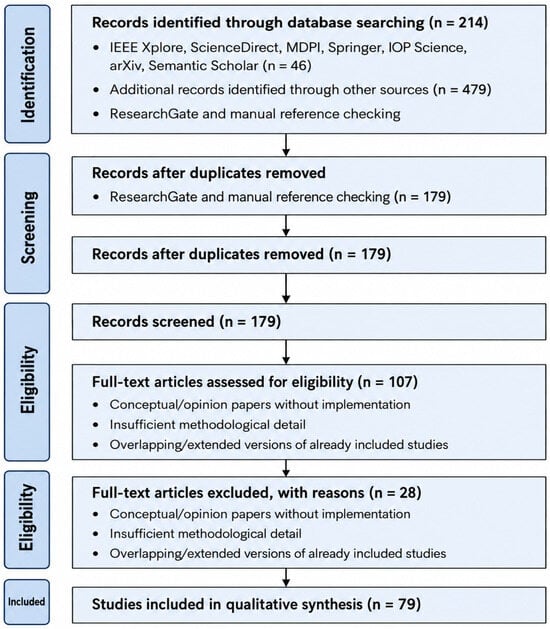
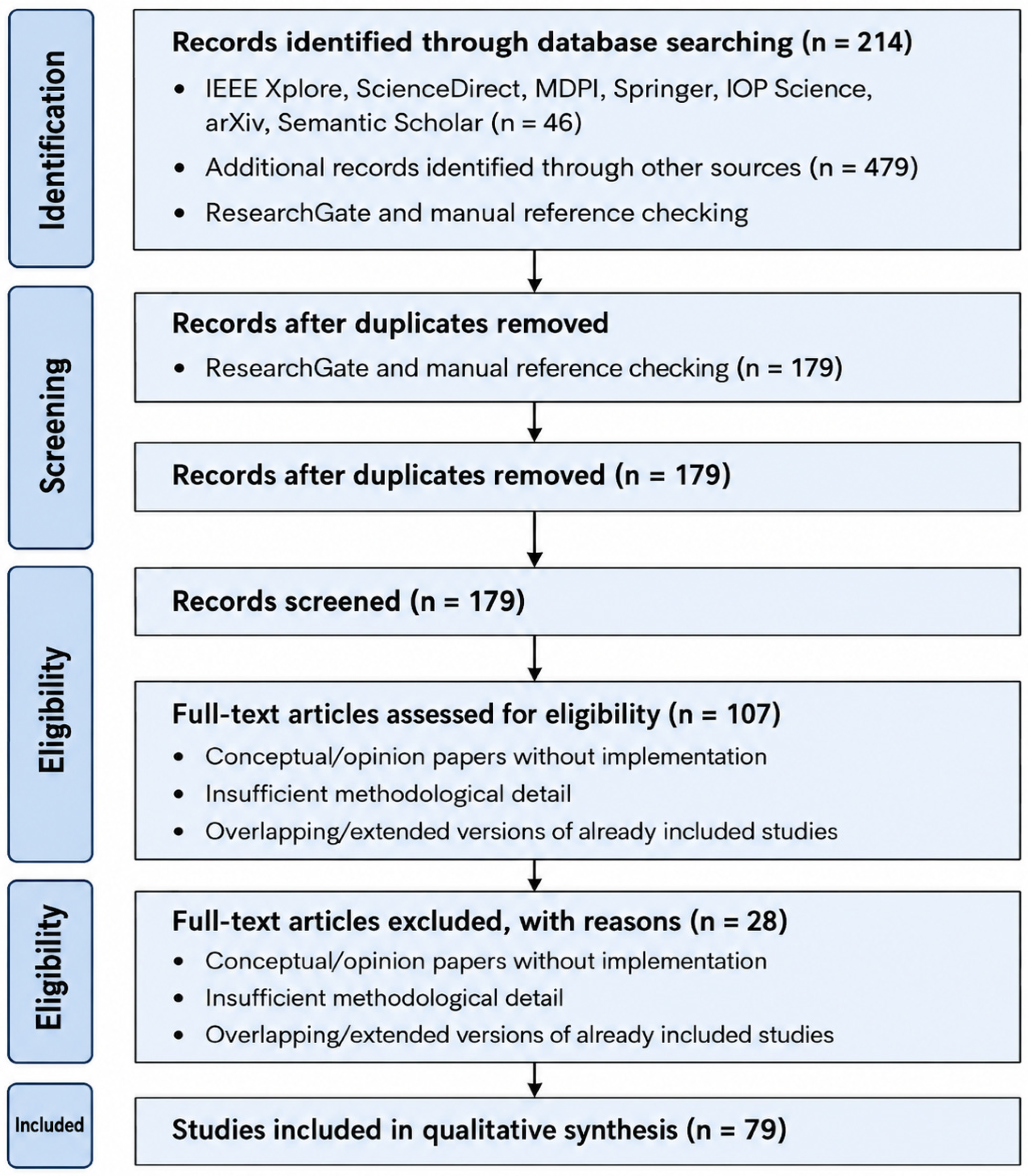
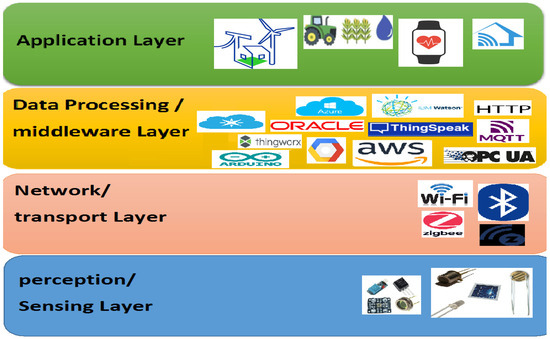
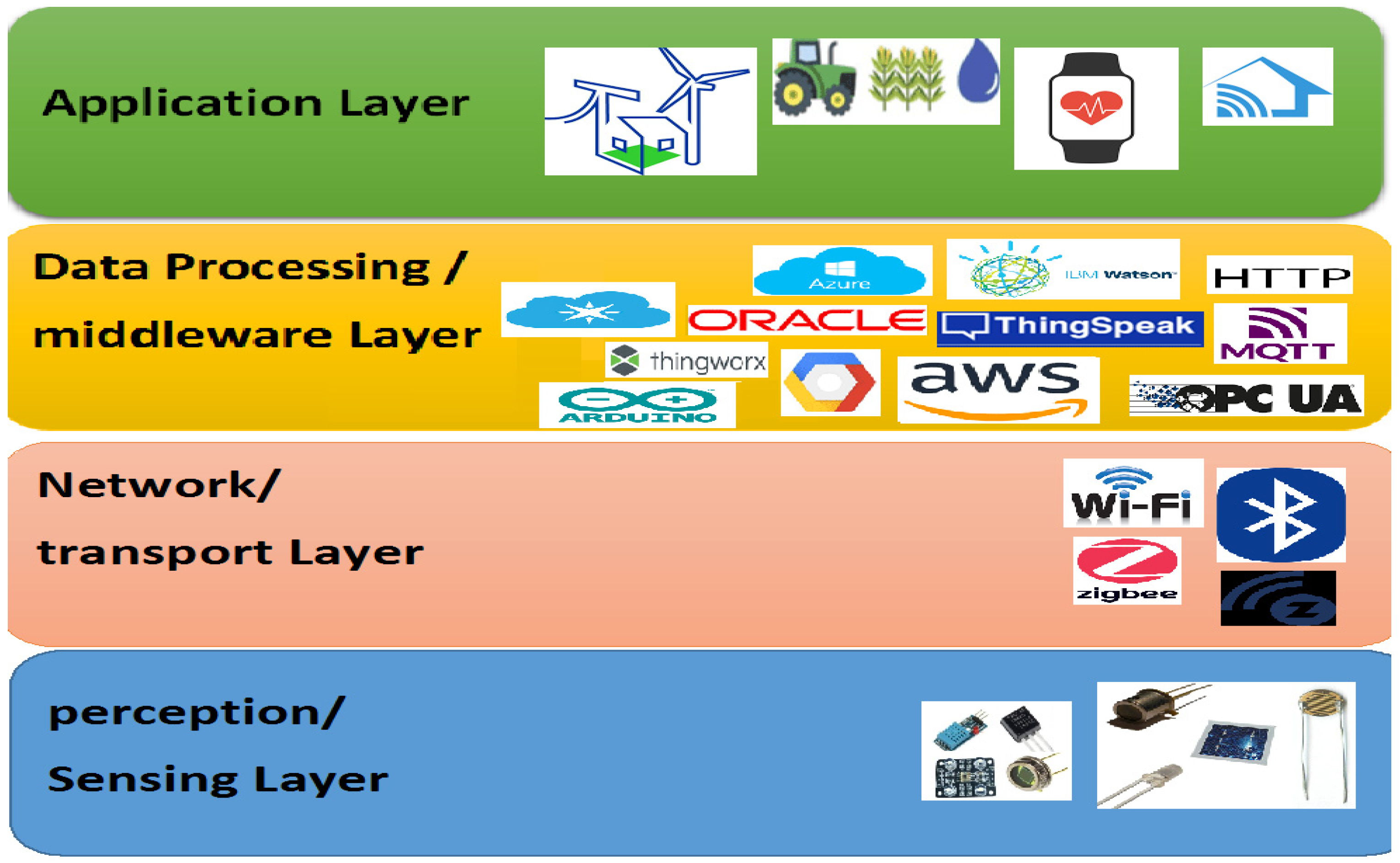
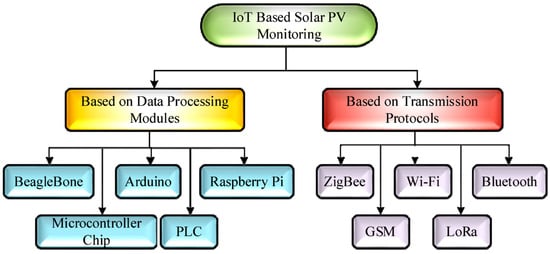
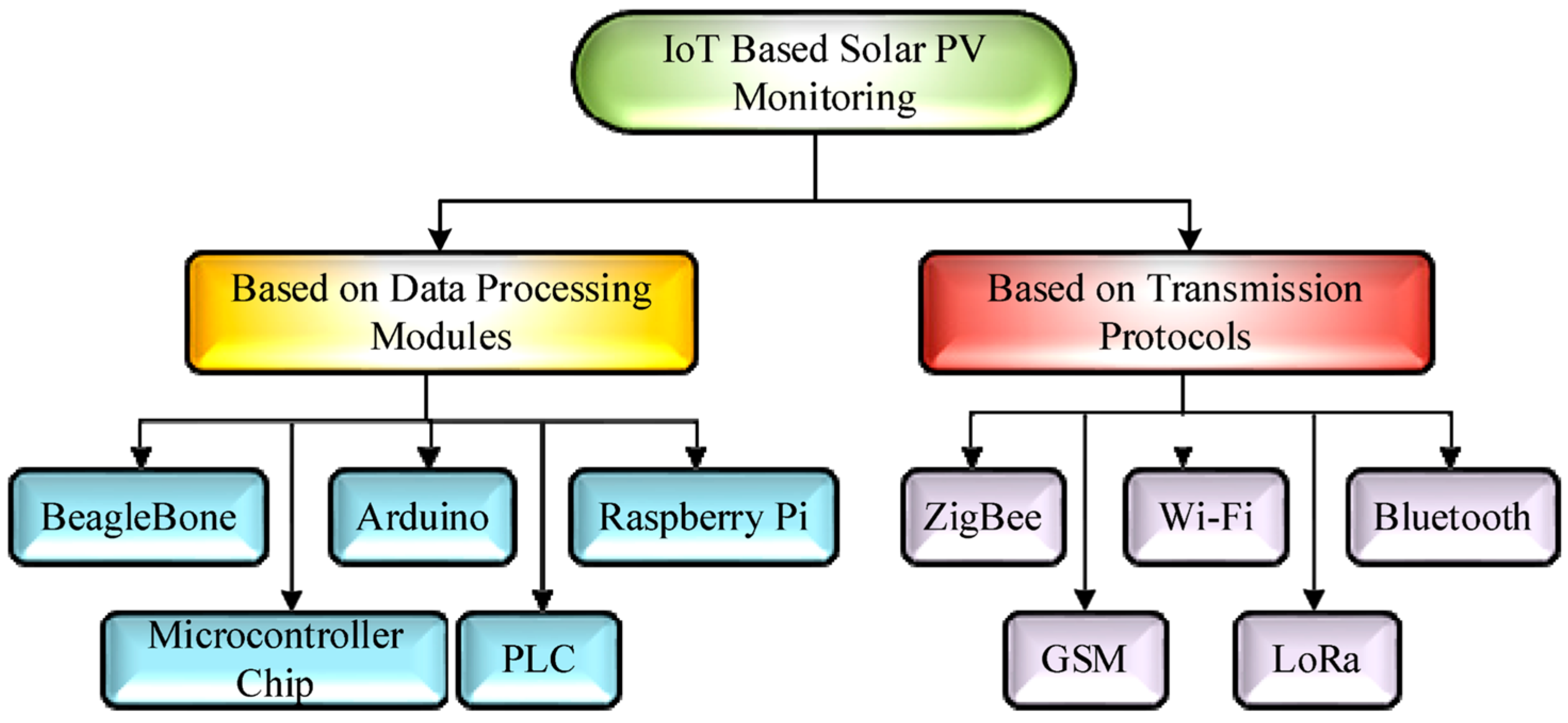
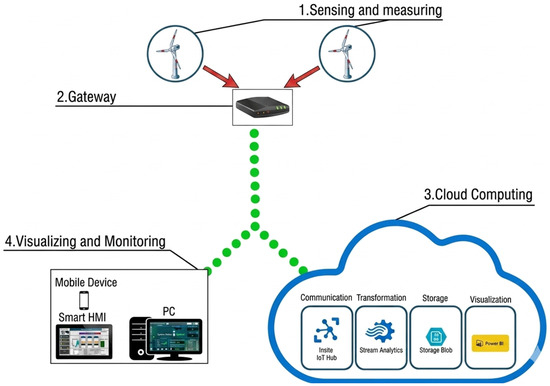
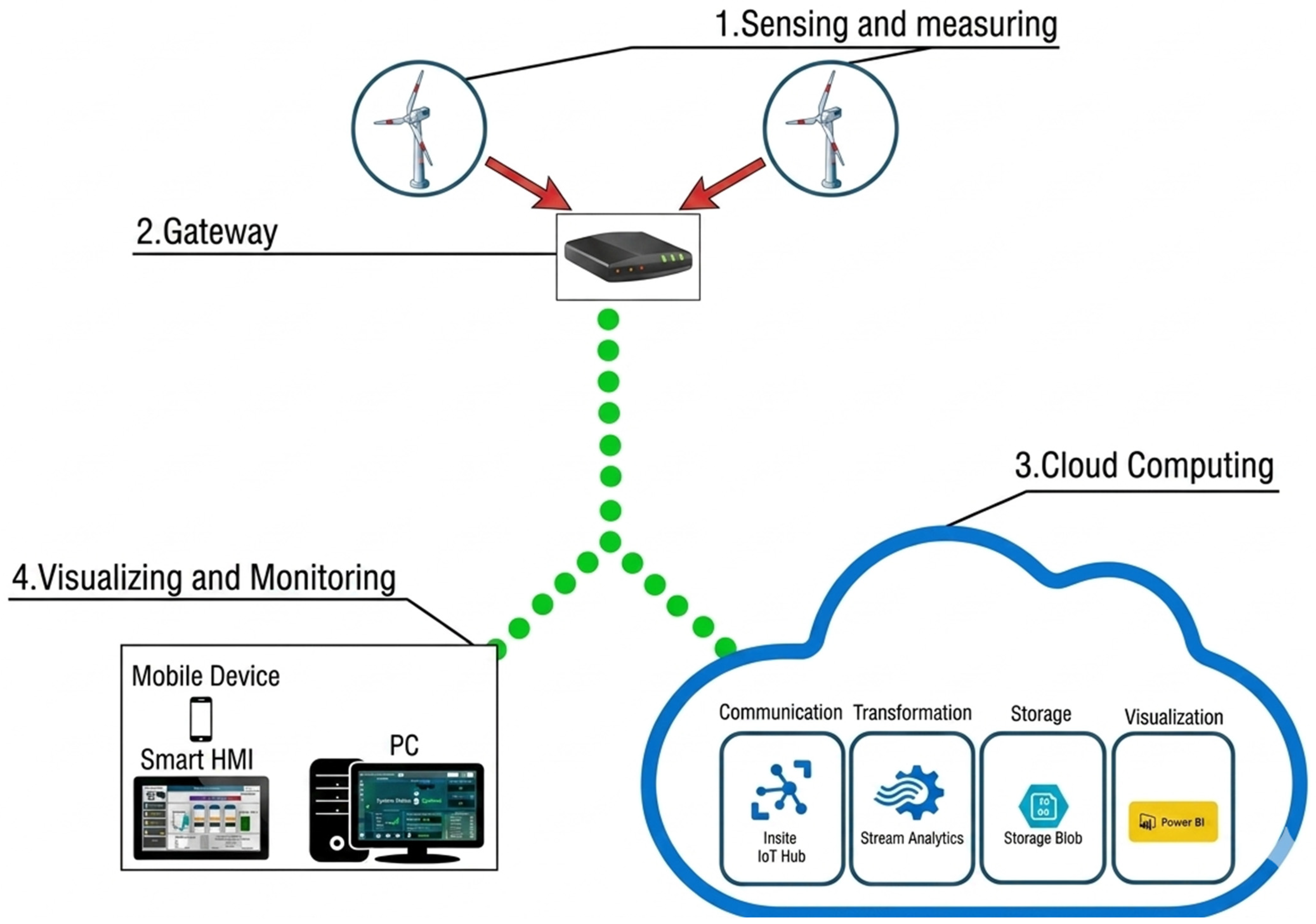
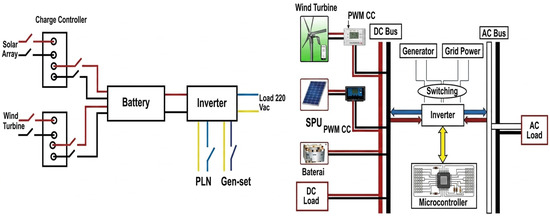
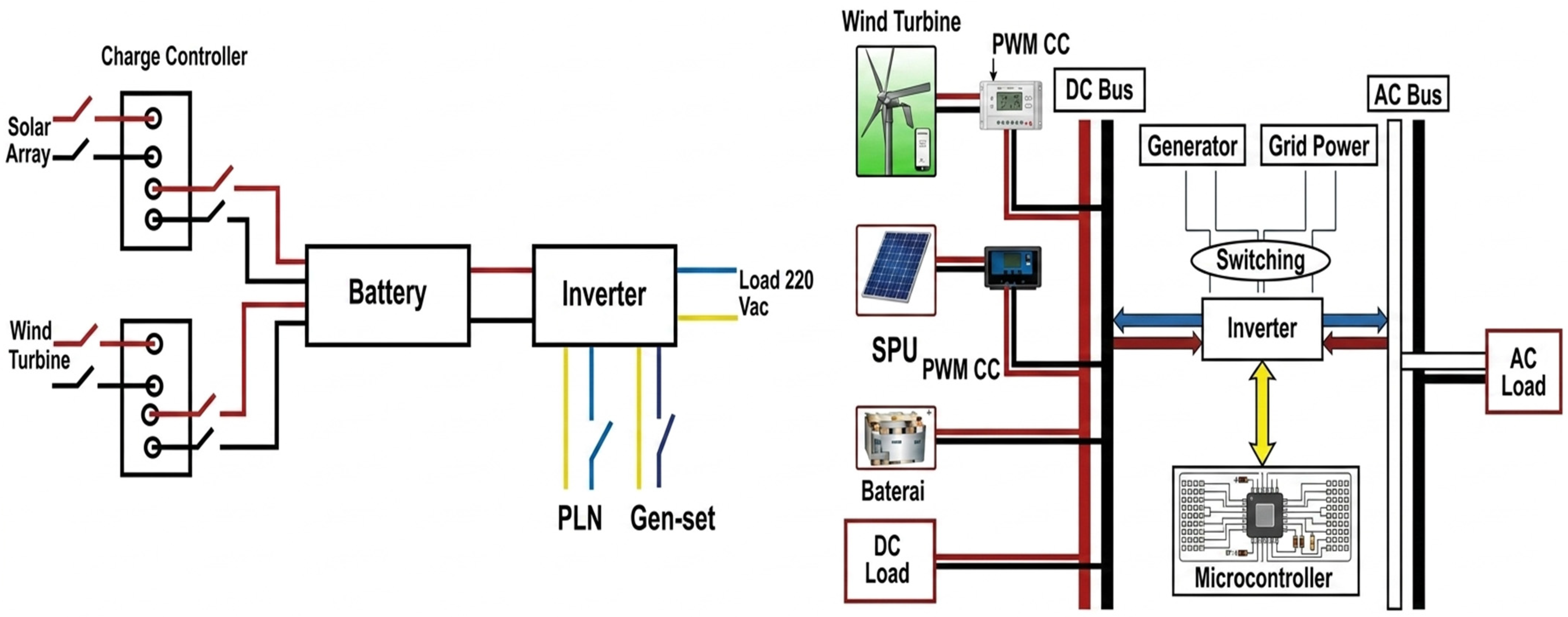
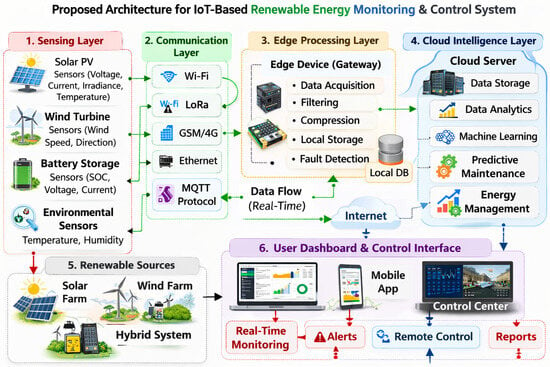
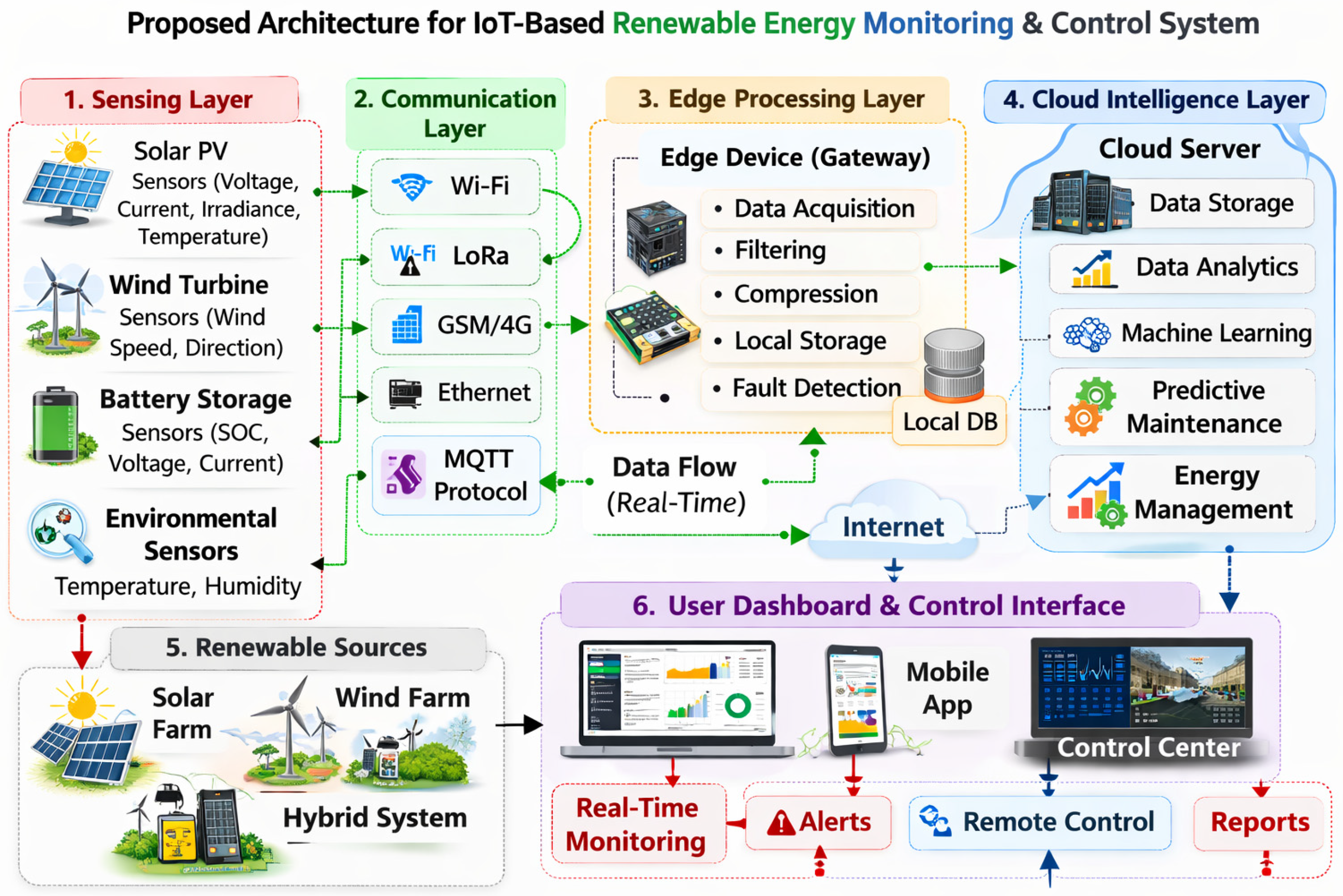

Disclaimer/Publisher’s Note: The statements, opinions and data contained in all publications are solely those of the individual author(s) and contributor(s) and not of MDPI and/or the editor(s). MDPI and/or the editor(s) disclaim responsibility for any injury to people or property resulting from any ideas, methods, instructions or products referred to in the content. |
© 2026 by the authors. Licensee MDPI, Basel, Switzerland. This article is an open access article distributed under the terms and conditions of the Creative Commons Attribution (CC BY) license.