


Highlights
What are the main findings?
- Tube-based freight systems show strong potential to reduce surface congestion and emissions when integrated into smart urban logistics networks.
- Their operational success and scalability are heavily reliant on governance structures, digital integration, and infrastructure compatibility.
What are the implications of the main findings?
- Successful implementation requires integrated urban planning, regulatory alignment, and long-term investment plans.
- Before implementing on a wide scale, policymakers and city administrators should give priority to pilot projects and standardized frameworks to examine feasibility.
Abstract
Background: Smart urban logistics has emerged as a key element of sustainable city development, with direct effects on economic performance, environmental quality, and urban livability. Issues with traffic, pollutants, infrastructure strain, and last-mile delivery efficiency have become more pressing due to rapid urbanization and the expansion of e-commerce. In this regard, underground or enclosed corridor-based tube-based freight transit systems have surfaced as a viable smart infrastructure option for automated and low-impact commodities delivery. Methods: This study adopts an analytical literature review complemented by a structured case study analysis to examine the potential role of tube-based freight transport systems in future urban logistics. Key technological concepts, including pneumatic tubes, automated capsule transport, and integration with digital platforms, the Physical Internet, and smart city management systems, are examined through a structured analytical review of the literature. Results: The outcome of the reviewed studies indicates that tube-based systems can contribute to congestion alleviation, emission reduction, and improved delivery reliability by shifting selected freight flows away from surface transport networks. However, governance frameworks, infrastructure integration, and institutional coordination mechanisms continue to have a significant impact on claimed performance outcomes. Conclusions: Tube-based freight systems represent a promising but conditional pathway toward smarter and more sustainable urban logistics. Their large-scale deployment is forced by high capital costs, standardization challenges, regulatory uncertainty, and social acceptance issues. Coordinated investment plans, encouraging legal frameworks, and integrated urban planning techniques in line with smart city goals are needed to overcome these obstacles.
1. Introduction
Urban logistics has become a major challenge for modern cities because of the combined demands of fast urbanization, the rise of e-commerce, environmental rules, and the increasing need for reliable and quick delivery [1]. While congestion, land scarcity, pollution, and noise are rapidly limiting traditional road-based freight transportation, especially for low-population areas [2]. As cities follow climate-neutral mobility and smart city plans [3], alternative freight transport solutions that separate logistics flows from surface traffic are highly needed [4]. One promising possibility is tube-based freight transport systems which may represent future infrastructure tier for urban logistics [5]. These systems use automated capsules or carriers to move cargo via enclosed, guided passageways, which are usually underground or special above-ground constructions. Tube-based systems offer predictable delivery times, lower emissions, and improved authenticity by operating independently of traffic on the road [6]. However, their position in urban logistics is still not well understood from a systemic and analytical perspective, despite growing technology innovation and policy interest. The current body of research on tube-based systems is extremely dispersed.
Technical studies, which are frequently motivated by ambitious ideas like the Hyperloop, concentrate on propulsion technologies, system design, and energy efficiency [7]. However, pneumatic tube networks for small-scale logistics, especially in hospitals and industrial facilities, are the subject of practical study. The phrase “tube systems” is often used to refer to essentially distinct technologies, spatial scales, and logistics functions without a defined analytical framework, which has resulted in conceptual ambiguity [8]. Because of this, tube-based systems in the context of urban freight and logistics integration are not defined well in the literature. Furthermore, much of the present research remains descriptive or hypothetical. While potential benefits, like congestion reduction, emission savings, and automation, are often discussed, while implementation challenges as infrastructure costs, system reliability, governance complexity, and social acceptance, receive less attention. This disparity reduces the value of current research for policymakers, urban planners, and logistics stakeholders looking for effective advice [9]. Moreover, the boundary between freight-oriented tube logistics systems and passenger-focused Hyperloop routes is confused, complicating comparative analysis and policy debate [10]. To fill these gaps, this research uses an analytical conceptual review technique to investigate tube-based freight transport systems as a developing component of urban logistics [11]. Instead of presenting empirical case studies, the study conducts a structured analysis of peer-reviewed literature to (i) clarify the conceptual boundaries of tube-based systems, (ii) classify their technological and functional variants, and (iii) evaluate the integration process, consequences, and implementation challenges within urban logistics networks. The paper’s goal is to move beyond descriptive reporting and toward a structured analytical knowledge of tube logistics systems by combining technological, operational, and governance viewpoints.
This article provides a threefold contribution. First, it provides a clear and limiting definition of tube-based systems for urban freight operations, separating them from other modes of transportation. Second, it creates a classification framework that categorizes tube systems based on scale, function, propulsion technology, and integration level, addressing conceptual fragmentation in previous studies. Third, it offers a comprehensive study of benefits, trade-offs, and risks, such as cost considerations, dependability issues, governance structures, and social acceptance concerns. This technique allows for a fairer and policy-relevant assessment of tube-based systems as prospective logistics infrastructure for future cities. This study offers an organized analytical synthesis of the literature by connecting technological features, logistical functions, and governance considerations into a single classification framework for tube-based freight transport systems, in contrast to solely descriptive technology surveys.
Based on these objectives, the study tackles the following research questions:
RQ1: How can tube-based freight transit systems be conceptualized and classed based on their size, function, and level of integration with urban logistics networks?
RQ2: What technological, operational, and infrastructural mechanisms facilitate or impede the integration of tube-based systems into current urban logistical systems?
RQ3: What are the primary economic, governance, and societal acceptance challenges to the real-world application of tube logistics systems?
By answering these questions, this article aims to lay a solid analytical framework for future research and informed decision-making on the role of tube-based systems in sustainable and smart urban logistics. While the primary analytical focus of this research is on intra-city and metropolitan freight applications of tube-based transportation systems, the dataset also includes intercity high-speed concepts (for example, freight-oriented Hyperloop projects) for comparison and conceptual purposes. These systems serve as benchmarks for demonstrating technology scalability, infrastructure complexity, and governance requirements. However, they are not regarded as immediate or immediately applicable solutions for urban last-mile logistics, which remains the primary focus of this research.
2. Conceptual Scope and Classification of Tube-Based Systems in Urban Logistics
2.1. Definition and Conceptual Boundaries of Tube-Based Systems
In the context of urban logistics, the term “tube-based freight transport systems” refers to enclosed, guided, and automated freight transport infrastructures that are intended to convey cargo via designated hallways, usually in isolated above-ground sites or underground. These systems based on physical confinement (tubes or sealed conduits) combined with automated propulsion mechanisms—such as pneumatic pressure, electric traction, magnetic levitation, or vacuum-assisted motion—to enable continuous and predictable freight flows independent of surface traffic conditions.
This definition limits the scope of tube-based freight transport systems to freight-oriented logistics applications and excludes other transport technologies that do not meet these criteria [11]. Conventional pipelines for liquids or gases, unmanned aerial vehicles (drones), traditional rail freight, and automated guided vehicles (AGVs) [12] on roads are therefore outside the conceptual framework of this study. Unlike these systems, tube logistics infrastructures are characterized by complete spatial separation from urban road networks, enabling them to bypass traffic congestion and reduce externalities such as noise, emissions, and land-use conflicts [13].
The origins of tube transit can be seen in the pneumatic post systems of the nineteenth century, which were used to deliver mail and small packages. Although these early uses showed that enclosed freight transport was technically feasible, their scale and functional scope were restricted [14]. In contrast, a large variety of logistics functions, spatial scales, and technological complexity are covered by modern tube-based systems. Small-scale pneumatic networks and large-scale vacuum-based freight corridors are often bundled under the same terminology without analytical differentiation because of this evolution, which has increased conceptual ambiguity in the literature [13,15].
To address this ambiguity, this study makes a distinction between passenger-focused Hyperloop corridors, which are principally destined for high-speed human mobility, and freight-oriented tube logistics systems. Both ideas have similar technological basis, such as magnetic levitation or low-pressure settings, but their goals, performance indicators, governance frameworks, and integration needs are very different. While passenger Hyperloop projects focus on speed, comfort, and intercity connectivity [7,12], freight-oriented tube-based systems highlight dependability, throughput, integration with logistical hubs, and operational resilience [6]. For meaningful comparison and policy evaluation in urban logistics research, this distinction must be acknowledged.
2.2. Classification Framework for Tube-Based Freight Transport Systems
Previous research on underground logistics systems and tube transit frequently categorizes these technologies based on discrete factors like operational scale, infrastructure design, or propulsion technology. Nevertheless, these methods seldom combine governance, logistics, and technology aspects into a unified analytical framework. This study suggests a multi-dimensional classification framework that combines spatial size, logistics function, propulsion technology, and degree of integration to offer a more thorough view of tube-based freight transport systems inside urban logistics networks. This method makes it possible to compare various tube system designs more methodically and makes it easier to assess how they might fit into smart urban logistics infrastructures.
A structured classification approach is required to enable analytical clarity and comparative evaluation, given the diversity of tube-based systems covered in the literature. This research presents a four-dimensional classification framework that arranges tube-based freight systems based on their spatial scale, logistics purpose, propulsion technology, and level of integration within urban logistics networks. The framework is based on a synthesis of previous studies [5,13,16,17].
The first classification dimension is represented by spatial scale. Tube-based systems can function at three different levels: intra-building (like hospital pneumatic networks), intra-city (like underground capsule systems linking urban consolidation centers), or inter-city (like long-distance vacuum-assisted freight corridors). Different infrastructure needs, cost structures, and governance issues are associated with each size [18,19].
The logistical function and cargo characteristics are the subject of the second dimension. While some tube-based systems are intended for containerized freight transfer or parcel-level distribution, others are made for micro-logistics applications like documents, medical samples, or small packages [20]. Capsule design, throughput capacity, and system automation complexity are all strongly impacted by cargo size and handling requirements [16].
Pneumatic pressure, electric traction, magnetic levitation, and vacuum-assisted motion are examples of propulsion and transport technologies that fall under the third dimension. While magnetic and vacuum-based technologies allow for higher speeds and longer distances at the cost of increased technical complexity and capital intensity, pneumatic systems are typically associated with low-speed [17], short-distance applications [5]. These technological decisions have substantial ramifications for energy consumption [6], maintenance requirements, and system reliability.
Lastly, tube-based systems can be categorized based on how integrated they are within urban logistical networks. Stand-alone systems perform specific tasks and functions independently of current logistical networks. Partial integration is made possible by hub-connected systems interfaces with warehouses, intermodal terminals, and urban consolidation centers [21]. Through real-time data interchange and automation, fully integrated systems are incorporated into smart city platforms and synchronized with digital logistics infrastructures, inventory management, and last-mile delivery [22].
These four variables work together to give a cohesive analytical lens for comparing and analyzing the suitability of various tube-based freight transport systems in different urban logistical scenarios. It is crucial to remember that the four classification dimensions are related analytical categories that together affect the feasibility of tube-based freight systems in various urban contexts, not separate parameters. The proportional significance of each dimension may change in real-world applications based on variables including infrastructure availability, city size, logistical demand density, and governance capability. For instance, while inter-city systems might focus more on infrastructure scalability and propulsion technology, intra-city systems that serve densely populated areas might prioritize integration with urban consolidation centers and digital logistics platforms. Therefore, rather than being a fixed quantitative model that gives each characteristic a predetermined weight, the suggested classification framework should be viewed as a flexible analytical tool that facilitates comparative examination. Beyond conceptual clarification, this classification framework provides a structured foundation for the subsequent analytical review, allowing for a cross-analysis of integration mechanisms, performance trade-offs, governance models, and implementation barriers across a variety of technological and regional contexts. Table 1 summarizes this approach by explicitly identifying the essential classification variables, categories, and representative literature used in this study.
Table 1.
Four-Dimensional Classification Framework for Tube-Based Freight Transport Systems.
The proposed classification framework also provides the analytical structure used in the subsequent literature review and case study analysis, allowing for different tube system concepts to be examined depending on their technological configuration, logistics function, and level of integration within urban logistics networks.
3. Materials and Methods
3.1. Methodological Approach
Based on the conceptual framework presented in Section 2, this study adopts a structured literature review complemented by qualitative case study analysis to evaluate tube-based freight transport systems in urban logistics contexts. The structured literature review provides an analytical synthesis of peer-reviewed research, while the case analysis offers contextual illustration of technological configurations, governance models, and regional implementation approaches. The literature review was carried out under a structured protocol to ensure reliability and representativeness, consistent with established best practice guidelines [23]. The Scopus, Web of Science, and IEEE Xplore databases were chosen for their comprehensive coverage of peer-reviewed research in engineering, transportation, and urban planning. The analysis covered the years 2010 to 2025, a period marked by significant advancements and increasing interest in tube-based mobility solutions for sustainable urban freight distribution. The review follows a structured search and selection procedure designed to ensure transparency and analytical rigor; however, the objective of the study is conceptual synthesis rather than a fully standardized PRISMA-style systematic review.
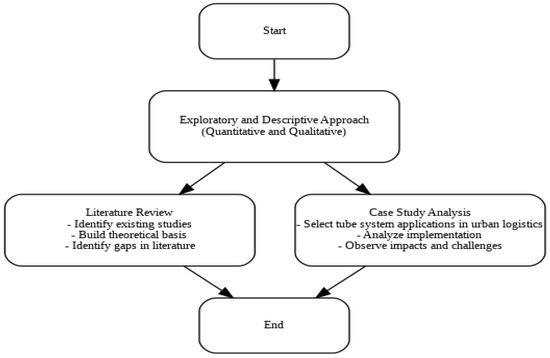
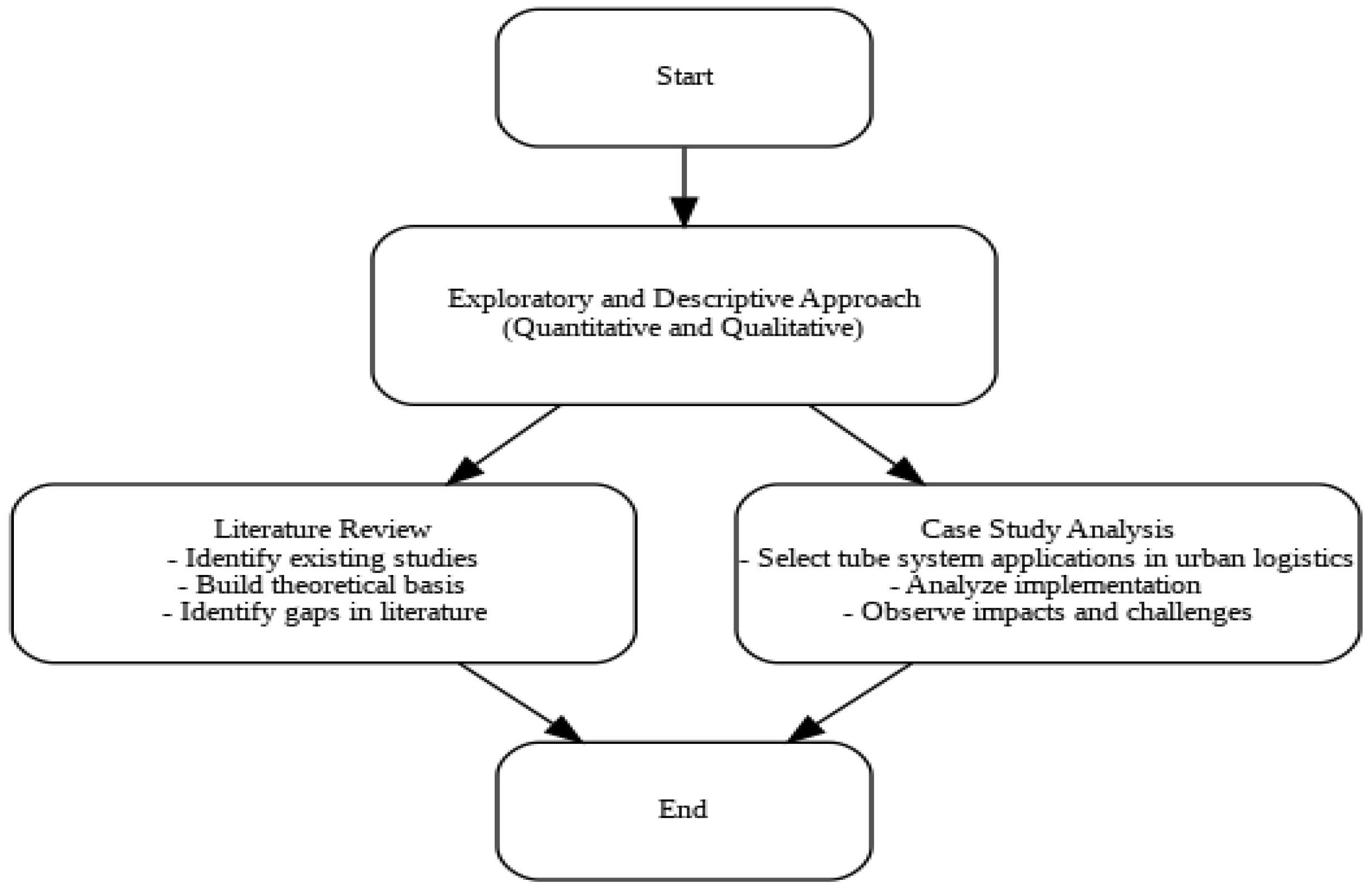
The general methodological approach used in this investigation is shown in Figure 1. The procedure starts with the conceptual characterization and categorization of tube-based freight transport systems, which defines the research’s analytical parameters. The structured literature review step comes next, during which pertinent papers are found, examined, and chosen using predetermined inclusion and exclusion criteria. To assess technological integration, operational applications, and implementation issues within urban logistics systems, the last stage entails the analytical synthesis of the chosen research and the analysis of representative case cases.
Figure 1.
Framework of the research methodology.
For the literature review, two sets of keywords were combined to ensure comprehensive coverage: (1) terms related to tube transport technologies, such as “Tube Systems”, “Pneumatic Tubes”, “Hyperloop”, “Automated Capsule Transport”, and “Vacuum Tube Transport”, capturing the diversity of tube system innovations; and (2) terms related to urban logistics, including “Urban”, “City Distribution”, “Last-Mile Delivery”, “Freight Transport in Cities”, “Smart City” and “Logistics”. Boolean operators and title-abstract-keyword filtering were used to apply the search strings uniformly across databases. Transport technology terms like “tube systems,” “pneumatic tubes,” “Hyperloop,” “automated capsule transport,” and “vacuum tube transport” were combined with urban logistics terms like “urban,” “city distribution,” “last-mile delivery,” “freight transport in cities,” and “smart city” in the main structure. To support database-specific query forms and indexing rules, a few minor syntactic changes were introduced. The initial search yielded 127 articles (Scopus: 86; Web of Science: 30; IEEE Xplore: 11), which were consolidated into 90 unique records after removal of duplicates, forming the basis for further review and analysis.
Inclusion criteria were as follows: (1) articles published in English, (2) a focus on tube-based freight transport systems—such as Pneumatic Tubes, Hyperloop, Automated Capsule Transport, and Vacuum Tube Transport—applied to urban logistics or related city distribution networks, and (3) availability of full text. Exclusion criteria eliminated studies addressing only technical or engineering aspects without a logistics perspective, or those not peer-reviewed (e.g., technical reports or non-scientific papers). The selection process comprised three stages: (1) an initial screening of titles and abstracts, excluding 27 irrelevant articles; (2) a full-text review of the remaining 63 articles, excluding 12 studies that either lacked enough methodological information to enable analytical comparison or did not specifically address freight or urban logistics applications; and (3) a final validation, resulting in 51 studies included in the analysis.
Given the emerging and largely simulation-based nature of tube transport research, both empirical and modeling studies were kept when they provided sufficient methodological transparency and obvious relevance to urban logistics applications. This approach helped us to reduce potential selection bias while ensuring analytical comparability among the reviewed studies. These studies were categorized by country of origin, type of tube transport system, and logistics application area (e.g., last-mile delivery, city distribution, freight transport), enabling a structured synthesis of findings.
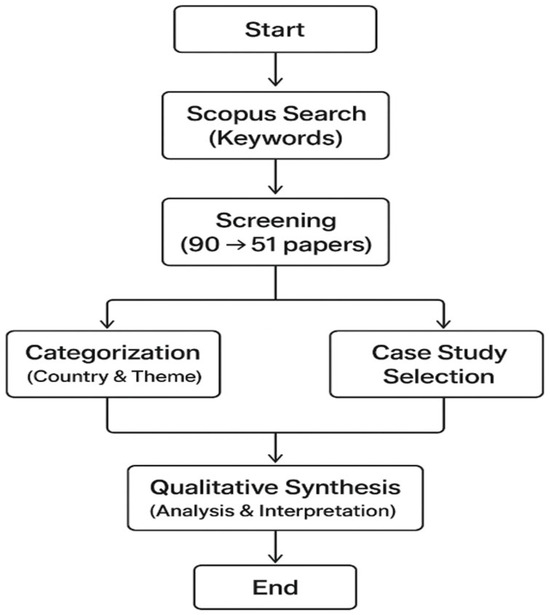
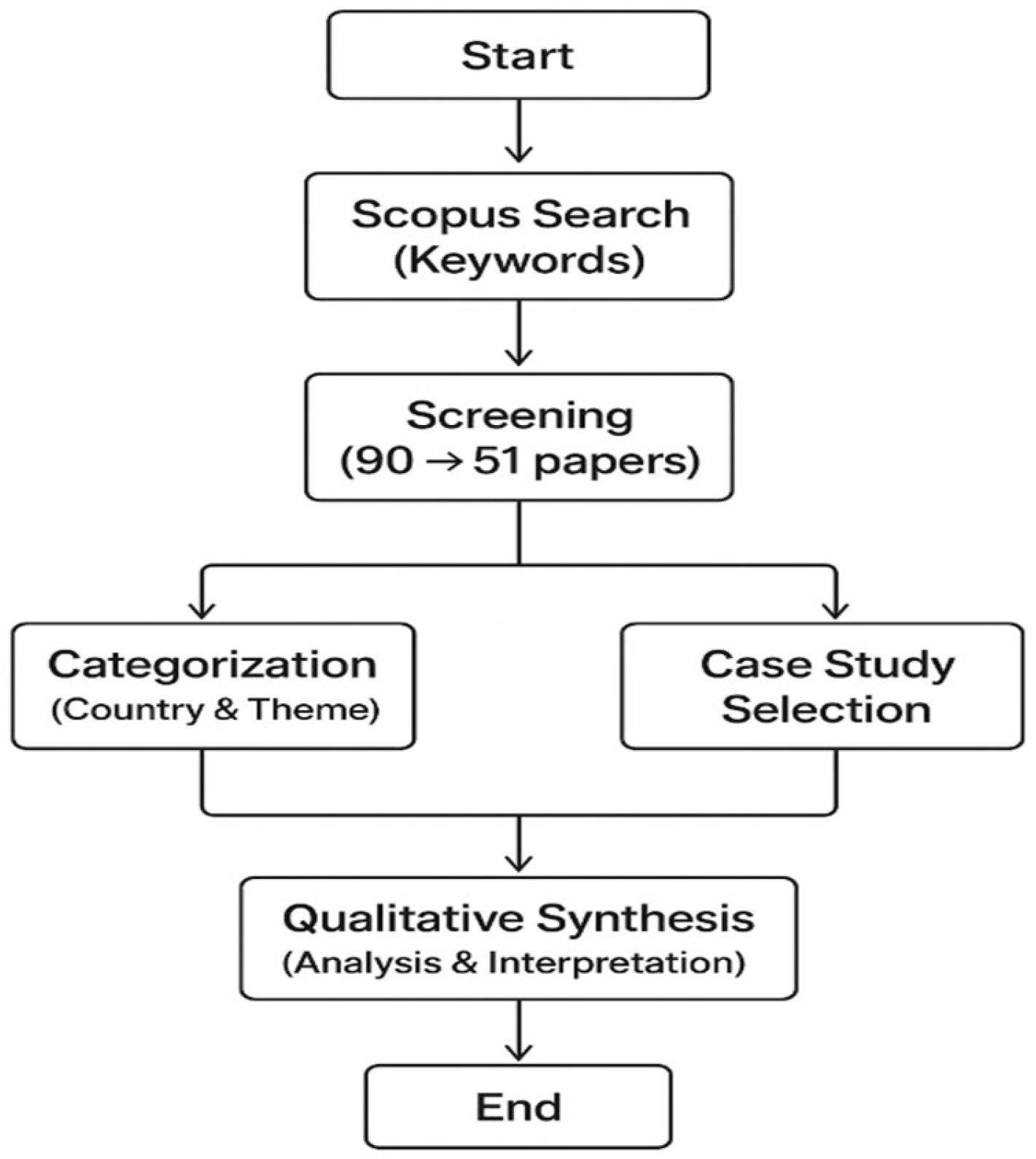
The case study analysis draws on documented implementations of tube-based freight transport systems across multiple regions to assess their practical relevance and technological maturity. The case study component does not involve primary data collection, but synthesizes documented pilot initiatives and reported implementation experiences from the reviewed literature. The selected cases include pioneering prototypes in North America, large-scale commercial and policy-driven initiatives in Europe, and smart urban or intercity applications in Asia and the Middle East. Together, these examples—ranging from the Virgin Hyperloop test site in Nevada and Cargo Sous Terrain (CST) in Switzerland to Singapore’s Smart Mobility 2030 logistics framework and the Dubai–Abu Dhabi Hyperloop corridor—represent diverse operational contexts that address key urban logistics challenges such as congestion, energy efficiency, and connectivity. Each initiative provides detailed technical, economic, and environmental data that enhance understanding of real-world feasibility. These ideas were combined to supplement the findings of the structured literature review, thus improving the empirical foundation of the study. Figure 2 presents the search and selection workflow, ensuring methodological transparency and capacity. This combined approach enables a comprehensive evaluation that integrates theoretical insights with practical evidence on the scalability and sustainability of tube-based transport systems.
Figure 2.
Enhanced workflow of the literature review and case study analysis, detailing the selection process from 90 initial articles to 51 final studies. The arrow represents the progression from duplicate removal through exclusion criteria to final study validation.
The workflow for the literature evaluation and article selection procedure is shown in Figure 2. Using predetermined keywords, the workflow starts with a database search across IEEE Xplore, Web of Science, and Scopus. After being retrieved, the records are combined and reviewed to eliminate redundant and unnecessary research. Based on the established inclusion criteria pertaining to tube transport systems and urban logistics applications, the remaining publications are evaluated in full. Thematic analysis and case study interpretation are next performed using the final dataset of chosen studies.
3.2. Limitations of the Methodology
Despite the robustness of this approach, several limitations should be noted. One major constraint is the limited availability of detailed and specific data on tube transport implementations, which may affect the depth and generalizability of the analysis. Additionally, the methodology depends on emerging technologies, which are not universally implemented or accessible, particularly in cities with limited technological infrastructure. A further potential limitation is the risk of bias arising from data that may not fully capture the complexity and variety of urban logistics operations involving tube-based systems.
Beyond keyword-based searches, the literature retrieval could be strengthened through citation tracking or searches for related authors to expand the dataset. However, this study focuses on keyword searches in Scopus, Web of Science, and IEEE Xplore. While this strategy is comprehensive, it may overlook niche studies not indexed under the selected search terms, a limitation partially mitigated by the extensive coverage of peer-reviewed publications in these databases.
To overcome these limitations, future research could utilize public transport datasets, pilot project documentation, or smart city data repositories to supplement limited tube system data. Gradual adoption strategies (e.g., small-scale automated capsule trials) could address accessibility challenges in resource-constrained urban areas. Standardized data collection across studies would also help reduce bias and enhance the representativeness and reliability of findings.
Furthermore, it should be noted that, rather than using primary field observations or operational information, the current study mainly relies on previously published research, simulation-based studies, and documented pilot efforts. There is still a lack of thorough empirical data and full life-cycle performance evaluations because tube-based freight transport systems are still mostly in the experimental or early implementation stages. As a result, rather than being conclusive assessments of actual system performance, the results offered in this analysis should be understood as analytical insights drawn from the corpus of current material. In order to give a more thorough evaluation of the long-term viability of tube-based freight logistics infrastructures, future research should concentrate on empirical validation through pilot projects, field data gathering, and life-cycle cost–benefit evaluations.
4. Literature Review
4.1. Conceptual Foundations of Tube-Based Systems in Urban Logistics
Tube-based freight transport systems—also known as cargo tube networks, Hyperloop logistics pipelines, or pneumatic freight systems—represent an emerging paradigm for urban freight mobility. Using magnetic, pneumatic, or vacuum propulsion, they move capsules through sealed tubes to overcome the limitations of conventional road transport. The idea traces back to nineteenth-century pneumatic post systems and has evolved into modern Hyperloop and Cargo Tube infrastructures, reflecting the enduring “technical fix” approach to urban logistics [14].
Recent studies emphasize the socio-economic potential of tube and Hyperloop systems as transformative elements of smart city ecosystems. Beyond technology, they act as economic accelerators, enhancing productivity, sustainability, and regional competitiveness through improved logistics efficiency and job creation [24]. Researchers also stress the importance of collaboration among academia, industry, and government to establish coherent innovation and policy frameworks [25]. Positioned within a multimodal mobility context, tube-based systems integrate with autonomous vehicles, electromobility, and shared logistics to foster resilient, sustainable transport [12].
From a logistics point of view, tube-based systems could form a new transport layer decoupled from surface congestion, providing high-frequency, low-emission freight flows [17]. Yet practical applications remain limited to simulations and pilot projects [10]. The central challenge is aligning technological feasibility, economic viability, and governance to ensure meaningful contributions to sustainable urban development.
4.2. Technological Integration and Operational Applications
The implementation of tube-based systems relies on the convergence of advanced technologies such as AI, IoT, and materials engineering [26]. AI supports dynamic routing and predictive maintenance, while IoT sensors and digital twins improve real-time monitoring, control, and safety [27]. This convergence aligns with current progress in intelligent transport systems [28]. Digital integration in tube-based freight systems can be implemented through three complementing layers. First, IoT-enabled sensing architectures enable continuous monitoring of capsules, tube segments, and network nodes (e.g., vibration, pressure, occupancy, and energy consumption), resulting in real-time predictive maintenance and anomaly identification [29,30]. Second, digital twin models improve operational reliability and energy efficiency by simulating demand fluctuations, dispatching tactics, and congestion scenarios, allowing operators to maximize throughput and reduce energy consumption prior to making physical changes [31]. In smart-city logistics systems, digital twins are increasingly being used as supervisory tools to link infrastructure performance data with planning choices [32]. Third, blockchain-based traceability systems can improve chain-of-custody assurance and inter-organizational transparency by generating tamper-resistant shipping records for numerous stakeholders, addressing coordination issues in urban freight networks [33,34]. In underground logistics contexts, integrated digital monitoring promotes hub synchronization and service reliability goals within complex metropolitan systems [21]. Collectively, these digital layers translate the concept of “integration” into verifiable operational characteristics such as reliability, traceability, and energy-efficient control.
Studies by Thomas Schüning et al. [7] and Lukas Eschment et al. [6] demonstrate how experimental Hyperloop and CargoTube prototypes integrate automation, analytics, and renewable energy to achieve high throughput and energy efficiency. Simulation-based projects in Europe and Asia indicate that underground or low-pressure freight tubes could greatly reduce surface freight traffic and congestion in dense urban areas under optimized operational scenarios [10,35].
Despite these technological advances, significant challenges remain, particularly regarding system adaptability, infrastructure integration, and capital intensity [36]. The alignment of tube-based systems with smart-city and sustainability agendas reinforces their potential as a transformative logistics infrastructure [37].
4.3. Environmental and Societal Implications of Tube-Based Systems
Environmental sustainability is the primary logic of tube-based freight systems. By shifting freight flows underground or above surface level, these systems help reduce air pollution, noise, and congestion, major urban externalities. Comparative studies show that vacuum and pneumatic logistics can markedly cut carbon emissions relative to road freight [19]. Further research links Hyperloop transport to decarbonization strategies and circular economy principles [38], with environmental models confirming lower energy use and particulate emissions when powered by renewable electricity [5].
Societal benefits include safer, quieter cities, mobility equity, and green employment opportunities [39]. Yet public acceptance, cost, and governance transparency remain crucial barriers [15,40]. Thus, tube-based systems should be assessed through a comprehensive Environmental, Social, and Governance (ESG) lens to ensure long-term societal legitimacy.
Recent research increasingly positions subterranean and tube-based freight transport as part of broader smart city logistics and digital urban infrastructure goals, rather than as a stand-alone transportation solution [41]. In smart-city-oriented urban freight research, data-driven coordination, digital governance, and system-level integration are emphasized as necessary for long-term urban logistics performance [1]. In parallel, the literature on underground logistics systems (ULS) has matured toward integrated perspectives that connect technical feasibility with urban planning constraints and institutional implementation pathways, such as regional development trajectories (e.g., China) and prospects for large-scale adoption [42]. Beyond conceptual viability, recent research has investigated city-managed subsurface freight networks for parcel delivery and the implications for shared urban infrastructure governance [16]. Furthermore, digitalization research demonstrates how digital twins, real-time sensing, and predictive analytics may aid decision-making for urban logistics operations and infrastructure planning in smart city settings [32]. Collectively, these recent contributions bolster the idea that tube-based freight systems, when considered for urban logistics, should be evaluated using an integrated lens that includes infrastructure design, digital integration, governance structures, and sustainability goals [43].
4.4. Gaps and Future Research Directions
Despite growing interest, major research gaps persist. Most studies are simulation-based, lacking empirical data on costs, life-cycle impacts, and operational performance [10]. While techno-economic analyses—such as those on metal–organic frameworks for hydrogen transport—provide insight into energy efficiency, they remain disconnected from system-level implementation.
Another gap lies in the absence of governance, safety, and data-sharing frameworks across sectors [44]. Few studies address policy alignment, public perception, or economic trade-offs compared to autonomous vehicles or drone logistics.
Future research should adopt interdisciplinary approaches combining engineering, economics, and policy to develop viable business models and regulatory frameworks [45,46].
Although tube-based freight transit systems present exciting prospects for sustainable urban logistics, their potential should also be weighed against other cutting-edge transportation options including drone-based logistics systems, electric cargo bikes, and autonomous delivery vehicles. Different urban freight demand sectors are addressed by each of these technologies. For instance, tube-based systems are better suited for high-volume, high-frequency freight movements between logistics hubs and consolidation centers, whereas drones and autonomous vehicles are primarily intended for flexible last-mile delivery [8]. Therefore, rather than being a straight replacement for current freight modes, tube logistics facilities should be seen as an additional transit layer inside multimodal urban logistics systems. This perspective highlights the importance of differentiated deployment strategies depending on freight demand density, urban spatial constraints, and infrastructure investment capacity.
In summary, tube-based systems occupy a promising but experimental position in sustainable urban logistics. Their evolution into scalable, resilient infrastructure will depend on integrating technological innovation, environmental responsibility and effective governance turning impractical prototypes into practical solutions for the cities of the future.
5. Results and Discussion
The current section goes beyond a descriptive synthesis by examining the trends and insights that emerged from the evaluated studies, whereas Section 4 summarizes the body of research on tube-based freight transit systems and their prospective significance in urban logistics. Finding theme trends, regional research distribution, and operational consequences from the chosen publications are the main goals of the data shown here. This analytical viewpoint makes it easier to understand how the governance issues, environmental concerns, and technological integration mentioned in the literature apply to real-world urban logistics situations.
It should be highlighted that, rather than being based on extensive operational deployments, most quantitative performance indicators described in the literature on tube-based freight transport systems are obtained from simulation models, feasibility studies, or pilot project forecasts. Many studies rely on modeling approaches like system dynamics, network simulation, or scenario analysis to assess potential implications on traffic flows, emissions, and logistics efficiency because the technology is still in its early stages of development. Therefore, rather than being results of empirical validation, the quantitative values presented in this section should be seen as indicative projections under modeling assumptions.
The classification framework presented in Section 2.2, which enables the analysis of the reviewed studies and case examples based on system scale, logistical function, technical configuration, and degree of integration within urban logistics infrastructures, is used to interpret the results.
Analyzing the geographical distribution of the reviewed literature suggests regional research priorities for tube-based freight transportation. As seen in Table 2, Europe accounts for more than 63% of the articles, followed by Asia (20%) and North America (12%). Oceania and Africa, on the other hand, are underrepresented, indicating considerable geographical disparities in scholarly attention to tube transportation systems and their incorporation into urban logistical frameworks.
Table 2.
Distribution of studies by region.
Thematic coding was applied in the qualitative analysis, which revealed that the most common analytical themes across the studies evaluated were technological integration, logistical efficiency, and environmental sustainability. The inclusion of a diverse variety of tube transport technologies, from pneumatic systems and automated capsule travel to freight-oriented Hyperloop models, helps to mitigate the bias encountered in prior research, which were mostly focused on isolated technology or speculative designs. This extended analytical viewpoint enables a more in-depth understanding of how tube-based systems contribute to urban logistics innovation and sustainability.
To guarantee analytical coherence between the conceptual framework (Section 2.2) and the empirical discussion, the analyzed case studies and regional initiatives are interpreted using a four-dimensional classification lens. Each documented system is evaluated based on its spatial scale (intra-building, intra-city, inter-city), cargo profile (micro-parcels, parcels, containerized freight), propulsion technology (pneumatic, electric, magnetic, vacuum-assisted), and integration level (stand-alone, hub-connected, fully integrated). This structured mapping enables consistent comparisons across areas and demonstrates how diverse governance and infrastructural environments influence technology configuration and operational maturity levels.
Building on this overview of the literature corpus and its theme distribution, the following sections go into additional detail about how tube-based freight transport systems are addressed and evaluated in the reviewed studies. The investigation progresses from descriptive characteristics to a comparative examination of technical configurations, integration processes, and performance consequences in urban logistics networks. This organized debate allows for a better understanding of the situations under which various tube system solutions can contribute to efficiency, sustainability, and operational resilience.
5.1. Technological Integration and System Performance
The technological foundation of tube-based freight systems lies in their combination of automation, propulsion technology, and data-driven control. Several studies highlight how the convergence of AI, IoT [29], and real-time control systems supports the dynamic operation of tube networks, allowing for predictive maintenance, adaptive routing, and intelligent capsule management [47].
Recent technological prototypes—such as those proposed by Eschment et al. [6]—demonstrate how low-pressure and magnetic levitation systems can drastically reduce energy consumption while achieving high throughput. These innovations are supported by digital twin models that simulate system performance under varying demand scenarios, providing insights into energy optimization and maintenance cycles [48].
Automation extends beyond propulsion; smart capsules equipped with sensors and on-board AI enable autonomous loading, sorting, and cargo monitoring, ensuring operational reliability and safety. The literature also points to the development of hybrid tube configurations, integrating renewable energy and adaptive propulsion systems to minimize lifecycle emissions [49]. Collectively, these advancements position tube-based systems as a promising component of future decarbonized logistics infrastructures, aligning with Industry 4.0 principles [27] and urban sustainability objectives.
However, the evaluated research identifies significant technical restrictions that limit system scalability. These include high infrastructure accuracy requirements, maintenance complexity, vulnerability to system failures, and compatibility issues with current urban logistics infrastructures. Such limits are frequently overlooked in preliminary feasibility studies but become significant at larger operating sizes.
5.2. Operational Applications and Case Studies
This part of the study integrates empirical findings and pilot projects to illustrate the operational potential and practical applications of tube-based freight transport systems, encompassing both passenger-oriented Hyperloop concepts and freight-focused capsule or pneumatic networks. By examining case studies from different regions, it demonstrates how local priorities, regulatory frameworks, and technological strategies influence the design, deployment, and performance of these emerging systems.
5.2.1. The Americas: Prototypes and Economic Integration
In North America, several initiatives have transitioned from conceptual modeling to experimental validation, illustrating the technological feasibility and sustainability potential of tube-based transport. The Virgin Hyperloop Nevada Test Site achieved the first successful full-scale trial under vacuum conditions, confirming the safety and energy efficiency of the system [7]. Integration with renewable energy sources, particularly solar panels on tube infrastructure, demonstrated how energy autonomy can be achieved without compromising high-speed performance [6].
Economic analyses across the U.S. and Canada suggest that Hyperloop corridors could reduce freight transit time by up to 60% and emissions by 30%, particularly along the Los Angeles–San Francisco and Chicago–Pittsburgh routes [24]. These corridors are also being evaluated for their potential to alleviate congestion in existing multimodal systems, creating synergies with rail and port logistics. Furthermore, the adoption of advanced monitoring technologies, such as AI-driven predictive maintenance, enhances system reliability and reduces lifecycle costs [3].
Collectively, these North American studies highlight how early investment in research infrastructure and private–public partnerships can accelerate the commercialization of sustainable high-speed freight systems while reinforcing regional economic resilience. These efforts demonstrate a technology-driven and market-oriented approach, in which private-sector innovation comes before regulation consolidation, resulting in high technological promise but higher financial and execution concerns.
These projects are mainly defined by intercity spatial scale, container-oriented freight concepts, vacuum-assisted or magnetic propulsion technologies, and partial-to-hub integration levels. Their classification emphasizes a technology-intensive yet infrastructure-heavy deployment paradigm.
It should be noted that most of the quantitative performance metrics reported in the literature on tube-based freight transport systems are derived from simulation models, feasibility studies, or pilot project estimates rather than from significant operational deployments. Since this technology is still in its early stages of development, many studies rely on modeling techniques like system dynamics, network simulation, or scenario analysis to evaluate potential effects on traffic flows, pollution, and logistical efficiency. Therefore, the quantitative values in this section should be interpreted as indicative projections under specific modeling assumptions rather than as outcomes of empirical validation.
5.2.2. Europe: Standardization and Green Innovation
Europe has emerged as the leading region in tube transport research and standardization, supported by coordinated EU policy frameworks. The Zeleros project in Spain integrates autonomous guidance and passive magnetic levitation to achieve frictionless motion and substantial reductions in energy consumption [50]. In parallel, the Hyper Poland initiative explores hybrid retrofitting of existing railway networks for tube transport, significantly lowering deployment costs and improving scalability [51].
European institutions have played a pivotal role through cross-border collaboration, funding programs such as Horizon Europe and Shift2Rail, which promote the interoperability of future tube infrastructures [24]. Simulation models forecast that integrating Hyperloop within the Trans-European Transport Network (TEN-T) [52] could reduce freight-related CO2 emissions by approximately 30% [53].
These coordinated efforts embody the Triple Helix innovation model, emphasizing collaboration among academia, industry, and government [25]. The European case demonstrates how harmonized regulation, digital twin deployment, and sustainability policies can jointly accelerate the path toward carbon-neutral logistics corridors.
In contrast, European programs prioritize institutional coordination, standardization, and regulatory alignment, which may hinder initial adoption but improve long-term interoperability and system resilience.
European programs have a broader categorization spectrum, combining inter-city vacuum-based systems with new intra-city freight uses. Their integration level leans toward hub-connected or fully integrated models, which are aided by legislative alignment and digital infrastructure coordination.
5.2.3. Asia and the Middle East: Smart Urban Logistics and Regional Connectivity
In Asia, development focuses on integrating tube-based systems into smart urban logistics frameworks, while Middle Eastern projects prioritize long-distance freight and passenger connectivity. Japan’s Chuo Shinkansen Maglev research has inspired several vacuum-assisted capsule transport prototypes that extend magnetic levitation principles to intra-city freight networks [54].
Singapore represents a leading urban application through its underground logistics system, part of the “Smart Mobility 2030” framework, which employs digital twins, IoT monitoring, and AI-driven [55] optimization to automate parcel movement between logistics hubs and retail centers [21]. Simulation-based studies suggest that underground freight transport systems could significantly reduce urban delivery traffic and associated emissions when integrated into city logistics networks [10,56].
In the Middle East, the Dubai–Abu Dhabi Hyperloop corridor exemplifies the region’s strategy of integrating tube-based systems within sustainable urban planning. This 150 km route, designed to operate using solar-powered energy and digital infrastructure management, could appreciably decrease freight travel times and improve corridor transport efficiency compared with conventional road transport [15,17]. National innovation programs further support localized R&D, facilitating technology transfer and capacity building [57].
Together, these examples confirm that tube transport can serve as a strategic enabler for sustainable and efficient logistics, adaptable across different regional and economic contexts. Asian systems demonstrate compact, high-frequency automation for smart cities [3], while Middle Eastern models showcase cross-border, large-scale deployment that merges energy, transport, and data ecosystems under unified governance.
These initiatives follow a state-led deployment logic, which is distinguished by strong political commitment and rapid execution capabilities but is frequently accompanied by increased exposure to public investment risk.
The regional comparison indicates that no deployment paradigm predominates. Instead, successful implementation relies on the alignment of technical maturity, governance frameworks, and urban logistics needs.
Asian intra-city systems frequently correlate to hub-connected or completely integrated models that prioritize parcel-level logistics, whereas Middle Eastern projects are mostly inter-city and large-scale, relying on vacuum-assisted propulsion and centralized governance structures.
To structure the regional study, Table 3 maps the main case studies and regional efforts using the four-dimensional classification framework described in Section 2.2. This comparative study demonstrates how spatial scale, propulsion technology, cargo characteristics, and integration level differ amongst geographic contexts, exposing various development logics and implementation techniques.
Table 3.
Mapping of Regional Case Studies According to the Four-Dimensional Classification Framework.
The mapping reveals that inter-city systems are primarily related to vacuum-assisted or magnetic propulsion and containerized freight ideas, which frequently necessitate higher capital intensity and centralized governance structures. In contrast, intra-city applications are more typically associated with parcel-level logistics and hub-connected or completely integrated digital infrastructures, indicating a tighter match with smart city logistics goals. This comparison highlights the analytical value of the classification system for assessing technical maturity and contextual compatibility.
5.3. Environmental and Societal Implications
Environmental sustainability remains one of the primary drivers behind the development of tube-based freight transport systems. Research in this field suggests that transferring freight flows underground can substantially reduce CO2 emissions, traffic noise, and surface congestion. When powered by renewable electricity, such systems can approach near-zero operational emissions while improving energy efficiency through minimized aerodynamic resistance [19].
From a societal standpoint, tube-based systems can enhance urban livability by releasing surface space previously used for delivery vehicles and loading zones, thereby contributing to better air quality, safety, and general quality of life [21]. However, public acceptance and stakeholder involvement remain critical challenges, as concerns often arise regarding project costs, land use, and transparency during early stages of implementation [11].
Collectively, these findings support the positioning of tube logistics as an enabler of sustainable urban mobility [58], but emphasize the need for integrated governance frameworks balancing technological, social, and environmental objectives.
Despite the environmental benefits, social acceptance is dubious. The public view of tube logistics systems is influenced not just by environmental benefits, but also by concerns about cost, safety, and urban disruption. Existing studies seldom use formal acceptance models, such as the Technology Acceptance Model or the Theory of Planned Behavior, showing a considerable gap between technical capability and societal readiness.
Beyond individual acceptance dynamics, the successful implementation of tube-based freight systems necessitates multi-stakeholder governance frameworks. Large-scale subterranean or tube infrastructures frequently entail complicated interactions among municipal governments, infrastructure operators, private logistics suppliers, technology developers, and regulatory organizations. Effective deployment requires well-defined public–private partnership (PPP) models, transparent risk-sharing mechanisms, and long-term infrastructure funding plans [59]. Experience with big transportation infrastructure projects shows that weak governance coordination can result in cost overruns, delays, and legitimacy issues, especially in megaproject settings [60]. In smart city contexts, governance must also include data-sharing protocols, interoperability standards, and compatibility with existing multimodal logistics networks [34,61]. Regional examples, such as European cross-border standardization projects and Asian state-led smart mobility plans, demonstrate that institutional alignment and legal clarity are just as important as technology maturity. Without organized coordinating mechanisms, even technically feasible tube-based systems may face implementation obstacles and public opposition. When assessing the practical viability of tube-based logistics systems, governance feasibility and institutional preparation should be considered alongside technical performance criteria.
5.4. Future Perspectives and Opportunities
The development of tube-based freight transport systems is reaching a critical phase where technological feasibility intersects with challenges of scalability, interoperability, and governance. Future research should prioritize the creation of standardized frameworks for data exchange, safety regulation, and integration with other transport modes [13]. Moreover, there is a growing need for techno-economic assessments comparing tube logistics with other low-emission alternatives such as autonomous vehicles and drones [62].
New opportunities are also emerging through the integration of renewable energy networks, AI-driven logistics optimization, and blockchain-based tracking, all of which can enhance transparency and traceability. Further integration with digital logistics infrastructures will probably be necessary for the future development of tube-based freight transport systems in the context of smart city ecosystems [61]. While Internet of Things (IoT) sensors allow real-time monitoring of capsule motions, system performance, and infrastructure problems, artificial intelligence can help demand forecasting, adaptive routing, and predictive maintenance of tube networks [29]. Additionally, secure data interchange and freight traceability among various logistics parties may be facilitated by blockchain technologies. When combined, these digital technologies have the potential to convert tube-based logistics networks into highly automated, intelligent freight corridors that can adapt dynamically to urban logistical demand while upholding high standards of operational dependability and transparency. Hybrid infrastructure that combines tube logistics with urban consolidation centers and electric last-mile fleets could significantly reduce emissions and delivery times.
In the long term, collaboration among policymakers, engineers, and urban planners will be essential to transform pilot projects into scalable and resilient freight networks. The successful deployment of such systems will depend on aligning tube logistics with broader sustainability, digitalization, and urban resilience objectives [61]. As cities increasingly pursue climate-neutral logistics, tube transport emerges as both a technological innovation and a strategic opportunity to redefine the flow of goods within dense urban environments—bridging the gap between sustainable mobility and efficient supply chain design.
In practice, short-term potential is most visible in intra-city and hub-connected tube logistics systems, where infrastructure requirements, governance complexity, and investment risks are all doable. In contrast, the medium- to long-term deployment of inter-city tube-based logistics systems will be contingent on significant success in standardization initiatives, sustainable financing methods, and regulatory harmonization across jurisdictions.
Overall, the consideration of future views emphasizes both the transformational potential and practical restrictions of tube-based freight transit systems. While technological advancements and smart city integration provide great opportunities for urban logistics innovation, their effective implementation is dependent on economic feasibility, institutional coordination, and cultural acceptance. These thoughts form the basis for the concluding remarks, which summarize the review’s primary contributions and indicate key implications for research, policy, and practice.
6. Conclusions
This study conducted a structured analytical review of the current literature to investigate the role of tube-based freight transport systems in the future of urban logistics. By combining findings from 51 peer-reviewed research, this paper explains the conceptual scope of tube-based systems, presents a four-dimensional classification framework, and evaluates their potential contributions and limitations within urban logistics networks. The analysis concludes that tube-based systems offer promising opportunities to address ongoing urban logistical difficulties, including congestion, pollution, and delivery reliability. However, the literature also demonstrates that these benefits are highly context-dependent and cannot be attributed to technological innovation alone. Instead, effective integration with existing logistics infrastructures, supportive governance frameworks, and alignment with urban planning strategies emerge as critical enabling conditions.
Despite significant technological development, the assessment finds that large-scale implementation of tube logistics systems is still hampered by significant investment costs, infrastructure complexity, regulatory ambiguity, and unsolved social acceptance difficulties. These obstacles explain why most existing initiatives are still in the pilot or conceptual stages, highlighting the gap between technological viability and practical implementation. Strategically, the findings indicate that near-term applications are most viable in intra-city and hub-connected arrangements, where operational risks and governance complexity are relatively manageable. From a practical implementation perspective, these results indicate that corridor-based intra-city logistics applications connecting ports, urban consolidation centers, and major distribution hubs should be given priority in early deployment strategies. In these applications, demand density and operational predictability can justify the significant infrastructure investment needed for tube-based freight systems. Therefore, rather than being a prescriptive decision-making model with preset parameter weights, the suggested classification framework should be seen as a flexible analytical structure that facilitates comparative evaluation of tube-based freight transport systems across various urban contexts. Inter-city tube-based logistics systems, on the other hand, are a longer-term potential, requiring advancements in standardization, finance methods, and cross-jurisdictional coordination.
From a policy standpoint, differentiated deployment techniques should be considered based on regional governance capabilities and spatial size. With the use of regulatory sandboxes, performance-based procurement contracts, and connection with smart city data platforms, municipalities can give priority to pilot corridors that connect urban consolidation centers to important logistics nodes for intra-city and hub-connected systems. To encourage public trust, these early deployments should prioritize stakeholder engagement mechanisms, clear cost–benefit analysis, and interoperability standards. On the other hand, intercity tube-based freight corridors need standardized safety and certification processes, long-term infrastructure finance models, and coordinated national or international governance frameworks. State-led infrastructure plans may expedite implementation in areas with robust centralized planning institutions, while public–private partnerships with well-defined risk allocation mechanisms are probably more practical in market-oriented situations. These distinct policy pathways enable gradual scale while lowering implementation uncertainty by balancing technology maturity with institutional preparedness.
Despite its structured analytical approach, this study remains subject to several limitations. The empirical validation of reported performance improvements is limited because the evaluated evidence is primarily based on simulation models, pilot demonstrations, and conceptual suggestions rather than mature, large-scale operational systems. Furthermore, the research is limited to peer-reviewed sources that are indexed databases, which may result in the exclusion of industry feasibility studies and policy papers that could offer additional useful information. Although comparative evaluation is supported by the suggested classification framework, comprehensive life-cycle cost and environmental evaluation, as well as quantitative weighting of characteristics, are not included. Therefore, until additional empirical and techno-economic validation is obtained, the conclusions should be viewed as analytically supported yet context-dependent.
This review contributes to the literature by providing a consistent analytical framework for understanding tube-based freight transport systems beyond discrete technological perspectives. Additional empirical confirmation is required, especially through pilot projects, techno-economic assessments, and in-depth studies of social acceptability dynamics and governance. To determine if tube logistics systems may advance from experimental concepts to scalable and sustainable elements of urban freight transportation, such initiatives are essential. Thus, future research should integrate institutional analysis with techno-economic modeling to support the development of evidence-based policy.
Funding
This research received no external funding. The APC was not funded by any external source.
Data Availability Statement
No new data were created or analyzed in this study. Data sharing is not applicable to this article.
Acknowledgments
During the preparation of this manuscript, the author used generative AI tool (ChatGPT (OpenAI, GPT-5)) for language editing, including grammar, spelling, and sentence structure improvements. The author takes full responsibility for the content of the publication.
Conflicts of Interest
The authors declare no conflict of interest.
References
- Pan, S.; Zhou, W.; Piramuthu, S.; Giannikas, V.; Chen, C. Smart City for Sustainable Urban Freight Logistics. Int. J. Prod. Res. 2021, 59, 2079–2089. [Google Scholar] [CrossRef] [Scilit]
- El Yadari, M.; Jawab, F.; Arif, J. Logistics4.0 for Urban Logistics: A Literature Review and Research Framework. In Proceedings of the 2022 14th International Colloquium of Logistics and Supply Chain Management (LOGISTIQUA), El Jadida, Morocco, 25–27 May 2022; pp. 1–7. [Google Scholar]
- Azari, M.; Jawab, F.; Arif, J.; Khaoua, Y.; El Jaouhari, A.; Moustabchir, H. From City Logistics to a Merger of Smart Cities and Smart Logistics. In Proceedings of the 2022 14th International Colloquium of Logistics and Supply Chain Management (LOGISTIQUA), El Jadida, Morocco, 25–27 May 2022; pp. 1–5. [Google Scholar]
- Polat, A.A.; Bozkurt Keser, S.; Sarıçiçek, İ.; Erdoğmuş, A.K.; Kafalı, A.; Yazıcı, A. A Dataset for State of Charge and Range Estimation of an L5 Type Electric Vehicle That Is Used for Urban Logistic. Data Brief 2025, 62, 111933. [Google Scholar] [CrossRef] [Scilit] [PubMed]
- Neu, W.; Eschment, L.; Napier, J.; Nobel, T.; Schüning, T. Next Generation Logistics CargoTube: Carbon Neutral High Throughput Logistics by Low-Pressure Tube Transportation. Transp. Res. Procedia 2023, 72, 2944–2951. [Google Scholar]
- Eschment, L.; Duin, H.; Yatskiv, I.; Kublin, T.; Radziszewski, P.; Schüning, T.; Wurst, S.; Neu, W. Technological Design Considerations of CargoTube Low-Pressure Tube Transport for High-Speed Sustainable Logistics Networks. In Transport Transitions: Advancing Sustainable and Inclusive Mobility; Springer: Cham, Switzerland, 2025; pp. 474–479. [Google Scholar]
- Schüning, T.; Eschment, L.; Jakiel, C.; Stamm, M.; Neu, W. Full-Scale CargoTube Demonstrator Based on Hyperloop Technologies. In Proceedings of the Transport Transitions: Advancing Sustainable and Inclusive Mobility; McNally, C., Carroll, P., Martinez-Pastor, B., Ghosh, B., Efthymiou, M., Valantasis-Kanellos, N., Eds.; Springer Nature: Cham, Switzerland, 2025; pp. 292–297. [Google Scholar]
- Desai, K.G.; Colandene, J.D.; Sofa, C.; Heacock, N.; Wang, N.; Mandal, B.; Blockus, B.; Lu, S. A Novel Laboratory-Scale Pneumatic Tube System (PTS) Transportation Model to Assess the Impact of Hospital PTS Transportation on the Product Quality of Therapeutic Monoclonal Antibodies. Mol. Pharm. 2025, 22, 4183–4204. [Google Scholar] [CrossRef] [Scilit] [PubMed]
- Oiry, E.; Bidart, C.; Brochier, D.; Garnier, J.; Gilson, A.; Longo, M.; Mendez, A.; Mercier, D.; Pascal, A.; Pérocheau, G.; et al. Propositions Pour Un Cadre Théorique Unifié et Une Méthodologie d’analyse Des Projets Dans Les Organisations. Manag. Avenir 2010, 36, 84–107. [Google Scholar] [CrossRef] [Scilit]
- Rajendran, S.; Harper, A. A Simulation-Based Approach to Provide Insights on Hyperloop Network Operations. Transp. Res. Interdiscip. Perspect. 2020, 4, 100092. [Google Scholar] [CrossRef] [Scilit]
- Zhang, H.; Lv, Y.; Guo, J. New Development Direction of Underground Logistics from the Perspective of Public Transport: A Systematic Review Based on Scientometrics. Sustainability 2022, 14, 3179. [Google Scholar] [CrossRef] [Scilit]
- Nikitas, A.; Kougias, I.; Alyavina, E.; Tchouamou Njoya, E. How Can Autonomous and Connected Vehicles, Electromobility, BRT, Hyperloop, Shared Use Mobility and Mobility-As-A-Service Shape Transport Futures for the Context of Smart Cities? Urban Sci. 2017, 1, 36. [Google Scholar] [CrossRef] [Scilit]
- Nøland, J.K. Prospects and Challenges of the Hyperloop Transportation System: A Systematic Technology Review. IEEE Access 2021, 9, 28439–28458. [Google Scholar] [CrossRef] [Scilit]
- Meneghello, L. Sustainability Through Infrastructure: Pneumatic Transport and the Continuity of the Technical Fix from the Nineteenth to the Twenty-First Century. Glob. Environ. 2025, 18, 46–76. [Google Scholar] [CrossRef] [Scilit]
- Premsagar, S.; Kenworthy, J. A Critical Review of Hyperloop (Ultra-High Speed Rail) Technology: Urban and Transport Planning, Technical, Environmental, Economic, and Human Considerations. Front. Sustain. Cities 2022, 4, 842245. [Google Scholar] [CrossRef] [Scilit]
- Powell, S.; Campbell, A.; Hosseini, M. Underground Freight Transportation for Package Delivery in Urban Environments. Networks 2025, 87, 83–105. [Google Scholar] [CrossRef] [Scilit]
- Duin, H.; Neu, W.; Schüning, T.; Eschment, L.; Nobel, T.; Wurst, S. The Planning of Hyperloop-Based CargoTubes Routes for Sustainable Logistic Solutions. In Proceedings of the Advances in Resilient and Sustainable Transport; Clausen, U., Dellbrügge, M., Eds.; Springer International Publishing: Cham, Switzerland, 2023; pp. 306–320. [Google Scholar]
- Janbaz, S.; Shahandashti, M.; Najafi, M.; Tavakoli, R. Lifecycle Cost Study of Underground Freight Transportation Systems in Texas. J. Pipeline Syst. Eng. Pract. 2018, 9, 05018004. [Google Scholar] [CrossRef] [Scilit]
- Wurst, S.; Eschment, L.; Schüning, T.; Nobel, T.; Duin, H.; Neu, W. Comparing the Environmental and Economic Impact of the CargoTube System with Road-Based Transport, in Transport Transitions: Advancing Sustainable and Inclusive Mobility; McNally, C., Carroll, P., Martinez-Pastor, B., Ghosh, B., Efthymiou, M., Valantasis-Kanellos, N., Eds.; Springer Nature: Cham, Switzerland, 2025; pp. 285–291. [Google Scholar]
- Ninnemann, J.; Zylla, S.; Streichert, T.; Otto, B.; Haenel, M.; Nauck, M.; Petersmann, A. Diagnostic Sample Transport via Pneumatic Tube Systems: Data Logger and Their Algorithms Are Sensitive to Transport Effects. Clin. Chem. Lab. Med. 2024, 62, 657–663. [Google Scholar] [CrossRef] [Scilit]
- Dong, J.; Xu, Y.; Hwang, B.; Ren, R.; Chen, Z. The Impact of Underground Logistics System on Urban Sustainable Development: A System Dynamics Approach. Sustainability 2019, 11, 1223. [Google Scholar] [CrossRef] [Scilit]
- Fellaki, S.; Arif, J.; Jawab, F.; Azari, M. Transport 4.0 Tools Used in Decentralized Freight Intelligence. In Proceedings of the 2025 16th International Conference on Logistics and Supply Chain Management (LOGISTIQUA), Casablanca, Morocco, 28–30 May 2025; p. 7. [Google Scholar]
- El Jaouhari, A.; Fellaki, S.; Amejwal, M.; Arif, J. Industry 4.0 Implementation in Lean Supply Chain Management: A Systematic Literature Review. Stat. Optim. Inf. Comput. 2023, 11, 178–185. [Google Scholar] [CrossRef] [Scilit]
- Vesjolijs, A.; Stukalina, Y.; Zervina, O. A Framework for Quantifying Hyperloop’s Socio-Economic Impact in Smart Cities Using GDP Modeling. Economies 2025, 13, 228. [Google Scholar] [CrossRef] [Scilit]
- Gkoumas, K.; Christou, M. A Triple-Helix Approach for the Assessment of Hyperloop Potential in Europe. Sustainability 2020, 12, 7868. [Google Scholar] [CrossRef] [Scilit]
- Chiang, C.-Y.; Jaber, M.; Chai, K.K.; Loo, J. Distributed Acoustic Sensor Systems for Vehicle Detection and Classification. IEEE Access 2023, 11, 31293–31303. [Google Scholar] [CrossRef] [Scilit]
- Soumaya, F.; Mohamed, A.; Asmae, E.J.; Jabir, A. The Use of Industry 4.0 Tools in the SCM Context. In Proceedings of the International Conference in Mechanical Industrial Energy Systems and Automotive Technology, Oujda, Morocco, 25–26 June 2021. [Google Scholar]
- Krishnamoorthy, S. Transfer Learning Architecture Approach for Smart Transportation System. In Advanced Informatics for Computing Research; Springer: Cham, Switzerland, 2022; pp. 162–181. [Google Scholar]
- Alahi, M.E.E.; Sukkuea, A.; Tina, F.W.; Nag, A.; Kurdthongmee, W.; Suwannarat, K.; Mukhopadhyay, S.C. Integration of IoT-Enabled Technologies and Artificial Intelligence (AI) for Smart City Scenario: Recent Advancements and Future Trends. Sensors 2023, 23, 5206. [Google Scholar] [CrossRef] [Scilit]
- Ben-Daya, M.; Hassini, E.; Bahroun, Z. Internet of Things and Supply Chain Management: A Literature Review. Int. J. Prod. Res. 2019, 57, 4719–4742. [Google Scholar] [CrossRef] [Scilit]
- Tao, F.; Zhang, H.; Liu, A.; Nee, A. Digital Twin in Industry: State-of-the-Art. IEEE Trans. Ind. Inform. 2019, 15, 2405–2415. [Google Scholar] [CrossRef] [Scilit]
- Fatorachian, H.; Kazemi, H.; Pawar, K. Enhancing Smart City Logistics Through IoT-Enabled Predictive Analytics: A Digital Twin and Cybernetic Feedback Approach. Smart Cities 2025, 8, 56. [Google Scholar] [CrossRef] [Scilit]
- Saberi, S.; Kouhizadeh, M.; Sarkis, J.; Shen, L. Blockchain Technology and Its Relationships to Sustainable Supply Chain Management. Int. J. Prod. Res. 2019, 57, 2117–2135. [Google Scholar] [CrossRef] [Scilit]
- Moschovou, T.; Vlahogianni, E.; Rentziou, A. Challenges for Data Sharing in Freight Transport. Adv. Transp. Stud. 2019, 48, 141–152. [Google Scholar]
- Duin, H.; Neu, W.; Schüning, T.; Eschment, L.; Yatskiv, I.; Petrovs, V.; Nobel, T.; Wurst, S. Supporting the Planning of Dedicated CargoTube Links Through Simulation. In Transport Transitions: Advancing Sustainable and Inclusive Mobility; Springer: Cham, Switzerland, 2025; pp. 330–335. [Google Scholar]
- Manimaran, N.; Srinivasan, J.; Ravi, A.; Sakthivel, G.; Muthusamy, D. Design of Underground Hyper Loop System Using Siphon Principle to Prevent Flood in Metro Cities; Springer: Cham, Switzerland, 2023. [Google Scholar]
- Yadav, A.K.; Szpytko, J. How to Connect Hyperloop Technology with the Smart City Transportation Concept. In Electric Mobility in Public Transport—Driving Towards Cleaner Air; Krawiec, K., Markusik, S., Sierpiński, G., Eds.; Springer International Publishing: Cham, Switzerland, 2021; pp. 201–216. [Google Scholar]
- Blaut, J.; Duda, J.; Rumin, R.; Pękała, D.; Merolla, T. Enhancing Efficiency Through Hydrogen-Powered Hyperloop Capsules: AI-Assisted Route Planning in Accordance with Circular Economy Principles. Manag. Syst. Prod. Eng. 2024, 32, 464–473. [Google Scholar] [CrossRef] [Scilit]
- Meriem, A.; Jabir, A.; Fouad, J.; Soumaya, F.; Najoua, F.; Hassane, M. The Future of Green Mobility: Optimizing Electric Vehicle Routes Through Hybrid Intelligence. In Proceedings of the 2025 16th International Conference on Logistics and Supply Chain Management (LOGISTIQUA), Casablanca, Morocco, 28–30 May 2025; pp. 1–7. [Google Scholar]
- Kang, S.E.; Kim, H.; Chung, N. Do Urban Residents Support Hyperloop Development? Travel Behav. Soc. 2025, 39, 100993. [Google Scholar] [CrossRef] [Scilit]
- Hu, W.; Ren, R.; Dong, J.; Zhao, X.; Hong, W.; Chen, Z. A State-of-the-Art Review of Underground Logistics Systems: Research Trends, Application Modes, Planning Approaches, and Future Directions. Tunn. Undergr. Space Technol. 2025, 162, 106641. [Google Scholar] [CrossRef] [Scilit]
- Hu, W.; Dong, J.; Ren, R.; Chen, Z. Underground Logistics Systems: Development Overview and New Prospects in China. Front. Eng. Manag. 2023, 10, 354–359. [Google Scholar] [CrossRef] [Scilit]
- Hou, L.; Xu, Y.; Lei, J.; Zhao, J.; Zhao, J.; Chong, H.-Y.; Chen, Y. Sustainable Urban Space Planning of Underground Logistics System Using Multi-Source Data Fusion: A 3D Space Suitability Evaluation Framework. Sustain. Cities Soc. 2026, 136, 107111. [Google Scholar] [CrossRef] [Scilit]
- Bains, R.; Myklebust, T.; Lyngby, N. Safety Approval Process for Guided Transportation; Research Publishing Services: Dubai, United Arab Emirates, 2020; p. 480. [Google Scholar]
- Akaateba, M.A.; Boampong, A.K.; Adumpo, E.A. Evaluating the Integration of Transport Planning Considerations into Decentralized Plans in Ghana: Evidence from the Kumasi Metropolis. Plan. Pract. Res. 2024, 39, 441–460. [Google Scholar] [CrossRef] [Scilit]
- Werner, M.; Eissing, K.; Langton, S. Shared Value Potential of Transporting Cargo via Hyperloop. Front. Built Environ. 2016, 2, 17. [Google Scholar] [CrossRef] [Scilit]
- Arendt, F.; Klein, O.; Barwig, K. Intelligent Control of Freight Services on the Basis of Autonomous Multi-Agent Transport Coordination. In Logistics and Supply Chain Innovation. Lecture Notes in Logistics; Springer: Cham, Switzerland, 2016; pp. 313–324. [Google Scholar]
- Wu, D.; Zheng, A.; Yu, W.; Cao, H.; Ling, Q.; Liu, J.; Zhou, D. Digital Twin Technology in Transportation Infrastructure: A Comprehensive Survey of Current Applications, Challenges, and Future Directions. Appl. Sci. 2025, 15, 1911. [Google Scholar] [CrossRef] [Scilit]
- Narayanasamy, S.; Iruthayasamy, G.; Perumal, R.; Ramasamy, K. Optimization of Solar Water Heating Absorber Riser with Header Tube Using RSM and CFD Simulation. Matéria 2025, 30, e20240850. [Google Scholar] [CrossRef] [Scilit]
- Lafoz, M.; Navarro, G.; Torres, J.; Santiago Ferrer, Á.; Nájera, J.; Santos-Herrán, M.; Blanco, M. Power Supply Solution for Ultrahigh Speed Hyperloop Trains. Smart Cities 2020, 3, 642–656. [Google Scholar] [CrossRef] [Scilit]
- Stryhunivska, O.; Gdowska, K.; Rumin, R. A Concept of Integration of a Vactrain Underground Station with the Solidarity Transport Hub Poland. Energies 2020, 13, 5737. [Google Scholar] [CrossRef] [Scilit]
- Sysoev, A.; Kadasev, D.; Lyapin, S.; Rizaeva, Y.; Khabibullina, E. Conceptual scheme of regional module for intelligent transportation and logistics system. In Proceedings of the International Conference on Traffic and Transport Engineering, Belgrade, Serbia, 27–28 September 2018. [Google Scholar]
- Transport and the Green Deal—European Commission. Available online: https://commission.europa.eu/strategy-and-policy/priorities-2019-2024/european-green-deal/transport-and-green-deal_en (accessed on 23 October 2025).
- Klühspies, J.; Witt, M. High-Speed Maglev Systems: Disruptive Technologies in Passenger Transport? In Proceedings of the 25th International Conference on Magnetically Levitated Systems and Linear Drives (MAGLEV 2022), Changsha, China, 18–19 October 2022. [Google Scholar]
- Arif, J.; Jawab, F.; Mouzouna, Y. Design on Improvement of Traceability Process in the Outsourcing of Logistics’ Activities Using the Internet of Things (IoT) Applications. Maejo Int. J. Sci. Technol. 2020, 29, 1093–1108. [Google Scholar]
- LTA|Intelligent Transport Systems. Available online: https://www.lta.gov.sg/content/ltagov/en/getting_around/driving_in_singapore/intelligent_transport_systems.html (accessed on 23 October 2025).
- Hitti, N. Designworks Creates Interior for Dubai Hyperloop Passenger Capsule. Available online: https://www.dezeen.com/2018/05/14/designworks-creates-human-centric-interior-for-dubai-hyperloop-passenger-capsule/ (accessed on 10 January 2026).
- Ridaoui, H.; Moufad, I.; Jawab, F.; Arif, J. Artificial Intelligence: A Key to Smart and Sustainable Urban Freight Transport. In Proceedings of the 2024 IEEE 15th International Colloquium on Logistics and Supply Chain Management (LOGISTIQUA), Sousse, Tunisia, 2–4 May 2024; pp. 1–7. [Google Scholar] [CrossRef] [Scilit]
- Public-Private Partnerships. Available online: https://books.google.co.jp/books?id=TuWPCgAAQBAJ&printsec=frontcover&hl=ja&source=gbs_ge_summary_r&cad=0#v=onepage&q&f=false (accessed on 1 March 2026).
- Flyvbjerg, B. What You Should Know About Megaprojects and Why: An Overview. Proj. Manag. J. 2014, 45, 6–19. [Google Scholar] [CrossRef] [Scilit]
- Elassy, M.; Al-Hattab, M.; Takruri, M.; Badawi, S. Intelligent Transportation Systems for Sustainable Smart Cities. Transp. Eng. 2024, 16, 100252. [Google Scholar] [CrossRef] [Scilit]
- Gonzalez-Feliu, J. Costs and Benefits of Logistics Pooling for Urban Freight Distribution: Scenario Simulation and Assessmentfor Strategic Decision Support. 2011. Available online: https://halshs.archives-ouvertes.fr/halshs-00688967 (accessed on 1 September 2021).

Disclaimer/Publisher’s Note: The statements, opinions and data contained in all publications are solely those of the individual author(s) and contributor(s) and not of MDPI and/or the editor(s). MDPI and/or the editor(s) disclaim responsibility for any injury to people or property resulting from any ideas, methods, instructions or products referred to in the content. |
© 2026 by the authors. Licensee MDPI, Basel, Switzerland. This article is an open access article distributed under the terms and conditions of the Creative Commons Attribution (CC BY) license.