Article

Why Partitioning Matters: Revealing Overestimated Performance in WiFi-CSI-Based Human Action Recognition


Nokia Bell Labs, 1082 Budapest, Hungary
*
Author to whom correspondence should be addressed.
Signals 2025, 6(4), 59; https://doi.org/10.3390/signals6040059

Submission received: 23 September 2025 / Revised: 21 October 2025 / Accepted: 23 October 2025 / Published: 26 October 2025

Abstract

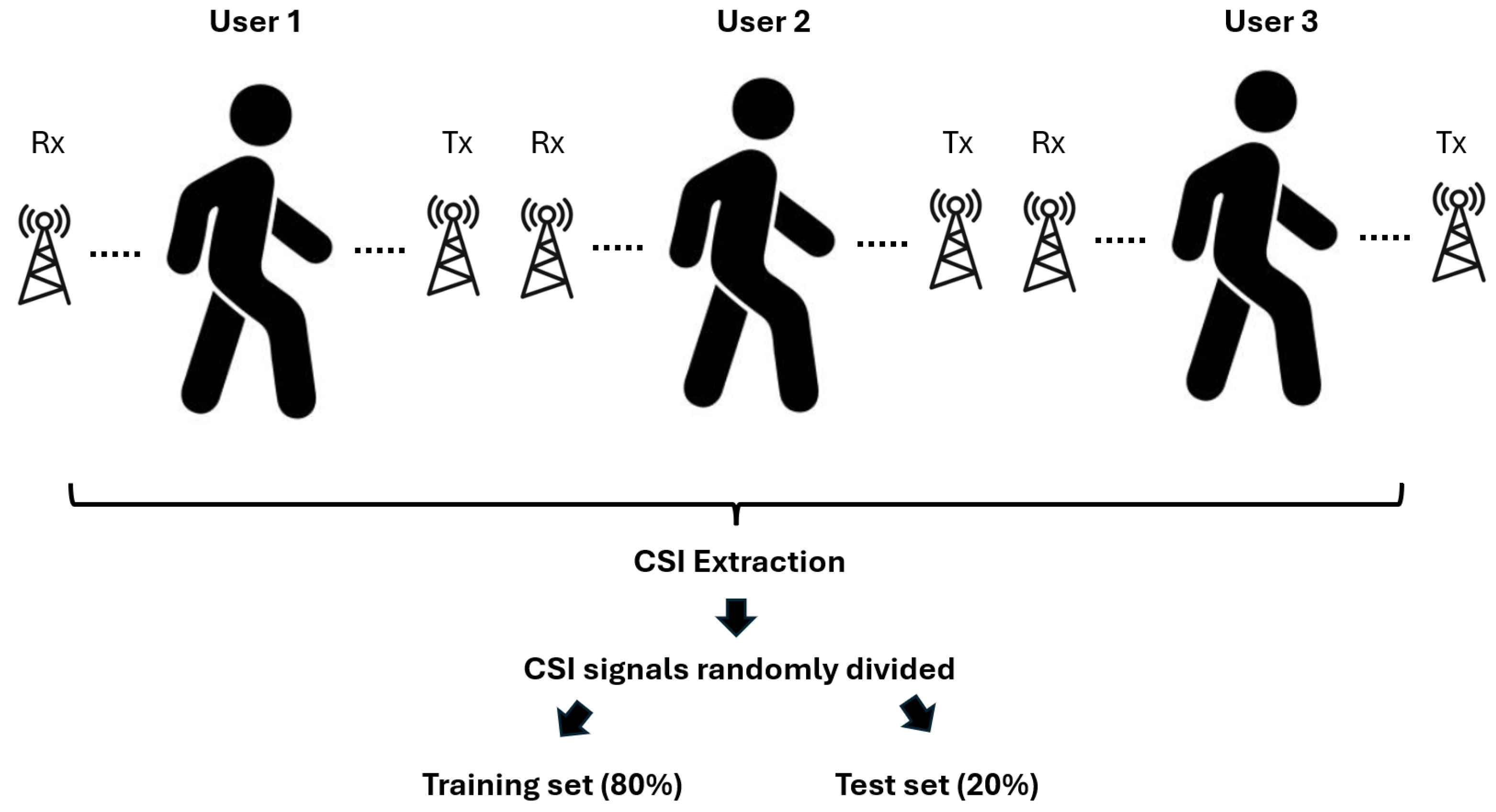
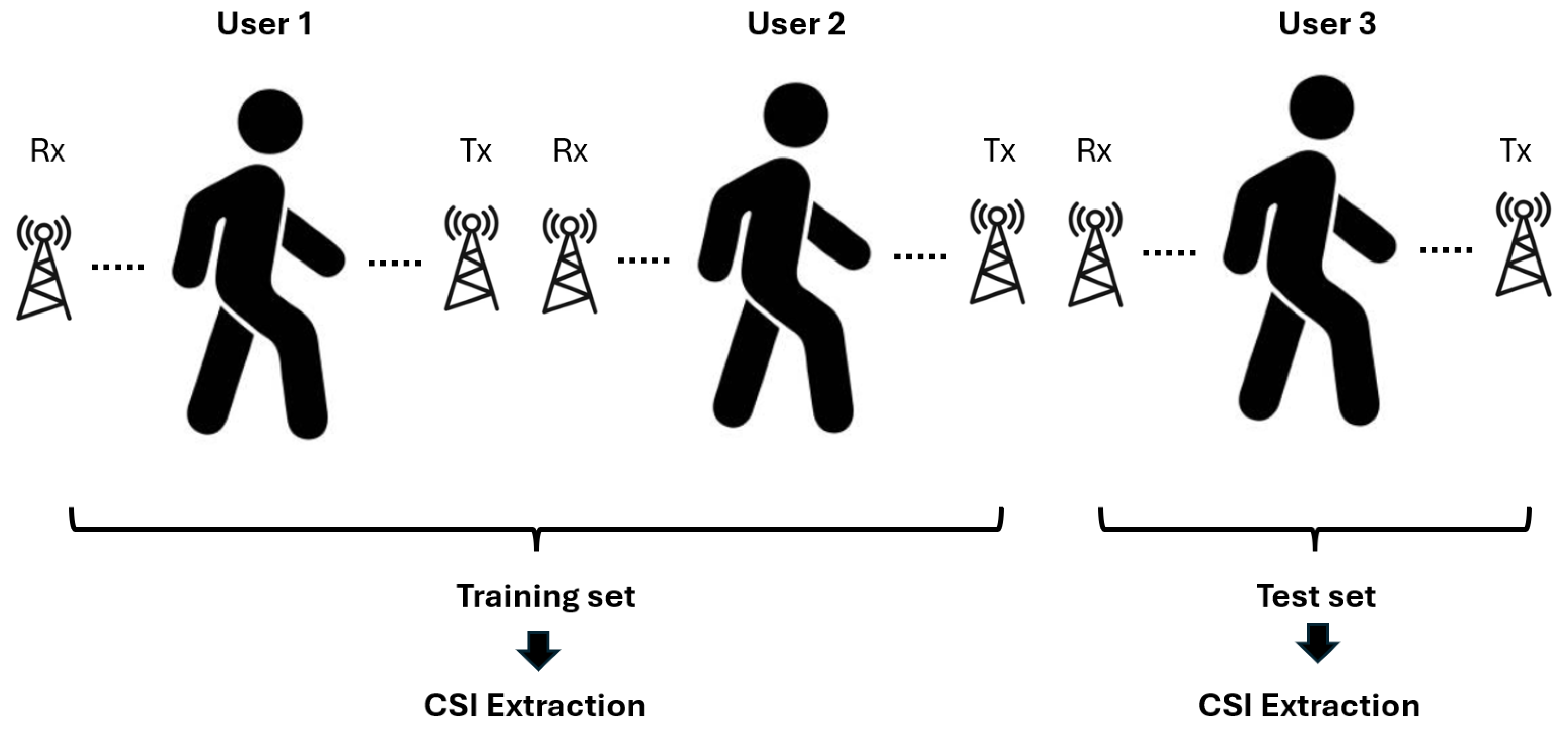
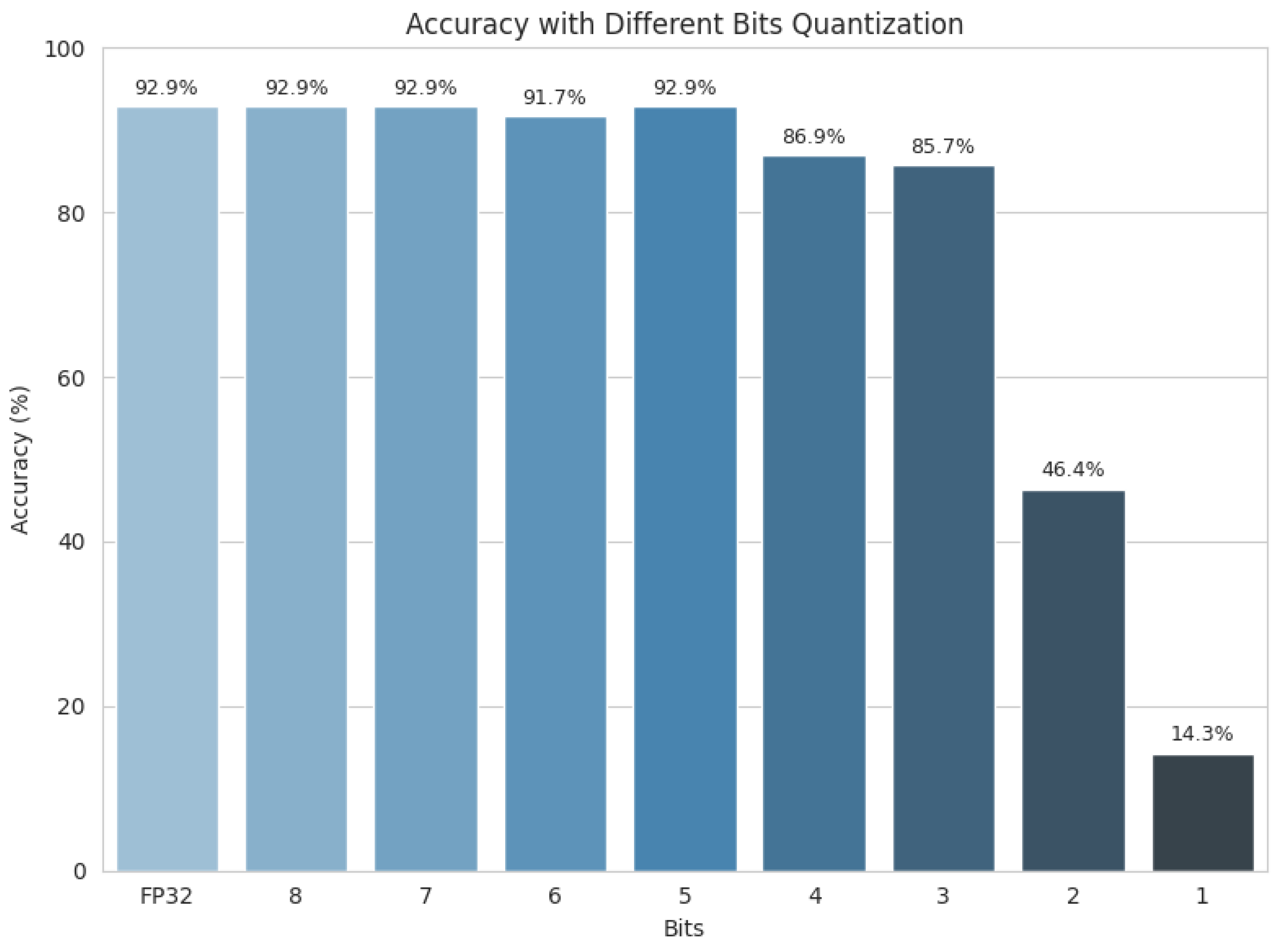
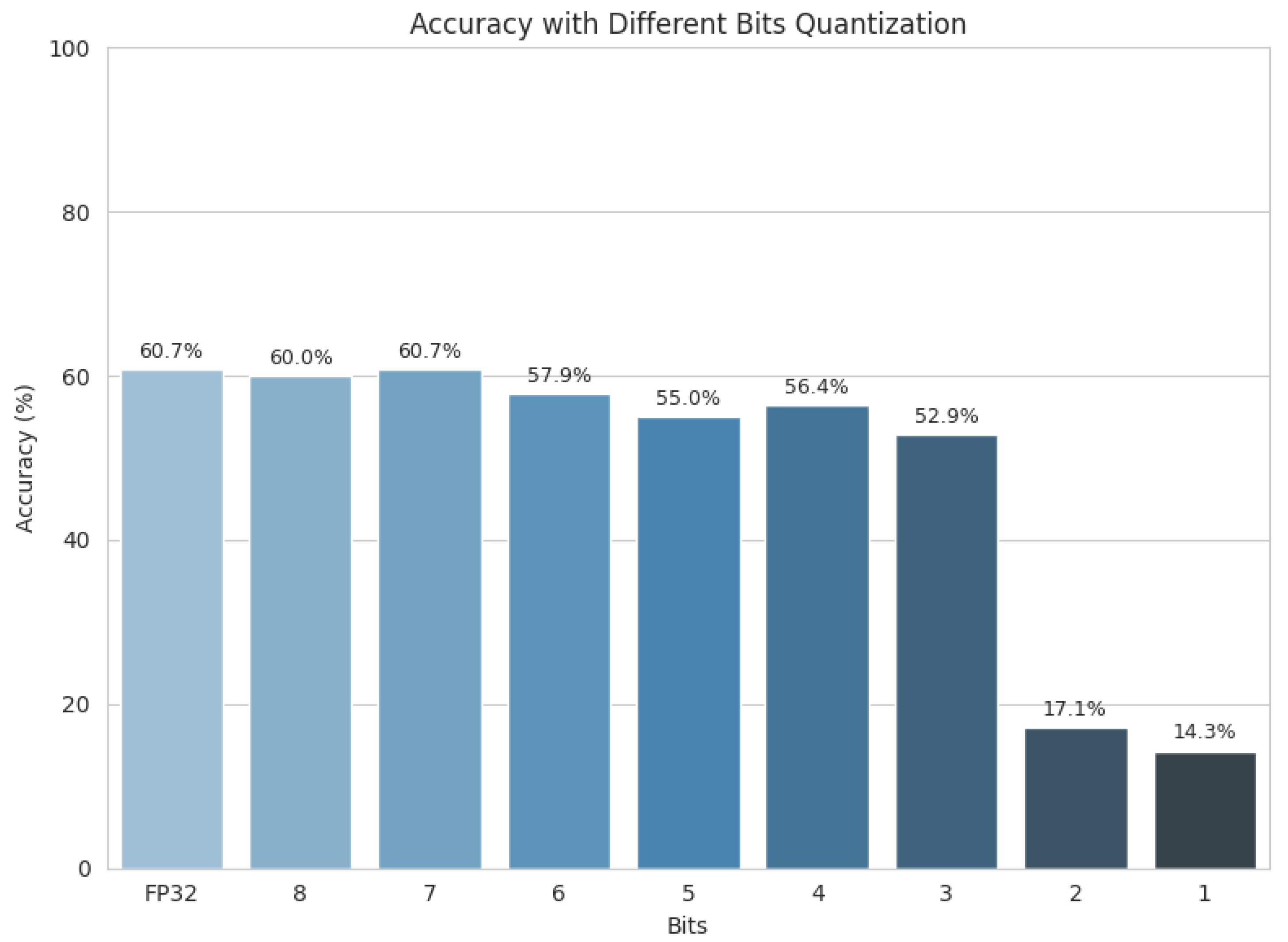
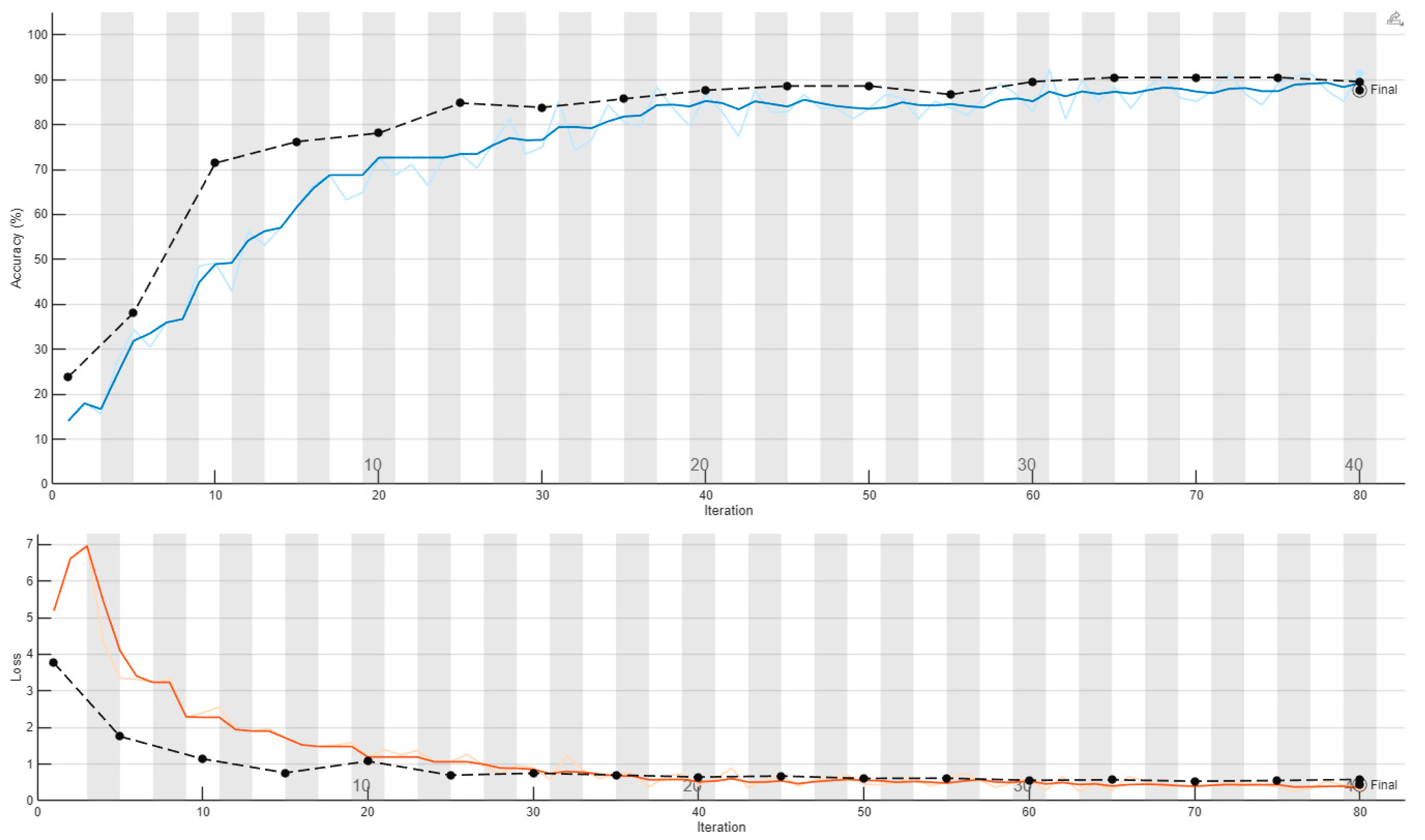
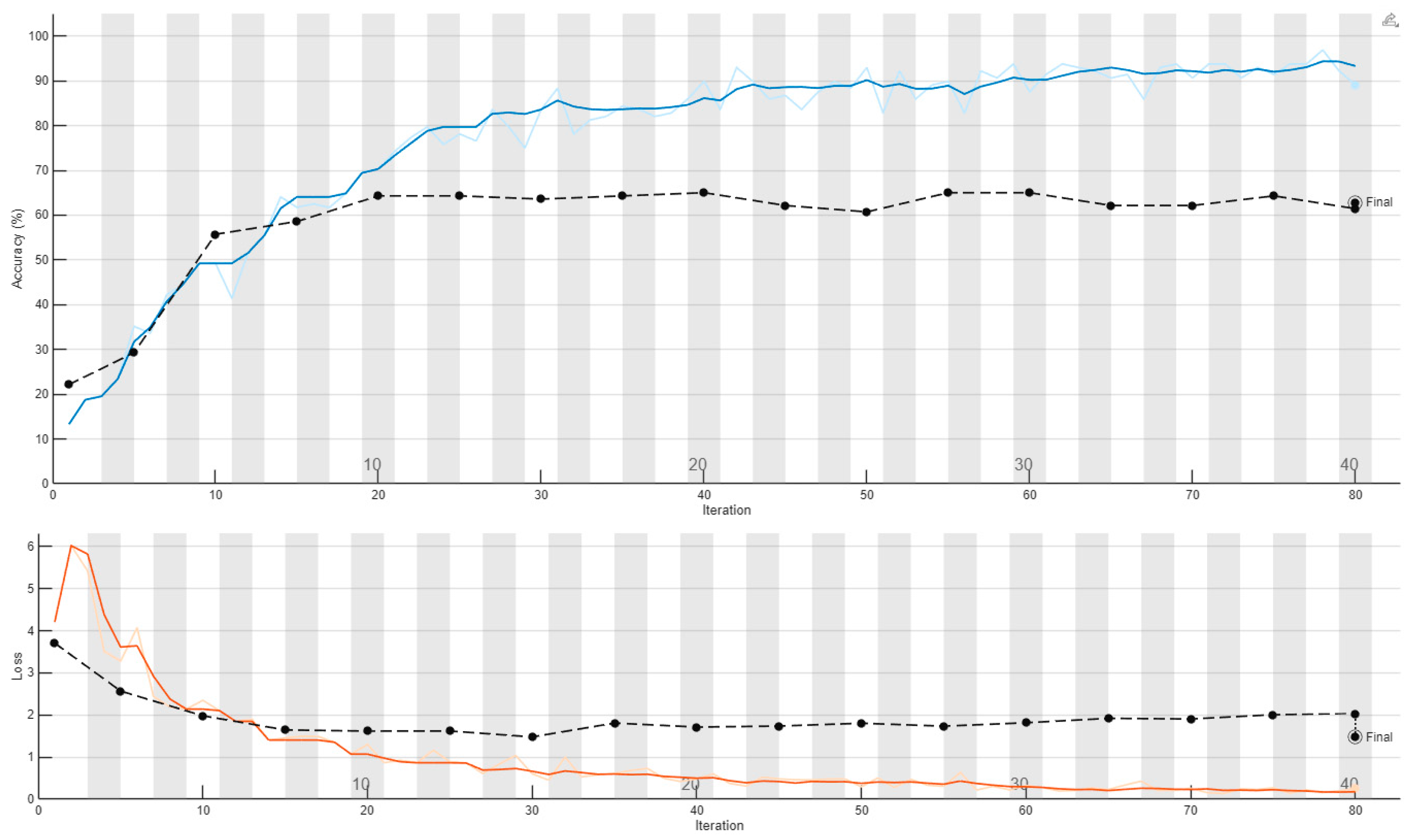
Human action recognition (HAR) based on WiFi channel state information (CSI) has attracted growing attention due to its contactless, privacy-preserving, and cost-effective nature. Recent studies have reported promising results by leveraging deep learning and image-based representations of CSI. However, methodological flaws in experimental protocols, particularly improper dataset partitioning, can lead to data leakage and significantly overestimate model performance. In this paper, we critically analyze a recently published WiFi-CSI-based HAR approach that converts CSI measurements into images and applies deep learning for classification. We show that the original evaluation relied on random data splitting without subject separation, causing substantial data leakage and inflated results. To address this, we reimplemented the method using subject-independent partitioning, which provides a realistic assessment of generalization ability. Furthermore, we conduct a quantitative study of post-training quantization under both correct and flawed partitioning strategies, revealing that methodological errors can conceal the true performance degradation of compressed models. Our findings demonstrate that evaluation protocols strongly influence reported outcomes, not only for baseline models but also for engineering decisions regarding model optimization and deployment. Based on these insights, we provide guidelines for designing robust experimental protocols in WiFi-CSI-based HAR to ensure methodological integrity and reproducibility.
Keywords: WiFi CSI; human action recognition; machine learning integrity WiFi CSI; human action recognition; machine learning integrity