Technical Note

Method and System for Heart Rate Estimation Using Linear Prediction Filtering †

by
Vitor O. T. Souza
1,
Fabrício G. S. Silva
2,
José M. Araújo
1,* and
Jaimilton S. Lima
3
1
Instituto Federal da Bahia, Grupo de Pesquisa em Sinais e Sistemas, Salvador 40301-015, BA, Brazil
2
Instituto Federal da Bahia, Grupo de Pesquisa em Sistemas de Comunicação, Salvador 40301-015, BA, Brazil
3
Instituto Federal da Bahia, Campus Camaçari, Camaçari 42800-605, BA, Brazil
*
Author to whom correspondence should be addressed.
This paper is an extended version of our paper published in the CBEB 2022, which was presented at XXVII Brazilian Congress on Biomedical Engineering, Vitória, ES, Brazil, October 2022.
Signals 2025, 6(2), 15; https://doi.org/10.3390/signals6020015

Submission received: 18 February 2025 / Revised: 12 March 2025 / Accepted: 18 March 2025 / Published: 25 March 2025

Abstract

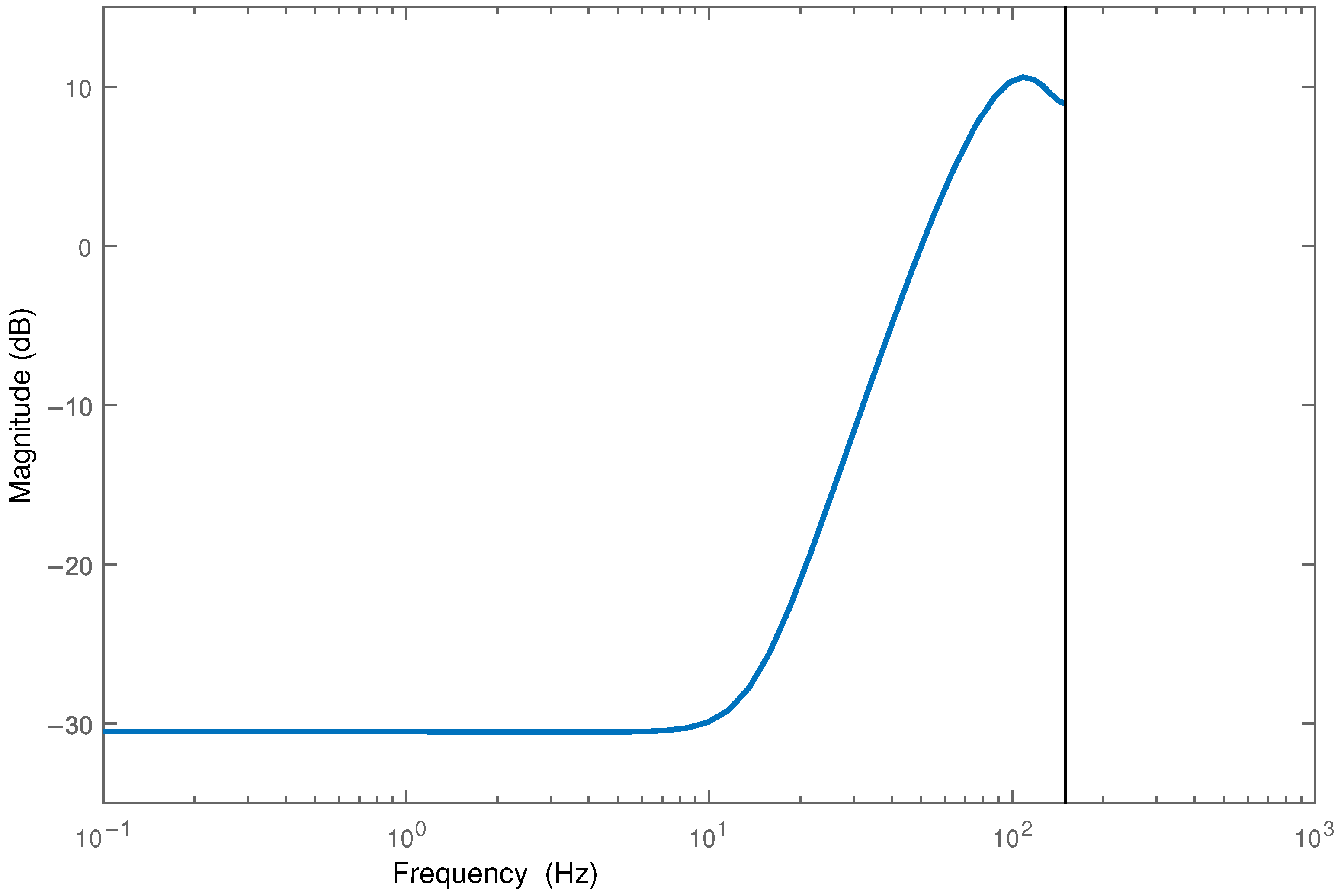
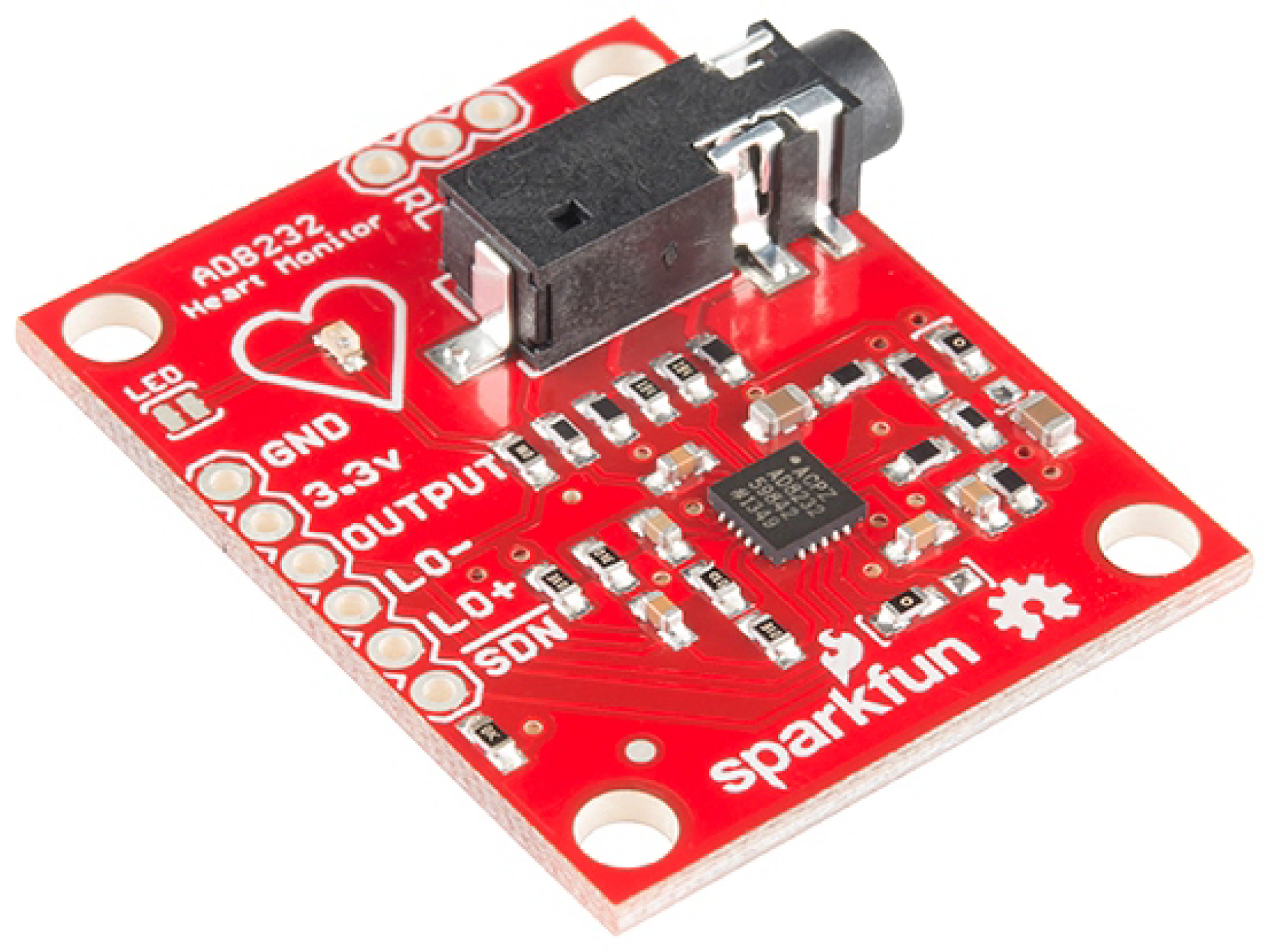
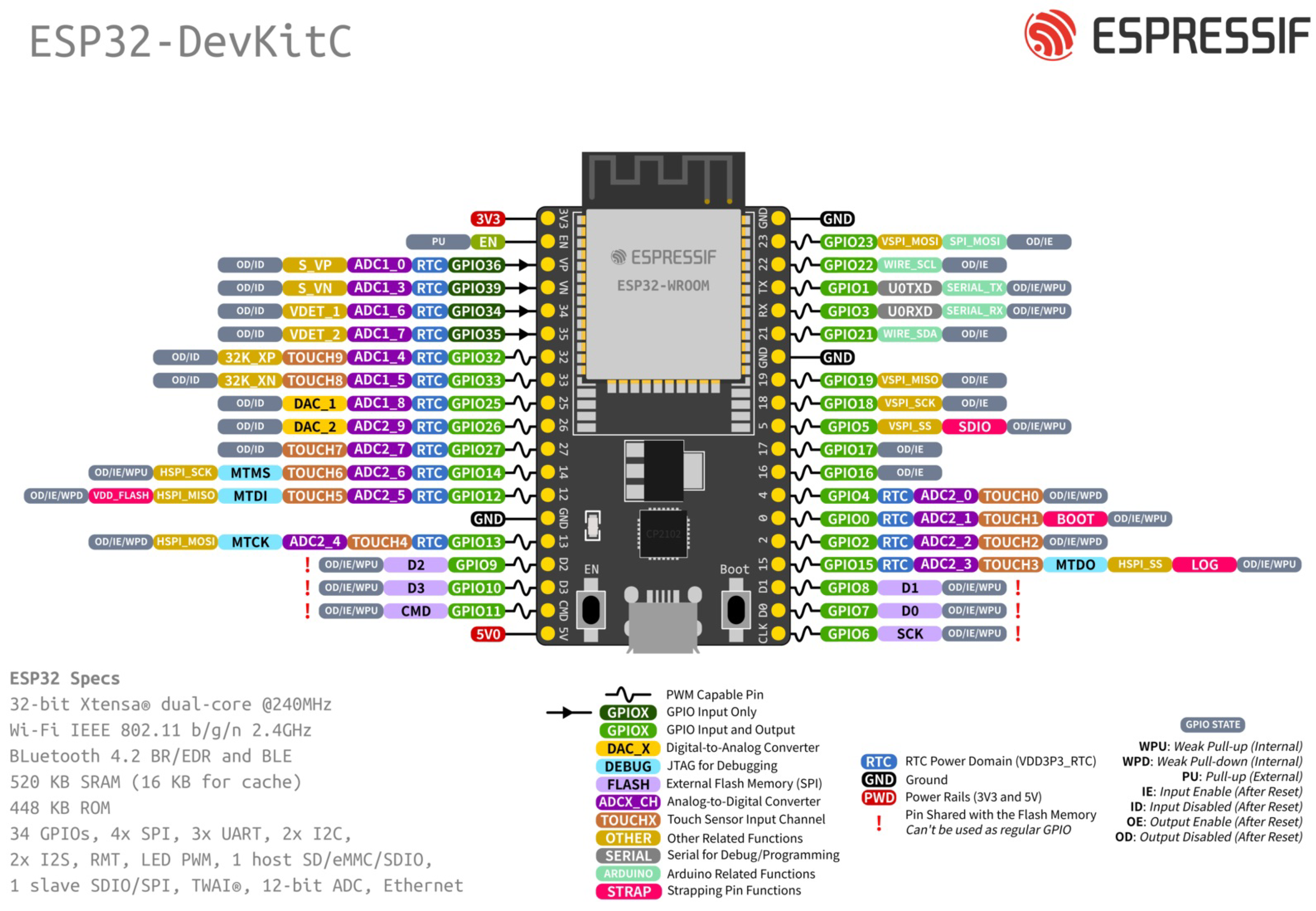
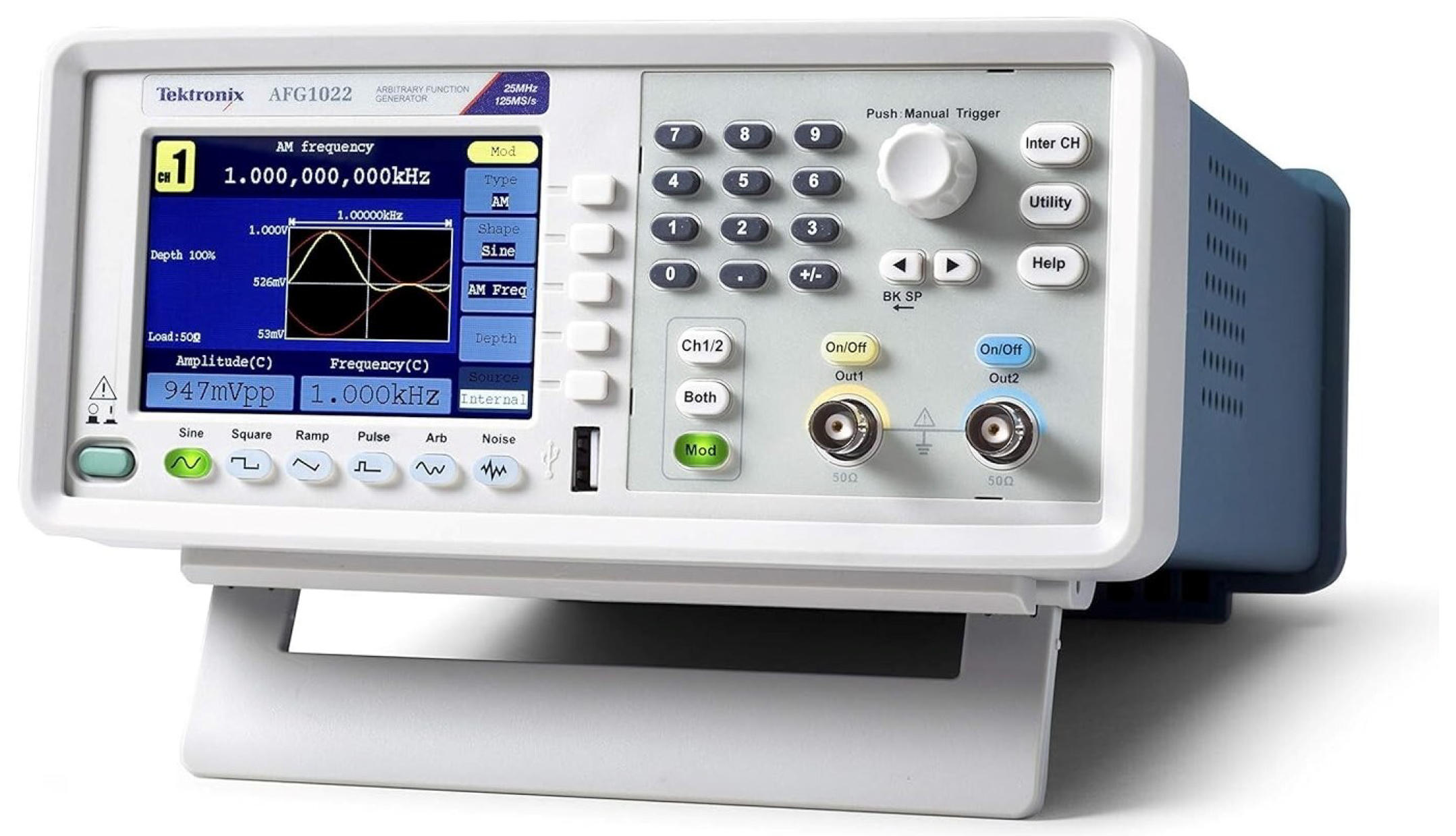
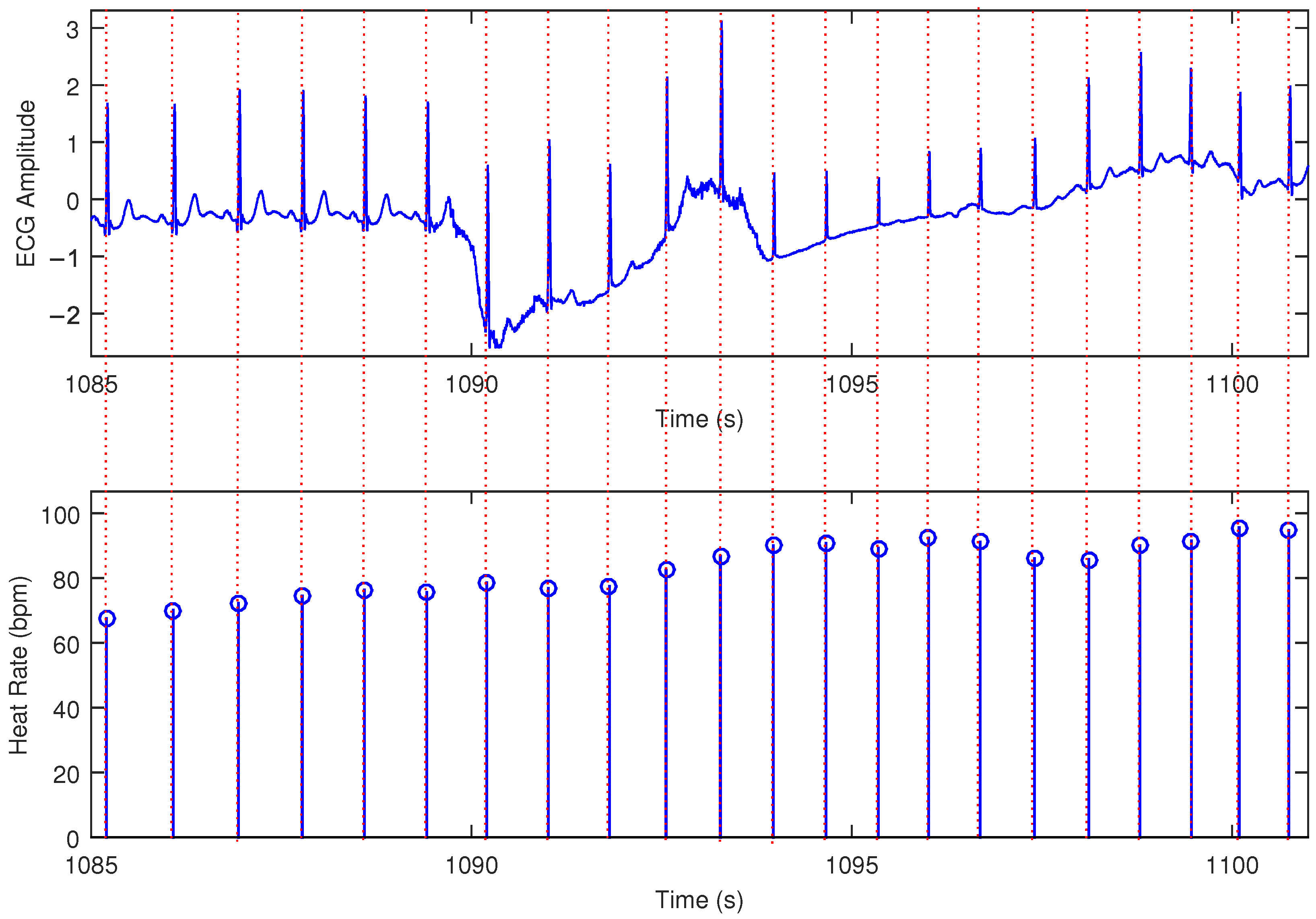
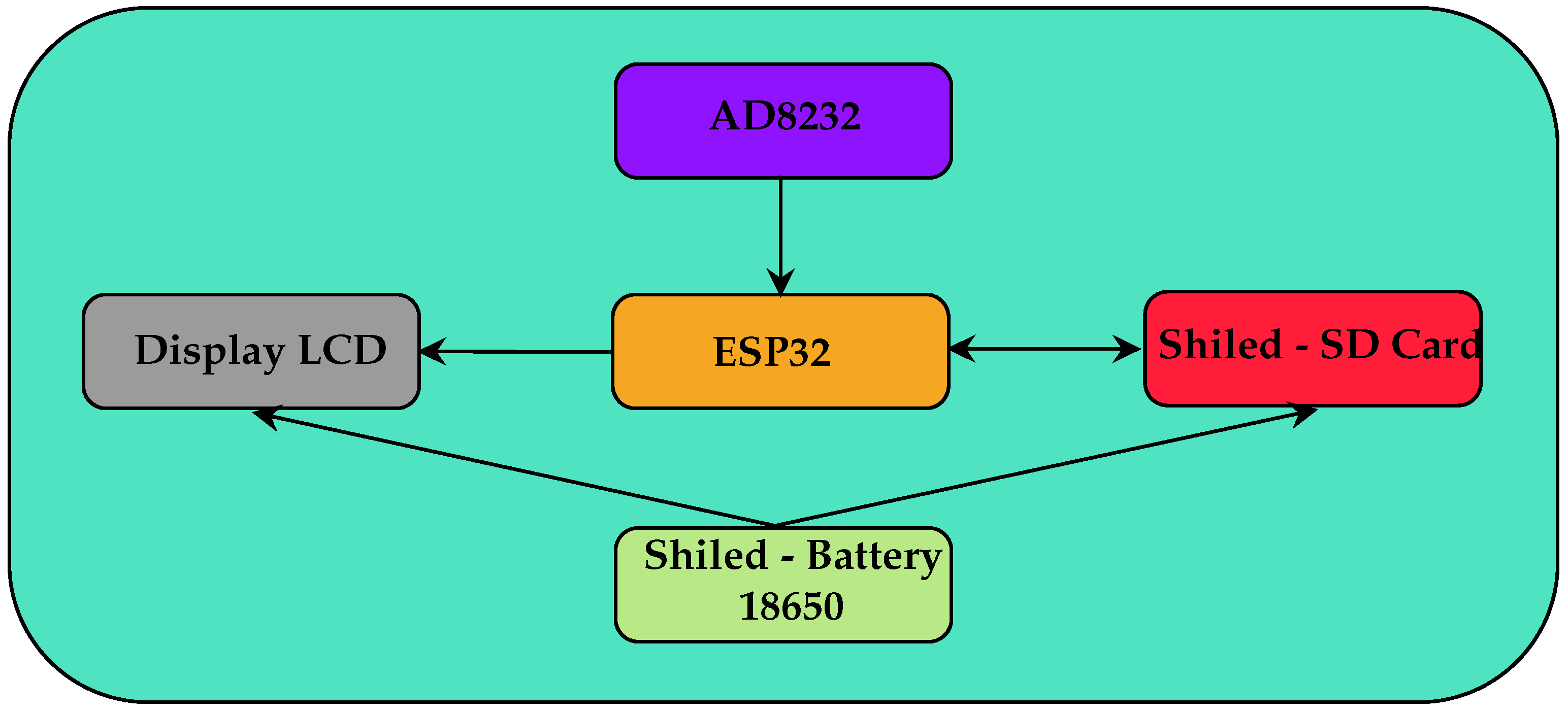
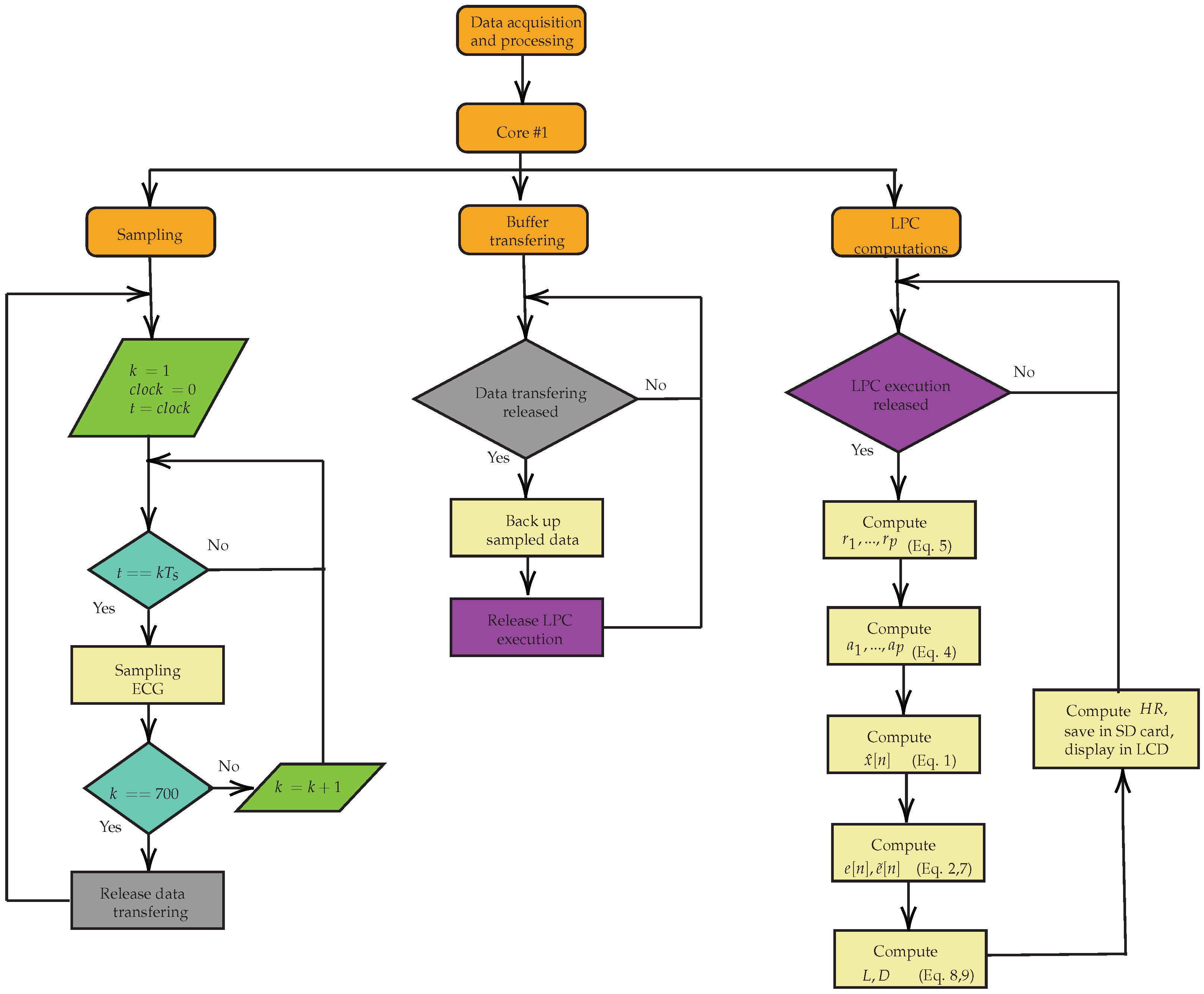
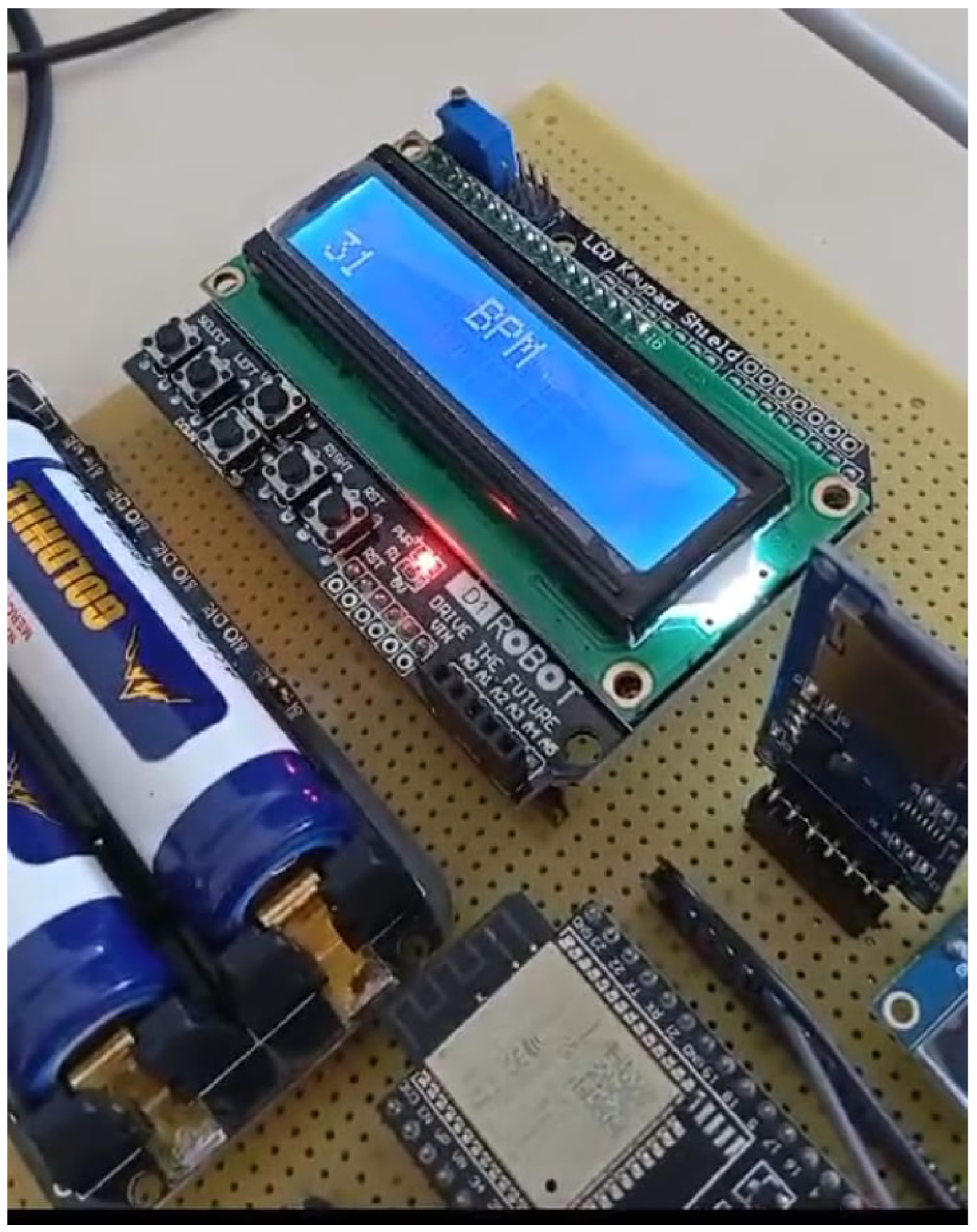
Cardiovascular diseases represent one of the major problems faced by modern society. In addition to reducing people’s quality of life, bringing high costs to the health system, and causing losses in economic productivity, they are the leading cause of death in the world. Early diagnosis and treatment are the best actions to minimize the damage and costs caused by these diseases. For this, developing techniques and technologies that have higher accuracy in the analysis of electrocardiogram (ECG) signals is necessary. Early diagnosis benefits from relevant ECG interpretation. Then, it can contribute to reducing healthcare costs by replacing interventionist responses with preventive actions. This work presents a method and system for heart rate estimation using Linear Prediction Coefficients (LPCs) centered on an ESP32 microprocessor module and an AD8232 ECG signal conditioning module. The proposal was validated with a Tektronix AFG1022 function generator that produces ECG signals and obtained measurements with accuracy above 98.87%, showing performance similar to studies presented in the literature. Also, the LPC algorithm showed good performance in rejecting low-frequency noise caused by some common artifacts, such as body movement and electrode displacement.
Keywords: heart rate; linear prediction; ESP32 heart rate; linear prediction; ESP32