4.1. Electrochemical Investigation of Alkaline and Acidic Electrolytes Using a Pt Working Electrode
To determine the electrochemical stability windows of both electrolytes and to identify potential ranges to be avoided during polarisation measurements on WC–6Co, potentiodynamic polarisation was first performed using an inert platinum working electrode (Pt). The measurements were conducted from −1 V to +3 V at a scan rate of 1 mV·s
−1 under stirred conditions in a 1 L corrosion cell at 20.0 ± 0.5 °C.
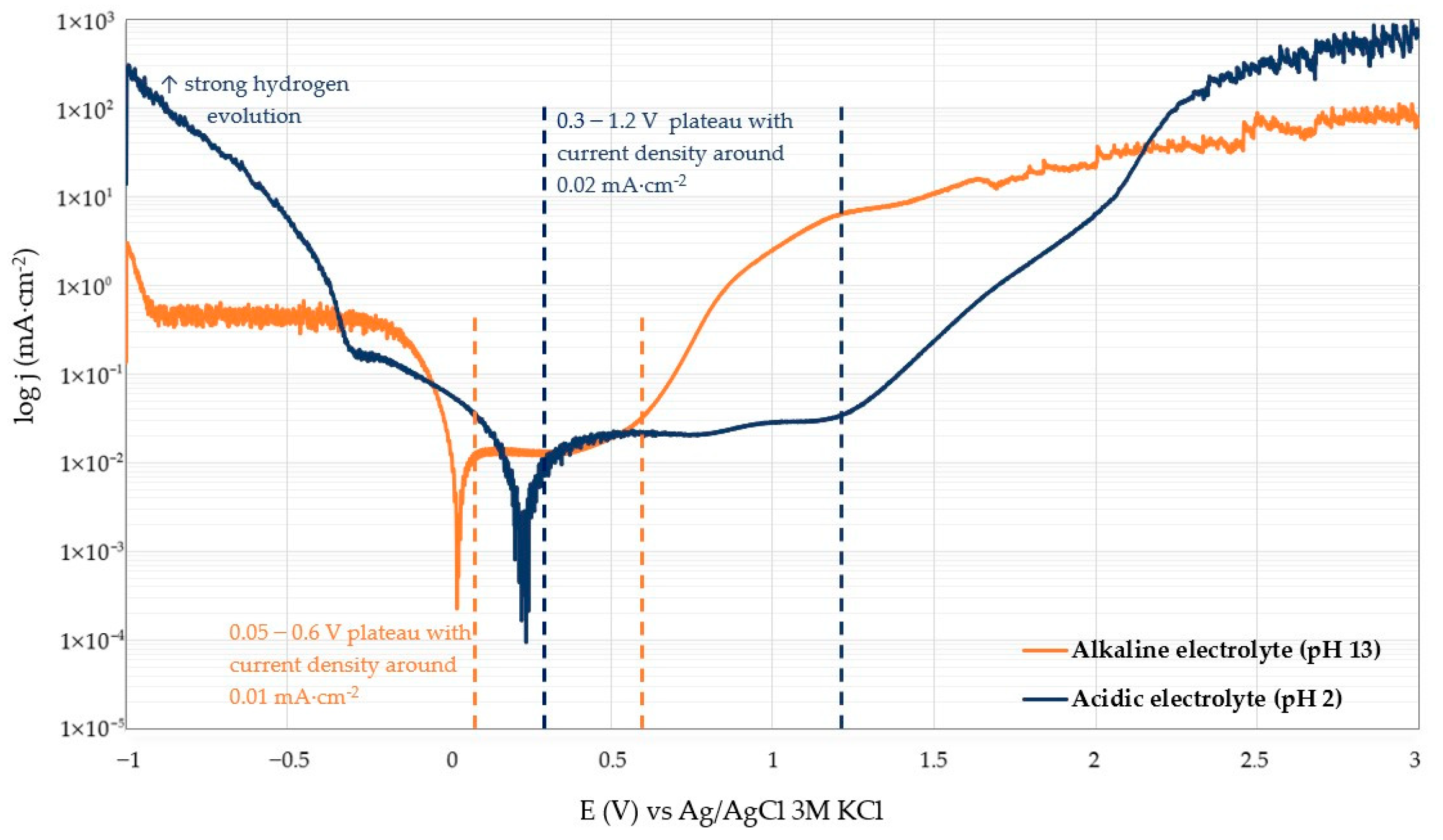
Figure 2 shows the resulting polarisation curves recorded in the alkaline (pH 13) and acidic (pH 2) electrolytes.
In the cathodic region (
E <
Ecorr), the acidic electrolyte exhibits significantly higher current densities than the alkaline electrolyte. This behaviour is characteristic of intensified hydrogen evolution, which is strongly favoured at low pH. The high cathodic currents therefore indicate accelerated proton reduction (2H
+ + 2e
− → H
2). Platinum is an excellent catalyst for hydrogen evolution, which further enhances cathodic activity in acidic media. In contrast, the alkaline electrolyte shows much lower cathodic currents, consistent with the slower hydrogen evolution kinetics associated with water reduction (2H
2O + 2e
− → H
2 + 2OH
−), a well-established effect reflecting a decrease of approximately two orders of magnitude in HER rates on Pt in alkaline compared to acidic conditions [
13].
In the anodic region, the acidic electrolyte displays a relatively broad plateau range between approximately 0.3 and 1.2 V with current densities around 0.02 mA·cm−2. Beyond approximately 2.1 V, a steep rise in current density occurs, corresponding to oxygen evolution and the onset of electrolyte decomposition. The alkaline electrolyte exhibits a narrower plateau region between ~0.05 and 0.6 V at around 0.01 mA·cm−2. At higher anodic potentials, the anodic current in the alkaline electrolyte remains higher than in the acidic electrolyte up to approximately 2.1 V. Above this potential, however, the acidic electrolyte exhibits a steeper current increase and eventually reaches higher current densities than the alkaline electrolyte. This behaviour is consistent with stronger oxygen evolution and earlier electrolyte decomposition in the acidic medium, whereas the alkaline electrolyte shows a more gradual increase in anodic current. This enhanced stability of the alkaline electrolyte may be associated with the presence of surfactants and phosphate-based inhibitors, which can adsorb onto the platinum surface and supress charge transfer, thereby mitigating oxygen evolution.
Based on the stability-window analysis obtained from the Pt electrode, the potential range for the WC–6Co measurements was adjusted to start at OCP −0.2 V in order to avoid enhanced hydrogen evolution in the acidic electrolyte at more cathodic potentials and to prevent unintended surface modifications. In addition, starting the scan at OCP −0.2 V ensured that the potential interval required for Tafel analysis around Ecorr was included within the full potentiodynamic polarisation curve. The upper limit was set to +3 V, as the focus of these measurements was to examine anodic processes relevant to electrochemical stripping such as anodic active metal dissolution, passivation or pseudo-passivation. In this context, precise corrosion-rate determination was of secondary importance, since electrochemical stripping involves the application of an external potential rather than free-corrosion conditions.
4.2. Corrosion Behaviour of WC–6Co in Alkaline and Acidic Electrolytes
The corrosion behaviour of WC–6Co cemented carbide in alkaline (pH 13) and acidic (pH 2) electrolytes used for electrochemical stripping was investigated using potentiodynamic polarisation. The potential was scanned from OCP −0.2 V to +3 V at 1 mV·s
−1, a range selected based on the stability-window analysis obtained from the Pt electrode. All measurements were performed in a flat corrosion cell containing 100 mL of the electrolyte under unstirred conditions at 20 °C. Following the electrochemical tests, surface analyses were carried out to compare corrosion mechanisms in two electrolytes. The resulting polarisation curves are shown in
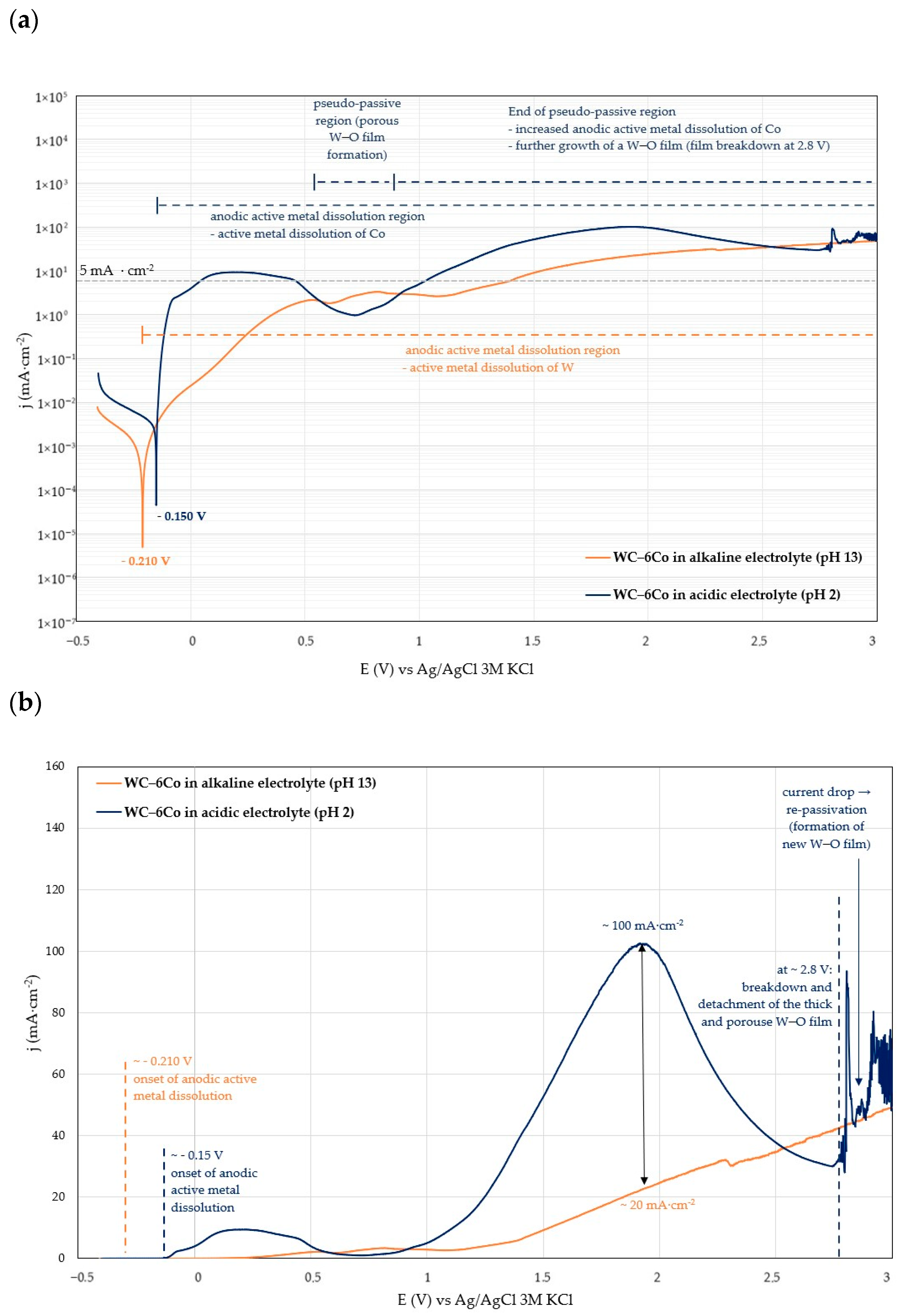
Figure 3 as (a) logarithmic and (b) linear forms to facilitate comparison of cathodic and anodic reaction regions.
To complement the qualitative evaluation of the polarisation curves, Tafel-derived electrochemical parameters from the potential region around
Ecorr within the full potentiodynamic scan are summarized in
Table 1. These parameters provide a useful comparative indication of the relative corrosion tendency under conditions represented by the Tafel fit but are less suitable for describing the corrosion mechanisms dominating at the higher anodic potentials relevant to electrochemical stripping, where metal dissolution, pseudo-passivation, oxide growth, and oxide-film breakdown govern material removal.
The corrosion current density (jcorr) is higher in the acidic electrolyte than in the alkaline electrolyte (3.03 × 10⁻³ vs. 1.48 × 10⁻³ mA·cm−2), indicating higher corrosion tendency under the conditions represented by the Tafel analysis parameters.
In the acidic electrolyte, anodic metal dissolution begins immediately above
Ecorr (−0.15 V). The anodic current then rises rapidly and reaches clearly higher values than in the alkaline electrolyte in the initial active dissolution range. At intermediate potentials, approximately 0.65 to 0.85 V vs. Ag/AgCl (3 M KCl), the current density becomes temporarily attenuated. However, the measured current densities in this interval (~0.6–0.7 mA·cm
−2) remain substantially higher than typical passive current densities (~10 µA·cm
−2 [
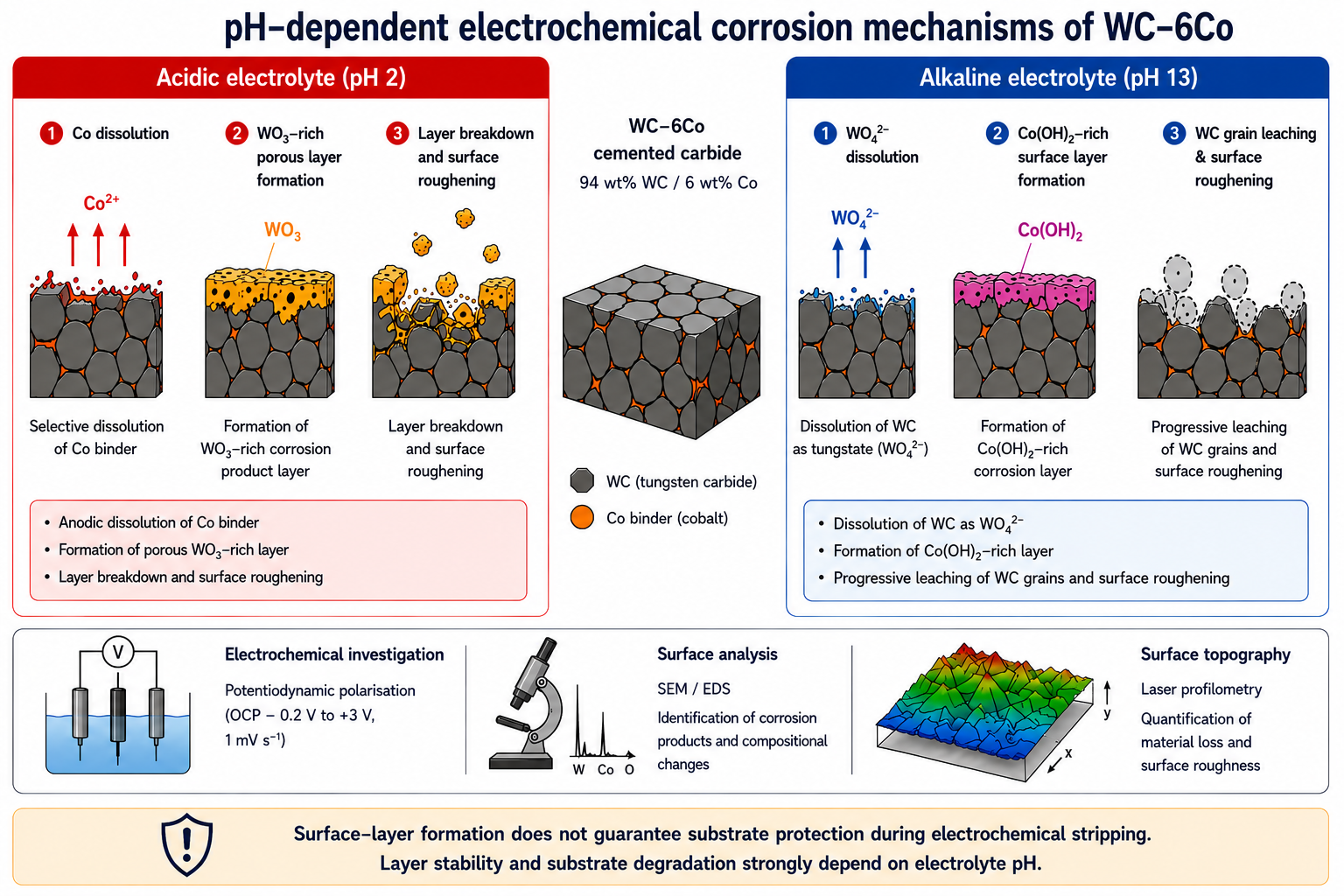
14]), indicating that a fully developed passive state is not achieved. This behaviour is therefore described as pseudo-passivation rather than true passivation and is associated with the formation of a porous W-O-rich surface layer commonly associated with
-rich corrosion products on the tungsten-rich surface. As the anodic potential increases further, the current density rises again, indicating renewed anodic dissolution at higher potentials rather than a transpassive transition. According to Song [
15], a transpassive region cannot be assigned here because no true passive state is established beforehand. The high-potential behaviour is therefore interpreted as continued oxidation and growth of a porous W-O-rich corrosion-product layer, followed by mechanical instability and local film breakdown. In the linear representation (
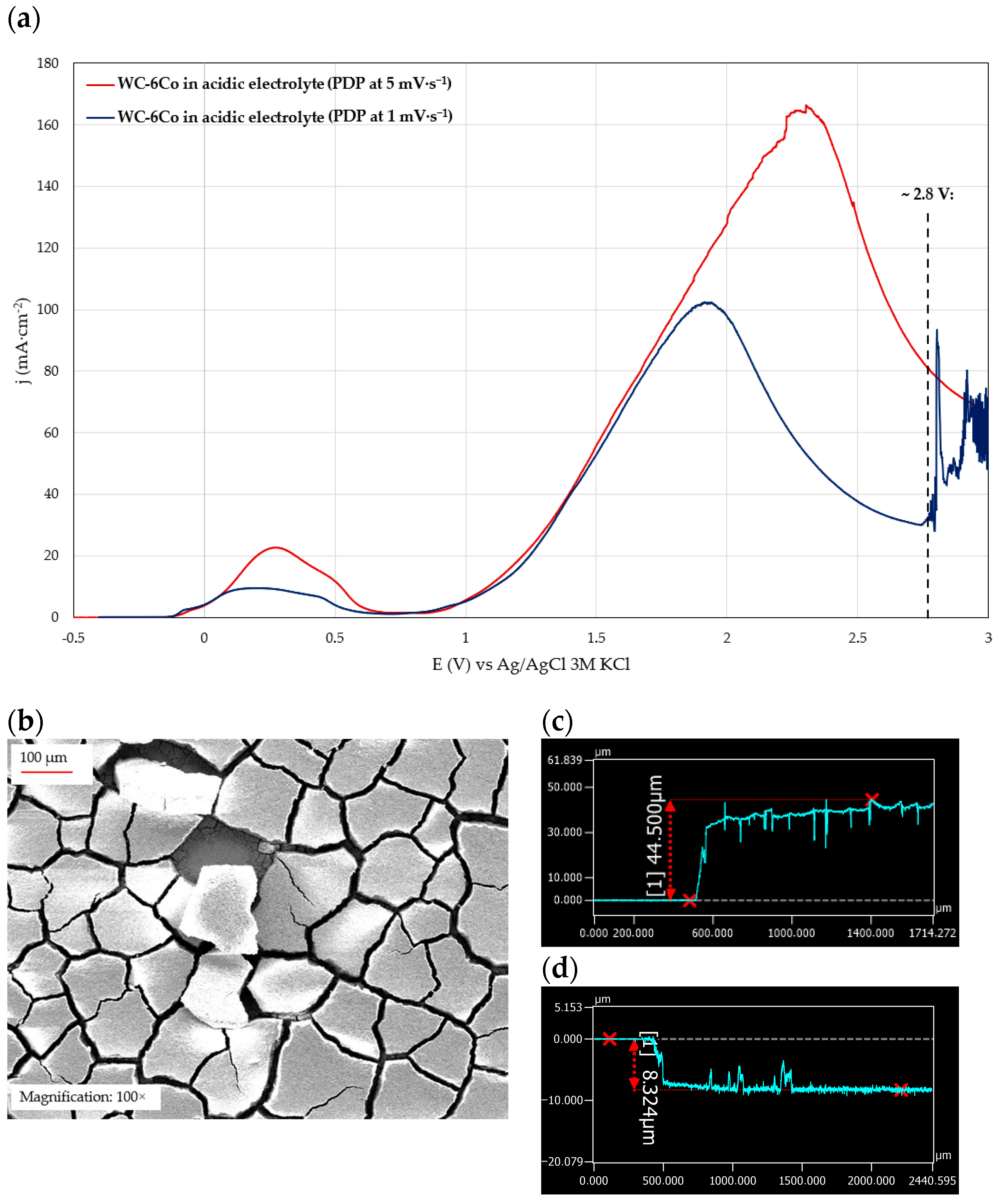
Figure 3b), the acidic electrolyte reaches a maximum current density of approximately 100 mA·cm
−2 at around 1.9 V. At approximately 2.8 V, a pronounced current change is observed, consistent with partial breakdown and local detachment of the thick, porous surface layer. This is reflected in a sharp current spike from ~25 mA·cm
−2 to ~95 mA·cm
−2, indicating the exposure of the fresh substrate material. The subsequent decrease in current density is consistent with the formation of a new W–O-rich surface layer. This interpretation is consistent with the place-exchange and field-assisted ion-transport mechanism described by Sato [
16], which explains oxide growth through coupled migration of oxygen ions and metal ions during anodic polarisation.
In contrast, the alkaline electrolyte does not exhibit a pronounced pseudo-passive region. Anodic metal dissolution begins at approximately −0.21 V and is followed by a steady increase in current density, indicating continued active anodic dissolution without the establishment of a comparably protective surface layer. Based on the electrochemical response, SEM/EDS observations, and Pourbaix considerations [
5], tungsten dissolution in alkaline solution is interpreted to proceed via soluble tungstate species (
), while the Co−O-rich surface layer is attributed to cobalt hydroxide-containing corrosion products, likely including
. Although this surface layer may mitigate cobalt dissolution locally, it does not stabilise the overall surface, and WC grain leaching remains the dominant degradation mode.
A further distinction between the two electrolytes is reflected in the anodic current response relative to the commonly referenced value of 5 mA·cm
−2 from ASTM G61 for iron- nickel-, or cobalt-based alloys [
17]. In the present work, this value is used only as a comparative benchmark for pronounced anodic activity and associated material degradation, not as a formal corrosion criterion for WC–6Co. On this basis, the acidic electrolyte reaches this benchmark at lower potentials than the alkaline electrolyte, indicating an earlier onset of strong anodic degradation under the applied polarisation conditions.
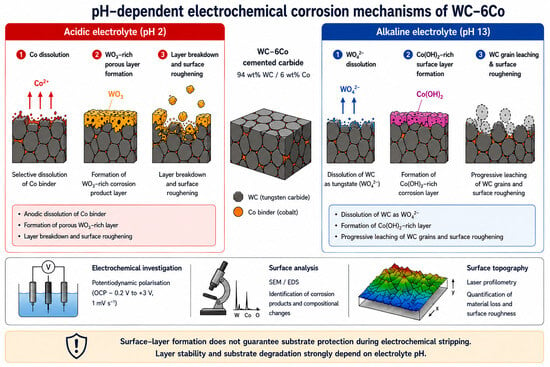
These differences are consistent with the microstructural composition of the WC–6Co substrate. Owing to the high WC content (94 wt%) and the relatively low cobalt fraction (6 wt%), the electrochemical response is governed predominantly by the WC phase. In the acidic electrolyte, tungsten oxidation is associated with pseudo-passivation through the formation of a
-rich surface layer, whereas in alkaline media tungsten dissolution is interpreted to proceed via soluble
species [
5]. Although cobalt may form a hydroxide-containing surface layer in alkaline conditions, its low fraction in the substrate is insufficient to stabilise the overall surface. As a result, the acidic electrolyte exhibits pseudo-passivation followed by renewed anodic dissolution and film breakdown at higher potentials, whereas the alkaline electrolyte shows continued active dissolution without the formation of a comparably protective surface layer.
4.3. Surface Characterisation of WC–6Co After Potentiodynamic Polarisation in the Acidic Electrolyte
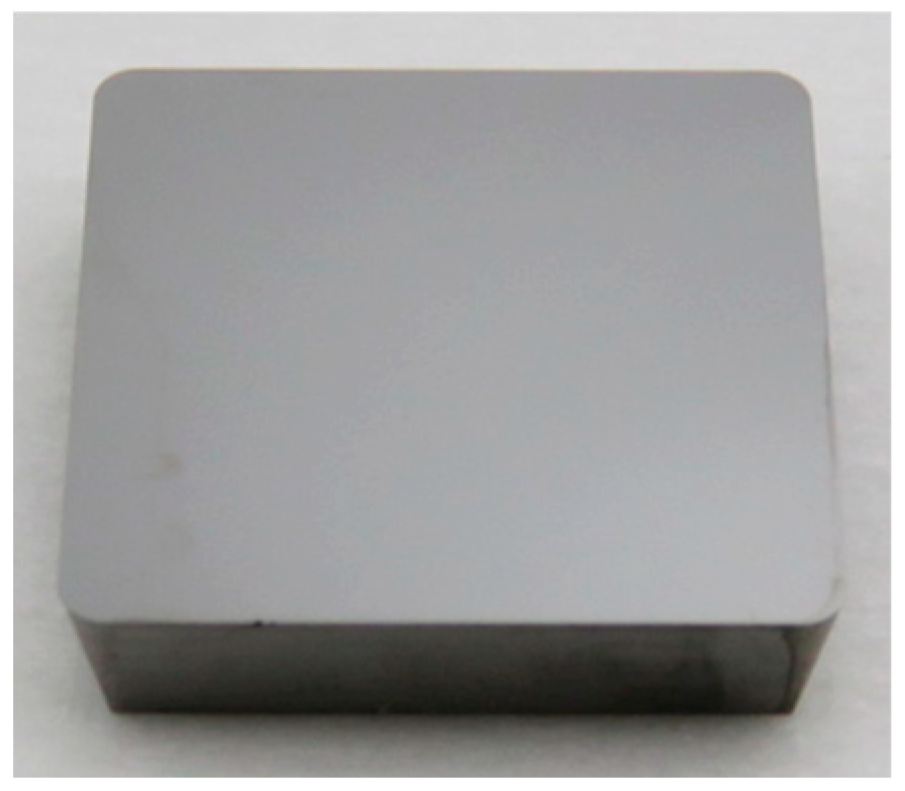
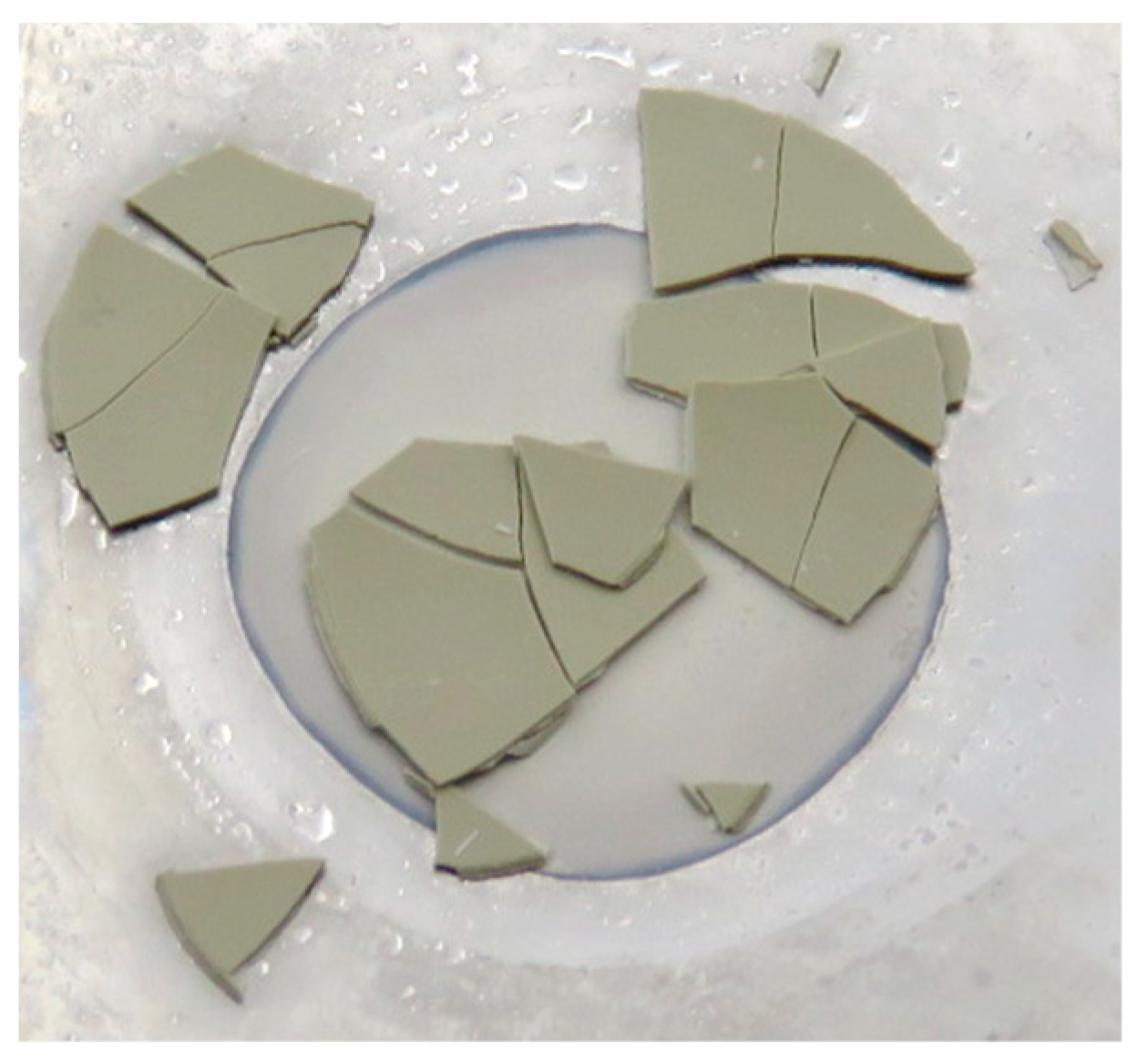
Figure 4 shows the WC–6Co sample after potentiodynamic polarisation testing in the acidic electrolyte (pH 2), revealing a partially detached corrosion-product layer on the surface. A thick yellowish-grey primary corrosion-product layer is loosely attached to the surface, while a second underlying layer is visible beneath it. SEM micrograph at 100× magnification (
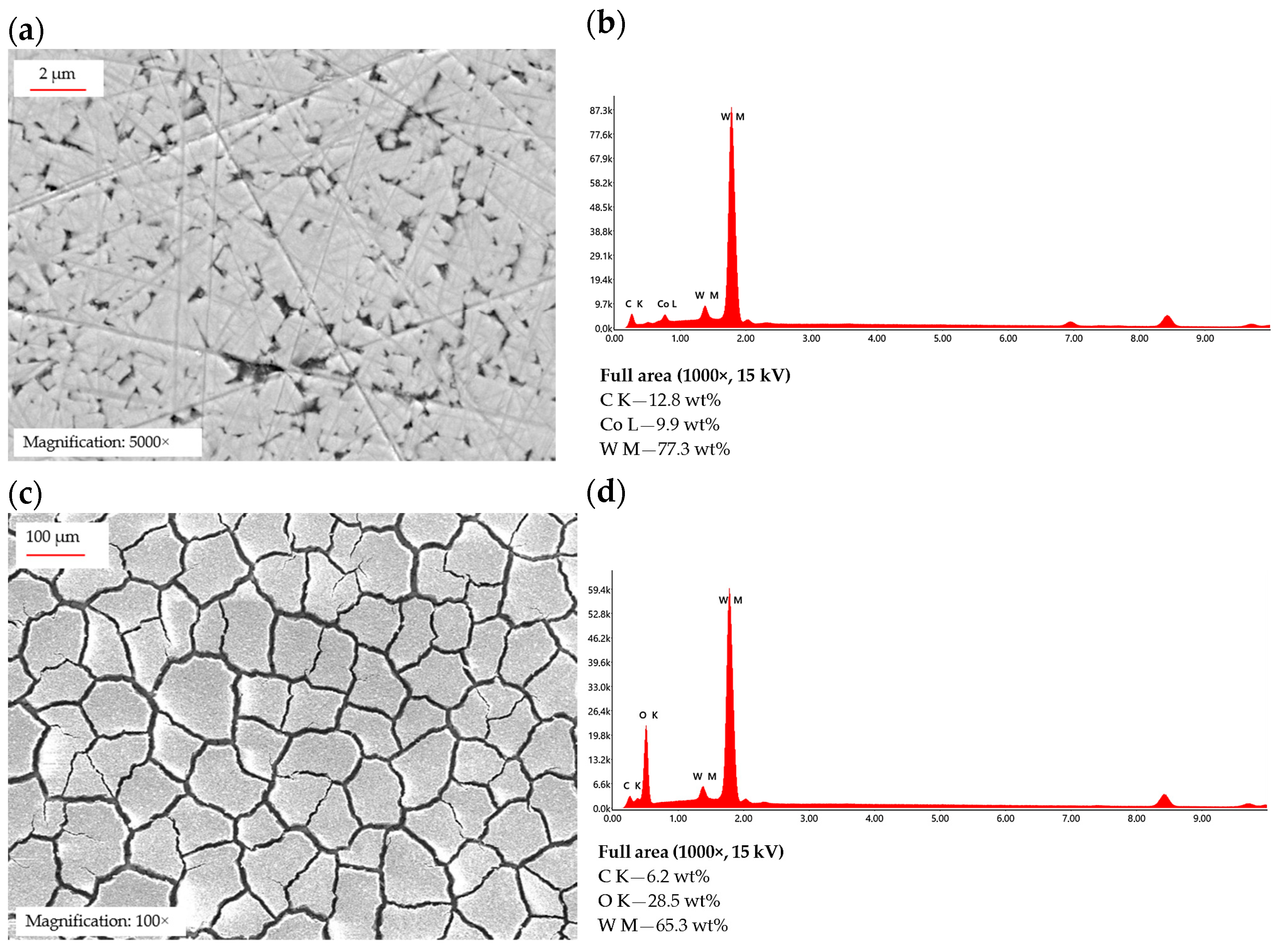
Figure 5c) reveals the underlying surface after removal of the fractured upper layer, showing a porous surface morphology resembling dried, cracked soil. The corresponding EDS spectrum (
Figure 5d) indicates elevated tungsten and oxygen contents, while cobalt was not detected under the applied measurement conditions. For comparison, SEM and EDS analyses of the untreated surface prior to testing are shown in
Figure 5a,b.
Surface profile measurements obtained using laser microscopy revealed a highly rough surface with an average profile depth of approximately 3.4 µm. At higher magnification, individual depressions of up to 6 µm in depth were observed. These features indicate the highly porous and non-uniform nature of the corrosion-product layer, consistent with the cracked and irregular morphology observed in the SEM micrograph in
Figure 5c. To estimate the possible thickness of the W–O-rich corrosion-product layer, an additional surface profile measurement was carried out on a WC–6Co sample polarised at a higher scan rate of 5 mV·s
−1. In contrast to the polarisation curve recorded at 1 mV·s
−1, the curve obtained at 5 mV·s
−1 did not exhibit a pronounced anodic current peak at 2.8 V, indicating that the initially formed layer had not yet detached. This behaviour can be attributed to the significantly shorter exposure time at higher scan rates, which delayed film fracture. For comparison, the corresponding polarisation curve at 5 mV·s
−1 is presented in its linear representation as an overlay with the 1 mV·s
−1 measurement in
Figure 6a. The higher current densities observed at 5 mV·s
−1 are attributed to the increased scan rate, which leads to a deviation from quasi-equilibrium conditions and therefore higher transient current responses. It should be noted that all other electrochemical measurements were performed at 1 mV·s
−1 to ensure comparability, and the higher scan rate applied here serves solely to illustrate the behaviour of the corrosion-product layer under reduced exposure time. The corresponding surface profile indicates an apparent maximum thickness of approximately 44 µm (see
Figure 6c), suggesting substantial anodic accumulation of a porous W–O-rich corrosion-product layer under these conditions. The SEM micrograph presented in
Figure 6b further confirms the brittle and porous nature of the layer, revealing extensive cracking and locally detached fragments. These features are consistent with the electrochemical response shown in
Figure 3, where high anodic currents persist despite continuous layer formation, indicating that the increasingly porous and ion-permeable W–O-rich layer formed under prolonged anodic polarisation is mechanically unstable and prone to cracking.
Since the corrosion-product layer must be removed prior to recoating, geometric change to the substrate must be considered. To assess the depth of uniform corrosion after removal of the layer, the sample was subjected to ultrasonic treatment in ethanol. Subsequent surface profile measurements revealed a uniform material loss with an average surface abrasion of approximately 8 µm (see
Figure 6d).
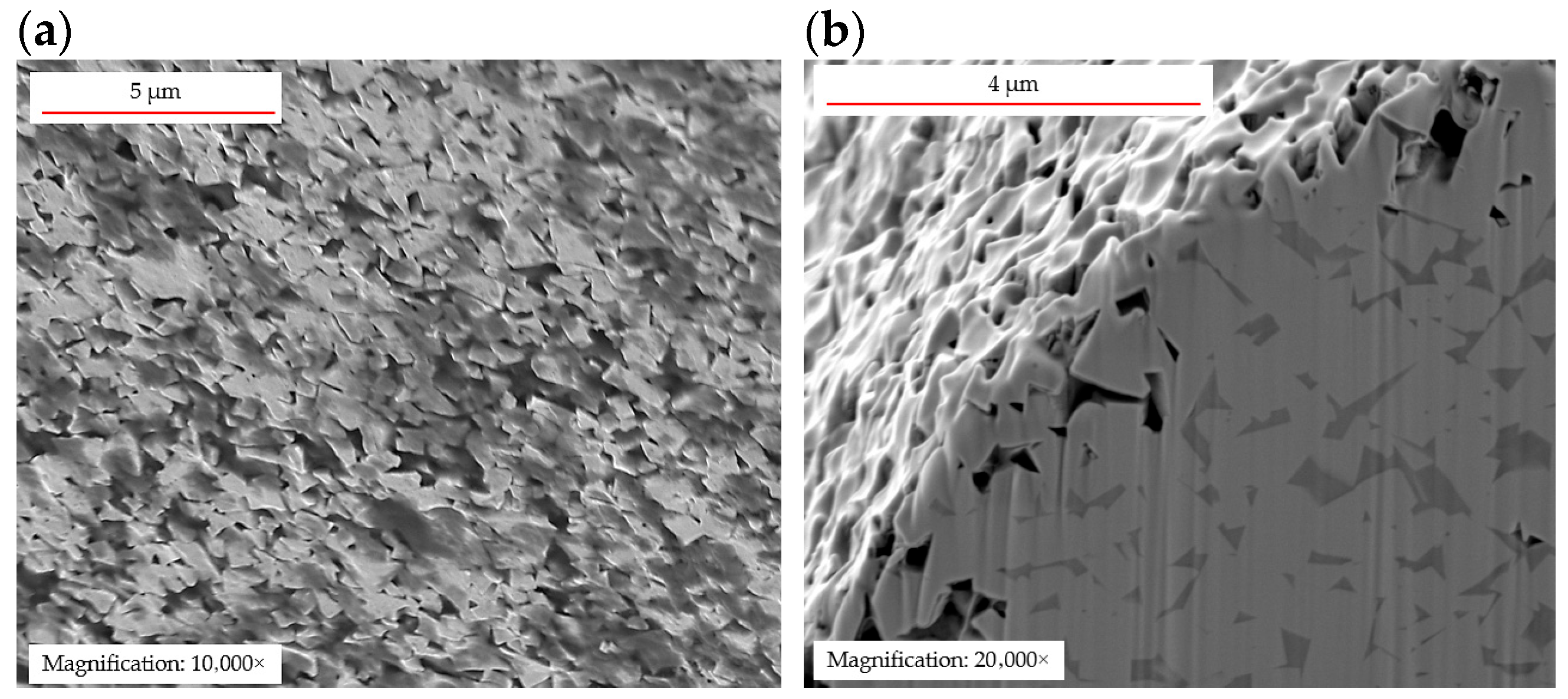
The FIB (Focused Ion Beam) cross-section shown in
Figure 7b, obtained from a cemented carbide cutting tool after an industrial electrochemical stripping process in an acidic electrolyte (pH 2), supports the laboratory findings. However, the industrial stripping process and the laboratory electrochemical measurements were performed under different conditions and should not be interpreted as directly equivalent. The industrial FIB/SEM observations are presented only as qualitative support for the corrosion mechanisms identified under controlled laboratory conditions. The cross-section reveals loose WC grains and loss of the cobalt binder matrix in the near-surface region. To further corroborate this behaviour, an additional SEM top-view micrograph of the same tool was analysed (
Figure 7a). The surface image clearly shows exposed WC grains and the pronounced depletion of the cobalt matrix.
4.4. Surface Characterisation of WC–6Co After Potentiodynamic Polarisation in Alkaline Electrolyte
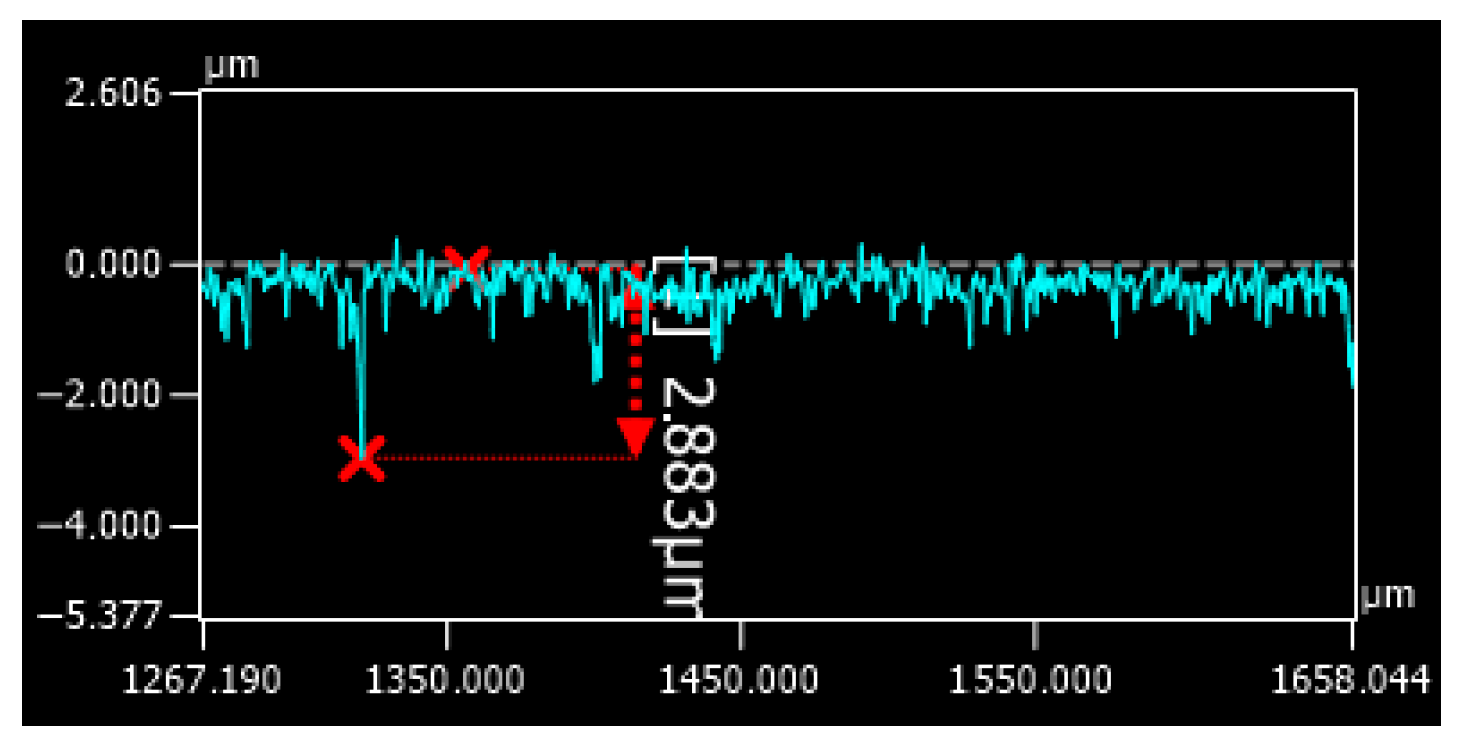
Surface profile measurements performed after the potentiodynamic polarisation in the alkaline electrolyte (pH 13) revealed neither the formation of a thick surface layer nor any evidence of film breakdown. The average material removal from the surface was approximately 0.3 µm. Local profilometric analysis of smaller areas revealed depressions up to 3 µm in depth. A representative local profile is shown in
Figure 8.
However, pronounced leaching of WC grains resulted in significant surface roughening, which, in industrial applications, typically necessitates subsequent micro-blasting to remove the remaining loose, soft cobalt-rich matrix. This treatment does not increase the actual material removal depth but eliminates the mechanically weakened cobalt matrix until the original carbide structure is reached.
As shown in
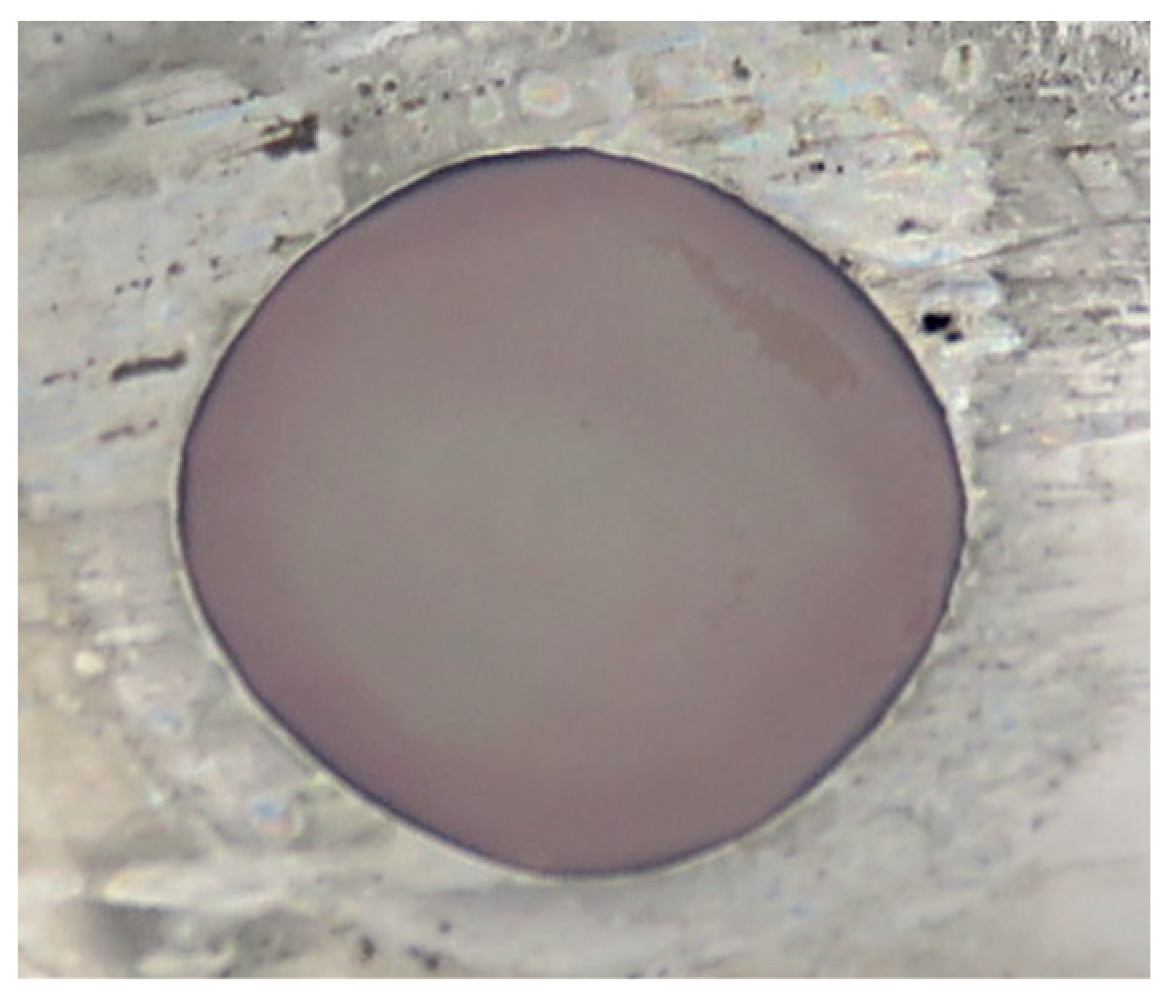
Figure 9, the exposed surface exhibited a faint pinkish coloration, which is consistent with cobalt hydroxide-containing corrosion products and suggest cobalt passivation under alkaline conditions. This observation is consistent with the Pourbaix predictions for the Co–H
2O system [
5], where cobalt is thermodynamically stabilised as
in high-pH environments.
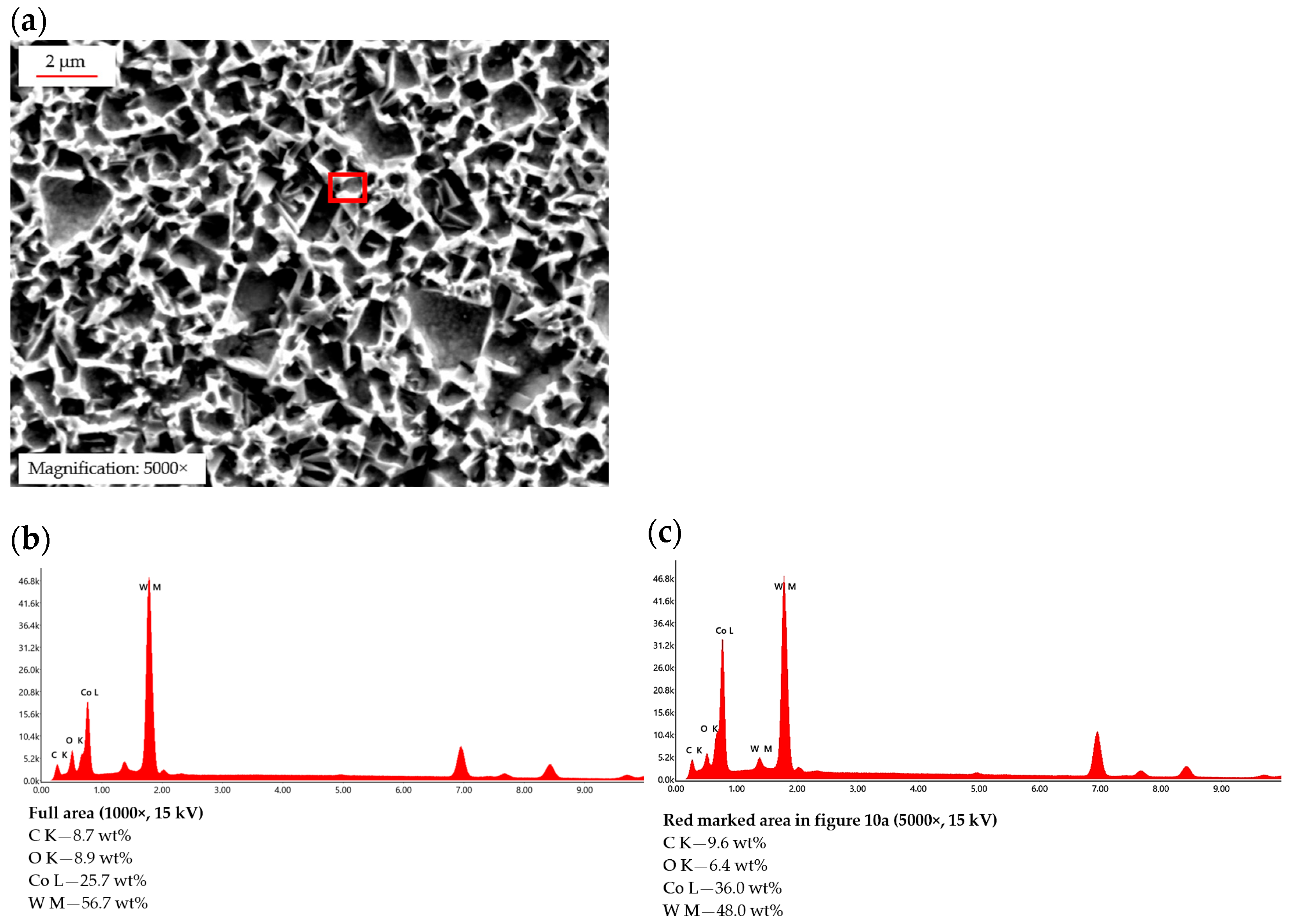
SEM micrograph and EDS spectrum analyses (
Figure 10) further show leached WC grains and a Co–O-rich matrix (highlighted in red), consistent with the expected corrosion behaviour under alkaline conditions and with the predictions from the Pourbaix diagrams [
5].
It should be noted that the parameters of the potentiodynamic polarisation process differ significantly from those used during industrial electrochemical stripping, where much higher voltages are applied for only a few seconds or minutes. In contrast, during the laboratory polarisation measurement, the samples were exposed to lower potentials but for significantly longer duration, which resulted in more pronounced surface damage. Nonetheless, these measurements provide valuable insights into the corrosion mechanisms occurring during the stripping process.