
Article

An Unknown 18th-Century Flemish Dyers Manuscript from Antwerp (1778–1802)
by
Emile Lupatini
* and
Natalia Ortega Saez
Faculty of Design Sciences, Heritage Department, Campus Mutsaard, University of Antwerp, Blindestraat 9, 2000 Antwerp, Belgium
*
Author to whom correspondence should be addressed.
Heritage 2024, 7(5), 2458-2476; https://doi.org/10.3390/heritage7050117

Submission received: 27 March 2024 / Revised: 3 May 2024 / Accepted: 3 May 2024 / Published: 9 May 2024
(This article belongs to the Special Issue Dyes in History and Archaeology 42)

Abstract

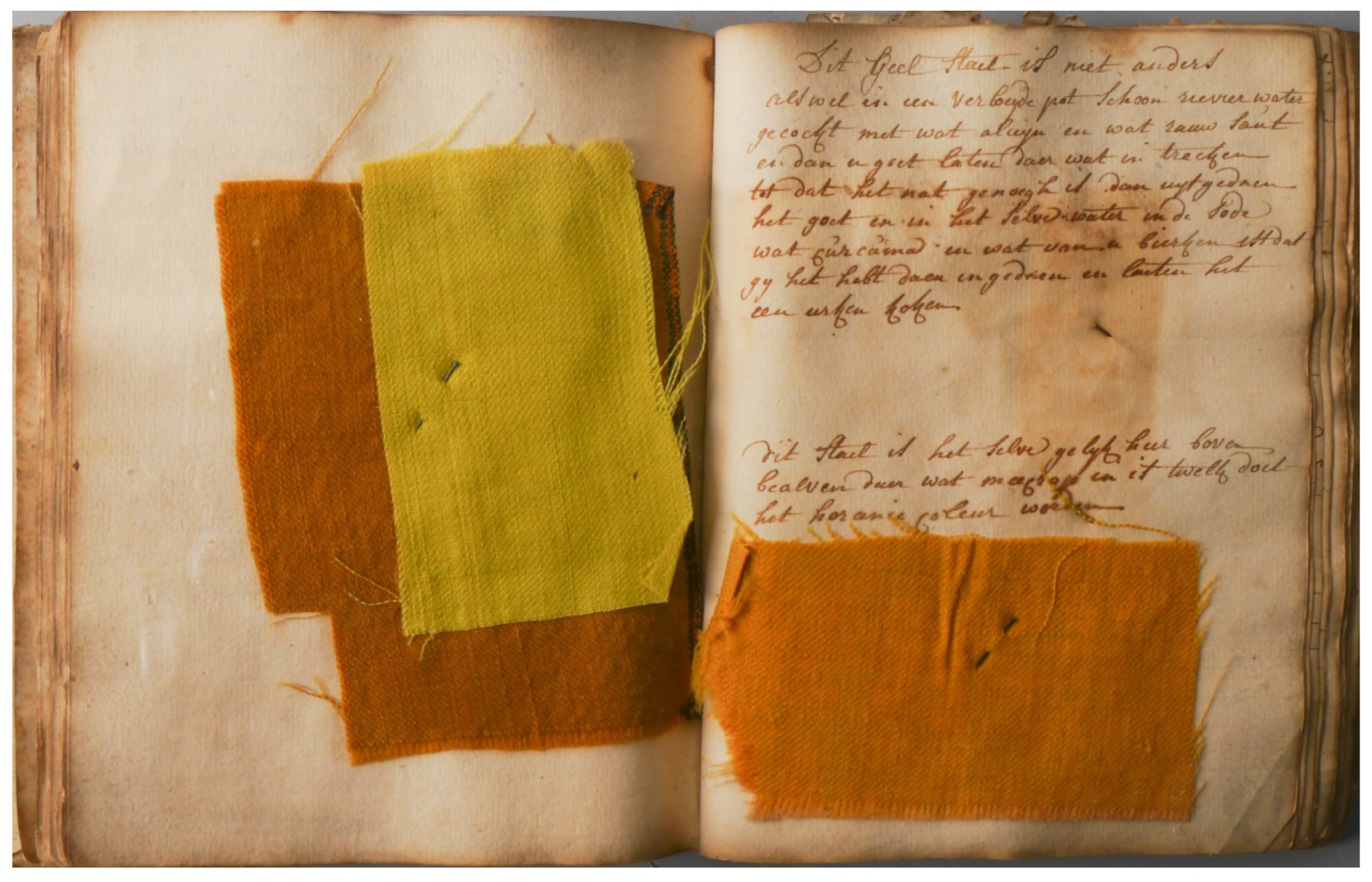
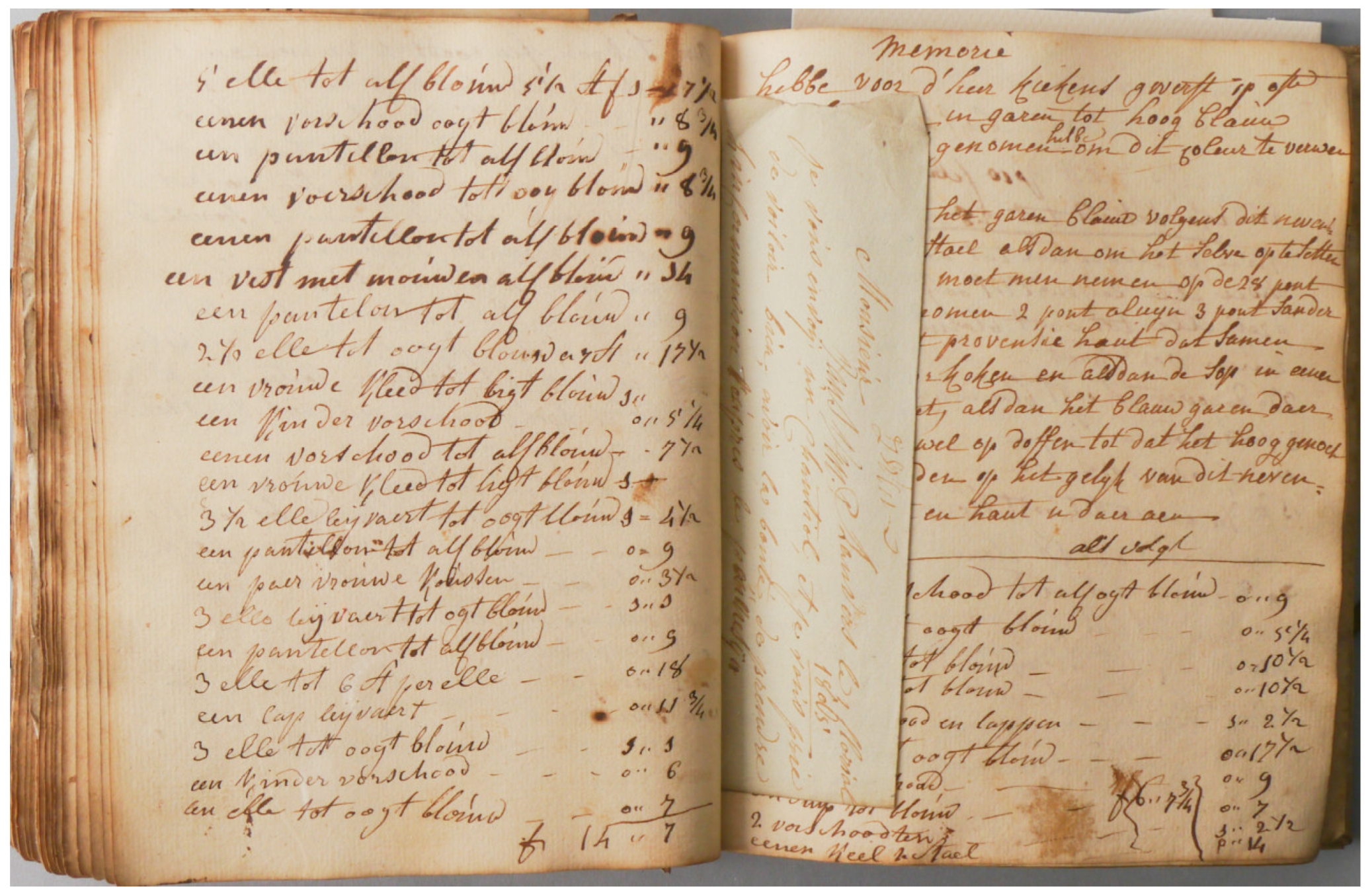
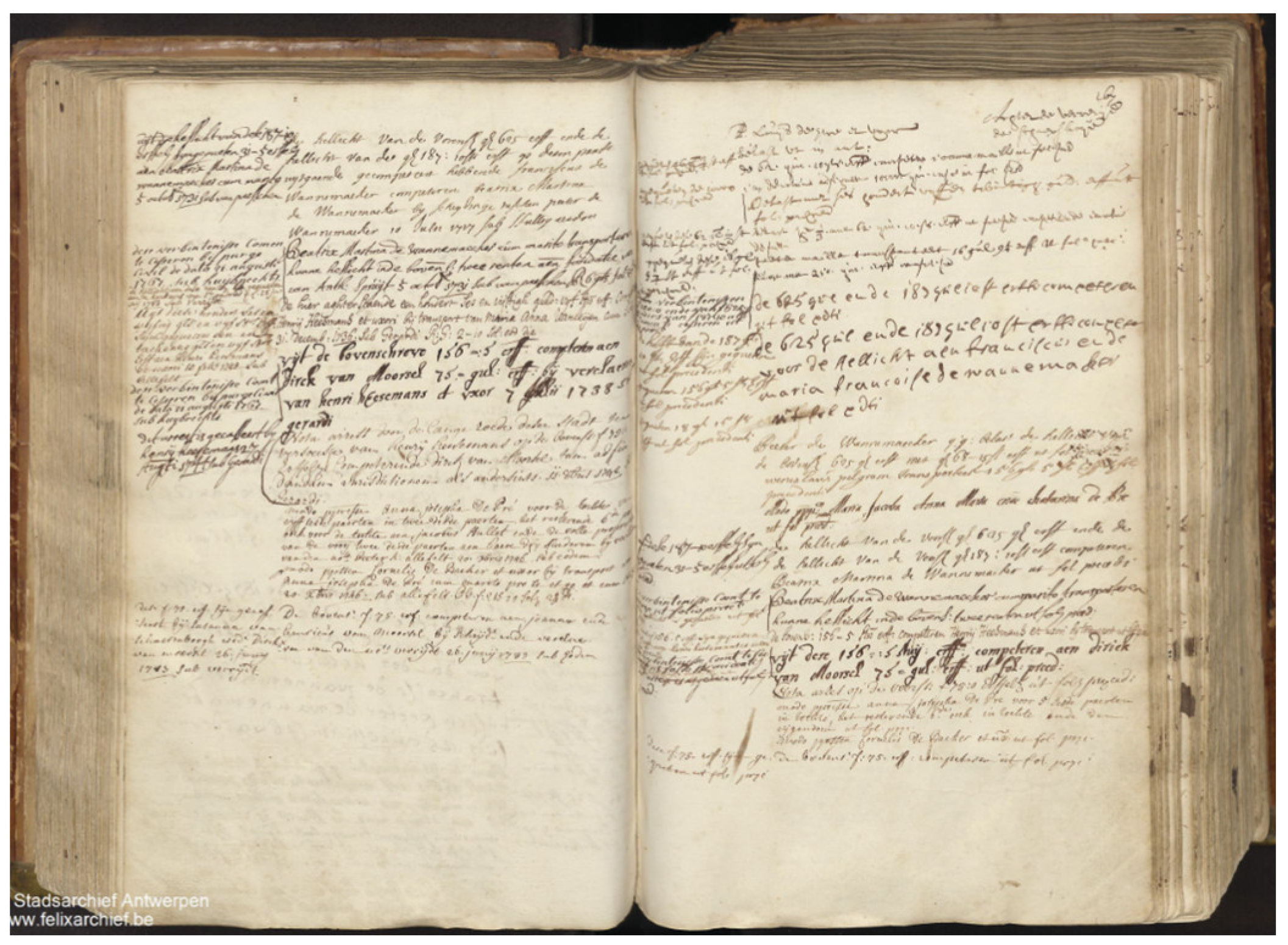
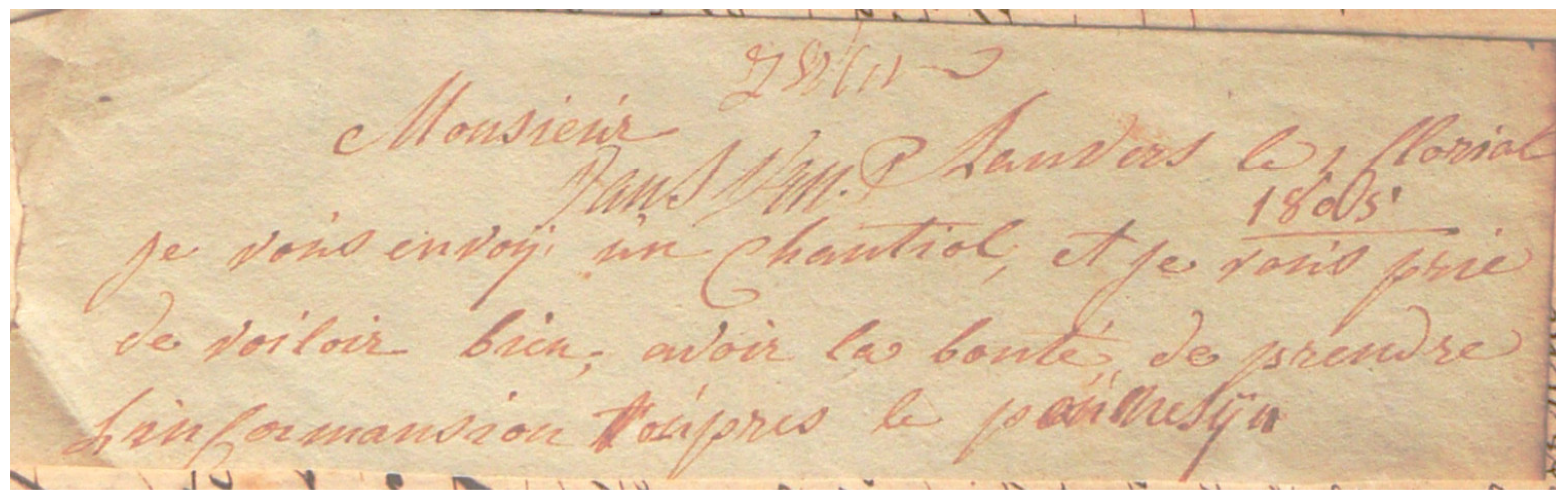
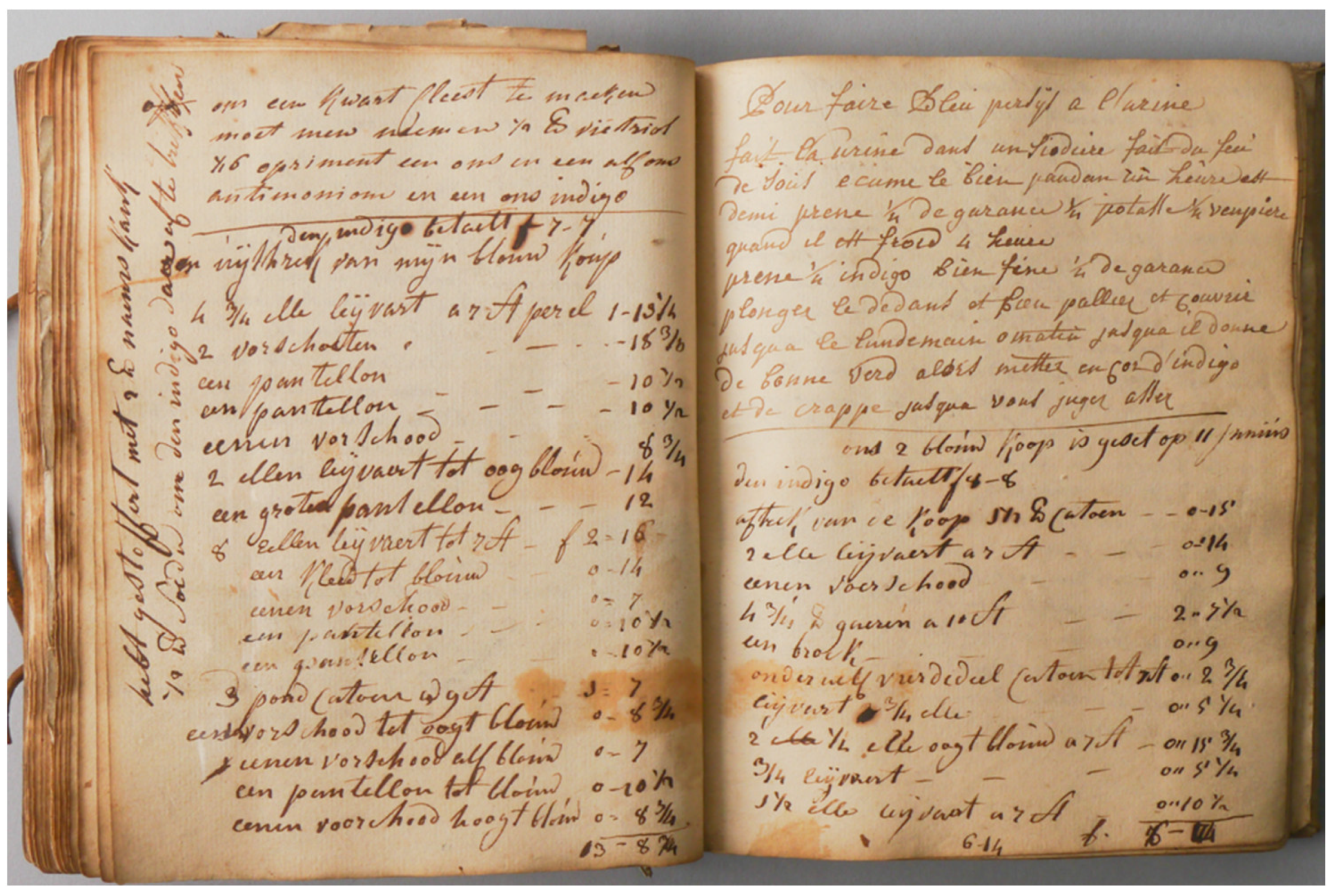
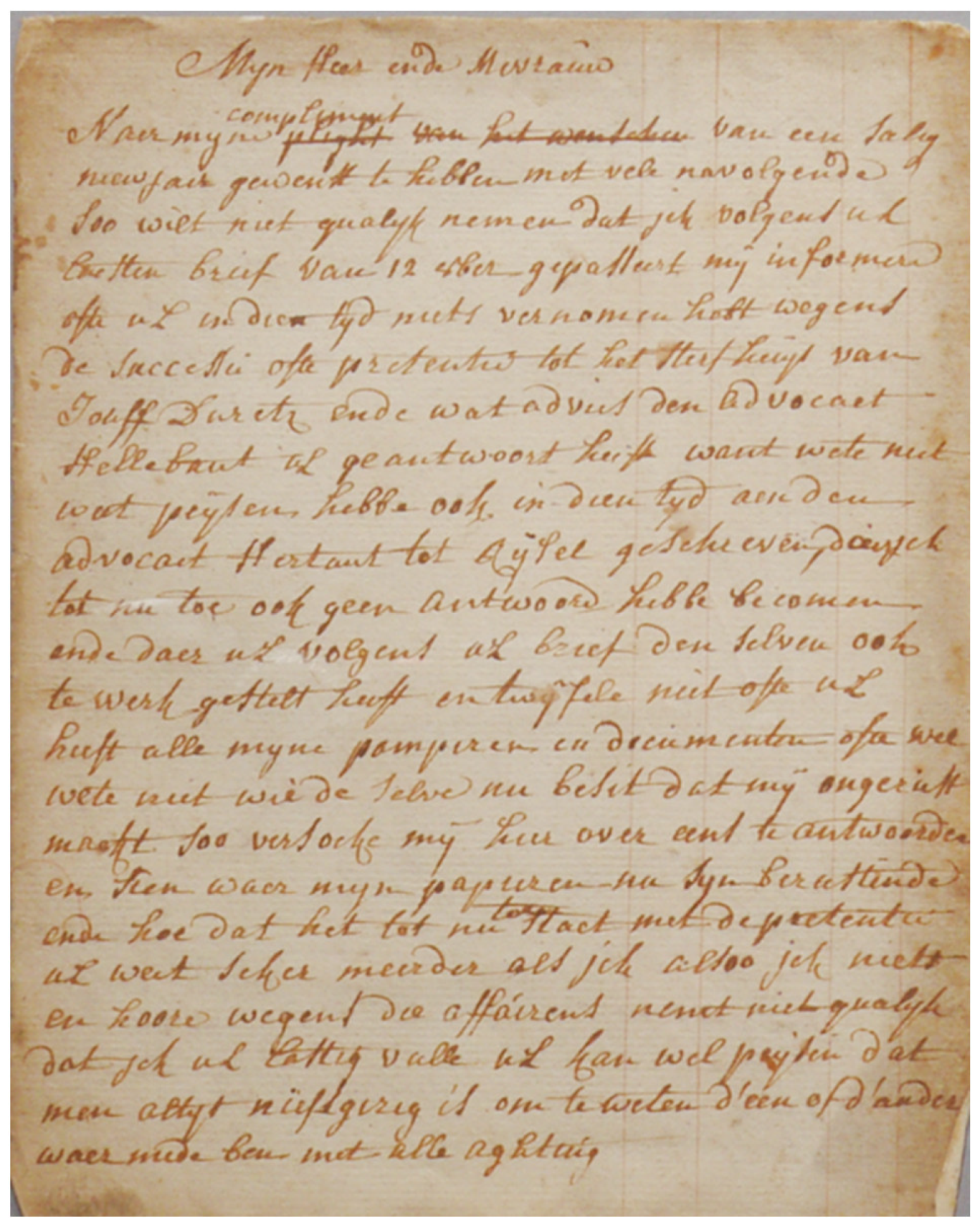
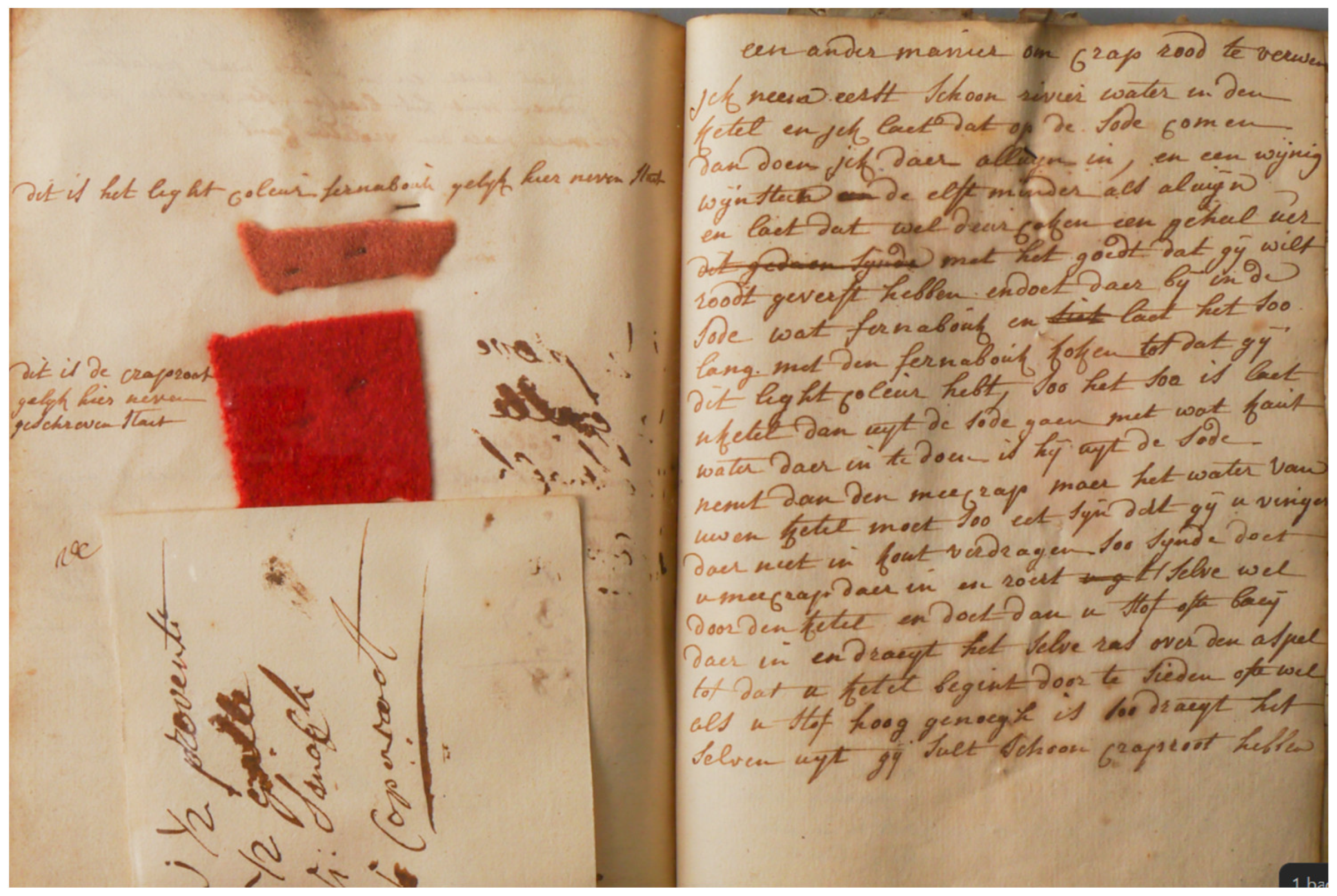
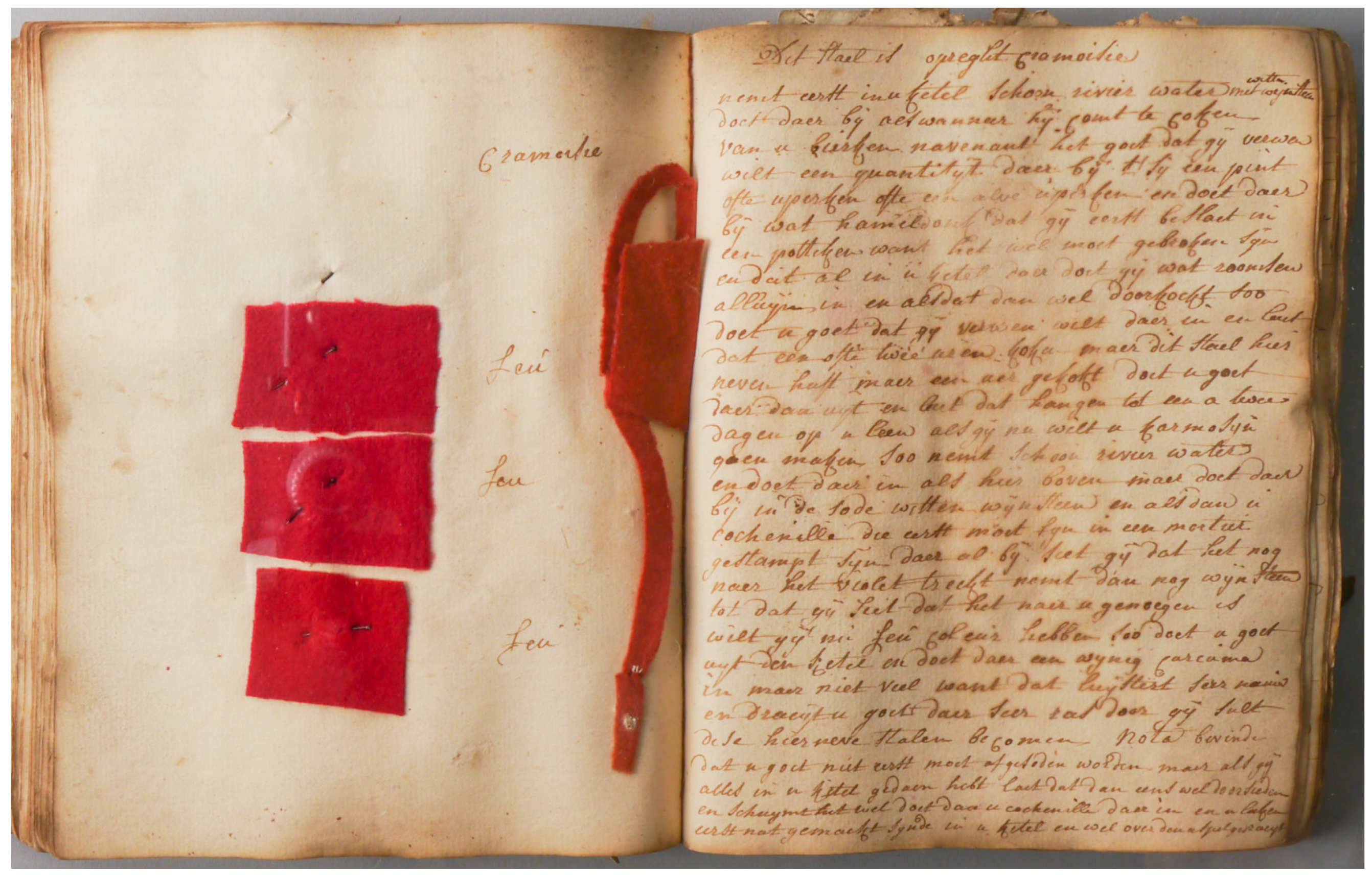
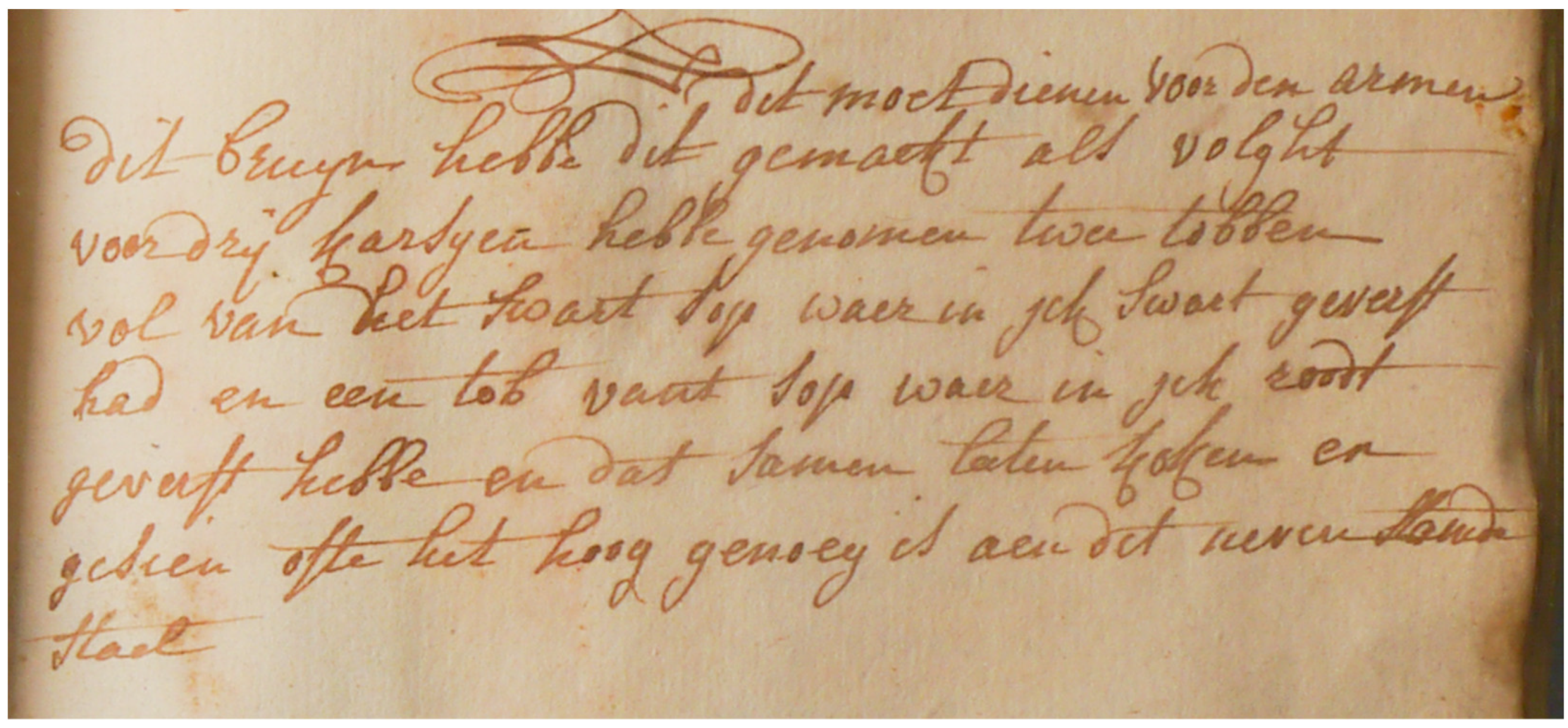
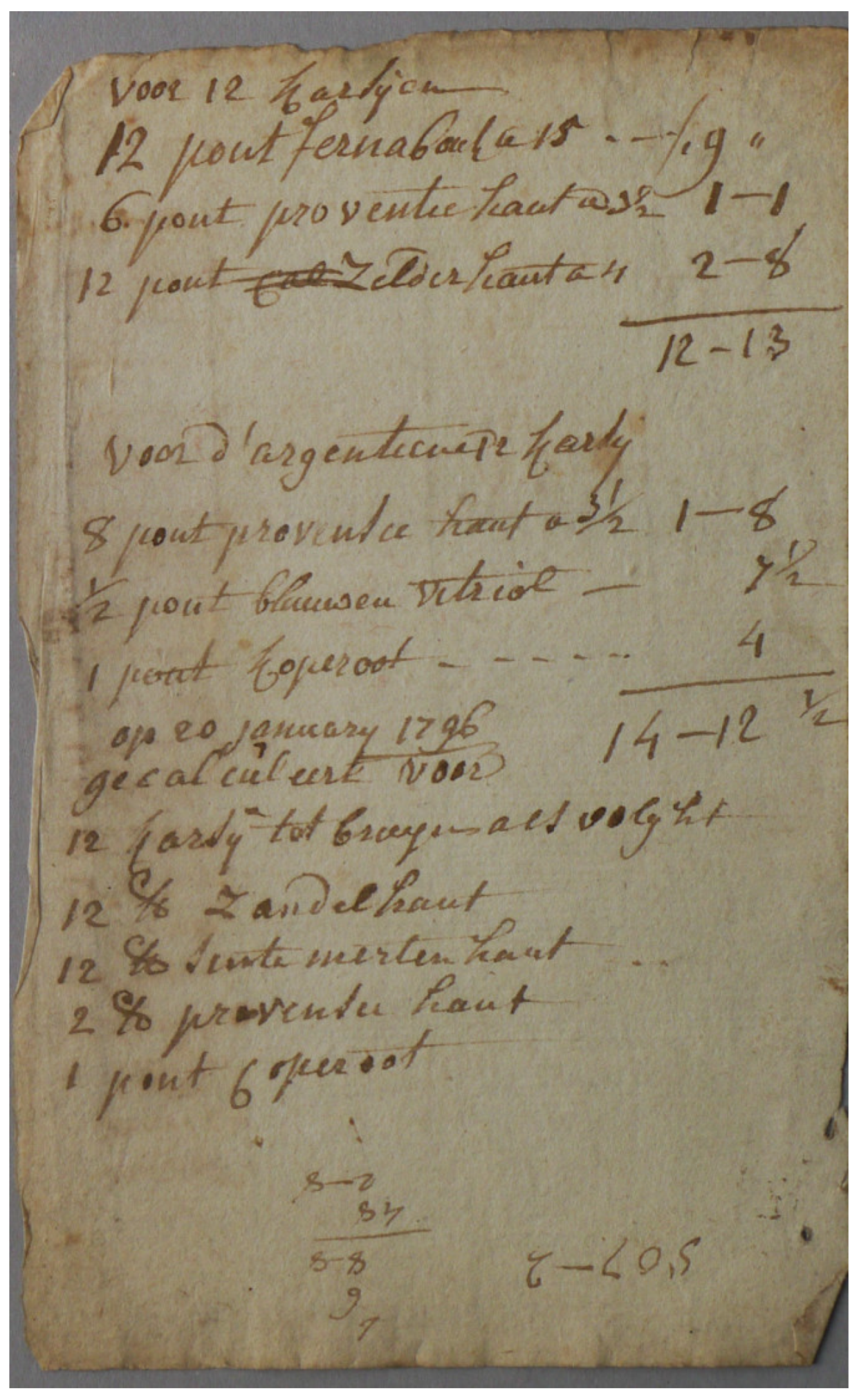
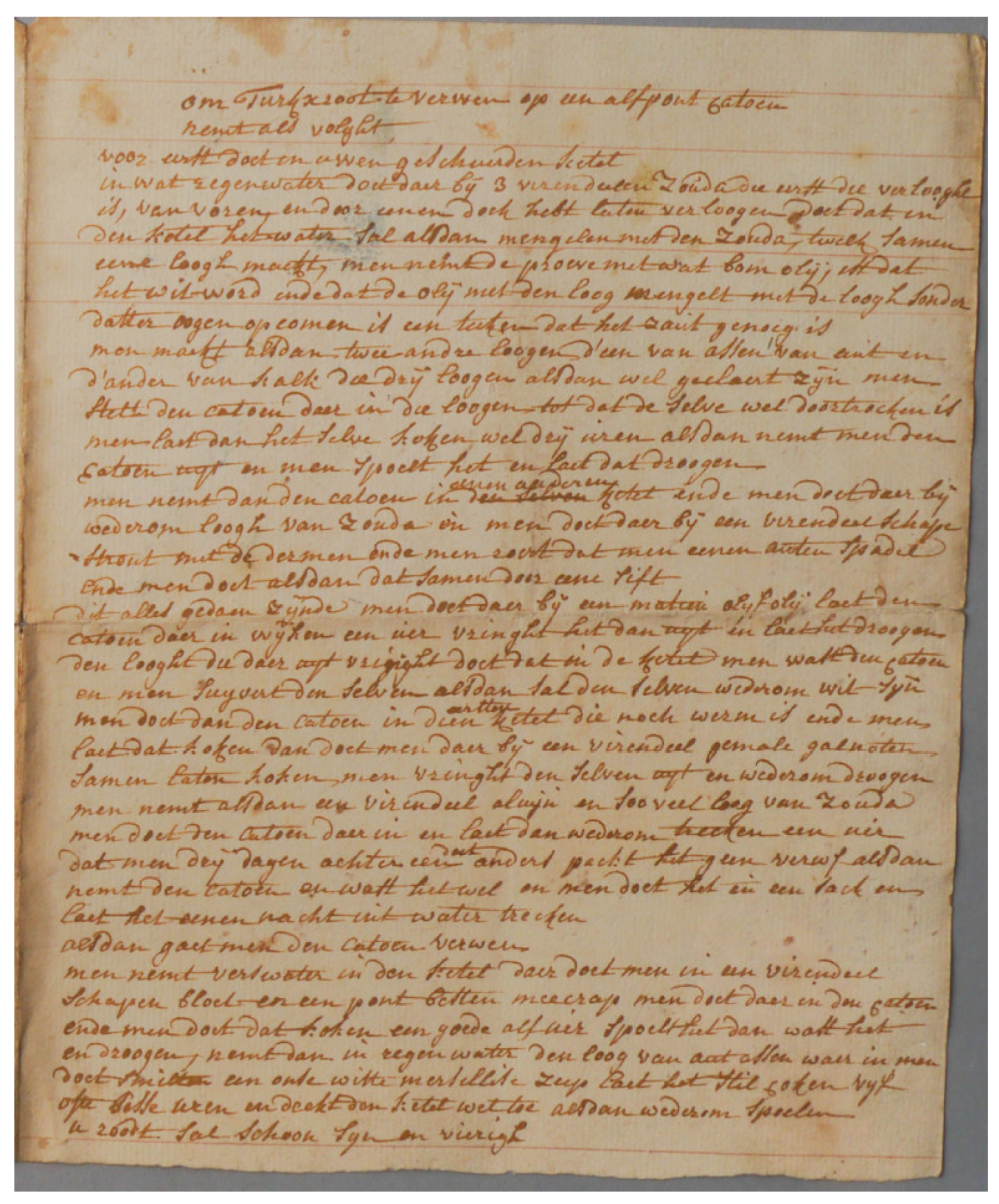
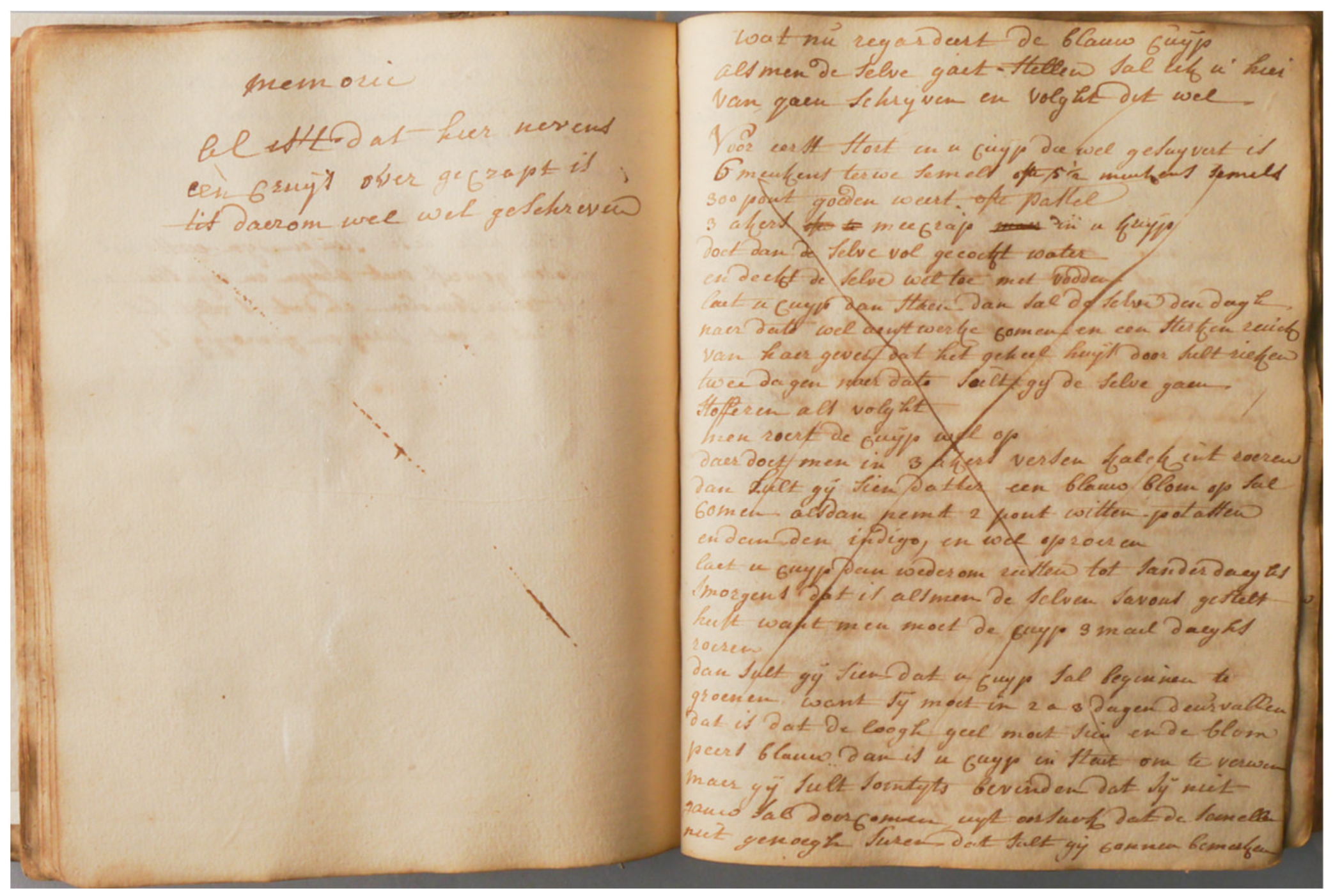
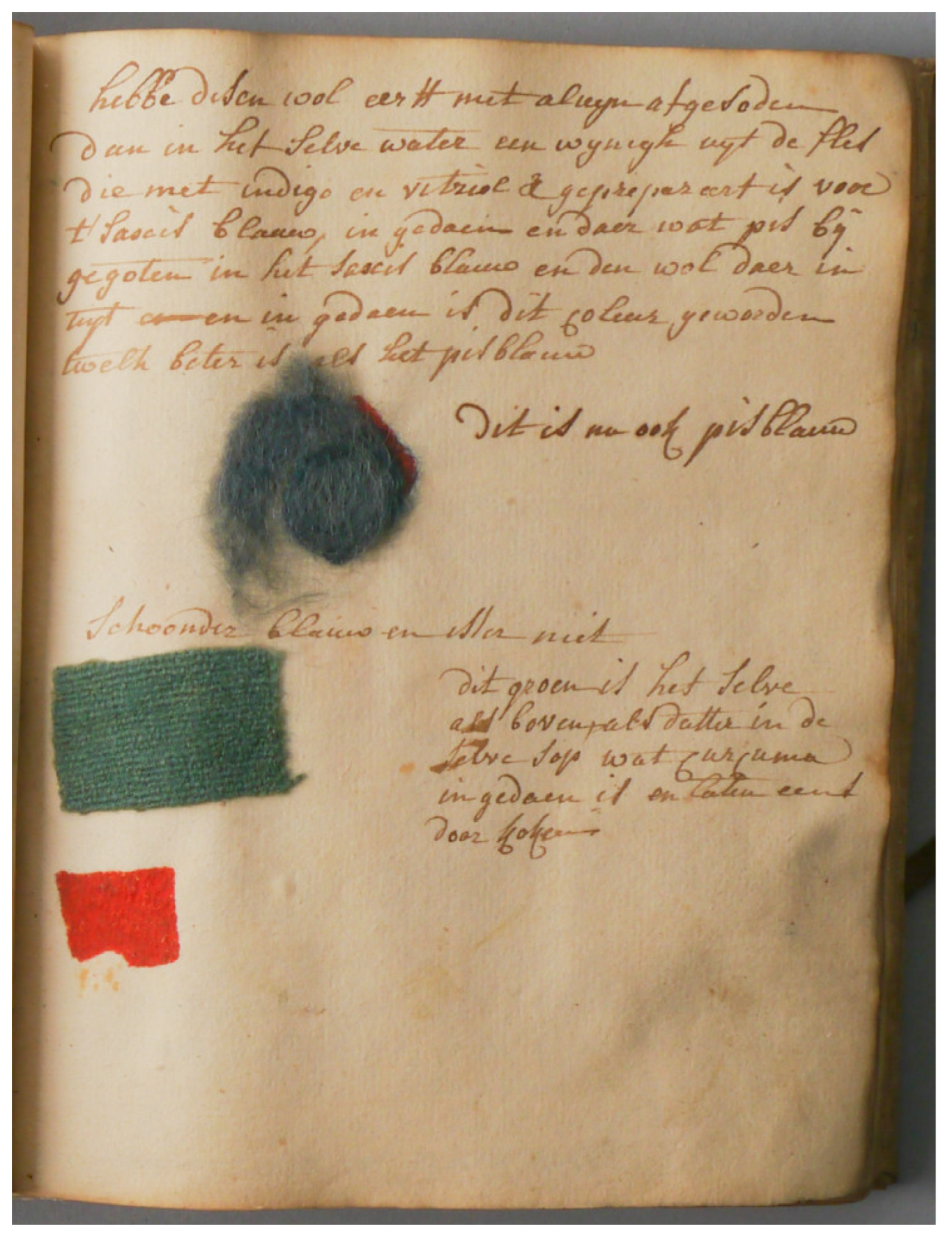
This paper presents a historical analysis of a rare dyer’s manuscript, preserved within the Museum of Industry in Ghent, Belgium. The manuscript, originating from a dyer in late 18th-century Antwerp, includes an extensive collection of recipes. The study will enable researchers to better grasp the practices of traditional dyeing techniques and materials in the region during that time. The manuscript focuses primarily on the dyeing of woolen fabrics. Approximately 90 of the 132 recipes utilize red dyes. Recipes for dying orange, brown, black, blue, and green colors are also described. The document mentions the use of madder, brazilwood, redwood, and cochineal. To create a variety of red shades, the dyer describes how fabrics were treated with different mordanting compounds, with alum and tin as the main ingredients, and how the dyeing solutions were prepared. The resulting colors include ‘madder red’, ‘formal red’, ‘crimson’, ‘scarlet’, ‘Turkish red’, ‘fire color’ and ‘flesh color’. In addition to the dyeing recipes, the manuscript contains various accounting documents and correspondences between the dyer, customers, and suppliers. Lastly, over 100 original, colored samples are attached to the described recipes. In this paper, the artifact’s contents will be disclosed, comprising recipes with attached samples and correspondence. Findings resulting from archive research will be included, contextualizing and placing the dyer in their urban and social context. The paper concludes by discussing its potential limitations and provides avenues for possible future research.
Keywords: dyer’s recipe book; 18th century; natural dyes; Antwerp; wool; color terminology dyer’s recipe book; 18th century; natural dyes; Antwerp; wool; color terminology