Review

Considerations on Renewable and Sustainable Energy in the Context of the Energy Transition: What Is New?

by
Vítor João Pereira Domingues Martinho
1,2
1
School of Agriculture (ESAV), Polytechnic Institute of Viseu (IPV), 3500-631 Viseu, Portugal
2
Centre for Environmental and Marine Studies (CESAM), University of Aveiro, 3810-193 Aveiro, Portugal
Clean Technol. 2026, 8(3), 79; https://doi.org/10.3390/cleantechnol8030079
Submission received: 28 March 2026 / Revised: 6 May 2026 / Accepted: 11 May 2026 / Published: 28 May 2026

Abstract

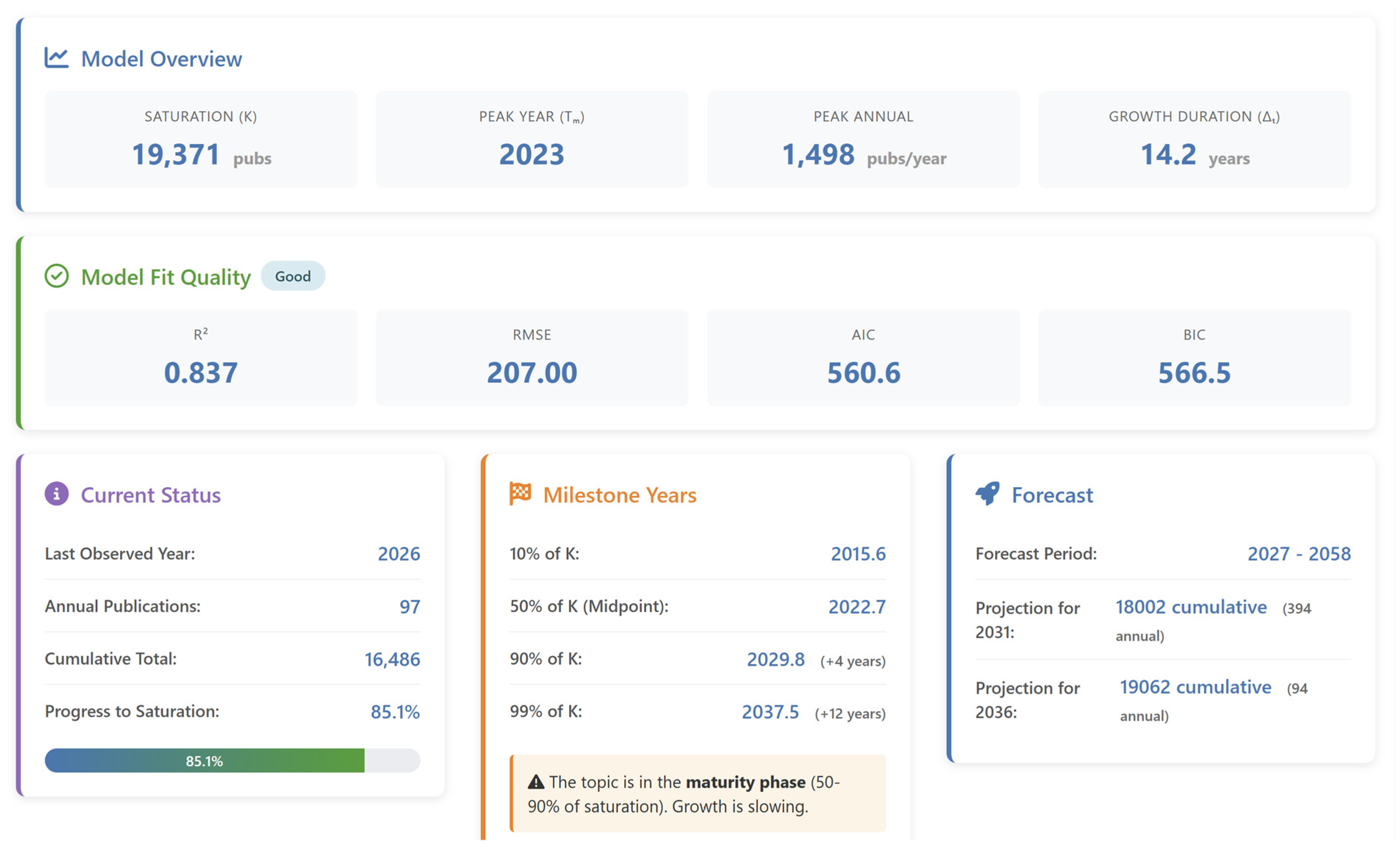
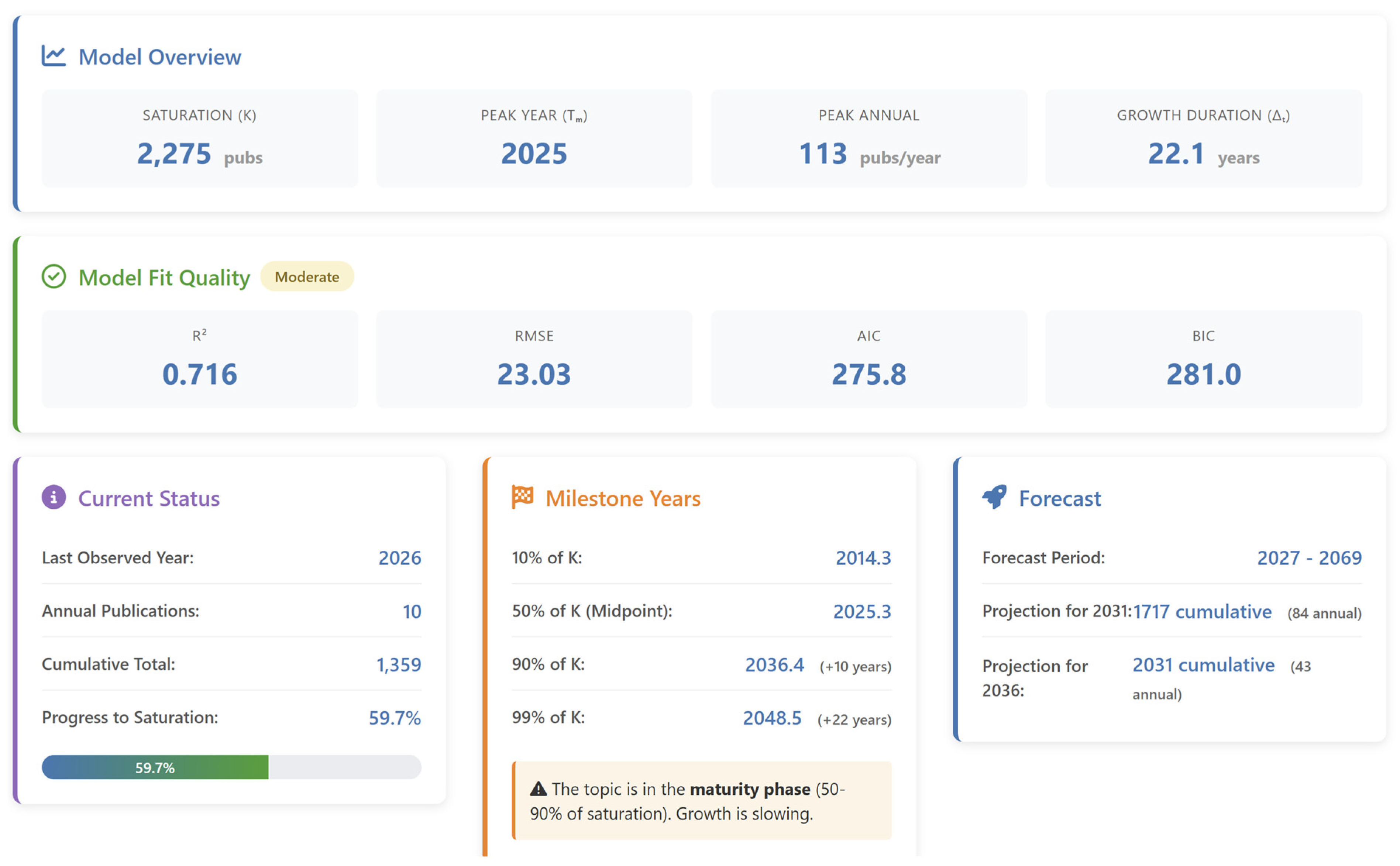
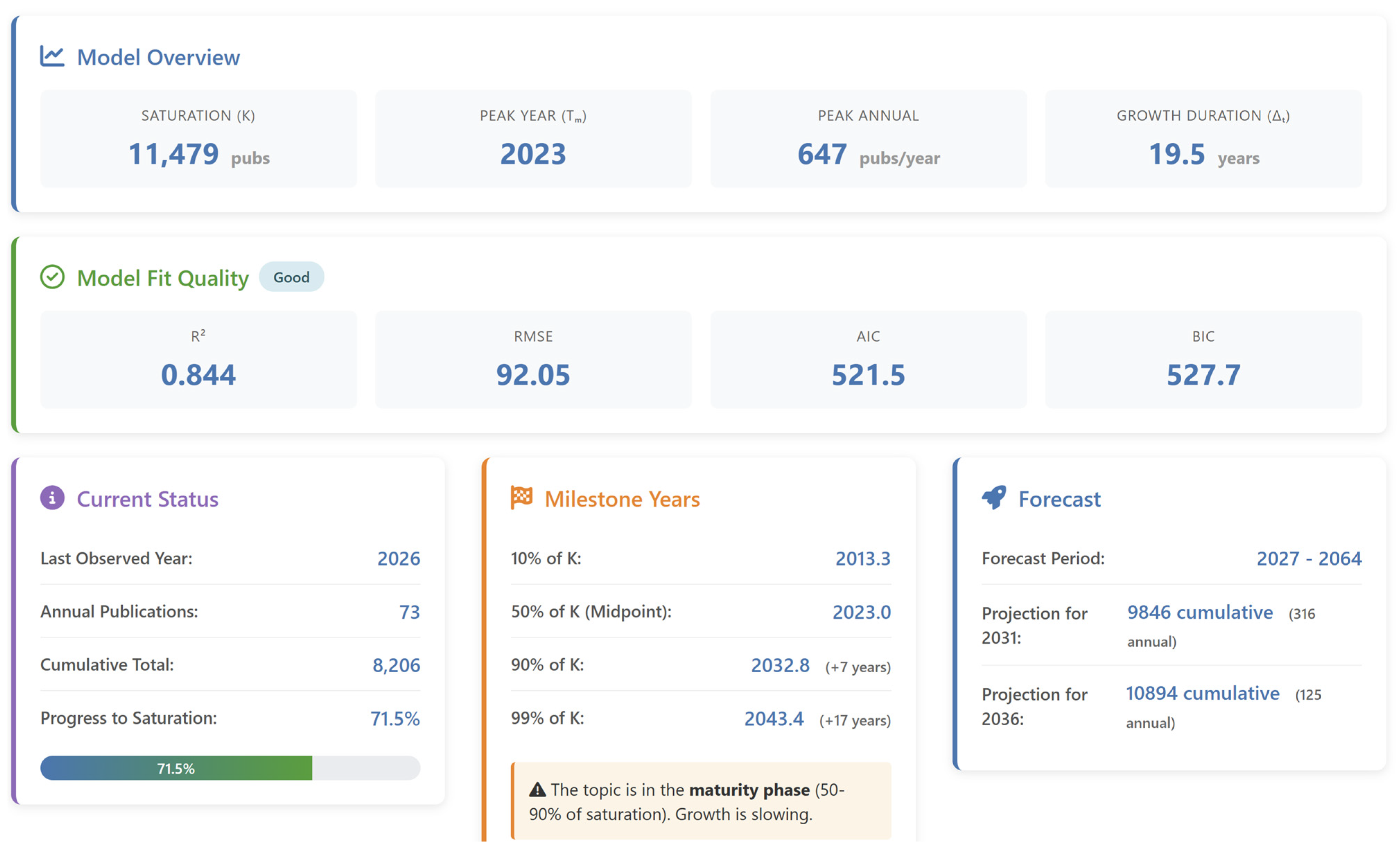
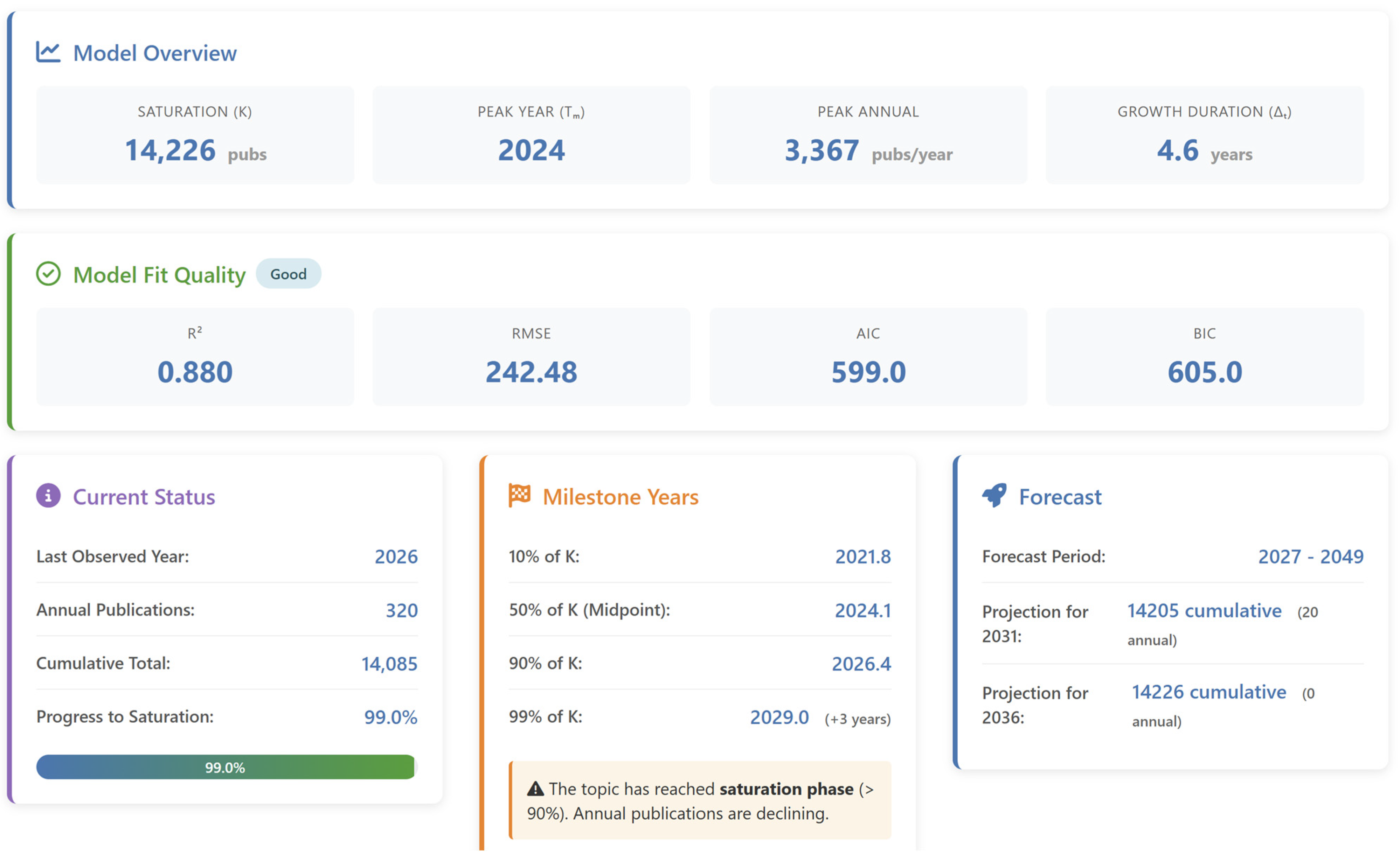
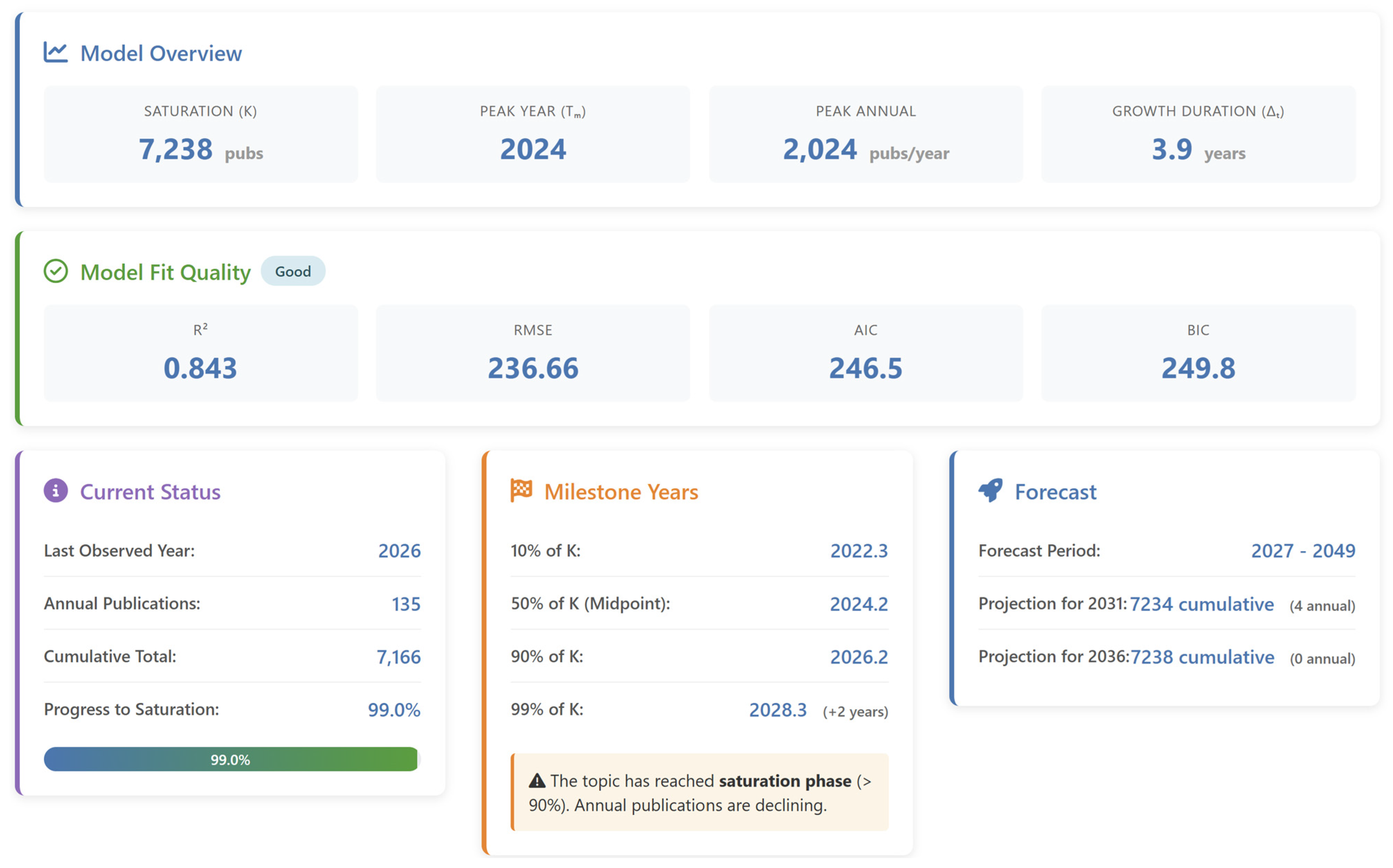
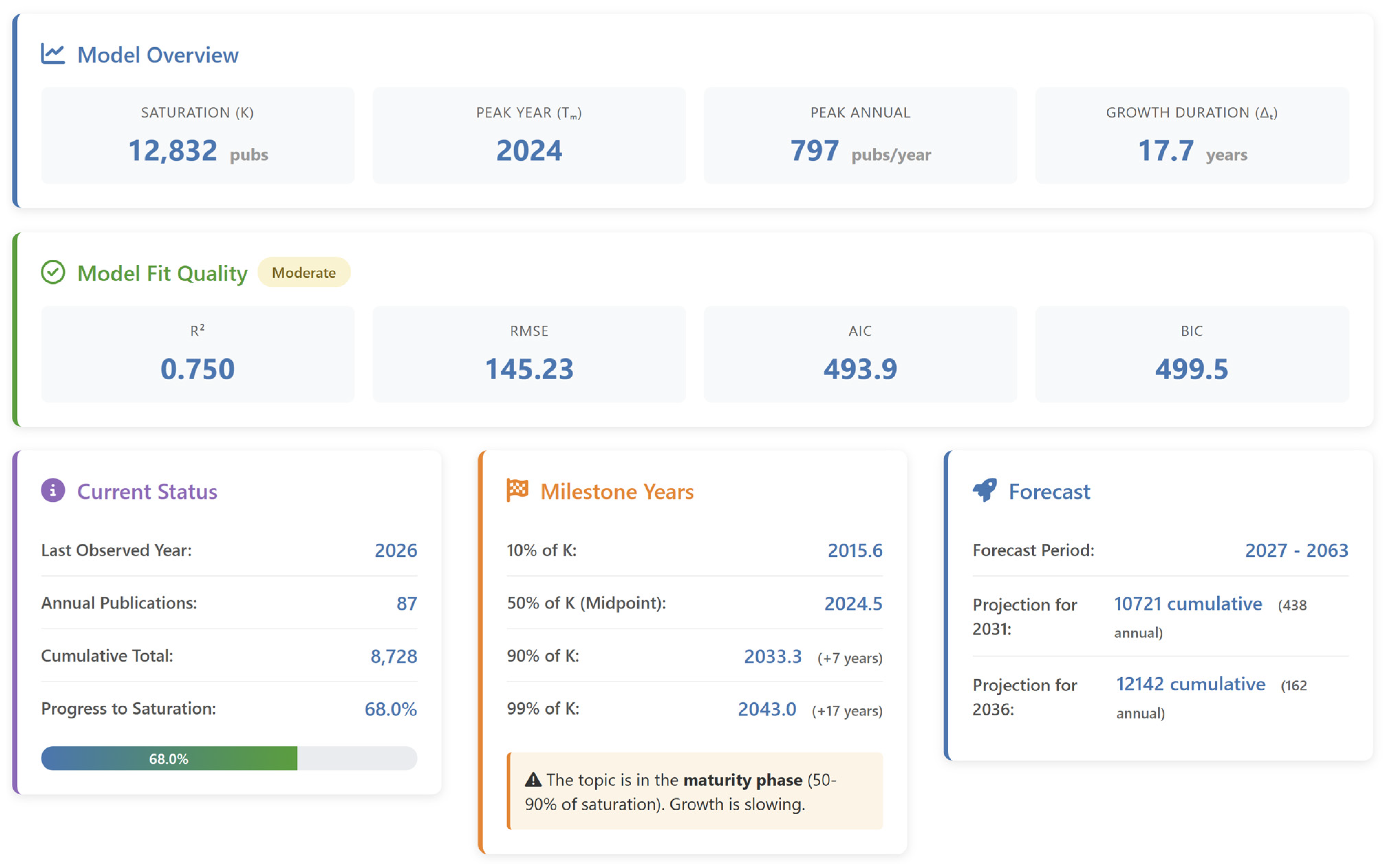
Topics related to renewable and sustainable energy have been addressed by several scientific studies over the last few decades. Nonetheless, it is important to highlight what has already been done by the scientific community and what remains to be done in these fields to provide more insights for stakeholders, including policymakers, researchers, and economic operators. The literature survey showed that there are still gaps to be considered in the literature and novelties to be brought through different approaches, particularly those that take into account the several dimensions of these issues. From this perspective, this research aims to present the dimensions of renewable and sustainable energy explored in scientific documents, benchmarking past and future pathways in these domains. To achieve these objectives, a bibliometric analysis (focusing on scientific maturity) was carried out separately across different dimensions associated with this topic (this is one of the novelties of this study). Additionally, a targeted literature analysis based on bibliometric analysis was done, considering the most relevant documents. This research adopts a broad perspective in order to capture the context of energy transition, clean energy, and low-carbon development. The findings obtained show that the subject of renewable and sustainable energy has several topics and subtopics with different dynamics. Within these subtopics, it is worth mentioning the following: solar and wind energy are almost in the saturation phase (85.1% of potential development has already occurred); bioenergy, biomass, and hydroelectric power are at the beginning of the maturity phase (59.7% progress to saturation); tidal and wave energy are in the middle of the maturity phase (71.5% progress to saturation); green hydrogen and clean energy are in the saturation phase (99.0%); renewable energy and sustainable development goals are in the saturation phase (99.0%), and energy policy and technological innovation in renewable energy are in the middle of the maturity phase 68.0%). These results reflect the overlap between different topics rather than the individual scope of each field of research.

1. Introduction

Alternative sources of energy have motivated the scientific community worldwide [1] and, in certain circumstances, more focus has been placed on energy from solar, wind, and biomass sources [2] and less, for example, on the hydroenergy [3]. The interest of different stakeholders in renewable and sustainable sources of energy is explained through several factors, the world population growth [4] and environmental pollution [5] being some of these drivers. Climate change and severe droughts are other phenomena that promote the search for alternative energy sources [6]. The COVID-19 pandemic also impacted these contexts [7], in particular in terms of scientific research, opportunities to revitalise economies through green investment and improve energy efficiency, as well as the scarcity and prices of fossil fuel energy sources [8].
The increased importance of these topics is in line with the international trends of promoting a more sustainable development [9] in a framework of decarbonisation [10] under the green transition agenda [11], circular economy contexts [12], and clean energy evolution [13]. The renewable sources of energy are crucial to achieve the sustainable development goals (SDGs) [14], namely Goal 7 (affordable and clean energy), worldwide [15]. There is, however, a way to run for an effective green transition in the energy sector [16]. The United States, China, and the European Union have made a significant contribution to our understanding of renewable energy [17]. More specifically, when it comes to hydrogen energy, China has significant production capacity in these areas [18].
Several dimensions related to renewable and sustainable energy have been addressed by the literature, particularly the production, diffusion, storage, and resource management [19]. New paradigms associated with renewable power energies imply changes in the all systems, from conventional frameworks to more efficient processes, where new technologies related to digital transition [20] may bring important added value [21], as well as new and more adjusted approaches [22]. This is of principal importance due to the intermittency of some renewable sources [23]. Artificial intelligence is also important in predicting sustainable sources of energy [24], including machine learning techniques [25] and deep learning [26]. The most important themes and techniques in the linkages among the artificial intelligence and sustainable energies have been identified in the literature [27].
The bibliometric analysis, alongside the literature survey [28], appears in these domains as an approach that can contribute to bringing more insights into scientific trends, suggesting directions for the future [29], and supporting policymakers [30]. Sometimes, in some countries, research does not accompany the public interest in renewable energy [31]. There are significant differences among the studies carried out by lower- and higher-income countries (the higher-income countries consider more differentiated sources). On the other hand, the wind and solar power sources have deserved greater attention from the researchers focused on environmental sustainability [32].
Studies associated with renewable and sustainable energy, considering bibliometric analysis, have focused on various topics, including the importance of databases [33], research evolution [34], water desalination, renewable energies [35], and relationships between renewable power energy and project management [36]. International scientific collaboration is also highlighted as an interesting approach to combining skills and experiences, and, in this way, better deal with current world sustainability threats [37]. Energy efficiency and policy frameworks are emerging themes in the fields of green energy [38]. Green energy, like green hydrogen, still has fields to be better addressed, such as storage systems, combination with current energy infrastructures, risk control, and policy design [39].
The green transition is not exempt from bringing new challenges for the sustainability management, namely because of the increase in demand for some important resources [40]. Other important challenges are linked with processes integration, system management, energy supply [41], efficiency of the technology used [42], and location of renewable energy power plants [43]. In any case, energy is an important resource for supporting sustainable development [44], and renewable sources may contribute to a more balanced economic growth. These transitions towards a more sustainable energy production and use may play a crucial role in the transportation industry [45].
In general, the literature related to renewable and sustainable energy based on bibliometric analysis has focused on specific topics within this broad theme, showing that there is a field to be explored, offering opportunities to bring more insights into this issue. Much has already been written on this subject, including using bibliometric approaches, nonetheless, this study aims to provide a broader overview of the topic by exploring various subtopics using a similar methodology, so that the results obtained can be compared. It should be noted that the analysis is also (though not exclusively) based on topic combinations, capturing intersections and creating subtopics. In these cases, the results reflect research trends within the intersections and not for the entirety of each of the fields involved. The interpretation of the conclusions and results must be based on these assumptions. In this way, this study intends to highlight what was already done and what can still be explored in future research associated with different dimensions of renewable and sustainable energy. Therefore, a bibliometric analysis was carried out considering the following specific topics: general overview ((renew* W/1 energ*) OR (sustainab* W/1 energ*) OR (clean* W/1 energ*) OR (green* W/1 energ*) OR (low carbon W/1 energ*) OR (net zero W/1 energ*) OR (carbon neutral W/1 energ*) OR (carbon free W/1 energ*) OR (energ* W/1 transition*)); solar energy ((renew* W/1 energ*) OR (sustainab* W/1 energ*) OR (clean* W/1 energ*) OR (green* W/1 energ*) OR (low carbon W/1 energ*) OR (net zero W/1 energ*) OR (carbon neutral W/1 energ*) OR (carbon free W/1 energ*) OR (energ* W/1 transition*)) AND ((solar W/1 energ*) OR (photovoltaic) OR (solar W/1 power)); wind energy ((renew* W/1 energ*) OR (sustainab* W/1 energ*) OR (clean* W/1 energ*) OR (green* W/1 energ*) OR (low carbon W/1 energ*) OR (net zero W/1 energ*) OR (carbon neutral W/1 energ*) OR (carbon free W/1 energ*) OR (energ* W/1 transition*)) AND ((wind W/1 energ*) OR (wind W/1 power)); bioenergy and biomass ((renew* W/1 energ*) OR (sustainab* W/1 energ*) OR (clean* W/1 energ*) OR (green* W/1 energ*) OR (low carbon W/1 energ*) OR (net zero W/1 energ*) OR (carbon neutral W/1 energ*) OR (carbon free W/1 energ*) OR (energ* W/1 transition*)) AND ((bioenerg*) OR (biomass W/1 energ*) OR (biofuel*)); hydroelectric power ((renew* W/1 energ*) OR (sustainab* W/1 energ*) OR (clean* W/1 energ*) OR (green* W/1 energ*) OR (low carbon W/1 energ*) OR (net zero W/1 energ*) OR (carbon neutral W/1 energ*) OR (carbon free W/1 energ*) OR (energ* W/1 transition*)) AND ((hydro* W/1 energ*) OR (hydro* W/1 power) OR (hydropower)); tidal and wave energy ((renew* W/1 energ*) OR (sustainab* W/1 energ*) OR (clean* W/1 energ*) OR (green* W/1 energ*) OR (low carbon W/1 energ*) OR (net zero W/1 energ*) OR (carbon neutral W/1 energ*) OR (carbon free W/1 energ*) OR (energ* W/1 transition*)) AND ((tidal W/1 energ*) OR (tidal W/1 power) OR (tidal stream W/1 energ*) OR (tidal current W/1 energ*) OR (wave W/1 energ*) OR (wave W/1 power) OR (ocean wave W/1 energ*) OR (marine W/1 energ*)); green hydrogen and clean energy ((renew* W/1 energ*) OR (sustainab* W/1 energ*) OR (clean* W/1 energ*) OR (green* W/1 energ*) OR (low carbon W/1 energ*) OR (net zero W/1 energ*) OR (carbon neutral W/1 energ*) OR (carbon free W/1 energ*) OR (energ* W/1 transition*)) AND ((green* W/1 hydrogen) OR (hydrogen W/1 energ*)); renewable energy and sustainable development goals ((renew* W/1 energ*) OR (sustainab* W/1 energ*) OR (clean* W/1 energ*) OR (green* W/1 energ*) OR (low carbon W/1 energ*) OR (net zero W/1 energ*) OR (carbon neutral W/1 energ*) OR (carbon free W/1 energ*) OR (energ* W/1 transition*)) AND (“sustainable development goals” OR “SDG 7”); energy policy and economics ((renew* W/1 energ*) OR (sustainab* W/1 energ*) OR (clean* W/1 energ*) OR (green* W/1 energ*) OR (low carbon W/1 energ*) OR (net zero W/1 energ*) OR (carbon neutral W/1 energ*) OR (carbon free W/1 energ*) OR (energ* W/1 transition*)) AND ((polic*) OR (energ* W/1 polic*) OR (energ* W/1 economic*)); and technological innovation in renewable energy ((renew* W/1 energ*) OR (sustainab* W/1 energ*) OR (clean* W/1 energ*) OR (green* W/1 energ*) OR (low carbon W/1 energ*) OR (net zero W/1 energ*) OR (carbon neutral W/1 energ*) OR (carbon free W/1 energ*) OR (energ* W/1 transition*)) AND ((energ* W/1 technolog*) OR (clean* W/1 technolog*)). This bibliometric analysis was complemented with a focused literature analysis [46]. The inclusion of these search terms aims to consider the fields of renewable and sustainable energy from a broader perspective, including the literature relating to low-carbon and energy transition. For the bibliometric analysis, the documents obtained in a search carried out on 29 December 2025 using the Scopus [47] database were considered, and VOSviewer (version 1.6.20) [48,49,50] and Bibliometrix (Version: 5.3.0) [51] software procedures were taken into account. For each topic, the search was conducted without any restrictions, either in terms of time period or document type. The results were subjected to basic cleaning and standardisation in order to avoid inconsistencies/redundancies arising from variations in spelling or formatting, similarity to search terms (“renewable energy”, “renewable energy resources”, “renewable energies”, and “renewable energy source”) and generic terms such as “article”. Relying solely on the Scopus database for this research may be a weakness; however, the inclusion of a large number of documents in each sub-analysis potentially mitigates this limitation. It should be noted that although this study focuses on renewable and sustainable energy, the research incorporates concepts relating to the energy transition and policy frameworks.

2. Literature Review

This section will be divided into different subsections addressing specific topics, based on the scientific literature relevant to the research carried out in this study.

2.1. Decarbonisation of Specific Sectors, Growing Energy Needs, and Hybrid Solutions

Energy efficiency improvement is a key element for promoting decarbonisation across economic sectors and processes, including in some specific contexts, such as the port dynamics [52]. The building sector is another context where concerns regarding reducing the environmental impacts from energy use are current and real [53]. Renewable energy power contributes to meeting the increased demand for energy [54] and mitigating environmental impacts [55]. This explains increased interest for the renewables worldwide [56], principally in China after the Renewables Law of 2006 [57]. The combination of wind and solar sources may reduce the uncertainty of these renewables when considered separately [58]. The consideration of hybrid solutions may potentially increase the energy generation, mitigate the intermittency [59], and mitigate environmental impacts [60]. The literature in these fields highlights the growing importance of hybrid decarbonisation strategies tailored to specific sectors. On the other hand, the studies reviewed appear to prioritise technological aspects at the expense of integrating socioeconomic and management considerations.

2.2. Integration of Renewable Energy Systems and New Technologies

Integration of renewable energy power in the existing grids brings new challenges [61], specifically in terms of voltage constancy, inertial answer, power quality and support, and frequency control [62]. Integration of renewable energy in microgrids needs adjusted and accurate predicting approaches. This is crucial for the energy sector planning and policy design [63]. Artificial intelligence methodologies may provide relevant contributions in these frameworks [64], namely improving the efficiency of the systems [65] through machine learning models [66] to analyse big data [67]. For solar power energy, artificial intelligence may potentially contribute to an increase of around 20% in efficiency and reduce 50% of the production costs [68]. These techniques may support stakeholders predict, for example, insulation, energy prices, and wind turbine conditions [69]. In the context of smart energy systems, the concept of IoE (Internet of Energy) has been considered to combine energy and information communication [70]. New technologies, such as compressed air energy storage, have appeared to deal with the fluctuation in the supply of some renewable energies [71]. In any case, batteries are the storage technology highlighted more in the literature, followed by hydrogen [72]. Hydrogen is important for handling the volatility of the generation of renewables; however, its consideration is not consensual [73]. Introduction of blockchain technologies in energy markets is another promising approach, though administrative and economic constraints remain [74]. Photonics-based systems are also an interesting technology created for offshore wind structures [75], as is the consideration of power electronic technologies in renewables [76]. Overall, the literature highlights technological advances that have been made, particularly in the fields of artificial intelligence and storage solutions. However, scientific contributions appear fragmented, which may limit the practical application of the proposed solutions.

2.3. Challenges and Opportunities for the Future in Renewable Energy and Regional Contexts

The future opens new opportunities to apply innovative technologies in the renewable energies sector [77], but also brings new challenges, particularly because of the uncertainty of climate change and extreme events. The impacts of these frameworks are expected to be asymmetric across regions with different characteristics [78]. This will be particularly visible in countries where renewable energies have greater importance, such as in the Brazilian context [79]. The transition towards a greener energy system must be accompanied by technological innovation that facilitates effective clean energy integration from both sides and more efficient processes in critical sectors, such as transportation, heating, cooling, and industry [80]. The potential of renewable energy in Europe has been assessed; however these analyses need to be clearer and careful, specifically to avoid great disparities in the results obtained [81]. Despite these worldwide trends to promote a green energy transition, in some cases ambitious [82], renewables represent, in general, a residual (or a smaller) part of the energy sector [83]. This is particularly visible in countries such as Australia, where only 6% of consumption was supplied by renewable energies [84]. The reviewed studies identify opportunities and challenges that need to be addressed. The diversity of regional conditions and the uncertainty surrounding climate change present additional and somewhat complex challenges.

2.4. Multidisciplinary Contexts and Stakeholder Engagement

The dynamics associated with the energy sector are multidisciplinary, and their assessment calls for the skills of researchers and experts from different fields of science to address several dimensions associated with these frameworks [85]. One important dimension related to the energy sector is the public acceptability of a greener transition. In general, the public is more willing to support broad initiatives of green energy transition than local projects [86]. Socioeconomic, technological, political, organisational, and environmental factors are among the main critical factors that influence the renewables initiatives [87]. The location of renewable generation plants is another critical point for the stakeholders [88]. The legislative context [89], the expertise available [90], the institutional framework [91], land use [92], market volatility [93], and public engagement [94] can also be a constraint for an effective implementation of renewable energy power initiatives if not properly addressed. Negative impact of renewables on the environment and nature may also hamper the adoption of the associated strategies in some contexts, such as Southeast Asia [95]. Additionally, some doubts remain about the real impact of the renewables on the carbon sequestration [96]. Reduction in solar energy generation efficiency dependence on temperature is another concern for the stakeholders [97]. Constraints associated with social, institutional, and environmental factors highlight the multidisciplinary nature of renewable and sustainable energy and the need for the scientific community to consider various dimensions in an integrated manner in order to implement holistic approaches.

2.5. Synthesis of the Literature Review and Research Gaps

The literature review carried out in the preceding subsections highlights the multidimensional nature of renewable and sustainable energy, encompassing aspects related to technology, the economy, the environment, and policy measures. Of particular note is the emphasis placed on technological advances, notably artificial intelligence and energy storage, with a view to improving system efficiency and optimising processes. Some aspects remain critical, such as system integration and grid stability, particularly in contexts where renewable sources are intermittent. There appears to be scope to explore issues related to socioeconomic dimensions and their interconnection with technological innovations.
Overall, the literature presents a fragmented picture with limited multidisciplinary integration, with research concentrated in certain regions of the world and specific technologies, notably solar and wind energy. There appear to be opportunities for studies that provide comparative analyses encompassing different dimensions related to renewable and sustainable energy. This study aims to contribute to addressing these gaps, using harmonised methodologies across different themes.

3. Metrics from the Scientific Literature

In this section, the first subsection related to a bibliometric general overview on renewable and sustainable energy will be provided and after that, subsections regarding the following subtopics—solar and wind energy; bioenergy, biomass and hydroelectric power; tidal and wave energy; green hydrogen and clean energy; renewable energy and sustainable development goals (SDGs); and energy policy and technological innovation in renewable energy—will be presented. These subtopics are considered for further analysis because of the number of documents found for each specific topic (solar energy, wind energy, bioenergy, biomass, etc.). To gather insights from various fields, in each subsection, the relevant topics will first be examined, followed by an analysis of the subtopic arising from the intersections of these topics. More specifically, to clarify the distinction between topics and subtopics, the following should be noted: topics refer to thematic domains identified using Boolean operators (solar energy, wind energy, bioenergy, or energy policy); subtopics refer to an intersection between two or more topics (solar and wind energy or energy policy and technological innovation).

3.1. General Overview

A total of 470,722 documents were found in the Scopus database for the general overview; specific topic and the main metric are presented in Table 1 and Table 2. It should be noted that, for example, in Table 2, the total for the column relating to language is higher than the total number of documents analysed. This is because some documents are associated with more than one language. Although the number of renewable energy studies has increased in recent years (Table 1), the scientific literature remains concentrated in engineering studies, in a group of productive authors (Dincer, I.; Blaabjerg, F.; Guerrero, J.M.; Senjyu, T.; and Breyer, C.) and disseminated principally through specific journals (Energies, Renewable Energy, Energy, and Renewable and Sustainable Energy Reviews) and conference proceedings (Iop Conference Series Earth and Environmental Science, for example). Significant gaps remain in socioeconomic analysis, practical evidence, sector linkages, and impact assessment. This suggests that there is a need for more interdisciplinary, empirically-based, and context research. The results also indicate that topics related to socioeconomic and management dimensions, although extremely important, are often overlooked in these analyses.
Renewable energy studies are led by English-language documents, with China and the United States being the most productive countries of affiliation. The greatest contributions come from institutions such as the Chinese Academy of Sciences and Tsinghua University (Table 2). Renewable energy studies are quickly increasing, solar energy, wind, efficiency, and sustainability being the most relevant themes. Despite the rapid growth of renewable energy studies, significant gaps also remain in terms of geographic distribution, energy storage and grid integration, socioeconomic and policy dimensions consideration, and sector interrelationships, with current literature profoundly focused, for example, on solar and wind technologies in a small number of countries. It will be important to consider the significance of various renewable energy sources from a global perspective.

3.2. Solar and Wind Energy

For the specific topics of solar energy and wind power, 90,667 and 45,417 documents, respectively, were found in the Scopus database. The bibliometric analysis reveals an increasing growth in renewable energy assessment in recent years, where engineering and energy related studies have relevance and are clustered in productive authors (Dincer, I.; Senjyu, T.; and Singh, B.). Research production is led by China and India, with an asymmetric global distribution, considering that outputs from Africa, Latin America, and other environmentally vulnerable regions remain low. Subject area distribution reveals a focus on technology, with social sciences having only a residual contribution. In this way, despite the maturity and production volume of the field, key gaps remain. These gaps are related to interdisciplinary combinations, policy impact evaluation, and research addressing social engagement. These insights reveals that there is a field to be explored, namely to shift the research from technical modelling towards broader, empirically instructed, and socio technical studies (Table 3). Socioeconomic factors play a central role in these issues and could be properly addressed.
In Table 4, overall, the data indicate an unbalanced expansion of renewable energy studies from 2006 to 2025, with a clear concentration of documents in recent years, led by a group of productive authors (Senjyu, T.; Breyer, C.; and Chen, Z.). Subject area distribution is dominated by energy, engineering, computer science, and related quantitative fields. On the other hand, social sciences, economics, business, and humanities have lower contributions. Geographically, China, India, the United States, and a few European countries contribute to the number of publications. Participation from developing and environmentally vulnerable regions is still relatively reduced. These frameworks suggests key gaps: inadequate interdisciplinary studies, limited socioeconomic and policy studies, and few regional studies. Renewable energy plays a very significant role in the European context, which may be thoroughly examined in future research.
Considering the solar energy and wind power search queries together (with the Boolean operator and between the two groups of queries), 16,486 documents were obtained regarding subtopic solar and wind energy. Figure 1 shows that this subtopic is in the maturity phase with the growth becoming slower.
Solar fuel, wind power integration, clean energy, energy systems, microgrid, photovoltaics, and carbon are emerging topics (Table 5). On the other hand, alternative energy, energy policy, optimisation, fossil fuels, energy efficiency, electric power transmission networks, energy storage, photovoltaic cells, wind turbines, and natural resources are motor themes (important and well developed). Energy systems, economic analysis, clean energy, hydrogen storage, and hydrogen production are examples of emerging or declining themes (Table 6). Table 7 shows that energy systems is a central term and that different terms may be grouped in three clusters. One specialised cluster is related to electricity generation and photovoltaic systems. This means that these themes have not been central to the literature produced on issues related to this subtopic. The other is associated with clean energy, optimisation, microgrid, and hydroelectric power and another is related to sustainable development, natural resources, energy use, and energy management.
China, the USA, Saudi Arabia, the United Kingdom, India, and Germany are the most structural influencing countries in the network, revealing their importance and centrality for the international collaboration (Table 8). These countries could play an important role in promoting international networking on this issue.

3.3. Bioenergy, Biomass, and Hydroelectric Power

From the Scopus database, 22,288, 23,979, and 1359 documents, respectively, were found for the specific topics bioenergy and biomass and hydroelectric power, and for the subtopic bioenergy, biomass, and hydroelectric power (for this subtopic, the two specific topic search queries were considered together with the Boolean operator AND between the two sets of queries). Energy, environmental science, engineering, and agricultural and biological sciences are the most dominant subject areas for the specific topic of bioenergy and biomass (Table 9). Brazil appears to have a relevant contribution to this topic. Regarding the topic of hydroelectric power, physics and astronomy, material sciences, and mathematics appear before the social sciences and the agricultural and biological sciences, for example (Table 10). The cost-effectiveness and socioeconomic impact of alternative solutions as sources of renewable energy are of paramount importance for their adoption by stakeholders; therefore, it is suggested to increase scientific contributions in these areas.
The subtopic of bioenergy, biomass, and hydroelectric power is at the beginning of the maturity phase, showing that there is a filed to be explored (Figure 2). Wind power integration, windmill, solar fuels, hydrogen storage, clean energy, sustainable energy, and carbon dioxide are the emerging terms (Table 11). The presence of hydrogen here is explained by the broader perspective of the search query used for the hydroelectric power. Climate change, biofuel, carbon dioxide, environmental impact, energy policy, and sustainable development are motor themes, and hydrogen production, clean energy, and hydrogen storage are emerging or declining themes (Table 12). Clean energy is a central topic, and fossil fuels, sustainable development, and investments are specialised topics (Table 13). A deeper assessment of the obtained results reveals that hydrogen, energy efficiency, sustainability, and climate change appear in the same cluster. Wind energy, solar power, biomass, economic, and greenhouse gas emissions occur in the other cluster. In future research, it would be important to understand, for example, the role of biofuels in the context of renewable energy, as well as their centrality and relevance to related themes.
The most important and central countries in the network collaboration are China, the USA, the United Kingdom, India, Saudi Arabia, Malaysia, Germany, Turkey, Pakistan, Egypt, Italy, Australia, Canada, Poland, and Iraq (Table 14). China, the United States, and the United Kingdom could play an important role in fostering greater collaboration in these domains.

3.4. Tidal and Wave Energy

Engineering, energy, environmental sciences, computer science, and Earth and planetary sciences appear among the most dominant subject areas for the specific and subtopic tidal and wave energy (Table 15). For this topic, 8206 documents were found. Iglesias, G., Wang, Z.L. and Ringwood, J.V. are the most productive authors. This is a subtopic with specific characteristics that requires its own approaches.
This subtopic is in the middle of the maturity phase (Figure 3), and the main emerging terms are the following (Table 16): solar fuels, windmill, clean energy, nanogenerators, hydroelectric power, and offshore winds. Marine environment and offshore oil well production are motor themes, and energy harvesting and energy conversion are emerging or declining themes (Table 17). Turbines, tidal currents, solar energy, and geothermal power are specialised topics in specialised clusters. Alternative energy and energy efficiency are central terms (Table 18). These results demonstrate the interdependence among various renewable energy sources. Considering these sources in isolation may compromise the robustness of the obtained results.
The United Kingdom, China, the USA, Spain, France, Australia, Ireland, Italy, and Portugal are the most relevant and central countries in the world network related to this subtopic (Table 19). Sweden and Denmark also appear among the top structural influencing countries, but with less importance and centrality. These energy sources do, in fact, have their own specific characteristics that explain the interest shown by the scientific community in the countries identified as the most relevant and pivotal.

3.5. Green Hydrogen and Clean Energy

For this specific subtopic, 14,085 documents were found. As in subtopics analysed before, Dincer, I. appears among the most productive authors. These results once again demonstrate the interconnection of various renewable energy sources. Energy, engineering, physics and astronomy, chemistry, environmental science, and chemical engineering are among the dominant subject areas (Table 20), highlighting the importance of these issues for this subtopic. This topic achieved the saturation phase (Figure 4), and degradation model, oxygen evolution, hydrogen economy, electrolysis, and hydrogen production are the emerging topics (Table 21). Hydrogen evolution reaction and electrolysis are still niche themes (Table 22), and hydrogen production and hydrogen storage are the basic themes (important themes, but not well developed). Water splitting, oxygen evolution reaction, electrolysis, and cost-effectiveness are specialised terms, and sustainable energy, energy efficiency, and hydrogen production are the central terms (Table 23). China, the USA, and Saudi Arabia are structural influencing countries in the international collaboration network (Table 24). Although the production and storage of hydrogen are important and even central to certain findings, these are the themes that still need to be explored in greater depth in the scientific literature.

3.6. Renewable Energy and Sustainable Development Goals (SDGs)

A total of 7166 documents were found for this specific subtopic. Energy, environmental science, engineering, social sciences, computer science, and economics and business domains are subject areas with relevant contributions for the topic (Table 25), showing the importance attached to socioeconomic factors, for example, in these subjects. This topic is in the saturation phase (Figure 5). Artificial intelligence, green economy, sustainable development, climate change, and COVID-19 are among the emerging terms (Table 26). Economic development and environmental protection are motor themes, and climate change and environmental impact are emerging or declining themes (Table 27). Circular economy and energy transition are central terms, and alternative energy, innovation, economic growth, environmental economics, and planning are specialised topics (Table 28). The structural influencing countries are China, Turkey, and India (Table 29). Although the socio-economic aspects deserve more in-depth consideration in this subtopic, they need to be explored more prominently within it.

3.7. Energy Policy and Technological Innovation in Renewable Energy

The search in the Scopus database obtained, respectively, 78,245, 32,560, and 8728 documents for the specific topics of energy policy and technological innovation in renewable energy, and for the subtopic considering these two specific topics together the Boolean operator AND was considered to find the 8728 documents for the subtopic. Social, economic, and business sciences are among the dominant subject areas for the energy policy topic (Table 30). Material sciences, chemistry, and chemical engineering are among the subject areas that deserved more attention for the technological and innovation specific topic (Table 31). This subtopic is almost in the middle of the maturity phase (Figure 6). Green development, energy economics, energy transition, economic development, and economic growth are the emerging terms (Table 32). Energy transition as an emerging topic is confirmed by Table 33. This term is also a central topic (Table 34) and global warming is a specialised term. China, the United Kingdom, the USA, and Turkey are important and central countries in network collaboration (Table 35). Global warming, for example, is an emerging challenge for humanity that needs to be addressed more prominently in the specialist literature in these fields.

4. Targeted Literature Discussion Based on Bibliometric Insights

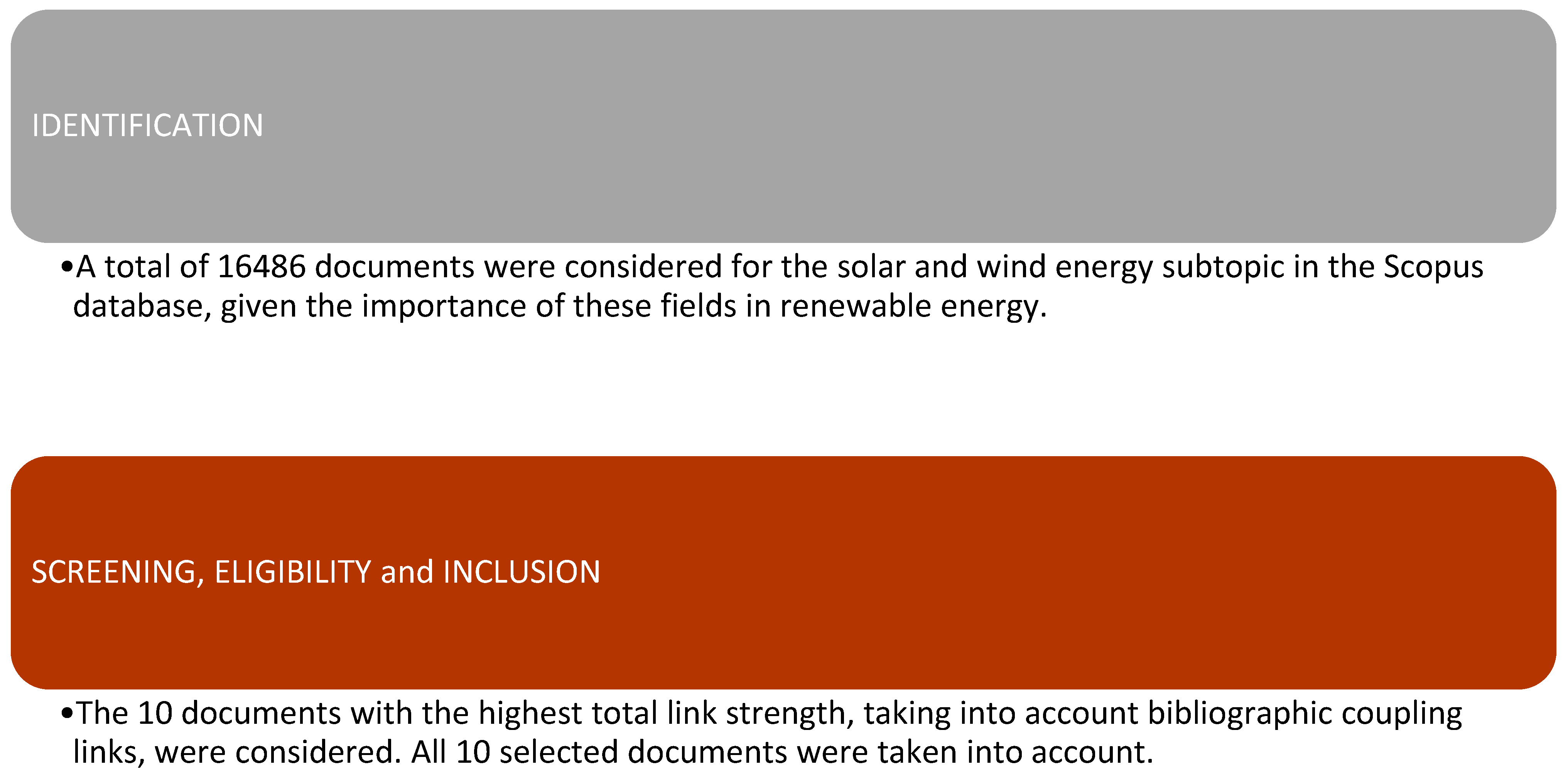
Table 36 presents the top 10 documents with the highest total link strength, considering bibliographic data and bibliographic coupling links from the documents found for the subtopic solar energy and wind power. This subtopic was considered because of the importance of solar energy and wind power for renewable and sustainable energy both for the energy sector and for the scientific community. Figure 7 illustrates the approach adopted for the focused analysis of influential documents, which considers the PRISMA protocol as a reference guide and is based on the bibliometric analysis [98,99]. This criterion (total link strength of bibliographic coupling links), which reflects the degree of connectivity of each document within the network, was chosen because it captures the structural relevance of the document within the field of research.
The literature associated with renewable and sustainable energy focused on the combination of different energy power sources in optimised and hybrid [100] approaches, namely to reduce costs and to complement each other [101]. The problem with some renewable energies is the instability and the costs of investment and maintenance [102]. These hybrid systems may combine solar energy, wind power [103], geothermal sources [104], and battery storage. The optimal sizing of these hybrid systems is impacted by socio-demographic factors [105] and is another concern for the scientific community [106]. The availability of data and the consideration of adjusted methodologies of analysis are crucial [107] for successful sustainable development. Integration of renewable and sustainable energy into systems brings new challenges [108] and new technologies may provide added value to finding solutions. In the contexts of renewables, hydrogen has assumed increased importance [109].
Table 36. Top documents with the highest total link strength.
LabelURLTotal Link StrengthNormalised CitationsPublication Year
Elma (2012) [101]https://doi.org/10.1016/j.apenergy.2012.02.0802671.50932012
Kaabeche (2011) [106]https://doi.org/10.1016/j.energy.2010.11.0242226.94532011
Addo (2014) [100]https://doi.org/10.1109/iciea.2014.69314102050.07932014
Tito (2016) [105]https://doi.org/10.1016/j.solener.2016.07.0361872.80742016
Ismail (2014) [104]https://doi.org/10.1109/inmic.2014.70973991810.17852014
Hosseinzadeh (2017) [103]https://doi.org/10.1109/icciautom.2017.82587091790.10832017
Mohamed (2017) [107]https://doi.org/10.1016/j.rser.2017.04.0481773.05942017
Liu (2022) [108]https://doi.org/10.3390/app120421941640.34472022
Mansir (2026) [109]https://doi.org/10.1177/0958305x2412483731500.88852024
Senjyu (2006) [102]https://doi.org/10.1109/tec.2006.8742501492.20522006

5. Main Insights and Discussion

Population growth [4], environmental challenges [5], climate change [6], pandemics [7], and the traditional energy markets dynamics [8] have motivated several stakeholders to pay more attention to renewable and sustainable energy, in line with the international goals [14]. Solar and wind energy sources have deserved more attention of the scientific community [2], with the United States, China and some European Union countries having relevant contributions for the understanding of the renewables sector [17]. The concentration of scientific output in a small number of countries can be explained by the availability of funding for scientific research and access to technological resources and bibliographic information. In any case, this leads to a bias in the scientific literature produced, leaving out realities relating to developing countries that are, in certain cases, more vulnerable to climate change. Digital transition plays a crucial role in the changes towards renewables [21]. The importance of the available data [33], international collaboration [37], energy efficiency and policy [38], adjusted storage systems, hybrid structures and risk monitoring [39], location of power plants [43], and integration processes [41] were also highlighted. There is a wide range of technological topics identified, which the literature appears to address in a fragmented manner, in some cases. The lack of integration between technology, socioeconomic contexts, and policy measures may limit the practical application of the solutions identified.
Transportation systems [52] and the building sector [53] are contexts where renewables may contribute to mitigating environmental impacts. The uncertainty [58] and intermittency [59] of the renewable systems have promoted the consideration of hybrid solutions. Voltage constancy, inertial response, and frequency control are other concerns [62]. Transition to renewable energy is not without its challenges, particularly in terms of grid stability and reliability, highlighting the need for integrated solutions. Artificial intelligence may bring added value to these frameworks, particularly for forecasting insulation, market conditions, and wind turbine dynamics [69]. Other new technologies, such as compressed air energy storage [71], new batteries [72], blockchain [74], and photonics [75] have been referred to in the literature. The emergence of digital technologies opens up new opportunities but also raises new concerns regarding cost–benefit and environmental impacts, which need to be explored in greater depth in the literature. Despite stakeholders’ interest in renewables, this sector remains residual in the world’s energy consumption. This suggests that structural barriers remain, particularly in terms of economic constraints and infrastructure limitations. Another dimension that may deserve deeper focus in future research is public engagement with the greener transition [86]. The energy transition requires social acceptance, and this needs to be properly addressed, taking a multidisciplinary approach. In any case, some doubts remain on the real implication of renewables about carbon emissions mitigation [96]. This becomes particularly important when indirect emissions, life cycle analyses, and rebound effects are taken into account.
The bibliometric analysis highlights that there are significant differences in the literature regarding several subtopics related to renewables. These subtopics are associated with the following combinations: solar and wind energy, bioenergy, biomass and hydroelectric power, tidal and wave energy, green hydrogen and clean energy, renewable energy and sustainable development goals, and energy policy and technological innovation in renewable energy. In general, research related to renewables increased strongly after 2020, and this literature is focused on engineering studies, concentrated on a reduced number of authors and published by specific sources. This disciplinary concentration suggests an imbalance in the knowledge produced, which is not adequately complemented by socioeconomic and policy insights. Socioeconomic analysis, empirical evidence, policy impact research, and interdisciplinary research are gaps that could be addressed in future studies. China and the United States are the countries with the greatest contribution to the renewables topic, and solar energy, wind power, efficiency, and sustainability are the most relevant themes. It is suggested that a more balanced geographic distribution of the scientific production deserves deeper attention from the researchers, as well as some themes, such as energy storage, grid integration, and socioeconomic and policy assessments. These limitations pose challenges for the development of region-specific solutions and carry the risk of implementing strategies that are not tailored to local conditions and needs. Solar and wind energy research is led by China, India, the United States, and some European countries, being focused on technological subject areas and almost in saturation phase, suggesting the need for change in future research, particularly in terms of integration and optimisation. Bioenergy, biomass, and hydroelectric power are concentrated on environmental, engineering, agricultural, material, and quantitative sciences, and are in the beginning of the maturity phase, showing that there is a field to be explored. There are, however, certain factors to bear in mind in these areas, particularly with regard to land use, biodiversity, and competition for resources. Tidal and wave energy is focused on engineering, environmental, computer, and earth sciences, and is in the middle of the maturity phase. The associated costs and technical complexity may explain why these fields have been developed more slowly. Green hydrogen and clean energy are in the saturation phase, as well as the renewable energy and sustainable development goals subtopic. Despite the level of saturation observed, there are aspects that need to be better addressed, such as the economic viability of the associated solutions and the technological requirements. Energy policy and technological innovation in renewable energy are almost in the middle of the maturity phase. This demonstrates recognition of the importance of policy measures for the energy transition.
What is new (what are the main gaps and what can be done in future research):
-
In general: increase the research about socioeconomic analysis, empirical research, sector interrelationships, policy assessment, energy storage, grid integration, promote more balanced geographical distribution of the research (increasing the contributions from Africa, Latin America and environmentally vulnerable countries), and encourage interdisciplinary and social participation.
-
Solar and wind power: develop emerging themes, such as wind power integration and microgrid; address emerging or declining themes related to solar power generation, stochastic systems, electricity generation and photovoltaic systems.
-
Bioenergy, biomass, and hydroelectric power: develop emerging topics associated with wind power integration, windmill, solar fuels, hydrogen storage, and sustainable energy; consider emerging or declining themes related to biofuels, electricity generation, greenhouse gas emissions, and economic dimensions.
-
Tidal and wave energy: address emerging themes, such as solar fuels, windmills, nanogenerators, and offshore winds; consider specialised topics associated with turbines, tidal currents and geothermal power.
-
Green hydrogen and clean energy: consider basic and emerging themes related to degradation model, oxygen evolution, hydrogen economy, electrolysis, hydrogen production, and hydrogen storage; address specialised terms, such as water splitting, oxygen reaction, and cost-effectiveness.
-
Renewable energy and sustainable development goals (SDGs): develop emerging topics, such as artificial intelligence, green economy, sustainable development, and climate change; consider specialised themes associated with environmental protection, carbon emissions, economic development, and growth.
-
Energy policy and technological innovation in renewable energy: develop emerging themes related to green development, energy economics, energy transition, and economic development; take into account specialised themes, such as global warming in these contexts.

6. Conclusions

This study adopts a broad conceptual approach, encompassing various fields related to renewable and sustainable energy. In terms of practical implications, it is important to better understand renewable energy markets, better address the other renewables beyond solar and wind power, and increase the scientific production related to contexts associated with Africa, Latin America, and other vulnerable countries to the current environmental challenges. It is also relevant to enhance the contributions about datasets, analysis methodologies (artificial intelligence and life cycle sustainability assessment, for example), stakeholder mapping and engagement, storage systems, hybrid structures, microgrid and integration processes. More insights about new technologies for the renewable energy sector are additionally important, such as compressed air storage, batteries, blockchain, and photonics. It is also relevant to better address the real contributions of renewables to carbon sequestration. For policy recommendations, it is suggested to convince the national, European, and International organisations to consider the findings obtained with this study to design research programmes that specifically address the gaps identified, specifically to promote the research in emerging, specialised, and basic topics. For future research, it would be important to bring more contributions to identify the different dimensions and subtopics inside the renewable and sustainable energy topic.

Funding

This work was funded by national funds through FCT—Fundação para a Ciência e a Tecnologia I.P., under the project CESAM-Centro de Estudos do Ambiente e do Mar, references UID/50017/2025 (doi.org/10.54499/UID/50017/2025) and LA/P/0094/2020 (doi.org/10.54499/LA/P/0094/2020).

Data Availability Statement

The original contributions presented in this study are included in the article. Further inquiries can be directed to the corresponding author.

Acknowledgments

Furthermore we would like to thank the CESAM and the Polytechnic Institute of Viseu for their support.

Conflicts of Interest

The author declares no conflict of interest.

References

  1. Mao, G.; Liu, X.; Du, H.; Zuo, J.; Wang, L. Way forward for alternative energy research: A bibliometric analysis during 1994–2013. Renew. Sustain. Energy Rev. 2015, 48, 276–286. [Google Scholar] [CrossRef] [Scilit]
  2. Schaefer, J.L.; Mairesse Siluk, J.C.M.; Baierle, I.C.; Benitez Nara, E.O.B. A Scientometric Approach to Analyze Scientific Development on Renewable Energy Sources. J. Data Inf. Sci. 2021, 6, 87–119. [Google Scholar] [CrossRef] [Scilit]
  3. Adedayo, H.B.; Adio, S.A.; Oboirien, B.O. Energy research in Nigeria: A bibliometric analysis. Energy Strategy Rev. 2021, 34, 100629. [Google Scholar] [CrossRef] [Scilit]
  4. Jabeen, S.; Malik, S.; Khan, S.; Khan, N.; Qureshi, M.I.; Md Saad, M.S.M. A comparative systematic literature review and bibliometric analysis on sustainability of renewable energy sources. Int. J. Energy Econ. Policy 2021, 11, 270–280. [Google Scholar] [CrossRef] [Scilit]
  5. Khan, K.I.; Nasir, A. Application of artificial intelligence in solar and wind energy resources: A strategy to deal with environmental pollution. Environ. Sci. Pollut. Res. 2023, 30, 64845–64859. [Google Scholar] [CrossRef] [Scilit]
  6. Masip Macía, Y.; Nuñez González, S.M.; Villazon Carmona, E.J.; Burgos Pezoa, M. Bibliometric Analysis of Renewable Energy Strategies for Mitigating the Impact of Severe Droughts on Electrical Systems. Appl. Sci. 2025, 15, 2060. [Google Scholar] [CrossRef] [Scilit]
  7. Wang, Q.; Huang, R.; Li, R. Towards smart energy systems—A survey about the impact of COVID-19 pandemic on renewable energy research. Energy Strategy Rev. 2022, 41, 100845. [Google Scholar] [CrossRef] [Scilit]
  8. Zhou, Q.; Li, H. Knowledge Mapping of Hybrid Solar PV and Wind Energy Standalone Systems: A Bibliometric Analysis. Energy Eng. 2024, 121, 1781–1803. [Google Scholar] [CrossRef] [Scilit]
  9. Herrera-Franco, G.; Bollmann, H.A.; Pasqual, J.C.P.; Mora-Frank, C. Analysis of the Water–Energy–Food Nexus and Its Contribution to Energy Development. In Proceedings of the WIT Transactions on Ecology and the Environment; Syngellakis, S., Magaril, E., Eds.; WIT Press: Southampton, UK, 2022; Volume 255, pp. 81–91. [Google Scholar] [CrossRef] [Scilit]
  10. Sotnyk, I.; Kurbatova, T.; Kubatko, O.; Prokopenko, O.; Järvis, M. Managing Energy Efficiency and Renewable Energy in the Residential Sector: A Bibliometric Study. Probl. Perspect. Manag. 2023, 21, 511–527. [Google Scholar] [CrossRef] [Scilit]
  11. Akbarova, S.; Akbarli, R.; Namazov, Y. Trends in Scientific Research on Technological Aspects of Green Energy Transition. Reliab. Theory Appl. 2024, 19, 1633–1641. [Google Scholar] [CrossRef]
  12. Proskuryakova, L.N.; Ermolenko, G.V. The future of Russia’s renewable energy sector: Trends, scenarios and policies. Renew. Energy 2019, 143, 1670–1686. [Google Scholar] [CrossRef] [Scilit]
  13. Zhang, W.; Li, B.; Xue, R.; Wang, C.; Cao, W. A systematic bibliometric review of clean energy transition: Implications for low-carbon development. PLoS ONE 2021, 16, e0261091. [Google Scholar] [CrossRef] [Scilit]
  14. Didane, D.H.; Manshoor, B.; Bin Mustapa, M.S.; Aljabri, A.; Bukar, A.L.; Kassas, M. Renewable energy research in ASEAN countries: Bibliometric analysis of past, present and future trends. Renew. Energy Focus 2026, 56, 100776. [Google Scholar] [CrossRef] [Scilit]
  15. Skrzyzowski, V.D.S.; Farinhas, F.N.; Ferrari de Carvalho Teixeira, M.C.F.D.C.; Barros, M.V.; Salvador, R.; Neto, S.C.; Lermen, F.H. Mapping Drivers, Barriers, and Trends in Renewable Energy Sources in Universities: A Connection Based on the SDGs. Sustainability 2024, 16, 6583. [Google Scholar] [CrossRef] [Scilit]
  16. Marquez, R.; Ovalles, C.; López-Linares, F.; Wang, W.; Robinson, P.; Reynolds, M.A. Perspective from the ACS Energy & Fuels Industry Committee toward the Transition to Sustainable Energy Sources. Energy Fuels 2025, 39, 1451–1459. [Google Scholar] [CrossRef] [Scilit]
  17. Aleixandre-Tudó, J.L.; Castelló-Cogollos, L.; Aleixandre, J.L.; Aleixandre-Benavent, R. Renewable energies: Worldwide trends in research, funding and international collaboration. Renew. Energy 2019, 139, 268–278. [Google Scholar] [CrossRef] [Scilit]
  18. Arsad, S.R.; Arsad, A.Z.; Ker, P.J.; Hannan, M.A.; Tang, S.G.H.; Goh, S.M.; Mahlia, T.M.I. Recent advancement in water electrolysis for hydrogen production: A comprehensive bibliometric analysis and technology updates. Int. J. Hydrogen Energy 2024, 60, 780–801. [Google Scholar] [CrossRef] [Scilit]
  19. Barrera-Singaña, C.; Comech, M.P.; Arcos, H. A Comprehensive Review on the Integration of Renewable Energy Through Advanced Planning and Optimization Techniques. Energies 2025, 18, 2961. [Google Scholar] [CrossRef] [Scilit]
  20. Biegańska, M. IoT-Based Decentralized Energy Systems. Energies 2022, 15, 7830. [Google Scholar] [CrossRef] [Scilit]
  21. Hussein, J.B.; Workneh, T.S.; Kassim, A.; Ntsowe, K.; Melesse, S.F.; EL-Mesery, H.S.; Zixheng, H. A review of the use of artificial intelligence in renewable energy for food processing and preservation process optimisation, challenges, and future prospects. Renew. Sustain. Energy Rev. 2025, 223, 116076. [Google Scholar] [CrossRef] [Scilit]
  22. Chen, Q.; Yurong, G.; Tangrong, W. Research Status and Development Trend of Gravity Energy Storage Technology. In The Proceedings of the 18th Annual Conference of China Electrotechnical Society; Yang, Q., Li, Z., Luo, A., Eds.; Lecture Notes in Electrical Engineering (LNEE); Springer Science and Business Media Deutschland GmbH: Singapore, 2024; Volume 1169, pp. 474–481. [Google Scholar] [CrossRef] [Scilit]
  23. Guedes Filho, D.F.; Miranda, R.L.; Correia, L.A.; do Fernandes, L.; Medrado, R.C.; Filho, M.D.C.; Filho, J.B.M.; Marinho, M.H.N.; Nascimento, E.G. Optimization and Integration Strategies for Hybrid Renewable Energy Systems in the Brazilian Power Grid: A Systematic Review. IEEE Access 2025, 13, 84170–84187. [Google Scholar] [CrossRef] [Scilit]
  24. Kut, P.; Pietrucha-Urbanik, K.; Zeleňáková, M.; Abd-Elhamid, H.F. Bibliometric Analysis of Research on AI-Based Forecasting in Renewable Energy. In Advances in Dependable Systems and Networks; Zamojski, W., Mazurkiewicz, J., Sugier, J., Walkowiak, T., Kacprzyk, J., Eds.; Lecture Notes in Networks and Systems (LNEE); Springer Science and Business Media Deutschland GmbH: Cham, Switzerland, 2025; Volume 1427, pp. 138–147. [Google Scholar] [CrossRef] [Scilit]
  25. Navas, K.B.; Prakash, S. A Systematic Review on Wind Energy Resources Forecasting by Neural Network. In IEEE International Conference on Recent Advances and Innovations in Engineering, ICRAIE—Proceeding; Institute of Electrical and Electronics Engineers Inc.: New York, NY, USA, 2020. [Google Scholar] [CrossRef] [Scilit]
  26. Ying, C.; Wang, W.; Yu, J.; Li, Q.; Yu, D.; Liu, J. Deep learning for renewable energy forecasting: A taxonomy, and systematic literature review. J. Clean. Prod. 2023, 384, 135414. [Google Scholar] [CrossRef] [Scilit]
  27. Velásquez-Henao, J.D.; Cadavid, L.; Franco, C.J. Intelligence Techniques in Sustainable Energy: Analysis of a Decade of Advances. Energies 2023, 16, 6974. [Google Scholar] [CrossRef] [Scilit]
  28. Cotrina-Teatino, M.A.; Araujo, J.J.M.; Inca-Cupe, J.A.; Vera-Mendoza, J.J.P. Renewable energy applications in mineral processing and mining operations: A bibliometric analysis and systematic literature review. Miner. Process. Extr. Metall. 2025, 134, 149–166. [Google Scholar] [CrossRef] [Scilit]
  29. Nasrudin, D.; Setiawan, A.; Rusdiana, D. Renewable Energy Online Learning: A Systematic Literature Network Analysis. J. Eng. Sci. Technol. 2022, 17, 83–91. [Google Scholar]
  30. Rizzi, F.; Van Eck, N.J.; Frey, M. The production of scientific knowledge on renewable energies: Worldwide trends, dynamics and challenges and implications for management. Renew. Energy 2014, 62, 657–671. [Google Scholar] [CrossRef] [Scilit]
  31. Sanz-Casado, E.; Lascurain-Sánchez, M.L.; Serrano-Lopez, A.E.; Larsen, B.; Ingwersen, P. Production, consumption and research on solar energy: The Spanish and German case. Renew. Energy 2014, 68, 733–744. [Google Scholar] [CrossRef] [Scilit]
  32. Garrido, S.; Sequeira, T.; Santos, M. Renewable energy and sustainability from the supply side: A critical review and analysis. Appl. Sci. 2020, 10, 5755. [Google Scholar] [CrossRef] [Scilit]
  33. Neto, A.A.A.; Lopes, F.V.; Abrahão, R. The Role of Spatial Databases for Climatic and Solar/Wind Energy Generation Studies: A Bibliometric Review. In Workshop on Communication Networks and Power Systems, WCNPS; Institute of Electrical and Electronics Engineers Inc.: New York, NY, USA, 2023. [Google Scholar] [CrossRef] [Scilit]
  34. Ochoa, G.V.; Nuñez-Alvarez, J.N.; Acevedo, C. Research evolution on renewable energies resources from 2007 to 2017: A comparative study on solar, geothermal, wind and biomass energy. Int. J. Energy Econ. Policy 2019, 9, 242–253. [Google Scholar] [CrossRef] [Scilit]
  35. Pietrasanta, A.M.; F Shaaban, M.F.; Aguirre, P.A.; Mussati, S.F.; Hamouda, M.A. Simulation and Optimization of Renewable Energy-Powered Desalination: A Bibliometric Analysis and Highlights of Recent Research. Sustainability 2023, 15, 9180. [Google Scholar] [CrossRef] [Scilit]
  36. Piwowar-Sulej, K.; Sołtysik, M.; Jarosz, S.; Pukala, R. The Linkage between Renewable Energy and Project Management: What Do We Already Know, and What Are the Future Directions of Research? Energies 2023, 16, 4609. [Google Scholar] [CrossRef] [Scilit]
  37. Sakata, I.; Sasaki, H. Bibliometric analysis of international collaboration in wind and solar energy. J. Sustain. Dev. Energy Water Environ. Syst. 2013, 1, 187–198. [Google Scholar] [CrossRef] [Scilit]
  38. Rodriguez-Aburto, C.; Poma-García, J.; Montaño-Pisfil, J.; Morcillo-Valdivia, P.; Oyanguren-Ramirez, F.; Santos, C.; Rodriguez-Flores, R.; Virú-Vásquez, P.; Pilco-Nuñez, A. Bibliometric Analysis of Global Publications on Management, Trends, Energy, and the Innovation Impact of Green Hydrogen Production. Sustainability 2024, 16, 11048. [Google Scholar] [CrossRef] [Scilit]
  39. Roucham, B.; Lefilef, A.; Zaghdoud, O.; Si Mohammed, K.S. The evolution of green hydrogen in renewable energy research: Insights from a bibliometric perspective. Energy Rep. 2025, 13, 576–593. [Google Scholar] [CrossRef] [Scilit]
  40. Ge, Z.; Liu, J.; Zhong, C. Uncovering the mineral constraints on energy transition under climate change targets: A bibliometric review. Energy Strategy Rev. 2024, 55, 101520. [Google Scholar] [CrossRef] [Scilit]
  41. Guo, Y.; Li, J.; Sun, M.; Shen, B. Transitioning from Decentralized Facilities to Intelligent Integration: A Review of Distributed Wind and Solar Energy Research. Wiley Interdiscip. Rev. Energy Environ. 2025, 14, e70003. [Google Scholar] [CrossRef] [Scilit]
  42. Shawket, Z.A.; Danook, S.H. Overview improving the efficiency of a wind turbine by using a nozzle and solar radiation. Unconv. Resour. 2025, 7, 100191. [Google Scholar] [CrossRef] [Scilit]
  43. Subagyo; Moh Yanuar, J.P.; Bambang, P.N.; Saleh, A.; Akhmad, F.W. The Suitable Location for a Hybrid Renewable Energy Wind-Solar Power Plant: A Review by Bibliometric. In IOP Conference Series: Earth and Environmental Science; Institute of Physics: London, UK, 2023; Volume 1266. [Google Scholar] [CrossRef] [Scilit]
  44. Herrera-Franco, G.; Alarcón-Rodríguez, E.; Bravo-Montero, L.; Caicedo-Potosí, J.; Berrezueta, E. Analysis of Decentralized Energy Systems in Rural Communities: A Focus on Accessibility and Sustainability. Chall. Sustain. 2025, 13, 477–492. [Google Scholar] [CrossRef] [Scilit]
  45. Tran, T.H.; Nguyen, H.M.T.; Thanh, T.N.; Nguyen, H.D. Technological Advancements in Reducing Carbon Emissions in Maritime Transportation: A Literature Survey. Int. J. Sustain. Dev. Plann. 2025, 20, 2269–2280. [Google Scholar] [CrossRef] [Scilit]
  46. Moher, D.; Liberati, A.; Tetzlaff, J.; Altman, D.G. Preferred reporting items for systematic reviews and meta-analyses: The PRISMA statement. BMJ 2009, 339, b2535. [Google Scholar] [CrossRef]
  47. Scopus. Scopus—Homepage. 2025. Available online: https://www.scopus.com/pages/home?display=basic#basic (accessed on 6 January 2026).
  48. Van Eck, N.J.; Waltman, L. Software survey: VOSviewer, a computer program for bibliometric mapping. Scientometrics 2010, 84, 523–538. [Google Scholar] [CrossRef] [Scilit] [PubMed]
  49. Van Eck, N.J.; Waltman, L. Visualizing Bibliometric Networks. In Measuring Scholarly Impact: Methods and Practice; Ding, Y., Rousseau, R., Wolfram, D., Eds.; Springer International Publishing: Cham, Switzerland, 2014; pp. 285–320. [Google Scholar] [CrossRef] [Scilit]
  50. Van Eck, N.J.; Waltman, L. Manual for VOSviewer Version 1.6.20; Centre for Science and Technology Studies (CWTS), Leiden University: Leiden, The Netherlands, 2023. [Google Scholar]
  51. Aria, M.; Cuccurullo, C. bibliometrix: An R-tool for comprehensive science mapping analysis. J. Informetr. 2017, 11, 959–975. [Google Scholar] [CrossRef] [Scilit]
  52. Alamoush, A.S.; Ballini, F.; Ölçer, A.I. Ports’ technical and operational measures to reduce greenhouse gas emission and improve energy efficiency: A review. Mar. Pollut. Bull. 2020, 160, 111508. [Google Scholar] [CrossRef] [Scilit]
  53. Aljashaami, B.A.; Ali, B.M.; Salih, S.A.; Alwan, N.T.; Majeed, M.H.; Ali, O.M.; Alomar, O.R.; Velkin, V.I.; Shcheklein, S.E. Recent improvements to heating, ventilation, and cooling technologies for buildings based on renewable energy to achieve zero-energy buildings: A systematic review. Result. Eng. 2024, 23, 102769. [Google Scholar] [CrossRef] [Scilit]
  54. El Robrini, F.; Bukhari, S.M.S.; Zafar, M.H.; Al-Tawalbeh, N.; Akhtar, N.; Sanfilippo, F. Federated learning and non-federated learning based power forecasting of photovoltaic/wind power energy systems: A systematic review. Energy AI 2024, 18, 100438. [Google Scholar] [CrossRef] [Scilit]
  55. Olorunfemi, T.R.; Nwulu, N. A review of mathematical optimization applications in renewable energy-powered microgrids. In Advances in Manufacturing Engineering; Emamian, S.S., Yusof, F., Awang, M., Eds.; Lecture Notes in Mechanical Engineering; Springer Science and Business Media Deutschland GmbH: Singapore, 2020; pp. 603–613. [Google Scholar] [CrossRef] [Scilit]
  56. Sultana, W.R.; Sahoo, S.K.; Sukchai, S.; Yamuna, S.; Venkatesh, D. A review on state of art development of model predictive control for renewable energy applications. Renew. Sustain. Energy Rev. 2017, 76, 391–406. [Google Scholar] [CrossRef] [Scilit]
  57. Yuan, J.; Luo, G.; Chen, J. Renewable Energy in China; Nova Science Publishers, Inc.: Hauppauge, NY, USA, 2014. [Google Scholar]
  58. Mahesh, A.; Sandhu, K.S. Hybrid wind/photovoltaic energy system developments: Critical review and findings. Renew. Sustain. Energy Rev. 2015, 52, 1135–1147. [Google Scholar] [CrossRef] [Scilit]
  59. Quansah, A.D.; Boakye, P.; Mensah, L.D.; Quansah, D.A. Systematic literature review on the potential of using solar photovoltaic to power sea water desalination on offshore petroleum facilities. Energy Rep. 2024, 12, 3843–3860. [Google Scholar] [CrossRef] [Scilit]
  60. Segura-Villarreal, C.; Cornejo-Olivares, L.; Contreras-Cossío, J.; Contreras-Rivera, R.; Mendoza-Apaza, F.; Benites-Gutiérrez, M.; Nieves-Barreto, C. Hybrid energy irrigation system compared to conventional energy: A systematic review. In Proceedings LACCEI International Multi-Conference on Entrepreneurship, Innovation and Regional Development; Latin American and Caribbean Consortium of Engineering Institutions: Boca Raton, FL, USA, 2023. [Google Scholar] [CrossRef] [Scilit]
  61. Rocha, L.C.S.; Rotella Junior, P.R.; Maheri, A. Economic analysis of the wind energy generation: Overview and current perspectives. In Renewable Energy Production and Distribution: Solutions and Opportunities; Elsevier: Amsterdam, The Netherlands, 2023; Volume 2, pp. 183–214. [Google Scholar] [CrossRef] [Scilit]
  62. Mirza, Z.; Jain, H. From challenges to solutions: Review and analysis of grid-supportive technologies in sustainable power systems. Appl. Energy 2026, 403, 127111. [Google Scholar] [CrossRef] [Scilit]
  63. Babu, M.; Ray, P. A Review on Energy Forecasting Algorithms Crucial for Energy Industry Development and Policy Design. Energy Sources Part A Recovery Util. Environ. Eff. 2025, 47, 2006370. [Google Scholar] [CrossRef] [Scilit]
  64. Alkabbani, H.; Ahmadian, A.; Zhu, Q.; Elkamel, A. Machine Learning and Metaheuristic Methods for Renewable Power Forecasting: A Recent Review. Front. Chem. Eng. 2021, 3, 665415. [Google Scholar] [CrossRef] [Scilit]
  65. Arévalo, P.; Ochoa, D.; Villa-Ávila, E. Towards Energy Efficiency: Innovations in High-Frequency Converters for Renewable Energy Systems and Electric Vehicles. Vehicle 2025, 7, 1. [Google Scholar] [CrossRef] [Scilit]
  66. Mosavi, A.; Salimi, M.; Ardabili, S.F.; Rabczuk, T.; Band, S.; Varkonyi-Koczy, A.R. State of the art of machine learning models in energy systems, a systematic review. Energies 2019, 12, 7301. [Google Scholar] [CrossRef] [Scilit]
  67. Tyralis, H.; Papacharalampous, G. Boosting algorithms in energy research: A systematic review. Neural Comput. Appl. 2021, 33, 14101–14117. [Google Scholar] [CrossRef] [Scilit]
  68. Naeem, G.; Asif, M.; Khalid, M. Industry 4.0 digital technologies for the advancement of renewable energy: Functions, applications, potential and challenges. Energy Convers. Manag. X 2024, 24, 100779. [Google Scholar] [CrossRef] [Scilit]
  69. Chatterjee, S.; Khan, P.W.; Byun, Y.-C. Recent advances and applications of machine learning in the variable renewable energy sector. Energy Rep. 2024, 12, 5044–5065. [Google Scholar] [CrossRef] [Scilit]
  70. Das, N.; Haque, A.; Zaman, H.; Morsalin, S.; Islam, S. Exploring the Potential Application of IEC 61850 to Enable Energy Interconnectivity in Smart Grid Systems. IEEE Access 2024, 12, 56910–56923. [Google Scholar] [CrossRef] [Scilit]
  71. Jiang, W.; Huang, L.; Zhang, S.; Ma, H. Advances in research on geological evaluation of compressed air energy storage in underground gas storage facilities. Coal Geol. Explor. 2025, 53, 62–75. [Google Scholar] [CrossRef]
  72. Khalili, S.; Oyewo, A.S.; Lopez, G.; Kaypnazarov, K.; Breyer, C. Technologies, trends, and trajectories across 100% renewable energy system analyses. Renew. Sustain. Energy Rev. 2026, 226, 116308. [Google Scholar] [CrossRef] [Scilit]
  73. Löhr, K.; Matavel, C.E.; Tadesse, S.; Yazdanpanah, M.; Sieber, S.; Komendantova, N. Just Energy Transition: Learning from the Past for a More Just and Sustainable Hydrogen Transition in West Africa. Land 2022, 11, 2193. [Google Scholar] [CrossRef] [Scilit]
  74. Karumba, S.; Sethuvenkatraman, S.; Dedeoglu, V.; Jurdak, R.; Kanhere, S.S. Barriers to blockchain-based decentralised energy trading: A systematic review. Int. J. Sustain. Energy 2023, 42, 41–71. [Google Scholar] [CrossRef] [Scilit]
  75. Mohanty, A.; Ramasamy, A.K.; Mohanty, S.; Mohanty, P.P.; Satapathy, A.S.; Sahoo, S.K. Photonics in offshore wind energy system development: A systematic review. Result. Eng. 2024, 24, 103409. [Google Scholar] [CrossRef] [Scilit]
  76. Mumtaz, N.; Ahmed, M.I.; Pandey, H.W. A Systematic Review on the Application of Power Eelectronics in Renewable Energy Systems using SWOT Analysis. Recent Adv. Electr. Electron. Eng. 2024, 17, 1042–1058. [Google Scholar] [CrossRef] [Scilit]
  77. Fendzi Mbasso, W.F.; Harrison, A.; Dagal, I.; Jangir, P.; Khishe, M.; Kotb, H.; Suhail Shaikh, M.S.; Smerat, A.; Fendzi-Donfack, E.; Kumar, R. Digital twins in renewable energy systems: A comprehensive review of concepts, applications, and future directions. Energy Strategy Rev. 2025, 61, 101814. [Google Scholar] [CrossRef] [Scilit]
  78. Chen, G.; Ji, Z. A Review of Solar and Wind Energy Resource Projection Based on the Earth System Model. Sustainability 2024, 16, 3339. [Google Scholar] [CrossRef] [Scilit]
  79. Cruz, T.; de Moraes Mattos, T.; Garcia, B.N.; Cretton-Souza, G.; Gonçalves, O.G.; Poyer, F.H.; Rodrigues, L.; Oliveira Fiorini, A.C.O.; Müller-Casseres, E.; Baptista, L.B.; et al. How Climate Change Will Affect the Brazilian Energy System: Evidence from a Systematic Review. Annu. Rev. Environ. Resour. 2025, 50, 1–27. [Google Scholar] [CrossRef] [Scilit]
  80. Chen, S.; Zhang, C.; Lu, X. Energy Conversion from Fossil Fuel to Renewable Energy. In Handbook of Air Quality and Climate Change; Springer Nature: Singapore, 2023; pp. 1333–1376. [Google Scholar] [CrossRef] [Scilit]
  81. Dupré la Tour, M.-A. Photovoltaic and wind energy potential in Europe—A systematic review. Renew. Sustain. Energy Rev. 2023, 179, 113189. [Google Scholar] [CrossRef] [Scilit]
  82. Rösch, T.; Treffinger, P.; Koch, B. Regional flexibility markets—Solutions to the European energy distribution grid—A systematic review and research agenda. Energies 2021, 14, 2403. [Google Scholar] [CrossRef] [Scilit]
  83. Qazi, A.; Hussain, F.; Rahim, N.A.B.D.; Hardaker, G.; Alghazzawi, D.; Bashir Shaban, K.; Haruna, K. Towards Sustainable Energy: A Systematic Review of Renewable Energy Sources, Technologies, and Public Opinions. IEEE Access 2019, 7, 63837–63851. [Google Scholar] [CrossRef] [Scilit]
  84. Li, H.X.; Edwards, D.J.; Hosseini, M.R.; Costin, G.P. A review on renewable energy transition in Australia: An updated depiction. J. Clean. Prod. 2020, 242, 118475. [Google Scholar] [CrossRef] [Scilit]
  85. Cox, R.S.; Irwin, P.; Scannell, L.; Ungar, M.; Bennett, T.D. Children and youth’s biopsychosocial wellbeing in the context of energy resource activities. Environ. Res. 2017, 158, 499–507. [Google Scholar] [CrossRef] [Scilit]
  86. Görsch, R.; Perlaviciute, G.; Steg, L. A systematic review of public acceptability and perceived impacts of eleven energy sources and mitigation technologies. Glob. Environ. Change 2025, 93, 103014. [Google Scholar] [CrossRef] [Scilit]
  87. Mokan, K.V.; Lee, T.C.; Ramlan, R. The critical success factors for renewable energy projects implementation. Int. J. Recent Technol. Eng. 2019, 8, 225–229. [Google Scholar]
  88. Motta, M.B.; Andrade, R.G.; Ribeiro, C.B.; Hott, M.C.; da Rocha, W.S.D.; de Magalhães Junior, W.C.P. Zoning of Degraded Areas Suitable for Implementation of Renewable Energy Generation Systems: Systematic Review. Rev. Gest. Soc. Ambient. 2024, 18. [Google Scholar] [CrossRef] [Scilit]
  89. Soto, E.; Arellan-Yanac, L.; Lucana-Jaramillo, J.; Rios, A.; Espinoza, E.; Garay-Torres, J.; Alfaro-Rodriguez, C. Decarbonization of the Electricity Sector Using Solar Photovoltaic and Wind Generation: A Systematic Review. In Proceedings LACCEI International Multi-Conference for Engineering, Education and Technology; Latin American and Caribbean Consortium of Engineering Institutions: Boca Raton, FL, USA, 2023. [Google Scholar] [CrossRef] [Scilit]
  90. Mustafayev, F.; Kulawczuk, P.; Orobello, C. Renewable Energy Status in Azerbaijan: Solar and Wind Potentials for Future Development. Energies 2022, 15, 401. [Google Scholar] [CrossRef] [Scilit]
  91. Njoh, A.J. A systematic review of environmental determinants of renewable energy performance in Ethiopia: A PESTECH analysis. Renew. Sustain. Energy Rev. 2021, 147, 111243. [Google Scholar] [CrossRef] [Scilit]
  92. Ouchlif, A.; Hajji, H.; Aitelkadi, K. A Systematic Literature Review on Modernizing Land Acquisition Process for Smart Decision Making in Urban Planning. In Digital Technology for an Innovative Energy Transition; Green Energy and Technology; Springer Science and Business Media Deutschland GmbH: Cham, Switzerland, 2025; Volume Part F962, pp. 13–49. [Google Scholar] [CrossRef] [Scilit]
  93. Vasconcelos, G.F.; Castilho, H.A. A SWOT analysis for the evolution of Brazil’s renewable energy sector. Util. Policy 2025, 96, 101997. [Google Scholar] [CrossRef] [Scilit]
  94. Yarova, N.; Lipych, L.; Gutsul, T.; Zhurba, O.; Novytskyi, V. Economic Benefits of Green Technologies: Ukrainian Experience. Int. J. Econ. Financ. Issues 2025, 15, 412–421. [Google Scholar] [CrossRef] [Scilit]
  95. Pratiwi, S.; Juerges, N. Review of the impact of renewable energy development on the environment and nature conservation in Southeast Asia. Energy Ecol. Environ. 2020, 5, 221–239. [Google Scholar] [CrossRef] [Scilit]
  96. Yang, X.; Wu, C.; Liu, H.; Zhao, W.; He, Z. Carbon Cycling Processes in Onshore Wind and Solar Farms: A Review. Adv. Earth Sci. 2025, 40, 193–206. [Google Scholar] [CrossRef]
  97. Raja, M.S.; Abid, A.J.; Al-Sagar, Z.S. A Systematic Review for Enhancing Solar Photovoltaic System Efficiency by Reducing the Panel Temperature. In IEEE International Conference in Power Engineering Applications: Shaping Sustainability Through Power Engineering Innovation, ICPEA; Institute of Electrical and Electronics Engineers Inc.: New York, NY, USA, 2023; pp. 77–81. [Google Scholar] [CrossRef] [Scilit]
  98. Martinho, V.J.P.D. Agri-Food Contexts in Mediterranean Regions: Contributions to Better Resources Management. Sustainability 2021, 13, 6683. [Google Scholar] [CrossRef] [Scilit]
  99. Martinho, V.J.P.D. Bibliographic Coupling Links: Alternative Approaches to Carrying Out Systematic Reviews about Renewable and Sustainable Energy. Environments 2022, 9, 28. [Google Scholar] [CrossRef] [Scilit]
  100. Addo, E.O.K.; Asumadu, J.; Okyere, P.Y. Optimal design of renewable hybrid energy system for a village in Ghana. In 2014 9th IEEE Conference on Industrial Electronics and Applications; IEEE: New York, NY, USA, 2014; pp. 1520–1526. [Google Scholar] [CrossRef] [Scilit]
  101. Elma, O.; Selamogullari, U.S. A comparative sizing analysis of a renewable energy supplied stand-alone house considering both demand side and source side dynamics. Appl. Energy 2012, 96, 400–408. [Google Scholar] [CrossRef] [Scilit]
  102. Senjyu, T.; Hayashi, D.; Urasaki, N.; Funabashi, T. Optimum configuration for renewable generating systems in residence using genetic algorithm. IEEE Trans. Energy Convers. 2006, 21, 459–466. [Google Scholar] [CrossRef] [Scilit]
  103. Hosseinzadeh, N.; Al-Badi, M. Design, implementation and installation of a hybrid renewable energy system at Sultan Qaboos University. In 2017 5th International Conference on Control, Instrumentation, and Automation (ICCIA); IEEE: New York, NY, USA, 2017; pp. 371–376. [Google Scholar] [CrossRef] [Scilit]
  104. Ismail, M.; Alam, A.; Masud, A.R.; Hussain, M.; Rasheed, H. Optimal configuration of Hybrid Renewable Energy System for remote areas of Balochistan. In 17th IEEE International Multi Topic Conference 2014; IEEE: New York, NY, USA, 2014; pp. 539–544. [Google Scholar] [CrossRef] [Scilit]
  105. Tito, S.R.; Lie, T.T.; Anderson, T.N. Optimal sizing of a wind-photovoltaic-battery hybrid renewable energy system considering socio-demographic factors. Solar Energy 2016, 136, 525–532. [Google Scholar] [CrossRef] [Scilit]
  106. Kaabeche, A.; Belhamel, M.; Ibtiouen, R. Sizing optimization of grid-independent hybrid photovoltaic/wind power generation system. Energy 2011, 36, 1214–1222. [Google Scholar] [CrossRef] [Scilit]
  107. Mohamed, M.A.; Eltamaly, A.M.; Alolah, A.I. Swarm intelligence-based optimization of grid-dependent hybrid renewable energy systems. Renew. Sustain. Energy Rev. 2017, 77, 515–524. [Google Scholar] [CrossRef] [Scilit]
  108. Liu, C.; Fang, J.; Liu, C.; Fang, J. Analysis and Design of Inertia for Grid-Tied Electric Vehicle Chargers Operating as Virtual Synchronous Machines. Appl. Sci. 2022, 12, 2194. [Google Scholar] [CrossRef] [Scilit]
  109. Mansir, I.B.; Okonkwo, P.C.; Farouk, N. Techno-economic optimization of a photovoltaic-wind energy-based hydrogen production system: A case study of different cities of Saudi Arabia. Energy Environ. 2026, 37, 600–628. [Google Scholar] [CrossRef] [Scilit]
Figure 1. Saturation overview related to the subtopic of solar and wind energy.
Cleantechnol 08 00079 g001
Figure 2. Saturation overview related to the subtopic of bioenergy, biomass, and hydroelectric power.
Cleantechnol 08 00079 g002
Figure 3. Saturation overview related to the subtopic of tidal and wave energy.
Cleantechnol 08 00079 g003
Figure 4. Saturation overview related to the subtopic of green hydrogen and clean energy.
Cleantechnol 08 00079 g004
Figure 5. Saturation overview related to the subtopic of renewable energy and sustainable development goals.
Cleantechnol 08 00079 g005
Figure 6. Saturation overview related to the subtopic of energy policy and technological innovation in renewable energy.
Cleantechnol 08 00079 g006
Figure 7. An approach considering the PRISMA protocol as inspiration based on bibliometric analysis metrics.
Cleantechnol 08 00079 g007
Table 1. Metrics regarding the year, author name, subject area, and source title related to the specific topic—general overview.
Year Author NameSubject AreaSource Title
202565,678Dincer, I.440Engineering203,155Energies10,954
202461,063Blaabjerg, F.375Energy200,539Renewable Energy6398
202347,459Guerrero, J.M.341Environmental science95,854Energy6185
202240,128Senjyu, T.262Computer science70,399Renewable and Sustainable Energy Reviews6176
202133,375Breyer, C.226Materials science59,569Sustainability Switzerland5535
202027,505Lin, B.218Physics and astronomy56,321International Journal of Hydrogen Energy5355
201925,029Chen, Z.206Chemistry53,478Applied Energy4833
201820,995Jurado, F.205Mathematics51,012Journal of Cleaner Production4107
201718,342Adebayo, T.S.186Chemical engineering45,714Energy Policy4027
201615,231Olabi, A.G.186Social sciences38,059Iop Conference Series Earth and Environmental Science3167
201513,196Mohammadi-Ivatloo, B.183Earth and planetary sciences21,944Energy Conversion and Management2783
201412,608Singh, B.183Business, management, and accounting20,717Aip Conference Proceedings2746
201311,325Sovacool, B.K.182Economics, econometrics, and finance19,115E3s Web of Conferences2683
201210,152Mekhilef, S.175Biochemistry, genetics, and molecular biology14,944Journal of Energy Storage2593
20118799Catalão, J.P.S.173Agricultural and biological sciences14,682IEEE Access2571
20107275Vale, Z.167Decision sciences11,307Energy Procedia2505
20096737Bansal, R.C.163Medicine7332Journal of Physics Conference Series2424
20086181Rosen, M.A.161Multidisciplinary7322Lecture Notes in Electrical Engineering2187
20074378Siano, P.161Immunology and microbiology2797Energy Reports2183
20063461Lund, H.153Arts and humanities2697Environmental Science and Pollution Research2179
Table 2. Metrics related to keyword, affiliation, country, and language related to the specific topic—general overview.
Keyword AffiliationCountry Language
Energy36,500Ministry of Education of the People’s Republic of China9177China109,603English450,203
Energy efficiency33,600Chinese Academy of Sciences7908United States60,982Chinese12,560
Sustainable development32,985Tsinghua University5181India50,940German2223
Solar energy32,464North China Electric Power University4297United Kingdom26,180Spanish1160
Wind power30,796Xi’an Jiaotong University3393Germany24,807French844
Alternative energy29,259CNRS Centre National de la Recherche Scientifique3127Italy18,568Japanese822
Energy policy27,528University of Chinese Academy of Sciences3095Australia14,483Russian793
Carbon dioxide25,027Zhejiang University3087Spain14,050Korean626
Energy utilisation24,728State Grid Corporation of China3060Japan13,196Polish573
Carbon21,067Shanghai Jiao Tong University2918Canada12,937Portuguese443
Solar power generation20,524Tianjin University2683The Republic of Korea12,514Italian319
Electric power transmission networks20,414Aalborg University2491Saudi Arabia12,196Ukrainian234
Fossil fuels20,026National Renewable Energy Laboratory2460France11,813Turkish160
Energy storage19,558Huazhong University of Science and Technology2284Iran11,410Czech113
Optimisation19,276China Electric Power Research Institute2236Turkey11,139Persian99
Climate change18,835Southeast University2227Malaysia11,121Croatian41
Investments17,544Technical University of Denmark2115Pakistan8670Slovak41
Biomass17,052King Saud University1964Poland8316Romanian
Power15,757Shandong University1962Brazil8001Slovenian38
Greenhouse gases15,345Harbin Institute of Technology1842The Netherlands7805Lithuanian37
Table 3. Metrics related to the specific topic of solar energy.
Year Author NameSubject AreaCountry
202512,708Dincer, I.203Engineering47,690China17,028
202412,650Senjyu, T.139Energy47,391India14,201
20239757Singh, B.136Computer science19,209United States9195
20228334Jurado, F.105Environmental science15,694Italy3677
20216929Breyer, C.102Mathematics13,634United Kingdom3662
20205739Blaabjerg, F.96Materials science10,504Saudi Arabia3281
20195181Mekhilef, S.89Physics and astronomy9444Germany3223
20184356Bansal, R.C.81Chemical engineering6075Spain2995
20173751Guerrero, J.M.80Social sciences5649Iran2821
20162927Kamel, S.75Chemistry5084Australia2784
20152540Yona, A.75Earth and planetary sciences3115Malaysia2760
20142435Pearce, J.M.71Decision sciences3034Japan2494
20132092Sopian, K.70Business, management, and accounting2951Turkey2357
20121881Khalid, M.69Economics, econometrics, and finance2077Canada2191
20111614Funabashi, T.65Multidisciplinary1500The Republic of Korea2149
20101187Rosen, M.A.65Agricultural and biological sciences1429Egypt2115
20091085Leva, S.64Medicine1326France1838
2008933Bajaj, M.60Biochemistry, genetics, and molecular biology1225Pakistan1704
2007620Padmanaban, S.59Arts and humanities309Indonesia1677
2006450Yan, J.57Pharmacology, toxicology, and pharmaceutics148Algeria1453
Table 4. Metrics related to the specific topic of wind energy.
Year Author NameSubject AreaCountry
20255100Senjyu, T.93Energy24,798China10,298
20245255Breyer, C.77Engineering24,663India5671
20234180Chen, Z.71Computer science9373The United States4975
20223934Dincer, I.67Environmental science8282The United Kingdom2447
20213201Blaabjerg, F.64Mathematics7042Germany2212
20202834Funabashi, T.64Physics and astronomy3134Spain1436
20192573Singh, B.53Social sciences2995Iran1352
20182154Muljadi, E.52Materials science2577Canada1229
20171940Mohammadi-Ivatloo, B.51Earth and planetary sciences2090Australia1162
20161745Yona, A.51Business, management, and accounting1726Italy1160
20151534Lund, H.47Chemical engineering1674Turkey1136
20141558Roy, P.K.44Decision sciences1492Japan1124
20131296Omer, A.M.43Economics, econometrics, and finance1349Denmark1084
20121277Wang, X.43Agricultural and biological sciences767Saudi Arabia993
20111060Rehman, S.42Chemistry764Egypt850
2010993Jurado, F.41Multidisciplinary671The Republic of Korea839
2009896Khalid, M.41Medicine510Malaysia797
2008793Bogdanov, D.39Biochemistry, genetics, and molecular biology274France784
2007618Huang, Q.37Arts and humanities140Brazil745
2006394Kaldellis, J.K.36Neuroscience51The Russian Federation651
Table 5. Trend terms (all keywords) related to the subtopic of solar and wind energy.
TermYear (Median)
Old Terms
Agricultural engineering1981
Solar energy—applications1984
Wind power—applications1985
Heating—solar1986
Photovoltaic conversion1996
Solar radiation—collectors1986
Diesel electric power plants1991
Straw1994
Developing country2004
Water power2002
Emerging Terms
Carbon2022
Photovoltaics2023
Microgrid2023
Energy systems2023
Energy2024
Power2024
Clean energy2024
Hybrid power2025
Wind power integration2025
Solar fuels2025
Table 6. Thematic clusters related to the subtopic of solar and wind energy.
WordsCluster
Alternative energyMotor themes
Energy policyMotor themes
OptimisationMotor themes
Fossil fuelsMotor themes
Energy efficiencyMotor themes
Energy systemsEmerging or declining themes
Economic analysisEmerging or declining themes
Clean energyEmerging or declining themes
Hydrogen storageEmerging or declining themes
Hydrogen productionEmerging or declining themes
Electric power transmission networksMotor themes
Energy storageMotor themes
Photovoltaic cellsMotor themes
Wind turbinesMotor themes
Natural resourcesMotor themes
Electric load dispatchingEmerging or declining themes
Stochastic systemsEmerging or declining themes
UncertaintyEmerging or declining themes
ForecastingEmerging or declining themes
Uncertainty analysisEmerging or declining themes
Table 7. Factorial analysis (Multiple Correspondence Analysis) results related to the subtopic of solar and wind energy.
WordDim1Dim2Cluster
Wind turbines−0.04−0.481
Photovoltaic cells−0.04−0.441
Energy systems0.02−0.061
Hydrogen storage0.03−0.641
Energy management0.04−0.191
Clean energy−0.390.692
Photovoltaic−0.350.042
Energy storage0.240.252
Optimisation0.540.412
Hydroelectric power0.980.012
Power generation1.190.723
Alternative energy1.551.053
Solar power1.570.833
Photovoltaic system1.601.303
Electricity generation2.020.453
Table 8. Collaboration network related to the subtopic of solar and wind energy.
NodeClusterBetweennessClosenessPageRank
China156.6290.0200.078
The USA162.0350.0200.070
Saudi Arabia230.0390.0200.047
The United Kingdom331.6700.0200.044
India232.7420.0200.043
Germany322.5450.0190.035
Australia115.3190.0180.033
Egypt29.5200.0180.032
Spain317.8670.0190.031
Malaysia210.9230.0170.027
Italy311.2290.0180.026
Canada17.5870.0190.025
Iran15.8660.0180.024
France312.1840.0180.024
Denmark34.2980.0170.024
Table 9. Metrics related to the specific topic of bioenergy and biomass.
Year Author NameSubject AreaCountry
20252630Thrän, D.66Energy10,326India3219
20242321Chen, W.H.45Environmental science8811The United States3125
20231908Murphy, J.D.44Engineering6037China2778
20221637Show, P.L.37Chemical engineering3821The United Kingdom1285
20211569Ong, H.C.34Agricultural and biological sciences3270Brazil1119
20201216Tippayawong, N.32Biochemistry, genetics, and molecular biology2153Germany1108
20191144Chang, J.S.31Chemistry1965Italy997
20181029Junginger, M.31Social sciences1541Malaysia938
2017963Kumar, G.31Materials science1150Canada698
2016899Pandey, A.30Mathematics1148Spain679
2015840Omer, A.M.28Computer science1100Australia639
2014814Dincer, I.27Business, management, and accounting969Turkey592
2013841Nizami, A.S.27Physics and astronomy948The Republic of Korea590
2012687Faaij, A.25Earth and planetary sciences930Poland557
2011659Lam, S.S.25Immunology and microbiology829Indonesia554
2010595Angelidaki, I.24Economics, econometrics, and finance807Saudi Arabia524
2009668Dalai, A.K.24Medicine537Pakistan511
2008471Nanda, S.24Multidisciplinary422Sweden466
2007279Olabi, A.G.24Decision sciences189Japan454
2006180Gupta, V.K.23Pharmacology, toxicology, and pharmaceutics168The Netherlands436
Table 10. Metrics related to the specific topic of hydroelectric power.
Year Author NameSubject AreaCountry
20253972Dincer, I.99Energy13,266China7068
20243621Cheng, C.59Engineering9862The United States2325
20232703Bernitsas, M.M.34Environmental science5569India2186
20222232Jurasz, J.33Physics and astronomy3331The United Kingdom1055
20211719Chen, D.31Materials science2460Germany1018
20201246Liu, P.28Mathematics2452Turkey829
20191023Ramos, H.M.28Computer science2430Italy775
2018852Breyer, C.27Chemical engineering2360Australia748
2017759Ming, B.27Chemistry2173Canada714
2016585Sun, H.24Social sciences1587The Republic of Korea627
2015520Yang, W.24Earth and planetary sciences1347Spain627
2014545Wu, Z.23Business, management, and accounting890Japan608
2013469Ding, T.22Economics, econometrics, and finance766Saudi Arabia587
2012475Liu, B.22Agricultural and biological sciences510Iran574
2011419Olabi, A.G.22Biochemistry, genetics, and molecular biology476Malaysia550
2010341Rosen, M.A.22Decision sciences448Brazil506
2009312Saini, R.P.22Multidisciplinary344The Russian Federation489
2008286Duić, N.21Medicine217Pakistan436
2007234Jurado, F.21Arts and humanities95Indonesia425
2006198Bamisile, O.20Pharmacology, toxicology, and pharmaceutics39Norway407
Table 11. Trend terms (all keywords) related to the subtopic of bioenergy, biomass, and hydroelectric power.
TermYear (Median)
Old Terms
Societies and institutions2006
Wood fuels2006
Eurasia2007
Asia2007
Development strategy2007
Europe2008
Fuels2008
Biological materials2008
Animalia2009
Greenhouses2009
Emerging Terms
Carbon dioxide2022
Hydrogen production2023
Sustainability2023
Sustainable energy2023
Energy2024
Clean energy2024
Hydrogen storage2024
Solar fuels2025
Windmill2025
Wind power integration2025
Table 12. Thematic clusters related to the subtopic of bioenergy, biomass, and hydroelectric power.
WordsCluster
Climate changeMotor themes
BiofuelMotor themes
Carbon dioxideMotor themes
Environmental impactMotor themes
Fossil fuelMotor themes
Solar energyMotor themes
Wind powerMotor themes
Geothermal energyMotor themes
Energy policyMotor themes
Sustainable developmentMotor themes
Hydrogen productionEmerging or declining themes
Clean energyEmerging or declining themes
Hydrogen storageEmerging or declining themes
Solar fuelsEmerging or declining themes
Hydrogen energyEmerging or declining themes
Alternative energyEmerging or declining themes
Electricity generationEmerging or declining themes
Solar powerEmerging or declining themes
OptimisationEmerging or declining themes
Energy useEmerging or declining themes
Table 13. Factorial analysis (Multiple Correspondence Analysis) results related to the subtopic of bioenergy, biomass, and hydroelectric power.
WordDim1Dim2Cluster
Clean energy−0.16−0.161
Energy0.01−0.051
Sustainability0.340.621
Alternative energy0.481.071
Energy efficiency0.580.431
Solar power generation0.65−0.512
Sustainable development0.780.102
Geothermal energy0.90−0.552
Energy policy0.90−0.142
Investments1.00−0.062
Biofuel−0.021.643
Energy resource0.601.983
Fossil fuel0.991.983
Table 14. Collaboration network related to the subtopic of bioenergy, biomass, and hydroelectric power.
NodeClusterBetweennessClosenessPageRank
China1145.8780.0150.078
The USA2177.1030.0160.075
The United Kingdom2128.9150.0150.056
India173.1310.0140.052
Saudi Arabia136.8130.0140.043
Malaysia141.0560.0130.038
Germany495.5680.0140.037
Turkey319.4110.0130.033
Pakistan17.8740.0130.029
Egypt119.9480.0120.029
Italy229.1370.0140.029
Australia112.8370.0130.025
Canada18.3380.0120.025
Poland428.8880.0130.025
Iraq12.0550.0120.024
Table 15. Metrics related to the specific topic of tidal and wave energy.
Year Author NameSubject AreaCountry
2025991Iglesias, G.65Engineering4860China1441
2024810Wang, Z.L.52Energy3715The United Kingdom1310
2023760Ringwood, J.V.50Environmental science2162The United States1175
2022658Mattiazzo, G.49Computer science908India550
2021583Bernitsas, M.M.41Earth and planetary sciences900Spain416
2020487Johanning, L.39Mathematics852Italy368
2019436Leijon, M.38Materials science593France361
2018420Taveira-Pinto, F.37Physics and astronomy580Australia311
2017394Rosa-Santos, P.36Social sciences434Ireland308
2016309Thies, P.R.34Agricultural and biological sciences366Portugal246
2015312Bracco, G.30Chemical engineering340Japan235
2014288Neill, S.P.30Chemistry217Canada218
2013257Faedo, N.29Business, management, and accounting157Malaysia213
2012216Garrido, I.28Economics, econometrics, and finance142The Republic of Korea205
2011197Greaves, D.27Decision sciences135Iran190
2010207Lavidas, G.27Multidisciplinary87Sweden166
2009154Masters, I.27Biochemistry, genetics, and molecular biology70Indonesia163
2008125Rusu, E.27Medicine61Germany141
200781Angeloudis, A.26Arts and humanities35Turkey130
200651Garrido, A.J.26Immunology and microbiology13Norway127
Table 16. Trend terms (all keywords) related to the subtopic of tidal and wave energy.
TermYear (Median)
Old Terms
Water waves—wave energy conversion1984
Water waves—wave energy conversion1989
Energy resources—renewable1989
Water power2004
Marketing2003
Renewable electricity generation2001
Contracts2002
Rotors2004
Industrial economics2006
Societies and institutions2006
Emerging terms
Offshore winds2023
Alternative energy2022
Offshore oil well production2022
Hydroelectric power2025
Nanogenerators2023
Energy2024
Power2024
Clean energy2024
Windmill2025
Solar fuels2025
Table 17. Thematic clusters related to the subtopic of tidal and wave energy.
WordsCluster
OceanographyEmerging or declining themes
Energy harvestingEmerging or declining themes
Energy conversionEmerging or declining themes
Oscillating water columnEmerging or declining themes
Power take-offsEmerging or declining themes
Ocean currentsEmerging or declining themes
TurbinesEmerging or declining themes
HydrodynamicsEmerging or declining themes
OptimisationEmerging or declining themes
Computational fluid dynamicsEmerging or declining themes
Energy policyMotor themes
Solar energyMotor themes
Fossil fuelsMotor themes
Climate changeMotor themes
Energy efficiencyMotor themes
Alternative energyMotor themes
Offshore oil well productionMotor themes
Environmental impactMotor themes
Wind turbinesMotor themes
Marine environmentMotor themes
Electricity generationMotor themes
Table 18. Factorial analysis (Multiple Correspondence Analysis) results related to the subtopic of tidal and wave energy.
WordDim1Dim2Cluster
Alternative energy−0.040.111
Energy efficiency−0.01−0.45s1
Computational fluid dynamics−0.010.901
Clean energy0.16−0.281
Ocean currents0.290.881
Solar power generation0.65−2.312
Solar energy0.86−2.222
Geothermal energy1.28−2.632
Turbines0.831.033
Tidal currents1.241.573
Table 19. Collaboration network related to the subtopic of tidal and wave energy.
NodeClusterBetweennessClosenessPageRank
The United Kingdom2140.7770.0190.105
China1107.6430.0180.081
The USA170.9200.0180.070
Spain234.9370.0160.044
France244.0780.0170.044
Australia131.2990.0170.042
Ireland210.9840.0150.040
Italy225.8370.0160.033
Portugal26.3230.0150.031
Canada119.9360.0170.029
India127.9970.0170.027
Iran16.3800.0160.023
Malaysia18.6970.0150.022
Sweden23.4040.0150.021
Denmark23.7440.0150.021
Table 20. Metrics related to the specific topic of green hydrogen and clean energy.
Year Author NameSubject AreaCountry
20253628Dincer, I.87Energy8109China5033
20243096Boretti, A.26Engineering5011India1240
20231995Rosen, M.A.26Physics and astronomy3314The United States1143
20221413Wu, Z.25Chemistry2466Germany729
2021822Ahmad, T.20Environmental science2372The United Kingdom637
2020444Hassan, Q.20Chemical engineering2345The Republic of Korea627
2019319Wang, L.20Materials science2343Italy612
2018227Shao, Z.19Mathematics1139Australia567
2017165Olabi, A.G.18Computer science1021Saudi Arabia561
2016131Wang, L.18Social sciences526Turkey447
2015118You, S.18Earth and planetary sciences464Japan424
2014161Yuan, T.17Business, management, and accounting405Canada423
2013139Abdelkareem, M.A.16Biochemistry, genetics, and molecular biology358Spain391
2012180Allakhverdiev, S.I.16Economics, econometrics, and finance242Iran351
2011139Aziz, M.16Multidisciplinary195Egypt295
201079Lin, J.16Decision sciences152France282
2009115Pollet, B.G.16Agricultural and biological sciences133The Russian Federation272
2008124Veziroglu, T.N.16Medicine111Malaysia264
200795Acar, C.15Pharmacology, toxicology, and pharmaceutics36Pakistan255
200687Fang, J.15Arts and humanities34Brazil219
Table 21. Trend terms (all keywords) related to the subtopic of green hydrogen and clean energy.
TermYear (Median)
Old Terms
Automotive fuels2004
Thermal effects2004
Research and development management2005
Air pollution control2005
Societies and institutions2005
Mathematical models2006
Project management2006
Crude petroleum2006
Protons2007
Eurasia2007
Emerging Terms
Hydrogen production2023
Hydrogen2023
Hydrogen storage2023
Renewable energy2024
Electrolysis2024
Green hydrogen2024
Hydrogen economy2025
Controlled study2025
Oxygen evolution2025
Degradation model2026
Table 22. Thematic map related to the subtopic green hydrogen and clean energy.
WordsCluster
Hydrogen productionBasic themes
Hydrogen storageBasic themes
Green hydrogenBasic themes
Solar power generationBasic themes
Clean energyBasic themes
ElectrolysisNiche themes
ElectrocatalystsNiche themes
Hydrogen evolution reactionNiche themes
Water splittingNiche themes
Water electrolysisNiche themes
Table 23. Factorial analysis (Multiple Correspondence Analysis) related to the subtopic of green hydrogen and clean energy.
WordDim1Dim2Cluster
Carbon−0.05−0.341
Sustainable energy−0.05−0.051
Hydrogen production−0.04−0.711
Energy efficiency0.24−0.751
Electrolyzers0.35−1.171
Water electrolysis−0.86−1.152
Electrolysis−0.81−1.122
Cost-effectiveness−0.50−1.082
Electrolytic cells0.14−1.622
Oxygen evolution reaction−2.46−0.823
Catalyst activity−2.25−0.693
Electrocatalysts−2.18−0.783
Oxygen−1.73−1.143
Water splitting−1.64−0.373
Table 24. Collaboration network related to the subtopic of green hydrogen and clean energy.
NodeClusterBetweennessClosenessPageRank
China195.5820.0200.109
The USA142.1870.0200.057
Saudi Arabia231.3590.0190.056
The United Kingdom333.3990.0200.051
India225.2910.0200.046
Australia115.1250.0190.038
Germany325.6910.0200.036
The Republic of Korea26.4490.0190.034
Italy320.0240.0190.028
Spain330.8770.0190.027
France315.2930.0180.027
Egypt24.6320.0170.026
Japan17.1420.0170.025
Pakistan22.7840.0170.025
Canada45.1840.0190.025
Table 25. Metrics related to the specific topic of renewable energy and sustainable development goals.
Year Author NameSubject AreaCountry
20252263Adebayo, T.S.47Energy3149China1292
20241719Bekun, F.V.41Environmental science2941India1224
20231045Raman, R.34Engineering1943The United Kingdom617
2022763Alola, A.A.27Social sciences1839The United States567
2021512Pata, U.K.27Computer science980Turkey540
2020337Sinha, A.26Economics, econometrics, and finance913Pakistan441
2019162Balsalobre-Lorente, D.25Business, management, and accounting805Malaysia422
201898Anwar, A.24Mathematics579Saudi Arabia374
201764Caglar, A.E.24Earth and planetary sciences442Australia307
201630Ahmed, Z.23Chemical engineering386Spain264
201514Gyamfi, B.A.23Agricultural and biological sciences317Italy263
20142Murshed, M.23Chemistry273Germany261
20131Nedungadi, P.23Physics and astronomy272South Africa255
20122Sharif, A.22Materials science268Nigeria247
20114Olabi, A.G.21Decision sciences231Poland236
20106Usman, M.21Multidisciplinary215Bangladesh219
20082Abdelkareem, M.A.19Medicine175Indonesia200
20074Kirikkaleli, D.18Biochemistry, genetics, and molecular biology147Brazil194
20061Obaideen, K.17Arts and humanities73Canada189
20001Ozturk, I.16Psychology49The Russian Federation187
Table 26. Trend terms (all keywords) related to the subtopic of renewable energy and sustainable development goals.
TermYear (Median)
Old Terms
Health hazard2017
Catering service2018
Priority journal2019
Analysis2019
Electric load management2019
Wellbeing2020
Proven reserves2020
Conservation of energy resources2020
Planning2021
Electric power generation2021
Emerging Terms
COVID-192022
Climate change2023
Carbon dioxide2023
United Nations2023
Sustainable development2024
Sustainable development goal2024
Sustainable development goals2024
Green development2025
Green economy2025
Artificial intelligence2025
Table 27. Thematic maps related to the subtopic of renewable energy and sustainable development goals.
WordsCluster
Clean energyCentral themes
Energy policyCentral themes
Energy efficiencyCentral themes
InvestmentsCentral themes
EconomicsCentral themes
Alternative energyMotor themes
SustainabilityMotor themes
Economic growthMotor themes
Economic developmentMotor themes
Environmental protectionMotor themes
Climate changeEmerging or declining themes
Environmental impactEmerging or declining themes
Greenhouse gasesEmerging or declining themes
Circular economyEmerging or declining themes
Global warmingEmerging or declining themes
Table 28. Factorial analysis (Multiple Correspondence Analysis) related to the subtopic of renewable energy and sustainable development goals.
WordDim1Dim2Cluster
Circular economy−0.080.041
Biomass0.05−0.061
Energy transition0.14−0.531
Energy efficiency0.23−0.491
Decision-making0.28−0.651
Alternative energy0.910.372
Innovation0.941.062
Environmental sustainability1.190.412
Economic growth1.460.932
Environmental economics1.671.112
Energy transitions0.37−0.983
Developing countries0.42−0.793
Energy conservation0.45−1.033
Planning0.57−1.303
Energy policy0.57−1.223
Table 29. Collaboration network related to the subtopic of renewable energy and sustainable development goals.
NodeClusterBetweennessClosenessPageRank
China132.0110.0200.082
Turkey17.8250.0200.048
India29.6340.0200.048
The United Kingdom319.4600.0200.048
Pakistan15.6270.0200.044
The USA310.9400.0200.043
Malaysia24.6780.0200.040
Saudi Arabia22.3920.0200.038
Australia33.8540.0200.030
Germany34.1050.0200.025
The Republic of Korea11.0920.0200.024
Azerbaijan11.5450.0180.024
Poland111.1070.0200.022
Spain33.9550.0200.022
United Arab Emirates21.2260.0200.021
Table 30. Metrics related to the specific topic of energy policy.
Year Author NameSubject AreaCountry
202513,888Lin, B.166Energy40,778China16,931
202410,386Adebayo, T.S.158Environmental science27,130The United States9651
20237995Sovacool, B.K.137Engineering25,381The United Kingdom6299
20226701Shahbaz, M.110Social sciences14,628India6152
20215619Murshed, M.105Computer science9037Germany4248
20204457Alola, A.A.100Economics, econometrics, and finance8884Italy3529
20193874Bekun, F.V.100Mathematics7679Turkey3136
20183375Kirikkaleli, D.100Business, management, and accounting7414Australia2990
20172932Ozturk, I.93Earth and planetary sciences4149Spain2521
20162460Streimikiene, D.93Chemical engineering2985Pakistan2441
20152087Balsalobre-Lorente, D.86Physics and astronomy2806Malaysia2283
20142031Taghizadeh-Hesary, F.84Materials science2775Canada2112
20131798Breyer, C.80Agricultural and biological sciences2433Saudi Arabia2018
20121664Sharif, A.80Decision sciences1988The Netherlands2014
20111449Radulescu, M.79Chemistry1610Poland1948
20101190Pata, U.K.67Multidisciplinary1370France1783
2009921Usman, M.66Medicine1129The Republic of Korea1773
2008741Wang, Q.66Arts and humanities760Japan1688
2007656Raihan, A.64Biochemistry, genetics, and molecular biology755Iran1492
2006471Blumberga, D.63Psychology420Indonesia1366
Table 31. Metrics related to the specific topic of technological innovation in renewable energy.
Year Author NameSubject AreaCountry
20255637Omer, A.M.72Energy15,566China8004
20244597Breyer, C.42Engineering12,713The United States4383
20233162Duić, N.40Environmental science7914India3520
20222585Dincer, I.35Materials science4657The United Kingdom2362
20212210Adebayo, T.S.34Chemistry3681Germany1370
20201808Lin, B.32Computer science3471Italy1236
20191589Streimikiene, D.31Chemical engineering3434Australia1197
20181364Olabi, A.G.29Social sciences3203Saudi Arabia1064
20171241Sovacool, B.K.27Physics and astronomy2970The Republic of Korea1016
2016968Hasanuzzaman, M.26Mathematics2722Malaysia999
2015825Klemeš, J.J.26Business, management, and accounting1910Canada976
2014871Mohammadi-Ivatloo, B.26Economics, econometrics, and finance1792Turkey944
2013788Rosen, M.A.26Earth and planetary sciences1596Spain940
2012710Brent, A.C.25Biochemistry, genetics, and molecular biology689Pakistan837
2011657Schmidt, T.S.25Agricultural and biological sciences678Japan756
2010535Shao, Z.24Decision sciences652Iran625
2009421Psarras, J.23Multidisciplinary497The Netherlands607
2008359Chen, H.22Medicine383The Russian Federation553
2007291Kirikkaleli, D.22Arts and humanities229South Africa545
2006237Raihan, A.22Psychology134France540
Table 32. Trend terms (all keywords) related to the subtopic of energy policy and technological innovation in renewable energy.
TermYear (Median)
Old Terms
Global climate change1998
Renewable energy technologies (ret)2000
Law2002
Crude petroleum2003
Kerosene2004
Marketing2005
Air pollution control2005
Research and development management2005
Greenhouse effect2006
Societies and institutions2006
Emerging Terms
Alternative energy2022
China2023
Economic growth2023
Economic development2023
Energy2024
Clean energy2024
Energy transition2024
Energy economics2025
Circular economy2025
Green development2025
Table 33. Thematic map related to the subtopic of energy policy and technological innovation in renewable energy.
WordsCluster
Energy efficiencyMotor themes
InvestmentsMotor themes
Energy utilisationMotor themes
EconomicsMotor themes
Energy conservationMotor themes
Sustainable developmentMotor themes
Climate changeMotor themes
Environmental technologyMotor themes
Clean energyMotor themes
Emission controlMotor themes
Alternative energyEmerging or declining themes
Electricity generationEmerging or declining themes
Power generationEmerging or declining themes
Energy planningEmerging or declining themes
Energy marketEmerging or declining themes
Greenhouse gasesEmerging or declining themes
Energy transitionEmerging or declining themes
Environmental impactEmerging or declining themes
Energy transitionsEmerging or declining themes
Gas emissionsEmerging or declining themes
Table 34. Factorial analysis (Multiple Correspondence Analysis) related to the subtopic of energy policy and technological innovation in renewable energy.
WordDim1Dim2Cluster
Energy transitions−0.060.111
Sustainability0.000.931
Alternative energy0.190.641
Decision-making0.23−0.471
Solar power generation0.24−1.161
Economic growth0.351.842
Environmental policy0.491.462
Environmental protection1.120.562
Carbon dioxide1.181.162
Emission control1.300.932
Global warming1.580.193
Greenhouse gases1.93−0.253
Gas emissions2.26−0.253
Table 35. Collaboration network related to the subtopic of energy policy and technological innovation in renewable energy.
NodeClusterBetweennessClosenessPageRank
China1103.0960.0200.088
The United Kingdom255.7500.0200.062
The USA238.2960.0200.056
Turkey121.7220.0190.040
Pakistan110.2880.0190.039
Saudi Arabia119.9500.0180.037
India115.1030.0190.035
Malaysia17.2170.0170.034
Germany211.1220.0180.033
Australia18.8070.0190.028
Italy25.2930.0170.025
Spain213.4460.0180.025
The Netherlands22.3450.0160.024
Canada24.8120.0190.022
The Republic of Korea12.1360.0170.020
Disclaimer/Publisher’s Note: The statements, opinions and data contained in all publications are solely those of the individual author(s) and contributor(s) and not of MDPI and/or the editor(s). MDPI and/or the editor(s) disclaim responsibility for any injury to people or property resulting from any ideas, methods, instructions or products referred to in the content.