Article

Mechanisms of Water Pollutant Degradation under Electric Discharge Generated in a Cavitating Flow


1
Federal State Budgetary Institution of Science Kurnakov Institute of General and Inorganic Chemistry Russian of Academy of Sciences, Leninskii Prosp. 31, 119071 Moscow, Russia
2
Federal State Budgetary Institution of Science Institute for African Studies of the Russian Academy of Sciences, Spiridonovka, 30/1, 123001 Moscow, Russia
3
Department of Drug Science and Technology, University of Turin, Via Pietro Giuria 9, 10125 Turin, Italy
*
Author to whom correspondence should be addressed.
Clean Technol. 2024, 6(4), 1340-1356; https://doi.org/10.3390/cleantechnol6040064

Submission received: 28 August 2024 / Revised: 18 September 2024 / Accepted: 8 October 2024 / Published: 10 October 2024

Abstract

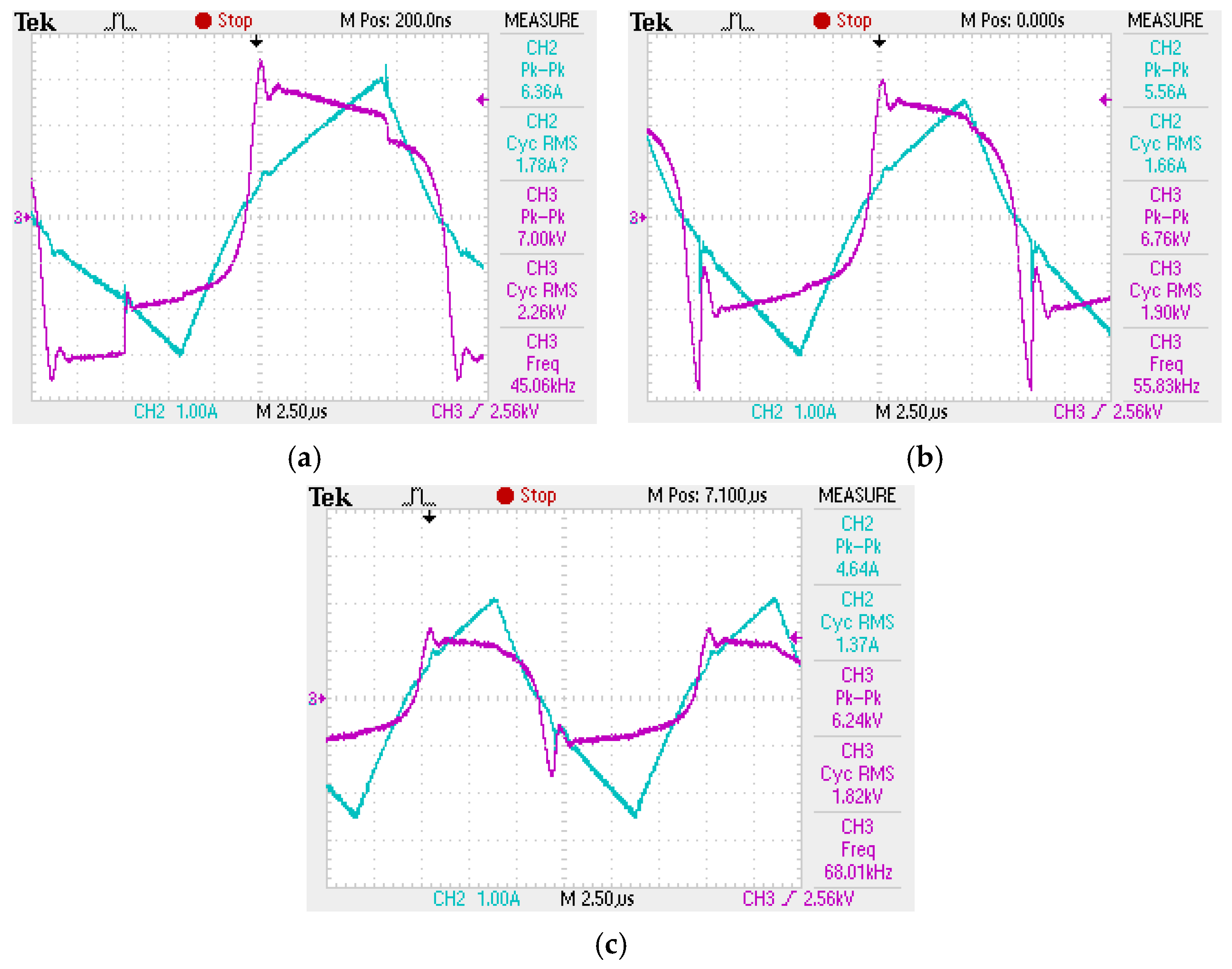
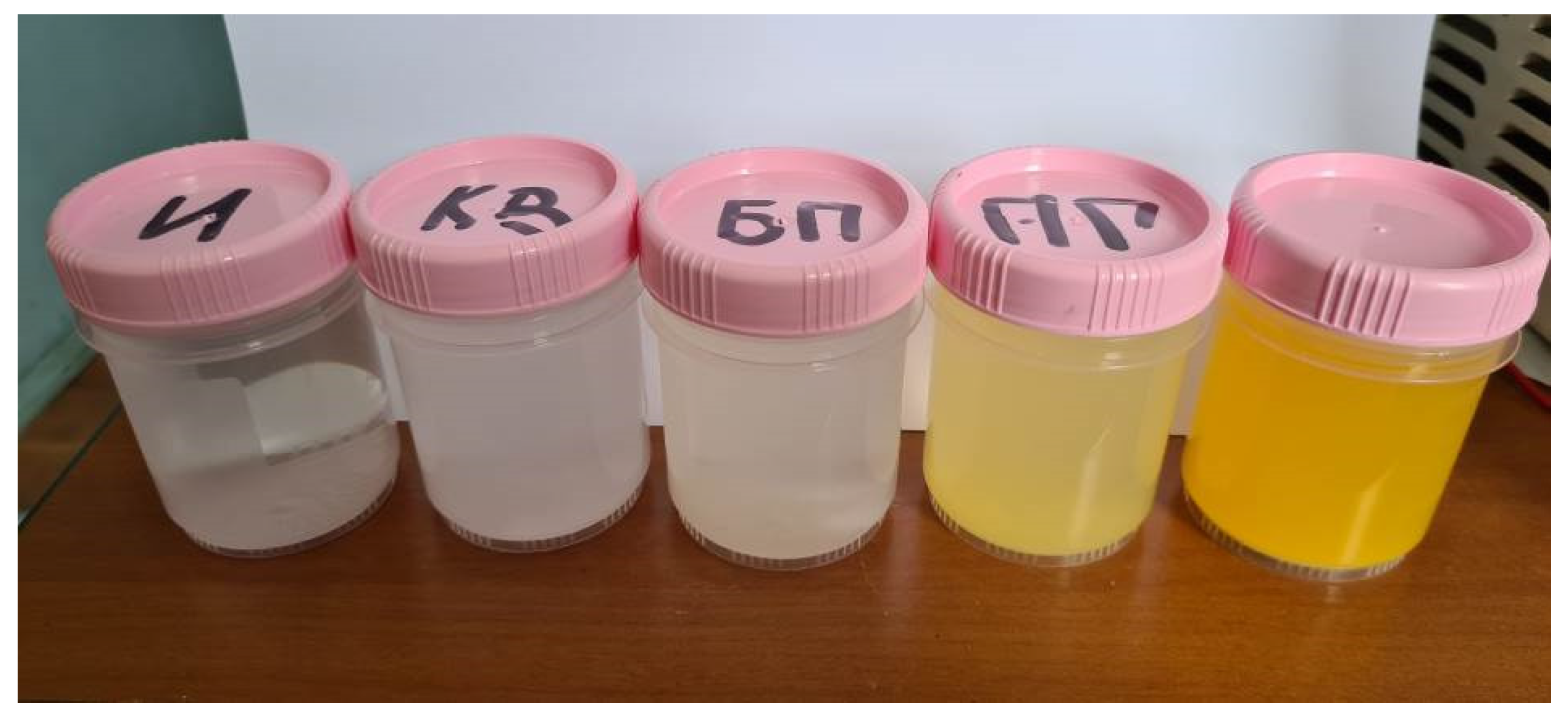
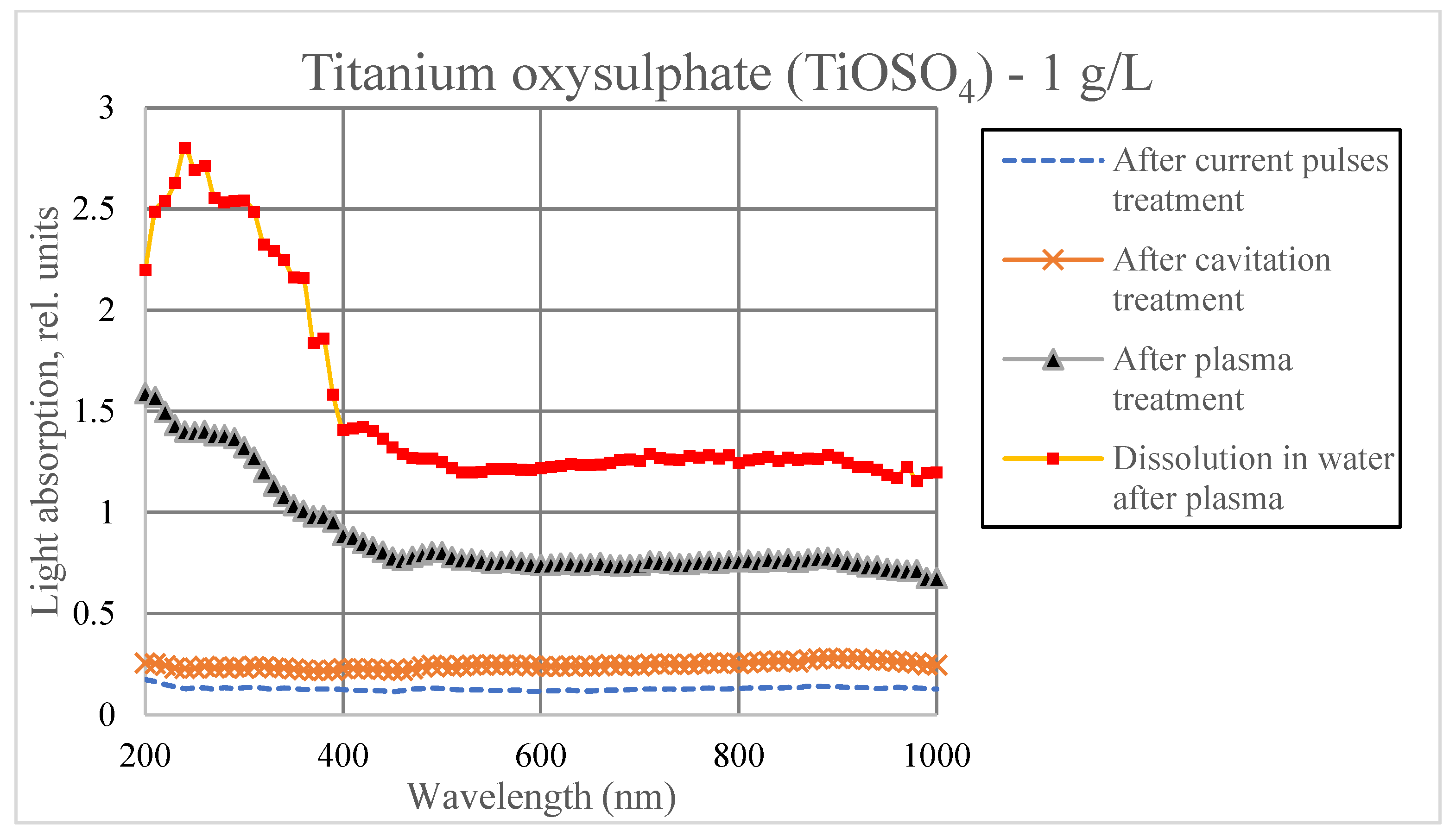
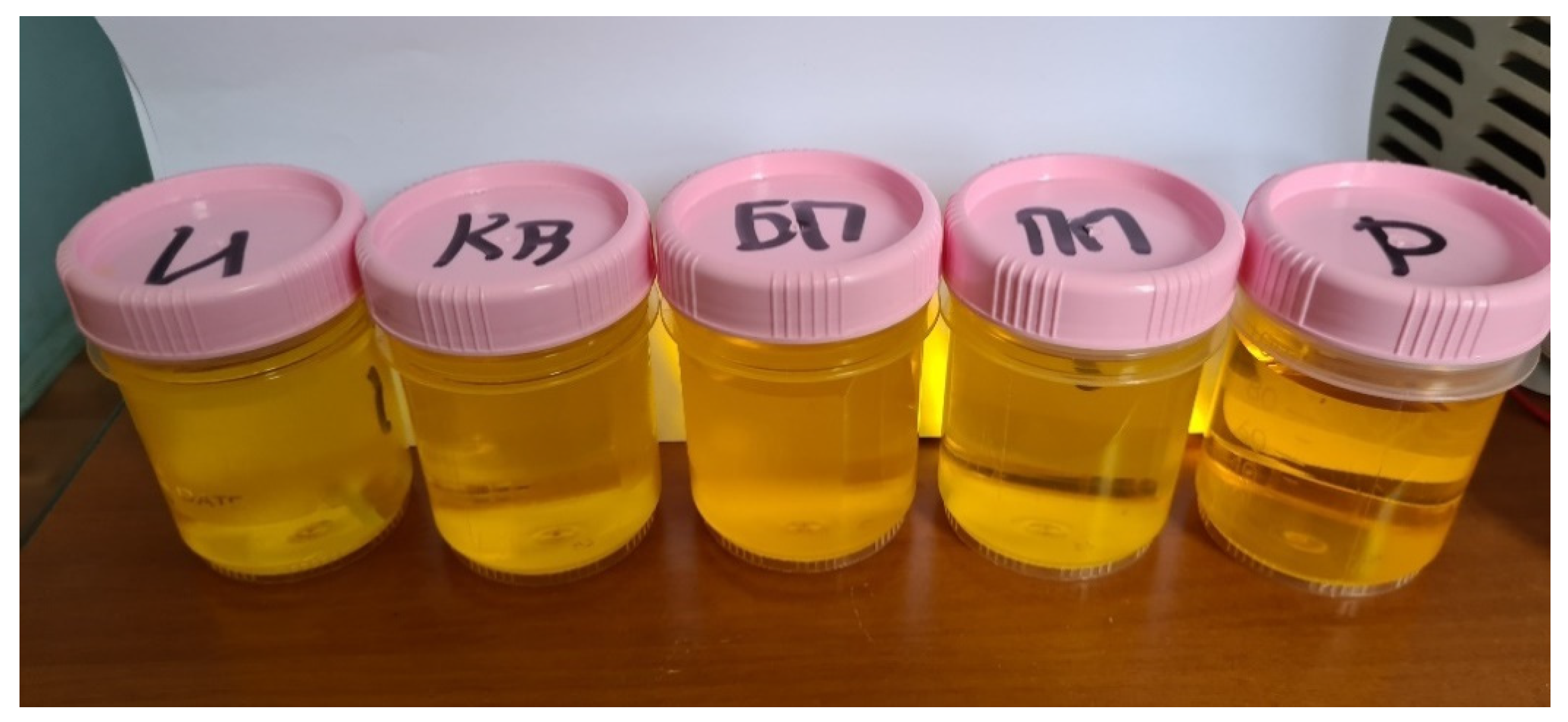
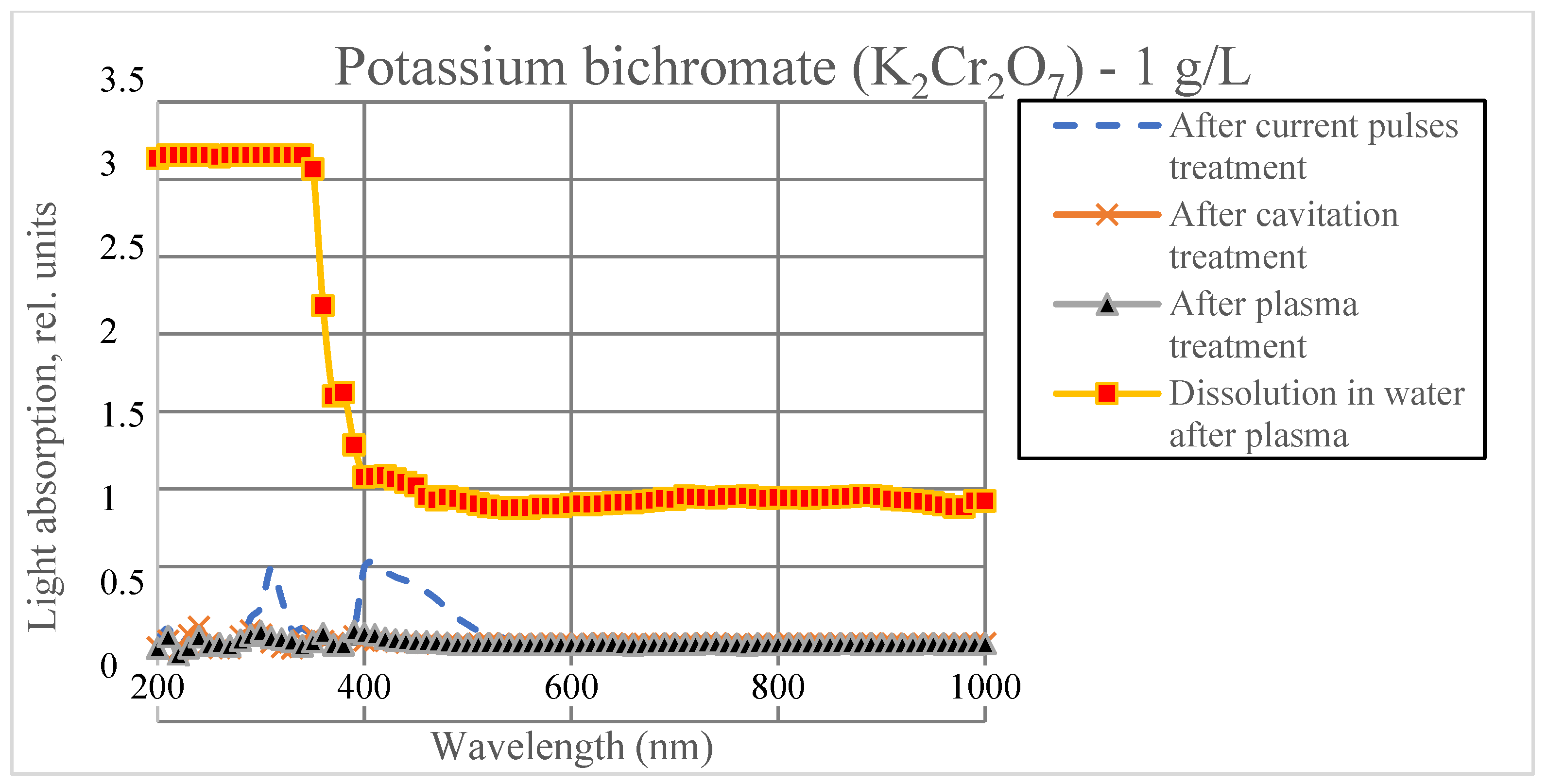
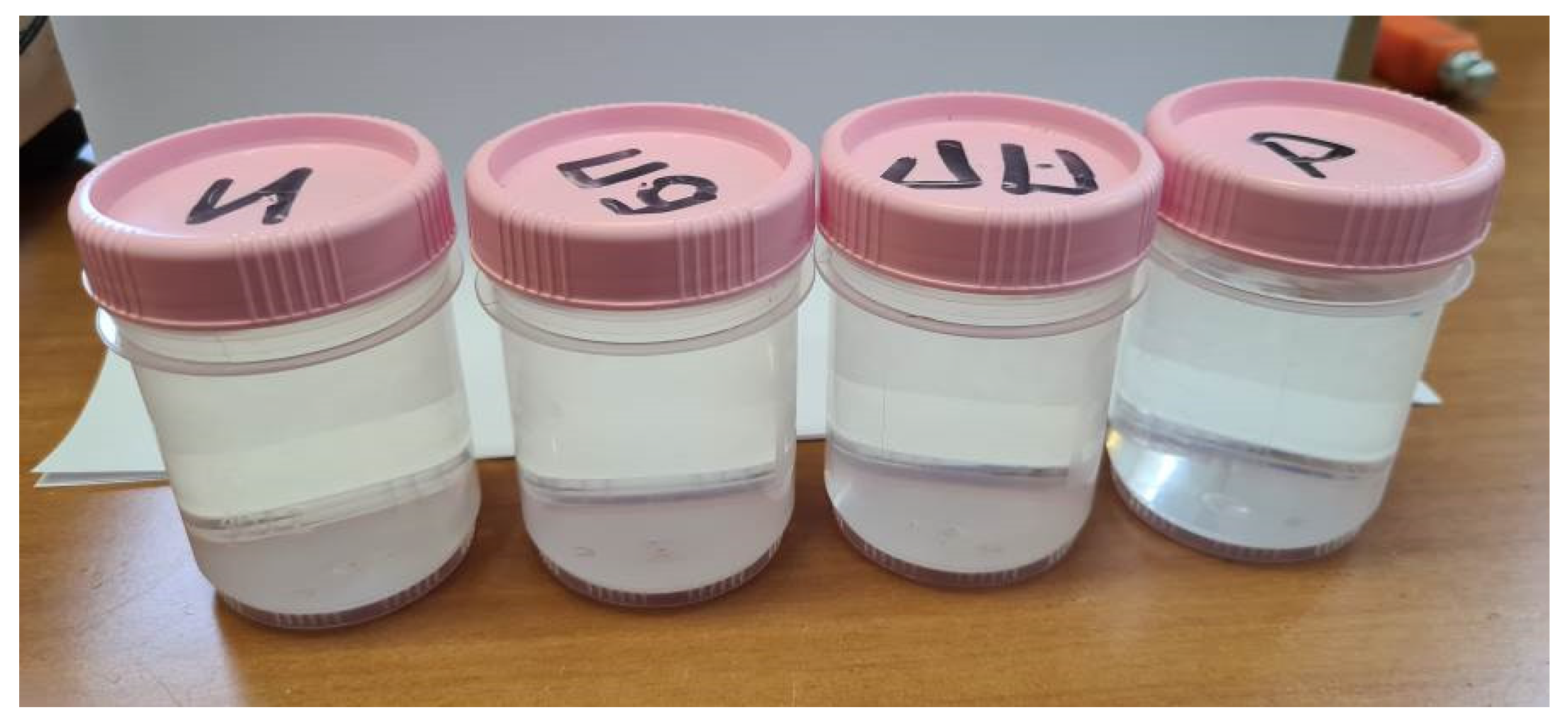
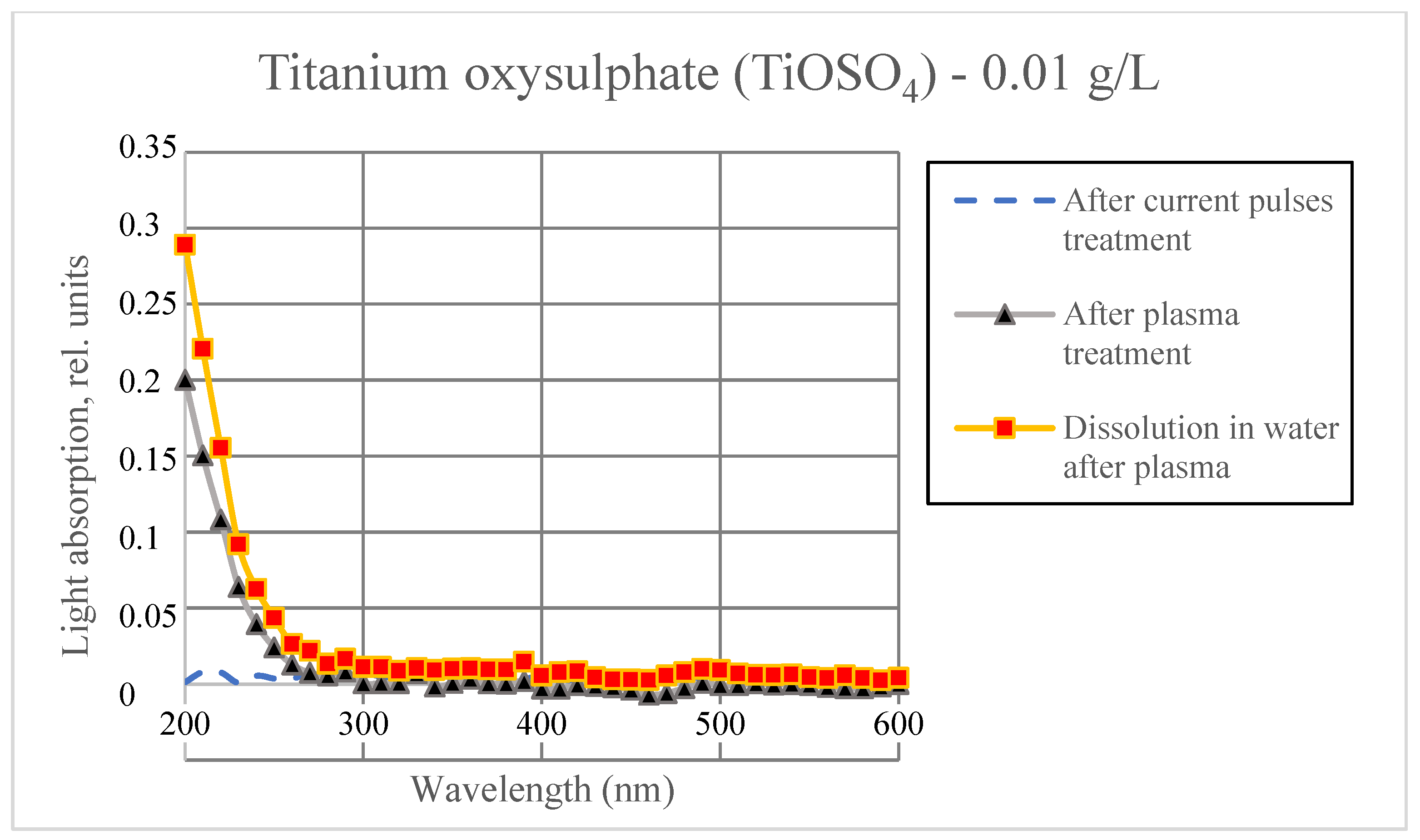
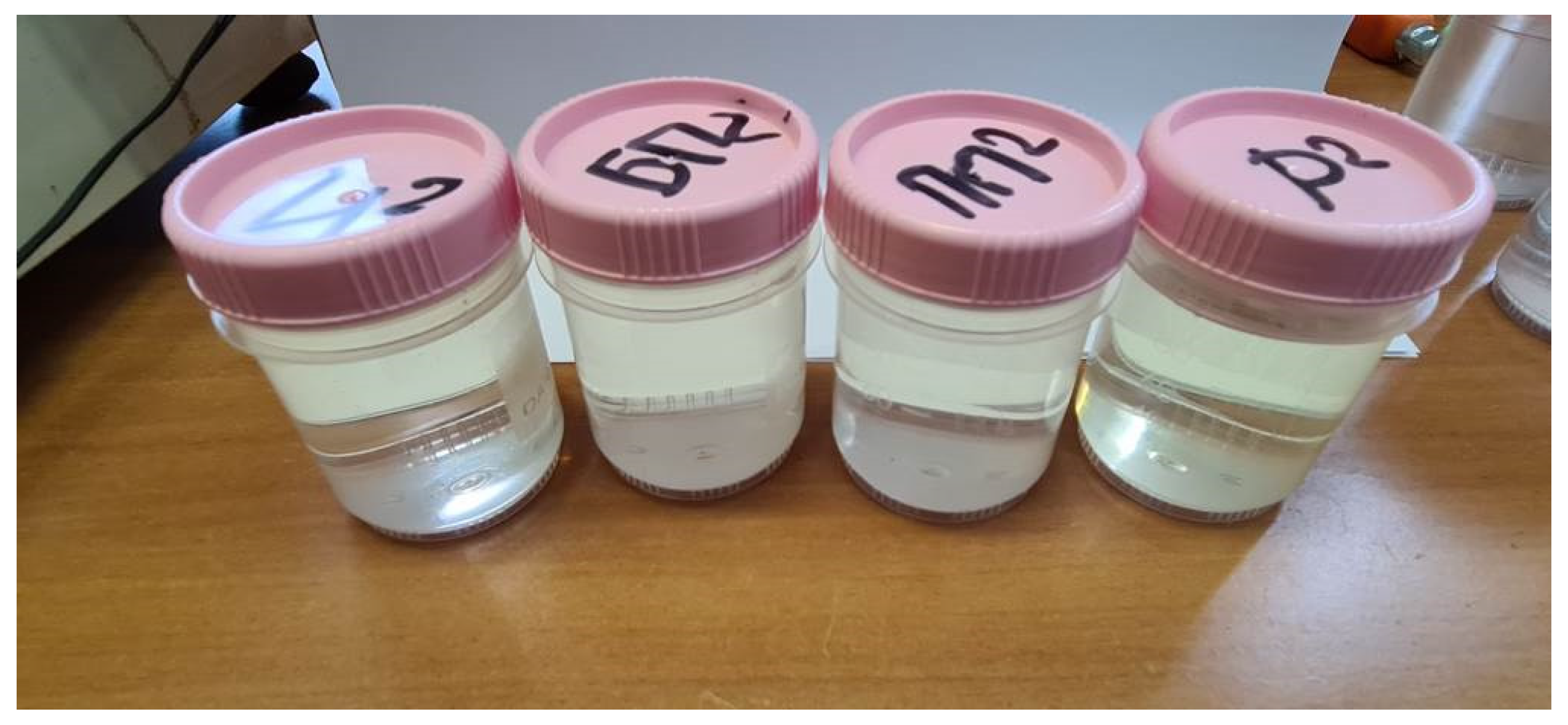
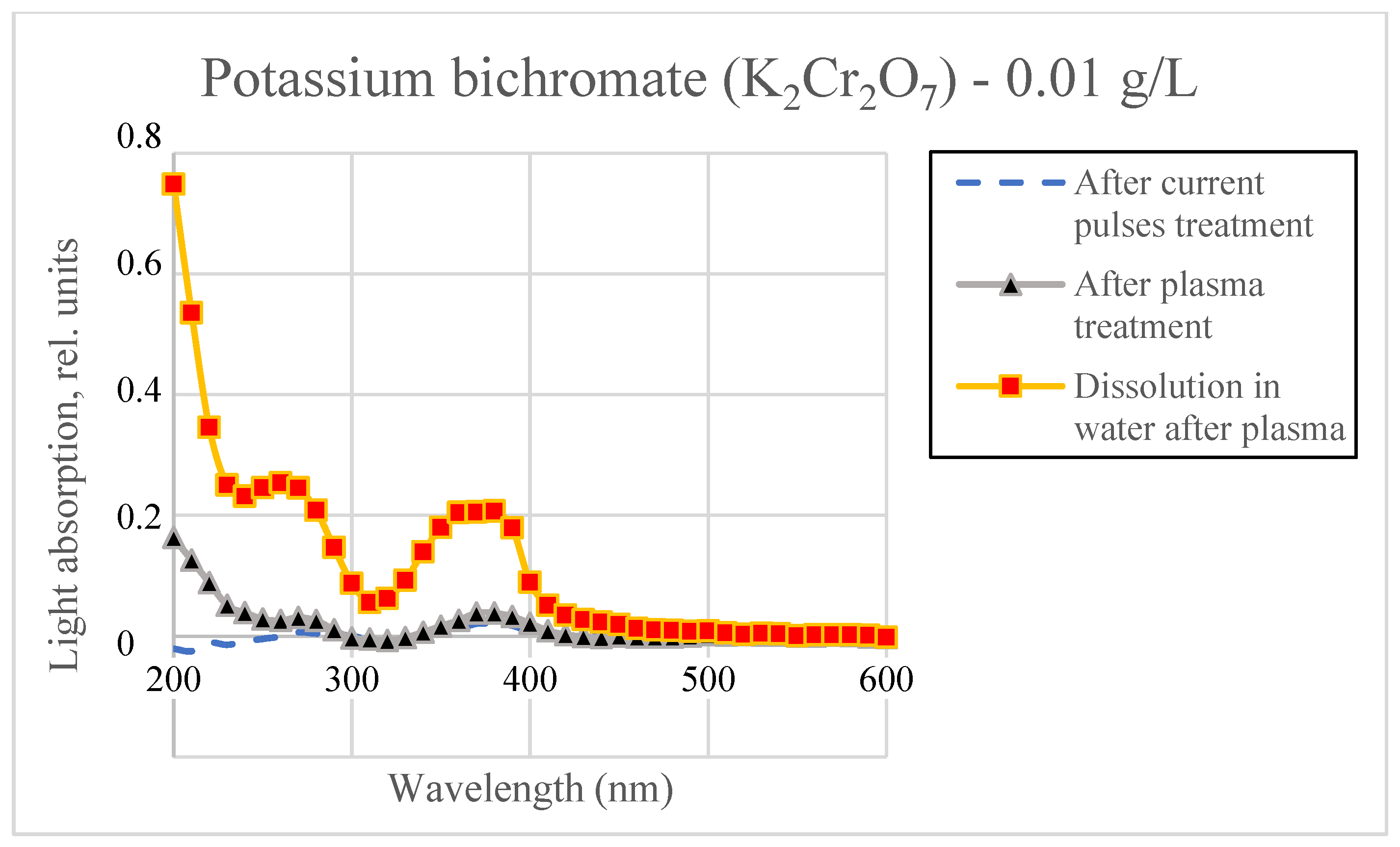
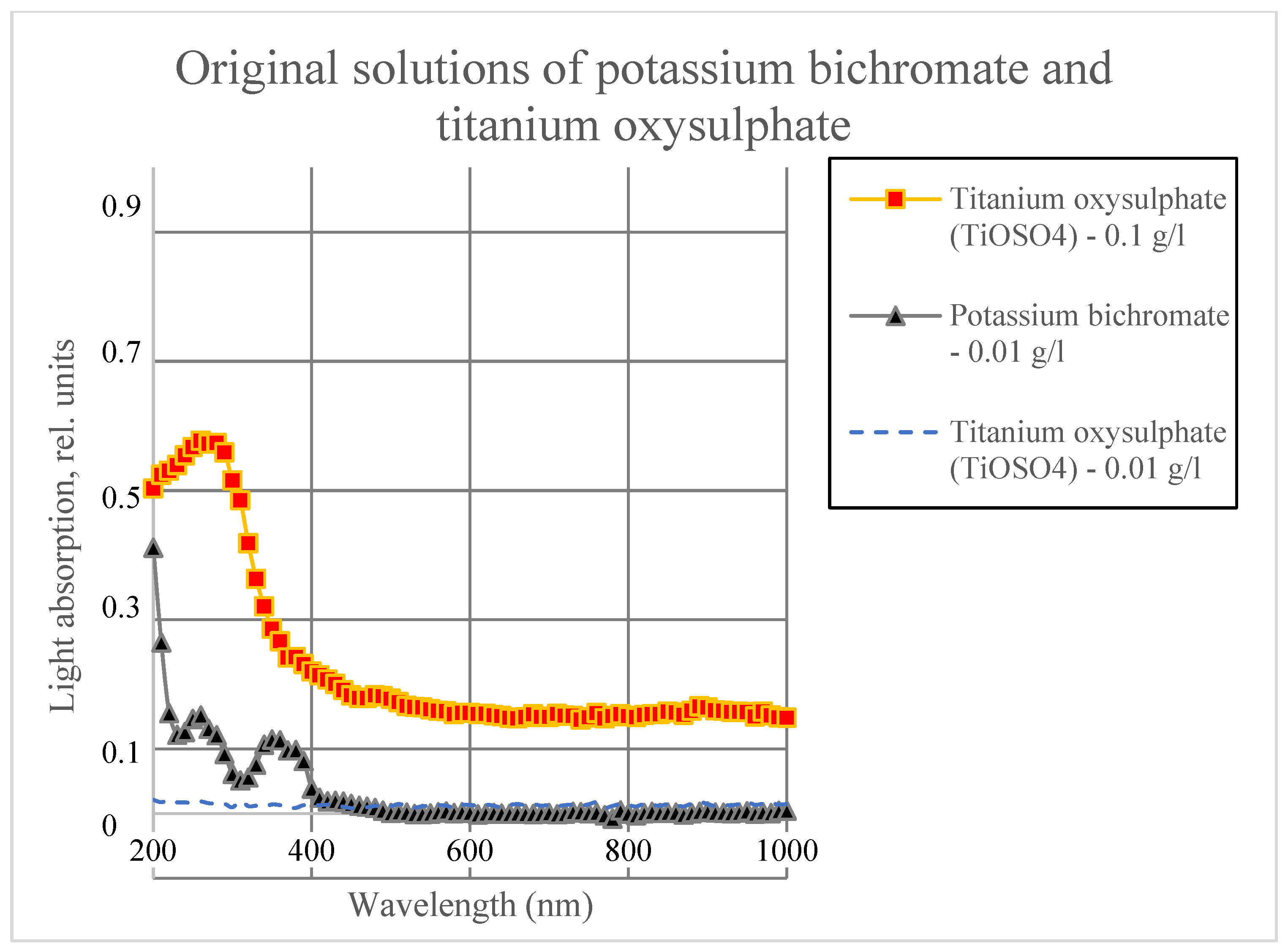
With the aim of developing an innovative water treatment approach for developing countries in the Global South, we have applied the method of treating a cavitating water stream with a plasma discharge under real conditions. To this end, we have optimised the approach after investigating the effects that occur in the treated medium during such a treatment. Based on the obtained light absorption curves of treated model solutions of titanium oxysulphate and potassium bichromate, it was found that inside the reactor the main role in the destruction of chemical contaminants is played by hydroxide ions, while outside the reactor the main chemical interaction takes place with hydrogen peroxide. The plasma treatment unit was tested in the biological wastewater treatment plant of a health resort in the territory of the Russian Federation (Almetyevsk, Republic of Tatarstan). Water samples taken directly from the tertiary decantation tank were used as real wastewater samples instead of adding chemical reagents for disinfection. It was found that with different modes of operation of the plasma treatment plant, the concentration levels of coliform bacteria, coliphages and Escherichia coli decreased significantly and fell below the limit of permissible concentrations for wastewater discharge. At the same time, the possible effect of the plasma on persistent inorganic compounds was investigated. It was shown that the plasma discharge in the flow of the incoming liquid can almost completely destroy compounds that are difficult to remove, such as hydrogen sulphide and chlorides. In the course of the study, the optimum frequency of electrical pulses of 68 kHz was selected, which ensures the lowest consumption of electrical energy while maintaining the required efficiency.
Keywords: water purification; water treatment plants; water treatment; reagent-free treatment; plasma treatment water purification; water treatment plants; water treatment; reagent-free treatment; plasma treatment