
Article

The Influence of Tree Species on the Recovery of Forest Soils from Acidification in Lower Saxony, Germany

Department of Environmental Control, Northwest German Forest Research Institute (NW-FVA), D-37079 Göttingen, Germany
*
Author to whom correspondence should be addressed.
Soil Syst. 2022, 6(2), 40; https://doi.org/10.3390/soilsystems6020040

Submission received: 9 March 2022 / Revised: 12 April 2022 / Accepted: 14 April 2022 / Published: 20 April 2022
(This article belongs to the Special Issue Forest Soils: Functions, Threats, Management)

Abstract

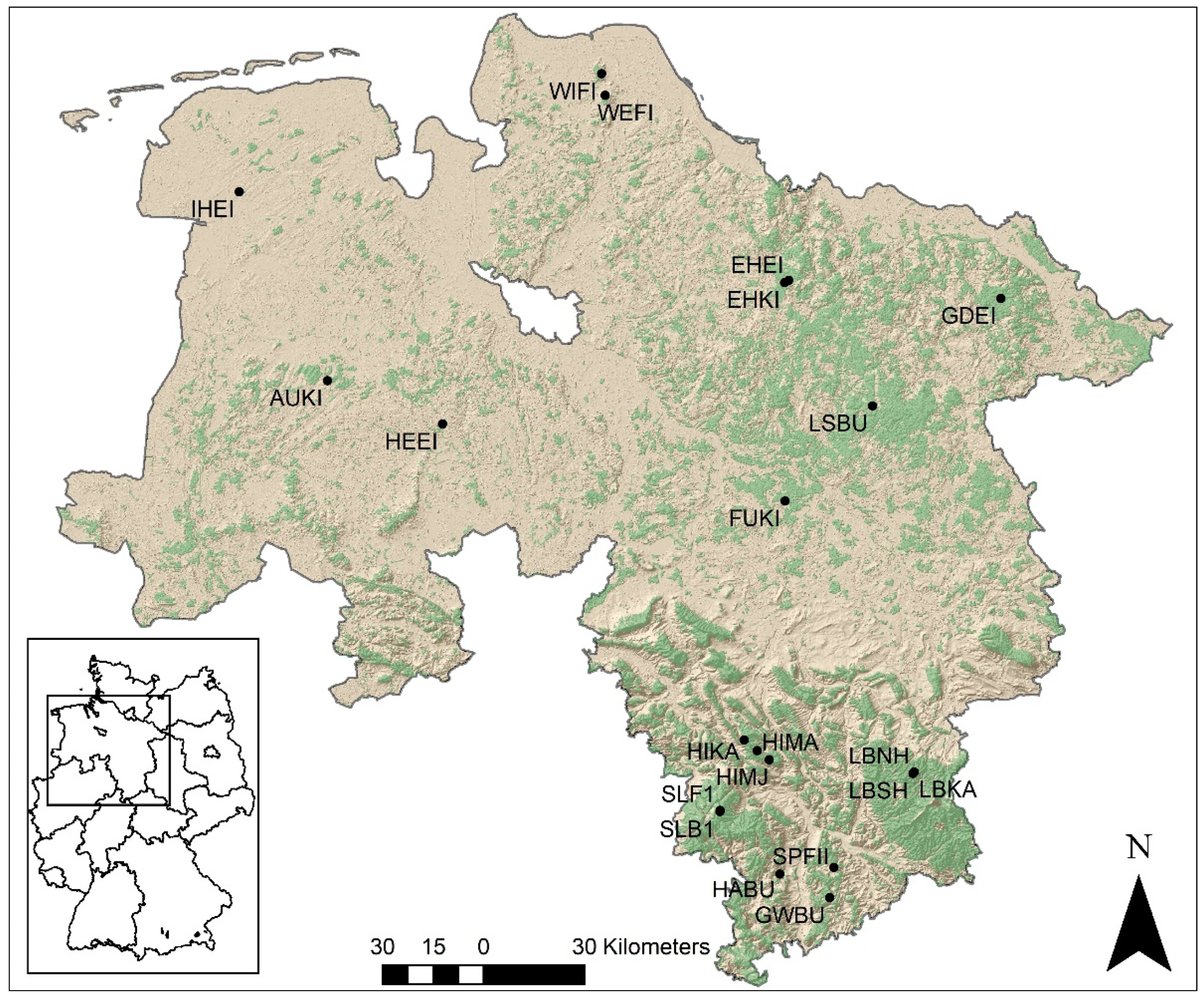
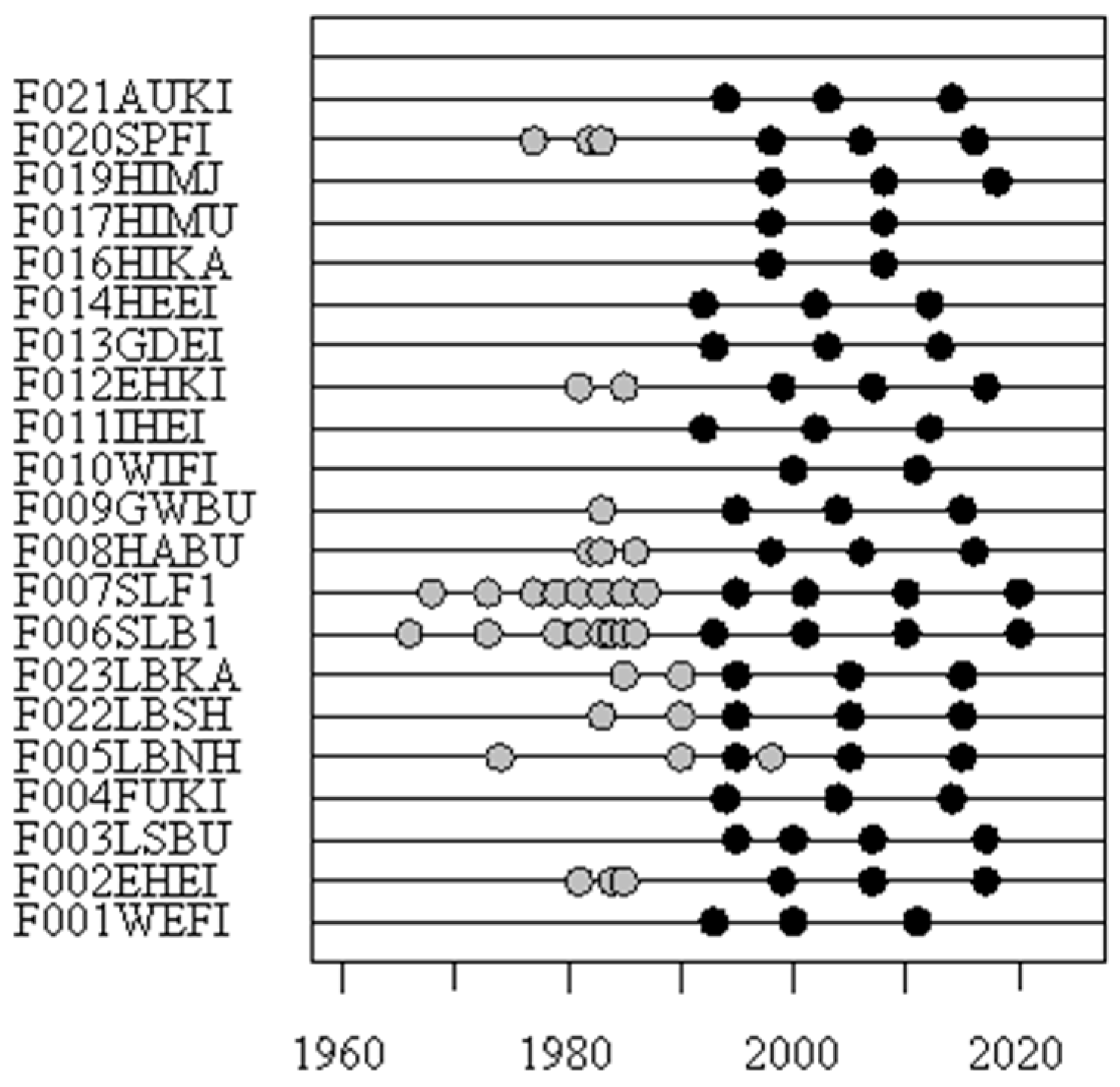
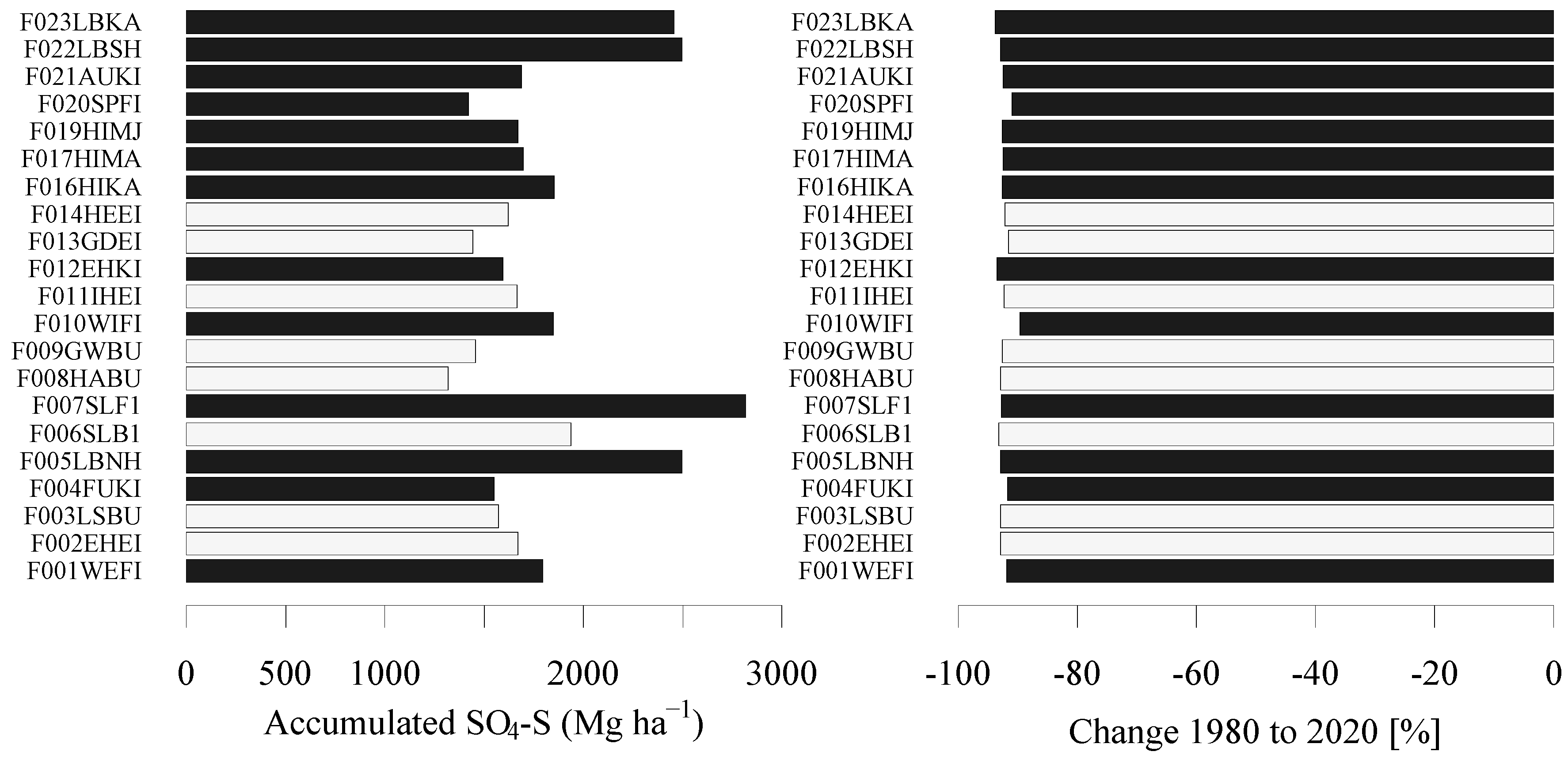
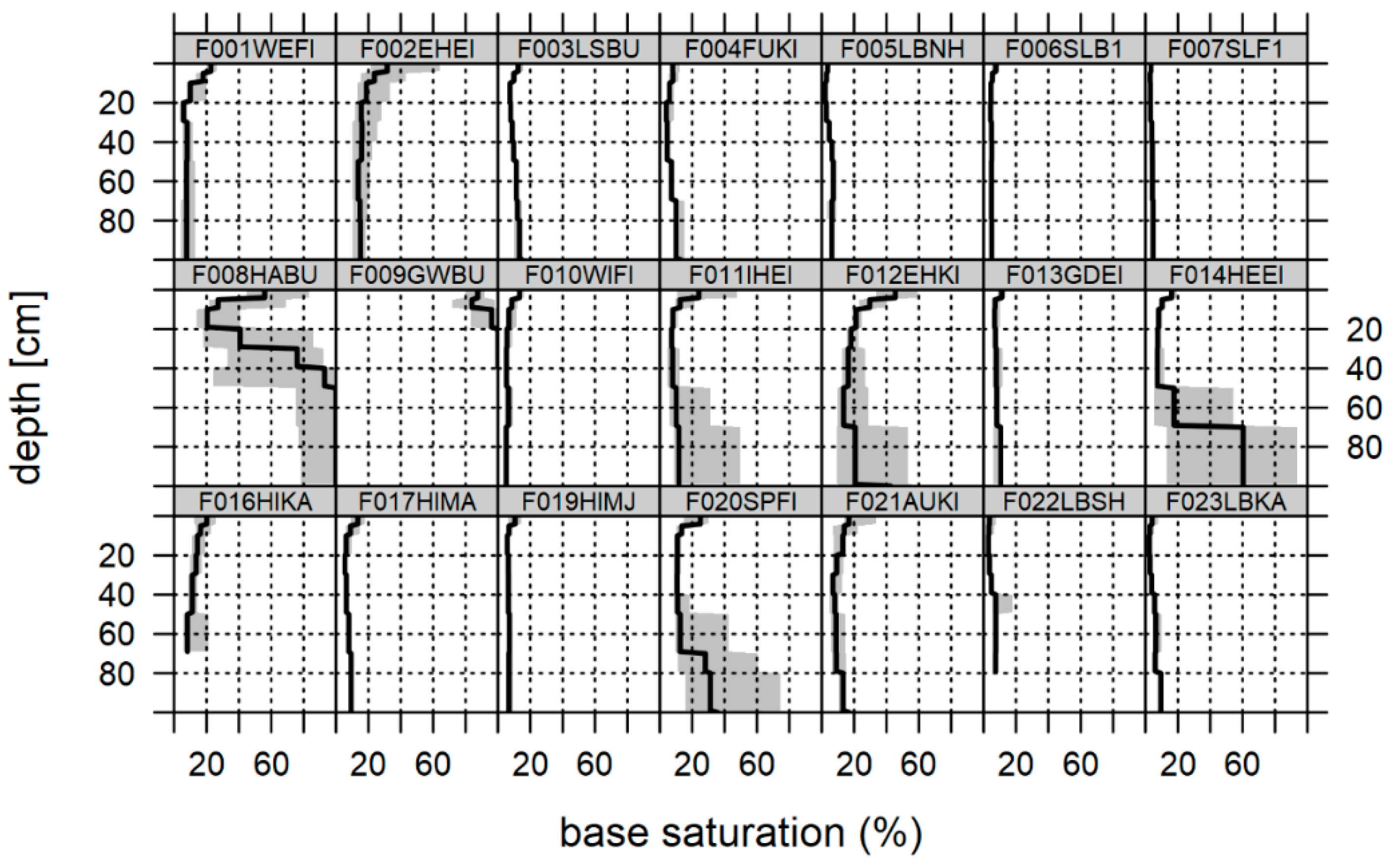
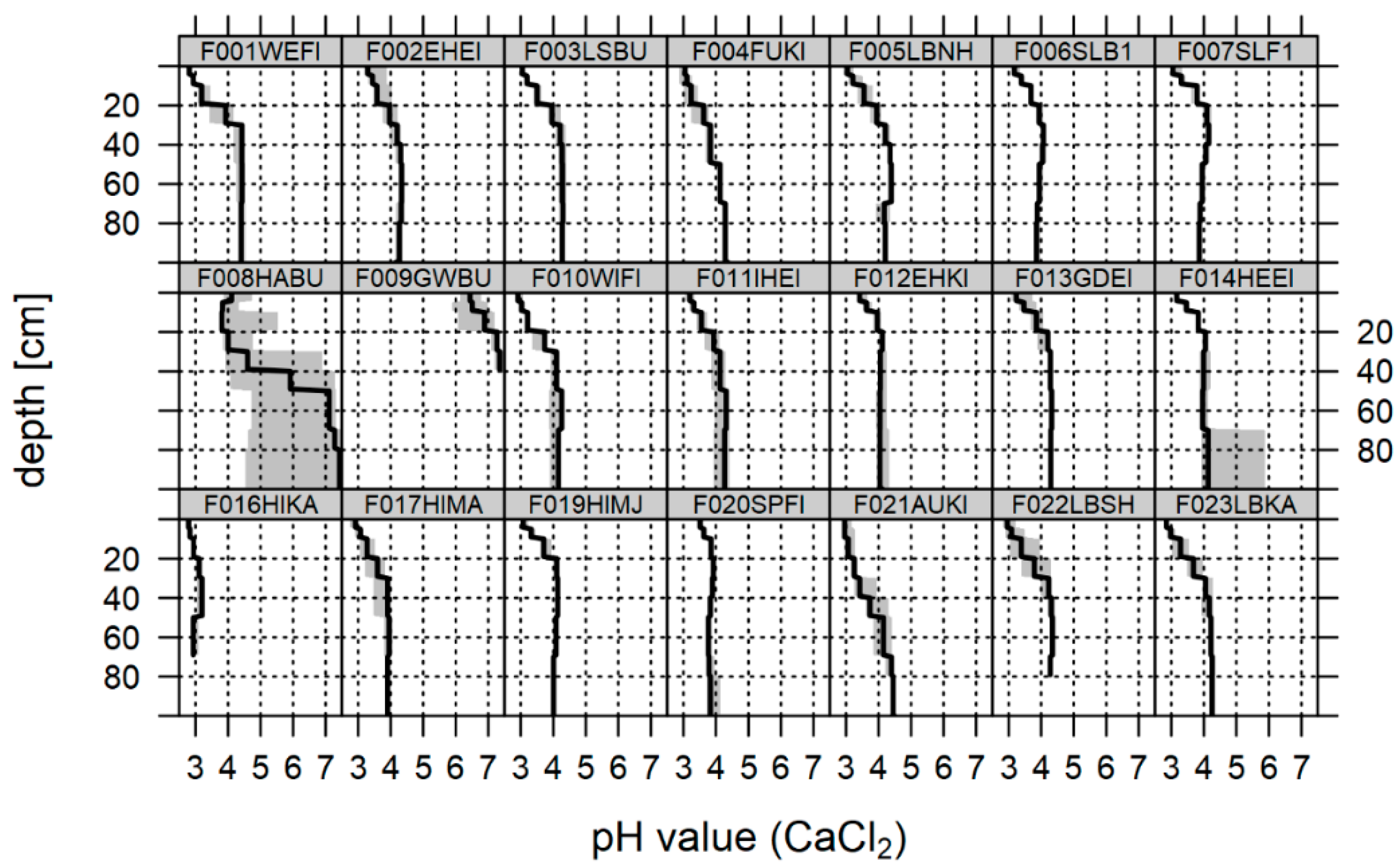
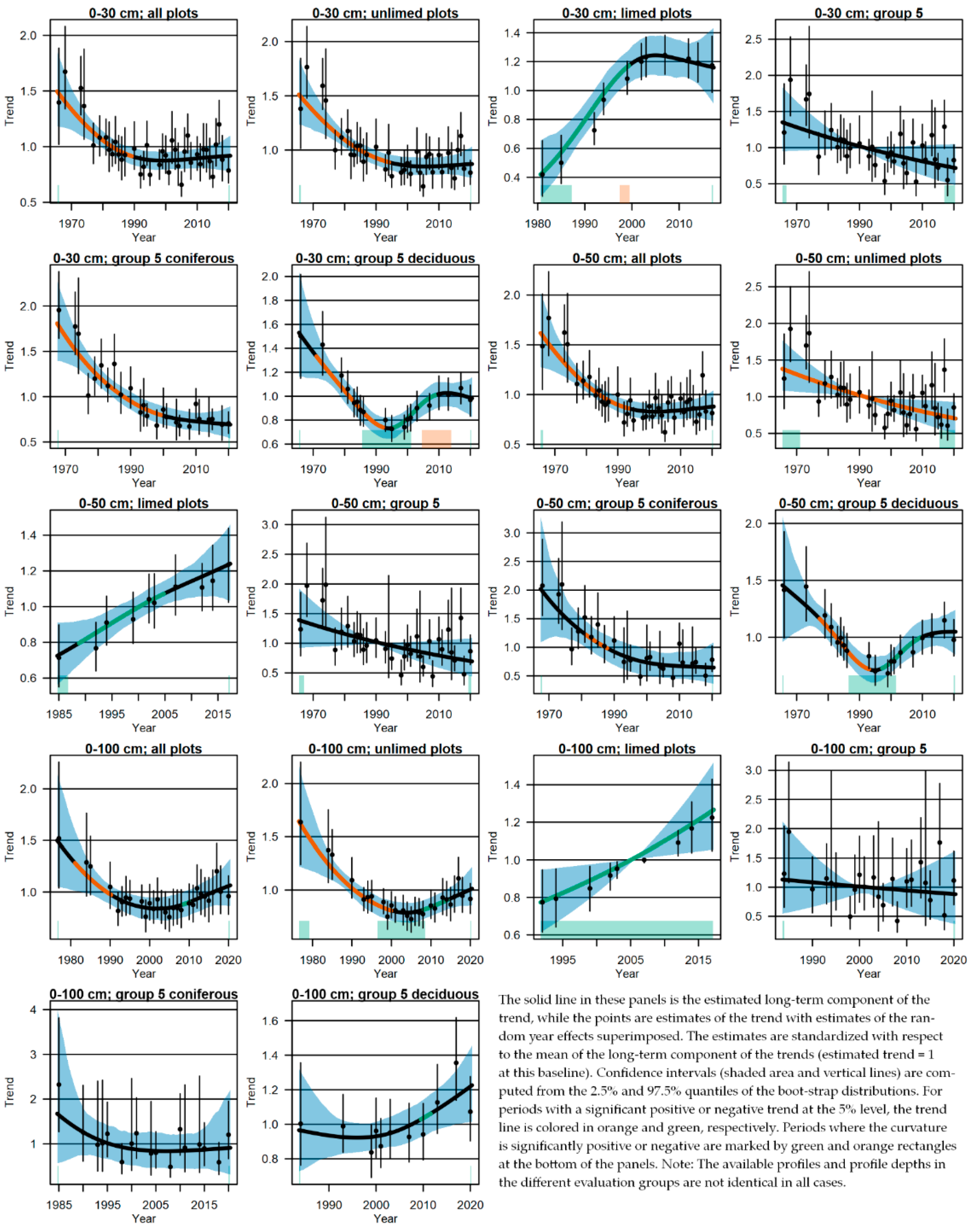
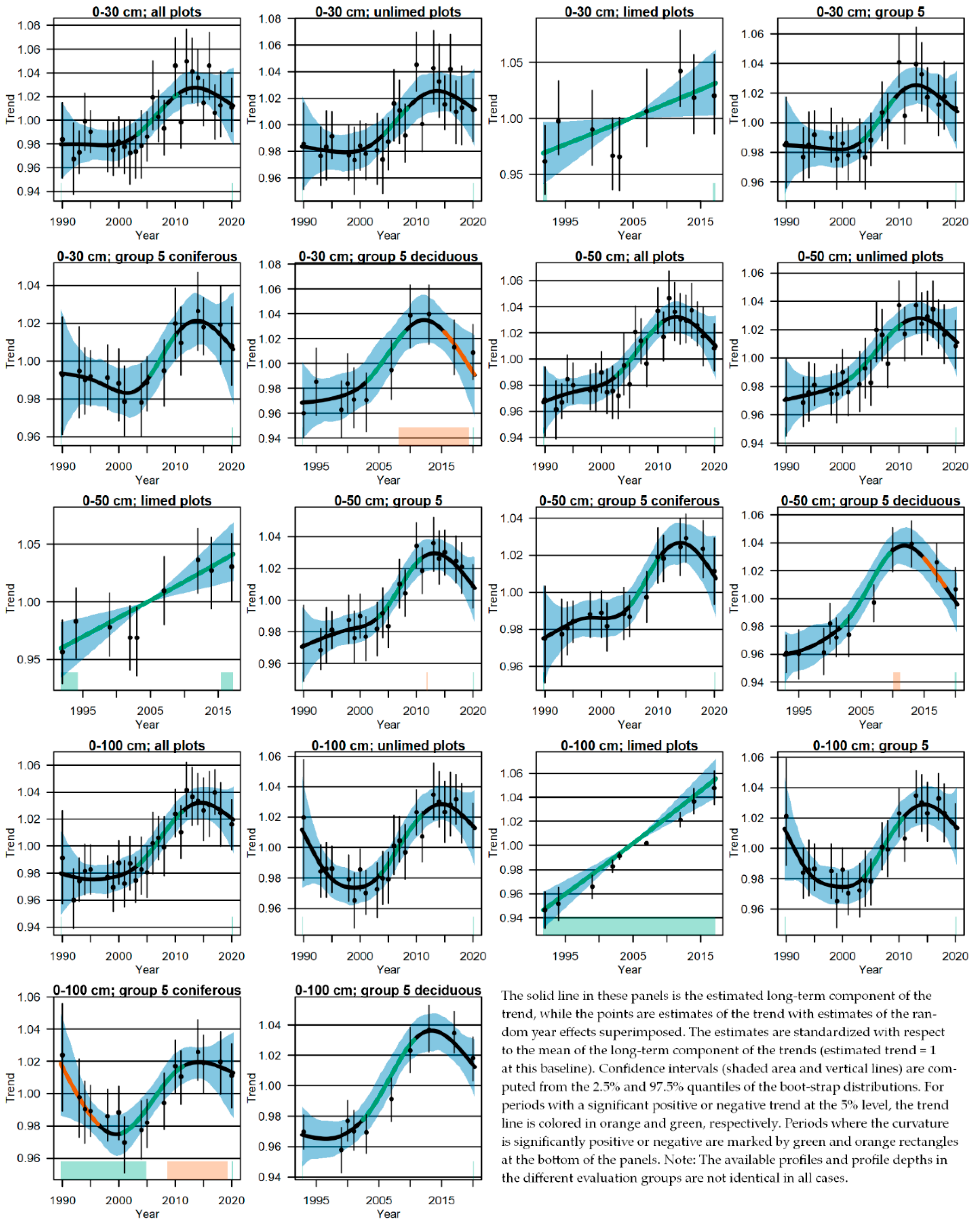
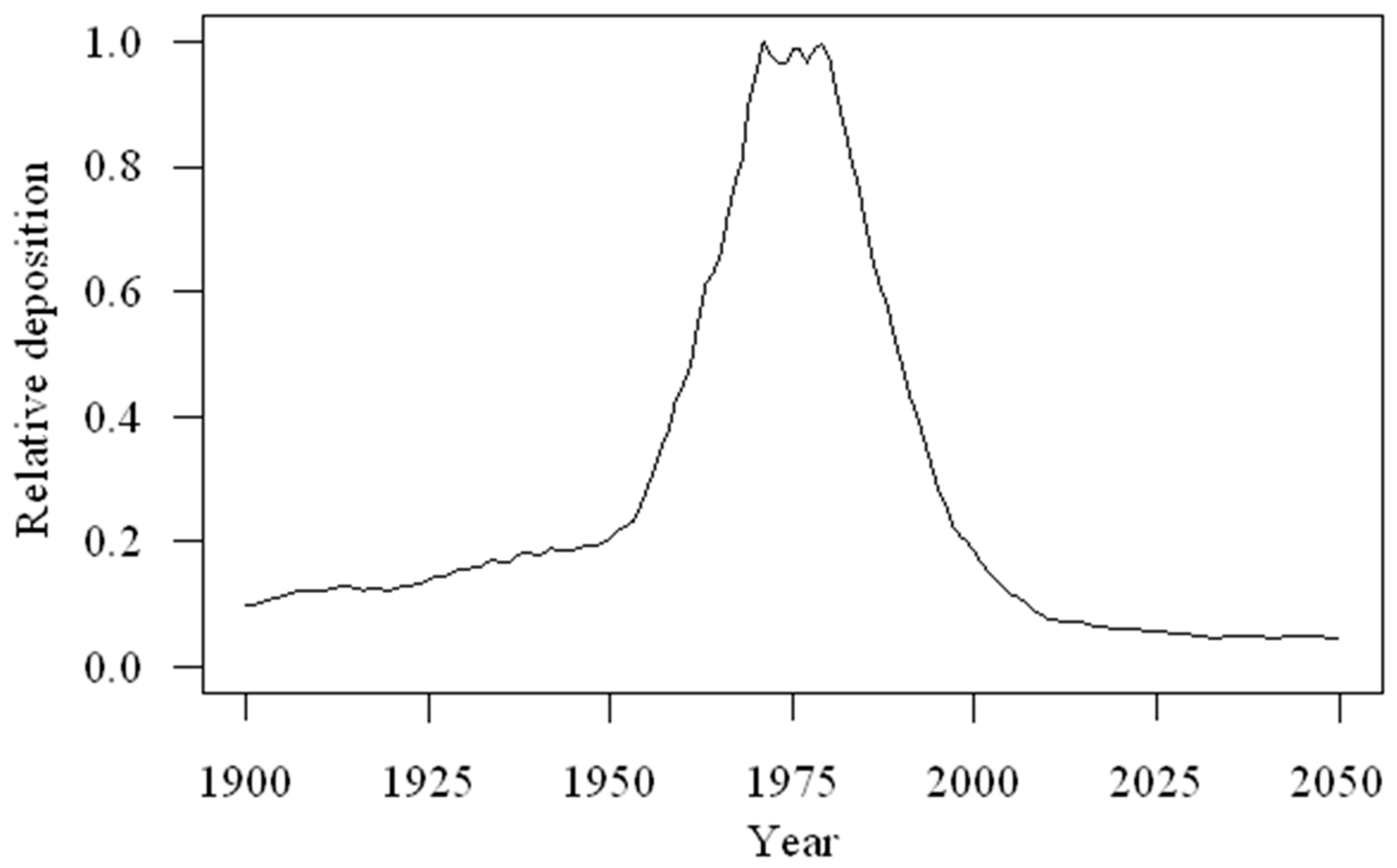
Atmospheric acid deposition has increased sharply since the beginning of industrialization but has decreased considerably since the 1980s owing to clean-air policies. Soil acidification induced by an input of acidity has been demonstrated in numerous studies using repeated forest-soil inventories. So far, relatively few data have been sampled to analyze long-term soil trends and only a few studies show the recovery of forest soils from acidification, whereas the recovery of surface waters following declining acid deposition is a widespread phenomenon. To assess a possible recovery from acid deposition, soil resampling data from 21 forested permanent soil-monitoring sites in Lower Saxony (Germany) were evaluated. For most sites, at least three repetitions of inventories from a period of 30 to 50 years were available. Trend analyses of indicators for the acid-base status of unlimed forest soils using generalized additive mixed models (GAMM) show either a trend reversal or a stagnation of the acid-base status at a strong acidification level. The recovery, if indicated by an increase of soil pH and base saturation, of soils from plots with deciduous trees appears to have occurred faster than in coniferous forest stands. This observation may be attributed to a larger amount of temporarily stored sulfur in the soil because of the higher atmospheric input into coniferous forests. As indicators for the acid-base status still show considerable soil acidification, mitigation measures such as forest liming still appear to be necessary for accelerating the regeneration process.
Keywords: base saturation; repeated soil sampling; acidification; forest soils; recovery; sulfur deposition; generalized additive mixed models base saturation; repeated soil sampling; acidification; forest soils; recovery; sulfur deposition; generalized additive mixed models