Article

Synergistic Effects of Arbuscular Mycorrhizal Fungi and Bradyrhizobium Improve Drought Resilience and Productivity of Mung Bean

by
Mythra Revanna
1,*,
Prabhash Kumar Mishra
1,
Rituraj Shukla
2,*,
Jagadeesh Uppar
3 and
Lohit Kumar Baishya
1
1
ICAR—Indian Agricultural Research Institute, Assam 787035, India
2
Department of Civil, Environmental and Water Resource Engineering, University of Guelph, Guelph, ON N1G 2W1, Canada
3
Sowbhagya Biotech Pvt. Ltd., Hyderabad 50005, India
*
Authors to whom correspondence should be addressed.
Soil Syst. 2026, 10(6), 62; https://doi.org/10.3390/soilsystems10060062
Submission received: 14 March 2026 / Revised: 18 May 2026 / Accepted: 19 May 2026 / Published: 27 May 2026

Abstract

Drought stress is a major abiotic constraint limiting mung bean (Vigna radiata L.) productivity in arid and semi-arid agroecosystems. This study investigated the individual and synergistic effects of Bradyrhizobium sp. and arbuscular mycorrhizal fungi (AMF) on plant growth, nutrient acquisition, mycorrhizal colonization, and yield of mung bean under contrasting soil moisture regimes. A greenhouse pot experiment was conducted using a factorial completely randomized design with six microbial treatments (uninoculated control, Acaulospora scrobiculata, Claroideoglomus etunicatum, Bradyrhizobium sp., and their respective co-inoculations) and three field capacity levels (50, 75, and 100%). Drought stress was imposed gravimetrically 20 days after sowing. Water limitation significantly reduced growth, biomass accumulation, nutrient uptake, mycorrhizal colonization, and yield in uninoculated plants. In contrast, microbial inoculation markedly mitigated drought-induced adverse effects, with co-inoculation showing the strongest response. Plants receiving combined AMF and Bradyrhizobium inoculation exhibited significantly higher plant height, shoot and root biomass, total dry matter, nitrogen and phosphorus uptake, and yield attributes across all moisture regimes, particularly under severe drought (50% field capacity). Mycorrhizal dependency increased with increasing drought severity, highlighting a greater functional reliance on AM symbiosis under water-limited conditions. Enhanced drought tolerance was closely associated with increased root colonization and improved nutrient acquisition driven by synergistic AMF–Bradyrhizobium interactions. These findings demonstrate that tripartite symbiosis represents a sustainable bio-inoculant strategy to enhance drought resilience and productivity of mung bean under climate change-induced water stress.

1. Introduction

Climate change has intensified abiotic stressors globally, leading to significant crop losses, with drought being one of the most severe constraints, particularly in arid and semi-arid regions [1]. According to the Drought Early Warning System (DEWS) 2025, nearly 18.5% of India’s geographical area is affected by drought. Since water constitutes 80–95% of plant fresh biomass and is essential for growth, metabolism, and physiological processes, drought is considered a major environmental stress. Water deficit disrupts photosynthesis, nutrient uptake, osmotic balance, and enzyme activity and induces reactive oxygen species (ROS), leading to oxidative damage and reduced yield [2]. Although breeding approaches have been used to develop drought-tolerant crops, they are expensive, prompting interest in sustainable alternatives such as beneficial microorganisms. Among these, arbuscular mycorrhizal fungi (AMF) form the most widespread symbiotic association, occurring in nearly 80% of terrestrial plants, and play a key role in alleviating drought stress [3].
Arbuscular mycorrhizal (AM) fungi are soil microorganisms belonging to the phylum Glomeromycota and form symbiotic associations with nearly 80% of vascular and 90% of agricultural plants [3]. In this mutualistic relationship, AM fungi receive about 20% of plant photosynthates and lipids and enhance host uptake of water and mineral nutrients [4]. AM symbiosis significantly improves plant growth, nutrient acquisition, and stress tolerance [5,6]. Under drought stress, AM fungi enhance plant performance through improved water and nutrient absorption, increased photosynthesis and stomatal conductance, antioxidant defense, osmotic adjustment, and soil aggregation via glomalin production [7,8].
Bradyrhizobium alleviates drought stress in legumes by enhancing biological nitrogen fixation, root development, and water-use efficiency under moisture-deficit conditions. It promotes the accumulation of osmolytes and activates antioxidant defense systems, thereby reducing oxidative damage caused by drought stress. In addition, Bradyrhizobium improves nutrient uptake and maintains plant physiological processes, leading to enhanced drought tolerance and yield stability [9].
The tripartite symbiosis among plants, Rhizobium, and AM fungi is one of the most important ecological mutualisms [10]. Most legumes form symbiotic associations with both P-mobilizing AM fungi and N-fixing rhizobia in a tripartite relationship. Both AM fungi and rhizobia benefit from photo-assimilates from the plant, and the plant benefits from necessary N through rhizobial symbiosis and P through AM fungi symbiosis by hyphal-mediated nutrient and water uptake from soil [11].
Mung bean (Vigna radiata L.) is an important pulse crop cultivated widely in India due to its high nutritional value and adaptability to diverse agro-climatic conditions. The seeds contain approximately 23% protein and low levels of oligosaccharides, making it an important dietary component [12]. India is both the largest producer and consumer of mung bean, with a cultivation area of 4.58 million hectares and production of 2.50 million tons [13]. However, mung bean productivity is severely affected by drought stress, particularly in rainfed regions where water availability is a major limiting factor. In India, nearly 68% of the net sown area is vulnerable to drought conditions. Previous studies have reported that AM fungi and rhizobial inoculation can improve vegetative growth, nutrient uptake, and yield of legumes under drought stress conditions [14,15,16]. However, limited information is available regarding the synergistic interaction between efficient AM fungal isolates and Bradyrhizobium sp. in improving drought resilience and productivity of mung bean under varying soil moisture regimes.
Therefore, the present study was undertaken to study the individual and combined effects of arbuscular mycorrhizal fungi (Acaulospora scrobiculata and Claroideoglomus etunicatum) and Bradyrhizobium sp. on growth, mycorrhizal colonization, nutrient uptake, biomass accumulation, and yield of mung bean under different levels of field capacity. It was hypothesized that co-inoculation of AM fungi and Bradyrhizobium sp. would exert a synergistic effect and significantly enhance drought tolerance, nutrient acquisition, and productivity of mung bean compared to single inoculation or uninoculated plants under water-deficit conditions.

2. Materials and Methods

2.1. Beneficial Microorganisms Used for Drought Stress Tolerance

A pure culture of bacterium Bradyrhizobium sp. strain BVVRRN67 (MCC 4209, Root nodules of Vigna radiata cv. IPM02-14) was obtained from the National Centre for Microbial Resources (NCMR), Pune. Bradyrhizobium sp. was used for green gram based on the significant response reported from earlier studies [17,18]. Bradyrhizobium sp. was sub-cultured on yeast extract mannitol (YEM) agar medium with Congo red at 28 °C for 5 days. Pure isolated single colonies were picked and inoculated in YEM broth (Appendix A), followed by incubation at 28 °C for 5 days. Drought-tolerant AM fungal isolates were selected and identified for their ability to impart drought stress tolerance in mung bean (Acaulospora scrobiculata and Claroideoglomus etunicatum).

2.2. Mass Production of AM Fungi

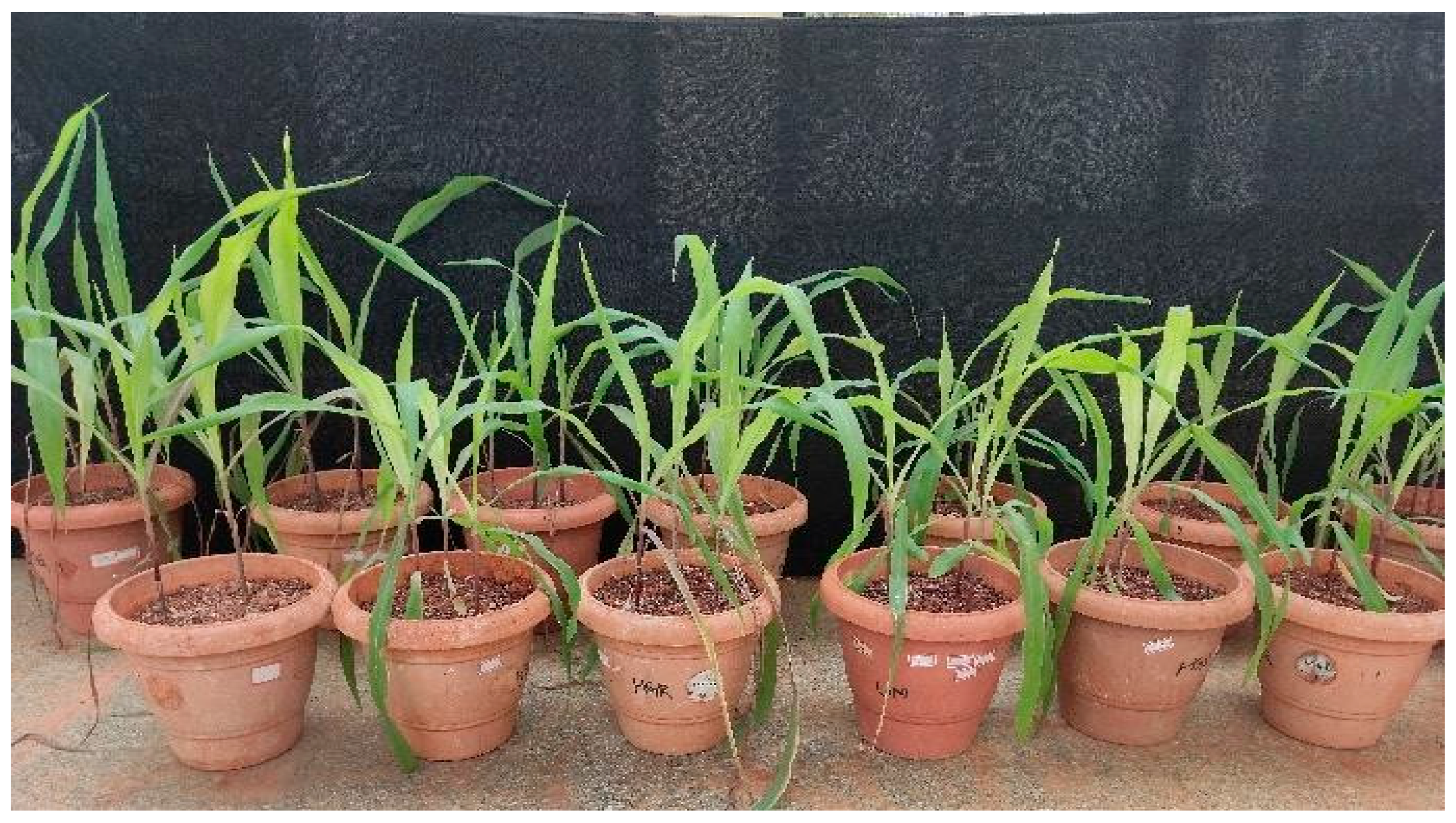
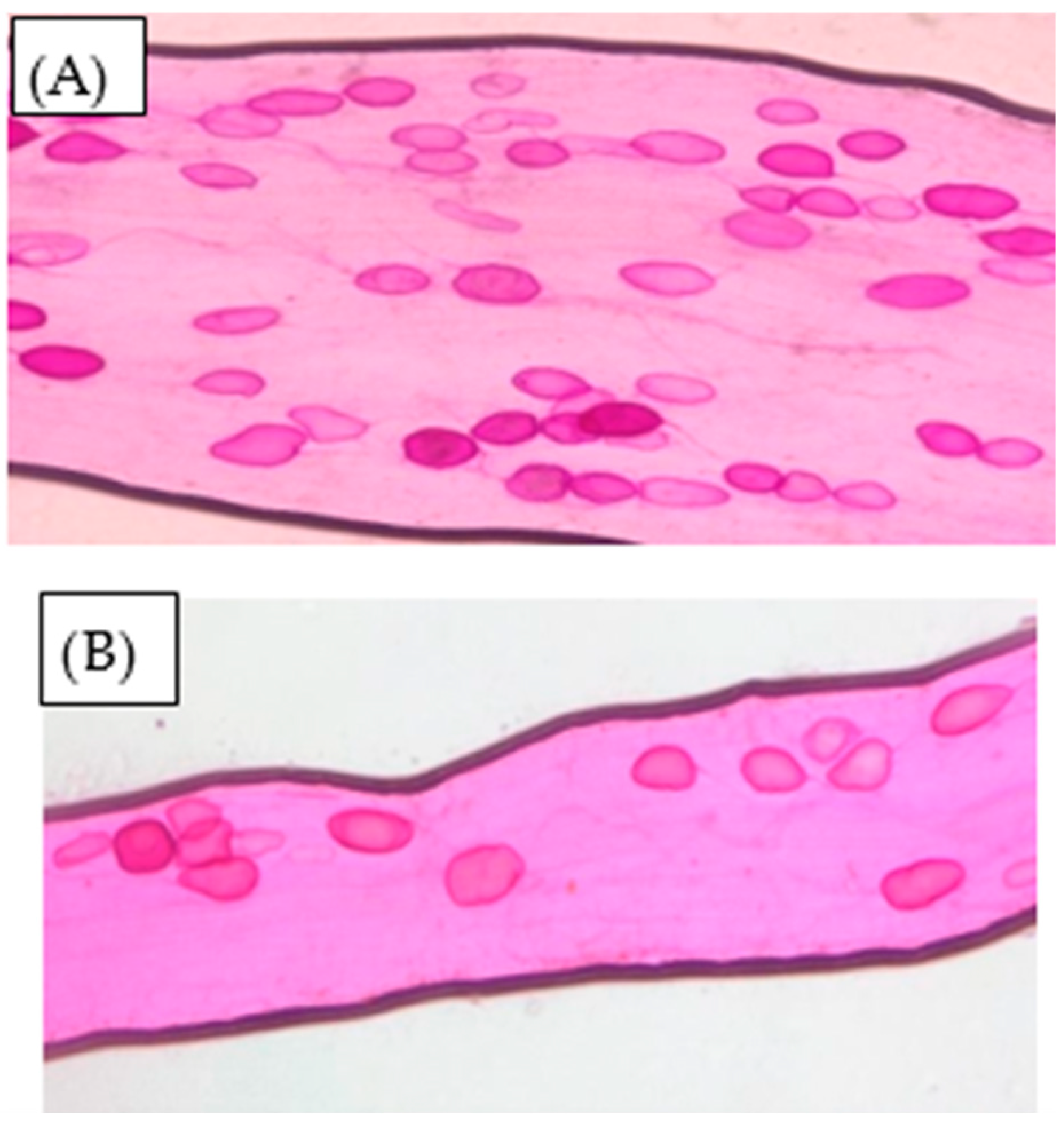
This fungus is an obligate symbiont and was mass multiplied by using maize (Zea mays L.) as the host. Maize was grown under greenhouse conditions (temperature 20–24 °C and relative humidity 70–80%) using sterilized fine sand and soilrite mix as the growth medium (Figure 1). Sterilized sand and soilrite mix (1:1) was placed in plastic pots and mixed with substrate-based inoculum in funnels containing AM spores and root bits. Pre-germinated maize seeds were sown, and the nutrient solution recommended by [19] was applied at weekly intervals during the growth period. After 45 days of plant growth, plants were allowed to wilt. Shoot portions were discarded, and the substrate containing dried root pieces of maize colonized with AM fungi (Figure 2), extrametrical chlamydospores, and mycorrhizal hyphal bits served as the crude inoculum.

2.3. Surface Sterilization and Inoculation of Mung Bean

Mung bean (Vigna radiata L.) variety KKM-3 seeds were obtained from Zonal Agricultural Research Station (ZARS), GKVK, Bangalore, and were surface sterilized by treating with 2 %sodium hypochlorite solution for 1 min, followed by treatment with 70 percent ethanol for 1 min. Then, the seeds were repeatedly washed with sterile distilled water 4 times to remove residual chemicals [20]. Thus, surface-sterilized seeds were soaked in sterile distilled water and kept for germination. Ten grams of pre-germinated seeds were soaked in ten milliliters of bacterial suspension for twelve hours and dried under laminar air flow. The seeds soaked in sterile distilled water were used for the remaining treatments in which bacterial cultures were not applied, including the control and mycorrhizal treatments.

2.4. Determination of the Field Capacity of the Soil

Field capacity is the amount of soil moisture or water content held in the soil after excess water has drained away. The field capacity was determined by the gravimetric method as described by [21]. Empty plastic plots were weighed using a weighing balance, and the weight was used as the empty pot value (W). All pots were filled with sterilized soil, and their weight was used as the dry weight value (WD). These pots were saturated with water during evening hours to minimize the evaporation loss of water, and the excess was allowed to drain. The weight of the saturated soil was determined in the early morning, and this weight was used as the wet weight value (WW). The field capacity was calculated as follows:
F i e l d   c a p a c i t y   100 % =   W W W ( W D W ) ( W D W ) × 100
where the Field capacity value was calculated at 25%, 50%, and 75% FC.

2.5. Treatment Details for the Pot Experiment on Drought Stress in Mung Bean

The potting mixture was prepared by mixing red loam sandy soil with Farm Yard Manure (FYM) in a 1:1 ratio. The mixture was sterilized by fumigation using formalin (15 mL/100 m2) under sealed conditions for 3 days. After 3 days, the sheets were removed, and the potting mixture was mixed thoroughly and air dried to vaporize the formalin residue. The pots were filled with 5 kg of soil + FYM (Mung bean), and AMF inoculum (200 g pot−1; 5 kg pot) was mixed thoroughly with the top 10–15 cm of the soil. There were 18 treatments with five replications. The treated and untreated mung bean seeds were sown.
There were eighteen treatments arising from two factorial combinations of AMF and FC levels. Factor I (AMF) consisted of six levels, and factor II (FC levels) consisted of three levels (Table 1).

2.6. Drought Stress Imposition by the Gravimetric Approach

Drought stress was imposed 20 days after sowing of mung bean, and the required level of field capacity was maintained by the gravimetric approach. All pots were weighed daily in the morning to know the water loss through transpiration and evaporation. The amount of water to be added to maintain the field capacity was calculated by the difference in weight that directly corresponded to the water loss.

2.7. Observations Recorded

2.7.1. Plant Growth and Biomass Measurements

Plant height of mung bean was recorded at 30 and 60 days after sowing (DAS). At harvest, plants from each replication were carefully uprooted and separated into shoot and root portions. The plant samples were washed thoroughly with distilled water to remove adhering soil particles and then blotted dry. Fresh samples were subsequently dried in a hot air oven at 60 °C for 48 h until a constant weight was obtained. The dry weight of the shoots, roots, and total plant biomass were recorded separately and expressed as g plant−1.

2.7.2. Determination of AM Fungal Root Colonization

Staining of root segments was carried out as per the procedure proposed by [22]. Fresh root samples were collected by uprooting the plant. The roots were washed in tap water to remove the soil debris. Then, the roots were cut into pieces of 1 cm, and the root segments were transferred to glass test tubes containing 10% KOH solution and autoclaved at 121 °C for 15 min to soften the root pieces. The root pieces were then rinsed in water, and 1% HCl was added and kept aside to neutralize them for five minutes. The roots in the test tube were immersed in 0.05% acid fuchsin in lactoglycerol staining solution for 24 h. Then, excess stain was removed by immersing the roots in lactoglycerol solution. The stained roots were arranged on grid-line plates and observed using a microscope. The number of roots with AM fungal colonization was recorded, and the percent of mycorrhizal colonization was calculated by
M y c o r r h i z a l   C o l o n i z a t i o n % = N u m b e r   o f   r o o t   f r a g m e n t s + v e   f o r   A M   f u n g a l   c o l o n i z a t i o n T o t a l   n u m b e r   o f   r o o t   f r a g m e n t s   o b s e r v e d × 100

2.7.3. Mycorrhizal Dependency

Ref. [23] defined the mycorrhizal dependency (MD) as the degree to which a plant is dependent on the mycorrhizal colonization to produce its maximum growth or yield at a given level of soil fertility. The formula for calculation of MD was given by [24].
M y c o r r h i z a l   d e p e n d e n c y   % = D r y   w e i g h t   o f   m y c o r r i h i z a l   p l a n t d r y   w e i g h t   o f   m o n m y c o r r h i z a l   p l a n t D r y   w e i g h t   o f   m y c o r r h i z a l   p l a n t × 100

2.7.4. Estimation of Nitrogen in Plant Sample

One gram of powdered plant sample was taken onto a sheet of paper and transferred to Kjeldahl’s digestion flask. Then, 2–3 g of digestion mixture and about 10–15 mL of concentrated H2SO4 were added. The contents were digested in a fume cupboard (digestion chamber) over a low flame until a light bluish green residue was obtained. Then, the contents were cooled, and the volume was made up to 100 mL with distilled water. We pipetted out 10 mL of the digested sample into a micro-distillation flask and added about 10 mL distilled water. Then, 20–25 mL of 4 percent boric acid was collected in a receiving flask, and 10 mL of 40 percent NaOH was added to the distillation flask. After complete distillation, the receiving flask was disconnected and titrated against Std. acid until the content became pink in color. From the burette reading, the percent of nitrogen was calculated [25].
N % = T V   ×   N   o f   a c i d × 0.014 × V o l .   o f   d i g e s t e d   s a m p l e W t .   o f   s a m p l e × A l i q u o t   t a k e n × 100
Total nitrogen uptake was calculated by multiplying by the dry matter of the plant.

2.7.5. Estimation of Phosphorus in the Plant Sample

The phosphorus content in plant tissue was determined by following the vanadomolybdate yellow color method [26]. A plant sample (1 g) was placed in a 100 mL conical flask to which 10 mL of di-acid mixture of HNO3:HClO4 (9:4) was added. The conical flask was placed on a low heat hot plate in a digestion chamber. Later, the flask was heated to a higher temperature until red fumes of NO2 ceased. The completion of digestion was confirmed by the snow-white fumes or when the liquid became colorless. The digested sample was cooled, and the volume was made up to 50 mL using deionized water. The solution was filtered using Whatman No. 1 filter paper(Vasa scientific Co., Malleshwaram, Bangalore, India) Vanadomolybdate reagent was prepared by mixing solution A (25 g of ammonium molybdate in 400 mL of hot distilled water) and solution B (1.25 g of ammonium metavanadate in 300 mL of boiling distilled water, cooled and 250 mL of concentrated HNO3 was added, and the volume made up to 1 L). The digested sample (5 mL) was pipetted into a 50 mL volumetric flask to which 10 mL of vanadomolybdate reagent was added. The reaction mixture was incubated for 30 min. The intensity of the color was measured at 430 nm using a UV-Visible Spectrophotometer (UV-VIS, Systronics Ltd., Bangalore, India). The phosphorus content was determined using the standard curve.
P m g g D W = G r a p h   p p m × V o l .   o f   d i g e s t e d   s a m p l e × V o l .   m a d e   u p 10 3 × w e i g h t   o f   s a m p l e × A l i q u o t   t a k e n
The total phosphorus uptake was calculated by multiplying by the dry matter of the plant.

2.7.6. Yield Parameters of Plants

The yield parameters like the number of pods and weight of the pod/plant were recorded at harvest.

2.8. Statistical Analysis

The experiment was conducted using a factorial completely randomized design (CRD). The data obtained in the experiment was analyzed using the WASP: 2.0 (Web Agri Stat Package 2) statistical tool (https://ccari.res.in/wasp2.0/index.php, accessed on 12 May 2021), and the means were separated by Duncan Multiple Range Test (DMRT).

3. Results

3.1. Effect of Efficient AM Fungi and Bradyrhizobium on the Plant Height of Mung Bean Under Different Field Capacity Levels

At 30 DAS, the maximum plant height was recorded in mung bean plants co-inoculated with A. scrobiculata + Bradyrhizobium sp. and C. etunicatum + Bradyrhizobium sp., both registering 26.5 cm. This was followed by plants inoculated with C. etunicatum (24.2 cm), A. scrobiculata (24.1 cm), and Bradyrhizobium sp. alone (23.8 cm), whereas the uninoculated control plants recorded the lowest plant height (20.6 cm) (Table 2).
The interaction effect between AMF inoculation and field capacity (FC) levels showed that co-inoculated plants (A. scrobiculata + Bradyrhizobium sp.) consistently recorded the highest plant height at all FC levels (50, 75, and 100%). Among the single inoculation treatments, A. scrobiculata recorded plant heights of 22.7, 24.0, and 25.6 cm, while C. etunicatum recorded 22.7, 24.2, and 25.8 cm at 50, 75, and 100% FC levels, respectively. A similar trend of increased plant height was observed at 60 DAS for both the interaction effects and the main treatment means (Table 2).

3.2. Effects of Efficient AM Fungi and Bradyrhizobium on the Shoot and Root Dry Weights of Mung Bean Under Different Field Capacity Levels

Under drought stress (50% FC), uninoculated mung bean plants recorded the lowest shoot and root dry weights (0.65 and 0.10 g/pl.). At 100% FC, co-inoculation with C. etunicatum + Bradyrhizobium sp. increased the shoot dry weight by 132% and root dry weight by 260%. Plants inoculated with Bradyrhizobium sp. alone showed a 97% higher shoot dry weight and 130% higher root dry weight compared to uninoculated stressed plants. Similar trends were observed at 75% FC, but differences in root dry weight between single and co-inoculation treatments were not significant. Overall, AM fungal inoculation markedly improved the shoot and root biomass under drought stress, indicating their role in mitigating drought-induced growth reduction (Table 3).

3.3. Effect of Efficient AM Fungi and Bradyrhizobium on the Total Biomass of Mung Bean Under Different Field Capacity Levels

The results revealed that the total dry biomass of mung bean plants had significantly increased with the level of reduction in drought stress. As the level of drought stress reduced from 50 percent FC to 100 percent FC, the average values of total dry biomass of mung bean plants ranged from 1.24 to 1.64 g/plant, respectively (Table 3).
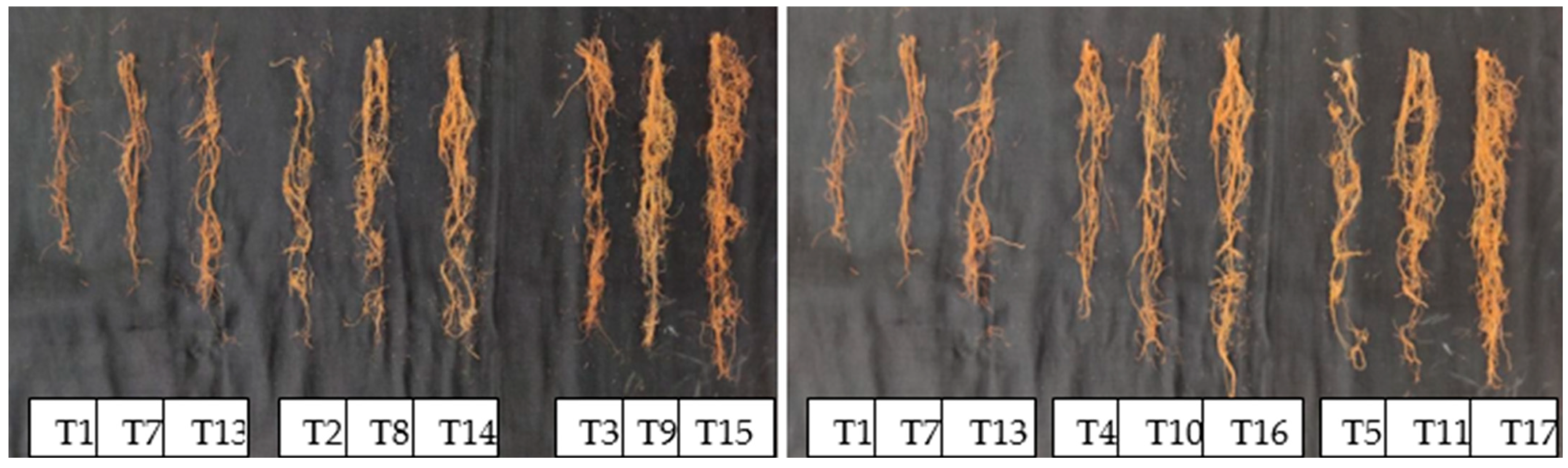
AMF-inoculated mung bean plants showed a significant increase in the biomass of the plant compared to the uninoculated control under different field capacity levels (50, 75, and 100% FC), and co-inoculated plants recorded a significant increase in biomass compared with single inoculation. In mung bean, single inoculation with A. scorbiculata, C. etunicatum, and Bradyrhizobium sp. increased the biomass of plants by 52, 49, and 40 percent, respectively, compared to the control (Figure 3). Co-inoculation with A. scrobiculata + Bradyrhizobium sp. and C. etunicatum + Bradyrhizobium sp. increased the biomass of mung bean plants by 10.52 and 11.40 percent, respectively, compared to single inoculation with AMF (Table 3).

3.4. Effect of Efficient AM Fungi and Bradyrhizobium on AM Fungal Colonization in Mung Bean Under Different Field Capacity Levels

The ability of AM fungal isolates to colonize plant roots under different levels of field capacity (FC) was evaluated by determining the percentage of root colonization. The results revealed that mycorrhizal colonization in mung bean roots decreased significantly with increasing drought stress. Root colonization was significantly higher under 100% FC (non-stress condition) compared to 75% and 50% FC (stress conditions) at all growth stages studied.
In mung bean, mycorrhizal colonization was significantly influenced by different field capacity (FC) levels. The highest colonization was observed under 100% FC at all growth stages, recording mean values of 92.74%, 94.20%, and 75.03% at 30 DAS, 45 DAS, and harvest, respectively. Conversely, the lowest mycorrhizal colonization was recorded under 50% FC, with corresponding mean values of 79.88%, 80.02%, and 62.17% at 30 DAS, 45 DAS, and harvest, respectively (Table 4), indicating a decline in colonization under moisture stress conditions.
The percentage of root colonization in mung bean was highest in the co-inoculated treatments involving A. scrobiculata + Bradyrhizobium sp. and C. etunicatum + Bradyrhizobium sp. across all growth stages. At 30 DAS, these treatments recorded root colonization levels of 89.57% and 88.44%, respectively, which were higher than those observed under single inoculation with A. scrobiculata (84.79%) and C. etunicatum (84.44%). A similar trend was observed at 45 DAS, in which co-inoculated plants consistently exhibited greater root colonization than the individual inoculation treatments. At harvest, the co-inoculated treatments maintained comparatively higher colonization levels of 70.93% and 70.27%, whereas plants inoculated with AMF alone recorded lower colonization levels of 65.48% and 64.46%, respectively (Table 4).
These results indicate that mycorrhizal colonization in mung bean roots was highest at 30 DAS and 45 DAS and decreased at harvest. Among the interaction effects, the highest percentage of root colonization was recorded in co-inoculated mung bean plants at all FC levels, followed by single inoculation with AM fungi.

3.5. Effect of Efficient AM Fungi and Bradyrhizobium on the Mycorrhizal Dependency of Mung Bean Under Different Field Capacity Levels

Mycorrhizal dependency was calculated as the degree to which a plant was dependent on the mycorrhizal condition to produce its maximum growth. The mycorrhizal dependency of mung bean plants was higher under drought stress conditions (50% FC and 75% FC) with an average of 42.96 and 34.91 percent, respectively, compared with normal conditions (25.87%). The mycorrhizal dependency of A. scobiculata to mung bean plants at 50, 75, and 100 percent FC was 43.60, 32.46, and 27.21 percent, respectively. The mycorrhizal dependency of C. etunicatum to mung bean plants at 50, 75, and 100 percent FC was 42.30, 37.34, and 24.53 percent, respectively (Table 5).

3.6. Effects of Efficient AM Fungi and Bradyrhizobium on the Nitrogen Content and Uptake in Mung Bean Under Different Field Capacity Levels

Mung bean recorded a significant increase in N content and uptake after inoculation of soil with AMF. The nitrogen content was found to be very low in the untreated mung bean plants (1.03, 1.38, and 1.61%), followed by Bradyrhizobium sp. inoculation (1.62, 1.80, and 2.32%) when plants were exposed to 50, 75, and 100 percent FC, respectively. Similarly, the same trend was noticed with nitrogen uptake. As drought decreased (50% FC to 100% FC), an increase in the nitrogen content and uptake was recorded (1.50–2.12% and 1.89–3.67%, respectively). The highest nitrogen content (2.05 and 2.02%) and nitrogen uptake (3.50 and 3.40 mg/plant) were recorded in mung bean plants treated with A. scrobiculata + Bradyrhizobium sp. and C. etunicatum + Bradyrhizobium sp. when considering the mean of factor I (Table 5). In the current study, the co-inoculation treatments recorded the maximum N uptake at all levels of FC (Table 6).

3.7. Effects of Efficient AM Fungi and Bradyrhizobium on the Phosphorus Content and Uptake in Mung Bean Under Different Field Capacity Levels

The phosphorus content and uptake were lowest in untreated mung bean plants across all moisture levels (50, 75, and 100% FC), followed by Bradyrhizobium sp. inoculation. Both the phosphorus content and uptake increased with decreasing drought stress. The highest phosphorus content (mean 0.33%) and uptake (mean 0.56 mg/plant) were recorded in plants inoculated with A. scrobiculata and C. etunicatum in combination with Bradyrhizobium sp., outperforming single AMF inoculation (Table 7). In the current study, the combination treatment had the maximum p uptake at all levels of FC. These results were from the synergistic interaction of rhizobacteria and AMF.

3.8. Effect of Efficient AM Fungi and Bradyrhizobium on the Yield of Mung Bean Under Different Field Capacity Levels

Under severe drought (50% FC), uninoculated plants recorded the lowest yield (14.33 pods/plant and 9.39 g/plant). At 100% FC, co-inoculation with A. scrobiculata or C. etunicatum plus Bradyrhizobium sp. increased the pod number by about 1.5 times and pod weight by about 2.7 times compared to uninoculated plants. Single inoculation with A. scrobiculata or C. etunicatum resulted in an approximately 1.3–1.4 times higher pod number and 2.3–2.5 times higher pod weight, while Bradyrhizobium sp. alone showed moderate improvement. Similar increases were observed at 50% and 75% FC levels (Table 8).

4. Discussions

The present investigation demonstrated that inoculation with arbuscular mycorrhizal fungi (AMF) and Bradyrhizobium sp. significantly improved the growth and biomass accumulation of mung bean under varying levels of field capacity. The enhanced plant performance observed in inoculated treatments can be attributed to the beneficial effects of microbial symbiosis on water and nutrient acquisition under drought stress conditions. Plant growth improvement was mainly associated with enhanced mycorrhizal colonization, which increased the uptake of water and essential nutrients through extensive extraradical hyphal networks [27]. Since plant height is an important determinant of ecological fitness and carbon acquisition, improved vegetative growth in inoculated plants indicates better physiological adaptation to moisture stress conditions.
Co-inoculation of AM fungi with Bradyrhizobium sp. produced greater enhancement in plant growth and biomass than single inoculations, indicating a strong synergistic interaction between the microorganisms. In this tripartite association, AM fungi improved phosphorus uptake and water absorption through hyphal extension into the soil, while Bradyrhizobium contributed biologically fixed nitrogen to the host plant [28]. This complementary interaction improved nutrient balance, photosynthetic efficiency, and overall metabolic activity, ultimately enhancing plant growth under drought stress. Similar synergistic effects of AMF–rhizobia interactions on plant growth have previously been reported by [29,30].
The positive influence of AM fungi on shoot, root, and total dry biomass observed in the present study agrees with earlier reports demonstrating improved biomass accumulation in mycorrhizal plants under water-deficit conditions. AM-inoculated plants generally exhibit greater tolerance to drought stress due to improved water uptake, enhanced root development, and better nutrient absorption. Previous studies have reported substantial increases in root, shoot, and total dry biomass in AM-associated plants under stress conditions [31]. Similarly, Ref. [32] observed significant enhancement in the shoot and root dry weights of pea following AM fungal inoculation under moisture stress. These findings support the present investigation and confirm the important role of AM fungi in maintaining plant growth under limited water availability.
The reduction in total biomass under severe drought stress may be associated with lower mycorrhizal colonization and restricted nutrient transport under moisture-deficit conditions. However, inoculated plants maintained a comparatively higher biomass even under stress, suggesting that AM fungi contributed to drought mitigation through several adaptive mechanisms, including improved root architecture, enhanced nutrient and water uptake, and maintenance of physiological activity [33]. Similar observations were reported by [34] in trifoliate orange (Poncirus trifoliata), in which greater biomass accumulation was associated with higher mycorrhizal colonization under well-watered conditions. The beneficial role of AM fungi in enhancing plant growth and stress tolerance has also been extensively documented across several crop species [35,36].
Arbuscular mycorrhizal (AM) fungi were able to colonize mung bean roots even under water-deficit conditions, indicating their important role in stress mitigation and plant adaptation to drought. However, the extent of colonization was strongly influenced by soil moisture availability, with reduced colonization observed under severe drought stress. This reduction may be attributed to the direct inhibitory effects of drought on the AM fungal developmental cycle, including impaired spore germination, restricted hyphal elongation, reduced sporulation, and lower colonization efficiency [37,38]. Similar findings were reported by [39] in Poncirus trifoliata, in which increasing drought severity significantly reduced AM fungal colonization. Nevertheless, the persistence of AM colonization under stress conditions suggests the adaptive potential of AM fungi in maintaining symbiotic functioning even under limited moisture availability.
The reduction in colonization observed at the harvest stage may be associated with the reduced physiological activity of plants during later growth stages, which limits the carbon allocation and nutrient exchange required for maintaining active fungal symbiosis [40]. Similar observations regarding the dependence of AM fungal functioning on plant physiological activity and carbon allocation were also reported in tomato by [39]. In addition, bacterial inoculation further enhanced AM fungal colonization, likely through synergistic interactions between rhizobacteria and AM fungi. Plant growth-promoting rhizobacteria can stimulate root growth, improve nutrient availability, and produce signaling compounds that facilitate AM fungal establishment and symbiotic development [41]. Similar enhancement of AM colonization following bacterial inoculation was also reported by [42].
The higher mycorrhizal dependency observed under drought stress conditions indicates that mung bean plants relied more heavily on AM symbiosis to overcome the adverse effects of moisture stress. AM fungi help plants tolerate drought through improved water and nutrient uptake, enhanced root development, and better osmotic adjustment [43]. Under stress conditions, plants become increasingly dependent on mycorrhizal associations for maintaining physiological and metabolic activities. Similar results on increased mycorrhizal dependency under drought conditions were reported by [44] in Lallemantia iberica and Lallemantia royleana, supporting the findings of the present investigation.
Nitrogen and phosphorus are essential nutrients required for plant growth, metabolism, and productivity, particularly under drought stress conditions in which nutrient uptake and translocation are severely restricted. Drought stress reduces nitrogen uptake and transport by decreasing the transpiration rate, membrane permeability, and water availability required for nitrate and ammonium movement within plants [45]. In the present study, co-inoculation of AM fungi and Bradyrhizobium resulted in higher nitrogen uptake under all levels of field capacity, indicating the beneficial role of microbial symbiosis in maintaining nutrient acquisition under moisture stress. Bradyrhizobium contributes through biological nitrogen fixation, which supports photosynthesis and assimilate production, while AM fungi facilitate ammonium transport to plants through specialized transporters such as AMT2 present in fungal hyphae and the periarbuscular membrane [46]. The synergistic interaction between AM fungi and rhizobacteria therefore improved nitrogen metabolism and nutrient availability under drought conditions. Similar enhancement in the shoot nitrogen content following combined inoculation of AM fungi and bradyrhizobia was also reported by [47].
Phosphorus acquisition was also significantly improved in inoculated treatments, highlighting the important role of AM fungi in enhancing the uptake of diffusion-limited nutrients under water-deficit conditions [48]. Phosphorus plays a crucial role in several physiological and metabolic processes, including energy transfer, photosynthesis, membrane stability, and biomass production. Under drought stress, phosphorus becomes less available due to reduced mobility in soil, making AM fungal-mediated uptake particularly important [49]. The enhanced phosphorus uptake observed in co-inoculated plants may be attributed to the extensive extraradical hyphal network of AM fungi, which increases the absorptive surface area beyond the root depletion zone. Previous studies have also demonstrated the overexpression of phosphate transporter genes such as PT4 under drought stress in Lotus japonicus, Medicago truncatula, and Lycium barbarum, emphasizing the importance of mycorrhizal phosphorus transport pathways during stress conditions [50]. Phosphate absorbed by fungal transporters is assimilated into polyphosphate and translocated to the plant through fungal hyphae with the involvement of fungal aquaporins [51].
The greater phosphorus uptake in co-inoculated treatments further indicates a synergistic interaction between AM fungi and rhizobacteria in phosphorus mobilization and acquisition. AM fungi can absorb only soluble inorganic phosphate, whereas phosphate-solubilizing bacteria associated with AM fungal hyphae help mobilize unavailable phosphorus forms in the rhizosphere. These bacteria utilize carbon compounds released by AM fungal hyphae in the hyphosphere and in turn enhance phosphorus availability and uptake efficiency. Similarly, [52] reported that AM fungal hyphae release sugars and carbon compounds that support beneficial bacteria capable of mobilizing soil phosphorus, thereby improving plant phosphorus acquisition. Comparable results were reported by [53], who observed the maximum phosphorus content and uptake in maize and pigeon pea following combined inoculation of AM fungi with Bacillus megaterium and Penicillium sp., supporting the findings of the present investigation.
Mycorrhizal inoculation improved mung bean yield under drought stress by enhancing root colonization, water uptake, and nutrient acquisition, particularly phosphorus, through extraradical hyphal networks [39]. The improved physiological and nutritional status of inoculated plants contributed to better biomass production and yield under moisture stress. Similar increases in the yield of mycorrhizal plants under drought conditions were reported in tomato, cowpea, maize, flax, and damask rose [54,55,56,57,58], while recent studies also confirmed the role of AM fungi in improving drought tolerance and productivity [59,60]. Co-inoculation with Bradyrhizobium further enhanced yield through the synergistic improvement in nutrient uptake and nitrogen fixation [43,61].

5. Conclusions

The present study clearly demonstrated that inoculation with Bradyrhizobium sp. and arbuscular mycorrhizal fungi (AMF) significantly improved the growth, nutrient acquisition, and yield of mung bean under drought stress conditions. Drought stress markedly reduced the plant height, biomass, nutrient uptake, mycorrhizal colonization, and yield in uninoculated plants; however, these adverse effects were substantially mitigated by microbial inoculation. Among the treatments, co-inoculation with Acaulospora scrobiculata or Claroideoglomus etunicatum with Bradyrhizobium sp. consistently outperformed single inoculations across all field capacity levels (50, 75, and 100% FC). The synergistic interaction between AMF and Bradyrhizobium enhanced the plant height, shoot and root dry matter, total biomass, nitrogen and phosphorus content and uptake, and yield attributes, particularly under severe and moderate drought stress. Improved performance was closely associated with higher mycorrhizal root colonization and greater mycorrhizal dependency under water-limited conditions, highlighting the critical role of AM symbiosis in drought resilience. The results confirm that drought-stressed mung bean plants rely more strongly on mycorrhizal associations for optimal growth and productivity, as evidenced by increased mycorrhizal dependency at lower field capacities. Enhanced nutrient uptake, especially nitrogen through biological fixation and phosphorus via AM fungal hyphal transport, appears to be a key mechanism underlying improved drought tolerance and yield stability.
Overall, the tripartite symbiosis among mung bean, AMF, and Bradyrhizobium represents an effective, eco-friendly, and sustainable strategy to alleviate drought stress in legume production. The combined application of AM fungi and Bradyrhizobium sp. can be recommended as a promising bio-inoculant approach for improving mung bean productivity in arid and semi-arid regions under changing climatic conditions.


Author Contributions

Conceptualization, M.R.; methodology, M.R., J.U.; software, M.R. and J.U.; formal analysis, M.R., P.K.M.; investigation, M.R. and J.U.; resources, M.R. and J.U.; writing—original draft preparation, M.R. and P.K.M.; writing—review and editing, P.K.M., R.S., and L.K.B.; supervision, M.R.; funding acquisition, M.R. and R.S. All authors have read and agreed to the published version of the manuscript.

Funding

This research received no external funding.

Data Availability Statement

The data presented in this study are available on request from the corresponding author. The data are not publicly available due to restrictions associated with ongoing projects and the privacy of precise geospatial sampling locations.

Acknowledgments

The authors would like to thank ICAR (Indian Council Agricultural Research) for the Senior Research Fellowship that made this study possible at UAS, GKVK, Bangalore.

Conflicts of Interest

Dr. Jagadeesh Uppar was employed by the company Sowbhagya Biotech Pvt. Ltd. The remaining authors declare that the research was conducted in the absence of any commercial or financial relationships that could be construed as a potential conflict of interest.

Abbreviations

The following abbreviations are used in this manuscript:
AMFArbuscular Mycorrhizal Fungi
AMArbuscular Mycorrhizae
FCField Capacity
DASDays After Sowing

Appendix A

Table A1. YEMB (Yeast Extract Mannitol Broth).
ComponentQuantity
Mannitol10.0 g
Yeast extract1.0 g
Dipotassium hydrogen phosphate (K2HPO4)0.5 g
Magnesium sulphate (MgSO4 · 7H2O)0.2 g
Sodium chloride (NaCl)0.1 g
Congo red solution (1%)2.5 mL

References

  1. Al-Dossary, O.M. Genome editing: An approach to engineer crops to withstand climate change and sustain food security. In Handbook of Agricultural Technologies; Springer Nature: Singapore, 2025; pp. 1–33. [Google Scholar]
  2. Mohan, V.R.; MacDonald, M.T.; Abbey, L. Impact of water deficit stress on Brassica crops: Growth and yield, physiological and biochemical responses. Plants 2025, 14, 1942. [Google Scholar] [CrossRef]
  3. Smith, S.E.; Read, D.J. Mycorrhizal Symbiosis; Academic Press: London, UK, 2010. [Google Scholar]
  4. Bravo, A.; Brands, M.; Wewer, V.; Dörmann, P.; Harrison, M.J. Arbuscular mycorrhiza-specific enzymes FatM and RAM2 fine tune lipid biosynthesis to promote development of arbuscular mycorrhiza. New Phytol. 2017, 214, 1631–1645. [Google Scholar] [CrossRef]
  5. Bi, Y.; Xiao, L.; Sun, J. An arbuscular mycorrhizal fungus ameliorates plant growth and hormones after moderate root damage due to simulated coal mining subsidence: A microcosm study. Environ. Sci. Pollut. Res. 2019, 26, 11053–11061. [Google Scholar] [CrossRef]
  6. Gupta, M.M. Arbuscular mycorrhizal fungi: The potential soil health indicators. In Soil Health; Springer: Cham, Switzerland, 2020; pp. 183–195. [Google Scholar]
  7. Wu, Q.S.; He, J.D.; Srivastava, A.K.; Zou, Y.N.; Kuca, K. Mycorrhizae enhance drought tolerance of citrus by altering root fatty acid compositions. Tree Physiol. 2019, 39, 1149–1158. [Google Scholar] [CrossRef]
  8. Guo, S.; Xia, L.; Xia, D.; Li, M.; Xu, W.; Liu, L. Enhancing plant resilience: Arbuscular mycorrhizal fungi’s role in alleviating drought stress in vegetation concrete. Front. Plant Sci. 2024, 15, 1401050. [Google Scholar] [CrossRef]
  9. De Freitas, V.F.; Cerezini, P.; Hungria, M.; Nogueira, M.A. Strategies to deal with drought-stress in biological nitrogen fixation in soybean. Appl. Soil Ecol. 2022, 172, 104352. [Google Scholar] [CrossRef]
  10. Sheteiwy, M.S.; Ali, D.F.I.; Xiong, Y.C.; Brestic, M.; Skalicky, M.; Hamoud, Y.A.; Ulhassan, Z.; Shaghaleh, H.; AbdElgawad, H.; Farooq, M.; et al. Physiological and biochemical responses of soybean plants inoculated with Arbuscular mycorrhizal fungi and Bradyrhizobium under drought stress. BMC Plant Biol. 2021, 21, 195. [Google Scholar] [CrossRef]
  11. Gorgia, P.; Tsikou, D. Tripartite symbiosis between legumes, arbuscular mycorrhizal fungi and nitrogen-fixing rhizobia: Interactions and regulation. Plant Cell Environ. 2025; ahead of print.
  12. Nagarathna, T.K.; Shadakshari, Y.G.; Pandurang, P. Influence of mycorrhizal association on photosynthetic rate in sunflower (Helianthus annuus L.). Mysore J. Agric. Sci. 2013, 47, 296–300. [Google Scholar]
  13. Gopakumar, S.; Menon, M.V.; Gopal, S.K. Weed management practices for yield and sustainability in green gram. Mysore J. Agric. Sci. 2022, 56, 313–319. [Google Scholar]
  14. Hashem, A.; Kumar, A.; Al-Dbass, A.M.; Alqarawi, A.A.; Al-Arjani, A.F.; Singh, G.; Farooq, M.; Abd_Allah, E.F. Arbuscular mycorrhizal fungi and biochar improves drought tolerance in chickpea. Saudi J. Biol. Sci. 2019, 26, 614–624. [Google Scholar] [CrossRef]
  15. Musyoka, D.M.; Njeru, E.M.; Nyamwange, M.M.; Maingi, J.M. Arbuscular mycorrhizal fungi and Bradyrhizobium co-inoculation enhances nitrogen fixation and growth of green gram (Vigna radiata) under water stress. J. Plant Nutr. 2020, 43, 78–91. [Google Scholar] [CrossRef]
  16. Nader, A.A.; Hauka, F.I.; Afify, A.H.; El-Sawah, A.M. Drought-tolerant bacteria and arbuscular mycorrhizal fungi mitigate the detrimental effects of drought stress in soybean. Microorganisms 2024, 12, 1123. [Google Scholar] [CrossRef]
  17. Shahid, M.; Khan, M.S. Fungicide tolerant Bradyrhizobium japonicum mitigate toxicity and enhance green gram production under hexaconazole stress. J. Environ. Sci. 2019, 78, 92–108. [Google Scholar] [CrossRef]
  18. He, J.D.; Dong, T.; Wu, H.H.; Zou, Y.N.; Wu, Q.S.; Kuca, K. Mycorrhizae induce diverse responses of root TIP aquaporin gene expression to drought stress in trifoliate orange. Sci. Hortic. 2019, 243, 64–69. [Google Scholar] [CrossRef]
  19. Habte, M.; Osorio, N.W. Arbuscular mycorrhizae: Producing and Applying Arbuscular Mycorrhizal Inoculum; College of Tropical Agriculture and Human Resources, University of Hawaii: Honolulu, HI, USA, 2001. [Google Scholar]
  20. Arnold, A.E.; Maynard, Z.; Gilbert, G.S.; Coley, P.D.; Kursar, T.A. Are tropical fungal endophytes hyper-diverse? Ecol. Lett. 2000, 3, 267–274. [Google Scholar] [CrossRef]
  21. Earl, H.J. A precise gravimetric method for simulating drought stress in pot experiments. Crop Sci. 2003, 43, 1868–1873. [Google Scholar] [CrossRef]
  22. Phillips, J.M.; Hayman, D.S. Improved procedures for clearing roots and staining parasitic and vesicular-arbuscular mycorrhizal fungi for rapid assessment of infection. Trans. Br. Mycol. Soc. 1970, 55, 158–161. [Google Scholar] [CrossRef]
  23. Gerdemann, J.W. Vesicular-arbuscular mycorrhiza. In The Development and Function of Roots; Academic Press: London, UK, 1975; pp. 575–592. [Google Scholar]
  24. Plenchette, C.; Fortin, J.A.; Furlan, V. Growth response of several plant species to mycorrhizae in soil of moderate phosphorus fertility. Plant Soil 1983, 70, 199–209. [Google Scholar] [CrossRef]
  25. Jackson, M.L. Soil Chemical Analysis; Prentice Hall of India: New Delhi, India, 1973. [Google Scholar]
  26. Burns, I.G.; Hutsby, W. Critical comparison of the vanadomolybdate and the molybdenum blue methods for the analysis of phosphate in plant sap. Commun. Soil Sci. Plant Anal. 1986, 17, 839–852. [Google Scholar] [CrossRef]
  27. Singh, A.; Pandey, A.K.; Dodmani, B.A.; Joshi, R.; Wongamthing, R.; Mishra, S.; Karanwal, R. Arbuscular mycorrhizal fungi efficiency on plant growth and nutrient acquisition: A comprehensive review. Microbiol. Res. J. Int. 2024, 34, 13–22. [Google Scholar] [CrossRef]
  28. Duan, H.X.; Luo, C.L.; Wang, X.; Cheng, Y.S.; Abrar, M.; Batool, A. Responses of legumes to rhizobia and arbuscular mycorrhizal fungi under abiotic stresses: A global meta-analysis. Agronomy 2024, 14, 2597. [Google Scholar] [CrossRef]
  29. Jabborova, D.; Annapurna, K.; Al-Sadi, A.M.; Alharbi, S.A.; Datta, R.; Zuan, A.T.K. Biochar and arbuscular mycorrhizal fungi mediated enhanced drought tolerance in okra (Abelmoschus esculentus) plant growth, root morphological traits and physiological properties. Saudi J. Biol. Sci. 2021, 28, 5490–5499. [Google Scholar] [CrossRef]
  30. Zhang, W.; Zhou, Y.; Qin, Y.; Feng, Z.; Zhu, F.; Feng, G.; Zhu, H.; Yao, Q. Lipids mediate arbuscule development and senescence in tomato roots colonized by arbuscular mycorrhiza. J. Agric. Food Chem. 2024, 72, 18851–18863. [Google Scholar] [CrossRef]
  31. Chandrasekaran, M. Arbuscular mycorrhizal fungi mediated enhanced biomass, root morphological traits and nutrient uptake under drought stress: A meta-analysis. J. Fungi 2022, 8, 660. [Google Scholar] [CrossRef]
  32. Thakur, J.; Shinde, B. Effect of water stress and arbuscular mycorrhizal fungi on the growth performance of pea. Int. J. Appl. Biol. 2020, 4, 36–43. [Google Scholar] [CrossRef]
  33. Birhanu, M.W.; Negussie, Z.T. Arbuscular mycorrhizal fungi symbiosis in sustainable production of sorghum (Sorghum bicolor L. Moench) under drought stress. Adv. Agric. 2024, 2024, 8814543. [Google Scholar] [CrossRef]
  34. Zhang, F.; Zou, Y.N.; Wu, Q.S.; Kuca, K. Arbuscular mycorrhizae modulate root polyamine metabolism to enhance drought tolerance of trifoliate orange. Environ. Exp. Bot. 2020, 171, 103926. [Google Scholar] [CrossRef]
  35. Wu, Y.; Chen, C.; Wang, G. Inoculation with arbuscular mycorrhizal fungi improves plant biomass and nutrient uptake: A meta-analysis. BMC Plant Biol. 2024, 24, 960. [Google Scholar] [CrossRef]
  36. Zaman, F.; Hassan, M.U.; Khattak, W.A.; Ali, A.; Awad, M.F.; Chen, F.S. The pivotal role of arbuscular mycorrhizal fungi in enhancing plant biomass and nutrient availability under drought stress: A global meta-analysis. Sci. Total Environ. 2024, 955, 176960. [Google Scholar] [CrossRef]
  37. Batool, A.; Li, S.S.; Dong, H.J.; Bahadur, A.; Tu, W.; Zhang, Y.; Xiao, Y.; Feng, S.Y.; Wang, M.; Zhang, J.; et al. Battle of arbuscular mycorrhizal fungi against drought stress: A gateway to sustainable agriculture. J. Fungi 2025, 12, 20. [Google Scholar] [CrossRef]
  38. Khan, Y.; Shah, S.; Li, D.; Yang, F. Arbuscular mycorrhizal fungi-mediated abiotic stress tolerance: Emerging roles in nutrient exchange, antioxidant defence and hormonal crosstalk. Plant Stress 2025, 18, 101068. [Google Scholar] [CrossRef]
  39. Zhang, W.; Yin, X.; Feng, Z.; Liu, X.; Zhu, F.; Zhu, H.; Yao, Q. Drought stress reduces arbuscular mycorrhizal colonization of Poncirus trifoliata. Front. Plant Sci. 2024, 15, 1452202. [Google Scholar] [CrossRef] [PubMed]
  40. Wahab, A.; Muhammad, M.; Munir, A.; Abdi, G.; Zaman, W.; Ayaz, A.; Khizar, C.; Reddy, S.P.P. Role of arbuscular mycorrhizal fungi in regulating growth, enhancing productivity and potentially influencing ecosystems under abiotic and biotic stresses. Plants 2023, 12, 3102. [Google Scholar] [CrossRef] [PubMed]
  41. De Carvalho Neta, S.J.; Araújo, V.L.V.P.; Fracetto, F.J.C.; Da Silva, C.C.G.; De Souza, E.R.; Silva, W.R.; Lumini, E.; Fracetto, G.G.M. Growth-promoting bacteria and arbuscular mycorrhizal fungus enhance maize tolerance to saline stress. Microbiol. Res. 2024, 284, 127708. [Google Scholar] [CrossRef]
  42. Severo, H.C.D.A.R.; De Santana Arauco, A.M.; Nunes, R.W.F.; Monteiro, G.N.; Duarte, M.H.F.; Da Silva, A.P.M.; De Castro Ferreira, A.; Luz, M.R.; De Souza Miranda, R.; De Araújo, A.S.F.; et al. Co-inoculation of arbuscular mycorrhizal fungi and Bacillus subtilis enhances morphological traits and nutrient uptake in maize under limited phosphorus. Sci. Rep. 2025, 15, 25448. [Google Scholar] [CrossRef]
  43. Xie, W.; Hao, Z.; Zhou, X.; Jiang, X.; Xu, L.; Wu, S.; Zhao, A.; Zhang, X.; Chen, B. Arbuscular mycorrhiza facilitates the accumulation of glycyrrhizin in Glycyrrhiza uralensis under drought stress. Mycorrhiza 2018, 28, 285–300. [Google Scholar] [CrossRef]
  44. Kumar, A.; Verma, J.P. Does plant —microbe interaction confer stress tolerance in plants? A review. Microbiol. Res. 2018, 207, 41–52. [Google Scholar] [CrossRef]
  45. Sulaman, S.; Nadeem, M.; Shabaan, M.; Orman, S.; Anwar-ul-Haq, M.; Zulfiqar, U. Exogenous application of nitrogen and potassium improves drought tolerance in plants: A review. J. Soil Sci. Plant Nutr. 2025, 25, 4850–4865. [Google Scholar] [CrossRef]
  46. Xie, K.; Ni, Y.; Bai, L.; Zhai, Y.; Zhou, W.; Cheng, B.; Li, X. Functional Characterization of Ammonium Transporter LjAMT2;4 During Lotus japonicus Symbiosis with Rhizobia and Arbuscular Mycorrhizal Fungi. J. Fungi 2025, 11, 340. [Google Scholar] [CrossRef] [PubMed]
  47. Buthelezi, H.P.; Ngmenzuma, T.Y.A.; Udeh, E.L.; Mohale, K.C. Symbiotic N2 fixation and nutrient uptake of mung bean (Vigna radiata L.) co-inoculated with Bradyrhizobium japonicum and Pseudomonas fluorescens under simulated drought conditions. Cogent Food Agric. 2025, 11, 2578330. [Google Scholar] [CrossRef]
  48. Hashem, A.; Alqarawi, A.A.; Radhakrishnan, R. Arbuscular mycorrhizal fungi regulate the oxidative system, hormones and ionic equilibrium to trigger salt stress tolerance in Cucumis sativus L. Saudi J. Biol. Sci. 2018, 25, 1102–1114. [Google Scholar] [CrossRef]
  49. Kandhol, N.; Pandey, S.; Singh, V.P.; Herrera-Estrella, L.; Tran, L.S.P.; Tripathi, D.K. Link between plant phosphate and drought stress responses. Research 2024, 7, 0405. [Google Scholar] [CrossRef]
  50. Hu, W.; Zhang, H.; Zhang, X.; Chen, H.; Tang, M. Characterization of six PHT1 members in Lycium barbarum and their response to arbuscular mycorrhiza and water stress. Tree Physiol. 2017, 37, 351–366. [Google Scholar] [CrossRef]
  51. Paluch-Lubawa, E.; Polcyn, W. Tissue-specific accumulation of PIP aquaporins in maize response to mycorrhiza and drought. Sci. Rep. 2024, 14, 21712. [Google Scholar] [CrossRef]
  52. Jin, Z.; Wang, G.; George, T.S.; Zhang, L. Potential role of sugars in the hyphosphere of arbuscular mycorrhizal fungi to enhance organic phosphorus mobilization. J. Fungi 2024, 10, 226. [Google Scholar] [CrossRef]
  53. Mythra, R.; Srikanth, G.S.; Jagadeesh, U.; Bhagyashree, K.B.; Manjunath, A. Effect of AM fungus on phosphorus nutrition of maize and pigeon pea in alfisols as influenced by different phosphorus amendments of North Carolina rock phosphate. Kavaka 2022, 58, 28–35. [Google Scholar]
  54. Bakr, J.; Daood, H.G.; Pek, Z.; Helyes, L.; Posta, K. Yield and quality of mycorrhized processing tomato under water scarcity. Appl. Ecol. Environ. Res. 2017, 15, 401–413. [Google Scholar] [CrossRef]
  55. Oliveira, R.S.; Carvalho, P.; Marques, G.; Ferreira, L.; Pereira, S.; Nunes, M.; Rocha, I.; Ma, Y.; Carvalho, M.F.; Vosátka, M.; et al. Improved grain yield of cowpea under water deficit after inoculation with Bradyrhizobium elkanii and Rhizophagus irregularis. Crop Pasture Sci. 2017, 68, 1052–1059. [Google Scholar] [CrossRef]
  56. Ghorchiani, M.; Etesami, H.; Alikhani, H.A. Improvement of growth and yield of maize under water stress by co-inoculating an arbuscular mycorrhizal fungus and a plant growth-promoting rhizobacterium together with phosphate fertilizers. Agric. Ecosyst. Environ. 2018, 258, 59–70. [Google Scholar] [CrossRef]
  57. Rahimzadeh, S.; Pirzad, A. Pseudomonas and mycorrhizal fungi co-inoculation alter seed quality of flax under various water supply conditions. Ind. Crops Prod. 2019, 129, 518–524. [Google Scholar] [CrossRef]
  58. Abdel-Salam, E.; Alatar, A.; El-Sheikh, M.A. Inoculation with arbuscular mycorrhizal fungi alleviates harmful effects of drought stress on damask rose. Saudi J. Biol. Sci. 2018, 25, 1772–1780. [Google Scholar] [CrossRef] [PubMed]
  59. Santana, L.R.; Da Silva, L.N.; Tavares, G.G.; Batista, P.F.; Cabral, J.S.R.; Souchie, E.L. Arbuscular mycorrhizal fungi associated with maize plants during hydric deficit. Sci. Rep. 2023, 13, 1519. [Google Scholar] [CrossRef]
  60. Abdelaal, K.; Alaskar, A.; Hafez, Y. Effect of arbuscular mycorrhizal fungi on physiological, biochemical and yield characters of wheat plants (Triticum aestivum L.) under drought stress conditions. BMC Plant Biol. 2024, 24, 1119. [Google Scholar] [CrossRef]
  61. Xu, Y.; Yan, Y.; Zhou, T.; Lu, Y.; Yang, X.; Tang, K.; Liu, F. Synergy between arbuscular mycorrhizal fungi and rhizosphere bacteria increases utilization of insoluble phosphorus and potassium in maize. J. Agric. Food Chem. 2024, 72, 23631–23642. [Google Scholar] [CrossRef]
Figure 1. Mass multiplication of AM fungi on maize in pots.
Soilsystems 10 00062 g001
Figure 2. Root colonization of maize plants by AM fungi: (A) Acaulospora scrobiculata. (B) Claroideoglomus etunicatum (At 10× magnification).
Soilsystems 10 00062 g002
Figure 3. Influence of AM fungi and Bradyrhizobium inoculation on the root weight of mung bean at different FC levels. T1—Control 50% FC; T2—A. scrobiculata 50% FC; T3—A. Scrobiculata + Bradyrhizobium sp. 50% FC; T4—C. etunicatum 50% FC; T5—C. etunicatum + Bradyrhizobium sp. 50% FC; T7—Control 75% FC; T8—A. scrobiculata 75% FC; T9—A. Scrobiculata + Bradyrhizobium sp. 75% FC; T10—C. etunicatum 75% FC; T11—C. etunicatum + Bradyrhizobium sp. 75% FC; T13—Control 100% FC; T14—A. scrobiculata 100% FC; T15—A. Scrobiculata + Bradyrhizobium sp. 100% FC; T16—C. etunicatum 100% FC; T17—C. etunicatum + Bradyrhizobium sp. 100% FC.
Soilsystems 10 00062 g003
Table 1. Treatment details for mung bean under different levels of field capacity.
TreatmentAMF/Bacterial TreatmentField Capacity Level
T1Control50% FC
T2Acaulospora scrobiculata50% FC
T3Acaulospora scrobiculata + Bradyrhizobium sp.50% FC
T4Claroideoglomus etunicatum50% FC
T5Claroideoglomus etunicatum + Bradyrhizobium sp.50% FC
T6Bradyrhizobium sp.50% FC
T7Control75% FC
T8Acaulospora scrobiculata75% FC
T9Acaulospora scrobiculata + B radyrhizobium sp.75% FC
T10Claroideoglomus etunicatum75% FC
T11Claroideoglomus etunicatum + Bradyrhizobium sp.75% FC
T12Bradyrhizobium sp.75% FC
T13Control100% FC
T14Acaulospora scrobiculata100% FC
T15Acaulospora scrobiculata + Bradyrhizobium sp.100% FC
T16Claroideoglomus etunicatum100% FC
T17Claroideoglomus etunicatum + Bradyrhizobium sp.100% FC
T18Bradyrhizobium sp.100% FC
Table 2. Effect of efficient AM fungi and Bradyrhizobium on the plant height of mung bean under different field capacity levels.
TreatmentsPlant Height (cm)
30 DAS60 DAS
50% FC75% FC100% FCMean of I50% FC75% FC100% FCMean of I
Control19.5 j20.6 i21.8 h20.633 d20.867 L21.433 kL22.3 jk21.5 d
A. scrobiculata22.7 fg24.077 e25.6 c24.126 b24.6 fgh25.633 def26.567 cd25.6 b
A. scrobiculata + Bradyrhizobium sp.25.2 cd27 b27.4 ab26.533 a26.267 cde27.333 abc28.1 ab27.2 a
G. etunicatum22.7 fg24.2 e25.8 c24.233 b23.733 hi24.667 fgh26.2 cde24.8 bc
G. etunicatum + Bradyrhizobium sp.25.2 ed26.667 b27.8 a26.556 a27.067 bc27.9 ab28.433 a27.8 a
Bradyrhizobium sp.22 gh23.333 f24.8 de23.378 c23.233 ij24 ghi25.133 efg24.1 c
Mean of II22.8824.3125.53 24.30625.16126.12
Note: Means followed by the same letter in the table do not differ significantly at p ≤ 0.05 as per Duncan’s Multiple Range Test (DMRT); FC-Field Capacity.
Table 3. Effect of efficient AM fungi and Bradyrhizobium on the total biomass of mung bean under different field capacity levels.
TreatmentsShoot Dry Weight (g/Plant)Root Dry Weight (g/Plant)Total Biomass (g/Plant)
50% FC75% FC100% FCMean of I50% FC75% FC100% FCMean of I50% FC75% FC100% FCMean of I
Control0.65 h0.89 g1.04 f0.86 d0.1 j0.15 ghij0.19 fgh0.14 d0.75 i1.04 g1.23 f1.00 d
A. scrobiculata1.16 e1.28 de1.4 abc1.28 ab0.16 ghij0.26 e0.29 cd0.24 bc1.33 g1.54 d1.69 b1.52 b
A. scrobiculata + Bradyrhizobium sp.1.22 e1.41 abc1.49 ab1.37 a0.2 fg0.32 bcd0.38 a0.301 a1.46 e1.73 c1.87 a1.68 a
G. etunicatum1.16 e1.24 e1.37 cd1.25 b0.14 hij0.27 de0.30 cd0.24 bc1.3 g1.51 d1.67 b1.49 b
G. etunicatum + Bradyrhizobium sp.1.24 e1.38 bcd1.51 a1.37 a0.18 ghi0.33 abc0.36 ab0.29 ab1.38 e1.71 c1.88 a1.66 a
Bradyrhizobium sp.1.04 g1.25 e1.28 de1.2 c0.15 hij0.20 fg0.23 ef0.2 c1.22 f1.45 f1.52 c1.4 c
Mean of II1.062 c1.242 b1.348 a 0.152 c0.253 b0.288 a 1.24 c1.49 b1.64 a
Note: Means followed by the same letter in the table do not differ significantly at p ≤ 0.05 as per Duncan’s Multiple Range Test (DMRT); FC-Field Capacity.
Table 4. Effect of efficient AM fungi and Bradyrhizobium on AM fungal colonization in mung bean under different field capacity levels.
TreatmentsMycorrhizal Colonization (%)
30 DAS45 DAS60 DAS
50% FC75% FC100% FCMean of I50% FC75% FC100% FCMean of I50% FC75% FC100% FCMean of I
A. scrobiculata77.30 c85.20 b91.86 a84.79 b78.01 cd86.38 b94.04 a86.14 ab58.67 e63.01 cd74.76 a65.48 b
A. scrobiculata + Bradyrhizobium sp.83.89 b90.91 a93.93 a89.57 a83.49 b92.16 a95.16 a90.27 a66.53 bc70.02 b76.23 a70.93 a
G. etunicatum76.28 c85.02 b92.04 a84.44 b76.38 d85.93 b92.80 a85.03 b57.46 e61.90 de74.02 a64.46 b
G. etunicatum + Bradyrhizobium sp.82.05 b90.13 a93.15 a88.44 ab82.23 bc92.15 a94.93 a89.77 a66.02 bcd69.68 b75.13 a70.27 a
Mean of II79.88 c87.81 b92.74 a 80.02 c89.15 b94.2 a 62.17 c66.15 b75.03 a
Note: Means followed by the same letter in the table do not differ significantly at p ≤ 0.05 as per Duncan’s Multiple Range Test (DMRT); FC-Field Capacity, DAS-Days After Sowing.
Table 5. Effect of efficient AM fungi and Bradyrhizobium on the mycorrhizal dependency of mung bean under different field capacity levels.
TreatmentsMycorrhizal Dependency (%)
50% FC75% FC100% FCMean of I
A. scrobiculata43.60 a32.46 c27.21 d34.42 a
G. etunicatum42.30 a37.34 b24.53 e34.72 a
Mean of II42.96 a34.91 b25.87 c
Note: Means followed by the same letter in the table do not differ significantly at p ≤ 0.05 as per Duncan’s Multiple Range Test (DMRT); FC-Field Capacity.
Table 6. Effects of efficient AM fungi and Bradyrhizobium on the nitrogen content and uptake in mung bean under different field capacity levels.
TreatmentsN Concentration (%)N Uptake (mg/plant)
50% FC75% FC100% FCMean of I50% FC75% FC100% FCMean of I
Control1.03 j1.38 i1.61 g1.34 d0.77 L1.68 k1.98 i1.48 c
A. scrobiculata1.51 h1.70 f2.20 c1.80 c2.01 i2.62 f3.72 b2.78 b
A. scrobiculata + Bradyrhizobium sp.1.70 f1.98 d2.45 a2.05 a2.48 g3.43 de4.58 a3.50 a
G. etunicatum1.48 h1.66 fg2.17 c1.77 c1.92 ij2.5 fg3.62 bc2.68 b
G. etunicatum + Bradyrhizobium sp.1.68 f1.95 d2.42 a2.02 a2.32 h3.33 e4.55 a3.40 a
Bradyrhizobium sp.1.62 g1.80 e2.32 b1.92 b1.85 j2.61 f3.52 cd2.66 b
Mean of II1.50 c1.75 b2.12 a 1.89 c2.70 b3.67 a
Note: Means followed by the same letter in the table do not differ significantly at p ≤ 0.05 as per Duncan’s Multiple Range Test (DMRT); FC-Field Capacity.
Table 7. Effects of efficient AM fungi and Bradyrhizobium on the phosphorus content and uptake in mung bean under different field capacity levels.
TreatmentsP Concentration (%)p Uptake(mg/plant)
50% FC75% FC100% FCMean of I50% FC75% FC100% FCMean of I
Control0.17 k0.22 i0.25 h0.21 d0.13 i0.27 gh0.32 fg0.24 d
A. scrobiculata0.23 i0.27 fg0.32 cd0.27 b0.31 fg0.42 d0.54 bc0.42 b
A. scrobiculata + Bradyrhizobium sp.0.28 ef0.33 bc0.38 a0.33 a0.41 de0.57 bc0.71 a0.56 a
G. etunicatum0.22 i0.26 gh0.31 d0.26 bc0.29 g0.39 de0.52 c0.40 b
G. etunicatum + Bradyrhizobium sp.0.28 ef0.34 b0.38 a0.33 a0.39 de0.58 b0.71 a0.56 a
Bradyrhizobium sp.0.20 j0.25 h0.29 e0.24 c0.23 h0.36 ef0.44 d0.34 c
Mean of II0.230.280.32 0.290.430.54
Note: Means followed by the same letter in the table do not differ significantly at p ≤ 0.05 as per Duncan’s Multiple Range Test (DMRT); FC-Field Capacity.
Table 8. Effect of efficient AM fungi and Bradyrhizobium on the yield of mung bean under different field capacity levels.
TreatmentsNumber of Pods/PlantsWeight of Pods/Plant (g)
50% FC75% FC100% FCMean of I50% FC75% FC100% FCMean of I
Control14.33 i16.33 i17.33 h16.00 d9.39 i15.06 h17.28 e13.91 c
A. scrobiculata17.67 gh18.67 efg20.67 abc19.00 b11.88 h17.60 f23.49 b17.66 b
A. scrobiculata + Bradyrhizobium sp.20.67 abc20.67 abc21.67 a21.00 a14.32 fg19.90 e25.57 a19.93 a
G. etunicatum17.67 gh19.33 def19.33 de18.78 bc11.80 h17.69 d22.17 c17.22 b
G. etunicatum + Bradyrhizobium sp.19.67 bd20.67 ab21.67 a20.67 a13.67 g19.97 e25.45 a19.70 a
Bradyrhizobium sp.17.33 h18.33 egh18.33 egh18.00 c11.39 h17.02 d21.29 c16.57 b
Mean of II17.89 b19.00 a19.83 a 12.07 c17.87 b22.54 a
Note: Means followed by the same letter in the table do not differ significantly at p ≤ 0.05 as per Duncan’s Multiple Range Test (DMRT); FC-Field Capacity.
Disclaimer/Publisher’s Note: The statements, opinions and data contained in all publications are solely those of the individual author(s) and contributor(s) and not of MDPI and/or the editor(s). MDPI and/or the editor(s) disclaim responsibility for any injury to people or property resulting from any ideas, methods, instructions or products referred to in the content.