1. Introduction and Clinical Significance
Histiocytic sarcoma is a rare malignant hematopoietic neoplasm characterized by morphological and immunophenotypic features of mature histiocytes and classified among histiocyte/macrophage tumors in the current World Health Organization classification [
1]. Its estimated incidence is extremely low, reported to be less than 0.17 cases per 1,000,000 individuals, and it typically demonstrates an aggressive clinical course with poor prognosis. The disease most frequently arises in extranodal sites of adults, including soft tissue, skin, the gastrointestinal tract, and the respiratory system, whereas lymph node involvement is less common [
1,
2]. Clinically, histiocytic sarcoma may present as a painless mass and can occur de novo or in association with other hematologic malignancies, further complicating diagnosis and management. Accurate diagnosis is challenging due to a significant morphologic overlap with other malignant neoplasms, making immunohistochemistry essential for confirmation [
1,
3]. Head and neck involvement is uncommon, and occurrence in submandibular lymph nodes is relatively rare [
1,
2,
3,
4].
The recent literature has also expanded the biologic understanding of histiocytic sarcoma. In a subset of cases, especially those arising in association with other hematolymphoid malignancies, shared molecular or cytogenetic abnormalities support a clonal relationship and suggest mechanisms such as transdifferentiation or lineage switching [
1,
2]. In addition, BRAF alterations have been reported in some histiocytic neoplasms, raising interest in the molecular pathogenesis of these tumors and in the possibility of targeted therapeutic approaches in selected patients [
2,
3].
Because of its rarity, broad clinicopathologic spectrum, and the lack of standardized treatment approaches, histiocytic sarcoma remains a challenging entity in both diagnosis and management. Consequently, the documentation of additional well-characterized cases is important to improve recognition of this uncommon neoplasm and to enrich the existing literature regarding its presentation, diagnostic features, biological behavior, and therapeutic options. Herein, we report a case of histiocytic sarcoma diagnosed after surgical excision of a submandibular mass in an elderly patient.
2. Case Presentation
This case report was prepared in accordance with the CARE guidelines.
A 93-year-old Greek male patient presented with a progressively enlarging swelling in the right submandibular region of approximately three months’ duration. The patient reported gradual increase in size without pain, dysphagia, or systemic symptoms such as fever, weight loss, or night sweats. His past medical history included a previously known prostate enlargement, for which he was not receiving active medical treatment. No regular medication use was reported.
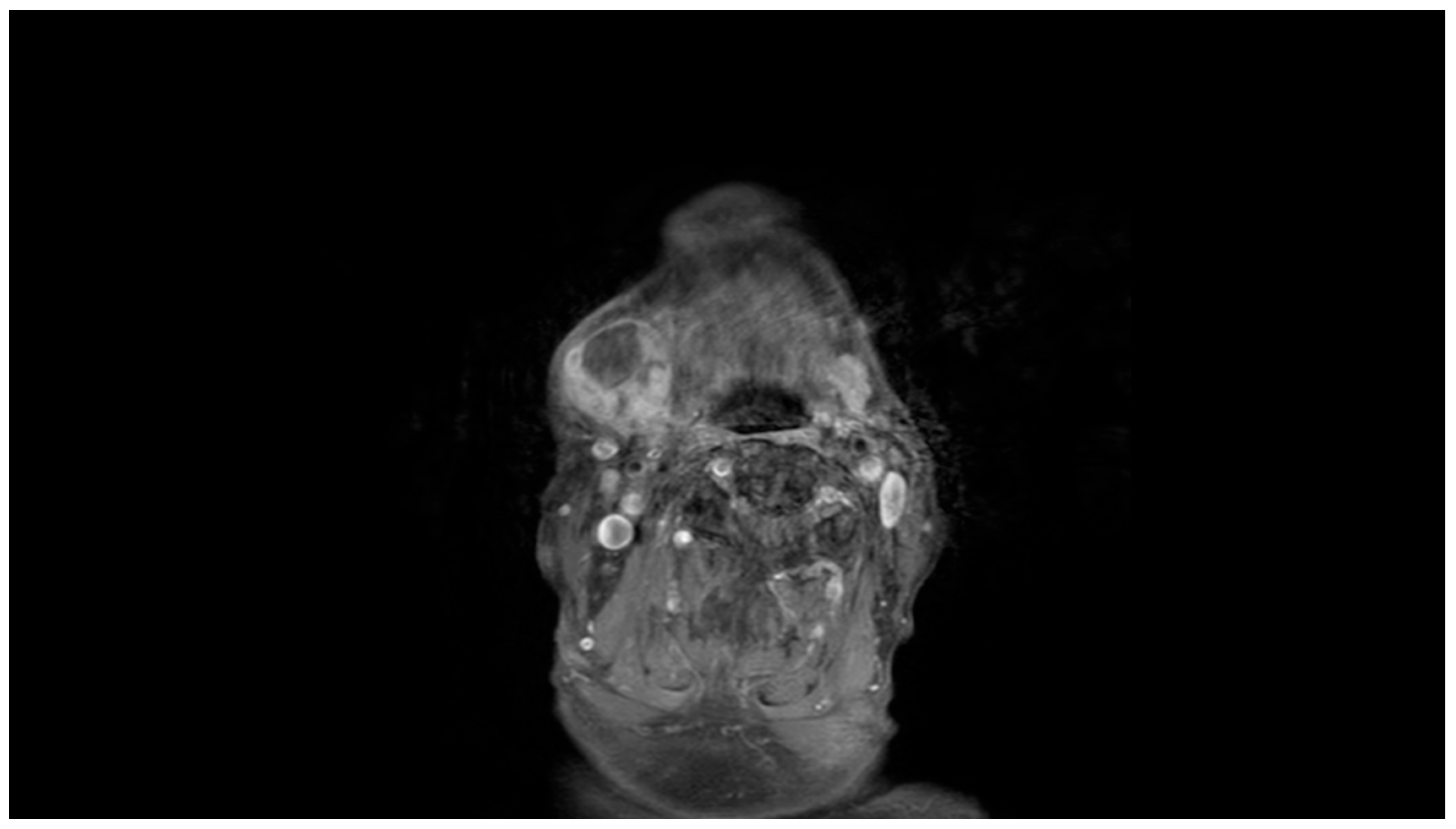
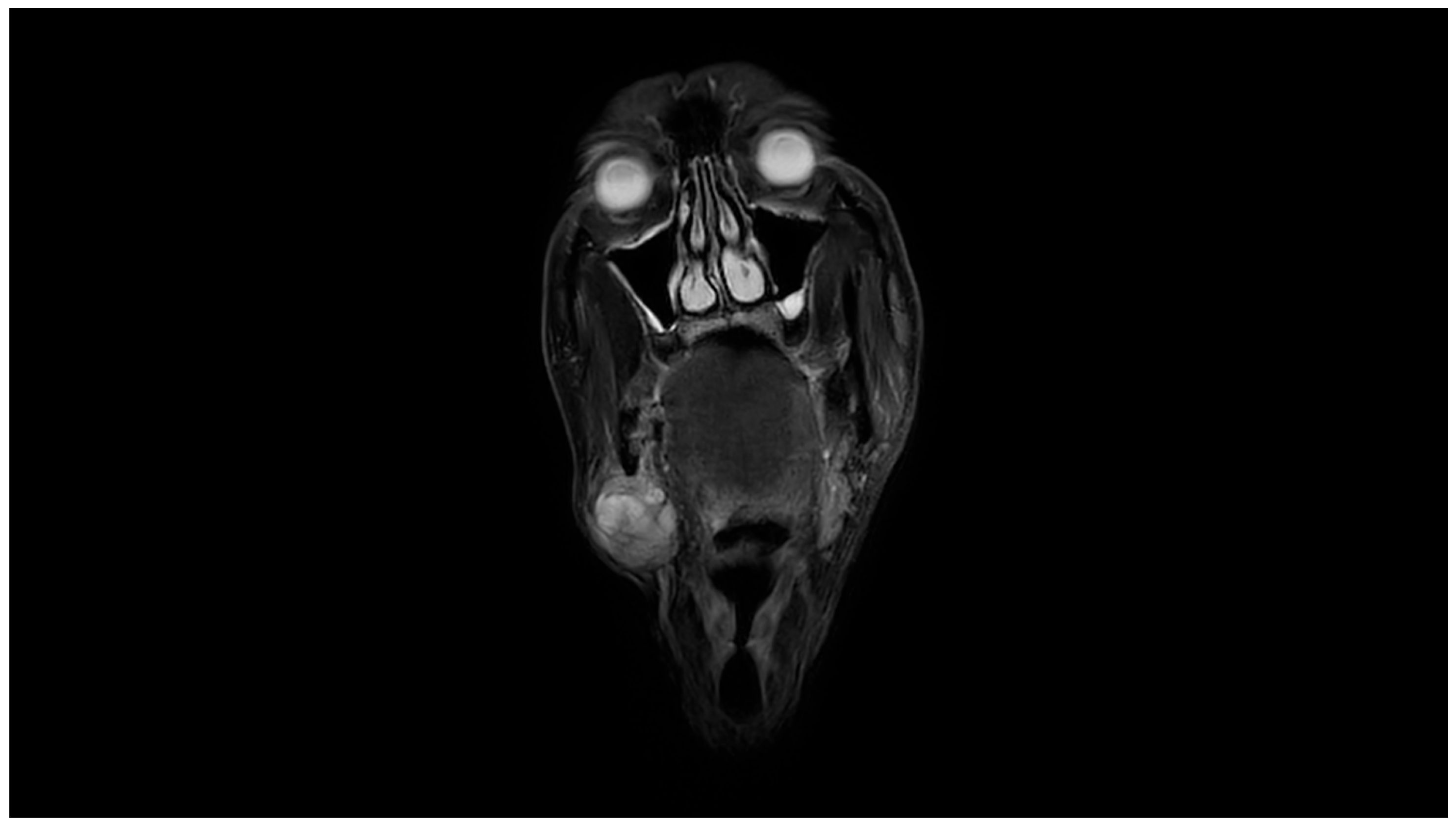
Clinical examination revealed a palpable mass in the right submandibular area, with no overlying skin changes or intraoral mucosal abnormalities. Facial nerve function was clinically intact. Magnetic resonance imaging (MRI) of the neck demonstrated a heterogeneous lesion in the right submandibular region, corresponding to a mass involving the submandibular salivary gland and adjacent soft tissues. The lesion measured approximately 3.6 × 3.4 × 3.4 cm and showed low signal intensity on T1-weighted images and heterogeneous signal intensity on T2-weighted images, with areas of intermediate signal intensity. Following intravenous contrast administration, the lesion demonstrated enhancement, with non-enhancing areas suggestive of necrotic changes. The imaging findings raised suspicion for a malignant neoplastic process involving the right submandibular gland region. No pathologically enlarged cervical lymph nodes were identified (
Figure 1 and
Figure 2).
Fine-needle aspiration biopsy (FNA) was subsequently performed and revealed numerous atypical neoplastic cells with pleomorphic nuclear features, suggestive of malignancy.
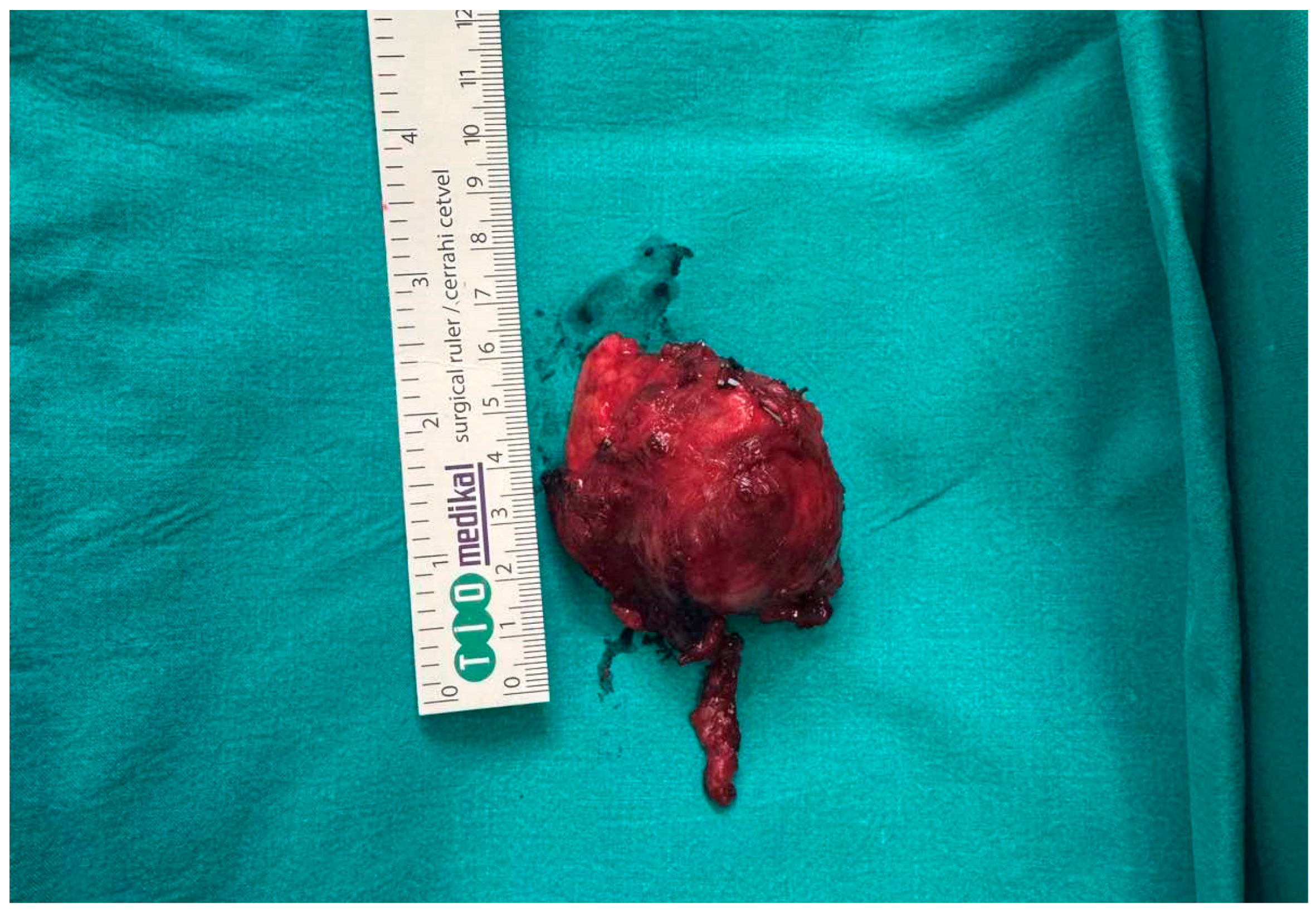
Given the imaging and cytological findings, the patient was scheduled for surgical treatment. Due to his advanced age, a conservative surgical approach was opted for. Under general anesthesia, a standard transcervical submandibular approach was performed through a horizontal cervical incision approximately 2 cm below the inferior border of the mandible. Subplatysmal flaps were elevated, and the marginal mandibular branch of the facial nerve was identified and preserved. The right submandibular gland was excised, along with a limited level Ib lymph node dissection (
Figure 3).
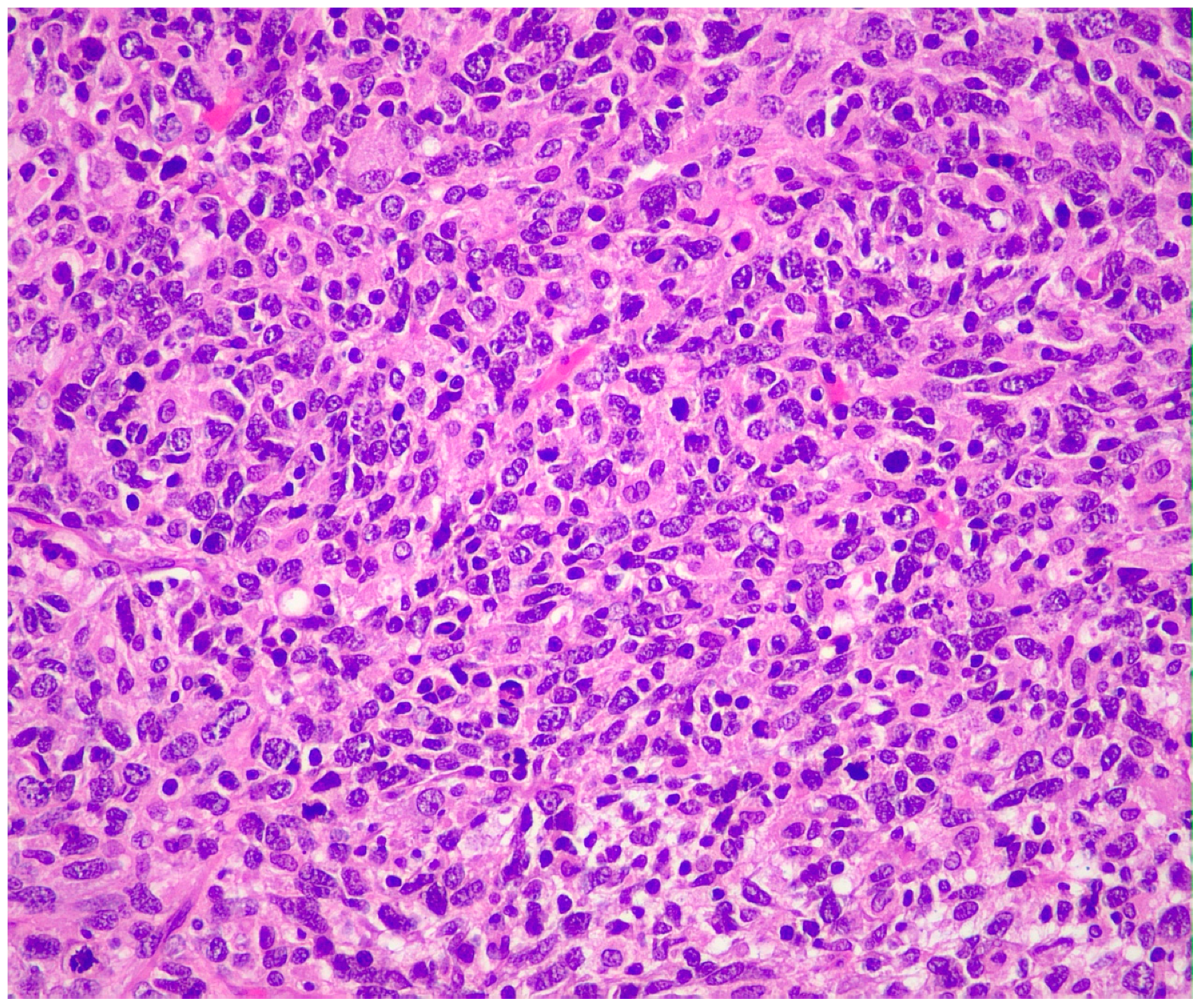
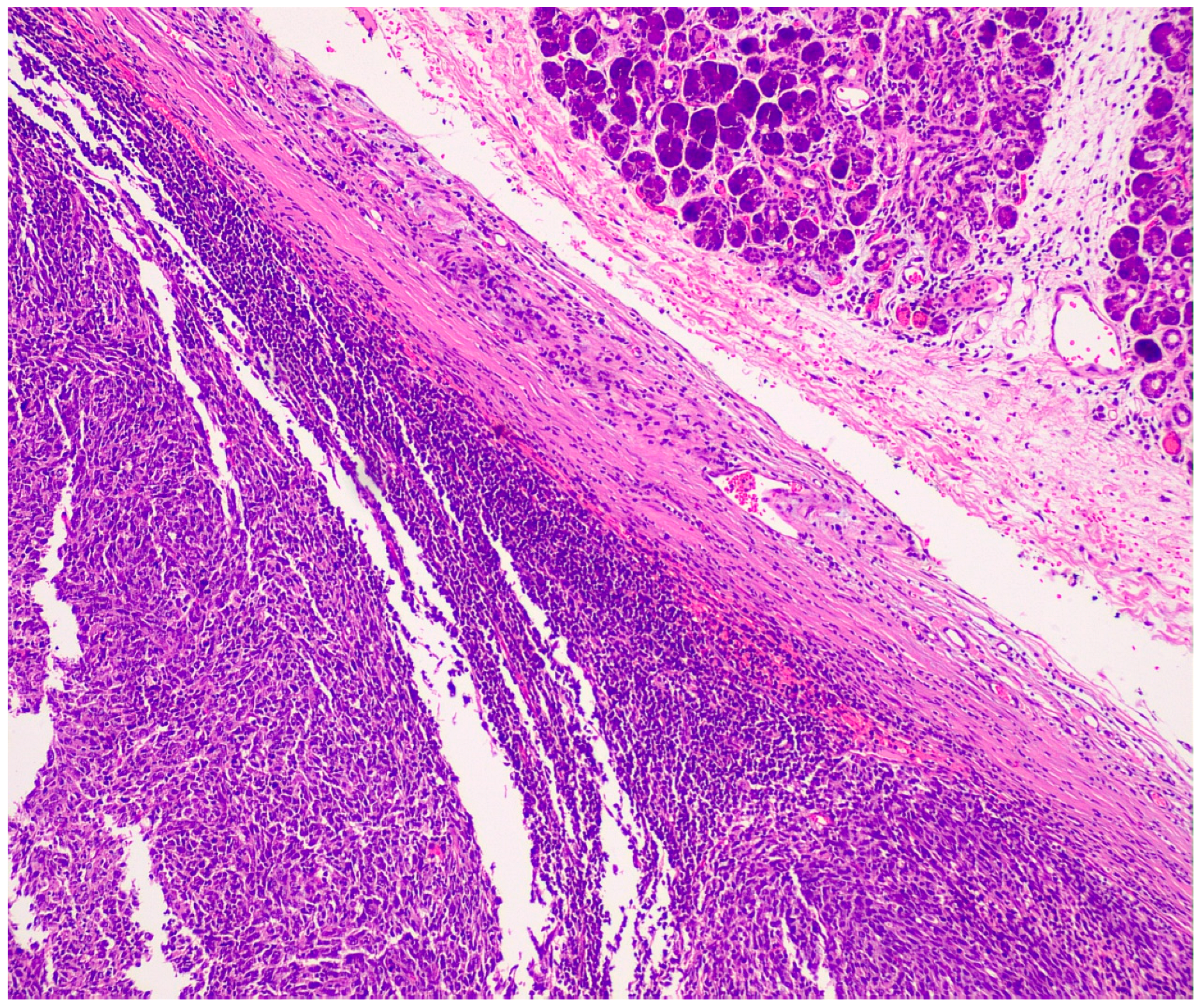
Histopathological examination demonstrated a circumscribed malignant neoplasm measuring 3.0 × 2.6 × 2.5 cm, composed of large round-to-oval or spindle pleomorphic non-cohesive cells with atypical nuclei, variable prominent nucleoli, eosinophilic or amphophilic cytoplasm and high mitotic activity (
Figure 4 and
Figure 5).
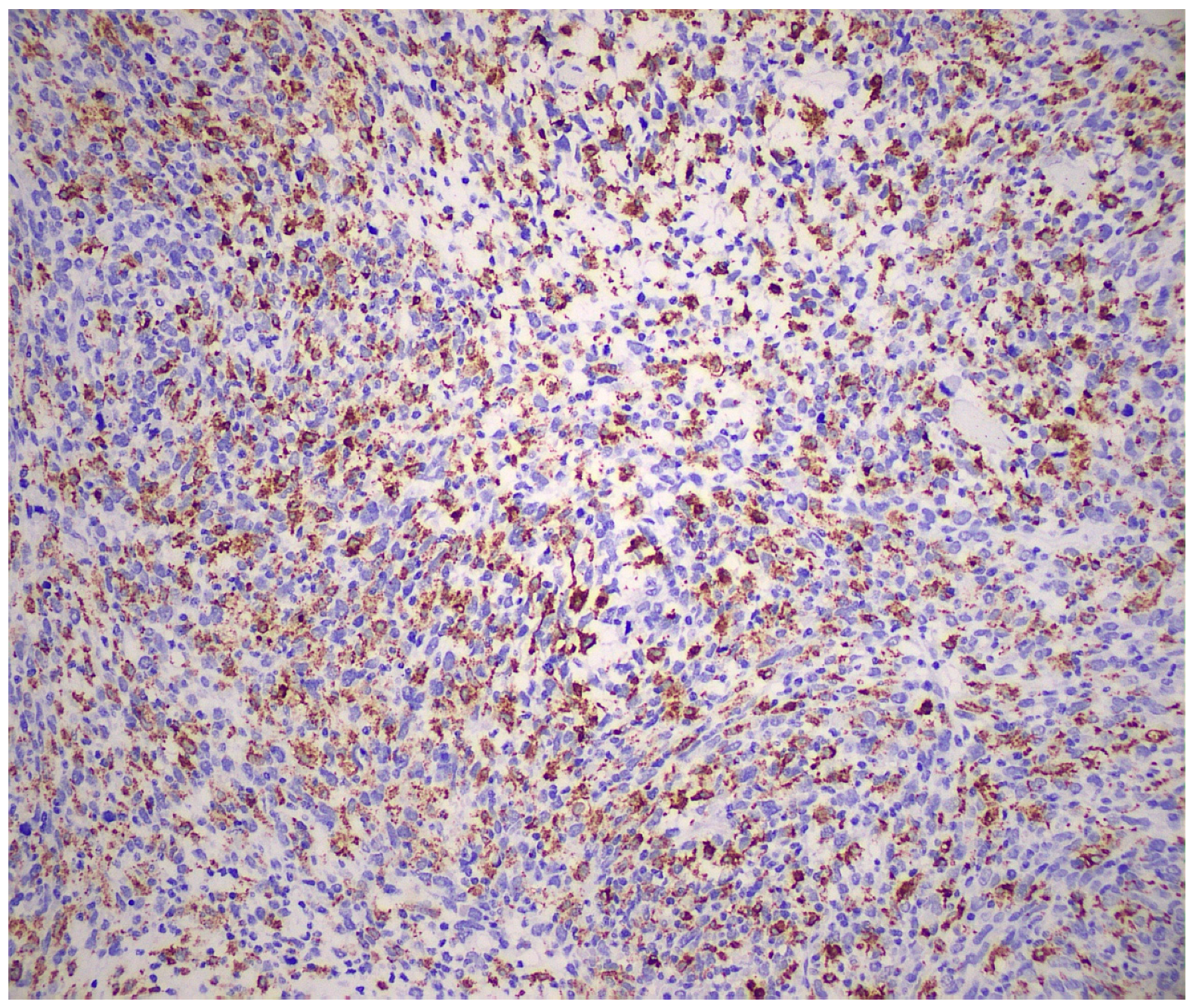
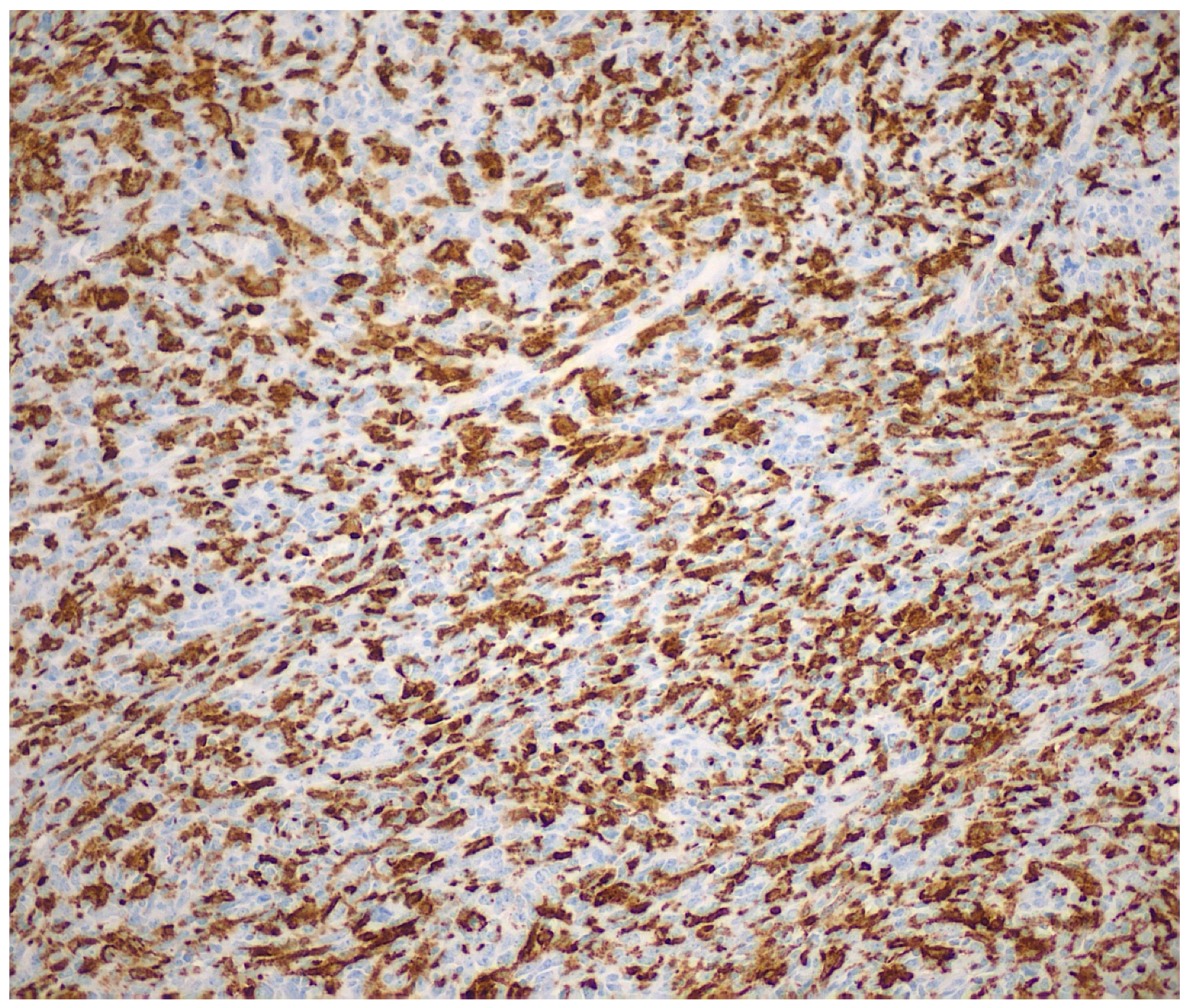
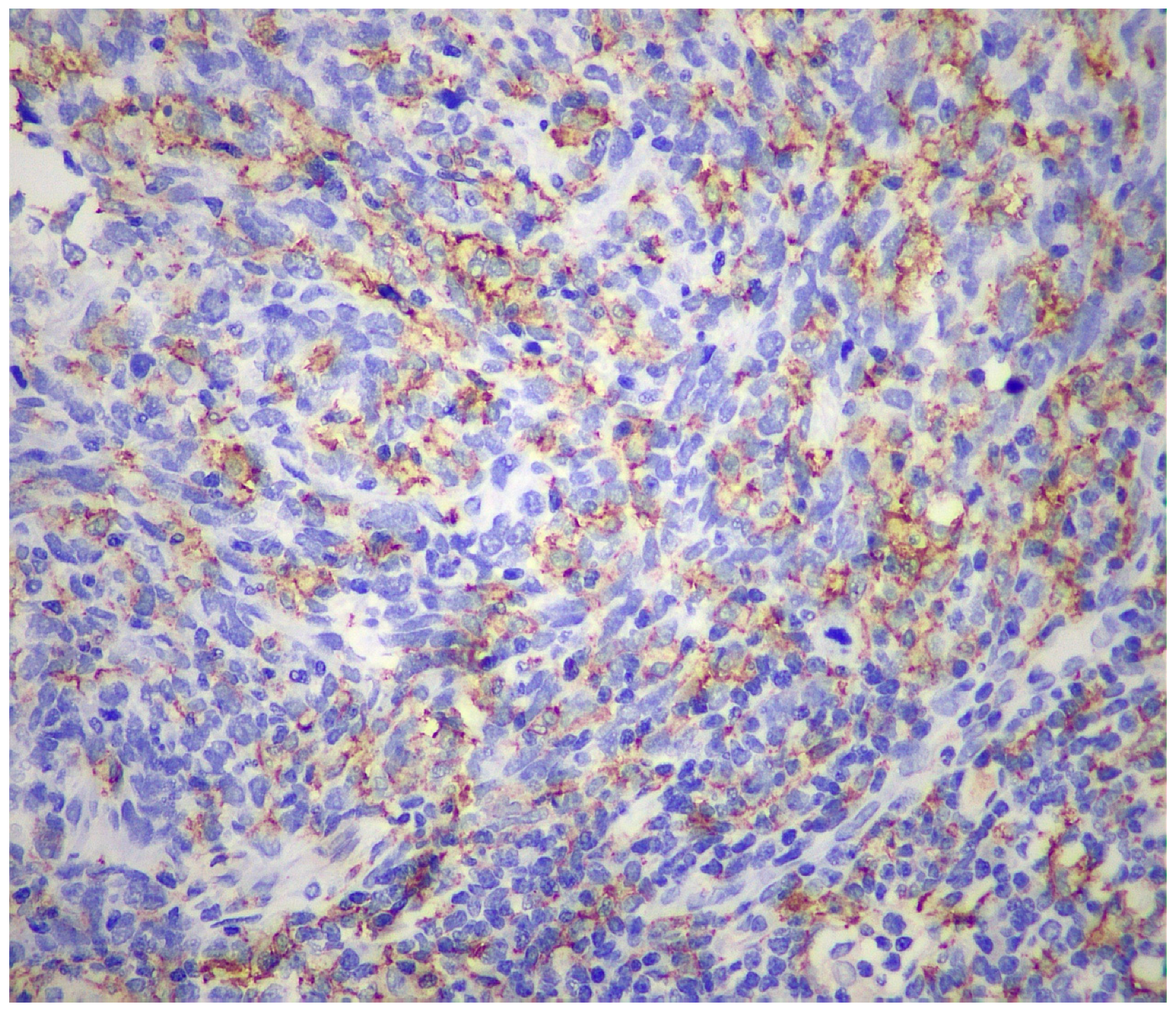
Immunohistochemically, the neoplastic cells showed expression of multiple histiocytic markers, including CD68 (
Figure 6), CD163 (
Figure 7) and CD14 (
Figure 8). It should be kept in mind that these markers are not specific for HS, and this is a diagnosis of exclusion. Tumor cells were negative for langerin, CD1a, ALK, OCT2 desmin, AE1/AE3, CK8/18, BerEP4, MOC-31, CD34, caldesmon, BRAF, p40, CK7, S-100, SOX-10, p63, beta-catenin, CD21, CD23, and CD35. The expression of INI-1 was preserved. EBER was negative. There was high proliferative activity (Ki-67 approximately 90%).
Figure 4,
Figure 5,
Figure 6,
Figure 7 and
Figure 8 illustrate the key immunohistochemical findings supporting histiocytic differentiation of the neoplastic cells, namely positivity for CD68, CD163, and CD14, which were interpreted together with the broad negative immunohistochemical panel to establish the diagnosis of histiocytic sarcoma. The immunohistochemical panel was used to exclude the main differential diagnoses. Negativity for epithelial markers supported exclusion of poorly differentiated carcinoma; negativity for langerin and CD1a excluded Langerhans cell sarcoma; negativity for CD21, CD23, and CD35 excluded follicular dendritic cell sarcoma; and negativity for S-100 and SOX-10 argued against melanoma. In addition, ALK negativity and the absence of supportive lymphoid marker expression helped exclude anaplastic large-cell lymphoma.
The above immunohistochemical findings excluded the histological differential diagnosis of HS from anaplastic large cell lymphoma (ALCL), Langerhans cell sarcoma (LCS), interdigitating dendritic cell sarcoma (IDCS), follicular dendritic cell sarcoma (FDCS), myeloid sarcoma, melanoma, undifferentiated large-cell carcinoma, epithelioid sarcoma, and undifferentiated pleomorphic sarcoma (UPS). The surgical margins were found to be clear (R0).
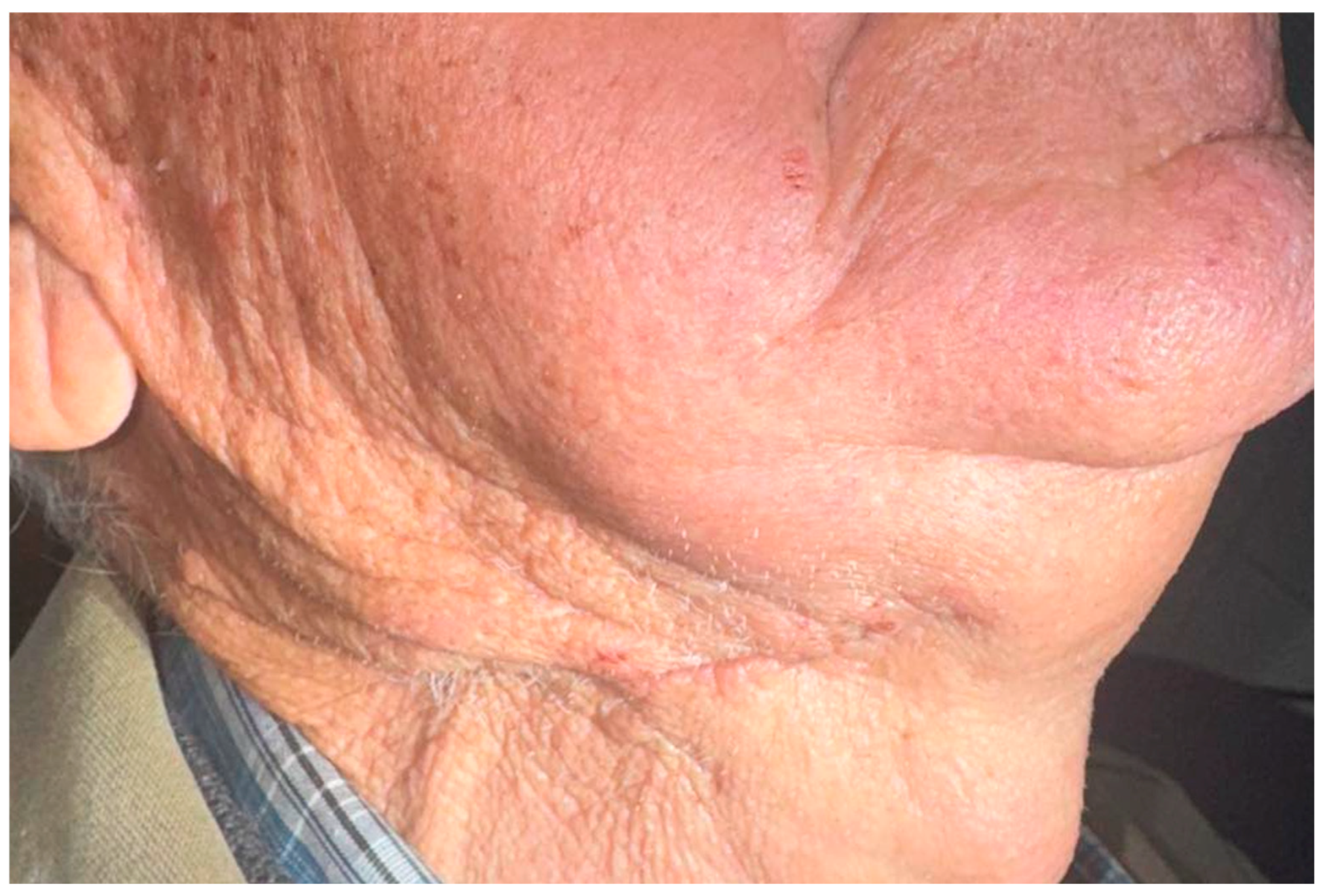
The postoperative course was uneventful (
Figure 9), with no evidence of surgical site infection, facial nerve dysfunction, hematoma, or other complications. FDG PET-CT performed approximately two months after surgery revealed no evidence of residual disease, regional spread, or distant metastasis. In view of the localized disease and the patient’s advanced age, no adjuvant therapy was administered. This decision was discussed in a multidisciplinary setting and was also influenced by the patient’s preference, as he did not wish to undergo additional postoperative therapy.
To date, the patient has been followed for 13 months after surgery and remains under ongoing surveillance. Surveillance consisted of monthly clinical examination, MRI of the neck and facial skull, and hematological evaluation every three months. In addition, FDG PET-CT performed approximately two months postoperatively showed no evidence of residual disease, regional involvement, or distant metastasis. At the most recent follow-up, 13 months postoperatively, no recurrence was identified clinically or radiologically, and no evidence of systemic disease progression was detected.
3. Discussion
The histiocytic sarcoma represents less than 1% of hematolymphoid malignancies and only a very small proportion of head and neck tumors, making diagnosis particularly challenging in this anatomical region. Primary involvement of lymph nodes located within or adjacent to the submandibular gland is exceedingly uncommon, with only isolated cases described in the literature, highlighting the rarity of the present case.
Clinically, histiocytic sarcoma demonstrates a wide age distribution, although most of the reported cases affected middle-aged adult patients. Nevertheless, cases occurring in elderly individuals have been documented, indicating that advanced age does not preclude diagnosis. Patients typically present with a painless enlarging cervical mass, often without systemic “B” symptoms, especially in localized disease. Similar to our patient, Kubota et al. (2022) [
5] described an 80-year-old male presenting with a slowly enlarging submandibular-region mass originating from a neck lymph node, with imaging findings suggestive of malignancy but lacking specific radiologic characteristics. Imaging modalities such as CT, MRI, and PET-CT are useful for staging but do not provide diagnostic specificity, and histopathological examination remains essential. The patient was treated with surgical excision and neck dissection without adjuvant therapy, achieving disease-free survival at two years, supporting the role of surgery as an effective treatment option in localized disease. A similar observation was reported by Oka et al. (2021) [
6], who described a 74-year-old male with a cervical mass that was incidentally identified as histiocytic sarcoma concomitantly with laryngeal squamous-cell carcinoma. After surgical resection of the cervical lesions, the patient received systemic chemotherapy with the CHOP regimen (cyclophosphamide, doxorubicin, vincristine, and prednisolone). Post-treatment PET/CT demonstrated complete remission, and the patient remained disease-free during four years of follow-up.
Morphologically, histiocytic sarcoma is characterized by diffuse proliferation of large pleomorphic epithelioid or spindle-shaped cells with abundant eosinophilic cytoplasm, prominent nucleoli, and marked nuclear atypia. Hemophagocytosis and necrosis may also be observed [
7]. As reported by Mallya et al. (2014) [
8], histiocytic sarcoma can cytologically mimic poorly differentiated carcinomas or lymphomas, leading to frequent initial misclassification. Therefore, adequate tissue sampling and extensive immunohistochemical analysis are critical for accurate diagnosis.
Because of its rarity, there are no standardized therapeutic guidelines for the management of histiocytic sarcoma. Surgical excision remains the preferred treatment for localized lesions, while chemotherapy and radiotherapy are generally reserved for disseminated disease, unresectable disease or positive surgical margins. Conventional lymphoma-based regimens such as CHOP have been used with variable success, and emerging targeted therapies and immunotherapeutic approaches are under investigation. In elderly patients, treatment decisions must also take into consideration comorbidities and functional status. In our case, complete surgical excision followed by close surveillance was selected, due to the localized disease and the patient’s advanced age, a strategy supported by previously reported favorable outcomes in solitary nodal histiocytic sarcoma [
1,
9].
A review of the PubMed database was conducted using relevant MeSH terms and keywords up to 9 March 2026. The review of the previously reported cases of cervical lymph node histiocytic sarcoma showed that patients ranged in age from 35 to 80 years, with a predominance of male patients, and that most cases were reported from Asian countries. The majority presented with localized cervical lymph node disease. Surgical excision was the most commonly applied treatment and was frequently associated with favorable outcomes, as all surviving patients remained disease-free during follow-up periods ranging from 24 to 48 months (
Table 1).
A major strength of this case report lies in the documentation of an exceptionally rare presentation of histiocytic sarcoma arising within a lymph node associated with the submandibular gland, supported by comprehensive clinical, radiologic, histopathologic, and extensive immunohistochemical evaluation, which allowed reliable exclusion of important differential diagnoses. The detailed diagnostic work-up and correlation with previously reported cases contribute valuable data to the limited literature and help improve awareness of this uncommon entity among head and neck clinicians and pathologists. However, several limitations should be acknowledged. As a single-case observation, the findings cannot be generalized and do not allow conclusions to be made regarding optimal treatment strategies or prognosis. In addition, the relatively short follow-up period limits assessment of long-term disease behavior, particularly given the aggressive biological potential suggested by the high proliferative index. Another limitation is that PD-L1 immunohistochemical testing was not performed; therefore, the potential relevance of immune checkpoint inhibitor therapy could not be assessed in this case. Finally, treatment decisions were influenced by the patient’s advanced age, which may restrict comparison with outcomes reported in younger populations. Nevertheless, the report adds meaningful evidence to the existing body of knowledge and highlights the need for accumulation of further well-documented cases to guide evidence-based management.



 ,
,