Article

Effect of Ceramic Thermal Barrier Coatings on a Diesel Engine Fueled with Jatropha Biodiesel Ternary Emulsion Blends


by
Nagesh Babu Vemula
1,*,
Farooq Shaik
1,
Gopinath Dhamodaran
2 and
Radha Krishna Gopidesi
3
1
Department of Mechanical Engineering, Vignan’s Foundation for Science, Technology & Research, Vadlamudi 522213, India
2
Centre for Sustainable Energy Technologies, Easwari Engineering College, Ramapuram, Chennai 600089, India
3
Department of Mechanical Engineering, Presidency University, Bengaluru 560064, India
*
Author to whom correspondence should be addressed.
Fire 2026, 9(7), 299; https://doi.org/10.3390/fire9070299
Submission received: 10 June 2026 / Revised: 1 July 2026 / Accepted: 9 July 2026 / Published: 14 July 2026

Abstract

This work examines the performance, combustion, and emission characteristics of a diesel engine coated with a ceramic thermal barrier coating and fueled with emulsified Jatropha biodiesel blended with water and butanol. A low heat rejection (LHR) engine was prepared by depositing a 100 µm NiCrAlY bond coat and a 200 µm of 8YSZ ceramic top coat via air plasma spraying. B20W10Bu5, B20W10Bu10, and B20W10Bu15 ternary emulsions were successfully produced using ultrasonic homogenization. The experimental outcomes indicate that the ceramic-coated engine exhibited higher thermal efficiency than that of the conventional engine. The highest performance was achieved with B20W10Bu10 fuel, which resulted in a 7.4% increase in the brake thermal efficiency and a 7.8% decrease in the brake-specific fuel consumption relative to the results for the conventional coated diesel engine. Hydrocarbons, carbon monoxide, and smoke emissions decreased considerably due to the combined impacts of oxygenated fuel composition, micro-explosions, and thermal insulation capability. It can be seen from the discussion above that the utilization of a ceramic thermal barrier coating and the Jatropha-based ternary emulsion fuel, especially B20W10Bu10, shows great promise for enhancing engine performance while lowering exhaust emissions.

1. Introduction

The depletion of the sources of conventional fossil fuel, an increase in demand, and strict environmental regulations have forced researchers to look for sustainable fuels that are also environmentally friendly [1]. CI engines have continued to maintain their importance in transportation, agriculture, and power generation applications because of their high efficiencies and longevity. But CI engines contribute heavily to CO2, CO, HC, PM, NOx, and SOx emissions, which cause various diseases in humans and damage the environment [2]. Hence, the research community has made huge efforts to optimize fuel and engine performance to reduce emissions.
Biodiesel has gained attention among many other alternative fuels that can be used to replace conventional fossil fuels. The properties of biodiesel include its biodegradability, renewable sources, increased oxygen content, and lower carbonaceous pollutant emissions [3]. Jatropha biodiesel is gaining more popularity among all biodiesels because it can be prepared from non-edible sources and thus, does not compete with edible sources. Moreover, Jatropha plants can be grown on sub-optimal lands with minimal agricultural input, thus becoming an environmentally friendly raw material source for producing biofuel. Nonetheless, biodiesel has higher viscosity and lower calorific value compared to those of diesel fuel [4]. Consequently, it is likely that these properties may have a negative impact on fuel atomization and combustion efficiency. Current scientific research indicates that current and future fuel modification technologies, which include the use of nano-additives and advanced biofuels, have the potential to increase brake thermal efficiency between 2.95 and 10.2%, lower brake-specific fuel consumption between 3.5 and 20%, and reduce harmful emissions of CO (47.35%), HC (31 ppm), and smoke (30.19%) [5,6].
As a solution to these problems, scientists have studied the application of water-based biodiesel and alcohol additives. The presence of water in fuel improves the process of micro-explosions in the combustion chamber, promoting secondary atomization and increasing the air–fuel mixture quality and efficiency of combustion processes [7]. Moreover, water-based fuels contribute to the decrease in combustion temperatures and inhibit NOx formation. However, emulsion instability is one of the most critical issues associated with using these types of fuels. Higher alcohols like butanol have proven to be effective co-solvents due to their good solubility in diesel, biodiesel, and water. Butanol has high energy density and a high oxygen content, thus ensuring cleaner burning and lower emissions. Recent research has also shown that increased blending of alcohol fuels, along with LHR engines, enhances the efficiency of combustion through the minimization of heat losses and compensation for the latent heat of the vaporization of alcohol fuels, thus improving the efficiency by decreasing the BSFC by 5–7.3%, while increased NOx emissions can be observed due to increased in-cylinder temperatures [8]. In addition, it has been found that the use of thermal barrier coatings, along with efficient fuel blends, improves the brake thermal efficiency by 10.2% and the BSFC by 3.5%, as well as decreases CO, HC, and smoke emissions by 14.8%, 8.82%, and 5%, respectively [9].
Aside from fuel modification, thermal management in the combustion chamber has also been proven to be an efficient method of improving the efficiency of diesel engines. Low heat rejection engines utilize the thermal barrier coating of their combustion chamber parts to minimize the amount of heat transferred to the cooling system and maximize the amount of energy that is retained in the engine cylinders [10]. One of the most popular thermal barrier coatings is yttria-stabilized zirconia because of its low thermal conductivity, high melting point, thermal shock resistance, and chemical stability. Thermal barrier coatings made of YSZ can increase the temperature in the combustion chamber, fuel evaporation, and oxidation reactions, which results in more efficient combustion.
While several studies have individually examined the use of biodiesel fuel blends, as well as ceramic-coated LHR engines, relatively few studies have examined both together. It can be argued that the combustion properties of emulsion fuels comprised of water–biodiesel–butanol are greatly affected by the combustion chamber temperature. The interaction between oxygenated emulsions with ceramic-coated combustion chambers might provide synergistic results leading to improved thermal efficiency and lowered exhaust emissions [11]. Nevertheless, studies concerning such interactions are still relatively few.
Thus, the present study focuses on the combined influences of emulsified Jatropha biodiesel blended with water and butanol, combined with ceramic thermal barrier coatings, on the performance, combustion, and emission characteristics of a diesel engine. The low heat rejection diesel engine was designed with a bond coat of 100 μm of NiCrAlY and a topcoat of 200 μm of 8% yttria-stabilized zirconia via the air plasma spraying technique. The three ternary fuels B20W10Bu5, B20W10Bu10, and B20W10Bu15 were used and tested at different loadings on the engine. The effects of fuel composition and thermal barrier coatings on brake thermal efficiency, brake-specific fuel consumption, combustion characteristics, and exhaust emissions were determined.

Novelty of the Present Study

The novelty of the present study is distinguished by the experimental investigation of emulsified Jatropha biodiesel blended with water and butanol using a diesel engine with a plasma-sprayed 8YSZ thermal barrier coating. In contrast to the previous studies, which mainly involved comparison of different coatings or fuels, this study focuses on the effect of the butanol concentration on the performance, combustion, and emissions of a diesel engine with an identical ceramic-coated engine.

2. Materials and Methods

2.1. Biodiesel Production

The crude Jatropha oil was heated to about 60 °C and blended with methanol in the presence of a catalyst of NaOH. After the reaction was completed, the blend was poured into a separating funnel, and the layers were separated, with the cover layer being Jatropha methyl ester (JME) and the other layer being glycerol, which is a by-product of the reaction [12]. The biodiesel layer was then splashed with hot distilled water to eliminate any remaining catalyst, soap, and other impurities, and then dried to obtain purified biodiesel ready for engine use [13]. The experimental setup to produce biodiesel through transesterification is shown in Figure 1.

2.2. Emulsion Fuel Preparation

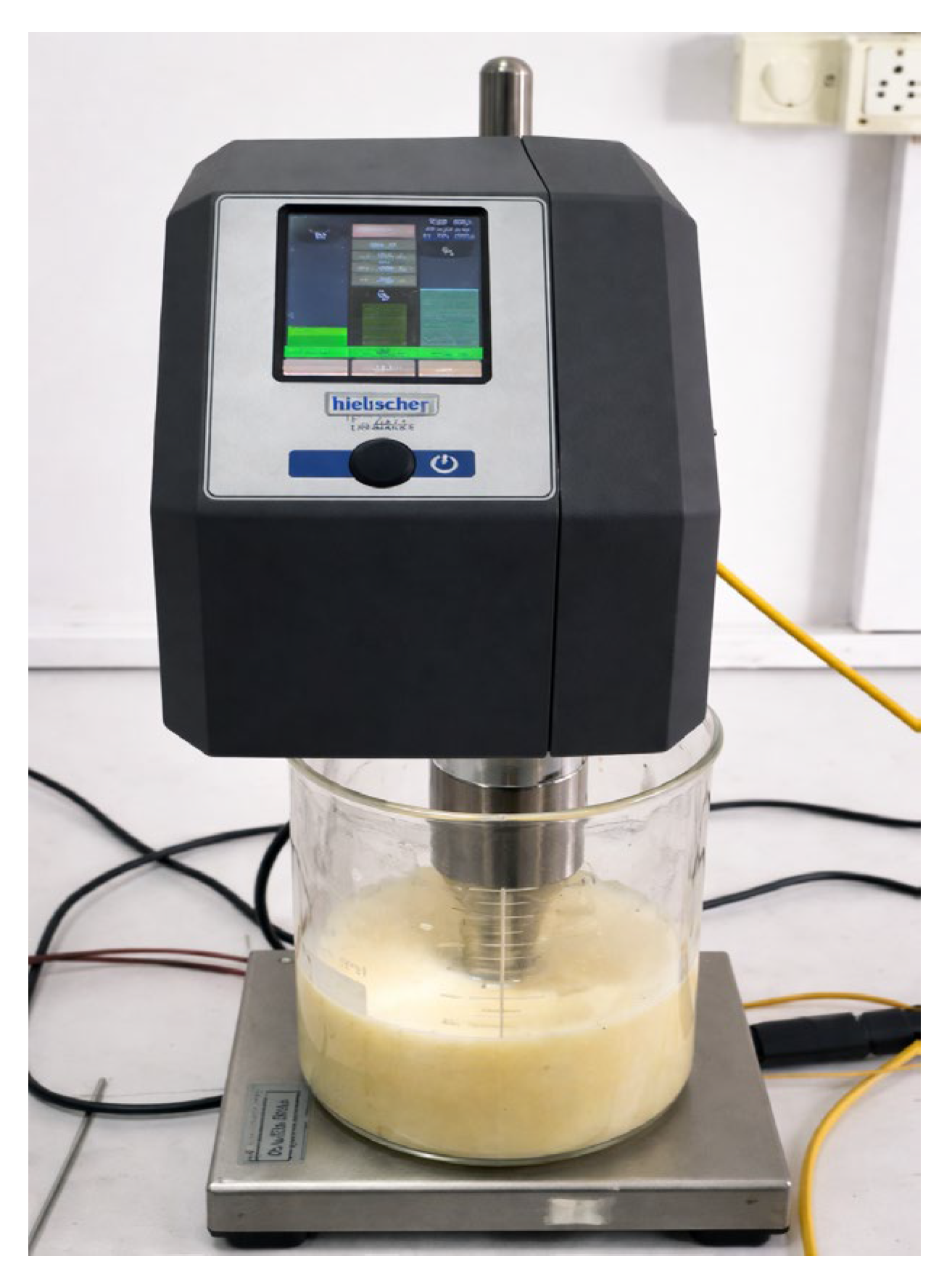
Ternary emulsion fuels comprising water–biodiesel–butanol were formulated with an aim to enhance the performance of the diesel engine, in addition to lowering the exhaust emissions. Stabilization of the emulsions was achieved using high-frequency ultrasonic energy generated by an ultrasonic homogenizer (Hielscher UP400St ultrasonic processor (Hielscher Ultrasonics GmbH, Teltow, Germany), which facilitated the generation of well-dispersed water droplets in the fuel mixture. Butanol was chosen in this case due to its good solubility in both diesel fuel and water and for its provision of extra oxygen to the fuel.
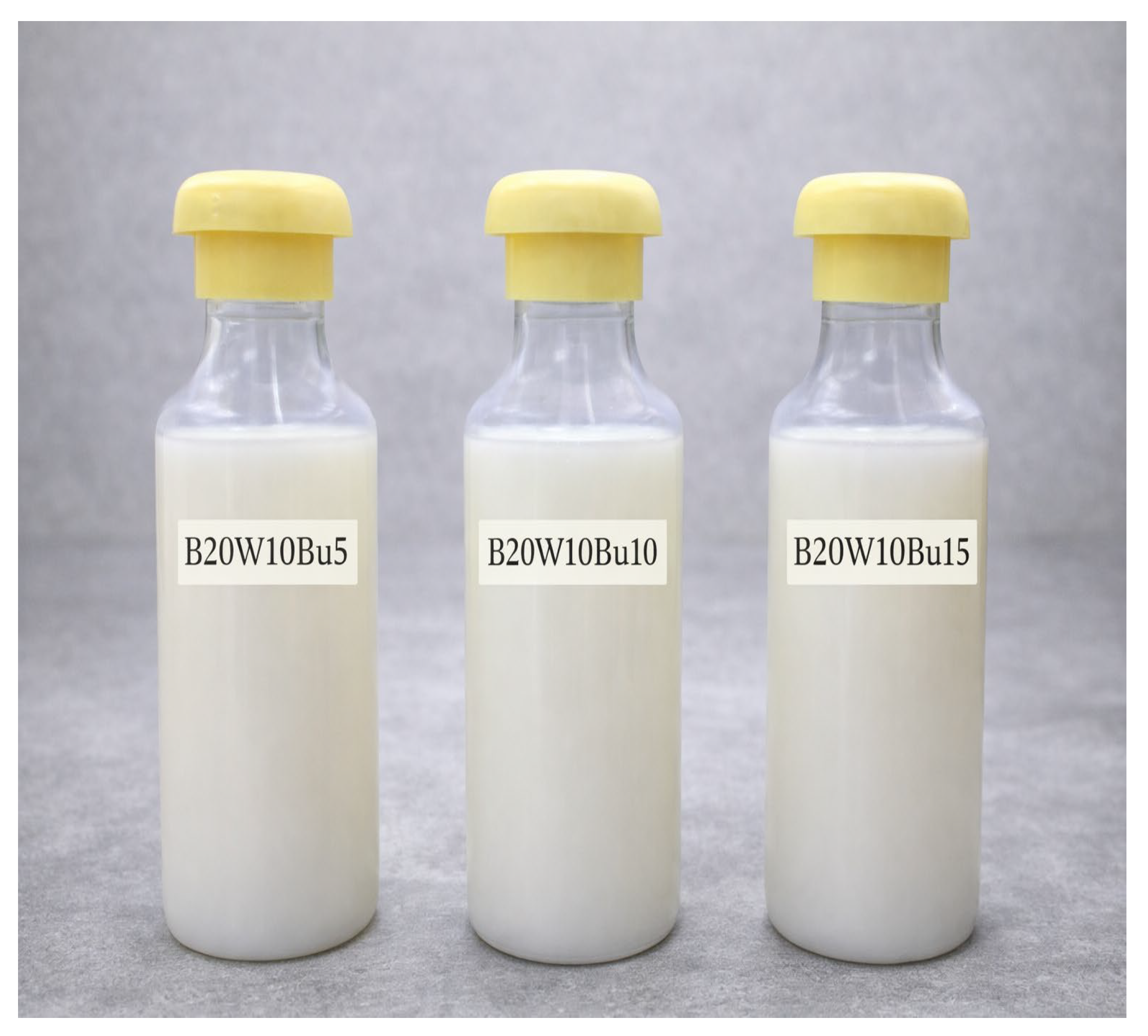
The following three ternary emulsion fuels with the composition of 20% Jatropha biodiesel, 10% water, and varying concentrations of n butanol (99% purity) were produced by mixing the base B20 fuel with water and n butanol at concentrations of 5%, 10% and 15%, denoted as B20W10Bu5, B20W10Bu10 and B20W10Bu15, respectively.
The physicochemical properties of diesel, biodiesel blend, and the developed ternary emulsion fuels have been studied based using the ASTM standards and are presented in Table 1. As can be seen from the table, it is evident that an increase in density was recorded because of the inclusion of biodiesel and water in the emulsion, while the viscosity was decreased by the increase in the butanol percentage because of the lower viscosity of butanol. In contrast, the lower calorific value showed a gradual decline with rising butanol percentage, while the flash and fire point values were within permissible limits.
The ternary emulsion fuels were visually analyzed under laboratory conditions for 72 h following preparation. It was found that no phase separation or layers could be formed within the stipulated time frame, and hence, the fuels exhibited sufficient physical stability for inclusion in the experiments. This stability is mainly due to the successful dispersion using the ultrasonic homogenizer in combination with the co-solvent of n-butanol to keep the fuel mixture homogeneous [14]. The ultrasonic homogenizer and the Jatropha oil based ternary emulsion fuels are represented in Figure 2 and Figure 3, respectively.
The above fuel properties denote the average trial values and are presented according to the determination of the respective measuring instruments.

2.3. Thermal Barrier Coating and LHR Engine Development

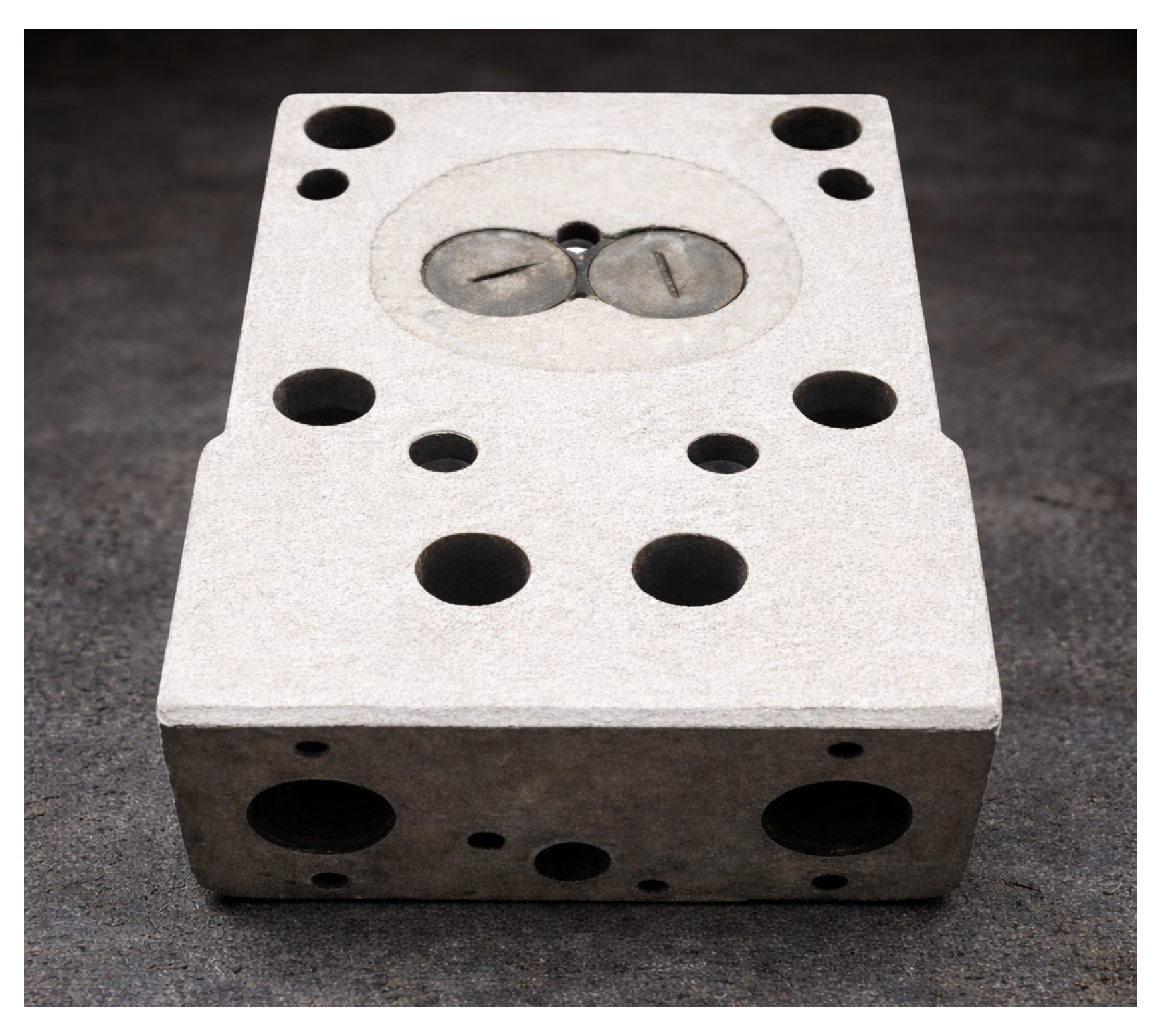
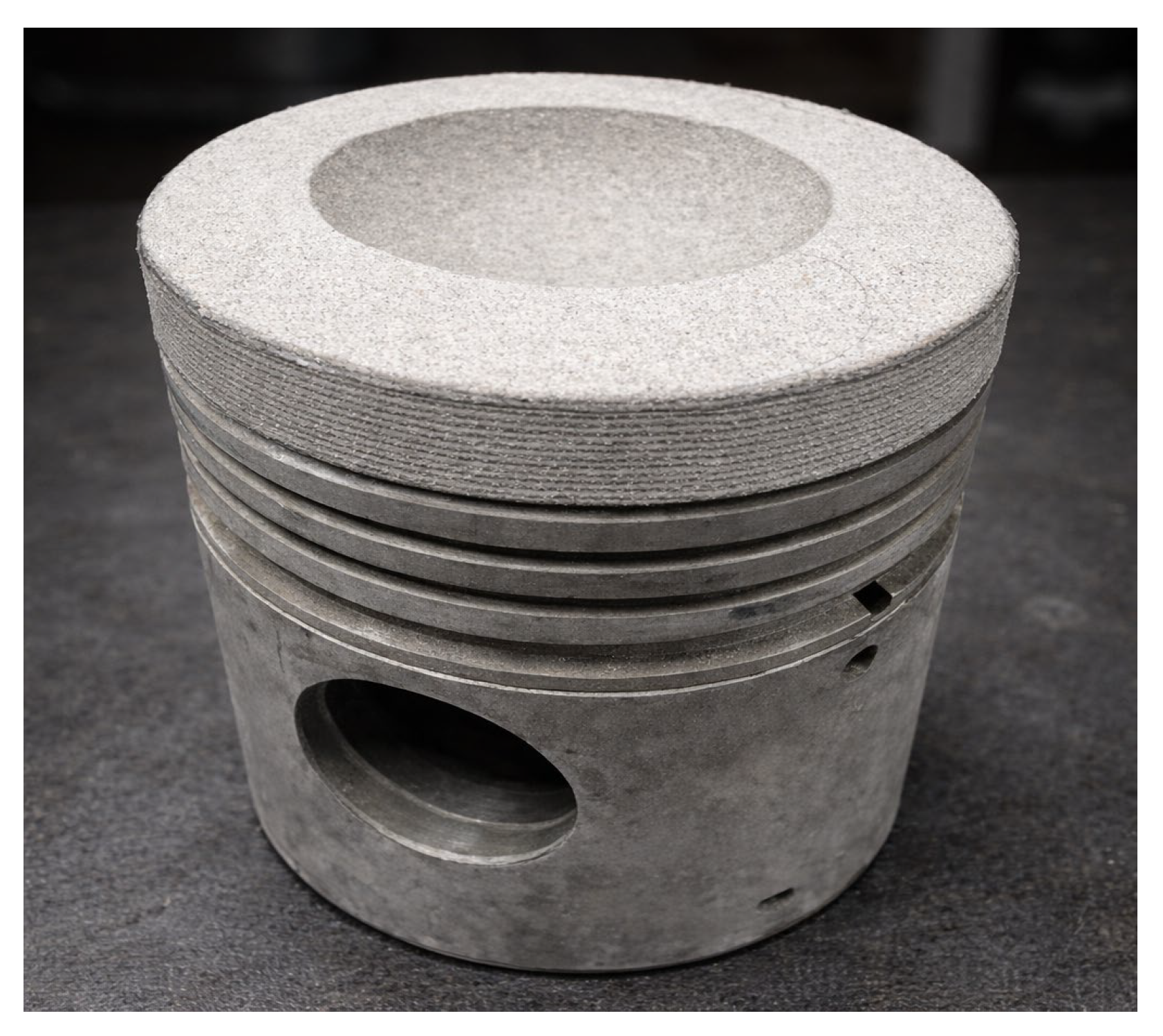
In the process of designing a LHR engine, the components of the combustion chamber were coated with a TBC system. The TBC system was applied using the air plasma spray (APS) technique. First, a NiCrAlY bond coat with a thickness of about 100 µm was applied to improve adhesion and offer oxidation protection. Then, an 8% yttria-stabilized zirconia (8YSZ) top layer with a thickness of 200 µm was applied [15]. This top layer acted as the thermal barrier. The coating process was done on the piston crown, cylinder head combustion surface, liner head area, and valves. YSZ, with its low thermal conductivity and high temperature resistance, reduced the heat dissipated to the cooling system and raised the in-cylinder temperature, thus improving combustion efficiency [16]. The plasma-sprayed ceramic-coated cylinder head is depicted in Figure 4, and the ceramic-coated piston crown is shown in Figure 5.

2.4. Experimental Setup

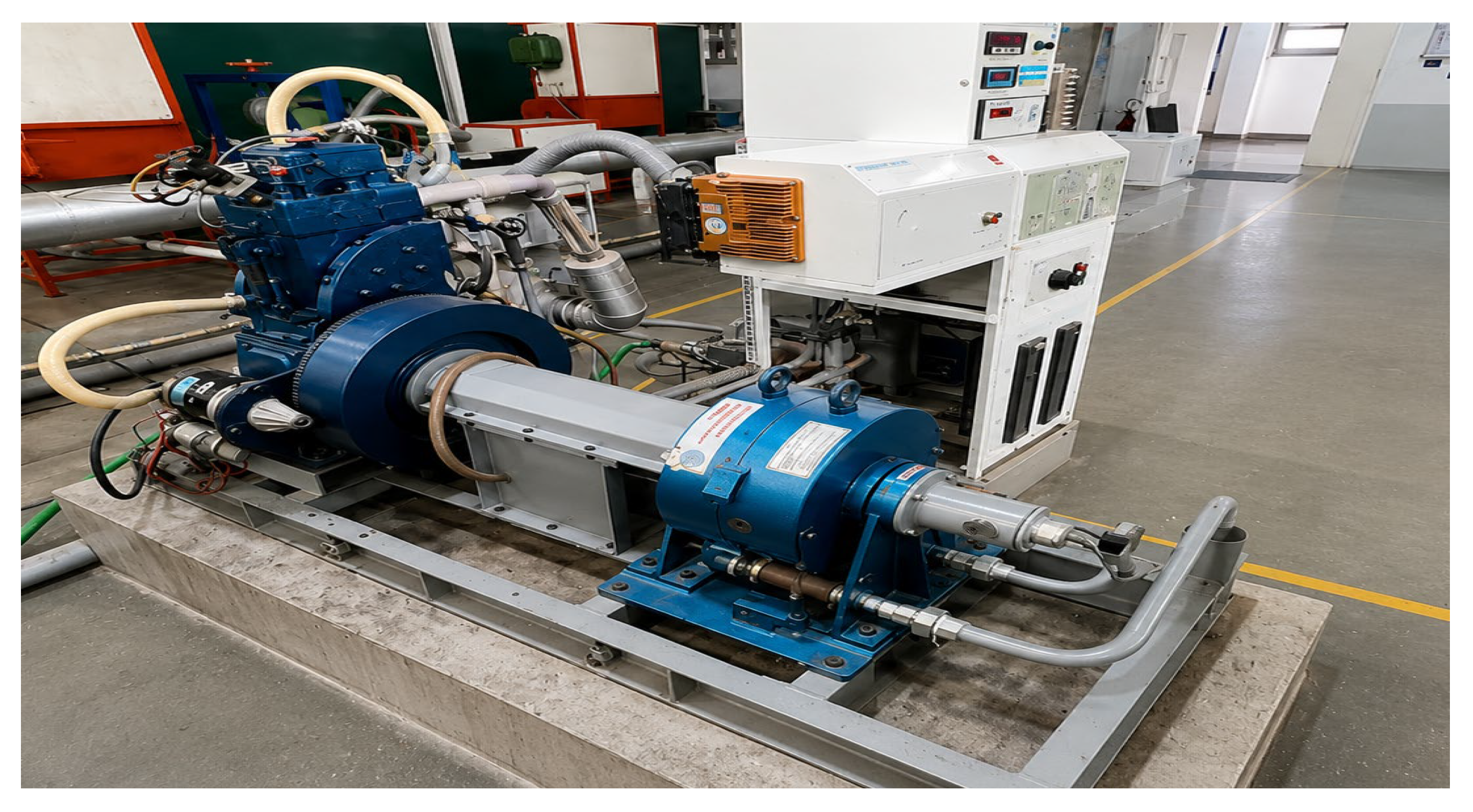
The experiment was conducted on a diesel engine equipped with a hydraulic loading dynamometer. The engine was run continuously at a steady speed of 1500 rpm during the entire experiment. The engine was lubricated using SAE 15W-40 API CI-4 grade engine oil throughout all experiments. The fuel consumption rate was measured using an Apex Innovations fuel consumption measuring apparatus, which consists of a glass measuring cylinder with a differential pressure (DP) transmitter. The exhaust emissions were measured using an AVL five-gas exhaust gas analyzer. CO and HC were measured using the non-dispersive infrared (NDIR) technique, while NOx was measured using an electrochemical sensor. Smoke opacity was measured using an AVL smoke meter. The specifications of the test engine are listed in Table 2. The experimental setup used for the experiment is shown in Figure 6.

2.5. Test Procedure

Before each test, the engine was warmed up using diesel fuel to attain constant engine operating conditions. The HC, CO, and NOx exhaust gases were analyzed using an AVL DI gas analyzer, while the smoke opacity was analyzed with an AVL smoke meter [17]. The fuel supply was then changed to the test fuel, and the engine was operated at BP values of 0.8, 1.7, 2.6, and 3.5 kW. All tests were performed three times under the same operating conditions to ensure repeatability. The reported performance, combustion, and emission results represent the average of the three experimental runs, and the corresponding standard deviation is presented as error bars [18].

2.6. Uncertainty Analysis

The accuracy of the experimental data was assessed. The measurement accuracies of the instruments used for the experimental investigation are summarized in Table 3. The combined uncertainty of the calculated values was determined using the root sum square process, which has been commonly used in experimental work involving thermofluids [19]. For a value (R) that depends on several variables x 1 , x 2 , x 3 x n ,   the total uncertainty ( U R ) is expressed as Equation (1):
                                                U R   =   R x 1 U X 1 2 +   R x 2 U X 2 2 +   +   R x n U X n 2                                                              
where ( ( U x i ) ) represents the uncertainty associated with each measured variable.
B T E = B P m f     C V
The uncertainty in BTE is therefore given by Equation (2):
  U B T E B T E = U B T E B P 2 +   U m f m f 2 +   U C V C V 2  
The uncertainties of the principal measuring instruments were considered in the analysis. The uncertainty in the measurement of brake power using the hydraulic dynamometer was ±1.5%, the uncertainty in the measurement of fuel flow rate using the burette and stopwatch combination was ±1.0%, and the uncertainty related to the calorific value was assumed to be ±0.5%, based on standard fuel values. Substituting these values,
U B T E B T E = 1.5 2 + 1.0 2 + 0.5 2 = 3.5 = 1.87 % ± 2 %
Thus, the overall uncertainty in the measurement of BTE was found to be within ±2%.

3. Results and Discussion

A comprehensive assessment of the performance and emission behavior of the conventional diesel engine and the ceramic-coated LHR engine fueled with Jatropha-based ternary emulsion blends is provided. The impact of fuel modification and combustion chamber thermal insulation on engine performance is discussed for varying load conditions, with a specific focus on full load performance, for which the intensity of combustion and thermal utilization is most relevant. The parameters of interest include BTE, BSFC, HC, CO, NOX and smoke opacity to comprehend the joint effects of oxygenated fuel composition and ceramic thermal barrier coating. The analysis is discussed in the context of combustion processes such as enhanced atomization through micro-explosion, increased oxidation from fuel-bound oxygen, and lowered heat rejection due to the thermal barrier properties of the ceramic coating [20]. The comparative study of the conventional diesel engine and the LHR engine identifies the complementary effects of fuel chemistry and advanced ceramic thermal management.

3.1. Brake Thermal Efficiency

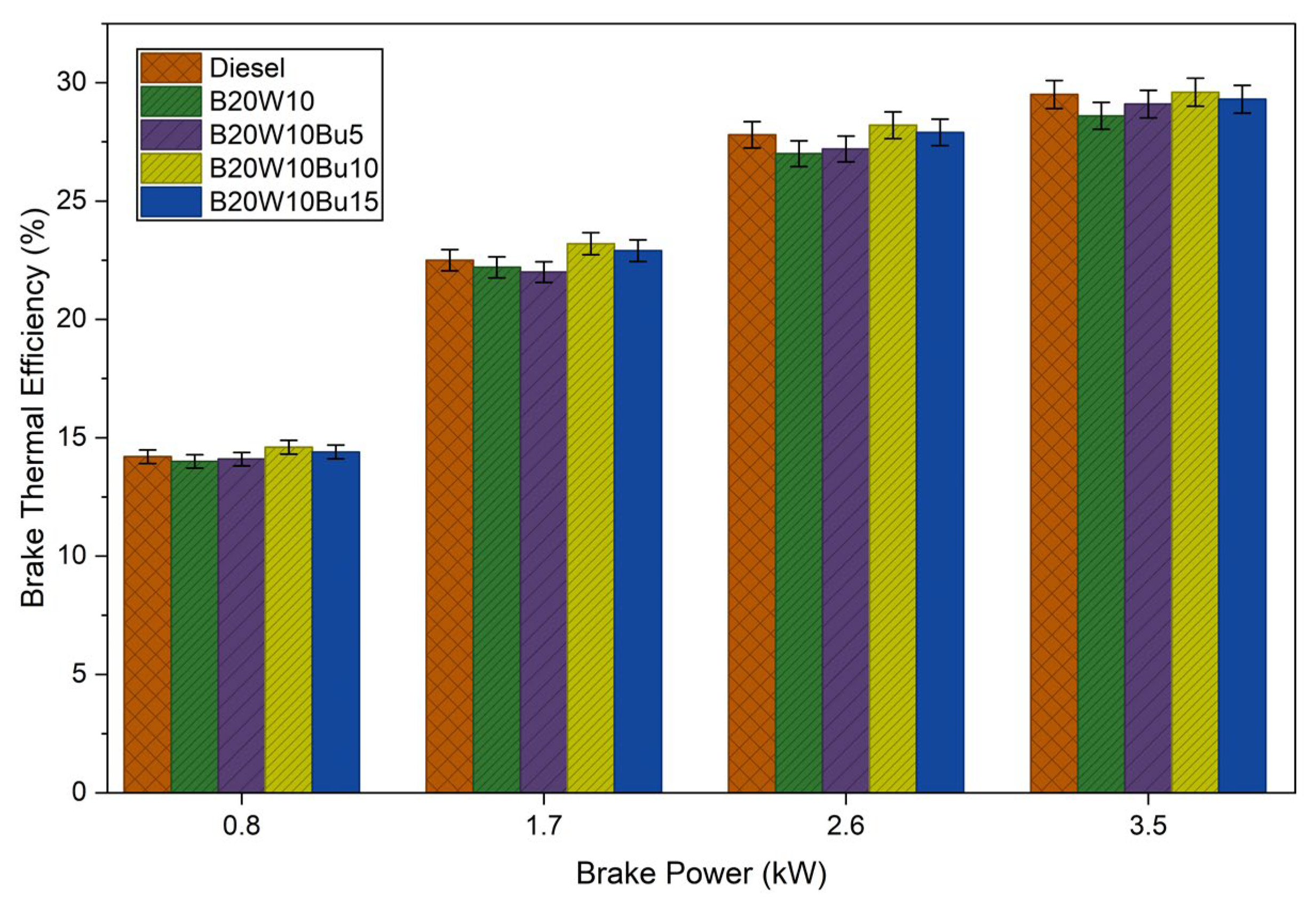
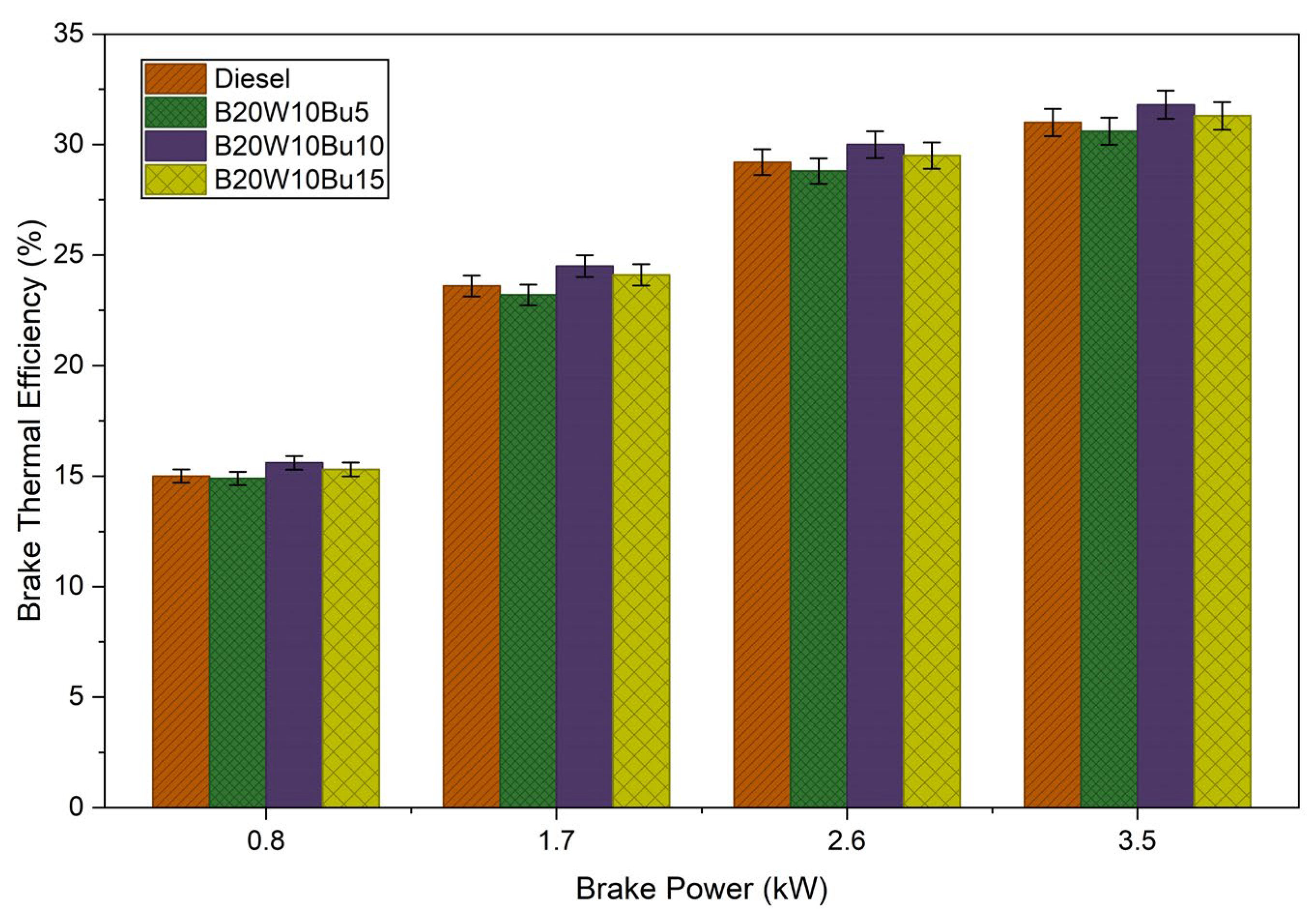
Brake thermal efficiency is a measure of the competence of fuel chemical energy conversion to useful work [21]. As seen in Figure 7, at full load, the conventional engine had a BTE of 29.5% for diesel fuel, while the Jatropha-based ternary emulsion blends performed equally well, with B20W10Bu10 having the highest efficiency of 29.6%. The increase in BTE of the biodiesel–emulsion blends in the conventional engine results primarily from the oxygen content in the biodiesel and butanol, which increases the oxidation of fuel-rich zones, and the water content, which causes micro-explosion effects, resulting in better atomization and air–fuel mixing. These factors lead to increased combustion efficiency despite the lower heating value of biodiesel. In the ceramic-coated LHR engine, as seen in Figure 8, a substantial increase in BTE was noticed for all fuels because of the lower heat loss and higher temperature inside the engine. The BTE of diesel fuel increased to 31.0% (an increase of 5.1%), while for B20W10Bu5 and B20W10Bu15, the increase was 5.2% and 6.8%, respectively [22]. The maximum increase was noticed for B20W10Bu10, where the BTE increased from 29.6% to 31.8%, an increase of 7.4%. This means that the thermal barrier action of the ceramic coating enhances the combustion benefits of the oxygenated ternary emulsion fuel, leading to better thermal utilization during full-load operation [23].

3.2. Brake-Specific Fuel Consumption

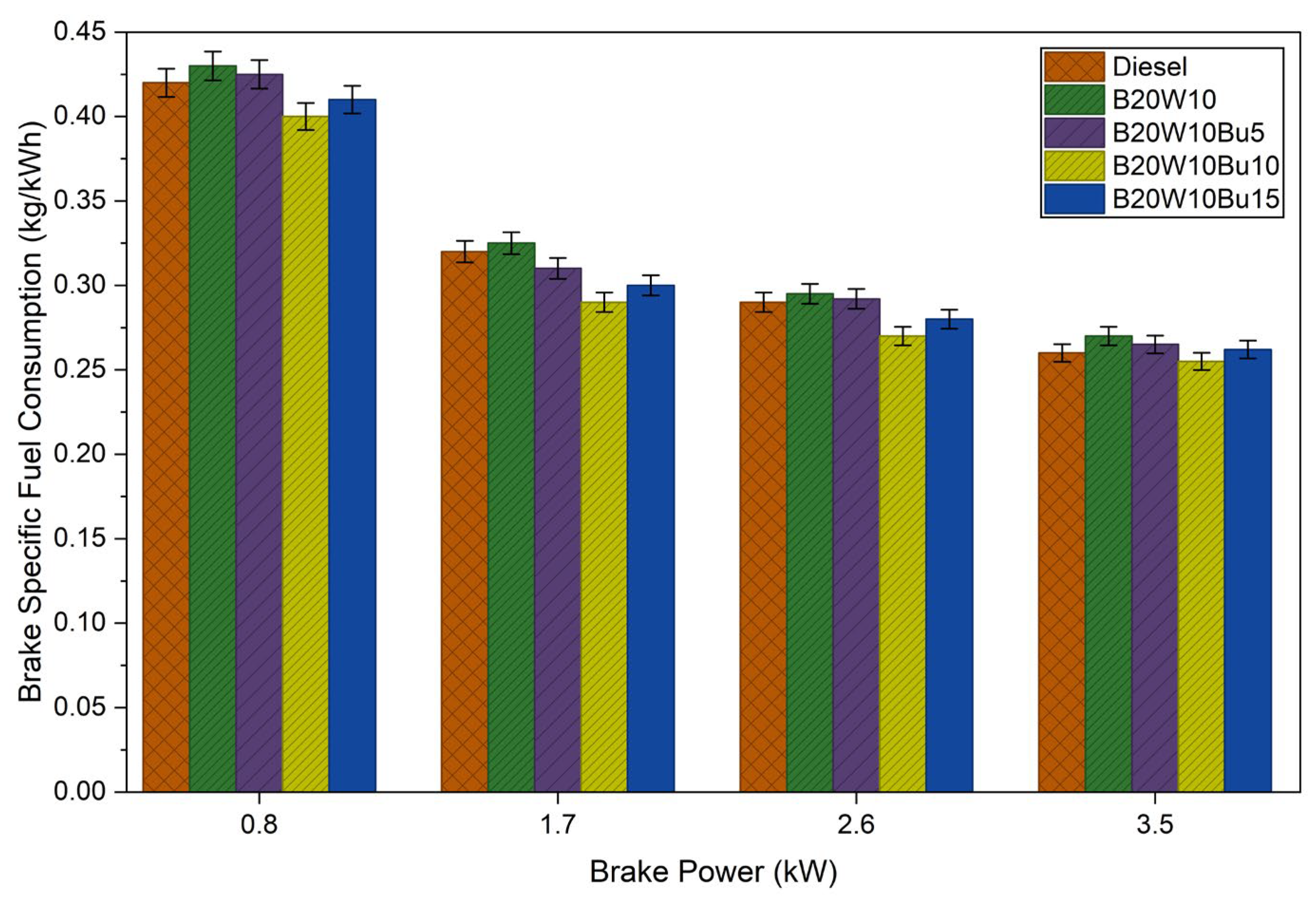
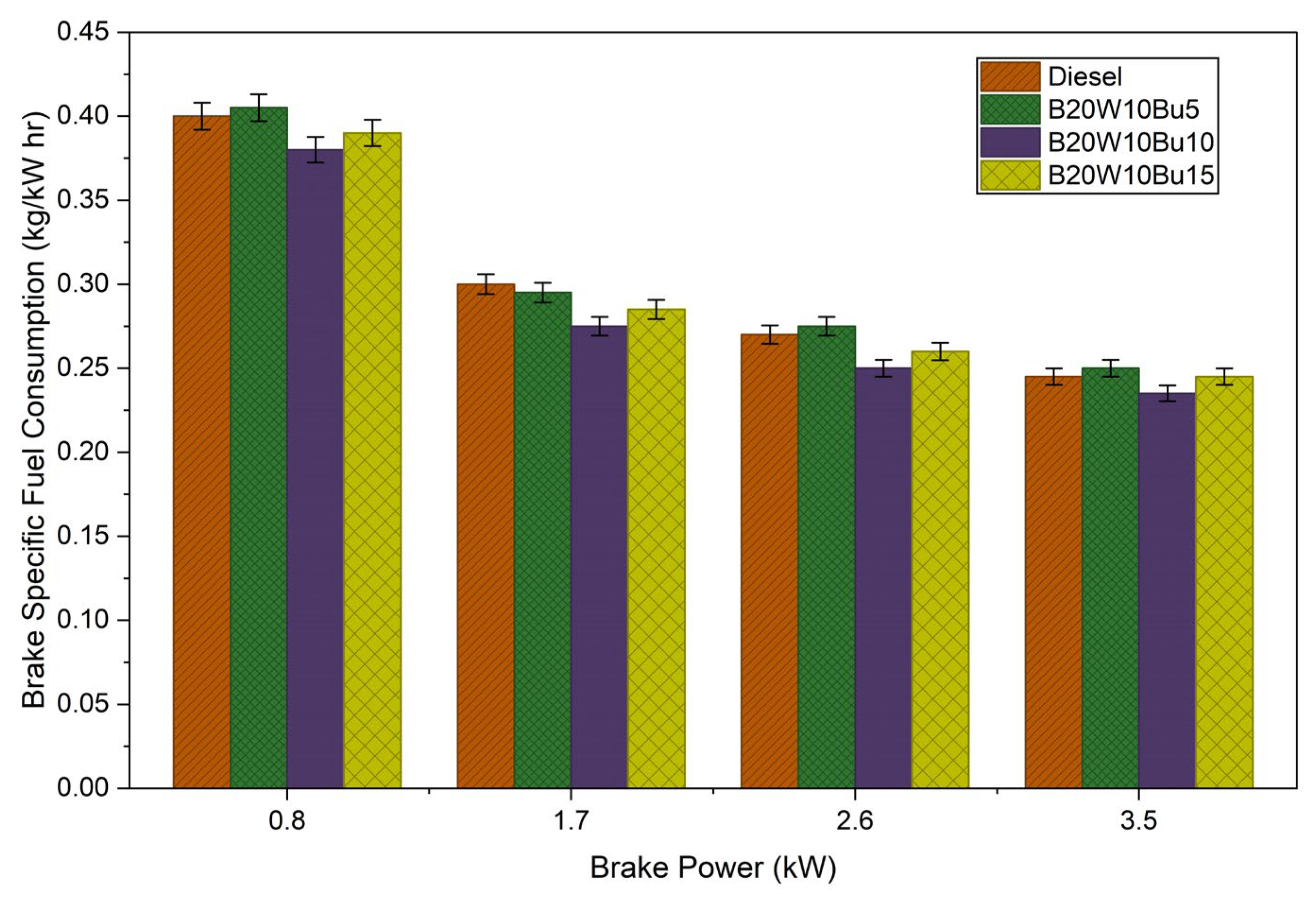
Brake-specific fuel consumption measures the fuel consumption per unit of BP and is a key factor for fuel economy. As evident from Figure 9, BSFC decreased with the increase in the load in the conventional engine due to the increase in the efficiency of combustion and the corresponding decrease in the relative heat losses with the increase in brake power. The BSFC for diesel fuel was 0.26 kg/kWh, whereas for the Jatropha-based ternary emulsion fuels, the values were slightly lower or comparable. Among the fuels, B20W10Bu10 had the lowest BSFC of 0.255 kg/kWh, which is an indication of better fuel economy [24]. The decrease in BSFC for the biodiesel–emulsion fuels can be attributed to the oxygen content of biodiesel and butanol, which increases the oxidation, and the micro-explosion phenomenon of water, which improves the atomization and air–fuel mixing, thus facilitating the complete combustion process [25].
A subsequent reduction in BSFC was also noticed in the ceramic-coated LHR engine, as shown in Figure 10. The use of the TBC reduced the heat transfer to the cooling system and increased the in-cylinder temperature, thus ensuring efficient combustion and energy conversion. At full load, the diesel BSFC was lowered from 0.26 to 0.245 kg/kWh (5.8% reduction). Similarly, the B20W10Bu5 and B20W10Bu15 fuels lowered the BSFC by 5.7% and 6.5%, respectively. The maximum reduction in BSFC was observed for the B20W10Bu10 fuel, which decreased from 0.255 to 0.235 kg/kWh, revealing a 7.8% reduction. This clearly indicates that the ceramic thermal barrier coating enhances the combustion benefits of oxygenated ternary emulsion fuels, thereby providing improved fuel economy at full load [26].

3.3. Hydrocarbon Emissions

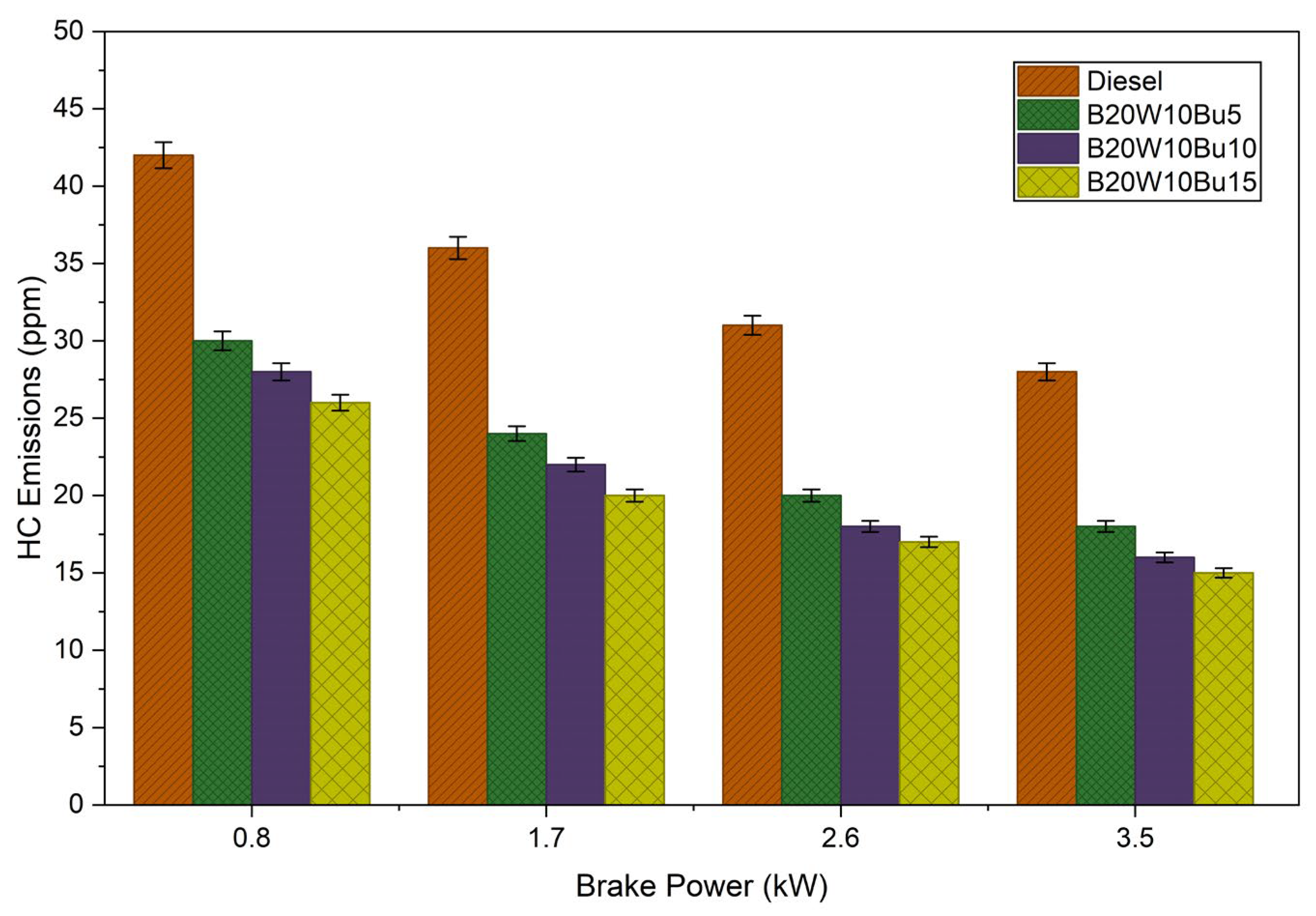
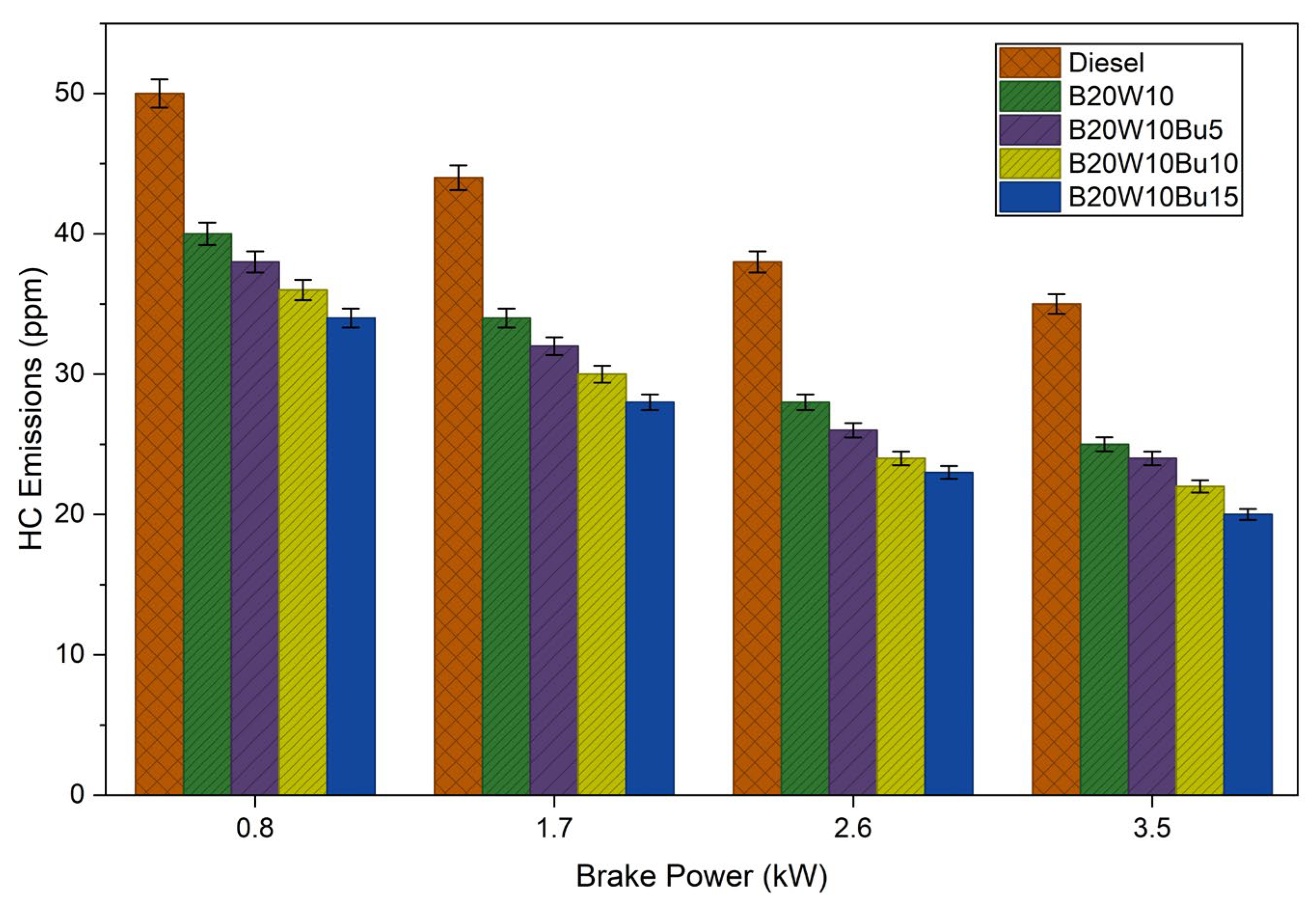
Emissions of hydrocarbon (HC) indicate the amount of unburned fuel produced due to incomplete combustion. The variation in HC emissions with BP for the conventional engine and the ceramic-coated LHR engine is shown in Figure 11 and Figure 12, respectively. From Figure 11, noted HC emissions were lower with increasing load because of the higher combustion temperature and better oxidation. At full load, diesel fuel emitted 35 ppm of HC, while the Jatropha-based ternary emulsion blends discharged much lower emissions. Among them, B20W10Bu15 produced the lowest amount of HC emission of 20 ppm, which is 42.9% lower than that of diesel fuel [27]. This is due to the oxygenated compounds of biodiesel and butanol, which facilitate better oxidation of unburned hydrocarbons, and the micro-explosion phenomenon of water, which improves fuel atomization and air–fuel mixing [28].
An additional decrease in HC emissions was also noticed in the LHR engine (Figure 12) because of the increased in-cylinder temperature caused by the ceramic thermal barrier coating. At full load, diesel HC emissions were reduced from 35 ppm to 28 ppm (20% reduction). Likewise, B20W10Bu5, B20W10Bu10, and B20W10Bu15 showed a reduction of 25%, 27.3%, and 25%, respectively, when compared to their conventional engine emissions [29]. The lowest HC emission of 15 ppm was observed for B20W10Bu15 in the LHR engine, which is a 57.1% reduction compared to that of diesel in the conventional engine. The combined effect of enhanced thermal insulation and the oxygen-rich ternary emulsion fuel enhances combustion efficiency, thereby reducing HC emissions [30].

3.4. Carbon Monoxide Emissions

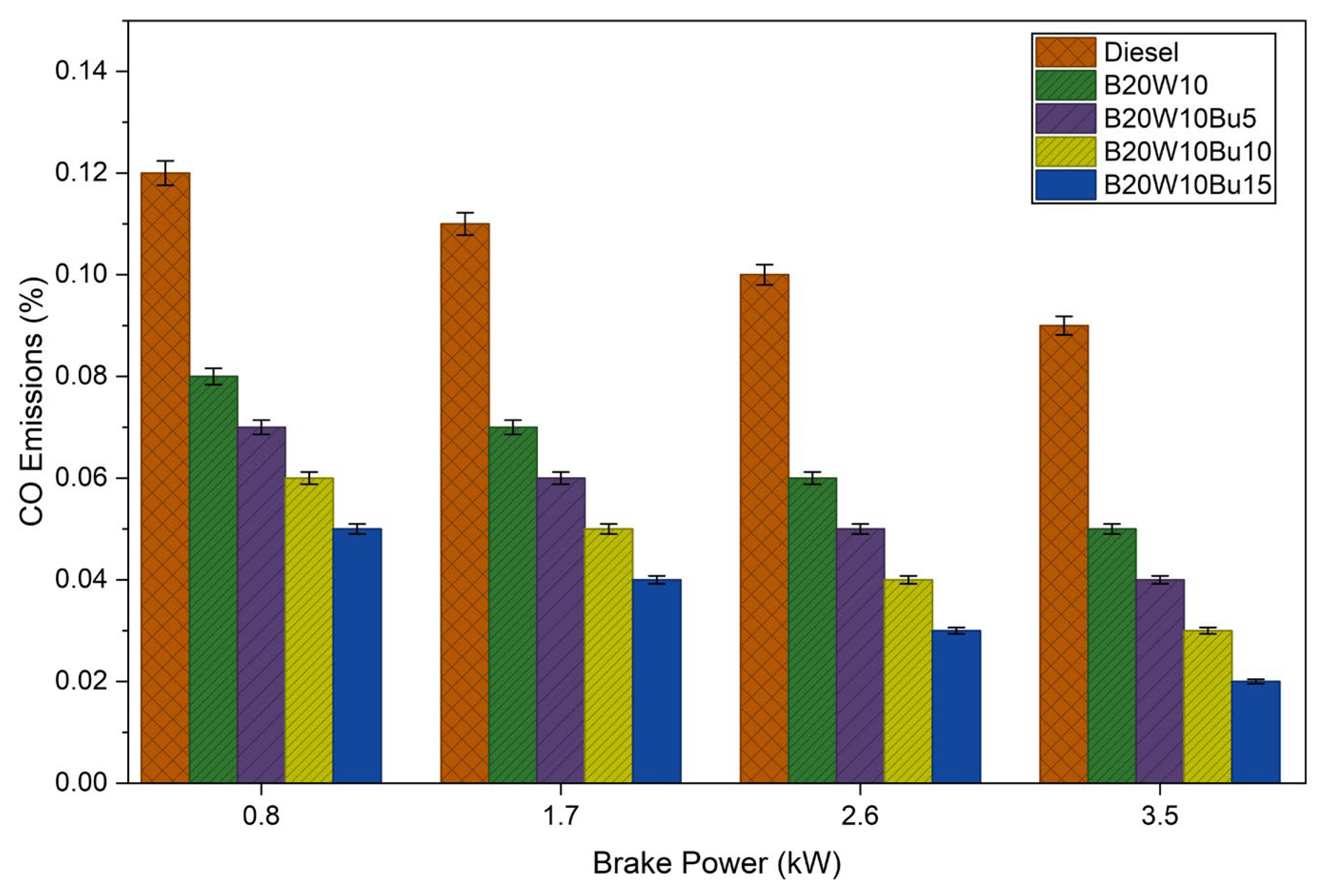
The emission of CO is a direct measure of the extent of incomplete combustion. The change in CO emission with BP for the conventional engine and the ceramic-coated LHR engine is shown in Figure 13 and Figure 14, respectively. From Figure 13, it can be observed that the CO emission reduced with the raise in load due to the higher combustion temperature and rates of oxidation. At full load, the CO emission for diesel fuel was 0.09%, while that for the Jatropha-based ternary emulsion fuel blends was much lower. Of the fuel blends, B20W10Bu15 gave the lowest CO emission of 0.02%, which is a 77.8% reduction compared to that of diesel fuel [31]. This is achieved by the oxygenated biodiesel and butanol [32].
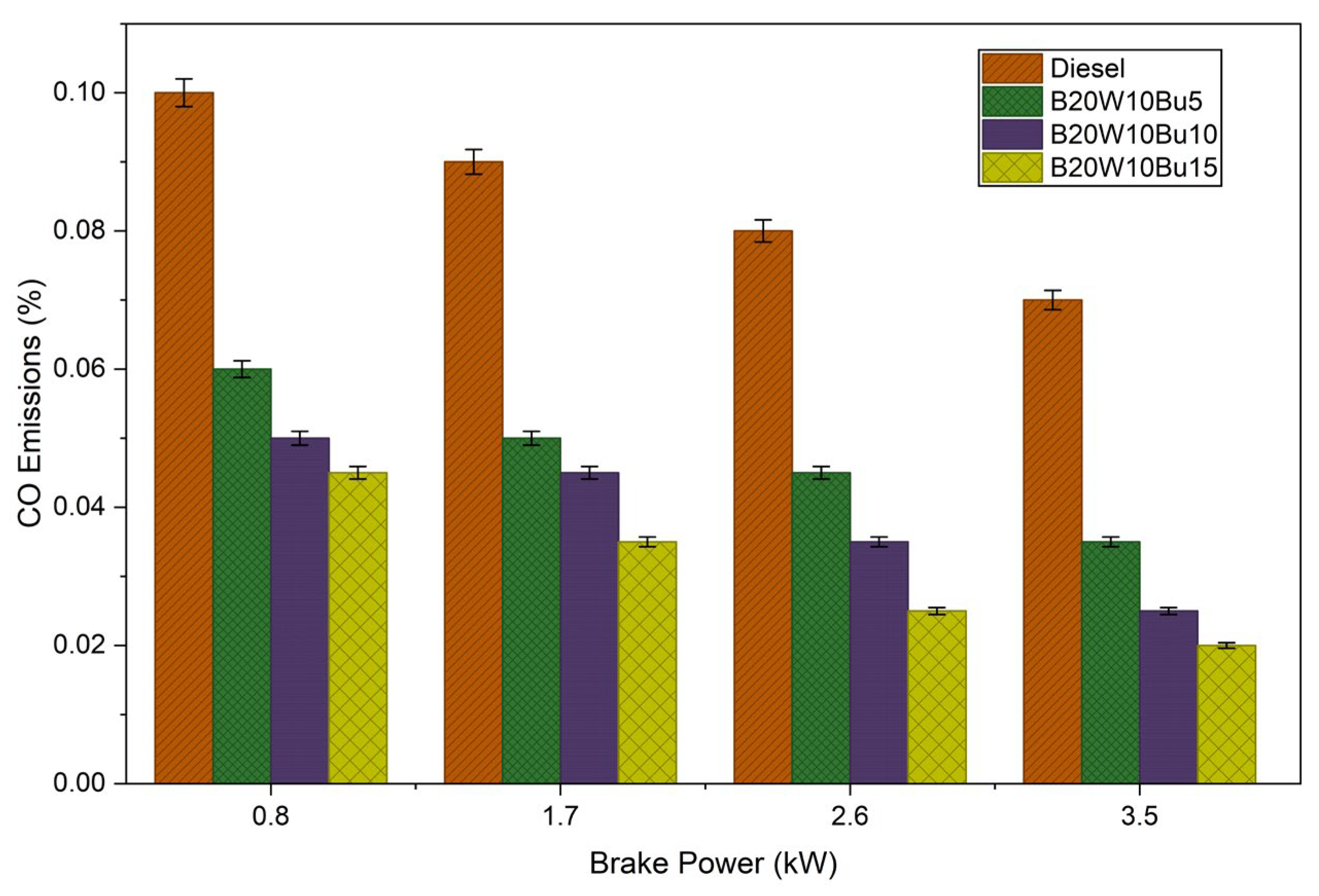
A further decrease in CO was also noticed in the LHR engine (Figure 14) because of the higher in-cylinder temperature created by the ceramic TBC. At full load, the diesel CO emission was reduced from 0.09% to 0.07% (22.2% reduction). Likewise, B20W10Bu5, B20W10Bu10, and B20W10Bu15 showed reductions of 12.5%, 16.7%, and 0% (already minimal), respectively, compared to their conventional engine emissions [33]. The lowest CO emission of 0.02% was also observed for B20W10Bu15 in the LHR engine, which showed a 77.8% reduction compared to that for diesel in the conventional engine. The combined effect of the oxygenated ternary fuel and the improved thermal retention properties of the LHR engine enhances combustion efficiency, thereby reducing CO emissions [34].

3.5. Nitrogen Oxides Emissions

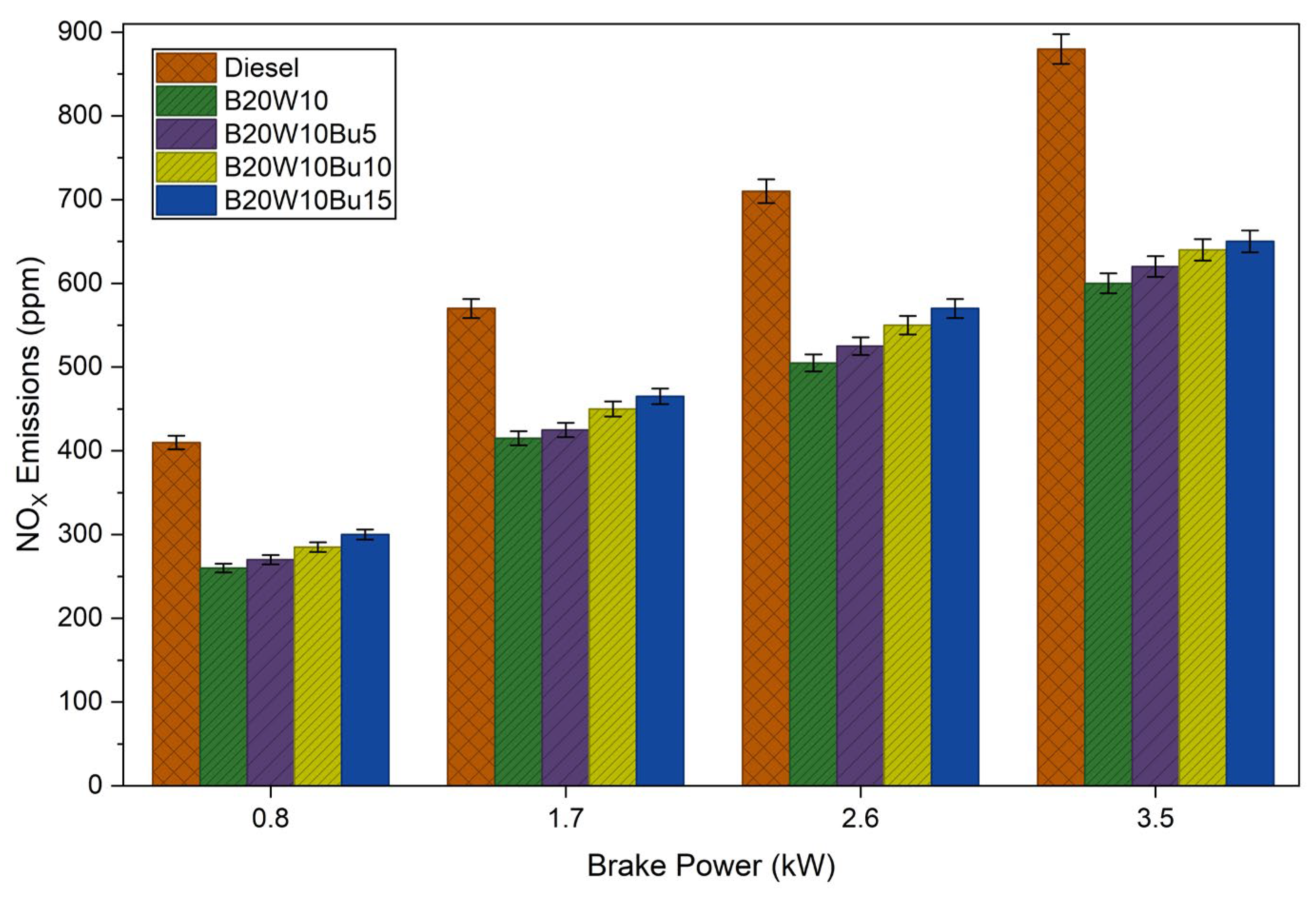
Emissions of NOx are greatly affected by the highest combustion temperature, oxygen content, and gas residence time in the high-temperature region. The plots of NOx emissions against brake power for the conventional engine and the ceramic-coated LHR engine are shown in Figure 15 and Figure 16, respectively. From Figure 15, it can be observed that NOx emissions were higher with increasing load because of the higher combustion temperature and pressure [35]. At full load, diesel fuel recorded 880 ppm, while the Jatropha-based ternary emulsion fuels recorded relatively lower values. Of these, B20W10Bu5 showed the lowest NOx emission of 620 ppm, which is a 29.5% reduction relative to that of diesel fuel. In the case of ternary emulsion fuels, NOx emissions were the highest for B10W15Bu5, since the effects of fuel-bound oxygen and higher combustion intensity due to the presence of butanol outweighed the cooling effects of water. On the other hand, NOx emissions were the lowest in case of B20W10Bu5 because the cooling effect of water in this case prevailed over the effect of combustion enhancement by butanol. The reduction in NOx emissions for the emulsion fuels can be credited to the water content that absorbs heat during vaporization, thus lowering the peak flame temperature and hence, reducing thermal NOx emissions. Although biodiesel and butanol provide additional oxygen, the cooling effect of water is more pronounced in the conventional engine, thus lowering NOx emissions [36].
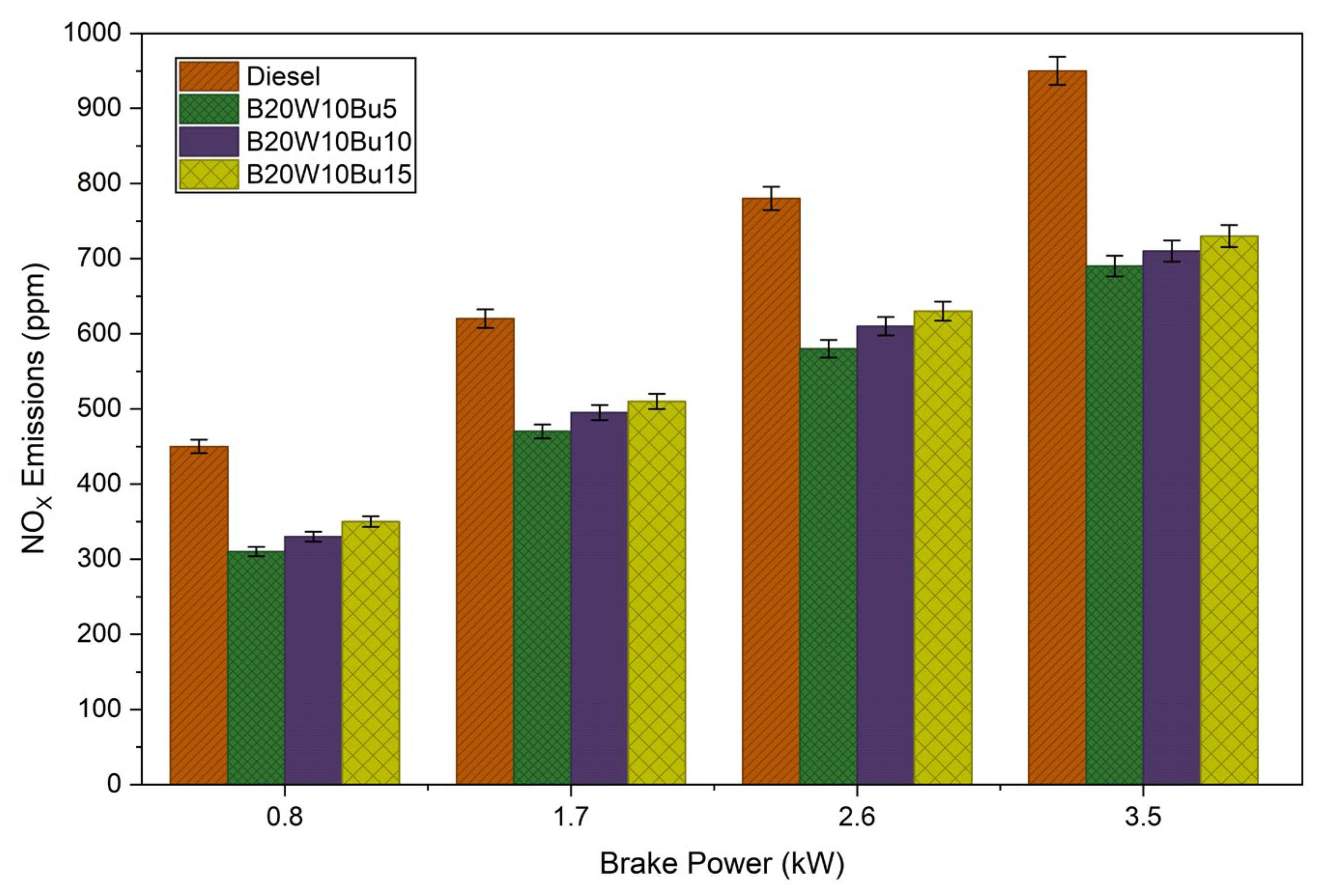
Conversely, NOx emissions rose in the LHR engine (Figure 16) because of the increased in-cylinder temperature from the ceramic thermal barrier coating. At full load, diesel NOx emissions rose from 880 ppm to 950 ppm (8.0% increase). Likewise, B20W10Bu5, B20W10Bu10, and B20W10Bu15 increased by 11.3%, 10.9%, and 12.3%, respectively, over their conventional engine emissions. The maximum NOx emission of 730 ppm among the blends was recorded for B20W10Bu15 in the LHR engine [37]. The steady rise in NOx emissions between the B20W10Bu5 and B20W10Bu15 fuel mixtures can be explained by the higher presence of oxygen and better combustion rate due to the rising amount of butanol. In the case of the ceramic engine, increased combustion temperatures due to lower heat losses compensated for some cooling impact of water. The intensified combustion temperature due to the suppression of heat rejection overpowers the cooling effect of water, thus increasing thermal NOx emissions. However, due to the latent heat of the vaporization of water and the micro-explosion effect, the localized peak flame temperature remains low, even though the mean in-cylinder temperature has been raised. This means that the ternary emulsions result in lower NOx formation compared to that of pure diesel in the engine with the ceramic liner, implying a compromise between the effects of the two. As a result, despite the increased efficiency from the ceramic coating, NOx emissions are also increased [38].

3.6. Smoke Opacity

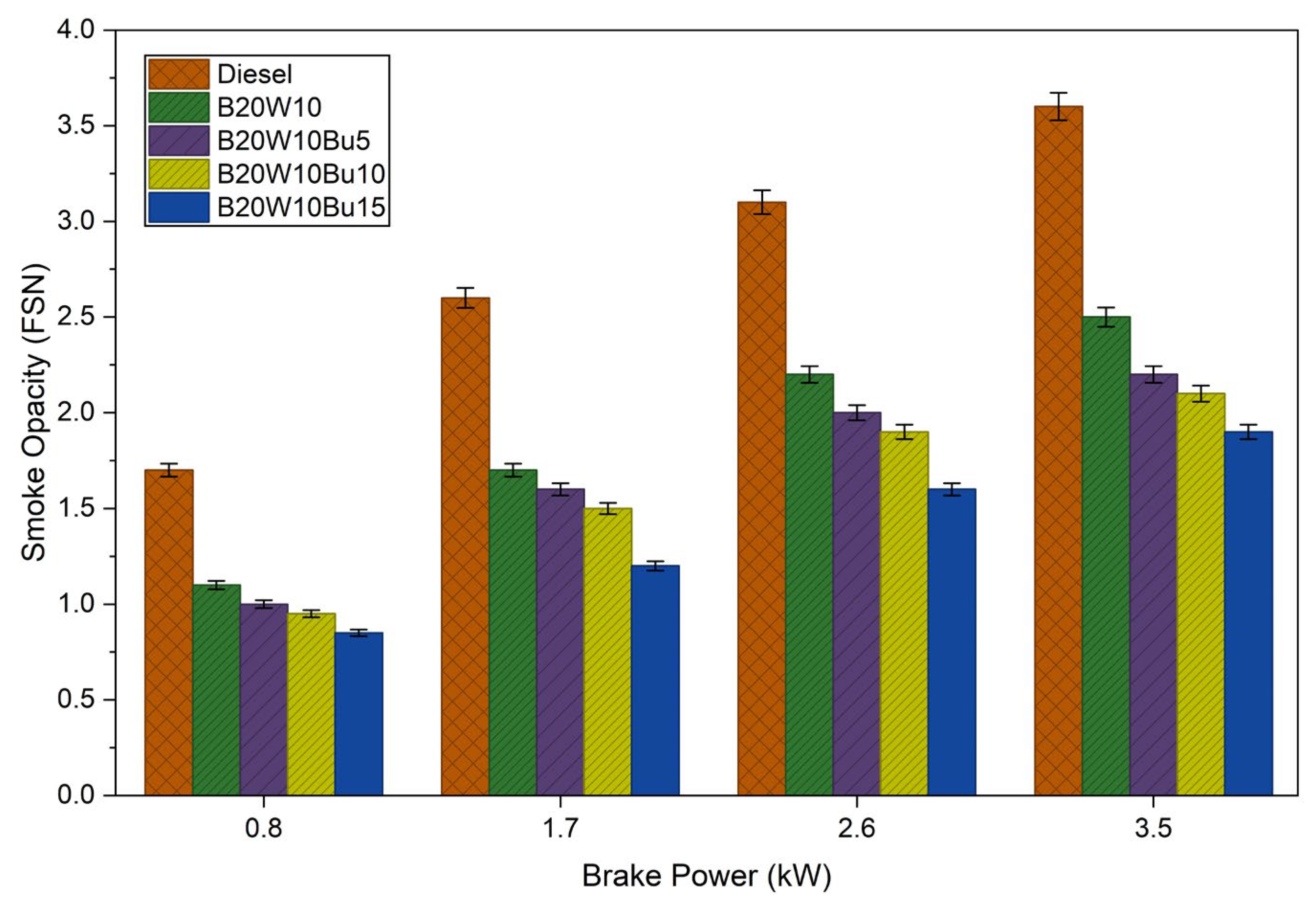
Smoke opacity is a measure of soot formation and incomplete combustion in diesel engines. The graph showing the change in smoke opacity with BP for the conventional engine and the ceramic-coated LHR engine is presented in Figure 17 and Figure 18, respectively. From Figure 17, it can be seen that the smoke opacity was higher at higher loads because of the richer fuel zones and incomplete oxidation at higher fuel injection rates. At full load, diesel fuel had a smoke value of 3.6 FSN, while the smoke values for the Jatropha-based ternary emulsion blends were considerably lower [39]. Of these, B20W10Bu15 had the lowest value of 1.9 FSN, which is a 47.2% reduction when compared to that of diesel. The lower smoke values of the emulsion blends are due to the oxygen content of biodiesel and butanol, which increases soot oxidation, and the micro-explosion phenomenon of water, which enhances fuel atomization and air–fuel mixing, thus reducing soot particles [40].
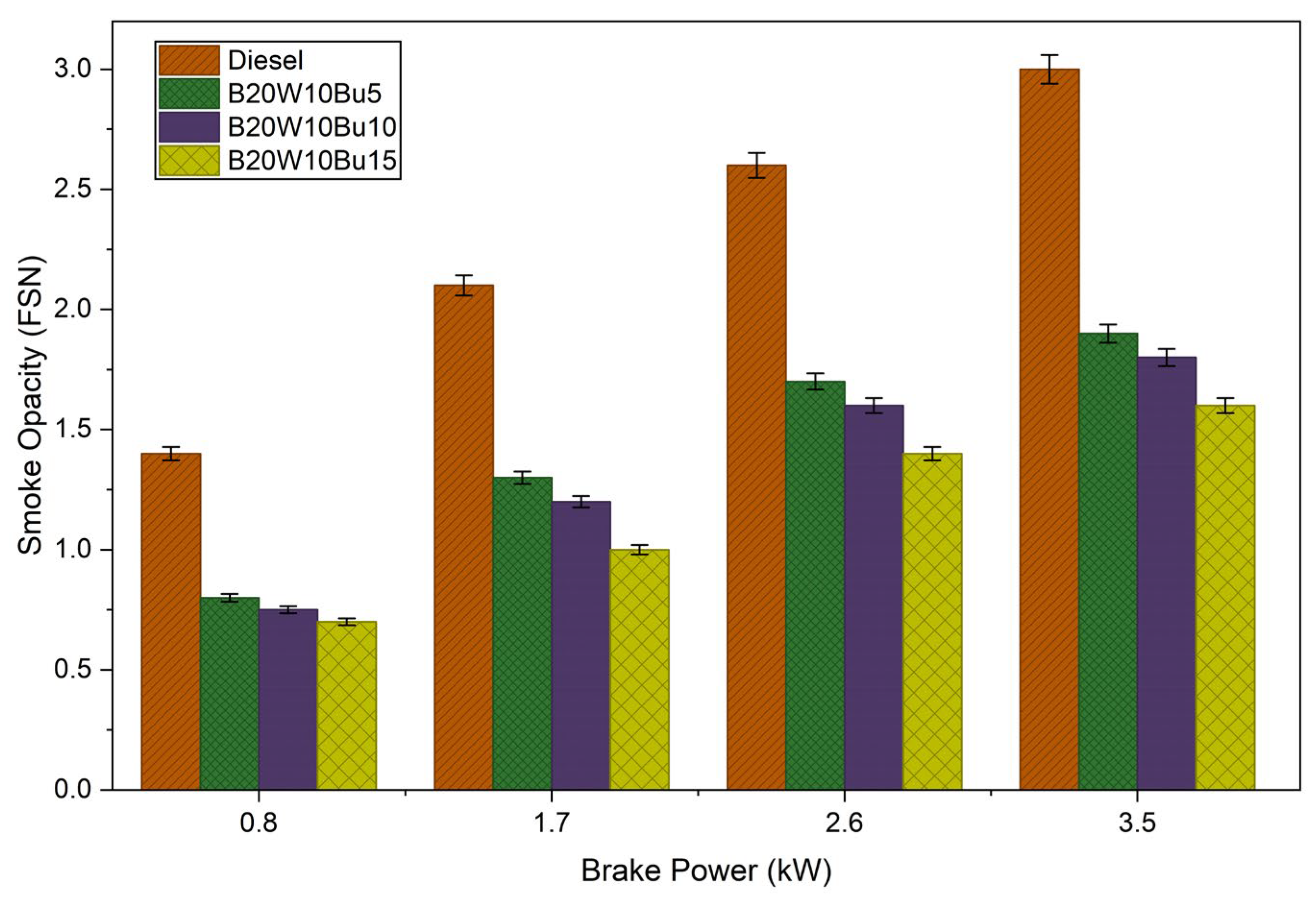
In the LHR engine (Figure 18), the opacity of diesel smoke was further reduced because of better combustion due to higher in-cylinder temperatures. At full load, diesel smoke was reduced from 3.6 to 3.0 FSN (16.7% reduction). Similarly, B20W10Bu5, B20W10Bu10, and B20W10Bu15 showed smoke reductions of 13.6%, 14.3%, and 15.8%, respectively, compared to the results for the conventional engine. The minimum opacity of 1.6 FSN was recorded for B20W10Bu15 in the LHR engine, which is a 55.6% reduction compared to the results for diesel in the conventional engine. The use of oxygenated ternary fuel and enhanced thermal insulation in the LHR engine ensures the complete combustion and oxidation of soot, thus resulting in a significant reduction in smoke emissions [41].

3.7. Cylinder Pressure

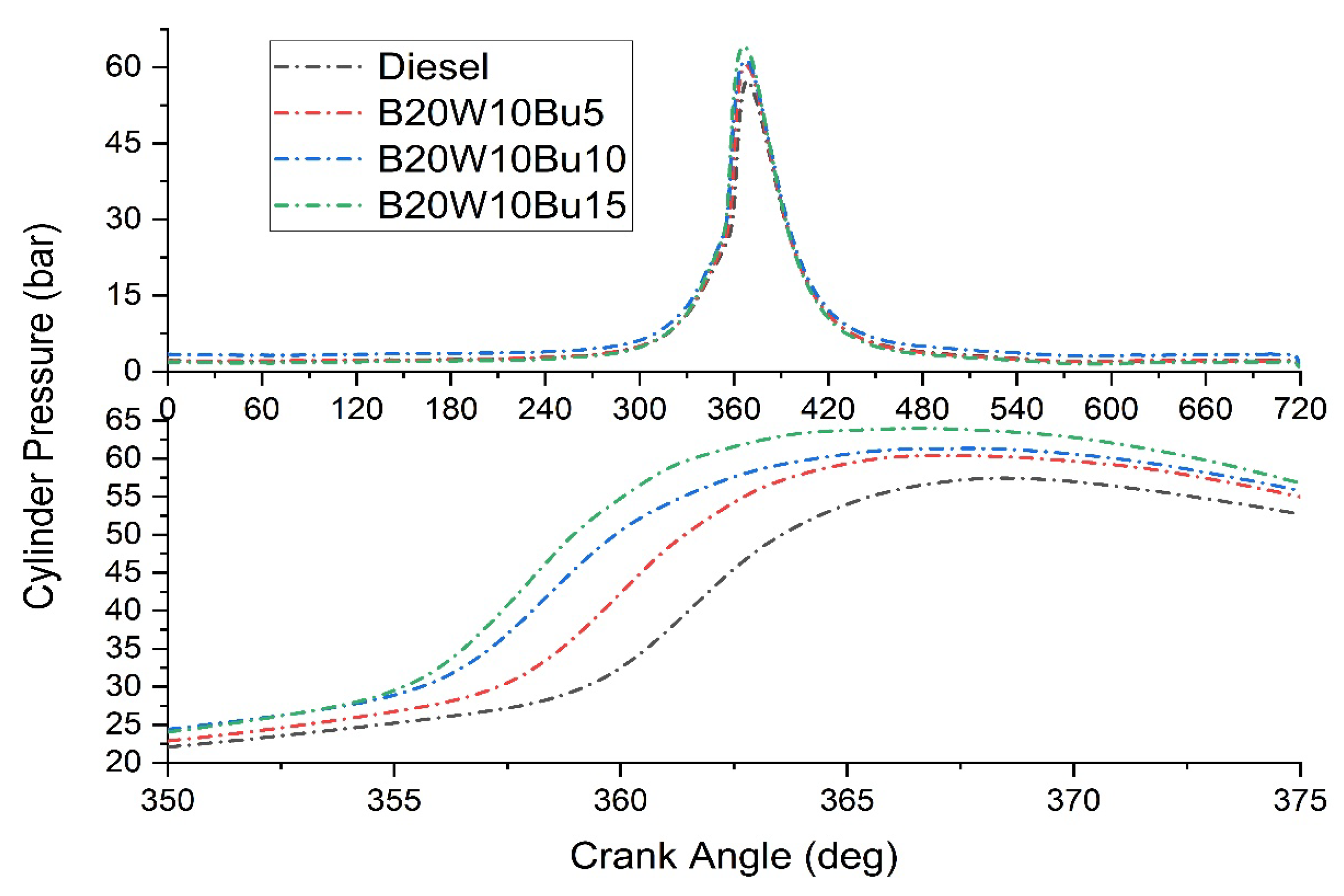
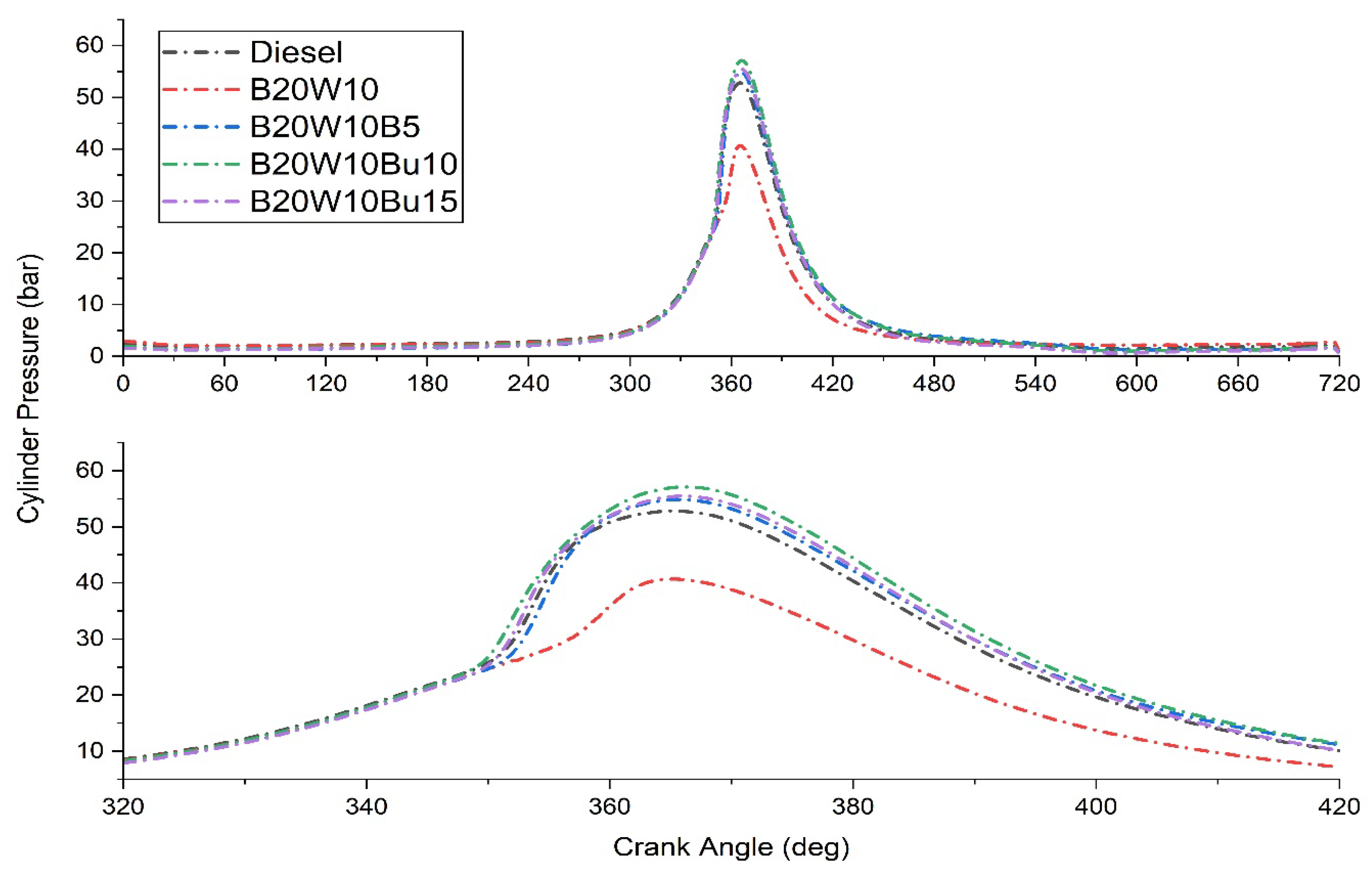
Figure 19 shows the change in in-cylinder pressure at different crank angles for the diesel and butanol-assisted B20W10 ternary emulsion fuels under conventional operation in the diesel engine. The maximum in-cylinder pressure achieved in the case of diesel in the engine was recorded to be 52.84 bar, which served as the reference value for further comparisons [42]. While the engine was fueled with B20W10 diesel fuel, the maximum in-cylinder pressure was recorded at 40.72 bar, with a reduction of 22.93% compared to the results for diesel fuel operation in the engine due to the cooling effect of water and higher latent heat of vaporization [43]. When butanol was added to the fuel emulsion, the maximum in-cylinder pressure was recorded to be 54.87 bar for the B20W10Bu5 fuel blend, showing a 3.84% increase over the results for diesel operation in the engine. When the butanol additive content in the fuel mixture was raised to 10%, denoted as B20W10Bu10, the maximum in-cylinder pressure reached 57.14 bar, registering an even higher improvement of 8.14% compared to the results for diesel operation in the engine due to better premix combustion. When the butanol content was raised to 15%, the maximum in-cylinder pressure recorded was 55.50 bar, while still registering 5.03% higher levels.
Figure 20 shows the change in pressure inside the cylinder for the different fuel blends used for operation with the ceramic-coated LHR engine. While the peak pressure for diesel fuel operation was 57.38 bar, which was higher than that for conventional operation because of the reduction in heat rejection, the peak pressure for the optimum blend of B20W10Bu10 fuel increased to 63.94 bar, showing an 11.5% rise over the results for diesel for the LHR engine. A rise in peak cylinder pressure for all the different fuels used for operation with the LHR engine was found to occur at similar crank angles, indicating enhanced heat release without any variation in the combustion mechanism; this proves the superiority of butanol-assisted ternary emulsions fueled by B20W10Bu10 [44].

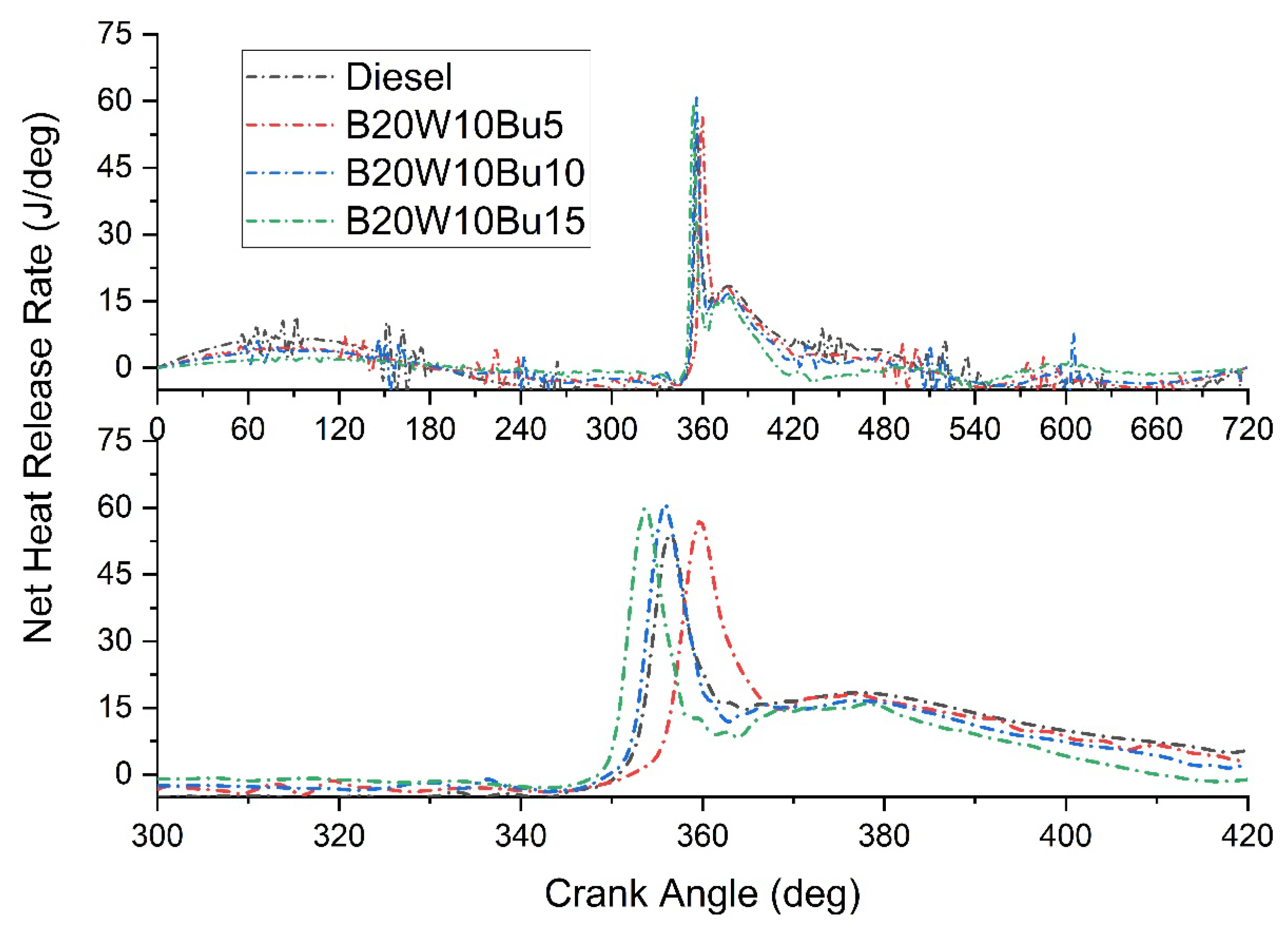
3.8. Net Heat Release Rate

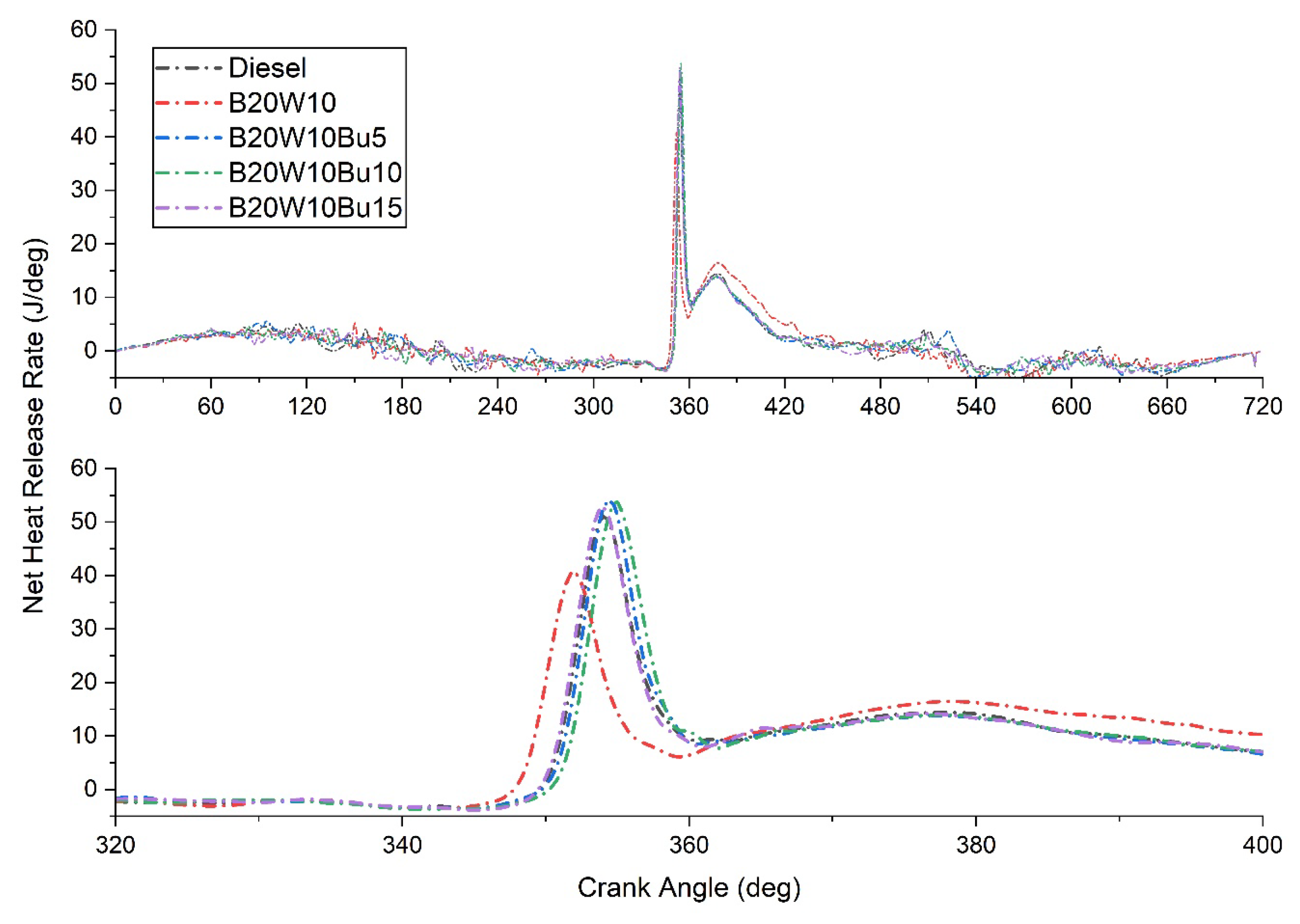
The NHR in conjunction with the crank angle is presented in Figure 21 for the conventional diesel engine, along with the corresponding results for the ceramic-coated LHR engine. For the conventional diesel engine, when operated under diesel fueling, the peak NHRR reported is 51.11 J/deg, which has been accepted as the benchmark [45]. While operating the conventional diesel engine with a blend of 10% B20W10Bu10, the peak NHRR reported is enhanced to 53.73 J/deg, which registers an improvement of 5.11% over the results for diesel. This improvement may be credited to the increased volatility of the blend, combined with oxygen, and the enhanced premix combustion due to slightly higher ignition delay.
In the LHR engine (Figure 22), the maximum value of NHRR is 52.79 J/deg for diesel. The operation of the engine was enhanced significantly by 16.1% for the B20W10Bu10 fuel blend over that of diesel operation in the LHR engine, as observed by the remarkable increase in NHRR from 52.79 J/deg to 61.30 J/deg. Such a large increase may be attributed to the increased temperature caused by the ceramics and the oxygen content of butanol, thereby increasing the premixed combustion heat release [46]. With changes in the peak values, the heat release characteristics of all fuels remain the same, thus validating the combustion phasing. The experiments confirm once again that B20W10Bu10 is the optimum fuel blend, especially under LHR operation, for maximizing combustion efficiency.

4. Conclusions

The current investigation demonstrates the combined influence of a plasma-sprayed ceramic thermal barrier coating and emulsified Jatropha biodiesel blended with water and butanol on the performance, combustion, and emission characteristics of a diesel engine. Based on the experimental results, the following conclusions can be drawn:
  • The ceramic-coated low heat rejection engine exhibited improved thermal performance due to reduced heat loss and enhanced utilization of thermal energy within the combustion chamber.
  • Among the tested fuels, B20W10Bu10 exhibited the best performance, achieving a brake thermal efficiency of 31.8%, which corresponds to a 7.4% improvement over that of the conventional engine.
  • The brake-specific fuel consumption decreased for all ternary emulsion fuels in the ceramic-coated engine. The maximum reduction of 7.8% was obtained with B20W10Bu10, indicating improved fuel economy.
  • The use of ternary emulsion fuels in combination with the ceramic thermal barrier coating significantly reduced carbon-related emissions. The lowest hydrocarbon emission of 15 ppm was recorded, while carbon monoxide and smoke opacity decreased by 77.8% and 55.6%, respectively, compared with the results for conventional diesel operation.
  • Although NOx emissions increased slightly due to higher in-cylinder temperatures, they remained lower than those obtained with conventional diesel fuel.
  • Combustion analysis revealed higher peak cylinder pressure and net heat release rates for the ternary emulsion fuels, particularly B20W10Bu10, indicating improved combustion and enhanced energy release.
  • The combined application of oxygenated emulsified Jatropha biodiesel blended with water and butanol and the ceramic thermal barrier coating enhanced combustion efficiency through improved fuel atomization, water-induced micro-explosions, reduced heat loss, and more complete combustion.
  • The ceramic thermal barrier coating, together with B20W10Bu10, demonstrated significant potential for improving diesel engine performance and reducing exhaust emissions under the investigated operating conditions.

5. Future Work

Further studies regarding the durability and stability of the 8YSZ ceramic thermal barrier coating when exposed to engine operating conditions for a prolonged period will be required to assess its suitability for use in an engineering applications. Other possible areas for future work might include using an exhaust gas recirculation technique to minimize the NOx emissions. It is also possible to conduct studies on the use of nanoparticle-based ternary emulsions as a fuel to optimize engine performance and emissions.

Author Contributions

Conceptualization, N.B.V.; methodology, N.B.V.; investigation, N.B.V.; writing—original draft preparation, N.B.V.; visualization, F.S.; supervision, F.S. and G.D.; resources, G.D.; writing—review and editing, R.K.G.; project administration, R.K.G. All authors have read and agreed to the published version of the manuscript.

Funding

This research received no external funding.

Data Availability Statement

All data used or analyzed in this research are included in the published article.

Conflicts of Interest

The authors declare no conflicts of interest.

References

  1. N, K.K.; Deep, B.N.A.; Jayanna, V.B.; Sumalatha, C.P.; Khan, A.; Kamangar, S.; Islam, S.; Razak, A.; Jelila, Y.D. Influence of ceramic thermal barrier coating on diesel engine performance using scum oil biodiesel at different compression ratios. Sci. Rep. 2025, 15, 31094. [Google Scholar] [CrossRef] [Scilit]
  2. Manickam, S.; Pachamuthu, S.; Chavan, S.; Kim, S.C. The effect of thermal barrier coatings and neural networks on the stability, performance, and emission characteristics of Pongamia water emulsion biodiesel in compression ignition engines. Case Stud. Therm. Eng. 2023, 49, 103079. [Google Scholar] [CrossRef] [Scilit]
  3. Tasneem, H.R.A.; Ravikumar, K.P.; Ramakrishna, H.V.; Kuldeep, B. Ceramic material for thermal barrier coatings in compression ignition engine for its performance evaluation with biodiesel. Mater. Today Proc. 2021, 46, 7745–7751. [Google Scholar] [CrossRef] [Scilit]
  4. Elumalai, P.V.; Annamalai, K.; Dhinesh, B. Effects of thermal barrier coating on the performance, combustion and emission of DI diesel engine powered by biofuel oil–water emulsion. J. Therm. Anal. Calorim. 2019, 137, 593–605. [Google Scholar]
  5. Wang, X.; Qian, Z.; Wu, W.; Fei, C.; Cao, X.; Zhu, S.; Du, Y.; Wang, T.; Zhang, Y.; Zhu, H.; et al. Experimental investigation on energy utilization and performance improvement of diesel engines with rare-earth hexaaluminate thermal barrier coatings. Energy 2026, 344, 140087. [Google Scholar] [CrossRef] [Scilit]
  6. Thiruselvam, K.; Kistan, A.; Senthil, S.; Muthukumar, K. Clean combustion approach for sustainable for emission mitigation and environmental protection in Diesel Engines using cocos nucifra biodiesel, green-synthesized nanoadditives and thermal barrier coating. Energy 2026, 353, 141002. [Google Scholar] [CrossRef] [Scilit]
  7. Samuelraj, D.; Harish, V.; Jaichandar, S. The influence of thermal barrier coating on an LHR engine fueled by soybean biodiesel blended with various additive spectrums: Performance, combustion, and emission analysis. Heat Transf. 2023, 52, 3839–3868. [Google Scholar] [CrossRef] [Scilit]
  8. Musthafa, B.; Venkateshkumar, R.; Srinivasan, S.A.; Prabhahar, M. Optimizing Engine Performance with Piston Thermal Barrier Coatings and Juliflora Biodiesel–Diesel Blends: A Response Surface Methodology Approach. Case Stud. Therm. Eng. 2025, 76, 107340. [Google Scholar] [CrossRef] [Scilit]
  9. Fei, C.; Qian, Z.; Yang, Z.; Ren, J.; Zhu, S.; Yan, Y.; Shu, Z. Combustion and emission performance of isopropanol-butanol-ethanol (IBE) mixed with diesel fuel on marine diesel engine with nano YSZ thermal barrier coating. Energy 2022, 256, 124683. [Google Scholar] [CrossRef] [Scilit]
  10. Elango, M.; Dhanalakshmi, C.S.; Muni, T.V. Improving the suitability of triple blend biodiesel in a low heat rejection diesel engine with the addition of nanoparticle through performance and emission characteristics analysis. Indian J. Chem. Technol. (IJCT) 2025, 32, 211–222. [Google Scholar] [CrossRef] [Scilit]
  11. Kumar, P.M.; Uvaraja, V.C.; Madhu, P. Effect of Al2O3/PSZ and Al2O3/YSZ ceramic coating in CI engine fueled with ternary blends of castor seed oil and jatropha oil biodiesel dosed with diesel. J. Ceram. Process. Res. 2022, 23, 647–655. [Google Scholar]
  12. Elumalai, P.V.; Nambiraj, M.; Parthasarathy, M.; Balasubramanian, D.; Hariharan, V.; Jayakar, J. Experimental investigation to reduce environmental pollutants using biofuel nano-water emulsion in thermal barrier coated engine. Fuel 2021, 285, 119200. [Google Scholar] [CrossRef] [Scilit]
  13. Venkatesan, E.P.; Murugesan, P.; Rajendran, S.; Sekar, P.; Remigious, P.A.; Chinna, R.B.D. Experimental studies on thermal-barrier-coated engine fuelled by a blend of eucalyptus oil and DEE. ACS Omega 2022, 7, 46391–46401. [Google Scholar] [CrossRef] [Scilit] [PubMed]
  14. Viswanathan, K.; Balasubramanian, D.; Subramanian, T.; Varuvel, E.G. Investigating the combined effect of thermal barrier coating and antioxidants on pine oil in DI diesel engine. Environ. Sci. Pollut. Res. 2019, 26, 15573–15599. [Google Scholar] [CrossRef] [Scilit]
  15. Krupakaran, R.L.; Gangula, V.R.; Tarigonda, H.; Sachuthananthan, B.; Balasubramanian, D.; Anchupogu, P.; Petla, R.; Veerasamy, S. The influence of thermal barrier coating (TBC) on diesel engine performance powered by using Mimusops elengi methyl ester with TiO2 nanoadditive. Int. J. Ambient Energy 2023, 44, 2250–2261. [Google Scholar] [CrossRef] [Scilit]
  16. Saravanakumar, K.; Robinson, Y. Improving the poor properties of methyl ester with pyrolysis oil and fossil diesel–An experimental investigation on PSZ ceramic coated engine with the addition of GO nanoparticles. Indian J. Chem. Technol. (IJCT) 2024, 31, 553–563. [Google Scholar]
  17. Mahgoub, B.K. Effect of nano-biodiesel blends on CI engine performance, emissions and combustion characteristics–Review. Heliyon 2023, 9, e21367. [Google Scholar] [CrossRef] [Scilit] [PubMed]
  18. Pandey, K.K.; Jami, P.; Sivalingam, M. Experimental studies of LHR diesel engine fueled with antioxidant doped JME biodiesel blends. In WCX SAE World Congress Experience; No. 2022-01-0518; SAE Technical Paper; SAE International: Warrendale, PA, USA, 2022. [Google Scholar]
  19. Rajendran, S. A comparative study of performance and emission characteristics of neat biodiesel operated diesel engine: A review. J. Therm. Anal. Calorim. 2021, 146, 1015–1025. [Google Scholar]
  20. Uttamrao, K.N.; Premkartikkumar, S.R. Comparative investigation of fly ash-coated semi-adiabatic diesel engine on performance and emission characteristics by using cotton seed biodiesel and emulsified cotton seed biodiesel. Int. J. Ambient Energy 2022, 43, 3695–3711. [Google Scholar]
  21. Alli, A.K.; Kotha, M.M. Significance of fuel additives on the performance and emission characteristics of diesel engine with biodiesel fuel: A review. Int. J. Ambient Energy 2023, 44, 1990–2004. [Google Scholar] [CrossRef] [Scilit]
  22. Gopidesi, R.K.; Uttamrao, K.N.; N, C.K.N.; R, P.S.; Hadi, A.A.; Kumar, K.S.; Khan, T.M.Y.; Shaik, A.S.; Alamiery, A.A. Optimization of compression ratio in LHR engine fueled with nano Al2O3-emulsified biodiesel using RSM and machine learning. RSC Adv. 2025, 15, 51178–51197. [Google Scholar] [CrossRef] [Scilit] [PubMed]
  23. Dhairiyasamy, R.; Murugesan, E. Reducing NOx emissions in biodiesel-powered LHR engines using an antioxidant additive: A methodological approach. Int. J. Ambient Energy 2024, 45, 2279139. [Google Scholar]
  24. Markov, V.A.; Sa, B.; Devyanin, S.N.; Zherdev, A.A.; Maldonado, P.R.V.; Zykov, S.A.; Denisov, A.D.; Ambawatte, H.C. Investigation of the performances of a diesel engine operating on blended and emulsified biofuels from rapeseed oil. Energies 2021, 14, 6661. [Google Scholar] [CrossRef] [Scilit]
  25. Srinivasan, K.N.; Subramanian, K.; Panneerselvam, P.; Tirupathi, S. Analyzing the efficacy and exhausts of Punnai biodieselethanol blends in nanocoated CI engines. Chem. Ind. Chem. Eng. Q. 2026, 32, 111–122. [Google Scholar] [CrossRef] [Scilit]
  26. Selvaraj, M.; Kumar, P.S. Analysis of performance and emission characteristics micro-explosion for biodiesel-water emulsions in a compression ignition engine. J. Comput. Theor. Nanosci. 2017, 14, 5590–5599. [Google Scholar] [CrossRef] [Scilit]
  27. Jayaraman, K.; Veeraraghavan, S.; Sundaram, M.; Varuvel, E.G. Assessing the impact of sargassum algae biodiesel blends on energy conversion in a modified single-cylinder diesel engine with a silica-incorporated diamond-like coated piston. Energy Sources Part A Recovery Util. Environ. Eff. 2024, 46, 6882–6897. [Google Scholar] [CrossRef] [Scilit]
  28. Mofijur, M.; Ahmed, S.F.; Ahmed, B.; Mehnaz, T.; Mehejabin, F.; Shome, S.; Almomani, F.; Chowdhury, A.A.; Kalam, M.A.; Badruddin, I.A.; et al. Impact of nanoparticle-based fuel additives on biodiesel combustion: An analysis of fuel properties, engine performance, emissions, and combustion characteristics. Energy Convers. Manag. X 2024, 21, 100515. [Google Scholar] [CrossRef] [Scilit]
  29. Sunil Kumar, K.; Babu, J.M.; Venu, H. Performance, combustion and emission characteristics of a single-cylinder DI diesel engine fuelled with lotus biodiesel-diesel-n-butanol blends. Int. J. Ambient Energy 2022, 43, 7941–7951. [Google Scholar] [CrossRef] [Scilit]
  30. Subramani, K.; Karuppusamy, M. Performance, combustion and emission characteristics of variable compression ratio engine using waste cooking oil biodiesel with added nanoparticles and diesel blends. Environ. Sci. Pollut. Res. 2021, 28, 63706–63722. [Google Scholar] [CrossRef] [Scilit]
  31. Khan, T.M.Y. A review of performance-enhancing innovative modifications in biodiesel engines. Energies 2020, 13, 4395. [Google Scholar] [CrossRef] [Scilit]
  32. Kumar, K.S.; Mahesh, C.; Shetty, S.; Ramis, M.K.; Razak, A.; Alsabhan, A.H.; Alam, S.; Alsareji, O.J. Machine learning-based prognostics and statistical optimization of the performance of Momordica charantia biodiesel blends with TiO2 nanoparticles. Biofuels 2026, 17, 409–446. [Google Scholar]
  33. Sivaraman, P.; Kolandaivel, V.; Natesan, M.; Dhairiyasamy, R. Emission Reduction and Efficiency Gains in LHR Engines Using Natural Antioxidants in Biodiesel Blends. Int. J. Automot. Technol. 2025, 26, 1343–1352. [Google Scholar] [CrossRef] [Scilit]
  34. Chidambaranathan, B.; Kumarasami, D.P.; Raghavan, S.; Sundaram, M. Thermal and chemical exhaust gas recirculation potential of punnai oil biodiesel-fuelled diesel engine for environmental sustainability. Environ. Sci. Pollut. Res. 2023, 30, 61190–61203. [Google Scholar]
  35. No, S.-Y. Application of bioethanol to advanced CI engines; dual fuel and RCCI combustion modes–a review. Int. J. Green Energy 2019, 16, 1105–1130. [Google Scholar]
  36. Prasannakumar, P.; Sankarannair, S.; Prasad, G.; H, H.K.P.; S, P.; P, V.; S, S.; Shanmugam, R. Bio-based additives in lubricants: Addressing challenges and leveraging for improved performance toward sustainable lubrication. Biomass Convers. Biorefin. 2025, 15, 17969–17997. [Google Scholar] [CrossRef] [Scilit]
  37. Konur, O.; Kim, S.K.; Lee, C.G. Current state of research on algal bioethanol. In Marine Bioenergy: Trends and Developments; CRC Press: Boca Raton, FL, USA, 2015; pp. 217–244. [Google Scholar]
  38. Govindaraju, R.; Chen, S.-S.; Wang, L.-P.; Chang, H.-M.; Pasawan, M. Significance of membrane applications for high-quality biodiesel and byproduct (glycerol) in biofuel industries. Curr. Pollut. Rep. 2021, 7, 128–145. [Google Scholar] [CrossRef] [Scilit]
  39. Rambabu, R.; Sridevi, G.; Kruthiventi, S.S.; Masthanvali, P.; Borigorla, V.; Kalyanamanohar, V. Effects of Compression Ratio on a Diesel Engine Powered by Tamarind Seed Biodiesel Blend. Int. J. Veh. Struct. Syst. 2023, 15, 793–796. [Google Scholar] [CrossRef] [Scilit]
  40. Bala Prasad, K.; Raju, V.D.; Shaik, A.A.; Gopidesi, R.K.; Reddy, M.B.S.S.; Soudagar, M.E.M.; Mujtaba, M.A. Impact of injection timings and exhaust gas recirculation rates on the characteristics of diesel engine operated with neat tamarind biodiesel. Energy Sources Part A Recovery Util. Environ. Eff. 2025, 47, 7767–7785. [Google Scholar]
  41. Karthick, C.; Kasianantham, N. Experimental assessment of biobutanol degradation exposed to automotive components: A material compatibility approach. Process Saf. Environ. Prot. 2023, 170, 215–228. [Google Scholar] [CrossRef] [Scilit]
  42. Ashwin, R.; Rahul, S.; Mohanraj, T.; Arumugam, A. Sterculia foetida Shell-Based Catalyst for Biodiesel Synthesis and Improved Performance–Emission Characteristics of Coated Diesel Engines. J. Indian Chem. Soc. 2026, 103, 102402. [Google Scholar] [CrossRef] [Scilit]
  43. Borah, D.; Misra, R.D. Performance and Emission Evaluation of a CRDI Diesel Engine Fueled with Algae Biodiesel and Hydrogen Enrichment. Emiss. Control Sci. Technol. 2026, 12, 1. [Google Scholar] [CrossRef] [Scilit]
  44. Gift, M.D.M.; Devi, P.B.; Kumar, P.S.; Loganathan, T. An Influence of antioxidants and nanoparticles with Ceiba pentandra biodiesel/diesel blends on performance and emission characteristics of diesel engine. Indian J. Chem. Technol. (IJCT) 2026, 33, 59–70. [Google Scholar]
  45. Ryu, M.; Lee, H.; Kim, M.; Pyeon, J.; Kim, J.; Jung, Y.-G.; Song, D.; Paik, U.; Song, T. Al2O3-Derived Entropy-Stabilized AB2O4 Spinels as Thermomechanically Compatible Interlayers for Thermal Barrier Coating Systems. Ceram. Int. 2026, 52, 9405–9418. [Google Scholar] [CrossRef] [Scilit]
  46. Tamrakar, A.; Sahu, V.K.; Rajput, S.S.; Shukla, P.C.; Gangopadhyay, S. Effect of Al2O3 addition on the characteristics of 8YSZ thermal barrier coating and its performance evaluation in engine test. Ceram. Int. 2025, 51, 60786–60800. [Google Scholar] [CrossRef] [Scilit]
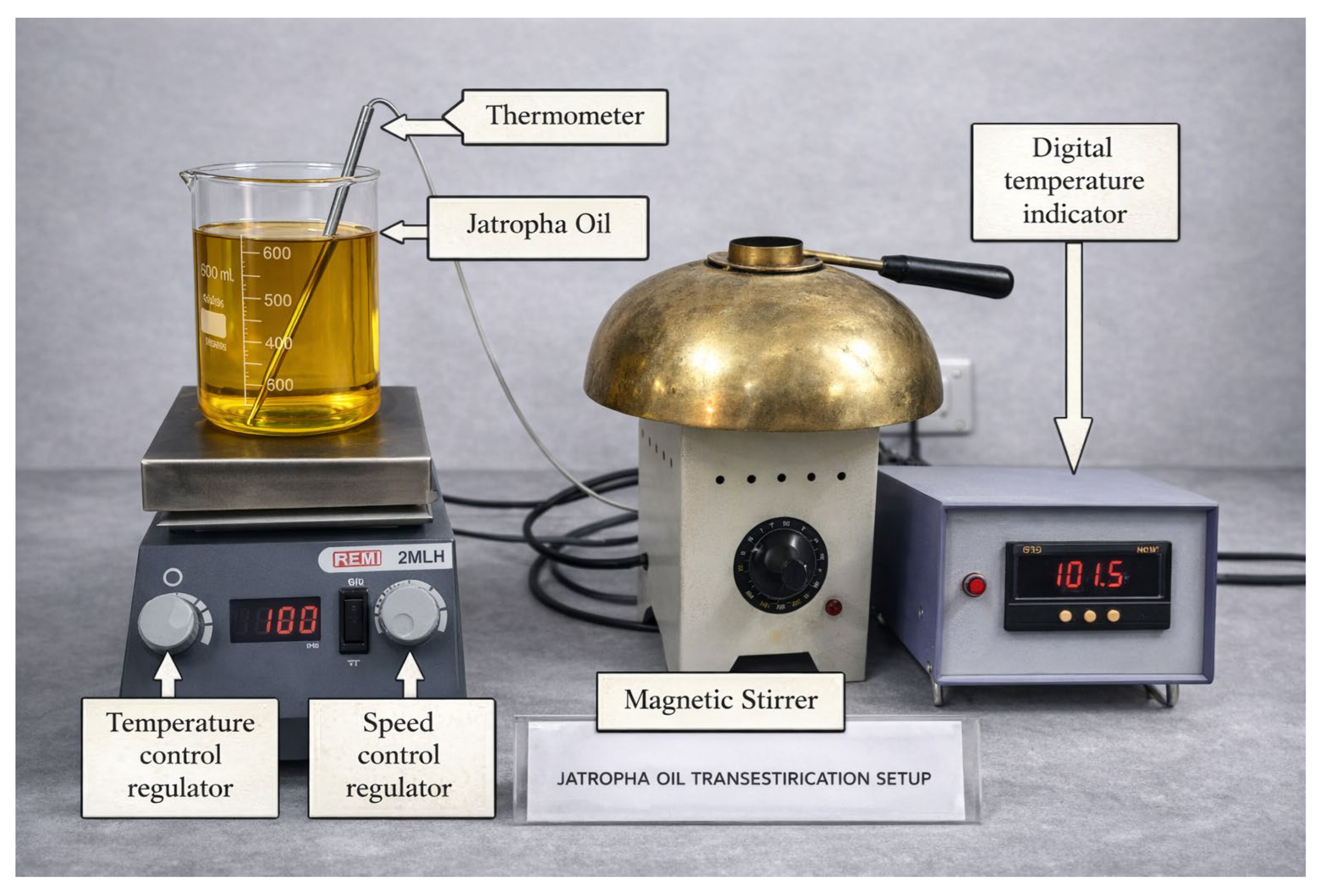
Figure 1. Transesterification setup for Jatropha biodiesel production.
Fire 09 00299 g001
Figure 2. Ultrasonic homogenizer.
Fire 09 00299 g002
Figure 3. Jatropha ternary emulsion fuel samples.
Fire 09 00299 g003
Figure 4. Plasma-sprayed ceramic-coated cylinder head.
Fire 09 00299 g004
Figure 5. Plasma-sprayed ceramic-coated piston crown.
Fire 09 00299 g005
Figure 6. Research setup.
Fire 09 00299 g006
Figure 7. BP vs. BTE for the conventional diesel engine.
Fire 09 00299 g007
Figure 8. BP vs. BTE for the ceramic-coated LHR diesel engine.
Fire 09 00299 g008
Figure 9. BP vs. BSFC for the conventional diesel engine.
Fire 09 00299 g009
Figure 10. BP vs. BSFC for the ceramic-coated LHR diesel engine.
Fire 09 00299 g010
Figure 11. BP vs. HC emissions for the conventional diesel engine.
Fire 09 00299 g011
Figure 12. BP vs. HC emissions for the ceramic-coated LHR diesel engine.
Fire 09 00299 g012
Figure 13. BP vs. CO emissions for the conventional diesel engine.
Fire 09 00299 g013
Figure 14. BP vs. CO emissions for the ceramic-coated LHR diesel engine.
Fire 09 00299 g014
Figure 15. BP vs. NOx emissions for the conventional diesel engine.
Fire 09 00299 g015
Figure 16. BP vs. NOx emissions for the ceramic-coated LHR diesel engine.
Fire 09 00299 g016
Figure 17. BP vs. smoke opacity for the conventional diesel engine.
Fire 09 00299 g017
Figure 18. BP vs. smoke opacity for the ceramic-coated LHR diesel engine.
Fire 09 00299 g018
Figure 19. In-cylinder pressure vs. crank angle for the conventional diesel engine.
Fire 09 00299 g019
Figure 20. In-cylinder pressure vs. crank angle for the ceramic-coated LHR diesel engine.
Fire 09 00299 g020
Figure 21. NHR vs. crank angle for the conventional diesel engine.
Fire 09 00299 g021
Figure 22. NHR vs. crank angle for the LHR diesel engine.
Fire 09 00299 g022
Table 1. Physicochemical properties of test fuels.
PropertiesDieselB20B20W10Bu5B20W10Bu10B20W10Bu15Test Method (ASTM)
Density (kg/m3)813829832835838ASTM D4052
Viscosity at 40 °C (cSt)2.83.33.253.153.05ASTM D445
Flash Point (°C)5259575553ASTM D93
Fire Point (°C)5665636159ASTM D93
Lower Heating Value (kJ/kg)42,10040,90040,20039,80039,300ASTM D240
Water Content (% Vol.)00101010Blend Composition
Butanol Content (% Vol.)0051015Blend Composition
Table 2. Specifications of the test engine.
ParameterSpecification
Engine MakeKirloskar
Rated Power3.5 kW
Speed1500 rpm
Bore87.5 mm
Stroke110 mm
Compression Ratio17.5:1
Swept Volume661 cm3
Injection Pressure18 MPa
Injection Timing23° CA bTDC
Table 3. Instrument accuracy and uncertainty.
ParameterInstrumentAccuracy
Load MeasurementVPG Sensotronics Load Cell, (VPG Sensotronics, Hampton, VA, USA)±0.1 kg
Speed MeasurementDigital Speed Indicator, (Selectron Process Controls Pvt. Ltd., Pune, Maharashtra, India)±10 rpm
Fuel ConsumptionYokogawa Fuel Flow Transmitter (DP Transmitter), (Yokogawa Electric Corporation, Tokyo, Japan)±1%
Air Flow MeasurementWIKA Pressure Transmitter, (WIKA Alexander Wiegand SE & Co. KG, Klingenberg, Germany)±1%
Exhaust Gas TemperatureK-type Thermocouple, (Radix Electrosystems Pvt. Ltd., Mumbai, Maharashtra, India)±1 °C
CO MeasurementAVL DiGas Analyzer, (AVL List GmbH, Graz, Austria)±0.02% vol
HC MeasurementAVL DiGas Analyzer±10 ppm
NOx MeasurementAVL DiGas Analyzer±10 ppm
Smoke Opacity MeasurementAVL Smoke Meter, (AVL List GmbH, Graz, Austria)±1 FSN
Data AcquisitionNI USB-6210 Data Acquisition System, (National Instruments, Austin, TX, USA)±0.5%
Disclaimer/Publisher’s Note: The statements, opinions and data contained in all publications are solely those of the individual author(s) and contributor(s) and not of MDPI and/or the editor(s). MDPI and/or the editor(s) disclaim responsibility for any injury to people or property resulting from any ideas, methods, instructions or products referred to in the content.