
Article

AI-Generated Fire Images for Object Detection-Based Fire Detection

1
Department of Electrical Engineering, Inha University, 100 Inha-ro, Michuhol-gu, Incheon 22212, Republic of Korea
2
Department of Fire and Disaster Prevention, Semyung University, 65 Semyung-ro, Jecheon-si 27136, Republic of Korea
*
Author to whom correspondence should be addressed.
These authors contributed equally to this work as first author.
Fire 2026, 9(7), 274; https://doi.org/10.3390/fire9070274

Submission received: 11 March 2026 / Revised: 19 June 2026 / Accepted: 26 June 2026 / Published: 2 July 2026

Abstract

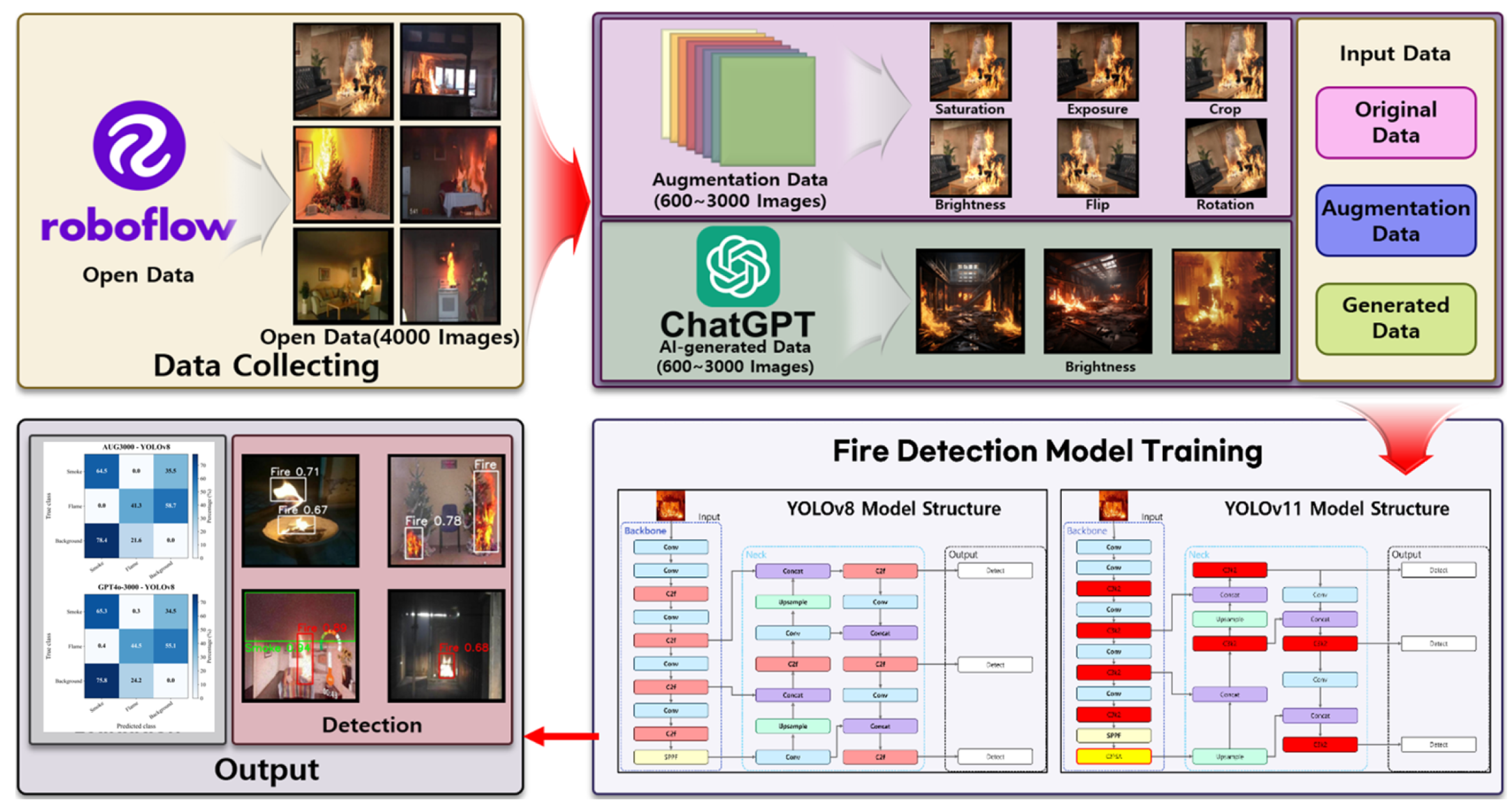
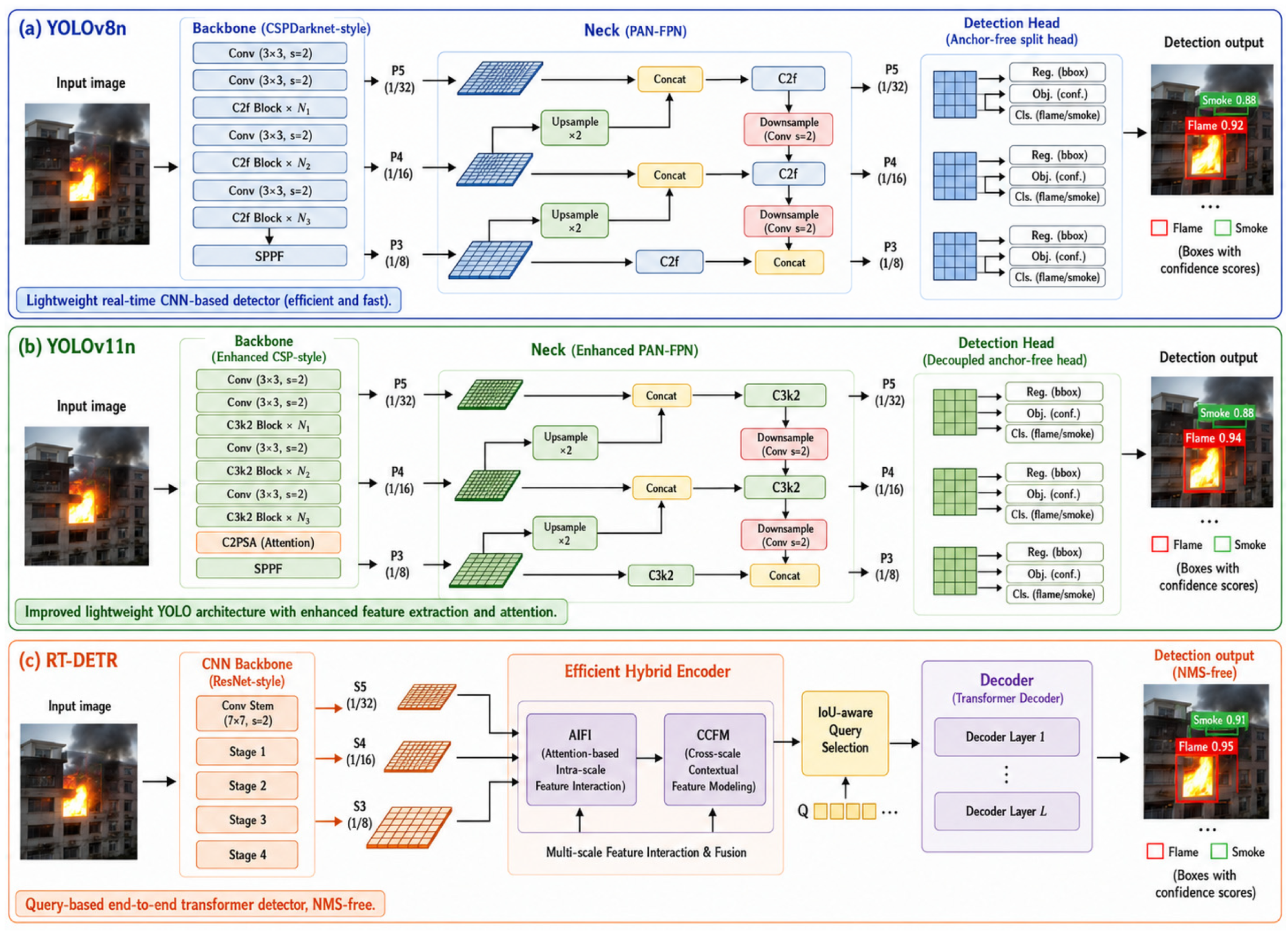
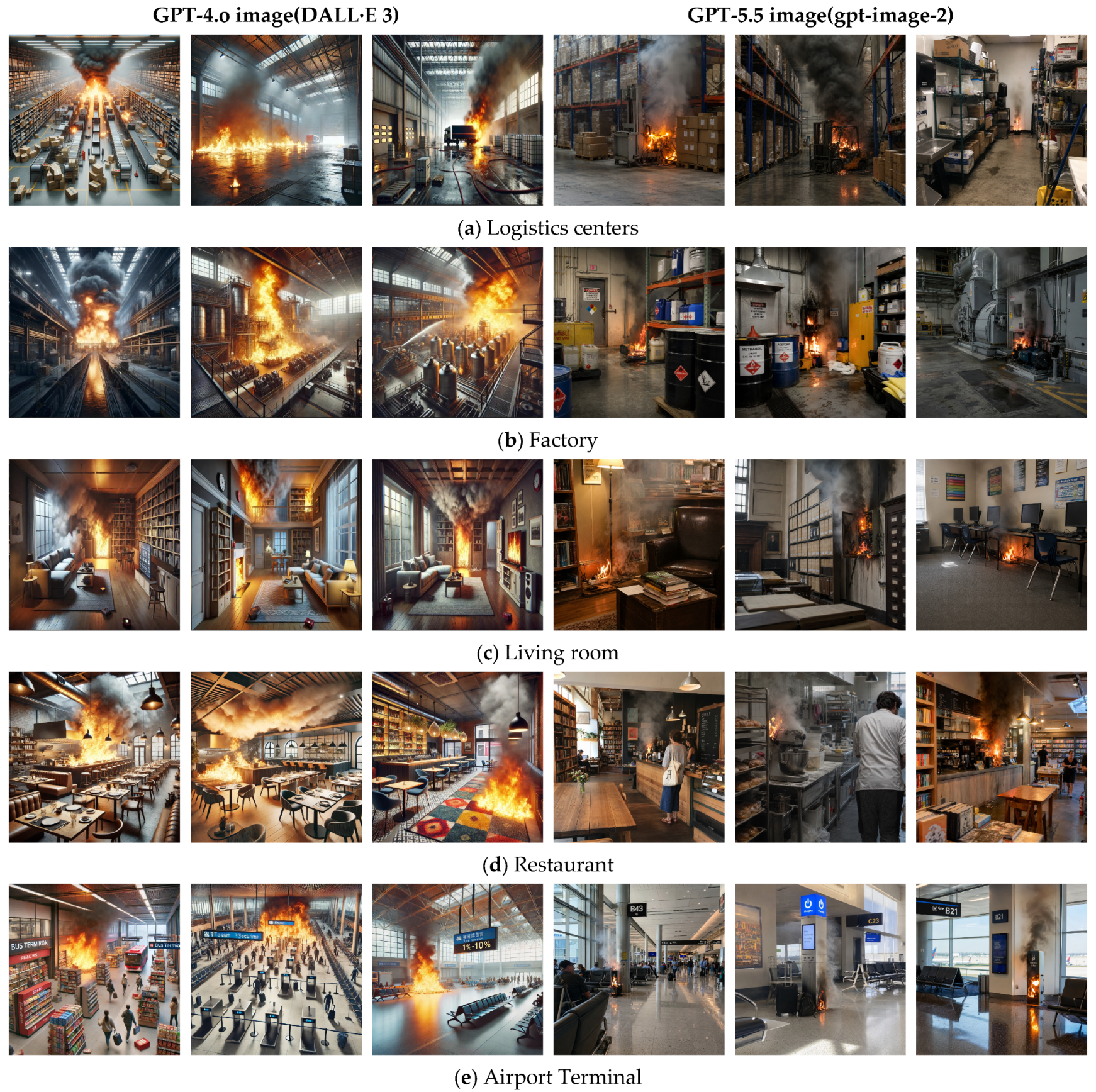
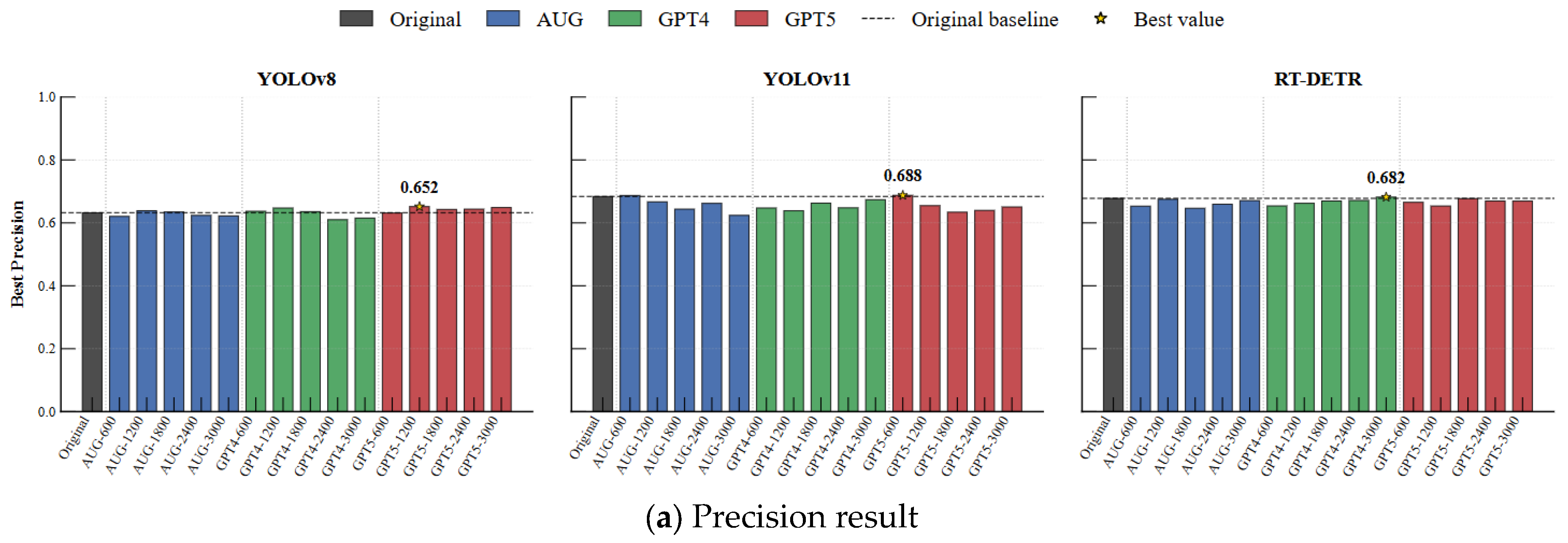
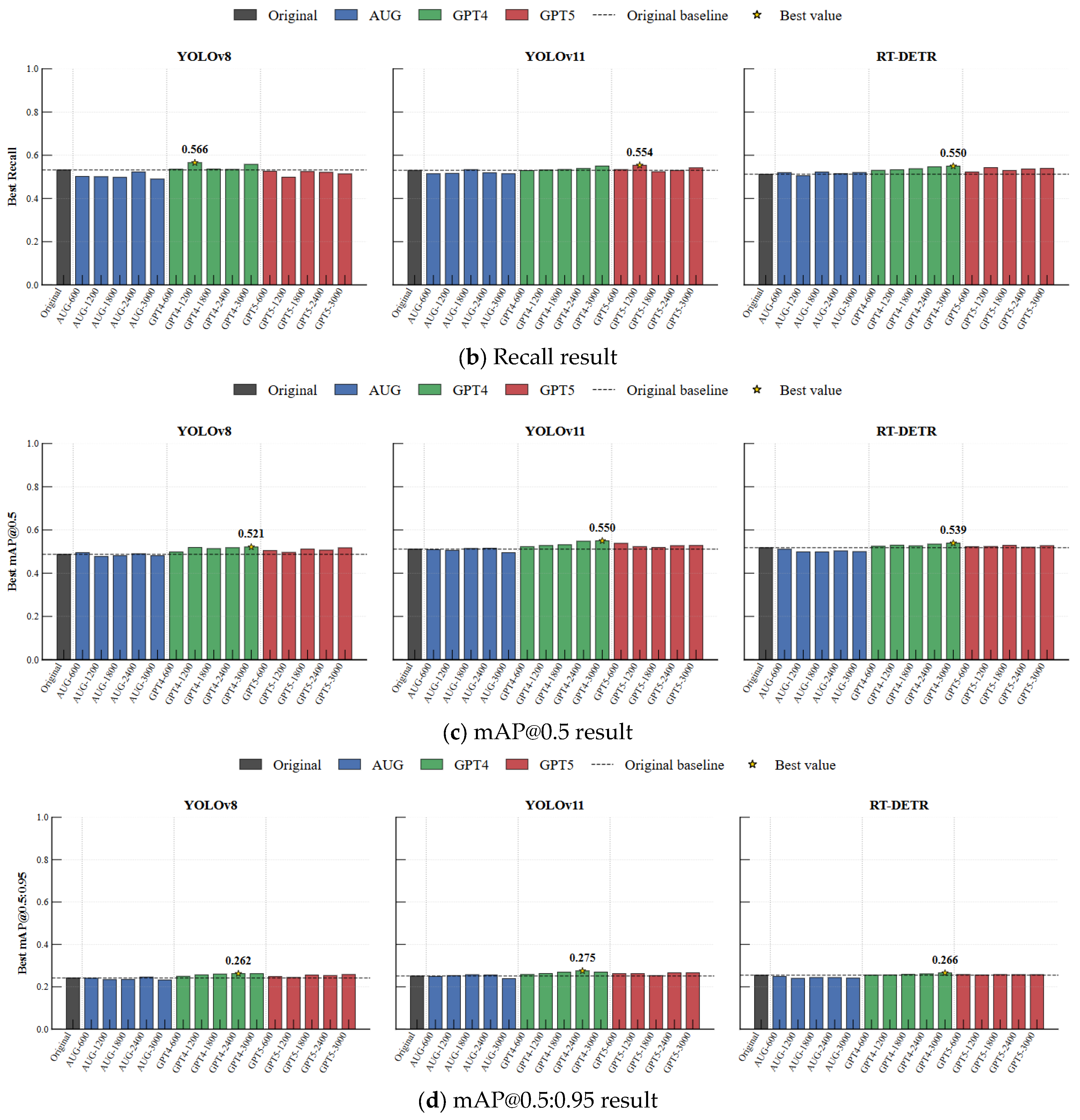
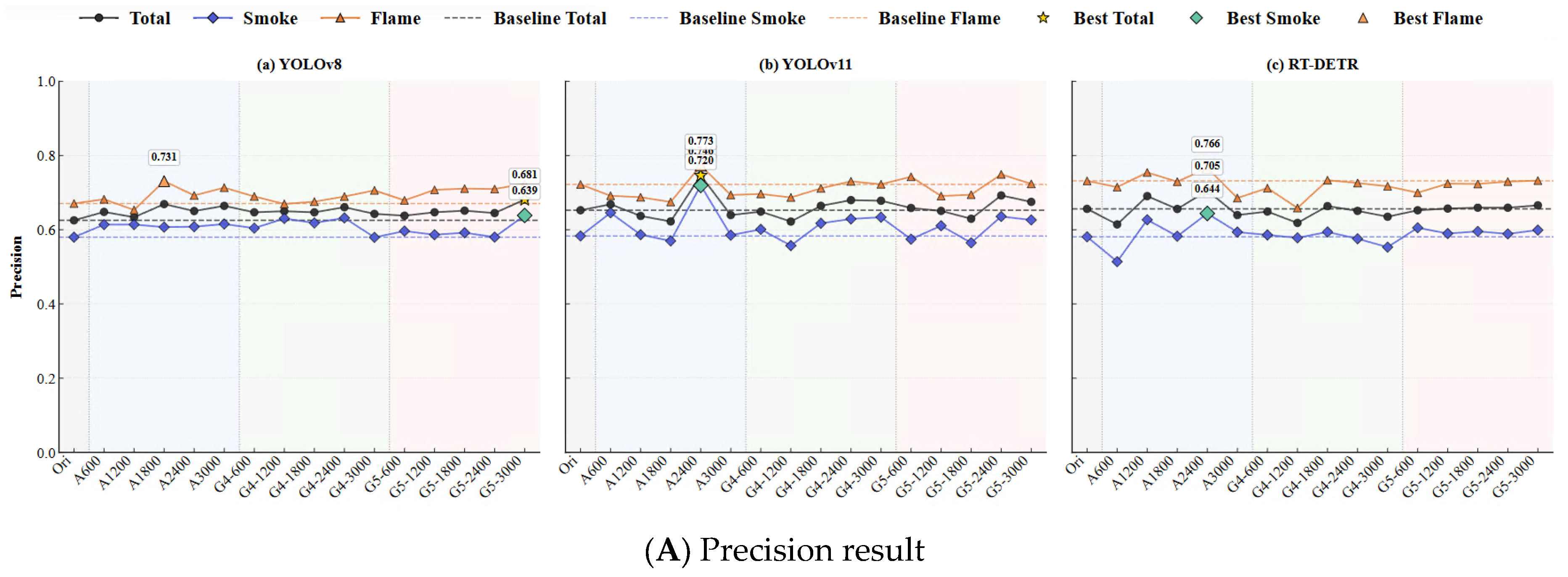
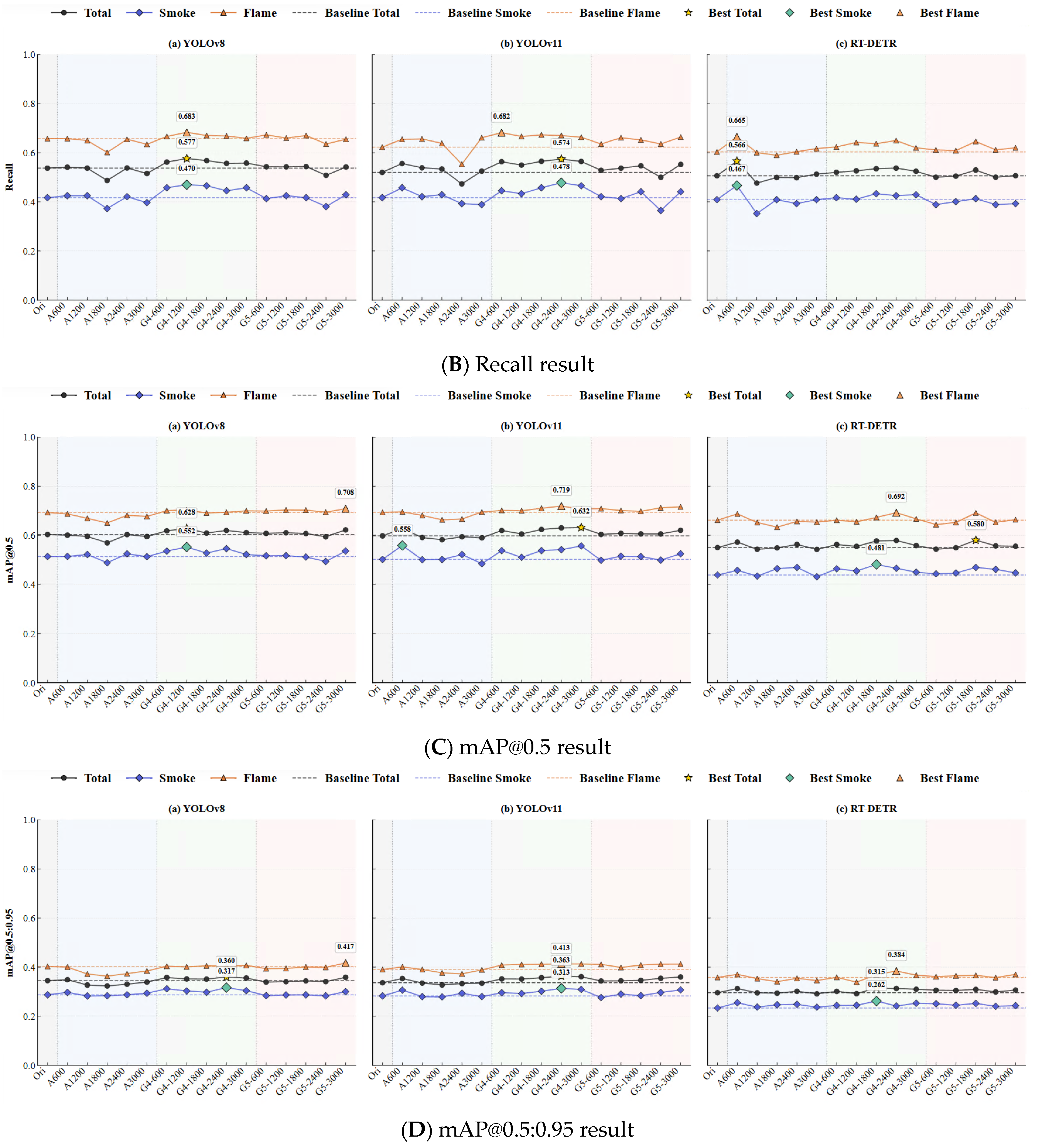
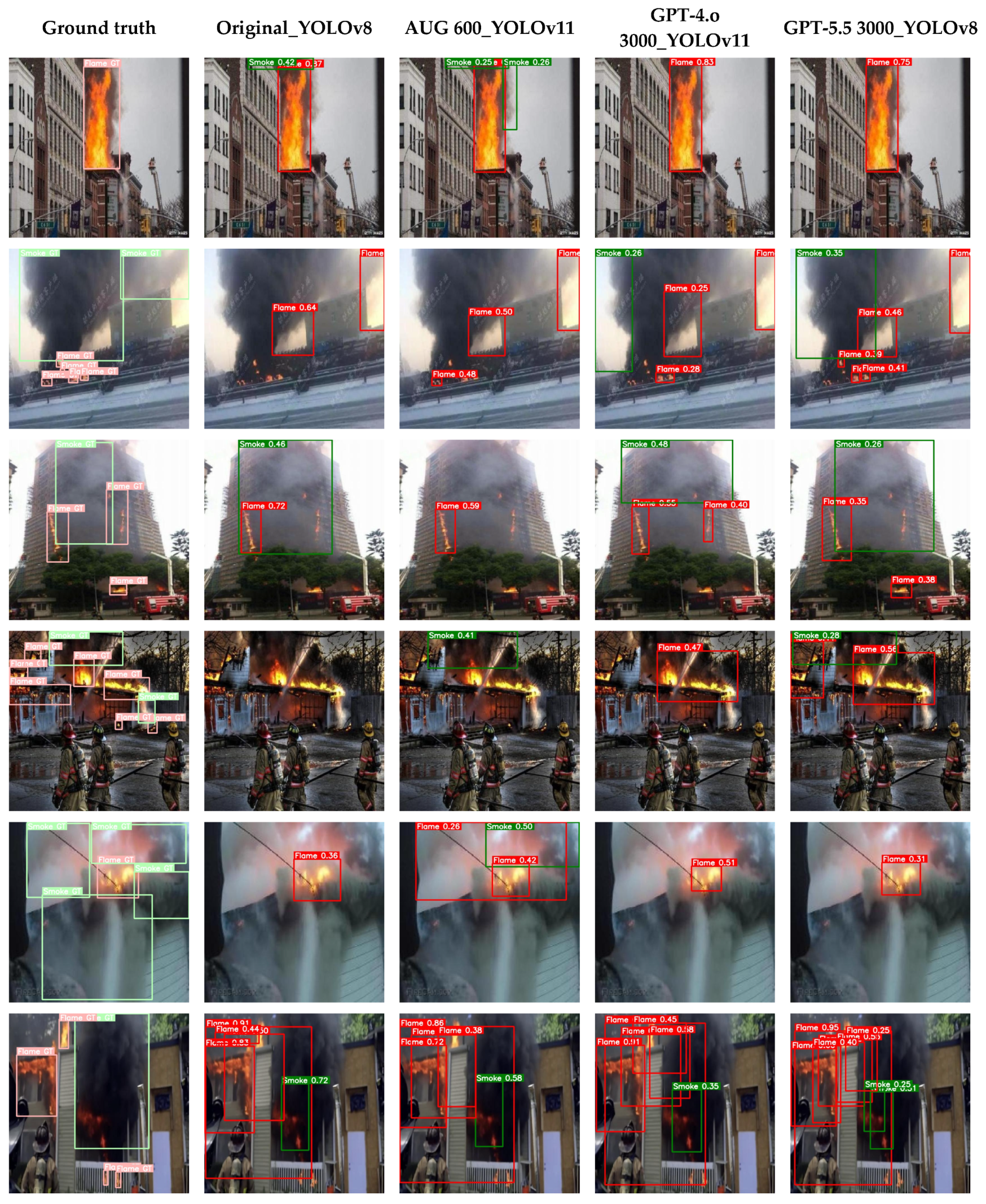
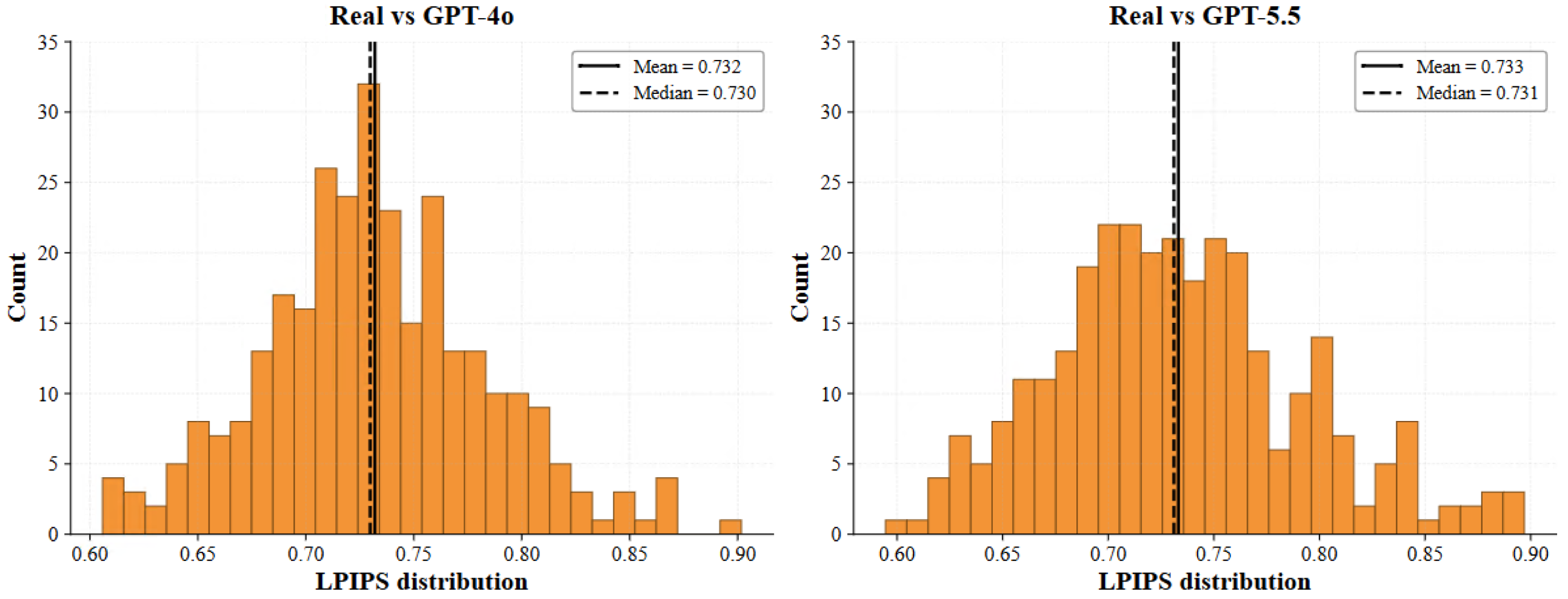
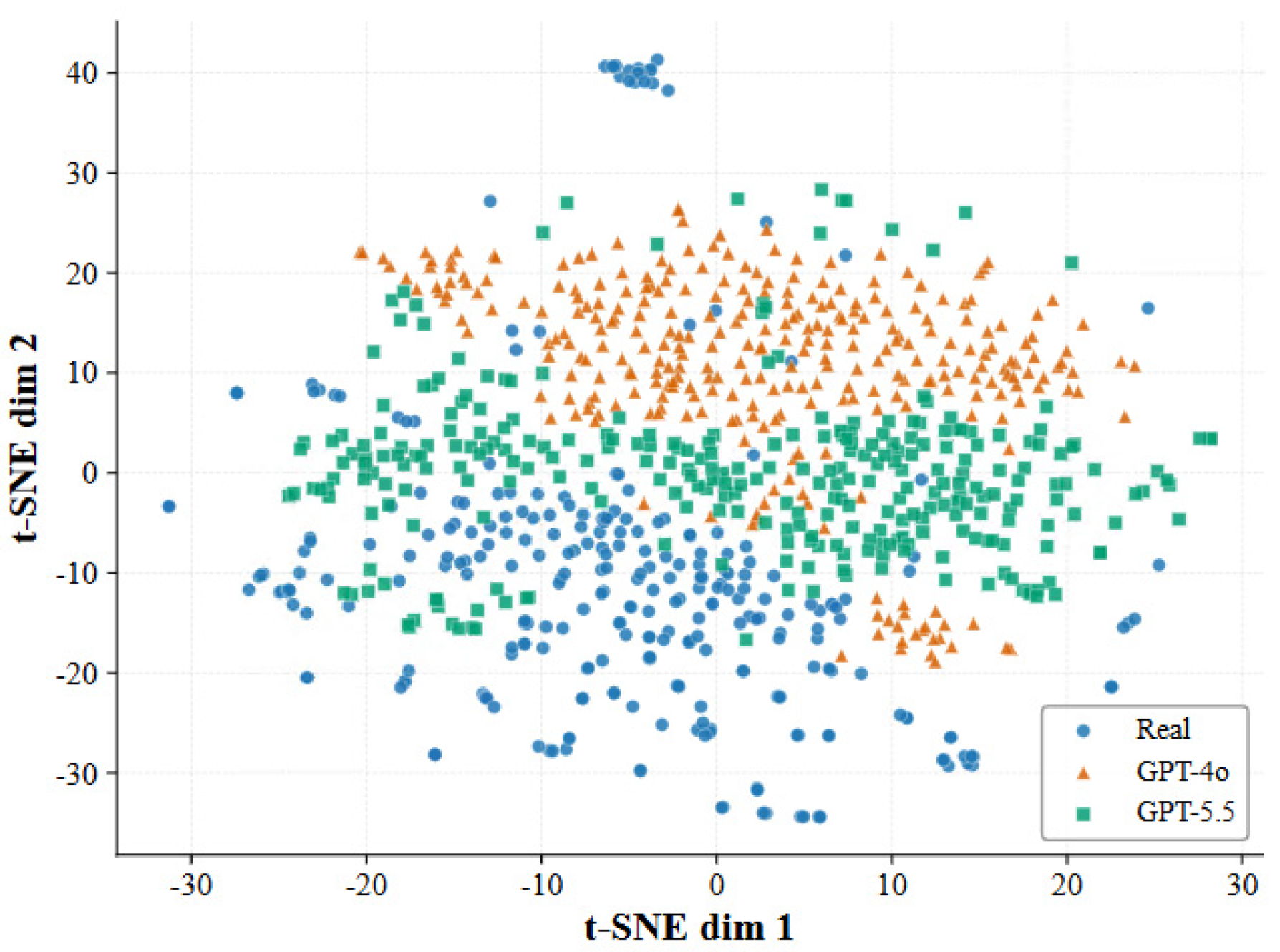
Vision-based fire detection models are often limited by the insufficient diversity of annotated fire and smoke images, particularly in terms of fire location, flame scale, smoke density, ignition cause, and indoor scene context. This study investigates whether generative AI-based synthetic images can expand fire-image diversity and improve object detection-based fire detection performance. Real fire images were combined with conventional augmented images and synthetic images generated using ChatGPT-4.o and ChatGPT-5.5. The generated images were constructed using multivariable prompts considering fire location, scale, and cause, and unsuitable samples were screened using a pretrained fire detection model. YOLOv8n, YOLOv11n, and RT-DETR were trained under 48 dataset–detector conditions and evaluated using fixed validation and test datasets. The results showed that generated-image-based training generally maintained or improved detection performance compared with the original and conventional augmentation conditions. In particular, selected ChatGPT-4.o-based YOLOv11 conditions showed statistically supported improvements over matched augmentation conditions, with increases of +0.052 in Precision, +0.031 in Recall, +0.065 in mAP@0.5, and +0.038 in mAP@0.5:0.95. LPIPS and t-SNE analyses indicated that the generated images formed structured perceptual and feature-space distributions relative to real fire images. Scenario-based inference using location-specific video frames also showed stable model responses in several complex indoor fire environments. These findings suggest that validated generative AI-based images can supplement the limited visual diversity of real fire datasets and improve the robustness of vision-based fire detection models.
Keywords: fire detection; object detection; generative AI; synthetic fire image; RT-DETR fire detection; object detection; generative AI; synthetic fire image; RT-DETR