
Article

Numerical Study on the Explosion Reaction Mechanism of Multicomponent Combustible Gas in Coal Mines

by
Dong Ma
1,*,
Leilin Zhang
2,
Guangyuan Han
3 and
Tingfeng Zhu
4
1
State Key Laboratory for Fine Exploration and Intelligent Development of Coal Resources, China University of Mining and Technology, Xuzhou 221008, China
2
Engineering Technology Research Centre for Safe and Efficient Coal Mining, Anhui University of Science and Technology, Huainan 232001, China
3
Xuzhou Coal Mining Group, Xuzhou 221004, China
4
School of Safety Engineering, China University of Mining and Technology, Xuzhou 221116, China
*
Author to whom correspondence should be addressed.
Fire 2024, 7(10), 368; https://doi.org/10.3390/fire7100368
Submission received: 25 September 2024 / Revised: 9 October 2024 / Accepted: 15 October 2024 / Published: 16 October 2024

Abstract

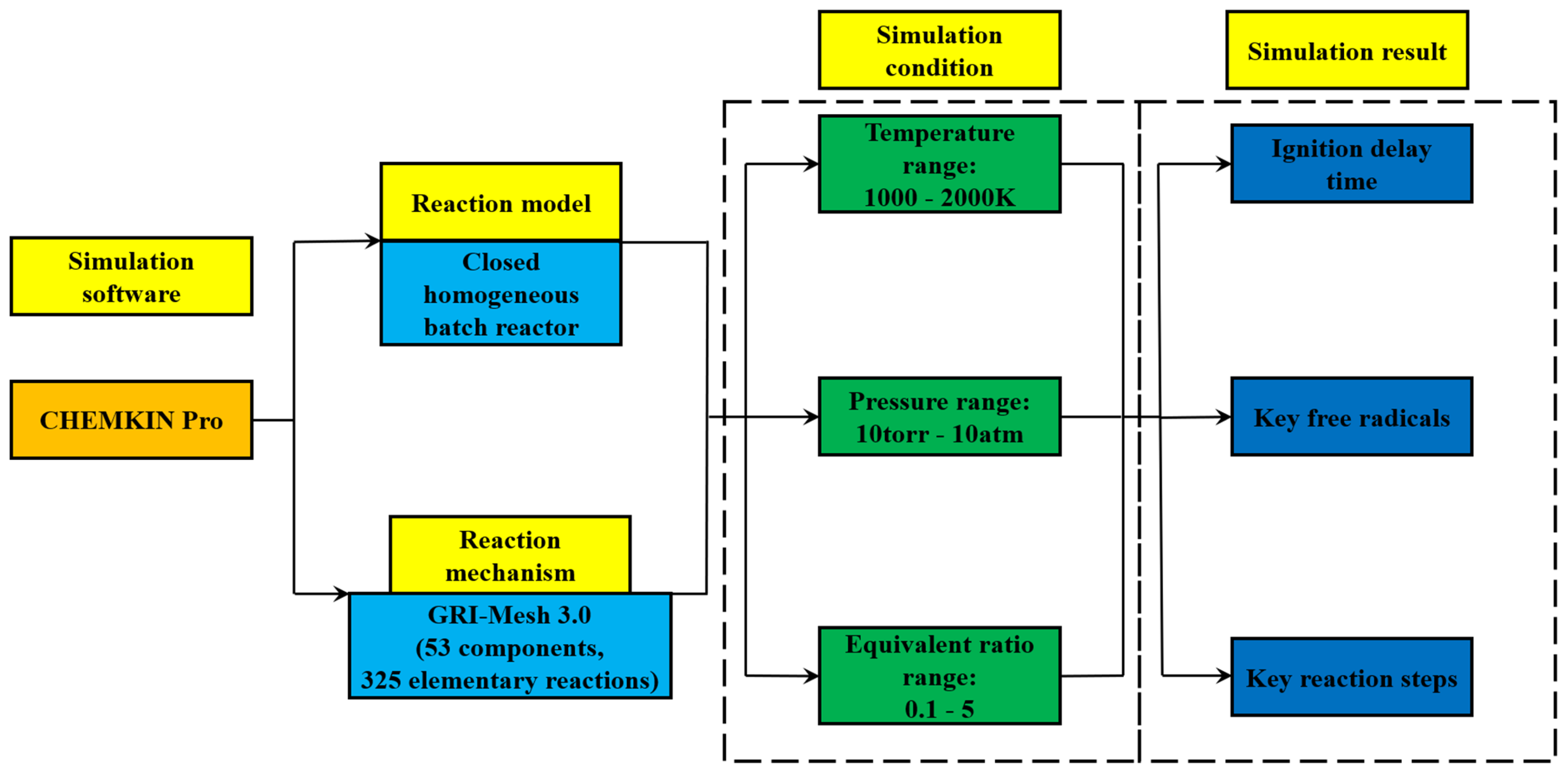
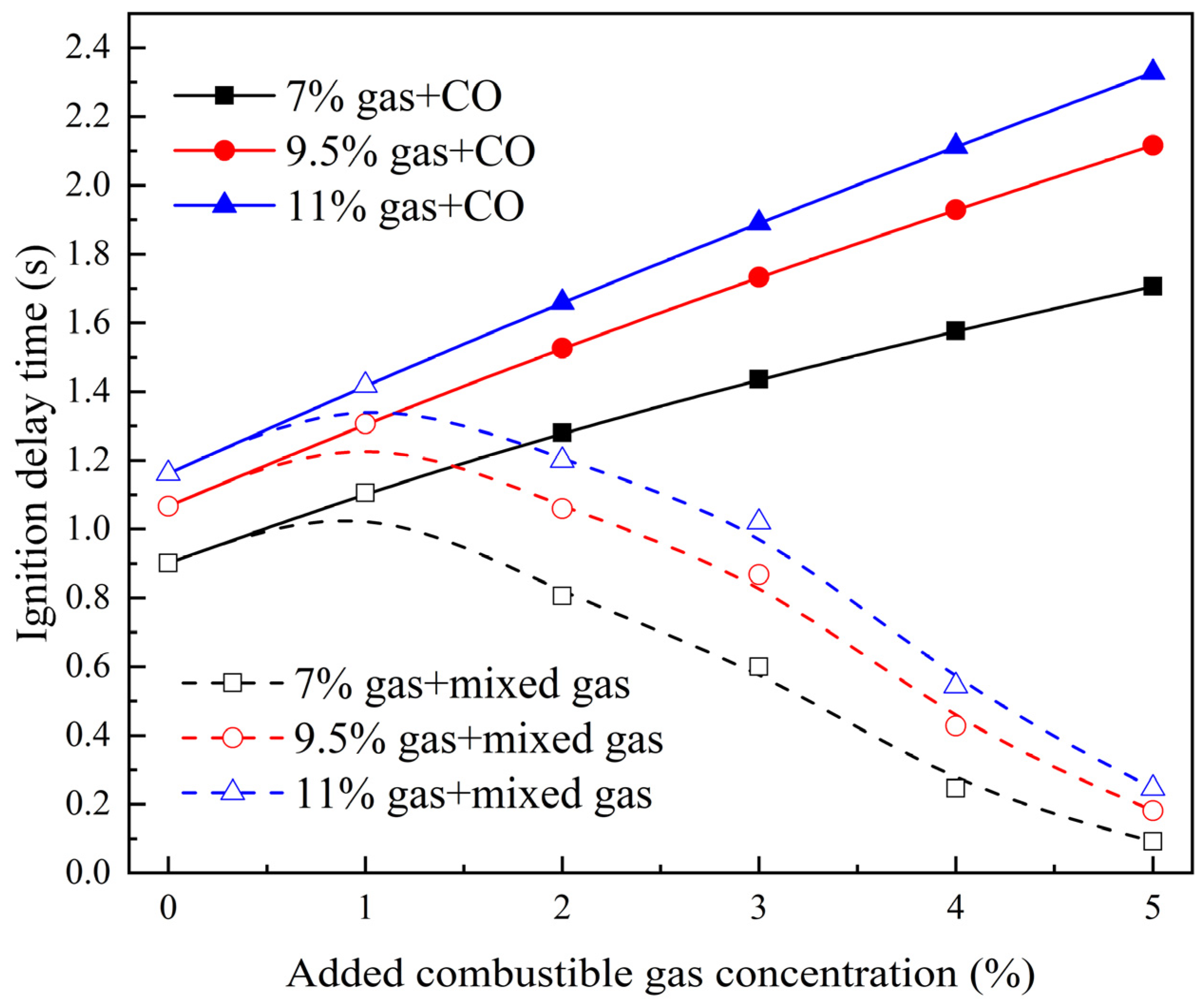
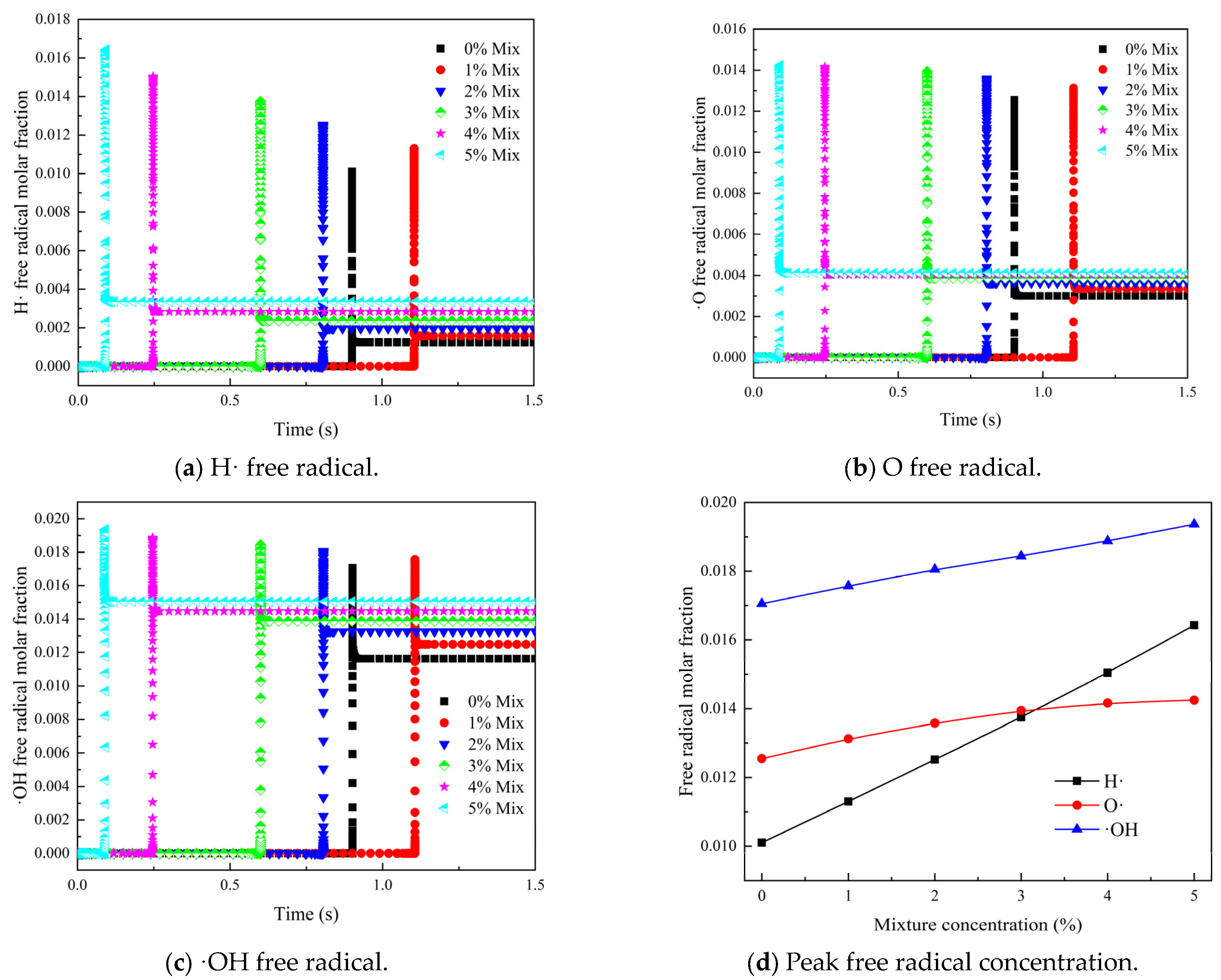
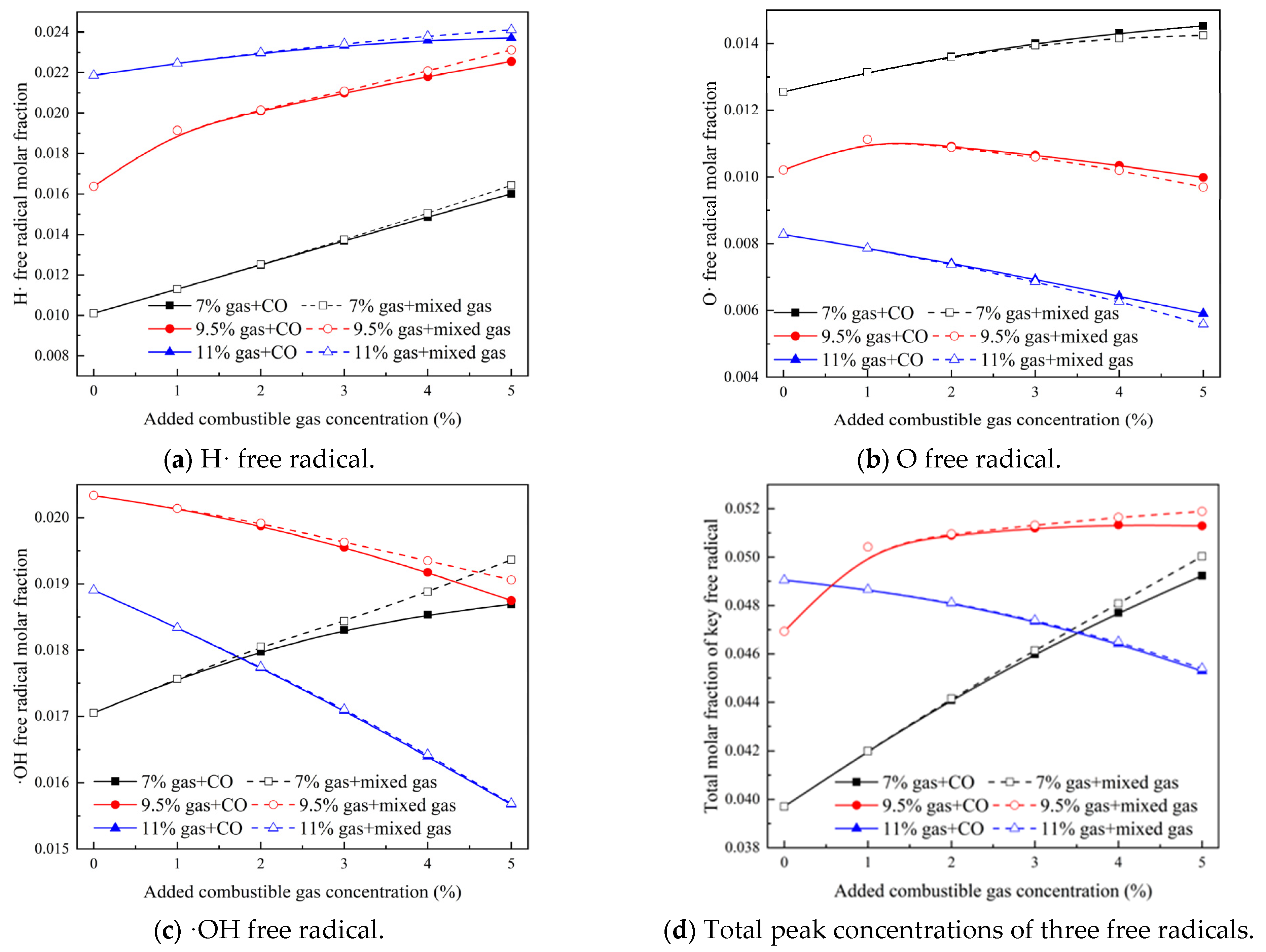
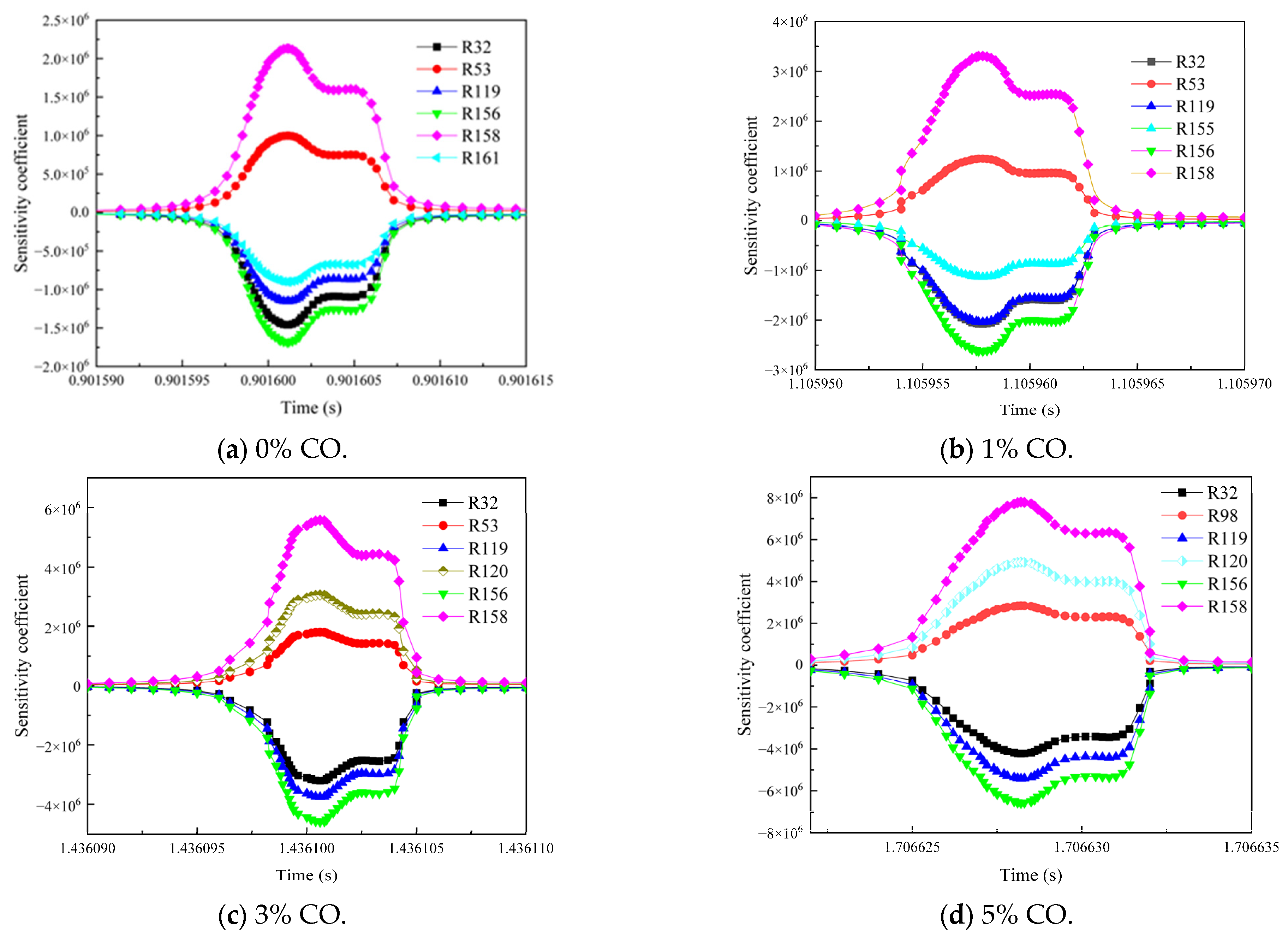
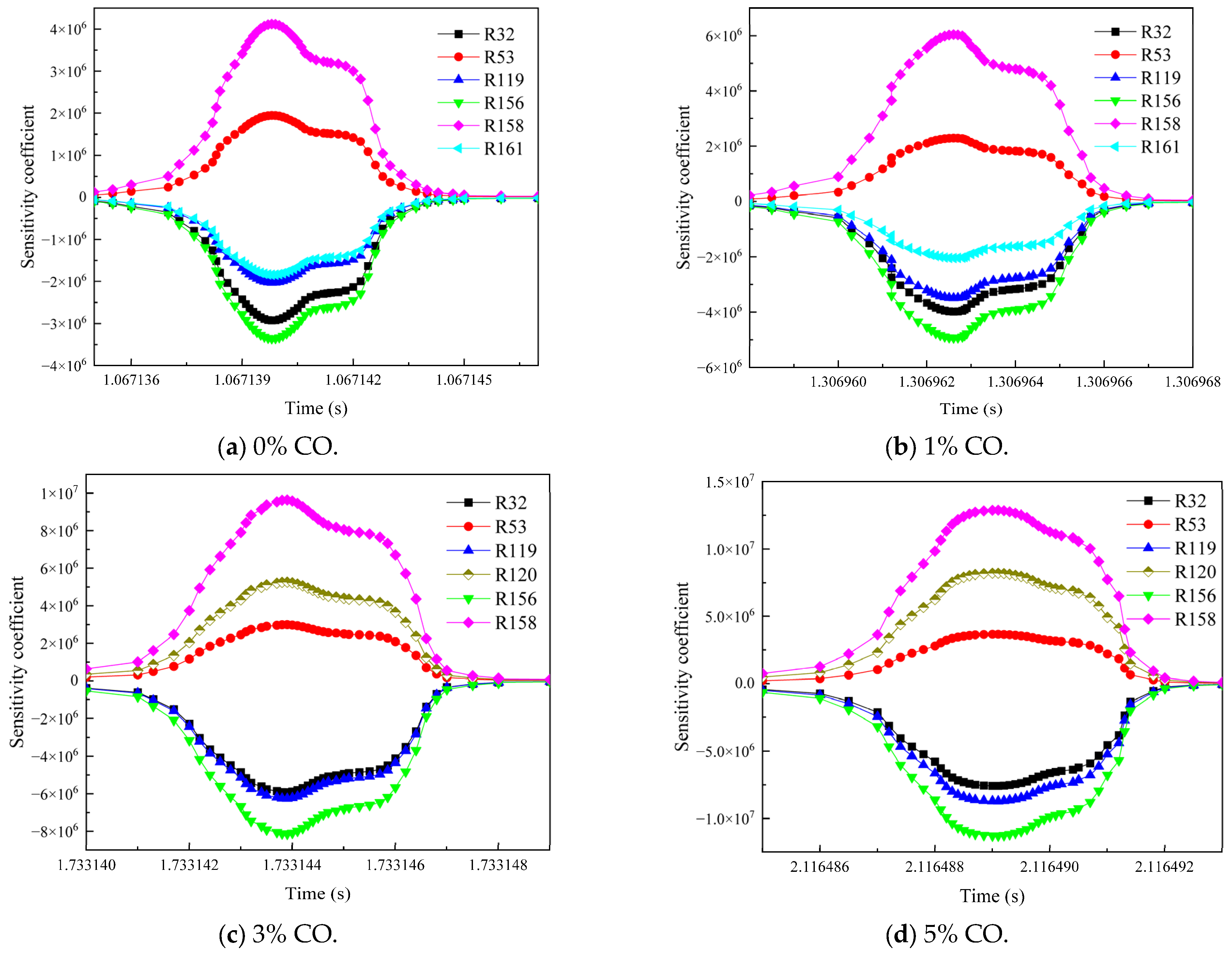
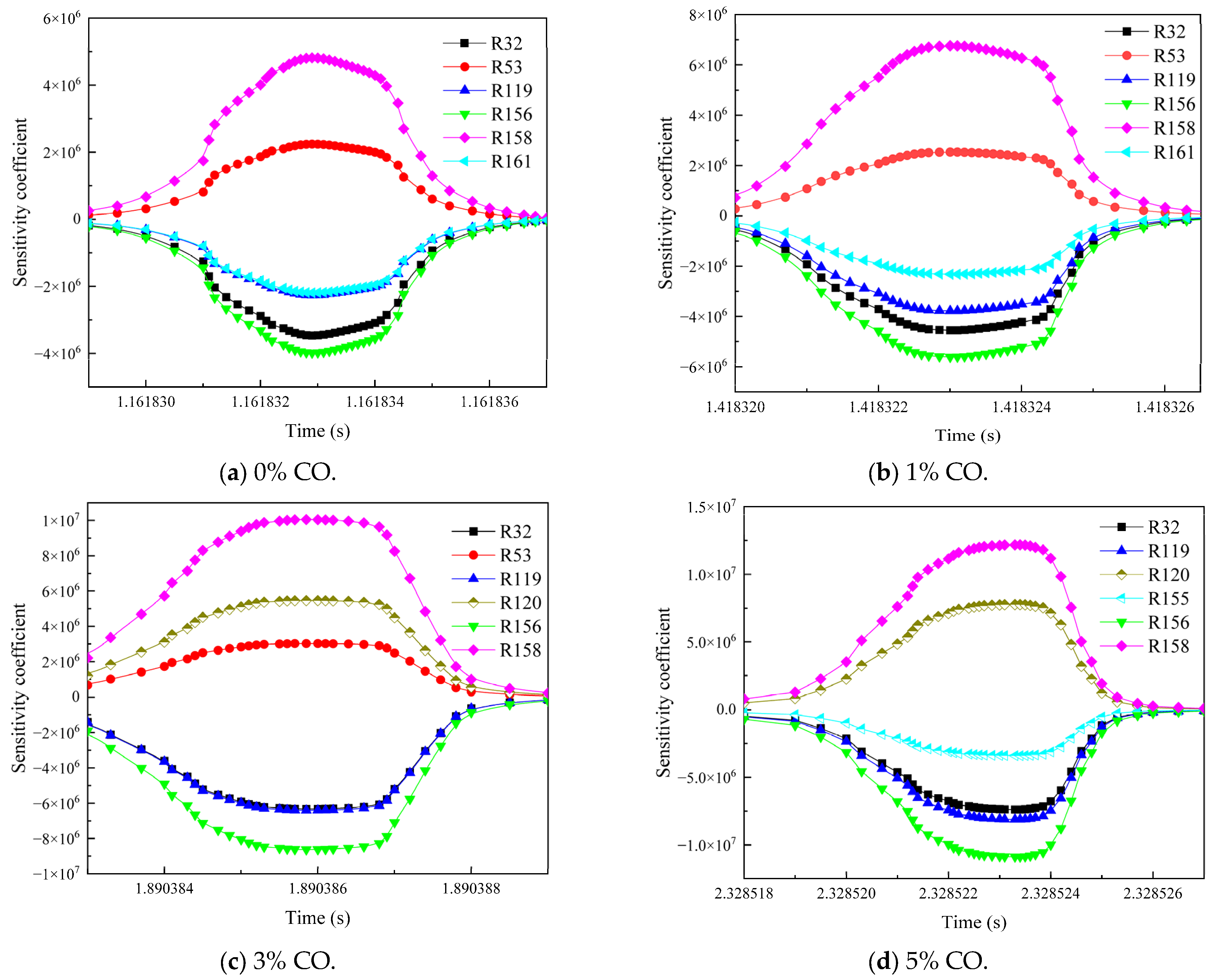
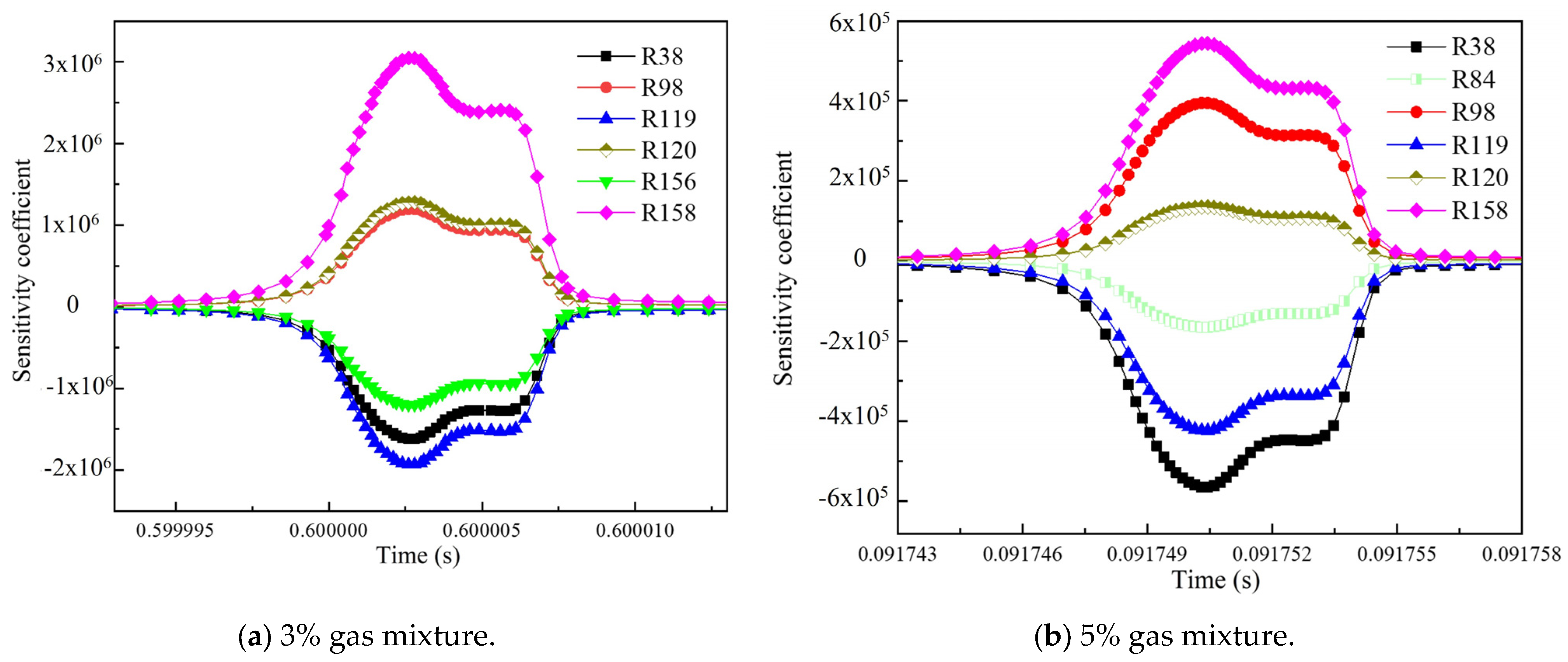
Combustible gases, such as CO, CH4, and H2, are produced during spontaneous coal combustion in goaf, which may cause an explosion under the stimulation of an external fire source. It is of great significance to study the influence of combustible gases, such as CO and H2, on the characteristics of a gas explosion. In this study, CHEMKIN software (Version 17.0) and the GRI-Mech 3.0 reaction mechanism were used to study the influences of different concentration ratios between CO and H2 on the ignition delay time, free radical concentration, and key reaction step of a gas explosion. The results show that the increase in the initial CH4 and CO concentrations prolonged the ignition delay time, while the increase in the H2 concentration shortened the time and accelerated the explosion reaction. The addition of H2 promoted the generation of free radicals (H·, O·, ·OH) and accelerated the occurrence of the gas explosion. CO generated ·OH free radicals and dominated the methane consumption through the R119 and R156 reactions. As the concentrations of CO and H2 increased, the R38 reaction gradually became the main driving factor of the gas explosion.
Keywords: coal combustion; methane explosion; flammable gas; reaction mechanism coal combustion; methane explosion; flammable gas; reaction mechanism