Article

Optimization of Smoke-Detector Installation Location Based on Effect of Fan Equipment inside Distribution Panel on Fire Detection Performance


1
METIS 84, Pungsesandan-ro, Pungse-myeon, Dongnam-gu, Cheonan-si 330912, Chungcheongnam-do, Republic of Korea
2
Department of IT Convergence Software Engineering for Highly-Skilled Professionals, Korea University of Technology & Education (KOREATECH) 503, Damheon Hall of Practical Education, 1600 Chungjeol-ro, Dongnam-gu, Cheonan-si 31253, Chungcheongnam-do, Republic of Korea
*
Author to whom correspondence should be addressed.
Submission received: 14 November 2022 / Revised: 4 January 2023 / Accepted: 27 January 2023 / Published: 28 January 2023
(This article belongs to the Special Issue Fire Detection and Public Safety)

Abstract

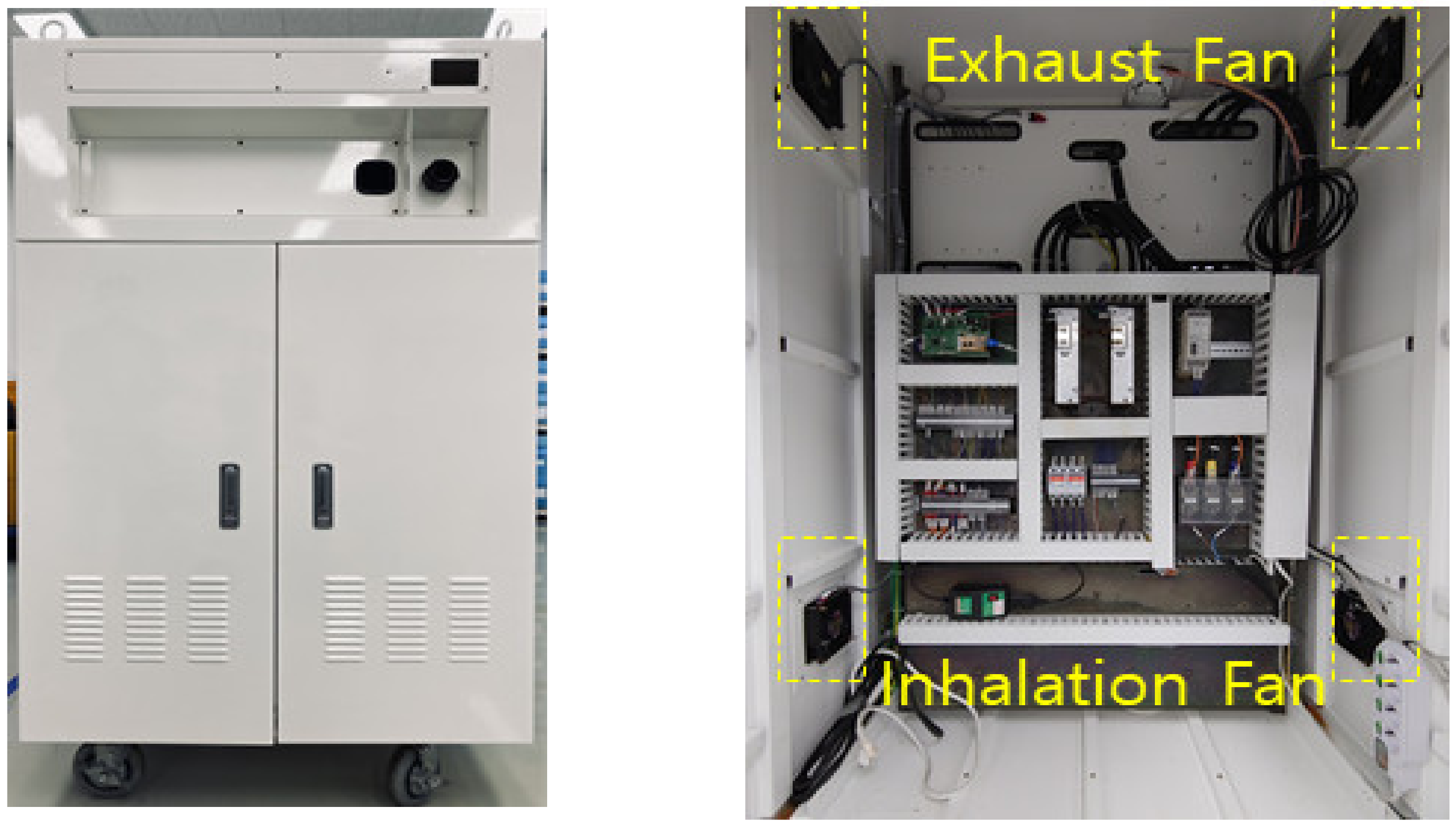
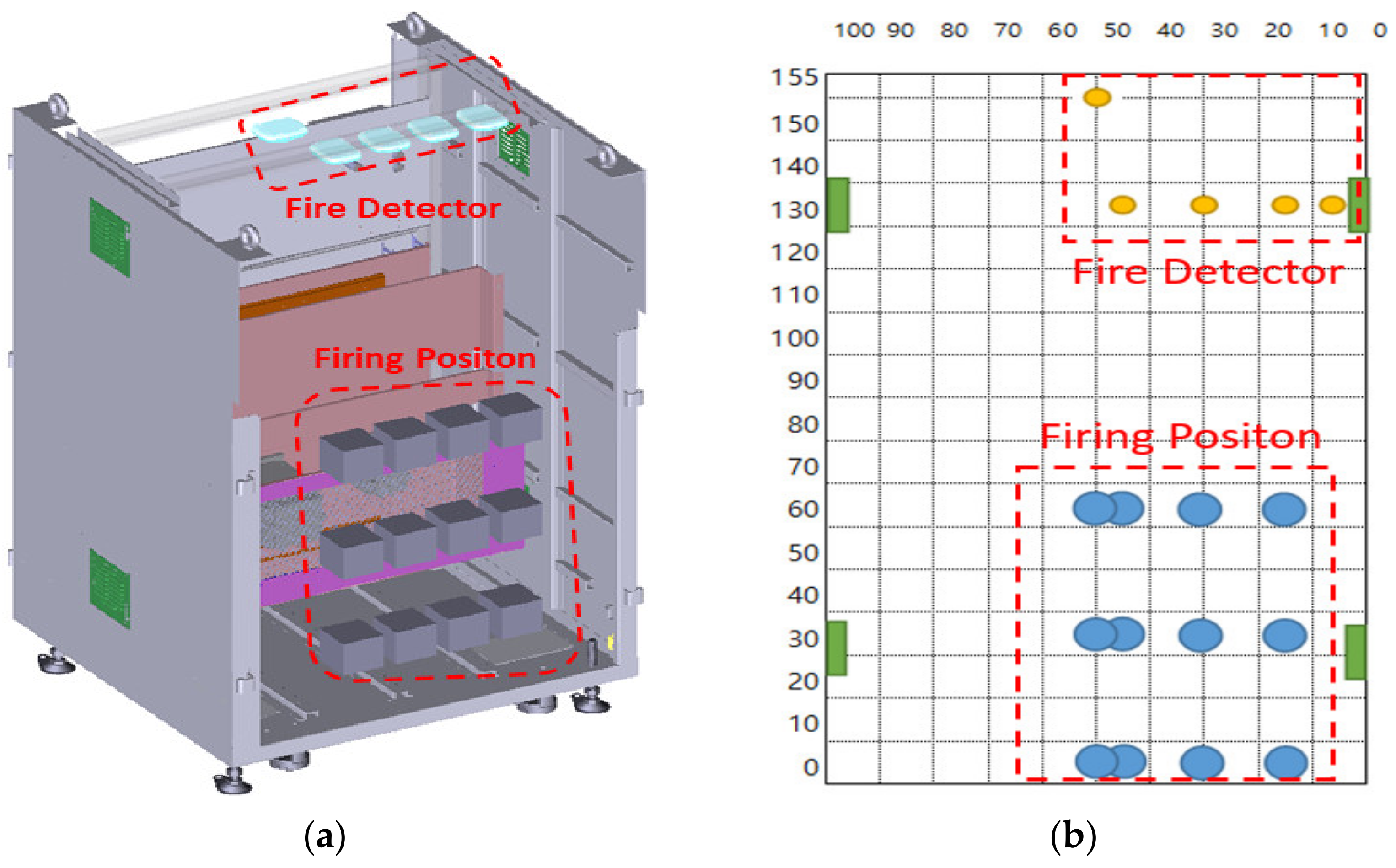
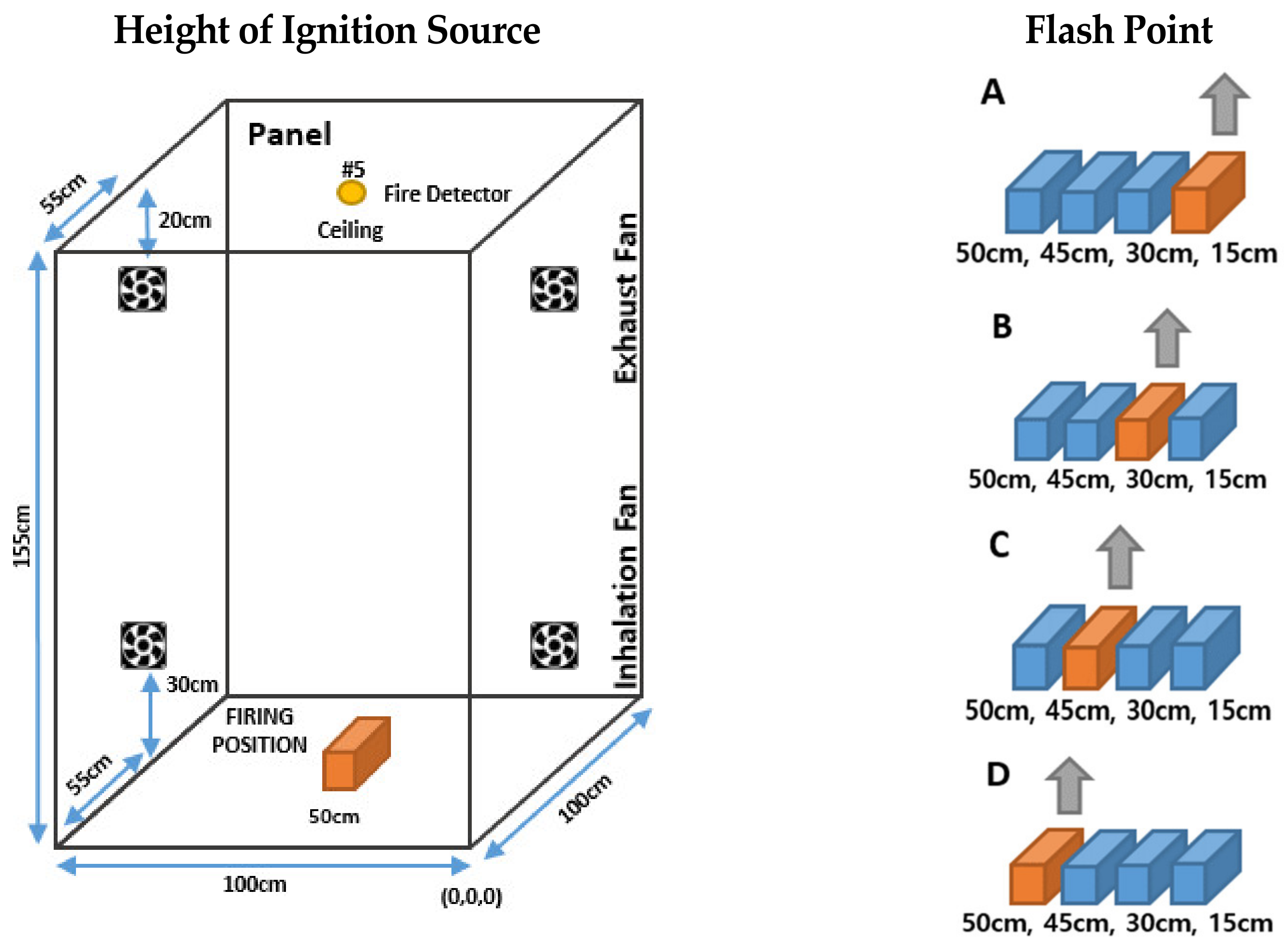
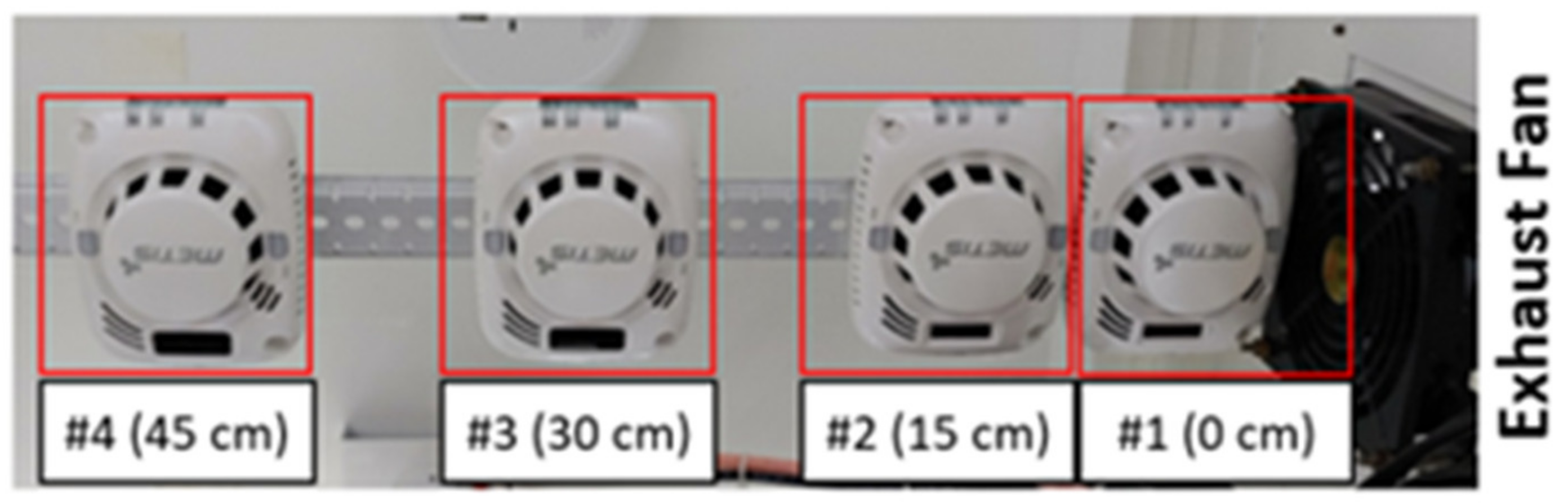
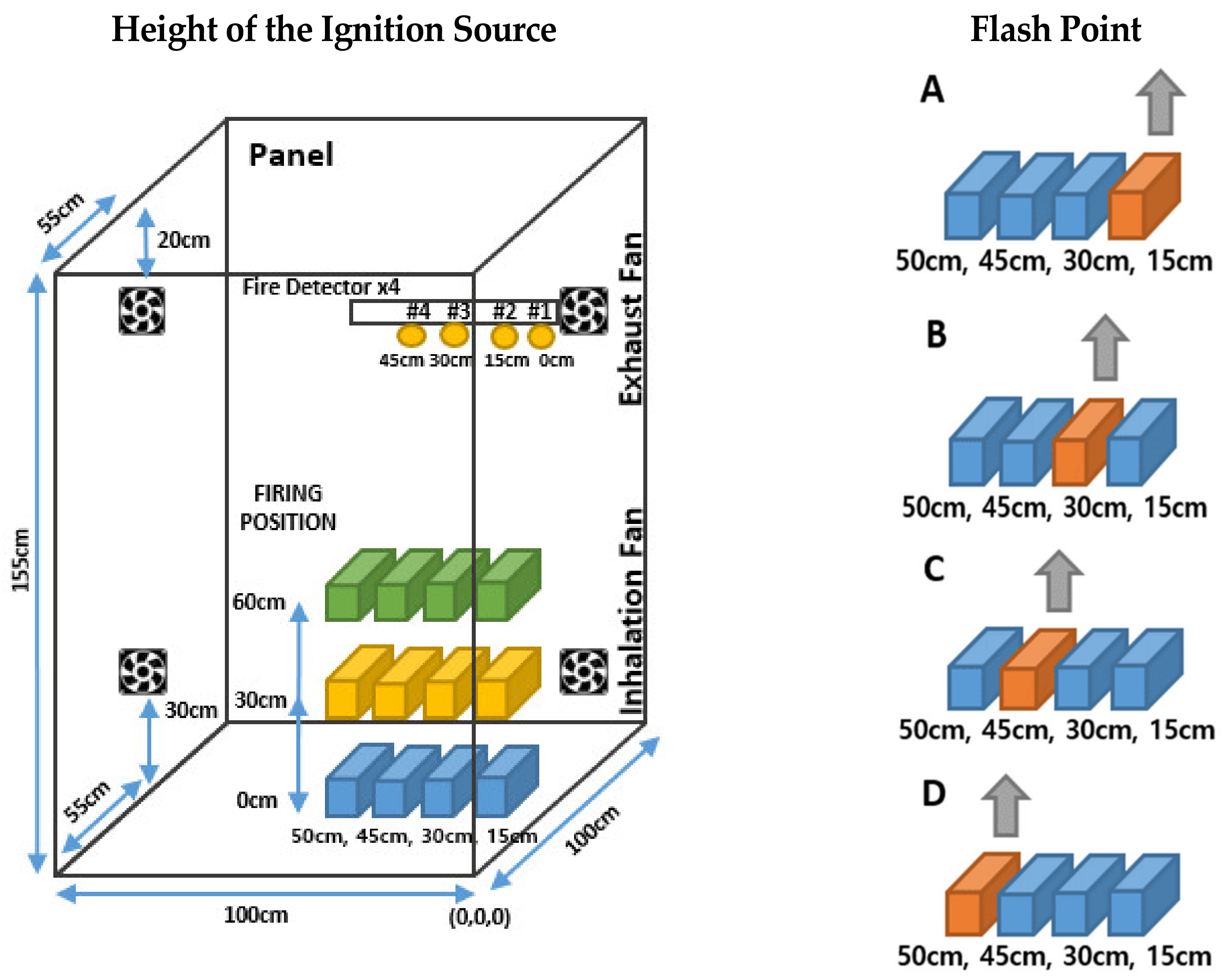
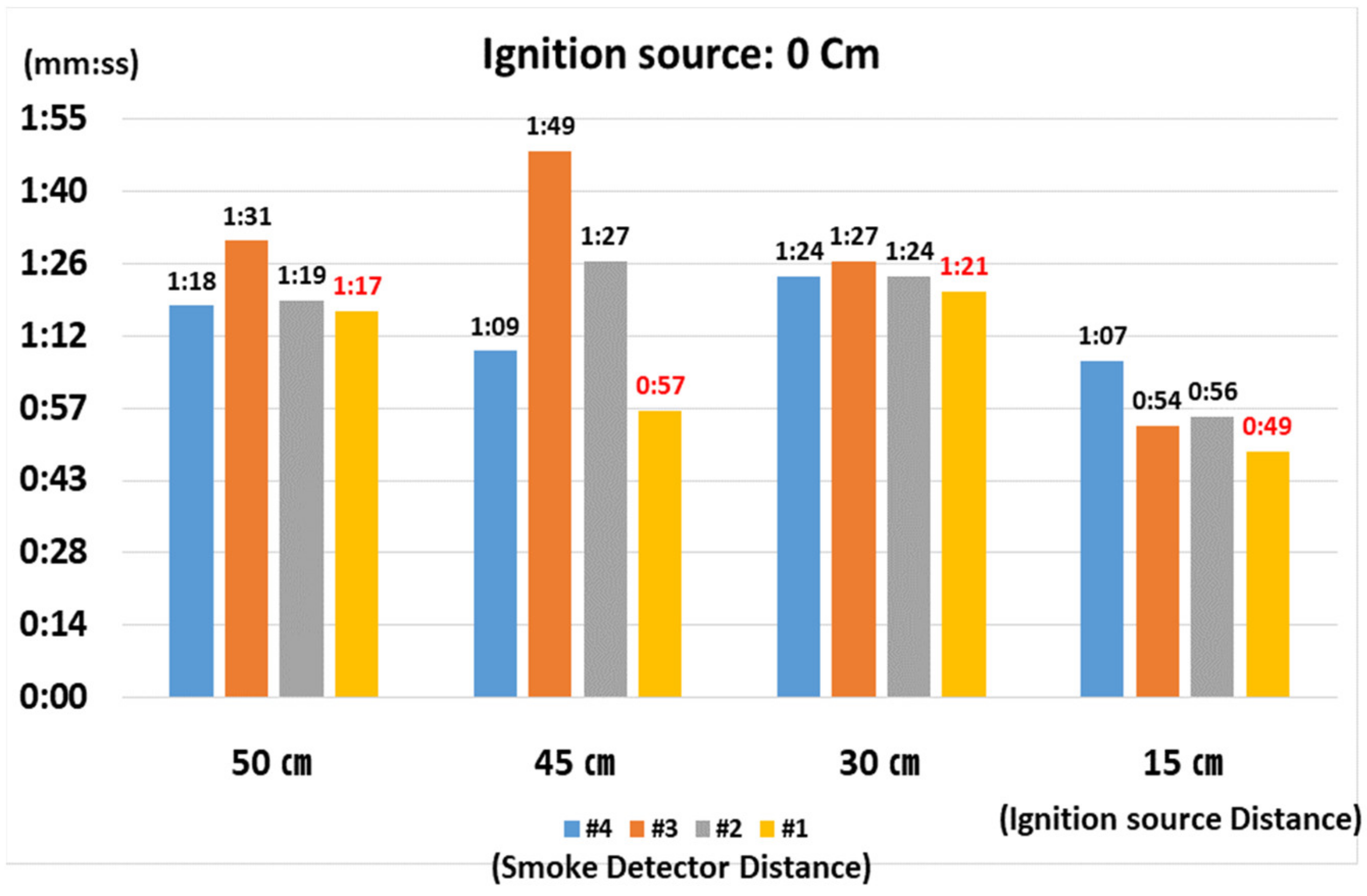
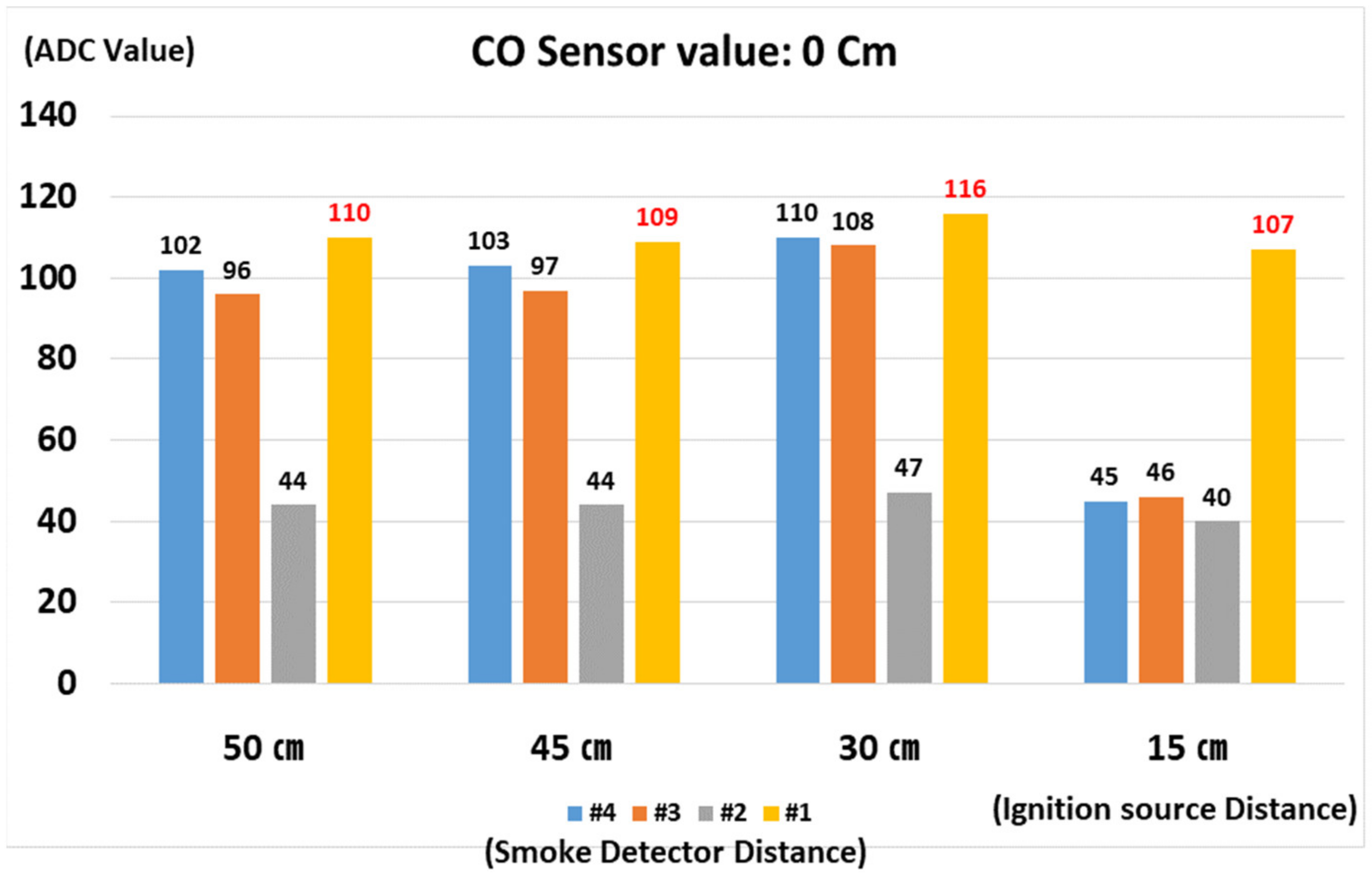
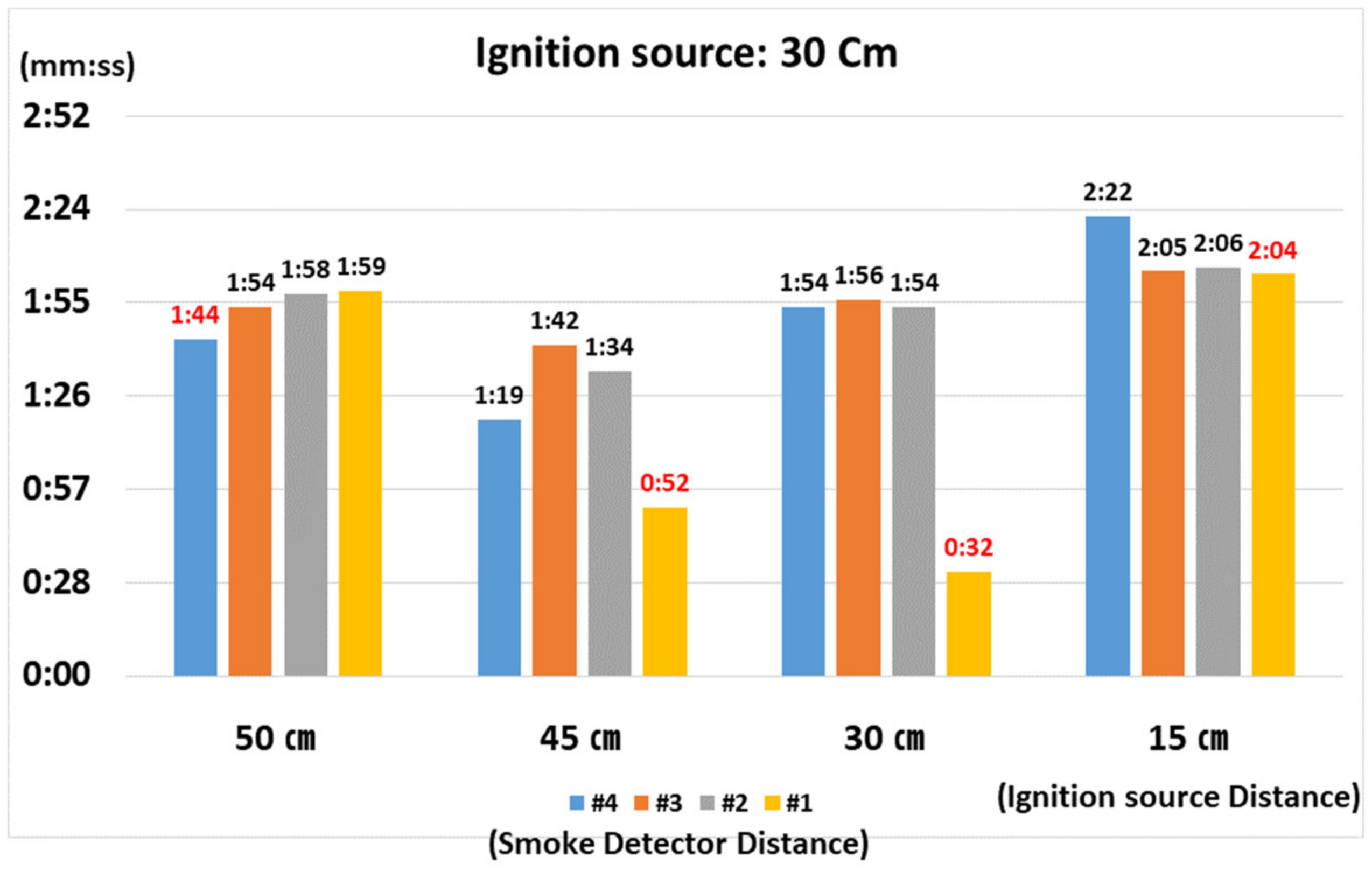
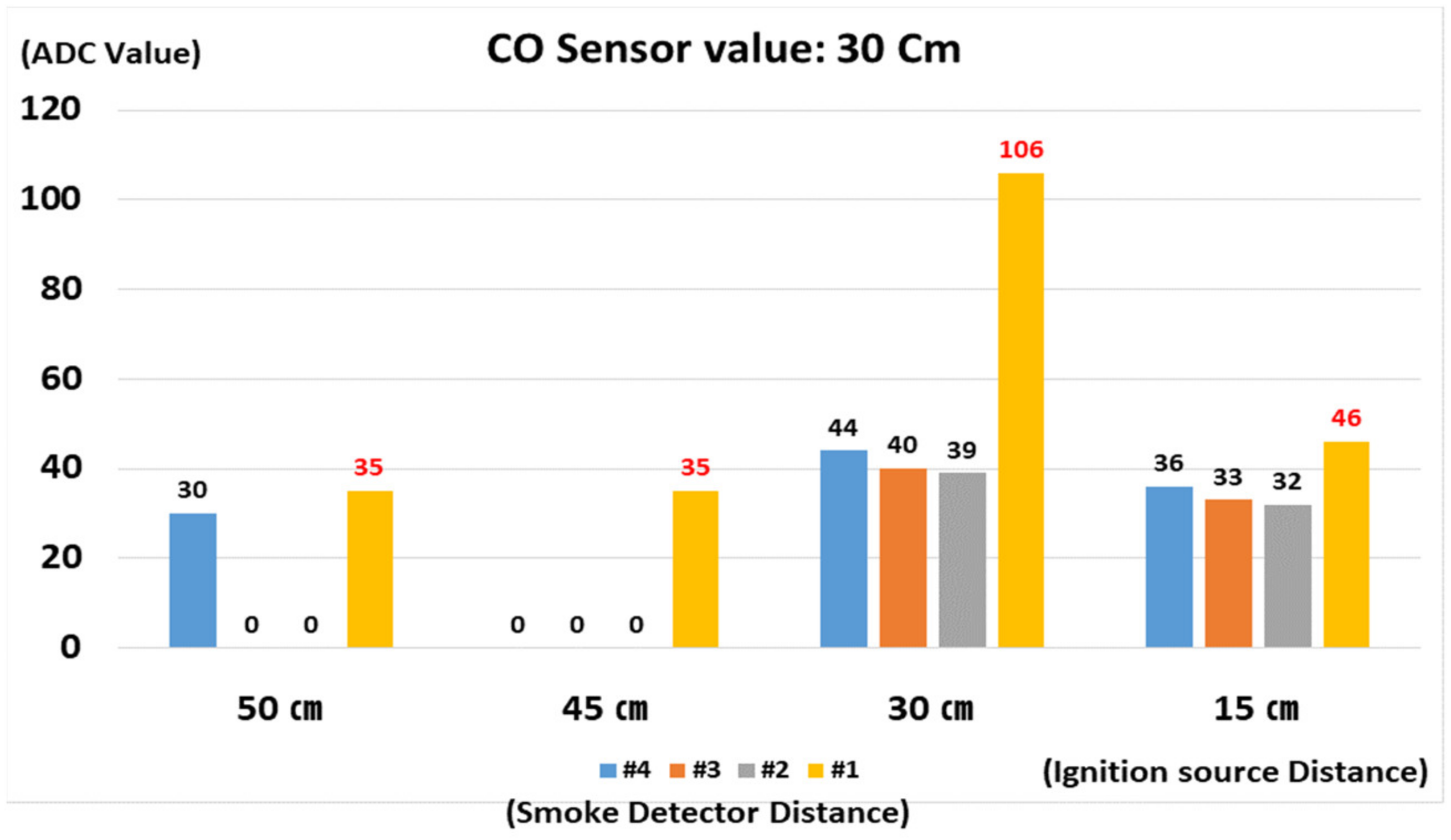
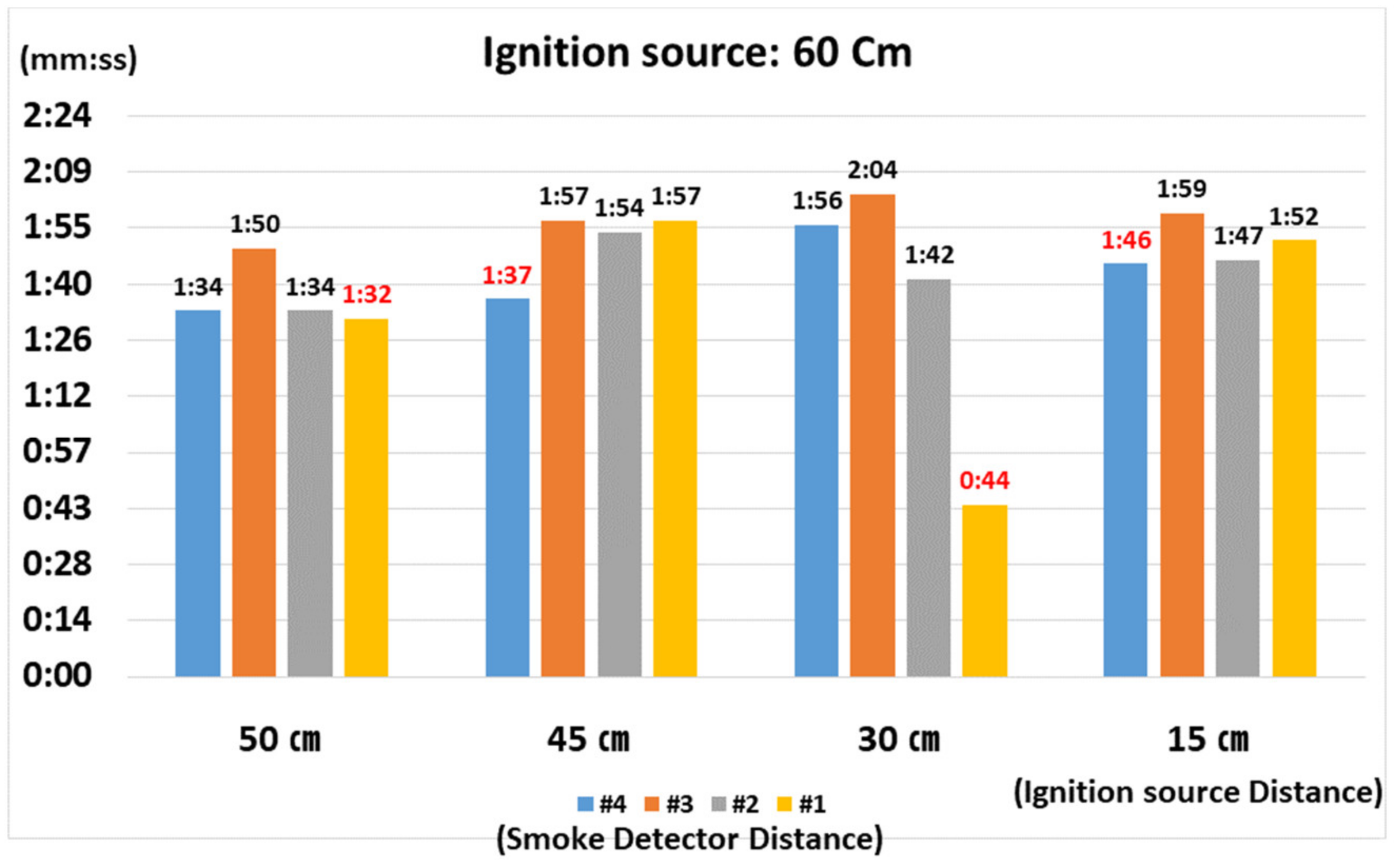
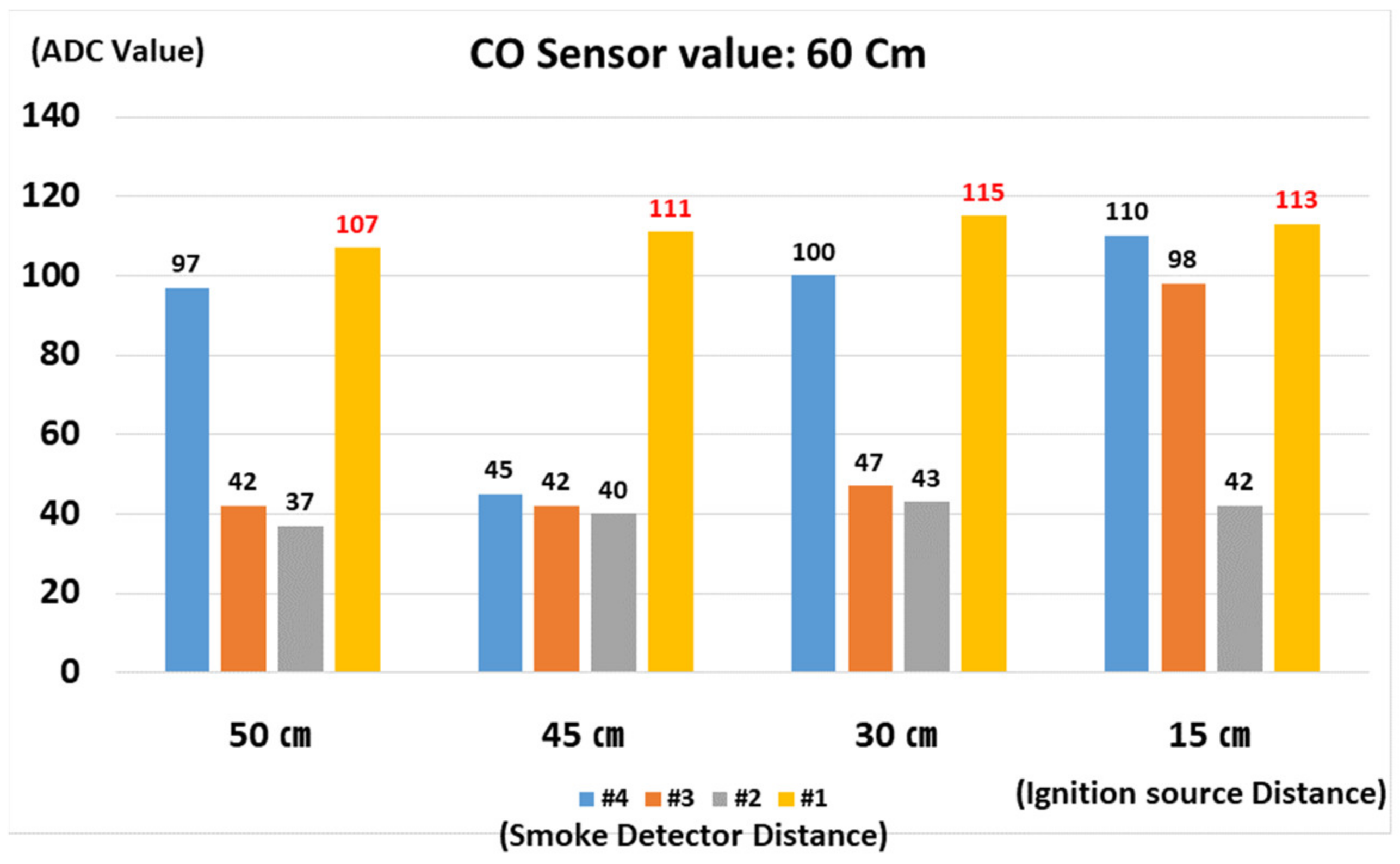
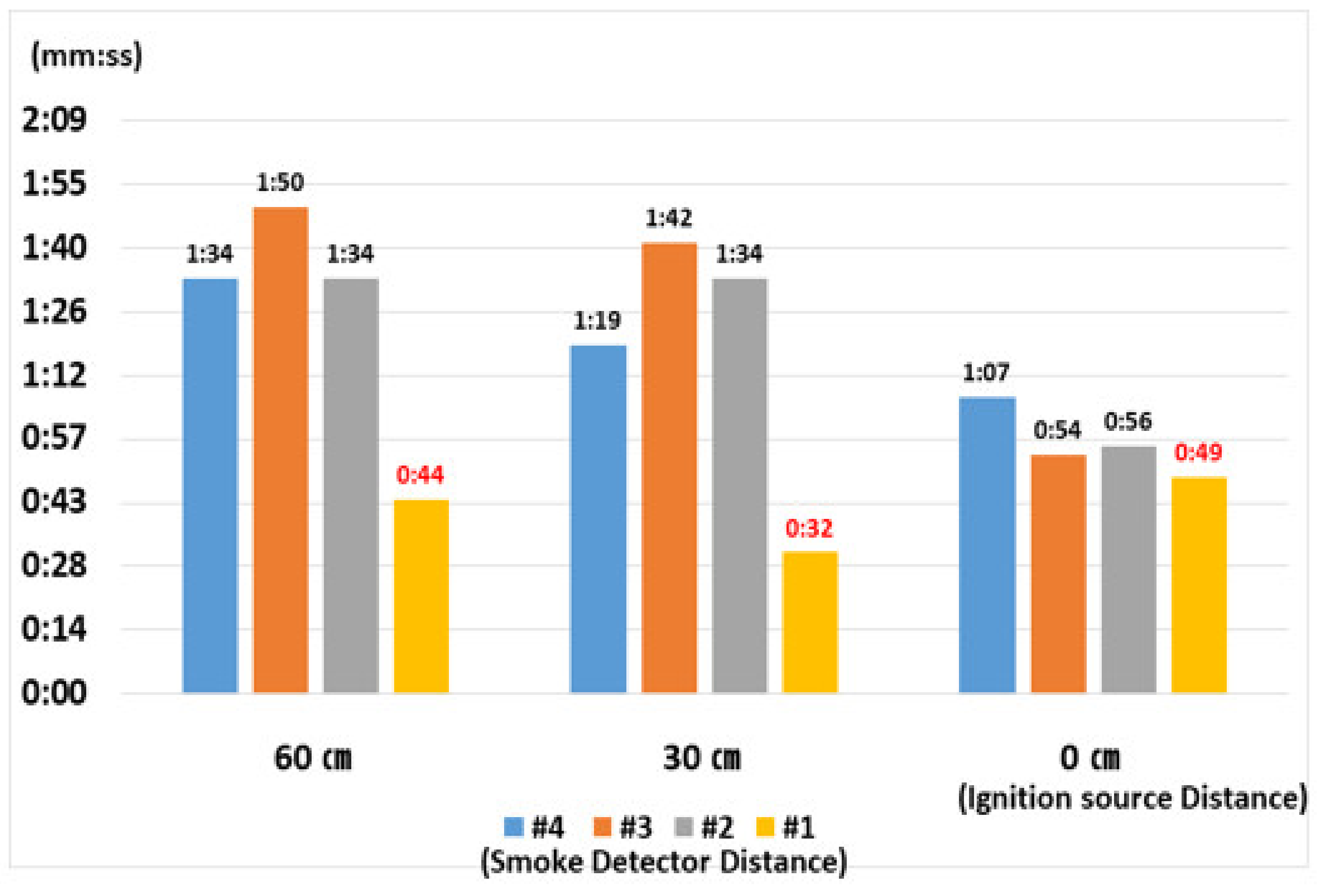
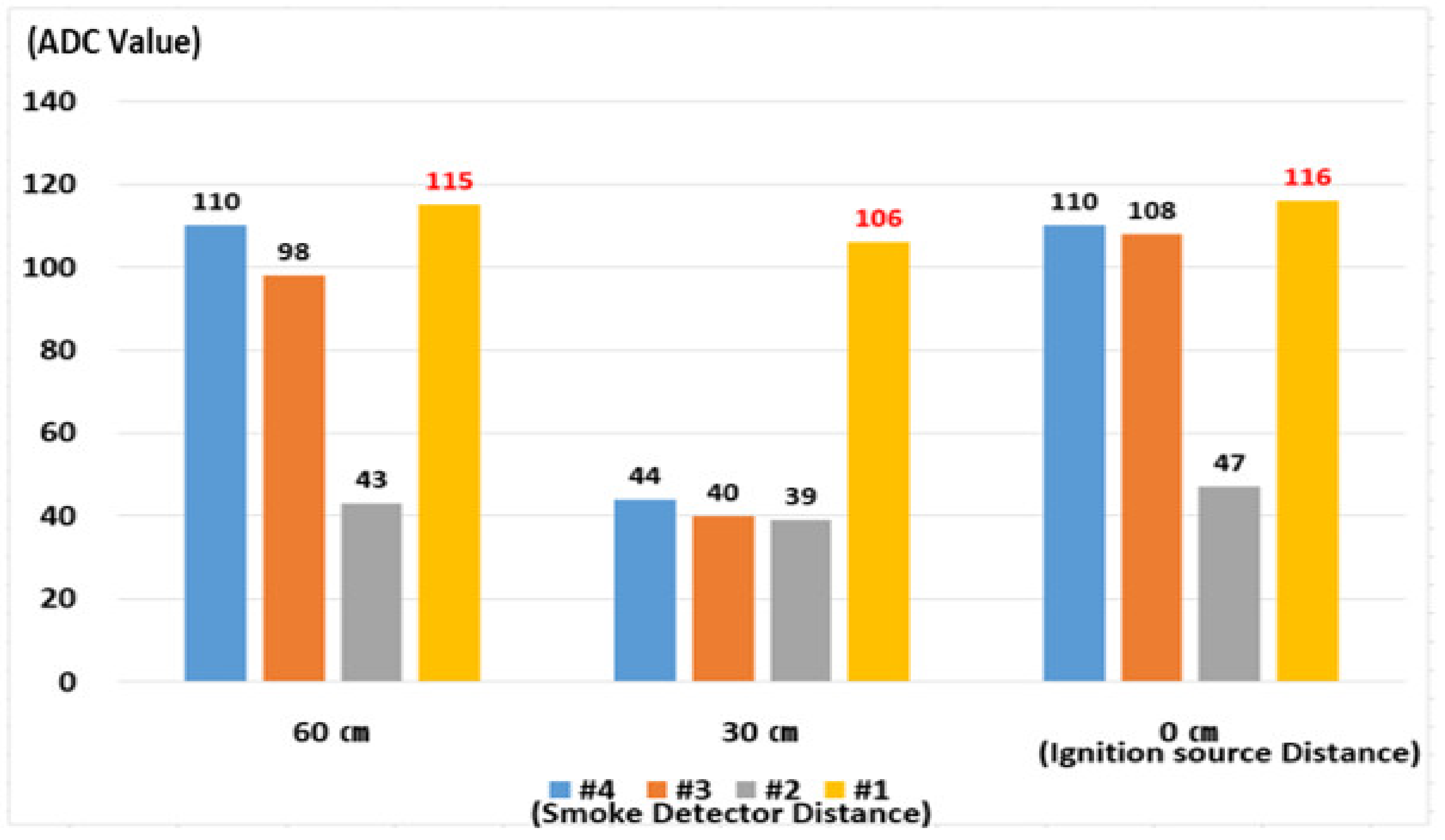
Inhalation and exhaust fans are installed inside a distribution panel for cooling. However, in the event of fire inside the panel, these fans change the flow of smoke, which interferes with quick detection by fire sensors installed on the panel ceiling, thereby increasing fire damage. The purpose of this study is to develop a smoke detector that can be installed inside distribution panels and to propose an optimal smoke detector position based on the influence of the position on detection performance. To this end, an experimental distribution panel was fabricated and four smoke detector samples were installed near the fans. The smoke detection performance experiment was repeated on ignition source positions corresponding to widths of 15, 30, 45, and 50 cm, a depth of 55 cm, and heights of 0, 30, and 60 cm. The results indicated that the smoke detection performance and CO absorption concentration were higher when the smoke detector was positioned closer to the left or right side of the exhaust fan. In particular, compared with current designs in which smoke detectors are installed on distribution panel ceilings, the elapsed time until smoke detection decreased by 75%, whereas the CO absorption concentration increased by more than 100%. This study presents a theoretical ground for the installation of built-in smoke detectors near exhaust fans for closed power industry equipment that includes airflow-changing devices. Additionally, this study raises awareness on the importance of fire sensors and the need to improve policies and standards for fire prevention.
Keywords: smoke analysis; fire sensor; smoke detector; CO detector; fire detection smoke analysis; fire sensor; smoke detector; CO detector; fire detection