Article

Quantifying Litter Bed Ignitability: Comparison of a Laboratory and Field Method

1
School of Ecosystem and Forest Sciences, Faculty of Science, The University of Melbourne, 4 Water Street, Creswick, VIC 3363, Australia
2
School of Ecosystem and Forest Sciences, Faculty of Science, The University of Melbourne, 500 Yarra Boulevard, Burnley, VIC 3121, Australia
*
Author to whom correspondence should be addressed.
Submission received: 1 November 2022 / Revised: 22 December 2022 / Accepted: 4 January 2023 / Published: 10 January 2023
(This article belongs to the Special Issue Advances in the Measurement of Fuels and Fuel Properties)

Abstract

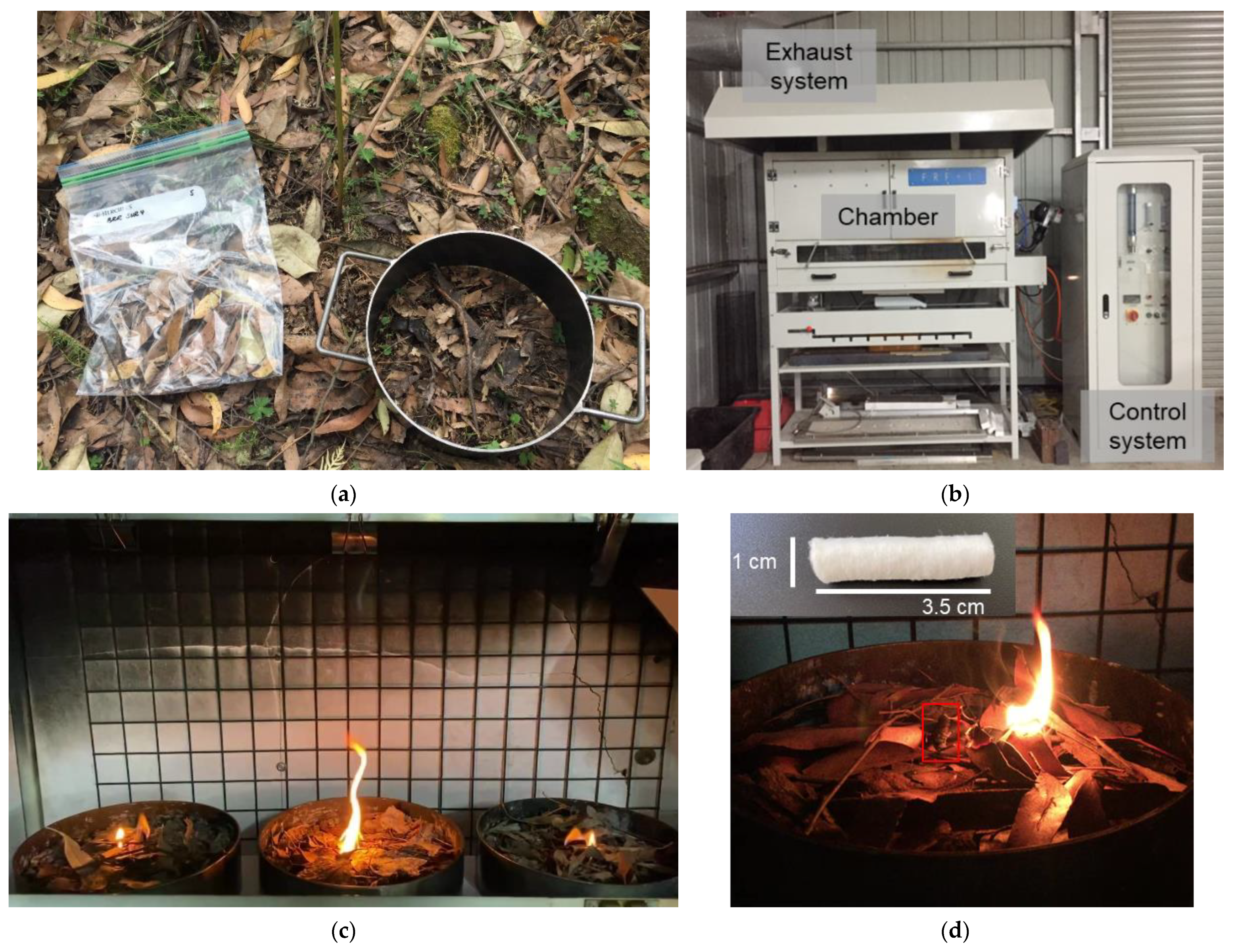
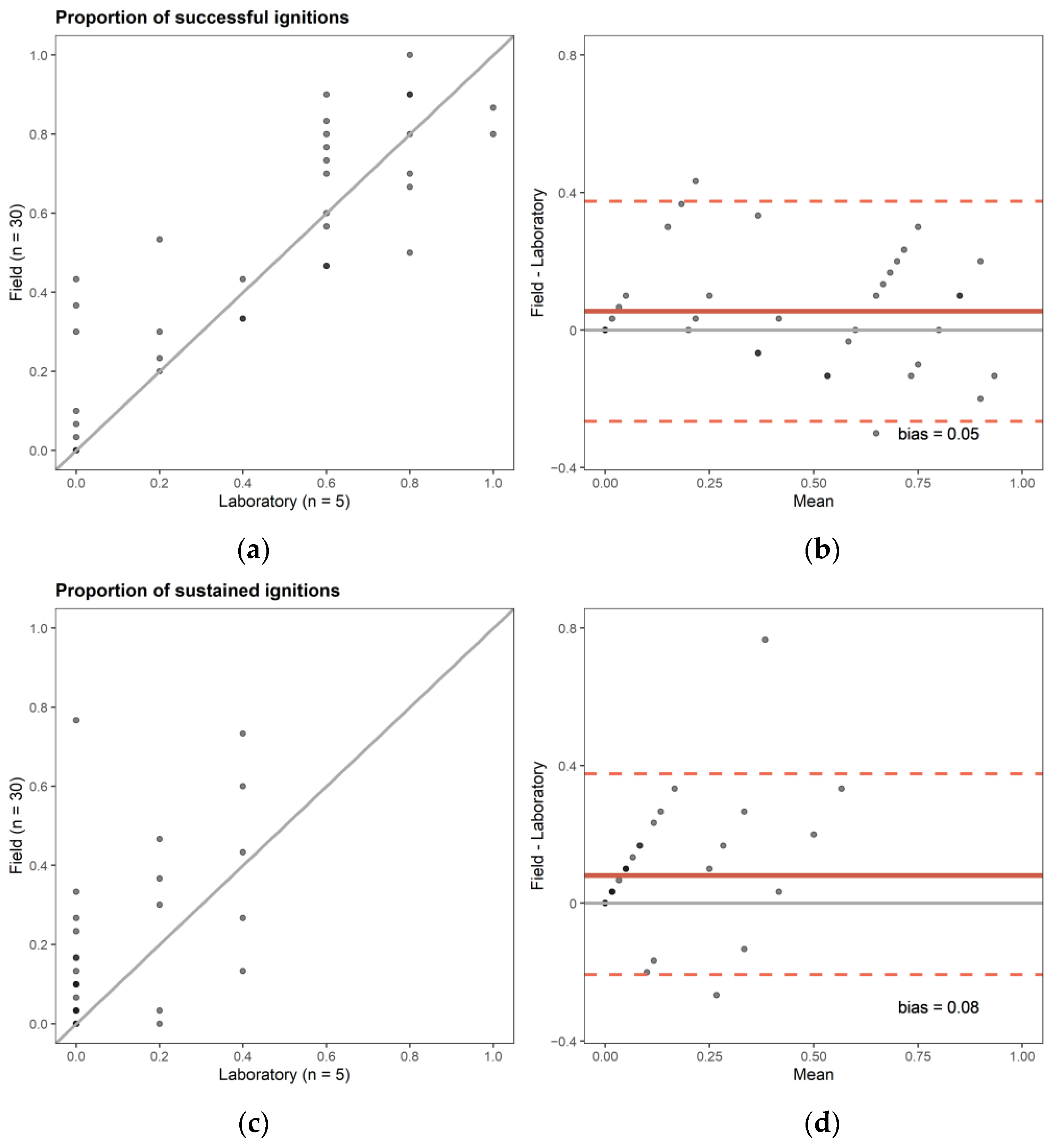
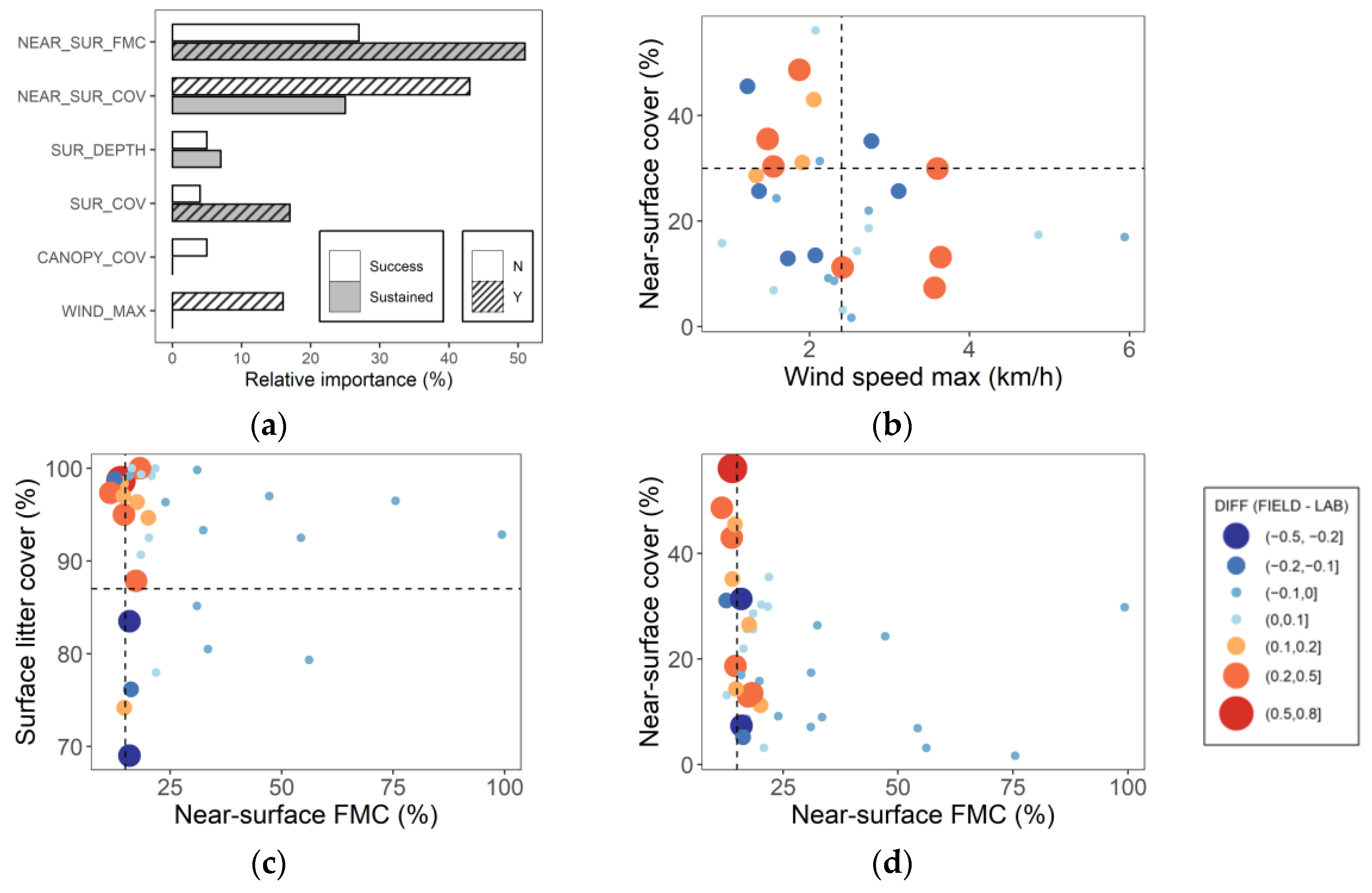
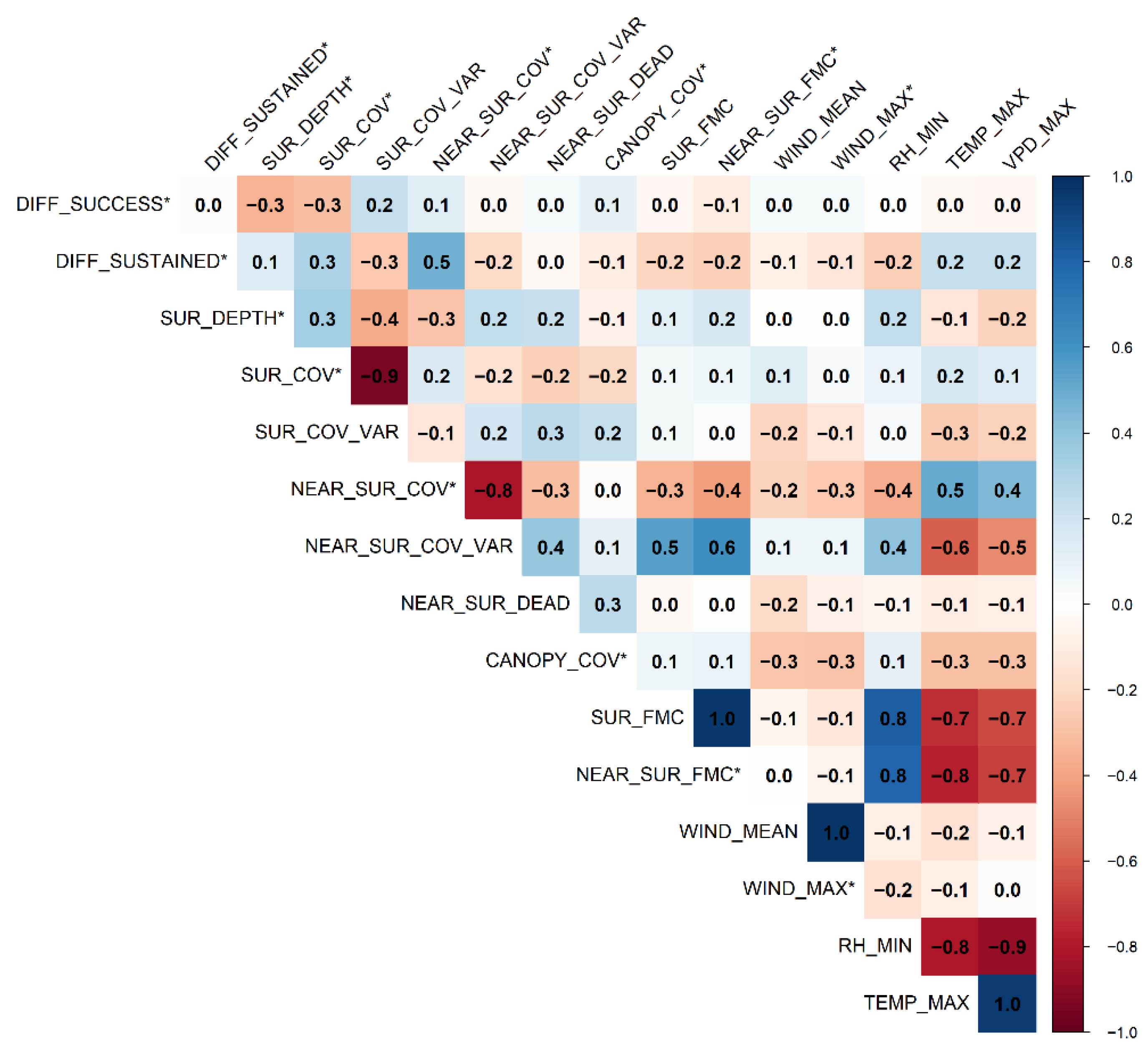
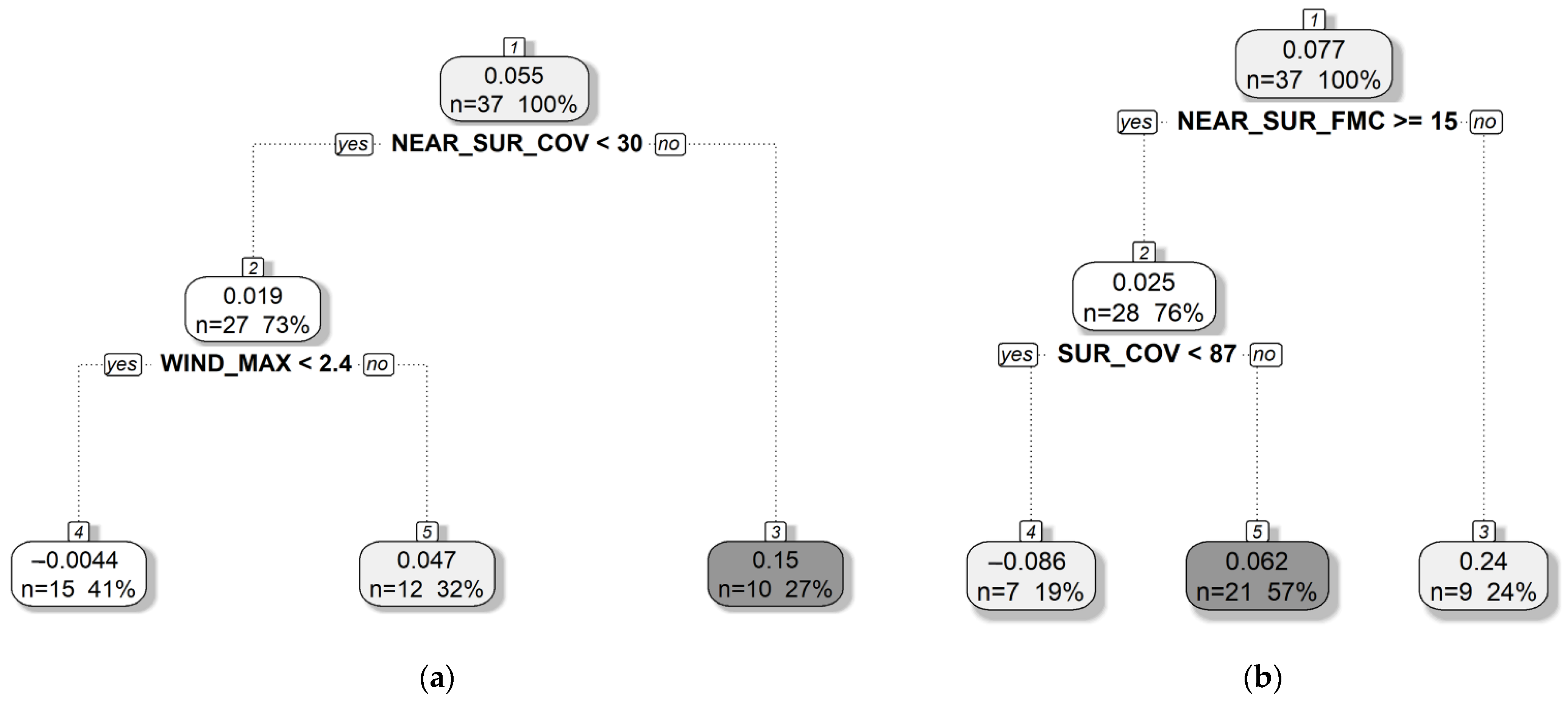
Understanding the conditions when litter beds will ignite from firebrands is critical for predicting spot fire occurrence. Such research is either field- or laboratory-based, with limited analysis to compare the approaches. We examined the ability of a laboratory method to represent field-scale ignitability. The laboratory method involved collecting litter-bed samples concurrently with the field experiments and then reconstructing and burning the litter-bed samples in the laboratory. We measured the number of successful and sustained ignitions in the laboratory (n = 5) and field (n = 30 attempts). The laboratory and field results were more similar for successful (bias = 0.05) than sustained ignitions (bias = 0.08). Wind, fuel structure (in the field) and near-surface fuel moisture influenced the differences between the methods. Our study highlights the value in conducting simultaneous laboratory and field experiments to understand the scalability of laboratory studies. For our ignitability method, our results suggest that small-scale laboratory experiments could be an effective substitute for field experiments in forests where litter beds are the dominant fuel layer and where the cover of the near-surface fuel is low.
Keywords: fire behaviour; fire risk; firebrands; spot fires; ignition; litter beds; surface fuel; wildfires fire behaviour; fire risk; firebrands; spot fires; ignition; litter beds; surface fuel; wildfires